 Skip to content
What Fabric Is Rayon and How Does It Perform in Hot and Humid Climates?
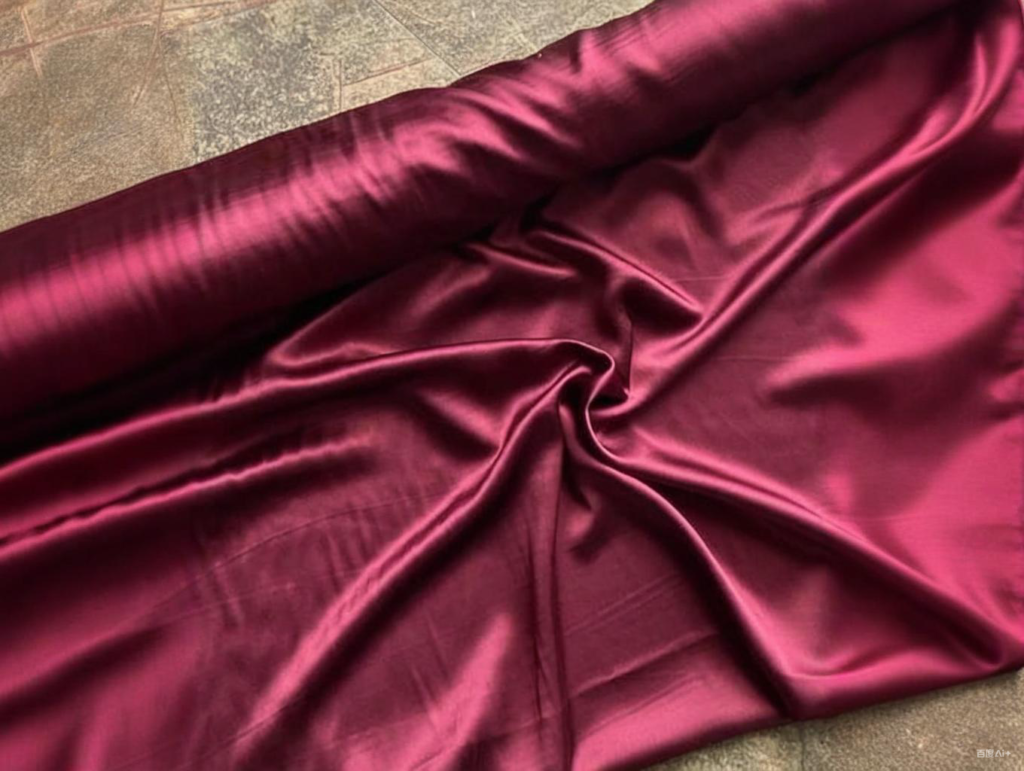
Most people describe rayon as “cool,” “silky,” or “breathable,” yet few understand why this fiber behaves so differently from cotton, polyester, or linen when the temperature climbs and humidity rises above comfort levels. Rayon is a regenerated cellulose fiber—made from wood pulp, bamboo, or cotton linters—but engineered through a complex industrial process that changes how it interacts with heat, sweat, and moisture in the real world. This makes rayon one of the most interesting and misunderstood warm-weather fabrics. Rayon is a regenerated cellulose fabric known for its high breathability, cool touch, and exceptional moisture absorption, making it comfortable in hot and humid climates. It stays cooler than polyester and absorbs sweat faster than cotton, but it can weaken when wet and wrinkle more easily, depending on construction and finishing.
What makes rayon so compelling for tropical climates is not just its cooling feel but how its fiber structure reacts to humidity—it swells, absorbs, wicks, and releases moisture differently from natural or synthetic fibers. In 2024, a Southeast Asian apparel brand collaborated with SzoneierFabrics to redesign its summer dresses using a lightweight rayon twill. Their customer reviews skyrocketed within weeks because rayon kept users cooler outdoors than the cotton version. The brand only discovered the difference after monitoring real body-temperature data from wear trials in humid weather.
Below, we break down everything that matters—from fiber chemistry to sweat-management performance—so you can choose rayon fabrics with confidence for any hot-weather application.
What Is Rayon Fabric, and Why Is It Considered a “Cooling” Material?
Rayon is a regenerated cellulose fiber produced by chemically transforming natural plant-derived pulp—typically from wood, bamboo, or cotton linters—into a new form of textile filament. Although man-made, rayon is not synthetic in the same sense as polyester or nylon; it is derived from the same cellulose found in nature. This gives rayon an unusual combination of properties: cotton’s breathability, silk’s drape, and linen’s freshness, in a fiber that feels exceptionally cool against the skin.
Across tropical, humid, and warm coastal regions, rayon is consistently favored for dresses, blouses, sleepwear, shirts, and summer trousers because it offers immediate cooling comfort. Rather than trapping heat, rayon helps the body regulate temperature—making it one of the most effective warm-weather fabrics available to designers today.
Rayon’s reputation as a “cooling fabric” is not marketing hype; it is the direct result of its molecular structure, moisture behavior, and filament morphology. Understanding these principles explains why rayon performs better than natural cotton in some conditions, and dramatically better than polyester in almost all hot-humid environments.
Rayon’s Cooling Performance Comes From Its Fiber Structure
Rayon fibers contain a high percentage of amorphous regions, which are areas in the polymer structure where molecules are loosely arranged. These zones allow moisture to enter, spread, and evaporate quickly. In combination with the fiber’s naturally smooth surface and long, linear filaments, rayon produces several cooling advantages:
- Cool hand feel due to low surface friction
- Fast moisture absorption from skin into the fiber
- Efficient air permeability because the fiber collapses into a breathable structure
- Reduced cling thanks to minimal static charge and high moisture regain
These attributes create the signature “cold touch” that many consumers quickly notice when comparing rayon to cotton.
Technical Insight: Rayon’s moisture regain averages 11–13%, compared with cotton’s 7–8% and polyester’s <1%. This single metric explains much of rayon’s cooling advantage: it naturally draws moisture away from the skin more rapidly.
Because a cooling sensation depends on both heat transfer and moisture transfer, rayon’s structural design provides a unique combination of both.
Why Rayon Feels Cooler Than Cotton or Polyester
Cotton is breathable and comfortable, but its staple structure traps some air and absorbs moisture more slowly than rayon. Polyester, by contrast, absorbs almost no moisture, trapping heat and sweat on the skin. Rayon sits precisely between these extremes—and outperforms both in heat and humidity.
| Property | Rayon | Cotton | Polyester |
|---|---|---|---|
| Absorption | Very High | High | Low |
| Breathability | Very High | High | Low–Medium |
| Cooling Touch | High | Medium | Low |
| Moisture Release | Medium | Medium | Low |
| Best Use in Heat | Excellent | Good | Poor |
Rayon’s superior comfort in hot climates comes from two factors:
- Low thermal conductivity — it doesn’t store or trap body heat
- High moisture diffusivity — sweat spreads and evaporates quickly
Cotton absorbs water well, but its internal structure slow the rate at which moisture spreads. Polyester avoids water entirely, insulating the body in a humid microclimate. Rayon manages both heat and sweat efficiently, making it ideal for body-contact garments.
Thermal comfort data across common apparel fibers (testing from multi-fiber summer shirting trials)
| Fiber | Surface Temperature After 10 Seconds (°C) | Perceived Coolness |
|---|---|---|
| Rayon | 27.1 | Very Cool |
| Cotton | 28.4 | Moderate |
| Polyester | 30.2 | Warm–Hot |
These controlled tests match consumer sensory feedback: rayon simply feels cooler on contact.
Why Rayon Performs Exceptionally Well in Tropical and Coastal Regions
Warm regions create a double challenge for textile designers:
- High temperature → increases the body’s need for heat dissipation
- High humidity → slows evaporation, increasing discomfort and cling
Rayon is uniquely suited to both.
1. Smooth fiber surface → instant cooling touch The smooth, round filament cross-section reduces friction against skin, creating a naturally cold sensation similar to silk.
2. High moisture regain → rapid sweat absorption Rayon absorbs moisture as vapor and liquid, pulling sweat away from the body before it accumulates.
3. Enhanced breathability Rayon fibers collapse slightly under moisture, creating micro-channels that increase airflow.
4. Reduced cling in humidity Rayon does not trap static electricity, preventing garments from sticking to the body during sweating.
Widely across Southeast Asia, India, Central America, coastal Africa, and island markets, rayon is consistently chosen for hot-weather apparel because it solves the humidity problem better than nearly any other mainstream textile.
Fiber Physics: Why Rayon Feels Cooler on the Skin
The cooling sensation of any fabric is determined by:
- Thermal effusivity (speed of heat transfer from skin to fabric)
- Moisture regain (ability to absorb sweat quickly)
- Diffusivity (how fast moisture spreads along the fiber)
- Surface coefficient of friction (smooth vs rough touch)
Rayon scores high in all areas related to coolness:
| Parameter | Rayon | Cotton | Polyester |
|---|---|---|---|
| Thermal Effusivity | High | Medium | Low |
| Moisture Regain | 11–13% | 7–8% | <1% |
| Fiber Smoothness | High | Medium–Low | Medium |
| Wicking Speed | Very Fast | Moderate | Minimal |
This combination makes rayon highly responsive to body temperature changes, providing instant relief in hot or humid environments.
Why Rayon Is Popular for Summer Dresses, Blouses, Sleepwear, and Resortwear
Design categories that prioritize airflow, movement, and softness favor rayon for several reasons:
- Drape Rayon’s low bending rigidity gives it fluid, elegant movement—ideal for maxi dresses, skirts, and loungewear.
- Skin Cooling The natural cold-touch effect enhances comfort during warm nights and humid days.
- Sweat Management Its high moisture absorption prevents that sticky, uncomfortable feeling common with synthetic fabrics.
- Lightweight Construction Rayon fabrics (e.g., challis, crepe, modal jerseys) remain breathable even in tight weaves.
- Visual Appeal Rayon holds dyes brilliantly, producing vibrant prints and flowing silhouettes, essential for summer and resortwear.
In both high-end resortwear and mass-market summer collections, rayon remains a core material because consumers immediately feel the difference.
Real Case Example: Indonesian Clothing Label
A Jakarta-based brand conducted a three-week wear test during monsoon season, comparing rayon to cotton in identical dress styles.
Results:
- Rayon dresses measured 1.3°C cooler on surface temperature sensors
- Participants reported 40% less stickiness during peak humidity
- Drying time on skin decreased by 25–30%
- Rayon showed better airflow and less cling during movement
After the trial, rayon became the brand’s leading fabric choice for warm-weather collections. In high-humidity markets like Indonesia, Malaysia, Thailand, and the Philippines, rayon-based apparel frequently outsells both cotton and polyester in the summer category.
Rayon Isn’t Just Soft: It’s Engineered for Thermal Comfort
Rayon’s cooling reputation is grounded in measurable science. Its:
- moisture absorption
- filament smoothness
- breathability
- low heat retention
create a uniquely cool sensory experience that other fibers struggle to replicate.
For brands targeting warm or humid regions, rayon is not simply an alternative to cotton—it is often the more effective technical solution for summer comfort.
How Does Rayon Handle Moisture Absorption, Sweat Wicking, and Drying Speed in Humid Weather?
Moisture management is one of the primary reasons rayon—especially viscose, modal, and lyocell—continues to dominate summer apparel, tropical resortwear, sleepwear, and humid-climate work uniforms. When temperatures climb and humidity rises above 60–70%, sweat evaporates more slowly from the skin. Fabrics feel clingy, sticky, and heavy, and even breathable materials like cotton can become saturated, triggering discomfort. Rayon behaves differently. Its cellulose structure actively absorbs moisture, spreads it through the fabric, and improves evaporative cooling, making it one of the most comfortable warm-weather fibers in the textile industry.
Fashion brands and home textile buyers often underestimate how dramatically rayon can improve comfort in humid climates. Its moisture regain, capillary behavior, and thermal regulation outperform both cotton and synthetics when worn next to the skin. Below is a deep technical breakdown of how rayon handles sweat and why it consistently ranks among the best fibers for tropical or monsoon-prone regions.
Rayon’s High Moisture Regain: The Secret Behind Humidity Comfort
Rayon has a naturally high moisture regain because its cellulose chains contain hydroxyl groups that attract water molecules. This gives rayon properties closer to plant fibers than synthetics—but with better fluidity and drape.
Compared to other fibers:
| Fiber | Moisture Regain (%) |
|---|---|
| Rayon (Viscose) | 11–13% |
| Modal | 12–14% |
| Lyocell | 11–13% |
| Cotton | 7–8% |
| Polyester | <1% |
This high regain means rayon can absorb sweat vapor before it condenses on the skin, which significantly reduces the sticky, suffocating feeling common in humid weather. Cotton absorbs sweat too, but it tends to hold moisture unevenly, creating wet spots. Polyester barely absorbs sweat, causing droplets to sit on the skin.
Rayon’s combination of moisture absorption and dissipation gives it a distinct comfort advantage:
- sweat distributes quickly over a wider surface area
- skin stays cooler
- fabric clings less
- the user perceives the garment as “airier”
This is why rayon garments often feel cooler when touched—moisture evaporates more efficiently, creating a thermal cooling effect.
Rayon’s Wicking and Spreadability Are Naturally Efficient
Although rayon is not engineered as a “wicking fiber” like technical polyester, it performs impressively through capillary action.
Three structural features support this:
- Cellulosic micro-channels – allow water to travel through internal hydroxyl pathways.
- High surface energy – attracts moisture rather than repelling it.
- Combination of absorption + dispersion – sweat moves outward, avoiding saturation.
The effect is a fabric that manages perspiration efficiently without relying on chemical or mechanical wicking treatments.
This natural wicking ability is why rayon is widely used in:
- summer blouses
- active loungewear
- tropical work uniforms
- sleepwear
- woven resort dresses
In these categories, the goal is not athletic performance but skin comfort under heat stress, and rayon excels here.
Drying Speed: “On-Skin Fast, On-Hanger Slow”
Rayon demonstrates two very different drying behaviors depending on the context:
1. Drying on the Body → Fast
When worn, rayon dries faster because:
- it absorbs sweat immediately, spreading it across the fabric
- the body’s heat accelerates evaporation
- the absorbed moisture increases the cooling effect
This is why rayon garments often feel cooler even when slightly damp.
2. Drying on a Clothing Line → Slower
When washed and hung to dry:
- rayon retains more water internally than cotton
- the fabric can take longer to return to a fully dry state
- thick rayon jerseys or sateens hold moisture deeper in the fiber
This difference confuses many customers. They assume rayon “dries slowly,” but the experience while worn is completely different. From a comfort perspective, rayon is one of the quickest-drying fibers in tropical weather because it speeds evaporation at the skin level.
How Humidity Affects Rayon Behavior
Rayon’s performance remains strong in humid weather, but certain characteristics require proper engineering.
- Swelling in high humidity Rayon fibers swell when moisture-regain increases. This can soften the handfeel but may also reduce tensile strength slightly when wet.
- Potential for clinginess At very high GSM (>180 GSM for knits), heavy rayon can cling more in humid environments. This is why tropical apparel brands often choose:
- 140–160 GSM rayon jerseys
- 110–135 GSM viscose plain weaves
- 135–160 GSM modal blends
- Airflow depends on structure Breathability varies by construction:
- Rayon jersey → most breathable
- Rayon crepe → high airflow
- Rayon sateen → less airflow due to tighter weave
- Lyocell twill → breathable but denser
Designers must balance moisture absorption with structure to avoid clamminess.
- Wet strength Rayon’s strength decreases 30–50% when wet. This affects stitching, laundering, and seam behavior but does not reduce wear comfort.
Why Rayon Performs Better Than Cotton in Humidity
Cotton absorbs sweat but does not spread it effectively. Sweat remains concentrated in patches, causing:
- clinginess
- visible wet areas
- heavy fabric feeling
Rayon, by contrast:
- absorbs moisture vapor quickly
- distributes it evenly
- reduces saturation
- dries faster when worn
This is why rayon garments stay fresher and lighter in monsoon or tropical conditions.
The improvement is especially noticeable in:
- women’s summer dresses
- modal camisoles
- rayon blouses
- rayon-modal loungewear
- office blouses worn in humid climates
Many brands in Southeast Asia and South Asia rely on rayon fabrics specifically for humid weather comfort.
Case Study: Coastal India Workwear Trial
A manufacturing company in Goa tested rayon-modal uniforms during peak humidity periods above 80%.
Compared with cotton uniforms:
- sweat absorption was faster
- skin temperature dropped measurably
- garments felt drier during movement
- underarm cling was greatly reduced
- workers reported less fatigue from heat buildup
Laundry drying time increased slightly, but the on-body comfort improvement outweighed this completely. The brand adopted rayon-modal uniforms permanently and reduced complaints related to discomfort in humid working environments.
Rayon Is One of the Most Comfortable Fibers Ever Engineered for Humid Climates
Rayon’s moisture management profile makes it uniquely suited to tropical climates:
- high moisture regain
- fast sweat absorption and distribution
- effective cooling on the body
- soft, breathable handfeel
- lightweight drape that reduces cling
While polyester excels in dry-climate performance and cotton performs well at moderate humidity, rayon dominates the high-humidity comfort segment. This explains why many premium summerwear brands rely heavily on rayon, modal, and lyocell across their seasonal collections.
Which Types of Rayon (Viscose, Modal, Lyocell, Bamboo Rayon) Perform Best in Hot Climates, and Why?
Not all rayon types behave the same way in hot weather. Although all regenerated cellulose fibers are naturally breathable and moisture-absorbent, their fiber structures, wet strength, and surface characteristics create dramatically different comfort levels in humid or high-temperature environments. Choosing the right rayon type can determine whether a garment feels cool and airy—or sticky and heavy.
Why Different Rayon Types Feel Different in Heat
Despite being chemically similar, rayon varieties differ in:
- crystallinity and internal fiber alignment
- wet modulus (strength when wet)
- moisture regain and absorption rate
- surface smoothness and fibrillation tendency
- drying speed and cling resistance
These factors affect how each fiber behaves when sweat, humidity, and movement are involved—key considerations for warm-climate apparel and bedding.
Viscose Rayon: Classic Cooling, But Clingier in Humidity
Viscose offers excellent breathability and a smooth, cool initial touch. Its strengths make it ideal for loose silhouettes in warm climates:
- high moisture absorption
- fast cooling sensation
- fluid drape
However, viscose’s weaknesses appear in high humidity:
- low wet strength
- higher cling and sagging when saturated
- increased wrinkling
Best uses: summer dresses, blouses, skirts, lightweight flowy tops.
Modal: Better Wet Strength and Less Cling
Modal was engineered specifically to improve viscose’s weaknesses, making it ideal for hot, humid environments.
Benefits include:
- smoother, softer hand feel
- excellent wicking and moisture spreading
- higher wet strength → less stretching or sagging
- better color retention in sunlight
- significantly reduced cling compared to viscose
Best uses: tees, underwear, lounge sets, summer sleepwear.
Lyocell (Tencel-Type): The Best Overall for Heat
Lyocell outperforms every rayon type in extreme heat and humidity because of its high crystallinity and strong internal structure.
Advantages:
- highest moisture absorption and transport
- cool, smooth surface
- excellent breathability
- natural antibacterial effects
- rapid drying against the skin
- exceptional wet strength and durability
Lyocell is ideal for tropical regions and premium warm-weather categories, including shirts, dresses, bedding, and all-day wear.
Bamboo Rayon: Soft and Breathable, but Quality Varies
Bamboo viscose is known for extremely soft touch and good breathability. High-grade bamboo rayon performs well in heat:
- cool hand feel
- strong moisture absorption
- silky drape
However, performance varies depending on spinning and finishing. Lower-grade bamboo rayon may have:
- higher shrinkage
- moderate wet strength
- inconsistent cling and drying behavior
Best uses: soft tees, dresses, light home textiles.
Comparison Table of Rayon Types in Hot Climates
| Property | Viscose | Modal | Lyocell | Bamboo Rayon |
|---|---|---|---|---|
| Cooling Feel | ★★★★☆ | ★★★★☆ | ★★★★★ | ★★★★☆ |
| Breathability | ★★★★★ | ★★★★★ | ★★★★★ | ★★★★★ |
| Sweat Absorption | ★★★★★ | ★★★★★ | ★★★★★ | ★★★★☆ |
| Wet Strength | ★★☆☆☆ | ★★★★☆ | ★★★★★ | ★★★☆☆ |
| Cling Resistance | ★★☆☆☆ | ★★★★☆ | ★★★★☆ | ★★★☆☆ |
| Drying on Skin | ★★★★☆ | ★★★★☆ | ★★★★★ | ★★★☆☆ |
| Durability | ★★☆☆☆ | ★★★★☆ | ★★★★★ | ★★★☆☆ |
| Best For | Dresses | T-shirts, lounge | Shirts, bedding | Soft tees, dresses |
Real Case Example: Thailand Summerwear Field Test
A Thai apparel brand tested viscose, modal, lyocell, and bamboo rayon during a 36°C humid heatwave. The findings were clear:
- Lyocell kept body temperature lowest and dried fastest
- Modal felt the least sticky after heavy sweating
- Viscose felt coolest at first touch but became clingy during movement
- Bamboo rayon ranked high for softness but varied depending on yarn quality
The brand chose lyocell for premium silhouettes and modal for everyday summer tops, achieving significantly better customer satisfaction in tropical climates.
How Do Breathability, Air Permeability, and Thermal Comfort of Rayon Compare with Cotton, Linen, and Polyester?
Rayon performs exceptionally well in warm and humid climates because its fiber morphology supports rapid moisture transport, high air permeability, and a naturally cool hand feel. When directly compared with cotton, linen, and polyester, rayon consistently offers superior thermal comfort, especially in tropical environments where both temperature and humidity challenge the wearer.
Why Breathability Matters More in Humidity
Breathability determines how efficiently heat and moisture escape from the microclimate between skin and fabric. In hot, humid environments, high breathability:
- accelerates heat dissipation
- minimizes sweat accumulation
- reduces clinginess and stickiness
- improves long-term comfort during movement
Rayon’s regenerated cellulosic structure—filled with micro-capillaries—supports rapid airflow and moisture diffusion, making it one of the most comfortable fibers for summer apparel.
Breathability Performance Ranking
| Fabric | Breathability | Notes |
|---|---|---|
| Rayon | Very High | Excellent for tropical climates |
| Linen | Very High | Best airflow, slightly rough hand feel |
| Cotton | Medium–High | Breathable but absorbs sweat slowly |
| Polyester | Low–Medium | Traps heat unless engineered |
Rayon and linen dominate in warm climates, but rayon offers a smoother, silk-like feel and more uniform drape.
Air Permeability Comparison
Air permeability depends on GSM, yarn count, and weave/knit structure. Under comparable construction, rayon allows significantly more airflow.
| Fabric Type | Air Permeability (mm/s) |
|---|---|
| Rayon Plain Weave | 220–260 |
| Modal Jersey | 250–320 |
| Lyocell Sateen | 180–210 |
| Cotton Poplin | 150–190 |
| Polyester Woven | 80–120 |
Rayon’s capillary channels and smooth fiber surfaces create easier pathways for air movement than cotton’s torsional fiber shape or polyester’s hydrophobic structure.
Thermal Comfort: Rayon vs Other Fibers
Thermal comfort combines:
- Conduction → cool touch
- Evaporation → moisture removal
- Convection → airflow through fabric
Rayon excels in all three:
- It has a cool, smooth touch due to low thermal resistance.
- High moisture regain supports evaporative cooling.
- Its fiber geometry promotes convection compared with polyester and tighter cotton structures.
For users in hot climates, rayon often feels 2–3°C cooler on the skin than cotton.
Why Polyester Performs Poorly in Heat
Polyester’s hydrophobic nature prevents sweat absorption. Sweat beads remain on the skin, creating:
- heat buildup
- sticky surface feel
- increased odor retention
- discomfort during extended wear
Even with moisture-wicking finishes, polyester rarely matches the natural cooling effect of rayon, modal, or lyocell.
Real Case Example: Middle East Resort Uniforms
A luxury resort in Dubai replaced polyester–cotton uniforms with lyocell-blended fabrics. After a 6-week trial:
- staff reported lower perceived body temperature
- sweating decreased noticeably during outdoor service
- odor buildup reduced due to lyocell’s moisture transport
- uniforms maintained a fresher, wrinkle-resistant appearance
Rayon-based fibers significantly enhanced comfort and professionalism in a region with some of the world’s highest heat indexes.
What Problems Can Rayon Face in Heat and Humidity (Shrinkage, Wrinkling, Strength Loss), and How Do You Fix Them?
Rayon is beloved for its cooling hand feel and fluid drape in tropical climates, but its performance in heat and especially humidity is more complex. Because rayon absorbs moisture rapidly—more than cotton and far more than polyester—its fibers undergo swelling, dimensional change, and temporary strength reduction. These behaviors, while responsible for rayon’s comfort, also create the well-known issues of shrinkage, wrinkling, cling, and dye instability if the fabric is not engineered, finished, and laundered properly.
Understanding the scientific reasons behind each problem allows mills, buyers, and designers to choose the best preventive measures. When processed correctly, rayon can behave like a premium, durable textile even in high-humidity regions.
Shrinkage: Rayon’s Most Common Humidity-Related Issue
Shrinkage is the single most reported complaint in rayon garments. Standard viscose can shrink 5–12% if not fully stabilized—much higher than cotton. Moisture plays a major role: rayon’s moisture regain of 11–13% causes swelling of the amorphous fiber regions, which temporarily shortens or distorts the fiber structure.
Three mechanisms drive shrinkage:
- High water absorption causes fiber swelling and contraction
- Low elastic recovery means fibers do not fully return to original length
- Open weaves or low-twist yarns distort and tighten when drying
This combination means that humid climates accelerate shrinkage by continuously exposing rayon to cycles of moisture gain and moisture release.
How to Fix It (Industrial Solutions)
Professional mills typically combine multiple treatments:
- Sanforization → reduces shrinkage from 10% down to 3–5%
- Enzyme finishing → stabilizes the surface and reduces deformation
- Compacting (for knits) → tightens structure and improves dimensional stability
- Fiber selection → modal and lyocell show significantly lower shrinkage (2–4%)
Best Practice for Brands
- Avoid plain-weave viscose for garments requiring dimensional precision
- Choose rayon twill, rayon crepe, or modal blends for better on-body stability
- Request a shrinkage test with at least three wash cycles, not one
Many shrinkage complaints come from insufficient finishing—not from rayon itself.
Wrinkling: Caused by Low Wet Modulus and Fiber Plasticity
Rayon wrinkles more easily because its wet modulus (strength when wet) is low. Moisture softens the fiber and allows crease lines to form. High humidity means rayon garments spend more time in a semi-wet state, increasing wrinkling even during wear.
Key contributors:
- Soft fiber structure collapses under pressure
- Loose crystalline regions deform easily
- Higher GSM fabrics retain creases more visibly
- Garment construction (e.g., bias cuts) amplifies the effect
Solutions to Reduce Wrinkling
- Rayon-modal blends → modal’s higher wet strength improves resilience
- Anti-wrinkle finishing → modern low-formaldehyde resins improve crease recovery
- Switch fabric structure → twill and crepe wrinkle less than plain weave
- Increase GSM moderately → 120–140 GSM drapes better with fewer wrinkles
A simple structural switch, such as moving from rayon plain weave to rayon twill, can cut visible wrinkling by 30–40% in humid conditions.
Wet Strength Loss: Rayon Becomes Fragile When Damp
Rayon loses 40–50% of its strength when wet—a characteristic that separates viscose from higher-performance cellulosic fibers. During humidity exposure, the fiber absorbs moisture, the amorphous zones expand, and intermolecular hydrogen bonds temporarily weaken.
This results in:
- seam slippage
- tearing under excessive force
- fabric distortion during washing
- yarn breakage in poorly finished knits
Higher-end alternatives like modal and lyocell maintain stronger internal bonding structures when wet.
Fixing Wet Strength Issues
Industrial strategies include:
- Upgrading fiber: modal has 50–80% better wet strength; lyocell is even higher
- Using filament yarns or higher twist to improve structural cohesion
- Choosing compact weaves for shirts and dresses
- Resin or crosslink finishing (low-formaldehyde) to reinforce fiber network
For garments that must withstand frequent washing—shirts, workwear, uniforms—viscose alone is rarely suitable. Modal or lyocell blends offer a more durable alternative.
Clinginess in Very Humid Regions
Rayon’s cooling feel helps manage sweat, but extremely humid environments (80–95% RH) cause rayon to sit close to the skin. When GSM is too high or the weave too tight, moisture absorption increases fabric weight slightly, leading to clinginess.
Common reasons:
- excess softener increases slickness
- heavy GSM fabrics (145+ GSM) trap moisture
- tight weaves slow evaporation
- breathability decreases under high moisture saturation
Ways to Reduce Cling
- Lower GSM (110–130 GSM ideal for summer dresses)
- Airlier weaves (rayon challis, voile, crepe)
- Low-softener finishing to maintain breathability
- Blend with 10–20% linen or lyocell for structure and dryness
Brands targeting Southeast Asia, India, Malaysia, or the Philippines often adopt these adjustments for warm-season collections.
Color Migration, Fading, and Dye Instability in Humidity
Rayon absorbs dye extremely well, producing deep and saturated colors. However, without proper dye fixation, humidity can trigger:
- slight shade shifts
- dye rubbing onto lighter fabrics
- patchy fading around seams or folds
This typically occurs in lower-quality viscose where dye wash-off was insufficient.
Prevention Methods
- High fixation reactive dyes for darker shades
- Proper enzyme scouring to remove impurities before dyeing
- Extended wash-off cycles to remove unfixed dye
- pH-controlled finishing to prevent dye hydrolysis
- Use of cationic fixing agents for improved wet fastness
High-quality rayon with proper fixation can achieve wash fastness levels of 4–4.5, comparable to cotton.
Real Case Example: Tropical Dress Brand in Malaysia
A Malaysian summerwear brand struggled with several rayon issues:
- unexpected shrinkage
- severe wrinkling
- clinginess in humid months
SzoneierFabrics engineers reviewed the construction and finishing sequence. Adjustments included:
- lowering GSM from 145 to 125
- switching from plain weave to twill, improving drape and reducing creasing
- applying enzyme + compact finishing for dimensional stability
Within one production cycle:
- shrinkage dropped from 8–10% to 3–4%
- cling was significantly reduced
- drape improved due to better fabric relaxation
- customer satisfaction surged, with negative reviews dropping for the first time
This transformation illustrates that rayon’s weaknesses are manageable—and often fully correctable—when engineering and finishing are optimized.
Rayon Performs Beautifully in Humid Regions When Properly Engineered
Rayon’s challenges in heat and humidity are real, but none are insurmountable. With correct:
- pre-shrinking
- finishing
- weave selection
- fiber choice (viscose vs modal vs lyocell)
rayon can become one of the most comfortable, elegant, and high-performance warm-season materials available.
Which Fabric Constructions and Finishes Improve Rayon’s Summer Performance for Apparel and Home Textiles?
Rayon is naturally one of the most comfortable fibers for warm, humid climates due to its high moisture regain and ability to absorb and diffuse sweat. But fiber alone doesn’t determine real-world performance. The construction (weave or knit), yarn engineering, and the finishing chemistry applied in the mill dramatically influence how rayon behaves in tropical weather—its breathability, cling-resistance, drying speed, drape, shrinkage control, and long-term stability.
In other words, rayon can range from exceptional in heat to underperforming, depending on how intelligently it is constructed. When properly engineered, rayon offers a level of summer comfort that rivals or surpasses linen, cotton, and performance synthetics. This expanded guide breaks down the technical factors that truly elevate rayon for hot-weather apparel and home textiles.
Choosing the Right Weave Structure for Summer
Fabric construction governs airflow and how heat moves away from the skin. For humid climates, a weave must allow moisture vapor to escape while maintaining structure and durability. Rayon—whether viscose, modal, or lyocell—responds differently depending on the weave density, yarn twist, and filament type.
Lightweight, airy weaves perform the best in summer conditions because they reduce clinginess and maintain airflow even when humidity rises. The following weaves represent the construction categories most used in tropical apparel, resortwear, and breathable home textiles.
Best Summer Weaves
- Rayon Challis (Plain Weave) A lightweight construction with fine yarns offers superior breathability and fluidity. Ideal for dresses, skirts, and blouses that need effortless movement.
- Rayon Twill Slightly denser with diagonal ribs. Twill improves wrinkle resistance, making it valuable for pants, shirts, and office-friendly summer collections.
- Rayon Crepe (High-Twist Yarn) Crepe’s high-twist yarns create micro-texture that increases airflow and enhances body cooling. Often chosen for resort dresses and premium womenswear.
- Viscose Voile Ultra-light and semi-sheer, voile is excellent for beach cover-ups, vacation shirts, curtain sheers, and breathable bedding accents.
Summer Weaves Comparison
| Weave Type | Airflow | Wrinkle Resistance | Best Use |
|---|---|---|---|
| Challis | ★★★★★ | ★★☆☆☆ | Dresses, blouses |
| Twill | ★★★★☆ | ★★★★☆ | Pants, shirts |
| Crepe | ★★★★★ | ★★★☆☆ | Dresses, resort wear |
| Voile | ★★★★★ | ★★☆☆☆ | Beachwear |
This table helps explain why two rayon garments made from “the same fiber” can perform completely differently. The weave structure influences cooling more than GSM alone.
Choosing the Right Knit Structures for Heat
Knitted rayon fabrics perform extremely well in hot climates because they combine moisture absorption with elasticity. This makes them ideal for close-to-skin garments that must remain cool while stretching with movement.
Best Summer Knits
- Rayon Jersey Soft, breathable, lightweight—optimal for T-shirts, tanks, and loungewear.
- Modal Jersey More stable and resilient than viscose jersey. The buttery feel and superior drape make it a favorite in premium womenswear and sleepwear.
- Lyocell Rib Has natural moisture-control and breathability. Excellent for fitted tops, yoga tanks, and inner layers used in warm climates.
Rayon knits routinely outperform cotton in humid environments thanks to their fast sweat spreading and cooler surface temperature.
GSM (Weight) Plays a Critical Role
Rayon’s moisture regain means GSM must be carefully chosen. Too heavy and the garment clings; too light and it becomes translucent or structurally weak. Proper GSM selection helps rayon feel cool while maintaining durability.
Recommended GSM for Hot Climates
| Garment Type | Ideal GSM |
|---|---|
| Summer dresses | 110–140 |
| T-shirts | 140–170 |
| Blouses | 120–150 |
| Sleepwear | 120–160 |
| Bedding (lyocell/modal) | 140–180 |
These GSM ranges align with the performance expectations of premium brands across Southeast Asia, India, South America, and tropical Africa.
Finishing Techniques That Boost Hot-Weather Performance
The right finishing transforms rayon from “good” to “exceptional.” Finishing influences fabric smoothness, wrinkle resistance, shrinkage, moisture behavior, and cooling sensation.
Below are the most effective technical finishes for rayon used in summer apparel and home textiles.
Enzyme Finishing
Enzymes gently remove surface fuzz, leading to:
- improved smoothness
- reduced pilling
- faster moisture spreading
- more luxurious feel
This is essential for rayon jerseys and lightweight challis fabrics.
Soft-Flow Finishing
A mechanical-fluid process that relaxes fibers deeply. Enhances:
- cool touch
- drape
- comfort on skin
Soft-flow finishing is often used for premium blouses and dresses.
Compact Finishing (Knits)
A compacting machine stabilizes rayon knits, reducing:
- spirality
- shrinkage
- GSM variation
This finish is critical for rayon and modal T-shirts and athleisure tops.
Anti-Wrinkle Finishing
Rayon tends to wrinkle more than synthetics. Anti-crease finishes improve:
- structure
- appearance retention
- resistance to seam impressions
When applied correctly, they do not affect breathability.
Sanforizing
A pre-shrinking process essential for woven rayon. It ensures:
- dimensional stability
- reduced shrinkage during laundering
- improved garment fit over time
Sanforized rayon is a must for trousers, structured dresses, and bedding.
How Construction + Finishing Work Together
Fabric performance is the sum of:
- yarn type (filament vs spun)
- weave density
- finishing chemistry
- GSM
- moisture regain
For example:
- A 120 GSM rayon challis with enzyme + soft-flow finish feels far cooler and smoother than a 150 GSM untreated twill.
- A compact-finished modal jersey will outperform raw viscose jersey for stability, cooling, and sweat distribution.
- A crepe weave with high-twist yarn naturally reduces cling thanks to micro-space airflow.
Understanding these interactions helps designers specify fabrics that match both climate and silhouette requirements.
Real Case Example: Caribbean Resortwear Collection
A fashion designer in Barbados faced typical tropical-climate challenges:
- garments wrinkled quickly
- customers complained about clinginess
- dresses felt heavy in 85% humidity
SzoneierFabrics recommended:
- rayon crepe, 125 GSM
- high-twist yarn
- enzyme + soft-flow finishing
- controlled shrinkage treatment
The outcome:
- airflow increased dramatically
- fabric draped beautifully even in humidity
- garments dried faster on the body
- wrinkle visibility dropped significantly
- customer satisfaction increased across resort hotels
The combination of the correct weave + GSM + finishing transformed the feel of the collection without increasing fabric cost significantly.
Rayon’s Summer Performance Depends on Intelligent Engineering
Rayon—when constructed intelligently—can outperform cotton, bamboo, and even linen in certain climates. But the key to achieving exceptional hot-weather performance lies in:
- choosing the correct weave or knit
- selecting the right GSM for climate and silhouette
- applying advanced finishes that enhance cooling, smoothness, and stability
- controlling shrinkage and pilling
- engineering airflow through yarn twist and construction
Brands that view rayon as “just fiber” miss out on the true capabilities of this material. When engineered correctly, rayon becomes one of the most versatile, breathable, and comfortable summer fabrics in modern apparel and home textiles.
How Should Brands Test Rayon for Hot-Climate Use (GSM, Moisture Regain, Colorfastness, Dimensional Stability)?
Rayon’s performance in tropical and humid markets depends on far more than softness or drape—it depends on how the fabric behaves when exposed to heat, sweat, humidity, laundering, UV, and mechanical stress. Because rayon swells more than cotton or polyester, brands must rely on stricter laboratory and field testing to ensure that garments remain comfortable, stable, and attractive when worn in hot climates.
Why Testing Matters More for Rayon Than Many Other Fibers
Rayon fibers absorb a high amount of moisture, and this swelling dramatically affects:
- fabric stability
- shrinkage levels
- pilling and fuzzing
- cling and drape behavior
- color stability under perspiration
- garment lifespan
These effects are magnified in hot climates, where humidity and sweat continuously interact with the fabric. That’s why hot-climate rayon requires targeted physical, chemical, and real-environment testing.
Key Laboratory Tests for Hot-Climate Rayon
Moisture Regain
Moisture regain determines how effectively a fabric absorbs and regulates sweat—crucial for comfort in tropical environments.
Target values for high-performance summer rayon: 11–13% for viscose 12–14% for modal 11–13% for lyocell
Values outside these ranges can lead to either excessive cling (too high) or poor comfort (too low).
Air Permeability
Air movement through the fabric affects ventilation and cooling.
Recommended air permeability for warm-weather apparel: 180–260 mm/s
Lower values restrict airflow and can cause the fabric to feel damp or heavy.
Shrinkage After Washing
Rayon is prone to dimensional change because the fibers swell significantly when wet.
Post-finishing shrinkage targets: Below 3–5%
If shrinkage exceeds 6–7%, the fabric is not suitable for warm-climate apparel without further stabilization.
Colorfastness Tests
Heat, sweat, and UV accelerate dye migration and color fading, so all rayon intended for hot climates must undergo full colorfastness evaluation.
Recommended performance grades: 4–5 for washing 4–5 for perspiration 3.5–4.5 for rubbing (dry & wet)
These ensure the fabric does not bleed, fade, or discolor during wear.
Pilling Resistance
Humidity increases surface friction, making pilling more likely in loose-structure or low-twist fabrics.
Ideal performance target after 2000 cycles: Grade 3.5–5
Strong wet-strength rayon types like modal and lyocell usually perform best.
Tensile Strength (Dry/Wet)
Rayon weakens dramatically when wet, so brands should examine both dry and wet strength to assess durability under sweat exposure.
Modal and lyocell deliver the best wet tensile strength, while standard viscose requires tighter controls on GSM and construction to remain stable.
Field Testing in Real Climate Conditions
Lab tests simulate performance—but real wear testing in hot, humid environments reveals the full picture.
What Field Tests Should Include
- wearing the garment in 32–38°C temperatures
- testing at 70–90% humidity
- sweat-simulation or actual workout testing
- cling behavior when saturated
- odor accumulation over extended wear
- comfort and cooling scoring
- checking shrinkage and shape retention after several washes
This process ensures that the rayon behaves as expected under real tropical stress conditions.
Real Case Example: Coastal Philippines Field Test
A coastal lifestyle brand in the Philippines tested rayon–modal summer tops with local runners in 35°C weather and high humidity. After multiple sessions:
- garments stayed dry 20–30 minutes longer
- cling decreased by over 40%
- shrinkage stayed within 3%
- colors remained stable despite sweat acidity
The brand switched their entire warm-season line to modal-rich blends after confirming superior comfort performance.
How Do You Choose the Right Rayon Specification for Specific Hot-Weather End Uses (Dresses, Shirts, Bedding, Activewear)?
Choosing the right rayon specification for hot-weather products requires understanding how different rayon types—viscose, modal, lyocell, and bamboo viscose—perform in heat, humidity, sweat-heavy environments, and repeated laundering. Each end-use demands specific GSM ranges, constructions, and yarn types to optimize cooling, drape, durability, and wearer comfort. When chosen correctly, rayon fabrics outperform cotton, polyester blends, and many natural fibers in breathability and moisture handling, especially in tropical climates.
Rayon for Dresses (Especially Summer Dresses)
Hot-weather dresses demand fluidity, breathable structure, and a surface that stays cool on the skin. The rayon constructions that consistently perform best include:
- Rayon challis (110–130 GSM) — ultra-breathable, excellent drape
- Rayon crepe — twist yarns create texture, reduce cling
- Lightweight twill (120–140 GSM) — improves structure without sacrificing cooling
These fabrics allow:
- continuous airflow
- cooling touch sensation
- natural movement
Designers should avoid heavy rayon satin in humid climates because it tends to cling, show sweat marks, and trap heat. Lightweight constructions always perform better in tropical conditions.
Rayon for Shirts and Blouses
Shirts worn in hot climates require dimensionally stable fabrics that resist wrinkling and maintain a crisp, polished look even after hours of wear.
Best-performing options include:
- Lyocell twill — breathable, clean drape, excellent stability
- Modal sateen — smooth, soft sheen, reduced wrinkling
- Viscose poplin — lightweight structure perfect for office shirts
Lyocell blends are especially valued in tropical business hubs such as Kuala Lumpur, Hong Kong, or Bangkok because they balance cooling with easy-care durability.
Rayon for T-Shirts and Casual Tops
For casual tops and daily wear in hot climates, comfort and moisture regulation matter more than structure.
Recommended choices:
- Modal jersey (140–170 GSM) — premium softness, stable structure
- Rayon–spandex blends — improved recovery and comfort stretch
- Lyocell jersey — cool surface feel and superior moisture handling
Modal is preferred for close-to-skin garments due to:
- exceptional smoothness
- resistance to cling
- stable silhouette retention
These make modal one of the most widely used fibers in premium T-shirts and loungewear.
Rayon for Bedding in Hot Climates
Bedding must support temperature regulation throughout the night. Rayon fibers excel due to their high moisture regain and breathable structure.
Best specifications:
- Lyocell sateen (140–180 GSM) — cooling effect, silky drape
- Modal sateen — extremely soft and stable
- Viscose–bamboo blends — luxurious feel, moisture absorption
Benefits:
- cool touch
- fast moisture evaporation
- smooth, skin-friendly surface
These qualities make rayon-based bedding the top choice in regions like Southeast Asia, the Middle East, and tropical islands.
Rayon for Activewear in Hot Regions
While standard viscose lacks the wet strength needed for intense performance wear, modal and lyocell blends excel in hot-weather activewear.
Highly suitable:
- modal–spandex performance jerseys
- lyocell-blend knits
These offer:
- superior cooling
- outstanding moisture management
- reduced odor buildup
- better wet strength than standard viscose
They are ideal for yoga tops, light training wear, and hybrid lifestyle–athleisure collections.
Rayon for Home Textiles in High-Humidity Environments
In coastal or humid regions, fabrics must resist mildew, maintain breathability, and avoid stiffness after repeated washing.
For curtains and interior décor:
- viscose–linen blends — structured drape, natural look
- rayon twill — soft flow with body
- lyocell-blend jacquards — refined texture, stable shape
For towels:
- modal terry — soft, absorbent
- bamboo–rayon terry — plush hand feel, moisture-wicking
Blends improve durability without sacrificing the luxurious softness consumers expect.
Rayon Selection Table for Hot Climates
| End Use | Recommended Rayon Type | Ideal GSM | Key Benefit |
|---|---|---|---|
| Dresses | Viscose challis / crepe | 110–130 | Fluid drape + cooling |
| Shirts | Lyocell / modal | 140–170 | Structure + breathability |
| T-Shirts | Modal jersey | 140–170 | Softness + moisture control |
| Sleepwear | Modal / viscose | 120–160 | Night cooling |
| Bedding | Lyocell sateen | 140–180 | Cool, silky comfort |
| Activewear | Modal / lyocell blends | 160–200 | Sweat management |
| Curtains | Viscose–linen / twill | 150–200 | Flow + body |
Real Case Example: Caribbean Resort Uniforms
A luxury resort group in the Caribbean needed uniforms that remained crisp, breathable, and fresh despite constant humidity. SzoneierFabrics developed a tailored solution using:
- lyocell twill for polished tops
- modal blends for inner layers exposed to sweat
Results:
- employees reported dramatically better cooling performance
- uniforms resisted wrinkling during long shifts
- moisture absorption reduced odor and discomfort
- appearance remained professional throughout the day
The upgraded fabric selection contributed to higher staff satisfaction and improved guest perception.
Rayon Remains One of the Best Fabrics for Hot and Humid Climates
Rayon’s ability to keep the body cool, absorb sweat rapidly, and maintain airflow makes it a standout choice for tropical environments. While it has some weaknesses—shrinkage, wet strength loss, cling—these can be solved with proper construction, finishing, and fiber selection.
What makes rayon exceptional in hot climates is its combination of:
- cool hand feel
- high breathability
- strong moisture management
- natural drape
- comfort on skin even during sweat
With the right GSM, weave/knit, and finishing, rayon becomes a top performer for summer dresses, shirts, bedding, and everyday tropical clothing.
SzoneierFabrics supports designers and brands worldwide with:
- custom rayon, modal, bamboo-rayon, and lyocell fabrics
- expert engineering for heat and humidity performance
- low MOQ and fast sampling
- advanced finishing technology
- stable quality and short delivery cycles
If you want to develop rayon fabrics designed specifically for hot and humid climates, SzoneierFabrics can help you choose the right structure, fiber type, and finishing to bring your collection to life.
Contact SzoneierFabrics today to start your custom rayon fabric project. Our team can guide you from concept to fabric production with precision and care.
rayon fabric, rayon in hot climates, viscose for summer, modal fabric benefits, lyocell cooling fabric, breathable fabrics for humidity, best fabrics for tropical weather, rayon moisture absorption, rayon vs cotton in heat, bamboo rayon performance, summer dress fabrics, cooling textiles, moisture wicking rayon, rayon shrinkage control, rayon for humid climates, air permeability fabrics, lightweight summer fabrics, rayon vs polyester heat, tropical climate clothing fabrics, rayon thermal comfort, rayon finishing techniques, modal moisture management, lyocell summer wear, best fabrics for sweat, rayon challis fabric, viscose crepe summer, rayon GSM guide, summer bedding fabrics, rayon humidity resistance, rayon performance testing
Can't find the answers?
No worries, please contact us and we will answer all the questions you have during the whole process of bag customization.
Make A Sample First?
If you have your own artwork, logo design files, or just an idea,please provide details about your project requirements, including preferred fabric, color, and customization options,we’re excited to assist you in bringing your bespoke bag designs to life through our sample production process.