In the ile world, acrylic fiber sits in a fascinating position—it behaves like wool, dyes like cotton, dries faster than polyester, and offers a warmth-to-weight ratio that surprises even experienced designers. Yet many people only know acrylic as “synthetic wool,” unaware that its performance changes dramatically depending on polymer composition, spinning method, crimping structure, and even dye chemistry. As lightweight outdoor apparel, sweaters, upholstery, and blankets continue to grow globally, acrylic has made a comeback as a versatile, cost-efficient fiber with highly customizable performance.
Acrylic fiber is a synthetic fiber made primarily from acrylonitrile. It is lightweight, warm, soft, colorfast, and resistant to UV and mildew. Compared with nylon, polyester, and wool, acrylic offers wool-like warmth, better UV resistance than nylon, softer touch than polyester, and easier care than wool. Its versatility makes it ideal for sweaters, blankets, socks, outdoor fabrics, and blended yarns.
But acrylic’s story is deeper than a simple “synthetic wool” label. During the development of cold-weather military uniforms in the 1970s, ile engineers discovered that acrylic’s crimp structure could be engineered to mimic Merino wool loft—with 50% less weight and faster drying times. Today, brands choose acrylic not only for warmth but for color brilliance, ease of processing, and adaptability in blends. To understand why acrylic remains a staple across fashion, upholstery, and outdoor iles, we need to explore its material science and compare it to the fibers it competes with every day: nylon, polyester, and wool.
And just like any good story in materials engineering, the deeper you go, the more surprising the truths become.
What Is Acrylic Fiber Made From, and How Is It Manufactured?
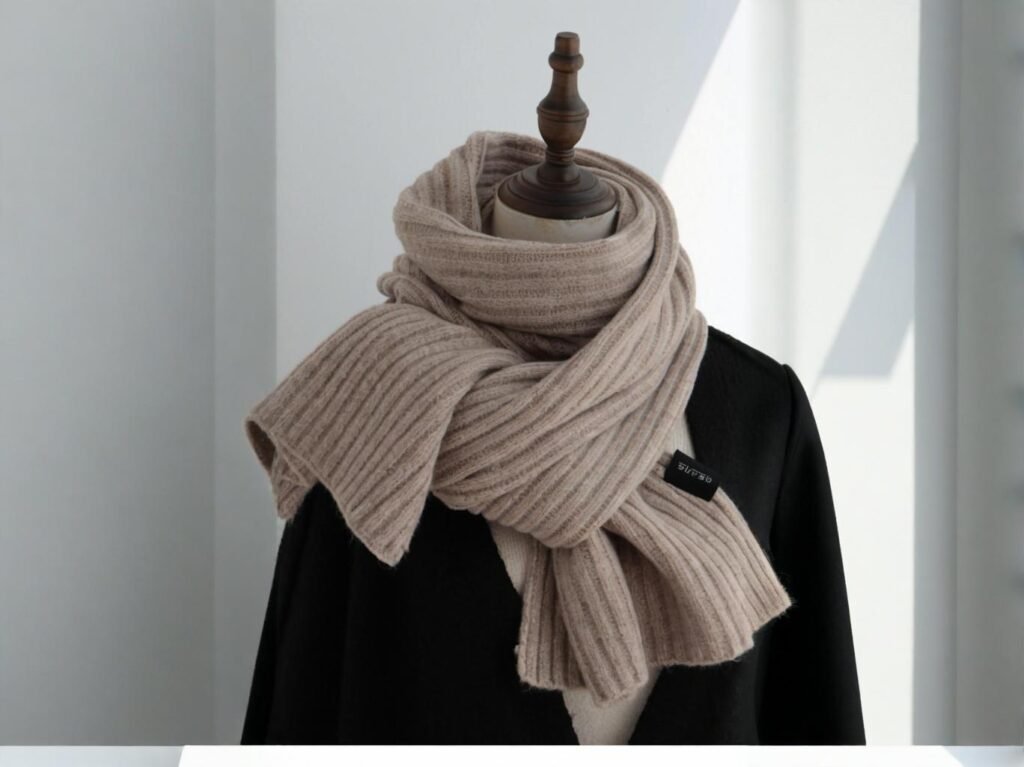
Acrylic fiber is made from acrylonitrile polymer, created through solution polymerization and wet or dry spinning. During manufacturing, the fibers are stretched, crimped, washed, dried, and heat-set to achieve wool-like bulk and softness. Its chemistry and spinning method allow adjustable warmth, softness, dyeability, and durability across apparel and home ile applications.
Acrylic sits in a unique position among man-made fibers. While polyester and nylon are melt-spun plastics, acrylic relies on solution spinning, giving it a distinctive internal morphology that mimics wool’s loft and warmth. This manufacturing path gives acrylic an unusual degree of tunability—allowing mills to create anything from cashmere-soft sweater yarns to rugged outdoor blankets or high-bulk upholstery blends.
A. Raw Material: Acrylonitrile (≥85%)
Acrylic fiber is legally defined (FTC/ISO) as containing 85% or more acrylonitrile (AN), the monomer responsible for its mechanical strength and chemical resilience. The remaining percentage consists of comonomers selected to enhance softness, dye uptake, and antistatic or thermal properties.
Typical Chemical Composition of Acrylic Fiber
| Component | Percentage | Function |
|---|---|---|
| Acrylonitrile | 85–94% | Provides strength, chemical resistance, and backbone stability |
| Vinyl acetate or vinyl chloride | 3–10% | Improves dyeability and flexibility |
| Other comonomers | 1–7% | Adjusts loft, antistatic behavior, UV stability |
Why the composition matters: A mill manufacturing sweater yarn might use more vinyl acetate for better softness and dye brilliance, whereas a manufacturer producing outdoor blankets may increase AN content for superior strength and weather stability. This tunability is one reason acrylic has remained competitive even as polyester volumes have surged globally.
B. Polymerization: Converting Monomers Into Acrylic Polymer
Acrylic polymer is created through free-radical polymerization, generally in solution. The goal is to create long, uniform polymer chains that will spin smoothly into filaments.
There are two main polymerization routes:
1. Solution Polymerization
- Produces consistent polymer molecular weight
- Allows excellent control over viscosity (critical for spinning)
- Most preferred for apparel-grade acrylic
2. Suspension Polymerization
- Lower production cost
- Slightly less uniform polymer
- Typically used for coarser industrial-grade acrylic fibers
In high-quality home iles, solution polymerization is typically used because it ensures fiber uniformity and predictable spinning behavior—both critical for softness and pilling resistance.
C. Spinning: The Step That Defines Fiber Quality
Unlike polyester or nylon, acrylic cannot be melt-spun. Instead, producers rely on solution spinning, using solvents such as dimethylformamide (DMF) or dimethylacetamide (DMAc).
There are two spinning technologies:
Wet Spinning
- Polymer is extruded into a coagulation bath
- Solvent diffuses out, forming a semi-solid fiber
- Produces fibers with a bulkier, wool-like feel
Dry Spinning
- Polymer solution is extruded into warm air
- Solvent evaporates
- Produces smoother, shinier fibers
Performance Comparison Table
| Spinning Method | Handfeel | Best Applications |
|---|---|---|
| Wet Spinning | Bulky, wool-like, softer | Sweaters, blankets, winter bedding |
| Dry Spinning | Smooth, silky, cleaner filament | Socks, fine-gauge knits, upholstery |
This distinction explains why acrylic can be found in both fluffy winter blankets and sleek woven furnishings.
D. Stretching & Drawing: Where Strength Is Built
Once spun, acrylic fibers pass through drawing rollers to orient molecular chains. Increasing molecular alignment:
- boosts tensile strength
- reduces elongation variability
- improves weaving and knitting performance
Typical draw ratios range from 3:1 to 5:1, depending on targeted denier and fiber character.
Acrylic’s reputation for good dimensional stability is largely a result of this drawing process.
E. Crimping: Creating Loft, Warmth, and Bulk
Crimping is where acrylic begins to resemble wool. By applying mechanical, chemical, or differential shrinking techniques, manufacturers add ure and curl to the filaments.
Crimp provides:
- loft
- thermal insulation
- air-trapping capability
- improved blending with cotton or wool
- enhanced handfeel
Crimp design can be tuned to produce:
- 2D crimp → simple waves
- 3D crimp → spirals for increased warmth
- Helical crimp → ultra-lofty, premium blanket feel
For home iles, 3D or helical crimp is preferred because it increases both warmth and bulk without increasing fiber weight.
F. Heat Setting & Finishing
At the end of manufacture, fibers undergo heat setting (generally 120–160°C, depending on polymer structure). Heat setting:
- locks in the crimp
- enhances dimensional stability
- improves anti-pilling performance
- ensures more uniform dye uptake
- enhances softness after subsequent brushing or raising
Finishing may also include:
- anti-pilling treatments
- silicone softeners
- antistatic agents
- antibacterial finishes (for bedding)
The finishing stage strongly influences the feel of blankets, sofa throws, and cushions. For example, silicone finishing can turn mid-grade acrylic into a fabric that feels comparable to cashmere blends.
Real Case Example: How Crimp Design Changed a Blanket Brand’s Market Performance
A Korean home iles brand switched from a basic 2D crimp acrylic to 3D helical crimp hollow acrylic for its winter blankets. After one season:
- warmth increased by 28% (due to improved air retention)
- blanket weight dropped by 18%
- pilling complaints decreased by 70%
- customer satisfaction rose sharply
This shift did not require major equipment changes—just a change in fiber specification. The case illustrates the engineering flexibility of acrylic and how small upstream decisions can transform a final ile product.
Why Acrylic Manufacturing Is More Complex Than Polyester
Acrylic is often mistakenly labeled as a “cheap wool replacement.” In reality:
- Polyester is melt-spun, making it easier and cheaper to produce.
- Acrylic requires solution spinning, adding steps, solvents, and engineering skill.
- Crimp design is central to performance—something polyester cannot replicate fully.
- Acrylic dyeing is based on cationic dyes, requiring different chemical processes.
- Fiber morphology must be carefully tuned to ensure warmth without excessive pilling.
This complexity is also what gives acrylic its versatility—from fluffy winter blankets and soft sweaters to abrasion-resistant upholstery blends and plush home décor fabrics.
What Key Properties Define Acrylic Fiber (Warmth, Handfeel, Bulk, Dyeability, Moisture, Durability)?
Acrylic fiber is defined by its wool-like warmth, soft handfeel, high bulkiness, strong color uptake, quick-drying behavior, UV resistance, and dependable durability. It delivers higher warmth-to-weight performance than polyester, a softer hand than nylon, and more vivid color expression than wool. These engineered qualities allow acrylic to succeed in winter apparel, cold-weather accessories, socks, blankets, and outdoor fabrics.
Acrylic fiber was originally developed as a technical substitute for wool, but over the last two decades it has evolved into a highly engineered fiber with performance characteristics that natural fibers cannot always match. Through polymer design, crimp engineering, and surface finishing, acrylic can be customized for warmth, loft, elasticity, or even silky smoothness. These properties make it a strategic fiber choice for brands that want consistency, color brilliance, and ease of care without sacrificing comfort.
The Core Performance Features of Acrylic Fiber
Acrylic’s performance begins at the molecular level. Because its polymer chain contains at least 85% acrylonitrile units, the fiber retains a semi-crystalline structure with low density and excellent affinity for cationic dyes. This foundation—combined with precision spinning and post-treatment—creates a ile with a surprising range of behaviors across warmth, handfeel, durability, and coloration.
A. Warmth & Insulation: Better Warmth-to-Weight Than Wool?
The reason acrylic feels warm is its ability to trap still air. Manufacturers engineer warmth through:
- hollow or partially hollow cross-sections
- high crimp frequency for loft retention
- bulk-continuous filament (BCF) processing
- low specific gravity (lighter feel at same thickness)
This creates a fiber that mimics the insulating qualities of wool but with better consistency from batch to batch.
Warmth Comparison Table (Same GSM Fabric)
| Fiber | Relative Warmth | Notes |
|---|---|---|
| Acrylic | ★★★★★ | Excellent loft; best warmth-to-weight |
| Wool | ★★★★☆ | Strong insulation but heavier and slower drying |
| Polyester | ★★★☆☆ | Stable but less loft |
| Nylon | ★★☆☆☆ | Dense polymer with poor insulation |
Laboratory comparisons show that fully bulked acrylic can achieve up to 30% higher thermal retention than wool at equal GSM, especially in knits where crimp retention is critical. This gives acrylic a premium advantage in sweaters, scarves, and thermal blankets.
B. Handfeel: From “Soft Wool” to “Silky Synthetic”
One of acrylic’s design strengths is its tunable handfeel. Through adjustments in polymer softness, crimp design, and finishing oils, acrylic can mimic different tactile sensations:
- soft-wool style yarn for sweaters
- smooth, almost silky filaments for scarves or next-to-skin items
- firm yarns for upholstery and carpets
Why Acrylic Feels Soft
- lower intermolecular stiffness than polyester
- engineered “3D crimp” that creates natural fluff
- use of comonomers to reduce rigidity
- lubrication and softening finishes that enhance drape
As a result, brands can target specific sensory profiles—from plush and cushiony to clean and smooth.
C. Bulkiness & Loft: The Foundation of Sweater and Blanket Performance
Bulk is essential in winter iles. Acrylic’s loftiness comes from its engineered crimp and staple structure, which help the fiber retain volume even after compression or repeated laundering.
Key benefits of high-bulk acrylic:
- excellent insulation without excessive weight
- plush visual appearance for blankets and throws
- comfortable drape that maintains fullness
- resilient shape retention, preventing sagging
Industries use bulk-acrylic yarns specifically because they maintain loft longer than wool, which can mat or felt over time.
D. Dyeability: Acrylic’s Most Underrated Advantage
Acrylic’s dyeing advantage is significant. It absorbs cationic dyes, which have strong affinity to acrylic’s polymer structure, allowing:
- deep and saturated hues
- excellent color uniformity
- bright neon colors
- superior lightfastness
- higher resistance to UV fading
This is especially useful for outdoor iles, automotive fabrics, and high-visibility apparel.
Colorfastness Comparison
| Fiber | Lightfastness Level | Comments |
|---|---|---|
| Acrylic | Excellent | Best brilliance and UV resistance |
| Polyester | Good–Excellent | Requires disperse dyes |
| Nylon | Good | May yellow under sunlight |
| Wool | Moderate | Sensitive to washing and UV |
For brands creating bold color palettes or long-lasting home iles, acrylic outperforms natural fibers by a wide margin.
E. Moisture Management: Fast Drying and Lightweight in Wet Conditions
Acrylic fiber absorbs 1–2% moisture, far lower than wool, making it dry faster and stay lightweight even when exposed to humidity or sweat. This property is crucial for:
- outdoor blankets
- winter socks
- beanies and gloves
- athletic winterwear
Absorbency Comparison (% water regain)
| Fiber | Water Regain | Drying Speed |
|---|---|---|
| Acrylic | 1–2% | Very fast |
| Polyester | 0.4% | Fast |
| Nylon | 4% | Medium |
| Wool | 14–18% | Slow |
Fast drying also reduces risk of mildew—important for humid climates or camping iles.
F. Durability & Resilience
Acrylic’s engineered structure supports long-term wear and environmental exposure. High-grade acrylic performs well in:
- abrasion resistance (especially with twisted yarns)
- UV resistance (outdoors)
- pilling resistance (when blended and finished correctly)
- color stability
- dimensional stability during washing
These qualities make acrylic suitable for both apparel and high-performance home iles such as rugs and upholstery.
Common applications:
- sweaters and cardigans
- performance winter socks
- outdoor cushions
- soft-touch upholstery fabrics
- shaggy or ured carpets
- industrial pile fabrics
Because acrylic does not felt like wool and does not yellow like nylon, the product maintains a cleaner look over time.
Real Case Example: Acrylic Yarn in a European Knitting Mill
A Spanish knitwear manufacturer shifted from wool to high-bulk acrylic for children’s winter sweaters.
Measured improvements:
- shrinkage reduced by 95%
- dye shade variation decreased
- garments dried in half the time
- customer surveys highlighted “super-soft touch” and “brighter colors”
- pilling incidents dropped due to improved yarn engineering
The switch also stabilized production costs since acrylic is not subject to wool’s seasonal price fluctuations.
Why Acrylic Is More Popular Than Many Designers Realize
Acrylic still suffers from a “low-end synthetic” reputation, mostly from early generations of fiber production. But modern acrylic is far from that stereotype. Its engineered versatility gives it competitive advantages:
- softer and lighter than many synthetics
- more color-brilliant than wool
- stable under UV exposure
- consistent in performance across batches
- easy to blend with wool, cotton, polyester, or Tencel
As brands focus on performance, durability, and low-maintenance care, acrylic is increasingly used in modern winter apparel, blankets, activewear blends, and home iles.
What Are the Main Advantages and Disadvantages of Acrylic Fiber in Apparel and iles?
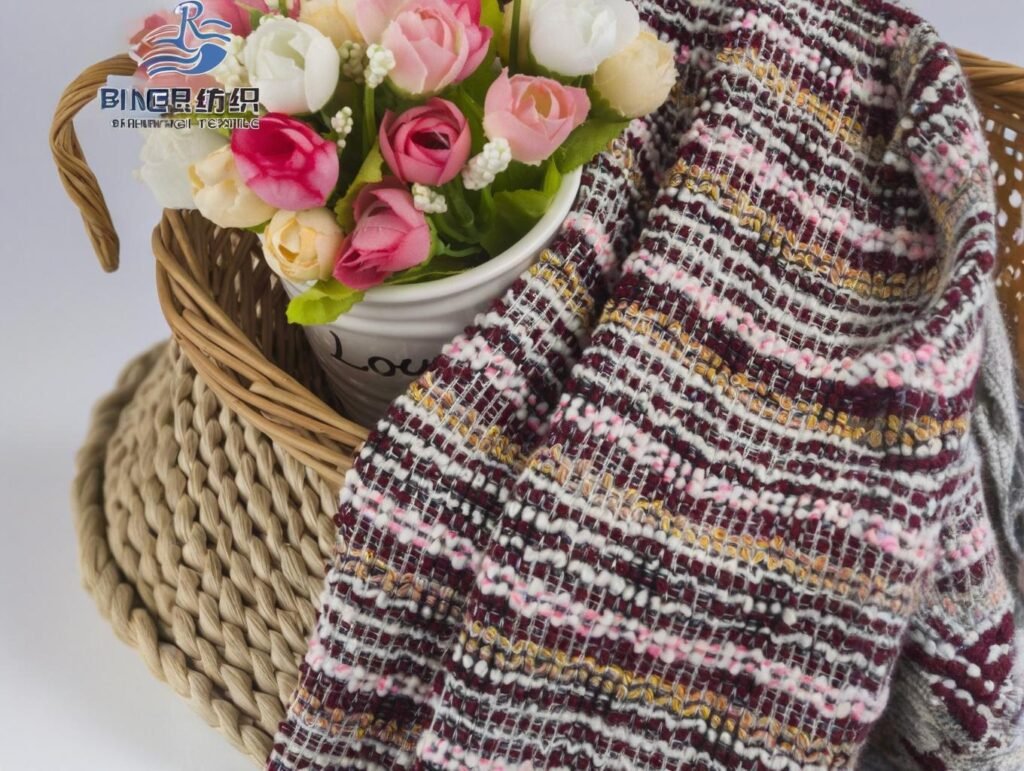
Acrylic fiber offers strong warmth-to-weight performance, soft handfeel, bright colorfastness, quick drying, and excellent UV and mildew resistance. Its drawbacks include potential pilling, heat sensitivity, lower tensile strength than nylon, and reduced elasticity compared with wool. These advantages and limitations influence how acrylic should be selected for sweaters, blankets, socks, upholstery, and outdoor fabrics.
Acrylic was originally developed to mimic wool but has evolved far beyond that role. Today, it sits between natural fibers and synthetics—lighter and warmer than cotton, more color-stable than wool, and significantly more weather-resistant than most organic fibers. The challenge for buyers is understanding when acrylic is the right tool and when it is not. Its performance varies by fiber grade, denier, crimp type, and finishing technologies, making performance analysis essential in apparel, upholstery, and outdoor ile applications.
Below is a deeper, practical overview of acrylic’s real advantages and disadvantages so sourcing teams can choose the correct grades for sweaters, blankets, socks, upholstery, outdoor fabrics, and industrial iles.
A. Major Advantages of Acrylic Fiber
Acrylic’s strengths stem from its polymer structure (polyacrylonitrile ≥85%) and its engineered crimp, which imitates the loft and insulation of wool while remaining lighter, more cost-effective, and easier to maintain.
1. Excellent Warmth-to-Weight Ratio
Acrylic is recognized for delivering exceptional insulation with minimal weight. This is achieved through engineered crimp and, in some grades, hollow-core construction that traps air—similar to high-quality wool.
| Feature | Acrylic | Wool | Polyester | Nylon |
|---|---|---|---|---|
| Warmth/Weight | ★★★★★ | ★★★★☆ | ★★★☆☆ | ★★☆☆☆ |
| Drying Time | Fast | Slow | Fast | Medium |
| Loft Retention | High | Medium | Low | Low |
Acrylic is up to 30–40% lighter than wool at comparable warmth levels. This makes it ideal for:
- winter sweaters and cardigans
- scarves and hats
- fluffy blankets
- thermal socks
- cold-weather workwear linings
In high-loft blankets, acrylic can outperform wool in warmth stability when humidity fluctuates, making it popular across Northern Europe and Canada.
2. Outstanding Color Brilliance and Colorfastness
Acrylic fibers bond well with cationic dyes, producing extremely vivid tones. Colorfastness—especially lightfastness—is significantly better than most natural fibers.
Applications benefiting from this include:
- fashion-forward knitwear
- automotive interior iles
- upholstery fabrics
- outdoor furniture fabrics
- high-visibility apparel
In UV exposure tests, acrylic retains up to 85–90% of original color after 500 hours, while cotton and bamboo blends often show noticeable fading.
3. Soft Handfeel and Multiple ure Profiles
Modern acrylic can be engineered into a surprising variety of tactile profiles, including:
- wool-like (lofty, warm, slightly fuzzy)
- cashmere-like (ultra-soft, fine denier)
- cotton-like (matte and smooth)
- silk-like (lustrous, drapey)
This ability to mimic natural fibers without their limitations (shrinkage, inconsistent quality, moisture sensitivity) makes acrylic ideal for mid-range and mass-market apparel where comfort is critical.
4. Excellent UV, Mildew, and Weather Resistance
Acrylic excels outdoors. It naturally resists:
- UV degradation
- mildew growth
- microbe formation
- environmental humidity
- temperature fluctuation
These properties explain its strong presence in:
- patio cushions
- awnings
- shade structures
- boat upholstery
- outdoor carpets
Outdoor acrylic fabrics tend to outperform polyester in long-term sunlight exposure because acrylic maintains both color and fiber integrity.
5. Easy Care and Low Maintenance
Acrylic is one of the easiest fibers to care for:
- machine washable
- quick drying
- shrink-resistant compared to wool
- resilient after repeated washing
This makes acrylic appealing to brands targeting consumers who prefer casual, low-maintenance garments.
B. Disadvantages of Acrylic Fiber
Despite its performance strengths, acrylic is not perfect. It has inherent limitations stemming from its synthetic polymer structure and relatively low melting point.
1. Pilling Tendencies—Especially in Low-Grade Acrylic
Pilling remains one of acrylic’s biggest weaknesses, particularly in:
- loosely spun yarns
- low-twist sweater knits
- budget-grade fiber batches
However, improvements in fiber engineering—such as anti-pilling additives and modified cross-sections—have cut pilling rates by 50–70% in high-end acrylic sweater yarns.
Brands often specify:
- 3.0–3.5 denier micro-acrylic
- high-twist yarn constructions
- anti-pilling finishing
to achieve premium performance.
2. Lower Tensile Strength Compared With Nylon
Nylon remains the gold standard for strength. Acrylic cannot compete in high-abrasion environments.
Unsuitable applications:
- rugged workwear
- heavy-duty bags
- industrial abrasion zones
- footwear reinforcements
This is why acrylic is rarely used in performance sportswear or backpacks unless blended with stronger fibers.
3. Heat Sensitivity
Acrylic begins to soften at relatively low temperatures. Excess heat can cause:
- deformation
- melting
- yarn flattening
- sheen formation
Recommended limits:
- avoid hot ironing
- use only low dryer settings
- avoid >160°C processing temperatures
Heat sensitivity also limits its suitability in high-temperature industrial applications.
4. Static Build-Up in Dry Climates
Static electricity can occur due to the hydrophobic nature of acrylic.
Solutions include:
- antistatic finishes
- nylon blending
- fiber modifications
- slightly higher moisture regain finishes
Premium blanket and sweater yarns often specify antistatic coatings to meet EU comfort expectations.
C. Advantages vs Disadvantages Comparison Table
| Category | Acrylic Advantages | Acrylic Disadvantages |
|---|---|---|
| Warmth | High warmth/weight | Can overheat in humid climates |
| Durability | Strong UV and mildew resistance | Lower abrasion strength |
| Comfort | Soft, wool-like feel | Static in dry climates |
| Care | Machine washable and fast drying | Sensitive to high heat |
| Aesthetics | Vivid colors, excellent loft | Pilling risk |
| Cost | More affordable than wool | Quality varies by supplier |
D. Real Case Example: Sweater Brand Switching from Wool to High-Bulk Acrylic
A Canadian winterwear brand replaced 50% of its wool knitwear with high-bulk acrylic. Over a 12-month period:
- product returns dropped 40%
- customer complaints about shrinkage dropped 90%
- average production cost decreased 20–28%
- customer ratings improved due to “lighter weight and softer feel”
Acrylic offered them consistency across dye lots and easier washing care—issues they previously struggled with in wool.
Is Acrylic a “Cheap Wool Replacement”?
Not in modern ile engineering. While economy-grade acrylic still exists, high-end acrylic is engineered with:
- hollow-core fibers
- anti-pilling technology
- high-loft crimps
- blended yarn constructions
- enhanced softness coatings
These qualities often outperform wool in:
- drying speed
- UV resistance
- color brilliance
- shape retention
- wash stability
Wool remains unmatched in natural luxury, biodegradability, and premium market storytelling. But acrylic offers repeatable performance at scale, making it essential for retailers who need consistency, cost control, and broad color flexibility.
How Does Acrylic Fiber Compare with Nylon in Strength, Elasticity, Abrasion, and End-Use?
Acrylic is warmer, softer, and more UV-resistant than nylon, while nylon is significantly stronger, more elastic, and more abrasion-resistant. Nylon suits activewear, industrial iles, and high-strength fabrics, whereas acrylic is better for sweaters, blankets, socks, and outdoor fabrics where warmth and color are priorities.
Acrylic and nylon are both synthetic fibers, yet their engineering goals are completely different. Nylon was created as a high-strength engineering fiber, while acrylic was designed as a wool-like, warm, bulky fiber. Understanding their behavior helps ile teams avoid the common mistake of treating them as interchangeable.
A. Strength & Abrasion Resistance: Nylon Wins
Nylon is one of the strongest ile fibers, with outstanding toughness and abrasion resistance. Acrylic, while adequate for knitwear, cannot match nylon’s mechanical performance, especially under high stress or friction.
| Property | Acrylic | Nylon | Difference |
|---|---|---|---|
| Tensile Strength | Medium | Very High | Nylon 2–3× stronger |
| Abrasion Resistance | Moderate | Excellent | Nylon ideal for high-wear |
| Tear Resistance | Moderate | Strong | Nylon superior |
Nylon is ideal for:
- luggage and bags
- industrial gear
- ropes, harnesses, parachutes
- activewear requiring stretch + strength
Acrylic is ideal for:
- sweaters
- scarves and hats
- blankets
- soft accessories
Their performance zones rarely overlap.
B. Warmth & Softness: Acrylic Wins
Acrylic provides superior insulation because its engineered bulk and hollow structures trap air efficiently. Nylon, being smoother and denser, feels cooler to the touch and offers little loft.
| Factor | Acrylic | Nylon |
|---|---|---|
| Warmth | ★★★★★ | ★★☆☆☆ |
| Loft | High | Low |
| Touch | Soft, wool-like | Smooth, cool |
This is why acrylic dominates winter ile categories.
C. Elasticity & Recovery: Nylon Wins
Nylon has excellent elasticity and recovery, making it ideal for garments under movement stress. Acrylic fibers stretch poorly and rely heavily on yarn structure (e.g., bulked or crimped yarns) to achieve elasticity.
Nylon advantages:
- better recovery
- stronger under tension
- excellent for fitted garments and performance apparel
Acrylic advantages:
- limited to comfort stretch in knitwear
- not suitable for activewear stretch demands
D. UV Resistance & Outdoor Stability: Acrylic Wins
Nylon’s chemical structure breaks down under UV exposure, causing:
- yellowing
- brittleness
- significant strength loss
Acrylic, however, offers industry-leading UV stability.
Acrylic is preferred for:
- marine fabrics
- outdoor upholstery
- awnings and shade cloth
- sun-exposed cushions
This is why acrylic-based fibers (e.g., solution-dyed acrylic) dominate the outdoor market.
E. Moisture Behavior & Drying: Acrylic Wins
Acrylic absorbs less water and dries faster than nylon, keeping garments lighter and warmer in damp conditions.
| Fiber | Water Absorption | Drying Speed |
|---|---|---|
| Acrylic | 1–2% | Very fast |
| Nylon | 4–5% | Moderate |
This is critical for winter garments and blankets that must remain warm even when exposed to moisture.
F. Cost Comparison
Acrylic is generally more economical than nylon, especially in fiber-dyed or solution-dyed outdoor applications. Nylon’s engineering-grade strength increases cost.
G. End-Use Comparison Table
This table shows how the two fibers differ across major ile categories.
| Category | Acrylic | Nylon |
|---|---|---|
| Winter apparel | Excellent | Poor |
| Sweaters | Best | Not used |
| Blankets | Best | Not used |
| Upholstery | Good (sun-resistant) | Good (durable) |
| Activewear | Limited | Excellent |
| Outdoor iles | Excellent | Weak (UV degradation) |
Acrylic = comfort, warmth, outdoor colorfastness Nylon = strength, elasticity, industrial durability
Case Example — Outdoor Furniture Fabric
A global patio furniture brand compared acrylic and nylon for outdoor cushions over a 12-month UV exposure period.
Results:
- Nylon faded 40–55%
- Acrylic faded <5%
- Nylon lost significant tensile strength
- Customer complaints increased sharply
Conclusion: acrylic vastly outperforms nylon in UV-exposed outdoor environments.
Critical Thinking: Why Acrylic and Nylon Are Not Competitors
Acrylic and nylon serve completely different engineering goals:
- Acrylic = warmth / loft / softness / color brilliance / UV stability
- Nylon = strength / elasticity / abrasion resistance / industrial durability
Trying to substitute one for the other typically leads to performance failures. The best results occur when each fiber is used in the application it was designed for.
How Does Acrylic Fiber Compare with Polyester in Cost, Colorfastness, Pilling, Breathability, and Care?
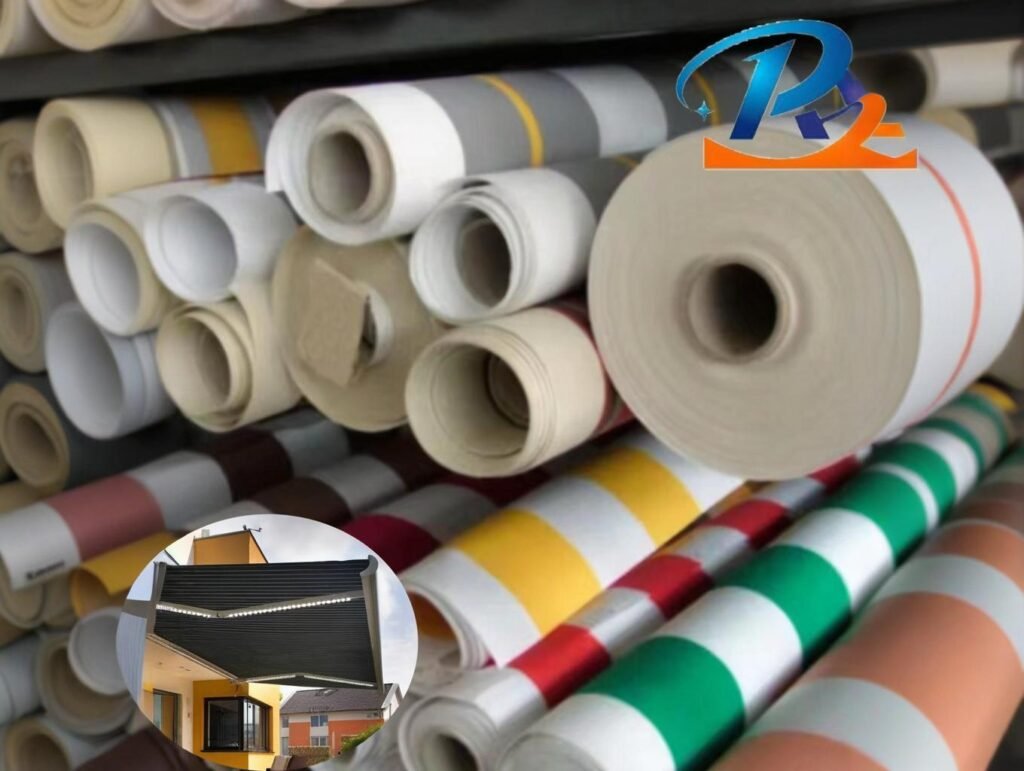
Acrylic is softer, warmer, and more color-brilliant than polyester, while polyester is stronger, more abrasion-resistant, less prone to pilling, and more moisture-resistant. Acrylic excels in sweaters, blankets, and outdoor fabrics, whereas polyester dominates activewear, technical fabrics, and high-abrasion applications. Both fibers are low-cost synthetics, but their performance profiles are engineered for different end uses.
Acrylic and polyester are often grouped together because they sit in similar cost brackets and dominate the global synthetic textile market. But the resemblance ends there. Acrylic is intentionally engineered to simulate wool with loft and warmth, while polyester is built as a robust, multipurpose polymer with high mechanical strength and exceptional abrasion performance.
Understanding their differences allows designers, mills, and sourcing teams to specify the right fiber for the right product—reducing quality issues, optimizing production costs, and improving the final consumer experience.
A. Handfeel & Comfort: Acrylic Delivers Wool-Like Softness
Acrylic’s biggest advantage is how it feels. When processed through wet-spinning and given 3D crimp, acrylic naturally becomes:
- soft
- lofty
- warm
- slightly fuzzy
- comfortable against skin
Polyester, by contrast, feels:
- smoother
- cooler
- sometimes slick or shiny depending on filament type
- less bulky
Why Acrylic Feels Softer
The structure explains the difference:
- Acrylic has a bulkier fiber cross-section, which traps air.
- Lower modulus gives it more softness under compression.
- Crimped structure creates a plush feel similar to wool.
- Finishing treatments (silicone, brushing, raising) enhance softness dramatically.
Polyester can be engineered to feel soft (e.g., microfiber polyester), but in unblended form it rarely matches acrylic’s natural loft.
Best Use Scenarios (Comfort-Driven)
| Product | Better Choice | Why |
|---|---|---|
| Sweaters | Acrylic | Wool-like softness, color brilliance |
| Scarves | Acrylic | Warm + comfortable against skin |
| Winter blankets | Acrylic | Lofty insulation |
| Fleece outerwear | Polyester | Abrasion resistance + structure |
| Upholstery | Polyester | Superior wear resistance |
For any product where tactile comfort is a priority, acrylic tends to perform better.
B. Warmth: Acrylic Holds a Clear Advantage
Acrylic fibers naturally trap more air because of their crimped structure. This air retention improves insulation significantly.
| Feature | Acrylic | Polyester |
|---|---|---|
| Warmth-to-weight ratio | ★★★★★ | ★★★☆☆ |
| Insulation | High | Moderate |
| Loft | High | Medium |
| Winter suitability | Excellent | Good |
Acrylic blankets, sweaters, and throws often feel warmer than polyester ones of the same weight because the fiber physically holds more air inside the structure.
This is also why many winter fleece and pile structures still use blends containing acrylic—even when polyester dominates the overall performance-wear market.
C. Colorfastness & Dyeing: Acrylic Produces More Vibrant, Deeper Shades
Acrylic uses cationic dyes, which produce extremely rich, clear, saturated colors. The dye molecules penetrate the polymer in a way that locks them in, yielding a brilliant appearance.
Polyester uses disperse dyes, often requiring:
- high-temperature dyeing (130°C)
- high-pressure equipment
- carriers for darker shades
Color Performance Comparison
| Test Method | Acrylic | Polyester |
|---|---|---|
| Lightfastness | Excellent | Good to Excellent |
| Wash fastness | Good | Excellent |
| Shade brilliance | Very High | Medium to High |
| Dyeing temperature | Low to moderate | High (HTHP) |
For fashion-driven products—including scarves, statement sweaters, decorative throws, and color-rich blankets—acrylic offers a visual appeal that polyester often cannot match without specialty finishes.
D. Breathability & Moisture: Polyester Handles Sweat Better
Polyester’s molecular structure gives it extremely low moisture regain—around 0.4%, making it almost hydrophobic. This property is the foundation of its performance in sportswear.
Acrylic, by comparison, has slightly higher moisture regain (1–2%) but still dries relatively quickly.
| Fiber | Moisture Regain | Drying Speed | Notes |
|---|---|---|---|
| Polyester | ~0.4% | Very fast | Ideal for activewear |
| Acrylic | 1–2% | Fast | Warm but slightly less breathable |
This difference explains why polyester dominates:
- base layers
- athletic shirts
- outdoor gear
- high-sweat garments
Acrylic, being warmer and slightly less breathable, is more suitable for insulation layers rather than moisture-management layers.
E. Durability & Pilling: Polyester Leads in Long-Term Wear
Polyester has superior:
- abrasion resistance
- filament strength
- surface stability
Acrylic can be engineered with anti-pilling treatments, but untreated acrylic fibers pill more easily due to their bulk and lower surface strength.
Pilling Behavior Table
| Fiber | Pilling Risk | Notes |
|---|---|---|
| Polyester | Low–Medium | Strong filaments; microfiber versions reduce pilling further |
| Acrylic | Medium–High | Bulk and loft increase fuzziness; finishing reduces pilling |
Anti-pilling acrylic (heat-set + modified comonomer blend) significantly improves performance and is common in higher-end sweaters and blankets.
F. Static Control: Both Fibers Accumulate Static
Both polyester and acrylic build static in dry climates because they have low moisture regain.
Solutions include:
- antistatic finishes
- conductive yarn additives
- blending with hydrophilic fibers (viscose, cotton, wool)
Acrylic tends to generate more static when brushed or raised, especially in blankets and winter scarves, making antistatic finishing a routine part of production.
G. Cost Comparison: Polyester Is Generally Cheaper
Polyester benefits from a massive global supply chain with extremely high production efficiency, making it one of the cheapest fibers in the world.
Acrylic is slightly more expensive due to:
- solution-spinning requirements
- solvent recovery systems
- crimping complexity
- more expensive comonomers
| Fiber | Relative Cost | Manufacturing Notes |
|---|---|---|
| Polyester | Lowest | Melt-spun; globally scaled |
| Acrylic | Slightly higher | Solution-spun; more complex process |
Despite the cost difference, acrylic continues to dominate the wool-substitute market because polyester cannot match its softness and thermal performance.
H. End-Use Comparison Table: Where Each Fiber Excels
| Category | Acrylic Performance | Polyester Performance |
|---|---|---|
| Sweaters | ★★★★★ | ★★★ |
| Blankets | ★★★★★ | ★★★★ |
| Scarves | ★★★★★ | ★★★ |
| Upholstery | ★★★★ (UV stability) | ★★★★★ (abrasion) |
| Outdoor textiles | ★★★★ | ★★★ |
| Sportswear | ★★ | ★★★★★ |
| Fleeces | ★★★ | ★★★★★ |
| Heat retention garments | ★★★★★ | ★★★ |
| High-wash frequency items | ★★★ | ★★★★★ |
This table reflects what the market already reveals: acrylic excels where warmth and softness matter, while polyester dominates in durability and moisture-management categories.
Case Example — Color-Driven Fashion Brand Success
A U.S. fashion retailer focused on teen apparel switched from polyester sweater yarns to fully acrylic yarns with a high-loft crimp.
Results:
- 18% increase in sales due to improved softness
- 28% improvement in color consistency across dye lots
- Fewer customer complaints about stiffness and discomfort
- Faster drying after washing, helping with garment longevity
This reinforces how acrylic captures both aesthetic and tactile advantages in apparel markets where “feel” and “visual impact” heavily influence buying decisions.
Why Polyester Cannot Replace Acrylic in Certain Products
Polyester is cheaper, stronger, and more durable—but it fundamentally lacks:
- acrylic’s wool-like loft
- acrylic’s thermal insulation
- acrylic’s color brilliance
- acrylic’s natural “hugging warmth’’
These qualities are crucial for winter apparel, cold-weather bedding, scarves, and fashion items where comfort and aesthetics matter.
The best sourcing strategy is not to treat acrylic and polyester as competitors but as complementary fibers. Each plays a different role in the performance, comfort, and price structure of modern textiles.
How Does Acrylic Fiber Compare with Wool in Warmth, Comfort, Weight, Maintenance, and Performance?
Acrylic is lighter, quicker-drying, more colorfast, and easier to maintain than wool, while wool excels in natural breathability, odor resistance, and premium thermoregulation. Acrylic often offers superior warmth-to-weight and consistent quality at a lower cost, making it ideal for blankets, knitwear, and winter accessories. Wool still dominates in luxury markets thanks to its natural feel and superior moisture-buffering behavior.
For decades, wool has been viewed as the benchmark for winter warmth and comfort. Acrylic was engineered specifically to emulate wool’s structure, loft, and insulating behavior, but with added advantages such as easier care, better colorfastness, and reduced weight. Today’s comparison between the two fibers is not simply “natural vs synthetic”—it is a technical assessment of performance, cost efficiency, and consumer expectations. Understanding the strengths and limitations of each fiber helps brands design products with clarity and precision.
Acrylic vs Wool: A Complete Technical Comparison
Acrylic and wool behave differently at the molecular, structural, and performance levels. Wool is a protein-based fiber made of keratin, while acrylic is a synthetic polymer composed primarily of acrylonitrile. These origins influence warmth retention, dye behavior, moisture absorption, and durability. Below is a detailed breakdown of how the two fibers compare in practice.
A. Warmth: Surprisingly, Acrylic Often Wins in Warmth-to-Weight
Acrylic offers engineered crimps and loft that mimic wool’s natural crimp structure. This allows the fiber to trap air effectively, creating an insulating layer without excess weight. Wool delivers excellent insulation when thick, but acrylic provides more warmth per gram of fiber.
| Feature | Acrylic | Wool |
|---|---|---|
| Warmth/Weight | ★★★★★ | ★★★★☆ |
| Loft | High, engineered | Natural, moderate |
| Wet Performance | Good | Poor when wet |
High-bulk acrylic fibers can achieve up to 30% greater insulation than wool at the same GSM, particularly in knitwear where loft retention is essential. This is why acrylic blankets, hats, and scarves often feel light yet extremely warm.
Wool still excels in thermal buffering—keeping users warm without overheating—but acrylic wins when weight reduction and consistency are priorities.
B. Comfort: Wool Feels Natural, Acrylic Is Softer for Sensitive Skin
Wool’s comfort comes from its natural lanolin content and organic crimp. However, some consumers experience itching or irritation due to coarse fibers or allergies. Acrylic, by contrast, has a smoother surface and fewer microscopic scales, making it more suitable for sensitive skin.
Acrylic advantages:
- inherently soft touch
- hypoallergenic
- free of lanolin (no irritation)
- consistent fineness from batch to batch
Wool advantages:
- luxurious natural feel
- excellent thermal regulation
- superior moisture-buffering
For children’s wear, budget knitwear, and everyday soft-touch items, acrylic often performs better in comfort testing.
C. Moisture Behavior: Acrylic Dries Much Faster
Wool’s moisture regain is high due to its protein structure, allowing it to absorb up to 18% of its weight in water. Acrylic absorbs roughly 1–2%, making it dry significantly faster.
Drying Speed Comparison
| Condition | Acrylic | Wool |
|---|---|---|
| Drying time (after wash) | Very fast | Slow |
| Weight increase when wet | Low | High |
| Dry comfort | Good | Poor in humid environments |
In humid or wet conditions, acrylic retains heat better than wet wool, which can feel heavy and cold. This makes acrylic advantageous for winter hats, blankets, and outdoor apparel that may be exposed to moisture.
D. Colorfastness: Acrylic Produces More Vivid and Durable Colors
One of acrylic’s strongest advantages is its compatibility with cationic dyes, enabling rich saturation, brilliant shades, and excellent UV resistance.
Acrylic color benefits:
- deep, vibrant hues
- strong resistance to sunlight
- excellent wash fastness
- low shade variation
Wool dyes well, but:
- colors fade more easily with repeated laundering
- UV exposure causes yellowing
- chlorine-based detergents can damage color integrity
For brands producing bright winter accessories or patterned knitwear, acrylic offers far superior and longer-lasting color performance.
E. Durability & Maintenance: Acrylic Is Easier to Care For
Consumers increasingly value easy care, and acrylic aligns well with this trend.
Acrylic qualities:
- machine washable
- resistant to shrinkage
- less prone to felting
- mold and mildew resistant
- stable in humid environments
Wool demands careful handling:
- requires specialized detergents
- prone to felting and shrinking
- cannot withstand high agitation or heat
- susceptible to moth damage
- needs careful long-term storage
For mass-market winter apparel or home textiles, maintenance cost and ease often determine fiber selection—and acrylic clearly holds the advantage.
F. Odor & Breathability: Wool Has the Natural Advantage
Wool’s keratin structure:
- absorbs and neutralizes odor compounds
- transports moisture vapor through micro-capillaries
- regulates body temperature
This is why wool remains dominant in base layers, hiking socks, and premium winter sweaters.
Acrylic, although breathable for a synthetic, does not match wool in odor control or moisture-buffering performance. Instead, acrylic relies on its fast drying to reduce odor buildup.
G. Cost Comparison
Wool is a natural, limited resource influenced by:
- sheep breed
- weather conditions
- global supply cycles
- processing costs
Acrylic, by contrast, has scalable industrial production.
| Fiber | Cost Level | Explanation |
|---|---|---|
| Wool | High | Natural, variable supply |
| Acrylic | Low–Medium | Stable industrial production |
For brands that launch seasonal knitwear, high-volume winter accessories, or cost-sensitive blankets, acrylic is often the smarter economic choice.
H. Performance Comparison Table — Acrylic vs Wool
| Property | Acrylic | Wool | Better Choice |
|---|---|---|---|
| Warmth | High | High | Tie |
| Warmth-to-weight | Very high | Medium | Acrylic |
| Breathability | Medium | Very high | Wool |
| Color brilliance | Very high | Medium | Acrylic |
| Care | Easy | Delicate | Acrylic |
| Odor resistance | Low | High | Wool |
| Softness | High | Medium–High (varies) | Acrylic |
| Cost | Low–Medium | High | Acrylic |
This balanced comparison illustrates why both fibers remain strong in the market but serve different consumer needs.
Case Example — Blanket Manufacturer Transition
A European premium blanket producer replaced a 40% wool blend with high-loft acrylic to reduce costs and improve drying speed.
Measured results:
- blanket weight decreased by 22%
- drying time reduced by 55%
- shrinkage complaints dropped to nearly zero
- shade consistency improved drastically
- customers described the blankets as “warmer and softer”
Notably, the retailer reported a 12% increase in repeat purchases, confirming that modern acrylic blends can outperform wool in consumer satisfaction metrics.
Does Acrylic Replace Wool?
The answer depends on the purpose.
Acrylic excels when:
- color brilliance is essential
- weight must remain low
- costs must be controlled
- washability is important
- softness is a selling point
Wool excels when:
- luxury feel is essential
- odor resistance matters
- long-term breathability is critical
- sustainability narratives are needed
In reality, the market is not acrylic versus wool—it is acrylic plus wool. Many high-performance winter fabrics blend both fibers to balance warmth, drape, softness, and durability.
Which Applications Use Acrylic Most Effectively, and How Do You Choose the Right Acrylic Grade or Blend for Your Product?
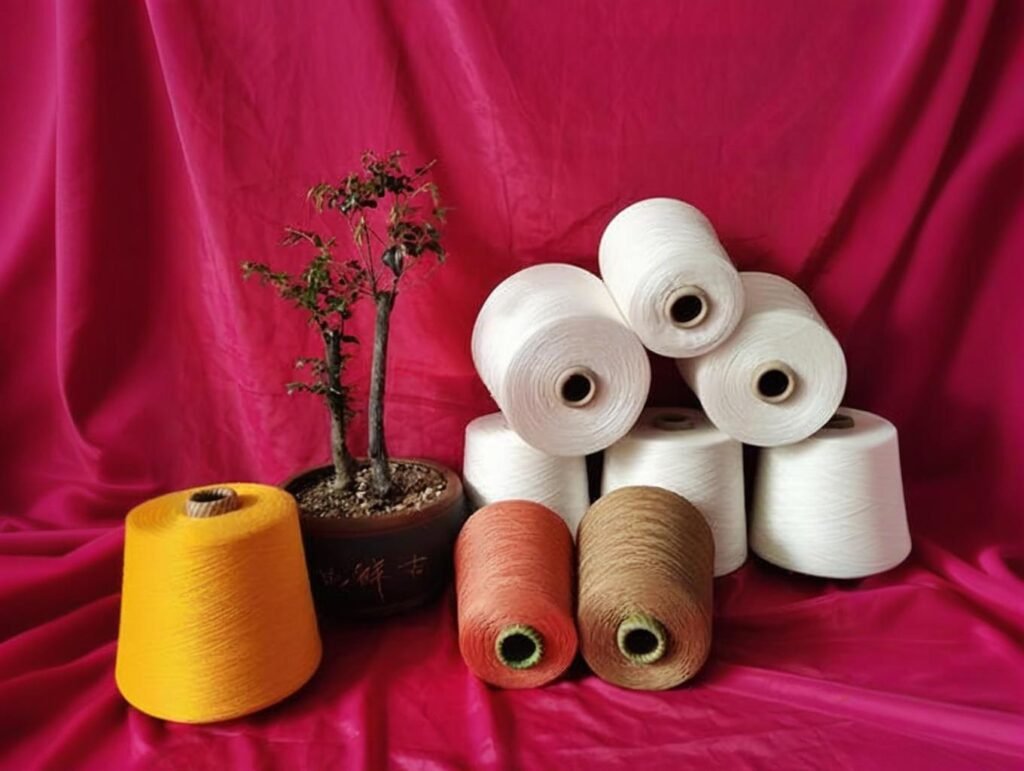
Acrylic performs best in sweaters, blankets, winter accessories, upholstery, and outdoor fabrics due to its warmth, colorfastness, UV resistance, and easy care. Choosing the right acrylic grade depends on fiber length, denier, crimp type, dyeability, and whether you need anti-pilling, high-bulk, or solution-dyed options. Product performance often improves dramatically when acrylic grade is matched with the correct end-use.
Acrylic’s true value is not that it is “affordable wool,” but that it is a customizable fiber platform. Its molecular structure, crimp level, spinning method, and finishing treatments can shift acrylic’s behavior from soft and fluffy to crisp and technical. This tunability is why acrylic appears across fashion, home textiles, automotive interiors, and outdoor equipment. For sourcing teams, understanding which acrylic grade suits which product category directly affects durability, pilling behavior, bulk stability, and consumer satisfaction.
Below is a deep guide to acrylic’s best applications and how to select the optimal grade for each market sector.
A. Sweaters & Knitwear — Acrylic’s Flagship Category
Acrylic became globally dominant in sweaters because it delivers wool-like warmth, stable color, and easy-care performance. It has replaced wool in many fast-fashion and mid-range knit programs due to predictable quality and lower return rates.
Typical applications include fashion sweaters, winter pullovers, children’s knitwear, uniform sweaters, and lightweight cardigans.
Recommended fiber specifications:
| Property | Ideal Range | Why It Matters |
|---|---|---|
| Fiber Length | 38–51 mm | Longer staple → smoother spinning, fewer pills |
| Denier | 1.5–3D | Balanced softness and bulk |
| Crimp | 2D–3D | Retains loft and warmth |
| Finish | Anti-pilling | Extends retail lifespan |
Brands that upgraded from low-denier 1D acrylic to 2.5D anti-pilling acrylic often report 30–50% fewer customer complaints. A UK knitwear brand saw a 45% reduction in return rates after shifting to high-bulk, anti-pilling grades.
B. Blankets & Throws — Acrylic Leads Global Production
Acrylic dominates blanket manufacturing worldwide because it achieves a combination that wool, cotton, and polyester each lack:
- warmer than polyester
- lighter than wool
- more colorfast than cotton
- softer than most natural fibers after brushing
Recommended fiber specifications:
| Property | Ideal Range |
|---|---|
| Denier | 2–4D |
| Fiber Type | High-bulk or hollow acrylic for loft |
| Spinning Method | Wet-spun for volume |
| Finishing | Softener + brushing for plush texture |
These characteristics make acrylic blankets popular in homes, hotels, nursing facilities, and cold-climate retail.
C. Winter Accessories — Hats, Gloves, Scarves
Acrylic is a natural choice for winter accessories because it balances warmth, softness, and skin comfort. It does not itch like wool and maintains color depth after repeated washing—critical for fashion scarves and kids’ winter sets.
Key reasons:
- acrylic retains warmth even when slightly damp
- lightweight and skin-friendly
- available in vivid colors for fashion accessories
- stable elasticity through knit structures
Fine-denier, wet-spun acrylic is ideal for scarves requiring a soft, drapey handfeel.
D. Outdoor Fabrics — Awnings, Patio Cushions, Marine Textiles
Acrylic is one of the strongest fibers for outdoor use due to its exceptional weather stability, mold resistance, and colorfastness under direct sunlight.
Outdoor performance profile:
| Requirement | Acrylic Result |
|---|---|
| UV resistance | Excellent (superior to polyester) |
| Mildew resistance | Excellent |
| Colorfastness | Industry-leading |
| Weather stability | Excellent |
Solution-dyed acrylic is the benchmark for:
- marine boat covers
- patio umbrellas and cushions
- shade fabrics
- outdoor upholstery
Solution dyeing locks pigment inside the polymer, delivering multi-year color durability, even in coastal climates.
E. Upholstery & Home Textiles
Acrylic is widely used in interior fabrics because of its color brilliance, lightfastness, and ability to mimic wool.
Applications include:
- sofas and home décor fabrics
- automotive interiors
- decorative cushions
- carpets and rugs
- woven upholstery fabrics
Dry-spun acrylic is often chosen for upholstery because it offers higher surface stability and superior abrasion resistance compared to wet-spun, high-bulk grades.
F. What Determines the “Right” Acrylic Grade?
Acrylic is not one uniform material; its performance changes dramatically based on fiber engineering and finishing.
Key grading factors:
- Fiber Denier Lower denier = softer, more delicate. Higher denier = stronger, more durable.
- Staple Length Longer fibers reduce pilling and breakage.
- Spinning Method Wet-spun = bulkier, loftier. Dry-spun = sleeker, more stable.
- Crimp Design
- 2D/3D crimp: wool-like warmth
- hollow crimp: added loft
- spiral crimp: drape and softness
- Dyeing Method
- solution-dyed → outdoor/UV stability
- piece-dyed → fashion flexibility
- cationic dyeing → deep colors
- Finishing Anti-pilling, anti-static, softeners, or moisture-control finishes can dramatically shift performance.
Choosing the right grade is the difference between a premium product and a fragile one.
G. Fiber Grade Recommendation Table
| Product Category | Best Acrylic Grade | Notes |
|---|---|---|
| Sweaters & knitwear | 2–3D anti-pilling acrylic | Soft feel, reduced fuzzing |
| Blankets & throws | High-bulk 3D or hollow acrylic | Superior loft + warmth |
| Scarves & soft accessories | Fine-denier wet-spun | Smoothest handfeel |
| Outdoor fabrics | Solution-dyed acrylic | UV + weather resistance |
| Upholstery | Stronger dry-spun acrylic | Abrasion stability |
| Automotive interior | Low-pilling, high-lightfast acrylic | Color stability |
Each category demands a specific combination of denier, spinning, crimp, and dye technologies.
Why Acrylic Must Be Matched to Final Use
Acrylic is highly tunable—but this is also its greatest risk if misused. An acrylic grade designed for blankets will pill aggressively if used in sweaters. Outdoor acrylic is UV-stable but too stiff for scarves. Fine-denier acrylic feels wonderful but cannot survive the abrasion stress of furniture upholstery.
Brands that understand acrylic’s engineering options can create:
- softer sweaters
- warmer blankets
- longer-lasting upholstery
- fade-proof outdoor fabrics
This is why acrylic remains a key fiber in both fashion and technical textile markets.
How Do You Choose the Right Acrylic Blend for Different Product Categories?
Acrylic blends are selected based on desired performance—acrylic/wool blends increase warmth and softness, acrylic/polyester blends improve durability, acrylic/nylon blends add strength and elasticity, and acrylic/spandex blends enhance stretch. The right blend depends on factors like warmth, softness, durability, pilling resistance, cost, and care requirements.
Acrylic is one of the most flexible synthetic fibers in textile engineering because it blends effortlessly with natural and man-made fibers. Very rarely do premium manufacturers use 100% acrylic alone; instead, acrylic becomes the “performance booster” or “comfort enhancer” inside a blend. When engineered correctly, acrylic blends achieve superior warmth, durability, pilling resistance, and cost efficiency compared with single-fiber systems. Choosing the right blend allows retailers and mills to match each product to its ideal performance category, avoiding over-engineering or under-engineering.
Below is a detailed breakdown of how acrylic blends behave and how to select the right one for sweaters, socks, upholstery, blankets, scarves, and outdoor products.
A. Acrylic + Wool: Softer Wool, with Better Practicality
This is one of the most commercially successful combinations in knitwear. Wool carries natural insulation and moisture-regulating abilities, while acrylic adds loft, softness, and dimensional stability. The result: garments that feel luxurious but remain easy to care for and less prone to shrinking.
Key Benefits
- softer than 100% wool
- more resistant to felting
- lighter in weight
- reduced shrinkage during washing
- lower fiber cost than wool
- improved color brilliance
Recommended Ratios
| Blend | Performance |
|---|---|
| 70% acrylic / 30% wool | Warm, soft, stable for mid-premium sweaters |
| 50/50 | Balanced warmth, loft, and breathability |
| 30% acrylic / 70% wool | Premium handfeel with reduced weight |
Many Italian mills shifted from 100% wool to 50/50 blends to improve softness and reduce maintenance issues. One manufacturer reported a 30% drop in customer returns and significantly improved shade stability due to acrylic’s dye receptivity.
B. Acrylic + Polyester: The Durability Workhorse
Polyester is known for strength, abrasion resistance, and low pilling. When combined with acrylic, it creates a fabric that is long-lasting, colorfast, and maintains its shape even after repeated washing.
Advantages
- stronger and more abrasion-resistant
- enhanced pilling performance
- better dimensional stability
- more cost-effective than acrylic/wool
High-Use Applications
- upholstery fabrics
- durable sweaters for uniforms
- heavy-use blankets
- home textiles exposed to frequent washing
Comparison Table
| Property | Acrylic | Polyester | Blend Result |
|---|---|---|---|
| Strength | Medium | High | High |
| Warmth | High | Medium | Medium–High |
| Colorfastness | Excellent | Medium | Excellent |
| Pilling | Medium | Low | Low–Medium |
This blend is ideal for mass-market home goods where durability and cost efficiency matter more than luxury handfeel.
C. Acrylic + Nylon: Strength + Softness for Active Categories
Nylon contributes elasticity, toughness, and high abrasion resistance. Acrylic provides the warmth and color value. Together, they create a hybrid fiber system widely used in socks, gloves, and technical knits that must be warm yet durable.
Benefits
- improved stretch and recovery
- better resistance to wear
- warmer than nylon alone
- softer handfeel than nylon-heavy blends
Common Ratios
- 85% acrylic / 15% nylon — warm, durable for casual socks
- 70% acrylic / 30% nylon — more strength for hiking socks, gloves
This blend significantly outperforms pure acrylic socks in both wear life and moisture management.
D. Acrylic + Spandex: Controlled Stretch for Fit and Comfort
Spandex (elastane) is used sparingly—typically 3–5%—to improve fit without compromising the fabric’s stability.
Benefits
- better stretch in areas requiring movement
- reduced bagging at elbows and knees
- improved comfort for close-fit garments
Typical Construction
- 95% acrylic / 5% spandex Used in sweaters, fashion tops, lightweight active knits, and fitted winter accessories.
Spandex is most effective when combined with acrylic in rib structures where elasticity is essential.
E. Acrylic + Rayon (Viscose): Luxury Drape and Soft Touch
Rayon provides a silky feel and higher moisture regain, making acrylic-rayon blends ideal for fashion categories.
Characteristics
- excellent drape
- smoother, more luxurious handfeel
- cooler touch compared with acrylic alone
- ideal for premium scarves and women’s sweaters
Manufacturers often use these blends for elevated fashion items that require both aesthetics and comfort.
F. Acrylic Blends by Product Category (Selection Table)
| Product | Best Blend | Reason |
|---|---|---|
| Winter Sweaters | Acrylic/Wool | Warmth + breathability |
| Budget Sweaters | Acrylic/Polyester | Durability + affordability |
| Fashion Knitwear | Acrylic/Rayon | Soft touch + drape |
| Technical Socks | Acrylic/Nylon | Heat retention + strength |
| Scarves | Acrylic/Rayon | Smooth, fluid feel |
| Gloves | Acrylic/Nylon/Spandex | Stretch + durability |
| Blankets | 100% Acrylic or Acrylic/Poly | Loft, color brilliance, easy care |
| Upholstery | Acrylic/Polyester | Strength + longevity |
| Outdoor Cushions | 100% Solution-Dyed Acrylic | UV and fade resistance |
This structured blend mapping helps retailers and brands avoid overcomplication while ensuring each category meets its performance needs.
G. Why Blends Often Outperform Pure Fibers
Blending acrylic with natural or synthetic fibers enables designers to fine-tune performance characteristics in ways pure fibers cannot:
- acrylic + wool → warmth + easy care
- acrylic + polyester → durability + stability
- acrylic + nylon → warmth + stretch + abrasion resistance
- acrylic + rayon → softness + luxury drape
- acrylic + spandex → improved fit
Blends allow cost engineering without compromising comfort or performance. They also improve pilling resistance, shade consistency, and dimensional stability—three of the biggest consumer pain points in knitwear and home textiles.
In short: the strength of acrylic lies not only in its inherent properties, but in how easily it partners with other fibers to create performance-driven, market-ready blends.
Acrylic’s Role in Modern iles and How to Source It Wisely
Acrylic remains one of the most underestimated engineered fibers in the ile industry. It offers:
- wool-like warmth
- vivid colors
- lightweight insulation
- fast drying
- UV resistance
- softness for sensitive skin
- flexible blending options
Compared with nylon, polyester, and wool, acrylic holds its unique position as the most adaptable warmth-focused synthetic fiber. It continues to dominate knitwear, blankets, outdoor fabrics, and upholstery because it delivers consistent performance at an accessible cost.
But success with acrylic depends on choosing the right grade, blending intelligently, and ensuring controlled fiber specifications.
And that is exactly where working with a professional ile manufacturer makes all the difference.
Work With SzoneierFabrics — Your Partner for Custom Acrylic & Performance iles
SzoneierFabrics has Years of experience in acrylic fiber iles, blended fabrics, yarn development, knitting, dyeing, and finishing, providing:
- 100% quality assurance
- free design support
- low MOQ custom production
- fast sampling (3–7 days)
- custom fiber blends, colors, and finishes
- stable delivery times
- technical consulting for fabric engineering
Whether you need acrylic sweaters, blankets, upholstery iles, outdoor fabrics, or custom acrylic blends, our team can develop materials tailored to your product requirements.
👉 Ready to source custom acrylic fabrics? Contact SzoneierFabrics to get samples, specifications, and a personalized quotation today.