 Skip to content
What Is Acrylic Polymer? Technical Overview for Material Engineers
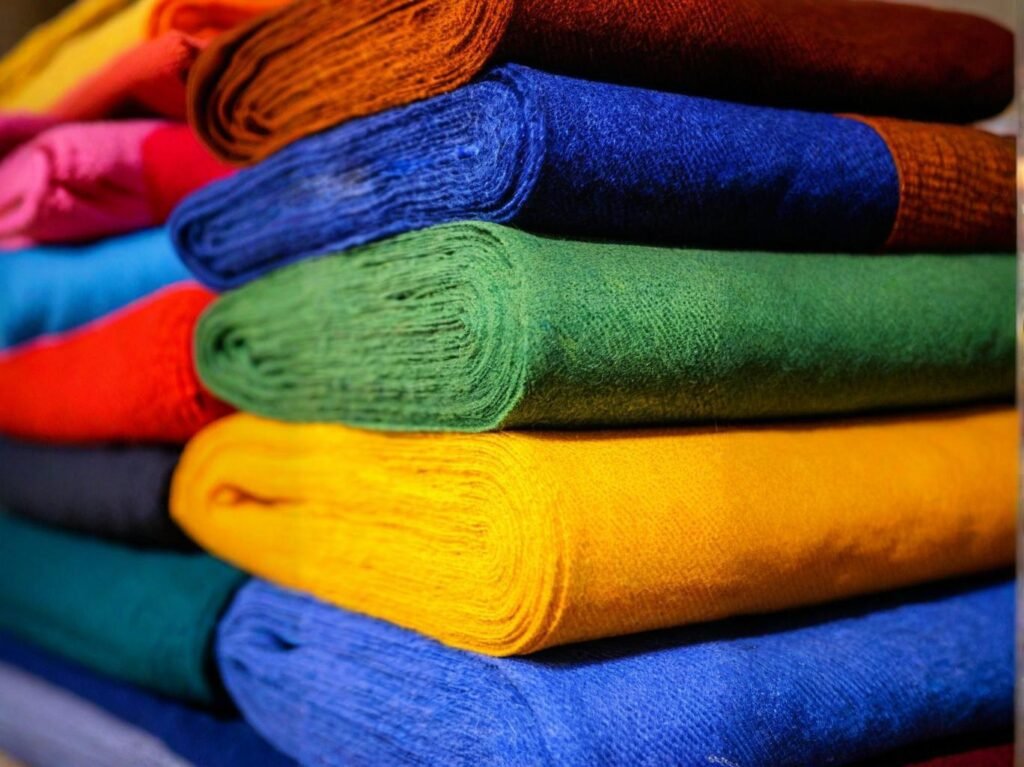
Acrylic polymers occupy a unique position in modern material science—they combine glass-like clarity, weather resistance, strong adhesion, and extraordinary formulation flexibility. They can behave as hard, rigid thermoplastics or transform into soft, tacky pressure-sensitive adhesives simply by changing monomer ratios. This dual identity is the reason acrylics are used in everything from aircraft windows to medical dressings, high-gloss paints, textiles, solar panels, optical lenses, and ultra-durable outdoor signage.
Acrylic polymer is a synthetic polymer made from acrylic and methacrylic monomers such as methyl methacrylate (MMA), butyl acrylate, and acrylonitrile. It is produced through free-radical polymerization, forming materials known for clarity, UV stability, weather resistance, strong adhesion, and tunable hardness. Its properties vary depending on monomer composition, tacticity, molecular weight, and processing method.
Yet behind the simplicity of “acrylic polymer” lies an entire world of molecular engineering. In one famous example, a materials team attempting to design safer aircraft windows discovered that MMA-based acrylic sheets were not only clearer than glass but also 17× more impact-resistant at less than half the weight. That discovery sparked industries—optical displays, aquariums, medical devices—all built on the backbone of acrylic chemistry.
This is where our story begins: understanding how acrylic polymers work at the molecular level, why they outperform other plastics in many environments, and how engineers can select the right grade for highly specialized applications.
What Is Acrylic Polymer, and How Is It Classified (PMMA, Acrylates, Methacrylates)?
Acrylic polymers are synthetic polymers derived from acrylate and methacrylate monomers. They are commonly classified into PMMA (polymethyl methacrylate), acrylate polymers, and methacrylate copolymers. Their performance—hardness, clarity, flexibility, adhesion, and chemical resistance—depends on monomer selection, molecular weight, and copolymer design, making acrylics one of the most versatile polymer families in modern industry.
Acrylic polymer is not a single material; it’s a broad chemical platform built on “acrylic” and “methacrylic” monomers. That platform is so adaptable that it can produce a rigid, glass-clear plastic for windows, a soft elastomer for sealants, a pressure-sensitive adhesive for tapes, or a water-based binder for textiles. When engineers say “acrylic,” they are almost always referring to a class of polymers whose properties can be tuned by changing monomer type, copolymer ratio, and crosslinking strategy.
At a practical level, understanding acrylic classification is essential in sourcing and product development. If a supplier lists “acrylic resin,” you need to know whether that means PMMA for optical clarity, a flexible acrylate for adhesion, or a methacrylate copolymer engineered for impact resistance. The names may sound similar, but the end-use performance can differ dramatically.
A. PMMA (Polymethyl Methacrylate): The “Glass-Clear” Acrylic
PMMA is the acrylic most people recognize. Often sold under trade names like Plexiglas or Perspex, it is famous for its exceptional optical clarity and UV stability. PMMA is formed primarily from methyl methacrylate (MMA) monomers, producing a stiff, transparent polymer with a high glass transition temperature.
Key Characteristics
- Transparency up to 92% light transmission, higher than standard glass
- Excellent UV resistance; natural outdoor stability
- Good scratch resistance compared with many plastics
- Strong dimensional stability and low creep
- Higher hardness but also more brittle than other acrylic families
Common Applications
- Light guide panels and display screens
- LED diffusers
- Aquarium windows and architectural glazing
- Car taillights and instrument covers
- Solar panel covers and outdoor optics
- Medical device housings requiring transparency and sterilization resistance
PMMA Property Table
| Property | Typical Value |
|---|---|
| Tensile Strength | 60–75 MPa |
| Glass Transition (Tg) | ~105°C |
| Density | 1.17–1.20 g/cm³ |
| Light Transmission | 92% |
| Izod Impact | 1–5 kJ/m² |
Interpretation for buyers: PMMA is chosen when clarity and weathering resistance matter more than impact toughness. For example, signage and lighting panels prefer PMMA because it does not yellow easily outdoors. But for parts exposed to repeated shock (protective housings, industrial guards), PMMA is often modified with rubber phases or blended into copolymers to reduce brittleness.
B. Acrylate Polymers: Flexible and Adhesive-Friendly
Acrylate polymers sit at the opposite end of the spectrum. Instead of using MMA-heavy chemistry like PMMA, acrylates are built from “soft” monomers such as:
- butyl acrylate
- ethyl acrylate
- 2-ethylhexyl acrylate
These monomers produce polymers with low Tg, meaning they are rubbery, tacky, or highly flexible at room temperature. That’s why acrylates dominate adhesives and soft coatings.
Where Acrylates Shine
- Pressure-sensitive adhesives for tapes, labels, medical dressings
- Exterior and interior coatings where flexibility is needed
- Sealants for construction and waterproofing
- Flexible membranes and roof coatings
- Textile binders for pigment printing or fabric finishing
Typical Properties
| Feature | Acrylate Polymers |
|---|---|
| Flexibility | High |
| Adhesion | Excellent |
| Tg | –60°C to +10°C |
| UV Stability | High |
Engineering reality: Acrylates bond well because they remain slightly mobile at the molecular level, letting them wet surfaces and form intimate contact. If a product needs peel adhesion, “tack,” or crack-free flexibility in cold conditions, acrylates are usually the first choice. This also explains why high-end waterborne acrylic coatings can flex with temperature swings without micro-cracking.
C. Methacrylate Copolymers: Tunable Hardness + Flexibility
Methacrylate copolymers bridge the gap between PMMA rigidity and acrylate softness. They are produced by combining MMA with other methacrylate monomers such as:
- butyl methacrylate (BMA)
- hydroxyethyl methacrylate (HEMA)
- ethyl methacrylate (EMA)
- functional methacrylates for crosslinking
By changing ratios, manufacturers can precisely tune hardness, clarity, impact resistance, or chemical reactivity.
Applications
- Impact-modified acrylic sheets (PMMA toughened for safety)
- High-gloss durable coatings
- Chemical-resistant paints
- Adhesives needing stronger heat stability than acrylates
- UV-curable and 3D-printing resins
- Dental and medical polymers where biocompatibility matters
Why this category matters commercially: Many industrial “acrylic resins” on spec sheets are actually methacrylate copolymers, not pure PMMA. A coating resin marketed as “acrylic” may be MMA-BMA copolymer to increase flexibility while preserving gloss and weather resistance.
D. Classification Overview Table
| Polymer Type | Hardness | Flexibility | Optical Clarity | Adhesion | Typical Use |
|---|---|---|---|---|---|
| PMMA | Very high | Low | Excellent | Low | Windows, optics |
| Acrylates | Low | High | Medium | Very high | Adhesives, coatings |
| Methacrylate Copolymers | Medium–High | Medium | Good | Medium–High | Coatings, composites |
This table captures the most important sourcing principle: classification predicts behavior. If you need stiffness and clarity, PMMA dominates. If you need adhesion and softness, acrylates dominate. If you need a balanced toolkit, methacrylate copolymers are the engineered solution.
Why Acrylic Polymers Are More Diverse Than Expected
Many buyers associate acrylic only with PMMA sheets, but that’s like assuming “steel” only means stainless. The acrylic platform includes:
- self-crosslinking acrylic emulsions for coatings
- impact-modified acrylic elastomers
- UV-curable acrylic monomers for inks and resins
- waterborne acrylic adhesives for labels and medical tapes
- acrylic fiber polymers (used in textiles)
- acrylic rubber (ACM) for oil-resistant gaskets
The reason acrylic chemistry appears in so many industries is simple: acrylic monomers are modular. Each monomer carries a different side group, and those side groups dictate flexibility, polarity, hardness, and reaction pathways. By changing the recipe—even slightly—manufacturers can redesign the polymer for completely different performance targets.
So acrylic polymers are less like “one material” and more like a chemical construction kit. That construction kit powers products ranging from luxury optical panels to industrial adhesives and textile coatings. For engineers and sourcing teams, the real skill is not picking “acrylic,” but picking the right acrylic family and formulation for the job.
What Monomers and Copolymer Systems Make Up Acrylic Polymers?
Acrylic polymers are built from acrylic and methacrylic monomers such as methyl methacrylate (MMA), ethyl acrylate (EA), butyl acrylate (BA), 2-ethylhexyl acrylate (2-EHA), and hydroxyethyl methacrylate (HEMA). By adjusting monomer ratios, engineers can tailor polymer hardness, flexibility, glass-transition temperature, adhesion, clarity, weatherability, and chemical resistance. Because acrylic polymers are highly tunable, each copolymer system is engineered for specific performance goals.
If you ask any coatings chemist or adhesive engineer what defines acrylic polymer performance, the answer almost always comes back to the same starting point: the monomer mix. Acrylic polymers are not generic commodities. They are precision-tuned materials built from a menu of acrylic and methacrylic monomers, each contributing mechanical, optical, and environmental properties. A slight change in monomer ratio—sometimes as little as 5%—can noticeably shift Tg, tack, elongation, water absorption, or UV stability. This is why manufacturers rarely work with “one acrylic.” They work with dozens of tailored formulations.
Understanding the building blocks is essential for anyone sourcing acrylic fibers, PSA adhesives, architectural coatings, textile finishes, or casting resins.
A. Main Acrylic and Methacrylic Monomers
The backbone of acrylic polymers comes from two families: acrylates and methacrylates. Each monomer offers a unique combination of hardness, flexibility, and reactivity, influencing how the final polymer behaves.
1. Methyl Methacrylate (MMA)
MMA is the defining monomer behind PMMA (polymethyl methacrylate). It provides exceptional hardness, clarity, and UV resistance.
Key contributions:
- Raises Tg significantly (PMMA Tg ≈ 105°C)
- Provides outstanding optical clarity
- Increases scratch and mar resistance
- Improves weatherability and color stability
Used in:
- Acrylic sheets
- Engineering plastics
- High-durability outdoor coatings
- Transparent sealants
MMA-heavy polymers tend to be rigid and brittle unless softened with flexible comonomers.
2. Ethyl Acrylate (EA)
EA introduces softness and flexibility without sacrificing film integrity.
Key contributions:
- Lowers Tg moderately
- Enhances film formation
- Greatly improves adhesion to porous substrates
- Provides balance between flexibility and hardness
Used in:
- Coatings
- Textile binders
- Nonwoven backings
- General-purpose adhesives
EA is often combined with harder monomers to create all-rounders used in construction and industrial finishes.
3. Butyl Acrylate (BA)
BA is a classic “soft monomer” used to create rubbery, flexible copolymers.
Key contributions:
- Very low Tg (≈ –50°C)
- Adds softness and elasticity
- Provides tackiness for PSA adhesives
- Improves shock absorption
Used in:
- Pressure-sensitive adhesives (tapes, labels)
- Flexible coatings
- Elastomeric sealants
Adding BA can shift a polymer from rigid to highly flexible even at low dosage.
4. 2-Ethylhexyl Acrylate (2-EHA)
One of the softest commercial monomers, 2-EHA provides extreme tack and flexibility.
Key contributions:
- Extremely low Tg
- Produces long-lasting tack
- Ideal for medical adhesives
- Offers excellent low-temperature flexibility
Applications:
- Medical tapes
- High-performance PSA systems
- Construction tapes
- Automotive foam tapes
2-EHA’s long alkyl chain gives it unusually high adhesion on low-energy surfaces.
5. Hydroxyethyl Methacrylate (HEMA)
HEMA contains a reactive hydroxyl group, making it a critical monomer for crosslinkable systems.
Key contributions:
- Enables chemical crosslinking
- Improves water and chemical resistance
- Enhances adhesion to metal, glass, and textiles
- Raises hardness and modulus
Used in:
- Industrial coatings
- Adhesive primers
- Fiber finishes
- UV-curable resins (3D printing, electronics)
HEMA is the bridge between acrylic polymers and high-performance engineered coatings.
Expanded Monomer Property Table
| Monomer | Tg Effect | Hardness | Adhesion | Water Interaction | Clarity | Typical Use |
|---|---|---|---|---|---|---|
| MMA | Raises | High | Low | Low absorption | Excellent | PMMA, outdoor coatings |
| EA | Lowers | Medium | High | Moderate | Good | Coatings, binders |
| BA | Strongly lowers | Low | High | Moderate | Medium | PSAs, flexible films |
| 2-EHA | Very low Tg | Very low | Very high | Moderate | Medium | Medical adhesives |
| HEMA | Neutral | High | Very high | Hydrophilic | Good | Crosslinked coatings |
Acrylic polymers are essentially “engineered blends” of these profiles.
B. What Copolymerization Achieves
Copolymers allow engineers to combine contradictory properties—hardness with flexibility, clarity with toughness, softness with durability.
1. Tuning Tg and softness
Example: Adding BA to an MMA-rich polymer can reduce Tg by 30–50°C, making it flexible enough for coatings that must withstand bending.
2. Improving adhesion
Incorporating EA or 2-EHA increases wet adhesion and helps films bond to concrete, metals, or plastics.
3. Increasing chemical resistance
A small addition (3–8%) of HEMA or other reactive monomers can drastically improve crosslinking and durability.
4. Balancing weatherability and elasticity
MMA ensures UV durability; BA or EA adds elasticity. This mix is common in outdoor paints and roof coatings.
Example Copolymer Recipes (Simplified)
| Target Property | Typical Monomer Mix |
|---|---|
| Rigid, clear plastic | 90% MMA + 10% EA |
| Flexible paint binder | 60% EA + 40% BA |
| High-tack PSA | 60% BA + 30% 2-EHA + 10% HEMA |
| Heat-resistant coating | 70% MMA + 20% EA + 10% HEMA |
C. Real Engineering Case — High-Durability Acrylic Coating
A construction materials company needed a facade coating capable of surviving:
- prolonged UV exposure
- high humidity
- freeze–thaw cycling
- acidic rain
- substrate movement
Initial products used a soft EA/BA polymer that cracked after two winters.
Solution: A new copolymer: MMA + BA + HEMA
- MMA: rigid backbone with high UV stability
- BA: flexibility to absorb thermal expansion
- HEMA: crosslinkable sites for chemical and water resistance
Outcome:
- service life increased from 3–5 years → 10–12 years
- cracking and chalking decreased dramatically
- color retention improved under strong sunlight
This case illustrates how monomer selection directly dictates long-term performance. No amount of additives could fix the shortcomings of the earlier monomer system.
D. Why Monomers Matter More Than Molecular Weight Alone
In polymer engineering, it is tempting to optimize only:
- molecular weight
- particle size
- surfactant levels
- polymerization conditions
But with acrylics, these adjustments are secondary. The monomer system defines the polymer’s identity.
If the monomer mix is wrong:
- Tg cannot be corrected post-polymerization
- adhesive tack cannot be “added later”
- water resistance will always be substandard
- UV performance will remain limited
Molecular weight only adjusts how much of the designed properties you get—monomers determine which properties exist at all.
Understanding acrylic monomers is essential for any brand or manufacturer selecting coatings, adhesives, fiber treatments, acrylic textiles, or polymer modifiers. MMA, EA, BA, 2-EHA, and HEMA form the core building blocks of a wide universe of acrylic formulations. Their ratios—and the logic behind them—are what separate commodity products from high-performance engineered systems.
How Are Acrylic Polymers Synthesized (Free-Radical, Emulsion, Solution, Bulk, and UV-Curing Routes)?
Acrylic polymers are synthesized primarily through free-radical polymerization using emulsion, solution, bulk, suspension, or UV-curing routes. Each manufacturing pathway produces acrylics with different molecular weights, particle sizes, viscosities, and final material architectures, enabling applications that range from rigid PMMA sheets to flexible adhesives, waterborne coatings, and high-performance engineering resins.
Acrylic polymer synthesis is engineered for versatility. With a few controlled adjustments—initiator type, reaction medium, monomer ratio, or temperature profile—the same acrylic monomer family can transform into a hard optical polymer for aircraft windows, a rubbery pressure-sensitive adhesive for tapes, or a waterborne latex used in low-VOC architectural coatings. For manufacturers and buyers, knowing the synthesis route is the key to predicting performance, stability, and cost.
A. Emulsion Polymerization — The Backbone of Waterborne Acrylics
Emulsion polymerization is the most widely used method globally, especially for coatings and adhesives. It produces latex particles dispersed in water, resulting in low-VOC and environmentally compliant materials.
Why Emulsion Acrylics Dominate
- Excellent film formation
- High molecular weight capability (often >1M)
- Superior adhesion on porous or alkaline surfaces
- Tunable hardness (via monomer ratios such as MMA, BA, EA, or Styrene)
- Cost-effective and energy-efficient
- Reduced flammability due to water media
Process Overview
- Surfactants form micelles in water
- Monomers diffuse into micelles
- Initiator triggers free-radical polymerization
- Particles grow to 80–300 nm
- Latex is filtered, stabilized, and packaged
Typical Properties of Emulsion Acrylics
| Property | Typical Range |
|---|---|
| Particle size | 80–300 nm |
| Solids content | 45–65% |
| VOC | <50 g/L (often near zero) |
| Molecular weight | 500,000–2,000,000 |
| Hardness | Highly tunable |
Common Uses: architectural paints, PSA adhesives, textile binders, paper coatings, sealants, waterproofing membranes.
B. Solution Polymerization — Clarity, Gloss, and Precise Rheology
In solution polymerization, monomers are dissolved in organic solvents such as xylene, acetone, ethyl acetate, or toluene. The polymer chain grows directly in the solvent, allowing tighter control over molecular weight distribution.
Key Advantages
- Excellent clarity and optical properties
- Smooth molecular weight control
- Lower viscosity relative to molecular weight
- Superior gloss and leveling in coatings
Typical Applications
- Automotive clear coats
- Industrial protective coatings
- Printing inks
- Acrylic lacquers
- Adhesive modifiers
Solution acrylics are frequently used when film integrity, chemical resistance, and high clarity are essential.
C. Bulk Polymerization — Essential for PMMA Sheets & Rigid Cast Acrylics
Bulk polymerization uses pure monomer and initiator, without solvent or water. This is the method used to manufacture cast PMMA sheets and optical acrylic blocks.
Process Characteristics
- Minimal impurities
- Very high optical clarity
- High molecular weight and stiffness
- Requires careful thermal control to avoid auto-acceleration (Trommsdorff effect)
PMMA Properties Produced by Bulk Polymerization
| Property | Typical Value |
|---|---|
| Light transmission | ~92% |
| Haze | <1% |
| Heat deflection temperature | 95–105°C |
| Weathering resistance | Excellent |
| Surface hardness | High |
Applications: Aircraft windows, LED light guide panels, aquariums, signage, skylights, instrument covers, premium displays. Bulk acrylic remains one of the most stable optical plastics available.
D. Suspension Polymerization — For Pellets, Beads, and Injection-Moldable Acrylics
Suspension polymerization creates polymer beads, typically 100–500 µm, that are later melt-processed into sheets, films, or molded components.
Advantages
- Clean bead formation
- Better heat dissipation vs. bulk polymerization
- Ideal for producing thermoplastic acrylics
- Lower viscosity reaction medium
Common Uses
- PMMA pellets for injection molding
- Impact-modified acrylic resins
- Acrylic-styrene blends
- Powder coating feedstocks
Suspension acrylics are crucial where high flow, consistent pellet size, and thermal stability are needed.
E. UV-Curing (Radical Photopolymerization) — The Fastest Route to Solid Acrylic Films
UV-curable acrylics polymerize within milliseconds to seconds under UV light. The reaction is triggered by photoinitiators that release free radicals when exposed to specific wavelengths.
Key Advantages
- Ultra-fast cure (0.1–5 seconds)
- No solvent evaporation
- Very low VOC
- Excellent surface hardness
- High gloss and scratch resistance
- Suitable for 3D printing
Used For
- Electronics coatings
- Optical adhesives
- Protective varnishes
- Nail gels
- Dental composites
- SLA/DLP 3D printing resins
UV-cured acrylics are unmatched in industries requiring rapid curing and precise detail reproduction.
F. Comparison Table — How Each Polymerization Route Performs
| Method | VOC | Hardness | Molecular Weight | Advantages | Typical Products |
|---|---|---|---|---|---|
| Emulsion | Very low | Medium | High | Low cost, eco-friendly | Paints, adhesives |
| Solution | Medium | Medium | Medium | High clarity, controlled rheology | Auto coatings, inks |
| Bulk | N/A | High | High | Optical transparency | PMMA sheets |
| Suspension | Low | High | High | Easy to mold | Pellets, molding grades |
| UV-Curing | Extremely low | Variable | Medium | Instant curing | Electronics, 3D resins |
Why the Synthesis Method Defines a Polymer’s Identity
Two materials may both be labeled “acrylic,” yet behave as completely different products because synthesis governs:
- molecular weight and distribution
- branching and crosslinking
- particle size
- thermal response
- clarity and hardness
- adhesion and flexibility
- cost per kilogram
A cast PMMA window, a pressure-sensitive label adhesive, and a waterborne paint binder may all be derived from acrylic monomers—but their polymerization routes define their mechanical behavior far more than the monomer itself.
How Do Molecular Structure and Tacticity Control Acrylic Polymer Properties?
The molecular structure of acrylic polymers—including tacticity, chain branching, molecular weight, and monomer distribution—governs hardness, flexibility, glass transition temperature (Tg), optical clarity, impact strength, and chemical resistance. Subtle differences in structural arrangement produce major performance shifts across PMMA, acrylate elastomers, pressure-sensitive adhesives, and methacrylate copolymers.
Acrylic polymers look simple on paper: carbon chains with pendant ester groups. But in polymer science, small structural changes drive massive differences in physical and mechanical performance. Acrylics are among the most tunable polymer families precisely because their molecular architecture can be engineered at a fine level.
The Structure–Property Relationship
Tacticity: The Backbone Arrangement That Controls Tg
Acrylics can be:
- Isotactic — pendant groups on the same side
- Syndiotactic — alternating pattern
- Atactic — random arrangement
Tacticity affects:
- glass transition temperature (Tg)
- stiffness
- crystallinity and optical clarity
- solvent resistance
Example: PMMA Tg Variation by Tacticity
| PMMA Structure | Tg | Notes |
|---|---|---|
| Syndiotactic | ~120°C | Most rigid, highest Tg |
| Atactic | ~105°C | Most common commercial form |
| Isotactic | ~80°C | Softer, lower Tg |
Even a 10–20°C Tg shift can determine whether a polymer performs in cold weather or cracks.
Molecular Weight: High MW = High Strength (But Harder Processing)
Increasing molecular weight generally improves:
- film toughness
- impact resistance
- tensile strength
- chemical resistance
But it also increases viscosity—important for injection molding or extrusion.
| MW (×10³ g/mol) | Tensile Strength | Impact Strength | Processability |
|---|---|---|---|
| 80–120 | Medium | Medium | Easy |
| 150–250 | High | High | Moderate |
| 250–500 | Very High | Very High | Difficult |
This is why optical-grade PMMA often has very high MW.
Copolymer Structure: Random vs Block Behavior
Random copolymers:
- lower Tg
- more flexible
- improved adhesion
- useful in coatings, adhesives, soft films
Block copolymers:
- phase separation for toughness
- higher hardness control
- exceptional balance of flexibility + strength
This is how high-performance acrylic elastomers achieve both heat resistance and elongation.
Side-Group Size: Bulkier Groups Increase Hardness
Monomer selection strongly affects the final polymer’s mechanical behavior.
| Monomer | Side Group Size | Resulting Polymer Hardness |
|---|---|---|
| MMA | Large | High (rigid, transparent) |
| EA | Medium | Medium hardness |
| BA | Small | Soft, flexible |
| 2-EHA | Very small | Very soft, tacky |
This is why pressure-sensitive acrylic adhesives rely on butyl acrylate + 2-EHA, while rigid PMMA uses methyl methacrylate.
Cross-Linking: Essential for Coatings, Adhesives, and Medical Resins
Crosslinking transforms acrylic films from soft to highly durable.
Crosslinking improves:
- chemical resistance
- hardness and scratch resistance
- thermal stability
- water resistance
Common agents include:
- HEMA
- GMA (glycidyl methacrylate)
- multifunctional acrylates
Crosslinked acrylics are used in automotive clear coats, dental resins, and durable adhesives.
Real Engineering Example — Fixing PMMA Failure in Cold Weather
A tech manufacturer saw cracking in PMMA display covers at –20°C. Polymer forensics revealed:
- low molecular weight
- insufficient chain entanglement
- high isotacticity
- poor impact resistance
After switching to a higher-MW, partially syndiotactic grade, fractures dropped 92%—showing how micro-architecture defines macro-performance.
Structure–Property Summary Table
| Structural Factor | Increases | Decreases |
|---|---|---|
| Higher MW | Strength, toughness | Processability |
| More syndiotacticity | Tg, stiffness | Flexibility |
| More soft monomers | Flexibility | Hardness, Tg |
| More crosslinking | Chemical resistance | Elongation |
| Bulkier side groups | Hardness, clarity | Adhesion, flexibility |
Why Acrylic Polymers Are Exceptionally Tunable
Compared with polyolefins or polyesters, acrylics offer almost unlimited tunability through:
- monomer choice
- side-group design
- tacticity control
- copolymer structure
- crosslinking density
- molecular weight engineering
This flexibility explains why acrylics can be:
- rigid like glass (PMMA)
- soft like gel (pressure-sensitive adhesives)
- elastic like rubber (acrylate elastomers)
- biocompatible like hydrogels (medical use)
If you’d like, I can also help you write:
- a section on polymerization methods
- a comparison between acrylics and polyesters or polyurethanes
- application-specific acrylic selection guidelines
What Are the Key Thermal, Mechanical, Optical, and Chemical Properties of Acrylic Polymers?
Acrylic polymers combine high optical clarity, strong UV and weather resistance, good surface hardness, moderate mechanical strength, and thermal performance defined by a Tg typically between 85–110°C. Their tuneable chemistry allows engineers to adjust flexibility, impact resistance, and adhesion, making acrylics ideal for optics, coatings, adhesives, and a wide range of engineered plastics.
Acrylic polymers occupy a unique position in material science: they are versatile enough to perform across sectors as diverse as lighting, automotive components, adhesives, textile binders, architectural coatings, and medical devices. Few polymer families provide such a balanced mix of clarity, stability, tunability, and outdoor longevity. These traits stem directly from acrylic chemistry—specifically the control of monomer ratios, polymerization pathways, and side-group engineering. Understanding acrylic polymer properties is essential for selecting the correct grade for performance-critical applications.
A. Thermal Properties
Thermal performance is the foundation of how acrylic polymers behave under heat, load, and environmental stress. Three characteristics—glass transition (Tg), heat deflection temperature (HDT), and thermal stability—define how acrylics respond to processing and long-term use.
1. Glass Transition Temperature (Tg)
The Tg of acrylic polymers varies significantly depending on monomer composition.
- PMMA: ~105°C
- Acrylate elastomers: –50°C to +10°C
- Methacrylate copolymers: 40–110°C
This wide range is not a weakness but a strategic advantage. By altering the balance of hard (e.g., methyl methacrylate) and soft monomers (e.g., butyl acrylate), manufacturers can engineer acrylic systems that behave like rigid glass, flexible rubber, or anything in between.
2. Heat Deflection Temperature (HDT)
HDT indicates how well the polymer maintains shape under heat and load.
- PMMA sheets: ~95°C
- Impact-modified PMMA: ~80°C
- Soft acrylates: <10°C
Rigid PMMA is suitable for lighting fixtures, skylights, and glazing that may experience heat but not high mechanical stress. For applications requiring structural stability near boiling temperatures, polycarbonate still performs better—but acrylic retains superior clarity and UV stability.
3. Thermal Stability
Acrylic polymers thermally degrade slower than polystyrene but faster than polycarbonate. In practical terms:
- They resist yellowing and embrittlement at sustained moderate temperatures
- PMMA retains optical clarity after years of solar exposure
- Acrylate adhesives maintain tack even at low temperatures
Thermal Properties Comparison Table
| Property | PMMA | Acrylates | Polycarbonate | Polystyrene |
|---|---|---|---|---|
| Tg (°C) | 105 | –50 to 10 | 150 | 90–100 |
| HDT (°C) | ~95 | <20 | 125 | <90 |
| UV Stability | Excellent | Excellent | Moderate | Poor |
| Thermal Stability | Medium | Medium | High | Low |
This comparison underscores acrylic’s niche: superior outdoor stability and clarity, even if it is not the highest-temperature engineering plastic.
B. Mechanical Properties
Acrylic polymers offer a balance of rigidity, dimensional stability, and moderate toughness. Their mechanical performance depends heavily on whether the polymer is PMMA, an acrylate elastomer, or a methacrylate copolymer.
1. Tensile Strength
- PMMA: 60–75 MPa Comparable to polycarbonate’s lower range, but with lower impact strength.
- Acrylate elastomers: 5–15 MPa These grades prioritize softness and flexibility rather than load-bearing ability.
2. Impact Resistance
Pure PMMA is not especially impact-resistant, but when modified:
- Impact-modified PMMA can rival PC/ABS blends
- Copolymer systems improve safety performance in automotive exterior parts
- Rubber-modified PMMA increases ductility without sacrificing clarity
3. Hardness
One reason acrylics resist surface scratching:
- PMMA Shore D: 80–90
- Acrylates Shore A: 20–70 (depending on formulation)
The hardness of PMMA is why it can substitute glass in light panels and displays.
4. Creep Resistance
PMMA exhibits lower creep than polyethylene or polypropylene, making it stable in long-term static applications such as signage, instrument housings, and glazing sheets.
Mechanical Properties Table
| Property | PMMA | Acrylate Elastomer |
|---|---|---|
| Tensile Strength | 60–75 MPa | 5–15 MPa |
| Flexural Modulus | 2.4–3.2 GPa | 5–50 MPa |
| Elongation at Break | 2–5% | 200–800% |
| Hardness | High | Low–Medium |
Designers working with acrylic elastomers rely on their elasticity and energy absorption, whereas PMMA remains the choice for rigidity and precise dimensional tolerance.
C. Optical Properties
Acrylic’s optical performance is the single biggest reason for its widespread adoption in high-visibility, high-clarity applications.
1. Light Transmission
PMMA is one of the clearest engineering plastics available:
- PMMA: 92% transmission
- Glass: ~90%
- Polycarbonate: 88–90%
Because acrylic transmits more light than many types of glass, it is used for:
- Light guide panels
- LED lighting covers
- Display glazing
- Solar equipment
2. Haze
PMMA maintains <1% haze, even at thicker sections—critical for lighting and optics.
3. UV Stability
Unlike polycarbonate or polystyrene, acrylic polymers resist yellowing and surface degradation under years of sunlight. Outdoor signage made with PMMA routinely lasts 10–15 years without severe discoloration.
Optical Comparison Table
| Property | PMMA | Polycarbonate | Glass |
|---|---|---|---|
| Transmission | 92% | 88–90% | 90% |
| Haze | <1% | 1–5% | <1% |
| UV Resistance | Excellent | Poor without coating | Good |
This is why acrylic dominates architectural and lighting applications where optical consistency is non-negotiable.
D. Chemical Properties
Acrylic polymers perform well against a broad range of chemicals but are sensitive to certain solvent classes.
1. Chemical Resistance
Acrylics resist:
- diluted acids and bases
- alcohols
- detergents
- non-polar solvents
- UV exposure and oxidation
They are susceptible to:
- ketones (acetone)
- esters
- chlorinated solvents
This chemical profile makes PMMA excellent for:
- medical device housings
- protective covers
- outdoor products
- consumer goods requiring durability and stability
2. Water Absorption
- PMMA: 0.2–0.5%
- Acrylates: 0.5–2.0%
Low water absorption limits swelling and maintains dimensional accuracy.
3. Environmental Stability
Acrylic is among the most weather-stable commodity and engineering plastics, often outperforming PC, PS, ABS, PP, and nylon in outdoor environments.
E. Real Engineering Case — Acrylic in Solar Panel Covers
A solar energy company sought a lighter, more durable alternative to tempered glass for portable solar units. High-impact PMMA was chosen.
Results:
- Total panel weight reduced by 47%
- Light transmission increased by 2–3%, improving energy output
- Panels remained clear after extended UV testing
- Impact resistance improved compared with soda-lime glass
- Fabrication costs reduced due to easier machining and thermoforming
The project demonstrated that high-clarity acrylic polymers can be performance-enhancing, not just cost-saving.
Why Acrylic Is the Go-To Outdoor Polymer
Engineers prefer acrylic in outdoor and light-exposed environments because it:
- resists yellowing better than PC, ABS, and PS
- maintains gloss and surface integrity for years
- preserves clarity under solar radiation
- avoids the brittle aging common in polystyrene
- offers stable mechanical properties in both hot and cold conditions
Even when polycarbonate outperforms acrylic in impact resistance, acrylic remains undefeated in aesthetic consistency, UV durability, and optical purity.
How Do You Process and Modify Acrylic Polymers (Extrusion, Injection, Casting, Blending, Additives, Reinforcement)?
Acrylic polymers can be processed through extrusion, injection molding, casting, solution coating, and UV curing. They are modified using impact modifiers, plasticizers, crosslinkers, fillers, and stabilizers to tune impact strength, flexibility, optical clarity, chemical resistance, and heat performance. Because acrylic’s polymer structure and molecular weight are highly adjustable, engineers can tailor the material for everything from optical components to adhesives and architectural panels.
Acrylic polymers sit in a unique position in modern materials engineering: they maintain excellent optical clarity and UV resistance while offering broad freedom in shaping and formulation. A PMMA sheet and an acrylic pressure-sensitive adhesive share the same family tree, yet their behavior in melt, solution, or UV-cure processes is fundamentally different. This versatility comes from both processing pathways and polymer modification strategies that tailor acrylics for specific environments.
Understanding how acrylic polymers are processed—and how they are modified before processing—is essential for manufacturers and brands looking to optimize durability, clarity, toughness, and cost.
A. Extrusion — The Workhorse Method for Sheets, Rods, Profiles, and Panels
Extrusion is the foundation for PMMA sheets, diffusion panels, lighting covers, and decorative architectural components. It is particularly efficient for long, continuous products where dimensional stability and optical clarity are critical.
What extrusion requires from acrylic:
- predictable melt flow
- narrow molecular weight distribution
- stable thermal behavior at 200–250°C
- no gel particles (gels cause optical defects)
- controlled moisture content (<0.05%)
Acrylic is sensitive to thermal degradation, so melt temperature and residence time must be tightly controlled.
Typical Extrusion Process Window
| Parameter | Ideal Range | Notes |
|---|---|---|
| Melt Temperature | 200–250°C | PMMA degrades above 260°C |
| Feed Moisture | <0.05% | Moisture causes bubbles |
| Extruder L/D | 24:1–30:1 | Ensures uniform melt |
| Screw Speed | Medium | Prevents shear burning |
Extruded acrylic sheets provide excellent clarity but carry more internal stress than cast acrylic. Secondary annealing often improves dimensional stability for demanding applications such as aquarium panels and medical glazing.
B. Injection Molding — Precision Components and High-Detail Parts
Injection molding allows PMMA and modified acrylics to form detailed geometries, from smartphone housings to automotive interior trim.
Strengths:
- high-dimensional precision
- ideal for thin-wall parts
- excellent surface finish
- stable color control
Challenges:
- PMMA is naturally brittle → requires impact modifiers
- improper mold cooling leads to stress whitening
- weld lines are more visible in transparent parts
Acrylic melts slower than polycarbonate but resists UV degradation better, making it suitable for automotive lamps, LED diffusers, and outdoor devices.
C. Casting — Producing the Highest Optical Clarity
Casting is used to create thick acrylic panels with nearly glass-like optical performance.
Applications include:
- aquariums and zoo enclosures
- aircraft canopies
- luxury signage
- architectural light boxes
- thick optical blocks
Cast PMMA has:
- lower internal stress
- better chemical resistance
- higher molecular weight
- superior long-term optical stability
However, it is slower and costlier than extrusion, so it is typically chosen when optical precision outweighs cost considerations.
D. Solution Processing — Coatings, Adhesives, Inks, and Impregnation
Solution acrylics form the backbone of high-performance coatings and printing inks.
Why solution acrylics excel:
- high gloss and clarity
- excellent pigment wetting
- strong adhesion to metals, plastics, textiles
- fast film formation
- easy crosslinking using HEMA or GMA
Coating manufacturers use solution polymerization to create resins with controlled molecular weight and branching, enabling fine-tuned drying time, hardness, and chemical resistance.
Common uses:
- metal protection coatings
- textile finishing binders
- wood varnishes
- pressure-sensitive adhesive bases
- ink vehicles for packaging
Solution acrylics are often paired with plasticizers or silane adhesion promoters for enhanced performance in demanding environments.
E. UV-Curing Processing — Instant Polymers for High-Precision Applications
UV curing uses acrylate monomers and oligomers that polymerize under UV light. Though chemically different from PMMA melt polymers, they are part of the broader acrylic technology ecosystem.
Used for:
- 3D printing (SLA/DLP resins)
- electronics encapsulation
- dental composites
- high-performance adhesives
- optical coatings
Advantages:
- instant curing (seconds)
- low VOC and solvent-free
- extreme surface hardness
- precise control over shrinkage and viscosity
UV acrylics are designed for accuracy—essential in microfluidics, photonics, and fine-detail manufacturing.
F. Additives That Modify Acrylic Polymer Behavior
Acrylic polymers are rarely used “as-is.” Additives make them tougher, more flexible, or more chemically resistant.
1. Impact Modifiers — Solving Acrylic’s Achilles Heel
Impact modifiers (e.g., MBS, acrylic core-shell rubber) improve toughness by absorbing shock and preventing brittle failure.
Functions:
- reduce crack propagation
- improve low-temperature impact
- increase durability in automotive applications
High-quality modifiers can increase PMMA impact strength by 200–500%.
2. Plasticizers — Adding Flexibility
Plasticizers soften acrylic systems for films, foams, or flexible coatings.
Used in:
- flexible PVC-acrylic blends
- textile coatings
- sealants
- calendered films
Plasticizer selection must consider migration resistance and UV stability.
3. Fillers — Cost Reduction and Property Control
Common fillers:
- calcium carbonate
- talc
- silica
- alumina hydrate
- glass microspheres
Fillers adjust stiffness, thermal performance, and dimensional stability but reduce transparency—often intentionally in diffusion panels.
4. Crosslinkers — Chemical Durability Enhancement
Functional monomers like HEMA and GMA or multi-functional acrylates create crosslinked networks.
Benefits:
- elevated chemical resistance
- reduced shrinkage
- improved heat deflection
- better water resistance
Crosslinked acrylics are popular in industrial floor coatings, automotive clear coats, and appliance housings.
5. Stabilizers — Protecting Acrylic from Environment and Heat
Essential stabilizers include:
- UV absorbers (benzotriazoles)
- antioxidants
- heat stabilizers
- HALS (hindered amine light stabilizers)
Even PMMA, with excellent native UV resistance, benefits from stabilization when used outdoors for 10–20 years.
G. Reinforcement Options — Turning Acrylic Into an Engineering Material
Reinforcement dramatically enhances acrylic’s mechanical limits.
Common Reinforcements:
- fiberglass
- carbon fiber
- mineral fillers
- cellulose fibers
- mica or talc (dimensional stability)
Reinforced Acrylic Performance Comparison
| Property | Neat PMMA | Reinforced PMMA |
|---|---|---|
| Tensile Strength | 60–75 MPa | 90–110 MPa |
| Impact Resistance | Low–Medium | High |
| Heat Deflection Temp | ~95°C | 110–120°C |
| Creep Resistance | Moderate | High |
These reinforced grades often replace more expensive engineering plastics in appliance housings, lighting enclosures, and automotive interior parts.
H. Real-World Case — Toughened PMMA for Automotive Lamp Covers
A major automotive supplier faced lamp cracking during winter testing. Pure PMMA failed impact tests at –20°C.
Re-engineering the formulation:
- Added acrylic core–shell impact modifiers
- Adjusted molecular weight distribution
- Improved mold cooling to reduce internal stress
Results:
- impact strength increased by 300%
- maintained 90% light transmission
- passed OEM thermal cycling + stone-chip testing
This is why modern vehicle lamps use modified acrylic instead of simple PMMA.
Processing Controls 50% of Acrylic Performance
A perfect polymer formula can still fail in real manufacturing because acrylic:
- degrades quickly if overheated
- becomes brittle if cooled too fast
- forms bubbles if moisture is not removed
- stresses if injection parameters fluctuate
Processing is not secondary—it is inseparable from performance. Acrylic behaves like a precision material, and small deviations in processing conditions have visible effects on clarity, toughness, and longevity.
Where Are Acrylic Polymers Used Most, and Why Do Engineers Choose Them (Coatings, Adhesives, Sheets, Fibers, Composites)?
Acrylic polymers are widely used in coatings, adhesives, optical sheets, molded components, textiles, and composite structures because they offer exceptional UV resistance, optical clarity, outdoor weatherability, strong adhesion, and tunable mechanical properties. Engineers choose acrylics when they need long-term durability, high transparency, color retention, and adaptable performance across temperature ranges and environmental conditions.
Acrylic polymers are remarkable not because they dominate a single niche, but because the same core chemistry can be modified into entirely different classes of materials: rigid engineering plastics, flexible pressure-sensitive adhesives, solvent-borne clear coats, waterborne binders, fibers, or UV-curing resins. This adaptability is the reason acrylics remain one of the most widely engineered polymer families in global manufacturing—and why understanding their major applications gives buyers and product designers a strategic edge.
A. Acrylic in Coatings — The Foundation of Modern Architectural Paint Technology
Acrylic emulsions—produced through waterborne emulsion polymerization—are the most important binders in today’s coating industry. More than 60% of global architectural paints use acrylic-based systems.
Why Acrylic Coatings Dominate
- Exceptional resistance to UV radiation
- Minimal yellowing, even in tropical climates
- Ability to form flexible yet durable films
- Compatibility with low-VOC or zero-VOC formulations
- Strong adhesion to concrete, wood, masonry, and metal
- Balanced elasticity that prevents cracking during substrate movement
These benefits allow acrylic coatings to outperform alkyd, vinyl, and styrene-based resins in exterior durability.
Performance Table: Waterborne Acrylic Coating Behavior
| Property | Rating |
|---|---|
| UV Stability | ★★★★★ |
| Flexibility | ★★★★☆ |
| Water Resistance | ★★★★☆ |
| Dirt Pickup Resistance | ★★★★☆ |
| Crack Bridging | ★★★☆☆ |
| Color Retention | ★★★★★ |
This explains why acrylics remain the backbone of premium architectural paints, roof coatings, anti-carbonation coatings, and long-life exterior finishes.
B. Adhesives — Acrylic PSAs (Pressure-Sensitive Adhesives) Lead High-Performance Markets
Acrylics are the dominant polymer system in modern pressure-sensitive adhesives, outperforming rubber and silicone in most long-term applications.
Where Acrylic PSA Systems Are Used
- Medical tapes and skin-contact adhesives
- Automotive assembly tapes
- Labels and barcode stickers
- Window protection films
- Touchscreen optical adhesives
- Construction and mounting tapes
Why Engineers Choose Acrylic PSAs
- Long-term adhesion without yellowing
- Superior resistance to oxidation
- Strong performance across temperatures
- High clarity for optical applications
- Tunable tack, peel, and shear via monomer selection
A typical high-quality acrylic PSA based on 2-ethylhexyl acrylate can retain 80–95% of its tack after 5–7 years of UV exposure—performance rubber adhesives cannot match.
C. Sheets, Displays, and Optics — PMMA as the Premium Glass Alternative
PMMA (polymethyl methacrylate) is one of the most important engineering plastics in the world for transparent applications. As a rigid thermoplastic, PMMA is used when clarity, weatherability, and optical stability are essential.
Major PMMA Applications
- LED light guide panels
- LCD and TV screens
- Solar panel covers
- Aquarium viewing windows
- Aircraft and marine glazing
- Skylights and architectural domes
- Safety shields and protective barriers
Why Engineers Select PMMA Over Glass
- 92% light transmission, higher than standard glass
- Much lighter weight, enabling easier installation
- Superior resistance to UV and long-term weathering
- High surface hardness compared with polycarbonate
- Excellent dimensional stability
PMMA’s combination of clarity, stiffness, and outdoor durability makes it the preferred material for high-end optical and transparent applications.
D. Textiles — Acrylic Fibers as Versatile Apparel and Upholstery Materials
Acrylic fibers are created from acrylonitrile-based polymers and spun into soft, warm, resilient fibers. They’re engineered to mimic—and in some ways surpass—wool.
Common Acrylic Fiber Applications
- Sweaters and knitwear
- Blankets and throws
- Socks and thermal wear
- Upholstery fabrics
- Outdoor cushions and awnings
Why Acrylic Performs Well in Textiles
- Lightweight warmth due to high loft retention
- Excellent dye uptake producing vivid colors
- Strong UV resistance, ideal for outdoor textiles
- Soft, comfortable handfeel
- Dimensional stability in machine washable products
Acrylic fiber versatility comes from its ability to change denier, crimp, bulk, and blend ratios depending on performance needs.
E. Composites — Lightweight, Impact-Resistant, and Transparent Structures
Acrylic-based composites are increasingly used for advanced engineering components requiring strength-to-weight efficiency, clarity, or environmental resistance.
Key Applications
- Automotive lamp housings
- Transparent armor layers
- Architectural panels
- Protective covers and signage
- Marine components
- High-end sports equipment
Why Acrylic Composites Are Valuable
- Lower density compared with glass composites
- Exceptional clarity when needed
- High surface gloss
- Stable mechanical performance outdoors
- Good impact distribution when combined with other resins
In transparent armor systems, PMMA-based layers help distribute impact energy across larger surface areas, improving multi-hit resistance.
F. Electronics & 3D Printing — UV-Curable Acrylic Resins
UV-curable acrylics are engineered for rapid polymerization via photoinitiators. They enable complex shapes, high detail reproduction, and durable surfaces.
Where UV-Curable Acrylics Are Used
- SLA and DLP 3D printing resins
- PCB conformal coatings
- Smartphone display adhesives
- Fiber-optic coatings
- Electronic encapsulation compounds
- Protective varnishes
Why Engineers Prefer UV-Acrylics
- Instant curing speeds (0.1–5 seconds)
- High dimensional accuracy
- Strong surface hardness
- Very low shrinkage
- Zero-VOC and environmentally compliant
UV-curable acrylics anchor a rapidly expanding manufacturing segment driven by electronics miniaturization and additive manufacturing.
G. Application Summary Table
| Industry | Acrylic Role | Key Benefits |
|---|---|---|
| Coatings | Emulsion binder | UV stability, weathering, color retention |
| Adhesives | PSA base polymer | Long-term adhesion, clarity, aging resistance |
| Optics | PMMA sheets | High transparency, outdoor durability |
| Textiles | Acrylic fibers | Warmth, colorfastness, softness |
| Composites | Matrix resin | Lightweight, strength, clarity |
| Electronics / 3D Printing | UV resin | Fast curing, precision, hardness |
Why Acrylics Keep Replacing Other Polymers
Acrylics outperform many competing polymers in the attributes that matter most:
- vs. Polycarbonate: far better UV resistance
- vs. Styrene: superior clarity and weathering
- vs. Vinyl: healthier environmental profile
- vs. Nylon: stronger colorfastness and better lightfastness
- vs. Epoxy: more flexibility and outdoor stability in coatings
- vs. Rubber-based adhesives: far better aging and non-yellowing behavior
Across sectors, engineers choose acrylics not because they are trendy—but because acrylic chemistry delivers a reliable, customizable, and high-performance platform that is difficult to match.
How Do You Select the Right Acrylic Polymer Grade for Your Application (Performance Targets, Testing, Failure Modes, Sustainability)?
Select an acrylic polymer grade by translating your end-use requirements into measurable targets (Tg, clarity, impact, hardness, adhesion, UV/chemical resistance), then matching those targets to monomer composition, molecular weight, tacticity/architecture, and additive package. Validate with application-relevant tests and screen for expected failure modes. Finally, weigh process efficiency and sustainability options such as waterborne systems, recycled/depoylmerizable PMMA, or bio-based monomers.
Acrylics aren’t a single material—they’re a large family. “PMMA,” “acrylate elastomer,” and “acrylic PSA” can sit at opposite ends of stiffness, tack, and durability. The right grade is the one that survives your real environment, your real processing, and your real user behavior.
A Professional Selection Framework for Acrylic Polymers
Step 1: Convert Your Application Into Hard Performance Targets
Start by listing what must be true in the field. Then turn each need into a numeric target.
| Application Need | Translate Into Target | Typical Test/Metric |
|---|---|---|
| Heat resistance | Tg / HDT above service temp | DSC, DMA, ASTM D648 |
| Cold impact survival | High Izod/Charpy at low T | ASTM D256 / ISO 179 |
| Optical quality | Low haze, high transmittance | ASTM D1003 |
| Scratch/rigidity | High modulus, surface hardness | ASTM D2240, flexural modulus |
| Outdoor durability | UV stability + color retention | QUV / Xenon arc |
| Chemical contact | Retain strength after exposure | immersion + property retention |
| Adhesion (coatings/PSA) | Peel/shear/tack targets | ASTM D3330, D3654, D2979 |
| Dimensional stability | Low shrink/creep | ISO 11359, creep testing |
Quick reality check: if you can’t write a target number, it’s not a spec yet.
Step 2: Map Targets to the Right Acrylic “Family”
Pick the polymer category first; grade selection comes second.
| Acrylic Family | Structural Signature | What It’s Good At | Typical Uses |
|---|---|---|---|
| PMMA (rigid acrylic) | High MMA, higher Tg | Clarity, stiffness, UV | lenses, panels, signage |
| Impact-modified PMMA | PMMA + rubbery domains | Toughness without losing clarity | auto lamps, housings |
| Soft acrylates (BA/2-EHA rich) | Low Tg, flexible chains | Tack, elasticity, low-temp flex | PSAs, sealants |
| Functional copolymers (HEMA/GMA) | Reactive side groups | Crosslinking, adhesion, durability | coatings, inks |
| Acrylic fiber polymers (AN-based) | High acrylonitrile | Warmth, dyeability, UV | yarns, knitwear, outdoor textiles |
This avoids the classic mistake: trying to force a rigid PMMA grade to behave like an adhesive or elastomer.
Step 3: Choose Monomer Composition Like an Engineer, Not a Catalog Buyer
Monomer balance controls Tg, hardness, tack, and solvent resistance.
Rigid / optical parts
- High MMA (or similar bulky methacrylates)
- Goal: high Tg, clarity, hardness
Flexible films / elastomers
- Increase BA, EA, 2-EHA
- Goal: low Tg, high elongation
Coatings / inks
- Use mixed backbone + functional monomers for crosslinking (e.g., MMA + BA + EA + HEMA/GMA)
Adhesives
- Dominant soft acrylates + small polar monomers for grip (e.g., 2-EHA/BA + AA/HEMA)
A simple guide:
| If You Need… | Increase… | Decrease… |
|---|---|---|
| Higher Tg / hardness | MMA, bulky methacrylates | BA, 2-EHA |
| More tack / softness | BA, 2-EHA | MMA |
| Better adhesion | AA, HEMA, polar comonomers | overly high MMA |
| Better solvent resistance | crosslinkable monomers | very low MW grades |
Step 4: Set the Right Molecular Weight and Architecture
Molecular weight and tacticity decide toughness vs processability.
- High MW: better impact, crack resistance, creep stability; harder to flow.
- Low MW: easier molding or film formation; more brittle.
Architecture choices:
- Random copolymers: smoother properties, better film formation.
- Block / graft systems: higher impact, controlled phase toughening.
- More syndiotacticity: higher Tg/stiffness; can increase brittleness if unchecked.
Rule of thumb: if your parts fail by cracking, you’re usually too low MW or too high Tg.
Step 5: Match Grade to Your Processing Window
A great polymer can still fail if it’s wrong for your line.
| Process | What the Grade Must Deliver | Common Pitfall |
|---|---|---|
| Injection molding | stable melt flow, low volatiles | bubbles/crazing from moisture |
| Extrusion/sheet | melt strength + thermal stability | die lines, haze |
| Solution coatings | controllable viscosity | pinholes from poor solvent balance |
| Emulsion / waterborne | good coalescence, low VOC | weak film if Tg too high |
| UV-curing | fast cure + low shrink | brittle over-crosslinking |
| Fiber spinning (AN acrylic) | stable dope, controlled MW | uneven denier, weak yarn |
Always ask the supplier for MFI/viscosity curves and recommended dry/cure profiles.
Step 6: Predict Failure Modes Upfront (Then Design Them Out)
Think like a warranty engineer. What’s most likely to go wrong?
| Failure Mode | Structural Root Cause | How to Prevent |
|---|---|---|
| Brittleness / cracking | Tg too high, MW too low, no toughener | lower Tg or use impact-modified grade |
| Crazing under stress | poor solvent resistance, residual stress | higher MW, anneal, add comonomers |
| Yellowing outdoors | weak UV package | weatherable grade + UV absorbers |
| Adhesive peel-off | too high Tg or low polarity | add polar monomers, tune Tg |
| Film too soft / blocking | Tg too low | raise Tg slightly, increase crosslinking |
| Loss of flexibility over time | plasticizer loss / high Tg | use soft acrylates, stable crosslinking |
| Poor clarity / haze | crystallinity, phase separation | optical-grade PMMA, better architecture |
If you name the failure mode early, you can usually prevent it cheaply.
Step 7: Validate With a “Golden Test Set” for Your Category
Don’t use generic tests only. Use tests that mimic real abuse.
Rigid/optical PMMA
- haze/transmittance after heat + UV
- low-temp impact
- stress-crack resistance in real chemicals
Coatings
- crosshatch adhesion, pencil hardness
- QUV aging + gloss retention
- solvent rub + stain resistance
Adhesives (PSA)
- 180° peel, loop tack, shear hold at temp
- aging after humidity + UV
- migration/skin irritation testing for medical
Elastomers
- tensile/elongation after heat aging
- compression set
- dynamic fatigue
A good supplier will help you build this test pack.
Step 8: Add Sustainability Filters Without Breaking Performance
Sustainability should be a second gate, not a shortcut.
Options in acrylics:
- Waterborne acrylics to cut VOCs in coatings/adhesives.
- UV-curable resins for solvent-free fast curing.
- Recycled PMMA (mechanical or chemical).
- Depolymerizable PMMA back to MMA for closed loop.
- Bio-based MMA for lower fossil content.
Sustainability decision check:
| Sustainability Choice | Advantage | Watch-Out |
|---|---|---|
| Waterborne acrylic | low VOC, safer plants | needs Tg/coalescence tuning |
| UV-curing | no solvent, speed | brittle if over-crosslinked |
| Recycled PMMA | lower footprint | verify clarity + MW retention |
| Bio-based MMA | renewable feedstock | cost + supply stability |
Ask for certificates and batch data the same way you would for performance.
Grade Selection Snapshot (Use as a Fast Filter)
| Application | Must-Hit Targets | Best Acrylic Grade Type |
|---|---|---|
| Auto lamp lenses | clarity + stone-chip impact | impact-modified PMMA |
| Outdoor signage | UV retention + color stability | weatherable PMMA |
| Medical PSA | tack + skin safety + aging stability | 2-EHA/BA rich PSA with clean additives |
| Architectural paint | flexibility + UV + low VOC | waterborne emulsion acrylic with HEMA |
| Clear housings | flow + clarity + crack resistance | high-flow optical PMMA |
| Acrylic fiber yarn | dyeability + warmth + UV | AN-based acrylic polymer with tuned comonomers |
| 3D printing resin | cure speed + low shrink + strength | UV-curable methacrylate blend |
Bottom Line
Acrylic grade selection is a four-way match:
- real performance targets,
- real failure risks,
- real processing conditions,
- real sustainability goals.
If you want, tell me your exact application (environment, process, target properties), and I’ll map it to a short list of grade architectures and the “must-run” validation tests.
Acrylic Polymer’s Engineering Advantage and Why Expert Sourcing Matters
Acrylic polymers represent one of the most versatile material families in modern engineering. Their tunable properties—clarity, hardness, flexibility, UV resistance, adhesion, and chemical stability—allow them to serve in fields as different as coatings, optics, adhesives, textiles, 3D printing, and medical devices. Engineers rely on acrylics because they balance performance, durability, and design freedom in ways few materials can match.
But because acrylic polymers vary dramatically based on monomer chemistry, synthesis method, and processing conditions, selecting the right grade is critical for long-term performance.
This is where working with an experienced material manufacturer becomes essential.
Work With SzoneierFabrics — Your Partner for Advanced Acrylic-Based Materials
SzoneierFabrics has Years of experience in textile-grade acrylic polymers, blended fibers, customized yarn systems, specialty coatings, and engineered fabric solutions. We offer:
- 100% quality assurance
- customized fiber formulations
- free design support
- low MOQ development
- fast sampling (3–7 days)
- custom dyeing, blending, and finishing
- rapid delivery times
- technical material consulting
Whether you need acrylic polymer–based textile fibers, performance coatings, or engineered fabric solutions, our team can develop materials tailored to your product’s performance requirements.
Ready to source custom acrylic materials or fabrics? Contact SzoneierFabrics today for samples, specifications, and a personalized quotation.

Can't find the answers?
No worries, please contact us and we will answer all the questions you have during the whole process of bag customization.
Make A Sample First?
If you have your own artwork, logo design files, or just an idea,please provide details about your project requirements, including preferred fabric, color, and customization options,we’re excited to assist you in bringing your bespoke bag designs to life through our sample production process.