
What Is Better, 100% Cotton or Linen?
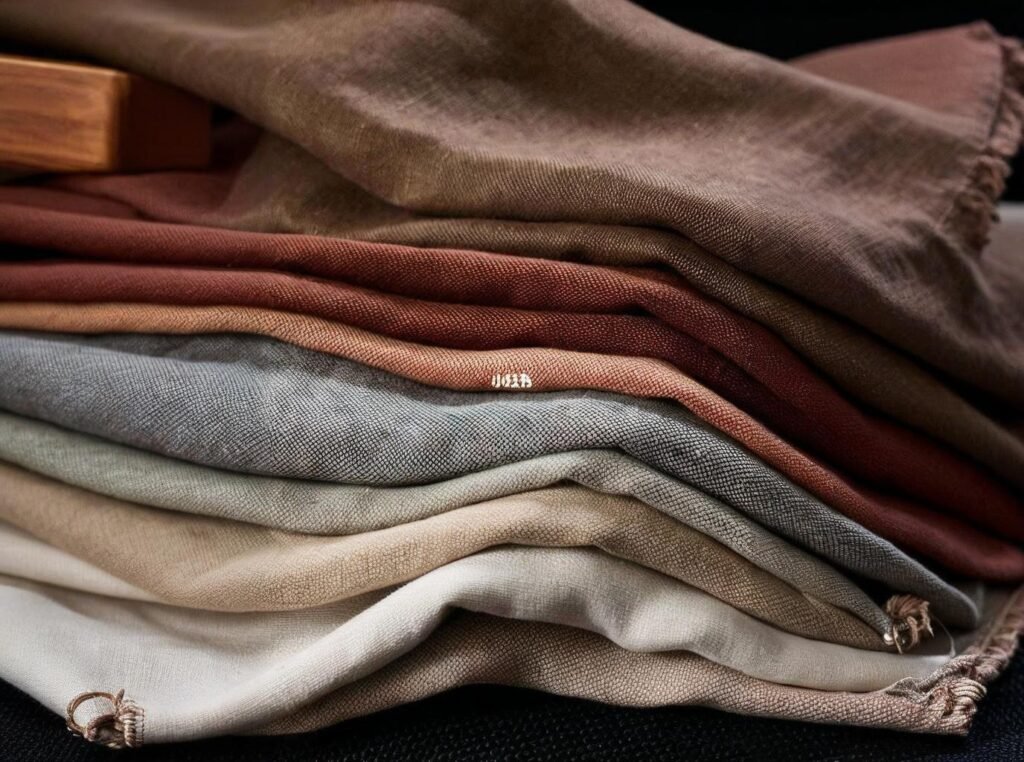
Linen and cotton—two of the world’s oldest natural fibers—have never been more relevant. In a time when sustainability matters, supply chains are under scrutiny, and buyers seek both quality and value, the decision between these two fabrics has become a defining moment for fashion brands, home textile designers, and B2B sourcing managers alike. But which material is actually better?
100% linen and 100% cotton both have unique advantages: linen is stronger, more breathable, and more sustainable, while cotton is softer, easier to care for, and typically more affordable. The better option depends on your product’s end-use, performance needs, and brand positioning.
Imagine a startup launching a minimalist bedding line. Should they use crisp, cooling linen that gets softer with each wash—or cozy Egyptian cotton that already feels buttery soft? This article helps you weigh both sides with real data, sourcing considerations, and market insights—so you can make an informed, profitable decision for your next textile product.
1. What Are the Key Differences Between Cotton and Linen Fibers?
The main differences between cotton and linen lie in their plant source, fiber structure, moisture absorption, and surface feel. Linen is derived from flax and has longer, stiffer fibers, while cotton is from the cotton plant and has shorter, softer, and more elastic fibers.
Botanical and Structural Comparison
a) Fiber Origin and Composition
| Feature | Cotton | Linen |
|---|---|---|
| Source Plant | Cotton (Gossypium) | Flax (Linum usitatissimum) |
| Fiber Length | Short staple (0.9–1.5 in) | Long staple (1.5–3.0 in) |
| Cellulose Content | 90–95% | 70–85% |
| Texture | Soft, fluffy | Crisp, textured, dry feel |
- Linen’s longer fibers result in a coarser but stronger fabric.
- Cotton’s natural cohesiveness and elasticity make it ideal for spinning into finer, tighter yarns.
b) Weave and Visual Appearance
- Cotton tends to be uniform and smooth, lending itself to tight weaves like percale and sateen.
- Linen has natural slubs—tiny imperfections that give it an organic, artisanal look.
c) Comfort and Thermoregulation
- Linen offers better airflow and wicks moisture faster, making it cooler for warm climates.
- Cotton feels immediately softer, but may trap more heat and moisture over time.
d) Case Study: Bedding Fabric for Hotels
- A 5-star resort in Thailand switched from cotton to 100% French linen for its premium rooms. Result: higher guest satisfaction during humid months and fewer complaints about night sweats.
2. Which Fabric Is More Durable in Long-Term Use?
Linen is more durable than cotton in long-term use due to its thicker, stronger fibers that become softer over time without breaking down. Cotton, while soft and breathable, tends to wear out faster, especially with repeated washing.
Durability Metrics by Use Case
a) Tensile Strength and Abrasion Resistance
| Property | Cotton | Linen |
|---|---|---|
| Wet Strength | Moderate | Increases 10–20% when wet |
| Tensile Strength (MPa) | 3.0–5.0 | 5.0–7.0 |
| Abrasion Resistance | Moderate | High |
| Shrinkage After Wash | 3–6% | 1–4% (pre-washed linen) |
- Linen actually becomes stronger when wet, making it ideal for applications like table linens, napkins, and spa towels.
b) Product Longevity Over Wash Cycles
| Product Type | Fabric Used | Avg. Lifespan (Machine Washes) |
|---|---|---|
| Shirt | Cotton | 40–60 washes |
| Shirt | Linen | 70–100+ washes |
| Bed Sheets | Cotton | 100–150 washes |
| Bed Sheets | Linen | 150–200+ washes |
c) Maintenance Requirements
- Cotton is less prone to wrinkling but wears out in high-friction zones (e.g., elbows, knees).
- Linen wrinkles easily but maintains structural integrity longer, particularly if enzyme-washed or softened.
d) Real-World Brand Insight
- A DTC apparel label tested both cotton and linen shirts over a year. Linen maintained its structure and color better under sunlight and moisture exposure, while cotton faded faster and shrank unevenly in hot washes.
e) Buyer Tip
If your product is designed for long-term use (like hospitality bedding or high-use apparel), investing in pre-washed linen will increase lifecycle value and reduce customer returns.
3. How Do Cotton and Linen Compare in Terms of Breathability and Comfort?
Linen is more breathable and moisture-wicking than cotton, making it feel cooler and drier on the skin, while cotton offers a smoother, softer hand-feel that many consumers prefer for next-to-skin comfort.
Comfort Isn’t Just About Softness
a) Air Permeability and Moisture Regulation
| Performance Factor | Cotton | Linen |
|---|---|---|
| Air Permeability (mm/s) | 150–300 | 300–500 |
| Moisture Absorption | Absorbs 25% of its weight in water | Absorbs 35%+ of its weight |
| Dry Time After Washing | Medium | Fast |
- Linen’s hollow fiber structure and looser weave allow for better airflow, making it ideal for hot climates or performance bedding.
- Cotton holds moisture longer but feels softer to the touch, especially when combed or mercerized.
b) Skin Feel and Texture
| Feature | Cotton | Linen |
|---|---|---|
| Initial Softness | High | Medium (softens with wash) |
| Long-Term Softness | Medium | High (post-enzyme wash) |
| Texture Type | Smooth and uniform | Textured with visible slubs |
- Linen gets smoother with use, especially when enzyme-washed or stonewashed, which removes the rougher outer layers.
- Cotton’s softness is immediate but may reduce over time with heavy laundering.
c) Case Study: Fashion vs. Sleepwear
- A sleepwear brand found cotton preferable for indoor loungewear because of its cloud-like texture.
- A resort wear label reported higher sales for linen dresses and shirts, especially in coastal and desert markets.
d) Buyer Tip
If softness is a top priority for your product category (e.g., baby clothing, undergarments), go for high-thread-count cotton. For cooling comfort, consider washed linen with a midweight GSM (150–180).
4. Is Cotton or Linen More Suitable for Warm or Humid Climates?
Linen is generally better suited for warm or humid climates due to its superior breathability, moisture-wicking properties, and natural cooling effect. Cotton performs reasonably well but may retain more heat and moisture, especially in heavier weaves.
Climate Performance in Different Applications
a) Heat Regulation and Sweat Management
| Metric | Cotton | Linen |
|---|---|---|
| Heat Retention | Higher | Lower |
| Moisture Wicking Speed | Medium | Fast |
| Comfort in 30°C+ Weather | Moderate | Excellent |
| Odor Resistance | Lower | Higher (less bacterial growth) |
- Linen’s ability to stay cool to the touch even in high humidity makes it ideal for tropical locations or summer apparel.
b) Use Case Scenarios
| Product Type | Hot Climate Preferred Fabric | Reason |
|---|---|---|
| Hotel Bed Sheets | Linen | Faster drying, better airflow |
| Outdoor Apparel | Linen | Light, wicks sweat faster |
| Indoor Loungewear | Cotton | Softer, cozier indoors |
| Window Curtains | Linen | Breathable, less mildew-prone |
c) Real-World Example: Hospitality Industry
- Several Southeast Asian boutique hotels reported 25% fewer complaints about sleep temperature after switching from cotton sheets to pre-washed linen bedding.
- Additionally, linen dries faster between laundry cycles—reducing energy use and improving room turnover rates.
d) Buyer Insight: Fabric GSM and Climate Pairing
| GSM Range | Best Use | Hot Climate Suitability | Notes |
|---|---|---|---|
| 120–150 | Shirts, Sheets | Excellent | Feels light and airy |
| 160–180 | Pants, Dresses | Very Good | Soft + durable |
| 200–250 | Upholstery | Moderate | May trap heat if unlined |
e) Buyer Tip
In tropical regions or during spring/summer drops, lean into linen for both marketing (eco-cool angle) and functional comfort. For temperate zones, a cotton-linen blend may offer the best of both worlds.
5. Are Cotton or Linen Fabrics Easier to Maintain and Care For?
Cotton is generally easier to maintain than linen due to its resistance to wrinkling, ability to withstand frequent machine washing, and lower sensitivity to detergents and water temperature. Linen requires more mindful care but rewards users with increasing softness and longevity.
Day-to-Day Care and Performance Post-Purchase
a) Washing and Shrinkage
| Fabric Type | Machine Washable | Shrinkage Risk (First Wash) | Ironing Required | Drying Speed |
|---|---|---|---|---|
| Cotton | Yes | 3–6% | Optional (low) | Medium |
| Linen | Yes (gentle cycle) | 4–8% (unless pre-washed) | High | Fast |
- Cotton’s fiber structure tolerates hot water, fabric softeners, and tumble drying, making it lower maintenance for end-users and hospitality clients.
- Linen should be washed cold, line-dried, and ideally ironed while damp—unless pre-softened.
b) Wrinkling and Fabric Shape
- Linen’s natural structure is more prone to wrinkles, especially untreated linen.
- However, stonewashed and enzyme-washed linen resists harsh creasing and can be marketed as “relaxed” or “effortlessly lived-in.”
c) Color Retention
| Fabric | Dye Penetration | Fading Risk (over 50 washes) | Best Dye Method |
|---|---|---|---|
| Cotton | Excellent | Low | Reactive dye |
| Linen | Moderate | Medium | Pigment or reactive dye |
- Cotton holds color exceptionally well, especially for prints and vibrant tones.
- Linen’s slightly coarse texture sometimes causes uneven dyeing unless pre-treated.
d) Industrial Care Use Case
- Hotels using 100% cotton linens can clean them with industrial-grade detergents without issue.
- Linen in hospitality settings should be pre-washed and accompanied by care instructions to reduce shrinkage or wrinkling complaints.
e) Buyer Tip
If ease of care is critical (e.g., uniforms, rental linens), opt for cotton or blended linen fabrics (linen-cotton or linen-polyester). If you’re targeting upscale or eco-conscious clients, pre-washed linen with branding around “natural elegance” will align with expectations.
6. Which Material Offers Better Sustainability and Eco-Friendliness?
Linen is considered more sustainable than cotton due to its lower water usage, minimal pesticide needs, and biodegradability. Organic cotton narrows the gap but still requires more land and resources to produce than flax-based linen.
Environmental Impact From Field to Fabric
a) Water Consumption
| Metric | Cotton (Conventional) | Linen (Flax) |
|---|---|---|
| Water for 1 kg fiber | 7,000–10,000 liters | <1,000 liters (rain-fed) |
| Irrigation Required | Yes (frequent) | Rarely (natural rainfall) |
- Linen is rain-fed and requires 80–90% less water than cotton.
- Cotton accounts for nearly 25% of global textile water use.
b) Chemical Usage
| Category | Cotton | Linen |
|---|---|---|
| Pesticide Use | High (unless organic) | Low to minimal |
| Fertilizer Demand | High | Low |
- According to the Textile Exchange, cotton uses 16% of the world’s pesticides.
- Flax grows well in poor soil and is rarely genetically modified.
c) Carbon Footprint and Energy Use
| Category | Cotton | Linen |
|---|---|---|
| Carbon Emissions per 1 kg | 2.1–3.5 kg CO₂e | ~1.5 kg CO₂e |
| Processing Energy Required | Moderate to High | Low to Moderate |
- Linen has a smaller carbon footprint from farming to spinning.
- Linen also biodegrades faster, typically within 2–3 years, compared to 5+ years for cotton textiles.
d) Certifications That Validate Sustainability
| Certification | Applicable To | What It Verifies |
|---|---|---|
| GOTS | Organic Cotton | Organic farming, chemical restriction |
| OEKO-TEX | Both | Safety from harmful substances |
| European Flax® | Linen | Eco-responsible European flax chain |
| BCI | Cotton | Better Cotton Initiative standards |
e) Brand & Consumer Perception
- Linen is associated with “slow fashion,” natural wellness, and premium eco-products.
- Cotton has more mainstream familiarity, but organic cotton carries a rising premium—especially in Gen Z–targeted markets.
f) Buyer Tip
If your brand is building an eco-friendly product line, linen offers a clear sustainability advantage—especially if you source European Flax® certified linen from suppliers like SzoneierFabrics, who also offer OEKO-TEX options and custom finishing.
7. How Do the Costs of 100% Cotton and Linen Compare for B2B Buyers?
Linen is generally more expensive than cotton in wholesale pricing due to its more labor-intensive processing, lower yield per acre, and niche production capacity. However, the cost-per-use of linen may be lower over time thanks to its superior durability.
Comparing Costs at Every Stage
a) Wholesale Price Range (per meter)
| Fabric Type | Avg. Price (USD/m) | Fabric Weight (GSM) | Notes |
|---|---|---|---|
| 100% Cotton (basic woven) | $1.50–$3.50 | 100–200 GSM | High-volume, lower margin |
| Organic Cotton | $4.00–6.50 | 120–200 GSM | Certified, growing demand |
| 100% Linen (China) | $3.00–6.00 | 120–180 GSM | Mid-grade, machine processed |
| 100% Linen (Europe) | $8.00–15.00 | 140–220 GSM | Long-staple, enzyme/stonewashed |
- Cotton pricing is more volatile due to heavy dependence on agriculture subsidies and weather.
- Linen prices are more stable, but the supply chain is smaller and limited by regional flax harvests.
b) Cost per Use (Durability-Adjusted)
| Fabric Type | Estimated Washes | Cost per Use (Based on Avg. Price) |
|---|---|---|
| Cotton | 50–100 washes | $0.05–$0.08 |
| Linen | 100–200 washes | $0.04–$0.07 |
Linen’s longer life span and improved strength after washing offer a better long-term value for many buyers—especially in hospitality, fashion basics, and homeware.
c) Return on Investment (ROI) for Brands
| Cost Factor | Cotton (DTC) | Linen (DTC) |
|---|---|---|
| Material Cost | Lower | Higher |
| Retail Price Potential | Moderate ($25–80/item) | High ($60–200/item) |
| Customer Perception | Familiar/essential | Elevated/sustainable |
| Margin Potential | Moderate | High |
d) Buyer Tip
- For entry-level or seasonal products, cotton gives you more room to test volumes.
- For branded, eco-premium collections, linen unlocks higher ticket sizes, brand elevation, and repeat purchases.
SzoneierFabrics helps clients balance budgets by offering:
- Tiered pricing
- Blended cotton-linen fabrics
- Free sampling to evaluate hand-feel and finish at different price points
8. Which Fabric Is Better for Apparel, Home Textiles, and Industrial Applications?
Cotton and linen both perform well in key B2B categories, but their advantages differ depending on end use. Linen excels in breathable apparel and premium home textiles, while cotton offers better cost-effectiveness and user familiarity in mass-market and industrial contexts.
Application-by-Application Breakdown
a) Apparel
| Segment | Recommended Fabric | Why |
|---|---|---|
| Summer Dresses | Linen or linen-blend | Breathable, elegant texture |
| Baby Clothing | Cotton | Soft, non-irritating |
| Casual Shirts | Cotton | Comfort, color retention |
| Resortwear | Linen | Cool, structured drape |
b) Home Textiles
| Product | Best Fabric Choice | Reason |
|---|---|---|
| Bed Sheets | Linen (premium) | Moisture-wicking, temperature regulation |
| Towels | Cotton | Absorbency, softness |
| Tablecloths/Napkins | Linen | Crisp aesthetic, durability |
| Curtains | Linen-cotton blend | Lightweight, breathable, affordable |
c) Industrial/Commercial Use
| Sector | Preferred Material | Reason |
|---|---|---|
| Hotel Bedding | Pre-washed Linen | Durability + elevated guest feel |
| Restaurant Linens | Blended Linen | Absorbent + low maintenance |
| Workwear | Cotton | Comfort + mass production capability |
d) Sustainability-Driven Products
Linen performs best in:
- Zero-waste home goods
- Plastic-free packaging alternatives
- Carbon-neutral apparel collections
e) Case Example: Eco-Homeware Brand
- One client of SzoneierFabrics launched a line of linen tea towels and napkins using 100% European Flax® linen with OEKO-TEX finish.
- The collection sold out in 3 weeks with 40% net margin, with zero returns and glowing customer reviews.
Cotton or Linen—Which Is Better?
There’s no one-size-fits-all answer. The better fabric depends entirely on your goals:
- Choose 100% Cotton if you need:
- Lower material costs
- Easy-care clothing or textiles
- Familiarity for end-users
- Choose 100% Linen if you want:
- Long-term durability and breathability
- Premium feel and higher perceived value
- Sustainability and story-rich branding
For many businesses, the best strategy is to offer both—positioning cotton as your “essential” product line, and linen as your premium upgrade.
At SzoneierFabrics, we support brands, wholesalers, and designers with:
- Custom-developed cotton and linen fabrics
- Free samples, fast prototyping, and low MOQs
- Certified OEKO-TEX, GOTS, and European Flax® options
Want to explore 100% cotton, linen, or blends for your product line?Contact SzoneierFabrics now for tailored sourcing solutions, swatches, or a free quote.

Can't find the answers?
No worries, please contact us and we will answer all the questions you have during the whole process of bag customization.
Make A Sample First?
If you have your own artwork, logo design files, or just an idea,please provide details about your project requirements, including preferred fabric, color, and customization options,we’re excited to assist you in bringing your bespoke bag designs to life through our sample production process.