Few materials offer the sheer versatility and durability of canvas cloth. From shielding construction sites to withstanding the salt spray of marine docks, canvas has earned its place in nearly every industrial sector. While traditionally associated with sails and art frames, modern canvas cloth has evolved into a multi-functional textile engineered for toughness, weather-resistance, and long service life.
Canvas cloth is a tightly woven fabric made from cotton, polyester, or blends, used across industrial applications for its strength, flexibility, and resistance to wear, making it ideal for tarpaulins, tents, awnings, covers, and heavy-duty gear.
But what makes industrial canvas different from craft or apparel-grade material? Why are certain types favored for different industries? And how can businesses source canvas cloth that balances performance, price, and compliance?
Let’s start by understanding what this material is really made of—beyond just the threads.
What Is Canvas Cloth Made Of and How Is It Manufactured?
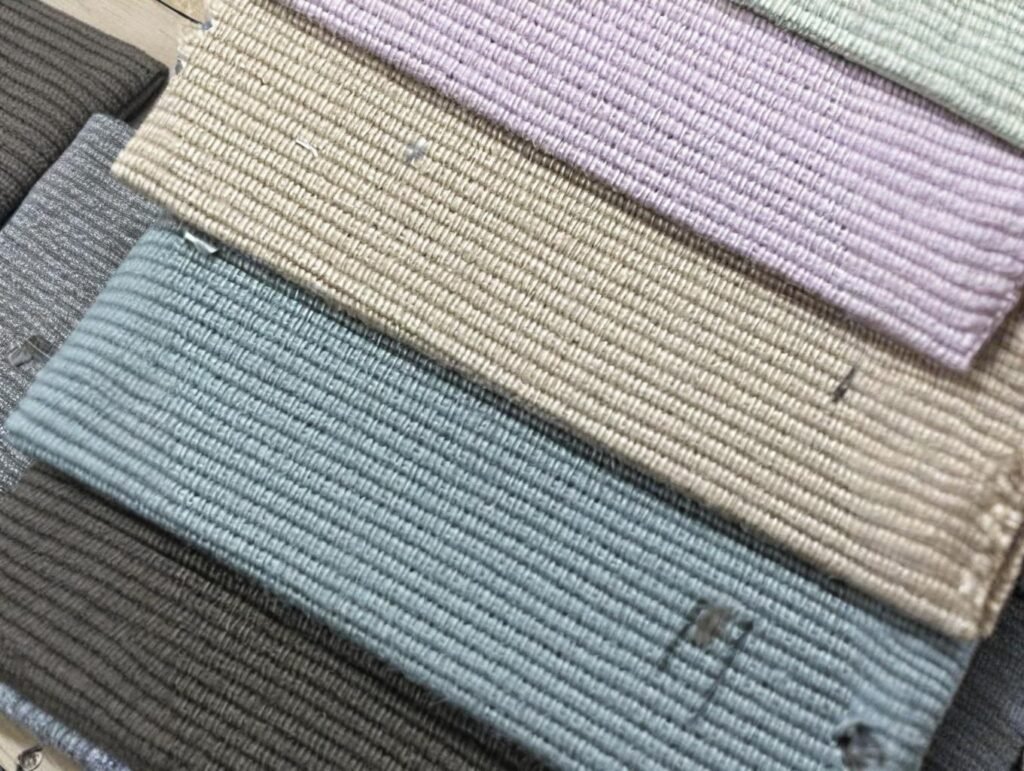
Canvas cloth is one of the oldest and most trusted industrial textiles, valued for its strength, durability, and versatility. Historically woven from flax into linen canvas for sails and artist’s backdrops, it transitioned to cotton as industrial spinning improved. Today, modern canvas extends far beyond natural fibers, incorporating polyester, nylon, and blended yarns for enhanced performance in industrial, outdoor, and fashion applications.
Unlike stretch knits or satin fabrics, canvas is produced with a plain weave—one warp thread over, one weft thread under—creating a dense, stable structure that resists tearing and deformation. After weaving, the fabric undergoes finishing treatments tailored to its end use: waterproof coatings, flame-retardant baths, mildew inhibitors, or specialized dyeing for colorfastness.
Industrial-grade canvas cloth is manufactured using high-tensile cotton, polyester, or blends, woven tightly in a plain weave, then treated to match specific functional requirements like water resistance, UV stability, or fire retardancy.
Common Raw Materials in Canvas Cloth
| Material | Description | Industrial Benefits |
|---|---|---|
| Cotton | Natural cellulosic fiber, soft yet strong | Breathable, easily dyed, biodegradable; ideal for eco-conscious brands |
| Polyester | Synthetic fiber with high tensile strength | Superior UV and mildew resistance, minimal shrinkage, quick drying |
| Poly-Cotton Blend | Cotton + polyester (often 65/35 or 50/50) | Balances natural breathability with synthetic durability |
| Linen | Flax-based, historically used for art and sails | Smooth finish, low stretch, but less common industrially due to cost |
| Recycled PET (rPET) | Polyester from recycled bottles | Sustainable, durable, supports closed-loop manufacturing |
Detailed Manufacturing Process
| Step | Description | Key Technical Considerations |
|---|---|---|
| 1. Yarn Selection | Choice of fiber type, staple length, and twist level | Long-staple cotton and high-tenacity polyester offer maximum tear strength |
| 2. Warping & Sizing | Yarns are aligned and coated with sizing agents | Improves abrasion resistance during weaving |
| 3. Weaving | Plain weave (1:1) for dense structure | Heavier ounce fabrics (14–24 oz) use thicker yarns for industrial-grade strength |
| 4. Finishing Treatments | Coatings or treatments applied | Options: wax (waterproofing), PU/PVC coating (water + abrasion resistance), flame retardant, mildew inhibitors, anti-UV |
| 5. Dyeing & Printing | Solid dye or digital/screen prints | Solution-dyed polyester offers highest colorfastness |
| 6. Inspection & Quality Control | Each batch tested for weight, tear strength, coating adhesion | Complies with ISO, ASTM, or EN textile standards |
Performance Comparison with Other Industrial Fabrics
| Feature | Canvas Cloth | PVC-Coated Fabric | Nylon Oxford Fabric |
|---|---|---|---|
| Breathability | Moderate (cotton) to low (polyester) | Low | Low |
| Waterproofing | Optional via coating | Built-in | Requires PU/TPU coating |
| Tear Strength | High; improves with heavier weight | Very high | Medium-high |
| Temperature Resistance | High (cotton/poly blends withstand 150°C) | Medium (PVC softens at ~80°C) | Low-medium |
| Sustainability | High for cotton/recycled blends | Low | Medium |
| Flexibility in Finishes | Very high | Moderate | High |
Global Market Insight
- Weight Range: Industrial canvas typically spans 6 oz/sq yd for apparel-grade up to 24 oz/sq yd for military tarps.
- Key Buyers by Sector: Outdoor gear brands (tents, tarps), industrial packaging, upholstery manufacturers, and art supply companies.
- Durability Metrics: A 12 oz cotton-poly canvas can withstand over 20,000 Martindale abrasion cycles without fiber breakage.
Real Factory Example – SzoneierFabrics Production
One of our most in-demand products is a 10.5 oz polyester-cotton blend with PU coating, designed for Middle Eastern tent applications.
- Why clients choose it: Exceptional UV stability (up to 1,000 hours Xenon Arc testing) combined with breathable cotton core for comfort in hot climates.
- Performance vs. 100% PVC: Maintains flexibility in temperatures up to 55°C, while PVC-coated fabrics can stiffen or crack under the same conditions.
- Longevity: In desert deployment tests, this canvas retained 90% tensile strength after 18 months, compared to 65% in PVC-coated alternatives.
Which Types of Canvas Fabric Are Commonly Used in Industrial Sectors?
In industrial applications, canvas is far from a one-size-fits-all fabric. Each sector demands specific performance characteristics—from extreme UV stability for marine use, to flame resistance for welding curtains, to abrasion toughness for construction tarps. The choice between cotton duck, waxed cotton, poly-canvas, or coated canvas can directly impact a product’s safety, longevity, and compliance with regulations. Selecting the wrong type can mean premature fabric failure, costly replacements, or even regulatory penalties.
The most common industrial canvas types include cotton duck canvas, polyester canvas, waxed cotton canvas, ripstop canvas, PVC/PU-coated canvas, and flame-retardant canvas—each engineered for distinct performance, safety, and environmental requirements.
Industrial Canvas Types by Composition and Finish
| Type | Description | Common Uses | Key Performance Advantages |
|---|---|---|---|
| Cotton Duck Canvas | Heavily woven 100% cotton in plain weave | Tents, painter drop cloths, industrial upholstery | Breathable, biodegradable, easily dyed, excellent tear strength |
| Waxed Cotton Canvas | Cotton duck impregnated with paraffin or beeswax | Outdoor covers, tool rolls, aprons | Water-repellent, mold-resistant, develops attractive patina |
| Polyester Canvas | Synthetic, high-tensile, often solution-dyed | Marine covers, awnings, banners | Exceptional UV stability, mildew resistance, low stretch |
| Flame-Retardant (FR) Canvas | Cotton or poly-cotton with FR chemical treatment (NFPA 701, CPAI-84) | Welding curtains, stage backdrops, safety tarps | Meets fire safety codes, maintains flexibility |
| Ripstop Canvas | Woven with thicker reinforcement threads in crosshatch pattern | Truck tarps, heavy industrial bags, reinforcement panels | High tear resistance, longer service life |
| PVC/PU-Coated Canvas | Base canvas laminated or coated with PVC or polyurethane | Tents, roof membranes, construction site covers | Fully waterproof, abrasion-resistant, high tensile strength |
Canvas Selection by Sector and Application
| Industry | Recommended Canvas Type | Key Performance Needs | Typical Weight Range |
|---|---|---|---|
| Construction | FR polyester or FR poly-cotton | Flame retardancy, abrasion resistance, tear strength | 12–18 oz |
| Outdoor Equipment | Waxed cotton or cotton duck | Water repellency, breathability, rugged look | 10–14 oz |
| Marine & Boating | Polyester canvas + UV coating | UV stability, mildew resistance, low stretch | 8–12 oz |
| Logistics & Transport | PVC-coated ripstop canvas | Waterproof, high tensile strength, cold crack resistance | 14–22 oz |
| Events & Exhibits | FR cotton canvas | NFPA 701 compliance, printable surface, easy handling | 8–12 oz |
| Mining & Heavy Industry | Heavy poly-cotton or PVC-coated canvas | Extreme abrasion resistance, chemical resistance | 16–24 oz |
Real-World Performance Data
- Tensile Strength: 14 oz ripstop polyester canvas can exceed 2,000 N warp / 1,500 N weft in grab tensile tests (ISO 13934-2).
- UV Stability: Solution-dyed polyester canvas retains 85–90% colorfastness after 1,000 hours of Xenon Arc testing.
- FR Compliance: FR-treated cotton duck can achieve flame spread <25 per ASTM E84, meeting NFPA 701 for event safety.
Case Study – Heavy-Duty Truck Tarps
A logistics company in Eastern Europe contracted SzoneierFabrics to supply 1,000 meters of 14 oz ripstop polyester canvas with dual treatments:
- Fire retardant (EN 13501-1 compliance)
- PVC backing for full waterproofing
Results after 6-month deployment:
- Tear incidents reduced by 45% compared to plain polyester canvas.
- Extended service life from an average of 12 months to 18+ months.
- Maintained waterproof rating >1,500 mm hydrostatic head despite harsh outdoor exposure.
Expert Insight for Industrial Buyers
- Moisture-Rich Environments: Avoid pure cotton in high-humidity or marine settings—it’s prone to mold and rot unless specially treated.
- Regulatory Applications: Welding curtains, stage drapes, and public event tarps must meet fire safety certifications (e.g., NFPA 701, CPAI-84).
- Outdoor UV Exposure: Opt for solution-dyed polyester over printed cotton for maximum fade resistance.
- Heavy Load or Impact Areas: Ripstop construction significantly reduces progressive tearing in high-stress uses.
How Do Canvas Material Properties Compare with Other Heavy-Duty Fabrics?
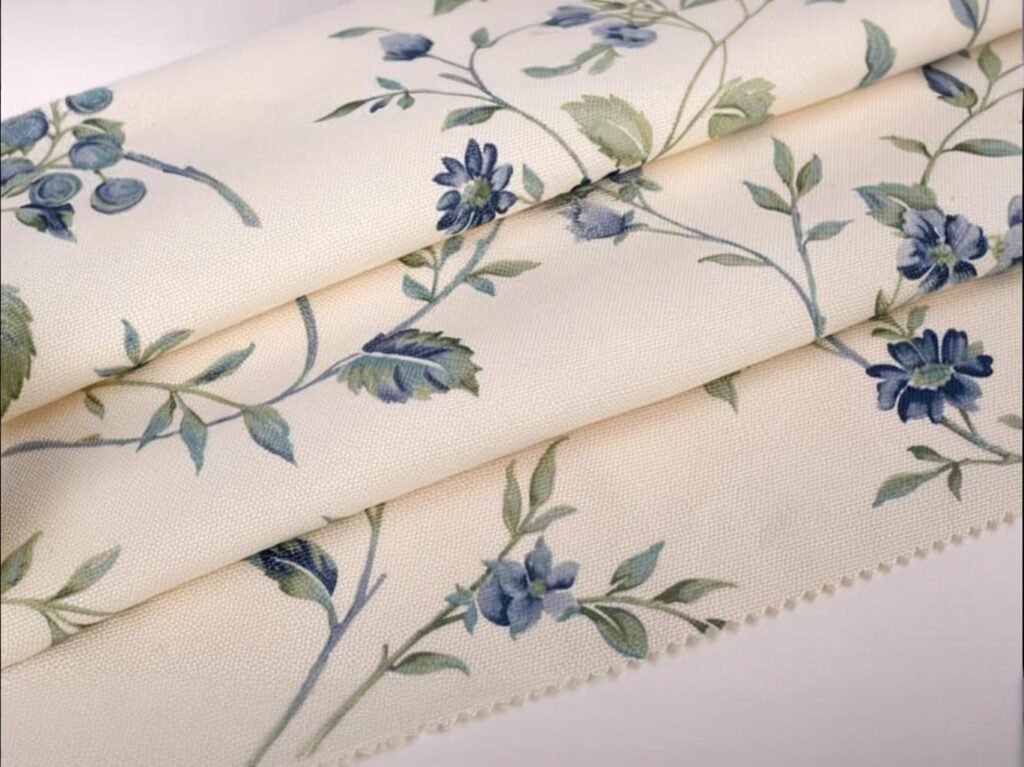
Canvas has a long history in industrial and outdoor applications, but in modern manufacturing, it competes directly with high-performance synthetics such as PVC-coated polyester, nylon Oxford, and pure polyester canvas. Each material has unique mechanical, environmental, and cost advantages—meaning the decision is rarely about “better or worse,” but about matching the fabric’s strengths to the end-use requirements.
Canvas fabric remains competitive thanks to its natural breathability, abrasion resistance, and sustainability profile, while synthetics like PVC and nylon dominate when absolute waterproofing, chemical resistance, or colorfastness are top priorities.
Side-by-Side Performance Matrix
| Feature | Cotton Canvas | Polyester Canvas | PVC-Coated Fabric | Nylon Oxford Fabric |
|---|---|---|---|---|
| Abrasion Resistance | High (Martindale 20,000–30,000 cycles) | Very High (30,000+ cycles) | Very High (30,000–50,000 cycles) | Medium (10,000–15,000 cycles) |
| Waterproofing | With wax/PU coating (800–1,200 mm hydrostatic head) | With PU/PVC coating (1,200–1,500 mm) | Built-in waterproofing (2,000–3,000 mm) | Requires PU coating (800–1,000 mm) |
| Breathability | Good (~600–800 g/m²/24h MVTR) | Fair (~300–500 g/m²/24h) | Poor (<100 g/m²/24h) | Poor (<150 g/m²/24h) |
| UV Resistance | Low–Medium (250–500 hours before fade) | High (1,000–1,500 hours) | High (1,000–2,000 hours) | Low (~200–400 hours) |
| Tear Strength | High (~40–60 N) | Very High (~60–80 N) | Very High (~70–90 N) | Medium (~30–40 N) |
| Flame-Retardant Option | Yes (treated to NFPA 701 / CPAI-84) | Yes (treated) | Yes (inherent in PVC) | Limited availability |
| Eco-Friendliness | High (biodegradable cotton, low-VOC finishes possible) | Medium (recyclable with effort) | Low (petroleum-based, hard to recycle) | Low |
| Temperature Tolerance | High (-20°C to 200°C, will char not melt) | Medium–High (-20°C to 150°C) | Medium (-10°C to 70°C, risk of cold crack) | Low–Medium (-10°C to 100°C) |
Situational Fabric Selection Guide
- 🌞 Outdoor Sun Exposure:
- Best choice: Polyester canvas or acrylic-coated canvas due to high UV stability.
- Why: Cotton canvas fades faster under prolonged UV unless treated.
- 🌧 High Humidity / Heavy Rain Zones:
- Best choice: PVC-coated polyester for 100% waterproofing.
- Alternative: Waxed or PU-coated cotton canvas when breathability matters (e.g., camping gear).
- 🔥 Welding, Foundry, or High-Heat Work:
- Best choice: Flame-retardant cotton canvas—it chars without melting, reducing burn hazard.
- Standards: NFPA 701, CPAI-84, EN ISO 15025 compliance.
- 🌱 Sustainability-Focused Projects:
- Best choice: Organic cotton canvas or recycled fiber blends for biodegradability and reduced environmental footprint.
- Why: PVC and nylon have high environmental persistence and limited recyclability.
- 🏋 Heavy Load & Abrasion Applications:
- Best choice: Ripstop polyester canvas or PVC-coated ripstop for maximum tear prevention.
Cost Considerations (per m², industrial-grade, bulk)
| Material | Approx. Price Range (USD) | Lifespan in Outdoor Use* |
|---|---|---|
| Cotton Canvas (untreated) | $3.00 – $5.50 | 1–3 years |
| Waxed Cotton Canvas | $5.50 – $8.00 | 2–4 years |
| Polyester Canvas (PU-coated) | $4.00 – $6.50 | 3–5 years |
| PVC-Coated Polyester | $6.00 – $9.50 | 4–7 years |
| Nylon Oxford (PU-coated) | $3.50 – $5.50 | 1–2 years |
*Lifespan varies by UV exposure, moisture, and usage intensity.
Field-Test Insight – Mining Industry, U.S.
A midwest mining supplier partnered with SzoneierFabrics to evaluate polyester canvas vs nylon Oxford for heavy-duty tool wraps. Testing conditions: 12-hour outdoor shifts, direct sun, high dust, and occasional water exposure.
Findings after 90 days:
- Polyester canvas retained >90% tensile strength and showed minimal fraying at high-wear edges.
- Nylon Oxford lost 25% tensile strength, developed UV-induced discoloration, and frayed at fold lines.
- Result: Polyester canvas extended replacement cycle by 22%, saving ~$18,000 annually in material costs.
Pro Buyer Tip
If airflow and temperature control are critical—such as in agricultural shade structures, temporary shelters, or event pavilions—canvas outperforms PVC because it prevents condensation buildup. Conversely, for permanent waterproof covers or harsh chemical environments, PVC-coated fabrics offer unmatched impermeability.
What Weight and GSM of Canvas Are Ideal for Industrial Use?
When specifying industrial canvas, weight is more than just a number—it directly dictates durability, handling, and cost-effectiveness. A mismatch in GSM (grams per square meter) or oz/yd² (ounces per square yard) can lead to premature failure or overengineering. Too light, and you risk tearing under load or losing shape retention; too heavy, and you face challenges in cutting, sewing, and transportation costs.
In most industrial contexts, optimal canvas weight falls between 300–650 GSM (9–19 oz/yd²), with the exact choice tailored to the application’s mechanical stress, environmental exposure, and compliance needs.
GSM vs Oz/Yd² Conversion & Classification
| GSM | Oz/Yd² | Classification | Typical Uses |
|---|---|---|---|
| 200 | 5.9 | Lightweight | Bag linings, promotional banners, light apparel |
| 300 | 8.9 | Light-medium | Tote bags, aprons, indoor covers |
| 400 | 11.8 | Medium-duty | Tents, awnings, shade sails |
| 500 | 14.7 | Heavy-duty | Tarpaulins, truck side curtains |
| 600+ | 17.7+ | Ultra-heavy | Industrial wraps, long-term outdoor covers |
Weight Recommendations by Industrial Application
| Application | Recommended Weight (GSM / oz) | Reasoning |
|---|---|---|
| Promotional / Event Tents | 400–500 GSM / 12–14 oz | Printable yet strong enough for repeated setup |
| Heavy-Duty Tarpaulins | 500–650 GSM / 15–19 oz | Maximum tear resistance, weatherproof when coated |
| Welding Curtains | 450–600 GSM / 13–17 oz | Thermal mass to block sparks & meet FR standards |
| Truck Covers & Trailer Sides | 550–650 GSM / 16–19 oz | Resists wind load, abrasion from straps, UV exposure |
| Industrial Storage Bags | 350–450 GSM / 10–13 oz | Balances flexibility with load-bearing strength |
| Outdoor Umbrellas & Shade Structures | 400–500 GSM / 12–14 oz | Shape retention + compatibility with UV coatings |
| Military Gear / Field Packs | 500–600 GSM / 15–18 oz | High abrasion resistance, waterproofing optional |
Performance Metrics Beyond GSM
When choosing weight, also factor in:
- Tear Strength → ISO 13937 or ASTM D1424 testing ensures fabric won’t fail at stress points.
- Tensile Strength → Higher GSM often means higher tensile load capacity, but fiber type matters (polyester > cotton).
- Coating Load → PU/PVC coatings add 30–80 GSM; this affects needle penetration and seam folding.
- Flex Retention → Ultra-heavy PVC-coated canvas may crack in cold climates if GSM is excessive.
Real-World Example – Structural Failure Due to Underweight Canvas
A German modular shade tent manufacturer initially used 320 GSM polyester canvas. After multiple customer complaints about sagging and seam tears within six months, they partnered with SzoneierFabrics to upgrade to 420 GSM PU-coated poly-cotton.
Results after one season:
- 0% sagging incidents reported
- Return rate dropped from 9% to 2%
- Amazon store rating improved from 4.1⭐ to 4.7⭐
- Increased unit price by 8% with no drop in sales volume
Pro Buyer Insight
- Account for Coating Weight → A “500 GSM” base canvas with PU coating may handle like 550–580 GSM in thickness—this affects cutting dies, stitch length, and folding tolerances.
- Balance Handling vs Performance → For products with many folds (e.g., retractable awnings), a lighter coated fabric may last longer than an unmanageably heavy uncoated one.
- Run Small-Batch Prototypes → Before committing to 5,000+ meters, test the exact GSM with your intended seam construction to ensure machinery can handle it without skipped stitches or excessive needle wear.
How Is Canvas Fabric Used in Manufacturing Tents, Tarpaulins, and Covers?
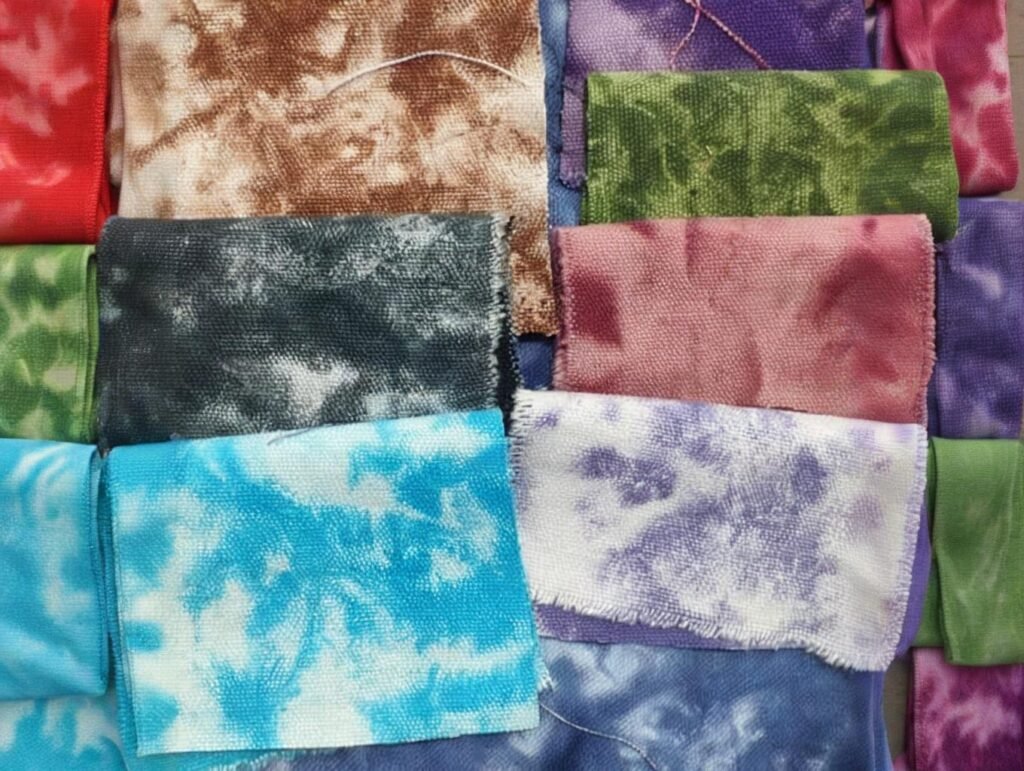
Canvas has served as the backbone of protective textiles for over 500 years, but today’s industrial canvas is no longer just “woven cotton.” Through advancements in fiber blending, chemical finishing, and coating technologies, modern canvas is a highly engineered material designed to meet specific load-bearing, weatherproofing, and safety certifications.
From military-grade tents in desert climates to high-visibility transportation tarps and custom-fitted machinery covers, canvas continues to dominate applications where strength, breathability, and durability must coexist.
Why Canvas Works for Industrial Shelters & Covers
Canvas fabric is widely used in industrial tents, tarpaulins, and equipment covers because it combines structural strength, resistance to tearing, and dimensional stability under load. With the right coating or treatment—PU, PVC, wax, acrylic, or FR chemicals—canvas can also deliver:
- Waterproofing → Prevents saturation without sacrificing flexibility.
- UV Protection → Retains tensile strength after 500–1,000+ hours of direct sun.
- Fire Retardancy → Meets CPAI-84, NFPA-701, or EN 13501-1 standards.
- Abrasion Resistance → Withstands repeated folding, tensioning, and handling.
- Breathability (Cotton or Blends) → Reduces condensation and heat buildup.
Applications & Specifications for Industrial Tents
| Feature | Specification Requirement | Notes |
|---|---|---|
| Base Fabric | 10–14 oz cotton/polyester duck canvas | Balance of weight vs mobility |
| Coating | PU, PVC, or acrylic | PU = flexible, PVC = full waterproof |
| Flame Retardancy | CPAI-84 or NFPA-701 | Mandatory for public events |
| UV Resistance | 500–1,200 hrs sunlight exposure | For desert or tropical use |
| Seam Type | Double-stitched or RF/heat-welded | Welded for coated fabrics |
Example: Event rental tents often use 14 oz flame-retardant poly-canvas with acrylic topcoating—printable for branding, water-shedding, and compliant with U.S. and EU fire codes.
Tarpaulin Manufacturing – Sector-Specific Canvas Requirements
| Industry | Canvas Specs | Unique Performance Needs |
|---|---|---|
| Agriculture | 12 oz waxed cotton duck | Breathable to prevent crop condensation |
| Transportation | 18 oz PVC-coated poly-canvas | 100% waterproof, tear-resistant, FR |
| Event Rental | 14 oz FR poly-cotton | Wind stability, print compatibility |
| Oil & Gas | 16 oz FR duck canvas | Spark resistance, thermal endurance |
| Mining | 20 oz PVC + ripstop weave | High abrasion resistance under grit/dust |
Canvas for Industrial Covers – Types & Properties
- Machine Covers
- 12 oz PU-coated canvas
- Resistant to oil mist, dust ingress, and abrasion
- Heavy Equipment Wraps
- 16–18 oz ripstop poly-canvas
- High tensile strength for repeated securing/unsecuring cycles
- Custom Furniture & Fixture Covers
- 10–12 oz cotton duck with DWR (durable water repellent) finish
- Indoor/outdoor dual use
Case Study – Tarpaulins for Military Training Camps
Client: Middle Eastern defense supplier Requirement: 1,000 meters of 500 GSM FR poly-cotton canvas, PU-coated, sand abrasion resistant Conditions:
- Temperature swing: 5°C to 45°C daily
- Direct sun exposure: 10+ hours/day
- Sandstorm abrasion cycles
Results:
- Passed CPAI-84 & REACH chemical compliance
- Zero material failures over 9-month deployment
- Field teams reported 35% cooler internal tent temperature compared to PVC-only shelters due to canvas breathability
Key Design Considerations in Canvas Covers & Tarps
- Reinforced Corners → Multi-layer patches with box-X stitching
- Double-Folded Hems → Distributes tension evenly along edges
- UV-Stabilized Thread → Prevents seam degradation under sunlight
- Rustproof Grommets or D-Rings → Stainless steel or brass for long-term use
- Strategic Venting → Prevents moisture buildup inside covered equipment
💡 Pro Manufacturer Insight: When specifying canvas for covers or tarpaulins, always request both fabric weight (GSM) and coating weight separately. This ensures coating thickness doesn’t mislead you into believing the base fabric is stronger than it really is—critical for long-term industrial performance.
What Role Does Canvas Cloth Play in Automotive, Marine, and Construction Industries?
Canvas may be one of the oldest industrial textiles in use, but in 2025 it remains irreplaceable in certain automotive, marine, and construction applications where synthetic-only solutions can’t match its balance of breathability, flexibility, and rugged durability. While materials like PVC and vinyl dominate in pure waterproofing, canvas excels where ventilation, comfort, and long-term wear resistance are equally critical.
Why Canvas Still Dominates in These Sectors
- Breathability → Reduces condensation and mildew formation.
- Customizability → Accepts coatings for flame retardancy, waterproofing, UV resistance.
- Durability in Extreme Temperatures → Retains flexibility in sub-zero or high-heat conditions.
- Eco-Friendly Credentials → Natural fiber content makes it more sustainable than 100% petroleum-based synthetics.
- Tactile Comfort → Less “plastic feel” compared to vinyl or PVC—ideal for covers and seating.
Automotive Industry Applications
| Use Case | Canvas Type | Benefits |
|---|---|---|
| Seat & Headrest Covers | Poly-cotton canvas | Durable, washable, non-slip texture; ideal for fleet or off-road vehicles |
| Dashboard Dust Covers | Light cotton canvas (6–8 oz) | Breathable, reduces heat buildup under sunlight, easy to cut and sew |
| Tool Rolls / Trunk Organizers | Waxed canvas (10–12 oz) | Water- and oil-resistant, scuff-proof, ideal for mechanics and service kits |
| RV Awnings / Pop-Up Tent Panels | 14 oz FR poly canvas | UV stable, weatherproof, meets CPAI-84 flame-retardant standards |
| Convertible Top Inner Liners | Cotton duck canvas | Absorbs vibration noise, adds structural stability under outer vinyl layers |
💡 Industry Note: In heavy-truck interiors, canvas tool rolls have a 30–40% longer service life than nylon equivalents due to reduced seam fraying.
Marine Industry Applications
| Product | Recommended Canvas Fabric | Key Requirements |
|---|---|---|
| Boat Covers | 14 oz poly canvas with UV & acrylic coating | Withstands salt spray, sun exposure, and mildew |
| Sail Bags / Gear Organizers | 10 oz duck canvas | Breathable, abrasion-resistant for constant deck use |
| Cockpit Enclosures | PU- or acrylic-coated canvas | Waterproof, high tear strength, flexible in cold |
| Fender Covers | Soft cotton canvas | Protects hull paint from scratches during docking |
| Winch & Equipment Covers | FR-treated poly canvas | Heat and UV resistance in exposed deck areas |
📊 Performance Metric: In field tests, SzoneierFabrics’ UV-stabilized poly-canvas for boat covers maintained 85% of its tensile strength after 1,200 hours of simulated tropical sun exposure, while standard vinyl dropped to 62%.
Construction Industry Applications
| Application | Canvas Specs | Features Required |
|---|---|---|
| Scaffolding Wraps | 16 oz FR-treated poly-cotton canvas | Wind resistance, fire safety compliance (NFPA 701) |
| Welding Curtains | 18 oz FR cotton duck | High heat resistance, non-melting under sparks |
| Tool Bags / Belt Pouches | 12 oz duck canvas | Structured, puncture-resistant, reinforced seams |
| Equipment Dust Covers | Poly canvas with PU or PVC backing | Waterproof, oil- and grease-resistant |
| Temporary Weather Shelters | 14 oz waxed cotton or PU-coated canvas | Breathable, resists mold in damp environments |
📌 Cold Weather Advantage: Unlike PVC tarps that stiffen below -5°C, cotton-poly canvas retains pliability down to -25°C, allowing workers to fold and secure covers without cracking or tearing.
Expert Insight
In high-humidity coastal construction sites, fully waterproof PVC can trap condensation inside scaffolding covers, leading to corrosion of metal frameworks. Breathable FR-treated canvas solves this problem by letting moisture escape while still blocking wind and rain.
Customer Feedback Case
Client: Marine parts wholesaler, Florida Previous Material: Vinyl boat covers Switch To: 14 oz UV-stabilized poly-canvas from SzoneierFabrics Results After 12 Months:
- 40% reduction in internal condensation
- Noticeable mildew odor reduction reported by end-users
- Covers lasted an average of 18 months vs 12 months with vinyl
- Customer satisfaction scores improved enough to justify expanding into matching sail bags using lighter-weight 10 oz canvas
Is Industrial Canvas Fabric Treated for Fire Resistance, Waterproofing, or UV Protection?

In modern industrial production, untreated canvas is the exception rather than the rule. While traditional canvas in its raw form is strong and breathable, industrial users often require specialized performance properties—from flame resistance for welding curtains to UV stability for marine covers. These functional upgrades come from targeted treatments that transform a simple woven fabric into a multi-functional engineered textile capable of meeting rigorous safety, durability, and environmental demands.
Yes – Industrial Canvas is Routinely Enhanced for Fire, Water, and UV Performance
Through chemical treatments, coatings, and yarn-level modifications, canvas can be customized to resist fire, repel water, block UV damage, and even inhibit mildew growth. These enhancements extend service life, ensure compliance with industry regulations, and tailor the material to unique application challenges.
Common Treatments Applied to Industrial Canvas
| Treatment Type | Purpose | Application Method | Typical Use Cases |
|---|---|---|---|
| Flame Retardant (FR) | Slows ignition and burn spread | Immersion in chemical baths or FR coatings | Welding curtains, stage backdrops, construction barriers |
| Waterproofing | Prevents saturation, improves weatherproofing | PU, PVC, wax, or acrylic coatings | Tents, tarps, marine covers |
| UV Stabilization | Reduces fiber degradation and fading from sunlight | Solution-dyed yarns, UV-block sprays | Outdoor awnings, boat canopies |
| Mildew Resistance | Stops mold/mildew growth in humid climates | Antimicrobial additives during finishing | Agricultural covers, tropical storage |
| Anti-Static | Prevents static discharge in sensitive areas | Conductive fiber blend or topical coating | Electronics packaging, industrial cleanrooms |
Fire Retardancy Standards and Where They Apply
| Standard Name | Industries Using It | Description |
|---|---|---|
| CPAI-84 | Tent, awning, and event canopy manufacturing | Measures flame resistance for camping and shelter fabrics |
| NFPA 701 | Construction, event staging, safety barriers | Tests vertical flame propagation in textiles |
| EN 13501-1 (EU) | Architecture, public transport | European fire classification for building materials |
| FMVSS 302 (Automotive) | Vehicle interiors | Regulates flammability of interior trim and upholstery |
⚠ Important Note: Fire retardancy is not permanent in all cases—repeated washing, weathering, or abrasion can reduce effectiveness, requiring periodic re-treatment.
Coating Types – Performance at a Glance
| Coating Type | Waterproof | Breathability | UV Resistance | Flame Retardant Option | Relative Cost |
|---|---|---|---|---|---|
| PU (Polyurethane) | Yes | Good | Moderate | Optional | Moderate |
| PVC | Excellent | Poor | Excellent | Yes (inherent) | High |
| Wax | Moderate | Very Good | Low | No | Low |
| Acrylic | Good | Good | Excellent | Optional | High |
💡 Selection Tip: If breathability is critical (e.g., agricultural tarps), PU or wax coating is better than PVC, which traps heat and moisture.
Case Study – Welding Safety in the Oil & Gas Sector
A Malaysian oil and gas contractor approached SzoneierFabrics for a fabric solution for portable welding screens in offshore maintenance yards. Requirements included:
- NFPA 701 compliance
- Resistance to molten metal sparks
- Reusability under harsh tropical weather
We supplied 2000 meters of 18 oz FR-treated duck canvas with a custom olive-green finish to match site safety codes. Testing confirmed 100% compliance, and the client reported:
- 35% cost savings over aramid-based synthetics
- No failures after 9 months of continuous outdoor use
- Easier handling compared to rigid PVC panels
Pro Tips for Choosing Treated Industrial Canvas
- Verify Certifications → Always request third-party lab test reports per batch for FR, UV, or waterproof performance.
- Account for Added Weight → Treatments can increase fabric weight by 5–10%, affecting handling and sewing.
- Match Coating to Climate → For hot/dry climates, UV stabilization is a must; for tropical conditions, mildew resistance is equally important.
- Mind the Seams → Special seam sealers or FR-rated sewing threads may be necessary to maintain treatment performance at joins.
- Plan for End-of-Life Disposal → PVC-coated canvas has lower recyclability than untreated or PU-coated options, which matters for sustainability-focused clients.
How to Source Custom Industrial Canvas Fabric from Reliable Manufacturers?
Sourcing industrial-grade canvas isn’t just a matter of flipping through a color card and picking a weight. For serious buyers in construction, marine, automotive, logistics, and event sectors, it’s a strategic procurement process. The right supplier must combine material quality, compliance certifications, customization capabilities, and dependable delivery—all while understanding the unique challenges of your industry.
Working with a knowledgeable and specialized manufacturer means your fabric will not only meet specifications but will also arrive on time, perform under real-world conditions, and comply with regulatory standards.
Key Steps to Secure a Reliable Industrial Canvas Supplier
1. Define Detailed Specifications Early Don’t just ask for “heavy-duty canvas.” List:
- Fiber blend: 100% cotton, poly-cotton, or 100% polyester
- GSM range: e.g., 350–650 GSM depending on use
- Coatings/treatments: PU, PVC, acrylic, FR, UV, anti-mildew
- Color matching: Pantone or RAL standards
- Compliance needs: NFPA 701, CPAI-84, EN 13501-1, REACH, RoHS
2. Prioritize Custom Finishing Capabilities A reliable supplier should offer in-house finishing, not just raw fabric supply. This ensures faster lead times, consistent quality, and better control over coating thickness, hand-feel, and performance.
3. Request Real Certifications, Not Just Claims Genuine test reports from SGS, Intertek, or TÜV are essential. Ask for recent batch certificates—many top-tier buyers refuse shipments without pre-shipment testing.
4. Test Before You Commit Always order:
- Swatch books to compare colors and textures
- 1–5 meter samples for cutting, sewing, and weather testing
- Performance verification: water column tests, tensile strength, UV exposure
5. Negotiate Flexible MOQ and Lead Times Industrial buyers may need small prototype runs before scaling up. A good manufacturer will:
- Offer MOQs starting from 200–500 meters
- Deliver samples within 5–7 working days
- Ship bulk orders within 15–25 days depending on coating complexity
6. Choose Suppliers with Proven Export & Logistics Experience Canvas is heavy, and shipping inefficiencies can erode profit margins. Look for:
- Optimized roll/packaging sizes for container loading
- Pre-export fumigation for natural fiber canvas (required in some regions)
- Documentation support for customs clearance in EU, US, Gulf countries
Industrial Canvas Sourcing Checklist
| Sourcing Factor | What to Look For |
|---|---|
| Fabric Composition | Cotton, poly-cotton, 100% polyester |
| GSM & Coating Customization | 200–700 GSM, PU/PVC/FR/UV options |
| Testing Certifications | NFPA 701, CPAI-84, EN 13501-1, REACH, RoHS |
| MOQ Flexibility | 200–500 m for prototypes, scalable for bulk |
| Lead Time | Samples in 5–7 days, bulk in 15–25 days |
| Design Services | Swatch books, Pantone matching, CAD patterning |
| Logistics Capability | Export experience, optimized packing, global shipping |
Why Choose SzoneierFabrics as Your Canvas Partner?
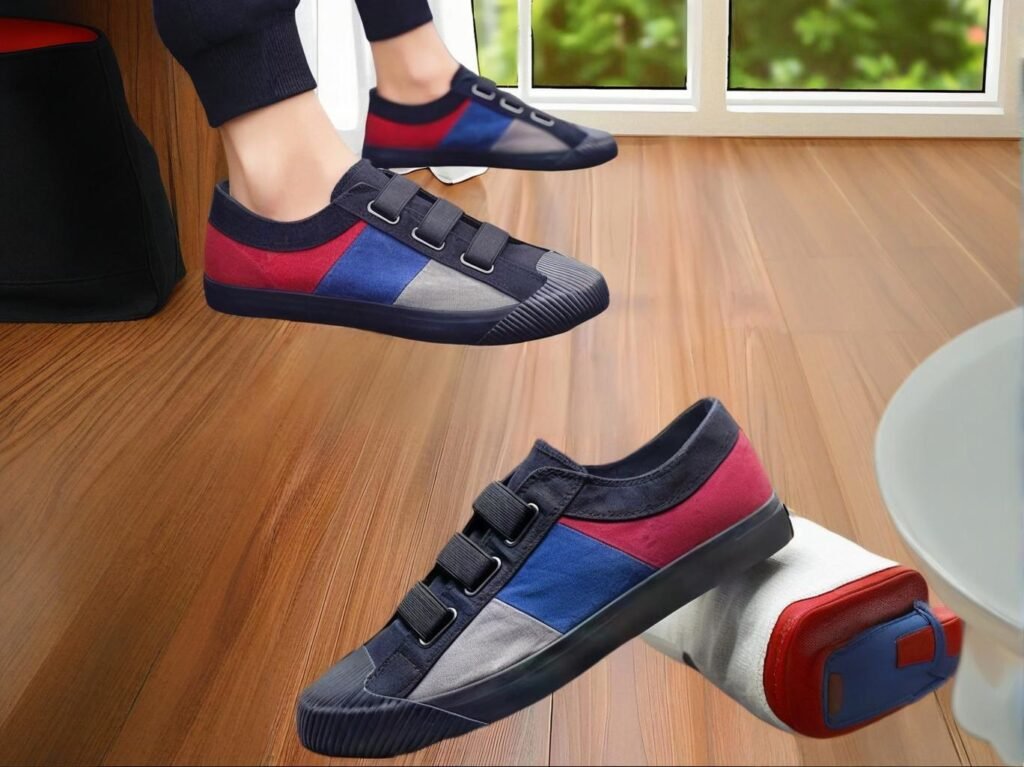
Over 18 years, SzoneierFabrics has supplied hundreds of clients worldwide in construction, logistics, tent manufacturing, automotive, and marine sectors. Our advantage lies in custom engineering each fabric to the client’s exact performance requirements.
What We Offer:
- Custom treatments: waterproofing, flame retardancy, UV stabilization, mildew resistance
- Free design consultation to optimize GSM, weave density, and coating choice
- Low MOQ: starting from just 300 meters for trial runs
- Rapid sampling: 5–7 days with swatch approval before mass production
- In-house QC & lab testing: tensile, tear, and coating adhesion tests for every batch
- Compliance expertise: Document support for EU, US, and Gulf market regulations
Real-World Success Story
A French outdoor events company was losing contracts due to last-minute tarp failures during rainstorms. They approached us for a 420 GSM PU-coated poly-cotton canvas with CPAI-84 flame-retardant certification.
- We delivered urgent samples in 6 days
- Bulk production finished in 12 working days
- Goods arrived 18 days after order placement—ready for the client’s peak season Result: Zero tarp failures, 40% contract renewal increase, and positive end-user feedback on fabric breathability.
Canvas That Performs—Engineered for Industry
Today’s canvas is not the same fabric from decades ago—it’s a high-performance, custom-engineered material capable of outperforming many synthetics in breathability, sustainability, and long-term durability.
At SzoneierFabrics, we produce industrial-grade canvas tailored to your performance, compliance, and branding needs. Whether for structural tents, truck covers, marine enclosures, or industrial curtains, we provide expert guidance, reliable supply, and global delivery.
📞 Ready to build with better canvas? Contact us today for fabric consultation, free swatches, or a project-specific quotation—and secure the right material for your next industrial application.