Walk through the collections of many modern private label clothing brands, and one pattern becomes obvious very quickly: rayon is everywhere. From everyday tops and dresses to loungewear and seasonal fashion pieces, rayon shows up again and again—often without being highlighted as a selling point. That’s not an accident.
For private label brands, fabric choice is never just about how something feels in hand. It’s about how it performs across design, cost control, production consistency, customer comfort, and repeat orders. Rayon quietly checks many of those boxes at the same time, which is why it has become one of the most frequently used fibers behind successful private label collections.
Rayon is a regenerated cellulose fabric that feels soft like natural fibers, drapes beautifully, absorbs moisture well, and can be produced with stable quality at scalable costs. These characteristics make it especially attractive to private label clothing brands that need comfort, versatility, and predictable manufacturing results.
At SzoneierFabrics, we often hear a familiar story from new clients: “We didn’t plan to use rayon—but after testing several options, it just worked better.” That moment—when theory meets real-world product needs—is where rayon’s popularity truly begins.
What Is Rayon Fabric, and How Is It Different from Cotton, Polyester, and Other Common Fibers?
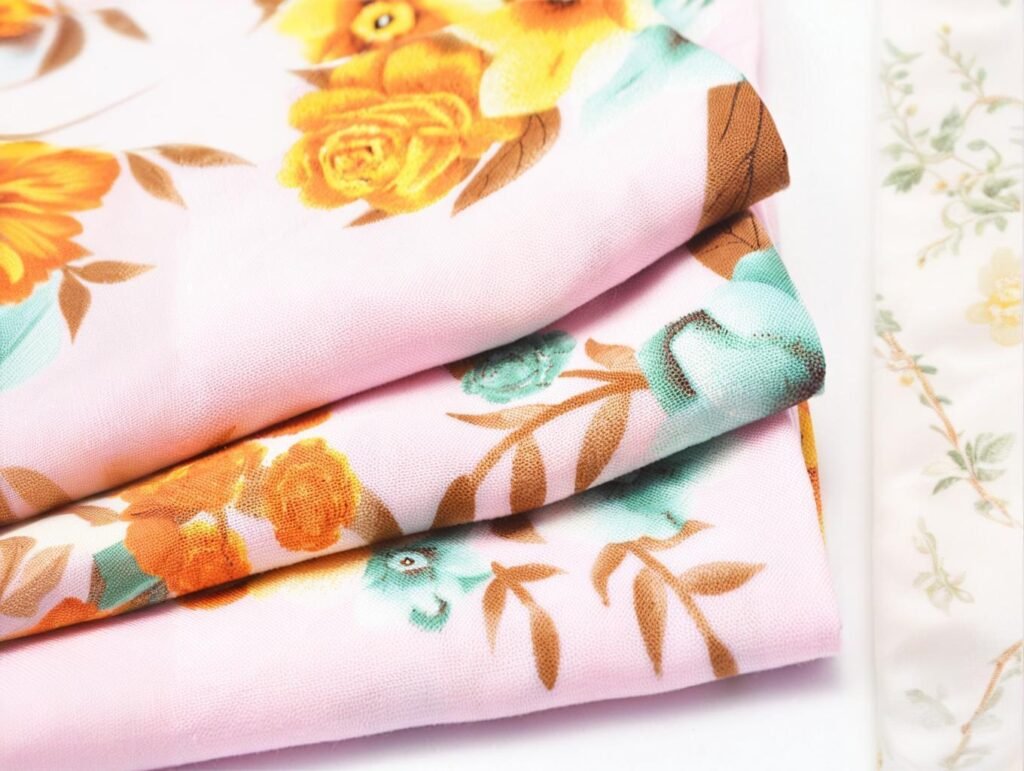
Rayon is a semi-synthetic fabric made from natural cellulose—most commonly wood pulp—that is chemically processed and regenerated into fiber form. While its raw material comes from plants, the fiber itself does not exist in nature. It is engineered through controlled industrial processes, which is why rayon behaves very differently from traditional natural fibers such as cotton or linen, and also differently from fully synthetic fibers like polyester.
In practical textile terms, rayon sits in a middle position. It combines many of the comfort advantages associated with natural fibers—softness, breathability, and moisture absorption—with the consistency, scalability, and design flexibility of engineered materials. This hybrid identity is what makes rayon attractive across apparel, home textiles, and blended fabric systems.
Rayon is neither purely natural nor fully synthetic. It is best understood as engineered from nature, designed for comfort.
Where Rayon Fits in the Fiber Landscape
To understand rayon’s role, it helps to compare it directly with other commonly used fibers in terms of origin, processing intensity, and behavior.
Fiber Origin and Structure Comparison
| Fiber | Source | Processing Level | Key Behavior |
|---|---|---|---|
| Cotton | Cotton plant | Low | Natural, variable |
| Linen | Flax plant | Low | Textured, strong |
| Rayon | Wood pulp | High | Smooth, controlled |
| Polyester | Petroleum | High | Durable, synthetic |
Cotton and linen are harvested as fibers. Their structure is formed biologically during plant growth. Polyester, by contrast, is synthesized entirely from petrochemicals. Rayon starts with plants, but those plants are broken down to molecular cellulose and rebuilt as fiber, which fundamentally changes how the material behaves.
This rebuilding step is why rayon can feel natural while still offering manufacturing precision closer to synthetic fibers.
What Makes Rayon Fundamentally Different from Cotton
Rayon and cotton are both cellulose-based, but the similarity largely ends at chemistry. The internal structure and geometry of the fibers are very different.
Cotton fibers:
- Grow naturally with irregular length and diameter
- Vary by climate, soil, harvest timing, and processing
- Contain natural twists and convolutions
Rayon fibers:
- Are extruded through spinnerets
- Have uniform diameter and controlled length
- Are engineered to meet precise fineness specifications
These differences have direct consequences in fabric performance and manufacturing.
Because rayon fibers are regenerated and uniform, they typically provide:
- Smoother surface and softer hand-feel
- More even dye uptake, reducing shade variation
- Better drape and flow, especially in lightweight fabrics
At the same time, rayon introduces limitations that cotton does not have:
- Lower wet strength in standard viscose rayon
- Greater sensitivity to mechanical stress when wet
- Higher reliance on finishing and blending
Cotton can tolerate rougher handling during washing, dyeing, and consumer use. Rayon requires tighter process control, particularly during wet stages, to avoid distortion or strength loss.
Why Rayon Does Not Behave Like Polyester
Although both rayon and polyester are industrially produced fibers, their chemistry and moisture behavior are fundamentally different.
Polyester is hydrophobic and highly crystalline. It does not absorb moisture into the fiber structure and maintains its strength when wet. Rayon, by contrast, is hydrophilic, meaning it readily absorbs water.
Polyester typically:
- Repels moisture
- Retains strength when wet
- Dries quickly
- Can feel warm or “plastic-like” on skin
Rayon typically:
- Absorbs moisture
- Feels cooler during wear
- Breathes more naturally
- Feels closer to natural fibers against skin
This difference is especially important in everyday clothing. Fabrics that repel moisture may dry quickly, but they often feel clammy during wear because sweat stays on the skin surface. Rayon absorbs and redistributes moisture, supporting evaporative cooling and improving comfort.
For this reason, rayon is often chosen as a replacement for polyester in garments where comfort, softness, and breathability matter more than maximum durability.
Moisture Behavior: The Key Comfort Advantage
Moisture regain—the amount of moisture a fiber absorbs from the air under standard conditions—is one of the clearest indicators of how a fabric will feel during wear.
| Fiber | Moisture Regain (%) |
|---|---|
| Rayon | 11–13% |
| Cotton | ~8% |
| Linen | ~12% |
| Polyester | <1% |
Rayon’s relatively high moisture regain explains several of its defining traits:
- It feels cooler on skin, especially in warm environments
- It reduces static buildup compared to synthetics
- It adapts well to layered garments and daily wear
However, high moisture regain also increases sensitivity during laundering and wet processing. Without appropriate finishing or blending, rayon fabrics may experience relaxation shrinkage or loss of shape.
This is why rayon is rarely treated as a “drop-in” replacement for cotton or polyester. It must be engineered thoughtfully for its intended use.
Rayon as an Engineered Fiber, Not a Raw Material
One of rayon’s greatest advantages is that it is designed, not grown. Fiber properties are defined during production rather than left to agricultural variability.
Manufacturers can specify rayon by:
- Denier or dtex
- Fiber length
- Cross-sectional shape
- Moisture regain targets
This level of control allows rayon to be tailored precisely to spinning systems, fabric weights, and end-use requirements. In contrast, cotton quality can vary significantly even within the same grade, depending on harvest and processing conditions.
Polyester offers similar consistency, but lacks rayon’s comfort profile. Rayon often acts as a comfort driver in blends, while other fibers provide structural strength or elasticity.
Strengths and Limitations in Real Use
Rayon’s appeal comes from a clear set of strengths, paired with equally clear limitations.
Key strengths of rayon:
- Soft, smooth hand-feel
- Excellent drape and visual fluidity
- High breathability
- Consistent quality across production runs
Key limitations of standard rayon:
- Reduced strength when wet
- Lower abrasion resistance than polyester
- Sensitivity to aggressive washing
These limitations explain why rayon is rarely used alone in high-stress garments. Instead, it is commonly blended with polyester, nylon, or elastane to create balanced fabric systems.
Why Rayon Is So Often Blended
Blending allows manufacturers to retain rayon’s comfort while compensating for its weaknesses.
Common blending strategies include:
- Adding elastane for shape recovery
- Adding polyester for durability and faster drying
- Adding nylon for abrasion resistance
- Using modal or lyocell to improve wet strength
In these blends, rayon delivers softness and breathability, while other fibers stabilize the structure and extend garment lifespan.
Rayon Compared to Other Cellulosic Fibers
Rayon also differs from other plant-based fibers that are often grouped together in consumer discussions.
Linen, for example, is also cellulose-based, but its fibers are coarse, strong, and naturally textured. Linen excels in durability and airflow but lacks rayon’s smoothness and fluid drape.
Cotton offers balanced comfort and durability but suffers from variability and limited drape in lightweight constructions. Rayon fills a specific gap: high comfort, refined appearance, and engineered consistency.
Sustainability: Origin Is Not the Whole Story
Rayon’s plant-based origin often leads to the assumption that it is inherently sustainable. In reality, environmental impact depends more on how the fiber is produced than on where the cellulose comes from.
Critical factors include:
- Source of wood pulp
- Forest management practices
- Chemical recovery systems
- Wastewater treatment
Two rayon fabrics can feel identical but have very different environmental footprints depending on these variables. This is why responsible sourcing focuses on certifications, traceability, and mill-level compliance, not fiber name alone.
Factory-Side Insight from SzoneierFabrics
When private-label brands approach us looking for fabrics that feel “less plastic than polyester” but are easier to manage than pure cotton, rayon is often the first fiber we evaluate.
However, it is never treated as a single solution. The conversation always continues with:
- Which type of rayon?
- What yarn count and fabric weight?
- What blend ratio?
- What finishing approach?
A lightweight viscose jersey, a modal rib knit, and a lyocell blend may all be called “rayon” by consumers, but they behave very differently in production and end use.
Why Rayon Continues to Be Widely Used
Rayon remains a core fiber in modern textiles because it solves a specific and persistent problem: how to deliver natural comfort with industrial consistency.
It allows manufacturers to:
- Produce soft, breathable fabrics at scale
- Reduce variability compared to agricultural fibers
- Create blends that balance cost, comfort, and performance
At the same time, rayon demands informed engineering. Treating it like cotton leads to durability issues. Treating it like polyester ignores its moisture behavior. Understanding rayon as a regenerated, semi-synthetic fiber is the key to using it successfully.
Rayon fabric occupies a distinctive position among common fibers. It begins with plants but is shaped by manufacturing precision. It behaves like a natural fiber in comfort, yet like an engineered fiber in consistency.
This dual identity is both its advantage and its challenge. When specified correctly—by fiber type, processing method, and blend strategy—rayon offers a combination of softness, breathability, and drape that neither cotton nor polyester can fully match.
For brands, designers, and mills, the real question is not whether rayon is natural or synthetic. The real question is whether it is engineered appropriately for its intended use.
Why Do Private Label Clothing Brands Choose Rayon as a Core Fabric Material?
Private label clothing brands consistently choose rayon as a core fabric material because it strikes a rare balance between consumer comfort, visual quality, cost control, and supply-chain flexibility. For brands operating on tight margins, fast timelines, and broad style ranges, rayon offers something especially valuable: predictability without sacrificing perceived quality.
In private label development, fabric decisions are rarely about technical superiority alone. They are about reducing risk, simplifying sourcing, and meeting customer expectations quickly. Rayon performs exceptionally well in all three areas.
Rayon simplifies decision-making while improving product feel.
Rayon Through the Private Label Lens
Private label brands face structural constraints that premium or vertically integrated brands often do not. They typically manage:
- Short development cycles
- Seasonal collections with frequent updates
- Limited control over retail pricing
- High sensitivity to returns and fit complaints
Within this context, rayon becomes a strategic fabric choice rather than just a material preference.
Comfort That Customers Immediately Notice
One of rayon’s strongest advantages is instant tactile appeal. Unlike many fabrics that require heavy finishing to feel acceptable, rayon feels soft and smooth from the first touch.
Rayon naturally delivers:
- Soft hand-feel
- Smooth surface with low friction
- Breathable, skin-friendly wear
For private label brands, this matters because first impressions drive purchasing decisions, especially in online retail where fabric descriptions and reviews heavily influence conversion rates.
From a customer-experience perspective, rayon reduces common complaints such as:
- “Feels stiff”
- “Too synthetic”
- “Uncomfortable in warm weather”
These complaints are far more common with low-cost polyester or poorly finished cotton than with rayon-based fabrics.
Why Comfort Is a Business Metric
Comfort is not just a design feature—it directly affects:
- Return rates
- Customer reviews
- Repeat purchases
Private label brands often operate at scale, where even a small increase in return rate can erase profit margins. Rayon’s softness and breathability help lower friction between expectation and reality, which is critical for volume-driven programs.
Visual Performance That Elevates Design
Rayon does more than feel good—it looks better with less effort.
Its natural drape and dye affinity allow even simple silhouettes to appear refined.
| Fabric | Drape | Color Depth |
|---|---|---|
| Rayon | Fluid | Rich |
| Cotton | Structured | Moderate |
| Polyester | Stiff unless modified | Bright but artificial |
Rayon’s fluid movement makes garments fall naturally on the body, reducing the need for complex pattern engineering or heavy construction techniques. This is especially valuable for private label brands that need to produce on-trend looks quickly.
Drape as a Design Shortcut
In private label development, time is often more limited than creativity. Rayon’s drape allows designers to:
- Use simpler patterns
- Reduce the number of fit iterations
- Achieve flattering silhouettes across body types
A rayon dress or blouse can look “designed” even with minimal structural detail. Cotton, by contrast, often requires tailoring or heavier weight to achieve the same visual presence.
Color Depth and Consistency
Rayon absorbs dyes extremely well, producing:
- Deep, saturated colors
- Even tone across large production lots
- Fewer shade inconsistencies
This matters for private label brands managing multiple SKUs across colors and sizes. Better dye consistency reduces:
- Re-dyeing costs
- Shade-related rejections
- Retail complaints about color mismatch
Cost–Performance Balance That Works at Scale
Private label brands must constantly balance unit cost against perceived value. Rayon sits in a particularly favorable position in this equation.
| Fiber | Cost Stability | Comfort Level |
|---|---|---|
| Cotton | Variable | Medium |
| Polyester | Stable | Low–medium |
| Rayon | Stable | High |
Unlike cotton, which is affected by agricultural cycles, weather, and global supply fluctuations, rayon pricing is generally more stable and predictable. Unlike polyester, rayon delivers a higher comfort baseline without extensive finishing.
For brands planning seasonal collections months in advance, this stability reduces budgeting risk.
Why Rayon Beats “Cheap Polyester” in Private Label
While polyester is often cheaper on paper, it frequently introduces hidden costs:
- Additional finishing to soften hand-feel
- Higher return rates due to discomfort
- Negative reviews describing a “plastic” feel
Rayon often costs slightly more per meter than entry-level polyester, but saves money downstream by improving customer satisfaction and reducing returns.
Flexibility Across Product Categories
Private label brands rarely focus on a single product type. They often need fabrics that can adapt across categories without forcing a complete supplier or process change.
Rayon is commonly used across:
- Dresses
- Blouses
- T-shirts
- Loungewear
- Casual bottoms
Using one core fiber across multiple categories allows brands to:
- Simplify sourcing
- Consolidate mill relationships
- Maintain consistent quality standards
This flexibility is especially important for brands with limited development teams or those relying on external design studios.
One Fiber, Multiple Expressions
Rayon can be engineered to behave differently depending on:
- Yarn count
- Fabric structure
- Blending ratio
- Finishing method
This allows a private label brand to create:
- Lightweight, flowing summer tops
- Slightly heavier, structured dresses
- Soft loungewear knits
—all while working from the same basic fiber platform.
Blending Potential That Solves Problems
Pure rayon has known weaknesses, particularly in durability and wet strength. Private label brands address this not by avoiding rayon, but by blending it intelligently.
Rayon blends easily with:
- Cotton → adds natural structure
- Polyester → improves durability and wash stability
- Spandex → adds stretch and recovery
This blending flexibility allows brands to fine-tune performance without changing the visual or tactile identity of the product.
Blends as a Risk-Management Tool
From a private label perspective, blending rayon is a way to control risk:
- Polyester reduces shrinkage and improves wash life
- Spandex improves fit retention
- Cotton reassures customers who prefer “natural fibers”
The result is a fabric that keeps rayon’s comfort while minimizing its weaknesses.
Production Flexibility and Supplier Compatibility
Rayon integrates well into existing spinning, knitting, weaving, and dyeing systems. This compatibility matters enormously for private label brands working with multiple factories.
Rayon’s advantages in production include:
- Predictable spinning behavior
- Good compatibility with common knitting structures
- Reliable dye uptake across batches
Because many mills already handle rayon routinely, brands do not need to source highly specialized suppliers to use it.
Faster Development Cycles
Rayon-based fabrics typically require:
- Fewer sampling rounds
- Less corrective finishing
- Shorter approval timelines
This speed is critical for private label programs tied to fast fashion or short seasonal windows.
Lower Barrier to Entry for New Styles
When a brand wants to test a new silhouette or category, rayon provides a low-risk starting point. Its forgiving drape and comfort reduce the chance of catastrophic fit or feel issues during early launches.
Consumer Perception Without Heavy Storytelling
Private label brands often rely less on deep material storytelling and more on product experience. Rayon supports this approach because:
- It feels “natural” to consumers
- It does not require technical explanation
- It avoids strong negative associations
Many consumers cannot define rayon precisely, but they recognize that it feels better than cheap synthetics. This silent acceptance is valuable for brands that want products to sell without extensive education.
Sustainability Perception (Handled Carefully)
While rayon’s sustainability depends on how it is produced, many private label brands value that it can be positioned as:
- Plant-based
- Cellulosic
- More breathable than synthetics
When sourced responsibly, rayon allows brands to align with comfort and nature-adjacent messaging without making aggressive or risky environmental claims.
Real Development Insight from SzoneierFabrics
In real-world development projects, many private label clients initially start with cotton or polyester due to familiarity. Over time, they encounter recurring problems:
- Cotton that feels stiff after washing
- Polyester that drives higher return rates
- Inconsistent drape across styles
After switching to rayon blends, many report:
- Improved hand-feel across collections
- Better visual consistency
- Fewer customer complaints
Rayon often becomes the quiet solution—a material change that improves outcomes without forcing a brand to change its identity or pricing structure.
Why Rayon Fits the Private Label Business Model
Private label brands succeed by:
- Moving quickly
- Managing risk
- Delivering acceptable-to-good quality at scale
Rayon supports all three objectives. It is not the strongest fiber, nor the most technical, nor the most sustainable in every scenario. But it is adaptable, forgiving, and commercially efficient.
Practical Takeaway for Private Label Brands
Private label clothing brands choose rayon as a core fabric material because it:
- Delivers immediate comfort customers recognize
- Elevates visual quality without complex construction
- Balances cost stability with high perceived value
- Adapts easily across product categories
- Blends well to correct its own weaknesses
- Simplifies sourcing and development workflows
Rayon is rarely the headline feature of a collection. Instead, it works behind the scenes—making garments feel better, look better, and sell more reliably.
In private label development, the best fabric is often not the most advanced one, but the one that reduces friction at every stage of the product lifecycle. Rayon does exactly that, which is why it continues to be a core material for private label brands worldwide.
Which types of rayon (viscose, modal, lyocell) are most popular in private label apparel, and why?
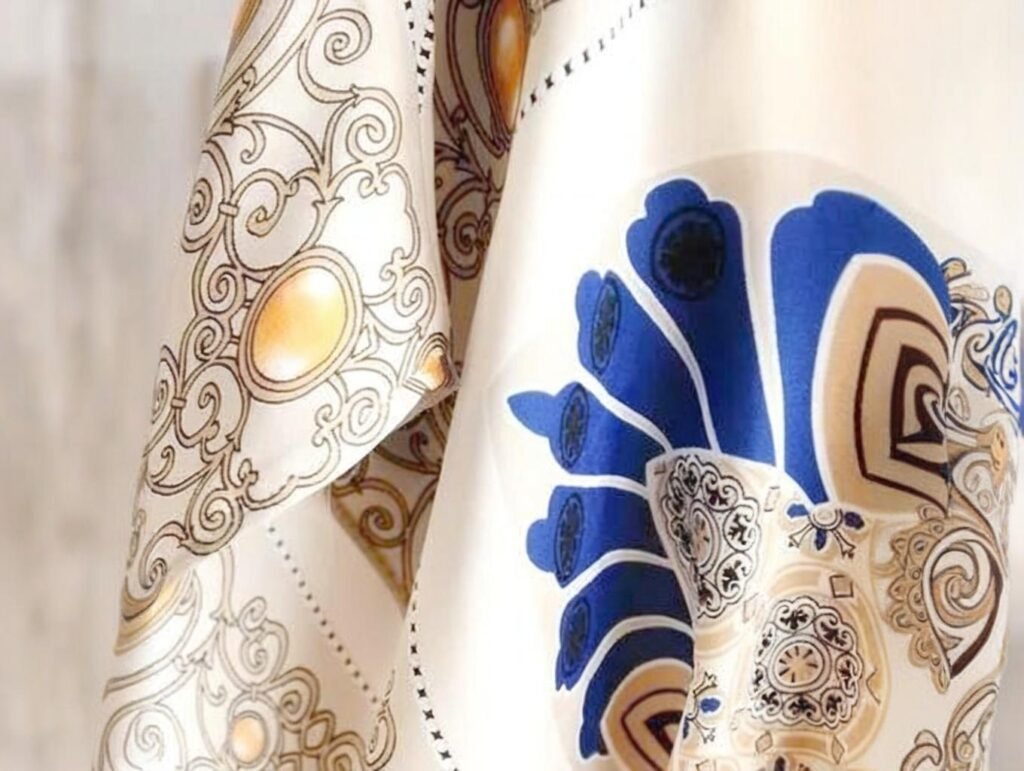
In private label apparel, rayon is not treated as a single material choice. Instead, viscose, modal, and lyocell are used deliberately at different price tiers, lifecycle expectations, and brand positions. Their popularity is shaped far less by short-term fashion trends and far more by how long a garment is expected to look good, survive washing, and justify its retail price.
Private label brands operate under tighter margins and faster decision cycles than legacy fashion houses. As a result, material choices are closely tied to SKU lifespan, reorder probability, customer tolerance for wear, and return risk. Within this context, viscose, modal, and lyocell each occupy a clear and distinct role.
How private label brands choose between rayon types
Rather than asking “Which rayon is best?”, private label brands usually ask:
- How long will this style sell?
- How often will it be worn and washed?
- Is this a one-season item or a long-term SKU?
- How sensitive is the target customer to price vs durability?
The answers to these questions determine which rayon type is selected.
Core differences at a glance
| Rayon Type | Key Advantage | Main Limitation | Typical Use |
|---|---|---|---|
| Viscose | Low cost, very soft | Lower wet strength | Fast fashion |
| Modal | Better durability | Slightly higher cost | Core basics |
| Lyocell | High strength & stability | Highest cost | Premium lines |
Most established private label brands use more than one rayon type simultaneously, assigning each to a specific function within their collection structure.
Why viscose dominates trend-driven collections
Viscose remains the most widely used rayon type in private label apparel, particularly in trend-driven and seasonal categories. Its popularity is not accidental—it aligns perfectly with the economic logic of fast-moving styles.
Viscose is favored because:
- It is cost-effective and widely available
- It dyes easily and consistently
- It delivers excellent drape at low fabric weights
- It feels soft and appealing at first touch
For garments such as:
- Seasonal dresses
- Fashion blouses
- Lightweight tops
- Trend-led silhouettes
viscose offers strong visual appeal with minimal material cost.
From a private label perspective, viscose works best when:
- The expected selling window is short
- The garment is unlikely to be washed frequently
- The price point leaves little margin for material upgrades
The lower wet strength of viscose is a known limitation, but in fast fashion contexts, this is often considered an acceptable trade-off. The garment is designed to look good on the rack and during early wear, not necessarily after dozens of wash cycles.
This is why viscose continues to dominate trend capsules, influencer collections, and seasonal drops, even as sustainability scrutiny increases.
The hidden cost of viscose in repeat programs
Where viscose becomes problematic is in repeat styles. Private label brands that mistakenly use viscose for long-running SKUs often encounter:
- Increased customer complaints after multiple washes
- Shape loss and limp hand-feel over time
- Higher return rates on reorders
- Inconsistent fit after laundering
These issues usually do not appear in the first production run, which is why viscose can initially seem successful before problems surface later.
Why modal is preferred for repeat styles
Modal has become increasingly popular among private label brands for core programs and everyday essentials. It represents a practical upgrade from viscose without a dramatic jump in cost.
Modal is preferred because it:
- Retains softness after repeated washing
- Shrinks less than standard viscose
- Maintains a smoother surface over time
- Feels more “finished” after wear
For private label brands, modal is often introduced when:
- A viscose style proves commercially successful
- Reorders are planned across multiple seasons
- Customer feedback highlights durability concerns
- The brand wants to justify a modest price increase
Modal’s improved wet strength and dimensional stability reduce the risk of post-wash distortion. This makes it well-suited for:
- T-shirts and tops
- Lounge and sleepwear
- Underlayers
- Everyday dresses
Unlike viscose, modal supports repeat purchasing behavior, which is critical for private label profitability. Customers are far more likely to repurchase a garment that still feels good after multiple washes.
Modal as a bridge material
In many private label collections, modal functions as a bridge between entry-level and premium lines. It allows brands to:
- Improve product performance
- Reduce after-sales friction
- Maintain competitive pricing
- Preserve a soft, natural hand-feel
This is why modal is often found in “best seller” categories, where consistency matters more than novelty.
Why lyocell signals premium positioning
Lyocell occupies a different role entirely. In private label apparel, lyocell is not chosen to chase trends—it is chosen to signal quality, longevity, and responsibility.
Lyocell is selected when brands prioritize:
- Long wear life
- Stable sizing across washes
- Clean surface appearance over time
- Strong sustainability messaging
Its superior wet strength and fiber alignment allow lyocell garments to maintain shape and structure even after extensive laundering. This performance aligns naturally with higher retail price points.
Lyocell is commonly used in:
- Premium casualwear
- Elevated basics
- Travel-friendly garments
- Conscious or sustainability-focused lines
In many cases, lyocell is marketed explicitly, often under branded forms such as TENCEL, because brand recognition supports premium pricing and consumer trust.
Sustainability as a buying signal
For private label brands targeting environmentally aware consumers, lyocell offers:
- Clear traceability advantages
- Closed-loop processing narratives
- Strong alignment with durability-based sustainability
Importantly, lyocell’s longer lifespan supports a more credible sustainability claim than short-lived garments made from lower-impact materials.
Cost sensitivity and margin logic
While lyocell has the highest raw material cost, private label brands often justify it by:
- Lower return rates
- Fewer quality-related complaints
- Stronger customer satisfaction
- Longer product life
In premium categories, these benefits frequently outweigh the higher fabric cost.
Blends amplify these choices
In real production, rayon types are often blended rather than used alone. Private label brands use blending to fine-tune cost and performance.
Common strategies include:
- Viscose/polyester blends to stabilize fast fashion items
- Modal/spandex blends for comfort and recovery
- Lyocell/polyester blends to balance cost and durability
Even in blends, the base rayon type still defines the fabric’s long-term behavior. Upgrading from viscose to modal or lyocell in a blend usually produces noticeable improvements in wash stability and surface durability.
How popularity shifts across brand maturity
As private label brands grow, their rayon usage patterns often evolve.
Early-stage brands tend to:
- Rely heavily on viscose
- Focus on speed and price
- Accept higher turnover and shorter product life
More established private label brands:
- Introduce modal into core programs
- Reduce reliance on pure viscose
- Segment collections by fiber type
Mature brands with strong customer loyalty:
- Reserve viscose for trend capsules
- Use modal for volume SKUs
- Position lyocell in premium sub-lines
This evolution reflects a shift from selling styles to managing product lifecycles.
Real sourcing pattern we see at SzoneierFabrics
In our development and sourcing work at SzoneierFabrics, the most common private label structure looks like this:
- Viscose for short-life, trend-driven capsules
- Modal for repeat styles and bestsellers
- Lyocell or lyocell blends for premium or sustainability-led lines
Clients who adopt this layered approach tend to experience:
- Fewer quality disputes
- More predictable reorders
- Clearer brand segmentation
- Better alignment between price and performance
The key is not choosing one “best” rayon, but assigning each type a clear role within the collection.
In private label apparel, the popularity of viscose, modal, and lyocell reflects strategic usage, not fashion preference. Viscose dominates fast-moving trends because it delivers softness and drape at low cost. Modal supports core styles because it balances comfort and durability. Lyocell anchors premium collections because it performs consistently over time and supports credible sustainability positioning.
The most successful private label brands are not those that avoid viscose entirely, but those that use each rayon type intentionally, based on how long the garment is expected to perform—not just how it feels in a sample.
How does rayon perform in terms of softness, breathability, drape, and comfort for everyday clothing?
Rayon has earned its place in everyday clothing because it consistently delivers a comfort profile that aligns with how people actually live and dress. When evaluated across softness, breathability, drape, and temperature comfort, rayon performs closer to natural fibers than most synthetics, while offering visual refinement that many natural fibers struggle to achieve at comparable weights and price points.
For garments worn for long hours—workwear basics, casual tops, dresses, loungewear, and travel apparel—comfort is not a single attribute. It is a combination of skin interaction, moisture behavior, freedom of movement, and how the fabric feels after repeated wear. Rayon performs well across all of these dimensions, which explains why it remains widely used despite requiring more care than polyester-dominant fabrics.
Breaking Down Everyday Wear Performance
Softness and skin feel
At the fiber level, rayon is smooth, uniform, and free from the surface irregularities found in many natural fibers. This smoothness reduces friction against the skin, which is especially noticeable in lightweight garments worn directly on the body.
| Fabric | Initial Softness | Long-Term Feel |
|---|---|---|
| Viscose | Very soft | Can become limp |
| Modal | Soft | Remains smooth |
| Lyocell | Cool & smooth | Stable, clean |
Viscose often feels exceptionally soft at first touch, which is why it is frequently chosen for fashion-forward apparel and seasonal collections. However, its lower wet strength means that without proper construction and finishing, it can lose resilience over time, leading to a limp or overly relaxed feel after repeated washing.
Modal improves on this weakness by offering higher fiber strength and better recovery. In everyday clothing such as T-shirts, sleepwear, and casual dresses, modal maintains a smooth surface and consistent hand feel longer than viscose, even under frequent washing.
Lyocell provides a slightly different experience. Rather than plush softness, it offers a cool, clean, and refined surface. Many wearers describe lyocell garments as feeling “fresh” or “light” against the skin, particularly in warm environments. Its long-term feel remains stable, with less surface degradation or fuzzing.
From a comfort engineering perspective, these differences matter. A fabric that feels luxurious on day one but degrades quickly can lead to disappointment, while a fabric that maintains a consistent hand feel over time supports repeat purchases and brand trust.
Breathability and moisture comfort
Breathability is one of rayon’s strongest advantages in everyday clothing. Unlike hydrophobic synthetic fibers, rayon absorbs moisture into the fiber structure, allowing sweat to disperse rather than remain trapped between fabric and skin.
| Fiber | Moisture Regain (%) | Wear Effect |
|---|---|---|
| Rayon | 11–13% | Cool, breathable |
| Cotton | ~8% | Neutral |
| Polyester | <1% | Can feel warm |
Rayon’s moisture regain is significantly higher than cotton and dramatically higher than polyester. In practical terms, this means rayon fabrics can buffer humidity changes around the body, reducing the clammy sensation that often develops during prolonged wear or temperature fluctuations.
For everyday clothing worn in offices, commuting, or mixed indoor–outdoor environments, this moisture behavior improves perceived comfort even when garments are lightweight. Wearers often describe rayon garments as feeling “cooler” or “less stuffy,” particularly in warm or humid conditions.
It is important to note that absorbency alone does not guarantee comfort. The fabric structure and finish must allow absorbed moisture to evaporate efficiently. When designed correctly, rayon fabrics manage moisture in a way that supports thermal comfort rather than trapping heat.
Temperature regulation in daily wear
Rayon’s ability to absorb and release moisture contributes directly to temperature regulation. In warm conditions, moisture absorption creates a cooling effect. In moderate or cool conditions, rayon’s low thermal resistance prevents overheating indoors.
This makes rayon particularly suitable for transitional garments—pieces worn across seasons or in climates with significant daily temperature variation. Compared to polyester, which tends to insulate and retain heat, rayon adapts more fluidly to changing environments.
For people who spend long hours wearing the same garment, this adaptive comfort is often more valuable than extreme performance in a single condition.
Drape and movement in clothing
Drape is where rayon delivers a visual and functional advantage that directly influences comfort perception. Rayon fibers bend easily under their own weight, allowing fabrics to follow body movement without stiffness or resistance.
Rayon’s natural drape allows:
- Better silhouette flow
- Softer garment outlines
- Less stiffness in lightweight designs
This fluid movement reduces the sensation of restriction, particularly in garments with simple or minimal patterning. In everyday clothing, where fit tolerance must accommodate a wide range of body types, this drape flexibility helps garments look and feel comfortable without complex tailoring.
For private label apparel and basic collections, drape becomes a strategic advantage. Simple cuts rely heavily on fabric behavior to create visual appeal. Rayon’s ability to fall naturally enhances perceived quality without adding construction complexity.
Comfort during movement and prolonged wear
Everyday comfort is not static; it is experienced while sitting, walking, bending, and moving throughout the day. Rayon adapts well to these movements because of its low stiffness and flexible fiber structure.
Rayon garments typically:
- Do not feel restrictive during motion
- Recover smoothly after light stretching
- Feel lighter on the body compared to many knits
This is particularly beneficial for loose-fit tops, dresses, and loungewear, where garments must move with the body rather than resist it. Compared to stiffer cotton weaves or dense synthetic knits, rayon creates a more forgiving wearing experience.
In extended wear scenarios—such as long workdays or travel—this reduced resistance contributes to lower fatigue and higher perceived comfort.
Comfort across different body types
Rayon’s drape and flexibility also support inclusivity across size ranges. Fabrics that cling too tightly or hold rigid shapes tend to amplify fit issues, leading to discomfort or dissatisfaction.
Rayon’s behavior helps:
- Soften fit transitions across sizes
- Reduce pressure points at seams and joints
- Create a more consistent look across body shapes
This adaptability reduces fit-related complaints, particularly in mass-market apparel where precise tailoring for every size is not feasible.
Long-term comfort versus initial impression
One of the most important distinctions in fabric selection is the difference between initial comfort and long-term comfort. Rayon often excels at first impression, but its long-term performance depends on fiber type, construction, and care.
Viscose may feel luxurious initially but can lose structure over time if subjected to frequent washing. Modal and lyocell offer better long-term comfort retention, maintaining softness and surface integrity over repeated wear cycles.
From a product development standpoint, everyday clothing should prioritize comfort over time rather than comfort at first touch. Fabrics that feel slightly firmer initially but improve or stabilize with wear often outperform softer alternatives in customer satisfaction.
Everyday comfort feedback from the market
Feedback shared with SzoneierFabrics highlights consistent patterns in consumer perception:
- Customers describe rayon garments as “easy to wear” and “comfortable all day”
- Positive feedback centers on softness, breathability, and movement
- Complaints focus more on care sensitivity than on wearing comfort
When compared directly with polyester-based alternatives, rayon garments consistently receive higher comfort ratings, even when durability expectations are lower. This indicates that consumers are often willing to accept additional care requirements in exchange for superior comfort.
Balancing comfort with practical limitations
While rayon excels in comfort, it is not without limitations. Its sensitivity to moisture and mechanical stress requires thoughtful design and realistic care guidance. However, these limitations do not negate its value; they simply require alignment between material choice and product expectations.
In everyday clothing, where comfort is a primary driver of satisfaction, rayon delivers a combination of softness, breathability, and drape that few fibers can match at scale. When selected and engineered appropriately, it provides a wearing experience that feels natural, adaptable, and refined—qualities that continue to make rayon a cornerstone of modern apparel.
Comfort is not just about how a garment feels when tried on. It is about how it performs across hours, days, and repeated wears. In that context, rayon remains one of the most effective materials for everyday clothing, provided its strengths and limits are clearly understood and respected.
How Does Rayon Compare with Cotton and Polyester in Cost, Quality, and Consumer Perception?

Rayon occupies a strategic middle position between cotton and polyester, both technically and commercially. It combines higher softness, drape, and breathability than polyester with greater production consistency and cost predictability than cotton. For private label and mid-to-premium apparel brands, this balance is often more valuable than excelling at any single attribute.
From the consumer’s point of view, cotton is associated with “natural” authenticity, polyester with durability and performance, and rayon with comfort, fluidity, and an upgraded feel. From the factory and sourcing side, rayon offers something equally important: controlled behavior and planning stability.
This combination explains why rayon is frequently introduced after a brand has experienced the limitations of relying too heavily on either cotton or polyester alone.
Comparing the Three Fibers Where It Matters
When brands evaluate fibers, the decision is rarely based on a single factor. Cost behavior, production consistency, garment performance, and consumer perception all interact. Rayon’s value becomes clear when these dimensions are examined together.
Cost Behavior Over Time
Raw material pricing volatility is one of the biggest challenges in apparel planning. Fibers behave very differently in this respect.
| Fiber | Price Stability | Market Volatility |
|---|---|---|
| Cotton | Low | High (crop & climate dependent) |
| Polyester | High | Low |
| Rayon | Medium–high | Medium |
Cotton pricing is heavily influenced by agricultural cycles, weather events, water availability, and geopolitical factors. Droughts, floods, and shifts in planting acreage can cause sharp price swings within a single season. For private label brands working on tight margins, this volatility complicates forward costing and long-term contracts.
Polyester, derived from petroleum, benefits from industrial-scale production and global supply chains. Its pricing is comparatively stable, especially for standard grades. However, polyester prices are still indirectly linked to energy markets and can rise when oil prices spike.
Rayon sits between these two extremes. Because it is made from wood pulp rather than crops, it is less exposed to seasonal agricultural shocks than cotton. At the same time, it does not enjoy the same price rigidity as polyester. In practice, rayon pricing tends to be more predictable than cotton, which makes it attractive for brands planning multi-season collections.
For sourcing teams, this predictability reduces the need for last-minute material substitutions and margin recalculations.
Quality Consistency in Production
Quality consistency is where rayon often outperforms cotton in real manufacturing environments.
| Fiber | Batch Consistency | Dye Uniformity |
|---|---|---|
| Cotton | Variable | Medium |
| Polyester | Very consistent | High |
| Rayon | Consistent | High |
Cotton fibers vary naturally in length, fineness, and maturity depending on growing conditions. Even within the same grade, differences between harvests can lead to uneven spinning behavior, shade variation, and inconsistent hand feel. Mills manage this through blending and sorting, but variability cannot be eliminated entirely.
Polyester offers the highest consistency. Fiber dimensions, strength, and dye behavior are tightly controlled, which simplifies spinning and finishing. This predictability is one reason polyester dominates large-volume programs.
Rayon also benefits from engineered fiber geometry. Because fibers are regenerated through spinnerets, parameters such as denier and length are controlled within narrow tolerances. This results in:
- More even yarn formation
- Predictable dye uptake
- Reduced lot-to-lot variation
For mills, this consistency translates into fewer adjustments during production. For brands, it reduces the risk of shade mismatch between production runs—an issue that can be costly in private label programs.
Comfort and Wear Perception
Consumer perception is often the deciding factor, especially in everyday apparel.
| Fiber | Breathability | Skin Feel |
|---|---|---|
| Cotton | Good | Familiar |
| Polyester | Low | Can feel synthetic |
| Rayon | Very good | Soft, smooth |
Cotton’s comfort is familiar and trusted. Consumers understand cotton intuitively and associate it with breathability and naturalness. However, cotton fabrics can feel stiff in certain constructions and may lack the fluid drape consumers now expect in modern silhouettes.
Polyester excels in durability and shape retention, but its hydrophobic nature can make it feel warm or clammy in casual wear. Even with moisture-wicking finishes, many consumers still describe polyester as “less breathable” or “plastic-like,” especially in warm climates.
Rayon consistently scores high in sensory comfort. Its moisture absorption, smooth surface, and fluid drape make garments feel cooler and softer on the skin. This is why rayon is frequently used in styles where comfort is immediately noticeable, such as dresses, blouses, and casual tops.
In consumer testing and post-sale feedback, rayon garments are often described as “soft,” “light,” and “comfortable,” even when the fiber content is not fully understood by the buyer.
Durability Versus Perceived Value
Durability and perceived quality are not always aligned, and this gap plays a major role in fiber selection.
| Fiber | Actual Durability | Perceived Quality |
|---|---|---|
| Cotton | Medium | High |
| Polyester | High | Medium |
| Rayon | Medium | Medium–high |
Polyester is objectively the most durable of the three. It resists abrasion, maintains strength when wet, and tolerates repeated washing. However, consumers do not always associate polyester with premium quality, particularly in casual or lifestyle apparel.
Cotton’s actual durability is moderate, but its perceived value is high due to its natural origin and long history in clothing. Consumers are often forgiving of cotton’s shortcomings, such as shrinkage or wrinkling, because they view these as natural characteristics.
Rayon occupies an interesting position. Its durability is similar to cotton in many constructions, but its perceived quality is often higher than expected for its cost. The softness and drape create a sense of refinement that elevates the garment, even when the retail price is controlled.
This perception gap is especially valuable in private label programs, where brands aim to deliver a “premium feel” without premium material costs.
Design Flexibility and Silhouette Control
Another area where rayon differentiates itself is design flexibility. Cotton tends to produce more structured silhouettes unless heavily processed. Polyester can feel stiff unless modified with special yarns or finishes.
Rayon naturally supports:
- Fluid drape
- Clean surface appearance
- Elegant movement
This allows designers to achieve modern silhouettes without relying on complex fabric engineering. As fashion trends continue to favor relaxed fits and flowing forms, rayon’s inherent behavior aligns well with consumer expectations.
Sustainability Perception and Reality
Consumer perception of sustainability varies widely among these fibers.
Cotton is widely viewed as sustainable because it is natural, despite the fact that conventional cotton farming can be water-intensive and chemically heavy. Polyester is increasingly criticized due to its petroleum origin and microplastic concerns.
Rayon occupies a more ambiguous position. Consumers often perceive it as more natural than polyester because it comes from plants, but less authentic than cotton. In reality, rayon’s environmental impact depends heavily on wood sourcing and chemical management, not just fiber origin.
For brands, this ambiguity can be managed through transparency and certification, but from a pure perception standpoint, rayon generally benefits from being seen as softer and more “natural-feeling” than polyester, even if consumers cannot articulate why.
Cost-to-Value Ratio in Private Label Programs
For private label clothing, the relationship between material cost and perceived value is critical. Rayon’s ability to deliver a soft, elevated hand feel at a moderate cost makes it particularly attractive in this context.
Many brands follow a similar evolution:
- Start with cotton to establish credibility
- Introduce polyester for durability and margin control
- Adopt rayon or rayon blends to improve comfort and modernize the product feel
This progression reflects real-world feedback. Once consumers experience the softness and drape of rayon, complaints about stiffness or lack of comfort in polyester-heavy garments often increase.
Blending as a Strategic Tool
Rayon is rarely used in isolation in long-term programs. Blending allows brands to fine-tune performance and perception.
Common strategies include:
- Rayon–polyester blends to balance comfort and durability
- Rayon–cotton blends to reduce stiffness and improve drape
- Rayon–elastane blends to improve fit and recovery
These blends allow rayon to deliver its comfort advantages while mitigating its structural weaknesses, resulting in garments that perform well and feel premium.
Private Label Insight from SzoneierFabrics
From our factory experience, many private label brands initially rely on cotton for market acceptance and polyester for durability. Over time, they encounter recurring issues: stiffness complaints, heavy hand feel, or garments that look functional but lack emotional appeal.
This is often the point where rayon blends are introduced. By incorporating rayon, brands can soften the hand feel, improve drape, and elevate perceived quality without dramatically increasing material cost. In many cases, this shift leads to better sell-through and fewer comfort-related returns.
Rayon’s position between cotton and polyester is not a compromise—it is a strategic advantage. It offers better comfort and aesthetics than polyester, while delivering more consistent quality and pricing than cotton. From a consumer standpoint, rayon feels soft, breathable, and modern. From a production standpoint, it offers controlled behavior and planning stability.
For private label and mid-market brands, this balance is often exactly what is needed. Rayon may not be the most durable fiber or the most natural one, but it consistently delivers high perceived value relative to cost.
In the end, the comparison is not about which fiber is “best,” but which fiber aligns with product goals. When comfort, appearance, and cost control must coexist, rayon often emerges as the most practical and commercially effective choice.
How Does Rayon Compare with Cotton and Polyester in Cost, Quality, and Consumer Perception?
Rayon occupies a strategic middle position between cotton and polyester, both technically and commercially. It combines higher softness, drape, and breathability than polyester with greater production consistency and cost predictability than cotton. For private label and mid-to-premium apparel brands, this balance is often more valuable than excelling at any single attribute.
From the consumer’s point of view, cotton is associated with “natural” authenticity, polyester with durability and performance, and rayon with comfort, fluidity, and an upgraded feel. From the factory and sourcing side, rayon offers something equally important: controlled behavior and planning stability.
This combination explains why rayon is frequently introduced after a brand has experienced the limitations of relying too heavily on either cotton or polyester alone.
Comparing the Three Fibers Where It Matters
When brands evaluate fibers, the decision is rarely based on a single factor. Cost behavior, production consistency, garment performance, and consumer perception all interact. Rayon’s value becomes clear when these dimensions are examined together.
Cost Behavior Over Time
Raw material pricing volatility is one of the biggest challenges in apparel planning. Fibers behave very differently in this respect.
| Fiber | Price Stability | Market Volatility |
|---|---|---|
| Cotton | Low | High (crop & climate dependent) |
| Polyester | High | Low |
| Rayon | Medium–high | Medium |
Cotton pricing is heavily influenced by agricultural cycles, weather events, water availability, and geopolitical factors. Droughts, floods, and shifts in planting acreage can cause sharp price swings within a single season. For private label brands working on tight margins, this volatility complicates forward costing and long-term contracts.
Polyester, derived from petroleum, benefits from industrial-scale production and global supply chains. Its pricing is comparatively stable, especially for standard grades. However, polyester prices are still indirectly linked to energy markets and can rise when oil prices spike.
Rayon sits between these two extremes. Because it is made from wood pulp rather than crops, it is less exposed to seasonal agricultural shocks than cotton. At the same time, it does not enjoy the same price rigidity as polyester. In practice, rayon pricing tends to be more predictable than cotton, which makes it attractive for brands planning multi-season collections.
For sourcing teams, this predictability reduces the need for last-minute material substitutions and margin recalculations.
Quality Consistency in Production
Quality consistency is where rayon often outperforms cotton in real manufacturing environments.
| Fiber | Batch Consistency | Dye Uniformity |
|---|---|---|
| Cotton | Variable | Medium |
| Polyester | Very consistent | High |
| Rayon | Consistent | High |
Cotton fibers vary naturally in length, fineness, and maturity depending on growing conditions. Even within the same grade, differences between harvests can lead to uneven spinning behavior, shade variation, and inconsistent hand feel. Mills manage this through blending and sorting, but variability cannot be eliminated entirely.
Polyester offers the highest consistency. Fiber dimensions, strength, and dye behavior are tightly controlled, which simplifies spinning and finishing. This predictability is one reason polyester dominates large-volume programs.
Rayon also benefits from engineered fiber geometry. Because fibers are regenerated through spinnerets, parameters such as denier and length are controlled within narrow tolerances. This results in:
- More even yarn formation
- Predictable dye uptake
- Reduced lot-to-lot variation
For mills, this consistency translates into fewer adjustments during production. For brands, it reduces the risk of shade mismatch between production runs—an issue that can be costly in private label programs.
Comfort and Wear Perception
Consumer perception is often the deciding factor, especially in everyday apparel.
| Fiber | Breathability | Skin Feel |
|---|---|---|
| Cotton | Good | Familiar |
| Polyester | Low | Can feel synthetic |
| Rayon | Very good | Soft, smooth |
Cotton’s comfort is familiar and trusted. Consumers understand cotton intuitively and associate it with breathability and naturalness. However, cotton fabrics can feel stiff in certain constructions and may lack the fluid drape consumers now expect in modern silhouettes.
Polyester excels in durability and shape retention, but its hydrophobic nature can make it feel warm or clammy in casual wear. Even with moisture-wicking finishes, many consumers still describe polyester as “less breathable” or “plastic-like,” especially in warm climates.
Rayon consistently scores high in sensory comfort. Its moisture absorption, smooth surface, and fluid drape make garments feel cooler and softer on the skin. This is why rayon is frequently used in styles where comfort is immediately noticeable, such as dresses, blouses, and casual tops.
In consumer testing and post-sale feedback, rayon garments are often described as “soft,” “light,” and “comfortable,” even when the fiber content is not fully understood by the buyer.
Durability Versus Perceived Value
Durability and perceived quality are not always aligned, and this gap plays a major role in fiber selection.
| Fiber | Actual Durability | Perceived Quality |
|---|---|---|
| Cotton | Medium | High |
| Polyester | High | Medium |
| Rayon | Medium | Medium–high |
Polyester is objectively the most durable of the three. It resists abrasion, maintains strength when wet, and tolerates repeated washing. However, consumers do not always associate polyester with premium quality, particularly in casual or lifestyle apparel.
Cotton’s actual durability is moderate, but its perceived value is high due to its natural origin and long history in clothing. Consumers are often forgiving of cotton’s shortcomings, such as shrinkage or wrinkling, because they view these as natural characteristics.
Rayon occupies an interesting position. Its durability is similar to cotton in many constructions, but its perceived quality is often higher than expected for its cost. The softness and drape create a sense of refinement that elevates the garment, even when the retail price is controlled.
This perception gap is especially valuable in private label programs, where brands aim to deliver a “premium feel” without premium material costs.
Design Flexibility and Silhouette Control
Another area where rayon differentiates itself is design flexibility. Cotton tends to produce more structured silhouettes unless heavily processed. Polyester can feel stiff unless modified with special yarns or finishes.
Rayon naturally supports:
- Fluid drape
- Clean surface appearance
- Elegant movement
This allows designers to achieve modern silhouettes without relying on complex fabric engineering. As fashion trends continue to favor relaxed fits and flowing forms, rayon’s inherent behavior aligns well with consumer expectations.
Sustainability Perception and Reality
Consumer perception of sustainability varies widely among these fibers.
Cotton is widely viewed as sustainable because it is natural, despite the fact that conventional cotton farming can be water-intensive and chemically heavy. Polyester is increasingly criticized due to its petroleum origin and microplastic concerns.
Rayon occupies a more ambiguous position. Consumers often perceive it as more natural than polyester because it comes from plants, but less authentic than cotton. In reality, rayon’s environmental impact depends heavily on wood sourcing and chemical management, not just fiber origin.
For brands, this ambiguity can be managed through transparency and certification, but from a pure perception standpoint, rayon generally benefits from being seen as softer and more “natural-feeling” than polyester, even if consumers cannot articulate why.
Cost-to-Value Ratio in Private Label Programs
For private label clothing, the relationship between material cost and perceived value is critical. Rayon’s ability to deliver a soft, elevated hand feel at a moderate cost makes it particularly attractive in this context.
Many brands follow a similar evolution:
- Start with cotton to establish credibility
- Introduce polyester for durability and margin control
- Adopt rayon or rayon blends to improve comfort and modernize the product feel
This progression reflects real-world feedback. Once consumers experience the softness and drape of rayon, complaints about stiffness or lack of comfort in polyester-heavy garments often increase.
Blending as a Strategic Tool
Rayon is rarely used in isolation in long-term programs. Blending allows brands to fine-tune performance and perception.
Common strategies include:
- Rayon–polyester blends to balance comfort and durability
- Rayon–cotton blends to reduce stiffness and improve drape
- Rayon–elastane blends to improve fit and recovery
These blends allow rayon to deliver its comfort advantages while mitigating its structural weaknesses, resulting in garments that perform well and feel premium.
Private Label Insight from SzoneierFabrics
From our factory experience, many private label brands initially rely on cotton for market acceptance and polyester for durability. Over time, they encounter recurring issues: stiffness complaints, heavy hand feel, or garments that look functional but lack emotional appeal.
This is often the point where rayon blends are introduced. By incorporating rayon, brands can soften the hand feel, improve drape, and elevate perceived quality without dramatically increasing material cost. In many cases, this shift leads to better sell-through and fewer comfort-related returns.
Rayon’s position between cotton and polyester is not a compromise—it is a strategic advantage. It offers better comfort and aesthetics than polyester, while delivering more consistent quality and pricing than cotton. From a consumer standpoint, rayon feels soft, breathable, and modern. From a production standpoint, it offers controlled behavior and planning stability.
For private label and mid-market brands, this balance is often exactly what is needed. Rayon may not be the most durable fiber or the most natural one, but it consistently delivers high perceived value relative to cost.
In the end, the comparison is not about which fiber is “best,” but which fiber aligns with product goals. When comfort, appearance, and cost control must coexist, rayon often emerges as the most practical and commercially effective choice.
How do sourcing, sustainability, and certifications influence rayon selection for private label collections?
For private label apparel brands, rayon selection has evolved far beyond a simple choice of softness, drape, or price. Today, sourcing quality, sustainability practices, and credible certifications directly shape whether a rayon fabric is commercially viable, scalable, and safe for brand reputation. What once sat in the sourcing team’s background has now moved into the core of product strategy.
In many markets, especially Europe and North America, private label brands are held accountable not only for how garments perform, but where the fiber comes from, how it is processed, and whether claims can be proven. As a result, rayon choice is now as much about where and how it’s made as how it feels in a showroom sample.
What really matters in responsible rayon sourcing
Rayon’s sustainability profile is highly variable. Two fabrics labeled “rayon” can have dramatically different environmental and compliance footprints depending on sourcing and processing decisions. For private label brands that rely on repeat programs and long-term retail partnerships, these differences translate directly into risk management and supply stability.
Raw material sourcing: the foundation of rayon sustainability
Rayon is derived from cellulose, most commonly sourced from wood pulp. This means the environmental footprint of rayon begins long before fiber production—it starts at the forest.
| Pulp Source | Risk Level | Brand Impact |
|---|---|---|
| FSC / PEFC certified | Low | Positive brand perception |
| Managed plantations | Medium | Acceptable with transparency |
| Unverified sources | High | Reputational risk |
Certified forestry programs such as FSC and PEFC verify that wood pulp comes from responsibly managed forests, helping prevent deforestation, illegal logging, and biodiversity loss. For private label brands, this certification offers two critical advantages: traceability and defensibility.
Managed plantations without third-party certification can still be acceptable in some cases, but only when brands have transparency into:
- Forest location and management practices
- Harvest rotation cycles
- Protection of high-conservation-value areas
Unverified pulp sources, however, represent the highest risk. Brands using such materials face potential exposure to NGO scrutiny, retailer audits, and consumer backlash—risks that often outweigh any short-term cost savings.
Processing methods and environmental control
After pulp sourcing, the next major sustainability variable is how cellulose is converted into fiber. Different rayon types involve different chemical systems and recovery efficiencies.
| Rayon Type | Process Control | Environmental Profile |
|---|---|---|
| Viscose | Moderate | Depends on mill practices |
| Modal | Improved recovery | Lower impact |
| Lyocell | Closed-loop system | Lowest impact |
Traditional viscose production relies on carbon disulfide and sodium hydroxide. In older or poorly controlled mills, chemical recovery rates may be low, increasing environmental and worker-health risks. In modern facilities, improved recovery systems significantly reduce emissions, but outcomes still depend heavily on mill discipline and regulation.
Modal is typically produced in more tightly controlled environments, with higher recovery rates and better consistency. For private label brands, this translates into lower variability and fewer compliance surprises.
Lyocell stands apart because it uses a closed-loop solvent system, where the vast majority of processing chemicals are recovered and reused. This makes lyocell particularly attractive for collections that emphasize environmental responsibility and transparency. While lyocell is more expensive, its predictability and traceability often justify the cost for premium private label programs.
Certifications that matter in private label apparel
Certifications play a critical role in private label sourcing because they provide external verification. While no certification guarantees perfection, the right combination significantly reduces risk.
| Certification | What It Signals |
|---|---|
| OEKO-TEX® | Safe chemical content |
| FSC | Responsible forestry |
| ZDHC | Cleaner production |
| ISO 14001 | Environmental management |
- OEKO-TEX confirms that finished fabrics meet strict limits for harmful substances, directly supporting consumer safety claims.
- FSC certification links finished products back to responsible forestry, reinforcing upstream transparency.
- ZDHC focuses on wet processing, the stage where most environmental damage can occur.
- ISO 14001 demonstrates that a mill has a structured system for managing environmental impact, rather than relying on ad hoc controls.
For private label brands selling into regulated markets or major retail chains, these certifications often function as entry requirements, not optional enhancements.
Why certifications influence sourcing decisions, not just marketing
A common misconception is that certifications are primarily marketing tools. In reality, for private label brands, they influence:
- Retailer acceptance and audit outcomes
- Speed of compliance approval
- Risk exposure during scale-up
- Long-term supplier relationships
Brands that build collections around certified rayon sources are generally able to scale faster and with fewer disruptions, because documentation is already in place when volume increases.
Sustainability vs real-world durability
An important lesson many private label brands learn through experience is that durability is a sustainability factor, not a separate concern.
| Rayon Type | Typical Product Lifespan |
|---|---|
| Viscose | Short–medium |
| Modal | Medium |
| Lyocell | Long |
A garment that wears out quickly—even if made from a lower-impact fiber—often creates a larger environmental footprint due to:
- Higher return rates
- Increased replacement frequency
- More production cycles
- Greater waste generation
Viscose garments tend to have shorter lifespans, especially in high-wash categories. Modal improves longevity, while lyocell typically delivers the longest usable life. For private label brands, longer lifespan means fewer complaints, fewer reorders driven by failure, and stronger customer trust.
This is why many sustainability-led private label programs prioritize lyocell or modal, even when viscose appears cheaper at the raw material level.
Regulatory pressure and future-proofing
Sustainability considerations are no longer static. Regulations around textile sourcing, chemical use, and environmental disclosure continue to tighten. Private label brands that proactively choose traceable, certified rayon sources are better positioned to adapt to future requirements without redesigning their supply chains.
In contrast, brands relying on opaque sourcing may face:
- Sudden delisting by retailers
- Costly compliance retrofits
- Delayed launches due to documentation gaps
Sourcing decisions made today often determine how resilient a collection will be over the next five years.
Cost, credibility, and consumer trust
From a consumer perspective, sustainability claims are increasingly scrutinized. Private label brands must be able to support statements like “responsibly sourced” or “eco-conscious” with documentation. Certified rayon helps convert these claims from vague promises into verifiable facts.
At the same time, credibility affects repeat purchase behavior. Customers who experience garments that last longer and align with stated values are more likely to trust the brand across future collections.
Sourcing strategy as brand architecture
Many mature private label brands now segment rayon usage intentionally:
- Viscose for short-life, trend-led styles with clear disclaimers
- Modal for core programs balancing comfort and durability
- Lyocell for premium or sustainability-focused lines
This strategy allows brands to manage cost while maintaining consistency between messaging, performance, and sourcing ethics.
SzoneierFabrics’ sourcing approach
At SzoneierFabrics, we support private label clients by working with mills that balance:
- Stable and certified fiber supply
- Responsible forestry sourcing
- Controlled chemical processing
- Consistent quality systems
- Transparent documentation
This approach helps brands expand collections without encountering unexpected compliance barriers or sustainability challenges during scale-up.
Rather than treating sustainability as a last-minute checkbox, we integrate sourcing considerations into fabric development from the earliest stage.
For private label apparel, rayon selection today is no longer just a matter of hand-feel or cost efficiency. Sourcing quality, sustainability practices, and credible certifications now shape supply reliability, brand credibility, and long-term customer trust.
Rayon can be a responsible, scalable material—but only when brands understand where it comes from, how it is processed, and how well those choices align with durability and compliance expectations. In this context, the most successful private label collections are built not on the cheapest fiber, but on the most transparent and defensible sourcing decisions.
How can private label brands test, customize, and scale rayon fabrics for consistent production?
For private label brands, rayon is both an opportunity and a risk. It offers softness, drape, and comfort that consumers immediately appreciate, but it is also highly sensitive to fiber choice, blending, finishing, and real-world care behavior. Brands that treat rayon like a plug-and-play fabric often encounter shrinkage issues, hand-feel drift, shade variation, or inconsistent bulk quality once production scales.
The brands that succeed with rayon follow a disciplined approach: test multiple options, customize fabrics for their specific product and customer, validate performance over time, and lock every key parameter before scaling. Sampling and testing are not optional extras in this process; they are the foundation of stable, repeatable production.
In practice, testing saves time, cost, and reputation. The cost of several development rounds is insignificant compared to the downstream cost of returns, negative reviews, or having to re-engineer a fabric after a collection is already in the market.
A Practical Fabric Validation Process
Step 1: Develop comparison samples
The first mistake many private label brands make is approving a rayon fabric based on a single swatch or supplier recommendation. Rayon performance varies widely depending on fiber grade, blend ratio, yarn type, and finishing—even when fabrics look identical at first glance.
Instead of relying on one fabric, experienced brands deliberately develop comparison samples.
This usually includes:
- Different rayon types (viscose, modal, lyocell)
- Different blends (rayon/cotton, rayon/polyester, rayon/spandex, etc.)
- Identical constructions and finishes
By keeping construction and finishing consistent, the brand isolates the true impact of fiber selection and blend ratio. This approach prevents misjudging a fiber based on variables that are actually structural or process-related.
For example, a brand may discover that two fabrics feel equally soft at approval stage, but one loses structure after washing while the other remains stable. Without side-by-side sampling, that difference would only surface after bulk production—or worse, after customer use.
Why isolation matters in rayon development
Rayon’s behavior is strongly influenced by wet strength, moisture regain, and fiber swelling. Small changes in fiber type can create large differences in wash durability and hand-feel retention. Comparison sampling allows brands to see these differences clearly before committing to volume.
This step also gives sourcing and product teams a shared reference point, reducing subjective debate and aligning decisions around measurable performance rather than first impressions.
Step 2: Simulate real consumer use
Once comparison samples are ready, the next step is to simulate how real customers will actually use the product. Rayon fabrics often perform well in controlled lab conditions but fail under everyday handling.
| Test | Why It Matters |
|---|---|
| Repeated washing | Reveals shrinkage & softness change |
| Tumble drying | Shows shape stability |
| Line drying | Highlights wrinkling |
| Stretch & recovery | Prevents bagging |
Repeated washing is particularly critical. Many rayon issues—loss of shape, excessive relaxation, surface fuzzing—do not appear after one wash. They typically emerge after 5–10 wash cycles, which better reflects real consumer behavior.
Tumble drying, even if care labels discourage it, should still be tested. In mass-market and mid-range products, a significant portion of consumers will ignore line-dry instructions. If a fabric completely fails under tumble drying, the brand must decide whether to change the fabric or accept higher complaint risk.
Stretch and recovery testing is often overlooked in rayon development. Fabrics that stretch easily but recover poorly will “bag out” at elbows, knees, waistbands, or hems. This is one of the most common reasons rayon garments are perceived as low quality after short use.
Step 3: Evaluate comfort over time
Initial softness is easy to achieve with rayon. Long-term comfort is not.
Private label brands should evaluate fabrics not only after washing, but after extended wear. This means wearing samples for full days, multiple times per week, under realistic conditions.
Key questions to ask during evaluation:
- Does the fabric lose shape or become limp?
- Does it pill, fuzz, or develop surface irregularities?
- Does it feel better, worse, or the same after weeks of wear?
- Does the comfort level still justify the product’s price point?
Day-one softness alone is not enough. Many rayon fabrics feel luxurious at first but degrade quickly, leading to disappointment and poor reviews. Fabrics that feel slightly firmer initially but remain stable over time often generate higher long-term satisfaction.
This stage also helps brands assess comfort consistency across body types and sizes. Rayon’s drape can be forgiving, but poor recovery can exaggerate fit issues in extended size ranges if not properly engineered.
Step 4: Customize blends and finishes for your brand
One of the biggest advantages private label brands have is the ability to customize fabrics rather than accept standard mill offerings. Rayon is especially responsive to customization at the blend and finish level.
Common customization levers include:
- Adjusting rayon percentage to balance drape and stability
- Adding polyester or nylon for wash durability
- Adding spandex for controlled stretch and recovery
- Modifying enzyme or bio-polishing intensity
- Fine-tuning heat-setting parameters
Customization should always be driven by test results, not by trend language. For example, switching from 100% viscose to a modal blend may increase material cost slightly but dramatically reduce shrinkage and shape loss. In many cases, the cost difference is far lower than the cost of handling quality claims.
Finishing choices are just as important as fiber selection. Over-softening may improve showroom appeal but shorten garment life. Under-setting may preserve strength but lead to post-wash distortion. The goal is a balanced finish that supports the intended use, not maximum softness at any cost.
Step 5: Lock specifications before scale
Scaling rayon production without locked specifications is a common cause of inconsistency. Rayon fabrics are sensitive enough that small changes in fiber batch, finishing temperature, or processing sequence can produce noticeable differences in hand feel and performance.
Before bulk production, brands should formally lock:
- Fiber type and supplier
- Exact blend ratios
- Yarn specifications
- Fabric construction
- Finishing parameters
- Approved care instructions
- Tolerance ranges for shrinkage and weight
Supply consistency is just as important as technical performance. Brands should confirm fiber availability, lead times, and mill capacity to ensure the same fabric can be reproduced across seasons or color expansions.
Care instructions should align with tested performance, not aspirational sustainability messaging. Overly delicate care requirements increase misuse risk and customer dissatisfaction.
Consistency as a scaling strategy
For private label brands, consistency is what allows collections to grow smoothly. When fabrics behave predictably, brands can expand colorways, introduce new silhouettes, and reorder bestsellers without re-testing from scratch.
Locked specifications also improve internal efficiency. Design, sourcing, and quality teams work from the same reference, reducing miscommunication and shortening development cycles.
How SzoneierFabrics supports scaling
At SzoneierFabrics, private label rayon projects are structured around development before volume. Rather than pushing brands directly into bulk production, the focus is on de-risking decisions early.
Support typically includes:
- Low MOQ development runs for testing
- Fast sampling cycles to compare options quickly
- Fabric blend and finish customization support
- Wash, wear, and performance guidance based on real production experience
- Stable bulk production timelines once specs are locked
This approach allows brands to move from concept to scale with confidence, rather than relying on assumptions or generic fabric descriptions.
Scaling rayon without surprises
Rayon can scale extremely well when handled correctly. Many of the world’s most successful private label apparel and home textile programs rely heavily on rayon blends. The difference between success and failure lies not in the fiber itself, but in how rigorously it is tested, customized, and controlled before volume.
Private label brands that invest in structured testing, realistic use simulation, and specification discipline reduce uncertainty at every stage of production. In return, they gain fabrics that feel good, perform consistently, and support long-term brand growth.
In rayon development, patience at the beginning is what enables speed at scale.
Why Rayon Continues to Win in Private Label Apparel
Rayon’s popularity among private label clothing brands isn’t driven by trends—it’s driven by practical success. Rayon offers comfort customers feel immediately, flexibility designers appreciate, and production stability brands rely on. When chosen carefully and engineered properly, it bridges the gap between aesthetics, performance, and scalability.
The key is not asking “Should we use rayon?” It’s asking “Which rayon works best for this product, this customer, and this stage of growth?”
At SzoneierFabrics, we specialize in helping private label brands answer that question through custom rayon development, blend optimization, fast sampling, and reliable production. With free design support, low MOQs, strict quality control, and quick lead times, we help turn fabric ideas into successful collections.
If you’re planning or expanding a private label clothing line and want rayon fabrics that truly fit your products, contact SzoneierFabrics today to request a quotation or free samples. We’re ready to build the right solution with you.
rayon fabric explained, what is rayon fabric, rayon fabric for private label clothing, why private label brands use rayon, rayon vs cotton clothing fabric, rayon vs polyester clothing fabric, rayon fabric comfort breathability, rayon fabric drape softness, viscose fabric for private label, modal fabric for apparel, lyocell tencel fabric clothing, rayon fabric blends apparel, rayon spandex blend clothing, rayon polyester blend fabric, rayon cotton blend fabric, rayon fabric durability wash care, rayon fabric sourcing sustainability, sustainable rayon fabric apparel, rayon fabric certifications oeko tex, rayon fabric testing sampling, custom rayon fabric development, private label fabric sourcing, private label apparel fabrics, rayon fabric cost performance, rayon fabric manufacturer, rayon fabric supplier, custom fabric for private label brands, rayon clothing material guide, choosing rayon fabric for clothing