 Skip to content
What is the strongest nylon fabric?
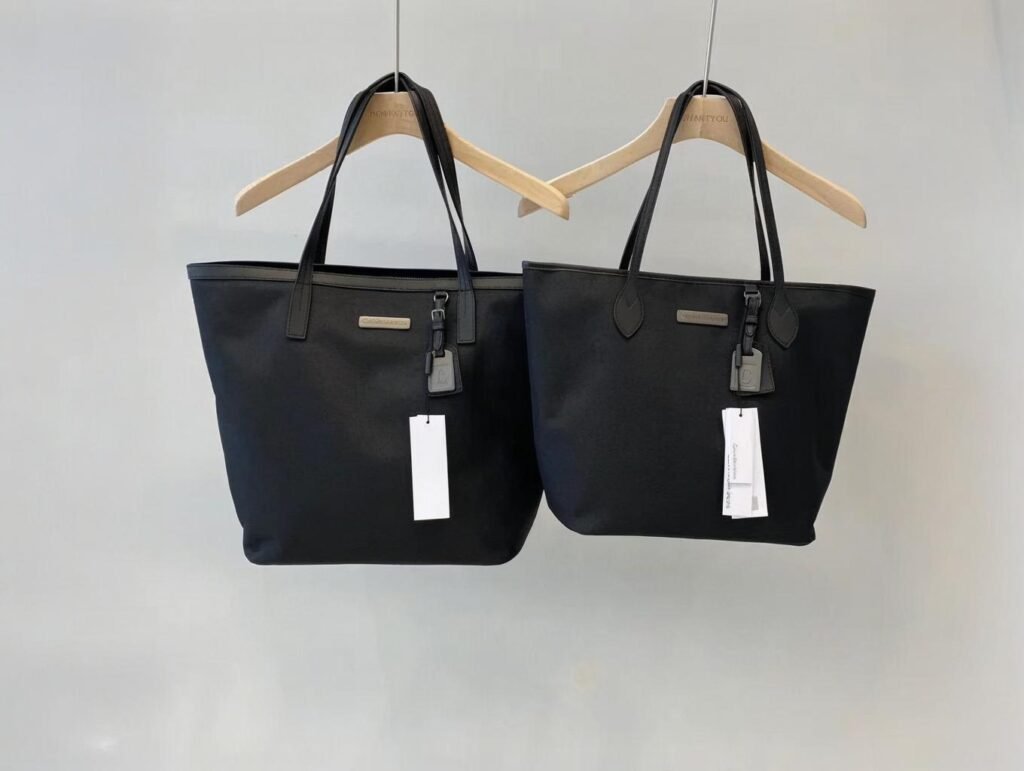
Imagine strapping your life into a parachute or sending a robotic arm to Mars—what fabric would you trust to hold it all together? That’s the power of ultra-strong nylon fabrics: engineered to deliver unmatched tensile strength, abrasion resistance, and reliability in extreme conditions. The strongest nylon fabrics combine high-tenacity fibers (like Nylon 66 or HT Nylon 6), high-denier counts (e.g., 1000D–1680D), tightly woven structures (like ballistic weaves), and specialized coatings (PU/TPU, silicone) to offer exceptional performance in demanding applications.
To demonstrate, let me tell you about a survival gear startup whose 1000D ballistic nylon backpacks survived a 10-meter drop test—unscathed—while cheaper packs shredded. That’s not marketing fluff—it’s precision engineering in fabric form.
1. What defines the strength of a nylon fabric—tensile, tear, or abrasion?
A nylon fabric’s strength isn’t just about how much weight it holds—it’s multi-dimensional. Tensile strength measures load capacity until breakage, tear strength indicates resistance to rips, and abrasion resistance shows how well the fabric endures surface wear. True performance is judged across all three. Strength is a triad: tensile, tear, and abrasion ratings. A truly strong nylon fabric scores high in all areas, not just one.
Understanding Strength Metrics
A. Tensile Strength
- Definition: Force required to break fabric in a straight pull.
- Test Method: ASTM D5034 (Grab test)
- Strong example: 1680D ballistic nylon—> > 1,200 lbs-breaking force
B. Tear Strength
- Definition: Force needed to continue a tear once started.
- Test Method: ASTM D1424 (Tongue tear)
- Strong example: Ripstop reinforcements improve tear resistance by over 50%
C. Abrasion Resistance
- Definition: Longevity under rubbing (cycles-to-failure).
- Test Method: Martindale or Wyzenbeek.
| Fabric Type | Tensile (lbs) | Tear (lbs) | Wyzenbeek (double rubs) |
|---|---|---|---|
| 1000D Ballistic | 1,200 | 120 | 50,000 |
| Cordura 1000D | 1,100 | 115 | 40,000 |
| 420D Standard Nylon | 600 | 60 | 20,000 |
D. Real-world Insight
Outdoor gear brands often choose ballistic nylon for sleds, duffels, and knife sheaths—because tests match field performance under rocks and pull loads.
2. Which types of nylon (e.g., 6, 6,6, high-tenacity) are the strongest?
Not all nylons are created equal. Nylon 6,6 offers greater crystalline structure and higher melting point, making it stronger than standard Nylon 6. And high-tenacity (HT) variants enhance fiber strength by up to 50%. Nylon 6,6 and high-tenacity nylons outperform standard types—ideal for heavy-duty and industrial-grade fabrics.
Nylon Types Compared
A. Standard Nylon 6 vs. Nylon 6,6
| Property | Nylon 6 | Nylon 6,6 |
|---|---|---|
| Tensile Strength | Good (baseline) | +20–30% stronger |
| Melting Point | \~215 °C | \~260 °C |
| Abrasion Resistance | Decent | Excellent |
| Cost | Lower | \~15% higher |
B. High-Tenacity (HT) Nylon
- Produced with specialized spinning and drawing processes
- Adds 30–50% tensile and abrasion strength
- Example: Toray NY070 HT yarn used in military straps and tire cords
C. Other Strength Variants
- Ultra-high-molecular-weight (UHMW) nylon: custom specialty application only
- Heat-set HT nylon: stabilizes dimension under high heat
3. How does denier count affect the strength of nylon fabrics?
Denier is often misunderstood—it refers to fiber thickness, not necessarily strength. But generally, higher denier = stronger fabric, especially when paired with tight weaves and high-tenacity fibers. For example, 1680D ballistic nylon is far more durable than 210D nylon taffeta. Higher denier means thicker yarns, which improves resistance to tearing, abrasion, and puncture—making it a key metric when selecting strong nylon fabrics.
Understanding Denier and Its Role
A. What Is Denier?
- Definition: The weight (in grams) of 9,000 meters of a yarn or fiber.
- Higher denier = thicker yarn
- Common Misconception: Higher denier does not automatically mean higher quality or durability without considering fabric construction.
B. Denier Comparison Table
| Denier | Fabric Example | Common Usage | Relative Strength |
|---|---|---|---|
| 210D | Nylon taffeta | Linings, lightweight tents | Low |
| 420D | Nylon Oxford | Backpacks, outerwear shells | Medium |
| 600D | Polyester (comparable) | Cheap bags, fashion backpacks | Medium |
| 1000D | Cordura/ballistic | Tactical gear, duffels | High |
| 1680D | Ballistic nylon | Military bags, luggage | Very High |
C. Factors That Influence Denier Strength
- Fiber Type: HT yarns make 420D stronger than standard 600D
- Yarn Count & Twisting: More compact yarns improve tear resistance
- Weaving Density: A 500D ripstop can outperform 600D loose weaves
Use denier as a baseline indicator, but always cross-check with tensile and abrasion test data.
4. What is the strongest nylon weave or construction pattern?
The weave plays a pivotal role in nylon’s structural integrity. Ballistic weave, ripstop, and oxford (plain) are the most common for strength-focused designs. Among them, ballistic weave (typically 2×2 basket) is engineered for extreme durability. Ballistic weaves and ripstop grids provide superior tear and abrasion resistance, especially when woven with high-denier yarns like 1000D or 1680D.
Comparing Weave Constructions
A. Ballistic Weave (2×2 Basket)
- Structure: Two yarns over, two yarns under (vs. plain 1×1)
- Strength: Exceptional for impact and abrasion
- Used In: Tactical vests, motorcycle gear, military packs
B. Ripstop Weave
- Structure: Reinforced grid (e.g., every 5–10 threads)
- Strength: Prevents tear propagation; excellent for lightweight applications
- Used In: Parachutes, ultralight tents, tactical uniforms
C. Plain/Oxford Weave
- Structure: 1×1 weave—balanced, cost-effective
- Strength: Lower than ballistic or ripstop, but dependable
- Used In: Standard luggage, school backpacks, jacket shells
D. Weave Performance Comparison
| Weave Type | Tear Resistance | Abrasion Resistance | Weight Efficiency |
|---|---|---|---|
| Ballistic 2×2 | Excellent | Excellent | Heavy |
| Ripstop | Very Good | Good | Excellent |
| Oxford Plain | Moderate | Moderate | Moderate |
Ballistic weave performs best when paired with 1050D–1680D HT nylon and PU/silicone coatings.
5. Which coatings or finishes enhance nylon fabric durability?
Uncoated nylon is strong, but the real performance boost comes from specialty coatings like PU, TPU, silicone, and PVC. These finishes improve abrasion resistance, waterproofing, UV stability, and overall structural integrity, making the fabric tougher and more application-ready. Polyurethane (PU), thermoplastic polyurethane (TPU), and silicone coatings significantly improve the strength, waterproofness, and longevity of nylon fabrics in harsh environments.
Coatings That Strengthen Nylon
A. PU (Polyurethane) Coating
| Feature | Description |
|---|---|
| Durability | Moderate |
| Flexibility | Good (crack-resistant under fold) |
| Waterproofing | 1,000–3,000 mm hydrostatic head |
| Use Case | Backpacks, tents, outdoor apparel |
B. TPU (Thermoplastic Polyurethane)
- More elastic and stronger than PU
- Resistant to oils, grease, and hydrolysis
- Ideal for: welded dry bags, inflatable structures, medical textiles
C. Silicone Coating (Silnylon)
- Used in ultralight gear: tents, tarps, bikepacking bags
- Increases tear strength by up to 50% compared to uncoated nylon
- Highly hydrophobic, but harder to sew and dye
D. PVC Coating
- Thick and rigid; makes nylon nearly waterproof and puncture-proof
- Often used in industrial tarps, tool bags, protective aprons
E. Coating Comparison Table
| Coating Type | Abrasion Resistance | Waterproof | UV Resistance | Flexibility | Cost |
|---|---|---|---|---|---|
| PU | Good | Medium | Moderate | High | Low |
| TPU | Excellent | High | High | High | High |
| Silicone | Excellent | High | Moderate | Medium | Medium |
| PVC | Very High | Very High | High | Low | Medium |
Silnylon (silicone-coated ripstop nylon) is used by ultralight brands like Zpacks and Hyperlite Mountain Gear to reduce pack weight without compromising tear strength.
6. How does nylon compare to polyester and Cordura in strength tests?
While polyester is often more UV resistant and cheaper, nylon generally outperforms polyester in tensile, tear, and abrasion strength. Cordura, a branded form of high-tenacity nylon, offers some of the highest durability scores across the board. Nylon outperforms polyester in strength and flexibility, while Cordura-branded nylon stands at the top of the durability spectrum for outdoor and military fabrics.
Nylon vs Polyester vs Cordura
A. Material Comparison Chart
| Property | Nylon | Polyester | Cordura (HT Nylon) |
|---|---|---|---|
| Tensile Strength | High | Moderate | Very High |
| Tear Resistance | High | Moderate | Very High |
| Abrasion Resistance | High | Moderate | Extremely High |
| UV Resistance | Moderate | High | Moderate |
| Water Absorption | Higher | Lower | Treated via coatings |
| Cost (per kg) | \$\$ | \$ | \$\$\$ |
B. Test Result Highlights
| Test Type | 420D Nylon | 600D Polyester | 1000D Cordura Nylon |
|---|---|---|---|
| Tensile (lbs) | 600 | 450 | 1,100+ |
| Tear Resistance (lbs) | 70 | 50 | 110+ |
| Wyzenbeek Abrasion | 20,000 | 15,000 | 40,000+ |
C. Application-Based Preferences
- Backpacks: Cordura 1000D > Nylon 420D > Polyester 600D
- Tent flysheets: Polyester (UV stable) > Nylon (light but prone to degradation)
- Heavy-duty gear: Cordura ballistic or 1680D nylon > polyester alternatives
U.S. military field gear uses 1000D–1050D Cordura nylon, not polyester, due to its superior resistance to tearing under stress and long-term abrasion.
7. What are the most common applications for ultra-strong nylon fabrics?
Ultra-strong nylon fabrics are essential in industries where performance, safety, and durability are non-negotiable. These applications demand high tensile strength, tear resistance, and surface durability under stress, abrasion, and weather. Military gear, heavy-duty backpacks, motorcycle apparel, tactical harnesses, industrial slings, and protective covers are common applications for high-strength nylon.
Real-World Use Cases of Strong Nylon
A. Tactical and Military Equipment
- Fabric Type: 1000D or 1050D ballistic nylon (often Cordura®)
- Products: Body armor carriers, MOLLE systems, tactical pouches
- Key Strengths: Abrasion-proof, load-bearing, flame-resistant with coatings
B. Outdoor and Adventure Gear
- Fabric Type: 210D ripstop HT nylon or 500D Cordura
- Products: Mountaineering backpacks, hiking gaiters, dry sacks
- Benefit: Lightweight + high tear resistance with PU or silicone finish
C. Luggage and Industrial Covers
- Fabric Type: 1680D PU-coated ballistic nylon
- Products: Roller bags, hard-shell luggage exteriors, tool bag shells
- Performance: Withstands frequent friction and impacts
D. Marine and Automotive Applications
- Fabric Type: 600D waterproof PVC-coated nylon
- Products: Car covers, marine upholstery, engine protectors
- Durability: UV stable, waterproof, mildew-resistant
E. Safety Harnesses and Straps
- Fabric Type: High-tenacity nylon webbing (5000+ lbs break strength)
- Products: Fall-arrest harnesses, seatbelt webbing, rigging
- Requirement: Certified tensile specs with minimal stretch
F. Comparative Table: Strength Applications by Industry
| Industry | Nylon Type | Strength Priority | Coating/Finish |
|---|---|---|---|
| Military | Cordura 1000D/1050D | Abrasion & tear | PU or FR |
| Outdoor Sports | Ripstop 210D–500D | Tear resistance + weight | Silicone or PU |
| Luggage | Ballistic 1680D | Impact and wear | PU |
| Industrial | PVC 600D | Waterproofing & protection | PVC double-sided |
| Safety Gear | HT Nylon Webbing | Tensile load bearing | None or heat set |
8. How can B2B buyers source high-strength custom nylon fabrics efficiently?
Sourcing strong nylon fabric isn’t just about specs—it’s about working with the right manufacturer who understands your industry, offers low MOQs, and delivers technical, certified materials with consistency and customization. To source high-strength nylon effectively, B2B buyers should partner with a vertically integrated factory offering technical support, low-MOQ prototyping, and performance-grade certifications.
Strategic Sourcing for Strong Nylon Fabrics
A. Key Factors in Choosing a Manufacturer
| Factor | What to Look For |
|---|---|
| Fabric Technical Specs | Access to 1000D+, HT yarns, coated types |
| MOQ Flexibility | 50–200 meters for sampling |
| Customization Options | Denier, weave, coatings, color, width |
| Certifications | OEKO-TEX®, ISO 9001, REACH, GRS |
| Sample Support | Free swatches, lab dips, print mockups |
| Lead Time | 7–10 days for samples; 15–30 days bulk |
B. Questions to Ask Before Ordering
- Can you match a Pantone or custom print on ballistic nylon?
- Is your fabric tested for abrasion (Martindale/Wyzenbeek)?
- Do you offer coated or laminated options for waterproofing?
- What’s your MOQ for 1000D Cordura-like fabrics?
- Are strength test reports (ASTM/DIN/ISO) available?
C. Why Vertical Integration Matters
Factories that manage polymer-to-fabric production can:
- Deliver stronger quality control
- Offer cost-competitive high-performance textiles
- Reduce lead times and communication gaps
Always request physical test data (e.g., tensile break strength, tear resistance) when ordering 500D–1680D nylon for commercial or industrial use.
Choose the Right Nylon, Partner, and Performance
The strongest nylon fabric depends on many factors: denier, weave, coating, and fiber type. But real-world success also comes from selecting the right manufacturing partner—one who understands your specs, industry, and quality standards.
Whether you’re building military packs, aviation straps, or ultralight mountaineering gear, strength is not just about numbers—it’s about performance under pressure.
Partner with SzoneierFabrics for Custom High-Strength Nylon
At SzoneierFabrics, we specialize in manufacturing:
- 1000D, 1050D, 1680D, and ballistic-grade nylon
- Ripstop, Oxford, and Cordura-type weaves
- Custom PU, TPU, and silicone coatings
- Low-MOQ, fast-turnaround sampling
- OEKO-TEX®, ISO, GRS-certified nylon fabrics
Contact us now to get free samples, request technical specs, or customize your next high-performance nylon product with factory-direct pricing and expert support.


Can't find the answers?
No worries, please contact us and we will answer all the questions you have during the whole process of bag customization.
Make A Sample First?
If you have your own artwork, logo design files, or just an idea,please provide details about your project requirements, including preferred fabric, color, and customization options,we’re excited to assist you in bringing your bespoke bag designs to life through our sample production process.