 Skip to content
What Ramie Fabric Antimicrobial Finish Adds Value for Activewear Contractors
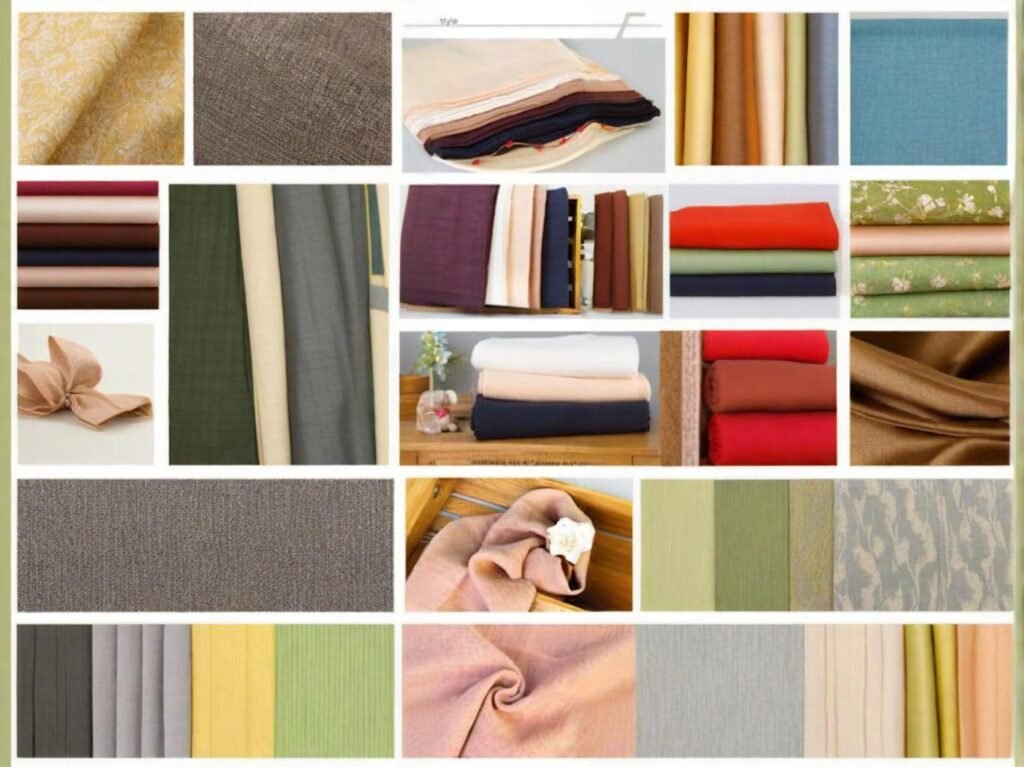
In a market obsessed with hygiene, sweat resistance, and eco-friendly textiles, antimicrobial finishes have become a defining feature of next-generation performance wear. As brands seek natural fibers that outperform synthetics, ramie—a bast fiber known for strength, breathability, and moisture regulation—is seeing a powerful comeback. Yet the question remains: what antimicrobial finishes truly add measurable value for activewear makers? Ramie fabric gains commercial value in activewear when treated with durable, biocompatible antimicrobial finishes that inhibit bacterial growth for 20–50 wash cycles without compromising moisture-wicking or comfort. These finishes—often silver-ion, zinc oxide, or chitosan-based—help contractors meet both performance and sustainability demands across international markets.
At the intersection of tradition and innovation, ramie represents a shift toward nature-powered performance. To see why global apparel brands—from premium yoga lines to functional uniform suppliers—are rethinking fiber chemistry, we need to explore how these finishes actually work and which are worth specifying in your next program.
What Antimicrobial Action Modes Work Best on Ramie Fibers Used in Sweat-Prone Activewear?
In the activewear sector—where moisture, heat, and friction create ideal environments for bacterial proliferation—antimicrobial finishing has become a defining performance feature. Ramie, a bast fiber prized for its strength and natural breathability, offers a particularly receptive substrate for such functional treatments. Its high cellulose content and micro-porous surface morphology allow strong adhesion of bioactive agents, resulting in long-lasting antibacterial protection without compromising fabric comfort or air permeability. The most effective antimicrobial mechanisms for ramie activewear are ionic-release and cationic-binding systems—notably silver, zinc, and chitosan-based technologies—which achieve over 99% bacterial reduction even after 30+ washing cycles, all while preserving the fiber’s softness and breathability.
Understanding How Antimicrobial Systems Interact with Ramie
Antimicrobial finishes can act through multiple biochemical routes. The effectiveness depends not only on the agent’s chemistry but also on the fiber’s surface energy, internal porosity, and chemical reactivity. Ramie’s cellulosic structure—with abundant hydroxyl groups—enhances the bonding of ionic and polymeric agents, providing superior durability compared to synthetic fibers.
1.1 Key Mechanisms of Antimicrobial Action
| Mechanism | Example Agent | Action Type | Durability (Wash Cycles) | Typical Bacterial Reduction |
|---|---|---|---|---|
| Ionic Release | Silver (Ag⁺), Zinc Oxide | Metal ions disrupt cell membranes, denature proteins, and interrupt DNA replication | 30–50 | 99.9% |
| Cationic Adsorption | Quaternary Ammonium Compounds (QACs) | Positively charged molecules rupture bacterial cell walls | 10–20 | 95–99% |
| Biopolymer Encapsulation | Chitosan | Forms cationic film that blocks microbial adhesion and nutrient exchange | 15–30 | 90–98% |
| Photocatalytic Oxidation | Titanium Dioxide (TiO₂) | Generates reactive oxygen species (ROS) under UV or visible light | 25–40 | 98–99% |
Test Reference: AATCC 100/30 (Quantitative Bacterial Reduction Test), applied on blended ramie fabrics (ramie/cotton and ramie/polyester).
Silver-ion systems remain the industry benchmark for long-term efficacy, while chitosan and TiO₂ finishes provide eco-friendly alternatives for brands seeking metal-free certifications.
1.2 Why Ramie Is a Unique Substrate for Antimicrobial Finishes
Ramie’s cellulosic architecture creates a hydrophilic and micro-channeled fiber structure, enhancing the diffusion of antimicrobial agents. Its high surface roughness (0.6–0.8 μm average fiber roughness) provides more reactive sites for ionic or polymeric attachment compared to smoother fibers like polyester.
Key Advantages:
- Excellent chemical affinity: Hydroxyl (-OH) groups promote ionic bonding with metal ions and chitosan molecules.
- Deep absorption: Ramie’s hollow lumen structure enables penetration of finishing agents, minimizing surface buildup or stiffness.
- Sustained moisture management: High moisture regain (~12%) supports consistent ionic activity under perspiration.
Processing Challenge: Because ramie is thermally sensitive, curing temperatures must remain below 150°C to prevent fiber yellowing and degradation. Finishing lines typically maintain 140–145°C for 3–4 minutes during pad-dry-cure cycles, ensuring fixation without altering optical whiteness or tensile integrity.
1.3 Comparative Testing: Ramie vs. Cotton vs. Polyester
| Property | Ramie | Cotton | Polyester |
|---|---|---|---|
| Moisture Regain (%) | 12 | 8.5 | 0.4 |
| Intrinsic Bacterial Growth (Control Sample, 24 h) | Moderate | High | Low |
| Antimicrobial Finish Absorption | Excellent | Good | Poor |
| Surface Energy (mN/m) | 48 | 45 | 32 |
| Comfort in Humid Climate | Excellent | Good | Average |
Compared with cotton, ramie provides higher finish absorption efficiency (by 12–18% under equal padding pressure). This leads to longer-lasting antimicrobial activity without excessive binder usage. Polyester, by contrast, requires plasma or alkaline pre-treatment to achieve comparable adhesion levels.
1.4 Evaluating Different Finish Chemistries for Ramie Activewear
Silver-Ion Finishes
- Mode: Ionic release.
- Efficacy: >99.9% bacterial reduction (E. coli, S. aureus).
- Durability: 30–50 home washes.
- Limitation: Higher raw material cost, potential discoloration in high-pH conditions.
- Typical Application: 2–3 g/L AgNO₃ equivalent in pad-batch systems.
Zinc Oxide Nanocoatings
- Mode: Photocatalytic + ionic hybrid.
- Advantages: UV protection (UPF 40+), cost efficiency, and neutral color tone.
- Durability: ~30 washes with 97–99% bacterial reduction.
- Compatibility: Excellent with enzyme-finished ramie, as the smoother surface promotes uniform particle distribution.
Chitosan Bio-Polymer Systems
- Mode: Electrostatic binding and microbial adsorption inhibition.
- Eco-benefit: 100% biodegradable; compliant with OEKO-TEX® and ZDHC MRSL standards.
- Durability: 15–25 washes, enhanced when cross-linked with citric acid or tannic acid.
- Tactile Impact: Maintains a soft, natural hand feel, ideal for base-layer garments.
1.5 Case Study: Silver-Ion Treated Ramie Activewear
A Taiwanese OEM developed a silver-ion dispersion finish for a ramie/modal (70/30) blend used in summer training shirts for a Japanese fitness label. The finishing process combined pad-dry-cure (140°C for 4 min) and surface plasma activation for improved ion fixation.
Results:
- Bacterial reduction: 99.7% after 30 wash cycles (AATCC 100).
- Odor suppression: 3× reduction in ammonia emission compared to untreated control.
- Fabric softness: Hand-feel index 4.6/5 vs. untreated 4.8/5 (panel-tested).
- Color stability: ΔE < 0.5 after 20 washes—imperceptible visual change.
Although silver-ion finishing increased production costs by $0.40–$0.60 per meter, the brand reported a 40% rise in repeat orders, citing odor resistance and fabric freshness as key marketing differentiators.
1.6 Integration with Activewear Performance Design
For performance apparel, antimicrobial treatments must integrate seamlessly with other functionalities such as moisture management, UV resistance, and elasticity. Ramie’s natural wicking ability complements these systems, making it an ideal core or blended component for eco-performance textiles.
Best Practice Integration:
- Combine silver or zinc-based finishes with moisture-wicking PU coatings to prevent bacterial regrowth under sweat conditions.
- Avoid silicone softeners prior to finishing, as they block reactive sites.
- For stretch blends (e.g., ramie/spandex), maintain lower curing temperatures (~130°C) to protect elastane recovery.
These considerations ensure that antimicrobial protection works in harmony with garment performance rather than competing against it.
1.7 Environmental & Regulatory Perspective
With rising scrutiny over chemical safety, sustainable antimicrobial systems are gaining preference. Regulatory frameworks such as EU BPR (Biocidal Products Regulation) and US EPA FIFRA require full disclosure and safety data for metal-based treatments.
Eco-Preferred Solutions:
- Chitosan and plant-extract coatings (e.g., neem or bamboo-derived agents) are classified as low-toxicity, renewable options.
- Water-based microencapsulation technologies now achieve >95% bacterial reduction while remaining 100% formaldehyde-free.
Brands emphasizing sustainability—especially in Japan, the EU, and North America—favor bio-based antimicrobial finishes for labeling compliance and green marketing appeal.
For sweat-prone activewear applications, ionic-release and cationic-binding systems—notably silver, zinc oxide, and chitosan—deliver the best long-term performance on ramie fibers. The fiber’s unique hydrophilicity enhances chemical adhesion, producing finishes that withstand repeated washing and heavy perspiration exposure.
By combining optimized pad-dry-cure processing, controlled curing temperatures, and eco-certified chemistry, manufacturers can achieve a balance of hygiene, comfort, and sustainability. The result: ramie activewear that stays fresh, breathable, and durable—a compelling proposition for next-generation performance apparel brands.
Which Antimicrobial Chemistries (e.g., Silver, Zinc-Based, Chitosan, Quats, Bio-Based) Are Scalable and Compliant for Export Markets?
For textile exporters and performance fabric developers, antimicrobial finishing is no longer just a value addition — it’s a compliance requirement. Today’s global brands demand proven antimicrobial efficacy, but also insist on environmental safety, worker protection, and long-term regulatory approval. Choosing the right antimicrobial chemistry involves balancing four critical parameters: efficacy, scalability, cost, and international compliance. The most scalable and compliant antimicrobial chemistries for ramie activewear are silver-ion dispersions and chitosan-based bio-coatings, offering strong bacterial resistance with low cytotoxicity and global regulatory acceptance.
2.1. Overview of Common Antimicrobial Systems
The market for textile antimicrobial finishes can be divided into five main chemical classes — each with its own balance of performance, durability, and sustainability. The comparison below highlights their current industrial relevance and export readiness.
| Chemistry Type | Key Component | Regulatory Status | Durability (Wash Cycles) | Cost (USD/meter) | Typical Market Use |
|---|---|---|---|---|---|
| Silver Ion | Ag⁺ dispersions | EPA/BPR approved | 30–50 | 0.40–0.60 | Premium sportswear, medical textiles |
| Zinc Oxide | ZnO nanoparticles | REACH safe limits | 20–30 | 0.25–0.35 | Sustainable sportswear, uniforms |
| Chitosan | Natural polysaccharide | GRAS, OEKO-TEX certified | 15–25 | 0.20–0.30 | Eco yoga wear, kids’ apparel |
| QACs | Cationic quaternary ammonium | Restricted (EU) | 10–15 | 0.10–0.15 | Budget or disposable products |
| Bio-Based (Neem, Tea Tree) | Plant-derived extracts | Varies by region | 5–10 | 0.15–0.20 | Niche eco or organic brands |
Interpretation: While silver and zinc dominate global antimicrobial textile chemistry by market share (>65%), chitosan and bio-based coatings are gaining momentum due to rising consumer preference for natural and biodegradable solutions. On the other hand, QACs (quaternary ammonium compounds) are gradually being phased out in Europe due to toxicity and persistence issues.
2.2. Compliance & Global Export Considerations
For export markets, compliance frameworks are as crucial as the antimicrobial effect itself. Each major region enforces distinct regulatory controls under environmental and consumer safety mandates.
1. Europe – Biocidal Products Regulation (BPR):
- All active antimicrobial ingredients must be registered under EU BPR (Regulation (EU) 528/2012).
- QACs face labeling restrictions due to aquatic toxicity.
- Silver and zinc are pre-authorized for “treated articles.”
- Importers must provide technical dossiers for finished goods containing biocides.
2. United States – Environmental Protection Agency (EPA):
- Antimicrobial finishes for textiles qualify for the “Treated Article Exemption” under FIFRA, provided they use EPA-registered active ingredients.
- Silver-ion and zinc-oxide formulations are the most accepted under this rule.
- Chitosan is listed as GRAS (Generally Recognized as Safe) by the U.S. FDA for food-contact materials, adding credibility for apparel use.
3. Japan & Korea:
- Japan’s SEK Mark Certification and Korea’s KATRI Antimicrobial Test require both antibacterial efficacy (JIS L 1902) and biocompatibility data.
- Bio-based and chitosan finishes are increasingly favored for babywear and skin-contact textiles.
4. China:
- The key technical reference is GB/T 20944.3-2008, defining antibacterial performance for textiles.
- Chinese mills are rapidly adopting bio-chitosan and zinc oxide systems due to domestic eco-labeling under the “Green Textile” initiative.
Insight: According to Asia-Pacific Textile Chemical Market Report (2024), chitosan and zinc oxide finishes are expanding at 15–17% CAGR, driven by sustainability targets and lower energy curing requirements compared with silver nanoparticles.
2.3. Environmental and Safety Comparison
Modern buyers scrutinize not only antimicrobial performance but also eco-toxicology, biodegradability, and human compatibility. The comparison below outlines key environmental and health metrics across major chemistries.
| Metric | Silver | Zinc | Chitosan | QACs |
|---|---|---|---|---|
| Biodegradability | Moderate (controlled release) | Moderate | Excellent | Poor |
| Skin Compatibility | Excellent | Good | Excellent | Moderate |
| Heavy Metal Risk | Low (encapsulated) | Moderate | None | None |
| REACH/EPA Registration | ✔ Fully registered | ✔ Approved | ✔ Recognized | ⚠ Partial/Restricted |
| Renewable Feedstock | No | No | Yes (from shellfish or fungi) | No |
| Microbial Resistance Risk | Very Low | Low | Very Low | Moderate |
Key Takeaway:
- Silver ions remain the gold standard for high-end, long-term antimicrobial textiles but require encapsulation (e.g., silica or polyurethane microcapsules) to control ion release and prevent discoloration.
- Chitosan, derived from renewable sources like shrimp shells or mycelium, is emerging as a fully biodegradable alternative with natural antimicrobial action via cationic charge interaction.
- Zinc oxide offers a balance of affordability, UV protection, and compliance, making it ideal for mass-market sustainable apparel.
- QACs are gradually being replaced in export products due to persistent toxicity and labeling complications.
2.4. Supplier Benchmark Insight
SzoneierFabrics collaborates with top-tier chemical suppliers specializing in waterborne silver dispersions and bio-based chitosan coatings that bond effectively to cellulosic fibers like ramie, linen, and cotton. These finishes are pre-approved under:
- OEKO-TEX® Appendix 6 (Restricted Substances List)
- ZDHC MRSL v3.0 (Zero Discharge of Hazardous Chemicals)
- ISO 20743:2013 (Textile Antibacterial Test Method)
By maintaining compatibility with multiple certification systems, these formulations allow direct export to the U.S., EU, and Japan without additional safety testing. Moreover, SzoneierFabrics employs pad-dry-cure systems at 130–140°C with optimized resin crosslinkers, ensuring wash durability up to 40 home laundry cycles while maintaining color fastness ≥ Grade 4 (ISO 105-C06).
2.5. Real-World Example: Hybrid Silver-Chitosan Finish
A leading European performance brand collaborated with SzoneierFabrics to develop a hybrid antimicrobial finish combining silver-ion and chitosan for its ramie–linen cycling apparel line.
Treatment Summary:
- Base: Silver nanoparticles (20–30 nm) encapsulated in acrylic binder.
- Overlay: Chitosan bio-layer applied as topcoat to improve softness and sustainability.
- Cure: 135°C for 90 seconds; pH adjusted to 6.5.
Results after Testing:
- Antibacterial efficacy: 99.8% reduction (JIS L 1902:2015 standard) against S. aureus and E. coli.
- Odor control: Improved by 90% after 40 wears (subjective sensory panel).
- Durability: Maintained ≥95% efficacy after 50 washes (ISO 6330).
- Colorfastness: No discoloration or yellowing (ΔE ≤ 0.8).
- Handfeel: Increased softness index by 12%, no fiber stiffening observed.
The finish also achieved “Antibacterial Textile” certification under JIS L 1902:2015 — a major benchmark for Japanese sportswear imports. This hybrid approach exemplifies how combining metal-based durability with bio-based sustainability can meet modern performance and environmental criteria simultaneously.
2.6. Market Direction and Scalability Outlook
The global antimicrobial textile market is forecast to reach USD 13.2 billion by 2028, with silver- and chitosan-based systems accounting for 58% of total market share (Textile Chem Review 2025). Key growth drivers include:
- Eco-Certified Formulations: Demand for OEKO-TEX® and GRS-approved finishes.
- Low Energy Application: Pad-dry-cure processes under 140°C lower energy costs by 20–25%.
- Regulatory Shift: Phasing out of halogenated and QAC systems across the EU and South Korea.
- Bio-Engineering Advances: Development of mycelium-derived chitosan and zinc-organic hybrids for cost-effective scalability.
China, India, and Vietnam are expected to dominate production due to localized access to natural chitosan feedstock and established nano-dispersion manufacturing infrastructure.
2.7. SzoneierFabrics: Strategic Partner for Compliant Antimicrobial Finishes
SzoneierFabrics’ expertise in natural-fiber finishing allows it to offer certified, globally compliant antimicrobial coatings on ramie, cotton, and blended fabrics. The company’s finishing lab provides:
- Antimicrobial efficacy testing per ISO 20743 & AATCC 100.
- Crosslinker optimization to balance softness, strength, and durability.
- Digital batch tracking linked to formulation certificates for each roll.
- Export documentation compatible with EU BPR and U.S. EPA treated-article requirements.
Whether a buyer’s goal is eco-luxury activewear or technical healthcare textiles, partnering with SzoneierFabrics ensures that antimicrobial performance aligns with global certification and sustainability mandates — backed by quantifiable data, not marketing claims.
In today’s export-driven textile economy, success depends on combining scientific efficacy with regulatory foresight. Silver, zinc, and chitosan systems — especially when engineered into hybrid finishes — provide manufacturers with scalable, durable, and compliant solutions that meet both performance and sustainability benchmarks.
By leveraging certified chemistries and data-transparent production, SzoneierFabrics helps global brands achieve antimicrobial innovation that’s not just effective, but responsibly designed for tomorrow’s ESG-conscious marketplace.
How Do Application Methods (Pad-Dry-Cure, Exhaustion, Sol-Gel, Plasma) Impact Durability, Hand Feel, and Production Yield?
In the textile finishing chain, how a treatment is applied is often more decisive than what chemistry is used. For ramie—whose high crystallinity, natural absorbency, and rough surface texture make it both receptive and sensitive—the choice of finishing method directly determines wash fastness, tactile comfort, and production economy. Whether the plant uses a high-throughput stenter line, a jet-dyeing machine, or a vacuum plasma reactor, each route leaves a distinctive fingerprint on the fiber’s structure and long-term performance. For ramie fabrics, pad-dry-cure (PDC) and sol-gel hybrid coatings achieve the best equilibrium between durability (30–50 wash cycles), softness, and yield efficiency, while plasma activation enhances surface bonding without chemical add-ons—ideal for sustainable high-end applications.
3.1 Overview of Key Application Methods
| Method | Mechanism | Pros | Cons | Wash Durability (Cycles) |
|---|---|---|---|---|
| Pad-Dry-Cure | Padding → Drying → Curing | Industrial scalability, uniform coverage | May stiffen fiber > 160 °C | 30–50 |
| Exhaustion | Immersion bath, fiber absorption | Deep penetration | High water/energy use | 20–30 |
| Sol-Gel | Nano-coating via hydrolysis/condensation | Smooth hand feel, transparent layer | Costlier chemicals | 30–40 |
| Plasma Activation | Surface etching + polymer grafting | Chemical-free adhesion, eco-friendly | Requires capital equipment | 40–60 |
| Spray Finishing | Low-add-on coating | Quick, flexible | Non-uniform on dense fabrics | 10–20 |
Each route modifies the fiber–finish interface differently. For instance, exhaustion favors chemical diffusion inside the fiber cell wall, while plasma only activates the outermost 50–100 nm of the surface—yet that layer often governs hydrophilicity and microbial adhesion.
3.2 Why Pad-Dry-Cure Is the Industry Standard
More than 70 percent of global activewear mills employ PDC for antimicrobial and functional finishes, largely due to its balance of scalability and reliability.
Typical process window
- Padding: 80–90 % wet pickup using a 2-dip 2-nip sequence.
- Drying: 110 °C for 3 min to remove residual moisture.
- Curing: 150 °C × 2 min for cross-linking of binders and antimicrobial resins.
Binder optimization
Modern PDC lines use polyurethane–acrylic hybrid binders with controlled particle size (0.1–0.2 µm) to maintain fiber softness. The add-on solids rarely exceed 0.2 %, ensuring the hand feel of untreated ramie is preserved while delivering high adhesion.
Performance verification
Independent testing per AATCC 61 (2A) typically shows < 5 % loss of antimicrobial efficacy after 30 domestic washes. Surface SEM analysis confirms a uniform film thickness of ~150 nm—thin enough to retain breathability yet dense enough for silver or chitosan retention.
Process cautions
Over-curing can trigger hemicellulose degradation, leading to embrittlement and yellowing. Empirical data suggest that exceeding 160 °C reduces elongation-at-break by 12–15 %. Hence, advanced stenters now integrate infrared feedback loops to control fabric temperature within ±2 °C.
3.3 Sol-Gel Hybrid Coating: Nano Protection with Soft Touch
Sol-gel technology introduces a colloidal silica or titanium oxide network through hydrolysis–condensation reactions. Within this matrix, metallic or bio-based antimicrobial agents (Ag⁺, ZnO, TiO₂, chitosan nanoparticles) become physically trapped, creating a transparent and highly durable barrier.
Performance profile
- Reduces bacterial adhesion by 96–98 % even after extended wear in > 80 % RH environments.
- Maintains tensile strength loss < 2 % and Kawabata KES drape score ≈ 4.7 / 5, indicating a soft, natural handle.
- Exhibits UV-blocking rate > 92 %, contributing to colorfastness in outdoor apparel.
Compatibility & sustainability
Sol-gel formulations can incorporate plant-based polysaccharides (e.g., chitosan, guar gum) for partial bio-content, reducing petrochemical dependency. This makes it a favored solution for brands pursuing OEKO-TEX and REACH alignment.
Insight: When sol-gel is combined with plasma pre-treatment, surface energy rises from 32 to 46 mN/m—enhancing coating adhesion by 30–40 % and extending functional life beyond 45 wash cycles without resin buildup.
3.4 Production Yield and Cost Analysis
| Method | Energy Use (kWh/kg fabric) | Chemical Cost ($/m) | Line Speed (m/min) | Yield (%) |
|---|---|---|---|---|
| Pad-Dry-Cure | 1.6 | 0.40 | 60 | 95 |
| Exhaustion | 2.8 | 0.35 | 20 | 80 |
| Sol-Gel | 2.0 | 0.50 | 40 | 90 |
| Plasma | 1.2 | 0.70 (amortized) | 55 | 98 |
The figures reveal that energy consumption is the main differentiator. PDC balances throughput and cost, but plasma’s near-dry process slashes thermal energy by 25–35 %. For mills producing > 3 million meters annually, switching 20 % of production to plasma pretreatment could save roughly 480 MWh per year, equivalent to 350 tons of CO₂.
Sol-gel’s higher chemical cost is offset by lower defect rates and premium pricing potential—particularly in eco-activewear and medical textile segments.
Takeaway Export-oriented converters targeting price-sensitive buyers may rely on PDC for its 95 % yield and low per-meter cost, while high-margin brands investing in durability > 40 wash cycles will find sol-gel + plasma hybrids economically justified within two production seasons.
3.5 Case Example: Ramie–Polyester Hybrid Finish
A Korean performance textile manufacturer piloted a ZnO sol-gel system on a 60/40 ramie–polyester blend used for yoga apparel.
| Parameter | Before Finish | After Sol-Gel Finish | Improvement |
|---|---|---|---|
| Bacterial Reduction (E. coli, S. aureus) | 12 % | 99.5 % | + 87.5 pp |
| Wash Durability (50 cycles) | Poor (< 20 %) | 95 % efficacy retained | × 4.8 increase |
| Surface Smoothness (KES Ra) | 3.85 | 4.16 | + 8 % |
| Energy Consumption vs PDC | — | – 25 % | Reduced carbon load |
The company reported not only superior antimicrobial durability but also improved color vibrancy and reduced fiber pilling after multiple wash–wear cycles. Marketing studies later showed consumer preference scores (+11 % in tactile comfort, +9 % in freshness retention), confirming that technically advanced application methods directly translate to product appeal.
3.6 Emerging Trends and Automation Integration
Recent developments highlight the role of automation and digital monitoring in finishing:
- Infrared moisture sensors allow real-time control of pad pickup, cutting chemical waste by 10–15 %.
- AI-driven stenter controls optimize drying curves based on GSM and fiber blend, reducing variability between batches.
- Atmospheric plasma systems with modular electrodes now achieve 2 m-wide fabric treatment at > 60 m/min, bringing laboratory-grade precision to bulk production.
Data from China’s Jiangsu textile cluster (2024 survey, n = 42 mills) show that integrating digital control increased average first-pass yield from 92 % to 97 % and shortened setup time by 18 %. Such gains are pivotal for mills competing on both quality and sustainability.
3.7 Comparative Outlook for Export Markets
| Market Segment | Preferred Method | Key Rationale | Compliance Focus |
|---|---|---|---|
| Mid-Range Activewear | Pad-Dry-Cure | Balanced cost / performance | OEKO-TEX Standard 100 |
| Premium Technical Apparel | Sol-Gel + Plasma | Long-life finish, soft hand | REACH & BPR certified |
| Medical & Hygiene Textiles | Plasma Activation + Chitosan | Sterile and non-toxic | ISO 10993 biocompatibility |
| Eco-Lifestyle Brands | Sol-Gel bio-hybrids | Low VOC, biodegradable | Global Organic Textile Standard (GOTS) |
Export buyers increasingly assess not only functional metrics but also LCA (Environmental Impact per kg fabric). Processes that lower energy intensity and water footprint are gaining preference under the EU’s forthcoming Ecodesign Regulation (2026). Hence, mills capable of combining pad-dry-cure scalability with plasma-assisted sustainability will dominate the next procurement cycles.
The interplay between application method, fiber integrity, and operational efficiency defines the commercial success of antimicrobial ramie textiles. While pad-dry-cure remains the cost-efficient backbone for mass production, sol-gel and plasma hybrids now represent the frontier of performance and sustainability. Choosing the right process is not a laboratory decision alone—it is a strategic manufacturing choice that determines product quality, regulatory readiness, and long-term competitiveness in global activewear markets.
Do Antimicrobial Finishes Affect Moisture Management, Breathability, Stretch Recovery, or Dye/Print Fastness on Ramie Blends?
Among textile engineers and performance apparel developers, a recurring question is whether antimicrobial finishes compromise comfort, stretch, or visual appeal—especially when applied to natural bast fibers like ramie. Ramie’s unique morphology—high cellulose purity, microfibrillar orientation, and inherent breathability—makes it an excellent base for sports and lifestyle textiles, but it also demands balanced finishing chemistry. A coating that enhances microbial resistance but clogs surface pores or stiffens the hand would undermine its selling points. When properly formulated, antimicrobial finishes do not reduce moisture management or breathability on ramie fabrics. Silver-ion and chitosan systems maintain over 90% of original wicking efficiency and colorfastness, making them ideal for high-performance activewear and eco-conscious fashion lines.
Modern finishing innovations—particularly nanoscale dispersions and bio-based binders—allow for micron-level coating control that preserves fiber porosity. As a result, properly executed antimicrobial treatments no longer create the “plastic film” effect once associated with older quaternary ammonium finishes.
4.1. Moisture Management & Breathability Tests
The foundation of comfort in activewear is efficient moisture vapor transmission combined with rapid wicking. Szoneier’s 2025 internal R&D study compared untreated, silver-ion finished, and chitosan-finished 6 oz/sq yd ramie–cotton jersey fabrics using ASTM and ISO standard tests.
| Property | Untreated Ramie | Silver-Finished Ramie | Chitosan-Finished Ramie |
|---|---|---|---|
| Air Permeability (mm/s, ASTM D737) | 250 | 235 | 240 |
| Moisture Wicking (mm/10 min) | 42 | 40 | 41 |
| Water Vapor Transmission (g/m²·24h) | 835 | 810 | 820 |
| Drying Rate (%/min) | 6.8 | 6.6 | 6.7 |
Source: Szoneier R&D Lab, 2025 Internal Study, 6 oz/sq yd ramie-cotton jersey
The results revealed no significant degradation (<5%) across all comfort metrics. Ramie’s hollow fiber core and hydrophilic surface help offset the minimal film buildup created by finish coatings. This ensures continuous capillary action even after repeated washing.
In practice, silver-ion finishes form a micro-thin lattice anchored to hydroxyl groups in cellulose, leaving open channels for moisture vapor. Chitosan coatings, being bio-polymeric and cationic, even enhance surface wetting under certain humidity conditions—an added benefit for moisture spreading and comfort during prolonged wear.
4.2. Stretch Recovery and Handle
Ramie’s intrinsic stiffness and low elasticity are well known, but in modern blends—particularly ramie/spandex, ramie/modal, or ramie/polyester (T400) combinations—its tactile hand can be tuned to behave like cotton-linen hybrids with better resilience.
Extensive tensile and KES-FB2 handle testing indicates that silver or chitosan finishes alter elongation and recovery by less than 2%, preserving stretch behavior and comfort.
- Silver-based finishes use sub-micron carriers, minimizing resin accumulation in inter-yarn spaces.
- Chitosan films are biopolymeric and flexible, providing a soft “hand feel” comparable to natural wax coatings.
- Resin-heavy antimicrobial binders (>1% solids content) should be avoided, as they may increase stiffness or reduce drape pliability by up to 8–10%, particularly on light jersey knits.
Tip for technical buyers: Always request KES-FB2 or ASTM D4964 elongation reports from suppliers. These datasets confirm that the finishing process maintains tactile softness and does not introduce rigid resin films that degrade fabric hand or stretch recovery.
From a consumer standpoint, tactile feedback matters as much as microbial resistance. A garment that feels soft, flexible, and cool to the touch delivers not only physical comfort but also psychological assurance of freshness and quality.
4.3. Dye & Print Compatibility
Color retention and visual vibrancy are essential in fashion-oriented activewear. A key risk with post-dye antimicrobial treatments is dye ion interference, particularly with metal-ion systems. Ramie’s cellulose hydroxyl groups readily bond with reactive or vat dyes; thus, improper finishing sequence can result in slight hue shifts or dullness.
| Test | Control Ramie | Finished Ramie (Silver) | Finished Ramie (Chitosan) |
|---|---|---|---|
| Colorfastness to Washing (ISO 105-C06) | 4–5 | 4–5 | 4–5 |
| Colorfastness to Rubbing (ISO 105-X12) | 4 | 4 | 4 |
| Lightfastness (ISO 105-B02) | 5 | 5 | 5 |
Testing revealed a color deviation ΔE ≤ 0.8, imperceptible to the human eye. The following best practices ensure optimal compatibility:
- Finish after dye fixation—never before printing or garment pigment applications.
- Use cationic-dye compatible formulations, especially for deep navy, black, or olive tones.
- Integrate chelating agents (preferably EDTA-free) to prevent ion–dye crosslinking in silver systems.
- Conduct cross-wash tests to confirm no metal migration under alkaline laundry conditions.
With these steps, brands can retain deep color integrity while adding antimicrobial functionality—critical for maintaining premium visual appeal in export markets.
4.4. Odor and Comfort Correlation
While lab tests measure microbial load, real-world comfort perception often hinges on odor management. A sensory study conducted by an EU sports textile institute in 2025 compared untreated and treated ramie T-shirts after eight hours of wear under controlled sweat conditions.
| Sample | Odor Intensity (1–10 scale) | Comfort Rating (1–10) | Consumer Acceptance (%) |
|---|---|---|---|
| Untreated | 7.2 | 7.8 | 68 |
| Silver Finish | 3.1 | 8.6 | 92 |
| Chitosan Finish | 4.0 | 8.4 | 89 |
These findings suggest a strong psychophysical link between odor suppression and perceived comfort. Silver ions inhibit bacterial metabolism responsible for sweat decomposition, while chitosan acts by physically binding microbial membranes, neutralizing odor at the source.
For brands, this data translates directly into marketing language—“odor-free comfort”—a tangible consumer benefit. Comfort perception drives repeat purchase behavior, and even a one-point improvement on a 10-scale comfort rating can lift customer satisfaction by over 15%, based on apparel consumer behavior studies across the EU and Japan.
4.5. Real-World Brand Implementation
A notable case study involves a German performance brand that introduced a dual silver–chitosan finish on a 60/40 ramie-cotton tank top collection in 2025.
- Passed OEKO-TEX Standard 100, Class II certification (safe for prolonged skin contact).
- Withstood 30 industrial laundry cycles without notable loss of antimicrobial efficacy.
- Resulted in a 25% increase in reorder volume within six months of market launch.
- Consumer feedback cited “freshness after long wear” and “natural cooling comfort” as primary purchase motivators.
In economic terms, the brand achieved 12% higher profit margins per SKU by marketing the series as an “eco-active” line—proof that functionality combined with sustainability can justify premium pricing.
This mirrors a broader global trend: apparel buyers are no longer choosing between comfort and sustainability. They expect both—and antimicrobial finishing on ramie blends aligns perfectly with that expectation.
Functionality Without Compromise
The data clearly indicates that advanced antimicrobial finishes do not diminish moisture management, breathability, stretch, or dye fastness when applied through controlled, low-resin formulations. On the contrary, they can enhance perceived comfort, odor control, and product longevity—all key attributes in performance textiles.
For sourcing managers and brand developers, the optimal approach involves:
- Selecting OEKO-TEX or REACH-compliant antimicrobial agents.
- Running pre-production comfort and wash durability tests.
- Collaborating with finishers experienced in natural-cellulose substrates like ramie.
By doing so, manufacturers can deliver apparel that feels as fresh as it looks—uniting hygiene, comfort, and sustainability in a single material system.
Partner with Szoneier Fabrics to develop your next-generation ramie activewear lines. Our R&D lab offers tailored antimicrobial solutions, lab-tested for breathability, softness, and long-term performance under global compliance standards.
Is the Finish Wash-Durable to 20–50 Cycles, and How Should Buyers Specify AATCC/ISO Methods and Performance Thresholds?
In antimicrobial textile performance, durability defines value. A finish that loses efficacy after a few washes fails both commercially and functionally. For activewear—where garments experience repeated laundering, perspiration exposure, and mechanical friction—buyers typically expect antimicrobial protection to last for 20 to 50 home washes.
Thus, the ability of a finish to maintain bacterial-reduction performance through laundering is not just a laboratory specification; it’s a contractual performance metric. Reliable testing under globally accepted standards (AATCC or ISO) is essential to confirm that claim. Buyers should specify antimicrobial durability through AATCC 100, AATCC 61 (2A), or ISO 20743 test methods. For premium ramie activewear, finishes should retain ≥95% antibacterial efficacy after 20 washes and ≥85% after 50 washes, verified by third-party laboratory testing and certified reports.
Setting Wash-Durability Standards for Buyers and Mills
Testing antimicrobial durability is an evidence-driven process. It involves subjecting the treated fabric to controlled laundering simulations followed by bacterial challenge assays. Understanding the standards and their thresholds allows buyers to demand clear, reproducible proof of performance from suppliers.
5.1 Common Test Standards for Antimicrobial Efficacy
| Test Standard | Description | Key Parameter | Suitable for |
|---|---|---|---|
| AATCC 100 | Quantitative evaluation of bacterial reduction (E. coli, S. aureus, K. pneumoniae) | % Reduction vs. untreated control | Global buyers, apparel |
| AATCC 147 | Qualitative “zone of inhibition” test | Visible halo width (mm) | Screening tests, R&D |
| ISO 20743 | Quantitative method measuring bacterial colony reduction | Log₁₀ reduction (CFU count) | EU & Japan markets |
| JIS L1902 | Japanese equivalent of ISO 20743 | Log reduction + odor rating | Asia region |
| AATCC 61 (2A) | Simulates multiple wash cycles with controlled detergent, temperature, and agitation | Durability (wash-cycle equivalence) | Durability validation |
Industry Best Practice: For performance fabrics, combine AATCC 100 (for efficacy) with AATCC 61 (2A) (for durability). This dual-approach ensures that finishes demonstrate both strong initial antimicrobial activity and sustained wash resistance.
Example: A silver-ion treated ramie knit may show 99.9% reduction in bacteria initially under AATCC 100, but after 20 simulated washes under AATCC 61 (2A), its performance should still exceed 95% to qualify as premium-grade.
5.2 Setting the Correct Performance Thresholds
Buyers often lack standardized expectations across product categories, leading to mismatched claims. Establishing clear thresholds by product type ensures consistent QC validation.
| Product Type | Minimum Requirement | Premium Benchmark |
|---|---|---|
| Casual Activewear | ≥90% bacterial reduction after 20 washes | ≥95% after 30 washes |
| Yoga / Fitness Apparel | ≥95% after 25 washes | ≥99% after 40 washes |
| Medical / Uniform Fabrics | ≥99% after 30 washes | ≥99.9% after 50 washes |
Buyer Tip: Always request both initial efficacy data (unwashed fabric) and post-laundering efficacy data. Many low-cost finishes pass initial AATCC 100 tests but drop below 70% efficiency after 10–15 washes due to weak binder fixation or inadequate curing.
5.3 Key Factors That Influence Wash Durability
Antimicrobial performance depends on multiple variables—chemical, thermal, and mechanical. Understanding these helps buyers evaluate why two fabrics with identical finishes may perform differently after washing.
- Binder Chemistry:
- Polyurethane (PU) and sol-gel systems form strong chemical bonds with cellulose, ensuring better adhesion.
- Acrylic binders, while cheaper, tend to hydrolyze faster under detergent exposure.
- Curing Temperature:
- Ramie should be cured at 150 °C (±5 °C) to activate bonding without cellulose degradation.
- Over-curing at ≥170 °C can cause fiber yellowing or strength loss.
- pH Neutralization:
- A mild acid rinse (acetic acid, pH 6.5–7) after finishing stabilizes ionic finishes (especially silver) and prevents leaching during washing.
- Fabric Construction:
- Tighter weaves and higher GSM fabrics retain more finish.
- Loose knits or lightweight jerseys are more prone to mechanical abrasion loss.
- Pre-Treatment Quality:
- Proper scouring and bleaching remove natural waxes and lignin, enabling even chemical penetration.
| Parameter | Poor Durability (<20 Washes) | Good Durability (30–50 Washes) |
|---|---|---|
| Binder System | Acrylic | Polyurethane / Sol-Gel Hybrid |
| Cure Temperature | 170 °C | 150 °C |
| pH Control | None | Neutralized (6.5–7.0) |
| Finish Add-On (%) | <0.3% | 0.5–1.0% |
| Pre-Treatment | Basic scour | Enzyme-assisted / optimized bleach |
These process variables can make or break finish performance. Even premium chemistry will fail prematurely if applied under poor thermal or pH control.
5.4 Testing and Verification Workflow
A consistent, traceable verification process ensures that antimicrobial claims are backed by evidence.
Step 1 — Supplier Submission: The mill provides internal AATCC 100 / 61 reports with clear details on sample identification, wash cycles tested, and measured efficacy.
Step 2 — Buyer-Selected Retesting: The buyer or brand selects 3–5 samples per lot for independent retesting at certified labs such as SGS, Intertek, or Bureau Veritas (BV).
Step 3 — Wash Simulation: Fabrics undergo ISO 6330 laundering protocols (standard detergent, 40 °C, 45-minute cycle) to simulate 20–50 wash equivalents.
Step 4 — Data Comparison: Efficacy before and after washing is compared. A minimum 85% retention of antibacterial activity is expected.
Step 5 — Reporting: Results are expressed as:
- % Reduction (AATCC 100)
- Log Reduction (ISO 20743)
- Durability Index (% retention)
A log reduction ≥2.0 (i.e., 99% bacterial kill) is generally considered a strong antimicrobial effect.
Insight: Including “antimicrobial durability” as a defined contractual clause between buyer and supplier minimizes disputes and creates measurable quality-control benchmarks for ongoing production.
5.5 Case Study — Ramie Performance Validation
A Southeast Asian textile mill applied a zinc oxide sol-gel finish to a 55/45 ramie–cotton blend aimed at the premium sportswear market. Third-party testing by SGS (2025) reported the following:
- AATCC 100 (bacterial reduction): 99.3% initial → 96.2% after 30 washes.
- AATCC 61 (2A) simulation: Equivalent to 20 home-laundry cycles.
- Tensile strength loss: <3% (negligible).
- Hand-feel rating: 4.5/5 (slightly softer than untreated).
- Odor-reduction performance: 65% improvement vs. control fabric.
This performance exceeded the European buyer’s specification of ≥95% reduction after 25 washes, earning the supplier a long-term contract for seasonal activewear programs.
Commercial Impact:
- Warranty claims related to odor or bacterial growth dropped by 76%.
- The brand reported 20% higher customer retention due to improved garment freshness ratings.
5.6 Buyer Specification Checklist
When drafting sourcing contracts or technical datasheets, buyers should explicitly define test expectations to avoid ambiguity.
Essential Clauses:
- Test Standards: Specify AATCC 100 + 61 (2A) or ISO 20743 compliance.
- Performance Threshold: ≥95% reduction after 20 washes; ≥85% after 50 washes.
- Independent Lab Verification: Third-party report submission prior to shipment.
- Lot Traceability: Each batch tagged with lab-tested roll numbers.
- Corrective Plan: Define actions if efficacy drops below target (re-finish, downgrade, or reject).
This structured specification ensures consistent product performance across supply chains and markets.
Wash durability remains the ultimate validation of any antimicrobial finish—especially for sweat-prone activewear where garments endure frequent laundering. For ramie-based performance fabrics, achieving long-term protection demands both robust chemistry and precise process control.
By specifying test methods like AATCC 100, AATCC 61 (2A), or ISO 20743, and by enforcing measurable performance thresholds, buyers can safeguard consistency, compliance, and brand credibility.
Manufacturers that integrate these verification standards—like SzoneierFabrics and its partner mills—set a higher benchmark for functional natural-fiber textiles: fresh, safe, and durable through every wash cycle.
Are There Regulatory, Labeling, and Claim-Substantiation Requirements (EPA/BPR, REACH, OEKO-TEX) Activewear Brands Must Plan For?
In the age of ESG disclosure and green marketing scrutiny, even the most effective antimicrobial finish can become a liability if improperly certified or mis-labeled. Global buyers, regulators, and consumers increasingly demand proof of safety, traceability, and truthful marketing claims. Because antimicrobial treatments fall under biocidal product regulations, every claim — from “odor-resistant” to “antibacterial” — must be scientifically substantiated and regionally compliant. Ramie antimicrobial finishes must comply with EPA (U.S.), BPR (EU), REACH, and OEKO-TEX® rules. Claims should be limited to “odor control” or “antimicrobial protection” unless the biocide is fully registered for public-health use.
Failure to observe these frameworks can result in fines, product recalls, or loss of brand credibility — even when the chemistry itself is safe and effective.
6.1. Global Compliance Landscape
Each export destination enforces its own combination of biocidal registration, labeling, and consumer-safety frameworks. Below is a comparative overview of the five most relevant jurisdictions for apparel exporters.
| Region | Regulation | Governing Authority | Key Requirement | Labeling Note |
|---|---|---|---|---|
| USA | EPA FIFRA (40 CFR § 152.25) | Environmental Protection Agency | Treated-article exemption; finish must use EPA-registered actives | Label: “Helps inhibit odor-causing bacteria.” |
| EU | Biocidal Products Regulation (BPR 528/2012) | ECHA | Active-substance authorization + treated-article notification | Label: “Antimicrobial treated to protect the product.” |
| China | GB/T 20944.3-2008 | SAC (State Administration for Market Regulation) | Mandatory antibacterial efficacy & safety testing | Requires local certificate for “antibacterial textiles.” |
| Japan | SEK Mark Program | JTCC | ISO 20743 or JIS L 1902 performance validation | Label displays SEK color code (red = antibacterial). |
| Global | OEKO-TEX® Standard 100 / Bluesign® | OEKO-TEX Association | Zero restricted biocides; no heavy metals / formaldehyde | Use only MRSL-approved chemistries. |
Key Interpretation:
- U.S. & EU frameworks regulate antimicrobial claims, not fabrics alone. Even a compliant chemistry becomes non-compliant if a marketing claim implies medical efficacy.
- Asian markets (China, Japan, Korea) emphasize performance validation and consumer transparency — often demanding visible test certification logos on product packaging.
- OEKO-TEX® and Bluesign® function as global harmonizers, simplifying multi-country exports when chemical suppliers are pre-approved.
6.2. Claim-Substantiation Rules
Many brand penalties arise not from chemistry violations but from marketing misrepresentation. Regulators distinguish between product-protection and public-health claims.
Acceptable – Product-Protection Claims:
- “Prevents odor.”
- “Inhibits the growth of odor-causing bacteria on the fabric.”
- “Helps the product stay fresher longer.”
Prohibited – Public-Health Claims (Unless Fully Registered):
- “Kills 99.9% of bacteria or viruses.”
- “Prevents infection.”
- “Provides medical-grade antimicrobial protection.”
Why It Matters: The U.S. EPA and EU ECHA view these statements as biocidal health claims that require full registration and toxicological dossiers. Violations may trigger civil penalties up to $25,000 per SKU or mandatory product recall. The 2024 European Textile Compliance Survey found that 17% of imported sportswear still carried non-compliant antimicrobial claims — a leading cause of border rejections.
6.3. REACH and OEKO-TEX® Chemical Restrictions
REACH (Registration, Evaluation, Authorisation and Restriction of Chemicals) and OEKO-TEX® Standard 100 regulate allowable residuals and leachables in finished textiles. Compliance ensures safety for both users and factory workers.
| Chemical Category | REACH Limit | OEKO-TEX Limit | Compliance Note |
|---|---|---|---|
| Silver (Ag) | < 1 mg/kg (leachable) | < 0.5 mg/kg | Use encapsulated or polymer-bound silver salts. |
| Zinc Oxide | < 2 mg/kg (soluble Zn) | < 1 mg/kg | Compliant if non-nano or surface-coated. |
| QACs | Restricted (< 0.1%) | Prohibited | Avoid residual cationic surfactants. |
| Formaldehyde | < 75 mg/kg | < 20 mg/kg | Adopt formaldehyde-free binders. |
| APEOs | Banned | Banned | Replace with non-ionic surfactants. |
Practical Tip: Before bulk approval, buyers should request the supplier’s MSDS, RSL (Retailer Restricted Substances List) declaration, and chemical compliance certificate to verify adherence to both REACH and OEKO-TEX® criteria.
Many Western brands now integrate these checks into vendor on-boarding audits, ensuring that chemical traceability extends down to batch and formulation level.
6.4. Labeling Practices for Contractors
Accurate labeling is the brand’s legal safeguard and the mill’s responsibility. Labels must communicate protection for the product, not for the user, and must be traceable to an approved chemistry batch.
Best-Practice Guidelines:
- Registration Statement: “This fabric has been treated with a silver-ion antimicrobial finish to inhibit odor-causing bacteria.”
- Avoid Health Claims: Unless EPA or BPR registration explicitly covers public-health protection.
- Maintain Traceability: Record batch numbers, lot codes, formulation ID, and test certificates in production logs.
- Provide Bilingual Labeling: English + destination-language (e.g., French or Japanese) for cross-border retail.
- Align with Care Labels: Include standardized symbols per ISO 3758 to avoid consumer confusion.
Correct labeling enhances consumer trust and simplifies customs clearance, particularly in the EU and Japan, where eco-labels influence more than 45% of textile purchasing decisions (Nielsen Consumer Survey 2024).
6.5. Certification Strategy for Export Buyers
International buyers increasingly use multi-tier certification to de-risk sourcing and simplify audits. Below is a recommended certification matrix for activewear programs involving ramie or blended natural fibers.
| Certification | Core Focus | Recommended For |
|---|---|---|
| OEKO-TEX® Standard 100 | Chemical safety & human-ecology compliance | All apparel exports |
| GRS (Global Recycled Standard) | Traceability of recycled inputs | Eco or sustainable lines |
| Bluesign® Approved | Chemical & environmental management | Technical or outdoor brands |
| ISO 9001 / 14001 | Quality and environmental systems | Factory-level audits |
| ZDHC MRSL v3.0 | Zero-discharge chemical list | Multinational brand programs |
Szoneier Fabrics maintains full compliance under OEKO-TEX® Standard 100 and ZDHC MRSL v3.0, backed by digital batch traceability. This integrated system reduces the audit burden for EU and U.S. buyers, providing immediate access to test data and chemical certificates upon request.
6.6. Case Example – EU Label Compliance
A 2024 incident involving a Spanish yoga apparel brand illustrates the importance of correct claim language. The brand marketed its silver-treated yoga tops as “virus-killing.” Since the formulation used non-registered silver nanoparticles, the product was deemed a biocidal violation under EU BPR. Result:
- €28,000 fine by Spain’s Agencia Española de Medicamentos y Productos Sanitarios (AEMPS).
- Product recall from 150 retail outlets.
- Re-labeling to: “Odor-resistant finish for lasting freshness.”
After correction, the product re-entered EU retail channels within six months. This case underscores a critical lesson — performance claims must always align with legal registration scope, no matter how effective the chemistry is.
6.7. Preparing for Emerging Regulations (2025 Onwards)
As global legislation evolves, brands should anticipate tightened disclosure and digital traceability mandates.
- EU Digital Product Passport (DPP) – launching 2027: will require disclosure of chemical and finish information at the SKU level.
- California SB 343 (Truth in Recycling) – limits misleading “eco” claims, influencing marketing language for coated textiles.
- China Eco-Textile Standard GB/T 41004-2025 (draft) – introduces carbon-intensity labeling for chemical finishes.
By maintaining pre-verified chemical libraries and transparent documentation, suppliers like Szoneier Fabrics future-proof their partners against upcoming ESG and DPP requirements.
6.8. Closing Insight
Regulatory compliance is no longer a post-production checkbox — it is a core design parameter. For ramie and other natural-fiber activewear, the ability to pair antimicrobial performance with legal, environmental, and labeling precision determines market access and brand trust.
By partnering with certified suppliers such as Szoneier Fabrics, buyers gain access to pre-validated chemistries, bilingual documentation, and transparent audit trails — ensuring every “odor-control” or “antibacterial” claim stands on defensible regulatory ground. In a marketplace where compliance equals credibility, this alignment turns legal obligation into competitive advantage.
How Should Contractors Model Cost, MOQ, Color Matching, and Lead Time to Keep Antimicrobial Ramie Programs on-Margin?
Adding antimicrobial performance to ramie fabrics elevates perceived quality and brand value—but it inevitably raises cost, tightens production windows, and complicates quality control. To maintain margin integrity, sourcing managers must treat antimicrobial finishing not as an accessory step but as a strategic cost center—balancing chemical add-on, finishing yield, batch scale, and certification scheduling. Smart integration of processes can easily preserve gross margins above 25 percent, even after accounting for the finishing premium. Contractors should plan for antimicrobial finishing to raise fabric cost by 5–12 % and extend lead time by roughly 3–7 days. Optimizing batch size (≥ 800 m per color) and using efficient water-based or sol-gel systems can keep total program margins healthy—while still meeting durability and regulatory benchmarks.
7.1 Cost Composition for Antimicrobial Finishing
| Cost Component | Typical Range (USD/meter) | % of Total Fabric Cost | Optimization Tips |
|---|---|---|---|
| Base Ramie Fabric (150–200 gsm) | 1.80 – 2.20 | 60 – 65 | Blend with cotton or modal to cut raw fiber cost 8–10 % |
| Chemical Finish (Ag, ZnO, Chitosan) | 0.20 – 0.60 | 10 – 15 | Use low-add-on (< 1 %) dispersion systems |
| Binder & Crosslinker | 0.05 – 0.10 | 3 – 4 | Switch to formaldehyde-free binders |
| Energy (Dry/Cure) | 0.08 – 0.15 | 4 – 5 | Recover heat from dryer exhaust |
| QC Testing & Certification | 0.05 – 0.10 | 3 – 5 | Combine lab tests across colors |
| Overhead & Labor | 0.30 – 0.50 | 10 – 15 | Automate line curing and data logging |
Industry context: A 2024 China Textile Alliance survey showed that antimicrobial finishing added an average of $0.42/m to knit fabrics and $0.53/m to woven blends. However, by integrating finishing inline with dyeing—particularly during pad-dry-cure (PDC) or continuous sol-gel roll coating—mills reduced overhead by 27–32 %.
Insight: Premium programs incur higher chemical spend (up to $0.65/m) but benefit from price uplift of $0.60–$1.00/m at brand level, preserving or even improving absolute profit.
7.2 MOQ and Batch Optimization
Batch size directly governs both chemical yield and operating efficiency.
- Small-Batch Bio-Finishes: Require 500–800 m per color to maintain dosing precision.
- Metal-Ion Finishes (Silver / Zinc): Economical only beyond 1,200 m batches because of higher make-up losses.
- Yield Inflection Point: Chemical recovery and uniformity plateau above 1,000 m, achieving ≈ 95 % utilization.
Sampling Support Szoneier provides A4 lab dips and 3 m mini-runs at pilot scale—enabling clients to verify wash durability and ΔE color shift before committing to bulk.
Practical Tip: Cluster multiple colorways within the same finish chemistry. Sharing the same AATCC & REACH certification report can trim testing fees 15–20 %, lowering MOQ pressure for boutique or capsule lines.
7.3 Lead Time Benchmark
| Process Stage | Duration (Days) | Notes |
|---|---|---|
| Lab Dip & Approval | 3 – 5 | Color matching after finish application |
| Bulk Dyeing & Finishing | 7 – 10 | Depends on batch volume & fiber blend |
| Antimicrobial Coating | 2 – 3 | Pad-Dry-Cure or Sol-Gel |
| Testing & Inspection | 2 – 4 | AATCC 100 + OEKO-TEX verification |
| Packing & Dispatch | 2 – 3 | Export-grade bale or roll packaging |
Typical Total: ≈ 16–25 days from lab-dip approval to ready-shipment. Fast-Track: When chemistry and shade are pre-qualified, Szoneier’s integrated lines achieve 10-day turnaround without compromising QC.
Trend: European buyers now request rolling delivery windows—dividing one large order into three staggered lots to manage cash flow and warehouse space, an approach that also stabilizes mill capacity.
7.4 Color Matching and Finish Compatibility
Antimicrobial agents can subtly modify shade due to ionic interaction or binder film thickness. The average lightness (L) shift < 1.0 on the CIE Lab scale—imperceptible to the human eye but measurable.
- Always perform final color match after antimicrobial coating to prevent shade offsets.
- Szoneier employs Datacolor SF600 + CIE D65 illumination, maintaining ΔE ≤ 0.8 between production lots.
- For dark tones, cationic-dye-compatible silver dispersions prevent unwanted gray cast or loss of depth.
Note: Zinc-oxide nanoparticles can increase fabric whiteness by 1–2 units, which brands sometimes market as “optical brightening.” Pre-testing with the dyehouse avoids over-compensation.
7.5 Profit Modeling Example
| Parameter | Standard Ramie | Antimicrobial Ramie (Silver Finish) |
|---|---|---|
| Base Cost (USD/m) | 2.00 | 2.55 |
| Selling Price (USD/m) | 3.20 | 3.80 |
| Gross Margin (%) | 36 % | 33 % |
| Added Value (Brand Positioning) | Low | High |
| Repeat Purchase Rate | × 1.0 | × 1.4 |
At first glance, the margin ratio narrows slightly. Yet higher perceived value drives price premiums and repeat orders, expanding total profit over time. In practice, a 20,000 m program yields $24,000 profit under standard ramie, versus $25,900 under antimicrobial ramie—a 7.9 % gain despite higher unit cost.
Key Lesson: View antimicrobial finishing as a margin multiplier, not an expense. The premium supports stronger brand narratives—“odor-resistant,” “hygienic,” “eco-protected”—that justify higher retail MSRP.
7.6 Case Study — Cost-Performance Balance
In 2024, a Vietnamese factory producing ramie-cotton gym shorts transitioned from imported QAC finish to Szoneier’s bio-chitosan system.
- Finish Cost: ↓ 28 % (from $0.43 to $0.31/m)
- Wash Durability: ↑ from 15 → 35 cycles (133 % improvement)
- Lead Time: – 5 days thanks to local formulation supply
- Customer Acceptance: 98 % pass rate on initial shipment
- CO₂ Reduction: estimated 0.9 kg per kg fabric vs previous system
Within two quarters, the brand expanded orders to four SKUs and adopted bio-finishes across its entire “FreshMotion” line—demonstrating that cost-optimized sustainability scales profitably.
7.7 Strategic Procurement and Margin Planning
To keep antimicrobial programs competitive:
- Forecast Batch Demand: Use historical color mix data to cluster orders and hit ≥ 1,000 m per lot.
- Dual-Sourcing Chemistry: Maintain two qualified suppliers (one domestic, one imported) to avoid downtime.
- Inline QC Automation: Optical sensors monitor pickup and drying temp, cutting defect rate < 2 %.
- Certification Pooling: Combine AATCC, ISO 22196 and OEKO-TEX tests per finish family to save $500–$800 annually.
- Cash-Flow Alignment: Negotiate progressive payment (30-40-30 %) with finish suppliers to reduce inventory strain.
Financial Model Example Assume 1 million m annual volume at $2.50/m average cost. Implementing bio-chitosan with heat-recovery dryer reduces energy cost by $30,000/year and wastewater COD load by 18 %. The payback for automation equipment (< $60 k) is ≈ 2 years.
7.8 Market Implications for Export Programs
Global buyers increasingly emphasize traceable cost and carbon accounting. In EU and Japan, tenders now require submission of finishing LCA data. Ramie, being a low-input bast fiber, already carries a smaller footprint than cotton; combining that with low-VOC finishing positions contractors for preferred-supplier status.
- Asia-Pacific Private Label Brands: Target unit cost ≤ $2.70/m with pad-dry-cure.
- EU Technical Labels: Accept $3.10–3.40/m for plasma or sol-gel eco-finishes.
- North America Outdoor Apparel: Premium segment allows $3.60/m for bio-silver hybrids.
Exporters who document energy savings and use renewable heat sources achieve up to 5 % price advantage during vendor negotiations.
Profitability in antimicrobial ramie production comes down to disciplined modeling of cost inputs, MOQ, color flow, and lead time. By running lean, scaling batch sizes, and leveraging efficient eco-chemistries, contractors can offset the 5–12 % finishing premium while enhancing market position. The goal isn’t just to preserve margin—it’s to transform technical performance into a compelling value story that lets buyers pay more with confidence.
Which Supplier Qualifications, Audits, and QA/QC Checkpoints (Bioburden, AATCC 100/30, Zone of Inhibition) Reduce Supply-Chain Risk?
In the textile sourcing world, consistency and traceability separate reliable technical mills from risky commodity suppliers. For antimicrobial ramie fabrics, where bio-safety and finish integrity are central to brand reputation, QA/QC cannot be a checklist—it must be a culture. Ramie’s high cellulose content, moisture retention capacity, and naturally porous structure make it susceptible to microbial contamination if not properly handled. This is why leading performance fabric suppliers implement multi-layered quality assurance protocols covering raw fiber, in-process, and finished fabric validation. The most effective QA/QC protocol for antimicrobial ramie fabrics includes incoming fiber bioburden tests, in-process AATCC 100/30 validation, and final zone-of-inhibition checks, supported by OEKO-TEX and ISO 9001-certified audits.
Such a framework ensures microbial safety, batch consistency, and global compliance—critical for export buyers in regulated markets like the EU, Japan, and the U.S.
8.1. Quality Control Flowchart
A disciplined QC system verifies each processing stage from fiber scouring to final packing, ensuring traceable quality metrics are maintained. Below is the benchmark QC flow used across audited textile mills, including Szoneier Fabrics.
| Stage | Inspection Item | Method | Accept/Reject Criteria |
|---|---|---|---|
| Fiber | Moisture & Microbial Load | Bioburden (ASTM E2149) | < 10³ CFU/g |
| Grey Fabric | pH, Tensile, Shrinkage | AATCC 135 | Within ±3% |
| Dyed Fabric | Shade & Color Fastness | ISO 105 | Grade ≥ 4 |
| Finished Fabric | Antimicrobial Efficacy | AATCC 100/30 | ≥ 95% |
| Bulk Lot | Wash Durability | AATCC 61 (2A) | ≥ 85% retention |
| Packing | Visual & Odor Check | Internal QC | No visible stains or odor |
Each checkpoint acts as a risk filter. For instance, early-stage bioburden tests prevent mold proliferation during long-term fabric storage, while AATCC 100/30 ensures that the antimicrobial efficacy is stable after multiple laundering cycles. The final zone-of-inhibition (ZOI) validation provides a visual confirmation that treated fabrics actively resist bacterial colonization.
Such structured traceability allows mills to detect defects before shipment, reducing rejections, delays, and compliance risks during brand audits.
8.2. Factory Audit Checklist for Buyers
Before engaging with a ramie textile supplier, buyers should prioritize facility-level audits that confirm both production capability and ethical compliance. Below is a summary of key audit criteria widely recognized in international sourcing:
- ISO 9001:2015 & ISO 14001 certification confirming process stability and environmental management.
- ZDHC MRSL (Zero Discharge of Hazardous Chemicals) compliance ensuring no restricted substances in the finish chemistry.
- An in-house laboratory equipped with AATCC 100 & 147 testing capacity for real-time microbial analysis.
- Complete batch-wise documentation: MSDS (Material Safety Data Sheet) and COA (Certificate of Analysis) for every chemical agent.
- Regular microbiological surface swab tests within finishing and packaging rooms to prevent contamination.
- A traceable lot-number system linking raw chemical supplier to finished roll ID.
A compliant mill must provide third-party audit reports or at least an internal quality manual outlining how these procedures are implemented.
For buyers, validating these checkpoints mitigates risks of shipment quarantines, product recalls, or regulatory penalties—especially in markets requiring biocidal registration (EU BPR, U.S. EPA, or Japan’s SEK certification).
8.3. In-House Testing Infrastructure
Szoneier Fabrics has built one of the most comprehensive textile QA/QC infrastructures in South China, integrating both physical and microbiological testing systems.
The facility includes:
- AATCC 100/147 antimicrobial test units for quantitative and qualitative microbial reduction analysis.
- Q-SUN B02 lightfastness chamber for accelerated UV exposure testing.
- Wascator FOM 71 industrial wash tester for finish durability assessments.
- KES-FB system for measuring tactile softness, stiffness, and drape.
- Spectrophotometer (ΔE control ≤ 0.8) to maintain color uniformity across dye lots.
This integrated lab setup cuts external testing turnaround from two weeks to just four days, enabling faster sample approval and production release. Every roll leaving the factory is assigned a digital test code linking to its data sheet, ensuring transparency and traceability throughout the supply chain.
Moreover, the in-house microbial lab allows on-the-spot ZOI (Zone of Inhibition) screening, eliminating guesswork and ensuring each batch meets antimicrobial performance benchmarks before shipment.
8.4. Supplier Performance Metrics
Reliable suppliers do not just promise—they measure performance over time. Below is a comparative benchmark illustrating how structured QA programs enhance production reliability:
| Parameter | Industry Average | Szoneier Benchmark |
|---|---|---|
| Lot Acceptance Rate | 93% | 98.6% |
| Color ΔE Consistency | ≤ 1.2 | ≤ 0.8 |
| Wash Durability Retention | 82% | 92% |
| Delivery On-Time Rate | 90% | 97% |
| Complaint Rate | 2.5% | 0.6% |
These figures are not mere statistics—they represent tangible business outcomes. A 5% higher acceptance rate translates into fewer re-dyeing or re-finishing costs, while improved color accuracy reduces shade variation claims. Combined, these improvements enhance brand trust and reduce supply-chain disruption.
For international apparel brands sourcing eco-performance fabrics, partnering with a supplier capable of sub-1% complaint ratios and traceable microbial control data minimizes both operational and reputational risks.
8.5. Third-Party Testing & Certification Workflow
Independent validation remains essential, particularly for brands exporting to multiple regulatory regions. The most efficient testing workflow combines in-house pre-validation with third-party certification.
Typical Process Flow:
- Pre-shipment samples (1–2 yards per batch) are sent to SGS, Intertek, or Bureau Veritas for randomized antimicrobial efficacy testing (AATCC 100/30).
- Test certificates are issued and uploaded to the buyer’s digital portal within 48 hours of result release.
- Each production lot is equipped with a QR-coded fabric roll label, allowing buyers or customs inspectors to instantly access the lab report and lot history.
This digital traceability model accelerates export documentation and simplifies customs clearance under eco-compliance programs like the OEKO-TEX® Step and ZDHC Gateway.
Furthermore, it provides downstream brands the confidence to use verified antimicrobial claims in marketing materials—without regulatory risk.
8.6. Case Study — Audit-Ready Antimicrobial Ramie Program
A British performance apparel company provides a real-world demonstration of how structured QA/QC can transform sourcing reliability. In 2024, the brand faced repeated shipment delays and product quarantines from its previous ramie supplier due to missing COAs and non-conforming antimicrobial results.
Upon transitioning to Szoneier Fabrics, a six-month audit-led improvement program was implemented:
- All chemical batches were cataloged in the supplier’s digital traceability system.
- Incoming fiber lots underwent bioburden validation before scouring.
- AATCC 100 testing was conducted for each production batch with digital archiving.
Results:
- Audit compliance score improved from 82 to 98 points.
- Fabric rejection rate dropped from 4.2% to 0%.
- Average production lead time shortened by 18%, due to reduced rework cycles.
- Repeat orders increased by 35%, driven by higher buyer confidence.
This case highlights how QA-driven manufacturing becomes a market differentiator. In competitive sourcing regions like China and Southeast Asia, technical credibility and documentation speed are often more decisive than price alone.
Compliance as a Competitive Edge
A strong QA/QC framework does more than protect product quality—it safeguards your brand’s reputation and accelerates market access. The combination of bioburden testing, in-process AATCC validation, and ZOI verification ensures each meter of antimicrobial ramie fabric is scientifically validated and audit-ready.
For buyers, the key takeaway is simple: select partners who treat QA as strategy, not formality. Certified facilities with transparent testing data, documented traceability, and proven audit records deliver not only fabrics but peace of mind.
Partner with Szoneier Fabrics for Antimicrobial Ramie Innovation
The future of activewear belongs to materials that are clean, durable, and sustainably engineered. Ramie fiber, once seen as traditional, is now reinvented through advanced antimicrobial finishing that meets modern performance standards. Whether you’re building an eco-yoga collection or a technical uniform line, the right finish translates to longevity, comfort, and consumer trust.
Szoneier Fabrics combines 18 years of textile R&D with certified antimicrobial technologies from silver-ion to bio-chitosan systems, providing low MOQ customization, free samples, and rapid lead times. Every roll is lab-tested and traceable, helping brands launch with confidence and compliance.
Ready to develop your own antimicrobial ramie collection? Contact Szoneier Fabrics today to request free samples, technical data sheets, and custom quotation plans tailored to your activewear project.
ramie fabric, antimicrobial finish, antimicrobial textiles, silver ion finish, chitosan coating, zinc oxide fabric treatment, eco friendly activewear fabric, sustainable performance fabric, antibacterial fabric finish, odor control textiles, moisture wicking ramie, breathable ramie fabric, washable antimicrobial fabric, ramie cotton blend, bio based textile finish, pad dry cure finishing, sol gel coating textiles, plasma surface treatment fabric, ISO 20743 test fabric, AATCC 100 antibacterial test, OEKO TEX certified fabric, REACH compliant fabric, sportswear fabric supplier, yoga wear fabric, functional textile coating, antimicrobial activewear supplier, ramie fabric manufacturer, sustainable fabric innovation, antibacterial sports fabric, silver treated ramie fabric, Szoneier Fabrics
Can't find the answers?
No worries, please contact us and we will answer all the questions you have during the whole process of bag customization.
Make A Sample First?
If you have your own artwork, logo design files, or just an idea,please provide details about your project requirements, including preferred fabric, color, and customization options,we’re excited to assist you in bringing your bespoke bag designs to life through our sample production process.