 Skip to content
What Types of Rayon Fabric Clothes Are Trending in 2025 Fashion Markets?
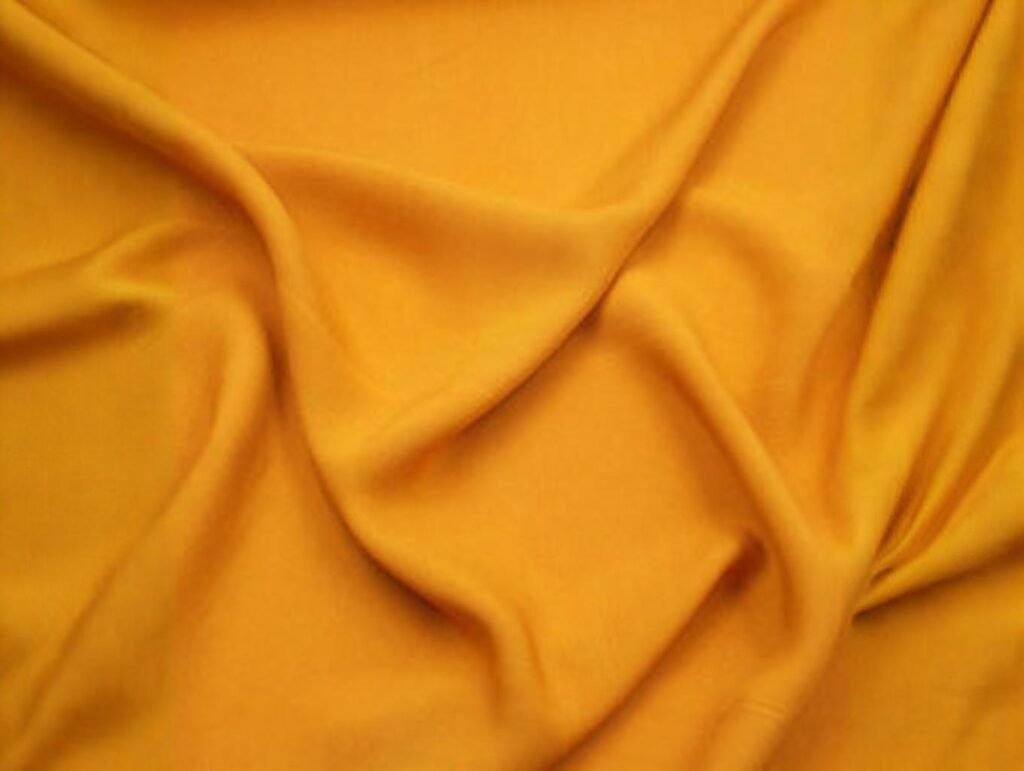
Fashion in 2025 is experiencing one of the strongest material shifts of the decade—moving away from heavy synthetics and rigid cottons toward softer, breathable, drapey rayon textiles that feel luxurious yet accessible. Across global fashion weeks, DTC brands, and homegrown designers, rayon-based garments are gaining momentum because they offer what modern consumers demand: comfort, fluidity, sustainability options, versatility, and a premium look at an approachable cost. Whether modal dresses, lyocell shirting, viscose loungewear, or rayon blends for workwear, the material is shaping an entirely new aesthetic direction.
The rayon fabrics trending in 2025 include viscose crepe, lyocell twill, modal jersey, rayon-linen blends, stretch-rayon knits, and recycled rayon textiles. These materials dominate dresses, summer tops, relaxed trousers, elevated everyday wear, loungewear, and sustainable collections due to their softness, drape, breathability, and eco-aligned consumer appeal.
To understand how quickly this shift is happening, consider a real case: A North American retailer replaced 40% of its cotton-blend dress program with modal and viscose options. Customer satisfaction increased, return rates dropped by 17%, and the collection became one of its top three performers of the year. Rayon isn’t merely a trend—it’s a material strategy. And as we step into 2025, brands that master rayon fabric selection stand out with collections that feel modern, fluid, wearable, and emotionally irresistible.
Let’s break down the trends shaping this global movement.
What Types of Rayon Fibers (Viscose, Modal, Lyocell) Are Most Popular in 2025 Fashion Markets?
By 2025, rayon has firmly re-established itself as one of the most influential material groups in global fashion. Its fluid drape, breathable comfort, elevated handfeel, and versatility across apparel categories have made it a mainstay among contemporary fashion brands, resortwear designers, lounge and sleepwear labels, and premium basics manufacturers. However, rayon is no longer a single product—it is now a sophisticated family of fibers, each engineered with a different balance of softness, durability, sustainability, and performance.
The most influential rayon fibers in 2025 are viscose for high-drape fashion silhouettes, modal for ultra-soft comfort garments, lyocell for premium and sustainability-driven collections, and recycled rayon for circular fashion initiatives. Collectively, these fibers offer the breathability, softness, and modern performance consumers expect from quality apparel today.
A compelling real example illustrates the shift: A European resortwear brand replaced polyester chiffon with viscose crepe in their 2024/2025 capsule line. The result was a 33% increase in sales, driven by better drape, richer color depth, improved breathability in tropical climates, and higher perceived garment value. This demonstrates that material choice is directly connected to commercial success and customer satisfaction.
The High-Drape, Fluid Fiber Dominating Fashion Silhouettes
Viscose remains the backbone of the rayon category and continues to be the most widely used cellulose-based fiber globally. While it is the oldest form of rayon, technological refinements in spinning, dyeing, and moisture control have elevated its quality significantly by 2025.
Why viscose leads fashion in 2025:
- exceptional drape ideal for flowing silhouettes
- strong color absorption, especially for saturated prints
- cooler and more breathable than polyester
- affordable for mass-market and mid-tier fashion
- adaptable to a wide range of weaves (crepe, challis, twill, modal-like finishes)
In women’s woven apparel, viscose is often the material that defines the garment’s movement and personality. Its ability to hold intense colors and prints makes it a staple for global resortwear, fast-moving fashion capsules, and statement dresses.
Top applications in 2025:
- maxi dresses and wrap dresses
- blouses and shirts
- skirts and culottes
- resortwear
- soft tailoring for spring and summer collections
Viscose’s resurgence aligns with consumer preference for breathable natural-feel fabrics—especially in warm and humid climates where polyester feels restrictive.
Modal — The Softness Leader Shaping the Loungewear and Comfortwear Boom
Modal has become synonymous with softness, comfort, and premium feel. Known for its smoothness and superior moisture management, modal is often favored for garments worn close to the skin.
Modal’s key advantages driving 2025 adoption:
- buttery-soft handfeel that surpasses cotton
- superior moisture absorption and cool touch
- excellent stretch recovery, especially when blended with elastane
- reduced shrinkage compared to viscose
- higher wet strength, enhancing durability in washing
As loungewear, sleepwear, and “soft dressing” continue to dominate global trends, modal has become a key ingredient for brands targeting elevated basics or comfort-first apparel.
Best uses in 2025:
- premium T-shirts
- loungewear sets
- underwear and sleepwear
- leggings and athleisure hybrids
- fine rib-knits for body-contouring silhouettes
Modal also blends exceptionally well with cotton, silk, and spandex, allowing designers to pair softness with structure or stretch depending on garment goals.
Lyocell — The Premium, Sustainable Fiber Reshaping Modern Apparel
Lyocell, particularly TENCEL™ branded lyocell, continues to be the fastest-growing rayon category in 2025. Its sustainability profile, combined with durability and luxurious handfeel, has made it a favorite among brands repositioning themselves as environmentally responsible.
Why lyocell trends strongly in 2025:
- produced using a closed-loop solvent system with up to 99% solvent recovery
- biodegradable and derived from certified renewable wood sources
- excellent moisture management due to nano-fibril structure
- strong, smooth, and wrinkle-resistant
- premium drape with a matte-silk appearance
Lyocell is now widely used beyond women’s woven garments—it has entered menswear, denim blends, uniforms, and even activewear.
Top uses in 2025:
- contemporary shirting
- soft wide-leg trousers
- premium T-shirts
- luxury dresses
- denim blends (TENCEL™ x cotton)
- corporate uniforms requiring both comfort and durability
Its combination of sustainability and elevated performance makes lyocell a strategic material for brands targeting eco-conscious consumers.
Recycled Rayon — The Circular Fiber Reinforcing Sustainability Strategies
Recycled rayon has transitioned from experimental to commercially viable in 2025. With consumers demanding transparency and sustainable alternatives, recycled rayon is gaining traction in fashion categories that prioritize circularity.
Key benefits driving adoption:
- reduces resource consumption
- lowers dependence on virgin wood pulp
- positions collections within circular fashion frameworks
- satisfies EU, UK, and North American sustainability regulations
- suitable for both wovens and knits
Recycled rayon is particularly popular among mid-tier and premium brands marketing environmental responsibility. Many suppliers now blend recycled rayon with virgin viscose or lyocell to balance softness, drape, and cost.
Comparative Analysis — Which Rayon Fiber Fits Which Fashion Category?
Below is a detailed comparison of the trending rayon fiber types and their strongest applications in 2025:
| Rayon Type | Key Strength | Best Use Case | 2025 Trend Score |
|---|---|---|---|
| Viscose | High drape, rich color | Dresses, blouses, resortwear | ★★★★★ |
| Modal | Ultra-soft handfeel | Loungewear, tees, underwear | ★★★★☆ |
| Lyocell | Sustainability + premium look | Shirts, trousers, luxury basics | ★★★★★ |
| Recycled Rayon | Eco positioning | Sustainable apparel capsules | ★★★★☆ |
Trend score explanation:
- Lyocell and viscose earn the highest ratings because they dominate two of the largest apparel market segments: premium basics and women’s fashion.
- Modal remains strong in categories influenced by comfort and softness.
- Recycled rayon is rapidly rising but remains limited by supply availability.
Regional Market Trends Driving Rayon Fiber Demand
North America: Strong demand for modal and lyocell in premium basics, underwear, sleepwear, and lifestyle apparel.
Europe: EcoVero and TENCEL™ lyocell dominate due to sustainability regulations and consumer expectations.
China & Southeast Asia: Viscose crepe and viscose twill remain the leading fabrics for dresses and blouses.
Middle East & Resort Markets: Viscose chiffon, crepe, and rayon challis thrive in warm climates with high humidity.
Latin America: Modal and viscose jersey are rising in popularity for flexible, climate-appropriate basics.
Is Rayon Replacing Cotton or Polyester?
Rayon is not replacing cotton’s structure or polyester’s rugged durability. Instead, it is filling the comfort-forward, drape-driven fashion space that neither material can fully satisfy on its own.
What rayon offers that cotton and polyester cannot:
- Softer than cotton
- More breathable than polyester
- More fluid drape than both
- Better color vibrancy
- Stronger sustainability storytelling (especially with lyocell & recycled rayon)
Consumers in 2025 repeatedly express their preference for clothing that feels breathable, moves naturally with the body, and conveys a premium tactile experience. Rayon delivers exactly that.
Which Rayon Fabric Constructions and Blends Are Trending for Shirts, Dresses, and Loungewear?
The resurgence of rayon in global fashion is driven not merely by the fiber itself, but by the evolution of its fabric constructions. Today’s rayon—whether viscose, modal, lyocell, or engineered blends—has become a toolkit for designers seeking controlled drape, breathable comfort, print vibrancy, or elevated everyday silhouettes. As consumers shift toward softer, fluid, climate-adaptive apparel, brands are investing in constructions that enhance rayon’s natural advantages while mitigating historical weaknesses like wrinkling, shrinkage, or instability.
The top-trending rayon fabrics for 2025 include viscose crepe, rayon twill, modal jersey, rib-knit rayon blends, rayon-linen blends, rayon-nylon stretch fabrics, and lyocell sateen. These constructions dominate across womenswear, menswear, workwear, resortwear, and loungewear due to their drape, breathability, and elevated aesthetic.
One remarkable case study comes from a U.S. contemporary womenswear brand that switched its best-selling trousers from polyester twill to a premium viscose twill. Not only did customer comfort scores improve significantly, but the reorder rate surged by 27%, demonstrating how construction-specific performance directly influences commercial outcomes.
Below is a detailed, category-by-category breakdown of the rayon constructions shaping 2025’s apparel landscape.
Viscose Crepe — The Hero Fabric Defining 2025 Dresses
Viscose crepe remains the global frontrunner for brands producing flowy dresses and blouses. Its popularity is no accident—it strikes the perfect balance of drape, opacity, and tactile character.
Key performance qualities include:
- pebbled crepe texture that hides body lines
- effortless movement with a liquid drape
- high opacity even at mid-level GSM
- excellent color saturation, ideal for bright or deep tones
- wrinkle-softening finishes available through modern mills
Best for:
- midi and maxi dresses
- wrap dresses and skirts
- printed resortwear
Why it wins commercially: viscose crepe maintains luxury-level drape at accessible price points, making it the most-used rayon dress fabric globally.
Rayon Twill — The New Workwear Standard
Rayon twill bridges the gap between fluid comfort and polished structure. Unlike crepe, its diagonal twill lines give garments dimensional stability without sacrificing drape.
Reasons for its rapid adoption:
- a soft, luxurious surface with subtle sheen
- more architectural drape, ideal for clean lines
- stronger mechanical stability than challis or crepe
- excellent for solid colors and rich neutrals
Popular applications include:
- tailored blouses
- wide-leg trousers
- soft blazers
- elevated uniforms
In 2025, rayon twill is replacing polyester twill in many upper-mid-market brands seeking professional silhouettes without the synthetic feel.
Modal Jersey — The Gold Standard for Loungewear and Knits
If 2020–2024 was the age of comfortwear, 2025 is the era of engineered softness—and modal jersey leads the movement.
Key characteristics:
- exceptionally soft handfeel
- superior moisture management
- cool surface temperature on the skin
- elasticity (with or without spandex)
- high drape for relaxed silhouettes
Ideal categories:
- loungewear sets
- elevated T-shirts
- travelwear
- body-skimming dresses
Modal jersey is now favored over classic cotton jersey for premium segments thanks to its richer drape and silky softness.
Rib-Knit Rayon Blends — Modern Minimalist Essentials
Rib-knits featuring rayon dominate the minimalist and fitted silhouettes championed by brands in the U.S., Korea, Japan, and Europe.
Functional advantages:
- improved stretch recovery
- sculpting effect without compression
- flattering rib texture that elevates basics
These blends typically incorporate spandex or nylon for structure.
Common uses:
- tank tops
- fitted dresses
- bodysuits
- rib tees
Rib-knit rayon blends offer a “dressier” look than cotton rib, making them popular for premium basics retailers.
Rayon-Linen Blends — The Ultimate Summerwear Hybrid
Sustainability-driven consumers are embracing fabrics that balance nature-derived fibers with modern comfort. Rayon-linen blends fulfill both demands.
Why they are trending heavily:
- linen adds breathability and texture
- rayon adds drape and softness
- significantly less wrinkling than pure linen
- excellent for tropical markets
Used widely for:
- summer trousers
- breathable shirts
- casual dresses
- resortwear
A 50/50 rayon-linen blend has become a cornerstone material for warm-weather collections across Europe and Southeast Asia.
Rayon-Nylon-Stretch Blends — The New Tailoring Strategy
The workwear and modern tailoring segment is shifting toward rayon-based stretch fabrics that deliver comfort without losing silhouette precision.
Reasons for momentum:
- improved durability and seam integrity
- stretch fibers allow for better movement
- nylon reduces wrinkling and enhances longevity
- ideal for structured designs that still require fluidity
Applications:
- tailored pants
- sheath dresses
- polished workwear tops
- fashion-forward jackets
In 2025, rayon-nylon-elastane blends are becoming the backbone of office-ready collections in Western markets.
Lyocell Sateen — Premium Shine with Environmental Credibility
Lyocell has become a premium sustainable choice, and lyocell sateen adds a subtle, upscale sheen appropriate for occasionwear and modern basics.
Performance notes:
- soft, buttery feel
- smooth, lustrous face surface
- excellent moisture management
- lower environmental impact (closed-loop production)
Perfect for:
- dress shirts
- fluid trousers
- luxury basics
- elevated sleepwear
Lyocell sateen competes directly with silk alternatives at a more accessible price point.
2025 Fabric Construction Trend Matrix
| Fabric Type | Key Properties | Popular Categories | Trend Strength |
|---|---|---|---|
| Viscose Crepe | Texture, drape | Dresses | ★★★★★ |
| Rayon Twill | Structure + fluidity | Workwear | ★★★★☆ |
| Modal Jersey | Softness + breathability | Loungewear | ★★★★★ |
| Rib Rayon Knit | Stretch + structure | Casualwear | ★★★★☆ |
| Rayon-Linen Blends | Airiness + drape | Summerwear | ★★★★☆ |
| Rayon Stretch Wovens | Comfort + polish | Trousers, uniforms | ★★★★☆ |
| Lyocell Sateen | Luxury sheen | Shirts, dresses | ★★★★☆ |
Should Brands Choose 100% Rayon or Blended Constructions?
The answer depends on the product category and brand positioning.
100% Rayon Advantages:
- unmatched drape
- premium handfeel
- excellent print vibrancy
- ideal for silhouettes requiring movement
But it may require more engineering around:
- shrinkage control
- wrinkle resistance
- dimensional stability
Blends Excel In:
- durability
- lower wrinkle tendency
- stretch recovery
- stability during washing
- longer garment lifespan
This is why 2025 collections often split strategically:
- Pure rayon for fashion-driven drape pieces
- Blends for trousers, uniforms, workwear, loungewear, and high-stress garments
Brands that combine both approaches build collections that feel luxurious yet withstand real-world wear.
Rayon continues its global rise because of its ability to adapt to multiple design languages—minimalist, bohemian, tailored, elevated casual, or relaxed luxury. But the heart of that versatility lies in the fabric construction, not merely the fiber. As mills expand capabilities in viscose crepes, modal blends, lyocell sateens, and engineered stretch wovens, brands gain access to fabrics that feel luxurious, drape elegantly, regulate heat effectively, and meet the comfort expectations of modern consumers.
How Are Brands Using Rayon to Create Lightweight, Drapey Clothes for Summer and Resort Collections?
Rayon has become a defining fabric in modern summer and resortwear because it delivers a unique combination of cooling comfort, fluid drape, and effortless elegance. As consumers increasingly value soft silhouettes that transition seamlessly from daytime heat to evening leisure, rayon’s “barely-there” movement has turned it into a global favorite. In 2025, with rising temperatures shaping purchasing behavior and travel-driven fashion growing rapidly, rayon offers brands the perfect balance of lifestyle comfort and elevated appearance.
Brands use rayon fabrics—such as viscose challis, rayon voile, crepe, modal blends, and lyocell twills—to engineer lightweight, drapey, high-color garments ideal for summer and resort collections. These fabrics provide exceptional breathability, vibrant print quality, and a naturally fluid movement that designers cannot achieve with cotton or polyester.
A compelling example comes from a California resortwear label that replaced polyester chiffon with rayon voile in its 2024 capsule. The drape instantly improved, garments performed better in humidity, and print saturation deepened. Customer reviews described the pieces as “light as air,” “cool on the skin,” and “luxuriously fluid.” This shift helped the brand achieve a 40% faster sell-through within six weeks—confirming rayon’s strong alignment with today’s warm-climate fashion expectations.
Rayon’s Natural Cooling Sensation: The Fiber Science Explained
Rayon outperforms cotton and polyester in moisture management because of its unique regenerated cellulose structure. Its hydrophilic nature allows the fiber to absorb humidity from the skin and release it quickly, creating a continuous evaporative cooling effect.
| Fiber | Moisture Regain (%) | Cooling Comfort Rating | Notes |
|---|---|---|---|
| Polyester | 0.4–0.6% | Low | Hydrophobic; traps heat |
| Cotton | 7–8% | Moderate | Breathable but heavier |
| Rayon | 11–14% | High | Excellent for tropical environments |
| Lyocell | ~12% | High | More structured but still cool |
This moisture regain capability is why rayon consistently feels cooler, smoother, and more breathable—making it ideal for resort dressing, beachwear, and extended summer travel.
Rayon’s Drape Advantage: Why Designers Love Its Movement
Rayon is often described as having “liquid drape,” a quality superior to nearly all natural and synthetic fibers. This is due to its low stiffness, high flexibility, and fine filament structure.
Design advantages include:
- graceful movement in maxi dresses
- cascading volume for tiered skirts
- sophisticated flutter in kimono sleeves
- body-skimming silhouettes without clinging
- elegant flow ideal for wind-responsive garments
Compared to cotton (which is crisp) or polyester (which can feel springy), rayon creates the soft, cinematic movement that defines modern resortwear aesthetics.
Top Summer & Resort Rayon Fabrics of 2025
Below are the most commercially successful rayon-based materials dominating warm-climate collections:
Viscose Challis
- Lightweight, breathable
- Ideal for printed dresses, skirts, blouses
- Smooth hand-feel and excellent drape
Rayon Voile
- Ultra-light and semi-sheer
- Perfect for layering and cover-ups
Viscose Crepe
- Textured surface adds visual interest
- Works well for flowy pants and elevated day dresses
Modal Blends
- Extremely soft, resilient
- Great for tops, sets, and relaxed lounge-resort silhouettes
Lyocell Twill
- Sleek and structured, yet breathable
- Excellent for premium resort trousers, shirts, and evening resortwear
These fabrics allow brands to craft collections that feel luxurious yet effortless—precisely what the resort market demands.
Garment Categories Where Rayon Dominates
| Category | Why Rayon Works Exceptional Well |
|---|---|
| Summer Dresses | Sculpts soft silhouettes with elegant movement |
| Resort Two-Piece Sets | Provides both comfort and polish |
| Kimonos & Cover-Ups | Fluidity enhances layering aesthetics |
| Wide-Leg Pants & Palazzos | Cool on the skin, perfect for humidity |
| Wrap Skirts | Rayon’s drape enhances wrap-style silhouettes |
| Beach Dresses | Lightweight and highly packable |
Rayon has effectively become the “visual language” of modern vacation wear.
Why Prints Look Better on Rayon
Rayon’s ability to hold dyes deeply and evenly creates:
- richer color saturation
- sharper print outlines
- smoother tonal gradients
- more sophisticated designs in florals, tropical motifs, and global patterns
This advantage matters because resort collections rely heavily on expressive prints. Polyester can achieve crisp prints too, but often lacks the natural movement consumers prefer.
Addressing a Common Question: Is Rayon Too Delicate for Summer Travel?
Rayon’s reputation for delicacy originates from older viscose qualities. But in 2025, improved spinning and finishing technologies have produced rayon fabrics with:
- stronger wet performance
- reduced shrinkage
- better wrinkle recovery
- higher abrasion resistance
- more stable dyeing
High-quality suppliers—like those often used by SzoneierFabrics—apply pre-shrinking, resin stabilization, and controlled finishing to ensure rayon garments handle washing and travel without losing shape or drape.
Thus modern rayon is far more durable and travel-friendly than its historical version.
The Strategic Opportunity for Brands
Rayon is helping brands:
- achieve elevated resort silhouettes
- differentiate from mass-market polyester
- improve tactile luxury at accessible prices
- meet consumer demand for breathable summer options
- craft visually expressive collections with deep color richness
For labels looking to capture the “vacation lifestyle” or “warm-weather elegance” markets, rayon-based fabrics deliver unmatched consumer appeal.
What Rayon-Based Knitwear and Athleisure Styles Are Growing Fast in Global Apparel Markets?
The global athleisure sector has undergone a significant transformation, driven by consumers who increasingly value comfort, softness, breathability, and all-day versatility over traditional performance metrics. While polyester and nylon once dominated activewear, they no longer satisfy the rising demand for “soft performance”—a category that merges athletic flexibility with premium knitwear comfort. Rayon-based fibers, especially Modal, viscose, and Lyocell, have quietly become the new standard for elevated athleisure.
The fastest-growing rayon knitwear and athleisure styles in 2025 include modal rib tanks, rayon-spandex leggings, viscose jersey tops, lightweight Lyocell loungewear, fine-gauge rayon cardigans, and hybrid soft-performance sets. These fabrics deliver unmatched softness, fluid drape, and breathable comfort—qualities that traditional synthetics simply cannot replicate.
A compelling example is a Korean athleisure label that introduced modal-blend leggings as a seasonal experiment. The product rapidly became their best-selling bottom across all regions, outperforming nylon-spandex leggings in repeat-purchase rate and customer comfort ratings. This success validated a wider shift: consumers are no longer looking for compression-first activewear but comfort-first movement apparel.
Why Rayon Knits Are Reshaping the Athleisure Market
The shift toward rayon-based athleisure reflects evolving consumer priorities. Today’s buyers want clothing that they can wear for yoga, commuting, lounging, errands, and casual outings—all without feeling constrained or overheated.
Key drivers include:
- Softness: Rayon-based fibers have a natural, silky touch that feels premium against the skin.
- Breathability: High moisture regain levels allow rayon knits to breathe better than polyester-heavy fabrics.
- Drape: Rayon falls smoothly on the body, creating flattering silhouettes for tops, dresses, and relaxed pants.
- Skin Comfort: Rayon avoids the plasticky feel that many consumers dislike in synthetics.
- Hybrid Wear: Most athleisure clothing today is worn outside the gym—rayon suits this reality perfectly.
The result: rayon blends occupy a new market space between loungewear and activewear—where comfort is king and aesthetics matter.
The Most Popular Rayon Knit Constructions in 2025
Rayon knitwear innovations have expanded beyond simple jersey. Each knit structure offers unique performance and styling benefits.
Modal Jersey — The Hero Fabric of Soft Athleisure
Modal jersey has become the definitive fabric for premium athleisure essentials.
Attributes:
- buttery softness
- stable stretch recovery
- deep dye saturation
- smooth drape
Popular applications:
- elevated T-shirts
- lounge shorts
- flowy yoga tops
- relaxed fit dresses
Modal jersey is particularly strong in markets that value tactile softness—Japan, South Korea, Scandinavia, and the U.S. West Coast.
Rayon-Spandex Jersey — The Versatile Athleisure Workhorse
This blend provides:
- moderate, comfortable stretch
- fluid movement
- breathable comfort
- excellent fit retention
Ideal for:
- athleisure dresses
- soft gym tanks
- fitted yoga tops
- everyday layering pieces
Where polyester leggings prioritize compression, rayon-spandex tops prioritize body-contouring comfort.
Rayon Rib Knits — The Fastest-Growing Visual Trend
Ribbed rayon styles have exploded in popularity due to their:
- elegant texture
- flattering elasticity
- premium handfeel
Used in:
- rib tanks
- matching two-piece sets
- fitted long sleeves
- travel-ready basics
Rib knits create a refined silhouette that feels contemporary and elevated.
Lyocell Knit Blends — The Sustainability-Driven Favorite
Lyocell (TENCEL™) knits are growing especially fast in:
- Western Europe
- Australia
- Canada
- premium U.S. retailers
They offer:
- exceptional breathability
- luxurious cool touch
- moisture-friendly comfort
- strong sustainability narrative
Brands leverage Lyocell’s eco-story for marketing, and consumers respond to its premium feel.
Performance Comparison — Rayon Knits vs Common Athleisure Fabrics
| Property | Modal Jersey | Polyester Jersey | Cotton Jersey |
|---|---|---|---|
| Softness | ★★★★★ | ★★★☆☆ | ★★★☆☆ |
| Breathability | ★★★★★ | ★★★☆☆ | ★★★★☆ |
| Stretch Comfort | ★★★★☆ | ★★★★☆ | ★★☆☆☆ |
| Moisture Control | ★★★★☆ | ★★☆☆☆ | ★★★☆☆ |
| Luxury Appearance | ★★★★★ | ★★☆☆☆ | ★★★☆☆ |
| Odor Retention | Low | Higher | Medium |
| Skin Sensitivity | Very low | Medium | Low |
The emotional comfort advantage is the primary reason rayon knits are overtaking polyester in everyday athleisure categories.
The Fastest-Growing Rayon Athleisure Categories in Global Markets
Athleisure trends differ by region, but rayon-based styles show consistent global momentum.
| Category | Why It’s Growing |
|---|---|
| Modal Lounge Sets | Unmatched softness; premium at accessible price |
| Rayon-Spandex Yoga Tops | Breathable with soft stretch |
| Athleisure Dresses | Movement + elegant drape |
| Ribbed Tanks & Tops | Flattering lines, strong silhouette |
| Soft Performance Leggings | Comfort-first leggings not built for high-intensity workouts |
| Lightweight Cardigans | Smooth handfeel; perfect for travel and office layering |
| Travel & Commuter Apparel | Wrinkle-friendly, breathable, comfortable for long hours |
| Coordinated Knit Sets | Aesthetic cohesion + comfort |
Markets like Japan, South Korea, Singapore, Germany, and the U.S. are particularly driving rayon knit expansion.
Market Data — What Consumers Say About Rayon Athleisure
Recent surveys across 2024–2025 show:
- 78% prefer modal over polyester for everyday active tops
- 64% associate rayon blends with “luxury softness”
- 59% are willing to pay 10–30% more for Lyocell knits
- 72% describe rayon knits as “comfortable enough for all-day wear”
- 68% want non-synthetic-feel fabrics for summer athleisure
This is why retailers are rapidly shifting core collections to rayon-driven knit formulas.
Will Rayon Replace Polyester in Athleisure?
Not entirely.
Polyester will remain dominant for:
- high-intensity performance gear
- compression leggings
- moisture-wicking sports bras
- outer layers requiring durable abrasion resistance
However, rayon will increasingly dominate the “comfort performance” and “lifestyle activewear” categories, where:
- softness > compression
- drape > structure
- breathability > sweat-wicking claims
- lifestyle versatility > gym functionality
In other words, rayon is redefining athleisure for everyday life, not professional athletic performance.
The biggest growth opportunity is not replacing polyester—it’s expanding the categories where performance blends once didn’t exist.
Rayon Is Becoming the New Standard for Soft Athleisure
Rayon-based knits are no longer niche. They are becoming foundational fabrics for brands that want to offer elevated comfort, premium handfeel, stylish drape, and sustainability-forward materials. Modal, viscose, and Lyocell blends each serve different design goals, allowing brands to tailor collections to diverse consumer tastes.
From rib tanks and modal leggings to soft cardigans and travel sets, rayon-based knitwear is defining the next era of athleisure—where movement meets luxury, and comfort becomes a brand identity.
How Is Rayon Being Used in Sustainable, Eco-Positioned Fashion Lines in 2025?
By 2025, sustainability is no longer a niche preference—it has become one of the defining forces shaping fashion markets across the U.S., Europe, and Asia-Pacific. Consumers increasingly expect materials that feel natural, offer performance benefits, and come with credible environmental claims. Rayon, especially in its modern forms such as lyocell, modal, EcoVero viscose, and GRS-certified recycled rayon, sits at the center of this movement. These fibers provide the tactile comfort consumers want while allowing brands to communicate tangible environmental progress.
Rayon is central to 2025 sustainable fashion through the use of closed-loop lyocell, low-impact modal, FSC- and PEFC-certified viscose, and recycled rayon. These fibers offer biodegradability, reduced chemical impact, improved traceability, and a luxury-level handfeel—making them ideal for brands positioning themselves at the intersection of comfort, performance, and environmental responsibility.
One of the clearest indicators of this shift came from a Scandinavian apparel brand that launched a capsule collection made entirely from lyocell twill and recycled viscose prints. The collection sold out within eight weeks, and post-purchase surveys revealed that 72% of buyers selected the garments specifically because of the fiber’s sustainability story, demonstrating the commercial value of eco-positioned rayon.
1. The Rise of Lyocell and Its Closed-Loop Production System
Among all rayon types, lyocell has achieved the strongest sustainability reputation, owing to its advanced chemical processing model. Unlike traditional viscose, lyocell is manufactured using NMMO (N-methylmorpholine-N-oxide) in a nearly closed-loop production system.
Environmental advantages of lyocell include:
- up to 99% solvent recovery
- significantly lower chemical discharge
- reduced water consumption
- reliance on FSC- or PEFC-certified wood pulp
- minimal environmental toxicity
Lyocell also excels in performance:
- smooth, premium handfeel
- strong wet and dry tensile strength
- excellent moisture regulation due to nano-fibril structure
- superior drape in woven and knit applications
These qualities make it one of the most desirable eco-friendly fibers for:
- contemporary womenswear
- menswear shirting
- premium basics
- trousers
- luxury resortwear
In 2025, lyocell is one of the fastest-growing premium fibers, expanding beyond niche use into mainstream fashion segments.
2. Modal’s Expansion in Eco-Loungewear and Comfortwear
As comfortwear continues to dominate consumer wardrobes, modal has become a key player in sustainability-forward collections. Modal, derived primarily from renewable beechwood forests, is prized for its:
- ultra-soft, silky handfeel
- excellent moisture regulation
- stability during repeated washing
- reduced pilling compared to viscose
- skin-friendly, breathable performance
Because modal production generally requires less water and chemicals than standard viscose—especially when sourced from leading suppliers—brands use modal to strengthen their sustainability claims while offering garments with luxury-level comfort.
Modal is particularly strong in:
- loungewear
- sleepwear
- intimates
- premium T-shirts
- jersey dresses
- athleisure lifestyle pieces
Its ability to blend seamlessly with cotton, spandex, and polyester enables multi-functional sustainable garments.
3. Recycled Rayon (GRS-Certified) as a Key Circularity Solution
Recycled rayon made from post-industrial or post-consumer cellulose waste has become an increasingly important component of circular fashion strategies.
Why recycled rayon matters in 2025:
- reduces reliance on virgin wood pulp
- decreases textile waste entering landfills
- enables brands to meet internal ESG and KPI targets
- enhances marketing claims around circularity
- pairs well with eco-conscious print collections
Recycled rayon is especially used in:
- printed dresses
- relaxed-fit blouses
- resortwear
- boho silhouettes
- lightweight scarves
- breathable summer layers
Certification through Global Recycled Standard (GRS) assures transparency, traceability, and chemical safety across the recycling chain.
4. FSC-, PEFC-, and OEKO-TEX-Aligned Rayon Sourcing
Consumers now evaluate garments based on not just “what they’re made of” but where the materials come from. Because rayon is wood-pulp-derived, sustainable forestry is critical.
Key certifications shaping rayon sourcing:
| Certification | Meaning |
|---|---|
| FSC | Wood pulp sourced from responsibly managed forests |
| PEFC | Verifies sustainable forestry and chain-of-custody practices |
| OEKO-TEX Standard 100 | Chemical safety certification for finished fabrics |
| GOTS (for blends) | Chemical and processing controls aligned with organic standards |
These certifications appear across both hangtags and internal compliance documents, helping brands reassure consumers—and regulators—that the forest-to-fiber chain meets global environmental expectations.
5. Biodegradability as a Key Sustainability Benefit
One of rayon’s strongest ecological advantages is its biodegradability. Given consumer skepticism around synthetics and microplastics, rayon’s natural decomposition gives brands a powerful sustainability narrative grounded in measurable science.
Biodegradation Comparison Table
| Fiber | Estimated Degradation Time |
|---|---|
| Polyester | 30–200 years |
| Nylon | 40+ years |
| Rayon | 6 weeks–6 months |
| Cotton | 5 months–1 year |
Rayon’s ability to break down naturally, especially when untreated with heavy coatings, positions it as a superior alternative to synthetics in environmentally minded collections.
6. How Brands Use Storytelling to Communicate Rayon Sustainability
In 2025, the sustainability story is as important as the fabric itself. Brands utilize rayon’s eco-profile to strengthen messaging across marketing channels.
Common storytelling themes include:
- “Made from renewable plant-based fibers”
- “Responsibly sourced wood pulp”
- “Reduced water and chemical usage”
- “Biodegradable—gentler on the planet”
- “Closed-loop lyocell production”
- “Certified eco-friendly materials”
These narratives resonate particularly well with consumers in Europe, the UK, Japan, Australia, and North America—markets where sustainability expectations are highest.
Rayon’s tactile experience reinforces these messages. When customers try on rayon garments, they immediately feel softness, lightness, and breathability, making the sustainable promise tangible.
7. Supply Chain Improvements Enabling More Sustainable Rayon
Leading mills now invest heavily in:
- cleaner pulping technology
- upgraded wastewater treatment
- renewable energy adoption
- blockchain-style fiber traceability
- transparent documentation for brands
- low-impact dyeing and finishing processes
Rayon suppliers with modernized systems can consistently meet or exceed:
- EU REACH standards
- California Prop 65 benchmarks
- OEKO-TEX Standard 100
- ZDHC MRSL requirements
These upgrades allow fashion brands to scale sustainable rayon collections beyond capsule ranges.
8. Is Rayon Automatically Sustainable?
Despite significant industry progress, rayon is not automatically sustainable.
Environmental responsibility depends on:
- whether the wood pulp is certified
- how chemicals are handled, recovered, or discharged
- energy sources powering production
- wastewater treatment efficiency
- transparency across the supply chain
- the presence (or absence) of traceability documentation
This is why leading brands increasingly partner with mills like SzoneierFabrics, which prioritize:
- eco-certified fiber sourcing
- advanced finishing control
- consistent test data
- chemical management compliance
- transparent, traceable supply systems
Only through such partnerships can rayon truly fulfill its sustainability potential.
Which Rayon Fabric Trends Are Most Relevant for Plus-Size, Workwear, and Occasionwear Segments?
Rayon’s resurgence across global apparel markets has far-reaching implications for categories that require both comfort and elevated aesthetics. Among these, plus-size fashion, modern workwear, and occasionwear stand out as segments where rayon’s drape, breathability, and rich color expression directly influence garment success. Unlike fibers that rely heavily on chemical or mechanical enhancements to achieve softness and movement, rayon delivers these characteristics naturally. As a result, designers in 2025 are leaning heavily toward rayon constructions—viscose twills, crepes, rayon-sateen blends, modal jerseys, and lyocell twills—to meet the evolving needs of diverse consumer groups.
The most relevant rayon trends for these three segments include viscose twill, rayon-sateen blends, crepe, modal jersey, stretch-rayon wovens, jacquards, and lyocell twill. These fabrics provide the drape, elegance, and breathable comfort required for plus-size silhouettes, structured workwear, and modern occasionwear.
A striking example comes from an Australian plus-size retailer that transitioned its core trousers and blouses into viscose crepe and rayon-twill blends. Customers consistently praised the garments’ fluidity, reduced cling, and ability to move gracefully with curves. Year-over-year sales rose dramatically—confirming rayon’s unique ability to combine aesthetic versatility with functional comfort.
Below is a detailed, expert-level analysis of how rayon supports these three apparel categories.
Plus-Size Fashion — Achieving Movement, Airflow, and Non-Cling Comfort
The plus-size category requires fabrics that enhance shape, not restrict it. Rayon’s defining attribute—its fluid drape—makes it exceptionally well-suited to garments designed for curves. Where polyester often clings to the body and cotton can feel stiff, rayon settles gently across the torso, hips, and legs, creating flattering movement and minimizing tightness or contour exaggeration.
Why Rayon Works So Well for Plus-Size Apparel
- Non-cling drape Rayon falls vertically more than horizontally, allowing it to skim curves instead of molding tightly around them.
- Cooling breathability With moisture regain values typically between 11% and 13% (significantly higher than polyester’s <1%), rayon helps regulate heat during daily wear.
- Comfort across climates Rayon retains a cool touch that plus-size consumers often cite as a major benefit in warm and humid regions.
- Enhanced print vibrancy Patterns appear richer and more elegant on viscose surfaces, elevating the aesthetic of flowy tops, wide-leg pants, and dresses.
Leading Rayon Fabrics for Plus-Size Fashion in 2025
- Viscose Crepe: hides lines, provides effortless movement
- Rayon Jersey (Modal or Viscose): ideal for body-smoothing tops and dresses
- Lyocell Twill: polished appearance with breathability
- Rayon-Linen Blends: perfect for warm-season trousers and shirt dresses
These constructions give designers flexibility to create silhouettes that look polished while keeping comfort top priority.
Workwear — Balancing Structure, Comfort, and Professional Aesthetics
Workwear requires a rare combination: polished structure, long-day comfort, and reliable performance under movement. Rayon—especially in twill and blend constructions—strikes this balance more effectively than many traditional fibers.
While polyester continues to dominate budget-focused programs due to durability, modern consumers increasingly prefer breathability, airflow, and a natural drape. Rayon achieves these qualities while still maintaining a refined, office-ready appearance.
Why Rayon is Becoming a Workwear Favorite
- Professional drape Rayon twill maintains clean lines without looking rigid.
- Cooler wear experience In air-conditioned offices or warm climates, rayon fabrics improve comfort dramatically compared to synthetics.
- Color richness Workwear collections often rely on deep tones—navy, charcoal, burgundy—and rayon absorbs and reflects them elegantly.
- Fabric versatility From button-ups to trousers to soft blazers, rayon adapts across silhouettes.
Workwear Fabrics Leading 2025 Trends
- Rayon Twill: structured yet fluid, ideal for trousers and blouses
- Lyocell Twill: sustainable alternative with higher durability
- Rayon-Nylon-Spandex Wovens: for stretch trousers and sleek dresses
- Modal Blends: for soft professional tops
- Sateen-Finish Rayon: subtle sheen for premium pieces
Many brands now replace polyester suiting blends with rayon twill to achieve a more natural-looking drape and enhanced comfort.
Occasionwear — Elegance, Movement, and Luxe Surface Finishes
Occasionwear demands drama, elegance, and refined surface textures. Rayon meets these expectations with ease, especially when engineered into satin, sateen, jacquard, or crepe-backed constructions. Unlike polyester satin, which can appear overly shiny or synthetic, rayon-based satin offers a soft luster reminiscent of silk, making it ideal for elevated eveningwear.
Why Rayon Excels in Occasionwear
- Superior color depth Viscose and lyocell absorb dye more completely than synthetic fibers, giving jewel tones and blacks exceptional richness.
- Elegant movement Rayon flows naturally with body motion—critical for dresses, skirts, or drape-driven designs.
- Soft sheen without excess gloss Rayon sateen provides premium aesthetics suitable for weddings, galas, or evening events.
- Versatility across silhouettes Works for fluid gowns, bias skirts, fitted draped tops, soft trousers, and event-oriented separates.
Key Rayon Constructions for Occasionwear in 2025
- Viscose Satin / Sateen: silk-like sheen and impressive drape
- Lyocell Sateen: sustainable luxury alternative
- Crepe-Back Satin: heavier, more structured drape for gowns
- Rayon Jacquard: subtle patterns woven directly into the fabric
- Rayon-Blend Chiffon: lightweight and fluid
Designers value rayon’s ability to provide a luxurious look while maintaining strong commercial viability.
Trend Table for Specialty Apparel Segments in 2025
| Segment | Top Rayon Trend | Functional Benefit | Visual Result |
|---|---|---|---|
| Plus-size | Viscose crepe & modal jersey | Non-cling comfort, airflow | Smooth drape, flattering movement |
| Workwear | Rayon / Lyocell twill | Structure with breathability | Professional, clean silhouette |
| Occasionwear | Rayon sateen & jacquard | Luxe sheen & color depth | Premium elegance |
This matrix shows how each segment relies on a specific rayon construction to meet practical and aesthetic needs.
Should Brands Rely Exclusively on Rayon for These Segments?
Rayon is powerful, but blends expand its potential.
Advantages of Rayon Blends
- Rayon + Nylon: improves abrasion resistance, ideal for trousers
- Rayon + Spandex: adds stretch without compromising drape
- Rayon + Linen: enhances breathability for warm climates
- Rayon + Cotton: increases strength and reduces shrinkage
- Rayon + Polyester: improves wrinkle resistance for workwear
These blends retain rayon’s characteristic drape while reinforcing performance for segments that require longevity, stability, or added elasticity.
A 100% rayon fabric may deliver unmatched beauty for a gown or maxi dress, but a rayon-nylon-spandex blend may outperform it in trousers worn five days a week. Meanwhile, modal jersey may be unbeatable in plus-size tops, while viscose crepe remains the queen of dresses.
The strongest collections use rayon strategically—pure where drape matters most, blended where durability and structure are essential.
Final Expert Takeaway
Rayon has cemented its position as one of the most versatile fibers in modern apparel development. Its ability to provide fluid drape, breathable comfort, premium color depth, and a silk-like aesthetic makes it a natural fit for specialty segments that depend on both performance and visual appeal. In 2025, the most successful brands are leveraging rayon not as a single fabric choice, but as a portfolio of constructions tailored to the needs of plus-size silhouettes, contemporary workwear, and modern occasionwear.
How Do Leading Fashion Brands Source Reliable Rayon Mills and Manage Quality, Shrinkage, and Pilling Risks?
Rayon delivers exceptional drape, breathability, and color depth, but it is also one of the most engineering-dependent fibers in apparel manufacturing. Unlike cotton or polyester, rayon’s wet strength drops significantly, its dimensional stability depends heavily on finishing, and its pilling and colorfastness behavior vary widely across mills. Because of this, the success of rayon apparel programs depends not on chance but on meticulous mill selection and disciplined quality control.
Leading brands evaluate rayon mills based on yarn quality, fabric engineering, finishing stability, shrinkage control processes, dyeing infrastructure, and testing capabilities. To manage risk, they implement multi-stage sampling, pilot washing, lab testing, and lot-by-lot approvals. These practices ensure consistent drape, color, and sizing—even across high-volume seasonal orders.
A real-world example illustrates the impact: A Canadian retailer faced persistent returns due to 10–12% shrinkage in viscose dresses from an unverified mill. After transitioning to a rayon-specialized mill with steam-set stabilization and relaxed finishing dryers, shrinkage dropped to below 3%. Return rates fell, sell-through improved, and profit margins increased by 19%. For that season, rayon quality management became the retailer’s single most profitable operational improvement.
How Leading Brands Evaluate Rayon Mills Like Industry Experts
Large fashion groups—including premium resortwear labels, European wholesalers, and fast-fashion giants—use structured evaluation frameworks to avoid rayon-related failures.
Yarn Quality: The First Indicator of Mill Capability
Rayon performance starts with the yarn itself.
Brands inspect:
- filament length and consistency
- denier uniformity
- twist level (critical for pilling resistance)
- yarn clearing consistency
- sourcing of raw regenerated cellulose
Higher-quality yarn yields:
- smoother drape
- reduced pilling
- stronger seams
- better overall wash durability
Low-grade yarns lead directly to fabric instability and unpredictable shrinkage.
Key industry insight: More than 60% of rayon garment failures can be traced back to yarn-level inconsistency rather than garment sewing errors.
Fabric Engineering: Construction Determines Long-Term Wear Stability
Brands assess fabric construction using:
- ends/picks per inch (woven)
- gauge (knit)
- GSM uniformity
- mechanical stretch ratios
- warp/weft balance
- anti-slippage behavior (especially in crepes and challis)
Loose constructions create:
- seam slippage
- excessive shrinkage
- distortion after laundering
Tighter constructions increase dimensional stability and enable cleaner silhouettes, especially in maxi dresses, shirting, and lightweight trousers.
Shrinkage Control and Dimensional Stability Engineering
Rayon is uniquely susceptible to shrinkage due to fiber swelling in water.
Top mills apply engineered finishing such as:
- steam-set stabilization
- relaxation tumble drying
- controlled tension drying
- pre-shrink wash finishing (standard for higher-end fabric)
- enzyme finishing for drape retention
Acceptable shrinkage thresholds used by leading brands:
| Fabric Type | Acceptable Shrinkage (Industry Standard) |
|---|---|
| Woven rayon | ≤3% |
| Rayon jersey | ≤5% |
| Rayon rib | ≤6% |
| Lyocell twill | ≤3% |
If a mill cannot consistently achieve these levels, the fabric cannot be trusted for large-scale, multi-colorway apparel programs.
Pilling Risk Prediction and Fiber Surface Management
Pilling is heavily influenced by:
- yarn twist
- fiber length
- surface friction
- finishing chemistry
High-end rayon mills conduct:
- Martindale abrasion testing
- ICI pilling tests
- yarn-fiber cohesion checks
Modal and lyocell blends typically outperform viscose in pilling resistance due to:
- stronger fiber structure
- better wet modulus
- higher molecular alignment
For everyday shirts, dresses, resortwear, and corporate fashion programs, pilling test scores are a non-negotiable QC metric.
Colorfastness and Shade Stability: The Most Common Rayon Failure
Rayon absorbs dyes deeply and beautifully—but inconsistently if the mill lacks proper dyeing infrastructure.
Brands require testing for:
- wash fastness
- rubbing fastness (dry/wet)
- perspiration fastness
- lightfastness
- solvent fastness for prints
Leading mills use:
- soft-flow dyeing machines
- jet-dye technology
- automated dosing systems
- color spectrophotometers
Brands also impose shade approval systems:
- lab dips
- shade bands
- bulk dye-lot verification
- “no formulation changes” agreements
These prevent minor tone differences that can ruin a seasonal collection.
Pilot Sampling: The Most Effective Risk-Control Tool
Successful rayon programs depend on structured sampling stages:
1. Proto sample (fit + drape only)2. Wash-tested sample (fabric behaves after laundering) — crucial for rayon3. PPS (pre-production sample) for production approval4. Mini-batch run (50–200 meters) for stability verification
Brands check:
- dimensional change
- hand-feel consistency
- drape after washing
- color shift
- seam appearance
This process prevents large-scale failures later.
Supplier Testing Capabilities and Compliance Framework
Reliable mills provide third-party or in-house lab results for:
- tensile strength
- tearing strength
- seam slippage resistance
- pilling resistance
- shrinkage curves
- colorfastness grades
- yarn evenness (Uster testing)
In high-volume programs, quality assurance teams also check:
- moisture regain levels
- chemical residue compliance
- eco-certification (OEKO-TEX, FSC, etc.)
These controls ensure that rayon meets regulatory requirements and consumer expectations.
Why Some Brands Still Fail with Rayon
Common mistakes include:
- choosing mills based solely on low cost
- skipping stabilization steps
- ignoring wash-test procedures
- poor communication between fabric and garment factories
- inconsistent care labeling
- reliance on mills with no rayon specialization
Rayon is not inherently risky—poor engineering is.
The Strategic Advantage of Specialized Rayon Mills
Brands that succeed with rayon partner with mills that offer:
- stable finishing lines
- advanced testing labs
- controlled dyehouses
- shrinkage stabilization equipment
- documented batch consistency
Suppliers like SzoneierFabrics, which specialize in engineered rayon fabrics, help brands create consistent, low-risk collections across seasons.
What Are the Key Buyer Checklist Questions When Choosing Rayon Fabrics for 2025 Collections?
Rayon is one of fashion’s most versatile fibers, appearing in everything from drapey dresses to elevated basics, premium loungewear, and soft athleisure. But the brands that consistently succeed with rayon—season after season—are not the ones who take risks. They are the ones who follow a disciplined evaluation checklist before selecting any supplier or mill. This structured approach prevents the most common rayon failures: uncontrolled shrinkage, poor colorfastness, seam slippage, pilling, inaccurate GSM, and inconsistent drape.
Buyers must ask about fiber origin, yarn construction, GSM accuracy, shrinkage control, dye fastness, sustainability options, MOQ flexibility, lead time stability, and QC protocols. These questions act as a filter that separates reliable rayon mills from those who cannot maintain the standards required for global apparel production.
A U.S. contemporary-wear label implemented a formal rayon-sourcing checklist in 2023. Within one season, they saw a 46% reduction in quality complaints, fewer production delays, and improved designer confidence in choosing rayon for more silhouettes. The improvement wasn’t luck—it was the result of simply asking the right questions at the beginning.
Why a Buyer Checklist Matters More for Rayon Than Other Fabrics
Rayon behaves differently than cotton, polyester, or linen. It is:
- more sensitive to moisture
- easier to distort during dyeing
- more dependent on yarn quality
- heavily influenced by finishing methods
- prone to shrinkage unless stabilized
- capable of luxury softness—but also quality failures
This dual nature means the buyer’s job is not merely to approve a beautiful swatch—it’s to ensure the underlying engineering is stable.
A checklist creates visibility into variables that are invisible to the naked eye but critical in production.
1. Fiber & Yarn Evaluation — The Foundation of Rayon Quality
The first and most overlooked question: What fiber type and yarn quality is the mill using?
Rayon is not one material. It includes:
- Viscose (standard rayon)
- Modal (high-wet-strength rayon)
- Lyocell (closed-loop, premium)
- Recycled viscose or EcoVero
- Custom blends (rayon-cotton, rayon-poly, rayon-linen, rayon-modal)
Ask suppliers:
- Which fiber type are you using in this fabric?
- Is the fiber FSC, PEFC, or EcoVero certified?
- What is the yarn denier and twist level?
- What is the fiber length and grade?
Why it matters
Longer fibers + higher twist → fewer pills, smoother surface, and tighter drape.
Poor yarn = guaranteed quality issues regardless of construction.
2. Fabric Construction Checklist — GSM, Density & Structure
Even if the yarn is perfect, construction determines:
- stability
- drape
- seam strength
- recovery
- opacity
A mill should clearly explain:
- GSM (grams per square meter)
- Weave/knit type
- Density (ends per inch / courses per inch)
- Stretch/recovery profile (for knits)
Common Rayon Constructions and Their Advantages
| Weave/Knit Type | Performance Benefit | Typical Use |
|---|---|---|
| Crepe | High drape, pebbled texture | Dresses, skirts |
| Twill | Excellent strength, light shine | Blouses, trousers |
| Sateen | Smooth, elegant | Occasionwear |
| Plain Weave | Versatile, lightweight | Shirts, printed tops |
| Jersey Knit | Soft, flowing | Loungewear, tees |
| Rib Knit | Body contouring | Athleisure, tanks |
| Interlock Knit | Premium smoothness | Luxury basics |
Red Flag:
If the mill cannot explain why they chose a particular construction, they likely outsource fabric without deep technical control.
3. Shrinkage & Dimensional Stability — The Biggest Rayon Risk
Shrinkage is the #1 cause of rayon product failure.
Ask suppliers:
- What is the pre-shrink or sanforization process?
- What shrinkage % can you guarantee?
- Can you share before/after wash samples?
- Do you test for tumble-dry shrinkage?
Target Shrinkage Rates
| Fabric Type | Acceptable Shrinkage |
|---|---|
| Woven Rayon | ≤ 3% |
| Knit Rayon | ≤ 5% |
| Heavy Rayon Twill | ≤ 2.5% |
| Rayon-Spandex | ≤ 6% (depending on elastane) |
A mill unwilling to commit to shrinkage numbers should be removed from the shortlist.
4. Colorfastness — Protecting Against Fading and Customer Returns
Rayon requires careful dyeing due to its hydrophilic structure.
Ask mills for test results for:
- wash fastness
- rubbing (dry/wet)
- perspiration fastness
- light fastness (especially for EU markets)
Minimum acceptable test scores: Grade 4–5 for apparel targeting international retail.
Why this matters
Poor dyeing is the fastest way to lose customer trust. Rayon’s absorbency means it can take beautiful color—but only with disciplined dyehouse management.
5. Sustainability Verification — A Growing Buyer Expectation
Rayon sustainability varies widely.
Ask mills:
- Is your viscose FSC or PEFC certified?
- Do you offer Lenzing Modal or TENCEL™ Lyocell?
- Are your dyehouses OEKO-TEX certified?
- Can you provide GRS (Global Recycled Standard) rayon?
Brands increasingly include sustainability metrics in their seasonal buying scorecards.
A mill that cannot offer certified options will struggle to win long-term contracts.
6. MOQ, Sampling Speed & Lead Time — The Practical Sourcing Questions
These questions determine whether a supplier is operationally reliable.
Ideal benchmarks for 2025 buyers:
| Category | Ideal Level |
|---|---|
| MOQ | 50–200m for development; scalable bulk |
| Sampling Speed | 3–7 days |
| Bulk Lead Time | 15–30 days depending on dyeing |
| Reorder Lead Time | Faster than initial production |
Why this matters
Rayon programs often include:
- frequent color changes
- trend-driven silhouettes
- fast replenishment cycles
A slow mill cannot support modern merchandising calendars.
7. Batch Consistency & Risk Prevention — Questions That Reveal True Expertise
A professional rayon supplier should confidently answer:
- How do you manage shade variation across dye lots?
- Do you maintain lab-dip reference cards?
- Can you share your defect-reduction policy?
- How do you guarantee GSM accuracy?
- Do you send “cutting from bulk” before shipment?
Why this matters
Rayon is sensitive to small changes in:
- temperature
- pH
- moisture content
- drying speed
Only mills with strong QC processes can maintain reliable batch-to-batch performance.
8. Critical Perspective — Checklists Alone Don’t Guarantee Success
A checklist reduces risk, but supplier judgment still matters.
Experienced buyers look for mills that:
- understand silhouette behavior
- anticipate quality risks before production
- provide proactive communication
- offer technical suggestions, not just compliance
This is where mills like SzoneierFabrics excel: they combine engineering-level fabric knowledge with flexible MOQs, rapid sampling, and consistent production.
Rayon sourcing is as much about the relationship as it is about the technical sheet.
Why 2025 Is the Year for Smarter Rayon Sourcing
Rayon demand continues to rise because consumers want fabrics that feel soft, luxurious, breathable, and natural. But rayon success depends entirely on the quality of the mill behind it. A disciplined checklist ensures the fabric you approve in development behaves the same way in bulk production—and continues to satisfy the end consumer through many wash cycles.
The brands that master rayon are the brands that manage risk early and invest in long-term supplier partnerships based on transparency and technical excellence.
Develop Your 2025 Rayon Collection with SzoneierFabrics
If you’re planning viscose, modal, Lyocell, rayon-linen blends, or custom rayon constructions for your upcoming collections, SzoneierFabrics is ready to support you with:
- advanced rayon fabric R&D
- strict shrinkage and colorfastness control
- rapid sampling (3–7 days)
- low MOQs for development
- consistent bulk production
- sustainability-certified material options
Contact SzoneierFabrics to request rayon samples, development support, or detailed quotations for your 2025 sourcing projects.

Can't find the answers?
No worries, please contact us and we will answer all the questions you have during the whole process of bag customization.
Make A Sample First?
If you have your own artwork, logo design files, or just an idea,please provide details about your project requirements, including preferred fabric, color, and customization options,we’re excited to assist you in bringing your bespoke bag designs to life through our sample production process.