 Skip to content
Who Makes Hemp Fabric? Global Manufacturers and B2B Sourcing Insights
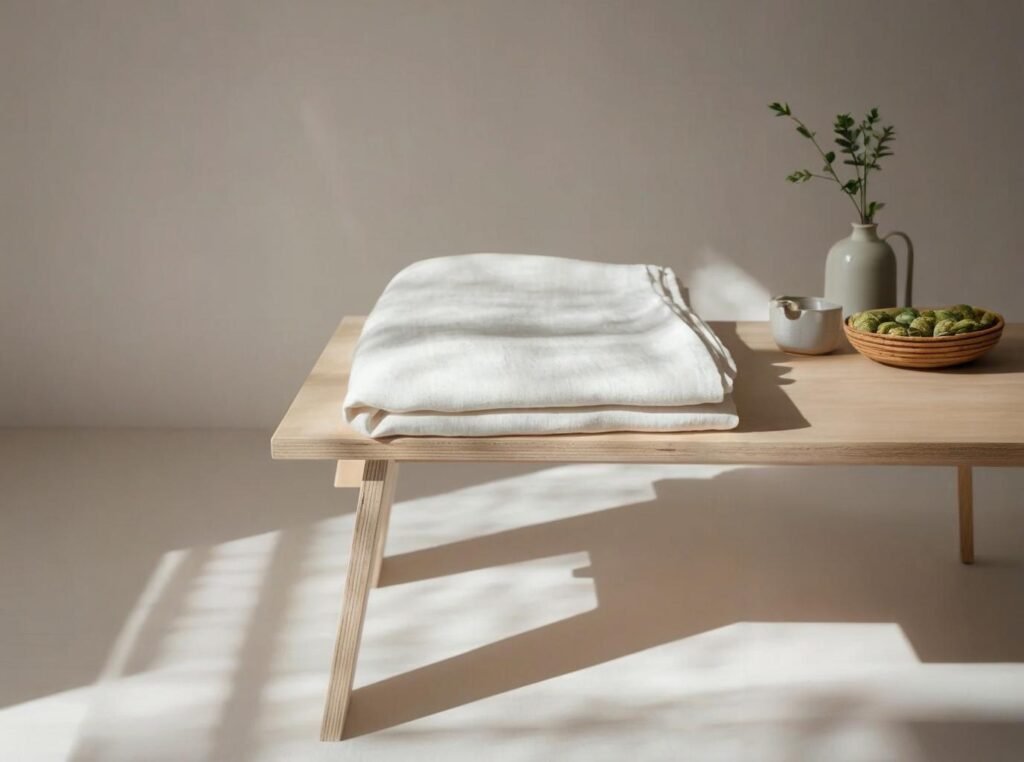
In the global race toward sustainable textiles, hemp fabric has emerged as a frontrunner, favored by eco-conscious fashion brands, upholstery designers, and industrial textile users alike. But as demand surges, so does confusion: who exactly makes hemp fabric? Is it the massive mills in China, artisan weavers in India, or the GOTS-certified labs in Europe?
Hemp fabric is manufactured by a growing network of textile mills and specialist factories across China, India, Europe, and emerging regions like Turkey and the U.S. These producers range from large-scale industrial exporters to niche, low-MOQ artisan workshops.
For B2B buyers, the challenge isn’t just finding a hemp fabric supplier—it’s finding the right one: one that aligns with your brand’s values, MOQ limits, technical specs, and sustainability certifications. In this guide, we break down the who, where, and how of hemp fabric manufacturing with verified insights from global sourcing trends, real-world buyer stories, and up-to-date factory intel.
Let’s begin with why hemp is back in the textile spotlight—and what it means for manufacturers.
1. What Is Hemp Fabric and Why Is It Gaining Popularity Among Sustainable Brands?
Hemp fabric is made from the stalks of the cannabis sativa plant, specifically from the bast fiber, which is known for its strength, durability, and eco-friendliness. Unlike synthetic fabrics, hemp is biodegradable, requires no pesticides, and grows rapidly with minimal water, making it a darling of the sustainable fashion movement.
Hemp fabric is rising in popularity due to its durability, natural antibacterial properties, and low environmental impact. Sustainable brands are choosing hemp over cotton and synthetics to meet climate goals and appeal to eco-conscious consumers.
Why Hemp Fabric Is Making a Comeback
a. Sustainability Comparison Table
| Feature | Hemp | Organic Cotton | Recycled Polyester |
|---|---|---|---|
| Water Use | Low (~300–500L/kg) | High (~10,000L/kg) | Low |
| Pesticides Required | None | Sometimes | None |
| Biodegradable | Yes | Yes | No |
| Carbon Sequestration (kg/ha) | ~10,000 | ~1,800 | 0 |
| Yield per Acre | High | Medium | N/A |
Data from Textile Exchange & FAO reports, 2022–2023
b. Material Properties That B2B Buyers Value
- Strong tensile strength: outperforms cotton in wear cycles
- UV-resistant & breathable: ideal for apparel and outdoor use
- Naturally antimicrobial: reduces need for chemical finishes
- Easily blended: works well with cotton, silk, spandex, and tencel
c. Buyer Insight: European Streetwear Brand
A GOTS-certified fashion brand in Berlin replaced their cotton twill with 100% hemp canvas for a capsule jacket collection:
- Fabric lasted 3x longer in wear tests
- CO2 footprint lowered by 38%
- Sold out in 2 months after “hemp” messaging went viral
2. Which Countries Are the Top Producers of Hemp Textiles Today?
Although hemp was once banned in many countries, legalization and demand for sustainable materials have revived its global supply chain. Today, the biggest hemp fabric producers include China, India, and parts of Europe like Romania, France, and Italy—each with unique strengths in scale, pricing, and innovation.
The top hemp fabric-producing countries are China (largest exporter), India (diverse artisan and industrial base), and European nations (certified organic production with high-end processing).
Global Hemp Textile Production Map
a. Hemp Textile Production by Region
| Country | Strengths | Limitations |
|---|---|---|
| China | Largest producer, low cost, wide styles | May lack organic certification |
| India | Blend variety, natural dyeing skills | Less automation, slower lead times |
| France | Premium-grade long fibers, EU-certified | High cost |
| Romania | GOTS-certified, small-batch specialists | Niche capacity |
| USA | Developing, high-tech but expensive | Limited large-scale production |
| Turkey | Fast-growing hemp industry | Still developing global export flow |
b. Export Volume (2023, Estimated)
| Country | Hemp Textile Export Volume (Tons) | Key Markets Exported To |
|---|---|---|
| China | 18,500 | USA, Europe, Japan, Australia |
| India | 6,200 | Europe, USA, Middle East |
| France | 1,400 | EU, North America |
| Romania | 1,100 | Germany, UK, Nordic markets |
UN Comtrade Database + ITC Trademap (2023)
c. Real Buyer Experience: US-Based Home Decor Brand
Seeking lightweight hemp-linen blends for window coverings, they compared China vs Romania:
- China: fast and affordable, but needed 10,000m MOQ
- Romania: smaller MOQ (1,000m), better natural colorfastness
- They chose Romania for niche feel and ECOCERT + OCS combo certification
3. How Do China, India, and Europe Compare in Hemp Fabric Quality and Scale?
When comparing global hemp fabric production, China dominates in scale and pricing, India offers variety and artisan value, while Europe leads in certified quality and sustainability standards. Each region serves different market needs—from fast fashion and promotional use to high-end organic apparel and specialty textiles.
China offers the largest volume and lowest cost, India balances affordability with natural aesthetics, and Europe prioritizes certification, traceability, and premium-quality yarns for luxury applications.
Regional Comparison Matrix
a. Side-by-Side Performance Table
| Region | Production Scale | Avg. MOQ | Certifications Available | Lead Time | Cost per Meter (USD) | Common Uses |
|---|---|---|---|---|---|---|
| China | Very High | 1,000–10,000 | GRS, OEKO-TEX, ISO | 15–25 days | $3.00–$6.00 | Workwear, bags, casual apparel |
| India | Medium–High | 500–5,000 | OEKO-TEX, some GOTS | 20–30 days | $4.50–$8.50 | Scarves, home goods, fashion blends |
| Europe | Low–Medium | 100–2,000 | GOTS, ECOCERT, EU Flax, OCS | 25–40 days | $7.00–$15.00 | Luxury fashion, eco-certified brands |
Prices and timelines based on 2023 sourcing data across small-to-mid-volume B2B buyers.
b. Material and Yarn Quality Differences
| Attribute | China | India | Europe |
|---|---|---|---|
| Fiber Length | Medium | Short to medium | Long-staple premium |
| Weaving Consistency | Industrial precision | Semi-automated or handwoven | High-end precision |
| Colorfastness | Moderate | Variable (depends on dyehouse) | Excellent |
| Environmental Control | Improving but inconsistent | Improving with fair trade | Strict regulatory compliance |
c. Use Case Matchmaking
| Application | Best Region Source |
|---|---|
| Promotional tote bags | China |
| Artisanal cushion covers | India |
| Luxury hemp-linen suiting | Europe (Italy, Romania) |
| High-MOQ dyed shirting | China or India |
| Organic-certified baby wraps | France or Romania |
4. What Are the Leading Companies or Factories That Manufacture Hemp Fabric?
Across China, India, and Europe, a handful of well-established hemp fabric manufacturers have emerged as reliable partners for global B2B buyers. Some operate full vertical production (from yarn spinning to finishing), while others focus on specific processes like weaving, dyeing, or certification compliance.
Top hemp fabric manufacturers include Hemp Fortex (China), Aditya Birla (India), Ecological Textiles (Netherlands), and Romania’s Tintex. These companies offer a blend of scalability, customization, and sustainability certifications.
Curated List of Verified Hemp Fabric Suppliers
a. China-Based Hemp Fabric Manufacturers
| Company | Highlights | Certifications |
|---|---|---|
| Hemp Fortex | Vertical producer, organic & recycled hemp blends | GOTS, OEKO-TEX, GRS |
| Liahren Fabrics | Specializes in hemp/linen/cotton blended textiles | ISO, OEKO-TEX |
| SzoneierFabrics | Offers custom hemp textiles with low MOQ & fast lead time | Internal QC + 100% quality assurance |
b. India-Based Hemp Textile Companies
| Company | Highlights | Certifications |
|---|---|---|
| Bastetex (Aditya Birla) | Large capacity, focuses on natural fiber sustainability | OEKO-TEX, REACH |
| Bombay Hemp Co. (BOHECO) | Focuses on domestic and export artisan hemp fabric | Fair Trade, OEKO-TEX |
| Gohemp India | Offers handwoven hemp with natural dye options | Small batch artisan focus |
c. European Hemp Producers
| Company | Highlights | Certifications |
|---|---|---|
| Ecological Textiles (NL) | Offers EU-flax, hemp-linen blends for fashion use | GOTS, EU Flax, OCS |
| Tintex Romania | Boutique mill offering organic hemp and jersey knits | GOTS, ISO |
| Hempiness (UK) | Distributor of EU-made GOTS-certified hemp fabrics | GOTS, ECOCERT |
d. Buyer Case Example: U.S. Activewear Brand
A U.S.-based athleticwear company sourcing hemp jersey knits tested both India and Europe:
- India: BOHECO’s product had beautiful texture but inconsistent width
- Netherlands: Ecological Textiles provided consistent rolls and fully traceable farm-to-factory data
- Europe won the contract due to transparency and soft handfeel
5. How Can You Verify if a Hemp Fabric Supplier Is Certified and Eco-Compliant?
In an industry where sustainability claims are often unregulated, verifying certification is essential—especially if your product will be marketed as “eco-friendly,” “GOTS-certified,” or “organic.” With hemp, certification can cover everything from raw fiber origin and chemical use to processing methods and labor ethics.
You can verify a hemp fabric supplier’s eco-compliance by checking valid third-party certifications (like GOTS, OEKO-TEX, GRS), requesting test reports and batch numbers, and validating certificate status directly with issuing bodies.
What Certifications Matter for Hemp Fabric?
a. Key Eco-Certifications for Hemp Textiles
| Certification | What It Confirms | Commonly Issued In |
|---|---|---|
| GOTS | Organic origin, chemical use, social standards | Europe, India, China |
| OEKO-TEX 100 | No harmful substances in finished fabric | Global |
| GRS | Recycled content + social & environmental review | China, Europe |
| ECOCERT | Organic farming & sustainable practices | France, Romania |
| EU FLAX | Traceable European flax/hemp origin | Belgium, France, Netherlands |
| Fair Trade | Ethical labor practices + community impact | India, South Asia |
b. How to Spot Fake or Expired Certifications
| What to Check | Why It Matters |
|---|---|
| Expiration Date | GOTS, OEKO-TEX, GRS certificates are annual |
| Scope Certificate (not just logo) | Confirms facility, product type, and batch code |
| Certification Body (e.g., Control Union) | Shows issuer credibility |
| Listing on Official Databases | GOTS: https://global-standard.org/public-database |
c. Case Example: Footwear Brand Fails Audit
A European sneaker brand sourced “GOTS-certified” hemp canvas from an unverified Indian supplier. During a retailer audit, the supplier could not provide a valid scope certificate. The brand had to pull the entire collection, losing 6 months of revenue and supply chain trust.
Tip: Always request a Scope Certificate + Transaction Certificate with the order.
d. Red Flags That Signal Risk
- Certificates without an expiration date
- No supplier name or wrong location
- Inability to trace fiber to farm or batch
- Reluctance to share audit results
6. Do Small and Medium Buyers Have Access to Low-MOQ Hemp Fabric Manufacturers?
Yes—but with a few caveats. While many large mills in China or India require MOQs of 1,000–10,000 meters, a growing number of smaller or vertically integrated factories now cater to small brands, e-commerce startups, and capsule collections.
Small and medium buyers can access low-MOQ hemp fabric by sourcing from specialized factories, using stock-supported programs, or partnering with fabric aggregators and trading companies. MOQ as low as 100–300 meters is possible in Europe, India, and even select Chinese factories.
How to Source Hemp Fabric at Low MOQ
a. MOQ Comparison by Factory Type
| Supplier Type | Typical MOQ | Notes |
|---|---|---|
| Industrial Mill (China) | 1,000–5,000 m | May offer stock lot with lower MOQ |
| Artisan Producer (India/Nepal) | 300–800 m | Customization may cost more |
| EU Boutique Mill (Romania/NL) | 100–300 m | High-quality but higher price per meter |
| Trading Company / Aggregator | 50–200 m | Repack from bulk stock, limited control |
b. Strategies for Low-MOQ Sourcing Success
- Choose stock-supported colors and common blends (hemp-cotton 55/45)
- Work with converters or warehouses offering ready-to-ship lots
- Accept limited dye options or undyed greige fabrics
- Buy from traders with bulk sharing models (popular in Turkey and SE Asia)
c. Real Buyer Story: US E-Commerce Hemp Towel Brand
The brand needed 500m of hemp-terry blend in custom colors. They approached 7 mills—most quoted 1,500m minimum. Eventually, they partnered with a Romanian factory that allowed 250m MOQ for stock white and offered reactive dyeing for a 20% surcharge.
- Result: Met production needs without overstocking
- Fabric quality exceeded expectations (low pilling, soft touch)
- Reordered 600m within 4 months—factory waived surcharge
7. Is It Better to Source Hemp Fabric Directly from Manufacturers or Distributors?
Whether to work with a direct manufacturer or a distributor/trader depends on your business size, volume needs, quality requirements, and customization expectations. Direct manufacturers often offer better pricing and technical customization, while distributors provide low-MOQ access, faster turnaround, and logistical convenience.
Direct manufacturers are ideal for large-volume orders with custom specs, while distributors or trading companies are better suited for small brands, lower MOQs, and quicker access to stock hemp fabric.
Choosing Between Direct vs Distributor Sourcing
a. Pros & Cons Comparison Table
| Factor | Direct Manufacturer | Distributor/Trading Company |
|---|---|---|
| MOQ | High (500–5000m) | Low (50–300m) |
| Customization | Full control (blends, dye, finish) | Limited or none |
| Lead Time | Longer (15–30 days + shipping) | Faster (stock often available) |
| Pricing | Better per meter | Higher, with mark-up |
| Certification Access | Easier to verify with own lab | May rely on mill’s certs |
| Support & Logistics | Needs more communication/logistics | Easier for new brands |
b. When to Choose a Distributor
- You need MOQ below 300 meters
- You require fabric fast for sampling or crowdfunding
- You’re testing new SKUs and don’t want deadstock
- You lack import infrastructure (shipping, customs, etc.)
c. When to Go Direct to a Mill
- You’re scaling and need bulk order cost efficiency
- You want to develop a signature fabric blend
- You require batch-level certification traceability
- You need long-term consistency for DTC or wholesale inventory
d. Hybrid Model: Best of Both Worlds
Some buyers work with local distributors first, then shift to the direct mill once volume justifies it. Others use distributors for sampling and mill partnerships for production.
8. How Should Buyers Evaluate and Choose the Right Hemp Fabric Supplier?
Finding a supplier is easy—finding the right supplier takes expertise. Beyond price and MOQ, B2B buyers must consider fiber quality, sustainability, testing capacity, customization options, supply chain transparency, and after-sales support. A good hemp supplier is not just a vendor—it’s a strategic partner.
Buyers should evaluate hemp fabric suppliers by reviewing certifications, sampling quality, understanding supply capabilities, checking responsiveness, and assessing long-term reliability.
Supplier Selection Checklist
a. Critical Evaluation Factors
| Category | What to Look For |
|---|---|
| Certifications | Valid, current GOTS, OEKO-TEX, GRS, etc. |
| Fabric Quality | Swatch testing for weight, softness, weave consistency |
| Customization Options | Blend ratio, dyeing, width, coating |
| Communication | Timely replies, clear MOQ and lead time explanation |
| Past Client References | Willing to share brand partners or reviews |
| Compliance & Documentation | Lab tests, compliance with REACH, Prop65, etc. |
| Logistics Support | Experience with international shipping and Incoterms |
b. Sample Evaluation Table for New Suppliers
| Factor | Supplier A | Supplier B | Supplier C |
|---|---|---|---|
| MOQ Flexibility | 300m | 1000m | 500m |
| Certification (GOTS) | Yes | No | Yes |
| Swatch Quality | Soft, consistent | Rough, stiff | Soft, minor flaws |
| Lead Time (bulk) | 18 days | 25 days | 15 days |
| Response Speed (email) | 24 hrs | 72 hrs | 48 hrs |
Use this matrix during supplier discovery to clarify decision-making and avoid misalignment later.
c. Real-World Tip: Build a Supplier Scorecard
Create a scorecard for each hemp supplier and rank them on:
- Communication clarity
- Willingness to sample
- Lab testing access
- Ethical transparency
- Scalability potential
Don’t just ask “can they ship?” Ask “can they grow with us?”
d. Why SzoneierFabrics Is a Trusted Hemp Partner
At SzoneierFabrics, we:
- Offer low-MOQ custom hemp fabric solutions
- Provide free samples and fast prototyping
- Back every batch with 100% quality inspection reports
- Can blend hemp with cotton, tencel, spandex, linen and more
- Serve small-to-medium B2B clients across fashion, bags, and home textiles
Finding the Right Hemp Fabric Manufacturer Is a Strategic Advantage
Whether you’re launching a hemp apparel line or upgrading your packaging with sustainable materials, choosing the right hemp supplier can make or break your product performance, profit margin, and brand reputation. With clear due diligence, low-MOQ options, and smart sourcing, even small brands can compete globally.
Ready to source high-quality hemp fabric for your next project?Contact SzoneierFabrics now to:
- Request free samples
- Get custom blend development
- Access GOTS/GRS-certified options
- Explore MOQ as low as 300 meters
- Enjoy fast shipping and transparent pricing
Let’s grow something sustainable—together.
Can't find the answers?
No worries, please contact us and we will answer all the questions you have during the whole process of bag customization.
Make A Sample First?
If you have your own artwork, logo design files, or just an idea,please provide details about your project requirements, including preferred fabric, color, and customization options,we’re excited to assist you in bringing your bespoke bag designs to life through our sample production process.