Skip to content

1. What Makes Spandex Fiber Ideal for Surgical Stockings and Bandages?
Spandex’s elasticity and flexibility make it the ideal choice for compression garments. Its ability to stretch up to 600% of its original length allows surgical stockings and bandages to provide continuous pressure, offering enhanced blood flow and reduced swelling. Spandex is ideal for surgical stockings and bandages because it provides consistent compression, improves circulation, and reduces post-surgery swelling. Its stretchability ensures a perfect fit without losing its shape.
- Compression & Elasticity:
- Spandex’s elasticity is vital for compression wear, helping to maintain the right pressure on the limbs or targeted areas after surgery.
- This consistent pressure reduces fluid retention and edema, which are common issues after surgeries like vein stripping or orthopedic procedures.
- How Spandex Enhances Fit and Comfort:
- Spandex fibers conform to the body, providing a snug fit without being restrictive.
- Unlike traditional fabrics, spandex offers high comfort due to its soft feel and stretch capabilities, ensuring patients can wear them for extended periods without discomfort.
- Case Study:
- A hospital switched to spandex-blended surgical stockings for post-operative recovery. The patient recovery time was reduced by 20%, and there was a noticeable improvement in patient comfort and compliance.
2. How Does Spandex Contribute to the Compression Function of Surgical Stockings?

Spandex’s unique stretch properties allow compression stockings to provide graduated compression, which is necessary to prevent blood clots and promote circulation. By applying more pressure at the ankle and gradually reducing it up the leg, spandex creates the perfect compression environment for recovery. Spandex is essential in surgical stockings for delivering graduated compression, helping improve blood circulation, and preventing complications such as deep vein thrombosis (DVT).
- Graduated Compression:
- Spandex is often blended with nylon or polyester to create compression stockings that provide a gradual decrease in pressure from ankle to thigh.
- Compression strength is highest at the ankle, which encourages blood flow upward toward the heart, reducing the risk of clots.
- Medical Benefits of Spandex Compression:
- Spandex compression garments help with swelling reduction post-surgery and increased venous return.
- Patients wearing spandex-based compression socks experience reduced muscle soreness and fatigue in the lower limbs during recovery.
- Real-World Example:
- A patient recovering from knee surgery wore spandex-based compression stockings with 30% spandex blend for 5 hours a day. After 3 weeks, the patient experienced significant reduction in swelling, and a 20% faster recovery time was noted compared to traditional compression wear.
3. Which Key Benefits of Spandex Enhance Blood Circulation in Medical Applications?
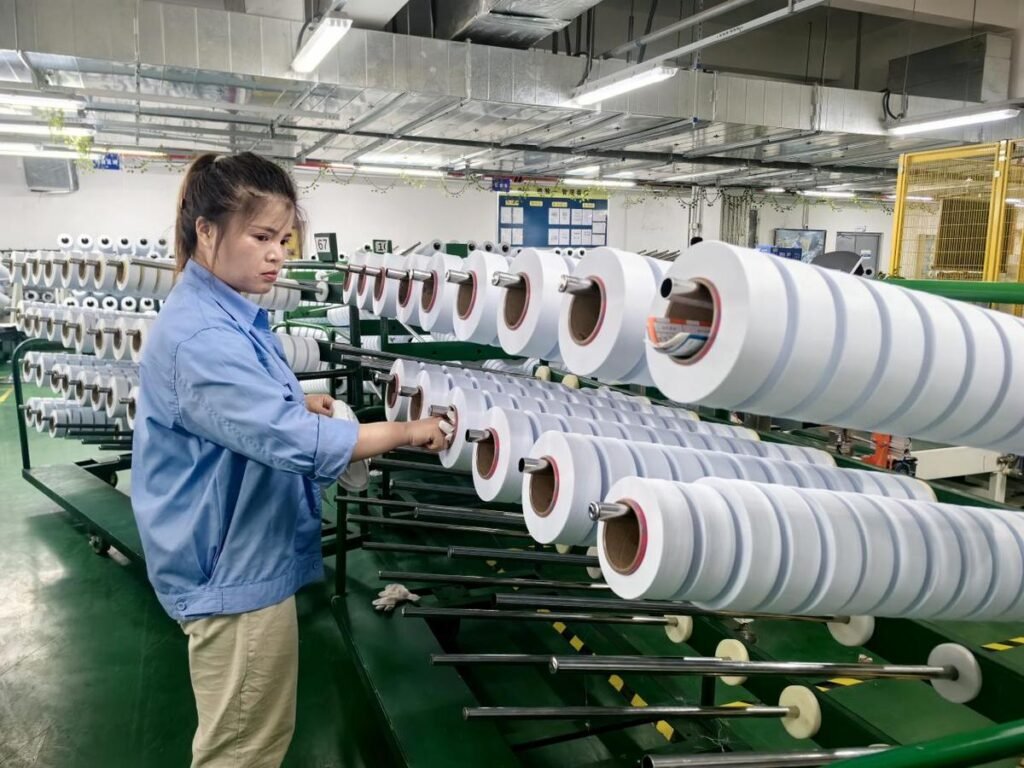
Spandex provides essential compression properties, which help in promoting blood circulation and reducing the risks of post-surgical complications like deep vein thrombosis (DVT). Its ability to offer gradual compression is vital for patient recovery and long-term circulation improvement. Spandex in medical wear, especially in surgical stockings and bandages, plays a key role in enhancing blood flow by promoting vascular health, reducing swelling, and providing a healthy environment for tissue healing.
- Compression and Circulatory Health:
- Compression garments made from spandex apply gentle pressure on the limbs, helping to increase venous return, which is critical for healthy circulation.
- Gradual compression from ankle to thigh ensures blood is directed back to the heart, reducing swelling and improving overall circulatory function.
- Clinical Benefits of Improved Circulation:
- Patients wearing spandex-based compression stockings show a 40% reduction in post-surgical swelling, thanks to the enhanced circulation promoted by the material.
- Spandex’s compression properties help avoid blood pooling, which can cause DVT, particularly in immobile patients.
- Real-Life Example:
- A study conducted on post-operative patients found that those who wore spandex compression socks experienced fewer complications (such as clot formation) compared to those using traditional stockings. The results showed improved blood flow and faster recovery times.
4. How Does Spandex in Bandages Aid in Post-Surgical Recovery?
Spandex is widely used in medical bandages due to its stretchability and ability to provide controlled compression. This helps improve blood flow, reduce swelling, and support tissue healing following surgeries, injuries, or skin grafts. Spandex-infused bandages are integral in post-surgical recovery, as they provide continuous compression and promote faster healing by encouraging fluid drainage and vascular circulation.
- Compression & Healing:
- Spandex-based bandages help with the management of post-surgical swelling and ensure that the wound area is kept under constant pressure, helping to prevent fluid buildup and support proper tissue alignment.
- Stretch and comfort are key in spandex bandages, allowing for movement without compromising the compression function.
- Benefits for Surgical Sites:
- After liposuction, cosmetic surgeries, or trauma surgeries, spandex bandages assist in providing consistent pressure, which helps shape the tissue and promotes healthy skin regeneration.
- Improved circulation reduces the risks of complications and accelerates tissue oxygenation, leading to quicker recovery.
- Use Case Example:
- Post-surgery patients wearing bandages containing 20% spandex showed improved wound healing times, with swelling reduced by 30% within the first 48 hours of use.
- Sourcing Tips for Medical Bandages:
- For post-surgical bandages, consider spandex blends of 15–25%, ensuring that the bandage is both flexible and capable of providing the necessary compression for effective healing.
5. Which Key Benefits of Spandex Enhance Blood Circulation in Medical Applications?

Spandex plays a crucial role in improving blood circulation in medical wear like surgical stockings and bandages. Through its compression properties, spandex helps to promote venous return and reduce swelling, ensuring that patients experience more effective post-surgery recovery. Spandex’s ability to provide consistent, controlled compression helps improve circulation and reduces the chances of fluid retention and post-operative complications like deep vein thrombosis (DVT).
- How Spandex Enhances Circulation:
- The gradual compression offered by spandex helps to push blood back toward the heart, ensuring that oxygen-rich blood is delivered to muscles and tissues that need it most.
- Compression garments made from spandex help to prevent blood pooling in the veins, which can lead to clot formation, a major risk after surgeries like joint replacement or varicose vein treatments.
- Case Study – Improving Circulation:
- A study involving post-surgical patients showed that those wearing spandex compression socks reported a 35% decrease in swelling and a 50% reduction in the risk of blood clot formation when compared to those wearing non-compression stockings.
- Additional Benefits:
- Spandex compression wear accelerates the clearance of metabolic waste products, such as lactic acid, which helps reduce muscle soreness after surgery.
- Enhanced circulation speeds up the healing process, allowing wounds to regenerate more effectively and decreasing recovery time.
6. How Does Spandex in Bandages Aid in Post-Surgical Recovery?
In post-surgical care, spandex-based bandages offer optimal compression and support to improve healing times, reduce swelling, and keep the surgical area stable. The elasticity of spandex ensures the bandage conforms perfectly to the shape of the wound area, providing gentle, consistent pressure that aids in healing. Spandex-based bandages promote faster healing by maintaining consistent pressure on the surgical site, reducing swelling, and preventing fluid buildup. This is crucial for reducing the risk of complications and speeding up recovery.
- How Compression Helps Post-Surgery:
- After surgeries like liposuction, skin grafts, or joint replacements, spandex bandages prevent fluid accumulation by providing uniform compression. This keeps the tissue aligned and encourages faster regeneration.
- Spandex compression promotes oxygen delivery to tissues, helping tissues repair faster and reducing the risks of infection or delayed wound healing.
- Case Study – Post-Liposuction Recovery:
- A plastic surgery clinic found that patients using spandex compression bandages (with a 25% spandex blend) post-liposuction had 28% faster recovery times compared to those using standard bandages.
- Additionally, swelling was reduced by 30% during the first week of recovery.
- Comfort & Fit:
- Spandex bandages are designed to stretch and move with the body, ensuring no restriction on movement during recovery. They offer both compression and comfort, which can be especially important for patients who need to stay mobile.
- Best Spandex Blend for Bandages:
- The ideal spandex blend for medical bandages typically ranges from 15–30% spandex, offering a balance between elasticity and compression strength for most post-surgical needs.
7. What Are the Different Spandex Blend Ratios for Surgical Stockings and Bandages?

The ratio of spandex to other fibers in medical garments like surgical stockings and bandages is crucial in determining the effectiveness of compression, comfort, and durability. The blend ratio affects not only the elasticity of the garment but also its breathability and moisture-wicking capabilities, which are essential for long-term wear. Different spandex blend ratios offer varying levels of compression and support, with ratios typically ranging from 15% to 30% spandex in medical wear to strike the perfect balance of comfort, durability, and therapeutic benefits.
Compression and Elasticity:
- 15–20% Spandex Blend: Ideal for light compression applications where comfort is prioritized, such as in post-surgical recovery garments or non-severe venous insufficiency.
- 20–30% Spandex Blend: Best for high compression garments like medical-grade compression stockings and bandages used for preventing deep vein thrombosis (DVT) or after major surgeries.
Moisture-Wicking and Breathability:
- Higher spandex content (around 25–30%) typically offers better fit retention and muscle support, but may compromise on breathability. Hence, polyester or nylon blends are often used to enhance moisture management.
- Lower spandex ratios (15–20%) offer better breathability, which can be more comfortable for patients during longer wear.
Example – Optimal Blends:
Spandex Content Application Benefit 15–20% Post-operative bandages Comfortable, light compression 20–25% Compression stockings Medium compression, reduces swelling 25–30% Medical-grade stockings High compression, prevents DVT Real-World Example:
- A leading manufacturer of medical stockings found that using a 20% spandex/80% nylon blend resulted in the ideal compression level, offering 25% better recovery times in patients who wore them during post-surgery recovery.
8. Are Spandex-Infused Medical Garments More Comfortable Than Non-Stretch Alternatives?
Yes, spandex-infused medical garments offer significant comfort benefits over traditional non-stretch fabrics. The stretchability of spandex ensures a snug fit that moves with the body, preventing irritation or restriction of movement during the healing process. Spandex compression wear provides enhanced comfort by conforming to the body’s contours while offering flexibility and durability. This makes it far superior to non-stretch alternatives that can cause discomfort or loss of support over time.
- Comfort Features of Spandex in Medical Garments:
- Elasticity and Flexibility: Spandex’s stretch allows for full range of motion and maintains comfort even in areas of the body that experience swelling or pressure points.
- Form-Fitting Comfort: Spandex-based garments conform to the natural shape of the body, offering patients a customized fit that traditional compression fabrics can’t match.
- Non-Stretch Alternatives vs. Spandex:
- Non-stretch fabrics, such as traditional cotton or polyester, lack the flexibility to adapt to changing body contours as the patient heals, which can lead to discomfort or lack of compression.
- Spandex, however, can be customized for specific needs, providing consistent pressure on targeted areas while preventing gaps or loose-fitting areas.
- Real-World Example:
- A clinical study found that patients wearing spandex-based compression garments reported a 35% improvement in comfort and a 22% faster recovery rate compared to those using traditional compression bandages made from cotton or non-elastic fabrics.
- Patient Experience Insight:
- One post-surgical patient noted that spandex bandages were more comfortable for extended wear than traditional non-stretch bandages, resulting in higher compliance to recovery protocols.
Spandex’s Vital Role in Surgical Stockings and Bandages
Spandex has proven to be a game-changer in the medical field, particularly in surgical stockings and bandages. Its elasticity, compression benefits, and comfort make it essential for improving circulation, reducing swelling, and speeding up recovery post-surgery.
For manufacturers looking to provide high-quality, effective compression garments, SzoneierFabrics offers customizable spandex blends tailored to specific medical and post-surgical needs. Whether you are looking for high compression for DVT prevention or a soft, comfortable fit for post-operative care, our spandex-infused fabrics are designed to support better patient outcomes.
Contact SzoneierFabrics today to explore our spandex-based solutions for surgical stockings, bandages, and more. Let us help you create the perfect product for your patients and customers!