 Skip to content
Top Hemp Fabric Suppliers for B2B Partnerships
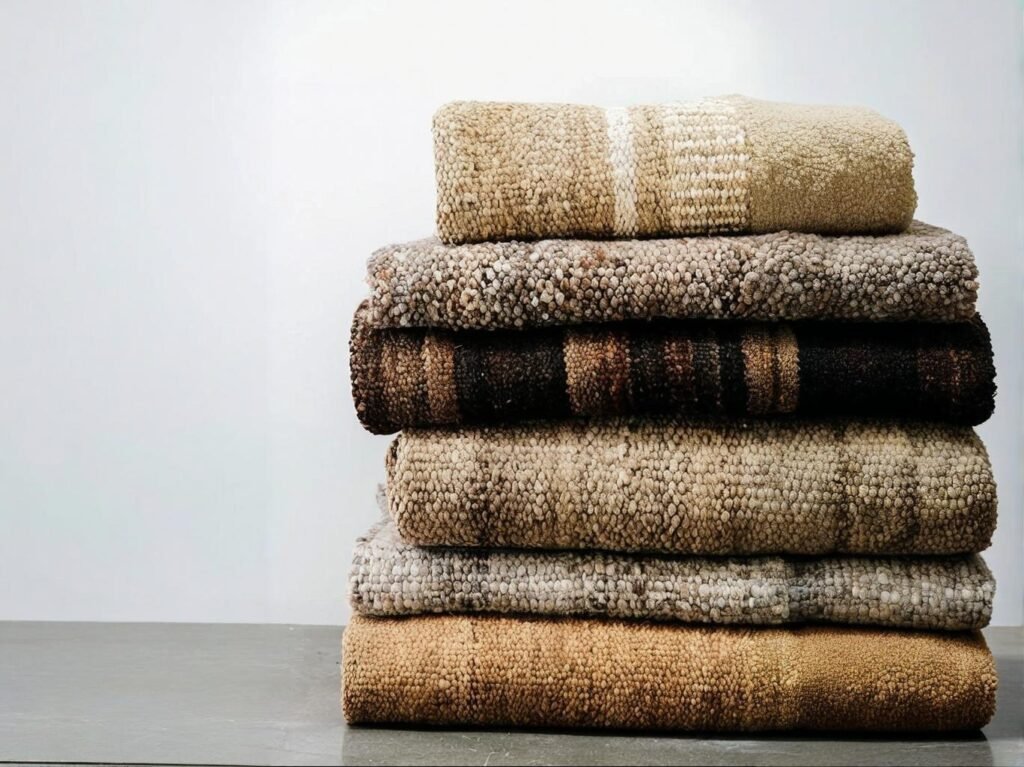
Hemp is quickly becoming one of the most in-demand textile materials in the world. From luxury apparel brands to eco-focused home textile companies, everyone is looking for stable access to reliable hemp fabric mills that can produce consistent quality, meet sustainability expectations, and support flexible customization. But unlike cotton or polyester, hemp sourcing requires understanding a complex supply chain—from fiber retting and spinning to weaving, dyeing, and finishing. A supplier that seems strong on the surface may fail when tested across shrinkage control, shade stability, blending ability, or lab certifications. Top hemp fabric suppliers excel in fiber processing, spinning stability, weaving consistency, sustainable certifications, and the ability to produce varied hemp blends. They offer transparent testing data, strong communication, scalable production capacity, and customization options across GSM, yarn counts, weaving structures, and finishing treatments. The best suppliers combine material expertise and sustainability compliance with reliable delivery performance.
Yet the real challenge isn’t simply finding “hemp fabric suppliers”—it’s identifying which ones can maintain quality across multiple batches, adapt to diverse product categories, and support long-term development with predictable performance. A California apparel startup once spent six months sampling from five mills before discovering that only one could maintain shrinkage below 4% after garment washing. That single finding changed their entire fabric strategy.
Let’s break down, with clarity and real-world depth, how to evaluate top hemp mills, what questions to ask, and what performance data matters most.
What Makes a Hemp Fabric Supplier Truly Reliable for Long-Term Partnerships?
Featured Snippet Style Answer: A reliable hemp fabric supplier provides stable fiber sources, consistent spinning quality, advanced weaving control, certified sustainability practices, clear documentation, low defect rates, and predictable lead times. They share test reports, maintain transparent production processes, offer customization flexibility, and demonstrate proven experience supplying hemp fabrics across apparel, home textiles, and eco-friendly product categories. Over time, such suppliers become strategic partners rather than just fabric vendors, helping brands develop new hemp blends, solve technical issues, and scale collections with confidence.
1.1. The True Criteria Behind a “Top Hemp Supplier”
Unlike cotton or polyester, hemp is not a plug-and-play fiber. The raw stalk is woody and high in lignin; it needs efficient decortication and degumming before it can be spun into finer yarns. The fiber is naturally coarse, requires precision in softening and blending, and challenges mills with controlling shrinkage, skew, and fabric evenness. A factory that can spin and weave conventional fibers well can still struggle badly with hemp if they treat it like “just another bast fiber”.
Top hemp suppliers excel not only in machinery but also in the philosophy and discipline behind textile production. They plan around variability in crop quality, invest in process control from the farm to finishing, and maintain a dialogue between R&D, production and sales. When a buyer asks, “Why did this roll shrink 2% more than the last one?”, a serious hemp mill can show batch-level records instead of guessing.
For brands, this difference is huge. Working with a mediocre hemp supplier means every new order feels like “starting from zero.” Working with a top supplier feels more like tuning a known platform: tweaking GSM, blend ratio, and finishing, but always on top of a stable technical base.
1.2. Core Capabilities That Define a High-End Hemp Supplier
Below are the pillars of reliability. Each line in the table represents a system, not a single machine or operator.
| Capability | What It Indicates | Why It Matters |
|---|---|---|
| Fiber Source Stability | Transparent hemp-farm sourcing | Reduces variability in fiber strength |
| Degumming Efficiency | Removes lignin smoothly | Determines softness & spinnability |
| Spinning Precision | Even yarn, no neps | Drives fabric consistency |
| Weaving Control | Balanced tension | Prevents skew, distortion |
| Finishing Expertise | Softening, enzyme, pre-shrink | Ensures comfort & dimensional stability |
| Sustainability Certification | GRS, OEKO-TEX, GOTS | Essential for eco-focused buyers |
| QC Traceability | Batch-level data tracking | Prevents inconsistencies |
A few practical notes behind these keywords:
- Fiber source stability High-end suppliers can tell you which regions their hemp comes from, how often harvests are tested, and how they handle year-to-year variability in fiber fineness and strength. When fiber quality is erratic, yarns break more, GSM drifts, and fabric handfeel changes from lot to lot.
- Degumming efficiency Hemp that is under-degummed feels harsh and is hard to spin into fine counts; over-degumming can weaken fibers. Reliable mills typically use stable recipes (chemical, enzymatic, or hybrid) and monitor parameters such as residual lignin. This is where softness, drape, and long-term pilling behavior are largely decided.
- Spinning precision & weaving control Uniform yarn count (e.g., CV% of count, hairiness levels) and balanced loom tension are critical for avoiding streaks, barre, and skewed fabrics. Good suppliers will show basic statistics for yarn strength and end-break rates, not just marketing brochures.
- Finishing expertise Hemp is sensitive to shrinkage and handle changes during washing and drying. Finishing lines that combine enzyme washing, singeing, sanforization or similar pre-shrink methods can bring shrinkage under control (typically ≤4–5% in both directions) while keeping the natural look and “dry hand” that buyers want.
- Sustainability and QC traceability Certifications like GOTS, GRS or OEKO-TEX STANDARD 100 matter not only for labeling, but as evidence that the mill’s chemical management and QC systems are mature. Batch-level records for each dye lot, finishing run and inspection step are a strong sign that the supplier can keep quality stable across thousands of meters.
When all of these capabilities exist and are used consistently, you can expect stable quality even when scaling from initial 300-meter trial orders to 30,000-meter seasonal programs.
1.3. Supplier Red Flags to Watch Out For
On the other side, certain patterns are strong indicators that a mill is not yet ready to support serious hemp programs. The individual issues may seem small, but together they point to weak process control:
- Inconsistent GSM Finished fabric weights drifting ±8–10% from the spec, with no clear explanation. This usually means poor control over yarn counts, loom settings, or finishing shrinkage.
- “Stiffness” reappearing after washing Fabric feels acceptable when new but becomes harsh after a few domestic or industrial washes. Often, the mill is relying on temporary softeners instead of addressing fiber and finishing fundamentals.
- No records of moisture regain control Hemp absorbs moisture differently from cotton or polyester. If the supplier doesn’t track moisture content before weighing or shipping, GSM and yield calculations can become unreliable.
- Lack of pre-shrink testing If they cannot show standard shrinkage test results (for example, after 3–5 washes at agreed temperatures), you risk unpleasant surprises in production and consumer use.
- No batch-level dyeing documentation Shade variation between rolls or repeat orders is almost guaranteed if the supplier does not record key dyeing parameters and corrections.
- Blended fabrics without clear ratio tests For hemp–cotton or hemp–Tencel® blends, a serious mill performs blend-ratio checks (e.g., via burn tests or lab analysis). If they only “believe” the ratio, you may not get what is on the label.
- Low-clarity communication from the R&D team When a technical question is answered only with “no problem” and no details, it is usually a problem. A mature hemp supplier can explain in plain language what they can and cannot do.
If a supplier cannot outline their hemp processing steps from fiber arrival to final inspection, they likely have limited control over quality. That doesn’t mean they are dishonest—it usually means they are still learning. For core programs, you want partners who are already past the learning curve.
1.4. Real Case: How a German Brand Found Their “Forever Supplier”
A German casualwear label spent nearly a year testing hemp jersey from five Asian mills for a new sustainable basics line. On paper, all candidates looked similar: similar GSM, similar blend ratio, similar price range. In reality, the fabrics performed very differently.
Problems with the first rounds included:
- Unpredictable shrinkage Some jerseys shrank 3% in length and 1% in width; others nearly 10% in length, causing fit issues between sizes and colors.
- Lint release and pilling After a few washes, certain fabrics shed noticeable lint and developed pills, particularly on darker shades.
- Uneven yarn streaks (barre) Under store lighting and in photos, faint horizontal stripes appeared, making garments look cheap and inconsistent.
The eventual winning supplier did not offer the lowest price or the shortest lead time. What they did offer was technical transparency:
- Provided five years of fiber-sourcing records, including main growing regions and average fiber fineness data.
- Disclosed their enzyme-finishing method, explaining how it balanced softness with strength.
- Supplied shrinkage test reports for each roll, not just generic “typical values”.
- Offered an engineering consultation to optimize knitting tension and recommended minor pattern adjustments to accommodate residual shrinkage realistically.
Within one season of switching to this supplier and locking in agreed process parameters:
- Defect rates on bulk production dropped by 72%.
- Claims and returns related to fit or fabric quality fell sharply.
- The brand’s product team gained enough confidence to expand hemp into new categories (shorts, dresses, light sweats) using the same supplier.
The lesson was clear: transparent, data-driven collaboration beats a cheap but opaque price quote every time.
1.5. Is Big Capacity Always Better?
A common assumption is that “bigger mill = safer choice”. Capacity does matter—but it is not the only variable.
Large mills often:
- Excel in stability and have more structured management systems.
- Handle big volumes with better scheduling and logistics.
- Offer strong certification coverage (GOTS, OEKO-TEX, GRS, ISO).
However, small to medium mills can be extremely valuable for hemp:
- They tend to offer more development flexibility, especially for unusual blends (e.g., hemp–organic cotton–elastane, or hemp–bamboo mixes).
- Decision-making is faster; R&D tweaks can be tested on shorter runs.
- They are often more willing to co-develop signature fabrics that are exclusive to one brand.
The right match depends on your strategy:
- For a mass-market hemp chino or canvas program with dozens of stores, a large, highly systematized mill may be the safest backbone.
- For a niche capsule collection with experimental weaves or finishes, a responsive mid-sized mill willing to experiment might be more suitable.
The most resilient brands quietly maintain a portfolio of suppliers: one or two “backbone” mills for core hemp qualities, and several specialist partners for innovation and seasonal concepts.
1.6. Benchmark Table: What Top Hemp Fabric Suppliers Usually Offer
To turn all of this into something measurable, many sourcing teams work with internal benchmarks like the following. It gives a quick snapshot of where a potential hemp supplier sits.
| Factor | Top Supplier Standard | Below-Average Supplier |
|---|---|---|
| Shrinkage | ≤ 4% | 6–12% |
| GSM Tolerance | ±3% | ±8% |
| Shade Consistency | Strong | Variable |
| Blending Accuracy | Lab-tested | Unverified |
| Documentation | Full set | Partial or missing |
| MOQ Flexibility | Low to Medium | Rigid |
| Dyeing Stability | High | Prone to streaking |
Behind each number is a practical reality:
- Shrinkage ≤ 4% means far fewer pattern corrections and post-launch complaints.
- GSM tolerance ±3% keeps handfeel and drape consistent; tees don’t suddenly feel “thinner” in one color.
- Shade consistency reduces rejections at cutting and avoids awkward differences between size runs.
- Lab-tested blending accuracy ensures a “55% hemp / 45% organic cotton” hangtag is credible in a market that increasingly scrutinizes sustainability claims.
A leading hemp supplier rarely hides their processes—they showcase them as their competitive advantage. For buyers, the most reliable sign of a long-term partner is not just a beautiful hanger swatch, but a supplier who can calmly walk you through how that fabric will stay beautiful, consistent and reliable across many seasons.
Which Types of Hemp Fabrics Should You Source for Apparel, Home Textiles, and Technical Uses?
The most suitable hemp fabrics for apparel include hemp–cotton blends, hemp–organic cotton blends, hemp–Tencel blends, and lightweight 100% hemp weaves. For home textiles, heavier hemp canvas, twill, and linen-like structures work best. Technical applications benefit from reinforced hemp blends with polyester or recycled fibers. Each type offers different strengths in breathability, durability, sustainability, and tactile comfort.
Understanding Hemp Fabric Categories and Their Best Uses
Buyers often underestimate how versatile hemp fabric truly is. The same fiber can be engineered into soft, fluid shirtings, structured workwear, heavy upholstery canvas, or even technical nonwovens and composites. What changes is the blend ratio, yarn count, weave structure, and finishing.
From a sourcing perspective, the key questions are:
- How close do you want the hand feel to conventional cotton or linen?
- What level of shrinkage, crease recovery, and surface smoothness is acceptable?
- Do you need premium sustainability messaging, or is pragmatic performance more important?
- Will the fabric be used in next-to-skin garments, home décor, or industrial/technical products?
The sections below help you match the right hemp fabric family to each product category, with enough technical detail to talk confidently with mills and internal teams.
2.1 Hemp Fabric Types for Apparel
For apparel, most brands focus on comfort, drape, breathability, and easy care, while still wanting a clear sustainability story. Hemp performs well in all of these areas when blended and finished correctly.
A. Hemp–Cotton Blends (55/45, 70/30, 80/20)
Typical use cases:
- T-shirts and polos
- Casual shirts and overshirts
- Dresses and skirts
- Lightweight workwear and utility shirts
- Everyday pants and chinos in mid-weight twills
Why brands love it:
- Compared with 100% hemp, blends like 55/45 or 70/30 hemp–cotton deliver:
- Softer initial hand feel, especially after enzyme or bio-wash finishing.
- More familiar drape and touch for consumers used to cotton.
- Improved wrinkle recovery versus pure hemp.
- Hemp adds:
- Increased tensile strength and abrasion resistance.
- Better moisture management and breathability.
- A stronger sustainability story thanks to hemp’s lower water usage and pesticide requirement compared to conventional cotton.
In practice, many brands use 55/45 for everyday tees and shirts (balanced comfort and strength) and 70/30 or 80/20 for more rugged products such as utility shirts, overshirts, and casual jackets where durability is a selling point.
B. Hemp–Organic Cotton Blends
Positioned as the premium eco option, these blends target consumers and retailers who are willing to pay more for traceable, low-impact materials.
Ideal for:
- Premium shirts and blouses
- Yoga wear and athleisure tops
- Children’s garments and baby products
- Branded merchandise with a sustainability focus
Key advantages:
- Hemp contributes strength, breathability, and naturally lower environmental impact.
- Organic cotton adds softness and skin-friendliness, supported by certifiable credentials (e.g. GOTS, organic claims).
- The combination creates a strong story for marketing teams: “hemp for resource efficiency, organic cotton for clean farming.”
These fabrics are often finished with low-impact dyes and softening treatments, and brands may request specific certifications to support claims on hangtags and online product pages.
C. Hemp–Tencel Blends
Hemp blended with Tencel (lyocell) is where hemp starts to move into high-end womenswear and resortwear territory.
Typical uses:
- Soft, flowing dresses and skirts
- Resortwear shirts and beach cover-ups
- Relaxed-tailoring womenswear and wide-leg pants
- Premium loungewear
Why this blend stands out:
- Tencel brings excellent drape, smoothness, and sheen, making the fabric suitable for more fluid silhouettes.
- Hemp maintains structure, breathability, and strength, preventing garments from feeling limp or fragile.
- Together they achieve a luxurious hand feel with strong environmental messaging: both fibers can be framed as more responsible choices than conventional synthetics.
Hemp–Tencel fabrics are ideal when design teams want “eco-luxury” rather than just “eco-basics.”
D. 100% Hemp (Lightweight)
Pure hemp fabrics in lighter constructions have their own niche, especially in eco-fashion, heritage-inspired collections, and artisanal clothing.
Common uses:
- Summer shirts and tunics
- Loose-fit trousers and shorts
- Minimalist, unisex and natural-dye collections
- Brand storytelling around “heritage” or “back-to-nature” concepts
Without finishing, 100% hemp can feel crisp or slightly coarse, but:
- Enzyme washes, stone washes, or mechanical softening significantly improve comfort.
- Over time, garments typically break in and soften in a way many consumers appreciate, similar to good linen.
These fabrics appeal to customers who are comfortable with natural texture and prefer a visible, honest fiber character rather than perfect smoothness.
Apparel Fabric Table
| Fabric Type | Softness | Breathability | Durability | Best Use |
|---|---|---|---|---|
| 55/45 Hemp–Cotton | Medium | High | High | Tees, shirts |
| 70/30 Hemp–Cotton | Medium | High | Very High | Workwear shirts |
| Hemp–Tencel | High | High | Medium | Premium garments |
| 100% Hemp | Medium-Low | Very High | Very High | Summer apparel |
For buyers, this table can be translated into a simple sourcing rule: start with 55/45 hemp–cotton or hemp–Tencel for mainstream collections, and expand to higher hemp content or 100% hemp where your audience appreciates more texture and a stronger sustainability message.
2.2 Hemp Fabric Types for Home Textiles
Home textiles demand higher weights, robust construction, and long-term dimensional stability. Hemp responds very well in this segment, often outperforming cotton in long-term durability.
A. Hemp Canvas
Heavy hemp canvas is the workhorse for:
- Curtains and drapery (especially for rustic or natural interiors)
- Upholstery covers and slipcovers
- Cushion covers and floor cushions
- High-strength tote bags and storage baskets
At 350–500 GSM, hemp canvas provides:
- Excellent tear and tensile strength.
- Good shape retention even under frequent use.
- A natural, slightly textured look that fits eco and minimalist interior styles.
B. Hemp Linen-Like Weaves
For products closer to traditional table linen or bedding, mills can engineer hemp to behave similarly to linen:
- Medium-weight plain weaves or slightly textured structures.
- Blends with cotton or other natural fibers where needed.
These fabrics work well in:
- Tablecloths and runners
- Napkins and placemats
- Decorative pillowcases and throws
- Bedding blends where hemp is combined with cotton or other fibers for softness
The selling point: linen-like aesthetics with hemp’s durability and sustainability narrative.
C. Hemp Twill
Hemp twill structures balance drape, strength, and visual interest. They are widely used for:
- Kitchen textiles (aprons, oven mitt outer fabrics, utility cloths)
- Furniture covers and slipcovers
- Heavier curtains and room dividers
- Robust cushion and pillow covers
The diagonal twill line provides a more “tailored” or “crafted” look, often preferred in upmarket or design-centric home collections.
Home Textile Fabric Table
| Fabric Type | Weight (GSM) | Strength | Best Use |
|---|---|---|---|
| Hemp Canvas | 350–500 | Very High | Furniture, totes |
| Hemp Twill | 240–350 | High | Aprons, coverings |
| Hemp Linen Weave | 150–220 | Medium | Bedding, home décor |
For a quick sourcing shortcut:
- Use hemp canvas for items that must tolerate heavy wear and loads.
- Use hemp twill where you need both strength and a more refined appearance.
- Use hemp linen-like weaves when you want a softer, table-linen or bedding-focused story.
2.3 Hemp Fabrics for Technical / Performance Applications
Hemp is increasingly used beyond fashion and home décor, especially where strength, dimensional stability, and sustainability are all required.
A. Hemp–Recycled Polyester Blends
These blends are designed to combine mechanical performance with a strong recycled content story.
Key advantages:
- Improved tensile strength and tear resistance compared with hemp alone.
- Lower shrinkage and better crease recovery, important for bags, work garments, or outdoor gear.
- Better pilling resistance compared with many pure natural fabrics.
They are suitable for:
- Technical backpacks and outdoor bags
- Workwear and utility garments
- Durable linings and reinforcements in footwear and accessories
B. Hemp–Nylon Reinforced Structures
When you need even higher performance, hemp can be combined with nylon yarns or filaments:
- Used in belts, ropes, and webbing.
- Applied in industrial bags, lifting slings, and packaging straps where both strength and a more natural aesthetic are desired.
These constructions take advantage of nylon’s toughness and hemp’s stiffness and abrasion resistance, creating an interesting hybrid for industrial and semi-technical products.
C. Hemp Nonwovens
Hemp fibers can also be processed into nonwovens:
- For automotive panels and interior parts.
- As acoustic and thermal insulation in buildings or vehicles.
- As reinforcement layers in bio-based composites.
Here, the conversation shifts away from fashion terminology toward fiber length, bonding method (needle-punched, thermobonded, etc.), basis weight, and composite compatibility. But the underlying value remains the same: hemp offers a renewable, low-impact reinforcement that can partially replace synthetic fibers or glass in certain applications.
2.4 Real Case: How a Canadian Jewelry Brand Chose the Right Hemp Canvas
A Canadian jewelry brand wanted branded tote bags for retail and online orders. Their brief was straightforward but demanding:
- The bags needed to feel premium and substantial, not like cheap give-aways.
- The material had to be eco-friendly and support their sustainability positioning.
- The surface had to handle detailed logo printing without bleeding or fuzziness.
They tested three canvas options:
- Conventional cotton canvas
- A blended hemp–cotton canvas
- 100% hemp canvas in a heavyweight construction
After wash and wear tests, the hemp canvas showed:
- The lowest shrinkage, around 2.1% in both warp and weft after a standard wash.
- The sharpest print edges, as the fabric surface was stable and tightly woven.
- The highest tear strength, reducing the risk of handle or seam failures.
The unit cost was slightly higher than conventional cotton, but the brand decided the longer life, better print quality, and sustainability story justified the upgrade. They now reorder regularly, and the tote bags have become a recognizable part of their brand identity.
2.5 Is 100% Hemp Always the “Most Sustainable” Choice?
Intuitively, it’s tempting to assume that “the more hemp, the better.” In reality, sustainability is more complex:
- Hemp–Tencel blends may use fewer harsh chemicals overall, especially if both fibers are produced under certified systems.
- Durability and product life matter: a 55/45 hemp–cotton fabric that lasts twice as long can be more sustainable than a pure hemp fabric that fails early.
- Some 100% hemp qualities require aggressive softening and finishing to reach the comfort needed for next-to-skin garments, partly offsetting their raw-fiber advantages.
From a lifecycle perspective, the “best” choice is often the one that balances:
- Low-impact fiber production
- Long product life and low returns
- Reasonable care requirements (wash temperature, drying energy)
- Good end-of-life options (recycling, biodegradability in realistic conditions)
So, a well-engineered hemp blend can often be more sustainable in practice than a pure hemp product that customers rarely wear or replace quickly.
2.6 Practical Fabric Match Guide (Copy & Use)
For daily work, buyers and designers appreciate simple mapping tables. You can use the guide below directly in tech packs or internal sourcing manuals:
| Product Category | Recommended Hemp Fabric |
|---|---|
| T-shirts | 55/45 hemp–cotton |
| Shirts | Hemp–Tencel or 55/45 blends |
| Dresses | Hemp–Tencel |
| Workwear | 70/30 or 80/20 hemp–cotton |
| Tote bags | Hemp canvas |
| Upholstery | Heavy hemp canvas or twill |
| Technical bags | Hemp–polyester blends |
In practice, this means:
- Start with hemp–cotton and hemp–Tencel for core garment ranges.
- Move to hemp canvas, twill, and linen-like weaves for home and bag categories.
- Use hemp–polyester, hemp–nylon, and hemp nonwovens when you step into technical, outdoor, or industrial segments.
With this structure, hemp stops being a vague “eco-fiber” and becomes a clear, engineered material family that you can specify confidently for each product line.
How Do You Evaluate a Supplier’s Spinning, Weaving, and Blending Capabilities for Hemp Fabrics?
Evaluating a hemp textile supplier is never as straightforward as asking for GSM, price, and color cards. Hemp is one of the most technically demanding natural fibers to process—stiffer than linen, longer than cotton, and more sensitive to degumming consistency than almost any other bast fiber. A supplier’s true capability is revealed not in marketing claims but in the engineering steps behind fiber preparation, spinning, blending, and weaving. Mills that handle these steps well can deliver soft, stable, premium hemp fabrics with tight tolerances. Those that cannot will produce fabrics with streaky appearance, inconsistent handfeel, high pilling, and unstable shrinkage. Evaluate a hemp supplier’s capabilities by examining their degumming method, spinning stability, yarn evenness, weaving tension control, loom technology, and experience with blended hemp fabrics like hemp–cotton or hemp–Tencel. The best mills provide yarn test reports, GSM consistency data, shrinkage tests, and transparent process documentation. Reliable hemp suppliers demonstrate the ability to convert coarse hemp fibers into stable, soft, and consistently woven fabrics suitable for apparel, upholstery, or technical applications.
Why Hemp Processing Is More Complex Than Cotton or Linen
Hemp contains significantly higher lignin and pectin content compared to flax or cotton. These substances must be removed through degumming before hemp can be spun into uniform yarn. If treated poorly, the fibers remain stiff, uneven, or overly brittle. This is why hemp behaves inconsistently from mill to mill—even when using similar GSM or similar blend ratios. Much of the difference comes down to technical mastery in five areas:
- precise degumming chemistry
- carding and combing efficiency
- spinning machine settings (twist, humidity, roller pressure)
- blending accuracy
- weaving tension and loom quality
When even one step is substandard, the final hemp fabric will exhibit obvious flaws:
- streakiness due to uneven yarn
- rough or “hairy” handfeel
- unpredictable shrinkage after washing
- excessive slubs where fiber bundles remained undegummed
- poor dye uptake or color inconsistency across lots
This is why sourcing teams need a structured framework—not just a fabric swatch—to judge competence.
3.1. The 5 Technical Areas to Evaluate Before Choosing a Hemp Supplier
A. Fiber Degumming Method (The Heart of Hemp Quality)
Degumming is the single most important determinant of softness, spinnability, and color uniformity. Mills generally use one of three approaches:
| Degumming Type | Quality Level | Notes |
|---|---|---|
| Enzyme Degumming | ★★★★★ | Produces the softest fibers; most eco-friendly; highly stable for apparel-grade yarn |
| Chemical Degumming | ★★★★ | Reliable and scalable; may weaken fibers slightly if overdosed |
| Steam/Mechanical | ★★ | Low-cost but results in coarse, uneven fibers |
A mill should be able to provide:
- enzyme activity logs
- fiber fineness data before/after degumming
- batch consistency reports
Key Question to Ask:“Which degumming process do you use, and what are your softness or fineness test results?”
If they hesitate or cannot provide technical documents, their hemp may have high variability.
B. Spinning Capability (Yarn Evenness Determines Fabric Evenness)
Even the best degummed fiber becomes low-quality fabric if the mill lacks spinning stability. Hemp fibers vary in length and stiffness, so achieving a uniform yarn requires advanced control of roller pressure, carding alignment, and twist level.
Indicators of a skilled spinning operation:
- low CV% across multiple samples
- absence of neps (fiber knots)
- correct moisture regain (8–12% for hemp blends)
- smooth yarn surface when examined at 20–30× magnification
Yarn Evenness Standards (Reference)
| Fabric Type | Acceptable Yarn CV% |
|---|---|
| Apparel Hemp Blends | ≤ 14% |
| Pure Hemp Woven | ≤ 16% |
| Technical Hemp Blends | ≤ 12% |
A CV% difference of even 2–3 points can significantly impact fabric streaking, especially in lighter colors.
C. Blending Control (Essential for Soft, Stable Fabrics)
Many commercially successful hemp fabrics are actually blends—commonly hemp–cotton (55/45), hemp–Tencel (70/30), or hemp–recycled polyester (50/50). Blending allows mills to offset hemp’s natural stiffness while improving drape, color uniformity, and durability.
A capable blending facility will:
- use auto-blending and metered feeder systems
- keep separate lot numbers for each fiber feedstock
- conduct lab validation tests to confirm blend ratios
- provide fiber and yarn composition verification reports
Major Warning: Some mills label a fabric “55/45 hemp–cotton” but deliver 52/48 or even 48/52, which affects drape and shrinkage. Proper verification prevents these issues.
D. Weaving Quality & Loom Technology
The loom technology often determines whether a fabric appears premium or flawed. Hemp fibers are less forgiving than cotton; they require tight tension control and a loom capable of handling thicker, stiffer yarns.
| Loom Type | Quality | Benefits |
|---|---|---|
| Air-jet Loom | Highest | Best for fine hemp blends; low defect rate; superior smoothness |
| Rapier Loom | High | Excellent for thicker hemp yarn; good flexibility in patterns |
| Water-jet Loom | Medium | Not ideal for hemp due to fiber stiffness and moisture sensitivity |
| Shuttle Loom | Low–Medium | Traditional; produces more slubs, slower, higher defect rate |
A reliable mill will show:
- tension control logs
- warp-beam pressure data
- defect percentages by batch
- weaving width consistency reports
Hemp fabrics made on air-jet or rapier looms almost always outperform water-jet or shuttle looms in visual uniformity.
E. Finishing Capabilities (Softness & Shrinkage Control)
Hemp fabrics soften significantly with proper finishing. Poor finishing leads to a harsh feel and excessive shrinkage.
Essential finishing techniques include:
- enzyme softening
- bio-polishing to remove surface fuzz
- calendaring for smoother surface
- pre-shrinking (sanforizing)
- anti-pilling treatments
- brushing (for canvas or heavier twills)
Shrinkage Standards After Finishing
| Fabric Type | Acceptable Shrinkage |
|---|---|
| Hemp–Cotton Apparel | ≤ 4% |
| Pure Hemp | ≤ 5% |
| Hemp Canvas | ≤ 3% |
If a mill cannot produce shrinkage test data (warp + weft), the fabric is risky to scale.
3.2. Real Case: Why One Mill’s Hemp–Tencel Blend Became a Global Bestseller
A Korean eco-fashion brand was searching for a fabric that felt:
- soft and fluid
- stable after washing
- resistant to pilling
- visually premium
Three suppliers submitted samples.
Only one mill achieved:
- enzyme-degummed hemp fibers
- consistent yarn CV% across all lots
- perfect weaving alignment on air-jet looms
- combined softening + pre-shrink finishing
- 3.1% total shrinkage after washing
This combination gave the fabric a premium drape similar to linen–Tencel blends—while maintaining hemp’s natural breathability. That fabric became a long-term bestseller for the brand and remains in their core seasonal line.
3.3. Is Pure Hemp Better Than Blended Hemp?
Pure hemp isn’t always the superior choice; it depends on application.
Pure Hemp Advantages:
- very strong
- excellent breathability
- high durability
- naturally antimicrobial
Blended Hemp Advantages:
- softer handfeel
- improved drape
- more stable shrinkage
- easier dyeing
- lower pilling
For apparel, blends like 55/45 hemp–cotton or 70/30 hemp–Tencel often outperform pure hemp in comfort and aesthetics. For upholstery or outdoor fabrics, pure hemp or hemp–poly blends may be better.
Conclusion: The “best” fabric depends on the end-use, not the percentage of hemp.
3.4. Capability Assessment Table (Copy & Use)
| Category | Strong Supplier | Weak Supplier |
|---|---|---|
| Degumming | Enzyme / bio-degumming | Mechanical or incomplete |
| Spinning | Low CV%, stable twist | Neps, high variability |
| Blending | Lab-verified ratios | No verification |
| Weaving | Air-jet or rapier | Shuttle or poorly tuned looms |
| Finishing | Enzyme + pre-shrink | Basic softening only |
| Documentation | Full lab reports | Inconsistent or absent |
| Shrinkage | ≤4% | ≥6% |
This table is widely used by sourcing teams as a quick initial screening tool before confirming a supplier visit or placing a trial order.
What Certifications, Test Reports, and Sustainability Standards Should Hemp Suppliers Provide?
The certification landscape for hemp fabric is becoming more complex as global buyers demand proof—not promises—of sustainability, safety, and consistent technical performance. Hemp’s marketing reputation as a “naturally eco-friendly fiber” often leads to overstated claims, but experienced buyers know that traceability, lab tests, and verifiable certifications are the only reliable indicators of quality. A professional hemp supplier should therefore provide a complete package: compliance documents, chemical-safety certifications, recycled-content proof (if applicable), and detailed test reports for performance and stability. Top hemp suppliers should provide certifications such as GOTS, OEKO-TEX Standard 100, GRS (when recycled fibers are used), and ISO quality-management documentation. They must also supply test reports for shrinkage, colorfastness, pilling, tensile strength, and blend-composition validation. These documents verify fiber safety, traceability, environmental responsibility, and consistent production quality.
Hemp Buyers Rely on Third-Party Verification More Than Marketing Claims
Hemp is often perceived as the “greenest” fiber, which unfortunately encourages mills to exaggerate claims such as “100% eco,” “chemical-free,” “organic hemp,” or “naturally hypoallergenic.” Without proper third-party verification, these statements carry no technical or regulatory meaning.
For international sourcing teams, certifications and test reports form the backbone of due diligence and protect brands against sustainability fraud, recalls, or reputational damage.
4.1 Essential Certifications for Hemp Fabric Mills
A. OEKO-TEX Standard 100
OEKO-TEX is a chemical-safety certification that verifies the fabric is safe for skin contact.
It confirms the fabric is free from:
- heavy metals
- formaldehyde
- AZO dyes
- carcinogenic or allergenic colorants
- harmful finishing chemicals
This certification is essential for:
- apparel
- bedding
- baby garments
- home textiles
OEKO-TEX does not verify recycled content or sustainability—it focuses strictly on chemical safety.
B. GOTS (Global Organic Textile Standard)
GOTS applies when:
- organic cotton is blended with hemp
- eco-friendly dyeing and finishing are required
- buyers need a certified organic supply chain
Not all hemp is organic, but GOTS is extremely valuable for blends aiming for a premium sustainable label. It ensures strict environmental and social criteria from farm to finished fabric.
C. GRS (Global Recycled Standard)
GRS is relevant when suppliers use:
- recycled polyester blended with hemp
- recycled cotton in hemp composites
- any recycled input claimed at the yarn or fabric level
It verifies:
- minimum recycled content
- chain-of-custody traceability
- responsible chemical management
- factory-level social compliance
GRS does not prove performance or quality—it proves authenticity and responsible production.
D. USDA BioPreferred (Optional)
Useful for brands selling in the U.S. Demonstrates renewable plant-based content—beneficial for marketing sustainable hemp blends.
E. ISO Certifications
| ISO Standard | Purpose |
|---|---|
| ISO 9001 | Ensures consistent quality-management systems |
| ISO 14001 | Validates environmental-management systems |
| ISO 45001 | Confirms workplace safety standards |
ISO-certified mills typically have better process stability, fewer defects, and more reliable delivery timelines.
4.2 Lab Tests Every Hemp Supplier Should Provide
Mechanical Performance Tests
| Test | Standard | Why It Matters |
|---|---|---|
| Tensile Strength | ISO 13934 | Ensures durability in apparel & home textiles |
| Tear Strength | ISO 13937 | Prevents ripping during use |
| Pilling Resistance | ASTM D4970 | Critical for appearance retention |
| Abrasion Resistance | ASTM D4966 | Indicates lifespan under wear |
Hemp’s natural texture can vary significantly between batches—these mechanical tests reveal stability.
Colorfastness Tests
| Test | Standard | Importance |
|---|---|---|
| Washing Fastness | AATCC 61 | Prevents fading in laundering |
| Rubbing Fastness | ISO 105-X12 | Prevents dye transfer |
| Light Fastness | AATCC 16 | Required for outdoor products |
| Perspiration Fastness | ISO 105-E04 | Required for apparel |
Because hemp can dye unevenly, colorfastness testing is essential to avoid complaints about fading or uneven shades.
Shrinkage & Dimensional Stability
| Test Stage | Acceptable Range |
|---|---|
| First Wash | ≤ 4% |
| After 3 Washes | ≤ 5% |
| After Finishing | ≤ 3% |
Dimensional stability is one of the most common issues in hemp blends.
Blend Composition Verification
Reliable mills should confirm blend accuracy using:
- FTIR spectroscopy
- microscopic analysis
- chemical dissolution testing
This protects buyers from mislabeled “hemp blends” that may contain cheaper fibers.
4.3 Real Case: How a U.S. Brand Avoided a 10,000-Unit Return
A U.S. sustainable fashion brand requested OEKO-TEX and GOTS documents from all potential suppliers.
One mill submitted:
- incorrect certificate formats
- mismatched company names
- expired documents
After contacting the certification bodies directly, the buyer discovered the certificates were forged. The brand immediately rejected the supplier, avoiding a costly large-volume mistake.
The chosen mill:
- provided complete certification sets
- included batch-level test reports
- offered transparent traceability
The brand has continued working with that mill for more than three years.
Key lesson: Certification transparency protects brands from legal, financial, and reputational risk.
4.4 Should You Trust a Supplier Claiming “We Use Natural Dyes”?
Not automatically.
Natural dyes often have:
- poor lightfastness
- inconsistent shade results
- weak rubbing fastness
- low wash durability
Unless supported by standardized lab reports, natural-dye claims should be treated as marketing, not as technical specifications.
Brands should request:
- wash test data
- rubbing fastness ratings
- lightfastness performance
- consistency reports across dye lots
Only then should natural-dye processes be approved for production.
4.5 Certification Comparison Table
| Certification | Value | Applies To |
|---|---|---|
| OEKO-TEX | Confirms chemical safety | All hemp textiles |
| GOTS | Verifies organic & eco compliance | Hemp-cotton blends / organic lines |
| GRS | Confirms recycled content & traceability | Recycled hemp blends |
| ISO 9001 | Ensures consistent production | All mills |
| ISO 14001 | Confirms environmental systems | Eco-conscious supply chains |
Hemp’s sustainable reputation is valid—but only when backed by documentation. Certifications and test reports give buyers the confidence that the hemp fabric is safe, responsibly produced, and technically reliable. Without them, sustainability claims remain unverified marketing statements rather than true supply-chain value.
How Do Pricing, MOQs, Lead Times, and Production Capacity Compare Across Hemp Mills?
Pricing, MOQs, and lead times vary widely across hemp fabric suppliers depending on fiber quality, weaving complexity, blending ratio, certification requirements, and finishing methods. Smaller mills offer lower MOQs but slower, less flexible lead times, while larger mills provide stable capacity and more competitive pricing at volume. Evaluating GSM accuracy, shrinkage control, dyeing stability, and bulk output capacity—rather than price alone—helps you identify which mills can support long-term hemp fabric programs efficiently and with fewer surprises.
5.1. Understanding Factors That Drive Hemp Fabric Pricing
Unlike commodity cotton or polyester, hemp sits in a more specialized category. When you look at two similar-looking swatches and one is 35% more expensive, there is usually a technical reason behind it. The main cost drivers are:
1. Fiber Grade
Higher-grade hemp fibers mean:
- longer staple lengths
- fewer woody residues and dust
- lower lignin content
- better alignment and less breakage during spinning
These qualities cost more at the raw material stage but pay off later in the chain: the yarn runs cleaner on the ring frames, the loom has fewer end breaks, and the final fabric surface is smoother with fewer neps and streaks. Over a full season, brands often discover that slightly higher fiber cost can reduce claims, returns and production waste, making the “expensive” fabric cheaper on a total-cost basis.
2. Blending Ratio
Blending is one of the simplest levers for controlling hemp fabric cost:
- More hemp → higher cost, stronger eco-story, crisper handfeel.
- More cotton → lower cost, softer touch, easier processing.
- More Tencel / Lyocell → higher cost, silky drape, premium positioning.
A 100% hemp plain weave will typically sit at a higher price point than a 55/45 hemp–cotton blend of the same GSM, not only because of fiber cost, but also due to more demanding processing and finishing.
3. GSM & Yarn Count
Heavier fabrics naturally consume more fiber per meter. At the same GSM, very fine yarn counts (e.g., for shirting or light dresses) are more expensive to produce than coarser counts used in canvas or twill, because finer counts:
- require higher-quality fiber
- run slower on spinning and weaving machines
- have tighter quality control thresholds
So a high-GSM hemp canvas with coarse yarn may be similar in price to a lighter hemp–Tencel shirt fabric with very fine yarn, even though one feels heavier in hand.
4. Certifications
Third-party standards such as GOTS, GRS, and OEKO-TEX raise costs for several reasons:
- Regular audits and documentation requirements
- Stricter chemical lists and wastewater controls
- Limited choice of approved auxiliaries and dyestuffs
- Segregation of certified vs non-certified productions
For brands, this cost premium often translates directly into marketing value and legal security, especially in markets where “greenwashing” is under scrutiny.
5. Finishing Type
Here, the supplier’s finishing menu directly shapes both cost and performance:
| Finish | Cost Impact | Notes |
|---|---|---|
| Enzyme Softening | Medium | Improves hand feel |
| Bio-Polish | Higher | Premium softness |
| Pre-Shrink (Sanforization) | Medium | Prevents shrinkage issues |
| Anti-Pilling | Medium | Apparel category |
| Water-Repellent | Higher | Outdoor category |
A “simple” greige-plus-basic-wash hemp fabric may sit at an attractive price, but if your market expects low shrinkage, soft touch and a clean surface, skipping pre-shrink, bio-polish and anti-pilling quickly becomes false economy.
6. Dyeing Method
- Yarn-dyed constructions lock shade into the yarn before weaving. They offer superior shade stability and pattern clarity (stripes, checks), but cost more due to extra process steps and yarn inventory.
- Piece-dyed fabrics are more flexible in color development and often cheaper, ideal for fashion collections with frequent color changes.
For hemp, which can sometimes show uneven dye uptake, well-controlled piece dyeing is already a big step; yarn dyeing is usually reserved for high-value programs.
7. MOQ Level
Every mill has an “economic” batch size. When you push below that size:
- machine efficiency drops
- color matching becomes harder
- there is less fabric to spread fixed costs across
Result: Lower MOQs almost always mean higher cost per meter. For first capsules and small brands, paying that premium is often a rational decision; once volumes grow, it makes sense to move toward mills whose economics favor larger runs.
5.2. Typical MOQ Ranges for Hemp Fabric Suppliers
MOQs are not just a number; they tell you how a mill is structured and who their ideal customer is.
| Supplier Type | MOQ | Notes |
|---|---|---|
| Small Mill | 50–200m | Good for startups |
| Medium Mill | 300–800m | Blend and color flexibility |
| Large Mill | 1,000–3,000m | Best price stability |
| Premium Organic Mill | 500–1,500m | High documentation complexity |
How to read this in practice:
- A small mill might accept 50–100m per color, which is perfect for testing silhouettes, running micro-capsules, or validating new markets. You pay more per meter, but you protect cash flow and reduce dead stock.
- A medium mill is often ideal once you have recurring orders and want a balance between MOQ and price. They can handle more colors per style and are usually flexible on blend experiments.
- A large mill expects you to treat hemp as a core program, not as an experiment. In exchange for higher MOQs, they can secure long-term capacity and stable pricing.
- A premium organic mill tends to sit between medium and large in MOQ but adds extra cost and paperwork due to certification chains and stricter compliance rules.
Reality check: low MOQ can be a lifesaver in early seasons, but it often comes with trade-offs in shade reproducibility, lab dip iteration speed, or willingness to make fine-tuned process adjustments for small clients.
5.3. Lead Time Comparison Across Mills
Hemp requires more steps than many conventional fabrics, especially if degumming and finishing are done properly. A realistic view of the process helps manage expectations:
Baseline Hemp Fabric Lead Times
| Production Stage | Typical Lead Time |
|---|---|
| Fiber prep & degumming | 5–12 days |
| Spinning | 3–7 days |
| Weaving | 7–15 days |
| Dyeing | 5–12 days |
| Finishing | 3–10 days |
Total Lead Time Estimate: 25–55 days
This range assumes fiber is available, no special yarn re-development is needed, and the mill is not in peak season.
Factors That Slow Down Lead Times:
- Additional enzyme degumming cycles to reach a softer hand
- Limited eco-dyeing capacity, where only part of the dyehouse is certified
- Heavy finishing menus (e.g., pre-shrink + softening + anti-pilling + coating)
- Loom and dyeing bottlenecks in peak seasons when big home-textile programs are running
Smaller mills may react faster on development (lab dips, small trials) but hit capacity walls in bulk; large mills may require more planning upfront but can repeat bulk orders with shorter effective lead time once the fabric is industrialized.
5.4. Comparing Production Capacities (Based on Mill Type)
Capacity is not just about having enough machines; it’s about how reliably those machines can be reserved for your program.
| Supplier Type | Monthly Output | Best For |
|---|---|---|
| Small Hemp Specialist | 20,000–60,000m | high-end blends |
| Mid-Sized Integrated Mill | 100,000–300,000m | apparel clients |
| Large Textile Mill | 500,000–1,500,000m | home textiles & stable programs |
| Organic-Certified Mill | 80,000–200,000m | sustainable brands |
A small hemp specialist might be the best partner for signature blends and complex constructions, but if you suddenly land a big retail chain order, their schedule can be fully booked for months. A mid-sized integrated mill is often the sweet spot for growing apparel brands, able to handle recurring runs across seasons. Large mills shine when you need wide-width fabrics for bedding, curtains or large-scale basics.
One practical strategy is to align your core, high-volume items with a mid-sized or large mill, and use specialists for seasonal or experimental fabrics where you value uniqueness over volume.
5.5. Real Case: Why a French Brand Switched Mills After 8 Months
A French sustainable fashion brand launched a hemp–cotton T-shirt line with a small mill that offered attractive MOQs and flexible development. The first deliveries were on time and the initial feedback was positive, but problems accumulated as volumes grew:
- Average shrinkage hovered around 8% in length, despite spec targets of ≤5%.
- Shade consistency varied across production batches, forcing the brand to split sizes and colors across stores.
- The mill had limited production slots, so re-orders were pushed back behind larger customers.
- Communication delays meant small technical issues (like adjusting finishing temperature) took weeks to resolve.
After multiple seasons of corrections and markdowns, the brand decided to move its core T-shirt program to a larger mill that offered:
- Tighter GSM and shrinkage control verified by roll-by-roll test reports
- More advanced finishing lines, allowing stable hand feel across colors
- Better capacity planning, with reserved loom and dyehouse capacity for that client’s styles
Fabric cost per meter increased by about 8%, but:
- Claims and returns related to fit and shade dropped by roughly 70%
- The buying team gained confidence to expand color ranges
- Internal firefighting (urgent recuts, sorting by shade) reduced significantly
In other words, the brand paid slightly more per meter but much less in hidden costs.
5.6. Should You Always Choose the Lowest Price?
Almost never—especially with hemp.
Low-priced hemp usually signals at least one of the following:
- Cheaper or inconsistent degumming, leading to harsh touch or unstable shrinkage
- Limited investment in spinning control, causing barre, neps, and weak yarns
- Basic or under-optimized finishing with no real pre-shrink or anti-pilling strategy
- Non-certified chemicals, which may create regulatory and marketing risks later
- Inaccurate or unverified blend ratios, undermining your sustainability claims
The real cost of hemp fabric is not only what you pay per meter, but what happens after you cut and sew it: pattern changes, unplanned pre-washing, claims, returns, markdowns, and damaged brand trust. For serious programs, the “correct” price is the one that keeps technical performance, lead times, and consistency under control—not the lowest quote on a spreadsheet.
5.7. Pricing Expectation Table (Conceptual, Without Numbers)
Hemp fabric categories naturally fall into different price bands, even before you see actual quotes:
| Fabric Type | Price Level | Explanation |
|---|---|---|
| Hemp–Cotton (55/45) | Medium | Balanced cost & softness |
| Pure Hemp Lightweight | Medium-High | Complex processing |
| Hemp–Tencel | High | Premium fibers |
| Hemp Canvas | Medium | Stable, strong |
| Hemp–Recycled Polyester | Medium | Good performance blend |
- Hemp–Cotton (55/45): Often the workhorse for apparel brands—soft enough for everyday wear, with a credible hemp story and manageable price.
- Pure Hemp Lightweight: Demands finer processing, careful degumming and controlled spinning, pushing it into a higher cost tier despite low GSM.
- Hemp–Tencel: Combines two premium fibers, so it naturally occupies a high price level but delivers excellent drape and comfort.
- Hemp Canvas: Heavier and simpler in structure, often used for bags and workwear; cost is moderate but value is high thanks to durability.
- Hemp–Recycled Polyester: Sits in the middle, combining robustness and easier care with a sustainability angle that appeals to many brands.
When you compare mills, it’s helpful to place each offered fabric in a conceptual matrix like this, then look beyond the headline price: who gives you the best balance of cost, technical performance, and reliability in the category where you actually want to compete? That is usually the mill you can build a long-term hemp partnership with.
What Questions Should You Ask During Factory Audits or Supplier Verification Checks?
Ask suppliers about their hemp degumming process, spinning technology, blend ratio verification, shade-control system, finishing capabilities, shrinkage testing methods, QC procedures, and batch traceability. Questions should validate technical ability, chemical management, sustainability documentation, production planning, and the supplier’s long-term reliability. A strong supplier will provide transparent answers and supporting data.
Factory audits are not about “catching mistakes”—they are about confirming whether the mill can support years of stable, predictable production. A supplier might send you perfect initial samples, but if their raw-material control, degumming, spinning, weaving, dyeing, and QC systems are weak, your second or third bulk order can look completely different from the first.
The right audit questions help you see behind the showroom fabric swatches and understand how the mill actually runs day to day: how they handle hemp’s natural variability, what numbers they monitor, and how they react when something goes wrong. Below is a practical checklist you can use, especially for hemp-focused mills and vertical factories.
6.1. Questions About Raw Material Sourcing
Ask:
- Where do you source your hemp fiber (country, region, farm clusters)?
- Do you use long-staple or short-staple hemp for our yarn count range?
- Do you maintain fiber sourcing records for each lot?
- Do you mix fiber batches across seasons or harvests? If yes, how do you control quality?
- Can you provide any certifications or documentation (organic, regenerative, FSC-like land management, etc.)?
Why It Matters:
Hemp grown in different regions and seasons can vary in:
- Fiber strength and fineness (affected by soil, climate, and variety).
- Cellulose content and lignin levels, which influence degumming demand and final softness.
- Color and impurity levels, which affect bleaching and dyeing performance.
High-end mills usually:
- Keep detailed batch records (lot number, origin, harvest season).
- Segregate fibers by quality grade and staple length.
- Have clear rules about which fiber grades are used for which yarn counts and blends.
Red flag: A supplier who cannot explain where their hemp comes from, or who casually says “we mix everything together, it’s all the same,” is unlikely to deliver stable quality over multiple seasons.
6.2. Questions About Degumming Technology
Ask:
- Do you use enzyme, chemical (alkali), or mechanical degumming—or a combination?
- What is your average lignin removal rate or target residual lignin percentage?
- How do you measure and control fiber damage during degumming?
- Can you provide softness testing data or handle evaluations for different process recipes?
- How do you treat and dispose of wastewater from degumming?
Why:
Degumming is where raw hemp stalk becomes something spinnable and comfortable. It directly influences:
- Comfort and drape (over- or under-degumming both create problems).
- Fiber strength (too aggressive chemistry breaks fibers, raising short-fiber content).
- Environmental impact, especially regarding chemical use and water treatment.
Good mills can show:
- Clear SOPs (Standard Operating Procedures) for each degumming route.
- Internal targets for fiber strength before vs. after degumming.
- Records of pilot trials where they optimized recipes for different end uses (e.g., shirting vs heavy canvas).
Weak mills tend to talk in vague terms like “normal degumming” with no data, no parameters, and no clear link between degumming settings and final fabric properties.
6.3. Questions About Spinning Capability
Ask:
- What spinning systems do you run for hemp and blends (ring, compact, OE, air-jet)?
- What is your typical yarn CV% (coefficient of variation) for the yarn count we need?
- How do you measure yarn evenness and hairiness (e.g., Uster testing)?
- Do you have auto-leveling systems on cards/draw frames?
- What is your typical breakage rate or end-downs per 1,000 spindles?
Why:
Uneven yarn leads to:
- Streaky or “barré” fabric, especially noticeable in solid or pastel shades.
- Higher risk of knots and weak spots, which show up as defects in garments.
A serious spinner will:
- Have target CV% values for each yarn count and blend (for example, keeping CV% within a tight range and using Uster statistics as a benchmark).
- Show you actual evenness reports from their testing lab.
- Explain how they react when they see deviations (adjusting drafting, cleaning card clothing, recalibrating auto-levelers).
If a mill has never heard of yarn CV% or cannot describe their last evenness test, you should question their ability to produce consistent, high-quality hemp yarns.
6.4. Questions About Weaving Control
Ask:
- What types of looms are used for our constructions (rapier, air-jet, projectile, shuttle)?
- How do you control warp and weft tension during weaving?
- What is your average fabric defect rate (e.g., faults per 100 meters)?
- How are loom stop marks, broken ends, double picks, and mispicks identified and repaired?
- Do you inspect every roll? What standard do you use (4-point system, 10-point system)?
Why:
Hemp yarns can be less forgiving than cotton during weaving. Poorly controlled weaving causes:
- Visible lines, streaks, and tension marks.
- More slubs and unevenness in the final fabric.
- Higher levels of hidden defects that only appear after dyeing or finishing.
A good mill will:
- Show you a clear inspection protocol with defined defect scoring.
- Have technicians who can explain how they adjust loom settings specifically for hemp blends (e.g., different tension settings, warp sizing recipes).
- Provide sample inspection reports for recent production runs.
6.5. Questions About Blending Accuracy
Ask:
- How do you ensure blend ratio consistency (e.g., 55/45 hemp–cotton) from batch to batch?
- Do you weigh and mix fibers automatically, or manually?
- How often do you run lab composition tests to verify the actual blend ratio?
- What is your allowed tolerance (e.g., ±2–3%) and how do you handle out-of-spec results?
- How do you prevent fiber segregation during storage and transport inside the mill?
Why:
Incorrect blend ratios cause several problems:
- Technical inconsistency: shrinkage, strength, and hand feel change from lot to lot.
- Compliance issues: labels and certifications (organic content, recycled content) may become invalid.
- Legal and trust risks: brands may face claims of greenwashing or mislabeling.
Responsible mills will:
- Use automated weighing and dosing systems or tightly controlled manual procedures.
- Provide composition test reports (e.g., chemical or microscopic analysis).
- Have internal rules for blocking and reworking any out-of-spec lots.
6.6. Questions About Dyeing & Finishing
Ask:
- Which dye classes do you use for hemp and blends (reactive, VAT, etc.)?
- How do you control shade consistency between lab dips, bulk dyeing, and repeat orders?
- What finishing options are available (enzyme wash, pre-shrink / sanforizing, anti-pilling, softening, mechanical finishing)?
- Do you use eco-certified dyes and auxiliaries (e.g., OEKO-TEX compliant)?
- How do you monitor residual shrinkage after finishing?
Why:
Most fabric complaints from brands are linked to dyeing and finishing, not the raw fiber itself. Hemp’s natural variability also makes consistent finishing more challenging.
Signs of a strong dyeing/finishing operation:
- A structured lab-dip approval process with clear ΔE tolerances and documented recipes.
- Ability to show previous shade continuity across multiple lots.
- Availability of pre-shrink and stabilization processes to keep wash shrinkage under agreed limits.
- Transparent lists of dyes and chemicals used, with safety data sheets and compliance records.
If a supplier cannot explain how they avoid shade banding, patchiness, or excessive shrinkage, expect trouble later in bulk.
6.7. Questions About QC, Testing & Traceability
Ask:
- Do you test every lot for shrinkage? At which temperatures and wash conditions?
- Do you provide A/B/C shade cuttings attached to roll headers?
- Can you share anonymized QC reports for the past 12 months (shrinkage, GSM, tensile strength, tear strength, color fastness)?
- How is each roll identified—do you use barcodes, QR codes, or manual tags?
- Can you trace any roll of fabric back to a specific yarn batch and fiber lot?
Why:
A mill may sound excellent on paper, but you want proof that quality is measured and recorded, not just promised.
Strong mills usually:
- Maintain a dedicated testing lab with basic equipment (shrinkage washers, tensile testers, pilling boxes, spectrophotometers).
- Use clear tolerances for every critical property (e.g., shrinkage, GSM, color fastness).
- Have a traceability system that lets them reconstruct exactly which fiber and process route produced each fabric roll.
This is particularly important for hemp, where brands often link products to specific sustainability claims and certifications. If something goes wrong in the market, you need a supplier who can quickly trace and analyze the root cause.
6.8. Real Case: Why a U.K. Brand Found Their Best Hemp Supplier During an Audit
During a supplier visit, a U.K.-based brand focused on hemp shirts asked a simple but revealing question:
“How many steps of your shrinkage-testing procedure can we observe today?”
Two mills reacted defensively: one said the machine was “not available right now,” the other answered vaguely and tried to switch the topic back to showroom samples.
The third mill responded differently:
- They walked the team straight to the testing room.
- Cut fabric swatches in front of them, marked warp/weft, and showed the full washing and drying protocol.
- Demonstrated how they record initial and final dimensions, calculate shrinkage, and compare it to internal targets.
- Pulled historical test reports from the past season to show actual shrinkage performance for similar hemp fabrics.
That transparency—backed by real data—convinced the brand that this was a partner who understood cause and effect in their process, not just one who could produce good-looking lab dips. The audit ended with a multi-year development and supply agreement, and when the brand later scaled hemp into more categories, this mill was ready.
6.9. Supplier Verification Checklist (Copy & Use)
Use this table during audits or remote verifications as a quick reference:
| Category | What to Verify |
|---|---|
| Raw Material | Fiber origin, batch numbers |
| Degumming | Method, testing reports |
| Spinning | Yarn evenness, CV% |
| Blending | Ratio accuracy, lab verification |
| Weaving | Looms, tension control |
| Dyeing | Shade consistency system |
| Finishing | Pre-shrink, softening, anti-pilling |
| QC | A/B/C cuttings, final reports |
| Certifications | OEKO-TEX, GOTS, GRS |
If a supplier can answer these questions clearly, show evidence, and is open about their limitations as well as strengths, you are much closer to securing a long-term, low-risk hemp fabric partner rather than just a one-off sample provider.
How Do You Assess Hemp Fabric Quality Through Samples, Lab Tests, and Pre-Production Yardage?
Assessing hemp fabric quality requires a far more comprehensive process than evaluating cotton, polyester, or linen. Hemp’s natural irregularity, higher lignin content, and greater sensitivity to degumming and finishing mean that traditional QC shortcuts—such as relying primarily on swatches—simply do not work. Brands that use hemp successfully follow a structured, multi-stage evaluation that examines everything from yarn evenness to full-width shade stability. Assess hemp fabric quality by checking yarn evenness, GSM accuracy, weave structure, shrinkage, softness, pilling resistance, and dye consistency. Conduct lab tests for tensile strength, tear strength, colorfastness, and blend composition. Use pre-production yardage (A/B/C cuttings) to confirm shade uniformity, weaving tension stability, and finishing consistency before approving bulk production.
7.1. Step 1 — Swatch-Level Checks (Initial Evaluation Only)
Swatches serve as a visual and tactile first filter, not a technical approval tool. They show only the “surface story”—useful for deciding whether to proceed but wholly insufficient for assessing performance.
What swatches can reveal:
- basic surface appearance
- softness and initial handfeel
- weave type (plain, twill, canvas)
- face-side texture
- initial color tone
- preliminary drape
However, swatches cannot reveal:
- post-wash behavior
- shrinkage
- pilling resistance
- long-term softness stability
- weaving tension defects
- true shade consistency
- blend accuracy
- tensile performance
Professional sourcing rule: A swatch can open the conversation, but it can never close the deal.
7.2. Step 2 — One-Yard Sample Inspection (Critical Stage)
A full yard exposes the mill’s spinning, weaving, and finishing quality far more clearly. This is the earliest stage where structural problems become visible.
Key checkpoints for a 1-yard sample:
| Parameter | What It Reveals |
|---|---|
| GSM accuracy | Whether weaving density is stable and uniform |
| Warp/weft alignment | Tension control on the loom |
| Softness & handfeel | Quality of degumming + finishing |
| Weaving defects | Slubs, skipped threads, broken picks |
| Dye penetration depth | Especially critical for dark, solid, or reactive-dyed fabrics |
| Surface uniformity | Whether yarn quality is consistent along the width |
Best practice: Inspect in daylight or a calibrated D65 lightbox. Hemp absorbs dye unevenly; lighting dramatically affects perceived shade.
Most serious sourcing teams will reject a hemp fabric during this stage if weaving uniformity or dye consistency is poor.
7.3. Step 3 — Pre-Production Yardage (A/B/C Cuttings)
Pre-production yardage is where 99% of bulk disasters can be prevented. A/B/C cuttings—first meter, mid-run, last meter—reveal the internal stability of the entire weaving and finishing process.
What A/B/C cuttings uncover:
- shade variation along the roll
- loom tension drift
- finishing inconsistencies
- warp or weft misalignment over longer lengths
- surface defects that are invisible in small samples
- coating or softening variations
- pattern distortion in textured hemp weaves
Shade Evaluation Guide
| Grade | Meaning |
|---|---|
| A | Perfect match |
| B | Slight variance, acceptable for commercial production |
| C | Noticeable difference; requires correction |
| D | Reject immediately |
Rule: If A vs. C shows visible shade difference under D65 light, reject without hesitation. Shade instability is one of hemp’s most common QC risks.
7.4. Step 4 — Lab Testing (Non-Negotiable for Hemp Programs)
Hemp requires a more complete lab-testing protocol than cotton because fiber variability and finishing chemistry have a greater impact on long-term durability.
Mechanical Performance Tests
| Test | Standard | Why It Matters |
|---|---|---|
| Tensile Strength | ISO 13934 | Ensures durability under stress and stitching |
| Tear Strength | ISO 13937 | Prevents ripping during use |
| Pilling Resistance | ASTM D4970 | Controls long-term appearance |
| Martindale Abrasion | ASTM D4966 | Predicts lifespan for bags, apparel, upholstery |
Hemp yarn is strong but can become brittle if overly chemically degummed; tensile testing catches this early.
Colorfastness Tests
| Test | Standard | Importance |
|---|---|---|
| Washing Fastness | AATCC 61 | Avoids fading during consumer laundering |
| Rubbing Fastness | ISO 105-X12 | Prevents color transfer onto skin or linings |
| Light Fastness | AATCC 16 | Essential for outdoor, lifestyle, and home décor |
Pure hemp absorbs dyes less consistently than cotton, so verifying colorfastness is essential for maintaining brand quality.
Shrinkage Testing
Shrinkage is one of hemp’s most unpredictable variables.
Test after:
- 1 wash
- 3 washes
- finishing
Acceptable shrinkage levels:
- Hemp apparel: ≤ 4%
- Home textiles: ≤ 3%
- Heavy hemp canvas: ≤ 2.5%
If the supplier cannot provide shrinkage data for both warp and weft, bulk approval should not proceed.
7.5. Step 5 — Blend Composition Verification
Hemp blends are extremely common (hemp–cotton, hemp–Tencel, hemp–RPET). But mislabeled blends are also surprisingly common in the market.
Verification methods include:
- FTIR spectroscopy (industry gold standard)
- Microscopic fiber cross-section analysis
- Chemical dissolution testing
These confirm that a 55/45 hemp–cotton fabric is truly 55/45 and not 48/52 or 60/40. Even small deviations affect:
- softness
- shrinkage
- drape
- dye behavior
- pilling
Brands relying on story-driven, eco-focused marketing cannot risk blend inaccuracies.
7.6. Real Case: How a U.S. Bag Brand Avoided a Major Production Failure
A U.S. outdoor bag brand received hemp canvas swatches that felt perfect—smooth, soft, and solidly dyed.
However, when pre-production yardage arrived, they noticed:
- visible shade variation across the roll
- weft tension inconsistency
- roughness after a single wash
Rejecting early saved the brand from:
- a massive return rate
- inconsistent consumer experience
- potential product recalls
The supplier recalibrated:
- loom tension
- softening and neutralization bath
- dyeing temperature curves
The corrected batch achieved:
- stable shade (A/A/B grading)
- 2.8% shrinkage (within spec)
- smoother handfeel after finishing
Effective QC avoided a costly bulk failure.
7.7. Is a Soft Sample Always a Good Sample?
The answer is no.
Softness can be engineered through:
- heavy softeners
- silicone coatings
- excessive enzyme finishing
These treatments can mask deeper problems, such as:
- poor degumming
- weak fibers
- low yarn evenness
- high pilling tendency
Always wash a hemp sample before judging softness. Post-wash handfeel reveals the fabric’s true internal quality.
7.8. Hemp Fabric QC Checklist (Copy & Use)
| Category | What to Check |
|---|---|
| Swatch | Tone, weave, initial handfeel |
| One-Yard Sample | GSM, defects, tension, finishing clarity |
| Yardage (A/B/C) | Shade uniformity, warp/weft consistency |
| Lab Testing | Tensile, tear, abrasion, pilling, colorfastness |
| Shrinkage | ≤4% apparel, ≤3% home textiles |
| Composition | Verified through lab testing |
This QC system is the same framework used by top global brands—outdoor, eco-fashion, technical lifestyle, and home décor.
Ready to Source Premium Hemp Fabrics With Confidence?
Hemp fabrics have powerful potential: sustainability, durability, breathability, and unique hand feel. But finding the right supplier requires deeper evaluation—fiber sourcing, spinning stability, blending accuracy, weaving control, dyeing consistency, documentation integrity, and long-term production capabilities.
By following the analysis and frameworks in this guide— ✔ evaluating technical capabilities ✔ verifying certifications ✔ comparing capacity and pricing ✔ conducting audits ✔ implementing QC systems ✔ building structured partnerships
—you can eliminate sourcing risks and secure a stable, high-quality hemp supply chain.
If you want reliable hemp fabrics with fast sampling, flexible MOQs, full customization, and guaranteed quality, SzoneierFabrics is ready to support your next sustainable fabric project.
👉 Contact SzoneierFabrics today to start developing your custom hemp fabric program.

Can't find the answers?
No worries, please contact us and we will answer all the questions you have during the whole process of bag customization.
Make A Sample First?
If you have your own artwork, logo design files, or just an idea,please provide details about your project requirements, including preferred fabric, color, and customization options,we’re excited to assist you in bringing your bespoke bag designs to life through our sample production process.