Skip to content
Many people assume fabric quality is tied directly to price. Expensive garments must use better materials—right? In reality, some of the best-performing fabrics are found in modestly priced garments, while many high-priced items rely on branding rather than material integrity. Fabric quality is not mysterious, but it is often misunderstood. High-quality garment fabric can be identified on a budget by evaluating fiber characteristics, yarn structure, fabric construction, finishing quality, and defect risk rather than relying on price or brand. Visual inspection, hand feel, recovery behavior, and construction density provide reliable clues to long-term performance.
At SzoneierFabrics, we regularly develop fabrics for clients working under strict cost limits. The difference between a “cheap” fabric and a cost-efficient fabric often comes down to technical choices invisible to most buyers. Once you know what to look for, quality becomes easier to spot—no lab tests required.
Let’s start by redefining what “high quality” actually means.
What defines high-quality garment fabric beyond price and brand name?


High-quality garment fabric is not defined by price tags, brand reputation, or marketing language. In real manufacturing and long-term use, fabric quality is defined by performance consistency, structural integrity, and durability over time. A truly high-quality fabric behaves predictably: it maintains shape, surface appearance, color, and comfort after repeated wear, washing, and handling.
This definition often surprises buyers and consumers alike, because many widely accepted “quality cues” are visual or tactile shortcuts rather than technical indicators. Softness on first touch, heavy weight, or a premium label may influence perception, but they do not reliably predict how a fabric will perform after six months of real use.
Quality is about how fabric behaves, not how it is marketed.
Redefining “quality” in practical terms
In practical garment development, quality is measured backwards—from failure points. Fabrics are judged not by how they look on the roll, but by how they respond to stress: laundering, friction, body movement, heat, moisture, and time. High-quality fabrics degrade slowly and evenly. Low-quality fabrics fail early and inconsistently.
Performance consistency over time
The most reliable indicator of fabric quality is how evenly it ages. High-quality fabrics do not remain perfect forever, but their changes are gradual, predictable, and uniform.
| Performance Area | High-Quality Fabric | Low-Quality Fabric |
|---|---|---|
| Shape retention | Holds form | Bags or twists |
| Surface appearance | Stable | Pills or fuzzes |
| Hand feel | Consistent | Degrades quickly |
| Color | Even fading | Patchy or dull |
Shape retention is often the first test. A quality fabric returns to its intended dimensions after wear and washing. Low-quality fabric stretches at stress points, twists at seams, or loses balance between warp and weft.
Surface appearance reveals yarn quality and construction discipline. High-quality fabric resists rapid pilling and fuzzing because fibers are well-aligned and securely integrated. Poor fabric sheds fibers unevenly, creating localized wear that makes garments look old long before their time.
Hand feel consistency matters more than initial softness. Many low-quality fabrics feel pleasant on day one due to aggressive softeners or surface treatments, but degrade quickly once those finishes wash out. High-quality fabric may feel slightly firmer at first, yet maintain its hand feel across dozens of wash cycles.
Color behavior is another strong indicator. Quality fabrics fade evenly. Inferior fabrics show patchy dullness, streaking, or color loss concentrated in high-friction areas, revealing weak dye fixation or uneven fiber preparation.
High-quality fabric ages predictably. Poor fabric deteriorates unevenly.
Structural integrity, not luxury cues
One of the most persistent myths in apparel sourcing is that certain sensory cues automatically signal quality. In reality, these cues often mask underlying structural weaknesses.
| Misleading Cue | Why It Can Fool You |
|---|---|
| Heavy weight | Can hide loose structure |
| Very soft finish | May wash out quickly |
| High sheen | Often chemical-based |
| Stiff “luxury” feel | Can mask poor yarn |
Heavy fabrics can feel substantial while still being poorly constructed. Excess weight may come from low-twist yarns, loose fiber packing, or unnecessary density, none of which guarantee durability.
Extreme softness is frequently achieved through chemical softeners rather than fiber or yarn quality. These finishes migrate or wash out, revealing a weaker underlying structure. When softness disappears quickly, consumers perceive the garment as “cheap,” even if the initial feel was premium.
High sheen often results from surface coatings or resin-based finishes. While visually attractive, these treatments can reduce breathability and degrade unevenly, leaving fabrics looking flat or worn after repeated laundering.
A stiff or “crisp” hand feel is sometimes interpreted as luxury, especially in tailored garments. In reality, stiffness can conceal irregular yarns, inconsistent twist, or poor fiber blending. True quality crispness comes from controlled structure, not rigidity.
Quality comes from structure first, finish second.
Yarn quality as the foundation
At the heart of fabric quality lies yarn. Yarn decisions influence strength, pilling, surface stability, and longevity more than most finishing choices.
Key yarn factors include:
- fiber length and uniformity
- yarn twist level
- spinning method
- yarn evenness
Low-twist yarns feel soft but are prone to pilling and breakage. High-twist yarns are durable but can feel harsh. High-quality fabrics typically use optimized medium-twist yarns, balancing strength and comfort.
Yarn evenness is equally important. Variations in yarn thickness lead to weak points in the fabric, uneven dye uptake, and inconsistent wear. These issues are often invisible at inspection but become obvious after use.
Spinning quality determines how well fibers are anchored within the yarn. Poor spinning allows fibers to escape under friction, creating fuzz and pills. Good spinning locks fibers into place, preserving surface clarity.
Fabric construction and density control
Beyond yarn, fabric construction defines how stress is distributed during wear.
High-quality fabrics exhibit:
- consistent thread density
- balanced warp and weft tension
- stable weave or knit geometry
Loose construction may feel breathable and light, but it often leads to seam slippage, distortion, and rapid shape loss. Overly tight construction, on the other hand, can create stiffness and shrinkage issues.
Quality lies in controlled density, not maximum density. Well-engineered fabrics place yarns precisely where they contribute most to performance, rather than simply increasing weight or thickness.
In knits, loop consistency and recovery matter more than yarn count. In wovens, interlacing balance determines whether fabric holds shape or creeps over time.
Finishing as refinement, not correction
Finishing should enhance fabric behavior, not compensate for structural flaws. When finishing is used to “fix” poor yarn or construction, quality problems almost always reappear after laundering.
High-quality finishing:
- stabilizes dimensions
- refines hand feel
- improves wear resistance
Low-quality finishing:
- masks defects temporarily
- relies on heavy chemical inputs
- degrades quickly
For example, moderate enzyme finishing can improve surface smoothness without damaging fiber integrity. Excessive enzyme use may initially feel luxurious but weakens yarns and accelerates wear.
Similarly, controlled resin finishing can reduce wrinkling, while heavy resin use reduces breathability and causes long-term degradation.
In high-quality fabrics, finishing choices are conservative and intentional. The fabric performs well even when finishes gradually diminish.
Cost efficiency vs cheapness
Quality does not necessarily mean expensive. Many quality improvements are low-cost decisions made early in fabric development.
On a budget, the goal is not “lowest cost,” but best performance per dollar.
| Fabric Choice | Outcome |
|---|---|
| Slightly higher yarn quality | Longer lifespan |
| Better construction density | Fewer returns |
| Simpler finish | More stable wear |
Upgrading yarn quality marginally often costs pennies per meter, yet can double usable garment life. Improving construction density slightly can prevent seam failures and distortion. Choosing simpler, more durable finishes often reduces both cost and failure risk.
Conversely, chasing the lowest possible fabric price frequently leads to hidden costs: higher return rates, customer complaints, reorders rejected for inconsistency, and brand damage.
True cost efficiency is measured across the product’s entire lifecycle, not just the purchase order.
Real-world insight from production
In one everyday garment program, a manufacturer switched from a low-twist yarn to a medium-twist yarn while keeping fiber type, fabric weight, and finishing unchanged. The material cost increase was negligible. Yet wear testing showed a fabric lifespan increase of over 40%, with significantly reduced pilling and shape loss.
The retail price stayed the same. The customer satisfaction improved dramatically. The quality changed—not because of branding or finishing, but because of a structural yarn decision.
This type of improvement is common in experienced factories. The challenge is that it is invisible at first glance and rarely communicated in marketing language.
Quality from a manufacturer’s perspective
From a factory standpoint, high-quality fabric is fabric that:
- behaves consistently during cutting and sewing
- responds predictably to washing and pressing
- shows low rejection rates
- supports repeat production without constant adjustment
Factories often prefer fabrics that feel slightly firmer at the start, because they maintain stability through the production process. Extremely soft or heavily finished fabrics tend to distort during sewing and finishing, increasing defect rates.
This manufacturing preference aligns closely with long-term consumer satisfaction, even if it contradicts first-touch impressions.
Consumer use as the final test
Ultimately, quality is validated by how consumers live with the garment.
High-quality fabric:
- looks acceptable after many washes
- retains its intended silhouette
- feels familiar rather than degraded
- develops character, not damage
Low-quality fabric often follows a different trajectory: it impresses initially, then rapidly disappoints.
This gap between first impression and long-term performance is where brand trust is either built or lost.
Practical takeaway
High-quality garment fabric is defined by behavior over time, not by price, brand name, or surface appeal. It is built on yarn discipline, structural integrity, balanced construction, and restrained finishing.
Marketing can influence perception, but it cannot override physics. Fabrics either hold together under use, or they do not.
For buyers, designers, and brands, the most reliable path to quality is not chasing luxury cues, but asking a simpler, more technical question:
How will this fabric behave after repeated wear, washing, and time?
When that question is answered honestly at the fabric stage, quality becomes predictable—and independent of hype.
Which fiber characteristics reveal fabric quality at a glance and by touch?
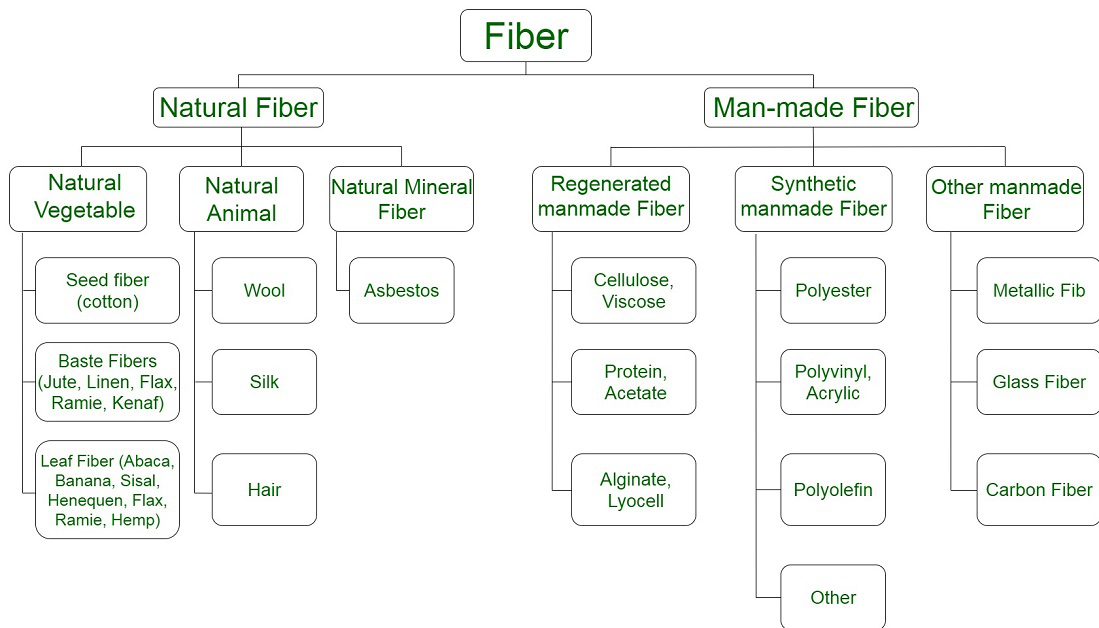
Experienced fabric buyers often know within seconds whether a fabric is worth deeper evaluation. That judgment is not guesswork. Fiber quality leaves visible and tactile signals long before laboratory testing, washing trials, or wear simulations begin. Uniformity, surface behavior, elasticity, and tactile response all provide immediate insight into how a fabric will perform over time.
While lab tests are essential for confirmation, your eyes and hands are often the first and fastest quality-control tools. Many downstream problems—pilling, distortion, weak seams, premature wear—can be predicted simply by learning how to read fiber behavior at rest and under light stress. In sourcing environments where time, samples, or test reports are limited, this skill becomes especially valuable.
High-quality fibers do not feel extreme. They are not unnaturally soft, excessively slick, or rigid. Instead, they feel balanced, responsive, and consistent, signaling that the raw fiber, spinning, and finishing processes are working in harmony.
Your hands can detect problems long before washing does.
Reading fibers without lab tools
Before touching a fabric, step back and observe it under neutral lighting. Fiber quality expresses itself visually through surface consistency, light reflection, and structural regularity. These cues are often more honest than hangtags or marketing descriptions.
Visual inspection should focus on repeatability. A high-quality fabric looks the same across its width and length. Low-quality fabrics often reveal themselves through random irregularities that suggest uncontrolled fiber input or uneven processing.
Fiber uniformity and visual clues
Look closely at the fabric surface.
| Observation | What It Suggests |
|---|---|
| Even surface | Consistent fibers |
| Random thick spots | Fiber length variation |
| Visible fuzz | Short fibers |
| Uneven shine | Mixed fiber quality |
An even surface typically indicates that fibers of similar length and fineness were used and that spinning tension was well controlled. This uniformity supports predictable strength, dye uptake, and wear performance.
Random thick or thin areas often point to fiber length inconsistency. This is common when raw material grading is loose or when different fiber batches are blended without proper control. Such fabrics may pass initial inspection but later show uneven shrinkage, seam distortion, or localized weakness.
Visible fuzz is a strong warning sign. It usually indicates a high proportion of short fibers or insufficient yarn preparation. Fabrics with excessive surface hairiness tend to pill quickly and lose their appearance after limited use.
Uneven shine or patchy luster suggests mixed fiber quality or inconsistent finishing. In cellulose fibers, this often comes from uneven mercerization or partial fiber damage during processing. These areas can respond differently to washing and abrasion, leading to uneven aging.
Uniformity is rarely accidental. It usually reflects disciplined raw material selection and stable processing.
Touch test: what your fingers tell you
Touch is the most underrated fiber evaluation method. When you run fabric between your fingers, you are feeling fiber alignment, surface friction, and internal cohesion—all of which relate directly to durability and comfort.
Run the fabric between your fingers and lightly scrunch it.
| Touch Sensation | Interpretation |
|---|---|
| Balanced softness | Healthy fiber |
| Overly silky | Heavy finishing |
| Dry or brittle | Weak fiber |
| Scratchy spots | Poor blending |
Balanced softness feels resilient rather than limp. The fabric yields under pressure but retains body. This usually indicates fibers with adequate length, good internal bonding, and controlled finishing.
An overly silky or slippery feel can be deceptive. While it may feel luxurious initially, it often results from heavy chemical softeners or surface coatings rather than intrinsic fiber quality. These finishes can wash out quickly, revealing a weaker underlying structure.
Dry or brittle hand feel is a red flag. It often points to fiber damage caused by over-processing, excessive chemical exposure, or poor moisture control. Fabrics with this feel tend to crack at folds and weaken rapidly under repeated laundering.
Scratchy or inconsistent areas usually indicate poor blending or uneven yarn formation. In blends, this often means incompatible fiber lengths or fineness levels, which prevents smooth integration and leads to localized discomfort and wear issues.
High-quality fibers feel alive. They respond to touch rather than collapsing or resisting unnaturally.
Elastic response at fiber level
Elastic response is not the same as stretch. Even non-stretch fabrics should show micro-resilience—a subtle ability to recover after being deformed. This resilience reflects fiber integrity and yarn structure.
Gently stretch and release the fabric.
| Response | Fiber Quality |
|---|---|
| Springs back | Strong, elastic fibers |
| Slow recovery | Fiber fatigue |
| No recovery | Weak structure |
A fabric that springs back quickly indicates fibers with good tensile strength and internal cohesion. This behavior supports shape retention and resistance to bagging or distortion during wear.
Slow recovery suggests fiber fatigue or over-processing. While the fabric may not fail immediately, it is more likely to lose shape over time, especially at stress points such as elbows, knees, or seat areas.
No recovery is a serious warning sign. It often means the fiber structure has been compromised—either through excessive chemical treatment, poor raw material quality, or weak yarn construction. Such fabrics may feel acceptable initially but degrade rapidly.
Even rigid woven fabrics should show some resilience. Complete rigidity usually signals brittleness rather than strength.
How fiber behavior predicts wash performance
One of the most valuable aspects of tactile evaluation is its ability to predict post-wash behavior. Fabrics that feel balanced and resilient tend to maintain their properties after laundering. Those that rely on surface treatments often change dramatically after the first few washes.
Common correlations include:
- excessive surface softness correlating with rapid loss of hand feel
- visible fuzz correlating with early pilling
- brittle feel correlating with seam cracking or tearing
- uneven surface correlating with patchy shrinkage
These outcomes are not random. They stem directly from fiber-level decisions made long before the fabric reached the cutting table.
Natural vs synthetic fibers: no hierarchy
Quality is not exclusive to natural fibers.
| Fiber Type | Quality Depends On |
|---|---|
| Cotton | Fiber length & cleanliness |
| Wool | Fineness & crimp |
| Polyester | Filament quality |
| Blends | Balance & compatibility |
A common misconception is that natural fibers are inherently higher quality than synthetics. In reality, fiber grade matters far more than fiber type. Poorly graded cotton with short fibers and contamination will underperform a well-engineered polyester filament in durability, appearance retention, and consistency.
Cotton quality depends heavily on staple length, micronaire balance, and cleanliness. Long, clean fibers produce smoother, stronger yarns with less pilling.
Wool quality is driven by fineness, crimp consistency, and fiber elasticity. These characteristics determine comfort, recovery, and thermal behavior.
Polyester quality varies dramatically depending on filament uniformity, cross-section control, and polymer purity. High-quality polyester can deliver exceptional strength, stability, and longevity.
Blends introduce another layer of complexity. Compatibility between fibers—length, fineness, shrinkage behavior—determines whether the blend performs better than its components or amplifies their weaknesses.
There is no inherent hierarchy. Only execution matters.
Why softness alone is misleading
Softness is often the first attribute buyers notice—and the most misleading. Many low-quality fabrics are engineered to feel soft on the rack through aggressive finishing, enzyme treatments, or silicone softeners. These treatments can mask weak fibers temporarily.
The problem appears after use. Once finishes wash out, the underlying fiber structure is exposed. Fabrics that relied on softness rather than strength quickly feel thin, rough, or distorted.
True quality softness is structural, not cosmetic. It comes from fiber length, alignment, and controlled processing, not from surface coatings.
Common mistake
Judging fabric quality solely by softness.
Softness should be evaluated together with resilience, uniformity, and recovery. A fabric that feels pleasant but collapses under light pressure or shows uneven behavior across the surface is unlikely to perform well long-term.
Practical takeaway for buyers and designers
Visual and tactile evaluation does not replace lab testing, but it dramatically improves decision-making before samples move further down the development pipeline. Buyers who train themselves to read fiber behavior reduce reliance on trial-and-error and catch problems earlier.
A simple, repeatable approach works best:
- observe surface consistency under neutral light
- feel for balanced softness, not extreme smoothness
- test micro-resilience through gentle stretching
- look for uniform response across the fabric
Fabrics that pass these basic checks are far more likely to succeed in formal testing and real-world use.
In textile sourcing, fiber quality announces itself quietly. Those who learn to listen with their eyes and hands make better decisions long before data arrives.
How do yarn type, yarn count, and spinning method affect fabric durability and feel?
When fabric performance is evaluated, attention often goes first to fiber type—cotton versus polyester, ramie versus linen, wool versus blends. In reality, yarn engineering frequently has a greater influence on how a fabric feels, wears, and ages than the fiber itself. Yarn type, yarn count, and spinning method determine how fibers interact under tension, friction, moisture, and repeated washing. These factors control durability, surface smoothness, pilling behavior, and long-term appearance.
If fabric quality were a building, yarn would indeed be the steel frame. You can change finishes, colors, or even fiber blends, but if the yarn structure is weak or poorly balanced, the fabric will fail early. Conversely, well-engineered yarns can elevate relatively ordinary fibers into high-performing textiles.
Reading yarn quality without a microscope
Most buyers never see individual fibers under magnification, yet experienced product developers can often assess yarn quality by touch, drape, and visual behavior. Understanding how yarn type, count, and spinning method interact makes it possible to predict performance long before lab testing.
Yarn type: staple vs filament
The most fundamental yarn distinction lies in how fibers are assembled. Yarn type directly affects hand feel, breathability, and strength.
| Yarn Type | What It Means for Fabric |
|---|---|
| Staple yarn | Softer hand, more breathability |
| Filament yarn | Smoother surface, higher strength |
| Textured filament | Balance of softness & durability |
Staple yarns are made by twisting together short fibers. Cotton, linen, ramie, and wool fabrics almost always use staple yarns. These yarns trap air, creating softness and breathability, but their quality depends heavily on fiber length distribution and twist control. Short or uneven fibers increase fuzz and pilling risk.
Filament yarns use continuous fibers, most commonly synthetic. Because there are no fiber ends protruding, filament yarns produce smoother surfaces and higher tensile strength. They resist pilling well but can feel slick or less breathable unless engineered carefully.
Textured filament yarns are modified to introduce crimp or bulk. This adds softness and improves moisture handling while retaining much of filament yarn strength. Many modern performance fabrics rely on textured filament yarns to balance comfort and durability.
From a durability perspective, staple yarn fabrics feel more natural but are more sensitive to yarn quality. Filament-based fabrics are inherently strong, but their comfort depends on surface engineering rather than fiber ends.
Yarn count: finer is not always better
Yarn count describes yarn thickness, but it is often misunderstood. Finer yarns are commonly associated with premium quality, yet durability depends on balance rather than absolute fineness.
| Yarn Count | Typical Effect |
|---|---|
| Very fine | Soft, drapey, but fragile |
| Medium | Balanced durability & comfort |
| Coarse | Strong but stiff |
Very fine yarns produce lightweight, fluid fabrics with excellent drape. However, fine yarns require high-quality fibers and precise spinning. When made cheaply, they lack strength, break easily, and pill rapidly because there is insufficient fiber overlap within the yarn.
Medium-count yarns often deliver the best balance for everyday apparel. They provide adequate strength, stable structure, and comfortable hand feel. When spun well, medium-count yarns outperform poorly made fine yarns in both durability and appearance retention.
Coarse yarns offer high strength but can feel stiff and heavy. They are suitable for denim, canvas, and workwear but rarely appropriate for garments intended for softness or drape.
Budget constraints often push buyers toward finer yarns to achieve softness through thinness rather than quality. In practice, a medium yarn count with good spinning almost always produces better long-term results than an ultra-fine yarn spun under cost pressure.
Spinning method: a hidden quality lever
Spinning method has one of the most dramatic yet least visible impacts on fabric performance. Two fabrics with identical fiber content and yarn count can behave very differently depending on how the yarn was spun.
| Method | Key Traits | Quality Signal |
|---|---|---|
| Ring spun | Smooth, strong, low pilling | High |
| Compact spun | Very uniform, premium | Very high |
| Open-end (OE) | Bulkier, lower strength | Medium–low |
Ring spinning aligns fibers more evenly and twists them tightly around a central axis. This creates smooth, strong yarns with fewer loose ends. Ring-spun yarns resist pilling, maintain tensile strength after washing, and age gracefully. They are widely considered the benchmark for quality staple yarns.
Compact spinning is an advanced form of ring spinning that further controls fiber alignment before twist insertion. The result is extremely uniform yarn with minimal hairiness. Compact-spun yarns show excellent strength, low pilling, and clean appearance, making them common in premium shirting, knitwear, and bedding.
Open-end (OE), or rotor spinning, produces yarns faster and at lower cost. OE yarns are bulkier and have more irregular fiber orientation. They feel fuller initially but have lower tensile strength and higher pilling tendency. OE yarns are common in budget apparel and heavy knits where softness is less critical.
The price difference between OE and ring-spun yarn is often modest compared to the performance gap. Many durability issues trace back not to fiber choice, but to OE spinning used to reduce cost.
Twist level: the quiet balancing act
Twist holds fibers together and determines how yarn behaves under stress. Too little twist leaves fibers loose; too much twist locks them rigidly.
| Twist Level | Outcome |
|---|---|
| Too low | Weak, fuzzy fabric |
| Balanced | Durable, smooth |
| Too high | Stiff, harsh hand |
Low-twist yarns feel soft initially because fibers are less tightly bound. However, they shed fibers easily, leading to fuzz and pilling. Low twist also reduces tensile strength, making fabrics vulnerable to seam failure and abrasion.
Balanced twist achieves cohesion without excessive stiffness. Fibers support one another, reducing breakage and pilling while preserving flexibility. Most high-quality everyday fabrics aim for this range.
High-twist yarns are strong but stiff. They resist abrasion well but feel harsh and reduce drape. High twist is sometimes used intentionally in crepe or technical fabrics, but for most apparel it compromises comfort.
Twist must be evaluated in context. Fine yarns require more twist to maintain strength, while coarser yarns need less. Poor twist selection often explains why two fabrics with similar specifications feel completely different.
How yarn choices influence pilling
Pilling is one of the most common consumer complaints, and yarn engineering plays a central role in its development. Pills form when loose fiber ends migrate to the surface and tangle under friction.
Staple yarns with short fibers, low twist, or OE spinning produce more loose ends. These ends form pills quickly. Ring-spun or compact-spun yarns with longer fibers and balanced twist dramatically reduce pilling, even when fiber type remains unchanged.
This is why switching spinning method often reduces pilling more effectively than changing fiber content. A ring-spun cotton fabric frequently pills less than an OE cotton blend, despite similar material costs.
Yarn quality and fabric hand feel
Hand feel is influenced by how yarns bend, compress, and interact at the fabric surface. Smooth, uniform yarns slide easily, producing a clean, cool touch. Hairy or uneven yarns create drag and roughness.
Ring-spun and compact-spun yarns typically produce smoother hands because fiber ends are better controlled. OE yarns feel bulkier and softer at first but often lose that softness as pills and fuzz develop.
Yarn count interacts with hand feel as well. Fine yarns feel soft because they bend easily, but if fiber quality is poor, that softness is short-lived. Medium yarns with good spinning maintain a consistent hand feel over time.
Durability under washing and wear
Repeated washing stresses yarns through mechanical agitation, moisture, and chemical exposure. Yarn strength and cohesion determine how well fabric survives this process.
Ring-spun yarns retain strength because fibers remain anchored within the yarn structure. OE yarns lose fibers more readily, leading to thinning and surface degradation.
Twist balance also matters. Low-twist yarns open up under washing, accelerating wear. Balanced twist yarns hold structure while allowing enough flexibility for comfort.
This is why two garments with identical care labels can age very differently. The difference is often hidden in yarn engineering rather than visible fabric construction.
Yarn choices and seam performance
Seam durability depends on yarn strength and abrasion resistance. Weak yarns break under needle penetration or seam tension, causing early seam failure.
Ring-spun and compact-spun yarns tolerate tighter stitch density and maintain integrity at stress points. OE yarns often require looser stitching to avoid breakage, limiting construction options.
For tailored garments or products with high seam stress, yarn quality directly influences construction reliability.
Cost-performance trade-offs in yarn selection
Yarn decisions are often driven by cost targets, but short-term savings can increase long-term costs through returns and quality complaints.
Switching from OE to ring-spun yarn at the same yarn count usually raises yarn cost slightly. However, it often reduces pilling, improves durability, and extends garment lifespan. This can lower overall cost by reducing replacement and quality claims.
Similarly, choosing a medium yarn count with good spinning often outperforms fine yarns made cheaply. Balanced yarn choices deliver more consistent value than chasing extreme specifications.
Budget insight
One of the most effective quality upgrades available to brands is changing spinning method without altering fiber content or fabric weight. Moving from open-end to ring-spun yarn at the same yarn count frequently reduces pilling complaints dramatically and improves perceived quality.
This adjustment is often invisible to consumers but highly visible in wear performance. It illustrates why yarn engineering deserves as much attention as fiber sourcing in any durability-focused program.
Practical takeaway
Yarn type, yarn count, and spinning method form the structural foundation of fabric performance. Staple versus filament determines breathability and surface behavior. Yarn count sets the balance between softness and strength. Spinning method and twist control how well fibers stay bound over time.
Fabrics that age well are rarely accidental. They are the result of deliberate yarn engineering choices that balance comfort, durability, and cost. For brands seeking reliable quality, understanding yarn behavior is not optional—it is one of the most powerful tools available for controlling fabric performance without changing fiber identity.
What fabric construction details indicate long-term performance?
Fabric performance over time is rarely determined by fiber name or surface feel alone. Many fabrics that look smooth, soft, or visually premium at first touch fail prematurely because their construction cannot support real-world use. Construction—how yarns are arranged, tensioned, and packed together—is the structural foundation that determines whether a fabric resists wear, distortion, and deformation over months or years.
Buyers and product developers who focus only on yarn quality or finishing often miss early warning signs hidden in construction details. In contrast, experienced professionals can predict long-term performance by examining weave or knit structure, density, balance, and edge behavior—often within minutes. These indicators reveal whether good yarns are actually allowed to perform, or whether shortcuts were taken to reduce cost.
Construction decides whether good yarns actually perform well.
Construction clues you can spot quickly
You do not need advanced laboratory equipment to identify construction strengths and weaknesses. Many of the most telling signals are visible or tactile, especially when fabrics are handled with intention rather than admiration. The key is knowing what to look for and why it matters.
Woven vs knit: performance trade-offs
Fabric structure defines how stress is absorbed and distributed. Woven and knit constructions behave fundamentally differently under tension, washing, and repeated use.
| Construction | Strength | Risk |
|---|---|---|
| Woven | Shape stability | Limited stretch |
| Knit | Comfort & flexibility | Easier distortion |
Woven fabrics interlace warp and weft yarns at right angles, creating inherent dimensional stability. This makes them well suited for products where shape retention matters—such as shirts, trousers, bedding, or upholstery covers. However, limited stretch means that stress is concentrated at seams or stress points if the fabric is used in applications requiring flexibility.
Knit fabrics form loops rather than intersections. This structure provides natural stretch, recovery, and comfort, which is ideal for apparel worn close to the body. The trade-off is that knits are more prone to distortion, bagging, and skew if loop density or tension control is inadequate. Poorly constructed knits often stretch out permanently after repeated washing or wear.
Quality comes from choosing the right structure for use, not from the structure itself. A well-made woven outperforms a poorly made knit in stability, while a well-engineered knit can outperform woven fabrics in comfort and functional durability when stretch is required.
Density: the most overlooked indicator
Density refers to how tightly yarns are packed within the fabric structure. It is one of the strongest predictors of long-term performance, yet it is frequently overlooked in favor of GSM or surface softness.
Density often matters more than weight.
| Density Level | Long-Term Outcome |
|---|---|
| Too loose | Bags, stretches out |
| Balanced | Stable, durable |
| Too tight | Stiff, brittle |
Loose constructions allow yarns to shift excessively during wear and washing. Over time, this leads to bagging at stress points, seam distortion, and loss of shape. These fabrics may feel soft and flexible initially but degrade quickly.
Balanced density allows yarns to support one another while still permitting controlled movement. This balance distributes stress evenly across the fabric, improving abrasion resistance and dimensional stability. Balanced fabrics age predictably and maintain their intended form.
Overly tight constructions may appear premium due to firmness and visual uniformity, but they introduce brittleness. Excessive tension reduces the fabric’s ability to absorb stress, making it more prone to cracking, yarn breakage, or harsh hand feel over time.
Two fabrics with the same GSM can perform very differently depending on density. GSM measures mass, not how that mass is structurally deployed. Increasing yarn thickness without adjusting spacing can raise weight without improving durability.
Balance between warp and weft (or wales & courses)
Balanced construction means that yarn tension, count, and density are proportionate in both primary directions. When balance is lost, fabrics begin to behave unpredictably.
| Imbalance Sign | What It Causes |
|---|---|
| Uneven yarn tension | Garment twist |
| Loose cross-direction | Distortion |
| Over-tight direction | Restricted movement |
In woven fabrics, imbalance between warp and weft often leads to skewing, twisting seams, or garments that rotate after washing. This is especially common when one direction uses significantly finer yarns or higher tension to reduce cost or increase loom speed.
In knit fabrics, imbalance between wales and courses can cause spiraling, edge curling, or uneven stretch recovery. These problems often worsen after laundering and are difficult to correct once garments are sewn.
A quick test: pull fabric diagonally—good construction resists uneven stretching. Excessive diagonal distortion is a reliable indicator of imbalance and future deformation.
Edge behavior test
Fabric edges reveal truths that finishes try to hide. Examining cut edges or selvage behavior provides immediate insight into tension control and yarn grip.
| Edge Reaction | Quality Signal |
|---|---|
| Minimal curling/fraying | Good balance |
| Aggressive curling | Poor tension control |
| Excess fraying | Weak yarn grip |
Minimal curling or fraying indicates balanced tension and adequate yarn interlock. These fabrics are easier to cut, sew, and finish, and they maintain integrity through repeated handling.
Aggressive curling—common in poorly balanced knits or tightly finished wovens—signals internal stress. This stress often releases unevenly during washing, leading to distortion or shrinkage inconsistency.
Excessive fraying suggests insufficient yarn grip or low twist yarns used without adequate density. While these fabrics may feel soft, they are prone to seam failure and edge breakdown.
Edges reveal what finishes try to hide. Brushing, softening, or resin treatments can temporarily mask construction flaws, but edge behavior exposes the underlying structure.
Yarn interlock and slippage resistance
Another critical construction detail is how securely yarns lock into place. Slippage resistance determines whether seams hold and whether fabric maintains integrity under tension.
In loosely constructed wovens, yarns can slide apart under stress, creating seam gaps or visible distortion even when yarn strength is high. This is common in cost-driven fabrics where density is reduced to save material.
High-performance fabrics balance yarn count, twist, and density so that yarns resist displacement without becoming rigid. This allows seams to remain stable and reduces stress concentration during wear.
Slippage issues often appear only after garments are worn or washed multiple times, making early detection through construction analysis especially valuable.
Interaction between construction and finishing
Finishing can enhance or undermine construction. Aggressive finishing applied to weak construction often accelerates failure rather than improving performance.
For example, heavy enzyme treatments on loosely constructed cotton can increase softness while simultaneously weakening yarn grip. Mechanical softening on low-density fabrics may feel pleasant initially but shortens lifespan by increasing yarn mobility.
Well-constructed fabrics tolerate finishing better. Balanced density and tension allow softening or polishing processes to improve comfort without destabilizing structure.
Professional evaluation always considers construction before finishing effects.
Budget reality check
Many low-cost fabrics fail not because of cheap fiber—but because density was reduced to save yarn. This shortcut lowers material cost immediately but transfers risk downstream to buyers, manufacturers, and consumers.
Reducing picks per inch, using wider spacing, or lowering loop density are common cost-saving tactics that are difficult to detect without intentional inspection. Once identified, however, these shortcuts explain many performance failures: early bagging, seam distortion, thinning, and poor wash stability.
Understanding construction details empowers buyers to see past attractive pricing and surface appeal. It also enables more productive negotiations, as discussions can focus on measurable structural adjustments rather than vague quality complaints.
Practical takeaway for professional buyers
Long-term fabric performance is engineered, not promised. Weave or knit type, density, balance, and edge behavior together form a reliable picture of how a fabric will age.
Buyers who train themselves to read these construction signals gain a decisive advantage. They can predict failures before sampling, avoid costly mistakes, and select fabrics that remain functional long after initial impressions fade.
The strongest fabrics are rarely the most exciting at first touch. They are the ones that remain stable, predictable, and quietly reliable after repeated wear and washing. Construction details tell you which fabrics those will be—if you know where to look.
How can finishing processes and treatments improve—or damage—fabric quality?
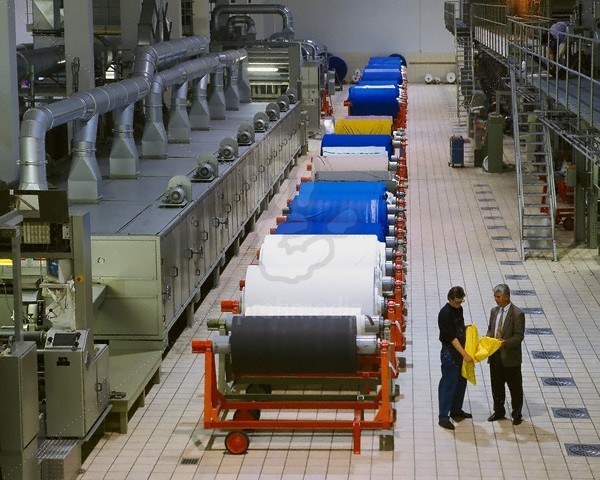

Finishing is one of the most misunderstood stages in fabric manufacturing. To many buyers and even some brands, finishing is seen as a cosmetic step—something that makes fabric softer, smoother, or more “premium” just before delivery. In reality, finishing is a technical intervention that can either strengthen a fabric’s performance or quietly undermine it.
High-quality finishing enhances stability, comfort, and longevity by working with the fabric’s structure. Poor or excessive finishing does the opposite: it masks structural weaknesses, introduces short-lived surface effects, and accelerates degradation after washing and wear. The difference is not subtle over time.
Finishing should reveal quality, not replace it.
Understanding finishing without the jargon
Before judging finishing outcomes, it is important to understand what finishing is actually meant to do—and what it is not meant to fix.
Finishing cannot turn weak yarn into strong yarn. It cannot permanently compensate for loose construction, poor fiber selection, or inconsistent spinning. What it can do is optimize how a properly built fabric behaves in real use.
What finishing is actually meant to do
At its core, finishing aligns fabric behavior with intended end use. A shirting fabric, a workwear fabric, and a bedding fabric should not be finished the same way, even if they share similar fiber content.
| Finish Purpose | Legitimate Benefit |
|---|---|
| Pre-shrinking | Size stability |
| Softening | Hand comfort |
| Enzyme treatment | Reduced fuzz |
| Heat-setting | Shape retention |
Pre-shrinking allows fabric to release internal tension under controlled conditions. This prevents uncontrolled shrinkage after garments are made and sold. It does not eliminate shrinkage entirely, but it converts random movement into predictable behavior.
Softening improves hand feel and wear comfort. Balanced softening reduces surface friction without weakening yarn integrity. The goal is controlled flexibility, not limpness.
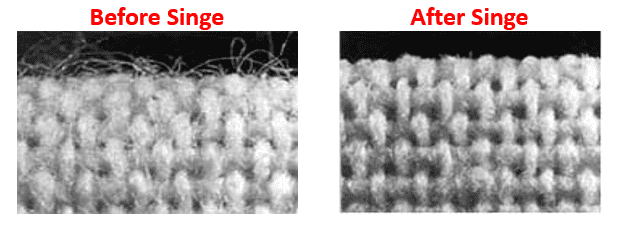
Enzyme treatment removes loose surface fibers and micro-fuzz. When done correctly, it improves surface clarity and reduces pilling potential without damaging core yarn strength.
Heat-setting, used mainly in blends and synthetics, locks fabric geometry in place. It improves dimensional stability and shape retention when applied within correct temperature windows.
When well applied, these finishes extend a fabric’s useful life. They make performance more consistent rather than artificially impressive.
Finishing as performance alignment, not decoration
A useful way to think about finishing is as performance alignment. It tunes the fabric so that its structure behaves appropriately under washing, wearing, and handling.
For example:
- A dense woven cotton shirting fabric benefits from pre-shrinking and light softening.
- A twill workwear fabric may benefit from enzyme treatment to reduce abrasion fuzz.
- A knit fabric may require heat and relaxation finishing to prevent twisting.
In each case, finishing supports what the fabric already is. It does not attempt to transform it into something else.
When finishing becomes a shortcut
Problems arise when finishing is used as a shortcut—a way to make poor fabric feel good temporarily. This practice is more common than many buyers realize, especially in price-driven programs.
Heavy chemical finishing is often applied to compensate for:
- low-twist, weak yarns
- uneven yarn spinning
- loose or imbalanced construction
| Red Flag Finish | Why It’s Risky |
|---|---|
| Over-softening | Wears off after washes |
| High silicone content | Reduces breathability |
| Excess resin | Causes cracking |
| Surface glazing | Hides pilling risk |
Over-softening creates an immediate “wow” factor but relies on surface chemistry rather than structural improvement. After several washes, the softener migrates or washes out, leaving behind a fabric that feels harsher than expected.
High silicone content increases surface slip and smoothness, but it also blocks moisture transfer. Fabrics may feel slick yet become hot, clammy, or uncomfortable during wear.
Excess resin is commonly used to add wrinkle resistance or stiffness. Over time, resins crack, yellow, or wash out unevenly. This often leads to brittle hand feel and visible surface breakdown.
Surface glazing gives fabric an artificial sheen that hides early pilling and yarn irregularities. Once the glaze wears off, defects appear rapidly and irreversibly.
A fabric that feels amazing on the rack but collapses after two washes is almost always over-finished rather than well-made.
Why over-finishing accelerates fabric failure
Over-finishing does not merely “wear off.” It often damages the fabric structure in the process.
Aggressive chemical treatments can:
- weaken fiber bonds
- reduce yarn cohesion
- increase fiber brittleness
Once the finish degrades, the underlying fabric is left more vulnerable than it was before treatment. This is why over-finished fabrics often age worse than lightly finished ones.
In contrast, restrained finishing leaves the fabric’s internal structure intact. Even as surface effects diminish, the fabric continues to perform acceptably.
Simple tests to spot over-finishing
Buyers do not always need laboratory testing to identify risky finishing. Several simple, low-cost checks can reveal whether a fabric’s quality is structural or cosmetic.
You don’t need a lab—try these:
- Rub test: Rub fabric briskly between your hands. Does slickness disappear quickly? Does heat build unnaturally?
- Water drop test: Drop water onto the surface. Does it bead unnaturally on a fabric that is not supposed to be treated?
- Scrunch test: Scrunch fabric tightly, then release. Does it recover naturally, or does it feel lifeless and flat?
Over-finished fabrics often fail these basic checks. They feel impressive initially but reveal instability under minimal stress.
These tests do not replace formal QA, but they are effective early warning tools during sampling and sourcing discussions.
Washing reality check
The most honest test of finishing quality is laundering. High-quality finishes are designed to survive washing cycles with minimal performance loss.
| Wash Outcome | Interpretation |
|---|---|
| Feel remains consistent | Balanced finishing |
| Fabric turns dull or harsh | Temporary treatment |
| Uneven surface appears | Structural weakness |
If a fabric’s hand feel remains relatively consistent after washing, finishing was likely integrated into the structure rather than layered on top.
If softness disappears abruptly or the surface becomes chalky, the finish was temporary. If uneven texture or fuzz appears, finishing was likely masking poor yarn or construction quality.
Experienced manufacturers evaluate finishing not after one wash, but after multiple wash cycles, because some failures only emerge gradually.
Finishing and long-term appearance
Another overlooked aspect is how finishing affects visual aging.
Well-finished fabrics:
- fade evenly
- soften gradually
- maintain surface clarity
Poorly finished fabrics:
- develop patchy dullness
- show localized fuzzing
- lose visual coherence
Consumers rarely articulate this difference technically, but they perceive it intuitively. Garments that age gracefully are perceived as “good quality,” even if they were not luxurious initially.
Cost, value, and finishing discipline
There is a common assumption that better finishing always means higher cost. In reality, finishing discipline often reduces cost.
Skipping unnecessary finishes can:
- reduce chemical expense
- shorten processing time
- lower defect rates
- improve long-term performance
Applying fewer, more purposeful finishes often results in fabric that performs better overall. Many quality issues stem not from insufficient finishing, but from too much of the wrong finishing.
Budget insight
On a limited budget, the smartest strategy is often to:
- invest slightly more in yarn quality or construction
- reduce reliance on heavy finishing
Less chemistry, more honesty.
A fabric that relies on its structure rather than surface treatments is more predictable, easier to reproduce, and less likely to generate returns or complaints.
Finishing from a manufacturer’s perspective
From a factory standpoint, good finishing:
- stabilizes fabric before cutting and sewing
- reduces variability across batches
- lowers rejection and rework
Over-finished fabrics are harder to handle. They distort during cutting, slip during sewing, and respond unpredictably to heat and moisture.
This is why experienced factories often prefer fabrics that feel slightly firmer at first touch. They know that controlled firmness usually outperforms artificial softness over time.
Finishing as a signal of manufacturing philosophy
How a supplier approaches finishing reveals a great deal about their manufacturing philosophy.
Suppliers who:
- explain why a finish is used
- recommend fewer treatments when appropriate
- discuss wash performance openly
are usually focused on long-term fabric performance.
Suppliers who:
- emphasize only first-touch softness
- rely heavily on chemical descriptors
- avoid discussion of wash behavior
are often optimizing for immediate appeal rather than durability.
Practical takeaway
Finishing is neither good nor bad by default. It is powerful—and power must be used deliberately.
High-quality finishing:
- supports yarn and construction
- improves stability and comfort
- ages predictably
Low-quality finishing:
- hides weaknesses
- degrades quickly
- accelerates failure
For buyers, designers, and brands, the key question is not “How good does this fabric feel now?” but “How much of this performance is structural—and how much is temporary?”
When finishing is used to reveal quality rather than replace it, fabric performance becomes reliable, repeatable, and sustainable.
Do fabric weight, drape, and recovery reliably signal garment quality?
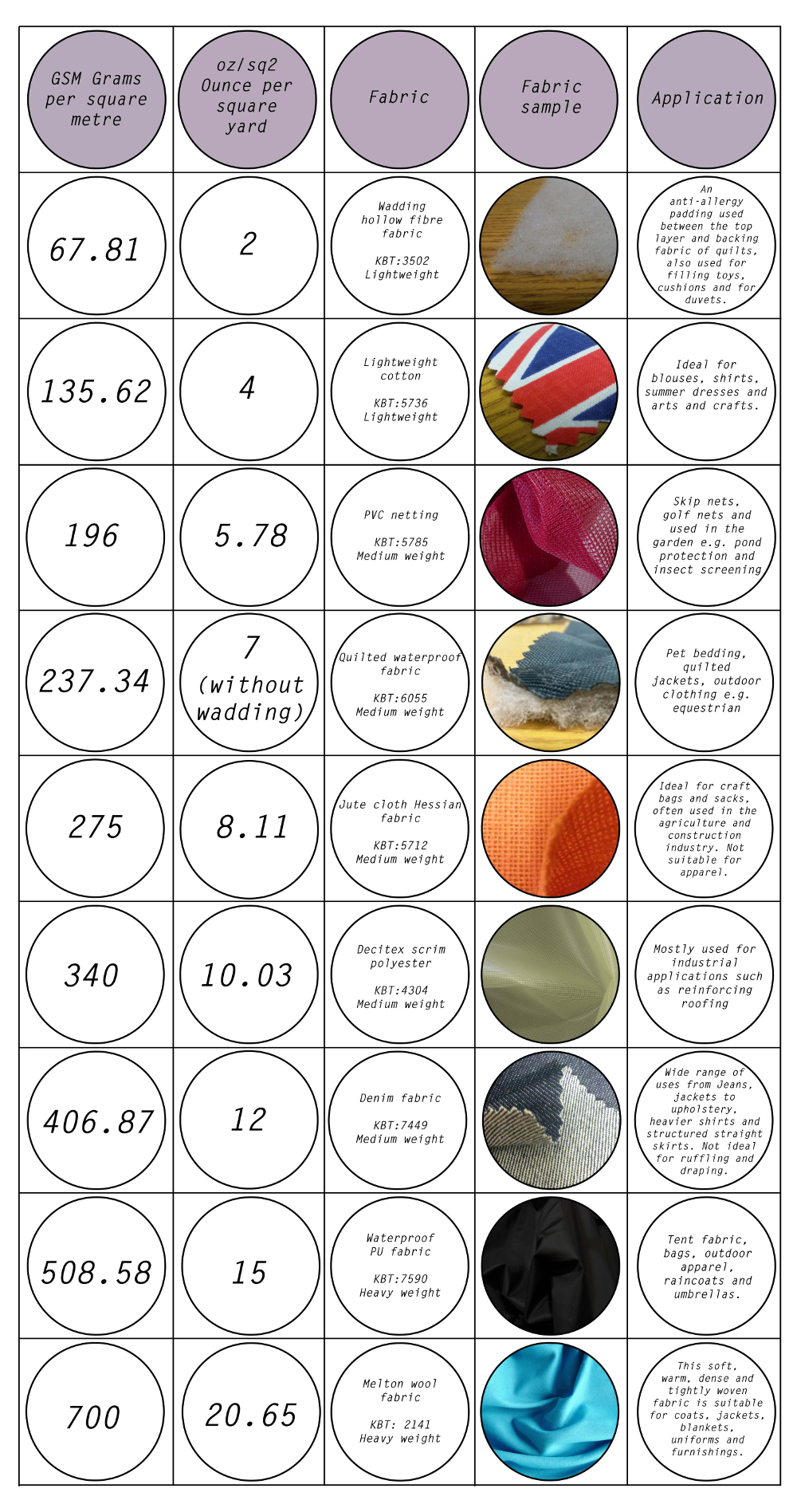
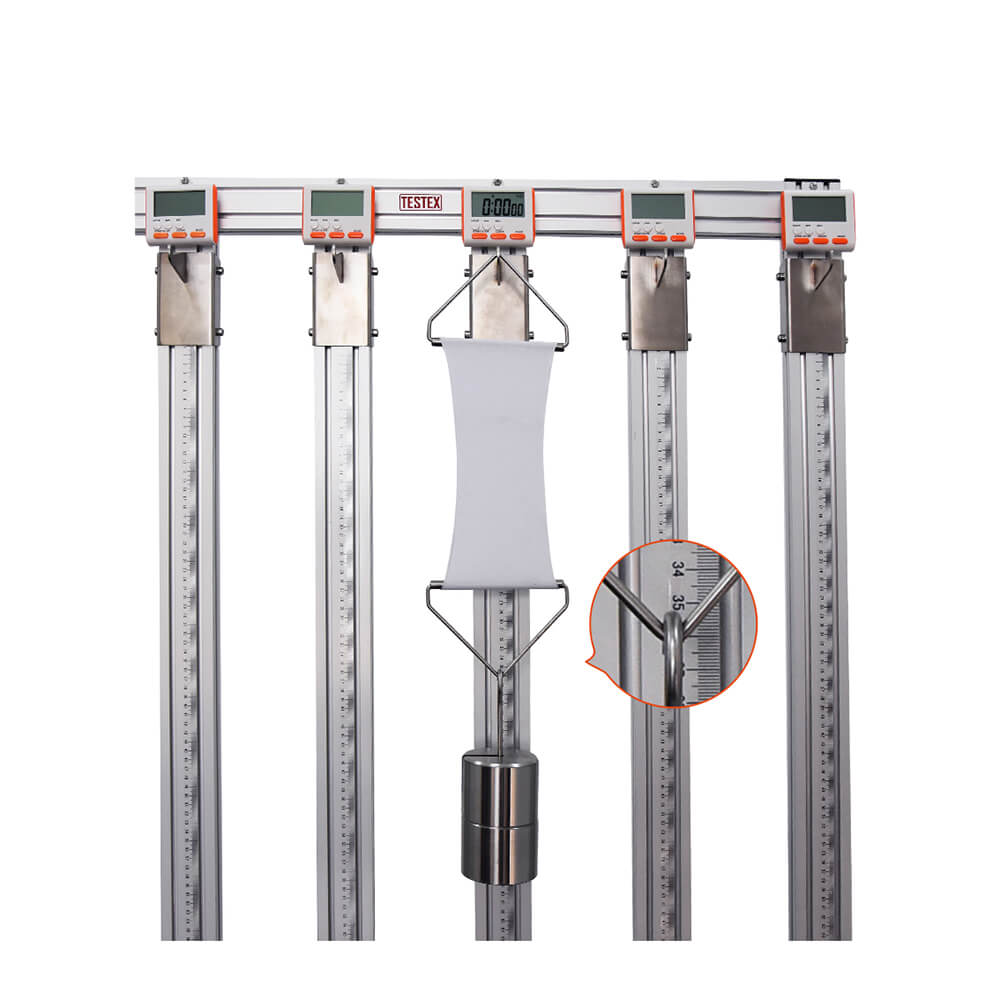
Fabric weight, drape, and recovery are among the first things people notice when handling a garment. They are also some of the most misunderstood indicators of quality. Each of these physical properties provides useful information, but none of them works in isolation. Interpreted incorrectly, they can easily lead to false conclusions—overvaluing heavy fabrics, dismissing light ones, or mistaking softness for durability.
High-quality garments do not rely on extremes. They show proportion and balance: weight that matches the purpose, drape that is controlled rather than collapsing, and recovery that maintains shape through repeated wear. When these three factors align, fabric quality becomes predictable. When they conflict, problems usually appear after the first few wears or washes.
Quality lives in proportion.
Reading physical behavior correctly
Physical behavior is how fabric responds to gravity, movement, and stress. Unlike lab data, these responses are immediately visible and tactile. However, reading them correctly requires understanding why a fabric behaves the way it does.
Weight reflects mass and density. Drape reflects how structure interacts with gravity. Recovery reflects internal fiber and yarn resilience. Together, they form a behavioral profile that predicts comfort, durability, and long-term appearance far better than marketing claims or fiber labels.
Fabric weight (GSM): context matters
Fabric weight, usually measured in grams per square meter (GSM), is often treated as a shortcut for quality. In reality, GSM only describes how much material exists, not how well it is engineered.
Heavier does not always mean better.
| Weight Perception | Reality |
|---|---|
| Heavy = durable | Only if density is right |
| Light = cheap | Often engineered |
| Same GSM | Can perform very differently |
A heavy fabric made with loose yarns and low stitch or weave density may feel substantial but wear poorly. It can stretch out, pill, or lose shape quickly. Conversely, a lighter fabric with high yarn density and compact construction can outperform heavier alternatives over time.
For example, a dense 160 GSM woven cotton or knit jersey made with compact yarn can resist abrasion and deformation better than a loosely constructed 220 GSM fabric. The difference lies in density and cohesion, not raw weight.
Weight should always be evaluated alongside:
- yarn fineness and twist
- weave or knit density
- finishing processes
When GSM is viewed without these factors, it becomes a misleading metric.
Why excessive weight can backfire
Overweight fabrics often create unintended problems. They trap heat, reduce breathability, and restrict movement. In garments meant for daily wear, this can lead to discomfort long before durability becomes relevant.
In knitwear, excessive weight combined with low recovery often causes garment sagging. In woven fabrics, high weight without adequate flexibility can cause stiffness, poor drape, and stress concentration at seams.
Quality fabrics feel appropriate for their use. They do not rely on heaviness to signal value.
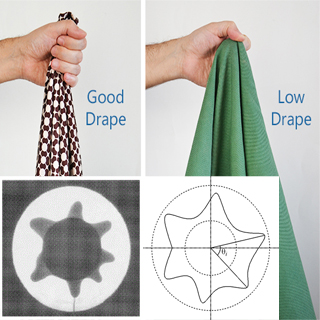
Drape: controlled movement vs collapse
Drape describes how fabric hangs and flows under its own weight. It is one of the clearest indicators of internal balance between yarn strength, fabric structure, and finishing.
| Drape Behavior | Quality Signal |
|---|---|
| Fluid but controlled | Good yarn balance |
| Limp and collapsing | Weak structure |
| Stiff and boardy | Over-finishing |
Good drape is intentional. The fabric moves smoothly but maintains shape. It responds to motion without clinging excessively or folding into itself.
Limp drape usually signals insufficient structural support. This can result from low yarn twist, short fibers, or excessive softening treatments. Such fabrics often look attractive initially but lose form quickly, especially in high-stress areas like elbows, knees, and seat panels.
Stiff or boardy drape suggests over-finishing or excessive resin treatment. While this may help fabrics pass wrinkle-resistance or appearance tests, it often compromises comfort and breathability. Over time, these fabrics can crack, crease permanently, or feel harsh against the skin.
High-quality drape sits between these extremes. It reflects structural confidence, not surface manipulation.
How drape predicts garment behavior
Drape is closely tied to garment silhouette and longevity. Fabrics with balanced drape maintain intended shapes over time, while those with poor drape tend to exaggerate flaws.
Common correlations include:
- collapsing drape leading to misshaping after washing
- stiff drape causing seam stress and limited mobility
- uneven drape indicating inconsistent yarn or finishing
Designers often compensate for poor drape with linings, interlinings, or heavier trims. While effective in the short term, these additions increase cost and complexity and rarely solve the root issue.
Recovery: the forgotten test
Recovery is the fabric’s ability to return to its original shape after being stretched, twisted, or compressed. It is one of the strongest predictors of long-term garment appearance, yet it is often ignored during evaluation.
Recovery is not about stretch percentage. Even fabrics with minimal stretch should demonstrate some elastic response at the fiber and yarn level.
| Test | What to Look For |
|---|---|
| Stretch & release | Returns smoothly |
| Twist & release | Minimal distortion |
| Fold & hold | Resists creasing |
Good recovery indicates healthy fibers, balanced yarn twist, and stable construction. Poor recovery leads to permanent deformation—bagging knees, stretched necklines, warped hems.
In knit fabrics, recovery failure often shows up as neck rib deformation or hem curling. In woven fabrics, it appears as creasing that refuses to release or localized distortion near seams.
Once recovery is lost, finishing cannot restore it. This makes recovery one of the most critical early indicators of true quality.
Why recovery matters more than softness
Softness is often mistaken for quality because it is immediately pleasant. Recovery is less obvious but far more important.
Many low-quality fabrics feel soft due to heavy enzyme washing or chemical softeners. These treatments reduce surface friction but do nothing to improve internal resilience. When washed, the softness fades and the fabric’s inability to recover becomes obvious.
High-quality fabrics may not feel exceptionally soft at first touch, but they retain their shape and comfort over time. This consistency is what consumers perceive as durability and value.
Interpreting the three signals together
Weight, drape, and recovery only become reliable indicators when read as a group.
A useful mental framework:
- Weight sets the baseline for durability and seasonality
- Drape reveals structural balance
- Recovery predicts lifespan
A fabric that performs well in all three areas is rarely poor quality. Conversely, a fabric that excels in one but fails in the others usually underperforms in real use.
For example:
- Heavy fabric + poor recovery = sagging and distortion
- Light fabric + excellent recovery = durable comfort
- Good drape + weak recovery = short-lived elegance
Balance is the common thread.
Quick at-home evaluation routine
You do not need lab equipment to perform a meaningful first assessment. A simple, repeatable routine reveals most quality issues early.
Use this sequence:
- Lift the fabric and feel its weight relative to purpose
- Let it hang freely and observe drape behavior
- Stretch lightly, twist, and release to check recovery
High-quality fabric responds consistently across all three steps. Poor-quality fabric often shows contradiction—heavy but collapsing, soft but unresponsive, structured but brittle.
This routine is especially valuable during early sourcing, trade shows, or sample reviews where time and data are limited.
The role of construction and finishing
It is important to remember that weight, drape, and recovery are outcomes, not causes. They result from:
- fiber length and integrity
- yarn type and twist
- weave or knit structure
- finishing sequence
Two fabrics with identical GSM can behave entirely differently because one uses compact yarn and controlled finishing, while the other relies on bulk and softeners. Reading physical behavior helps buyers see past surface treatments and identify underlying construction quality.
Budget truth
Some of the most durable and well-loved garments are made from medium-weight fabrics with moderate drape and moderate stretch. They do not impress through extremes. Instead, they perform reliably across seasons, body types, and wash cycles.
Exaggerated weight, ultra-soft hand feel, or dramatic drape often serve short-term appeal rather than long-term value. Balanced fabrics may seem unremarkable at first touch, but they age better, fit more consistently, and generate fewer complaints.
Practical takeaway
Fabric weight, drape, and recovery are reliable indicators of garment quality only when interpreted together and in context. None of them guarantees quality alone, and none should be ignored.
High-quality fabric shows restraint. Its weight feels appropriate, its drape feels controlled, and its recovery feels confident. These qualities reflect disciplined fiber selection, thoughtful construction, and responsible finishing—not shortcuts.
For buyers, designers, and developers, learning to read these signals reduces reliance on trial-and-error and marketing claims. It allows better decisions earlier in the process, before costs are locked in and problems become expensive.
In textiles, quality rarely shouts. It reveals itself quietly, through proportion, balance, and behavior under simple tests.
Which common defects or shortcuts indicate low-quality garment fabrics?
Low-quality garment fabrics rarely fail all at once. They reveal themselves gradually—often within the first few wears or washes—through a pattern of defects that point directly to where corners were cut. Uneven dyeing, early pilling, weak recovery, seam slippage, fabric skewing, or an artificial softness that disappears quickly are not random flaws. They are symptoms of specific compromises in yarn selection, fabric construction, or finishing control.
A common misconception is that poor fabric performance is mainly about fiber choice. In reality, many low-quality fabrics are made from perfectly acceptable fibers but are undermined by shortcuts taken to hit price targets or production deadlines. If you know how to read the defects, they act like forensic evidence. Each one tells a story about what was sacrificed and why the fabric will continue to deteriorate over time.
Defects are clues. If you know how to read them, they tell you exactly where quality was sacrificed.
The most telling red flags (and what they really mean)
Experienced product developers and buyers rarely rely on lab reports alone. They handle the fabric, stress it lightly, and look for early warning signs. The most reliable red flags fall into three broad categories: surface defects, structural weaknesses, and finishing inconsistencies.
Surface defects that appear early
Surface defects are often the first issues consumers notice. They usually show up quickly because they are driven by yarn quality and surface engineering rather than long-term wear.
| Defect | What It Signals | Why It Matters |
|---|---|---|
| Pilling after light wear | Short fibers, low twist | Rapid aging |
| Fuzz halo | Loose yarn structure | Ongoing shedding |
| Shine patches | Over-calendering | Temporary appearance |
Pilling after minimal wear is one of the clearest indicators of low-quality yarn. Pills form when loose fiber ends migrate to the surface and tangle under friction. This is typically caused by short staple fibers, low twist levels, or open-end spinning. Once pilling starts early, it rarely stops. Shaving pills may improve appearance temporarily, but new pills will continue to form as more fibers work loose.
A fuzz halo—an overall hairy appearance—signals a loose yarn structure or poor fiber length control. Unlike isolated pills, fuzz indicates continuous fiber shedding. This affects not only appearance but also comfort, as loose fibers can irritate skin and attract lint.
Shine patches often appear in areas of frequent contact, such as thighs, elbows, or seat panels. These patches are commonly caused by aggressive calendering or surface glazing used to create an initial smooth look. The shine is cosmetic and temporary. Once the surface coating wears off, the underlying fabric often looks dull and uneven.
Structural shortcuts you can feel
Structural defects are revealed through simple handling tests. These issues are more serious because they indicate weaknesses in fabric construction that affect fit, durability, and long-term shape retention.
| Test | Low-Quality Response | Root Cause |
|---|---|---|
| Gentle stretch | No recovery | Weak yarn / low density |
| Diagonal pull | Twists easily | Imbalanced construction |
| Scrunch & release | Stays wrinkled | Poor elastic memory |
A gentle stretch test reveals how well the fabric recovers after tension. Low-quality fabrics often stretch but do not return to their original shape. This lack of recovery usually comes from weak yarns, low fabric density, or poor yarn twist balance. Over time, garments made from such fabrics will bag at elbows, knees, and hems.
Diagonal pull tests expose construction imbalance. If a fabric twists or skews easily when pulled on the bias, it suggests uneven yarn tension, poor weaving or knitting control, or cost-driven density reduction. This defect often leads to garments twisting after washing, causing side seams to drift or panels to distort.
The scrunch-and-release test highlights elastic memory. Fabrics that remain heavily wrinkled after being compressed indicate poor fiber resilience or inadequate finishing. While some wrinkling is normal in natural fibers, excessive and permanent creasing points to weak yarn cohesion or over-processed fibers.
These tests take seconds and reveal months of future problems. They are especially useful when comparing samples from different suppliers that appear similar on paper.
Color and finishing inconsistencies
Color and finishing defects often go unnoticed at the point of sale but become obvious after the first wash or wear. These issues usually originate in rushed or uneven wet processing.
| Issue | Likely Cause |
|---|---|
| Uneven shade | Rushed dyeing |
| Crocking (color rub-off) | Poor fixation |
| Harsh patches | Uneven chemical pickup |
Uneven shade across a garment or fabric width is rarely accidental. It often results from inconsistent absorbency, insufficient dye penetration time, or overloaded dye machines. Dark colors exaggerate these issues, but even light shades can show patchiness after washing.
Crocking, or color rub-off, signals poor dye fixation or inadequate rinsing. This defect affects both aesthetics and compliance, as loose dye can stain other garments and fail colorfastness requirements. Crocking often appears first in high-friction areas, making it particularly damaging to perceived quality.
Harsh patches—areas that feel stiff or board-like—indicate uneven chemical pickup during finishing. This can happen when softeners, resins, or other finishes are applied too quickly or without proper bath control. These patches often become more noticeable after washing, when the surrounding fabric softens but the over-treated areas remain rigid.
Finishing problems often show up after the first wash, not at purchase. This is why early wash testing is critical when evaluating fabric quality.
Seam-related defects that signal deeper problems
Seams concentrate stress, making them a reliable indicator of overall fabric integrity. Problems here usually point to fundamental weaknesses rather than superficial flaws.
Seam slippage occurs when yarns pull away from stitches under tension. This is commonly caused by low fabric density, smooth yarn surfaces with insufficient friction, or weak yarn strength. Seam slippage is particularly visible in woven fabrics and tailored garments, where clean seams are essential.
Early seam failure, where stitches break or holes form along stitch lines, often indicates yarns that cannot tolerate needle penetration. This can result from low-twist yarns, short fibers, or poor spinning quality. Factories may compensate by reducing stitch density, but this weakens construction and shortens garment lifespan.
Puckering along seams suggests imbalance between fabric and thread properties or uneven fabric shrinkage. While sometimes attributed to sewing technique, persistent puckering often reflects poor dimensional stability in the fabric itself.
Skewing and dimensional instability
Skewing is a defect where fabric panels twist or shift after washing, causing garments to sit incorrectly on the body. This is especially common in knits but also occurs in woven fabrics with imbalanced construction.
Skewing usually stems from uneven yarn tension, inadequate relaxation during finishing, or aggressive cost reduction through lower density. Once skewing appears, it is nearly impossible to correct fully. Repeated washing often makes it worse.
Dimensional instability is closely related. Fabrics that shrink unpredictably or unevenly create fit problems that translate directly into returns and complaints. Skipping or rushing pre-shrinking is a common shortcut that saves cost upfront but transfers risk to the brand.
Cosmetic finishing that hides weakness
One of the most deceptive shortcuts in low-quality fabrics is heavy cosmetic finishing. These treatments are designed to impress at first touch but fade quickly.
Heavy silicone softeners can create an immediate silky feel, masking rough yarns or poor construction. After a few washes, the softener washes out, revealing a harsh, lifeless fabric underneath.
Over-calendering flattens the surface to produce artificial smoothness and shine. This finish wears off unevenly, leaving patchy appearance and highlighting surface defects that were previously hidden.
Aggressive enzyme or bio-polishing can remove surface fuzz initially but may weaken yarns if overused. This leads to thinning and early wear, especially in high-friction areas.
Cosmetic finishes do not improve structural quality. They only delay the moment when defects become visible.
Hidden cost traps in fabric development
Many shortcuts are driven by cost pressure and appear reasonable in isolation. Over time, they create higher lifetime costs through returns, complaints, and lost brand trust.
Common traps include:
- Lowering fabric density to save yarn
- Using open-end yarn instead of ring-spun
- Applying heavy softeners to mask weak yarns
- Skipping or minimizing pre-shrink processes
Lower density reduces material cost but weakens structure, increasing seam slippage and distortion risk. Open-end yarns are cheaper and faster to produce but pill more and lose strength sooner than ring-spun alternatives.
Heavy softening can temporarily hide these weaknesses, but once the finish fades, the underlying issues become obvious. Skipping pre-shrink saves time and money upfront but shifts shrinkage risk to the consumer, often resulting in size-related returns.
On a budget, these are false savings. The initial cost reduction is often outweighed by downstream losses.
How defects compound over time
Defects rarely remain isolated. Early pilling accelerates surface abrasion, which exposes weaker yarns and leads to thinning. Loss of recovery causes garments to deform, increasing stress on seams. Uneven dyeing becomes more pronounced as fabrics fade at different rates.
This compounding effect explains why some garments seem to “fall apart” suddenly after a few months. The underlying weaknesses were present from the start.
What high-quality fabrics do differently
High-quality fabrics are not flawless, but they fail slowly and evenly. Pilling develops gradually rather than explosively. Color fades uniformly instead of patching. Shape relaxes slightly without permanent distortion.
These outcomes are usually the result of deliberate choices: balanced yarn twist, appropriate fabric density, controlled finishing, and realistic cost targets. None of these require exotic fibers; they require discipline.
Practical evaluation approach
When evaluating fabrics, it helps to look for clusters of defects rather than isolated issues. One minor flaw may be acceptable, but multiple red flags usually indicate systemic shortcuts.
Handle the fabric, stretch it gently, scrunch it, and examine the surface under light. Ask how softness was achieved and whether it is durable. Check whether test reports reflect finished goods or early samples.
Defects tell the truth even when specifications look impressive.
Final insight
Low-quality garment fabrics rarely announce themselves outright. They whisper through early pilling, weak recovery, uneven color, and fleeting softness. These defects are not random; they are the direct result of shortcuts in yarn quality, construction density, or finishing control.
By learning to read these signs, brands and buyers can identify problems before they reach consumers. Avoiding low-quality fabrics is less about chasing premium fibers and more about recognizing where quality was compromised. In the long run, understanding these defects is one of the most effective tools for protecting both product performance and brand reputation.
How can buyers evaluate garment fabric quality effectively within a limited budget?
Evaluating garment fabric quality does not require expensive laboratories, premium consultants, or long technical reports. In real-world sourcing—especially for small to mid-sized brands, private labels, and volume buyers—budgets are limited, timelines are tight, and decisions must be made quickly. Under these constraints, the buyers who consistently avoid quality failures are not the ones with the biggest budgets, but the ones with the clearest evaluation system.
Fabric quality is often misunderstood as something hidden or highly technical. In practice, long-term performance is usually visible early—if you know what to prioritize. Structure, balance, density, and consistency reveal far more about durability than brand reputation, marketing language, or initial softness. A simple, repeatable framework applied consistently across fabrics will outperform intuition or supplier promises every time.
Smart evaluation is a system, not a guess.
A practical, budget-proof evaluation framework
The goal of budget-conscious fabric evaluation is not to prove that a fabric is perfect, but to quickly identify risk. Most costly failures come from fabrics that looked attractive but behaved poorly after washing, cutting, or wear. The framework below is designed to surface those risks early, using minimal tools and time.
Step 1: Use a 60-second inspection routine
A short, disciplined inspection can eliminate a large percentage of unsuitable fabrics before deeper discussion or sampling.
- Look: Surface uniformity, dye evenness
- Touch: Balanced softness, not slickness
- Stretch: Recovery after light pull
- Hang: Controlled drape, not collapse
- Rub: Check for quick fuzzing
Visual inspection reveals inconsistencies that finishes may try to hide. Uneven dyeing, streaks, or patchy texture often indicate unstable processing or yarn variation. Touch should focus on balance. Extremely slick or artificially soft fabrics may have been over-finished, which often masks weak construction and shortens lifespan.
Stretch and recovery testing exposes structural weakness. Gently pull the fabric in multiple directions and observe how quickly it returns. Fabrics that remain distorted or slow to recover are likely to bag out during wear. Hanging the fabric shows how it carries its own weight. Excessive collapse suggests low density or poor yarn support. Rubbing the surface with fingers or fabric-on-fabric simulates early wear; rapid fuzzing is a strong indicator of future pilling.
If a fabric passes all five checks, it is usually a safe bet within a constrained budget.
Step 2: Ask for the right basics (not everything)
One of the most common mistakes budget buyers make is either asking for nothing—or asking for everything. Both approaches are inefficient. A small set of targeted information predicts performance far better than long spec sheets.
| Must-Have Info | Why |
|---|---|
| Yarn type & spinning | Pilling & strength |
| Construction density | Shape retention |
| Basic shrinkage | Fit stability |
| Finish list | Durability risk |
Yarn type and spinning method determine whether a fabric will pill, shed, or weaken over time. Long-staple, combed yarns generally outperform short-staple or poorly controlled blends, even when fiber content is identical. Construction density—how tightly yarns are packed—matters more than GSM alone for durability and shape retention.
Basic shrinkage data, even from a simple wash test, protects against sizing failures and rework costs. A clear finish list reveals whether softness comes from structural quality or heavy chemical treatment. Skipping these basics invites surprises later, often when correction is most expensive.
Step 3: Compare, don’t overanalyze
Isolated evaluation creates blind spots. Side-by-side comparison is one of the most powerful—and least expensive—quality tools available to buyers.
| Comparison | Insight |
|---|---|
| Same GSM, different density | True durability |
| Same fiber, different yarn | Aging behavior |
| Finished vs unfinished | Honesty of structure |
Comparing fabrics with the same weight but different densities quickly exposes construction shortcuts. A fabric that achieves weight through thicker yarn rather than tighter structure often deforms faster. Comparing the same fiber with different yarn quality highlights how spinning and consistency affect long-term behavior.
Finished versus unfinished comparison is particularly revealing. If a fabric feels acceptable only after heavy finishing, its underlying structure may be weak. Fabrics with honest construction remain stable even before aggressive softening.
Choose the fabric that behaves better—not the one that feels fancier.
Step 4: Spend where it matters
Limited budgets demand selective investment. Not every upgrade delivers equal return. The most effective buyers focus spending on areas that influence performance over time rather than initial impression.
On a tight budget, prioritize:
- Yarn quality over fiber hype
- Density over weight
- Balanced finishing over heavy softening
A modest improvement in yarn quality often reduces pilling, breakage, and customer complaints far more effectively than switching to a trendier fiber. Increasing density slightly improves abrasion resistance and shape retention without dramatic cost impact. Balanced finishing enhances comfort while preserving structure, whereas heavy softening often shortens lifespan.
These choices rarely change how a fabric looks on day one, but they dramatically affect how it performs after ten washes or six months of wear.
Step 5: Lock consistency early
Once a fabric proves reliable, consistency becomes the cheapest form of quality control. Many quality problems arise not from poor initial selection, but from uncontrolled variation over time.
Once you find a fabric that works:
- Freeze key specs (yarn, density)
- Allow controlled variation (color, finish)
- Sample every change
Freezing core structural parameters prevents silent downgrades. Allowing limited variation in color or finish provides flexibility without introducing risk. Sampling every change—even small ones—keeps performance predictable and avoids cumulative drift.
Consistency reduces inspection costs, simplifies production, and builds trust across the supply chain.
Why budget evaluation often fails
Budget evaluation fails when buyers chase extremes: the softest hand feel, the lowest price, or the most impressive story. These cues are easy to sell and hard to verify. What actually predicts quality is moderation and balance.
Extremely soft fabrics are often over-processed. Extremely cheap fabrics often save cost through reduced density. Extremely “premium-sounding” fabrics may rely more on language than engineering. Balanced fabrics—those that feel slightly firm, behave predictably, and show restraint in finishing—tend to outperform their flashier counterparts.
This is why experienced buyers often describe good fabrics as “boring” in the showroom but excellent in real use.
Aligning evaluation with product reality
Effective evaluation also requires context. A fabric suitable for a fashion top worn occasionally may fail quickly in daily wear or home textiles. Buyers should always align evaluation criteria with how the product will actually be used.
High-wash products require stronger yarns and tighter construction. Skin-contact products require controlled surface finish without chemical overload. Structured garments require balanced tension and density to avoid distortion. No single fabric excels everywhere, especially on a limited budget.
Matching fabric behavior to product reality prevents unrealistic expectations and reduces returns.
Supplier behavior as a quality signal
Within a limited budget, supplier behavior often reveals as much as the fabric itself. Reliable suppliers explain construction choices, share basic test results, and accept comparison without defensiveness. Unreliable suppliers rely on vague assurances, avoid direct questions, or push buyers to decide quickly.
Transparency is often a stronger indicator of quality than any single specification. Suppliers who understand their fabric’s strengths and limitations help buyers make better decisions—even when budgets are tight.
Quality is visible—once you know where to look
High-quality garment fabric doesn’t require a high price. It requires clear priorities, simple tests, and an understanding of structure. When buyers evaluate fibers, yarns, construction, finishing, and consistency together, quality becomes visible—even under tight cost constraints.
The best fabrics aren’t flashy. They’re honest, balanced, and reliable. These fabrics may not impress in the first five seconds, but they perform quietly and predictably over time. For budget-conscious buyers, that reliability is not a compromise—it is the smartest investment they can make.
Build Cost-Efficient, High-Quality Garment Fabrics with SzoneierFabrics
SzoneierFabrics is a China-based fabric R&D and manufacturing factory with years of experience helping clients achieve high fabric performance within strict budgets.
We offer:
- Free material consultation and fabric design
- Low-MOQ customization and fast sampling
- Cost-efficient yarn and construction optimization
- Honest finishing that lasts beyond the first wash
- 100% quality assurance and short lead times
If you want to spot, develop, or customize high-quality garment fabrics without overspending, contact SzoneierFabrics to request samples or start a tailored fabric development discussion today.
how to spot high quality fabric, high quality garment fabric, fabric quality on a budget, garment fabric quality guide, how to evaluate fabric quality, fabric quality inspection tips, garment fabric buying guide, high quality fabric characteristics, fabric quality vs price, yarn quality in garment fabric, fabric construction quality indicators, ring spun vs open end yarn fabric, fabric density vs gsm, fabric finishing quality, over finished fabric signs, fabric pilling defect detection, fabric drape and recovery test, garment fabric durability tips, fabric quality defects checklist, low quality fabric warning signs, how to choose fabric for garments, cost efficient garment fabric, fabric hand feel evaluation, fabric shrinkage quality check, fabric twist skew detection, fabric inspection checklist, budget garment fabric sourcing, custom garment fabric development, fabric quality control guide