Skip to content
At first glance, choosing between a tool bag and a tool box seems simple. One is soft and flexible, the other is hard and structured. But in real-world work environments, this decision directly affects how efficiently tasks are completed, how well tools are protected, and even how physically demanding the job becomes.
A tool bag is a flexible storage solution made from durable fabrics like nylon, polyester, or canvas, designed for portability, accessibility, and adaptability. A tool box, on the other hand, is a rigid container typically made from metal or plastic, built for maximum protection and structural strength. The key difference lies in how they balance mobility, organization, durability, and user experience. Tool bags excel in flexibility and ease of movement, while tool boxes provide superior protection and stability for stationary or heavy-duty storage.
Picture a technician climbing stairs with tools in one hand, needing quick access at every step. Now imagine carrying a heavy metal box in that same situation. The choice between these two isn’t just about storage—it’s about how work actually gets done. And once you’ve experienced both in the field, the difference becomes impossible to ignore.
What Are Tool Bags vs Tool Boxes and Which One Should You Choose?

Tool bags are engineered for mobility and speed. They are typically made from reinforced fabrics such as polyester, canvas, or nylon, allowing them to remain lightweight while still offering reasonable durability. Tool boxes, on the other hand, are constructed with rigid materials like steel, aluminum, or heavy-duty plastic, prioritizing structural integrity and protection over portability.
The decision between tool bags and tool boxes is rarely as simple as choosing one over the other. In real working environments, this choice reflects how professionals interact with their tools throughout the day—how often they move, how quickly they need access, and how much protection their equipment requires. While both solutions are designed to store and organize tools, they are built around fundamentally different priorities.
For professionals working in dynamic environments—electricians, HVAC technicians, or field service engineers—the ability to move quickly and access tools without interruption often outweighs the need for maximum protection. In contrast, workshops, garages, and industrial settings tend to favor tool boxes, where tools remain in a fixed location and are exposed to less frequent movement but higher organizational demands.
Understanding this distinction is essential because the wrong choice can directly impact productivity. A technician carrying a heavy tool box across multiple job sites may lose valuable time and energy, while a mechanic storing precision tools in a soft bag may risk damage or disorganization over time.
Understanding Core Functional Differences
At a deeper level, tool bags and tool boxes represent two different design philosophies: flexibility versus structure. This difference influences not only how tools are stored, but how efficiently they can be used in real working conditions.
Tool bags are designed around open access and adaptability. Most models feature multiple external and internal pockets, allowing users to quickly identify and retrieve tools without opening compartments or removing layers. This design significantly reduces downtime during tasks that require frequent tool changes. In field conditions, where time efficiency can directly affect job completion rates, this advantage becomes critical.
Tool boxes, by contrast, are built around compartmentalization and protection. Drawers, trays, and locking mechanisms ensure that each tool has a fixed position. This reduces movement during transport and prevents damage caused by impact or compression. For professionals handling precision instruments, calibrated tools, or heavy equipment, this level of protection is often non-negotiable.
Another important factor is environmental resistance. Tool boxes generally provide better protection against moisture, dust, and impact. In industries such as automotive repair or heavy manufacturing, where tools are exposed to oil, metal debris, or harsh conditions, this added protection helps extend tool lifespan. Tool bags, while increasingly durable, still offer moderate protection by comparison, though many modern designs now include waterproof coatings and reinforced bases to bridge this gap.
Basic Structural Comparison
The structural differences between tool bags and tool boxes directly influence their performance in daily use. The following comparison highlights how these design choices translate into practical advantages and limitations:
| Feature | Tool Bag | Tool Box |
|---|---|---|
| Structure | Flexible fabric with reinforced stitching | Rigid shell (metal or plastic) |
| Weight | Typically 1–3 kg when empty | Often 3–8 kg depending on size |
| Portability | High, designed for carrying | Limited, often requires two hands |
| Protection | Moderate, impact resistance varies | High, strong resistance to impact and compression |
From a manufacturing perspective, these differences also affect production complexity and cost. Tool bags rely heavily on fabric quality, stitching strength, and ergonomic design, while tool boxes require molding, metal forming, or injection processes, which can increase production costs but deliver higher durability.
User Experience Comparison
User experience is where the distinction becomes most noticeable. In real-world applications, the efficiency of accessing and transporting tools often determines overall productivity.
| Aspect | Tool Bag | Tool Box |
|---|---|---|
| Ease of carrying | Excellent, often includes shoulder straps or handles | Moderate, usually handheld |
| Accessibility | Immediate, tools visible and reachable | Slower, requires opening compartments |
| Adaptability | High, can fit irregular tools | Low, fixed compartments limit flexibility |
| Comfort | Ergonomic, designed for extended carrying | Limited, not optimized for mobility |
For example, a field technician may need to switch between screwdrivers, testers, and pliers multiple times within a short period. A tool bag allows these tools to be accessed instantly without interrupting workflow. Over the course of a full workday, this can save a significant amount of time—often estimated at 10–20% improvement in task efficiency based on workflow studies in maintenance industries.
Tool boxes, however, excel in scenarios where organization and protection outweigh speed. In a controlled environment, the ability to neatly store tools in designated compartments reduces the risk of misplacement and ensures consistency, especially in team-based operations where multiple users access the same equipment.
Real-World Usage Scenario
The most practical way to evaluate these options is to consider how they perform in specific working environments. Different scenarios highlight the strengths of each solution:
| Scenario | Better Choice | Reason |
|---|---|---|
| Climbing ladders or scaffolding | Tool Bag | Allows hands-free movement and reduces risk |
| Workshop or garage storage | Tool Box | Provides stability and long-term organization |
| Outdoor field service | Tool Bag | Lightweight and adaptable to changing environments |
| Transporting heavy or sensitive tools | Tool Box | Superior protection against damage |
| Mobile repair services | Tool Bag | Faster access improves efficiency |
In industries such as construction or telecommunications, where technicians frequently move between locations, tool bags are often considered essential. Their ability to distribute weight evenly and allow shoulder carrying reduces fatigue, which becomes increasingly important during long shifts.
Conversely, in automotive workshops or manufacturing facilities, tool boxes dominate because they support structured workflows. Mechanics can rely on consistent tool placement, reducing time spent searching for equipment and minimizing errors.
Decision Framework
Choosing between a tool bag and a tool box ultimately comes down to work style, tool type, and operational priorities. The following framework provides a practical guideline:
| Work Style | Recommended Option |
|---|---|
| Highly mobile, field-based work | Tool Bag |
| Fixed-location, workshop-based work | Tool Box |
| Mixed or hybrid workflows | Combination of both |
In reality, many experienced professionals do not rely exclusively on one solution. Instead, they adopt a hybrid approach—using a tool bag for daily tasks and a tool box for storage or backup. This combination allows them to balance mobility with protection, ensuring that tools are both accessible and secure when needed.
From a cost-efficiency standpoint, this approach also makes sense. Tool bags are generally more affordable and easier to replace, while tool boxes represent a longer-term investment. By using each for its intended purpose, users can extend the lifespan of both their tools and storage systems.
Another emerging trend is the development of modular systems that combine the advantages of both designs. These systems often feature stackable tool boxes with detachable soft bags, allowing users to adapt their setup depending on the task. This reflects a broader shift in the industry toward flexibility and user-centered design.
In the end, the question is not which option is universally better, but which one aligns more closely with how the work is actually performed. A well-informed choice—based on real usage patterns rather than assumptions—can significantly improve efficiency, reduce physical strain, and protect valuable tools over time.
What Are the Key Differences Between Tool Bags and Tool Boxes?

The differences between tool bags and tool boxes go far beyond simple appearance or material choice. At their core, these two storage solutions reflect different philosophies in how tools are used, transported, and protected in real working environments. While both serve the same fundamental purpose—holding and organizing tools—the way they achieve this goal has a direct impact on efficiency, ergonomics, and even long-term tool lifespan.
Four key dimensions define the distinction: structure, portability, organization, and usability. Each of these factors influences how professionals interact with their equipment on a daily basis, and understanding them in depth helps avoid mismatches between tools and workflow.
One of the most immediate differences becomes apparent the moment a user reaches for a tool. Tool bags are typically designed with open or semi-open structures, allowing tools to be accessed instantly without multiple steps. Tool boxes, in contrast, often require opening lids, sliding drawers, or navigating layered compartments. While this adds protection, it introduces friction into fast-paced workflows.
Movement is another defining factor. Tool bags are built to move with the user. They conform to body motion, distribute weight across shoulders or the back, and adapt to uneven environments such as construction sites or outdoor terrain. Tool boxes maintain a rigid form, which enhances stability but can restrict mobility, especially in environments that require frequent repositioning.
Multi-Dimensional Comparison
Looking at these differences through a multi-dimensional lens reveals why professionals in different industries develop strong preferences based on their specific needs. The decision is rarely about which is better in general, but rather which performs better under certain conditions.
Structure and Design Analysis
The structural design of tool bags and tool boxes determines how they behave under load, how they adapt to different tool sizes, and how easily they integrate into daily workflows.
| Element | Tool Bag | Tool Box |
|---|---|---|
| Material | Fabric (polyester, canvas, nylon) | Metal or high-impact plastic |
| Shape | Flexible, adapts to contents | Fixed, maintains structure |
| Expandability | Can stretch to accommodate extra tools | Limited to predefined volume |
| Customization | High (pockets, modular inserts) | Limited (fixed compartments) |
From a manufacturing and product development perspective, tool bags rely heavily on fabric engineering and stitching techniques. Reinforced seams, layered fabrics, and abrasion-resistant bases are critical to maintaining durability while preserving flexibility. Tool boxes, on the other hand, depend on structural integrity—molded shells, reinforced corners, and locking mechanisms ensure that the shape remains stable under stress.
This difference in design philosophy directly affects how each option performs in real-world conditions. A tool bag can accommodate irregularly shaped tools or last-minute additions, while a tool box enforces discipline by requiring tools to fit within predefined spaces.
Portability and Mobility
Mobility is often the deciding factor for professionals working outside controlled environments. The way weight is carried and distributed can significantly impact fatigue, especially over long working hours.
| Factor | Tool Bag | Tool Box |
|---|---|---|
| Carrying style | Shoulder strap, handle, or backpack | Single handle, sometimes wheels |
| Movement ease | High, suitable for continuous motion | Moderate, better for short distances |
| Weight distribution | Evenly spread across body | Concentrated in one hand |
In field operations, these differences translate into measurable efficiency gains. For example, technicians carrying tool bags typically experience less physical strain because the load is distributed across larger muscle groups. Over a full workday, this can reduce fatigue and improve productivity.
Tool boxes, while less ergonomic for extended carrying, perform better in controlled transport scenarios. When tools need to be moved short distances—such as within a workshop or between vehicles—the rigid structure provides stability and prevents internal shifting.
Organization Efficiency
Organization is not just about keeping tools tidy—it directly affects how quickly tasks can be completed. The time spent searching for tools, repositioning items, or reorganizing storage can accumulate significantly over time.
| Feature | Tool Bag | Tool Box |
|---|---|---|
| Pocket system | Multiple flexible pockets | Fixed compartments and trays |
| Tool visibility | High, often exposed or partially visible | Medium, tools may be layered |
| Access speed | Immediate | Slower due to compartment navigation |
Tool bags excel in scenarios where speed is critical. The ability to visually identify tools without opening multiple layers reduces downtime between tasks. This is particularly valuable in maintenance and repair work, where frequent tool changes are required.
Tool boxes, however, provide a different type of efficiency. By assigning a fixed location to each tool, they reduce the risk of misplacement and improve consistency. In team environments, this structured organization ensures that tools are returned to the correct position, which is essential for maintaining workflow continuity.
Industry observations suggest that while tool bags improve short-term efficiency (faster access), tool boxes enhance long-term organization (better control and accountability). The choice depends on which type of efficiency is more valuable in a given context.
Durability vs Flexibility Trade-Off
At the heart of the decision lies a fundamental trade-off between flexibility and durability. These two attributes rarely coexist at the same level, and each storage solution prioritizes one over the other.
| Priority | Tool Bag | Tool Box |
|---|---|---|
| Flexibility | High, adapts to changing needs | Low, fixed structure |
| Impact resistance | Moderate, depends on fabric quality | High, resists shocks and compression |
| Adaptability | High, supports varied tool shapes | Low, limited by compartment design |
Tool bags are designed to adapt. They can handle varying tool sizes, unexpected additions, and dynamic work conditions. This makes them ideal for professionals who face unpredictable tasks or frequently switch between different types of work.
Tool boxes are designed to protect. Their rigid construction shields tools from external forces, making them suitable for transporting heavy or delicate equipment. In environments where tools are exposed to impact, vibration, or harsh conditions, this protection becomes a critical advantage.
From a cost perspective, this trade-off also influences long-term investment. Tool boxes tend to have a longer lifespan due to their durability, while tool bags may require more frequent replacement depending on usage intensity. However, the lower initial cost and higher flexibility of tool bags often offset this difference for mobile professionals.
Real-World Insight
In practical applications, the choice between tool bags and tool boxes often evolves over time. A field technician who initially relies on a tool box may switch to a tool bag after experiencing the limitations of mobility and access speed. The improvement in workflow efficiency can be noticeable, particularly in jobs that require frequent movement and rapid tool changes.
At the same time, the same technician may still rely on a tool box when transporting heavy equipment or storing specialized tools that require additional protection. This dual usage highlights an important reality: the two solutions are not mutually exclusive, but complementary.
In many professional setups, tool bags are used for daily operations, while tool boxes serve as centralized storage or backup systems. This hybrid approach allows users to benefit from the strengths of both designs without being constrained by their limitations.
Understanding these differences at a deeper level allows professionals to make more informed decisions. Instead of choosing based on habit or assumption, they can align their storage solution with actual workflow requirements. This alignment not only improves efficiency but also reduces physical strain and extends the lifespan of tools.
Ultimately, the key is not to identify a single “best” option, but to recognize how each solution fits into a broader system of tool management. When used strategically, both tool bags and tool boxes play essential roles in optimizing performance across different working environments.
Which Option Is More Durable for Heavy-Duty Work?

Durability is often the deciding factor when professionals evaluate tool storage solutions for demanding environments. However, the comparison between tool bags and tool boxes is more nuanced than simply assuming rigid materials outperform flexible ones. In practice, durability is defined not only by material strength, but by how a product responds to repeated stress, environmental exposure, and real-world usage patterns over time.
Tool boxes, especially those made from steel or high-density polymers, are engineered to withstand direct impact and protect contents from external force. Tool bags, particularly modern designs using high-denier fabrics and reinforced construction techniques, are built to endure continuous wear, friction, and dynamic movement. These differences mean that each option performs better under different types of stress.
A critical observation from field applications is that tool boxes tend to perform well in short-term, high-impact situations, while tool bags often demonstrate superior longevity in environments involving constant handling, movement, and abrasion. This distinction becomes especially relevant in industries such as construction, electrical work, and maintenance services, where tools are not only stored but actively transported throughout the day.
Breaking Down Durability from Multiple Angles
Understanding durability requires analyzing multiple dimensions rather than relying on a single metric. Material strength, structural design, impact resistance, and long-term wear all contribute to how a product performs over its lifecycle.
Material Strength Comparison
Material selection plays a foundational role in durability, but it does not operate in isolation. The way materials are processed and assembled can significantly influence performance outcomes.
| Material Type | Durability Level | Common Weakness |
|---|---|---|
| Steel Tool Box | Very High | Susceptible to rust and denting |
| Plastic Tool Box (HDPE/PP) | High | Risk of cracking under repeated stress |
| Nylon Tool Bag (1680D+) | High | Stress concentration at seams |
| Polyester/Oxford Fabric Bag | Medium–High | Gradual abrasion and fiber breakdown |
Steel tool boxes are widely regarded as the most durable in terms of structural strength. They resist deformation under heavy loads and provide excellent protection for tools. However, their susceptibility to corrosion—especially in humid or outdoor environments—can reduce lifespan if not properly maintained.
Plastic tool boxes offer a balance between weight and durability, but their performance depends heavily on material quality. Lower-grade plastics can become brittle over time, particularly when exposed to UV radiation or temperature fluctuations.
High-quality tool bags made from 1680D nylon or similar fabrics present a different type of durability. These materials are designed to resist tearing and abrasion while maintaining flexibility. When combined with reinforced stitching and base panels, they can handle significant wear without structural failure.
Impact Resistance Analysis
Impact resistance is often the most visible measure of durability, but it behaves differently depending on material properties. Rigid materials resist deformation, while flexible materials absorb energy.
| Scenario | Tool Bag Performance | Tool Box Performance |
|---|---|---|
| Drop on hard surface | Absorbs shock, reduces internal impact | Maintains shape but transfers force |
| Heavy object impact | May compress temporarily | Strong resistance to deformation |
| Repeated impact cycles | Maintains integrity through flexibility | Risk of cracks or hinge fatigue |
A deeper engineering insight reveals that flexibility can act as a protective mechanism. Tool bags dissipate energy through deformation, which reduces the likelihood of catastrophic failure. Tool boxes, while strong, can concentrate stress at specific نقاط—such as corners, hinges, or latch areas—leading to cracks or mechanical failure over time.
This is why, in environments where tools are frequently dropped or subjected to repeated minor impacts, tool bags may actually exhibit longer functional lifespans.
Wear and Tear Over Time
Durability is not only about surviving extreme events—it is also about resisting gradual degradation. Daily use introduces friction, environmental exposure, and mechanical stress that accumulate over time.
| Condition | Tool Bag | Tool Box |
|---|---|---|
| Continuous movement | Adapts well, minimal structural stress | Experiences fatigue at joints |
| Rough surfaces | Requires reinforced base to prevent wear | Resists abrasion but shows surface damage |
| Environmental exposure | May degrade under UV/moisture without treatment | Risk of corrosion (metal) or brittleness (plastic) |
Tool bags are particularly effective in environments that involve constant repositioning, such as climbing ladders, moving across job sites, or working in confined spaces. Their ability to flex reduces internal stress and prevents structural fatigue.
Tool boxes, while resistant to surface wear, may develop issues in moving parts over time. Hinges, latches, and handles are common failure points, especially when subjected to repeated opening and closing or heavy loads.
Failure Point Comparison
Every product has weak points, and understanding where failures are likely to occur provides valuable insight into long-term performance.
| Component | Tool Bag | Tool Box |
|---|---|---|
| Seams | Potential weak point if not reinforced | Not applicable |
| Base | Requires reinforcement for heavy loads | Naturally strong due to rigid structure |
| Hinges/Latches | Not applicable | Frequent source of failure |
| Handles/Straps | Subject to wear under heavy weight | Can break under excessive load |
In tool bags, stitching quality and reinforcement are critical. Double stitching, bar-tacking, and reinforced corners significantly improve durability. In tool boxes, mechanical components such as hinges and latches often determine lifespan. Once these components fail, the entire unit may become unusable even if the main body remains intact.
Maintenance and Repairability
Durability is closely linked to how easily a product can be maintained or repaired. A product that can be repaired quickly and cost-effectively often delivers better long-term value.
| Factor | Tool Bag | Tool Box |
|---|---|---|
| Repair ease | Simple stitching or patching | Complex, often requires replacement parts |
| Maintenance needs | Low, occasional cleaning | Requires rust prevention or part replacement |
| Replacement cost | Generally lower | Higher initial and replacement cost |
Tool bags offer a clear advantage in repairability. Minor damage, such as a torn seam or worn strap, can often be fixed with basic tools or minimal cost. Tool boxes, particularly metal or molded plastic designs, are more difficult to repair once structural components are compromised.
From a lifecycle cost perspective, this difference can be significant. Even if a tool box lasts longer under ideal conditions, the inability to repair it easily can lead to higher replacement costs over time.
Real-World Case Insight
In construction and field service environments, where tools are constantly moved, lifted, and repositioned, reinforced tool bags have demonstrated strong long-term performance. Workers often report fewer failures related to structural fatigue, as the flexible design absorbs stress rather than resisting it.
In contrast, plastic tool boxes used in similar conditions frequently show signs of cracking after repeated drops or impacts. While they perform well initially, their rigidity can become a disadvantage under continuous stress.
However, in applications involving heavy machinery, precision tools, or long-distance transport, metal tool boxes remain the preferred choice. Their ability to protect contents from significant external force outweighs the limitations in mobility and repairability.
This duality highlights an important principle: durability is not an absolute property, but a context-dependent characteristic. The same product can perform exceptionally well in one environment and poorly in another.
For professionals making purchasing decisions, the key is to evaluate durability based on actual usage conditions rather than assumptions. Factors such as frequency of movement, exposure to environmental elements, and type of tools being carried should guide the decision.
In many cases, the most effective strategy is not to rely exclusively on one solution, but to combine both. Using tool bags for daily operations and tool boxes for storage or transport allows users to leverage the strengths of each, ensuring both efficiency and protection in demanding work environments.
How Do Tool Bags vs Tool Boxes Compare in Storage Capacity?
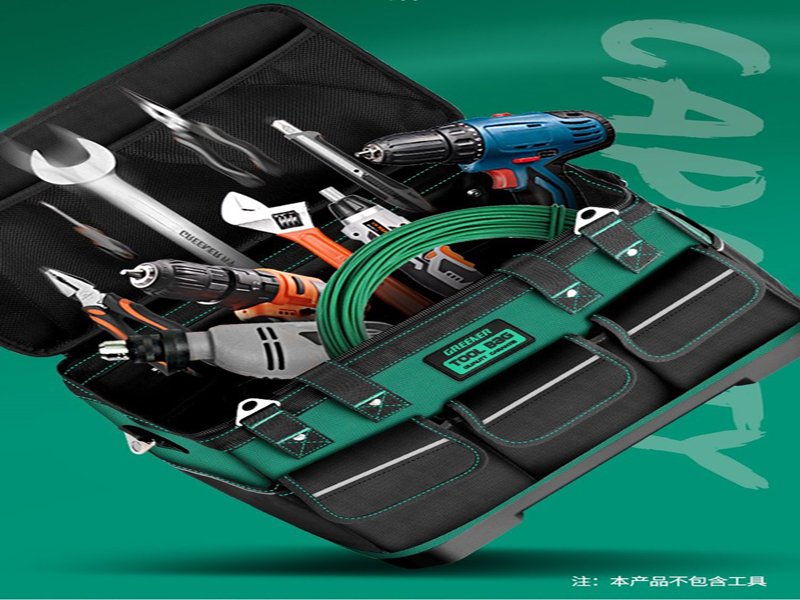
When professionals evaluate storage capacity, the instinct is often to compare size—how many liters, how many tools, how much weight. In practice, capacity is a far more nuanced concept. It is not defined by volume alone, but by how effectively that volume is used in real working conditions. The difference between tool bags and tool boxes lies in how space is structured, accessed, and adapted over time.
Tool boxes appear, at first glance, to offer greater capacity. Their rigid geometry creates clearly defined internal space, often measured and marketed as a fixed volume. Drawers, trays, and compartments provide a sense of order and predictability. However, this structure can also limit how space is utilized, especially when tools vary in shape, size, or frequency of use.
Tool bags approach capacity from a different angle. Instead of fixed compartments, they rely on flexible storage systems—pockets, loops, expandable interiors—that adapt to the tools being carried. This adaptability often leads to higher practical efficiency, even if the nominal volume is smaller. In other words, tool bags may not always hold more in theory, but they often feel like they do in daily use.
A recurring observation from field professionals is that storage efficiency is closely tied to workflow. A system that allows faster access, clearer visibility, and easier reorganization often delivers better performance than one that simply maximizes volume.
Capacity vs Efficiency Analysis
Understanding the relationship between capacity and efficiency requires looking beyond measurements and focusing on how tools are actually stored and retrieved. The same set of tools can occupy very different amounts of usable space depending on the storage system.
Volume Utilization Comparison
| Feature | Tool Bag | Tool Box |
|---|---|---|
| Internal flexibility | High, adapts to tool shape | Low, fixed geometry |
| Space utilization | Efficient, minimal dead space | Structured, may leave unused gaps |
| Expansion capability | Can stretch or compress | Fixed capacity |
Rigid tool boxes often contain unused air gaps because compartments are designed for standard tool sizes. When tools do not perfectly match these dimensions, space is lost. Tool bags, by contrast, compress around contents, reducing wasted volume and allowing irregularly shaped tools to fit more naturally.
From a practical standpoint, this means that a medium-sized tool bag can sometimes carry a similar number of tools as a larger tool box, simply because it uses space more efficiently.
Organization Systems
Organization plays a critical role in how capacity is perceived. A well-organized system feels larger because tools are easier to locate and retrieve.
| Aspect | Tool Bag | Tool Box |
|---|---|---|
| Pocket variety | High, multiple sizes and angles | Limited to predefined compartments |
| Compartment structure | Flexible, user-defined layout | Fixed, manufacturer-defined layout |
| Custom layout | Easy to adjust or modify | Difficult without redesign |
Tool bags provide a more dynamic organization system. Users can assign pockets based on personal workflow, grouping frequently used tools in accessible areas while storing less-used items deeper inside. This adaptability is particularly valuable in jobs where tool requirements change frequently.
Tool boxes, on the other hand, enforce a structured layout. This can be beneficial in controlled environments, especially when multiple users share the same storage system. Consistency reduces confusion and ensures that tools are returned to the correct location.
However, over-structuring can become a limitation. If compartments are too rigid or too numerous, they may restrict how tools are arranged, leading to inefficient use of space.
Accessibility and Workflow Efficiency
Capacity is closely linked to accessibility. A storage system that allows quick access effectively increases usable capacity because tools can be retrieved and returned without disrupting workflow.
| Factor | Tool Bag | Tool Box |
|---|---|---|
| Tool visibility | High, often visible at a glance | Medium, tools may be layered |
| Access speed | Immediate | Requires opening and navigation |
| Workflow interruption | Minimal | Higher due to multiple steps |
In time-sensitive environments, these differences become significant. Field technicians often report that the ability to access tools instantly reduces task completion time. Even small delays—such as opening a lid or searching through compartments—can accumulate over the course of a workday.
Tool bags, especially open-top designs, allow users to see and reach tools without interruption. This continuous flow of work enhances efficiency and reduces cognitive load, as less time is spent remembering where tools are stored.
Tool boxes, while more structured, introduce a sequence of actions: open, locate, retrieve, close. While this process is manageable in stationary environments, it can slow down operations in dynamic settings.
Capacity vs Portability Trade-Off
Increasing capacity often comes at the expense of portability, regardless of the storage type. However, the impact differs between tool bags and tool boxes.
| Size Category | Tool Bag | Tool Box |
|---|---|---|
| Small | Highly portable, easy to carry | Compact but limited capacity |
| Medium | Balanced between capacity and mobility | Heavier, less convenient |
| Large | Flexible but can become bulky | Very heavy, often requires wheels |
Tool bags maintain a relative advantage in portability even as size increases. Their flexible structure allows them to conform to the body, making larger loads more manageable. Tool boxes, due to their rigid design, become increasingly difficult to transport as capacity grows.
This trade-off is particularly important for professionals who need to carry tools over long distances or across challenging terrain. In such cases, the effective capacity of a tool bag may be higher simply because it can be transported more easily.
Specialized Storage Needs
Different types of tools require different storage approaches, and this directly influences which option provides better capacity.
| Tool Type | Better Option | Reason |
|---|---|---|
| Small hand tools | Tool Bag | Easy access and flexible arrangement |
| Precision instruments | Tool Box | Better protection and stability |
| Mixed tool sets | Tool Bag | Adapts to varying shapes and sizes |
Tool boxes are better suited for tools that require protection from movement or impact. Precision instruments, measuring devices, and delicate equipment benefit from fixed compartments that prevent shifting.
Tool bags excel when tools vary in size and shape. Their ability to accommodate irregular items without wasting space makes them ideal for mixed tool sets, which are common in maintenance and repair work.
In practical scenarios, the perceived capacity of a storage system often matters more than its actual volume. A maintenance technician who transitioned from a rigid tool box to a multi-pocket tool bag found that, despite similar nominal capacity, the tool bag allowed for faster task completion. Tools were easier to access, and the flexible layout reduced time spent searching.
This improvement was not due to carrying more tools, but to using existing space more effectively. The ability to adapt the storage layout to specific tasks created a more efficient workflow.
At the same time, the technician continued to use a tool box for storing specialized equipment that required protection. This combination highlights a common pattern among experienced professionals: using different storage systems for different purposes.
Critical Perspective
It is important to recognize that more compartments or larger volume does not automatically translate into better storage. Overly structured tool boxes can create inefficiencies by restricting how tools are arranged. Similarly, poorly designed tool bags can lead to clutter if pockets are not well organized or if there is insufficient internal support.
The most effective storage solutions strike a balance between structure and flexibility. They provide enough organization to maintain order, while allowing enough adaptability to accommodate changing needs.
From a broader perspective, storage capacity should be evaluated in terms of usability rather than size. The goal is not to store the maximum number of tools, but to ensure that tools can be accessed, used, and returned with minimal effort.
In demanding work environments, this distinction becomes critical. A storage system that supports efficient workflow can improve productivity, reduce fatigue, and enhance overall performance. Whether that system is a tool bag, a tool box, or a combination of both depends on how tools are used—not just how many can be carried.
Which Is Better for Outdoor and Harsh Environments?

Selecting between tool bags and tool boxes for outdoor and harsh environments is less about choosing the “stronger” option and more about understanding how each performs under real exposure conditions. In the field, tools are not just stored—they are carried across uneven terrain, exposed to weather, and used under time pressure. This means performance must be evaluated across multiple environmental factors, including moisture, dust, ground conditions, mobility, and temperature variation.
Tool boxes are traditionally associated with protection. Their rigid, enclosed structure provides a barrier against external forces such as compression, stacking pressure, and direct impact. However, this same rigidity can become a limitation in dynamic outdoor environments where movement, adaptability, and speed are critical.
Modern tool bags, particularly those engineered with waterproof coatings, sealed seams, and reinforced bases, have evolved significantly. They are no longer simple fabric carriers but purpose-built systems designed to handle real-world exposure. Their ability to adapt to terrain, resist environmental wear, and maintain usability under movement makes them increasingly preferred in outdoor operations.
A consistent observation across industries—construction, utilities, maintenance—is that outdoor performance is not defined by maximum protection alone, but by a balance between protection and usability. Tools must remain accessible, and the storage system must not slow down the work itself.
Environmental Performance Comparison
Outdoor environments introduce variables that are often absent in controlled settings. Rain, mud, dust, and unstable surfaces all influence how a storage solution performs over time.
Weather Resistance
| Condition | Tool Bag | Tool Box |
|---|---|---|
| Rain | Waterproof fabrics and coatings perform effectively | Fully enclosed, strong resistance |
| Mud | Flexible surfaces easier to rinse or wipe | Dirt accumulates in seams and corners |
| Dust | May allow fine particles to enter if not sealed | Sealed structure blocks dust effectively |
At first glance, tool boxes appear superior due to their enclosed design. However, a critical issue often overlooked is moisture retention. When water enters a tool box—through condensation or accidental exposure—it can remain trapped inside, creating a micro-environment that accelerates corrosion, especially for metal tools.
Tool bags, particularly those with breathable yet water-resistant materials, tend to allow moisture to dissipate more naturally. Advanced designs incorporate drainage holes or moisture-resistant linings, reducing the risk of long-term internal damage.
Ground Contact Performance
Outdoor work rarely happens on clean, stable surfaces. Tools are often placed on wet ground, gravel, or uneven terrain, which directly affects stability and durability.
| Surface | Tool Bag | Tool Box |
|---|---|---|
| Wet ground | Requires reinforced waterproof base | Naturally resistant due to rigid shell |
| Uneven terrain | Adapts to surface, remains stable | May wobble or tip over |
| Rough surfaces | Needs abrasion-resistant materials | Resists wear but may scratch |
The flexibility of tool bags becomes a clear advantage in these conditions. Instead of relying on a flat base, they conform to the surface, maintaining stability even on irregular ground. Tool boxes, while structurally strong, depend on flat contact surfaces; when these are not available, stability can be compromised.
From a usability perspective, this difference matters. A tool box that tips over or shifts position can interrupt workflow, while a stable tool bag allows continuous operation.
Mobility in Outdoor Conditions
Mobility is one of the most critical factors in outdoor work. The ability to move efficiently across a site—often while carrying tools—directly impacts productivity and physical strain.
| Factor | Tool Bag | Tool Box |
|---|---|---|
| Carrying distance | Comfortable, ergonomic | Fatiguing over long distances |
| Terrain adaptability | High, suitable for varied environments | Limited, best on flat surfaces |
| Climbing/height work | Enables hands-free operation | Difficult and unsafe |
Tool bags are designed with ergonomics in mind. Shoulder straps, padded handles, and backpack-style options distribute weight more evenly, reducing strain during extended use. This becomes particularly important in large job sites or when technicians must frequently move between locations.
Tool boxes, even when equipped with handles or wheels, are less adaptable in rugged terrain. Carrying them over uneven ground or up ladders introduces both inefficiency and safety concerns.
Temperature and Environmental Impact
Outdoor environments also expose materials to temperature extremes, which can affect durability and performance.
| Condition | Tool Bag | Tool Box |
|---|---|---|
| Extreme heat | Fabric materials generally remain stable | Plastic may soften or deform |
| Cold weather | Retains flexibility | Plastic may become brittle and crack |
| Moisture exposure | Requires waterproof treatment | Resists water but may trap internal moisture |
Material behavior under temperature stress is often underestimated. High-quality fabrics used in tool bags—such as coated nylon or polyester—are engineered to maintain flexibility across a wide temperature range. This ensures consistent performance in both hot and cold conditions.
Plastic tool boxes, depending on material quality, may lose structural integrity under extreme temperatures. In cold environments, brittleness can lead to cracking upon impact, while prolonged heat exposure can cause warping.
Metal tool boxes, while more stable under temperature variation, introduce other challenges such as heat conduction and condensation, which can affect both tools and user comfort.
Real-World Scenario
In outdoor electrical maintenance, where technicians frequently move between service points, the advantages of tool bags become evident. Workers often operate in unpredictable conditions—rain, uneven ground, limited space—and need immediate access to tools. Waterproof tool bags allow them to carry essential equipment comfortably while maintaining workflow efficiency.
Tool boxes, while offering superior protection during transport, can become a hindrance once on-site. Their weight, rigidity, and access limitations slow down operations, particularly when tools must be retrieved repeatedly.
However, tool boxes remain valuable in scenarios where tools are transported in vehicles or stored in fixed outdoor locations. In these cases, their rigid structure protects against compression and external damage, ensuring that tools remain secure during transit.
Performance Summary
| Priority | Better Choice |
|---|---|
| Mobility and ease of transport | Tool Bag |
| Basic weather protection | Tool Box |
| Advanced weather adaptability | Waterproof Tool Bag |
| Stability on uneven ground | Tool Bag |
| Impact and compression protection | Tool Box |
This comparison highlights a broader industry trend: the gap between tool bags and tool boxes is narrowing. Advances in material technology—such as high-denier fabrics, waterproof coatings, and reinforced construction—have significantly improved the durability and environmental resistance of tool bags.
At the same time, tool boxes continue to excel in scenarios requiring maximum structural protection. Their role has shifted more toward transport and storage rather than active field use.
From a practical standpoint, the most effective approach often involves combining both solutions. Tool bags are used for daily outdoor operations, where mobility and accessibility are critical, while tool boxes serve as protective storage during transport or when tools are not in active use.
Ultimately, the best choice depends on how tools are used in real conditions. Outdoor environments demand flexibility, efficiency, and resilience. A storage solution that supports these requirements—rather than simply offering maximum protection—will deliver better performance over time.
How Do Cost and Value Compare Between Tool Bags and Tool Boxes?

Cost is often the first filter when professionals choose between tool bags and tool boxes, but it is rarely the most accurate indicator of value. In real working environments, the true cost of a tool storage solution is shaped by how long it lasts, how it performs under daily use, and how much it contributes to—or slows down—overall productivity.
A tool bag with a lower upfront price may seem like the obvious choice, while a heavier, more expensive tool box might appear to be a long-term investment. However, this comparison becomes more complex when factors such as maintenance, replacement cycles, ergonomics, and workflow efficiency are taken into account. In many cases, the product that costs less initially may not deliver the best return over time, and the product that lasts longer structurally may not necessarily improve how work gets done.
Professionals who evaluate tools from a cost-performance perspective tend to look beyond price tags. They consider how a product integrates into their daily routine—how quickly they can access tools, how much effort is required to carry them, and how often the storage system needs to be repaired or replaced.
Cost vs Value Breakdown
Understanding the difference between cost and value requires separating immediate expenses from long-term impact. A structured comparison helps reveal where each option performs better over time.
Initial Cost Comparison
| Product Type | Price Range | Key Cost Driver |
|---|---|---|
| Tool Bag | Low–Medium | Fabric quality, stitching, design complexity |
| Tool Box | Medium–High | Material (metal/plastic), structural engineering |
Tool bags are generally more accessible from a budget standpoint. Entry-level models are widely available, and even high-quality versions remain relatively affordable compared to heavy-duty tool boxes. The primary cost drivers are fabric grade (such as 600D vs 1680D), reinforcement features, and ergonomic design.
Tool boxes, especially those made from steel or reinforced polymers, require more complex manufacturing processes. Molding, welding, and structural reinforcement increase production costs, which are reflected in higher retail prices. For buyers focused solely on upfront investment, tool bags often present a lower barrier to entry.
Long-Term Cost Factors
While initial price matters, long-term cost is where meaningful differences emerge. Durability, maintenance, and the risk of tool damage all contribute to total ownership cost.
| Factor | Tool Bag | Tool Box |
|---|---|---|
| Replacement frequency | Moderate, depends on usage intensity | Low–Moderate, depends on material quality |
| Maintenance cost | Low, minimal upkeep | Medium, may require rust prevention or part replacement |
| Tool protection | Moderate, varies by design | High, strong structural protection |
Tool boxes often last longer in terms of structural integrity, particularly in controlled environments. However, they are not immune to failure. Hinges, latches, and handles are common points of wear, and once damaged, they can be difficult or costly to repair.
Tool bags, while more susceptible to wear in high-friction areas, are easier and cheaper to maintain. Minor issues such as seam damage or strap wear can often be repaired quickly, extending the product’s usable life without significant expense.
An important consideration is tool protection. If tools are frequently exposed to impact or heavy loads, a tool box may reduce the risk of damage, which indirectly lowers replacement costs for the tools themselves. In less extreme environments, this advantage becomes less critical.
Productivity Impact
One of the most overlooked aspects of cost is how a storage solution affects productivity. Time efficiency translates directly into economic value, especially for professionals working on tight schedules or multiple job sites.
| Factor | Tool Bag | Tool Box |
|---|---|---|
| Access speed | Fast, tools immediately visible | Slower, requires opening and searching |
| Carrying efficiency | High, ergonomic design reduces effort | Low, concentrated weight increases fatigue |
| Workflow interruption | Minimal | Higher due to multiple access steps |
Over the course of a workday, small delays accumulate. Opening compartments, repositioning a heavy box, or searching for tools can add minutes to each task. When multiplied across dozens of tasks, this can result in a measurable reduction in productivity.
Tool bags, by enabling faster access and easier transport, often improve workflow efficiency. For mobile professionals, this efficiency can translate into completing more tasks within the same timeframe, effectively increasing income potential without additional labor.
Cost Efficiency Over Time
Evaluating cost efficiency across different time horizons provides a clearer picture of long-term value.
| Time Period | Tool Bag Cost Efficiency | Tool Box Cost Efficiency |
|---|---|---|
| Short-term | High, low initial investment | Moderate, higher upfront cost |
| Mid-term | High, strong balance of cost and performance | High, durability begins to offset cost |
| Long-term | Variable, depends on material quality | Stable, consistent performance |
A critical insight is that product quality plays a more significant role than product type. A high-quality tool bag made with reinforced materials can outperform a low-grade tool box in both durability and usability. Conversely, a poorly constructed tool bag may require frequent replacement, reducing its long-term value.
This highlights the importance of evaluating specifications—fabric density, reinforcement design, hardware quality—rather than relying solely on category assumptions.
Hidden Costs
Beyond visible expenses, several hidden factors influence the overall value of a tool storage solution. These factors are often overlooked during purchasing decisions but have a significant impact on daily use.
| Cost Type | Tool Bag | Tool Box |
|---|---|---|
| Physical fatigue | Low, weight distributed ergonomically | High, concentrated load increases strain |
| Transport difficulty | Low, adaptable to movement | Medium, limited mobility |
| Storage flexibility | High, adaptable to space constraints | Fixed, requires dedicated space |
Physical fatigue is a particularly important consideration. Carrying a heavy tool box over extended periods can lead to strain, reducing efficiency and potentially increasing the risk of injury. Tool bags, designed for ergonomic carrying, mitigate this issue by distributing weight more evenly.
Transport and storage flexibility also affect usability. Tool bags can be easily stored in tight spaces, vehicles, or job site areas, while tool boxes require more structured storage solutions.
Real-World Insight
In practical scenarios, professionals often reassess their choice after extended use. A technician working across multiple locations may initially choose a tool box for its perceived durability. Over time, the inconvenience of carrying it and the delays in accessing tools can outweigh its benefits.
Switching to a high-quality tool bag often results in noticeable improvements. Reduced fatigue, faster access, and smoother workflow contribute to higher overall productivity. Even if the initial cost is similar, the operational efficiency gained can significantly increase the product’s value.
At the same time, the technician may still rely on a tool box for specific tasks—such as transporting heavy equipment or storing tools in a vehicle. This combination approach reflects a broader trend among experienced users: selecting the right tool for each situation rather than relying on a single solution.
Value Summary
| Priority | Better Option |
|---|---|
| Budget-friendly entry | Tool Bag |
| Maximum structural durability | Tool Box |
| Workflow efficiency | Tool Bag |
| Overall balanced value | High-quality tool bag |
From a broader perspective, value is not defined solely by how long a product lasts, but by how effectively it supports the way work is performed. A storage solution that reduces effort, saves time, and adapts to real conditions can deliver greater returns than one that simply offers maximum durability.
For most mobile professionals, investing in a well-designed, high-quality tool bag provides a strong balance between cost and performance. For stationary or high-impact environments, a tool box remains a valuable asset. The most effective strategy, in many cases, is to combine both—leveraging the strengths of each to optimize both cost and productivity over time.
Which Professionals Prefer Tool Bags vs Tool Boxes?
The choice between tool bags and tool boxes is rarely about personal preference alone. It is shaped by the realities of the job—how often a professional moves, the type of tools required, the working environment, and the pace at which tasks must be completed. Over time, clear patterns emerge across industries, showing that tool storage decisions are closely tied to workflow rather than habit.
Professionals who operate in dynamic, constantly changing environments tend to prioritize mobility and speed. For them, tool bags offer a practical advantage. Those working in stable, controlled settings often prioritize organization and protection, making tool boxes the more suitable option.
What becomes evident through real-world observation is that tool storage is not a one-size-fits-all solution. Instead, it evolves with experience. Many professionals begin with one system and gradually adapt or combine both as they better understand their operational needs.
Matching Work Styles to Tool Storage Choices
Different professions place different demands on tool storage. These demands influence not only what tools are carried, but how they are accessed, transported, and protected throughout the workday.
Profession-Based Preference Analysis
| Profession | Preferred Option | Key Reason |
|---|---|---|
| Electrician | Tool Bag | High mobility, frequent tool changes |
| HVAC Technician | Tool Bag | Lightweight carrying across varied locations |
| Construction Worker | Tool Bag / Hybrid | Movement combined with durability needs |
| Mechanic | Tool Box | Structured storage for fixed workspace |
| Workshop Technician | Tool Box | Organization and tool consistency |
Electricians, for example, often work at height, on ladders, or in confined spaces. Carrying a rigid tool box in these conditions is not only inconvenient but can also create safety risks. Tool bags—especially those designed as backpacks or with shoulder straps—allow hands-free movement and immediate access to essential tools.
HVAC technicians face similar challenges. Their work frequently involves moving between indoor and outdoor environments, climbing stairs, or accessing rooftops. In these situations, weight distribution and portability become critical, making tool bags the preferred choice.
Mechanics and workshop technicians operate in a different context. Their tools are typically used within a fixed location, such as a garage or industrial facility. Here, the priority shifts toward organization, consistency, and protection. Tool boxes provide clearly defined compartments, ensuring that each tool has a designated place, which is especially important in environments where multiple users share equipment.
Work Style vs Storage Needs
Beyond job titles, work style plays an equally important role in determining the most suitable storage solution.
| Work Style | Tool Bag Advantage | Tool Box Advantage |
|---|---|---|
| Mobile tasks | Easy to carry, adaptable | Limited practicality |
| Stationary tasks | Less critical | Highly efficient |
| Mixed tasks | Flexible and versatile | Useful as secondary storage |
In highly mobile roles, the ability to move quickly without being restricted by equipment is essential. Tool bags support this by reducing physical strain and allowing tools to be accessed without interrupting movement.
In stationary roles, the benefits of mobility diminish. Instead, the focus shifts to maintaining order and protecting tools from damage. Tool boxes excel in these conditions by providing a stable, organized storage system.
For professionals whose work falls somewhere in between—such as construction supervisors or maintenance managers—a hybrid approach often emerges. They may carry a tool bag for immediate tasks while relying on a tool box for storage or transport.
Accessibility and Efficiency
Efficiency is closely linked to how quickly tools can be accessed and returned. In time-sensitive environments, even small delays can affect overall productivity.
| Factor | Tool Bag | Tool Box |
|---|---|---|
| Tool retrieval speed | Fast, minimal steps | Moderate, requires opening compartments |
| Visibility | High, tools often visible | Medium, tools may be layered |
| Workflow interruption | Minimal | Higher due to structured access |
Tool bags are designed around immediate accessibility. Tools are often stored in open or semi-open pockets, allowing users to identify and retrieve them at a glance. This reduces the time spent searching and keeps workflow continuous.
Tool boxes introduce a more structured process. While this improves organization, it can slow down access, particularly when tools are stored in multiple layers or compartments. In environments where speed is critical, this added friction can become a disadvantage.
Physical Impact on Users
The physical demands of carrying tools are often underestimated when choosing a storage solution. Over time, weight distribution and ergonomics can significantly affect comfort, efficiency, and even safety.
| Factor | Tool Bag | Tool Box |
|---|---|---|
| Carrying fatigue | Lower due to ergonomic design | Higher due to concentrated weight |
| Weight distribution | Evenly spread across body | Focused in one hand |
| Long-distance use | Comfortable and sustainable | Physically demanding |
Tool bags are typically designed with ergonomics in mind. Features such as padded straps, balanced weight distribution, and flexible structures reduce strain during extended use. This is particularly important for professionals who carry tools over long distances or for prolonged periods.
Tool boxes, while durable, often concentrate weight in a single point—usually a handle. This can lead to fatigue, especially when tools are heavy or when the box must be carried frequently. Over time, this physical strain can impact productivity and increase the risk of injury.
Real-World Insight
In field operations, it is common to see professionals adapt their storage systems based on experience. A technician working across multiple locations may initially rely on a tool box for its perceived durability. However, after repeated use in mobile conditions, the limitations of weight and accessibility often become apparent.
Switching to a backpack-style tool bag can significantly improve efficiency. Users frequently report reduced physical strain, faster task completion, and smoother workflow, particularly when navigating stairs, ladders, or confined spaces.
At the same time, the same technician may continue to use a tool box for transporting specialized equipment or storing tools in a vehicle. This combination reflects a practical understanding that no single solution meets all needs.
Critical Perspective
While tool bags offer clear advantages in mobility and accessibility, they are not universally superior. In scenarios involving heavy equipment, delicate instruments, or high-impact environments, tool boxes provide a level of protection that tool bags cannot fully match.
This is particularly relevant in industrial settings where tools are subject to compression, stacking, or mechanical stress. In such cases, the rigid structure of a tool box ensures that tools remain secure and undamaged.
The key takeaway is that professionals do not choose tool storage based on trends or assumptions. They choose based on how their work is performed. The most effective storage system is the one that aligns with real operational needs—supporting movement, improving efficiency, and protecting tools where necessary.
In many cases, the optimal solution is not a choice between tool bags and tool boxes, but a strategic combination of both. By using each where it performs best, professionals can create a system that balances mobility, organization, and protection, ultimately improving both productivity and long-term tool management.
Do Custom Tool Bags Offer Advantages Over Standard Tool Boxes?
The shift from standard tool storage solutions to customized designs reflects a broader trend across professional industries: products are no longer expected to simply “work”—they are expected to match specific workflows, environments, and user behaviors. This is where custom tool bags begin to show clear advantages over standard tool boxes.
Standard tool boxes are built around general assumptions. They follow fixed dimensions, predefined compartments, and standardized materials designed to serve a wide range of users. While this approach ensures consistency and broad usability, it often fails to address the nuanced needs of specific professions. Tools vary in size, frequency of use, and handling requirements, and a rigid system cannot always adapt efficiently.
Custom tool bags take a different approach. Instead of forcing users to adapt to the product, the product is designed around how tools are actually used. This distinction has significant implications for efficiency, durability, and long-term value.
One of the most important advantages lies in adaptability. A custom tool bag can be engineered for a specific environment—whether that means waterproof performance for outdoor technicians, reinforced structures for heavy-duty tools, or lightweight designs for professionals who move constantly. This level of alignment between design and usage is difficult to achieve with standard tool boxes.
How Customization Creates Real Value
Customization is not simply about adding features—it is about optimizing every element of the product to support real-world tasks. When done correctly, it improves both performance and user experience in measurable ways.
Customization Options Overview
| Element | Custom Option | Benefit |
|---|---|---|
| Material | Nylon (1680D), polyester, TPU-coated fabric, canvas | Adjusted durability and environmental resistance |
| Structure | Reinforced base, layered panels, modular inserts | Enhanced load-bearing and stability |
| Size | Tailored dimensions based on tool set | Eliminates wasted space |
| Closure | Zippers, roll-top seals, magnetic flaps | Improved protection and access control |
Material selection is one of the most critical aspects of customization. For example, a technician working in wet environments may require TPU-coated fabrics with sealed seams to prevent water ingress. In contrast, a professional working indoors may prioritize lighter materials to reduce carrying fatigue.
Structural customization also plays a key role. Reinforced bases protect against ground wear, while modular interiors allow users to reconfigure layouts as their tool requirements evolve. This flexibility ensures that the product remains relevant even as workflows change.
A critical point often overlooked is that effective customization prioritizes function over appearance. While branding and aesthetics are important, the primary goal is to improve usability and performance.
Performance Comparison: Standard vs Custom
| Feature | Standard Tool Bag / Tool Box | Custom Tool Bag |
|---|---|---|
| Fit for tools | Generalized, may include unused space | Precisely matched to tool dimensions |
| Efficiency | Moderate, requires adjustment by user | High, optimized for workflow |
| Durability | Fixed, based on standard materials | Targeted, based on usage conditions |
| User satisfaction | Inconsistent across users | More consistent due to tailored design |
Standard solutions often require users to adapt their habits. Tools may not fit perfectly, compartments may be underutilized, and access may not align with actual usage frequency. Over time, this leads to inefficiencies that are difficult to eliminate without modifying the product itself.
Custom tool bags remove this friction. By aligning pocket placement, compartment size, and access points with real usage patterns, they reduce unnecessary movement and improve overall workflow. In high-frequency tasks, even small improvements in access speed can translate into significant time savings.
Cost vs Benefit Analysis
| Aspect | Standard Solution | Custom Solution |
|---|---|---|
| Initial cost | Lower | Moderate to higher |
| Long-term value | Moderate | High |
| Replacement frequency | Higher in demanding environments | Lower due to optimized design |
At first glance, customization appears more expensive. However, the cost should be evaluated over the product’s lifecycle. A standard tool box or bag that does not align with usage patterns may experience faster wear, inefficiencies, or even contribute to tool damage.
Custom tool bags, by contrast, are designed to handle specific stresses and usage conditions. This often results in longer lifespan and better performance, reducing the need for frequent replacement. Additionally, improved efficiency can offset higher initial costs by saving time and reducing physical strain.
Design Optimization by Use Case
One of the strongest advantages of customization is the ability to tailor design features to specific applications.
| Use Case | Custom Feature |
|---|---|
| Outdoor work | Waterproof materials, sealed seams, reinforced base |
| Heavy-duty tools | High-load structural reinforcement, thick padding |
| Mobile tasks | Lightweight fabrics, ergonomic straps, balanced design |
| Precision tools | Padded compartments, anti-shock inserts |
For outdoor technicians, waterproofing is not optional—it is essential. A custom-designed tool bag can incorporate sealed seams, water-resistant zippers, and elevated bases to prevent moisture from reaching tools.
For professionals handling heavy equipment, reinforcement becomes the priority. Double-layer fabrics, internal frames, and load-distribution systems ensure that the bag can تحمل weight without compromising structure.
In mobile environments, ergonomics take precedence. Backpack-style designs with padded straps and balanced weight distribution reduce fatigue, allowing professionals to work longer and more efficiently.
For precision tools, protection is critical. Custom compartments with padding or shock-absorbing materials help prevent damage during transport, something standard solutions may not adequately address.
Real-World Example
In a recent product development project, a brand focused on outdoor service technicians identified a gap in existing solutions. Standard tool boxes provided sufficient protection but were too heavy and inefficient for frequent movement. Standard tool bags offered mobility but lacked adequate waterproofing and internal organization.
By developing a custom tool bag, the brand was able to integrate multiple requirements into a single solution. High-denier waterproof fabrics were combined with sealed seams to resist rain and moisture. A reinforced base allowed the bag to be placed on wet or rough surfaces without damage. Internally, compartments were arranged based on actual tool usage patterns, ensuring that frequently used tools were always within easy reach.
The result was a noticeable improvement in user feedback. Technicians reported faster task completion, reduced fatigue, and fewer instances of tool damage. From a business perspective, the product achieved higher retention rates and lower return rates compared to standard offerings.
Critical Perspective
Despite their advantages, custom tool bags are not universally superior. They require a clear understanding of user needs, and poorly executed customization can lead to overcomplicated designs or unnecessary costs. Without proper research and testing, customization may add features that do not provide real value.
Standard tool boxes still play an important role, particularly in environments where maximum structural protection is required. For transporting heavy machinery or storing tools in high-risk conditions, their rigid design remains unmatched.
However, as work environments become more dynamic and user expectations evolve, the demand for tailored solutions continues to grow. Custom tool bags address this demand by aligning design with real-world usage, rather than relying on generalized assumptions.
From a broader perspective, the advantage of customization lies in precision. It allows professionals to eliminate inefficiencies, reduce physical strain, and extend product lifespan. Instead of adapting to the limitations of a standard product, users gain a solution that works with them, not against them.
In many modern workflows, this alignment between product design and actual use is what ultimately defines value.
Why Manufacturing Expertise Matters
Customization is not just about choosing options—it requires deep understanding of materials, construction, and real-world applications. Small design decisions can have a major impact on performance.
Szoneier, with over 18 years of experience in fabric development and product manufacturing, approaches tool bag design as a complete system. From selecting the right fabric to optimizing structure and ensuring quality control, every detail is aligned with practical use.
At the end of the day, the choice between tool bags and tool boxes is not about which one is better—it’s about which one fits your work style. Tool bags bring flexibility, mobility, and efficiency, while tool boxes provide structure and protection. Understanding these differences allows you to make smarter decisions that improve both performance and comfort.
If you are planning to develop tool storage products or upgrade your current designs, customization is where real value begins. Szoneier offers tailored solutions based on your specific needs—whether you require lightweight portability, heavy-duty durability, or advanced waterproof performance.
Now is the time to turn your ideas into practical, high-performance products. Share your requirements with Szoneier, explore custom possibilities, and create tool bags that truly match the way work gets done.