Skip to content
Most people don’t think about odor control until it becomes a problem—when a backpack smells after a trip, when stored items affect surrounding space, or when something that should stay discreet suddenly isn’t. The reality is simple: traditional storage solutions are not designed to handle odor at a molecular level.
Smellproof bags change that. They are not just containers; they are engineered systems built to block, absorb, and neutralize odor through specialized materials and layered construction.
Here’s the key answer: smellproof bags work by combining airtight structural design with odor-absorbing materials like activated carbon, making them far more effective than regular bags for both storage and travel. They are best suited for situations requiring portability, discretion, and reliable odor control over short to medium periods.
Imagine packing for a trip, everything organized, only to open your bag later and realize the smell has spread everywhere. Now imagine the opposite—a bag that keeps everything contained, no matter how long the journey. That difference is exactly why more people are switching to smellproof solutions.
What Is a Smellproof Bag?
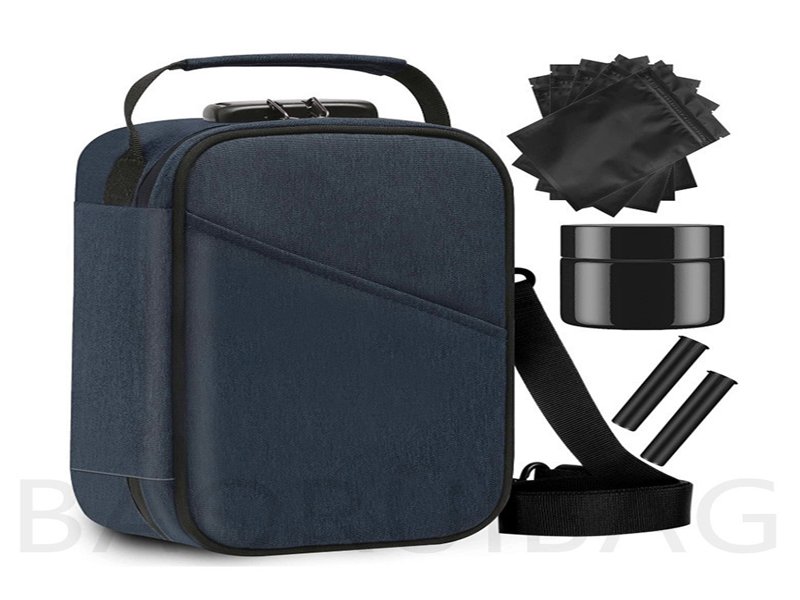
A smellproof bag is a purpose-built storage solution engineered to control and contain odor at the molecular level. Unlike conventional bags that simply act as containers, smellproof bags combine multiple layers of specialized materials to block, absorb, and neutralize odor compounds before they escape into the surrounding environment. This distinction is critical in applications where discretion, freshness, and environmental isolation are required, such as travel, personal storage, or controlled product handling.
From a functional standpoint, a well-constructed smellproof bag can reduce detectable odor by more than 90% under typical usage conditions. This level of performance is not achieved through a single material but through a carefully designed system that integrates physical barriers with chemical adsorption. In real-world use, this means that even when storing items with strong or persistent odors, the surrounding environment remains largely unaffected, which is a key requirement for both consumers and commercial users.
The growing demand for smellproof bags in recent years is closely tied to changes in consumer behavior and product categories. As more products with distinct odor profiles enter the market, including herbal goods, food items, and specialty materials, the need for reliable odor control solutions has increased. At the same time, users are placing greater emphasis on portability, privacy, and product integrity, which further drives the adoption of high-performance smellproof storage solutions.
Understanding the Core Structure
The effectiveness of a smellproof bag lies in its layered construction. Each layer serves a specific purpose, and the interaction between these layers determines the overall performance of the bag. Unlike standard bags that rely primarily on fabric thickness, smellproof bags are engineered systems where material selection and structural design play a decisive role.
| Layer Type | Function | Importance Level |
|---|---|---|
| Outer Fabric (Oxford/Nylon/Polyester) | Provides strength and durability | Medium |
| Protective Coating (TPU/PVC) | Adds air resistance and water protection | Medium |
| Activated Carbon Layer | Absorbs odor molecules | Critical |
| Inner Lining | Maintains structure and protects layers | Medium |
The outer fabric is typically made from materials such as Oxford cloth, nylon, or polyester. These fabrics are selected for their abrasion resistance, tensile strength, and ability to withstand repeated use. While they do not directly contribute to odor control, they provide the structural integrity necessary to support the internal layers.
Beneath the outer fabric, a protective coating—often TPU or PVC—is applied to enhance air resistance and create a semi-barrier against moisture and gas exchange. This layer helps reduce the rate at which odor molecules can diffuse outward, acting as the first line of defense.
The core of the system is the activated carbon layer. This is where the majority of odor control occurs. Activated carbon is processed to create a highly porous structure, with a surface area that can exceed 1,000 square meters per gram. These microscopic pores trap volatile organic compounds (VOCs), which are responsible for most odors. Unlike simple containment, this process actively removes odor molecules from the air within the bag.
The inner lining serves to stabilize the structure, protect the carbon layer from wear, and provide a clean surface for stored items. It also ensures that the internal layers remain properly aligned, which is essential for maintaining consistent performance over time.
How Do Smellproof Bags Work Internally?
To understand how smellproof bags function, it is important to look at the interaction between physical sealing and chemical adsorption. When an item with a strong odor is placed inside the bag, it releases odor molecules into the enclosed air space. In a regular bag, these molecules gradually escape through fabric pores or small openings. In a smellproof bag, this process is significantly slowed and partially reversed.
First, the closure system—such as a zipper with a tight seal—limits the direct escape of air. This reduces the immediate leakage of odor. Next, the protective coating and outer fabric layers act as barriers, slowing down diffusion. However, the most critical process occurs within the activated carbon layer.
As odor molecules move within the bag, they come into contact with the carbon surface. Due to its porous structure, the carbon captures and holds these molecules through adsorption. This reduces the concentration of odor in the air inside the bag, which in turn decreases the pressure for odor to escape outward. Over time, this creates a stable internal environment where odor is both contained and minimized.
In practical applications, this layered approach is far more effective than relying on airtight sealing alone. Even in cases where the closure is not perfectly sealed, the carbon layer continues to absorb odor, providing an additional level of protection.
What Makes a Bag Truly Smellproof?
Not all products marketed as smellproof deliver consistent performance. The difference between a functional product and a purely marketing-driven one often comes down to material quality, construction precision, and design details.
| Factor | Impact on Odor Control |
|---|---|
| Carbon density | Higher density improves absorption |
| Layer thickness | More layers increase protection |
| Closure system | Stronger seals reduce leakage |
| Fabric quality | Prevents structural failure |
Carbon density is one of the most critical factors. Higher-density carbon layers provide more surface area for adsorption, which directly improves odor control. Low-density or poorly processed carbon may offer limited effectiveness and saturate quickly.
Layer thickness also plays a significant role. While adding more layers can improve performance, it must be balanced with usability. Excessive thickness can reduce flexibility and increase cost, so experienced manufacturers optimize the structure to achieve both performance and practicality.
The closure system is another key element. Even the best materials cannot compensate for a poorly designed seal. High-quality zippers, often combined with additional sealing features, are essential to minimize air exchange.
Fabric quality affects long-term durability. If the outer or inner layers degrade, the integrity of the entire system is compromised. This is particularly important for products intended for frequent use or transport.
Are Smellproof Bags Really Odor-Proof?
In technical terms, no smellproof bag is completely odor-proof under all conditions. However, high-quality designs can achieve near-total odor containment in most practical scenarios.
| Condition | Effectiveness |
|---|---|
| Light odor | Excellent |
| Moderate odor | Very good |
| Strong odor | Good (with multi-layer design) |
| Long-term storage | Moderate (depends on carbon saturation) |
For light to moderate odors, performance is typically excellent, with little to no detectable leakage. In cases involving stronger odors, the effectiveness depends on the quality of the carbon layer and the overall construction. Over extended periods, the carbon layer can become saturated, reducing its ability to absorb additional odor molecules. This is why some products require periodic replacement or regeneration.
It is also important to consider environmental factors such as temperature and humidity, which can influence odor volatility and adsorption efficiency. In controlled conditions, performance is more predictable, while extreme conditions may reduce effectiveness.
Common Misconceptions
There are several widespread misconceptions about smellproof bags that can lead to incorrect product selection.
One common belief is that any thick or heavy bag can function as a smellproof solution. In reality, thickness alone does not guarantee odor control. Without an ակտիվ adsorption layer like activated carbon, most materials will eventually allow odor to pass through.
Another misconception is that airtight sealing is sufficient. While sealing is important, it only delays odor escape. Without adsorption, internal pressure can build, and even small gaps can lead to leakage over time.
Some users also assume that all smellproof bags perform similarly. In practice, there is a significant variation in quality across the market. Differences in material sourcing, manufacturing processes, and design standards can result in noticeable performance gaps.
The true value of a smellproof bag is not immediately visible. Unlike external features such as color or shape, the key performance factors are embedded within the material structure and manufacturing process. This is where experienced manufacturers make a measurable difference.
Companies with strong material development capabilities, such as Szoneier, approach smellproof bag design from an engineering perspective rather than a purely aesthetic one. By controlling factors such as carbon layer composition, lamination techniques, and fabric integration, they are able to deliver products that perform consistently under real-world conditions.
For buyers, especially those in B2B environments, understanding these underlying factors is essential. A well-designed smellproof bag is not just a storage accessory—it is a functional system that directly impacts product usability, customer satisfaction, and brand reliability.
How Do Smellproof Bags Work for Storage?
Smellproof bags are designed to solve a very specific problem in storage: controlling what escapes, not just what is contained. In conventional storage systems, the primary goal is to hold items in place or protect them from external factors like dust or moisture. Odor management is usually a secondary concern, if it is considered at all. Smellproof bags take a different approach by integrating odor control directly into the storage function, making them particularly effective in environments where multiple items coexist in close proximity.
In practical use, these bags do more than isolate contents. They actively reduce the concentration of odor molecules inside the storage space, which limits the likelihood of those molecules migrating into the surrounding environment. This is especially important in shared spaces such as travel luggage, closets, vehicles, or retail storage setups, where even minor odor leakage can become noticeable over time.
For most users, smellproof bags perform best in short- to medium-term storage scenarios. This typically ranges from a few days to several weeks, depending on the intensity of the odor and the volume of items stored. Within this window, they provide a balance between convenience, flexibility, and effective odor control that rigid storage systems often cannot match.
Storage Performance Analysis
The storage performance of a smellproof bag is not determined by a single feature. Instead, it is the result of how well different elements—material composition, internal volume, closure design, and usage patterns—work together. Understanding these interactions is key for both end users and buyers who need to evaluate product quality beyond surface-level specifications.
Do Smellproof Bags Preserve Freshness?
Smellproof bags do contribute to freshness, but not in the same way as vacuum-sealed or hermetically closed containers. Their role is more indirect. By reducing air exchange and absorbing odor compounds, they help maintain a more stable internal environment, which slows down the processes that lead to odor buildup and perceived staleness.
In real-world conditions, freshness is influenced by several variables, including oxygen exposure, moisture levels, and the presence of volatile compounds. Smellproof bags address these factors to a certain extent, but they are not designed to completely eliminate them.
| Storage Factor | Performance |
|---|---|
| Odor containment | High |
| Freshness retention | Medium |
| Moisture control | Medium |
| Air isolation | Moderate |
Odor containment is where smellproof bags perform strongest. The activated carbon layer continuously absorbs odor molecules, which prevents them from accumulating and escaping. Freshness retention benefits from this process because lower odor concentration often correlates with a perception of freshness.
Moisture control and air isolation are more limited. While the layered construction can reduce airflow and provide some resistance to humidity changes, it does not create a fully sealed microenvironment. For products that are highly sensitive to moisture or oxidation, additional storage measures may still be required.
Which Items Are Best Stored?
The versatility of smellproof bags makes them suitable for a wide range of items, but their effectiveness varies depending on the characteristics of what is being stored. Items that release moderate to strong odors, or that need to be isolated from other products, benefit the most.
| Item Type | Suitability |
|---|---|
| Dry goods | Excellent |
| Snacks | Very good |
| Clothing | Excellent |
| Travel essentials | Excellent |
| Strong-smelling items | Very good |
Dry goods and clothing are particularly well suited because they do not introduce excessive moisture into the system, allowing the carbon layer to focus primarily on odor absorption. Snacks and other consumables can also be stored effectively, especially when short-term freshness is sufficient.
One of the most practical advantages appears when multiple items are stored together. In a standard bag or container, odors from different items can mix and become difficult to separate. Smellproof bags help prevent this cross-contamination by isolating each item’s odor profile, which is especially useful for organized storage systems or travel packing.
How Long Can Odor Control Last?
The duration of odor control depends largely on the capacity of the activated carbon layer and how quickly it becomes saturated. Unlike passive materials, activated carbon has a finite adsorption capacity. Once this capacity is reached, its effectiveness gradually declines.
| Usage Duration | Effectiveness |
|---|---|
| 1–3 days | Excellent |
| 1 week | Very good |
| 2–3 weeks | Moderate |
| 1+ month | Declining |
In the first few days, performance is typically at its peak, with minimal detectable odor leakage. Over the course of a week, the bag continues to perform well for most applications. Beyond two to three weeks, especially with strong odor sources, the carbon layer begins to approach saturation, and performance becomes less consistent.
For long-term storage, this limitation is important. Users who require extended odor control may need to either rotate bags, allow the carbon layer to regenerate (in some cases through airing out), or choose alternative storage methods designed for long-term sealing.
What Affects Storage Performance?
Several external and usage-related factors can significantly influence how well a smellproof bag performs over time. These variables are often overlooked but can explain why the same product may perform differently under different conditions.
| Factor | Impact |
|---|---|
| Frequency of opening | Reduces effectiveness |
| Storage environment | Heat and humidity affect performance |
| Bag size vs content | Overfilling reduces efficiency |
Frequent opening is one of the most impactful factors. Each time the bag is opened, fresh air enters and previously contained odor molecules may escape. This not only reduces the immediate effectiveness but also increases the load on the carbon layer, accelerating saturation.
Environmental conditions also play a role. Higher temperatures can increase the volatility of odor compounds, making them more difficult to contain. Humidity can interfere with the adsorption process by occupying the pores in the carbon layer, reducing its ability to capture odor molecules.
The relationship between bag size and content volume is another critical aspect. Overfilling a bag reduces internal air circulation and limits the exposure of odor molecules to the carbon layer. This can create localized pockets where odor is not effectively absorbed, leading to uneven performance.
Storage vs Airtight Containers
When comparing smellproof bags to airtight containers, it becomes clear that each serves a different purpose. The choice between them depends on whether the priority is odor absorption, long-term preservation, or structural rigidity.
| Feature | Smellproof Bags | Airtight Containers |
|---|---|---|
| Odor absorption | Yes | No |
| Flexibility | High | None |
| Long-term storage | Moderate | Strong |
| Space efficiency | High | Low |
Airtight containers excel at isolating contents from external air, making them suitable for long-term storage where oxidation or moisture exposure must be minimized. However, they do not actively manage odor. Any odor present inside remains trapped, and opening the container can release a concentrated burst.
Smellproof bags, on the other hand, actively reduce odor levels through adsorption. Their flexibility allows them to adapt to different storage volumes and shapes, making them more practical for dynamic or mobile use. This is why they are often preferred in situations where items are accessed frequently or need to be transported.
Effective storage is not just about containment—it is about control. Specifically, it is about controlling the movement of air, moisture, and odor molecules. Smellproof bags address the aspect that is most often overlooked: the outward movement of odor.
In many real-world scenarios, the challenge is not keeping items inside a container, but preventing their characteristics from affecting the surrounding environment. This is particularly relevant in shared storage spaces, retail displays, or travel situations where odor leakage can compromise the overall experience.
By integrating adsorption technology into a flexible storage format, smellproof bags provide a solution that aligns with modern storage needs. They allow users to manage multiple items without the risk of cross-contamination, while maintaining a level of convenience that rigid systems cannot offer.
Real Scenario
Consider a common storage situation in a home environment. A user stores various items in a closet, including clothing, packaged goods, and personal accessories. Over time, even if each item is individually contained, subtle odors begin to mix, creating a combined scent that is difficult to eliminate.
After switching to separate smellproof bags for specific items, the situation changes noticeably. Each category of item retains its own neutral environment, and the overall space remains clean and odor-free. The improvement is not due to stronger sealing alone, but to the ability of the bags to actively absorb and isolate odor at the material level.
This example highlights a broader principle: effective storage solutions are defined not only by what they hold, but by how they manage interactions between items and their environment. Smellproof bags, when properly designed and used, address this challenge in a way that traditional storage methods do not.
How Do Smellproof Bags Perform During Travel?

Travel environments are inherently unpredictable. Items are packed tightly, moved frequently, exposed to varying temperatures, and subjected to pressure changes—especially during air travel. Under these conditions, traditional storage solutions often reveal their limitations. Odor leakage, structural deformation, and inefficient use of space are common issues that travelers encounter, particularly when carrying items with noticeable scent profiles.
Smellproof bags are designed with these exact challenges in mind. Rather than relying solely on containment, they integrate odor control into a flexible, travel-friendly structure. This combination of material engineering and functional design makes them particularly well suited for mobile use, where both performance and practicality are essential.
In real-world scenarios, a well-constructed smellproof bag maintains consistent odor control across different stages of a journey—packing, transit, handling, and unpacking. Whether placed inside a carry-on, compressed within a suitcase, or carried in a backpack, the bag continues to perform without requiring special handling. This reliability is one of the key reasons why experienced travelers increasingly consider smellproof bags as part of their standard travel setup.
Travel Performance in Real Conditions
The effectiveness of a smellproof bag during travel depends on how well it adapts to changing physical conditions. Unlike static storage environments, travel introduces continuous movement, shifting pressure, and repeated interaction. These factors can expose weaknesses in poorly designed products, particularly around seams, closures, and material stability.
High-quality smellproof bags address these challenges through a combination of flexible fabrics, reinforced stitching, and multi-layer odor control systems. The result is a product that remains functional even when subjected to compression, bending, and frequent use.
Are Smellproof Bags Suitable for Air Travel?
Air travel is one of the most demanding scenarios for any storage solution. Changes in cabin pressure, combined with confined spaces, can cause air expansion and contraction inside containers. In rigid or poorly sealed systems, this often leads to odor leakage or even structural stress.
Smellproof bags perform well in this environment because they do not depend entirely on maintaining a fixed internal pressure. Instead, they combine partial sealing with active odor absorption, which reduces the impact of pressure fluctuations.
| Travel Condition | Smellproof Bag Performance |
|---|---|
| Cabin pressure changes | Stable |
| Luggage compression | Flexible, adapts shape |
| Odor leakage risk | Very low |
| Space efficiency | High |
Because the structure is flexible, the bag can adjust to changes in volume without creating stress points. At the same time, the activated carbon layer continues to absorb odor molecules, ensuring that even if minor air exchange occurs, the overall odor level remains controlled.
This makes smellproof bags particularly effective for carry-on luggage, where space is limited and proximity to other passengers increases the importance of odor management.
How Do They Handle Movement and Daily Handling?
Travel involves constant motion—bags are lifted, dropped, compressed, and repositioned multiple times throughout a journey. Storage solutions that cannot withstand this level of handling often degrade quickly or lose functionality.
Smellproof bags are inherently suited to dynamic environments due to their fabric-based construction. Unlike rigid containers, they do not rely on fixed shapes or hard seals that can be compromised under stress.
| Usage Factor | Performance |
|---|---|
| Frequent opening | Moderate impact |
| Shaking/movement | Stable |
| Folding/compression | No structural damage |
| Carry convenience | Excellent |
Frequent opening does introduce some reduction in performance, as it allows air exchange and increases the workload on the carbon layer. However, this effect is gradual and manageable in typical travel use.
Movement and vibration have minimal impact on performance. The internal layers remain intact, and the adsorption process continues regardless of orientation or motion. Folding and compression, which are common when packing, do not damage the structure, provided the materials are of sufficient quality.
From a usability perspective, this flexibility translates into convenience. Travelers can adjust packing configurations without worrying about compromising the bag’s function.
Which Bag Types Are Best for Travel Use?
Different travel scenarios require different types of smellproof bags. Selecting the appropriate format can significantly improve both usability and performance.
| Bag Type | Best Use Scenario |
|---|---|
| Small pouches | Daily essentials, personal items |
| Medium zip bags | Short trips, carry-on use |
| Backpacks with carbon lining | Long travel, multi-item storage |
| Hard-shell smellproof cases | Maximum protection |
Small pouches are ideal for organizing frequently accessed items. They are easy to carry and provide quick access while maintaining odor control.
Medium-sized zip bags offer a balance between capacity and portability, making them suitable for short trips or as part of a larger luggage system.
For extended travel, backpacks or larger bags with integrated carbon lining allow users to store multiple items in a single controlled environment. This is particularly useful when managing different categories of items that need to remain isolated from external odors.
Hard-shell cases represent a more specialized option. They combine structural protection with odor control, making them suitable for situations where both impact resistance and discretion are required.
Do Zippers Affect Travel Performance?
The closure system is one of the most critical components in determining how well a smellproof bag performs during travel. Even with high-quality materials, a weak closure can become a primary point of odor leakage.
| Zipper Type | Odor Control Level |
|---|---|
| Standard zipper | Low |
| Water-resistant zipper | Medium |
| Airtight double-seal zipper | High |
Standard zippers provide basic closure but do little to prevent air exchange. Water-resistant zippers offer improved performance by reducing gaps and limiting airflow, but they are not fully sealed.
Advanced designs use airtight or double-seal zippers, often combined with additional flaps or layered closures. These systems significantly reduce leakage points and enhance overall performance, especially in high-pressure or high-movement environments.
For travel use, investing in a bag with a reinforced closure system is often more important than increasing material thickness alone.
How Do Smellproof Bags Compare to Regular Travel Bags?
When compared to standard travel bags, the advantages of smellproof bags become more apparent in situations where odor control is a priority.
| Feature | Smellproof Bag | Regular Bag |
|---|---|---|
| Odor control | High | None |
| Flexibility | High | High |
| Protection level | Medium | Low |
| Specialized function | Yes | No |
Regular bags are designed for general-purpose storage and do not address odor management. As a result, any odor generated inside can easily spread, especially during long trips or in confined spaces.
Smellproof bags add a functional layer that directly addresses this limitation. While they may not replace all aspects of traditional luggage, they complement existing systems by providing targeted odor control where it is needed most.
This is why many users adopt a hybrid approach, using smellproof bags within standard luggage to create a more controlled and organized storage environment.
Hidden Travel Advantage: Discretion
Beyond technical performance, smellproof bags offer a less obvious but equally important benefit: discretion. In many travel situations, maintaining privacy is just as important as maintaining functionality.
Because smellproof bags do not reveal their purpose through appearance or performance, they allow users to carry items without drawing attention. There is no external indication of contents, and the absence of detectable odor reduces the likelihood of unwanted attention in shared spaces.
This is particularly relevant in environments such as airports, public transportation, or shared accommodations, where personal space is limited and interactions are frequent.
Discretion also contributes to a cleaner and more controlled travel experience. By eliminating odor-related concerns, users can focus on other aspects of their journey without the need for constant adjustments or precautions.
One of the most common issues reported by frequent travelers is the gradual buildup and mixing of odors inside luggage. Over time, even items that are individually contained can influence each other, creating an overall environment that feels less clean and organized.
Switching to smellproof bags changes this dynamic. By isolating odor at the source and actively reducing its presence, these bags prevent the cumulative effect that typically occurs during multi-day or multi-destination travel.
The difference becomes particularly noticeable on longer trips, where repeated packing and unpacking would otherwise amplify odor-related issues. With smellproof bags, the internal environment of the luggage remains stable, and each item retains its intended condition.
This practical advantage is not always immediately visible, but it becomes evident through consistent use. For travelers who prioritize organization, discretion, and reliability, smellproof bags represent a functional upgrade rather than a simple accessory.
What Materials Are Best for Smellproof Bags?
The performance of a smellproof bag is fundamentally determined by its material system. While design, size, and branding may influence user preference, the actual ability to control odor depends on how well the internal materials are selected, combined, and manufactured. In practice, the difference between a high-performing product and an underperforming one is rarely visible from the outside. It is embedded in the fabric composition, layer structure, and processing techniques.
At the center of most effective smellproof bags is activated carbon, supported by outer fabrics that provide structural strength and coatings that enhance resistance to air and moisture. However, simply including these components is not enough. Their quality, density, and integration determine whether the bag performs consistently under real conditions or fails after limited use.
In the current market, material selection has become a key differentiator, especially for B2B buyers who need predictable performance across batches. Manufacturers with strong material sourcing and R&D capabilities are able to control these variables more precisely, resulting in products that maintain functionality over time rather than degrading quickly.
Material Science Behind Odor Control
Odor control is not achieved through a single mechanism. It involves a combination of physical restriction and chemical adsorption. Materials must work together to slow down the movement of odor molecules while simultaneously capturing them. This dual approach is what separates smellproof bags from standard storage solutions.
Why Is Activated Carbon So Effective?
Activated carbon remains the most widely used material for odor control due to its unique physical structure. During processing, carbon is treated to create an extensive network of microscopic pores. These pores dramatically increase the surface area available for adsorption, allowing the material to capture a large volume of odor molecules relative to its size.
| Property | Benefit |
|---|---|
| High surface area | Captures more odor particles |
| Microporous structure | Traps small molecules |
| Chemical stability | Long-lasting performance |
The adsorption process is particularly effective for volatile organic compounds, which are responsible for most detectable odors. Unlike simple sealing methods that only delay odor escape, activated carbon actively reduces the concentration of odor molecules within the bag.
In practical terms, this means that even if minor air exchange occurs, the overall odor level remains low. This is why bags with a properly engineered carbon layer perform significantly better than those relying solely on thick fabrics or tight closures.
However, not all activated carbon is equal. Differences in particle size, pore distribution, and density can lead to noticeable variations in performance. High-density carbon layers typically provide longer-lasting and more consistent odor control, while low-density alternatives may saturate quickly and lose effectiveness.
How Do Multi-Layer Structures Improve Performance?
A single material cannot deliver comprehensive odor control. Multi-layer construction is essential because it allows each layer to address a specific aspect of performance. When properly designed, these layers function as an integrated system rather than independent components.
| Layer | Function | Contribution |
|---|---|---|
| Outer fabric | Strength & durability | Structural support |
| Coating layer | Air & moisture resistance | Barrier protection |
| Carbon layer | Odor absorption | Core performance |
| Inner lining | Stability & protection | Enhances durability |
The outer fabric provides the mechanical strength needed to withstand daily use, including abrasion, stretching, and impact. Without this layer, the internal components would be vulnerable to damage.
The coating layer acts as a semi-barrier, reducing the rate at which air and moisture can pass through the bag. This helps maintain a more stable internal environment and supports the effectiveness of the carbon layer.
The carbon layer is the core functional element, responsible for capturing odor molecules. Its position within the structure is important, as it needs to be protected from direct wear while still exposed to internal airflow.
The inner lining ensures that the layers remain properly aligned and prevents direct contact between stored items and the carbon layer. This not only improves durability but also maintains a consistent user experience.
Which Fabrics Are Most Durable for Travel Bags?
The choice of outer fabric has a direct impact on the durability and usability of a smellproof bag, particularly in travel scenarios where the bag is exposed to repeated handling and varying conditions.
| Fabric Type | Strength | Flexibility | Common Use |
|---|---|---|---|
| Oxford fabric | High | Medium | Travel bags |
| Nylon | Very high | High | Outdoor use |
| Polyester | Medium | High | Daily bags |
| Canvas | High | Low | Heavy-duty bags |
Oxford fabric is widely used due to its balanced performance. It offers sufficient strength for most applications while maintaining a manageable weight. Nylon provides higher tensile strength and better resistance to tearing, making it suitable for more demanding environments. Polyester is often chosen for cost efficiency and flexibility, while canvas is used in applications where rigidity and durability are prioritized over weight.
For travel-focused products, nylon and Oxford fabrics are generally preferred because they provide a combination of durability, flexibility, and weight efficiency. This balance is important for users who need reliable performance without adding unnecessary bulk to their luggage.
How Do Coatings Enhance Performance?
Coatings play a supporting but critical role in improving both odor containment and environmental resistance. By modifying the surface properties of the fabric, coatings help reduce air permeability and protect against moisture, which can interfere with odor control.
| Coating Type | Function |
|---|---|
| TPU coating | Waterproof and flexible |
| PVC coating | Strong barrier protection |
| PU coating | Lightweight water resistance |
TPU coatings are valued for their flexibility and durability. They maintain performance even when the bag is folded or compressed, which is common during travel. PVC coatings provide stronger barrier properties but may reduce flexibility, making them more suitable for structured designs. PU coatings offer a lighter alternative, providing basic water resistance without significantly increasing weight.
In combination with the carbon layer, these coatings help create a more controlled internal environment. By limiting external air and moisture intrusion, they allow the carbon layer to function more efficiently and extend its effective lifespan.
What Happens When Materials Are Low Quality?
Material quality has a direct and measurable impact on performance. When lower-grade materials are used, the limitations become apparent quickly, especially under real-world conditions.
| Issue | Result |
|---|---|
| Thin carbon layer | Weak odor control |
| Poor fabric quality | Faster wear and tear |
| Weak coating | Reduced durability |
| Low-grade zippers | Increased leakage |
A thin or poorly processed carbon layer cannot absorb sufficient odor molecules, leading to early saturation and reduced effectiveness. Inferior fabrics may degrade under stress, causing structural weaknesses that compromise the entire system. Weak coatings fail to provide adequate barrier protection, and low-quality zippers create gaps that allow odor to escape.
These issues often do not appear immediately but become evident after repeated use. For buyers, this highlights the importance of evaluating material specifications rather than relying solely on product appearance or marketing claims.
How Do Advanced Manufacturing Techniques Improve Results?
Material selection alone does not guarantee performance. The way materials are combined and processed is equally important. Advanced manufacturing techniques ensure that each layer functions as intended and that the overall structure remains stable over time.
Key areas of optimization include layer bonding, where precise lamination techniques are used to join materials without creating weak points. Thickness balancing is another critical factor, as excessive thickness can reduce flexibility while insufficient thickness compromises performance.
Structural reinforcement, particularly around seams and stress نقاط, helps maintain integrity during repeated use. Seam sealing techniques reduce the likelihood of air leakage, which is essential for maintaining odor control.
Manufacturers with extensive experience in fabric development, such as Szoneier, focus on refining these processes through continuous testing and iteration. With over 18 years of involvement in fabric R&D, they are able to control variables that less experienced producers may overlook, resulting in more consistent and reliable products.
Material Comparison Summary
| Feature | High-Quality Bag | Low-Quality Bag |
|---|---|---|
| Odor control | Strong | Weak |
| Durability | High | Low |
| Lifespan | Long | Short |
| User experience | Reliable | Inconsistent |
This comparison reflects the cumulative effect of material choices and manufacturing quality. High-quality bags maintain performance over time, while lower-quality alternatives often degrade quickly, leading to inconsistent results.
A smellproof bag cannot be evaluated accurately based on its external appearance. The true measure of its performance lies in the internal material engineering—the composition, density, and integration of its layers. For users and buyers alike, understanding these factors is essential for making informed decisions.
In a market where many products appear similar, material quality becomes the defining factor. Choosing a bag with well-engineered materials is not just about achieving better odor control; it is about ensuring reliability, durability, and long-term value in real-world use.
Which Features Should You Look for in a Smellproof Bag?

A smellproof bag only performs as well as its weakest component. While marketing often highlights a single feature—usually activated carbon—the reality is that consistent odor control comes from a combination of design decisions working together. Closure systems, material density, seam construction, and usability features all contribute to whether a bag performs reliably in everyday use or fails under real conditions.
For buyers, especially in B2B contexts, feature evaluation is not just about specifications—it is about understanding how those features interact during actual usage. A bag that looks well-designed on paper may still underperform if key elements such as sealing or structural integrity are overlooked. The most effective smellproof bags are those where each component supports the others, creating a balanced system rather than relying on a single strength.
In practical terms, the best-performing products integrate high-density carbon layers, durable outer fabrics, reinforced construction, and well-engineered closure systems. When these elements are aligned, the result is a bag that maintains odor control consistently across different environments, from daily storage to travel scenarios.
Feature-Level Performance Breakdown
To evaluate a smellproof bag properly, it is useful to break down its features into functional categories. Each category addresses a specific aspect of performance, and weaknesses in any one area can reduce overall effectiveness.
Do Zippers and Seals Affect Odor Control?
The closure system is one of the most critical—and often underestimated—factors in odor control. Even with a high-quality carbon layer, poor sealing allows odor molecules to escape before they can be absorbed.
| Closure Type | Odor Control Level | Real-World Reliability |
|---|---|---|
| Standard zipper | Low | Poor |
| Waterproof zipper | Medium | Moderate |
| Double-seal zipper | High | Strong |
| Velcro + zipper combo | Medium | Moderate |
Standard zippers are designed for convenience rather than airtight performance. Small gaps between teeth allow air exchange, which becomes a direct pathway for odor leakage. Waterproof zippers improve this by reducing gaps and adding resistance, but they are not fully sealed systems.
Double-seal zippers, often combined with reinforced tracks or overlapping flaps, provide significantly better performance. They minimize leakage points and create a more controlled internal environment. In real-world use, this difference is noticeable, especially during extended storage or travel.
Velcro combined with zippers adds an extra layer of closure, but it is less reliable over time due to wear and reduced adhesion. For consistent odor control, a well-engineered zipper system remains the most dependable solution.
How Important Is Bag Structure and Thickness?
Material thickness alone does not guarantee performance. What matters is how the layers are structured and how well they maintain their integrity during use.
| Structural Element | Impact |
|---|---|
| Multi-layer thickness | Improves odor absorption |
| Reinforced seams | Prevents leakage points |
| Internal compartment design | Reduces odor mixing |
| Shape retention | Enhances usability |
Multi-layer construction increases the capacity for odor absorption, but excessive thickness can reduce flexibility and make the bag less practical. The goal is to achieve a balance where the carbon layer is sufficient for absorption without compromising usability.
Reinforced seams are essential because seams are natural weak points in any fabric-based product. Poorly constructed seams can allow air and odor to escape, even if the rest of the bag is well designed. High-quality manufacturing includes techniques such as double stitching or seam sealing to address this issue.
Internal compartment design plays a functional role by separating items and reducing the mixing of different odor sources. This is particularly useful in multi-item storage scenarios, where cross-contamination can occur in standard bags.
Shape retention contributes to ease of use. A bag that maintains its form is easier to pack, access, and store, especially in travel situations where space is limited.
What Additional Features Improve Usability?
While some features do not directly affect odor control, they significantly influence how the bag performs in everyday use. Usability often determines whether a product is used consistently or abandoned after initial purchase.
| Feature | Benefit |
|---|---|
| Waterproof exterior | Protects contents |
| Lockable zippers | Adds security |
| Modular compartments | Better organization |
| Lightweight design | Easier travel |
| Washable lining | Easier maintenance |
A waterproof exterior protects both the contents and the internal layers from environmental exposure. This is particularly important in outdoor or travel scenarios where moisture can compromise performance.
Lockable zippers add a level of security that is valuable for both personal and commercial use. They help prevent accidental opening and provide additional peace of mind when transporting sensitive items.
Modular compartments improve organization, allowing users to separate items without needing multiple bags. This not only enhances convenience but also supports better odor isolation.
Lightweight design is a practical advantage, especially for frequent travelers. A bag that adds minimal weight while maintaining performance is more likely to be used regularly.
A washable lining extends the product’s lifespan by making it easier to maintain cleanliness. Over time, residue buildup can affect both hygiene and odor perception, so this feature contributes to long-term usability.
How Does Size Affect Performance?
Size is not just a matter of capacity—it directly influences how effectively the bag can manage odor. The relationship between internal volume and content load determines how well odor molecules interact with the carbon layer.
| Size Type | Best Use |
|---|---|
| Small pouch | Personal items |
| Medium bag | Daily storage |
| Large backpack | Travel and multi-item storage |
A small pouch is ideal for single-item storage or frequently accessed items. Its limited volume allows for efficient odor absorption because the carbon layer can handle the smaller load more effectively.
Medium-sized bags provide a balance between capacity and performance, making them suitable for daily use. They are large enough to store multiple items while still maintaining effective odor control.
Large backpacks or bags are designed for bulk storage and travel. While they offer greater capacity, their performance depends heavily on proper loading. Overfilling can reduce efficiency by limiting airflow and contact with the carbon layer.
Choosing the right size is therefore a functional decision. A bag that is too large for its contents may not perform optimally, while a bag that is too small may become overloaded and less effective.
What About Lifespan and Maintenance?
The lifespan of a smellproof bag is closely tied to how it is used and maintained. Unlike purely structural products, smellproof bags rely on materials that can degrade or become saturated over time.
| Usage Pattern | Expected Lifespan |
|---|---|
| Light use | 12–24 months |
| Moderate use | 6–12 months |
| Heavy use | 3–6 months |
Under light usage conditions, where the bag is opened infrequently and exposed to moderate odor levels, performance can remain stable for up to two years. With more frequent use, the carbon layer reaches saturation more quickly, reducing effectiveness.
Maintenance plays a significant role in extending lifespan. Simple practices such as avoiding overfilling, keeping the bag dry, and limiting exposure to high temperatures can help preserve both material integrity and odor control performance.
Allowing the bag to air out periodically can also help reduce internal moisture and prolong the effectiveness of the carbon layer, although this does not fully restore its original capacity.
Common Feature Mistakes
Many users focus on visible or superficial features when selecting a smellproof bag, which can lead to disappointing results.
| Mistake | Consequence |
|---|---|
| Choosing based on appearance | Poor performance |
| Ignoring zipper quality | Odor leakage |
| Overlooking material details | Short lifespan |
Appearance can be misleading because most of the functional elements are hidden within the structure. A bag that looks premium may still use low-density carbon or weak construction methods.
Zipper quality is often overlooked, yet it is one of the most common failure points. Even a small gap can compromise the entire system.
Material details, including fabric type, coating quality, and layer composition, are rarely visible but have a direct impact on durability and performance. Ignoring these factors increases the risk of selecting a product that does not meet expectations.
In practical use, the difference between a reliable smellproof bag and an inconsistent one often comes down to small details. The alignment of the zipper, the strength of the seams, and the density of the carbon layer all contribute to the overall result. These are not features that stand out visually, but they define how the product performs over time.
Manufacturers with experience in fabric engineering, such as Szoneier, focus on integrating these elements into a cohesive system rather than treating them as independent features. By refining how each component interacts with the others, they are able to produce bags that maintain consistent performance across different usage scenarios.
For buyers, this highlights an important point: evaluating a smellproof bag requires looking beyond individual features and considering how the entire design functions as a system. Only then can the product deliver reliable odor control in real-world conditions.
How Do Smellproof Bags Compare to Regular Storage Bags?
At a glance, smellproof bags and regular storage bags may appear similar. Both are designed to hold and transport items, and in many cases they share comparable shapes, sizes, and even external materials. However, their underlying purpose and engineering are fundamentally different. Regular storage bags are built for convenience and basic containment, while smellproof bags are developed as functional systems that actively manage odor and isolate internal contents from the surrounding environment.
This distinction becomes particularly evident in real-world scenarios involving items that release noticeable odors. In such cases, a standard bag quickly reaches its limitations, allowing odor to diffuse through fabric or escape through small openings. A smellproof bag, by contrast, is designed to reduce this diffusion process and capture odor molecules before they can spread.
For both consumers and B2B buyers, understanding this difference is essential. It is not simply a matter of upgrading to a “better bag,” but of selecting a product that is engineered for a specific functional requirement.
Side-by-Side Comparison
The most effective way to understand the difference is to look at how each type of bag performs across key functional areas. These differences are not incremental—they reflect two entirely different design philosophies.
What Makes Smellproof Bags Different?
| Feature | Smellproof Bags | Regular Bags |
|---|---|---|
| Odor control | High | None |
| Material structure | Multi-layer | Single-layer |
| Specialized function | Yes | No |
| Performance consistency | High | Low |
Smellproof bags are built with a multi-layer structure that integrates odor absorption, air resistance, and structural protection. Each layer contributes to a specific function, creating a system that actively manages internal conditions.
Regular bags, on the other hand, typically use a single-layer fabric or a simple laminated structure. Their primary goal is to hold items and provide basic protection against external factors such as dust or light moisture. Odor control is not part of their design, which is why they perform poorly in scenarios where odor containment is required.
Performance consistency is another key difference. Because smellproof bags are engineered systems, their behavior remains relatively stable across different conditions. Regular bags may perform adequately in low-demand situations but become unreliable when exposed to stronger odors or extended use.
Do They Provide Better Protection and Privacy?
Beyond odor control, smellproof bags offer additional advantages in terms of privacy and environmental isolation. These factors are increasingly important in both personal and commercial contexts.
| Aspect | Smellproof Bags | Regular Bags |
|---|---|---|
| Odor privacy | High | None |
| Visual discretion | High | Medium |
| Environmental isolation | Strong | Weak |
Odor privacy is the most immediate benefit. By reducing or eliminating detectable scent, smellproof bags prevent the contents from drawing attention in shared environments. This is particularly relevant in travel, retail, or storage situations where multiple users or products coexist.
Visual discretion is also enhanced. While both types of bags can be designed with neutral aesthetics, the absence of odor leakage ensures that the contents remain inconspicuous. In contrast, even a visually discreet regular bag may reveal its contents through scent.
Environmental isolation refers to the ability to prevent interaction between stored items and their surroundings. Smellproof bags achieve this through a combination of barrier layers and adsorption materials, while regular bags provide minimal isolation beyond physical separation.
Which Option Is More Cost-Effective Long Term?
Cost is often a deciding factor, especially for bulk buyers. While smellproof bags typically have a higher initial price, their long-term value is influenced by performance, durability, and replacement frequency.
| Cost Factor | Smellproof Bags | Regular Bags |
|---|---|---|
| Initial price | Higher | Lower |
| Replacement frequency | Medium | High |
| Performance value | High | Low |
Regular bags are attractive due to their low upfront cost. However, when used in situations that require odor control, they often fail to meet expectations. This leads to repeated purchases, additional cleaning efforts, and in some cases, damage to other stored items.
Smellproof bags, although more expensive initially, tend to offer better value over time. Their ability to perform consistently reduces the need for replacement and minimizes indirect costs associated with odor-related issues. For B2B buyers, this translates into more predictable product performance and lower long-term operational costs.
How Do They Perform in Real-Life Scenarios?
The practical differences between these two types of bags become most apparent in everyday use. Performance varies significantly depending on the scenario.
| Scenario | Smellproof Bag | Regular Bag |
|---|---|---|
| Travel | Excellent | Poor |
| Closet storage | Very good | Moderate |
| Multi-item storage | Excellent | Poor |
| Strong odor handling | Good | Very poor |
In travel situations, smellproof bags maintain odor control even under pressure changes, compression, and frequent handling. Regular bags, lacking both sealing and absorption, allow odor to spread quickly within luggage.
For closet storage, smellproof bags help maintain a neutral environment by isolating different items. Regular bags provide basic organization but do not prevent odors from mixing over time.
Multi-item storage highlights another key advantage. Smellproof bags can isolate different odor sources, preventing cross-contamination. Regular bags, by contrast, allow odors to blend, often resulting in a combined scent that is difficult to remove.
When dealing with strong odors, the difference is even more pronounced. Smellproof bags can manage these conditions to a reasonable extent, while regular bags offer virtually no control.
Hidden Cost of Using Regular Bags
The limitations of regular bags often lead to indirect costs that are not immediately apparent at the time of purchase. These costs accumulate over time and can outweigh the initial savings.
| Issue | Impact |
|---|---|
| Odor spread | Affects surrounding items |
| Frequent cleaning | Time-consuming |
| Product replacement | Increased cost over time |
Odor spread can affect not only the stored items but also the surrounding environment, such as closets, luggage, or storage areas. This may require additional cleaning or even replacement of affected items.
Frequent cleaning becomes necessary to manage residual odors, adding time and effort to routine maintenance. In some cases, cleaning may not fully resolve the issue, leading to further complications.
Repeated product replacement is another factor. When regular bags fail to perform, users often purchase additional bags or alternative solutions, increasing overall expenditure.
Why Regular Bags Fail at Odor Control
The inability of regular bags to control odor is not due to poor quality but to their intended design. They simply are not engineered for this function.
- They lack an adsorption layer such as activated carbon, which is essential for capturing odor molecules
- They do not incorporate advanced sealing systems that limit air exchange
- Their materials are often porous, allowing odor to pass through over time
These characteristics make them suitable for general storage but ineffective in scenarios where odor management is required.
Real Insight
A common pattern among users is the attempt to solve odor-related problems using standard storage solutions. Initially, this may seem sufficient, especially for short-term use or low-intensity odors. However, as usage continues or conditions become more demanding, the limitations become apparent.
At this point, many users transition to smellproof bags, recognizing that odor control requires a dedicated solution rather than an adaptation of a general-purpose product. The improvement is often immediate and noticeable, particularly in environments where odor accumulation had previously been an issue.
While smellproof bags clearly outperform regular bags in odor control and environmental isolation, they are not universally necessary. For storage tasks that do not involve odor-sensitive items, regular bags remain a practical and cost-effective choice.
The key is to match the product to the application. When odor control, privacy, or environmental stability is important, smellproof bags provide a functional advantage that regular bags cannot replicate. When those factors are not relevant, the added complexity and cost may not be justified.
Understanding this distinction allows buyers to make more informed decisions, ensuring that they invest in the right solution for their specific needs rather than relying on assumptions or generalizations.
Are Smellproof Bags Used in Different Industries?

Smellproof bags have evolved from a niche accessory into a practical solution adopted across multiple industries. Their growth is not driven by trend alone, but by a clear functional advantage: they solve a problem that traditional storage systems do not address effectively—odor control in flexible, mobile environments.
Across industries, the core requirement is consistent. Whether in food handling, travel, retail, or specialized applications, the challenge is not just storing items but preventing their characteristics—especially odor—from affecting surrounding spaces. This becomes increasingly important in modern usage scenarios where products are frequently transported, stored in shared environments, or handled in compact spaces.
What makes smellproof bags particularly adaptable is their ability to combine portability with performance. Unlike rigid containers, they can integrate into existing workflows without adding bulk or complexity. This flexibility is a key reason why adoption has expanded across industries with very different operational needs.
Industry Applications and Use Logic
Different industries use smellproof bags in different ways, but the underlying logic remains consistent: they are chosen when standard storage methods fail to control odor effectively without sacrificing convenience.
How Are Smellproof Bags Used in Food and Daily Storage?
In food-related and daily storage scenarios, smellproof bags are typically used as a complementary solution rather than a replacement for traditional containers. Their role is to provide flexible odor isolation where rigid systems are impractical.
| Use Case | Why Smellproof Bags Are Used | Performance Level |
|---|---|---|
| Snack storage | Prevent odor mixing in bags or closets | High |
| Packed meals | Maintain separation from other items | Very good |
| Refrigerated overflow storage | Temporary odor isolation | Good |
| Travel food packing | Prevent smell spread in luggage | Excellent |
For example, in household storage, snacks or prepared foods often share space with clothing or other items. Without odor control, these scents can transfer, creating an undesirable environment. Smellproof bags prevent this by isolating odor at the source.
In travel scenarios, where food items are packed alongside personal belongings, the benefit becomes even more apparent. A single improperly stored item can affect the entire contents of a bag. Smellproof bags address this issue without requiring rigid containers that take up more space.
How Are They Used in Travel and Outdoor Scenarios?
Travel and outdoor environments represent one of the fastest-growing application areas for smellproof bags. These scenarios demand solutions that are lightweight, adaptable, and reliable under changing conditions.
| Scenario | Key Requirement | Why Bags Work |
|---|---|---|
| Backpacking | Lightweight and compact | Flexible structure |
| Camping | Odor control in open spaces | Carbon absorption |
| Long-distance travel | Consistent performance | Pressure-resistant design |
| Daily commuting | Discretion and convenience | Portable design |
In backpacking and camping, space and weight are critical constraints. Rigid containers are often impractical, while standard bags provide no odor control. Smellproof bags offer a balance by maintaining flexibility while adding functional performance.
Odor control is particularly important in outdoor environments, where scent can attract animals or affect shared spaces. The activated carbon layer helps reduce odor intensity, making storage safer and more manageable.
For long-distance travel, consistency becomes the priority. Items may remain packed for extended periods, and bags are exposed to pressure changes, movement, and varying temperatures. Smellproof bags are designed to maintain performance under these conditions, which is why they are increasingly used by frequent travelers.
What About Medical and Specialized Applications?
In medical and specialized fields, the requirements for storage are more specific. While smellproof bags are not designed to replace sterile or fully sealed systems, they serve a valuable role in applications where mobility and odor management intersect.
| Application | Requirement | Preferred Solution |
|---|---|---|
| Portable kits | Lightweight, organized storage | Smellproof bags |
| Odor-sensitive materials | Odor neutralization | Smellproof bags |
| Sterile storage | Full isolation | Airtight containers |
Portable kits often require a balance between organization and ease of transport. Smellproof bags provide compartmentalized storage while maintaining a controlled internal environment.
For materials that emit noticeable odors but do not require sterile conditions, smellproof bags offer a practical solution. They reduce odor without the rigidity and complexity of fully sealed containers.
However, in applications where sterility or complete isolation is critical, airtight containers remain the preferred option. This highlights an important distinction: smellproof bags are designed for functional odor control, not for replacing all forms of specialized storage.
Which Industries Prefer Flexible Fabric Solutions?
The shift toward flexible storage solutions is closely aligned with broader changes in consumer behavior and product design. Industries that prioritize portability, adaptability, and user experience are more likely to adopt smellproof bags.
| Industry | Reason for Preference |
|---|---|
| Travel and lifestyle | Portability and design flexibility |
| Outdoor gear | Durability and adaptability |
| E-commerce packaging | Lightweight and cost efficiency |
| Apparel and accessories | Integration with design aesthetics |
In the travel and lifestyle sector, products are expected to be both functional and easy to carry. Smellproof bags fit naturally into this category, offering performance without adding bulk.
Outdoor gear brands value durability and adaptability. Smellproof bags can be integrated into larger systems, such as backpacks or kits, without compromising usability.
E-commerce businesses benefit from reduced shipping weight and improved customer experience. Lightweight, reusable bags that provide added functionality can enhance perceived value without significantly increasing cost.
In apparel and accessories, design plays a key role. Smellproof technology can be incorporated into visually appealing products, allowing brands to combine aesthetics with performance.
How Do Custom Manufacturers Support Industry Needs?
One of the reasons smellproof bags have been adopted across diverse industries is the ability to customize them for specific use cases. Standard designs may not meet all requirements, particularly in B2B environments where product differentiation is important.
Manufacturers such as Szoneier support this demand by offering tailored solutions based on material expertise and production flexibility. Their approach typically includes:
- Advanced fabric development across materials such as cotton, nylon, polyester, and neoprene
- Multi-layer construction techniques optimized for different levels of odor control
- Custom sizing and structural design to match specific applications
- Branding and packaging options that align with market positioning
With over 18 years of experience in fabric R&D and product manufacturing, Szoneier is able to adjust these variables to meet the needs of different industries. This level of customization allows businesses to develop products that are not only functional but also aligned with their brand identity and target market.
Industry Trend: Why Demand Is Growing
The increasing adoption of smellproof bags is closely linked to broader market trends that emphasize mobility, efficiency, and user experience.
| Trend | Impact on Smellproof Bags |
|---|---|
| Increased travel frequency | Higher demand for portable solutions |
| Urban living spaces | Need for odor control in small areas |
| Product personalization | Growth in custom bag design |
| Sustainability awareness | Preference for reusable fabric products |
As travel becomes more frequent, the need for compact and reliable storage solutions grows. Smellproof bags address this need by combining portability with functionality.
Urban living environments often involve limited space and shared storage areas. Odor control becomes more important in these settings, driving demand for solutions that can maintain a clean and neutral environment.
Product personalization is another factor. Consumers and brands are increasingly looking for products that reflect specific needs and preferences. Customizable smellproof bags fit well within this trend.
Sustainability considerations also play a role. Reusable fabric-based products are often preferred over disposable alternatives, particularly when they offer additional functional benefits.
Industries do not adopt new products without a clear reason. The adoption of smellproof bags across multiple sectors reflects their ability to address a specific and previously underserved need. Traditional storage solutions focus on containment, but they do not manage the interaction between stored items and their environment.
Smellproof bags fill this gap by combining material science with practical design. They offer a level of control that is difficult to achieve with rigid or single-layer systems, particularly in mobile or space-constrained scenarios.
For businesses, this represents an opportunity to integrate a proven functional solution into their product offerings. For users, it provides a more effective way to manage everyday storage challenges.
How Should You Choose the Right Smellproof Bag for Your Needs?
Selecting a smellproof bag is less about finding the “best” product on the market and more about identifying the right fit for your specific application. In practice, performance is highly context-dependent. A bag that works perfectly for short daily use may underperform during long travel, while a heavy-duty option designed for high odor intensity may feel inconvenient for lightweight, everyday storage.
This is why experienced buyers—especially in B2B environments—approach selection as a matching process rather than a comparison exercise. The goal is to align product characteristics with real usage conditions: how often the bag is opened, what type of items are stored, how strong the odor is, and what environmental factors may influence performance.
A well-matched bag integrates naturally into the workflow. It does not require constant adjustment or compromise. On the other hand, a poorly chosen bag quickly exposes its limitations, whether through odor leakage, inconvenient handling, or premature wear.
Decision-Making Framework
Choosing effectively requires a structured way of evaluating options. Rather than focusing on isolated features, it is more useful to consider how different factors interact and influence overall performance.
What Factors Matter Most?
| Factor | Why It Matters | Recommendation |
|---|---|---|
| Usage scenario | Determines required features | Travel vs storage |
| Odor intensity | Affects material choice | Strong odors need thicker carbon |
| Size | Impacts usability | Match size to content |
| Frequency of use | Affects lifespan | Choose durable materials |
| Environment | Impacts performance | Consider heat, humidity |
The usage scenario is the starting point. A bag used primarily for travel must prioritize flexibility, lightweight structure, and reliable sealing under movement. For static storage, ease of organization and consistent odor containment may be more important.
Odor intensity directly influences material requirements. Items with stronger odor profiles require higher-density carbon layers and more robust sealing systems. For lighter use cases, a simpler structure may be sufficient.
Size is often underestimated but plays a critical role. A bag that is too large relative to its contents may not perform efficiently, while an undersized bag can become overloaded, reducing its effectiveness and usability.
Frequency of use affects how quickly materials degrade. Bags that are opened frequently or exposed to varying conditions need stronger fabrics and more durable construction to maintain performance over time.
Environmental factors such as temperature and humidity can influence odor volatility and material behavior. In warmer or more humid conditions, odor molecules become more active, which increases the demand on the bag’s absorption capacity.
Which Bag Type Is Best for Storage vs Travel?
Different structural designs are optimized for different use cases. Understanding these distinctions helps narrow down the selection.
| Use Case | Recommended Bag Type |
|---|---|
| Daily storage | Medium zip bag |
| Closet organization | Multi-compartment bag |
| Short travel | Compact pouch |
| Long travel | Backpack-style bag |
Medium-sized zip bags are often the most versatile option for daily use. They provide enough capacity without becoming bulky, and they maintain good odor control when properly loaded.
For closet organization, multi-compartment designs offer better separation between items. This reduces odor mixing and improves overall organization, especially when storing multiple categories of products.
Compact pouches are suitable for short trips or frequently accessed items. Their smaller volume allows for efficient odor absorption and easy portability.
Backpack-style bags or larger formats are more appropriate for extended travel. They allow multiple items to be stored within a single controlled environment, although careful loading is required to maintain performance.
How Do Materials Influence Your Choice?
Material selection is one of the most important determinants of both performance and longevity. Different fabrics and internal structures are suited to different environments and usage patterns.
| Material Type | Best For |
|---|---|
| Nylon | Durability and outdoor use |
| Oxford fabric | Balanced performance |
| Polyester | Lightweight daily use |
| Multi-layer carbon lining | Strong odor control |
Nylon is often preferred for demanding environments because of its high tensile strength and resistance to wear. It performs well under repeated handling and exposure to external conditions.
Oxford fabric offers a balance between durability and weight, making it suitable for general-purpose use. It is commonly used in travel-oriented products where both strength and flexibility are required.
Polyester is lighter and more cost-efficient, which makes it a practical choice for everyday use where extreme durability is not necessary.
The internal carbon lining is the most critical element for odor control. Multi-layer carbon structures provide greater adsorption capacity and more consistent performance, particularly for stronger odors or longer usage periods.
What Features Should You Prioritize?
Not all features carry the same weight. Some directly impact performance, while others enhance usability without affecting core functionality.
| Feature | Priority Level |
|---|---|
| Carbon layer thickness | Critical |
| Zipper sealing system | Critical |
| Fabric durability | High |
| Water resistance | Medium |
| Internal organization | Medium |
Carbon layer thickness and density are fundamental. Without sufficient adsorption capacity, the bag cannot perform its primary function effectively.
The zipper or closure system is equally important. Even a high-quality carbon layer cannot compensate for poor sealing, as odor molecules can escape through small gaps.
Fabric durability influences how well the bag maintains its structure over time. This is particularly important for users who rely on the bag for frequent or long-term use.
Water resistance adds protection against environmental factors but is not directly related to odor control. It becomes more relevant in outdoor or travel scenarios.
Internal organization features improve usability, especially when storing multiple items, but they should not come at the expense of core performance elements.
Should You Consider Custom Solutions?
Standard products are designed to meet general requirements, but they may not always align with specific use cases. In situations where performance, branding, or structural requirements are unique, custom solutions become a practical option.
Custom development allows for adjustments in size, material composition, and structural design. This can result in a product that performs more efficiently within a defined application, rather than attempting to cover a broad range of scenarios.
Manufacturers such as Szoneier offer this level of customization by leveraging extensive experience in fabric development and production. With access to a wide range of materials—including cotton, nylon, polyester, neoprene, and advanced composites—they can tailor multi-layer constructions to meet specific performance targets.
In addition to functional optimization, custom solutions also support branding and product differentiation, which is particularly valuable for businesses operating in competitive markets.
Common Buying Mistakes
Despite the availability of information, certain mistakes are consistently observed across different buyer segments. These errors often lead to dissatisfaction and unnecessary replacement costs.
| Mistake | Result |
|---|---|
| Choosing cheapest option | Poor odor control |
| Ignoring material details | Short lifespan |
| Overlooking closure system | Leakage issues |
| Buying wrong size | Reduced usability |
Focusing solely on price often results in selecting products with lower-quality materials or simplified construction, which compromises performance.
Material details are frequently overlooked because they are not immediately visible. However, they have a direct impact on both effectiveness and durability.
Closure systems are another common weak point. A poorly designed zipper can negate the benefits of otherwise high-quality materials.
Incorrect sizing affects both performance and convenience. A mismatch between bag size and usage needs can lead to inefficient odor control or difficulty in handling.
In practice, the most effective smellproof bag is not the one with the most features or the highest price point. It is the one that aligns closely with how it will be used. Users who take the time to evaluate their actual needs—rather than relying on general assumptions—tend to achieve better results and longer product lifespans.
This approach is particularly important for businesses, where product performance directly influences customer satisfaction and brand perception. By selecting or developing bags that match specific use cases, companies can deliver more reliable solutions and avoid the common pitfalls associated with generic products.
Ultimately, choosing the right smellproof bag is a matter of understanding context. When the product is aligned with real-world conditions, its performance becomes consistent, predictable, and easy to integrate into daily use.
Are Smellproof Bags Worth It for Storage and Travel?
Smellproof bags are absolutely worth it when odor control, portability, and convenience matter. They provide a level of performance that standard bags simply cannot match, especially in real-world scenarios where movement, pressure changes, and limited space are involved.
- For storage, they prevent odor spread and maintain a clean environment
- For travel, they offer flexibility, discretion, and reliable performance
- For everyday use, they simplify organization and reduce unwanted smells
The key is choosing the right design, materials, and features based on your needs.
If you’re looking to develop high-quality smellproof bags tailored to your market or application, working with an experienced manufacturer makes a significant difference.
Szoneier, with over 18 years of expertise in fabric R&D and product manufacturing, offers custom smellproof bag solutions across various materials like nylon, polyester, canvas, and more. From design to sampling to mass production, every detail can be optimized for performance, durability, and user experience.
Whether you need a compact travel pouch or a large multi-layer storage bag, Szoneier can help turn your idea into a reliable, high-performance product.
Now is the right time to create a smellproof solution that truly works—reach out to Szoneier today to start your custom project.