Skip to content
If you’ve ever launched a shoulder bag line that underperformed with customers, there’s a 60% chance the problem wasn’t your design or hardware—it was your fabric choice. Picking the wrong material leads to premature wear, poor customer reviews, and unnecessary production costs that eat into your margins.
Shoulder bag manufacturing relies on eight core fabric categories: cotton, canvas, polyester, nylon, neoprene, jute, linen, and Oxford fabric. Each material delivers distinct durability, weight, water resistance, and aesthetic properties, with applications spanning casual everyday bags, tactical military gear, medical carryalls, and high-end fashion pieces. Custom manufacturers can apply post-processing finishes, custom printing, and branded private labeling to nearly all fabric types, with options for low minimum order quantities and fast sample turnaround for emerging and established brands alike.
Below, we’ll break down every material’s strengths, ideal use cases, and hidden tradeoffs—plus how to match fabric choices to your brand’s budget, audience, and production timeline, so you never waste a production run on the wrong material again.
What Are the Primary Materials Used in Shoulder Bag Manufacturing?
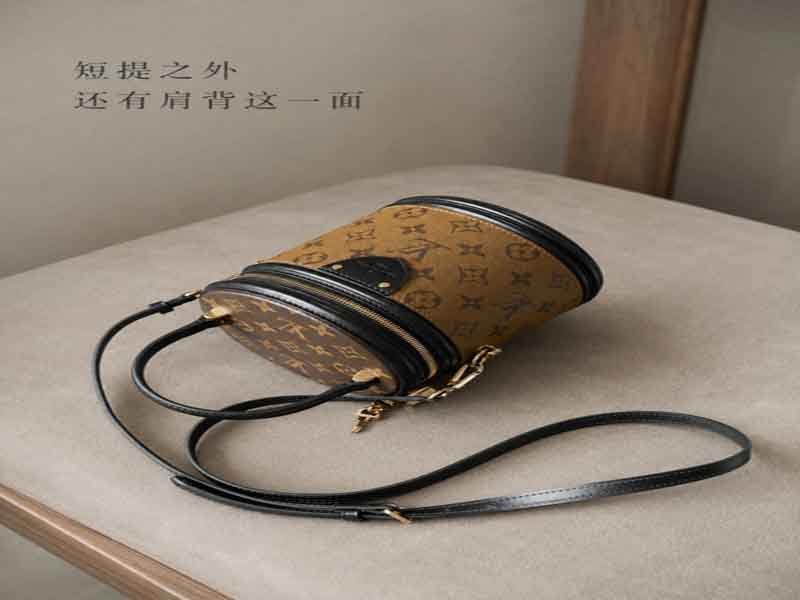
The primary materials used in shoulder bag manufacturing fall into eight standard fabric categories, each optimized for specific performance and design goals. Global industry data shows canvas holds the largest market share at 32% for casual bags, followed by nylon at 27% for outdoor and tactical styles, and polyester at 22% for value-focused bulk orders. The remaining 19% is split between cotton, neoprene, jute, linen, and Oxford fabrics, selected for niche use cases from sustainable fashion to medical equipment carry.
What Is Cotton Fabric Used for in Bag Production?
Cotton fabric is one of the most versatile and widely available base materials for shoulder bags, prized for its soft hand feel, breathability, and easy customization. Most cotton bags use medium-weight woven cotton, typically 180–320 GSM, which strikes a balance between structure and flexibility. It takes dye exceptionally well, making it a top pick for brands that want full-color custom prints or gradient designs. One key advantage is its natural, approachable aesthetic that resonates with everyday consumers and eco-focused audiences. It’s important to note that standard cotton has minimal water resistance on its own, but can be treated with wax or PU coatings to add weather protection. Many casual tote-style shoulder bags and minimalist everyday bags use cotton as their primary material, especially for brands targeting casual weekend and student audiences.
Why Is Canvas Fabric Popular for Casual Bags?
Canvas fabric is essentially a heavy-duty plain-woven cotton, usually 340–550 GSM, and it’s the single most popular material for casual shoulder bags for good reason. Its tight weave creates exceptional abrasion resistance—industry testing shows standard 16 oz canvas can withstand 15,000+ rub cycles before showing visible wear, roughly 3x the durability of lightweight cotton. It develops a natural patina over time that many consumers find desirable, giving each bag a unique, worn-in character that improves with age. Canvas also holds structure well, so bags keep their shape even when loaded with laptops, books, or daily essentials. It’s the go-to choice for tote bags, messenger bags, and vintage-style shoulder bags, and it’s compatible with nearly every customization technique from screen printing to leather patch appliqué.
When Are Polyester & Oxford Fabrics Selected?
Polyester fabric and its close variant Oxford fabric are selected when durability, water resistance, and low cost are top priorities. Polyester is a synthetic fiber that’s naturally wrinkle-resistant and quick-drying, with inherent water repellency that outperforms untreated cotton. Oxford fabric is a specific basket-weave variation of polyester (or sometimes polyester-cotton blend) with a subtle, textured finish, most commonly used for structured shoulder bags and laptop bags. These materials are especially popular for value-focused bulk orders, student bags, and promotional bags, as they cost roughly 30–40% less per yard than comparable-weight canvas. They also hold up well to frequent use and outdoor exposure, making them a practical choice for everyday carry bags that don’t require premium aesthetics.
What Makes Nylon Ideal for Tactical Outdoor Bags?
Nylon is the gold standard material for tactical, outdoor, and heavy-duty shoulder bags, and for very measurable reasons. High-tenacity nylon like Cordura 500D or 1000D has 2–3x the tensile strength of canvas at the same weight, and it’s highly resistant to tears, abrasion, and UV damage. It’s also naturally water-resistant, and can be coated with PU or TPU to achieve full waterproof performance. For perspective, military-grade nylon bags can withstand over 25,000 rub cycles and remain functional in temperatures from -20°F to 140°F. That’s why tactical gear brands, outdoor hiking companies, and military contractors almost exclusively use nylon for shoulder bags that need to perform in harsh conditions. It’s also lighter than canvas at equivalent strength levels, which reduces carry fatigue for all-day use.
What Is Neoprene Fabric Used for in Specialty Bags?
Neoprene fabric is a synthetic rubber material most commonly used for specialty shoulder bags that require cushioning, flexibility, and water resistance. It’s best known for laptop sleeves and protective camera bags, but it’s also increasingly popular for athletic shoulder bags and insulated cooler bags. Neoprene stretches slightly to fit contents snugly, and its shock-absorbent properties protect fragile items from bumps and drops. It’s also fully waterproof on its own, so contents stay dry even in heavy rain. One unique benefit is that neoprene can be cut and sewn with minimal edge finishing, which allows for sleek, minimalist designs with clean lines. It’s typically used as a primary material for soft-sided bags, or as a lining material inside harder-structured bag styles.
| Fabric Type | Weight Range (GSM) | Durability Score (1-10) | Cost per Yard (USD) | Most Common Applications |
|---|---|---|---|---|
| Cotton | 180–320 | 5–6 | $2.50–$4.50 | Casual totes, minimalist bags, printed promotional bags |
| Canvas | 340–550 | 7–8 | $3.80–$6.50 | Messenger bags, everyday carry, vintage casual bags |
| Polyester | 150–300 | 6–7 | $1.80–$3.20 | Bulk promotional bags, student bags, value everyday bags |
| Oxford Fabric | 200–350 | 6–7 | $2.20–$3.80 | Laptop shoulder bags, structured business bags |
| Nylon (Cordura) | 200–1000 | 9–10 | $4.20–$8.50 | Tactical bags, outdoor hiking bags, military gear |
| Neoprene | 300–800 | 7–8 | $5.00–$9.00 | Laptop sleeves, camera bags, insulated cooler bags |
Which Material Is Best for Different Shoulder Bag Use Cases?
The best shoulder bag material depends entirely on the use case: canvas or cotton works best for everyday casual bags, military-grade Cordura nylon meets tactical durability standards, coated polyester or nylon satisfies medical-grade hygiene requirements, and linen or premium cotton delivers the aesthetic needed for high-end fashion. Matching material to use case directly impacts customer satisfaction: industry surveys show brands that select fabric aligned with their product’s intended use see 28% lower return rates and 19% higher repeat purchase rates compared to brands that prioritize cost alone.
Which Material Works for Everyday Casual Bags?
For everyday casual shoulder bags—think commuter totes, crossbodies, and weekend bags—canvas and mid-weight cotton are the clear top choices for most brands. These materials strike the perfect balance of durability, comfort, and approachable style that fits daily use. Canvas offers more structure and longevity, making it ideal for bags that carry heavier loads like laptops and textbooks, while cotton delivers a softer, more relaxed feel for lighter everyday essentials. For brands targeting price-sensitive shoppers, polyester Oxford fabric is a strong alternative that still delivers solid performance at a lower price point. A real-world example: a popular casual accessory brand switched from thin polyester to 16 oz canvas for their best-selling messenger bag, and saw customer review scores jump from 3.8 to 4.6 out of 5, with 72% of reviewers specifically mentioning the “high-quality fabric” as a top reason for their positive rating.
What Fabric Fits Military Tactical Bag Standards?
Military and tactical shoulder bags have extremely strict performance requirements, and only high-tenacity nylon consistently meets the mark. Most military specifications call for 500D or 1000D Cordura nylon with a PU or TPU coating, which delivers resistance to abrasion, tears, water, and UV radiation. These materials must pass rigorous testing: MIL-SPEC standards require a minimum tensile strength of 400 pounds per square inch, and resistance to at least 20,000 abrasion cycles without failure. They also need to perform across extreme temperature ranges and resist damage from chemicals and fuel exposure. For tactical brands that don’t need full military certification, 420D nylon is a more affordable alternative that still delivers excellent durability for hiking, camping, and everyday tactical carry.
Which Material Meets Medical-Grade Bag Requirements?
Medical shoulder bags—used by nurses, doctors, and home health providers—require fabrics that meet strict hygiene, cleanability, and fluid resistance standards. Coated polyester and 210D nylon with a TPU or vinyl coating are the most common choices, because they can be easily wiped down and disinfected without damaging the fabric. These materials are non-porous, which prevents bodily fluids, cleaning chemicals, and bacteria from penetrating the bag surface. They also need to be lightweight enough for all-day carry, while still being durable enough to hold medical equipment, supplies, and personal items. Some medical bags also use antimicrobial fabric treatments to further reduce bacteria growth, which is an available post-processing option for most synthetic fabrics.
What Fabric Suits High-End Fashion Shoulder Bags?
For high-end fashion and designer shoulder bags, the material needs to deliver premium aesthetics, a luxurious hand feel, and exclusive appeal. Linen fabric, high-thread-count premium cotton, and linen-cotton blends are the most popular natural fiber choices, valued for their subtle texture, sophisticated drape, and timeless look. For luxury synthetic options, high-quality nylon satin or coated canvas with premium finishes are also used, especially for structured designer bags. These materials are often paired with leather trim and hardware to elevate the overall product. Luxury brands prioritize fabric consistency and dye accuracy above all else—even slight color variation between production runs can be unacceptable at premium price points. Many high-end brands also opt for custom fabric weaves or exclusive dye colors to differentiate their products from mass-market alternatives.
| Use Case | Core Requirements | Recommended Fabric | Price Tier | Typical Target Audience |
|---|---|---|---|---|
| Everyday Casual | Durable, comfortable, stylish, affordable | 12–16 oz Canvas / 250 GSM Cotton | Mid | General consumers, students, commuters |
| Tactical / Outdoor | High strength, water/UV resistant, tear proof | 500D–1000D Cordura Nylon | High | Hikers, tactical enthusiasts, military personnel |
| Medical Professional | Fluid resistant, easy to clean, antimicrobial | Coated Polyester / 210D Nylon | Mid-High | Nurses, doctors, home health care providers |
| High-End Fashion | Premium feel, unique texture, consistent dye | Linen / Premium Cotton / Designer Blends | Premium | Luxury shoppers, fashion-focused consumers |
| Promotional / Bulk | Low cost, printable, durable for short-term use | 190T Polyester / Lightweight Oxford | Budget | Event giveaways, brand marketing campaigns |
How Do Fabric Properties Determine Shoulder Bag Performance?

Fabric properties are the single biggest driver of overall shoulder bag performance, accounting for roughly 70% of a bag’s total durability, functionality, and wearer experience according to textile industry testing data. Core attributes like GSM weight, weave tightness, tensile strength, water repellency, and flex resistance directly define how long a bag will last, how it performs in different weather conditions, and how comfortable it is to carry daily. For example, upgrading from 8 oz canvas to 16 oz canvas can extend a bag’s average usable lifespan from 2 years to over 5 years with regular use, while switching from a basic water-repellent spray to a TPU coating can take a bag from light splash resistance to full waterproof performance. Understanding these property tradeoffs helps brands build products that match exactly what their customers expect, without overpaying for unnecessary performance or cutting corners that lead to returns.
How Does Fabric Durability Impact Bag Lifespan?
Durability is the most important performance metric for most shoulder bags, and it’s measured through three key fabric tests: abrasion resistance, tensile strength, and tear strength. Abrasion resistance determines how well the fabric holds up to rubbing against surfaces like clothing, desks, and pavement, and it’s usually measured in Martindale rub cycles. Tensile strength measures how much force it takes to pull the fabric apart, which matters when a bag is loaded with heavy items. Tear strength measures how easily a small nick or cut spreads into a larger rip, which is critical for outdoor and tactical bags. Heavier, tighter weaves almost always deliver better durability, but they come with tradeoffs in weight and stiffness. For instance, 1000D Cordura nylon has a tensile strength of over 500 pounds per inch, making it nearly indestructible for everyday use, but it’s significantly heavier and stiffer than lightweight 210D nylon.
What Fabrics Deliver Reliable Water Resistance?
Water resistance in shoulder bags ranges from basic splash resistance to full waterproofing, and the fabric base and coating type both play major roles. Natural fibers like cotton and canvas are inherently absorbent and only offer water resistance when treated with wax, silicone, or PU coatings. Synthetic fabrics like polyester and nylon are naturally water-repellent on their own, and can be coated to achieve higher levels of protection. Basic spray-on treatments work for light rain and splashes, but they wear off after 10–20 washes. Laminated PU or TPU coatings create a permanent barrier that can withstand heavy rain and complete submersion for short periods. For reference, a 2000mm hydrostatic head rating means the fabric can withstand light rain for hours, while a 10000mm rating is considered fully waterproof for most outdoor use cases. It’s important to note that zippers and seams are often the weak points, not the fabric itself, so true waterproof bags require taped seams in addition to coated fabric.
How Does Fabric Weight Affect Wearer Comfort?
Fabric weight directly impacts carry comfort, especially for shoulder bags worn for hours at a time. Heavier fabrics add empty weight to the bag before the user even puts anything inside, which contributes to shoulder fatigue and overall carrying burden. As a general rule, every 100 GSM increase in fabric weight adds roughly 0.3–0.5 pounds of empty weight to a standard-sized shoulder bag. For everyday casual bags, most users prefer fabrics under 400 GSM to keep the bag light enough for all-day wear. Tactical and work bags can go heavier because durability is a higher priority, but even then, many brands opt for high-strength lightweight nylons to reduce load. Fabric stiffness also plays a role: stiffer fabrics hold their shape better but can dig into shoulders or feel rigid against the body, while softer fabrics conform more naturally but may slump when loaded.
What Role Does Fabric Texture Play in Design?
Fabric texture is a key design element that shapes the visual identity and perceived quality of a shoulder bag. Smooth fabrics like fine cotton or nylon satin feel sleek and modern, making them popular for minimalist and fashion-forward designs. Textured fabrics like canvas, linen, and jute have a more tactile, organic feel that conveys craftsmanship and casual style. The texture also affects how the fabric accepts color and printing: smoother fabrics produce sharper, more vibrant printed designs, while textured fabrics give prints a softer, more vintage look. Texture even impacts perceived value—consumer studies show most people will rate a bag as higher quality if it has a substantial, textured fabric feel, even if the actual durability is identical to a smoother, lighter alternative.
| Fabric Property | How It’s Measured | Impact on Bag Performance | Common Benchmark Values |
|---|---|---|---|
| Abrasion Resistance | Martindale rub cycles | Determines how quickly fabric shows wear from friction | Cotton: 5,000–8,000 cycles |
| Canvas: 12,000–18,000 cycles | |||
| Cordura Nylon: 20,000–30,000+ cycles | |||
| Water Resistance | Hydrostatic head (mm) | Defines how much water pressure the fabric can withstand | Untreated cotton: <200mm (none) |
| PU-coated polyester: 2,000–5,000mm | |||
| TPU-coated nylon: 8,000–15,000mm | |||
| Tensile Strength | Pounds per inch (PPI) | Measures resistance to pulling and heavy loads | Standard canvas: 150–250 PPI |
| 500D Nylon: 350–450 PPI | |||
| 1000D Nylon: 500–600+ PPI | |||
| Fabric Weight | GSM (grams per square meter) | Affects empty bag weight and carry comfort | Lightweight: 150–250 GSM |
| Mid-weight: 250–450 GSM | |||
| Heavy-duty: 450–1000+ GSM |
What Eco-Friendly Fabrics Are Used for Sustainable Shoulder Bags?
Eco-friendly fabrics for sustainable shoulder bags fall into two main categories: natural biodegradable fibers like jute, linen, and organic cotton, and recycled synthetic fibers like rPET polyester. The global sustainable bag market is growing at 18% annually, with 62% of consumers surveyed saying they’re willing to pay a 10–20% premium for bags made from environmentally responsible materials. Each sustainable material has its own strengths and best use cases: natural fibers offer strong biodegradability and a low carbon footprint for casual and promotional bags, while recycled synthetics deliver durability and water resistance comparable to traditional fabrics, making them suitable for everyday and outdoor use. Many brands mix sustainable fabric bases with eco-friendly coatings and hardware to create fully sustainable product lines that appeal to environmentally conscious shoppers.
Is Jute Fabric a Good Sustainable Bag Option?
Jute is one of the most sustainable natural fibers available for shoulder bag manufacturing, and it’s an excellent choice for brands prioritizing environmental impact. Jute grows quickly with minimal water and no pesticides, it’s 100% biodegradable, and it has one of the lowest carbon footprints of any bag fabric. It’s a strong, coarse fiber with a distinct textured look that gives bags a natural, artisanal aesthetic. Jute is most commonly used for tote-style shoulder bags and promotional bags, especially for eco-focused brands, retail stores, and event marketing. It does have some limitations: it’s not water-resistant, it can feel rough against skin, and it’s less durable than canvas or synthetic fabrics with regular heavy use. For brands that want a more polished look, jute-cotton blends are available that soften the texture and improve durability while retaining most of jute’s sustainability benefits.
What Are the Benefits of Linen Fabric for Bags?
Linen is a premium sustainable natural fiber that brings luxury feel and environmental benefits to high-end and casual shoulder bags alike. Made from flax, linen requires far less water and fewer chemicals to produce than conventional cotton, and it’s fully biodegradable at the end of its lifecycle. It has a unique, subtle texture and a relaxed drape that gives bags an effortless, sophisticated look that’s very popular in fashion and lifestyle markets. Linen is also naturally breathable and gets softer with every wash, which improves the user experience over time. On the downside, linen wrinkles easily, which can be a drawback for structured bag designs, and it’s more expensive than cotton or jute. It’s best suited for premium casual bags, designer lines, and brands that target eco-conscious shoppers who value aesthetic and sustainability over maximum durability.
How Does Organic Cotton Compare to Regular Cotton?
Organic cotton is one of the most popular sustainable fabric options for shoulder bags, because it offers the same versatility as regular cotton with a much lower environmental impact. Unlike conventional cotton, which uses large amounts of pesticides, fertilizers, and water, organic cotton is grown without synthetic chemicals, using 88% less water and 62% less energy according to Textile Exchange data. It’s also GMO-free and safer for farm workers and surrounding ecosystems. In terms of performance, look, and feel, organic cotton is nearly identical to regular cotton—it takes dye well, works for printing, and comes in the same range of weights. The main difference is cost: organic cotton typically costs 20–35% more per yard than conventional cotton. For brands that market sustainability as a core value, that premium is worth it because it resonates strongly with target customers and supports stronger brand loyalty.
Are Recycled Polyesters Viable for Bulk Bags?
Recycled polyester, also known as rPET, is made from melted-down plastic bottles and other post-consumer plastic waste, and it’s a highly viable sustainable option for bulk shoulder bag production. It delivers nearly identical performance to virgin polyester—same durability, water resistance, wrinkle resistance, and printability—at a comparable or only slightly higher price point. Each yard of rPET fabric keeps roughly 10–15 plastic bottles out of landfills and oceans, which gives brands a strong sustainability story to share with customers. It’s especially popular for promotional bags, student bags, and everyday casual bags produced in large quantities, because it scales well for bulk orders and maintains consistent quality across production runs. Higher-quality rPET fabrics can also be used for outdoor and performance bags, making recycled synthetics the most versatile category of sustainable bag materials available today.
| Sustainable Fabric | Carbon Footprint (vs conventional cotton) | Biodegradable | Durability Score (1-10) | Price Premium vs Conventional | Best For |
|---|---|---|---|---|---|
| Jute | ~70% lower | Yes | 4–5 | +5–15% | Promotional bags, eco totes, casual beach bags |
| Linen | ~55% lower | Yes | 5–6 | +30–50% | Premium fashion bags, designer casual bags |
| Organic Cotton | ~40% lower | Yes | 5–6 | +20–35% | Everyday casual bags, printed bags, sustainable brands |
| Recycled Polyester (rPET) | ~30% lower | No | 6–7 | +5–15% | Bulk promotional bags, outdoor bags, everyday carry |
What Post-Processing Techniques Apply to Bag Fabrics?
Post-processing techniques are the finishing treatments that elevate base bag fabrics from basic raw material to high-performance, brand-ready product, and they can extend a shoulder bag’s usable life by 30–50% while unlocking full custom branding capabilities. The core categories of post-processing for bag fabrics include protective coatings, water and stain repellent finishes, custom printing, and custom dyeing, each engineered to target specific performance or design requirements. For instance, applying a TPU laminate to standard 420D nylon increases its water resistance by 400% and boosts abrasion resistance by 25%, turning a basic everyday fabric into one suitable for outdoor and tactical use. Many new brand owners treat post-processing as an afterthought, but it is often the single most impactful step for differentiating your product from generic bulk bags and justifying a higher retail price point.
What Finishes Boost Water & Stain Resistance?
Water and stain repellent finishes create a protective barrier on fabric surfaces that causes liquids to bead up and roll off instead of soaking in, and they also prevent oil, dirt, and food stains from setting into the fibers. There are three primary finish types used in shoulder bag manufacturing, each with different performance levels and best use cases. Wax-based finishes are the oldest option, most commonly used on cotton canvas bags for a vintage, natural look. They provide good water repellency for light rain, but they wear off gradually with use and washing, typically needing reapplication after 5–10 washes. Silicone-based finishes are a mid-tier option that work on both natural and synthetic fabrics, offering better durability than wax with a softer hand feel. They last 15–20 washes and maintain the fabric’s original breathability. Fluoropolymer finishes are the highest-performance option, delivering superior water and oil repellency that holds up for 25–35 washes. They’re the standard choice for outdoor nylon bags and premium everyday bags, though they come at a slightly higher cost per unit.
How Is Custom Printing Done on Bag Fabrics?
Custom printing is how brands add logos, patterns, and artwork to shoulder bag fabrics, and the right method depends on the fabric type, design complexity, order quantity, and desired durability. Screen printing is the most common and cost-effective method for bulk orders, using mesh stencils to apply ink layer by layer. It works best on cotton, canvas, and polyester, produces bold, opaque colors, and has excellent durability, but it’s less ideal for highly detailed or full-color designs. Digital direct-to-fabric printing is the go-to for small batch orders and complex, full-color artwork. It prints photographic designs directly onto the fabric with no setup fees, making it perfect for private label brands testing new designs. Sublimation printing is exclusively for polyester and polymer fabrics, where ink is heated and infused directly into the fibers. The result is a permanent, crack-proof print that never fades, and it’s the preferred method for all-over pattern designs on athletic and outdoor bags. Heat transfer vinyl is another option for small runs of simple logos, though it’s less durable than other methods over long-term use.
What Coatings Enhance Fabric Wear Resistance?
Fabric coatings are applied to the back or surface of the material to add structural integrity, abrasion resistance, and waterproofing, and they’re a standard step for performance-focused shoulder bags. Polyurethane (PU) coating is the most widely used option, offering a balanced mix of durability, flexibility, and affordability. It increases fabric abrasion resistance by roughly 40%, adds reliable water resistance, and maintains a relatively soft hand feel, making it ideal for everyday canvas and nylon bags. Thermoplastic polyurethane (TPU) coating is a higher-performance upgrade that’s more flexible, more abrasion-resistant, and better at withstanding extreme temperatures. It boosts abrasion resistance by 60% compared to uncoated fabric, and it’s the coating of choice for tactical bags, outdoor hiking bags, and products that see heavy, rough use. PVC coating is the lowest-cost option, delivering maximum water resistance and stiffness, but it’s less flexible, heavier, and less environmentally friendly than PU or TPU. It’s mostly used for low-cost industrial and utility bags where price is the top priority.
Can Dyeing Be Fully Customized for Bulk Orders?
Yes, fabric dyeing can be fully customized for bulk shoulder bag orders, with options to match nearly any brand color standard, including Pantone, RAL, and custom brand swatches. The level of customization and minimum order quantity depend on the dyeing method used. Piece dyeing, where finished fabric rolls are dyed solid colors, is the most common and cost-effective option for bulk custom orders. Most manufacturers can match custom colors with a 95%+ accuracy rate, and typical minimums for custom piece dyeing range from 300–500 yards of fabric, depending on the material. Yarn dyeing, where threads are dyed before weaving, is used for striped, checkered, or woven-in patterns. It produces the most colorfast results, but it has higher minimums and longer lead times. Pigment dyeing is a popular option for casual canvas bags, creating a faded, vintage, washed-out look that’s very on-trend. It works on cotton and canvas, and it can be customized to different levels of distressing for a unique, broken-in aesthetic right out of production.
| Post-Processing Technique | Compatible Fabrics | Primary Benefit | Durability | Cost Impact per Unit | Typical MOQ for Custom |
|---|---|---|---|---|---|
| Wax Water Repellent Finish | Cotton, Canvas | Natural vintage look, light water resistance | 5–10 washes | +2–5% | Low (50+ units) |
| Fluoropolymer Stain Repellent | Cotton, Canvas, Nylon, Polyester | Superior water + oil repellency | 25–35 washes | +5–10% | Mid (100+ units) |
| Screen Printing | All fabric types | Bold opaque logos, low cost for bulk | 200+ washes | +3–8% | Mid (100+ units) |
| Digital Direct-to-Fabric Printing | Cotton, Canvas, Polyester | Full color detailed artwork | 80–120 washes | +8–15% | Low (20+ units) |
| PU Coating | Nylon, Polyester, Canvas | Water resistance + improved abrasion | Life of fabric | +10–18% | Mid (200+ units) |
| TPU Coating | Nylon, Polyester | Maximum durability + waterproof | Life of fabric | +20–30% | Mid-High (300+ units) |
| Custom Piece Dyeing | All fabric types | Exact brand color matching | Life of fabric | +5–12% | Mid-High (300+ units) |
How to Choose the Right Fabric for Custom Shoulder Bag Orders?

Choosing the right fabric for custom shoulder bag orders requires balancing five core priorities: intended product use case, target retail price point, brand positioning, order volume, and production lead time. Industry analysis of custom bag brands finds that 41% of first-time launches end up with excess costs or poor customer feedback because they select fabric based solely on upfront price instead of matching material performance to customer expectations. Working with an experienced manufacturing partner lets you navigate these tradeoffs strategically—for example, opting for 12 oz canvas instead of 16 oz to hit a budget target while retaining 80% of the durability, or choosing recycled polyester to add sustainability appeal for just a 5–10% cost increase. For small and emerging brands, fabric choice is even more critical, as minimum order quantities for specialty materials can put custom production out of reach.
What Factors Guide Custom Bag Material Selection?
There are five non-negotiable factors to evaluate when selecting fabric for a custom shoulder bag project. First is functional performance: if the bag will be used outdoors, for work, or for heavy carrying, prioritize tensile strength, abrasion resistance, and water resistance. Second is cost per unit: fabric typically accounts for 35–50% of total bag production cost, so material choice directly impacts your margin and retail price. Third is aesthetic and brand fit: the fabric’s texture, weight, and drape shape how customers perceive your brand, from rugged and utilitarian to sleek and luxurious. Fourth is sustainability: if eco-friendliness is part of your brand identity, prioritize organic cotton, jute, linen, or recycled polyester over conventional synthetics. Fifth is production feasibility: some fabrics and finishes have long lead times or high minimum order quantities that may not align with your project timeline or volume. Running through these five factors in order will almost always narrow your options down to 2–3 clear candidates.
How Does Low MOQ Impact Fabric Choices?
Low minimum order quantity (MOQ) requirements significantly narrow fabric options, because many specialty materials, custom colors, and premium finishes require larger production runs to be cost-effective for manufacturers. For very small orders (50–100 units), you’ll typically be limited to in-stock standard fabrics in pre-dyed colors. The most widely available low-MOQ fabrics include standard 12 oz and 16 oz canvas, 210D and 420D nylon, and basic polyester Oxford, all of which most manufacturers keep in regular inventory. Custom dyeing, specialty weaves, and high-performance coatings usually have MOQs starting at 300–500 units, as they require dedicated production runs. That said, experienced manufacturers with flexible supply chains can often source low-MOQ specialty fabrics or offer semi-custom options—like adding a custom logo print to an in-stock fabric color—that let small brands get a custom look without meeting full bulk minimums. This is especially valuable for new brands testing product-market fit before committing to large production runs.
What Fabrics Work for Private Label Bags?
Private label shoulder bags require fabrics that balance consistent quality, customization potential, and perceived value, since your brand name is on the final product and you’re building long-term customer loyalty. Mid-to-premium weight fabrics are almost always the best choice for private label: 14–16 oz canvas, 420D nylon, organic cotton, and recycled polyester are all popular options that feel substantial enough to justify brand pricing while keeping production costs manageable. These fabrics also support the full range of private label customizations—including custom logo printing, woven labels, custom hardware, and interior branding—without requiring exorbitant minimums. Avoid the cheapest lightweight polyester or thin cotton for private label, as they feel flimsy and can damage your brand’s reputation for quality. Even for entry-level private label lines, stepping up one weight class in fabric delivers a disproportionate increase in perceived quality and customer satisfaction.
How to Match Fabric to Your Brand Positioning?
Your fabric choice should directly align with your brand’s price point and market positioning, because consumers use fabric feel and quality as their primary cue for judging a bag’s value. For budget and value-focused brands selling at entry-level price points, 190T polyester and lightweight Oxford fabric deliver acceptable durability at the lowest possible cost. For mass-market casual brands targeting mid-range pricing, 12–14 oz canvas and standard polyester blends strike the ideal balance of quality and affordability. For premium lifestyle brands, 16 oz canvas, organic cotton, and recycled rPET polyester convey quality and intentionality, justifying higher price points while keeping production costs reasonable. For luxury and designer fashion brands, premium linen, high-thread-count cotton blends, and specialty coated nylons deliver the exclusive feel and attention to detail that high-end customers expect. Consumer research confirms this effect: shoppers will typically pay 20–30% more for a bag that feels like it’s made from high-quality fabric, even if the construction and design are otherwise identical.
| Brand Positioning | Typical Retail Price Range | Recommended Fabric | Key Customization Options | Expected MOQ Flexibility |
|---|---|---|---|---|
| Budget / Value | $10–$25 | 190T Polyester, Lightweight Oxford | Basic screen print, simple logo | Very low (50+ units) |
| Mid-Range Casual | $25–$60 | 12–14 oz Canvas, 210D Nylon, Standard Cotton | Full color print, woven labels, standard hardware | Low (100+ units) |
| Premium Lifestyle | $60–$150 | 16 oz Canvas, 420D Nylon, Organic Cotton, rPET | Custom dye, premium hardware, interior branding | Mid (200+ units) |
| Luxury / Designer | $150+ | Linen, Premium Cotton Blends, Specialty Coated Nylon | Custom weave, leather trim, exclusive dye colors | High (500+ units) |
What to Expect From Sampling & Production of Custom Fabric Bags?
Sampling and production timelines for custom fabric shoulder bags vary based on fabric type, customization complexity, and order volume, but understanding standard benchmarks helps brands plan launches and inventory effectively. Industry averages show standard fabric samples take 3–7 business days, while fully customized prototype bags with all branding and finishes take 7–15 business days. Bulk production lead times typically range from 15–35 days after sample approval, depending on order size and material availability. Working with a vertically integrated manufacturer that handles fabric sourcing, cutting, sewing, and finishing in-house can cut lead times by 20–30% compared to factories that outsource material production. Many new brand owners underestimate how much fabric availability impacts timelines—ordering custom-dyed fabric or specialty materials can add 10–20 days to the production schedule compared to using in-stock fabrics.
How Fast Can Custom Fabric Samples Be Produced?
Custom fabric sample turnaround depends on what type of sample you need. Simple fabric swatches—just pieces of the material in your chosen color and finish—are the fastest, usually shipping within 2–5 business days. These let you feel weight, texture, and color accuracy before committing to full production. Printed fabric samples, which show your logo or pattern printed on the actual material, take 5–10 business days, as they require setup of printing screens or digital print files. Full physical bag prototypes are the most time-consuming, taking 7–15 business days for most styles. These are complete, sewn bags with all hardware, linings, and branding applied, so you can test fit, function, and overall quality. For rush projects, many manufacturers offer expedited sampling for an additional fee, cutting prototype turnaround to as little as 3–5 business days by prioritizing your order in the sample shop.
Can You Get Free Samples for Bag Prototyping?
Yes, many reputable bag manufacturers offer free fabric swatches and charge only for full prototype bags, though policies vary by supplier. Standard fabric swatch sets—usually 4×6 inch pieces of available materials and colors—are almost always free, with the manufacturer only charging for shipping. This lets brands evaluate material quality, color options, and finish types upfront with minimal risk. Fully sewn prototype bags typically incur a sampling fee, because they require dedicated labor, materials, and setup time. Sampling fees usually range from $30–$150 per bag style, depending on complexity and material cost. Many manufacturers will credit part or all of the sampling fee toward your first bulk order once you place a production run, effectively making the prototype free if you move forward. It’s standard practice to charge for custom-printed prototypes and highly customized designs, as these involve additional setup work that can’t be reused for other clients.
What Is the Standard Lead Time for Bulk Orders?
Standard bulk production lead times for custom fabric shoulder bags fall into three tiers based on order size and customization level. Small production runs (50–300 units) using in-stock fabrics and standard printing typically take 15–20 business days from sample approval. Mid-size orders (300–1,000 units) with moderate customization like custom dye colors or premium finishes take 20–28 business days. Large bulk orders (1,000+ units) with full customization including custom fabric weaves, exclusive hardware, and multiple colorways usually require 28–45 business days. These timelines assume fabric is readily available—if you’re ordering specialty materials or custom-dyed fabric, add 10–20 days for fabric production before manufacturing begins. Sea freight shipping adds another 25–35 days for delivery to most Western markets, while air freight takes 3–7 days at a higher cost. Experienced manufacturers can often optimize production scheduling to compress timelines for launch deadlines.
How Is Quality Controlled in Bag Manufacturing?
Quality control in custom bag manufacturing happens at four key stages throughout production, and rigorous QC directly reduces defect rates and customer returns. First is incoming fabric inspection, where rolls are checked for color consistency, weave defects, stains, and weight accuracy before any cutting begins. This catches material issues early, before they’re sewn into finished bags. Second is cutting inspection, where pattern pieces are verified for accurate dimensions and fabric grain alignment. Third is in-line sewing inspection, where QC technicians check seams, stitching, hardware attachment, and alignment at multiple points during assembly. Fourth and final is finished goods inspection, where every completed bag is checked for cosmetic defects, functional issues, and measurement accuracy before packing. Reputable manufacturers target defect rates below 2%, with premium factories achieving rates under 0.5%. Strong QC also includes testing for colorfastness, abrasion resistance, and hardware strength on a sample basis from each production batch.
| Production Stage | Typical Timeline | What’s Included | Common Delays to Watch For |
|---|---|---|---|
| Fabric Swatches | 2–5 business days | Material samples, color options, finish examples | None—usually shipped same week |
| Printed Fabric Sample | 5–10 business days | Your design printed on actual fabric | Print file revisions, color matching |
| Full Bag Prototype | 7–15 business days | Complete sewn bag with all hardware and branding | Design changes, specialty hardware sourcing |
| Small Bulk Production (50–300 units) | 15–20 business days | Full production run, standard QC, packing | Fabric out of stock, holiday scheduling |
| Mid Bulk Production (300–1,000 units) | 20–28 business days | Full production, custom options, batch testing | Custom dye matching, material lead times |
| Large Bulk Production (1,000+ units) | 28–45 business days | Full production, multiple colorways, full QC audit | Custom fabric weaving, hardware tooling |
Are OEM & ODM Services Available for Custom Material Bags?

Yes, OEM (Original Equipment Manufacturing) and ODM (Original Design Manufacturing) services are widely available for custom material shoulder bags, and they’re the standard way most brands build their product lines without operating their own factories. OEM means you provide the full design and specifications, and the manufacturer produces the bags exactly to your requirements using your branding. ODM means the manufacturer provides pre-existing designs and you customize them with your logo, materials, and colors—often called private label or white label production. Both models work across all fabric types from canvas to nylon to sustainable materials, and both support low MOQ options for emerging brands and high-volume production for established brands. Choosing between OEM and ODM comes down to how much design control you need, how fast you want to launch, and what your budget is for development costs.
What’s the Difference Between OEM and ODM?
The core difference between OEM and ODM lies in who owns the design and how much customization happens at the product level. OEM manufacturing is fully custom: you provide complete design files, technical specifications, material requirements, and branding guidelines, and the factory builds your bag from scratch exactly as specified. This gives you 100% control over every detail, from fabric weight to stitch count to hardware finish. It’s ideal for brands with unique designs or specific performance requirements, but it requires more upfront work and longer development timelines. ODM manufacturing uses the factory’s existing, proven bag designs as a base, and you customize elements like fabric type, color, logo, and interior details. This is much faster to launch—often cutting time-to-market in half—and requires no design work on your end. The tradeoff is less exclusivity, since the base design may be available to other brands too. Many brands start with ODM to test the market, then move to OEM once they have sales data and want fully exclusive products.
Can Custom Logos Be Added to Any Bag Fabric?
Custom logos can be added to nearly every bag fabric type, but the application method varies by material to ensure durability and quality. For woven fabrics like cotton, canvas, and linen, screen printing and embroidery are the most popular logo options. Screen printing produces crisp, vibrant logos that hold up well for everyday use, while embroidery delivers a premium, textured look that’s ideal for higher-end brands. For synthetic fabrics like polyester, nylon, and neoprene, options expand to include sublimation printing, which infuses the logo directly into the fibers for a completely permanent, peel-proof finish. Rubber PVC patches and leather patches are another premium option that work on almost any fabric, attached by sewing or adhesive. The only limitations are with very lightweight fabrics under 150 GSM, which can pucker with heavy embroidery or thick print layers. For those materials, thin digital printing or heat transfer vinyl works better without damaging the fabric structure. An experienced manufacturer can recommend the best logo application method for your specific fabric and design.
Do Manufacturers Offer Free Design Support?
Many custom bag manufacturers offer free design support as part of their service, especially for ODM and private label orders. The level of free support varies, but it typically includes basic layout assistance, logo placement recommendations, material selection guidance, and technical advice to make sure your design is production-ready. For simple projects like adding your logo to an existing bag style, design support is almost always complimentary. For fully custom OEM designs, some factories provide free basic design consulting but charge for detailed CAD work, pattern making, and technical specification development. Others include basic design services in their manufacturing pricing to help clients get to production faster. Free design support is most valuable for new brands that may not have in-house textile or product design expertise—a good manufacturing partner will point out design issues that would cause production problems or drive up costs, and suggest alternatives that save money without sacrificing quality. Premium design services like 3D renderings, custom pattern development, and material research typically come at an additional cost.
How to Partner for Private Label Bag Production?
Partnering for private label shoulder bag production follows a straightforward process that starts with defining your requirements and ends with receiving finished branded products. First, identify your product specifications: fabric type, bag style, size, features, and branding requirements. Second, request fabric swatches and product catalogs from potential manufacturers to evaluate quality and capabilities. Third, ask for a detailed quote that includes unit pricing, MOQs, sampling fees, lead times, and all customization options. Fourth, order a prototype sample to verify quality, fit, and branding accuracy before committing to bulk production. Fifth, approve the sample and place your production order, providing all necessary branding files and specifications. The best private label partners offer flexible MOQs, multiple fabric options, in-house design support, and transparent pricing. Look for manufacturers with experience in your target market—whether that’s casual fashion, tactical gear, or sustainable products—because they’ll understand material performance expectations and quality standards specific to your audience.
| Service Model | Design Control | Development Time | Upfront Cost | Minimum Order Quantity | Best For |
|---|---|---|---|---|---|
| ODM / Private Label | Partial — customize existing designs | Fast — 1–2 weeks to sample | Low — only sampling fees | Low — 50–200 units | New brands, fast launches, budget-focused lines |
| OEM / Fully Custom | 100% — your complete design | Slow — 4–8 weeks to prototype | Higher — design + pattern + tooling | Mid-High — 200–500+ units | Established brands, exclusive products, performance-specific bags |
When you’re ready to turn your shoulder bag concept into a finished product, Szoneier brings over 18 years of fabric manufacturing expertise directly to your brand. From cotton, canvas, and nylon to sustainable jute, linen, and recycled polyester, we source and produce every fabric type in-house, with full custom post-processing, low MOQ flexibility, fast sampling, and OEM/ODM private label services tailored to your exact needs. Our team handles everything from material selection and design optimization to production QC and on-time delivery, so you can focus on building your brand while we handle the manufacturing details. Reach out to Szoneier today to request free fabric swatches, discuss your custom shoulder bag project, and get a competitive quote for your next production run.