 Skip to content
Is Rayon and Viscose Fabric Sustainable? A Guide for Eco-Conscious Brands
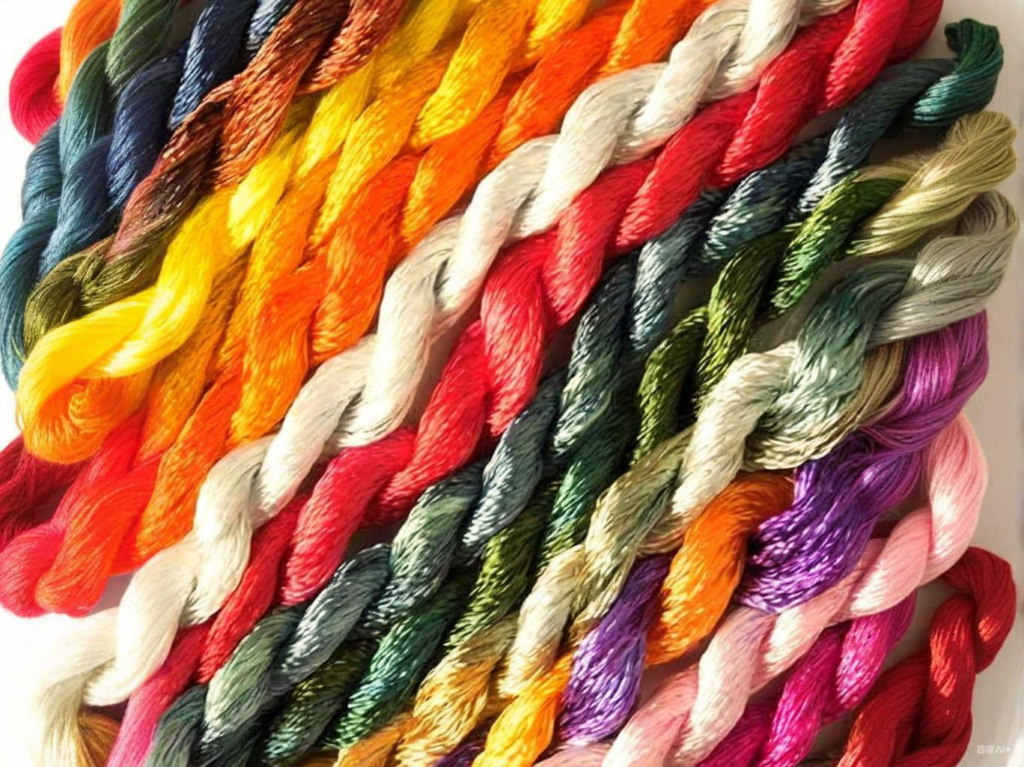
Rayon and viscose are often described as “natural-feeling” fabrics—and that description alone has caused years of confusion. They feel like cotton, drape like silk, and come from wood pulp, which sounds reassuring. Yet at the same time, they’re frequently criticized for deforestation, chemical pollution, and opaque supply chains. So where do they really stand when sustainability matters?
The truth is more nuanced than a simple yes or no. Rayon and viscose can be sustainable—or deeply problematic—depending on how the fiber is sourced, processed, and finished. Two fabrics labeled “100% viscose” can have radically different environmental footprints, even if they feel identical to the wearer.
rayon and viscose are semi-synthetic fibers made from renewable plant sources, but their sustainability depends on responsible forestry, chemical recovery systems, energy use, and supply chain transparency. When produced with modern closed-loop processes and certified raw materials, they can be among the more eco-conscious fabric choices available today.
A few years ago, one of SzoneierFabrics’ long-term European clients told us something that stuck: “Our customers don’t just ask what a fabric is made of anymore—they ask where it came from, who made it, and what happened to the forest.” That shift in mindset is exactly why rayon and viscose deserve a deeper, more honest conversation.
What Are Rayon and Viscose Fabrics, and How Do They Differ from Other Cellulosic Fibers?
Rayon and viscose are often misunderstood in sustainability discussions due to the complex manufacturing processes that transform them from natural plant-based cellulose into regenerated fibers. Although rayon and viscose start with cellulose—usually sourced from wood pulp—the chemical processes involved in converting them into fiber form result in materials that sit between natural fibers and synthetic fibers. This intermediate nature is crucial when considering their environmental impact, usability, and performance in textiles.
Both rayon and viscose are part of a broad regenerated cellulose fiber category, with viscose being the most common production method. In comparison to fibers like cotton or linen, rayon undergoes a much more industrialized and chemical-intensive process. This key distinction places rayon and viscose in a unique position in the fabric industry: they are derived from renewable sources but are transformed into fiber using methods that involve high processing.
Understanding Rayon Beyond Marketing Language
The term “rayon” is often used in marketing to evoke images of natural fibers like cotton or silk. However, rayon is not a single fiber but an umbrella term that encompasses a variety of regenerated cellulose fibers that are chemically processed. Here’s a breakdown of different types of rayon and their production methods:
| Term | What It Actually Means |
|---|---|
| Rayon | An umbrella category for regenerated cellulose fibers, which includes all types made from wood pulp and other natural cellulose sources |
| Viscose | The traditional and most common rayon production method, involving dissolving cellulose in chemicals to form fibers |
| Modal | A modified version of viscose with higher wet strength, often used in activewear for its durability and comfort |
| Lyocell (TENCEL™) | A more eco-friendly rayon variant produced using a closed-loop solvent-spinning process, which recycles chemicals and uses less water |
When people criticize rayon, they’re often targeting older viscose production methods, which historically had significant environmental impacts due to the use of toxic chemicals and unsustainable forestry practices. However, newer processes like lyocell (TENCEL™) have improved the sustainability profile of rayon-based fabrics.
How Rayon Compares to Cotton, Polyester, and Linen
Rayon sits in a unique middle ground compared to other fibers commonly used in textiles. While it originates from renewable plant materials, the level of processing it undergoes is much higher than fibers like cotton or linen, which retain their natural structure. On the other hand, polyester is derived from petroleum, making it a non-renewable fiber. Here’s how rayon stacks up against other popular fibers in terms of raw material, processing level, and renewability:
| Fiber | Raw Material | Processing Level | Renewable Source |
|---|---|---|---|
| Cotton | Cotton plant | Low | Yes |
| Linen | Flax plant | Low | Yes |
| Rayon / Viscose | Wood pulp | High | Yes |
| Polyester | Petroleum | High | No |
While rayon (and viscose, as its most common form) originates from a renewable resource, the high processing level means it isn’t as “natural” as cotton or linen, which require minimal processing. This intermediate level of processing is a key consideration in sustainability discussions because it means rayon fibers are neither fully natural nor fully synthetic, offering a compromise between renewability and industrial processing.
Why Cellulosic Fibers Feel More “Natural”
Despite the processing involved, rayon and other cellulosic fibers like modal and lyocell often feel more “natural” than many synthetic fibers such as polyester or nylon. Here are some of the reasons why rayon and viscose are highly valued for their comfort and feel in textiles:
- Absorb moisture well: Rayon fibers are hydrophilic, meaning they absorb moisture from the skin, making them comfortable to wear, especially in warmer climates.
- Breathable: The structure of rayon fibers allows for better air circulation compared to synthetics, which can trap heat and moisture.
- Low static: Rayon generates less static, which prevents the fabric from sticking to the skin during movement, an issue often seen with polyester.
- Soft against the skin: The smooth texture of rayon fibers provides a soft feel, making them highly desirable for daily wear and activewear applications.
These qualities are why rayon and viscose fabrics are particularly popular in apparel and sportswear, where comfort, breathability, and moisture management are essential for performance and daily use.
The Sustainability Misconception
In sustainability discussions, rayon and viscose fabrics are often assumed to be eco-friendly simply because they come from trees. However, the environmental impact of rayon depends significantly on the source of the wood pulp and the processing methods used.
Many consumers assume:
“If it comes from trees, it must be eco-friendly.”
But the reality is more nuanced. The source of the trees and the way chemicals are handled during production have a far greater environmental impact than the raw material itself. Rayon is often produced using chemicals like sodium hydroxide and carbon disulfide, which can pose environmental risks if not handled properly.
At SzoneierFabrics, we’ve encountered cases where uncertified viscose pulp was sourced from high-risk forests, causing deforestation and ecological damage. On the other hand, FSC-certified eucalyptus can be harvested responsibly for lyocell production, offering a more sustainable option.
The fabric itself may feel the same in terms of softness and breathability, but the environmental footprint is entirely different based on sourcing and production practices.
Understanding Rayon and Viscose’s Place in the Fiber Landscape
Rayon and viscose, as regenerated cellulose fibers, offer a balance between natural fiber benefits and synthetic fiber processing. They are derived from renewable plant materials but undergo a high level of chemical processing, which places them somewhere between natural and synthetic fibers. While rayon’s sustainability has historically been questioned due to its production methods, newer fibers like lyocell offer a more eco-friendly solution.
In terms of performance, rayon and viscose provide breathability, moisture absorption, and softness, making them ideal for daily wear and activewear. However, the environmental impact of rayon depends largely on factors like wood pulp sourcing, chemical management, and production methods—not simply whether it comes from trees.
To ensure a more sustainable future for rayon and viscose-based fabrics, consumers and manufacturers must prioritize sustainable sourcing (e.g., FSC-certified pulp) and closed-loop production processes (like lyocell), minimizing the environmental footprint and enhancing the fabric’s appeal in eco-conscious markets.
How Sustainable is the Manufacturing Process of Rayon and Viscose Compared to Cotton and Synthetics?
The sustainability of the manufacturing process for rayon (viscose) is a topic of considerable debate. Historically, viscose production has been known for its chemical-intensive process, with concerns about environmental pollution and resource consumption. However, compared to petroleum-based synthetics like polyester, rayon/viscose generally has a lower environmental footprint, especially when modern closed-loop systems are used. On the other hand, organic cotton production, although more sustainable than conventional cotton, can still be more resource-intensive than modern viscose.
Understanding the full sustainability impact of a fabric requires consideration of the entire production lifecycle, including raw material sourcing, energy consumption, water use, and chemical treatment. For viscose, much of the debate centers on how it’s made, rather than simply what it’s made from.
Breaking Down the Production Footprint
The production of traditional viscose follows several key stages, each of which can contribute significantly to the fabric’s environmental footprint:
- Wood pulp extraction: The primary raw material for viscose is wood pulp, which is sourced from trees, often including hardwoods and softwoods.
- Chemical dissolution: In this stage, sodium hydroxide and carbon disulfide are used to break down the wood pulp into a viscous solution. This is where significant chemical use and pollution risk occur.
- Fiber regeneration: The dissolved pulp is then extruded through spinnerets to form fibers, which are regenerated into a fabric.
- Washing, bleaching, and drying: After extrusion, the fibers are treated to remove chemicals, and the fabric is bleached to improve appearance. These treatments require significant water and energy.
The environmental impact of viscose production largely depends on the efficiency of chemical recovery and wastewater treatment. In traditional manufacturing methods, chemicals were often released into the environment, causing pollution. However, modern closed-loop production systems can recover up to 90-99% of solvents, drastically reducing the environmental impact.
Environmental Footprint Comparison
Different fabrics have varied environmental impacts based on water use, energy consumption, chemical load, and emissions risk. Here’s a comparison of the common fibers used in the textile industry:
| Fabric | Water Use | Energy Use | Chemical Load | Emissions Risk |
|---|---|---|---|---|
| Conventional cotton | Very high | Medium | Medium | Medium |
| Organic cotton | High | Medium | Low | Low |
| Traditional viscose | Medium | High | High | High |
| Modern viscose (closed-loop) | Medium | Medium | Low | Low |
| Polyester | Low | High | Low | High (fossil-based) |
- Cotton: Conventional cotton production uses significant amounts of water, especially in regions where irrigation is required. It also relies on pesticides and synthetic fertilizers, which are harmful to the environment. On the positive side, cotton is biodegradable.
- Organic cotton: Organic cotton production reduces pesticide use, but it still requires high water consumption and significant land area for cultivation.
- Viscose: Traditional viscose production involves high chemical use, especially in the chemical dissolution phase. However, modern closed-loop viscose systems have dramatically improved chemical recovery and wastewater treatment, reducing their environmental footprint.
- Polyester: While polyester requires less water than cotton or viscose, it is petroleum-based, making its production fossil-fuel dependent, and non-biodegradable.
Thus, while traditional viscose has a high chemical load and emission risk, modern systems have significantly reduced these impacts, particularly through the use of closed-loop technologies.
Why “How It’s Made” Matters More Than “What It’s Made Of”
When comparing the sustainability of different fabrics, it’s important to focus on how a fabric is produced rather than simply what it’s made of. For example, both traditional viscose and organic cotton may share similar end products but differ greatly in the processes that affect their environmental impact.
| Factor | Low-Control Factory | Modern Controlled Factory |
|---|---|---|
| Chemical recovery | <60% | >95% |
| Wastewater treatment | Minimal | Full treatment |
| Energy source | Coal-based | Mixed / renewable |
| Compliance risk | High | Low |
- Chemical recovery: Traditional viscose factories typically recover less than 60% of the chemicals used, meaning the remaining chemicals are often released into the environment. In contrast, modern closed-loop systems recover 95% or more, significantly reducing pollution.
- Wastewater treatment: Modern systems include comprehensive wastewater treatment, ensuring that harmful chemicals don’t pollute water sources. This is a major improvement over older processes that allowed untreated chemicals to flow into rivers and streams.
- Energy source: Older viscose factories often rely on coal for energy, whereas modern factories use a mix of renewable energy, reducing their carbon footprint.
- Compliance risk: Newer, more sustainable factories tend to be better regulated and compliant with international sustainability standards, minimizing environmental risk.
Cotton vs Viscose: A Fair Sustainability Comparison
When it comes to sustainability, cotton and viscose are often pitted against each other. However, each fabric comes with its own set of trade-offs.
- Conventional cotton uses significant water and pesticide inputs, leading to high water usage and chemical impact on the environment. However, cotton farming is less energy-intensive than viscose production.
- Viscose is produced with fewer land and water resources than cotton but uses more chemicals during the manufacturing process.
Thus, the better question may not be “Which fabric is greener?” but rather “Which fabric is responsibly produced?” The focus should be on the sustainability of production processes, including energy use, water management, chemical handling, and waste disposal, rather than just the raw materials themselves.
SzoneierFabrics’ Manufacturing Perspective
At SzoneierFabrics, we prioritize sustainability in viscose production by implementing the following practices:
- Certified pulp sources: We use sustainable wood pulp, often certified by organizations such as FSC (Forest Stewardship Council).
- Solvent recovery systems: Our mills use closed-loop processes, recovering 90-99% of the solvents, which reduces waste and environmental pollution.
- Reduced bleaching processes: We minimize the use of harsh bleaching agents, reducing chemical pollution.
- Long-life fabric performance: By improving durability, we help reduce the need for frequent replacements, supporting a circular economy.
These steps improve the environmental footprint of viscose, especially when compared to older manufacturing systems. The goal is to balance luxury, performance, and sustainability while ensuring that materials last longer and create less waste over time.
Sustainability Depends on Responsible Production
Viscose is neither inherently sustainable nor unsustainable. Its environmental impact is heavily influenced by how it’s made. Modern closed-loop viscose manufacturing systems significantly reduce the environmental impact by recovering solvents, treating wastewater, and using renewable energy. When produced responsibly, viscose can be a more sustainable option than conventional cotton and much more sustainable than petroleum-based synthetics like polyester.
At SzoneierFabrics, we are committed to sustainable viscose production that meets the highest standards for environmental responsibility. By choosing responsibly sourced materials and modern production processes, we aim to provide fabrics that contribute to sustainability goals without sacrificing performance or luxury.
What environmental impacts are associated with rayon and viscose production (deforestation, chemicals, water, energy)?
The production of rayon and viscose, while providing a versatile and comfortable fabric, carries significant environmental risks that are mainly tied to deforestation, chemical use, water consumption, wastewater treatment, and energy consumption. However, these impacts are largely determined by how the fibers are sourced and processed. While rayon and viscose are not inherently harmful, irresponsible production practices can result in severe environmental consequences, making it essential to implement sustainable manufacturing practices to mitigate these effects.
Rayon and viscose fibers are derived from wood pulp, typically sourced from trees like beech, pine, or eucalyptus. The extraction process, alongside the chemicals involved in production, can have negative consequences for ecosystems, human health, and communities. However, when managed responsibly, these issues can be controlled, reducing the environmental footprint of the final product.
Breaking Down the Real Environmental Pressures
The primary environmental challenges in rayon and viscose production stem from poor sourcing practices and outdated manufacturing methods. Let’s take a closer look at each major environmental issue and how it can be mitigated.
Deforestation: the biggest upstream risk
Rayon and viscose production starts with wood, and the environmental impact largely depends on which trees are harvested and where they come from. The practice of sourcing pulp from old-growth forests or unsustainable plantations contributes significantly to deforestation, biodiversity loss, and carbon emissions.
Sourcing Trees: The Risk Factors
| Source Type | Environmental Risk |
|---|---|
| FSC-certified plantations | Low |
| Mixed managed forests | Medium |
| Ancient or endangered forests | Very high |
In the past, some viscose supply chains sourced pulp from ancient or endangered forests, which contributed to deforestation and habitat destruction. This has led to increased scrutiny of supply chains, and now many brands are turning to FSC (Forest Stewardship Council) or PEFC (Programme for the Endorsement of Forest Certification) certifications to ensure responsible sourcing practices. Certification ensures that the pulp comes from sustainably managed forests that prioritize environmental and social considerations.
At SzoneierFabrics, many of our clients increasingly request FSC or PEFC-certified pulp to minimize the risk of deforestation and ensure that the environmental impact of production is as low as possible. These certifications help to trace the origins of raw materials and confirm that the trees used in production are from responsibly managed forests.
Chemical use: not all viscose is processed equally
The traditional viscose production process relies heavily on sodium hydroxide and carbon disulfide, both of which are toxic chemicals. When these chemicals are not properly managed, they can pose significant environmental and health risks. Carbon disulfide, in particular, can be dangerous for workers and surrounding communities, while untreated wastewater containing harmful chemicals can contaminate local water sources.
Chemical Recovery Rates in Viscose Production
| Production Type | Chemical Recovery Rate |
|---|---|
| Outdated viscose plants | 50–70% |
| Modern controlled plants | 90–99% |
| Lyocell process | >99% |
Older viscose production plants often have poor chemical recovery systems, resulting in higher pollution levels and increased emissions. In contrast, modern controlled plants with better recovery systems can recover up to 99% of chemicals, dramatically reducing the environmental impact. The Lyocell process, which is a more sustainable alternative to traditional viscose, has an even higher recovery rate, with over 99% of chemicals being recycled.
By shifting to more modern production methods with better chemical recovery, the environmental damage associated with chemical use can be significantly reduced. Furthermore, these advancements not only improve the sustainability of rayon and viscose but also create a safer working environment for factory employees.
Water consumption and wastewater
Water use in rayon and viscose production is another significant environmental issue. While viscose does not always require more water than other fibers, the main concern is the wastewater generated during production. Without proper wastewater treatment, the water used in viscose production can become contaminated with harmful chemicals, posing a significant threat to aquatic ecosystems and communities near manufacturing plants.
Water Use and Wastewater Risk
| Fabric | Water Use (Relative) | Wastewater Risk |
|---|---|---|
| Cotton (conventional) | Very high | Medium |
| Viscose (uncontrolled) | Medium | High |
| Viscose (controlled) | Medium | Low |
| Polyester | Low | Low |
In comparison to cotton, viscose uses medium levels of water. However, without proper wastewater treatment, the environmental risk increases. Uncontrolled viscose production, where wastewater is not adequately treated, carries a high risk of polluting local water sources with toxic chemicals. Conversely, controlled viscose production, where wastewater treatment is rigorously implemented, reduces the risk significantly and ensures that the water is safe for reuse or disposal.
Companies using modern controlled plants and adopting better wastewater management systems can significantly lower their environmental impact and reduce contamination of local ecosystems.
Energy footprint
Energy consumption in the production of rayon and viscose depends on several factors, including the energy source (e.g., coal, mixed grid, renewable), the efficiency of drying and regeneration processes, and local environmental regulations. Coal-dominant power sources have a high carbon impact, while plants that rely on renewable energy produce lower emissions and have a significantly reduced carbon footprint.
Energy Sources and Carbon Impact
| Energy Source | Carbon Impact |
|---|---|
| Coal-dominant | High |
| Mixed grid | Medium |
| Renewable-supported | Low |
While many modern mills are transitioning toward cleaner energy sources, transparency remains key. Mills that rely on coal or other fossil fuels contribute significantly to global warming and air pollution. On the other hand, mills powered by renewable energy or mixed grids have a much lower environmental footprint and contribute to a more sustainable production process.
Rayon and viscose production is not inherently harmful to the environment, but the environmental risks depend on how and where the fibers are sourced and produced. When managed responsibly, these fabrics can have a significantly lower environmental impact.
In order to make rayon and viscose production more sustainable, manufacturers must focus on improving the sourcing of raw materials, implementing modern chemical recovery systems, treating wastewater properly, and reducing energy consumption by using cleaner energy sources.
Rayon and viscose production poses several environmental challenges, including deforestation, toxic chemical use, excessive water consumption, wastewater contamination, and high energy consumption. However, with stricter oversight, certifications, and sustainable production practices, these issues can be mitigated. By focusing on responsible sourcing, modern manufacturing processes, and sustainable energy practices, the environmental footprint of rayon and viscose production can be dramatically reduced. As consumers and brands increasingly demand sustainable products, it is essential for manufacturers to adapt and implement solutions that minimize the impact of these fabrics on the environment.
Are Rayon and Viscose Biodegradable, and How Do They Behave at the End of a Garment’s Lifecycle?
Rayon and viscose fibers, being cellulose-based, are technically biodegradable. However, their actual biodegradation process in real-world conditions is significantly influenced by various factors such as dye treatments, finishing processes, fabric blends, and disposal environments. This complexity often leads to confusion and misunderstanding regarding their true environmental impact, especially when marketed as “biodegradable.”
While rayon and viscose offer biodegradable properties under the right conditions, the reality of their end-of-life behavior is more nuanced, especially when blended with synthetic fibers or subjected to chemical treatments. As a result, sustainability claims around these fibers require careful consideration beyond just their fiber composition.
Biodegradability vs Real-World Disposal
Fiber-Level Biodegradability
At its core, viscose (and its variants like Modal and Lyocell) is made from regenerated cellulose, a material derived from natural wood pulp or plant matter. Since cellulose is a naturally occurring organic polymer, it is biodegradable by definition. In ideal lab conditions—such as industrial composting environments—viscose fibers can degrade within a matter of weeks to months, depending on the type and environment.
| Fiber | Biodegradable? |
|---|---|
| Viscose | Yes |
| Modal | Yes |
| Lyocell | Yes |
| Polyester | No |
Though cellulose-based fibers like viscose are biodegradable, the conditions under which they decompose play a large role in how fast or effectively this happens.
Why Garments Don’t Always Biodegrade as Expected
When viscose fibers are woven or knit into garments, the biodegradation process is significantly altered by the addition of other materials and treatments. Several factors can slow down or even inhibit biodegradation:
- Blending with Synthetic Fibers: Many viscose fabrics are blended with synthetics like polyester, spandex, or nylon. These fibers, being petroleum-based, are not biodegradable and will persist in the environment, significantly extending the lifespan of the garment in the waste stream.
- Reactive Dyes and Pigments: The dyeing process used for viscose fabrics often involves the use of chemical dyes that can resist biodegradation. Some reactive dyes and pigments can also leach harmful chemicals into the environment, complicating the breakdown process.
- Resin Finishes: Certain viscose fabrics are treated with resin-based finishes to enhance their feel, durability, or wrinkle resistance. These finishes can slow down the biodegradation process, as the fibers are coated with synthetic substances that are more difficult to break down.
- Landfill Oxygen Deprivation: For biodegradation to occur, oxygen is required. In landfills, the lack of oxygen and presence of anaerobic conditions slow down the process, especially for fibers like viscose, which can take much longer to break down.
| Garment Type | Decomposition Speed |
|---|---|
| 100% Viscose, Undyed | Fast |
| Dyed Viscose | Medium |
| Viscose/Spandex Blend | Slow |
| Viscose/Polyester Blend | Very Slow |
As shown in the table above, blends with polyester or spandex are particularly slow to break down, meaning that many of the activewear garments—made from viscose blends—do not completely biodegrade as expected.
Landfill vs Compost Reality
While viscose fibers may decompose relatively quickly under ideal conditions like composting, this is rarely the case in real-world disposal environments. The environmental conditions in landfills, home composting setups, or even industrial composting facilities do not necessarily match the lab conditions required for rapid biodegradation.
| Disposal Environment | Outcome |
|---|---|
| Industrial Compost | Partial breakdown (under optimal conditions) |
| Home Compost | Limited breakdown (requires high-maintenance environment) |
| Landfill | Very slow (lack of oxygen and moisture) |
| Incineration | Energy recovery only (not biodegradable) |
As shown in the table, landfill environments, where most textiles end up, severely inhibit biodegradation due to lack of moisture and oxygen. Similarly, home composting typically fails to break down garments unless the conditions are highly controlled, which is rare in consumer settings.
Microfiber Shedding Considerations
One of the key benefits of viscose over synthetic fibers (like polyester) is that cellulose-based microfibers degrade more rapidly. This means that microplastics—which persist in oceans and landfills for centuries—are less of an issue with viscose fabrics.
However, microfiber shedding is still an issue, especially in low-quality yarns or when washing viscose garments. Over time, shedding still occurs, and while the fibers will break down faster than polyester, they will still contribute to environmental pollution if they are not disposed of properly.
Lifecycle Thinking: Use Matters as Much as Disposal
When considering the true environmental impact of viscose and rayon fabrics, it’s essential to focus not only on end-of-life disposal but also on the durability and care behavior of the fabric during its lifecycle. Garments that are worn more often or last longer inherently contribute less waste than those that wear out quickly and need frequent replacement.
From a sustainability perspective:
- A garment that is worn 100 times has a significantly lower environmental impact than a garment worn only 10 times, regardless of the fiber used.
- Durability and maintenance are key sustainability factors. Garments that maintain their aesthetic and functional qualities through washing and regular wear prevent the need for frequent replacements.
At SzoneierFabrics, we prioritize the fabric stability and wash resistance of viscose and rayon blends, ensuring longer usable life to reduce overall waste.
Understanding Biodegradability in Context
Though viscose fibers are biodegradable under the right conditions, their real-world decomposition is heavily influenced by the fibers they are blended with, the chemicals used in dyeing and finishing, and the disposal environments they end up in. It’s essential for brands to consider the full lifecycle of a garment, from manufacturing and use to disposal.
Certified sustainable viscose options such as Lyocell (TENCEL™) or Modal, paired with eco-friendly dyes and finishes, offer an enhanced environmental profile, as they are designed for better biodegradation and lower impact. However, even the best materials must be treated responsibly at the end-of-life stage to prevent them from contributing to landfill waste.
By adopting sustainable sourcing practices, encouraging extended garment life, and ensuring proper disposal mechanisms (e.g., recycling programs or composting solutions), brands can reduce the environmental impact of viscose garments and improve their overall sustainability performance.
Which Certifications and Standards Should Eco-Conscious Brands Look for When Sourcing Rayon and Viscose?
For eco-conscious brands, the most reliable way to assess whether rayon or viscose is responsibly sourced is not by fiber name or marketing language, but by third-party certifications that verify forestry practices, chemical management, and supply-chain traceability. Rayon and viscose can be produced responsibly—or irresponsibly—using the same raw material. What separates the two is documentation, process control, and independent verification.
Certifications do not automatically make a fabric “sustainable.” What they do is reduce sourcing risk, increase transparency, and create accountability across a complex, multi-stage supply chain. For brands operating in Europe, North America, or other compliance-driven markets, these certifications often determine whether a product can be sold at all.
What Each Certification Actually Verifies
Understanding what a certification covers—and what it does not—is critical. Many sourcing mistakes happen when brands assume a single logo guarantees sustainability across the entire production chain.
Forestry and Raw Material Sourcing
Rayon and viscose begin with cellulose, most commonly from wood pulp. This makes forest origin the first and highest-risk stage in the supply chain. Forestry certifications focus on how trees are grown, harvested, and replaced.
| Certification | What It Confirms | Why It Matters |
|---|---|---|
| FSC® | Responsible forest management | Prevents deforestation and illegal logging |
| PEFC | Sustainable forestry systems | Protects ecosystems and local livelihoods |
| CanopyStyle | No sourcing from ancient or endangered forests | Reduces biodiversity loss |
These certifications address upstream environmental risk. They do not evaluate fiber spinning, chemical recovery, or fabric finishing, but they significantly reduce the likelihood that viscose pulp comes from high-conservation-value forests.
From a factory perspective, this is often where sustainability conversations start. At SzoneierFabrics, requests for FSC-certified pulp documentation have increased sharply, particularly from European and North American brands responding to retailer and regulatory pressure.
Chemical Safety and Human Health Standards
Once pulp is sourced, viscose production relies heavily on chemicals. Poor chemical control historically caused many of the environmental problems associated with rayon. Modern standards focus on chemical safety, worker protection, and wastewater impact.
| Standard | Focus Area |
|---|---|
| OEKO-TEX Standard 100 | Harmful substances in finished fabrics |
| ZDHC MRSL | Restricted chemical use and discharge |
| REACH | Chemical compliance in the EU market |
These standards ensure fabrics are safe for skin contact, factory workers, and local water systems. They do not directly measure carbon footprint or forest impact, but they address some of the most immediate health and pollution risks associated with viscose processing.
A common misconception is that OEKO-TEX certification alone means a fabric is “green.” In reality, OEKO-TEX confirms absence of harmful residues in the finished product, not how the fiber was produced or whether chemicals were responsibly recovered upstream.
Process Transparency and Chain-of-Custody Control
Rayon and viscose supply chains are rarely linear. Pulp may be produced in one country, fiber spun in another, yarn dyed elsewhere, and fabric finished in yet another location. This fragmentation makes traceability one of the hardest—and most important—issues to manage.
| Program | What It Tracks |
|---|---|
| FSC Chain of Custody | Traceability of certified pulp through processing |
| Lenzing™ fiber branding | Controlled fiber production and licensing |
| Third-party mill audits | Operational and environmental compliance |
Chain-of-custody systems verify that certified pulp remains segregated or properly accounted for throughout processing. Without them, a fabric may claim certified origin while mixing uncertified material during spinning or weaving.
Branded fiber programs, such as those offered by Lenzing™, go a step further by controlling who can use the fiber name, how it is processed, and how it is labeled. This reduces the risk of misrepresentation, particularly in downstream fabric and garment production.
Why Traceability Matters More Than Ever
From a brand perspective, traceability is not just about sustainability—it is about risk management.
Viscose supply chains often involve:
- Multiple countries with different regulatory standards
- Subcontracted processing stages
- Limited visibility beyond the immediate supplier
Without traceable documentation, brands may unknowingly source fiber linked to deforestation or poor chemical practices. In regulated markets, this can result in product recalls, reputational damage, or loss of retail partnerships.
Certification Pitfalls to Watch For
Not all certification claims are equal. Some common sourcing mistakes repeatedly appear in factory-brand discussions.
| Common Mistake | Why It’s Risky |
|---|---|
| Relying on vague “eco” claims | No legal or technical definition |
| Fiber-only certification | Ignores dyeing, finishing, and wastewater stages |
| Expired certificates | No guarantee of current compliance |
| No audit or scope details | Cannot verify actual coverage |
A particularly common issue is scope confusion. A certificate may apply only to pulp production, while fiber spinning or fabric finishing remains uncertified. Without clarity, brands may assume full compliance where only partial compliance exists.
How Certifications Work Together in Practice
No single certification covers the entire lifecycle of rayon or viscose. Responsible sourcing usually involves layered verification:
- Forestry certification for raw material origin
- Chemical standards for fiber, yarn, and fabric processing
- Traceability systems linking each stage
When these elements align, the risk of environmental or compliance failure drops significantly. When one element is missing, the entire sustainability claim becomes fragile.
Practical Sourcing Advice from the Factory Side
When clients ask how to verify sustainability claims for rayon or viscose, we recommend a process-based review, not a logo check.
A practical verification approach includes:
- Request pulp source documentation Confirm FSC or PEFC certification at the raw material level, including validity dates and scope.
- Review fiber-stage chemical recovery practices Ask whether viscose or lyocell production includes closed-loop or high-recovery systems.
- Confirm fabric-stage compliance Check OEKO-TEX, ZDHC alignment, or REACH compliance for dyeing and finishing.
- Match certificates to production batches Ensure documentation corresponds to the actual production run, not a generic mill certificate.
This approach reflects how sustainability is managed in real manufacturing environments. Sustainability is cumulative, not additive. Weak control at any stage can undermine strong performance elsewhere.
Why Certifications Matter More Than Marketing Language
Rayon and viscose illustrate a broader truth in textile sourcing: origin alone does not determine impact. Two fabrics made from wood pulp can look and feel identical, yet differ dramatically in environmental footprint based on forestry practices, chemical recovery, and waste treatment.
Certifications provide a way to distinguish between these outcomes. They do not remove the need for supplier evaluation, but they create a common framework that allows brands, factories, and auditors to speak the same language.
For eco-conscious brands sourcing rayon or viscose, certifications are not optional extras. They are risk-management tools that help navigate a complex, multi-stage supply chain where sustainability outcomes vary widely.
The most responsible sourcing decisions are based on documentation, traceability, and verified processes, not assumptions about fiber origin. When forestry certification, chemical standards, and chain-of-custody controls are applied together, rayon and viscose can be sourced with far greater confidence.
Sustainability in rayon is not a single claim or logo. It is a system, built step by step—from forest to finished fabric—and verified at each stage.
How Do Sustainable Alternatives Like Modal, Lyocell (TENCEL™), and Recycled Viscose Compare in Environmental Performance?
Modal, lyocell (often branded as TENCEL™), and recycled viscose are all evolutionary improvements on traditional viscose. They aim to reduce environmental impact, improve fiber durability, and address the most criticized aspects of conventional rayon production—namely chemical intensity, short product lifespan, and upstream forestry pressure. However, these fibers do not solve the same sustainability problems, and treating them as interchangeable is a common sourcing mistake.
In practice, each alternative improves a different weak point of standard viscose. Understanding these distinctions is essential for brands making credible sustainability claims rather than relying on generic “eco-fiber” labeling.
Comparing Next-Generation Cellulosic Fibers
Environmental performance comparison
| Fiber Type | Chemical Recovery | Water Efficiency | Durability | Overall Impact |
|---|---|---|---|---|
| Standard viscose | Medium–Low | Medium | Moderate | Variable |
| Modal | Medium–High | Medium | Good | Improved |
| Lyocell (TENCEL™) | Very high (>99%) | High | Very good | Low |
| Recycled viscose | Depends on source | Medium | Variable | Reduced pulp use |
This table highlights a critical reality: process control and fiber strength matter as much as raw material origin. Two fabrics may both be “cellulosic,” but their environmental profiles can differ dramatically.
Standard viscose as the baseline
Traditional viscose sets the baseline for comparison. Its key sustainability challenges include:
- Heavy use of carbon disulfide and caustic soda
- Variable chemical recovery rates across mills
- Moderate fiber strength, especially when wet
- Shorter garment lifespan compared with synthetics
Older or poorly controlled viscose facilities may recover less than 60% of solvents, while modern plants can exceed 90%. This wide range is why standard viscose is often described as environmentally inconsistent rather than inherently unsustainable.
Modal, lyocell, and recycled viscose each target a different part of this problem.
Modal: durability-focused improvement
Modal is chemically similar to viscose but produced using modified spinning and stretching processes that align cellulose chains more efficiently. The result is a fiber with higher strength, better elasticity retention, and improved resistance to surface damage.
From an environmental perspective, modal’s main advantages are indirect but meaningful:
- Higher wet strength reduces damage during laundering
- Better abrasion resistance lowers pilling and fuzz
- Longer garment lifespan reduces replacement frequency
| Property | Standard Viscose | Modal |
|---|---|---|
| Wet strength retention | Low | Medium–high |
| Pilling resistance | Low–medium | Medium–high |
| Shape retention | Moderate | Good |
Modal does not fully eliminate viscose’s chemical challenges, but it improves efficiency per garment worn. Fewer replacements over time translate into lower total resource consumption, even if the production chemistry is only moderately improved.
This is why modal is commonly used in:
- Daily activewear
- Premium T-shirts
- Lounge and sleepwear
- Yoga tops where comfort and durability must coexist
Modal is best viewed as a performance upgrade with sustainability benefits, not a radical environmental solution.
Lyocell (TENCEL™): process-driven sustainability
Lyocell represents the most significant environmental leap within regenerated cellulosic fibers. Its defining feature is the closed-loop solvent system, typically using N-methylmorpholine N-oxide (NMMO), which is far less toxic than traditional viscose solvents and is recovered at rates exceeding 99%.
Lyocell stands out because:
- The solvent is reused almost entirely
- Air and water emissions are extremely low
- Fiber strength is significantly higher than viscose or modal
| Attribute | Viscose | Modal | Lyocell |
|---|---|---|---|
| Solvent toxicity | High | High | Low |
| Solvent recovery | 60–90% | 80–90% | >99% |
| Wet strength | Low | Medium | High |
| Fiber uniformity | Moderate | Good | Very high |
Lyocell fibers are also smoother and more uniform, reducing surface fibrillation and pilling when properly finished. This directly contributes to longer garment life, especially in wash-intensive categories like activewear and base layers.
Why durability is part of sustainability
Sustainability assessments often focus narrowly on production metrics—water use, chemicals, emissions—but product lifespan is equally critical. A fabric that lasts twice as long effectively halves its environmental footprint per wear.
| Fiber | Average Garment Lifespan |
|---|---|
| Standard viscose | Short–medium |
| Modal blends | Medium |
| Lyocell blends | Long |
Lyocell’s higher tensile strength and wet stability mean:
- Less damage during washing
- Better shape retention
- Reduced need for reinforcement or heavy blending
From a lifecycle perspective, lyocell’s durability is a structural sustainability advantage, not a cosmetic one.
Recycled viscose: circular in theory, complex in practice
Recycled viscose addresses a different sustainability concern: reducing reliance on virgin wood pulp. Instead of dissolving newly harvested cellulose, recycled viscose uses textile waste or production offcuts as feedstock.
In theory, this offers strong environmental benefits:
- Lower deforestation pressure
- Reduced landfill waste
- Alignment with circular economy principles
However, practical limitations remain significant.
| Advantage | Limitation |
|---|---|
| Reduces virgin pulp | Inconsistent feedstock |
| Lowers waste | Variable fiber quality |
| Circular concept | Limited scalability |
Recycled viscose fibers often vary in length, purity, and strength depending on the input material. This variability complicates spinning, dyeing, and performance consistency. As a result, recycled viscose is rarely used in high-stress or performance-critical garments.
Most brands apply it selectively in:
- Casual tops
- Fashion layers
- Low-stress apparel categories
It is currently a strategic sustainability signal rather than a full replacement for virgin fibers.
Water and energy considerations across alternatives
While chemical recovery often dominates discussion, water and energy use remain important comparison points.
- Modal and standard viscose have similar water demands during regeneration and washing
- Lyocell typically requires less water per kilogram of fiber due to closed-loop efficiency
- Recycled viscose water use varies widely based on preprocessing and purification needs
Energy use also depends heavily on:
- Mill energy source (coal vs mixed vs renewable)
- Drying efficiency
- Yarn and fabric construction
This reinforces a central principle: fiber choice alone does not determine sustainability. Mill selection and process control are equally decisive.
Cost versus sustainability trade-off
Sustainable fiber upgrades almost always involve cost increases, which must be evaluated against actual environmental gains.
| Fiber Upgrade | Typical Cost Increase | Sustainability Gain |
|---|---|---|
| Viscose → Modal | +10–20% | Improved durability |
| Viscose → Lyocell | +25–40% | Lower emissions + longevity |
| Virgin → Recycled | +15–30% | Reduced pulp demand |
These costs are not just material-driven. They reflect:
- Licensing and certification
- Process control requirements
- Lower production yields in some cases
Brands must decide whether sustainability goals prioritize lower emissions, longer lifespan, or circular sourcing—because no single fiber optimizes all three simultaneously.
SzoneierFabrics’ development perspective
From a development and sourcing standpoint, we treat these fibers as tools, not labels. Each serves a different design and sustainability objective.
For eco-focused collections, our recommendations typically follow this logic:
- Modal blends for everyday apparel where comfort, wash durability, and price balance are critical
- Lyocell blends for premium, long-life products where sustainability claims must be defensible across the full lifecycle
- Certified viscose for cost-sensitive projects where supplier transparency and chemical recovery are verified
- Recycled viscose for capsule collections, storytelling pieces, or low-stress garments where circularity is the priority
We also emphasize blending strategies, as combining fibers often delivers better real-world sustainability than relying on a single “hero” material.
A realistic sustainability conclusion
Modal, lyocell, and recycled viscose are not interchangeable solutions. They improve different weaknesses of traditional viscose:
- Modal improves durability and comfort
- Lyocell improves process cleanliness and fiber strength
- Recycled viscose reduces raw material extraction
There is no universal “best” option. The most sustainable choice depends on product lifespan, use intensity, supply chain transparency, and consumer behavior.
True sustainability lies not in selecting the most advanced fiber on paper, but in choosing the most appropriate fiber for how the garment will actually be worn, washed, and replaced.
What supply chain transparency and traceability practices matter most for responsibly sourced rayon and viscose?
Responsible sourcing of rayon and viscose is far less about the fiber name printed on a hangtag and far more about whether every step of the supply chain can be verified, documented, and explained. Rayon and viscose can be produced responsibly or irresponsibly using the same chemistry and the same trees. The difference lies in transparency.
Without traceability from forest to finished fabric, sustainability claims quickly become assumptions. With traceability, they become auditable facts.
For brands, mills, and fabric buyers, transparency is not a marketing add-on. It is the mechanism that determines whether rayon and viscose are low-risk materials or long-term liabilities.
Where transparency breaks down—and how to fix it
Viscose supply chains are structurally complex. This complexity is not inherently bad, but it creates multiple blind spots where risk can hide unless systems are deliberately designed to prevent it.
Why viscose supply chains are high-risk by default
Unlike cotton or wool, which are often regionally grown and processed, viscose supply chains are typically multi-national and fragmented.
A common structure looks like this:
- Country A: Forestry and wood pulp production
- Country B: Dissolving pulp conversion into viscose fiber
- Country C: Yarn spinning
- Country D: Fabric knitting, dyeing, and finishing
Each handoff introduces new risks:
- Documentation gaps between companies
- Fiber substitution or blending without disclosure
- Loss of chain-of-custody continuity
- Inconsistent environmental standards
This is why viscose has historically attracted more scrutiny from environmental groups than many other fibers. The issue is not just impact, but opacity.
Transparency fixes this not by simplifying the chain, but by making every link visible and accountable.
Traceability is a system, not a single certificate
One of the most common misunderstandings in responsible sourcing is the belief that a single certificate solves the problem. In reality, traceability only works when verification is applied at every major transformation stage.
Critical traceability checkpoints
| Supply Chain Stage | What Should Be Verified |
|---|---|
| Forestry | Certified pulp source |
| Fiber production | Chemical recovery systems |
| Yarn spinning | Fiber integrity |
| Fabric processing | Dyeing & wastewater control |
| Finishing | Chemical safety compliance |
Each stage answers a different sustainability question:
- Forestry answers where the raw material came from
- Fiber production answers how it was chemically processed
- Yarn spinning answers whether substitution occurred
- Fabric processing answers where most water and chemical impact happens
- Finishing answers what remains in the final product
If even one stage lacks transparency, the entire sustainability narrative weakens.
Forestry transparency: beyond “wood-based” claims
Rayon and viscose begin with trees, which makes forestry the highest-risk upstream stage. Responsible sourcing requires more than stating “wood pulp origin.”
What actually matters is:
- Forest type (plantation vs natural forest)
- Management model
- Harvesting rotation
- Protection of high conservation value areas
Certified forestry schemes such as FSC and PEFC address these issues, but only when certificates are current, verifiable, and tied to actual production volume.
Key best practices include:
- Requesting full certificate numbers, not logos
- Verifying expiration dates
- Matching certified pulp volumes to fiber output capacity
- Confirming chain-of-custody scope, not just forest management
A certificate without volume alignment is a red flag.
Fiber production: where chemistry and risk concentrate
The fiber production stage is where rayon and viscose differ most from cotton and polyester in risk profile. This is where carbon disulfide, sodium hydroxide, and other chemicals are introduced.
Traceability here should focus on:
- Chemical recovery rates
- Worker safety controls
- Air and water emission management
- Compliance with restricted substance lists
Responsible fiber producers can document:
- Solvent recovery percentages
- Closed-loop or semi-closed-loop systems
- Environmental permits and inspection records
This is also where newer processes such as lyocell distinguish themselves, but even conventional viscose can perform well when recovery systems are modern and properly operated.
Yarn spinning: the silent substitution risk
Yarn spinning is often overlooked in traceability discussions, yet it is one of the most common points of integrity failure.
At this stage, risks include:
- Blending certified and uncertified fibers
- Substituting lower-cost pulp-based fibers
- Inconsistent batch separation
Good traceability requires:
- Batch-level fiber intake records
- Clear segregation protocols
- Consistent lot numbering from fiber to yarn
Without this, downstream certifications lose meaning, because the material identity itself becomes uncertain.
Fabric processing: where most environmental impact occurs
From an environmental standpoint, fabric dyeing and finishing often create more impact than fiber production.
This stage should be traceable through:
- Dyehouse identification
- Wastewater treatment documentation
- Chemical management systems
- Discharge compliance testing
Certifications such as OEKO-TEX® and ZDHC are most relevant here, but only when:
- Applied at the processing mill level
- Updated regularly
- Supported by testing reports rather than declarations
Many sustainability failures occur because brands focus upstream and ignore wet processing entirely.
Finishing and final compliance
Finishing determines what chemicals remain in the fabric the consumer actually wears. Transparency here ensures:
- No restricted substances
- Skin safety compliance
- Regulatory alignment across markets
Traceability at this stage often includes:
- Final chemical inventories
- Residual testing reports
- Market-specific compliance documentation
This is where sustainability becomes consumer-facing safety, not just environmental theory.
Practical documents that actually matter
True traceability is paper-based before it is digital. The most credible systems rely on real documents tied to real batches.
Sustainable sourcing should include:
- FSC or PEFC certificates with validity dates
- Chain-of-custody documentation
- OEKO-TEX or ZDHC compliance reports
- Third-party mill audit summaries
Marketing statements without these documents are not traceability. They are claims.
Common traceability pitfalls
| Issue | Why It’s a Problem |
|---|---|
| Fiber certificates only | Ignores wet processing |
| Supplier self-declaration | No verification |
| Inconsistent batch records | Breaks chain-of-custody |
| No dye-house data | Misses major impact area |
Another frequent mistake is treating traceability as a one-time exercise. In reality, it must be ongoing. Mills change. Subcontractors change. Certificates expire.
Traceability systems must be designed to detect change, not assume stability.
Digital tools help—but structure matters more
Digital traceability platforms can improve visibility, but they do not replace fundamentals. Without:
- Defined checkpoints
- Clear responsibility ownership
- Verification rules
Digital systems simply move unverified data faster.
Effective traceability starts with process discipline, not software.
How SzoneierFabrics manages traceability
In our development and sourcing work, traceability is treated as part of product development, not as a compliance afterthought.
Our approach includes:
- Matching pulp certificates to specific production batches
- Working with long-term partner mills rather than spot suppliers
- Tracking fiber origin through yarn and fabric delivery
- Providing documentation alongside lab dips and fabric samples
This allows clients to evaluate sustainability before bulk production, not after issues appear.
Transparency does not require perfection. It requires intentional structure, consistency, and honesty about what is known and what is still improving.
Why transparency protects brands, not just forests
From a commercial standpoint, traceability:
- Reduces reputational risk
- Improves regulatory readiness
- Builds buyer trust
- Supports long-term supplier relationships
As regulations tighten and brand scrutiny increases, undocumented sustainability claims will become liabilities rather than assets.
Rayon and viscose are not inherently unsustainable materials. Their risk profile comes from complex supply chains with weak visibility. Traceability is what transforms them from high-risk fibers into responsibly managed ones.
When transparency spans forest sourcing, fiber chemistry, yarn integrity, fabric processing, and finishing compliance, sustainability becomes verifiable rather than theoretical.
In viscose sourcing, what you can prove matters more than what you promise.
How can brands reduce the environmental footprint of rayon and viscose through design, production, and consumer care?
Reducing the environmental footprint of rayon and viscose is rarely achieved through fiber selection alone. While sourcing certified or lower-impact fibers is important, the largest and most controllable sustainability gains often come later—through design decisions, production process optimization, and how consumers are guided to use and care for the product. In practice, a poorly designed “sustainable” fabric can generate more waste and emissions over its lifetime than a well-designed conventional viscose product.
From an industry perspective, sustainability improves when materials are used efficiently, stressed less, last longer, and require fewer resources during daily use. Brands that focus only on upstream fiber narratives often miss these leverage points, while those that integrate sustainability into the full product lifecycle typically achieve better environmental outcomes with more predictable costs.
Sustainability Beyond Fiber Choice
Rayon and viscose sit in a complex position within the textile ecosystem. They originate from renewable cellulose but require chemical processing and energy-intensive steps. This means that downstream decisions—how much material is used, how fabrics are finished, how garments are washed—have a measurable influence on total lifecycle impact.
Life-cycle assessment (LCA) studies consistently show that design, finishing, and consumer use phases can account for 40–60% of a garment’s total environmental footprint, depending on product category and region. For viscose garments in particular, premature disposal due to deformation, pilling, or shrinkage significantly increases per-wear environmental cost. Designing to avoid those failures is therefore a sustainability strategy in itself.
Design-stage decisions that matter
Design is the first point at which brands can meaningfully control material efficiency and long-term impact. Decisions made at the pattern and construction level directly influence durability, fiber stress, and how often a garment is replaced.
| Design Choice | Environmental Effect |
|---|---|
| Longer product lifespan | Fewer replacements |
| Looser silhouettes | Reduced fiber stress |
| Lighter GSM | Lower material use |
| Timeless colors | Longer wear relevance |
From a technical standpoint, viscose fibers lose strength when wet and are more sensitive to abrasion than cotton or polyester. Designs that rely on tight fits, high seam tension, or heavy structural loads tend to accelerate wear, seam distortion, and surface damage. In contrast, looser silhouettes and relaxed constructions distribute stress more evenly across the fabric, extending usable life.
Fabric weight selection is another critical factor. Moving from a 180–200 GSM woven viscose to a 120–140 GSM alternative can reduce raw material consumption by up to 30% per garment. When paired with appropriate reinforcement at stress points—such as facings, interlinings, or localized stitching—lighter fabrics often achieve comparable service life with significantly lower material input.
Color strategy also plays a role. Dark, saturated colors typically require higher dye loads and more intensive washing and rinsing. Timeless mid-tones and undyed or lightly dyed shades not only reduce processing intensity but also remain relevant across seasons, decreasing the likelihood of early disposal due to aesthetic obsolescence.
Designing for durability over substitution
One common misconception is that replacing viscose with another fiber automatically improves sustainability. In reality, extending garment life by even 20–30% often delivers greater environmental savings than switching fibers entirely, especially when the alternative involves higher fossil fuel use or complex recycling challenges.
For example, blending viscose with a small percentage of stronger fibers—such as recycled polyester or lyocell—can improve tensile strength, dimensional stability, and abrasion resistance. Although blends reduce biodegradability, they often lower total environmental impact by doubling or tripling the number of wears a garment can withstand before failure. This trade-off is particularly relevant for high-use categories such as workwear linings, dresses, and lightweight shirts.
Production-stage improvements
Once a design is finalized, production becomes the next major opportunity to reduce environmental impact. Many improvements can be implemented at the mill and finishing level without altering fabric appearance or hand feel.
At the fabric level, impact can be reduced by:
- Lower liquor ratio dyeing
- Reduced bleaching intensity
- Enzyme finishes instead of resins
- Heat-setting optimization
Each of these measures targets a different pressure point—water use, chemical load, energy consumption, or fiber degradation.
| Process Change | Impact Reduction |
|---|---|
| Enzyme bio-polishing | Less fiber shedding |
| Efficient dye systems | Lower water use |
| Controlled heat-setting | Dimensional stability |
Lower liquor ratio dyeing systems, for instance, can reduce water consumption by 20–40% compared to conventional exhaust dyeing. This not only lowers freshwater demand but also reduces wastewater volume, easing the burden on treatment facilities. When paired with higher dye fixation rates, chemical discharge per meter of fabric can be significantly reduced.
Bleaching intensity is another overlooked factor. Over-bleaching viscose degrades cellulose chains, weakening fibers and increasing fibrillation and pilling during wear. Moderating bleaching levels improves fiber integrity, extends garment life, and reduces the need for aggressive chemical inputs downstream.
Finishing choices and fiber integrity
Finishing processes strongly influence how viscose behaves in real use. Traditional resin finishes can improve wrinkle resistance but often introduce formaldehyde-based chemicals and reduce recyclability. Enzyme-based bio-polishing, by contrast, selectively removes loose surface fibers, reducing pilling and shedding without compromising biodegradability or handle.
Heat-setting optimization is particularly important for blends and woven constructions. Excessive temperatures can embrittle fibers and increase shrinkage during consumer washing. Controlled heat-setting, calibrated to fiber composition and fabric structure, improves dimensional stability while minimizing energy use and material damage.
From a cost perspective, these optimizations are often marginal. Many mills report single-digit percentage increases in processing cost, offset by lower rework rates, fewer quality claims, and improved brand positioning in sustainability-focused markets.
Consumer care: the overlooked sustainability lever
For rayon and viscose garments, the use phase frequently accounts for the largest share of energy consumption and emissions, particularly in markets with high dryer usage and frequent washing habits. Even the most responsibly produced fabric can have a high footprint if it is washed hot, dried mechanically, and replaced quickly.
| Care Behavior | Environmental Impact |
|---|---|
| Cold washing | Lower energy |
| Line drying | No dryer emissions |
| Less frequent washing | Longer garment life |
| Mild detergents | Reduced water pollution |
Cold washing alone can reduce energy use per wash by 60–90%, depending on household energy mix. Line drying eliminates dryer-related emissions entirely and significantly reduces fiber fatigue caused by tumbling and heat. These practices also slow down color fading and fabric distortion, extending garment life.
Less frequent washing is particularly relevant for viscose, which does not retain odors as strongly as many synthetics. Encouraging airing between wears instead of routine washing can reduce water and energy consumption while preserving fabric strength.
The role of care instructions and communication
Clear, realistic care instructions are a form of environmental responsibility. Overly cautious labels that default to “dry clean only” often push consumers toward solvent-based cleaning systems with high environmental impact. Conversely, overly optimistic care claims can lead to damage and early disposal.
Well-designed care guidance explains not just how to wash a garment, but why certain practices matter. Brands that include short explanations—such as “cold wash helps preserve fiber strength and color”—tend to see higher compliance and lower return rates.
From a lifecycle perspective, improving consumer care behavior can reduce total garment footprint by 25–40%, according to multiple LCA comparisons, without changing fiber sourcing at all.
Sustainability trade-offs worth acknowledging
Rayon and viscose sustainability involves unavoidable trade-offs. Pretending otherwise undermines credibility and can lead to poor technical decisions.
| Choice | Benefit | Trade-Off |
|---|---|---|
| 100% viscose | Biodegradable | Lower durability |
| Blended viscose | Longer life | Reduced biodegradability |
| Certified fibers | Transparency | Higher cost |
Pure viscose biodegrades more readily under appropriate conditions, but its lower wet strength and abrasion resistance often limit garment lifespan. Blending improves performance but complicates end-of-life pathways. Certified fibers improve traceability and risk management but increase raw material cost, which may limit accessibility in price-sensitive markets.
Acknowledging these realities allows brands to make context-specific decisions rather than chasing absolute claims. A long-lasting blended viscose garment worn for years may have a lower environmental cost per wear than a biodegradable alternative discarded after one season.
Building credibility through practical sustainability
Ultimately, reducing the environmental footprint of rayon and viscose is about system design rather than single interventions. Brands that integrate durability-focused design, optimized production processes, and clear consumer care guidance consistently outperform those that rely solely on material substitution or marketing claims.
Sustainability gains are often incremental, measurable, and cumulative. When multiplied across large production volumes, even modest improvements—lighter fabrics, gentler finishes, better care habits—translate into substantial reductions in water use, energy consumption, and waste generation.
Honest sustainability communication, grounded in technical realities and lifecycle thinking, builds trust more effectively than claims of perfection. In the context of rayon and viscose, using the material well is often the most sustainable choice of all.
Is Rayon and Viscose Fabric Sustainable?
Rayon and viscose are neither inherently sustainable nor inherently harmful. They are materials with potential—potential that depends on responsible forestry, controlled chemistry, transparent supply chains, and thoughtful product design.
When sourced carefully and engineered well, rayon and viscose can support comfort, performance, and environmental responsibility at the same time. When shortcuts are taken, the environmental cost becomes real and measurable.
At SzoneierFabrics, sustainability is approached as a development process, not a label. We work closely with clients to customize viscose, modal, and lyocell fabrics that balance comfort, durability, certification, and traceability—while keeping lead times short, MOQs flexible, and samples accessible.
If you are planning to develop eco-conscious collections using rayon or viscose and want transparent sourcing, customized fabric solutions, and reliable documentation, contact SzoneierFabrics to request a quotation, discuss your requirements, or receive free samples. We’re here to help you build fabrics that feel right—and stand up to scrutiny.

Can't find the answers?
No worries, please contact us and we will answer all the questions you have during the whole process of bag customization.
Make A Sample First?
If you have your own artwork, logo design files, or just an idea,please provide details about your project requirements, including preferred fabric, color, and customization options,we’re excited to assist you in bringing your bespoke bag designs to life through our sample production process.