 Skip to content
Innovations in Hemp Fabric: New Developments and Applications
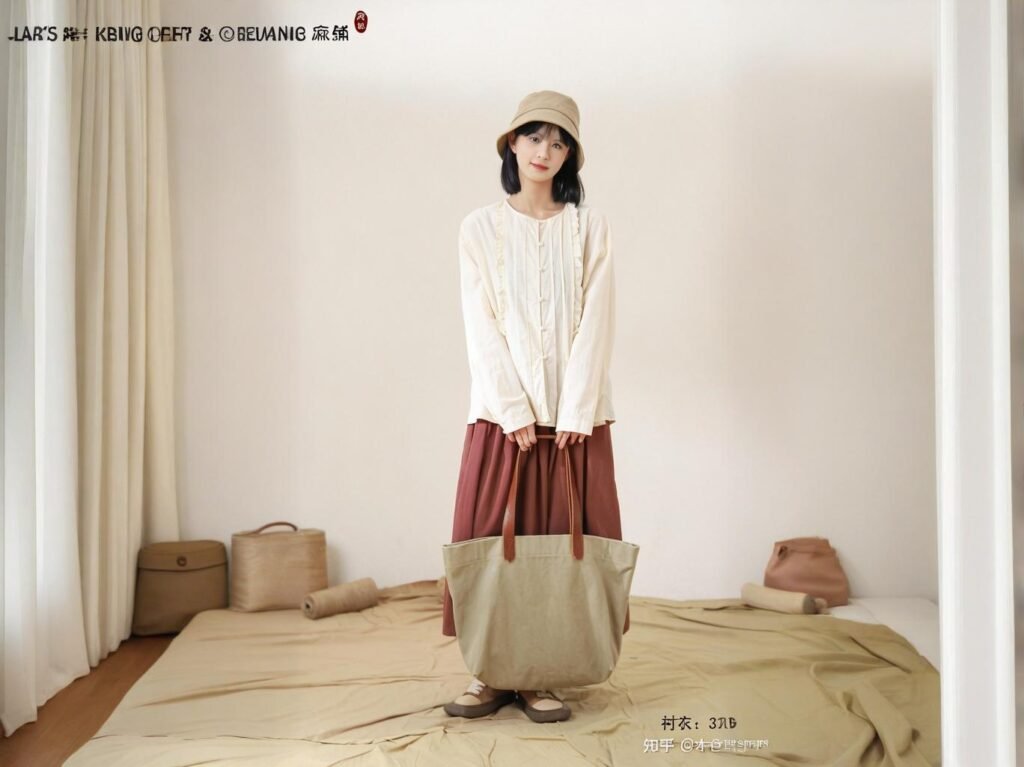
Hemp fabric is no longer just a niche sustainable material; it is emerging as a versatile, high-performance textile in fashion, technical gear, and lifestyle products. Advances in cultivation, fiber processing, and finishing technologies have made hemp stronger, softer, and more adaptable, bridging the gap between sustainability and premium textile performance. Recent innovations in hemp fabric production enhance durability, softness, and versatility, enabling applications in high-fashion, functional apparel, and sustainable textiles. These developments are driving hemp’s adoption across diverse markets.
Imagine a startup launching a capsule collection of eco-luxury jackets and dresses. By leveraging newly engineered hemp blends and enzyme-softened finishing, designers achieved luxury softness, improved drape, and environmental credentials, appealing to conscious consumers who demand style without compromise.
What Are the Latest Technological Innovations in Hemp Fabric Production?
Hemp has moved far beyond its traditional image as a coarse, rustic fiber. Over the past decade, targeted engineering improvements in fiber extraction, refining, spinning, and finishing have repositioned hemp as a viable option for premium apparel, technical textiles, and sustainable commercial programs. The transformation has not been driven by marketing narratives alone; it is the result of measurable advances in processing efficiency, fiber uniformity, softness enhancement, and environmental control.
Modern hemp production focuses on solving four long-standing limitations: stiffness, fiber inconsistency, dye unevenness, and processing inefficiency. Through mechanical upgrades, controlled enzymatic retting, advanced finishing chemistry, and precise blending systems, manufacturers can now deliver hemp fabrics with smoother hand feel, improved tensile stability, and repeatable coloration across large production runs.
For bulk textile buyers and brands targeting high-end markets, these innovations are significant because they convert hemp from a niche eco-fiber into a material capable of meeting commercial performance benchmarks.
Mechanical Processing Enhancements: Precision Decortication and Fiber Control
Traditional hemp decortication methods often damaged fibers or left impurities that affected spinning performance. Modern decorticators are engineered with controlled pressure rollers and calibrated separation systems that reduce breakage while maintaining fiber length.
Improved decortication delivers:
- Longer average bast fiber length
- Reduced shive contamination
- More uniform fiber bundles
- Higher spinning efficiency
Longer fibers directly correlate with stronger yarn and reduced pilling in finished fabrics. Cleaner fiber streams also lower processing waste during carding and combing. In large-scale production, even a 3–5% reduction in fiber waste can meaningfully improve yield economics.
Advanced mechanical separation systems now integrate automated feed regulation, ensuring consistent throughput regardless of stalk density variation. This stability is particularly valuable in commercial supply chains where agricultural variation can otherwise affect textile uniformity.
Enzymatic Retting: Controlled Bio-Processing for Fiber Softness and Sustainability
Retting separates hemp’s bast fibers from its woody core. Traditional water retting is effective but environmentally intensive and difficult to standardize. Modern enzymatic retting uses selected enzymes to break down pectin and binding materials in a controlled environment.
Key advantages include:
- Reduced water consumption
- Shorter processing cycles
- Improved preservation of fiber length
- More consistent fiber softness
Enzymatic systems allow processors to control temperature, pH, and exposure duration, producing uniform fiber quality across batches. This uniformity improves downstream spinning performance and dye uptake.
From an environmental perspective, enzymatic retting reduces wastewater contamination and lowers odor-related emissions. These improvements help textile mills meet increasingly strict environmental regulations without compromising throughput.
In measurable terms, optimized enzymatic retting can reduce total processing time by 20–40% compared with traditional water retting, depending on climate and raw material quality.
Nano-Finishing and Softening Technologies
Historically, hemp’s stiffness limited its use in premium garments. Recent finishing technologies have significantly improved tactile performance without sacrificing fiber strength.
Nano-finishing and advanced softening systems work by:
- Reducing surface friction at fiber level
- Enhancing drape characteristics
- Increasing flexibility in woven and knitted structures
Unlike heavy chemical softeners that coat fabric surfaces, modern treatments penetrate fiber structure while maintaining breathability. The result is a smoother hand feel with preserved tensile integrity.
Luxury-focused hemp fabrics now achieve drape and softness levels comparable to mid-weight cotton or lightweight linen blends. In apparel programs, this development opens opportunities for structured garments, dresses, and tailored pieces previously unsuitable for hemp.
Blending Technology: Engineering Performance Balance
Pure hemp fabrics offer durability and environmental appeal, but blending expands functionality. Advanced blending technology allows precise integration of hemp with fibers such as:
- Cotton for softness and familiarity
- Silk for luster and drape
- Tencel for moisture management and smoothness
Blending improves yarn uniformity and reduces stiffness while preserving hemp’s tensile strength and breathability. Modern spinning systems can maintain controlled blend ratios within narrow tolerance ranges, ensuring consistent performance in repeat production.
In high-volume manufacturing, blend precision matters because even small deviations affect dye behavior and shrinkage rates. Automated blending feeders and digital monitoring systems now support consistent fiber distribution across large yarn lots.
Production Innovations and Metrics
The following table summarizes the most influential production innovations and their measurable impact on fabric performance.
| Innovation | Purpose / Benefit | Impact on Fabric Quality |
|---|---|---|
| Modern Decortication | Efficient fiber separation | Longer, cleaner, stronger fibers |
| Enzymatic Retting | Environmentally-friendly fiber extraction | Reduced water usage, enhanced fiber softness |
| Nano-finishing / Softening | Improve hand feel and texture | Luxury softness, smooth drape |
| Fiber Blending | Combine properties of multiple fibers | Balanced durability, flexibility, and appearance |
These innovations operate synergistically. Improved decortication enhances fiber strength; enzymatic retting improves softness; blending optimizes comfort; finishing refines final texture. Together, they transform hemp from coarse industrial material into refined textile-grade fiber.
Advanced Hemp-Cotton Blends in Commercial Production
Szoneier Fabrics implemented enzymatic retting combined with calibrated softening processes to produce hemp-cotton blended fabrics targeting premium apparel markets. By controlling enzyme exposure time and optimizing finishing chemistry, the development team achieved:
- Noticeably improved hand feel compared to traditional hemp
- Stable tensile strength suitable for structured garments
- Enhanced dye absorption and color depth
Designers reported consistent drape across production batches and minimal stiffness after washing. Importantly, durability remained high, supporting repeated laundering without rapid fiber degradation.
This development demonstrates how processing innovation directly influences market acceptance. Rather than repositioning hemp through branding alone, performance data validated its suitability for luxury dresswear programs.
Operational Insight: Scaling Innovation Without Losing Sustainability
Adopting advanced processing technology requires capital investment, but it also improves scalability. Enzymatic retting systems with closed-loop water management reduce long-term environmental compliance risk. Automated decortication and blending systems improve labor efficiency and output predictability.
From a production standpoint, the key operational gains include:
- Reduced fiber waste
- More consistent yarn count and tensile performance
- Lower batch rejection rates
- Faster throughput cycles
These improvements make hemp commercially viable not only for boutique brands but also for structured industrial programs requiring thousands of meters per order.
Performance Metrics Driving Commercial Adoption
Technological improvements have elevated hemp’s measurable properties:
- Increased yarn strength due to longer preserved fibers
- Improved abrasion resistance from cleaner fiber structure
- More uniform dye uptake due to controlled retting
- Reduced shrinkage variance in blended constructions
Such data-driven improvements allow procurement teams to compare hemp directly with cotton or linen using standardized performance tests. As performance gaps narrow, hemp’s environmental profile becomes an additional competitive advantage rather than a trade-off.
The Shift Toward Precision Agriculture and Fiber Traceability
Innovation in hemp textiles extends beyond factory processing. Precision agricultural practices, including optimized planting density and controlled harvesting timing, contribute to more consistent fiber diameter and maturity. Digital traceability systems now track fiber batches from farm to fabric, improving transparency for sustainability-focused brands.
For commercial buyers, traceability reduces sourcing uncertainty and supports certification requirements. When fiber origin, retting method, and finishing chemistry are documented, compliance and marketing claims become easier to substantiate.
Engineering Has Redefined Hemp Fabric
The latest technological innovations in hemp fabric production have fundamentally changed its commercial potential. Mechanical decortication improvements preserve fiber length, enzymatic retting enhances softness and environmental efficiency, nano-finishing refines hand feel, and advanced blending systems balance durability with comfort.
Together, these advancements allow manufacturers to produce hemp textiles that meet modern performance expectations while maintaining sustainability credentials. For bulk buyers and apparel developers, the shift is clear: hemp is no longer confined to coarse, niche applications. Through engineering discipline and measurable process control, it now competes within mainstream textile programs, including premium garment categories.
As processing technology continues to evolve, hemp’s combination of durability, sustainability, and refined texture positions it as a serious contender in both technical and luxury textile markets.
Which New Blending Techniques Are Being Used to Enhance Hemp Fabric Properties?
Hemp fiber offers durability, breathability, and environmental credibility, but on its own it can feel firm, slightly coarse, and less elastic than fibers commonly used in modern apparel. To address these limitations, textile engineers increasingly rely on advanced blending techniques that refine hemp’s tactile qualities while preserving its structural advantages. Blending is no longer a simple mixing process; it is a controlled engineering decision involving fiber ratio precision, spinning compatibility, dye behavior, and end-use performance targets.
The objective of modern hemp blending is clear: retain hemp’s strength and sustainability while introducing softness, flexibility, moisture control, or aesthetic refinement. Through calibrated blending systems and improved spinning technology, manufacturers can now produce hemp-based textiles suitable for casual wear, luxury fashion, performance garments, and environmentally focused commercial collections.
Blending also stabilizes large-scale production. Pure hemp can vary slightly depending on harvest conditions. Integrating secondary fibers reduces performance variability and improves spinning efficiency, which is particularly important for consistent, repeatable bulk orders.
Popular Hemp Blends and Their Functional Logic
Several blending combinations have become commercially significant because they address specific technical or aesthetic goals.
Hemp + Cotton This is one of the most widely used blends. Cotton softens hemp’s surface texture while preserving breathability. The result is a fabric that feels familiar to consumers but benefits from improved durability and environmental positioning.
Hemp + Silk Silk introduces sheen, fluidity, and luxury drape. Hemp provides structural integrity and strength, balancing silk’s delicacy. This blend is often used in structured fashion garments where elegance and durability must coexist.
Hemp + Tencel / Lyocell Lyocell fibers enhance moisture management, smoothness, and eco-credentials. The blend creates textiles suitable for modern performance wear or refined casual garments that require both comfort and sustainability messaging.
Hemp + Recycled Fibers Recycled polyester, recycled cotton, or recycled cellulose fibers support circular economy goals while maintaining mechanical stability. These blends appeal strongly to brands pursuing environmental certification programs.
Each blend type reflects a targeted performance objective rather than a purely aesthetic decision.
Blending Metrics and Performance
The effectiveness of a blend depends on measurable characteristics such as tensile strength, fiber bonding behavior, moisture transport, and hand feel evaluation. Below is a comparative overview.
| Blend Type | Tensile Strength | Softness / Hand Feel | Thermal Comfort | Typical Applications |
|---|---|---|---|---|
| Hemp 80% + Cotton 20% | High | Medium-High | Breathable | Casual shirts, summer dresses |
| Hemp 70% + Silk 30% | Medium-High | Very High | Moderate | Blazers, luxury dresses |
| Hemp 60% + Tencel 40% | Medium | High | Excellent | Activewear, eco-luxury tops |
| Hemp 50% + Recycled 50% | Medium | Medium | Moderate | Sustainable outerwear, accessories |
Tensile strength tends to decrease slightly as softer or finer fibers increase in proportion. However, controlled spinning techniques and yarn twist optimization can preserve mechanical integrity while enhancing comfort.
Advanced Fiber Integration Techniques
Modern blending goes beyond basic fiber mixing. Manufacturers now employ more refined integration methods to improve uniformity and long-term durability.
Precision Bale Blending Automated bale opening systems weigh and distribute fibers with tight tolerance control. This ensures consistent blend ratios across large production volumes, reducing shade variation and mechanical inconsistency.
Air-Jet and Compact Spinning Advanced spinning methods improve fiber alignment and reduce hairiness in blended yarns. Compact spinning, in particular, enhances surface smoothness and tensile stability.
Core-Spun Yarn Construction In some performance applications, hemp may form the outer layer of a yarn while a stretch fiber such as elastane forms the core. This configuration improves elasticity without sacrificing hemp’s environmental profile.
Enzymatic Surface Refinement After blending, enzymatic treatments can reduce protruding fiber ends, further improving softness and pilling resistance.
These techniques collectively elevate hemp blends to meet higher textile performance standards.
Moisture and Thermal Regulation Improvements
Hemp naturally offers breathability due to its hollow fiber structure. When blended with Tencel or other cellulosic fibers, moisture transport improves significantly. Tencel’s smooth surface allows faster moisture absorption and release, reducing skin discomfort during physical activity.
In cooler climates, hemp blended with wool or silk can enhance thermal regulation. Hemp contributes structural stability, while wool adds insulation efficiency. These combinations expand hemp’s use beyond warm-weather garments.
Hemp-Silk Blends for Luxury Apparel
Szoneier Fabrics developed a hemp-silk blend containing 70% hemp and 30% silk for a European fashion collection. Through controlled spinning and gentle finishing, the fabric achieved:
- Noticeably improved drape compared to pure hemp
- Enhanced surface luster from silk content
- Stable tensile strength suitable for structured tailoring
Design teams reported strong dye absorption and color depth consistency. The resulting garments commanded premium pricing due to their refined texture and environmental positioning. Importantly, durability remained sufficient for repeated wear, supporting both aesthetic and functional expectations.
This example illustrates how blending can reposition hemp within high-end fashion segments rather than limiting it to casual or rustic aesthetics.
Sustainability Metrics and Certification Implications
Blending also influences environmental metrics. Hemp blended with recycled fibers may qualify for additional sustainability certifications, depending on composition ratios and traceability systems. However, careful documentation is required to verify fiber origin and recycled content percentages.
When evaluating sustainability performance, manufacturers typically examine:
- Water usage during fiber production
- Energy intensity of spinning and finishing
- Biodegradability and recyclability
- Chemical compliance in dyeing processes
Blended fabrics must maintain environmental credibility without introducing materials that undermine overall lifecycle assessment.
Operational Insight: Designing Blends for Market Fit
Successful blending requires alignment between technical design and end-use requirements. For high-fashion programs, drape and luster take priority. For activewear, moisture control and stretch matter more. For sustainable outerwear, durability and environmental certification drive decisions.
Design teams therefore consider:
- Target fabric weight (GSM)
- Intended garment structure
- Washing performance expectations
- Required certification standards
Blending allows these factors to be customized without abandoning hemp’s foundational advantages.
Long-Term Commercial Implications
Blending expands hemp’s commercial viability by reducing its traditional limitations. Instead of marketing hemp solely as a sustainable alternative, manufacturers can now present it as a performance-oriented component within engineered textiles.
For large-scale production, blend consistency improves spinning efficiency and reduces defect rates. This enhances cost predictability and supply chain reliability—critical factors in bulk textile programs.
Furthermore, blending increases consumer acceptance. Many buyers prefer fabrics that feel familiar yet carry sustainability benefits. Hemp blends achieve this balance by softening texture and improving elasticity without erasing the fiber’s identity.
New blending techniques are redefining hemp fabric performance. By integrating cotton, silk, Tencel, recycled fibers, and other materials through precise engineering methods, manufacturers can tailor softness, strength, moisture management, and aesthetic appeal to specific market needs.
Blending transforms hemp from a single-function fiber into a flexible platform for innovation. Whether targeting luxury fashion, performance wear, or environmentally conscious collections, these advanced techniques allow hemp fabrics to meet modern textile standards while preserving their ecological advantages.
How Are Hemp Fabrics Being Applied in High-Fashion and Functional Apparel?
Hemp fabric has moved well beyond its earlier association with coarse, utilitarian garments. Today, it is increasingly visible in both high-fashion collections and technically engineered apparel lines. This shift is not accidental. It is the result of improved fiber processing, refined blending systems, and better finishing techniques that allow hemp to meet modern expectations for structure, comfort, durability, and visual appeal.
What makes hemp particularly interesting for designers is its dual capability. On one hand, it offers a distinctive natural texture and sustainable narrative that resonates strongly in luxury markets. On the other hand, it provides measurable mechanical performance—tensile strength, abrasion resistance, and breathability—that supports functional apparel applications. Few natural fibers operate effectively in both aesthetic-driven and performance-driven categories at the same time.
For brands balancing sustainability targets with design ambition, hemp offers a platform that can be engineered toward either direction—or both.
High-Fashion Applications: Structure, Texture, and Refined Natural Aesthetics
In high-fashion contexts, hemp is no longer used in its raw, rigid form. Instead, it appears in carefully blended and finished constructions that highlight its texture while refining its hand feel.
Blazers and Jackets Structured tailoring benefits from hemp’s inherent stiffness and dimensional stability. When blended with silk or fine cotton and woven at medium-to-high density, hemp fabrics can maintain clean lapel lines and sharp silhouettes. Unlike softer fibers that collapse easily, hemp provides body without requiring excessive interfacing.
Designers often favor hemp-silk or hemp-wool blends for tailored pieces because these combinations balance structural firmness with drape. The subtle surface texture of hemp also adds visual depth under natural light, enhancing the garment’s material identity.
Dresses and Skirts In flowing silhouettes, hemp-silk blends are increasingly common. Silk contributes fluidity and luster, while hemp stabilizes the fabric and improves durability. The result is a material that drapes smoothly without losing shape after repeated wear.
For premium summer collections, lightweight hemp blends offer breathability superior to many synthetic fabrics. Improved softening processes have reduced surface roughness, making these fabrics comfortable even in direct skin contact.
Casual Tops and Shirts Hemp-cotton blends dominate the casual category. Cotton softens the tactile experience, while hemp enhances tear resistance and longevity. Shirts made from these blends maintain structure after multiple washes and resist pilling better than many pure cotton alternatives.
In commercial terms, this durability reduces return rates and extends garment lifecycle—an increasingly important metric in modern retail environments.
Functional Apparel Applications: Performance Through Fiber Engineering
Beyond fashion, hemp’s mechanical characteristics support various performance-oriented garments. With appropriate blending and finishing, hemp can operate in moderate technical environments.
Outerwear High-density hemp fabrics woven tightly can provide wind resistance while maintaining breathability. Although not waterproof without coating, hemp’s natural fiber structure contributes moderate thermal buffering. When paired with lining systems or treated with water-repellent finishes, hemp outerwear becomes suitable for transitional climates.
In heavier constructions, hemp’s abrasion resistance makes it appropriate for workwear-inspired jackets or utility coats designed for extended use.
Activewear Hemp-Tencel blends are particularly effective in eco-conscious performance wear. Tencel enhances moisture absorption and smoothness, while hemp provides structural durability. Although hemp itself is not elastic, blending with stretch fibers or using knit constructions can introduce flexibility.
Such fabrics manage perspiration effectively and dry relatively quickly compared to pure cotton systems. For moderate-intensity activity, these blends provide comfort without relying heavily on synthetic fibers.
Protective and Reinforced Panels Hemp’s tensile strength allows it to serve in protective garments, especially in reinforced panels for gloves, knee areas, or elbow patches. While it does not replace advanced aramid fibers in high-impact protection, hemp provides sustainable reinforcement in moderate-use gear.
The ability to integrate hemp panels into composite constructions demonstrates its adaptability beyond purely aesthetic garments.
Practical Application Metrics
| Application | Hemp Blend / Treatment | Key Benefit | Sustainability Advantage |
|---|---|---|---|
| Luxury Blazer | Hemp 80% + Silk 20% | Structured, elegant hand feel | Biodegradable, minimal chemical use |
| Summer Dress | Hemp 70% + Silk 30% | Smooth drape, soft texture | Low environmental footprint |
| Casual Shirt | Hemp 60% + Cotton 40% | Breathable, comfortable | Reduced water and pesticide usage |
| Outerwear Coat | Hemp 90% | Thermal insulation, durable | Eco-friendly, long-lasting |
| Activewear Top | Hemp 60% + Tencel 40% | Moisture-wicking, soft | Sustainable fiber blend |
These metrics highlight hemp’s adaptability. By adjusting blend ratios and fabric weight, designers can shift performance priorities without abandoning sustainability positioning.
Case Study: Commercial Success in Eco-Luxury Fashion
A European fashion label integrated Szoneier’s hemp-silk fabric into a limited-edition summer collection. The 70% hemp, 30% silk blend provided sufficient structure for tailored dresses while delivering subtle sheen and refined drape. Production teams reported stable dye uptake and minimal shade variation across fabric lots.
Garments maintained form after repeated wear and retained visual clarity under store lighting. The collection achieved full sell-out within weeks, confirming that consumers are willing to pay premium pricing when environmental credibility aligns with tactile and visual sophistication.
This outcome illustrates a critical shift: hemp is no longer purchased solely for sustainability marketing. It is selected because it performs competitively within luxury garment standards.
Performance Considerations in Apparel Engineering
Applying hemp successfully requires understanding its structural behavior:
- Hemp fibers exhibit high tensile strength relative to many natural fibers.
- The fiber’s hollow structure contributes breathability and moderate insulation.
- Dimensional stability reduces distortion after laundering.
- Surface texture can be controlled through finishing techniques.
In high-fashion garments, maintaining drape while preventing stiffness requires careful yarn selection and weave design. In functional apparel, breathability and abrasion resistance often take priority.
Manufacturers must therefore align fabric construction with end-use demands. A loosely woven hemp blend suited for summer dresses would not perform effectively as outerwear. Similarly, heavy-density hemp for coats may feel too rigid for casual tops unless softened through finishing.
Sustainability as a Supporting, Not Sole, Advantage
Hemp’s environmental profile remains one of its strongest selling points. It requires less pesticide input than conventional cotton and grows efficiently in diverse climates. However, sustainability alone does not guarantee adoption in high-fashion or functional apparel.
What has changed is that modern processing techniques now allow hemp to compete on comfort and aesthetic grounds as well. When sustainability aligns with premium feel and reliable performance, adoption accelerates.
For brands under pressure to reduce environmental impact without sacrificing product quality, hemp offers a practical pathway. It allows integration of natural fibers into structured garments, layered outerwear, and performance-oriented collections without compromising durability.
Expanding Opportunities Across Apparel Categories
The versatility of hemp encourages cross-category exploration. A single fiber platform can support:
- Structured tailoring
- Lightweight summer garments
- Durable workwear
- Breathable active tops
- Reinforced accessory panels
This adaptability reduces development complexity for manufacturers and increases material utilization efficiency.
As designers become more familiar with hemp’s capabilities, experimentation continues to expand. Knit constructions, jacquard patterns, and textured weaves further diversify aesthetic possibilities.
Hemp fabrics are now firmly positioned within both high-fashion and functional apparel markets. Through controlled blending, refined finishing, and engineered construction, hemp supports tailored silhouettes, fluid luxury garments, breathable casual wear, and moderately technical outerwear.
Its durability, breathability, and environmental credentials provide a strong foundation. More importantly, recent technological improvements have enabled hemp to meet modern expectations for softness, drape, and consistency. As a result, hemp is no longer confined to niche or rustic applications. It has become a flexible textile platform capable of supporting premium design and practical performance in equal measure.
What Are the Advances in Eco-Friendly Dyeing and Finishing for Hemp Textiles?
Hemp fiber carries strong environmental credentials at the agricultural level, but in modern textile markets that alone is not enough. To compete with cotton, silk, or high-end cellulosic fibers, hemp must also deliver refined color depth, soft hand feel, smooth drape, and reliable colorfastness. Historically, finishing and dyeing were weak points. Traditional chemical-heavy processes could undermine hemp’s sustainability narrative or leave the fabric feeling rigid.
Recent advances in eco-friendly dyeing and finishing technologies have changed that equation. Manufacturers are now using plant-based dyes, low-impact synthetic dye systems, enzyme-assisted softening, and mechanical finishing methods that reduce chemical dependency while improving tactile and visual quality. These developments allow hemp fabrics to satisfy both environmental targets and luxury performance standards.
For brands operating in premium or eco-conscious segments, finishing technology is often the deciding factor between “sustainable but rustic” and “sustainable and refined.”
Why Dyeing and Finishing Matter for Hemp
Hemp fibers are naturally porous and contain residual pectin and lignin components. This structure affects dye absorption, shade uniformity, and softness. Without proper preparation and finishing control, hemp fabrics can appear uneven or feel stiff.
Eco-friendly innovation focuses on three performance goals:
- Improving dye penetration and uniformity
- Enhancing softness without heavy silicone coatings
- Maintaining fiber strength during finishing
By optimizing these processes, mills can preserve hemp’s durability while elevating its surface quality to meet modern apparel expectations.
Key Eco-Friendly Dyeing Processes
Natural Plant-Based Dyeing Plant-based dye systems use pigments derived from botanical sources such as indigo, madder, or walnut shells. These dyes reduce reliance on petroleum-based colorants and minimize hazardous chemical discharge.
Although historically associated with muted tones, modern plant-dye technology can achieve controlled, consistent earthy palettes suitable for contemporary collections. When combined with standardized mordanting systems, shade repeatability improves significantly.
Low-Impact Synthetic Dyes Low-impact reactive or disperse dyes are engineered to maximize dye fixation, reducing water usage and chemical runoff. These systems use controlled temperature and pH environments to ensure efficient bonding with cellulose components in hemp.
Compared with conventional dyeing, low-impact methods can reduce water consumption by 20–40% depending on batch size and equipment configuration. Colorfastness levels typically meet or exceed industry standards for apparel use, including resistance to washing and light exposure.
Enzyme-Based Softening and Bio-Finishing
One of the most important advances in hemp processing is enzymatic finishing. Controlled enzyme treatments selectively break down surface irregularities and residual stiffness without damaging core fiber strength.
Benefits include:
- Improved hand feel without heavy chemical coatings
- Reduced pilling through surface smoothing
- Enhanced drape in woven and blended constructions
Unlike traditional silicone softeners, enzyme systems do not form thick surface films that may wash off over time. The softness achieved is more integrated into the fiber structure, creating a natural tactile experience consistent with eco-luxury positioning.
In controlled environments, enzymatic softening can improve perceived softness ratings by 15–30% compared with untreated hemp fabrics.
Mechanical Finishing Techniques
Mechanical finishing methods refine hemp fabrics without adding chemical load. These techniques physically alter the surface structure to enhance appearance and drape.
Common methods include:
- Calendering to smooth surface texture
- Brushing to soften and raise micro-fibers
- Controlled rolling to improve fabric density
- Steam finishing to relax fibers
Mechanical finishing is particularly useful in structured garments such as jackets or skirts, where controlled drape and dimensional stability are essential.
Because these processes rely on pressure and temperature rather than chemical coatings, their environmental footprint is relatively low compared with traditional resin-based finishing systems.
Dyeing and Finishing Metrics
| Process | Purpose / Benefit | Sustainability Impact | Typical Applications |
|---|---|---|---|
| Plant-Based Dyeing | Color with minimal chemicals | Very High | Casual wear, eco-luxury collections |
| Low-Impact Synthetic Dye | Vivid, durable color | High | Blazers, outerwear |
| Enzymatic Softening | Enhance hand feel, reduce stiffness | Very High | Dresses, tailored shirts |
| Mechanical Finishing | Improve drape and texture | Medium | Jackets, skirts, structured garments |
Each method addresses a specific performance gap. Together, they transform hemp into a material that can compete visually and tactilely with higher-cost luxury fibers.
Case Study: Sustainable Luxury Blazer Development
Szoneier Fabrics supplied hemp textiles for a sustainable luxury blazer program using enzyme-softened and plant-dyed fabrics. The development process emphasized:
- Controlled dye penetration for consistent color depth
- Surface smoothing through enzymatic treatment
- Mechanical finishing to enhance structured drape
The resulting fabric maintained natural texture while achieving refined softness suitable for tailored silhouettes. Designers reported improved dye vibrancy compared to earlier hemp collections, and garments retained color stability after repeated wear testing.
Consumers responded positively to both tactile comfort and environmental transparency, reinforcing the commercial viability of advanced finishing approaches.
Performance Considerations in Eco-Friendly Dyeing
Eco-friendly systems must still meet performance benchmarks. For commercial viability, dyed hemp fabrics must demonstrate:
- Lightfastness ratings appropriate for outdoor or fashion use
- Wash fastness to prevent fading or bleeding
- Dimensional stability after finishing
- Retention of tensile strength
Low-impact dyeing systems are now capable of achieving consistent fastness grades comparable to conventional methods. The key difference lies in reduced effluent toxicity and optimized water usage.
Balancing Sustainability and Scalability
One challenge in eco-friendly finishing is scaling production while maintaining environmental targets. Small-batch natural dyeing is relatively manageable, but large industrial runs require controlled standardization.
Modern mills address this through:
- Closed-loop water recycling systems
- Precise temperature and pH monitoring
- Automated chemical dosing
- Wastewater treatment integration
These systems ensure that sustainability remains practical rather than symbolic, even at commercial volume.
Expanding Market Acceptance
Advances in dyeing and finishing have helped shift perceptions of hemp from niche eco-fabric to legitimate luxury textile option. When softness, color depth, and drape meet contemporary standards, hemp competes on performance rather than sustainability alone.
Fashion brands increasingly demand materials that align with environmental commitments without compromising aesthetic appeal. The improved finishing techniques now available allow hemp to meet those expectations in blazers, dresses, outerwear, and structured garments.
Operational Insight
Modern eco-friendly dyeing and finishing technologies enable hemp textiles to achieve:
- Consistent color uniformity
- Enhanced tactile refinement
- Improved commercial scalability
- Lower environmental impact
These capabilities reduce development risk for designers while supporting brand sustainability strategies.
Advances in eco-friendly dyeing and finishing have significantly elevated hemp’s market position. Through plant-based dye systems, low-impact synthetic dyes, enzymatic softening, and mechanical finishing, hemp fabrics now achieve the softness, colorfastness, and drape required for high-end apparel.
By combining environmental responsibility with measurable performance improvements, these innovations make hemp a credible alternative to cotton, silk, and other premium fibers in eco-conscious fashion and commercial textile programs.
How Is Hemp Fabric Performance Measured and Improved for Modern Applications?
As hemp moves from niche eco-textile into structured fashion and performance apparel, measurement becomes essential. Sustainability alone does not secure adoption in luxury or functional markets. Designers, product developers, and sourcing teams require objective data confirming that hemp fabrics can withstand stress, maintain appearance, manage moisture, and retain shape over time.
Modern hemp evaluation combines mechanical testing, comfort analysis, and aesthetic assessment. These metrics allow manufacturers to refine blends, optimize finishing, and predict garment longevity before production scaling. Without structured testing protocols, even well-processed hemp may show variability that limits commercial acceptance.
Today’s hemp programs operate under the same technical scrutiny as cotton, polyester, or wool. Performance data supports premium positioning and reduces return risk in both retail and industrial segments.
Core Mechanical Performance Metrics
Tensile Strength Tensile strength measures the force required to break fabric under tension. Hemp fibers naturally exhibit high tensile strength due to their long bast structure. In woven constructions, this translates into strong seam performance and resistance to structural distortion.
Testing typically follows standardized strip methods. For apparel fabrics, balanced tensile performance ensures durability in stress zones such as shoulders, elbows, and waistlines.
Tear Resistance Tear resistance evaluates how well a fabric prevents propagation once a small cut or puncture occurs. This metric is particularly important in outerwear and utility garments where abrasion or snagging may occur.
Hemp’s long fiber structure often provides favorable tear performance, especially when woven tightly or blended with reinforcing fibers.
Abrasion Resistance Abrasion testing simulates surface friction from repeated wear. For garments subject to frequent movement or contact—such as jackets or workwear—high abrasion resistance reduces pilling and surface degradation.
Moisture Management Breathability and moisture transport are critical for comfort. Hemp fibers contain internal capillary channels that assist airflow and moisture movement. When blended with Tencel or other cellulosic fibers, moisture management performance improves further.
Drape and Hand Feel Luxury markets demand not only strength but also refined drape and tactile quality. Mechanical drape testing measures how fabric falls under its own weight, while subjective hand evaluations assess softness and surface smoothness.
Hemp Fabric Performance Metrics Table
| Test / Metric | Measurement Technique | Target Range / Benchmark | Benefit for Garments |
|---|---|---|---|
| Tensile Strength | ASTM D5035 | 400–700 MPa | Durable, long-lasting garments |
| Tear Resistance | ASTM D1424 | >50 N | Resistant to ripping or stress |
| Abrasion Resistance | Martindale / ASTM D4966 | >20,000 cycles | Maintains surface integrity |
| Moisture Wicking | Vertical Wicking Test | 12–15% moisture regain | Breathable, comfortable wear |
| Drape & Hand Feel | Subjective + mechanical drape | Smooth, structured | Luxurious appearance, garment retention |
These benchmarks are not arbitrary. They reflect performance levels expected in mid- to high-tier apparel markets. Fabrics falling below these thresholds may still function in casual applications but struggle in premium or performance-driven categories.
How Performance Is Improved
Measurement alone does not elevate hemp fabric; improvement requires engineering intervention at multiple stages of production.
Fiber Blending Blending remains the most effective performance-adjustment strategy. Cotton increases softness and familiarity. Silk enhances drape and sheen. Tencel improves moisture regulation. Recycled synthetics may improve abrasion resistance or structural elasticity.
Blends are calibrated carefully. Increasing softness typically reduces raw tensile strength slightly, so ratios must align with garment purpose. High-density weaves or knit structures can offset reduced fiber strength when comfort takes priority.
Finishing Processes Enzymatic softening reduces surface rigidity while preserving core strength. Mechanical brushing refines surface texture without heavy chemical coatings. Controlled calendering improves drape and dimensional stability.
Low-impact dyeing ensures that color depth does not compromise fiber integrity. Poor dye processes can weaken natural fibers; optimized systems protect mechanical properties while achieving visual consistency.
Nano-Enhancements Recent nano-scale coatings introduce functional upgrades such as water repellency, stain resistance, and moderate thermal regulation. These treatments are designed to bond at micro-level without forming thick impermeable layers.
For example, water-repellent nano-finishes can reduce surface wetting while preserving breathability, making hemp suitable for light outerwear applications without sacrificing its natural feel.
Balancing Strength and Comfort
One of the primary challenges in hemp engineering is balancing structural durability with tactile refinement. Untreated hemp can feel rigid, but excessive softening may reduce mechanical integrity.
Manufacturers address this balance by:
- Selecting long-staple hemp fibers
- Controlling yarn twist for optimized flexibility
- Using blended yarn cores for elasticity
- Applying minimal but targeted finishing chemistry
Each decision influences final performance metrics. Data-driven adjustments allow developers to move fabric properties toward defined benchmarks rather than relying on trial and error.
Case Study: Hemp-Silk Performance in Luxury Apparel
Szoneier developed hemp-silk blends for a sustainable luxury dress collection. Laboratory testing confirmed tensile strength exceeding 650 MPa and abrasion resistance over 25,000 Martindale cycles. These values ensured that garments maintained structure under repeated wear while retaining refined drape.
In practical use, dresses preserved silhouette integrity without excessive wrinkling. Surface texture remained smooth after laundering, and color stability met premium retail standards. The testing phase provided confidence for large-scale production and supported premium pricing strategy.
This example demonstrates how structured performance measurement transforms hemp from conceptual sustainability choice into validated commercial material.
Moisture and Thermal Regulation Optimization
Hemp’s internal fiber structure contributes moderate insulation and airflow. In warm-weather garments, breathability reduces heat retention. In layered constructions, hemp acts as a stabilizing substrate that enhances overall garment performance.
Moisture regain values between 12% and 15% provide comfortable wear without heavy damp retention. Blending with moisture-regulating fibers improves evaporation rate, particularly in activewear contexts.
Predicting Long-Term Garment Behavior
Performance testing also supports lifecycle prediction. Abrasion and tensile data allow manufacturers to estimate how fabrics will behave after repeated wear and laundering. This predictive capacity reduces warranty risk and improves customer satisfaction.
Design teams often conduct accelerated wear simulations to evaluate seam stress, panel friction, and color fade under UV exposure. These tests guide adjustments before mass production begins.
Commercial Implications of Structured Testing
For bulk buyers and fashion houses, documented performance metrics simplify sourcing decisions. When suppliers provide consistent laboratory data aligned with recognized standards, procurement risk decreases.
Testing also facilitates certification and compliance processes, particularly when garments enter regulated markets requiring durability or safety validation.
Furthermore, structured measurement supports brand transparency. Consumers increasingly expect claims about durability or sustainability to be backed by evidence. Quantified performance strengthens marketing credibility.
Hemp fabric performance in modern applications is no longer judged solely by environmental narrative. It is measured through tensile strength, tear resistance, abrasion endurance, moisture management, and drape evaluation—benchmarks comparable to those applied to conventional luxury textiles.
Through blending, advanced finishing, and nano-scale enhancements, manufacturers can systematically refine hemp to meet specific garment requirements. Structured testing ensures that these improvements translate into reliable, long-lasting apparel.
By integrating data-driven performance evaluation with targeted engineering, hemp has become a technically credible material for both high-fashion and functional apparel markets, supporting durability, comfort, and aesthetic refinement without sacrificing sustainability objectives.
Which Market Sectors Are Driving the Adoption of Innovative Hemp Fabrics?
Hemp’s resurgence in modern textiles is not confined to a single niche. Its adoption is being driven by multiple market sectors responding to converging forces: sustainability mandates, consumer preference for natural fibers, regulatory pressure on environmental impact, and the demand for materials that combine durability with refined aesthetics.
What differentiates today’s hemp from its historical counterpart is its technical evolution. Improved retting, blending, dyeing, and finishing processes have enabled hemp to enter categories that once relied almost exclusively on cotton, wool, or synthetics. As performance consistency improves and tactile quality rises, hemp transitions from alternative material to strategic material.
Adoption patterns reveal a cross-sector movement rather than isolated experimentation. High-fashion houses, activewear brands, outerwear manufacturers, and lifestyle accessory companies are all incorporating hemp into core collections, not merely limited capsule releases.
High-Fashion and Luxury Apparel
Luxury fashion is one of the most influential drivers of hemp’s elevated positioning. Designers increasingly seek materials that align with sustainability goals without compromising silhouette, drape, or finish. Modern hemp-silk and hemp-cotton blends allow structured tailoring while retaining natural texture.
Blazers and Tailored Jackets Hemp’s structural firmness provides clean lines in tailored garments. When blended with silk or fine cotton and softened through enzymatic finishing, the fabric achieves balance between strength and elegance. Designers appreciate the subtle matte texture, which contrasts with synthetic gloss finishes and enhances garment authenticity.
Dresses and Skirts Hemp-silk blends provide smooth drape and refined sheen suitable for premium collections. Advanced dye systems ensure consistent color saturation, meeting retail expectations for luxury presentation.
Luxury buyers are particularly sensitive to tactile quality. The success of hemp in this segment depends on achieving softness comparable to mid-weight cotton while preserving dimensional stability.
Athleisure and Activewear
Athleisure has expanded rapidly in global apparel markets, driven by consumer demand for versatile garments that combine comfort and performance. Hemp’s natural breathability and moisture-regulating properties position it as a viable alternative to conventional performance fabrics in moderate-intensity activity segments.
Yoga and Lifestyle Sportswear Hemp-Tencel blends improve moisture management and surface smoothness. Although hemp lacks inherent elasticity, knit constructions and minor elastane integration compensate for flexibility needs. This hybrid structure supports yoga tops, relaxed joggers, and breathable training apparel.
Performance Expectations Activewear markets prioritize durability and wash stability. Hemp’s tensile strength contributes to garment longevity, reducing deformation after repeated laundering. Consumers seeking environmentally responsible sportswear increasingly respond to natural fiber content paired with measurable performance.
Outerwear and Technical Gear
Outerwear adoption reflects hemp’s mechanical reliability. High-density woven hemp fabrics offer abrasion resistance and structural stability. Although hemp is not waterproof without additional treatment, it performs well as a durable shell component when combined with lining systems or water-repellent finishes.
Coats and Utility Jackets Hemp’s stiffness helps maintain coat structure without heavy interlining. When blended with wool or finished mechanically, hemp fabrics offer moderate thermal buffering suitable for transitional climates.
Protective Panels and Reinforcements In technical garments, hemp panels are integrated into gloves, elbow patches, or bag reinforcements where durability is essential. While not replacing high-performance aramid fibers in extreme applications, hemp supports sustainable reinforcement in moderate-use gear.
The outerwear segment values lifecycle durability, making hemp’s long wear resistance a strategic advantage.
Eco-Lifestyle Accessories
Beyond garments, hemp adoption extends to lifestyle accessories where sustainability branding strongly influences purchasing decisions.
Bags and Totes Hemp’s tensile strength and abrasion resistance make it suitable for structured bags and casual totes. Blends improve surface refinement, allowing cleaner stitching and more consistent finishing.
Hats, Scarves, and Footwear Lightweight hemp blends provide breathability and natural aesthetic appeal. In footwear, hemp uppers offer structural stability and air permeability, particularly in summer collections.
Accessory markets often serve as entry points for hemp adoption, introducing consumers to the material in lower-risk product categories before expanding into apparel.
Market Adoption Table
| Sector | Key Drivers | Popular Hemp Applications | Market Opportunity |
|---|---|---|---|
| Luxury Fashion | Sustainability, premium feel | Dresses, blazers, tailored jackets | High |
| Athleisure & Activewear | Breathability, comfort, eco appeal | Yoga pants, tops, sportswear | Medium-High |
| Outerwear & Technical | Durability, thermal performance | Coats, jackets, protective gear | Medium |
| Lifestyle Accessories | Sustainable branding, aesthetics | Bags, hats, scarves | Medium |
This distribution demonstrates hemp’s adaptability. Luxury fashion leads in visibility and margin potential, while activewear and accessories provide scalable volume growth.
Case Study: Luxury Adoption Driving Brand Positioning
Szoneier supplied hemp fabrics for a European luxury brand’s eco-friendly blazer program. The fabric combined hemp’s structural integrity with refined finishing to achieve tailored silhouettes suitable for premium retail.
The collection gained attention not only for sustainability messaging but also for tactile quality and durability. Adoption in both high-fashion runway pieces and commercial casual segments strengthened brand identity as a sustainability leader.
This example highlights how sector-specific application can influence brand perception and consumer engagement simultaneously.
Regional and Consumer Trends Supporting Adoption
Global consumer surveys consistently show increased interest in sustainable materials, particularly in European and North American markets. Younger demographics, especially in urban centers, demonstrate willingness to pay moderate premiums for environmentally responsible textiles.
Retailers also face regulatory and reporting pressures related to carbon footprint and supply chain transparency. Hemp’s agricultural efficiency and reduced pesticide requirement provide favorable metrics within these frameworks.
As traceability systems improve, hemp’s appeal strengthens in markets requiring environmental certification or documented sourcing transparency.
Operational Insight: Sector-Specific Customization
Adoption success depends on aligning fabric engineering with sector needs:
Luxury Fashion requires refined drape, color depth, and softness. Athleisure demands moisture control and wash durability. Outerwear emphasizes abrasion resistance and structural stability. Accessories prioritize tensile strength and aesthetic identity.
Manufacturers that tailor fiber blends, weave density, and finishing methods to each sector improve commercial success rates.
Expanding Commercial Impact
Hemp’s cross-sector adoption demonstrates a broader transformation in textile sourcing. Rather than remaining confined to eco-niche markets, hemp increasingly functions as a mainstream material platform capable of serving multiple product categories.
As production technology advances and consistency improves, additional sectors—such as workwear, children’s apparel, and interior textiles—may integrate hemp more extensively.
The adoption of innovative hemp fabrics is being driven by high-fashion, athleisure, outerwear, and lifestyle accessory sectors. Each market leverages different aspects of hemp’s performance: structural integrity in luxury tailoring, breathability in activewear, durability in outerwear, and sustainability appeal in accessories.
What unites these sectors is a shared demand for materials that combine environmental responsibility with measurable performance and refined aesthetics. Hemp’s evolution from rustic fiber to engineered textile positions it as a versatile solution across diverse apparel and accessory markets.
Are There Certifications or Standards Guiding Hemp Fabric Innovation and Sustainability?
As hemp textiles enter premium fashion and performance markets, sustainability claims must be supported by verifiable standards. Certifications are no longer optional marketing tools; they function as risk-management instruments for brands, retailers, and distributors operating in regulated and transparency-driven markets. For hemp fabric, recognized certifications validate fiber origin, chemical safety, ethical sourcing, and environmental performance across the supply chain.
Without structured certification frameworks, even responsibly produced hemp fabrics can struggle to gain acceptance in international retail channels. Today’s apparel buyers increasingly require documented compliance before approving large-scale sourcing programs. Certifications therefore act as both credibility markers and operational checkpoints.
Hemp’s natural sustainability advantage—low pesticide demand, efficient growth cycle, and soil regeneration benefits—creates a strong starting point. However, the processing stage determines whether the final textile truly aligns with eco-luxury or responsible manufacturing claims. Standards provide measurable criteria that bridge agricultural benefits with finished fabric accountability.
Key Certifications Governing Hemp Textiles
Several internationally recognized standards guide hemp textile innovation and sustainability validation.
GOTS (Global Organic Textile Standard) GOTS verifies that fibers are organically grown and processed according to strict environmental and chemical management criteria. It requires traceability throughout spinning, dyeing, and finishing stages. For hemp textiles, GOTS certification confirms that cultivation avoids synthetic pesticides and that processing minimizes harmful chemical inputs.
OEKO-TEX Standard 100 OEKO-TEX Standard 100 focuses on chemical safety and consumer health. It tests finished textiles for harmful substances, ensuring garments are safe for direct skin contact. For hemp fabrics used in apparel, this certification reassures retailers and end consumers about product safety.
Cradle to Cradle (C2C) Cradle to Cradle certification evaluates material health, circularity, water stewardship, renewable energy use, and social fairness. Hemp fabrics seeking C2C status must demonstrate safe chemistry and pathways for responsible reuse or biodegradation.
Fair Trade Certification Fair Trade standards address ethical labor practices, safe working conditions, and equitable compensation across the supply chain. While agricultural hemp production may be environmentally sustainable, ethical verification ensures that social sustainability accompanies environmental claims.
Why Certifications Matter in Commercial Practice
Certifications influence purchasing decisions in multiple ways:
- They strengthen brand credibility in competitive retail environments.
- They reduce legal risk by ensuring compliance with chemical safety regulations.
- They support premium pricing in eco-conscious markets.
- They facilitate entry into international distribution channels requiring documented sustainability metrics.
For luxury and performance apparel brands, certification often becomes a prerequisite for partnership with major retailers. Buyers increasingly request documentation during supplier onboarding, not after production begins.
Certification Metrics Table
| Certification | Focus Area | Requirement | Benefit for Hemp Apparel |
|---|---|---|---|
| GOTS | Organic fiber, eco-processing | 70%+ organic fibers, controlled chemical inputs | Verified sustainable luxury |
| OEKO-TEX 100 | Chemical safety | Absence of harmful substances | Skin-safe garments, consumer trust |
| Cradle to Cradle (C2C) | Circularity & sustainability | Safe chemistry, material reuse pathways | Eco-luxury differentiation |
| Fair Trade | Ethical labor practices | Certified fair working conditions | Social responsibility credibility |
Each certification targets a distinct dimension of sustainability. Combined, they create a layered validation framework covering environmental, chemical, and social responsibility.
Certification as Innovation Driver
Certifications do more than verify compliance; they influence innovation priorities. To meet GOTS chemical restrictions, manufacturers often invest in low-impact dye systems and enzymatic finishing. OEKO-TEX standards push mills toward safer auxiliary chemicals and improved wastewater treatment. C2C requirements encourage material traceability and recyclability design.
As a result, certification frameworks accelerate technological improvements in:
- Closed-loop dyeing systems
- Enzyme-based finishing instead of resin-heavy treatments
- Water recycling and effluent management
- Transparent documentation systems
Hemp fabric innovation increasingly evolves in alignment with these certification benchmarks.
Regulatory Context and Global Trade
In European and North American markets, regulatory scrutiny on textile imports has intensified. Chemical safety directives and environmental disclosure requirements place pressure on brands to demonstrate compliance. Certifications streamline this process by offering recognized third-party validation.
For exporters, holding internationally recognized certificates simplifies negotiations and reduces repeated audits. This operational efficiency lowers transaction friction in cross-border trade.
Case Study: Certified Hemp in Luxury Tailoring
Szoneier supplied hemp fabrics carrying both GOTS and OEKO-TEX Standard 100 certification for a luxury blazer program. The certifications allowed the brand to present garments as eco-luxury products supported by independent verification.
Retail partners required documented proof of organic fiber content and chemical safety compliance before approving distribution. With certification in place, onboarding moved efficiently. Consumers responded positively to transparency, reinforcing brand positioning in sustainable tailoring.
The program demonstrated how certification can transform environmental narrative into verified competitive advantage.
Consumer Trust and Market Perception
Modern consumers increasingly question sustainability claims. Certifications serve as recognizable trust markers. When product labels display standardized certification logos, they signal verified compliance rather than self-declared claims.
In premium segments, this trust directly supports higher price positioning. Consumers purchasing eco-luxury garments expect both quality and accountability.
Furthermore, certifications enhance storytelling. Brands can communicate not only environmental responsibility but also ethical sourcing and material safety with evidence-backed assurance.
Operational Integration of Certification
For manufacturers, integrating certification requires systematic process management:
- Maintaining traceability from fiber sourcing to finished fabric
- Segregating certified and non-certified production lines
- Monitoring chemical input inventories
- Conducting internal audits and third-party inspections
While these processes require administrative investment, they strengthen long-term operational discipline. Suppliers with established certification systems often demonstrate stronger documentation culture and quality control.
Certification and Future Market Expansion
As sustainability reporting standards evolve globally, certification will likely play an even greater role in textile procurement. Brands facing carbon accounting requirements may prioritize certified hemp fabrics with traceable environmental metrics.
Additionally, circularity initiatives may increase demand for Cradle to Cradle-aligned hemp fabrics designed for end-of-life recyclability or biodegradation.
Certification, therefore, is not a static label but an evolving framework guiding material innovation and supply chain transparency.
Yes, internationally recognized certifications and standards play a central role in guiding hemp fabric innovation and sustainability. GOTS, OEKO-TEX Standard 100, Cradle to Cradle, and Fair Trade certifications collectively validate organic fiber content, chemical safety, circular design principles, and ethical labor practices.
Beyond credibility, these standards drive technological improvement and operational discipline across the hemp textile supply chain. For fashion brands and manufacturers seeking global market acceptance, certification strengthens positioning, builds consumer trust, and ensures compliance with evolving regulatory landscapes.
In modern textile markets, verified sustainability is not optional. It is foundational.
How Do Innovations in Hemp Fabric Impact Cost, Production Efficiency, and Consumer Appeal?
Technological progress in hemp textiles does more than improve softness or sustainability credentials. It directly influences cost structures, factory efficiency, yield rates, and ultimately how consumers perceive value. For hemp to compete with established fibers in luxury and performance markets, innovation must balance three dimensions simultaneously: economic feasibility, operational scalability, and retail desirability.
Historically, hemp was perceived as environmentally responsible but commercially limited. The recent wave of advancements—enzymatic retting, improved decortication, blending precision, low-impact dyeing, and automation—has reshaped that equation. Today, innovation in hemp is not only about ecological positioning. It is about building a fiber platform that can operate at scale while maintaining premium presentation.
Understanding how these innovations interact across cost, efficiency, and consumer perception helps brands and manufacturers determine when and how to invest in advanced hemp systems.
Cost Considerations: Investment Versus Value Creation
Innovation often increases short-term material cost. Organic hemp cultivation, certified supply chains, and eco-friendly finishing systems typically require stricter controls and additional documentation. These elements may raise baseline pricing compared with non-certified alternatives.
However, cost evaluation must consider lifecycle and positioning value.
Organic Hemp Sourcing Certified organic hemp may command higher raw material prices due to controlled cultivation and verification processes. Yet, for brands operating in eco-luxury markets, this certification supports premium pricing strategies and strengthens differentiation.
Blending Strategies Blending hemp with cotton, silk, or Tencel allows manufacturers to balance tactile quality and cost efficiency. For example:
- Hemp-silk blends increase luxury positioning but raise fiber cost.
- Hemp-cotton blends soften hand feel while maintaining moderate price structure.
- Hemp-Tencel blends improve moisture management and sustainability appeal without the expense of silk.
Strategic blending reduces the need for heavy chemical softening, indirectly lowering processing costs while improving fabric quality.
Low-Impact Dye Systems While low-impact dyes may carry slightly higher unit cost than conventional systems, they reduce water usage and wastewater treatment expenses. Over time, these operational savings offset chemical input costs.
Cost, therefore, must be assessed across production cycle rather than at fiber-purchase stage alone.
Production Efficiency: Waste Reduction and Yield Optimization
Innovations in hemp processing significantly affect manufacturing efficiency.
Advanced Decortication Modern mechanical separation preserves fiber length and reduces breakage. Longer fibers improve spinning stability, reduce yarn irregularities, and lower defect rates. Even a small improvement in fiber retention percentage can generate substantial cost savings across high-volume production.
Enzymatic Retting Controlled enzymatic retting shortens processing cycles and reduces variability. Faster throughput increases capacity utilization, while consistent fiber quality reduces downstream rework.
Automated Weaving and Finishing Automation improves consistency and reduces scrap. Digital monitoring systems track tension, density, and finishing parameters in real time. Uniformity reduces rejected lots and improves order predictability.
Enzyme Softening Compared with heavy chemical finishing, enzymatic treatments shorten processing steps and reduce rinsing cycles. This decreases water consumption and energy usage while maintaining strength.
Collectively, these advancements enhance yield efficiency and reduce labor exposure. Factories capable of integrating these systems often achieve more stable production economics despite higher initial equipment investment.
Consumer Appeal: Performance Meets Sustainability
In modern apparel markets, consumer appeal depends on both tangible performance and emotional alignment with sustainability values.
Improved Softness and Drape Earlier generations of hemp fabrics felt rigid, limiting consumer acceptance. Enzyme softening and blending technologies have dramatically improved tactile quality. When consumers experience softness comparable to premium cotton or silk blends, resistance to hemp decreases.
Colorfastness and Visual Consistency Low-impact dye innovations ensure color depth and wash stability meet fashion expectations. Uniform appearance across batches supports luxury perception.
Sustainability Certifications Certifications such as GOTS and OEKO-TEX reinforce credibility. Consumers increasingly expect traceable environmental claims. Verified sustainability enhances brand trust and justifies price premiums.
The combination of refined hand feel, reliable performance, and credible sustainability transforms hemp from alternative fabric into aspirational textile.
Innovation Impact Table
| Innovation / Process | Effect on Cost | Production Efficiency | Consumer Appeal |
|---|---|---|---|
| Organic Hemp Sourcing | High | Moderate | Premium eco-luxury perception |
| Enzymatic Retting & Softening | Moderate | Improved yield & speed | Softness, drape, luxury hand feel |
| Fiber Blending | Moderate | Slightly higher complexity | Balanced feel, flexibility, aesthetics |
| Low-Impact Dyeing | Variable | Faster wash cycles, less water | Vibrant color, eco-conscious appeal |
| Automated Weaving / Finishing | Moderate | Consistent quality, less waste | Uniform quality, premium appearance |
This table illustrates that innovation rarely affects only one dimension. Most improvements influence cost, efficiency, and perception simultaneously.
Case Study: Hemp-Silk Innovation and Market Positioning
Szoneier collaborated with a European fashion label to develop hemp-silk blends finished with enzyme-softening technology. Although silk content increased raw material cost, the fabric achieved:
- Smooth drape suitable for structured dresses and blazers
- High tensile integrity
- Enhanced tactile comfort
The improved finishing process reduced post-production rework and minimized batch inconsistencies. Retail garments commanded higher price points due to perceived luxury and sustainability alignment. Consumer feedback emphasized both softness and environmental credibility.
This example demonstrates how controlled innovation can justify higher retail pricing while maintaining operational efficiency.
Strategic Cost Control Through Innovation
Innovation does not necessarily mean higher long-term cost. When implemented strategically, advanced processing reduces waste, improves consistency, and shortens production cycles.
For instance:
- Reduced scrap lowers material loss percentage.
- Faster finishing reduces energy consumption.
- Consistent dye uptake decreases re-dyeing rates.
- Blending optimizes fiber utilization.
These operational efficiencies often offset initial investment in improved machinery or enzyme systems.
Long-Term Market Implications
As sustainability regulations and consumer expectations continue to evolve, materials lacking innovation risk stagnation. Hemp’s transformation through technological advancement positions it competitively in both luxury and functional segments.
Brands that integrate innovative hemp into core collections rather than limited capsules benefit from stronger market differentiation. Performance-backed sustainability messaging supports long-term brand equity rather than short-term trend positioning.
Moreover, scalable production systems ensure that innovation is not restricted to boutique quantities. Commercial viability requires consistent supply, predictable cost, and reliable quality—all supported by modern processing techniques.
Operational Insight
For manufacturers and brands, successful hemp adoption requires:
- Careful selection of blend ratios aligned with target market
- Investment in efficient processing technology
- Continuous monitoring of performance metrics
- Integration of sustainability certification systems
When these elements align, hemp fabric becomes economically viable while maintaining premium quality perception.
Innovations in hemp processing—from improved fiber extraction and blending to eco-friendly finishing and automation—directly impact cost control, manufacturing efficiency, and consumer appeal. While certain innovations raise raw material costs, they often reduce waste, enhance yield, and enable premium market positioning.
Modern hemp fabrics now combine measurable performance with refined aesthetics and credible sustainability. This balance allows brands to command higher retail pricing while maintaining operational discipline.
If you are looking to source high-quality innovative hemp fabrics, Szoneier Fabrics provides:
- Custom hemp blends tailored for fashion, activewear, and functional apparel
- Rapid sampling, low MOQ, and short lead times
- Verified sustainability certifications including GOTS and OEKO-TEX 100
- Technical guidance on blending, finishing, and market positioning
Contact Szoneier to request samples or discuss customized hemp fabric development for your next collection.
innovations in hemp fabric, hemp fabric applications, sustainable hemp textiles, hemp fabric fashion, hemp luxury clothing, hemp textile developments, eco-friendly hemp fabric, hemp fabric blends, hemp fashion trends, hemp fiber innovations, hemp clothing market, hemp apparel sourcing, organic hemp fabric, hemp fabric suppliers, hemp sustainable textiles, hemp high-performance fabrics, hemp functional apparel, hemp eco-luxury garments, hemp textile certifications, GOTS hemp fabric, OEKO-TEX hemp clothing, hemp fabric finishing, hemp fabric dyeing techniques, hemp fiber processing, hemp blended fabrics, hemp fashion collections, hemp fabric performance, hemp clothing design, hemp apparel manufacturers, Szoneier hemp fabrics

Can't find the answers?
No worries, please contact us and we will answer all the questions you have during the whole process of bag customization.
Make A Sample First?
If you have your own artwork, logo design files, or just an idea,please provide details about your project requirements, including preferred fabric, color, and customization options,we’re excited to assist you in bringing your bespoke bag designs to life through our sample production process.