Skip to content
Acrylic paint stains are rarely planned, but they are surprisingly common in real clothing production. A splash during logo placement, residue transferred from painted tooling, or accidental contact in a sampling room can turn a finished panel into a costly problem. What makes acrylic paint especially frustrating is that it behaves less like a stain and more like a thin layer of plastic bonded to fabric—once it sets, it resists water, resists friction, and resists many gentle cleaners.
The challenge today is not simply removing acrylic paint, but removing it safely. Clothing lines operate under tight quality tolerances: fabrics must retain hand feel, stretch, color depth, and surface integrity. Aggressive solvents may remove paint quickly, but they often leave behind something worse—fiber damage, sheen change, print distortion, or weakened seams.
The safest way to remove acrylic paint from fabric is to understand how the paint bonds to different fibers, act early whenever possible, and use controlled mechanical action combined with mild, fabric-compatible cleaning agents rather than harsh stripping chemicals. When handled correctly, many acrylic paint incidents can be resolved without compromising garment quality or production efficiency.
In many factories, the difference between a recovered garment and a rejected one comes down to decisions made in the first few minutes after the stain appears. To make those decisions well, we first need to understand why acrylic paint is so difficult to remove in the first place.
What makes acrylic paint stains particularly difficult to remove from fabric used in clothing production lines?
Acrylic paint stains present a unique challenge in clothing production environments because the paint is engineered to behave like a durable polymer coating rather than a traditional dye or ink. Acrylic paint contains synthetic polymers that bond together as the paint dries, creating a flexible film that adheres strongly to surfaces—including textile fibers. Once this film forms and cures, it behaves more like a thin layer of plastic than a simple pigment stain.
In garment production settings, removing these stains becomes even more complicated. Factories must protect the structural integrity of the fabric, preserve color consistency across production batches, and avoid damaging delicate finishes applied during textile processing. As a result, removing acrylic paint from production fabrics requires careful techniques that soften and lift the paint film rather than aggressively dissolving it.
Why acrylic paint behaves like a permanent coating
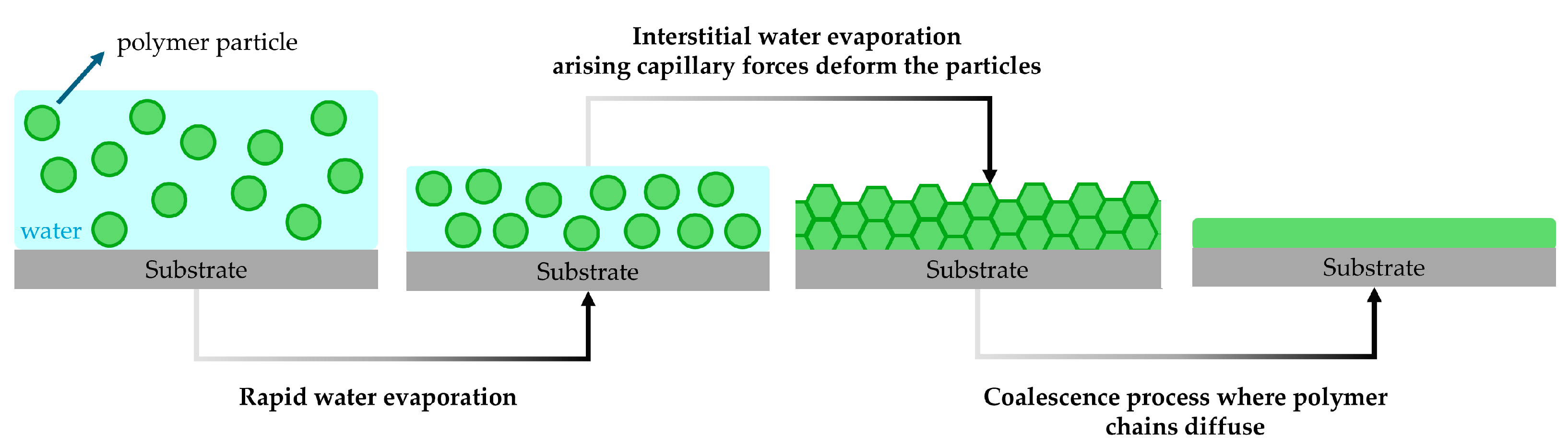

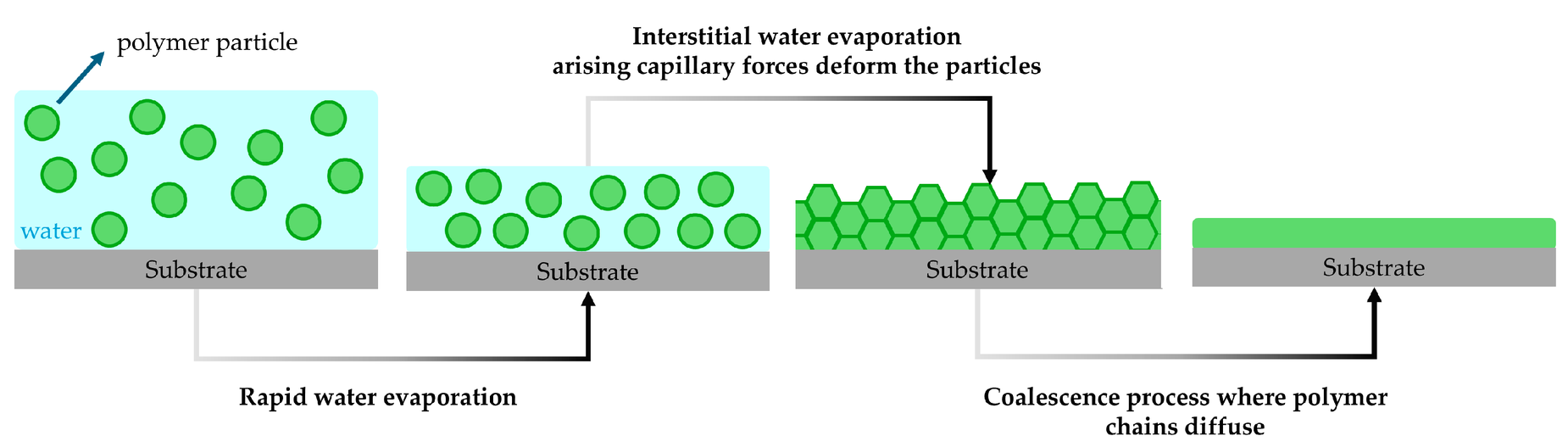
Unlike water-based inks that remain partially soluble even after drying, acrylic paint undergoes a chemical and physical transformation during the drying process. The paint begins as a mixture of pigments and acrylic polymer particles suspended in water. As the water evaporates, these particles move closer together and fuse into a continuous film.
This process is known as polymer coalescence, and it is the reason acrylic paint forms a durable surface layer that adheres tightly to fabrics, wood, canvas, and other materials.
Acrylic paint chemistry in simple terms
Acrylic paint typically contains three main components:
- Acrylic polymer particles dispersed in water • Pigment particles that provide color • Additives that improve adhesion, flexibility, and durability
When the paint is applied, the water acts as a carrier that allows the mixture to spread easily across a surface. As drying occurs, the polymer particles merge and form a cohesive film that traps pigment within a flexible matrix.
The difficulty of removal increases dramatically as the paint progresses through its drying stages.
| Paint stage | Physical state | Removal difficulty |
|---|---|---|
| Wet | Liquid suspension | Low |
| Semi-dry | Film forming | Medium |
| Fully cured | Crosslinked polymer | High |
During the wet stage, the paint remains mostly water-dispersible and can often be removed through simple washing or blotting. However, as the polymer particles fuse, the paint begins to behave like a continuous plastic layer bonded to the textile surface.
Once the paint is fully cured, removal is no longer a simple cleaning task. It becomes a process of mechanically or chemically separating a polymer film from the fabric fibers beneath it.
Why production fabrics make removal harder
Textiles used in clothing manufacturing often contain specialized fibers and finishing treatments designed to enhance appearance, durability, and comfort. These features can unintentionally increase the difficulty of removing paint stains.
Production fabrics may include characteristics such as:
- Fine yarn structures • High-density weaving or knitting • Surface finishing treatments • Stretch or elastic fiber blends
Each of these properties influences how acrylic paint interacts with the fabric surface.
| Fabric feature | Effect on paint removal |
|---|---|
| Smooth filaments | Strong surface adhesion |
| Staple fibers | Deep paint penetration |
| Stretch fabrics | Risk of distortion |
| Finished surfaces | Sensitivity to solvents |
For example, smooth synthetic filaments such as polyester can allow acrylic paint to form a strong surface bond. On the other hand, fabrics made from staple fibers like cotton may allow paint to penetrate between fiber bundles, making removal more difficult.
Stretch fabrics containing elastane or spandex introduce another complication. Aggressive cleaning or mechanical scrubbing can damage the elastic fibers and permanently alter the fabric’s shape.
Finished fabrics also require special care. Textile finishes—such as water repellents, softeners, or anti-wrinkle coatings—can react unpredictably with strong cleaning chemicals.
Why “stronger chemicals” usually backfire
In many industrial environments, the instinctive response to a stubborn stain is to apply stronger solvents. However, this approach often causes more harm than good when dealing with acrylic paint on textile materials.
Harsh solvents can produce several unwanted effects:
- Swelling or dissolving synthetic fibers • Removing dyes from colored fabrics • Leaving glossy patches or hazy marks • Weakening elastic components in stretch textiles
For instance, solvents capable of dissolving acrylic polymers may also attack polyester, nylon, or polyurethane fibers. This can lead to irreversible damage that is more noticeable than the original paint stain.
For this reason, professional textile cleaning strategies focus on controlled softening and mechanical lifting of the paint film, rather than aggressive chemical dissolution.
Timing is often the most important factor
The stage at which the paint is treated greatly influences the success of stain removal. Early intervention allows the paint to be softened and lifted before the polymer film fully stabilizes.
In production environments, quick response procedures can significantly reduce fabric waste caused by accidental paint contamination.
These procedures often include:
- Immediate blotting of fresh paint • Avoiding rubbing that spreads the stain • Using mild solvents or alcohol-based solutions to soften semi-dry paint
Once the paint has cured completely, removal becomes much more difficult and may require multiple treatment steps.
A real production example
In one knitwear manufacturing facility, a small amount of acrylic paint was accidentally transferred to polyester fabric panels during a sampling process. Because the contamination was noticed immediately, technicians were able to remove most of the paint using gentle blotting and a mild alcohol solution.
The treated panels showed no visible damage or stiffness.
However, in another case within the same facility, paint contamination went unnoticed until the following day. By that time, the paint had fully cured and formed a rigid film on the fabric surface. Even after repeated treatment attempts, the fabric retained slight stiffness and subtle surface discoloration.
The difference between these two outcomes was not the cleaning solution used but the timing of the intervention.
Understanding the real challenge
Acrylic paint is designed specifically to resist removal. Its polymer-based structure creates a flexible yet durable film that bonds tightly to surfaces. While this property makes acrylic paint valuable in artistic and industrial applications, it also explains why the material can be so difficult to remove from textile surfaces.
In clothing production environments, successful stain management depends on understanding this chemistry and responding appropriately. By recognizing that the challenge involves separating a polymer film rather than dissolving a simple pigment stain, production teams can adopt safer and more effective removal strategies that protect both the fabric and the final garment quality.
Which fabric types react differently to acrylic paint, and how does this influence stain removal strategy?
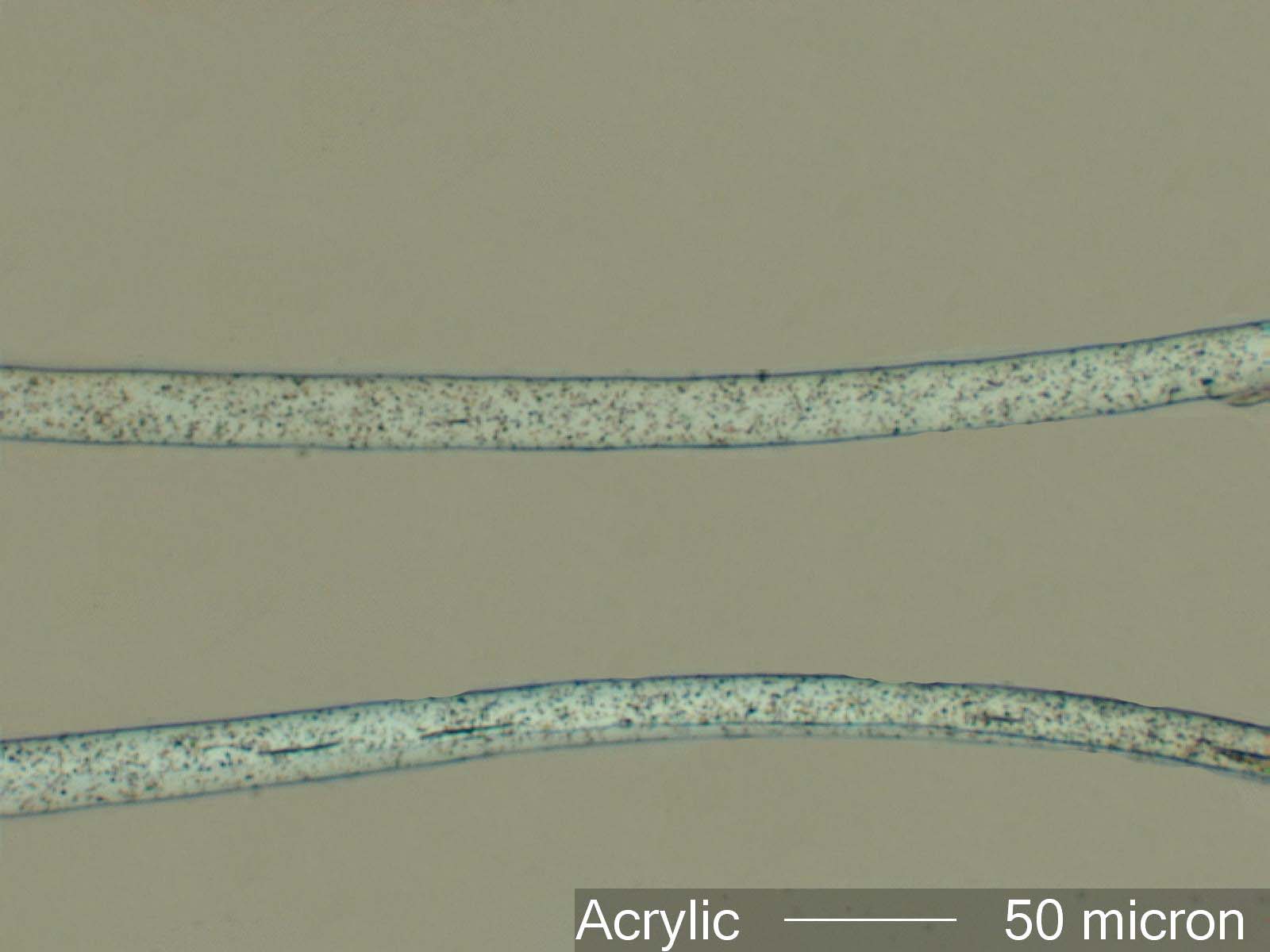
Different textile fibers interact with acrylic paint in distinct ways, and these differences strongly influence how stains should be treated during garment production or textile processing. Acrylic paint does not behave uniformly across fabrics because the physical structure and chemical composition of fibers determine whether the paint is absorbed, trapped between fibers, or remains on the surface.
Understanding fiber behavior is therefore the foundation of effective stain removal. The same cleaning method that works on one fabric type can permanently damage another. In practical terms, absorbent fibers tend to trap paint within their internal structure, while smooth synthetic fibers usually allow paint to remain on the surface where it forms a thin polymer film.
Because of this difference, stain removal strategies must adapt to the specific fiber type and fabric structure involved.
Fiber-specific paint interaction patterns
When acrylic paint contacts fabric, several processes occur simultaneously. Water in the paint may be absorbed into the textile, while polymer particles begin forming a film as the water evaporates. The extent to which the paint penetrates or remains on the surface depends largely on fiber porosity and surface energy.
Textiles can broadly be divided into three fiber behavior categories:
- Highly absorbent natural fibers • Smooth synthetic fibers • Mixed fiber blends
Each category requires a slightly different approach to stain management.
Cotton and other natural fibers
Natural fibers such as cotton, linen, and viscose have porous structures that readily absorb liquids. Cotton fibers in particular contain microscopic channels that draw water inward through capillary action. When acrylic paint contacts cotton, the liquid component is quickly pulled into these internal spaces.
| Behavior | Implication |
|---|---|
| Paint penetrates fibers | Early action critical |
| Fibers swell when wet | Can help push paint out |
| Cured paint embeds deeply | Harder to fully remove |
Because cotton fibers absorb the liquid portion of the paint quickly, the pigments and polymer particles may become embedded within the fiber matrix before the paint dries. This makes removal significantly more difficult once the paint has cured.
However, cotton fibers also swell when exposed to water, which can sometimes help loosen paint particles if the stain is treated early. Rehydrating the affected area allows cleaning solutions to penetrate the fibers and lift the paint away gradually.
For natural fibers, safe removal methods usually focus on:
- Re-wetting the stained area • Applying mild surfactants or detergents • Using gentle mechanical action to loosen the paint
Strong solvents are generally avoided because they can damage the fiber structure or remove fabric dyes.
Polyester and other synthetic fibers
Synthetic fibers such as polyester, nylon, and acrylic have smoother surfaces and lower absorbency compared with natural fibers. Instead of penetrating deeply into the fibers, acrylic paint often remains on the fabric surface.
| Behavior | Implication |
|---|---|
| Paint sits on surface | Film lifting is possible |
| Strong surface adhesion | Needs controlled softening |
| Heat sensitivity | Avoid high temperatures |
Although paint may not penetrate deeply into synthetic fibers, the polymer film can adhere strongly to the smooth surface of the fabric. As the paint dries, the acrylic polymer layer essentially grips the fabric surface.
This situation creates a different type of stain. Instead of being embedded inside fibers, the paint forms a thin coating that must be softened and lifted without damaging the underlying material.
For polyester and other synthetics, effective stain removal often involves:
- Softening the paint film using mild alcohol solutions • Allowing time for the polymer to loosen • Gently lifting the softened film from the surface
Aggressive scrubbing is rarely recommended because it can push the paint into the fabric structure or damage delicate synthetic filaments.
Heat must also be controlled carefully. Elevated temperatures can cause paint films to bond more strongly to synthetic fibers and may also distort heat-sensitive fabrics.
Blended fabrics
Blended textiles combine different fiber types within a single fabric structure. For example, a poly-cotton blend contains both absorbent cotton fibers and smooth polyester fibers. Because each fiber reacts differently to paint, stains on blended fabrics can behave unpredictably.
| Challenge | Result |
|---|---|
| Cotton absorbs | Deep staining zones |
| Polyester resists | Surface film zones |
| Uneven removal | Halo or patching |
In blended fabrics, acrylic paint may penetrate cotton fibers while simultaneously forming a surface film on polyester fibers. This creates a mixed stain pattern that is more difficult to remove evenly.
If removal techniques target only one fiber behavior, the result may be uneven cleaning. For instance, the surface film may be removed while pigment trapped in cotton fibers remains visible, producing a halo effect around the treated area.
Because of this complexity, blended fabrics often require a two-step treatment approach. The stain may first be softened and lifted from synthetic surfaces and then treated again to address deeper pigment residues in natural fibers.
Frequent reassessment during cleaning is important to prevent visible inconsistencies.
Knits versus woven fabrics
In addition to fiber composition, fabric structure also affects how acrylic paint behaves on textiles. The two primary fabric constructions used in garment production are knitted and woven structures.
| Fabric structure | Risk |
|---|---|
| Open knits | Paint penetration |
| Tight knits | Surface bonding |
| Wovens | Edge tracking along yarns |
Knitted fabrics contain loops of yarn that create stretch and flexibility. Open knit structures provide more space between yarn loops, allowing paint to penetrate deeper into the fabric.
Tighter knit constructions may behave more like smooth surfaces, where the paint remains on top and forms a film.
Woven fabrics consist of interlaced yarns arranged in perpendicular directions. Paint applied to woven fabrics may travel along the yarns through capillary action, causing the stain to spread along fiber paths.
Because these structural differences influence paint behavior, the same stain removal technique may produce different results on knit versus woven textiles.
Importance of testing before treatment
Given the variation in fiber types and fabric structures, testing a stain removal method on a small, hidden area of the fabric is always recommended before applying it to the entire stain.
Testing allows technicians to evaluate:
- Whether the cleaning agent affects fabric color • Whether the treatment damages fiber structure • Whether the paint begins to soften or spread
This precaution is particularly important in garment production environments where fabric consistency and appearance must meet strict quality standards.
The human factor in stain removal
Many unsuccessful stain removal attempts occur because technicians treat paint stains as uniform problems. In reality, the interaction between paint chemistry and textile structure determines how a stain behaves.
Two fabrics that appear visually similar may respond completely differently to the same treatment because their fibers and construction methods differ.
Production facilities that train staff to identify fiber types and understand how paint interacts with them can reduce fabric damage and material loss significantly.
Recognizing whether a stain is primarily surface-based or deeply absorbed allows technicians to select the correct removal strategy, improving both efficiency and final garment quality.
How should OEM clothing facilities assess and categorize acrylic paint stains before initiating safe removal processes?
Before applying any cleaning solution or stain-removal method, OEM clothing facilities should perform a structured evaluation of the paint contamination. Acrylic paint behaves differently depending on its curing stage, the depth of penetration into the fabric, the fiber composition of the textile, and the location of the stain on the garment. A rapid but systematic assessment allows technicians to determine whether the stain can be safely removed, which technique should be used, and when attempting removal could cause more damage than the stain itself.
This early evaluation phase is often referred to as stain triage. In production environments where efficiency and fabric quality are equally important, a well-defined triage process can prevent unnecessary chemical exposure, reduce fabric waste, and avoid costly production delays.
The most reliable removal processes begin not with stronger solvents but with accurate categorization of the stain’s condition and context.
A practical triage system that prevents damage
Acrylic paint removal becomes significantly safer when facilities follow a consistent evaluation procedure. This process typically examines five key variables:
- Paint curing stage • Penetration depth • Fiber type and fabric structure • Fabric finishing treatments • Stain location on the garment
By reviewing these factors before applying any treatment, technicians can select the least aggressive method capable of addressing the stain.
3.1 Identify paint state (this sets the clock)
The curing stage of acrylic paint is the single most important variable influencing removal success. Acrylic paint transitions through several physical stages as water evaporates and polymer particles fuse into a solid film.
Recognizing the paint’s current state determines both urgency and the safest initial response.
| Paint state | Visual cue | Safe first action |
|---|---|---|
| Wet | Glossy, transfers easily | Blot immediately |
| Tacky | Slight sheen, fingerprints | Gentle surfactant |
| Semi-dry | Dull surface, flexible | Alcohol softening |
| Fully cured | Hard film | Controlled lifting only |
When the paint is still wet or tacky, the primary objective is to prevent it from spreading deeper into the fabric. Blotting with absorbent material is usually the safest approach. Introducing strong solvents at this stage can actually spread the paint and enlarge the affected area.
As the paint begins to dry and form a flexible film, mild alcohol-based solutions may help soften the polymer layer enough to allow controlled removal.
Once the paint has fully cured and hardened, the removal strategy changes significantly. Instead of dissolving the paint, technicians must focus on gently loosening the film from the fabric surface without damaging the fibers.
3.2 Determine penetration depth (surface vs embedded)
The next step in stain assessment involves determining how deeply the paint has penetrated into the textile structure. Acrylic paint may remain on the surface or travel between fibers depending on fabric type and paint consistency.
Technicians can often estimate penetration depth using angled lighting and gentle flexing of the fabric.
| Depth | Indicator | Risk |
|---|---|---|
| Surface film | Paint cracks when bent | Low |
| Partial penetration | Darker yarn cores | Medium |
| Deep penetration | Stiffness through thickness | High |
Surface film stains typically occur when paint remains on top of smooth fabrics such as polyester. These stains may be lifted once the polymer layer is softened.
Partial penetration indicates that some paint has migrated into the yarn bundles. These stains may require multiple treatment steps.
Deep penetration occurs when paint fully saturates the textile structure. In such cases, complete removal may not be possible without damaging the fabric. Facilities must then decide whether partial removal or garment replacement is the better option.
Recognizing this distinction early prevents excessive treatment attempts that could compromise fabric integrity.
3.3 Check fiber, structure, and finishes
Once the paint state and penetration depth are identified, technicians should examine the textile characteristics that influence chemical compatibility.
Fabric composition and construction determine how the material will react to cleaning agents.
| Attribute | Why it matters |
|---|---|
| Fiber type | Solvent compatibility |
| Knit vs woven | Stretch & distortion risk |
| Coatings/prints | Chemical sensitivity |
| Dye method | Colorfastness limits |
Natural fibers such as cotton may absorb cleaning solutions differently than synthetic fibers such as polyester or nylon. Knit fabrics may distort under mechanical stress, while woven fabrics may allow stains to travel along yarn pathways.
Special finishes also require caution. Many garments receive treatments such as water repellents, wrinkle-resistant coatings, or printed graphics. These finishes can react unpredictably to solvents or detergents.
For this reason, technicians should always test a removal method on a hidden portion of the garment before applying it to the visible stain area.
3.4 Location matters more than size
The physical location of the stain on the garment can be just as important as its size. Certain areas of a garment are structurally sensitive or visually critical, making aggressive cleaning particularly risky.
| Location | Sensitivity |
|---|---|
| Seams | Thread weakening |
| Stretch panels | Recovery loss |
| Printed areas | Image distortion |
| High-visibility zones | Cosmetic tolerance low |
For example, stains near seams may weaken stitching if treated aggressively. Stretch panels containing elastane fibers may lose elasticity if exposed to harsh chemicals or excessive mechanical force.
Printed areas pose additional risks because cleaning agents may distort or remove the printed design.
High-visibility areas—such as the front of a garment—also require more cautious treatment because even small discolorations or surface changes can affect product appearance.
3.5 Go / No-Go decision
After completing the assessment steps, technicians must decide whether stain removal should proceed and which method is safest. During treatment, it is also essential to monitor for warning signs indicating that the process may be damaging the fabric.
| Warning sign | Action |
|---|---|
| Dye transfer | Downgrade method |
| Surface haze | Reduce dwell |
| Fiber fuzzing | Stop immediately |
| Elastic fatigue | Abort removal |
Dye transfer may indicate that the cleaning solution is affecting the fabric’s coloration. Surface haze can occur when solvents disturb textile finishes. Fiber fuzzing suggests mechanical damage to the yarn structure, while elastic fatigue indicates potential degradation of stretch fibers.
If any of these warning signs appear, technicians should pause treatment and reassess the situation rather than continuing with stronger chemicals.
Why formal triage systems improve production efficiency
Factories that implement a standardized stain classification process typically experience fewer damaged garments and lower rejection rates. Structured assessment allows technicians to identify which stains are safely removable and which should be handled differently.
By documenting paint state, penetration depth, fabric characteristics, and stain location before beginning removal, facilities can reduce guesswork and avoid excessive chemical use.
This disciplined approach transforms stain removal from a reactive cleaning task into a controlled quality-management procedure—protecting both the fabric and the final garment quality.
What safe and effective solvent systems and cleaning agents are recommended for removing acrylic paint without damaging fabric or prints?

Removing acrylic paint from textile materials requires a careful balance between effectiveness and fabric safety. Acrylic paint forms a polymer film that bonds strongly to surfaces as it dries, so the goal of stain removal is not to dissolve the paint aggressively but to soften the film and gradually reduce its adhesion to the textile surface.
In clothing production environments, the safest removal methods rely on staged treatment systems that combine mild surfactants, low-toxicity solvents, and carefully controlled alkalinity. Each step is applied briefly and monitored closely to avoid fiber damage, color fading, or distortion of printed graphics.
Rather than using a single strong chemical, effective stain removal typically involves progressive softening and lifting, allowing the paint to separate from the fabric with minimal mechanical force.
What works, why it works, and when to use it
Acrylic paint removal works best when cleaning agents are applied in a structured sequence. The first step usually targets surface adhesion, while later steps focus on softening the polymer film and removing remaining residues.
The most reliable systems use mild cleaning agents that interact with the paint film without attacking the textile fibers.
4.1 Plant-derived surfactants (first line)
Plant-based surfactants are widely used as the first treatment step for acrylic paint stains because they reduce surface tension and loosen the bond between the paint film and the fabric.
Surfactants help cleaning solutions spread evenly across the stain while gently lifting pigment and polymer particles away from fibers.
| Surfactant | Source | Best for |
|---|---|---|
| Alkyl polyglucosides (APG) | Corn/coconut | Cotton, blends |
| Amino-acid surfactants | Fermented sugars | Knits, dyed goods |
| Saponins | Soapnut/yucca | Fresh stains |
Solutions containing approximately 1–2 percent surfactant concentration are typically sufficient for stain treatment. The solution should be applied lightly and allowed to dwell briefly before gentle agitation or blotting.
Surfactants are particularly useful for fresh paint stains because they help prevent paint from penetrating deeper into the textile structure.
4.2 Low-toxicity alcohols (targeted use)
If the paint film has begun to dry, alcohol-based solvents can be used to soften the polymer structure. Alcohols temporarily plasticize the acrylic film, making it more flexible and easier to lift from the fabric surface.
| Alcohol | Typical strength | Best for |
|---|---|---|
| Bio-ethanol | 70–90% | Polyester surfaces |
| Isopropyl alcohol | 70% | Semi-cured edges |
Alcohol should be applied with a small pad or cloth rather than poured directly onto the fabric. Controlled application limits solvent exposure and reduces the risk of affecting nearby dyes or finishes.
Once the paint film softens, it should be gently lifted and blotted rather than scrubbed. Excessive rubbing may push paint deeper into the fabric or damage delicate fibers.
4.3 Mild alkalinity (limited, localized)
Certain alkaline substances can help weaken the binders that hold acrylic paint films together. However, alkalinity must be used cautiously because high pH levels may affect textile dyes or coatings.
| Option | pH | Use case |
|---|---|---|
| Sodium bicarbonate paste | 8–8.5 | Cotton canvas |
| Light carbonate blends | ≤9 | Heavy naturals |
Alkaline treatments are most appropriate for durable natural fabrics such as cotton canvas or heavy woven materials. They should be applied locally and removed quickly after treatment.
Because alkaline solutions may alter dye stability, they should not be used on delicate fabrics, printed garments, or textiles with specialty finishes.
4.4 Enzymes (supporting role)
Although enzymes cannot break down acrylic polymers directly, they can help remove other substances that trap paint within the textile surface.
For example, some acrylic paint formulations contain oils, binders, or protein-based additives that contribute to stain persistence. Enzymatic cleaners can break down these residues, allowing the softened paint film to release more easily.
| Enzyme | Benefit |
|---|---|
| Protease | Clears protein residues |
| Lipase | Removes oily additives |
Enzymatic treatments are typically applied after the main paint film has been lifted. Their purpose is to clean residual contamination rather than dissolve the paint itself.
4.5 What to avoid—even if it works quickly
Certain industrial solvents may appear effective at dissolving acrylic paint but can cause serious damage to textile fibers or pose safety concerns in manufacturing environments.
| Agent | Why it’s unsafe |
|---|---|
| Acetone | Fiber damage, gloss |
| MEK/toluene | Health & compliance |
| Paint thinner | Residue, odor |
| Chlorinated solvents | Restricted |
Acetone, for example, can dissolve acrylic polymers but may also damage synthetic fibers or alter fabric finishes. Similarly, industrial solvents such as MEK or toluene present significant health and environmental risks and are rarely suitable for textile applications.
Paint thinners and chlorinated solvents may leave persistent odors or chemical residues that affect garment quality.
Staged cleaning approach
The safest cleaning strategy typically follows a staged process:
- Surfactant treatment to reduce adhesion and loosen the paint film
- Alcohol softening to plasticize partially cured paint
- Controlled lifting and blotting to remove softened material
- Optional enzymatic cleaning to remove residual contamination
Each step should be brief and followed by inspection before proceeding further. This gradual escalation allows technicians to stop once the stain has been removed without exposing the fabric to unnecessary chemical stress.
Protecting prints and fabric finishes
Printed garments require additional care because inks and decorative finishes may react differently to solvents or surfactants. When treating stains near printed areas, technicians should apply cleaning agents sparingly and avoid spreading the solution across the print surface.
Spot testing in an inconspicuous area remains the safest way to verify compatibility before treating the entire stain.
The guiding principle of safe removal
In textile stain removal, stronger chemicals rarely produce better outcomes. Effective paint removal depends on patience, careful observation, and selecting the mildest treatment capable of softening the paint film.
By using plant-based surfactants, low-toxicity alcohols, and limited alkalinity in a staged approach, clothing production facilities can remove many acrylic paint stains while preserving fabric integrity, color stability, and garment quality.
How should OEM facilities implement step-by-step acrylic paint removal techniques tailored to specific fabric types?


In clothing production environments, safe acrylic paint removal depends on matching the cleaning method to the fiber type and fabric structure. Because acrylic paint forms a polymer film rather than a simple pigment stain, removal should be approached gradually through a cycle of softening, lifting, blotting, and reassessing.
This staged approach reduces the risk of fiber damage, dye loss, and surface distortion. Instead of relying on a single strong chemical treatment, technicians should perform several short and reversible cleaning cycles, stopping as soon as the stain is removed.
Different fabrics require different strategies. Cotton-based textiles tend to absorb paint into their fibers, while polyester fabrics usually hold paint on the surface. Blended fabrics combine both behaviors, requiring a mixed removal approach.
Fiber-specific workflows that protect garment quality
Understanding the physical behavior of each fiber type helps determine the safest removal method. Cotton benefits from controlled moisture and surfactants, while polyester responds better to alcohol-based softening that loosens the paint film.
Blended fabrics require more careful treatment because both fiber behaviors exist simultaneously.
5.1 Cotton and cotton canvas (absorbent fibers)
Cotton fibers are porous and absorb liquid readily. When acrylic paint contacts cotton fabric, the water component of the paint quickly penetrates the fiber structure. As the paint dries, pigments and polymer particles become trapped between the fibers.
Fortunately, cotton fibers also swell when exposed to water. This swelling can help push paint particles outward if the stain is treated early.
Step-by-step procedure
- Pre-dampen the stained area evenly with warm water. Avoid hot water because heat can accelerate polymer bonding.
- Apply a plant-based surfactant solution (1–2%) to the stain and allow it to dwell for approximately 2–5 minutes.
- Agitate gently from the reverse side of the fabric using a soft nylon brush. Working from the back encourages paint to move outward rather than deeper into the fibers.
- Blot the loosened paint using absorbent material. Avoid rubbing, which may spread pigment across the fabric surface.
- Rinse lightly and repeat the cycle if necessary.
| Risk | Prevention |
|---|---|
| Halo rings | Keep the area uniformly damp |
| Fiber fuzzing | Use soft bristles only |
| Dye loss | Test first; shorten dwell |
If cured paint residue remains after several cleaning cycles, a localized sodium bicarbonate paste (pH ≤ 8.5) can be applied briefly to help loosen remaining pigment. The area should then be rinsed thoroughly to restore neutral pH.
5.2 Polyester and other smooth synthetics
Polyester fibers behave differently from cotton. Because polyester has a smoother surface and lower absorbency, acrylic paint typically forms a thin film that sits on top of the fabric rather than penetrating deeply into the fibers.
This surface film can often be softened and lifted if treated carefully.
Step-by-step procedure
- Lightly pre-dampen the area with cool water to prevent spreading.
- Apply 70% bio-ethanol or isopropyl alcohol (IPA) using a pad or cloth rather than soaking the fabric.
- Allow 30–60 seconds for the alcohol to soften the acrylic film.
- Carefully lift the softened edges of the paint film using a silicone spatula or similar tool.
- Immediately blot the loosened paint and follow with a mild surfactant rinse.
| Risk | Prevention |
|---|---|
| Surface sheen change | Avoid heat and friction |
| Print damage | Mask nearby printed areas |
| Odor residue | Use low-odor alcohols |
Because polyester surfaces can scratch easily, aggressive scrubbing should always be avoided. Scrubbing can create microscopic abrasions that trap pigment and make the stain more difficult to remove.
5.3 Blended fabrics (cotton–polyester and tri-blends)
Blended fabrics present the greatest challenge because they combine absorbent natural fibers with smooth synthetic fibers. Acrylic paint may therefore penetrate cotton components while remaining on the surface of polyester fibers.
This creates uneven staining patterns that must be treated in stages.
Recommended split strategy
- Begin by treating absorbent zones using the cotton-based surfactant method. • After loosening internal pigment, treat surface film areas using controlled alcohol softening. • Work gradually from the outer edge of the stain toward the center to prevent spreading.
| Signal | Action |
|---|---|
| Uneven lightening | Pause and reassess |
| Texture change | Stop immediately |
| Residual shadow | Accept partial removal |
Because blends contain multiple fiber types, repeated cleaning cycles may produce slight visual differences between treated and untreated areas. When this occurs, partial stain removal may be preferable to aggressive treatment that could damage the garment.
5.4 Knits versus woven fabrics (structure matters)
Fabric structure also influences stain removal techniques. Knit fabrics are composed of interlocking loops, while woven fabrics consist of perpendicular yarns interlaced tightly together.
These structural differences affect how paint spreads through the textile.
| Structure | Guidance |
|---|---|
| Open knits | Lower agitation; shorter dwell |
| Tight knits | Film lifting works well |
| Wovens | Watch for paint tracking along yarns |
Open knit fabrics allow liquids to move more freely through the textile, so excessive agitation may push paint deeper into the fabric. Tight knit fabrics behave more like smooth surfaces and respond well to film-lifting techniques.
In woven fabrics, technicians should watch for paint spreading along yarn pathways. Gentle blotting from the reverse side can help prevent this type of migration.
Working in short, reversible cycles
Regardless of fabric type, stain removal should always follow the same core principle: short treatment cycles followed by reassessment. Each cycle should soften the paint slightly without exposing the fabric to prolonged chemical contact.
A typical cleaning cycle includes:
- Softening the paint film • Lifting or loosening the paint • Blotting the released material • Inspecting the fabric before repeating
This incremental process ensures that technicians can stop immediately if the treatment begins affecting fabric color, surface texture, or elasticity.
Protecting garment quality
In OEM clothing facilities, stain removal is ultimately a quality-control procedure rather than simply a cleaning task. The goal is to recover the garment without altering its appearance, fabric structure, or performance characteristics.
By tailoring removal methods to the specific fiber type and fabric structure—and by working through careful, reversible cleaning cycles—production teams can safely remove many acrylic paint stains while maintaining the integrity of the finished garment.
Do specialized tools or equipment improve acrylic paint elimination while preserving garment quality?
Yes. In OEM garment production environments, specialized tools and equipment can significantly improve the efficiency and safety of acrylic paint removal. Instead of relying solely on chemical solutions, precision tools allow technicians to control mechanical force, moisture levels, and energy application, reducing the risk of damaging delicate fabrics or prints.
The goal of these tools is not to apply stronger force but to create controlled micro-interventions that loosen the acrylic paint film while preserving the integrity of the textile. When used correctly, these tools reduce the amount of solvent required, shorten cleaning cycles, and improve consistency across different operators.
In high-quality clothing production, combining gentle mechanical techniques with targeted equipment often produces better results than relying on chemical treatments alone.
Tools that earn their place on the line
The most effective stain-removal stations typically combine several categories of tools. These include steam-based softening systems, ultrasonic cleaning equipment, low-aggression mechanical tools, and workflow aids that help technicians monitor fabric condition during treatment.
Each tool serves a different purpose in the staged removal process.
6.1 Low-pressure steam (controlled)
Low-pressure steam is widely used in textile care because it can soften acrylic paint films without exposing the fabric to aggressive solvents. When applied briefly, steam increases moisture and heat at the surface of the paint film, making it more flexible and easier to lift from the textile.
| Setting | Range |
|---|---|
| Temperature | 90–120 °C |
| Pressure | Low |
| Exposure | 5–10 s |
This method works especially well for semi-cured acrylic paint, where the polymer film has formed but remains slightly flexible.
Steam treatment allows technicians to gently soften the paint before lifting it with a spatula or microfiber pad.
However, steam must be applied carefully. Direct or prolonged exposure may damage heat-sensitive finishes or alter the texture of certain synthetic fabrics. Controlled bursts of steam are therefore preferred over continuous application.
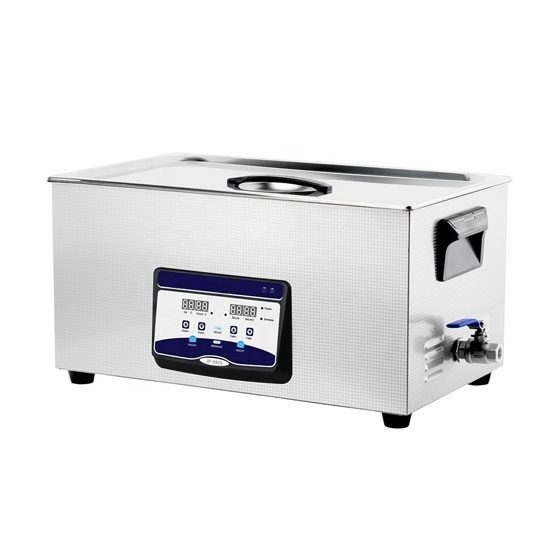
6.2 Ultrasonic cleaning (spot use)
Ultrasonic cleaning technology uses high-frequency sound waves to generate microscopic bubbles in a liquid cleaning solution. When these bubbles collapse, they create localized agitation that helps liquids penetrate beneath surface contaminants.
For acrylic paint removal, ultrasonic equipment can help cleaning agents migrate under the paint film, loosening its adhesion to the textile surface.
| Benefit | Limit |
|---|---|
| Less solvent required | Validate on delicate fabrics |
| Uniform agitation | Time and heat must be controlled |
Because ultrasonic energy is distributed evenly across the treated area, it can be effective for loosening stubborn residues without excessive mechanical scrubbing.
However, ultrasonic cleaning is usually recommended for fabric panels, test swatches, or detachable garment sections unless the process has been validated for use on finished garments. Excessive exposure may affect delicate fibers or coatings.
6.3 Mechanical tools (low aggression)
Mechanical tools remain essential for lifting softened paint films. When used properly, these tools apply gentle force that helps separate the acrylic layer from the fabric surface.
| Tool | Purpose |
|---|---|
| Silicone spatula | Lift softened paint film |
| Soft nylon brush | Light agitation of fibers |
| Microfiber pads | Absorb loosened paint |
Silicone spatulas are particularly useful because their flexible edges can slide beneath softened paint without scratching the fabric.
Soft nylon brushes may be used to agitate surfactant solutions in absorbent fabrics such as cotton. Microfiber pads help absorb released paint particles and prevent them from spreading across the textile.
Technicians should stop immediately if early signs of fiber damage appear, such as pilling, fuzzing, or distortion of knit structures.
6.4 Workflow aids that prevent mistakes
In addition to direct cleaning tools, several types of workflow equipment can improve the accuracy and safety of stain removal processes.
| Aid | Value |
|---|---|
| Adjustable lighting | Reveals micro-residue |
| Magnification lenses | Detects fiber damage |
| Moisture control tools | Prevents over-wetting |
Proper lighting helps technicians identify small pigment residues that may remain after the main paint film has been removed. Magnification tools allow detailed inspection of the fiber surface, making it easier to detect early signs of damage.
Moisture control devices—such as spotting tables with vacuum extraction—help regulate the amount of liquid used during treatment. These systems prevent excessive wetting, which could spread stains or weaken the fabric structure.
Integrated stain-removal workstations
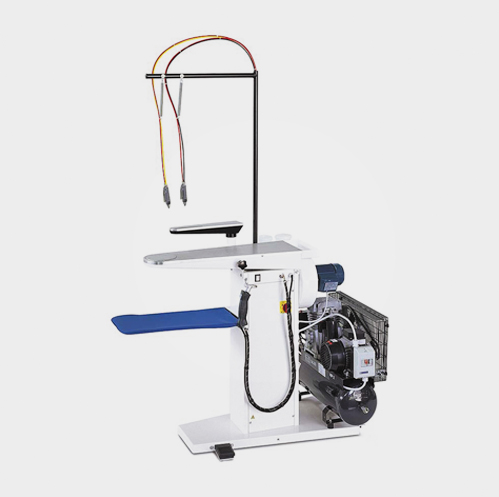
Many professional garment facilities install dedicated stain-removal workstations known as spotting tables. These units combine several features in a single station, including steam guns, compressed air, vacuum suction, and controlled chemical dispensing.
The vacuum surface helps hold the garment flat while simultaneously drawing cleaning solutions and loosened paint particles away from the fabric. This reduces the risk of spreading stains across adjacent areas.
By integrating steam, suction, and controlled moisture management, spotting tables allow technicians to perform precise stain removal while minimizing chemical exposure.
Why precision tools outperform aggressive methods
Attempting to remove acrylic paint using strong solvents or excessive scrubbing can damage fibers, distort fabric surfaces, or fade garment dyes. Precision tools reduce these risks by focusing treatment on the smallest possible area and applying only the energy required to soften the paint film.
When equipment such as steam guns, ultrasonic devices, and spotting tables are combined with careful manual techniques, technicians can often remove paint stains more efficiently while preserving the appearance and structural quality of the garment.
In modern OEM clothing facilities, this combination of controlled mechanical action, localized energy, and minimal chemical exposure represents the most reliable approach to removing acrylic paint stains while protecting fabric quality.
Are there preventative treatments or processes garment manufacturers can use to minimize acrylic paint adhesion during production?


Yes. In garment production environments, preventing acrylic paint adhesion is often more effective—and far safer—than attempting removal after the paint has cured. Acrylic paint forms a strong polymer film as it dries, so reducing the initial bond between paint and fabric can significantly improve the chances of safe cleanup.
Preventative approaches work by slowing wetting, weakening early polymer adhesion, or creating a temporary barrier between paint and textile fibers. When these strategies are applied correctly, paint remains closer to the surface and can be lifted before the film bonds permanently to the fabric.
Importantly, preventive treatments must be subtle. Heavy coatings or permanent finishes can alter the hand feel of the fabric or interfere with later dyeing, printing, or finishing processes. The most effective systems therefore use light, removable surface treatments and disciplined production practices.
Prevention that works in real production
Preventive systems typically combine surface chemistry with workflow design. Chemical treatments reduce paint adhesion, while production habits minimize the likelihood of paint contacting finished garments.
When both approaches are used together, the risk of permanent stains drops significantly.
7.1 Temporary, washable surface finishes
Temporary surface finishes create a thin sacrificial boundary layer between the paint and the fabric surface. Instead of bonding directly to the fibers, the paint adheres to the temporary coating, which can later be washed away.
These finishes are particularly useful during sampling, prototype production, artwork placement, or logo painting processes.
| Finish type | How it helps | Best use |
|---|---|---|
| Light silicone emulsions | Lowers surface energy | Polyester, blends |
| Bio-wax dispersions | Delays wetting | Cotton, canvas |
| Starch alternatives | Sacrificial film | Sampling rooms |
Silicone-based emulsions reduce surface energy, making it harder for wet paint to spread and adhere strongly. Bio-wax dispersions provide a slightly hydrophobic layer that slows the absorption of liquid paint into natural fibers.
Starch-based alternatives can also form a temporary protective film. Because these materials are water-soluble, they can be removed during normal fabric washing processes.
The most important guideline is to keep these finishes light and fully washable. Permanent coatings may make later stain removal more difficult or interfere with downstream finishing steps.
7.2 Hydrophobic—but breathable—balance
Hydrophobic treatments are commonly used to repel water-based substances, including acrylic paint. However, excessive water repellency can create unintended problems. If the coating is too strong, paint may remain on the surface but adhere tightly once dried, making removal more difficult.
The goal of prevention is not to completely repel paint but to delay its bonding process long enough for safe intervention.
| Approach | Outcome |
|---|---|
| Heavy coatings | Resist wetting but hinder lift |
| Light hydrophobic finishes | Slow adhesion; easy lift |
| Breathable treatments | Preserve hand and drape |
Light hydrophobic finishes allow fabrics to maintain their natural flexibility and breathability while providing a short window of protection against liquid contaminants.
This delay gives technicians time to blot or clean paint spills before the polymer film forms.
7.3 Zonal protection (targeted application)
Applying protective finishes across entire fabric rolls may not always be necessary or desirable. In many cases, paint exposure occurs only in specific work areas within the production line.
A targeted strategy known as zonal protection can reduce chemical usage while maintaining effective prevention.
Instead of treating all fabrics, manufacturers can focus protection on areas where paint exposure is most likely.
Examples include:
- Covering worktables where painting or printing occurs • Installing removable protective layers under artwork stations • Applying localized protective sprays to high-risk surfaces
By concentrating prevention measures in these zones, facilities can reduce the risk of accidental paint transfer without altering the properties of the entire fabric inventory.
7.4 Process habits that prevent most stains
While chemical treatments provide useful protection, operational discipline remains the most effective prevention strategy in many garment factories. Training production teams to respond quickly and follow consistent handling procedures can significantly reduce paint contamination.
| Practice | Impact |
|---|---|
| Covered tables | Immediate reduction |
| Dedicated paint zones | Fewer transfers |
| 60-second blot rule | Highest payoff |
| Tool cleaning discipline | Stops secondary stains |
Covered worktables prevent paint spills from reaching finished garments placed nearby. Establishing dedicated painting zones keeps paint-handling activities separate from sewing or assembly areas.
The 60-second blot rule is particularly effective. If wet paint is removed immediately using absorbent material, the polymer film has little time to bond to the fabric surface.
Regular cleaning of brushes, rollers, and tools also prevents accidental paint transfer between garments.
Early response is the most powerful prevention
The earliest stage of paint contamination—when the paint is still wet—is when removal is easiest and safest. Once acrylic paint begins forming its polymer film, adhesion increases rapidly.
Facilities that train workers to recognize spills immediately and act quickly often achieve the greatest reductions in fabric waste.
Even simple practices such as keeping absorbent cloths near painting stations or providing quick-access cleaning kits can significantly improve response time.
Combining chemistry and process control
The most successful garment manufacturers combine several layers of prevention rather than relying on a single solution. Temporary surface finishes reduce paint adhesion, zonal protection limits exposure, and disciplined work practices ensure rapid response when accidents occur.
By slowing the initial bonding process and maintaining organized production environments, factories can prevent many acrylic paint stains from becoming permanent problems.
In the long term, these preventative strategies protect fabric quality, reduce material loss, and improve consistency across clothing production lines.
How can OEM clothing facilities create standardized, worker-safe stain remediation protocols that comply with sustainability and quality guidelines?
In OEM clothing production, stain removal should never depend on personal habit, improvised chemistry, or whoever happens to be on shift. Acrylic paint contamination is a good example of why. One operator may try to wipe it immediately with water, another may reach for alcohol, and a third may scrub too aggressively and damage the fabric more than the paint itself. The result is inconsistency, rework, higher reject rates, and unnecessary chemical exposure.
A strong remediation system solves that problem by turning stain handling into a documented production process. The most effective facilities do not build their approach around a “magic remover.” They build it around a repeatable workflow: classify the stain correctly, select the mildest method that fits the fabric, apply it in controlled steps, and stop before cosmetic recovery turns into product damage. This protects garment appearance, worker safety, line efficiency, and environmental performance at the same time.
For OEM factories working across cotton jerseys, polyester performance knits, cotton-poly blends, printed panels, and stretch fabrics, this level of standardization matters even more. Paint behavior changes by fiber type, finish, structure, and curing time. A safe protocol must therefore combine technical judgment with simple frontline execution. Workers need a process they can follow quickly under production pressure, while supervisors need measurable controls that align with customer quality expectations and internal sustainability targets.
Standard response flow should be visible, simple, and mandatory
A stain remediation protocol works best when it is treated like any other production standard: posted, trained, audited, and easy to follow. Workers should not need to memorize chemistry details under time pressure. They should be able to move step by step through a clear sequence that reduces guesswork.
| Step | Purpose |
|---|---|
| Immediate blot | Prevent penetration |
| Paint & fabric ID | Method selection |
| Hidden-area test | Risk control |
| Staged removal | Fiber protection |
| Stop criteria | Avoid damage |
The first step, immediate blotting, is often the highest-value action in the whole process. In many facilities, the difference between a recoverable panel and a rejected panel is simply whether someone acted in the first 30 to 60 seconds. Blotting prevents spread, reduces penetration, and buys time before the acrylic film begins to set.
The second step is identification. Workers need to know whether the contamination is wet, tacky, semi-cured, or fully cured, and whether the substrate is cotton, polyester, a blend, a coated fabric, or a printed panel. Without that classification, even a mild cleaner can be the wrong choice.
The third step, testing in a hidden area, is where many rushed facilities fail. A 20-second test on seam allowance, inside hem, or hidden facing can reveal dye instability, finish sensitivity, print distortion risk, or surface haze before the visible area is touched.
The fourth step is staged removal. This means short dwell times, localized treatment, gentle lifting, and reassessment after each cycle. The fifth step is equally important: define when to stop. A stain that is 85% removed with no visible damage is usually a better production result than a fully attacked area with fuzzing, gloss change, or print distortion.
Build an escalation ladder that starts mild and stays controlled
A good protocol does not jump to the strongest chemistry. It moves through an escalation ladder. This keeps worker exposure lower, protects fabric integrity, and supports compliance with customer chemical restrictions.
| Level | Method |
|---|---|
| 1 | Water + blot |
| 2 | Plant-based surfactant |
| 3 | Targeted low-toxicity alcohol |
| 4 | Local mild alkalinity |
| 5 | Stop and reassess |
Level 1 is plain water and blotting. This is the correct first response for fresh contamination on many fabrics, especially before the paint begins to film over. Level 2 introduces a mild plant-derived surfactant, typically at low concentration, to reduce adhesion and help lift residue without over-wetting the fabric.
Level 3 is targeted alcohol use, usually bio-ethanol or isopropyl alcohol, applied with a pad rather than soaked into the garment. This level is especially useful for polyester and semi-cured surface films. Level 4, localized mild alkalinity, is reserved for more durable natural fabrics and should not be used casually on prints, stretch fabrics, wool, silk, or delicate finishes.
Level 5 is where discipline shows. If the stain is not responding and the fabric is starting to show risk signals, the protocol should require توقف and reassessment rather than blind escalation. That reassessment may involve a supervisor, QA technician, or lab support, depending on the facility’s structure.
Worker safety has to be built into the method, not added afterward
A stain protocol is only sustainable if workers can use it safely every day. This means the method itself should reduce exposure, repetition strain, and decision fatigue. Low-VOC chemistries, short dwell times, localized application, and ergonomic tools all help.
| Risk | Control |
|---|---|
| Vapor exposure | Ventilation, low-VOC |
| Skin contact | Gloves, training |
| Repetition strain | Ergonomic tools |
Ventilation matters even when using relatively mild systems. Alcohol-based spot cleaning in enclosed areas can still create a vapor burden if stations are poorly ventilated or if multiple operators are working at once. Local exhaust, spotting tables with extraction, or at minimum a well-designed airflow plan should be part of the remediation area.
Skin contact is another common issue. Workers handling repeated incidents can underestimate low-level exposure. Nitrile gloves, chemical handling basics, and clear rules on pad disposal and cleaner transfer should be standard. Training should focus on practical behaviors: use a pad, not a soak; blot, don’t rub; re-cap containers immediately; replace contaminated gloves before touching clean garments.
Repetition strain should also be taken seriously. Many stain-removal failures happen because workers are physically tired and start scrubbing harder, holding awkward postures, or rushing. Lightweight tools, correct table height, vacuum-assisted spotting stations, and brief rotation planning can reduce fatigue and improve consistency.
Sustainability depends on volume control, residue capture, and chemistry discipline
A protocol can use “green” ingredients and still perform poorly from an environmental standpoint if the process floods fabrics, washes solids into drains, or creates high rework. Sustainable stain handling is really about control: less chemistry, less water, less waste, fewer rejects.
| Measure | Benefit |
|---|---|
| Low-volume application | Less discharge |
| Capture pads/filters | Trap paint solids |
| Neutral pH rinse | Easier treatment |
Low-volume application is one of the simplest improvements a facility can make. Applying cleaner by pad, swab, or controlled mist instead of open pouring reduces wastewater load immediately. Capture pads and filter systems are also important because softened acrylic paint is still a solid contaminant. Once detached, it should be absorbed or captured, not rinsed directly into the drain.
Neutral-pH rinsing makes downstream water treatment easier and reduces the chance of fabric damage from residual alkalinity or solvent imbalance. Facilities with high incident volumes should also separate paint-contaminated absorbents and pads into designated waste streams rather than treating them as general line trash.
Another practical sustainability point is chemical standardization. Too many factories keep multiple legacy spot removers in unlabeled or semi-labeled bottles. That increases misuse risk, complicates compliance review, and makes consumption impossible to track. A smaller, approved chemical list tied to the escalation ladder is far easier to manage.
Quality protection requires clear stop criteria and defect language
One of the biggest benefits of a standardized protocol is that it defines acceptable recovery outcomes. Not every stain should be chased to full invisibility. Sometimes the safer quality decision is partial recovery plus panel replacement, especially in high-visibility garments or sensitive fabrics.
Stop criteria should be written in plain language operators can recognize. Examples include visible dye transfer to the blotting pad, emerging surface haze, fiber fuzzing, distortion around prints, seam thread weakening, or reduced stretch recovery in elastic zones. When these signs appear, the protocol should require pause, documentation, and escalation.
This also means QA and production need a shared vocabulary. Terms like haloing, gloss shift, hand-feel stiffening, print edge distortion, and localized shade change should be part of internal training so operators and inspectors describe the same issue the same way.
KPIs turn stain handling from reactive work into process improvement
Facilities improve fastest when stain remediation is measured like a production function, not treated as invisible support work. A few simple KPIs can show whether training, chemistry selection, and workstation design are improving real outcomes.
| KPI | Why it matters |
|---|---|
| Fabric recovery rate | Cost control |
| Rework frequency | Process quality |
| Chemical per incident | Environmental load |
| Safety incidents | People first |
Fabric recovery rate shows how much material is being saved versus rejected. Rework frequency reveals whether first-pass treatment is effective or whether operators are over- or under-treating stains. Chemical use per incident is a strong environmental and cost metric, especially when compared by fabric type or department. Safety incidents, even minor ones, indicate whether the system is genuinely worker-centered or only looks compliant on paper.
These metrics should be reviewed monthly, ideally with stain type and fabric category broken out. A facility may find, for example, that polyester print panels have low recovery and high chemical use, signaling the need for revised methods or stronger prevention upstream.
The strongest systems are boring in the best way
The best OEM stain remediation protocols are not dramatic. They are calm, repeatable, and hard to misuse. Workers know what to do in the first minute. Supervisors know when to intervene. QA knows what acceptable recovery looks like. EHS teams know what chemistries are in use and how waste is managed. Management can see the cost and quality impact in numbers.
That is what compliance with sustainability and quality guidelines looks like in practice: not a single remover, but a disciplined system built on early assessment, mild-first escalation, safe handling, controlled waste, and measurable results. When that system is in place, fabric loss drops, worker confidence rises, and stain remediation becomes a controlled process instead of a recurring source of risk.
Safe Results Come from Smart Systems, Not Harsh Chemistry
Removing acrylic paint safely isn’t about stronger solvents—it’s about understanding paint chemistry, respecting fiber behavior, acting early, and working in controlled steps. When teams replace urgency with precision, they protect fabric quality, reduce waste, and keep lines moving.
The real win is not perfect removal every time—it’s fewer stains becoming permanent problems.
At Szoneier, we support clothing lines with custom fabrics, finishes, and process-ready materials designed for real production conditions. With free design support, low MOQs, fast sampling, free samples, and short lead times, we help teams choose materials that are easier to maintain, safer to process, and consistent at scale.
If you’re developing or sourcing fabrics and want options tailored to your production needs, contact Szoneier to request samples or a customized quotation.
how to get acrylic paint out of fabric, acrylic paint removal from fabric, remove acrylic paint from clothes safely, acrylic paint stain removal methods, safe fabric paint removal, acrylic paint on cotton fabric, acrylic paint on polyester fabric, acrylic paint on blended fabrics, garment factory stain removal, clothing production fabric cleaning, OEM clothing line fabric care, textile stain removal guide, acrylic paint fabric cleaning process, low VOC fabric cleaning, eco friendly fabric stain removal, safe solvents for fabric cleaning, acrylic paint removal without damage, fabric surface protection treatment, anti stain fabric finish, garment sampling stain control, textile quality control cleaning, worker safe fabric cleaning, sustainable textile processing, fabric maintenance best practices, industrial fabric stain removal, custom fabric development, performance fabric care, textile manufacturing cleaning protocol, clothing factory fabric solutions, fabric manufacturer China