Skip to content
Many people think a custom bags manufacturer only cuts fabric, sews panels together, adds a logo, and ships cartons out of the warehouse. Real manufacturing is much more demanding than that. A serious bag factory has to understand fabrics, structure, function, cost control, sampling, production scheduling, inspection standards, packaging, and delivery. That is why two bags that look similar in photos can perform very differently in the real market. One may hold shape, resist abrasion, carry weight safely, and survive repeated daily use. The other may fail at the zipper, tear at the handle, or lose its appearance after a short time.
A professional custom bags manufacturer is the company that turns a concept into a repeatable finished product. It helps develop the bag structure, recommends the right fabric and accessories, makes samples, organizes production, controls quality, applies custom branding, and prepares goods for shipment. In simple terms, the manufacturer is the team that connects your idea, your cost target, your quality expectations, and your delivery schedule.
For brands, importers, wholesalers, and growing e-commerce sellers, this matters more than many realize. A bag is not just a product image on a website. It is a physical item that must survive handling, loading, storage, transport, retail display, and end-user use. At Szoneier, with more than 18 years of experience in fabric development, product manufacturing, and export service, the work starts long before bulk production and continues until the goods are packed and ready to move. The real question is not whether a factory can make a bag. The real question is whether it can make the right bag, at the right quality level, at the right cost, again and again.
What Is a Custom Bags Manufacturer?

A custom bags manufacturer is a factory that develops and produces bags based on a client’s design goals, market positioning, material needs, branding requirements, and order plan. It is not just a seller of ready-made stock goods. It is a production partner responsible for turning product ideas into stable, sellable products.
What does a custom bags manufacturer do?
A custom bags manufacturer handles far more work than many new clients expect. The real job begins before production and often starts with product evaluation. A factory has to study the intended bag style, use scenario, fabric type, hardware choice, printing method, target cost, and expected quantity. From there, it decides how to make the design workable for real production.
In practical terms, the manufacturer usually handles the following work:
| Core Work Area | What the Factory Actually Does |
|---|---|
| Product review | Checks whether the design can be produced reliably |
| Material matching | Recommends suitable fabrics, lining, foam, webbing, zipper, and trims |
| Pattern development | Converts sketches or reference photos into cutting patterns |
| Sample making | Produces prototypes for confirmation and revision |
| Cost planning | Balances appearance, durability, and budget |
| Production setup | Organizes cutting, sewing, assembly, and inspection |
| Branding | Adds logo printing, embroidery, labels, patches, hangtags, packaging |
| Delivery prep | Packs goods, checks carton standards, prepares shipment |
A real factory also solves problems that clients may not see at first. For example:
- A tote bag handle may look good in a drawing, but the stitch density may be too low for heavy loads.
- A backpack fabric may look premium, but if the coating is wrong, the bag may wrinkle or feel too stiff.
- A cooler bag may appear simple, but poor insulation layering can reduce cold retention and create leakage complaints.
- A cosmetic bag zipper may match the color perfectly, but if the zipper teeth size is too light, it may fail after repeated use.
This is where an experienced factory adds value. It does not simply accept artwork and sew. It evaluates whether the product can survive real use and real market expectations.
At Szoneier, this matters because the company works across many fabric categories, including cotton fabric, canvas fabric, polyester fabric, nylon fabric, neoprene fabric, jute fabric, linen fabric, and Oxford fabric. Each fabric behaves differently in cutting, stitching, printing, coating, folding, and final use. A bag factory with strong textile knowledge can help prevent avoidable mistakes early.
Another important point is repeatability. A manufacturer is not only expected to make one good sample. It must make hundreds or thousands of units with the same standard. That requires process control, material consistency, and inspection discipline.
How is a custom bags manufacturer different from a supplier?
This is one of the most important questions for any brand or importer. In everyday business conversations, many people use the words “supplier” and “manufacturer” as if they mean the same thing. They do not.
A supplier may be:
- A trading company
- A sourcing agent
- A wholesaler
- A distributor
- A factory
- A mixed business model company
A manufacturer is the production side. It controls or directly manages the making of the product. That difference affects price, speed, customization depth, technical support, and problem-solving ability.
| Comparison Point | Trading Supplier | Custom Bags Manufacturer |
|---|---|---|
| Production ownership | Often outsourced | Directly managed |
| Product knowledge | Sales-based | Technical + production-based |
| Design modification ability | Limited | Stronger |
| Sampling control | Slower, indirect | Faster, more precise |
| Quality correction | More layers of communication | More direct action |
| Cost transparency | Less clear | Usually better for custom work |
| Material selection | Often standard | Can be tailored to function and price target |
This difference becomes very obvious in custom projects. Suppose a client wants a travel bag with:
- 900D waterproof coated fabric
- reinforced shoulder strap joints
- custom woven logo label
- padded laptop compartment
- retail-ready polybag and barcode label
- a lower starting MOQ
A trading supplier may need to go back and forth with several outside factories before answering. That usually creates slower communication, more misunderstanding, and less control over the final result.
A real manufacturer can often review the request and answer questions like:
- Which denier is more suitable for the target price?
- Will the shoulder strap reinforcement affect sewing efficiency?
- Is embroidery or woven label better for this bag position?
- Can the laptop compartment use PE foam or EVA foam?
- How many pieces are needed to make custom zipper pulls economical?
That is a different level of conversation. It saves time and reduces risk.
For clients building a serious bag line, especially private label or OEM projects, working with a manufacturer usually gives better long-term value because the communication is closer to the real production floor.
Is a custom bags manufacturer an OEM or ODM partner?
In the bag industry, most professional factories work under OEM, ODM, or a mix of both.
| Model | Meaning | Best For |
|---|---|---|
| OEM | Factory makes the product based on the client’s design | Established brands with clear product direction |
| ODM | Factory offers existing designs that the client can modify | Startups, importers, and fast-launch projects |
| Hybrid | Client uses a factory base design and customizes materials, size, pockets, logo, or packaging | Brands that want speed with some exclusivity |
OEM is common when the client already has:
- tech packs
- size specs
- artwork files
- logo placement requirements
- detailed material instructions
- target packaging standards
ODM is common when the client has:
- a product idea
- a target market
- a sample reference
- a budget range
- limited development time
In real business, many projects are not purely one or the other. A client may choose a factory’s existing backpack shape, then request:
- a different front pocket design
- upgraded nylon webbing
- custom printed lining
- recycled polyester outer fabric
- custom brand patch
- branded dust bag
- different carton quantity
That is no longer just a stock product. It becomes a semi-custom project.
For small and medium overseas clients, this model is practical because it reduces development cost and shortens sampling time. For example, a fully new structure may require more pattern work and more sample revisions, while a modified existing design can move faster.
At Szoneier, many clients start with this path. They first confirm a working structure, then improve details step by step. This is especially useful for:
- Amazon sellers testing a category
- boutique brands launching a first collection
- distributors adding a new product range
- wholesalers who need private label versions of proven styles
The key point is this: a professional custom bags manufacturer should be flexible enough to support both starting points, not force every client into the same model.
What Services Does a Custom Bags Manufacturer Provide?
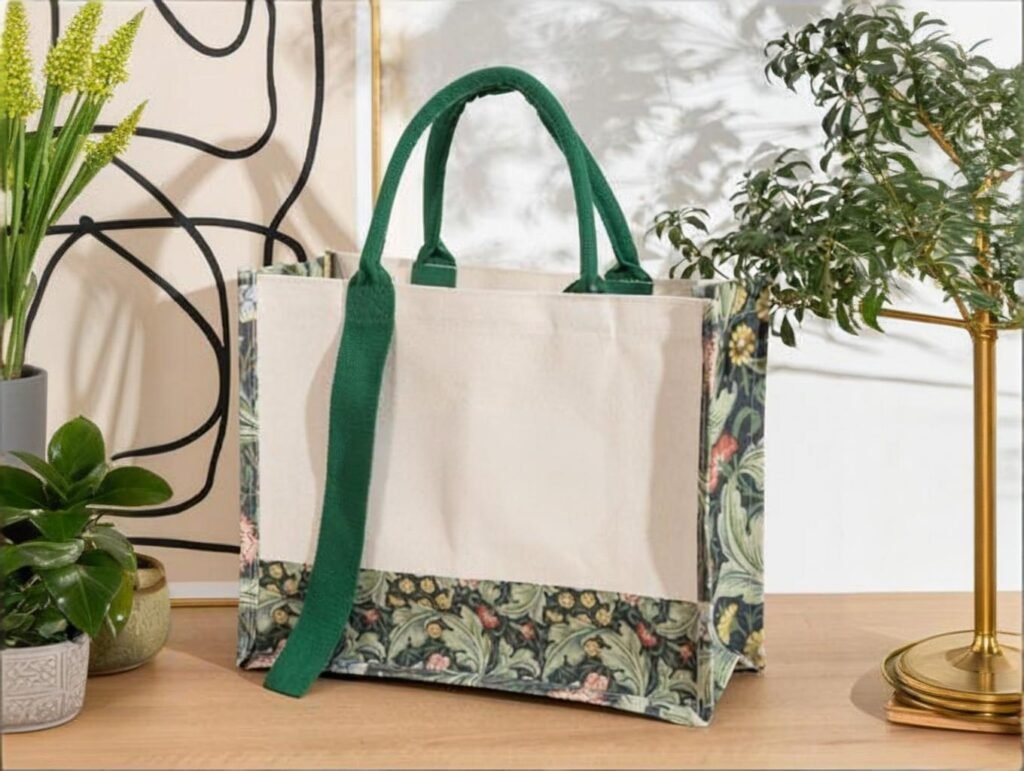
A capable custom bags manufacturer does not only sew products. It usually provides a chain of linked services that help clients reduce development risk, control cost, improve product quality, and launch with more confidence. The more complete the service system is, the easier it becomes for a client to move from concept to shipment.
How does a custom bags manufacturer support design?
Most clients do not begin with a perfect production file. Many start with one of the following:
- a rough sketch
- a reference photo
- a sample from another market
- a mood board
- a list of functional needs
- a target retail price
A good factory knows how to convert these ideas into something workable.
That support often includes:
| Design Support Item | Why It Matters |
|---|---|
| Structure review | Prevents weak construction |
| Size adjustment | Improves use experience and carton efficiency |
| Pocket planning | Makes the product more functional |
| Material suggestions | Matches appearance with performance |
| Stitching method advice | Improves strength and finish |
| Hardware matching | Balances appearance, durability, and budget |
For example, a client may ask for a soft travel bag with a premium look. The request sounds simple, but the right factory still has to make decisions such as:
- Should the bag use washed canvas, PU-coated polyester, or nylon twill?
- Should the body have foam for shape retention, or should it remain soft?
- Should the zipper be reversed coil or standard nylon coil?
- Are the handles stitched into the side seam or attached as separate panels?
- Does the bag need bottom support to reduce sagging?
These details decide whether the final product feels cheap, average, or professional.
A skilled design support team also helps clients avoid over-design. Adding too many compartments, trims, piping details, or decorative panels can make a bag look more valuable in theory but more expensive, heavier, and slower to produce in reality.
This is where experienced factories can protect the client’s margin. They understand where added complexity creates real value and where it only adds cost.
At Szoneier, this kind of support is especially useful because fabric choice and structure are closely linked. A bag made in 12 oz cotton canvas behaves very differently from one made in 600D polyester with PU backing or 3 mm neoprene laminated fabric. Good design support is not only about looks. It is about function, cost, and repeat production.
Which materials does a custom bags manufacturer source?
Material sourcing is one of the biggest factors behind bag quality. The same bag design can feel completely different depending on the fabric, lining, foam, webbing, zipper, puller, and thread quality used.
A professional manufacturer should help the client compare materials by application, not just by name.
| Material | Common Range | Main Strength | Common Use |
|---|---|---|---|
| Cotton canvas | 8 oz to 24 oz | Natural hand feel, classic look | Tote bags, work bags, promotional bags |
| Polyester | 210D to 1680D | Cost-effective, stable color, wide use | Backpacks, school bags, travel bags |
| Nylon | 210D to 1000D+ | Strong, abrasion resistant, premium outdoor use | Outdoor bags, tactical bags, premium backpacks |
| Oxford fabric | 210D to 600D+ | Structured and practical | Utility bags, school bags, tool bags |
| Neoprene | 2 mm to 5 mm | Soft, padded, water resistant | Laptop sleeves, bottle bags, pouches |
| Jute | Various weave densities | Eco image, natural texture | Shopping bags, gift bags |
| Linen | Light to medium weights | Natural appearance | Fashion and lifestyle bags |
The manufacturer also needs to source:
- lining fabric
- zipper brand and size
- metal accessories or plastic buckles
- binding tape
- foam or board reinforcement
- mesh panels
- labels and patches
- packaging materials
Clients often focus only on the outer fabric, but in many cases, complaints come from the supporting materials. A bag can fail because of:
- weak zipper sliders
- low-density foam collapse
- poor-quality webbing fray
- inconsistent coating adhesion
- low color fastness
- hardware plating wear
Here is a simplified view of how materials affect cost and performance:
| Material Decision | Lower Cost Result | Higher Performance Result |
|---|---|---|
| Outer fabric | 420D polyester | 600D or 900D coated polyester / nylon |
| Zipper | Generic light zipper | SBS / YKK or heavier-duty zipper |
| Lining | Thin polyester | Denser lining with better finish |
| Strap | Basic webbing | Thicker webbing with stronger hand feel |
| Bottom support | None | PE board or reinforced panel |
This is why a real manufacturer matters. It should be able to explain not just what a material is, but what that material changes in real use, real cost, and real product life.
Szoneier’s strength here is that the company is not only a bag producer. It also has strong experience in fabric development and post-processing, which helps when clients need water resistance, coating options, printing support, laminated structures, or better performance matching for different use environments such as medical, military, apparel, and bag applications.
How does a custom bags manufacturer handle branding?
For many clients, branding is where the product becomes truly theirs. A blank bag is just a bag. Once the logo, trim details, labels, and packaging are aligned, it becomes part of a brand system.
A good manufacturer should guide the client through branding choices based on product style, quantity, target market, and budget.
| Branding Method | Look | Cost Level | Best Use |
|---|---|---|---|
| Screen printing | Clean, direct, efficient | Lower | Promotional bags, cotton bags, simple graphics |
| Heat transfer | Good for color logos | Medium | Polyester bags, sports bags |
| Embroidery | Textured, premium | Medium to high | Backpacks, caps, uniforms, premium bags |
| Woven label | Professional and versatile | Medium | Inside or outside brand identification |
| Rubber patch | Modern, sporty | Medium to high | Outdoor and youth-focused products |
| Metal plate | Fashion-oriented | Higher | Handbags, premium accessories |
| Deboss / emboss | Subtle, upscale | Medium to high | Leather or PU details |
Branding is not only about the logo method. It also includes:
- placement
- size
- visibility
- proportion
- color consistency
- packaging coordination
For example, a large logo may suit a low-cost giveaway tote but look too aggressive on a premium commuter backpack. A woven label may look clean on a side seam, while embroidery may better suit a front panel. A rubber patch may add value in outdoor products but feel out of place on a minimalist linen bag.
Many clients also need complete private label systems, such as:
- care labels
- size labels
- hangtags
- barcode stickers
- custom polybags
- insert cards
- shipping marks
- branded cartons
These details matter in e-commerce and retail. A bag may be well made, but if the packaging looks weak or inconsistent, the end customer experience drops.
At Szoneier, branding support is important because many overseas clients are not ordering generic goods. They are building their own labels. That means the factory has to help turn a product into a complete commercial presentation, not just a sewn item.
Does a custom bags manufacturer arrange packaging?
Yes, and good packaging service can save more money than many clients expect.
Packaging affects:
- product protection
- carton quantity
- shipping cost
- warehouse efficiency
- retail presentation
- unboxing experience
A professional factory should recommend packaging based on the client’s sales channel.
| Sales Channel | Common Packaging Need |
|---|---|
| Wholesale bulk | Simple polybag + master carton |
| Amazon FBA | Barcode, individual bagging, carton labeling |
| Retail stores | Hangtag, insert card, dust bag, display-ready packing |
| Premium direct-to-consumer | Branded packaging, tissue wrap, insert card |
| Promotional orders | Efficient bulk packing with low packaging cost |
Even small packaging changes can affect freight cost a lot. For example:
| Packaging Adjustment | Possible Result |
|---|---|
| Folding the bag body more efficiently | Higher carton quantity |
| Using thinner but suitable insert boards | Lower package weight |
| Nesting smaller bags inside larger bags | Better space use |
| Reducing oversized hangtags | Lower waste and packing time |
For large-volume orders, carton efficiency matters. If a client orders 10,000 bags, and better packing improves carton loading by 8% to 12%, that can reduce warehouse handling and shipping cost in a meaningful way.
Factories also need to think about protection. Bags with metal hardware, light colors, or structured shapes may need more careful inner packing. Bags with coated surfaces may need separation to avoid sticking during long shipping periods in humid environments.
Szoneier supports different export arrangements and can work with client needs for EXW, FOB, DDP, and other shipping terms. For overseas clients, that matters because packaging is not the last minor step. It is part of the overall cost and delivery strategy.
How Does a Custom Bags Manufacturer Work?
A custom bags manufacturer follows a structured workflow that transforms an idea into a finished product ready for shipment. This workflow connects product design, sampling, material sourcing, production planning, sewing, inspection, and final packaging.
Many clients initially assume production starts as soon as they send a logo or product photo. In reality, a professional bag factory first needs to translate the concept into technical instructions that production teams can follow consistently.
The typical workflow includes:
| Stage | Purpose |
|---|---|
| Product evaluation | Review design feasibility and materials |
| Sampling | Produce prototypes for confirmation |
| Material preparation | Source fabrics, trims, and accessories |
| Production planning | Organize sewing lines and workflow |
| Mass production | Cutting, sewing, assembly |
| Quality inspection | Ensure consistency and durability |
| Packaging and shipping | Prepare goods for export |
This structure helps ensure that the final product meets expectations in terms of appearance, durability, cost control, and delivery schedule.
How does a custom bags manufacturer develop samples?
Sampling is one of the most important steps in the entire manufacturing process. A well-developed sample reduces mistakes during bulk production and allows both the client and the factory to confirm the final product details.
The sampling process usually begins after the manufacturer receives the following information:
- product sketches or reference images
- dimensions and capacity requirements
- fabric preferences
- logo artwork files
- hardware specifications
- target order quantity
- packaging expectations
After reviewing this information, the development team begins preparing patterns and sourcing materials.
| Sampling Step | What Happens |
|---|---|
| Pattern creation | The bag shape is translated into cutting templates |
| Material selection | Fabrics and accessories are matched to the design |
| Prototype sewing | The first sample is assembled |
| Evaluation | Size, shape, stitching, and usability are checked |
| Revision | Improvements are made if necessary |
Most bag factories complete samples within 5–7 days, depending on product complexity.
Clients should use the sample stage to review:
- fabric feel and thickness
- zipper smoothness
- pocket functionality
- logo accuracy
- overall proportions
- strap strength
Small adjustments at this stage can significantly improve the final product.
For example:
| Sample Adjustment | Reason |
|---|---|
| Increasing foam thickness | Improves structure |
| Reinforcing strap attachment | Prevents tearing under load |
| Enlarging zipper size | Improves durability |
| Adjusting pocket depth | Better user experience |
Factories with strong development teams often recommend improvements based on past production experience.
At Szoneier, sample development teams regularly assist overseas clients in refining bag designs before production begins. This step helps prevent avoidable problems later in mass production.
How does a custom bags manufacturer organize production?
Once the sample is approved, the order moves into the production stage. This is where the factory prepares materials, schedules sewing lines, and begins assembling the product in larger quantities.
Bag production is normally divided into several specialized processes.
| Production Step | Description |
|---|---|
| Fabric cutting | Panels are cut according to pattern templates |
| Printing or embroidery | Logos and graphics are applied |
| Sewing preparation | Panels are organized for assembly |
| Sewing assembly | Components are stitched together |
| Hardware installation | Zippers, buckles, straps added |
| Final shaping | Bag structure is adjusted and cleaned |
| Inspection | Quality checks performed |
Production capacity depends on the complexity of the bag.
| Bag Type | Average Production Time |
|---|---|
| Simple tote bag | 30–60 seconds per piece |
| Drawstring bag | 60–90 seconds per piece |
| Backpack | 8–15 minutes per piece |
| Cooler bag | 12–20 minutes per piece |
For example, a factory producing 10,000 canvas tote bags can complete the order much faster than 10,000 multi-compartment backpacks, because the sewing process is simpler.
Factories typically organize production lines based on product type to improve efficiency. Workers become highly specialized in particular sewing steps, which increases consistency and speed.
Szoneier maintains organized production lines that handle a wide variety of bag products made from cotton, canvas, polyester, nylon, neoprene, jute, linen, and Oxford fabrics.
This allows the factory to manage both simple promotional products and more technical bag structures within the same production system.
How does a custom bags manufacturer control quality?
Quality control is one of the most important responsibilities of a professional bag factory. Even a well-designed product can fail in the market if production quality is inconsistent.
Factories usually inspect products at several stages during manufacturing.
| Inspection Stage | What Is Checked |
|---|---|
| Raw material inspection | Fabric defects, color consistency |
| Cutting inspection | Correct panel dimensions |
| In-line inspection | Stitch density, alignment |
| Assembly inspection | Zipper installation, strap strength |
| Final inspection | Overall appearance and function |
Several performance tests are also used to evaluate durability.
| Test Type | Purpose |
|---|---|
| Strap pull test | Ensures handle strength |
| Zipper cycle test | Evaluates zipper reliability |
| Abrasion test | Measures fabric wear resistance |
| Waterproof test | Checks coating effectiveness |
Typical inspection criteria include:
- consistent stitching length
- clean seam edges
- correct logo placement
- smooth zipper movement
- balanced bag structure
Factories with strict quality procedures reduce the risk of product returns and customer complaints.
For international clients, consistent quality is especially important because products travel long distances and pass through multiple handling stages before reaching the final customer.
At Szoneier, quality inspection teams perform multiple checks before packaging to ensure that every shipment meets client requirements.
Which Bags Can a Custom Bags Manufacturer Produce?

A custom bags manufacturer is capable of producing many different product types depending on the factory’s sewing capabilities, fabric knowledge, and production equipment.
Bags are used in many industries, including:
- fashion retail
- travel and outdoor equipment
- promotional merchandise
- corporate gifts
- sports and fitness
- medical and professional tools
Because each industry requires different functionality, bag factories must be able to adapt materials, construction methods, and design details accordingly.
Which daily bags does a custom bags manufacturer produce?
Many bag factories produce everyday bags used in daily life, travel, and shopping. These products often combine practicality with brand visibility.
Common consumer bag categories include:
| Bag Category | Typical Use |
|---|---|
| Tote bags | Shopping and promotional events |
| Backpacks | School, commuting, travel |
| Makeup bags | Cosmetics organization |
| Drawstring bags | Sports and giveaways |
| Laptop bags | Office and travel |
| Duffel bags | Gym and weekend trips |
Each product type requires slightly different construction.
For example:
| Bag Type | Key Feature |
|---|---|
| Tote bag | Strong handle stitching |
| Backpack | Shoulder strap reinforcement |
| Laptop bag | Protective padding |
| Duffel bag | Large zipper opening |
Even small design choices can affect product usability.
Factories often help clients optimize designs by adjusting:
- pocket layout
- strap width
- handle length
- zipper type
- internal reinforcement
These improvements make the bag easier and more comfortable to use.
Which technical bags can a custom bags manufacturer produce?
In addition to everyday bags, many factories produce specialized products designed for specific environments or industries.
Technical bags usually require stronger materials and more complex construction.
Examples include:
| Technical Bag | Special Requirement |
|---|---|
| Cooler bags | Thermal insulation |
| Tool bags | Heavy-duty reinforcement |
| Tactical bags | Abrasion-resistant nylon |
| Medical bags | Organized storage compartments |
| Dry bags | Waterproof sealing |
These products often involve multi-layer construction.
Example cooler bag structure:
| Layer | Function |
|---|---|
| Outer fabric | Structural strength |
| Insulation foam | Temperature retention |
| Aluminum lining | Reflects heat |
| Waterproof barrier | Prevents leakage |
Producing these bags requires careful material matching and production planning.
Factories with strong fabric knowledge are better equipped to manufacture these products successfully.
Which fabrics do bag manufacturers commonly use?
Fabric selection influences both the performance and appearance of a bag.
Here are several widely used materials in bag manufacturing.
| Fabric | Main Advantages | Typical Applications |
|---|---|---|
| Cotton canvas | Durable and eco-friendly | Tote bags |
| Polyester | Lightweight and affordable | Backpacks |
| Nylon | Strong and abrasion resistant | Outdoor bags |
| Oxford fabric | Structured and coated | School bags |
| Neoprene | Flexible and padded | Laptop sleeves |
| Jute | Natural fiber | Shopping bags |
| Linen | Natural texture | Fashion bags |
Fabric performance is also measured through technical parameters.
| Parameter | Typical Range |
|---|---|
| Fabric density | 210D – 1680D |
| Weight | 150 – 600 GSM |
| Waterproof rating | 1000 – 5000 mm |
| Abrasion cycles | 10,000 – 50,000 |
Choosing the correct material helps ensure that the final product matches the intended use.
At Szoneier, fabric development is an important part of the company’s manufacturing capability. The team works with various textile suppliers to ensure stable quality and suitable performance for different bag types.
How Do You Choose a Custom Bags Manufacturer?
Choosing a custom bags manufacturer is one of the most important decisions when launching or expanding a bag product line. The factory you select will influence product quality, pricing stability, production speed, and long-term supply reliability.
For many overseas brands, the manufacturer becomes a long-term production partner rather than a one-time supplier. Because of this, evaluating a factory carefully before placing large orders can prevent many problems later.
Several key factors usually determine whether a manufacturer is suitable for your project:
| Evaluation Factor | Why It Matters |
|---|---|
| Manufacturing experience | Indicates production stability |
| Fabric expertise | Ensures correct material selection |
| Sampling capability | Determines development speed |
| Quality inspection system | Reduces product defects |
| Communication efficiency | Improves project coordination |
| Production capacity | Supports business growth |
A reliable manufacturer should be able to explain their processes clearly and provide examples of past production experience.
What capabilities should a custom bags manufacturer have?
A strong custom bags manufacturer usually combines several core capabilities that support the entire product development process.
These capabilities include:
| Capability | Practical Impact |
|---|---|
| Fabric sourcing network | Access to stable materials and colors |
| Product development team | Faster sampling and design improvement |
| Skilled sewing workforce | Consistent product construction |
| Equipment and tooling | Supports different bag structures |
| Quality control procedures | Maintains production consistency |
| Export logistics experience | Smooth international delivery |
Factories that control more of these processes internally usually offer better reliability.
For example, a manufacturer with strong fabric sourcing connections can help clients select materials that balance performance and cost.
Consider this example:
| Fabric Choice | Result |
|---|---|
| 420D polyester | Lower cost, suitable for lightweight bags |
| 600D polyester | Better durability for backpacks |
| 900D polyester | More abrasion resistance |
| 1680D ballistic nylon | Premium strength for heavy-duty use |
Understanding these differences allows manufacturers to guide clients toward suitable materials rather than simply selecting the cheapest option.
Factories that invest in product development teams can also shorten the design cycle. A professional sample team can quickly evaluate a design and recommend adjustments that improve durability or production efficiency.
At Szoneier, product development teams work with clients to convert design ideas into functional prototypes, helping brands refine their products before entering mass production.
How do you evaluate a custom bags manufacturer?
Before committing to a manufacturing partner, it is helpful to review several practical indicators of factory reliability.
One of the first steps is evaluating the company’s production experience.
| Indicator | What It Suggests |
|---|---|
| Years in operation | Stability and accumulated expertise |
| Range of bag styles | Production flexibility |
| Fabric knowledge | Material selection capability |
| Export experience | Familiarity with international requirements |
Another useful step is requesting samples.
Samples allow clients to directly evaluate several important factors:
- stitching consistency
- fabric thickness and texture
- zipper quality
- strap strength
- overall finishing
Even small details can reveal whether a factory maintains strong production standards.
Clients should also consider communication efficiency. Clear communication during development helps prevent misunderstandings during production.
Typical questions to evaluate communication include:
- How quickly does the factory respond to questions?
- Are technical explanations clear and detailed?
- Does the team suggest improvements or only follow instructions?
Factories that actively participate in product development discussions often provide greater long-term value.
Szoneier works with international clients in North America, Europe, and other global markets, which requires maintaining clear communication and consistent production documentation.
Which questions should you ask a custom bags manufacturer?
When contacting a potential manufacturer, asking the right questions can provide valuable insight into their capabilities and working style.
Here are several useful questions for initial discussions:
| Question | Purpose |
|---|---|
| What bag styles do you specialize in producing? | Understand product experience |
| What fabrics do you recommend for this project? | Evaluate material knowledge |
| How long does sampling usually take? | Confirm development timeline |
| What is the typical production lead time? | Plan inventory scheduling |
| What inspection methods do you use? | Assess quality management |
| What packaging options are available? | Prepare for shipping |
The answers to these questions reveal whether the manufacturer has a structured production system or operates more informally.
A factory that can explain its workflow clearly is usually better prepared to handle complex projects.
For growing brands, establishing a long-term relationship with a reliable manufacturer often leads to smoother product launches, faster development cycles, and more stable production quality.
Turning Bag Ideas Into Real Products

A custom bags manufacturer plays a much larger role than many people expect. Beyond sewing products, the manufacturer coordinates multiple stages of product development including material sourcing, structural design, sampling, production planning, quality inspection, and packaging preparation.
When these processes are handled carefully, the result is a bag that not only looks attractive but also performs well during everyday use.
For brands, distributors, and e-commerce sellers, working with an experienced manufacturing partner helps reduce development risk and ensures consistent product quality.
Szoneier is a Chinese manufacturer with more than 18 years of experience in fabric development and bag production, supporting clients who need customized products made from materials such as:
- cotton fabric
- canvas fabric
- polyester fabric
- nylon fabric
- neoprene fabric
- jute fabric
- linen fabric
- Oxford fabric
The company provides integrated services including:
- custom bag design support
- material sourcing
- rapid sample development
- low minimum order customization
- private label and OEM production
- quality inspection and packaging solutions
Szoneier works with overseas brands, distributors, and small-to-medium buyers who want reliable manufacturing support and flexible customization options.
If you are planning to develop a new bag product or improve an existing design, the Szoneier team can help review your ideas and recommend suitable materials, structures, and production solutions.
You can contact Szoneier to discuss your project, request samples, or receive a customized quotation for your next bag order.
A well-designed bag begins with a clear idea, but it becomes a successful product only when the right manufacturing partner helps bring it to life.