Skip to content
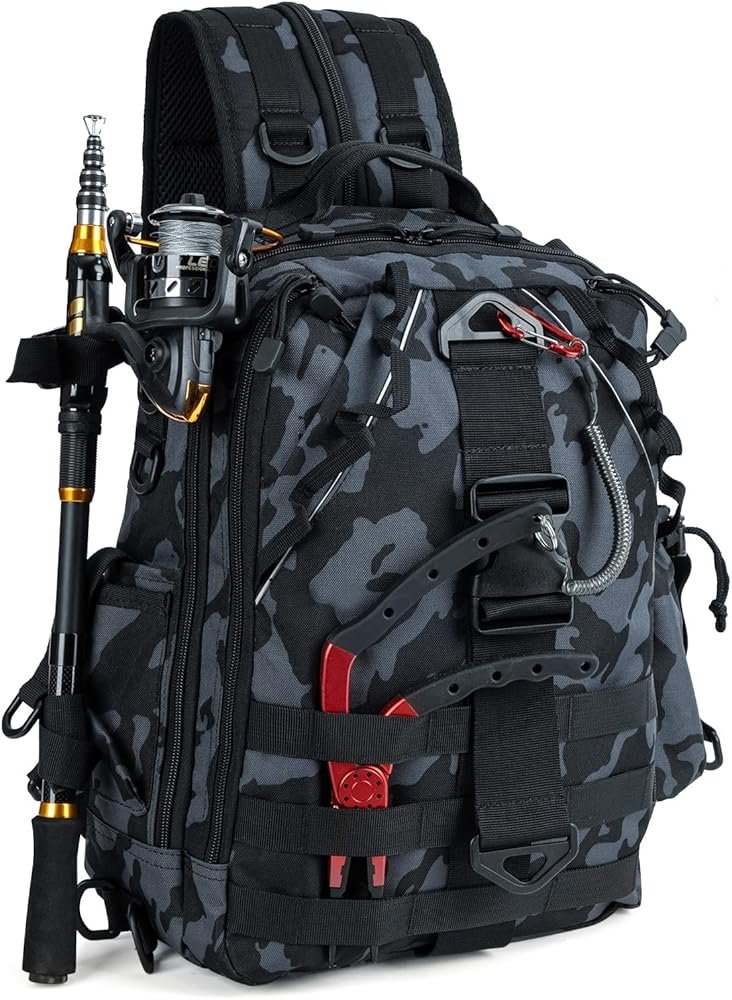
For many anglers, choosing a fishing bag seems like a simple decision—until they realize how much it affects their entire fishing experience. The way your gear is stored, carried, and accessed can either make your trip smooth and efficient or frustrating and exhausting. A fishing backpack and a fishing tackle box bag may look like two variations of the same product, but in reality, they are built around completely different usage philosophies.
At the core, fishing backpacks prioritize mobility, comfort, and flexible storage, making them ideal for anglers who move frequently or travel long distances. Fishing tackle box bags, on the other hand, focus on structured organization, quick access, and gear protection, making them more suitable for stationary or precision-focused fishing.
But the real difference goes deeper. It’s about how you fish. Are you walking along riverbanks, exploring new spots, or hiking into remote areas? Or are you staying in one place, carefully selecting lures and tools with efficiency?
Picture this: one angler walks for miles with a balanced backpack, hands free, enjoying the journey. Another stands by the water, opening a well-organized tackle box bag, instantly finding the perfect lure. Both are equipped—but only one setup perfectly matches their style. Which one are you?
What Is a Fishing Backpack and a Fishing Tackle Box Bag?


A fishing backpack and a fishing tackle box bag represent two fundamentally different approaches to organizing and carrying fishing gear. While both are designed to store equipment, their structure, usability, and performance are shaped by how anglers move, access tools, and interact with their environment.
A fishing backpack is a soft, wearable storage system designed for mobility. It typically includes padded shoulder straps, multiple compartments, and flexible storage capacity that adapts to different gear loads. In contrast, a fishing tackle box bag is a more structured storage solution built around organization and accessibility. It is designed to hold tackle trays, tools, and accessories in a stable layout, often carried by hand or with a shoulder strap.
The distinction becomes clear in real-world use. Backpacks support movement over distance, while tackle box bags support efficiency at a fixed fishing location. From Szoneier’s product development experience, brands targeting mobile anglers—such as those hiking to remote lakes or riverbanks—consistently prefer backpack designs. Meanwhile, brands focused on gear-intensive fishing scenarios, such as boat or dock fishing, often choose tackle box bag systems.
Structural and Functional Comparison
Understanding the core differences between these two product types helps clarify their intended use and performance characteristics.
| Feature | Fishing Backpack | Tackle Box Bag |
|---|---|---|
| Design Purpose | Mobility & comfort | Organization & access |
| Structure | Soft, flexible | Semi-rigid or structured |
| Carry Style | Back-worn | Hand or shoulder carry |
| Storage Style | Multi-layer flexible | Box-based modular |
| Target User | Active anglers | Stationary anglers |
This comparison highlights that the difference is not simply about shape—it is about how the product supports user behavior. A backpack is built to move with the user, while a tackle bag is built to function as an organized workstation.
How Structure Defines User Experience
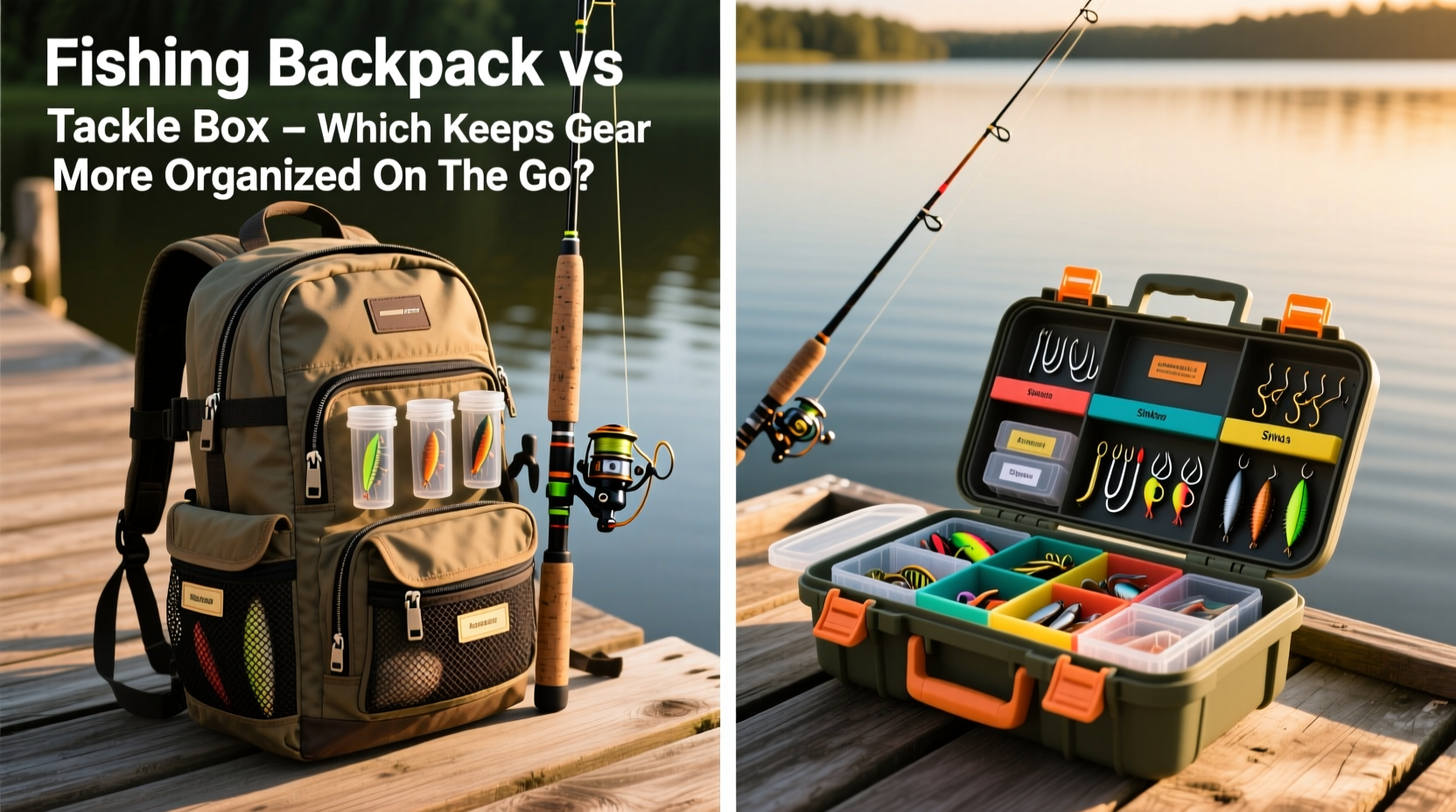
Structure is the foundation of how a fishing bag performs in practice. In a backpack, weight is distributed across the shoulders and back, which reduces strain during long-distance movement. This makes it suitable for anglers who need to walk, hike, or move frequently between fishing spots.
The flexible structure also allows the bag to adapt to different gear volumes. If less equipment is carried, the bag compresses; if more gear is needed, it expands within its capacity. This adaptability improves comfort and usability in dynamic environments.
In contrast, a tackle box bag prioritizes stability and organization. Its semi-rigid or structured design ensures that internal compartments maintain their shape, preventing gear from shifting or becoming disorganized. This is particularly important when storing lures, hooks, and small tools that require separation.
The trade-off is that weight is concentrated in one area, typically carried by hand or shoulder. While this is less comfortable over long distances, it allows for faster access to equipment. Anglers can open the bag and immediately see all organized components, reducing time spent searching for items.
Materials Used in Each Type
Material selection plays a key role in defining both durability and performance. While both types of bags may use similar base materials, their application differs depending on design priorities.
| Material | Backpack Use | Tackle Box Bag Use |
|---|---|---|
| Polyester | Common | Common |
| Nylon | High-end backpacks | Durable options |
| Oxford Fabric | Popular | Popular |
| EVA Base | Optional | Often used |
| PVC/TPU Coating | Waterproofing | Waterproofing |
Backpacks often prioritize lightweight materials such as polyester or nylon to reduce carrying fatigue. High-denier nylon (such as 600D–1000D) is commonly used in premium designs to improve abrasion resistance without adding excessive weight.
Tackle box bags, on the other hand, frequently incorporate structural materials such as EVA bases. These bases provide rigidity and protect the contents from water when placed on wet surfaces. In addition, coatings such as TPU or PVC are used to enhance water resistance, particularly in environments where the bag is exposed to splashes or damp conditions.
From Szoneier’s manufacturing experience, combining Oxford fabric with EVA bases is one of the most effective material strategies. This hybrid approach delivers both flexibility and structural protection, making it suitable for a wide range of fishing environments.
Flexibility vs Structure
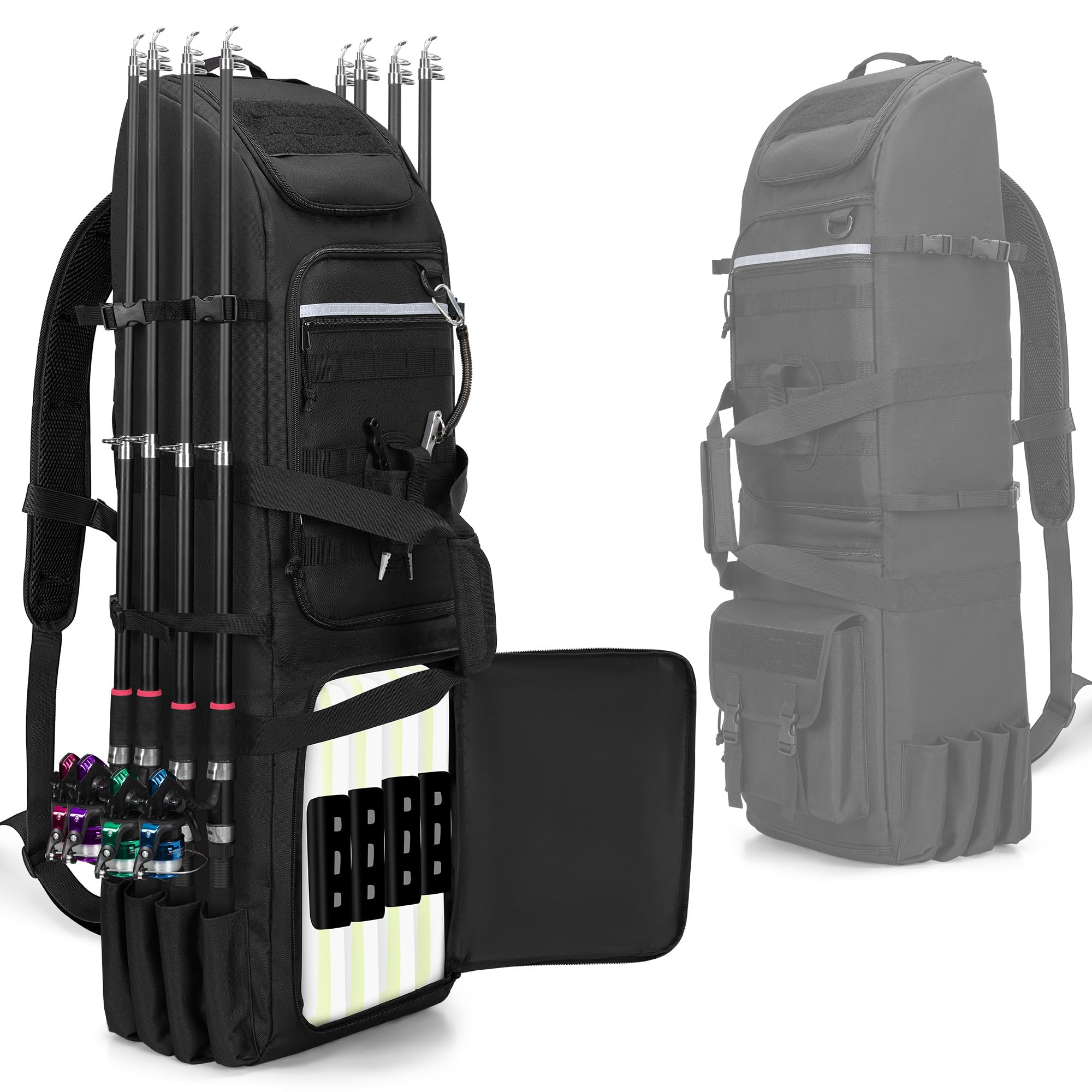
One of the most important distinctions between these two designs is how they handle flexibility and structure.
Fishing backpacks are inherently flexible. Their soft construction allows them to adjust to different gear loads and packing styles. This flexibility is valuable for anglers who carry a mix of equipment, clothing, and personal items. It also makes the bag easier to store and transport when not in use.
Tackle box bags, by contrast, maintain a consistent internal structure. Compartments are designed to fit specific items, such as standardized tackle trays, ensuring that gear remains organized regardless of movement. This fixed structure reduces the risk of items shifting, tangling, or becoming damaged.
The choice between flexibility and structure is not about which is better, but about which aligns with the intended use. Flexibility supports mobility, while structure supports precision and organization.
Real-World Insight
Field testing provides valuable insight into how these designs perform under real conditions. In one evaluation conducted during product development, anglers were asked to use both backpack and tackle bag designs across different environments.
Those using backpacks reported significantly greater comfort when walking long distances, particularly when carrying gear for more than one hour. The ergonomic design reduced fatigue and allowed them to move more freely between locations.
On the other hand, anglers using tackle box bags reported faster gear access and improved organization. They spent less time searching for tools and were able to switch lures or equipment more efficiently during active fishing periods.
These results highlight that each design excels in different areas. The choice depends on whether mobility or efficiency is the primary requirement.
Cost and Manufacturing Considerations
From a production perspective, backpacks and tackle box bags also differ in construction complexity and cost structure.
| Factor | Fishing Backpack | Tackle Box Bag |
|---|---|---|
| Material usage | Moderate | Moderate to high |
| Structural components | Low | Higher (EVA, panels) |
| Sewing complexity | Medium | Medium to high |
| Average FOB cost (China) | $6–$15 | $10–$25 |
Backpacks generally require fewer rigid components, which helps control material costs. However, ergonomic features such as padded straps and breathable back panels add to production complexity.
Tackle box bags often involve additional structural elements, such as reinforced panels and EVA bases. These components increase both material and labor costs but deliver improved durability and performance.
For brands, this means product positioning must align with cost expectations. Entry-level markets may favor simpler backpack designs, while premium segments may justify the higher cost of structured tackle systems.
Neither fishing backpacks nor tackle box bags can be considered universally superior. Each design is optimized for a specific type of fishing behavior.
Backpacks excel in scenarios where movement and comfort are essential. They are ideal for anglers who explore multiple locations or carry gear over long distances.
Tackle box bags excel in scenarios where organization and quick access are critical. They are better suited for environments where the angler remains in one place and needs efficient access to a wide range of equipment.
Choosing the wrong design for the intended use can significantly reduce product performance, even if the materials and construction are of high quality.
User Insight
User preferences often reflect experience level and fishing style. Casual anglers or those fishing occasionally may prefer backpacks due to their simplicity and comfort. More experienced anglers, especially those carrying a wide range of gear, often prefer tackle box systems for their organization and efficiency.
In recent years, there has also been a growing demand for hybrid designs that combine elements of both systems. These products aim to offer the mobility of a backpack with the organization of a tackle bag, although achieving this balance requires careful engineering.
Ultimately, the most successful products are those that align with how anglers actually fish. Understanding real usage patterns—rather than following trends—is what drives effective design decisions and long-term product success.
Which Option Offers Better Organization and Access?


Organization and access are not just convenience features—they directly affect fishing efficiency. In active fishing situations, the ability to quickly locate and switch gear can influence results. Whether changing lures, adjusting rigs, or retrieving tools, delays caused by poor organization can interrupt momentum and reduce effectiveness.
Fishing tackle box bags offer superior organization and faster access to gear due to their structured compartments and compatibility with standardized tackle trays. Fishing backpacks, on the other hand, provide greater flexibility and storage diversity but may require more time to locate specific items. The difference comes down to how each design manages visibility, structure, and access paths.
From Szoneier’s client feedback across multiple markets, anglers who rely on precise gear selection—such as lure fishing or technical setups—consistently prefer tackle box systems. Meanwhile, users who carry a mix of equipment, including personal items, tend to favor backpacks for their adaptability.
Organization Efficiency Comparison
A direct comparison highlights how each design performs across key organizational factors.
| Factor | Backpack | Tackle Box Bag |
|---|---|---|
| Gear Visibility | Moderate | High |
| Access Speed | Moderate | Fast |
| Compartment Structure | Flexible | Fixed |
| Custom Layout | High | Moderate |
| Tool Accessibility | Moderate | High |
Tackle box bags are built around a structured system where each item has a defined place. This reduces visual clutter and allows users to immediately identify and access specific gear.
Backpacks, by contrast, offer flexible compartments that can be rearranged or repurposed. While this increases versatility, it can reduce visibility when multiple items are stored together.
Tackle Box System Advantage
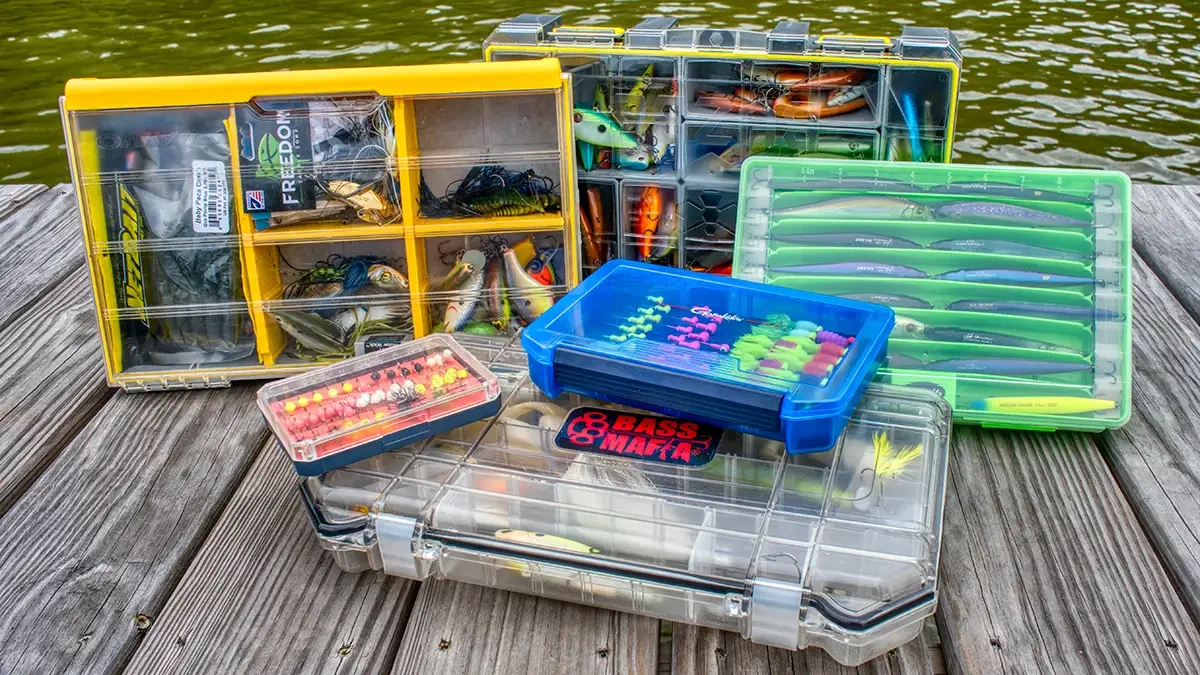

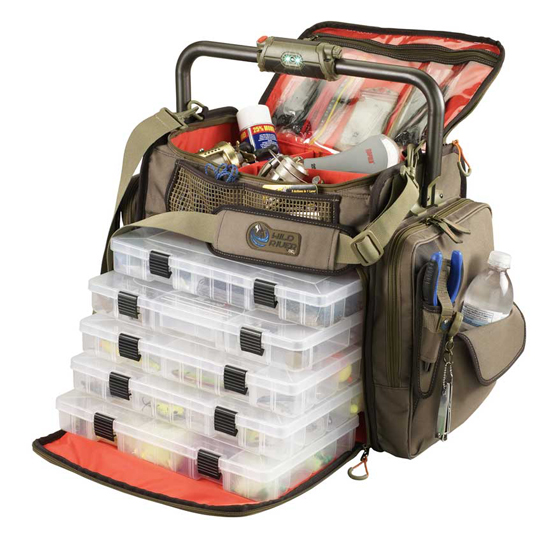
The core strength of tackle box bags lies in their tray-based organization system. These bags are designed to hold standardized plastic trays with adjustable dividers, allowing users to categorize lures, hooks, weights, and accessories with precision.
This system offers several advantages:
First, it creates clear separation between different types of gear, reducing the risk of tangling or damage. Hooks and lines remain isolated, and small components are easier to manage.
Second, it improves visibility. Transparent tray lids allow users to identify contents without opening each compartment, saving time during active fishing.
Third, it supports repeatable organization. Once a layout is established, it remains consistent across trips, allowing users to build familiarity and reduce decision-making time.
In practical use, this means that anglers can locate and switch gear almost instantly, which is particularly valuable in fast-paced fishing conditions.
Backpack Storage Flexibility

Fishing backpacks approach storage from a different perspective. Instead of rigid compartmentalization, they offer flexible storage spaces that can accommodate a wide range of items.
This flexibility allows users to carry not only fishing gear but also clothing, food, water, and personal belongings. For anglers who travel or spend extended time outdoors, this multi-purpose capability is a significant advantage.
However, flexibility comes with trade-offs. Without fixed compartments, items may shift during movement, especially when the bag is not fully packed. This can reduce organization efficiency and increase the time required to locate specific tools.
Backpacks often compensate for this by including multiple pockets, dividers, and internal organizers. While these features improve usability, they do not fully replicate the structured efficiency of tackle tray systems.
Access Time Comparison
The difference in organization becomes more apparent when examining access time for common tasks.
| Task | Backpack Time | Tackle Box Time |
|---|---|---|
| Find lure | 10–20 seconds | 3–8 seconds |
| Change setup | Moderate | Fast |
| Reorganize gear | Easy | Structured |
These time differences may seem small, but in active fishing scenarios they accumulate. Faster access allows anglers to respond more quickly to changing conditions, such as fish activity or water movement.
Tackle box bags reduce access time by presenting gear in a clear, organized layout. Backpacks require more searching, particularly when multiple items are stored in shared compartments.
Multi-Compartment Dynamics


The way compartments behave during movement is another key factor.
In backpacks, compartments are often soft and flexible. When the bag is carried over uneven terrain, items can shift within these spaces. This movement can lead to disorganization, especially if the bag is not tightly packed.
Tackle box bags maintain fixed internal structures. Trays and compartments are designed to fit precisely, minimizing movement and keeping items in place regardless of how the bag is handled.
This stability is particularly important for delicate or small items. It reduces wear, prevents tangling, and maintains organization over time.
Real-World Case
In one product evaluation conducted with a Szoneier client, two groups of anglers were asked to use different bag systems during similar fishing sessions. One group used backpack-style bags, while the other used tackle box bags with modular tray systems.
The results showed that anglers using tackle box bags reduced gear search time by approximately 30 percent. They were able to switch lures and tools more quickly, which improved overall efficiency during active fishing periods.
Meanwhile, backpack users reported greater convenience in carrying additional items and adapting to different trip requirements. This highlights the trade-off between organization and versatility.
Cost and Design Implications
From a manufacturing perspective, organization systems also influence product cost and complexity.
| Aspect | Backpack | Tackle Box Bag |
|---|---|---|
| Internal structure | Simple | Complex (tray system) |
| Component count | Moderate | Higher |
| Assembly complexity | Medium | Medium to high |
| Average FOB cost | $6–$15 | $10–$25 |
Tackle box bags typically require more components, including trays, reinforced panels, and structured compartments. This increases both material and assembly costs.
Backpacks use simpler internal structures, which helps control costs while maintaining versatility. For brands, this means product positioning must align with target pricing and user expectations.
Critical Perspective: Is Maximum Organization Always Better?
While tackle box bags provide superior organization, this does not automatically make them the best choice in all situations.
Highly structured systems can limit flexibility. Once compartments are defined, adapting the bag to carry different types of items becomes more difficult. This can be a disadvantage in scenarios where users need to carry a variety of gear beyond fishing equipment.
Backpacks, with their flexible layouts, allow users to adjust storage based on changing needs. This adaptability is valuable for travel, multi-day trips, or unpredictable conditions.
The decision should therefore be based on how the bag will be used rather than assuming that maximum organization is always the optimal solution.
User Behavior Insight
User preferences often reflect experience level and fishing style. Experienced anglers who rely on specific gear setups tend to prioritize efficiency and organization. For them, tackle box bags provide a clear advantage.
Casual users or those who fish less frequently often prioritize convenience and versatility. Backpacks allow them to carry a wider range of items and adapt to different situations without needing a highly structured system.
In recent market trends, some brands are exploring hybrid designs that combine backpack mobility with partial tray-based organization. These products aim to bridge the gap between flexibility and efficiency, although achieving the right balance requires careful design.
Ultimately, the best choice depends on how anglers interact with their gear. Organization improves efficiency, but flexibility supports adaptability. The most successful products are those that align with real usage patterns rather than forcing users to adjust to the product.
How Do Fishing Backpacks and Tackle Box Bags Compare in Mobility?
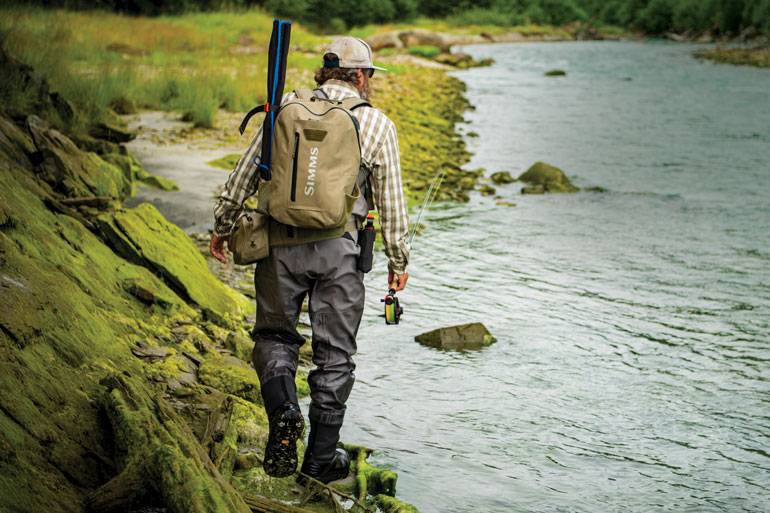
Mobility is one of the most critical considerations when choosing between a fishing backpack and a tackle box bag. It affects not only how far anglers can travel but also their comfort, efficiency, and ability to access remote or difficult fishing spots. Backpacks are purpose-built for movement, allowing users to walk along rivers, climb rocks, or hike trails while keeping their hands free. Tackle box bags, in contrast, prioritize stability and organization, making them ideal for stationary use such as boat or dock fishing.
From Szoneier’s product development experience, brands that target outdoor adventure or mobile fishing segments overwhelmingly select backpack-style designs. Conversely, brands focusing on boat, dock, or stationary fishing prefer tackle box bag systems, as they allow quick access to organized gear once the angler reaches the fishing location.
Mobility Performance Comparison
A structured comparison shows how the two bag types perform across various mobility factors.
| Mobility Factor | Fishing Backpack | Tackle Box Bag |
|---|---|---|
| Hands-Free Use | Yes | No |
| Walking Distance Comfort | Excellent | Limited |
| Terrain Adaptability | High | Low |
| Stability While Moving | High | Moderate |
| Setup Speed | Moderate | Fast |
Fishing backpacks provide hands-free use, enabling anglers to navigate rough terrain or carry additional gear without obstruction. Tackle box bags, while highly stable when stationary, limit mobility because they are designed to be carried in one hand or over a single shoulder.
Movement Efficiency in Different Environments
Mobility requirements vary depending on the fishing environment. The right bag choice aligns with how the angler moves and operates.
| Environment | Best Choice |
|---|---|
| Riverbank walking | Backpack |
| Mountain or hiking fishing | Backpack |
| Boat fishing | Tackle box bag |
| Dock or pier fishing | Tackle box bag |
| Urban fishing spots | Backpack |
In riverbank or mountain scenarios, backpacks enable long-distance travel while distributing weight evenly, reducing fatigue. Conversely, boat and dock fishing involve minimal movement, so structured tackle bags provide faster access to gear without concern for portability.
Weight Distribution Impact

Proper weight distribution is key to endurance and comfort during extended fishing trips. Backpacks spread the load across both shoulders and the back, reducing strain and improving stability. This allows anglers to carry heavier loads without discomfort.
Tackle box bags, however, concentrate weight on one side or in one hand. Over long distances, this can lead to faster fatigue, making them less suitable for anglers who move frequently between locations.
Travel and Transport Considerations
Backpacks offer superior adaptability for travel scenarios. They are easier to carry through airports, public transport, and crowded fishing spots. Their flexible shape also allows them to fit into overhead compartments, car trunks, or under seats with minimal adjustment.
Tackle box bags are bulkier and more rigid, limiting portability. While excellent for maintaining organization and providing immediate access at a fishing location, they are less convenient for trips involving transportation over varying terrain or multiple travel modes.
Hybrid Mobility Trends
Modern fishing bag designs increasingly combine the advantages of both systems. Hybrid bags integrate backpack straps with structured tackle box storage. This allows users to carry gear comfortably while moving, and then quickly convert the bag into a stable, organized workstation at the fishing site.
Szoneier has developed several convertible fishing bags that merge ergonomic backpack design with tackle box functionality. These products are particularly popular among anglers who require flexibility across multiple fishing scenarios.
Real-World Insight
In one field study, an outdoor brand collaborating with Szoneier reported that mobile anglers who switched from traditional tackle box bags to backpack-style designs experienced a 40% increase in overall satisfaction. The improved mobility allowed anglers to reach remote fishing spots with less fatigue and enhanced comfort, particularly during hiking and travel-intensive trips.
Is Mobility Always the Priority?
While mobility is important for exploration and long-duration fishing, it is not universally the highest priority. Structured tackle box bags excel in environments where organization and quick access are more important than movement. For anglers focused on efficiency in one location, mobility may be secondary to gear accessibility and compartment precision.
Excessively prioritizing mobility may compromise organization or protection if the bag sacrifices structural rigidity or compartment integrity. Brands must evaluate their target user behavior to determine the right balance.
User Behavior Insight
User preference typically reflects fishing style:
- Mobile anglers who move frequently between locations prefer backpacks for hands-free carrying, balanced weight, and versatility.
- Stationary anglers, fishing from boats or fixed locations, favor tackle box bags for precise organization, fast access, and stability.
Some anglers use a combination of both designs depending on trip type. Hybrid solutions attempt to accommodate these multiple behaviors, offering a flexible product that transitions from mobility to organization as needed.
Ultimately, the choice between a fishing backpack and a tackle box bag comes down to real-world usage. Matching bag design to user behavior—not just aesthetics or trend—is the key to delivering satisfaction, efficiency, and long-term product success.
Which Fishing Bag Is More Comfortable to Carry?
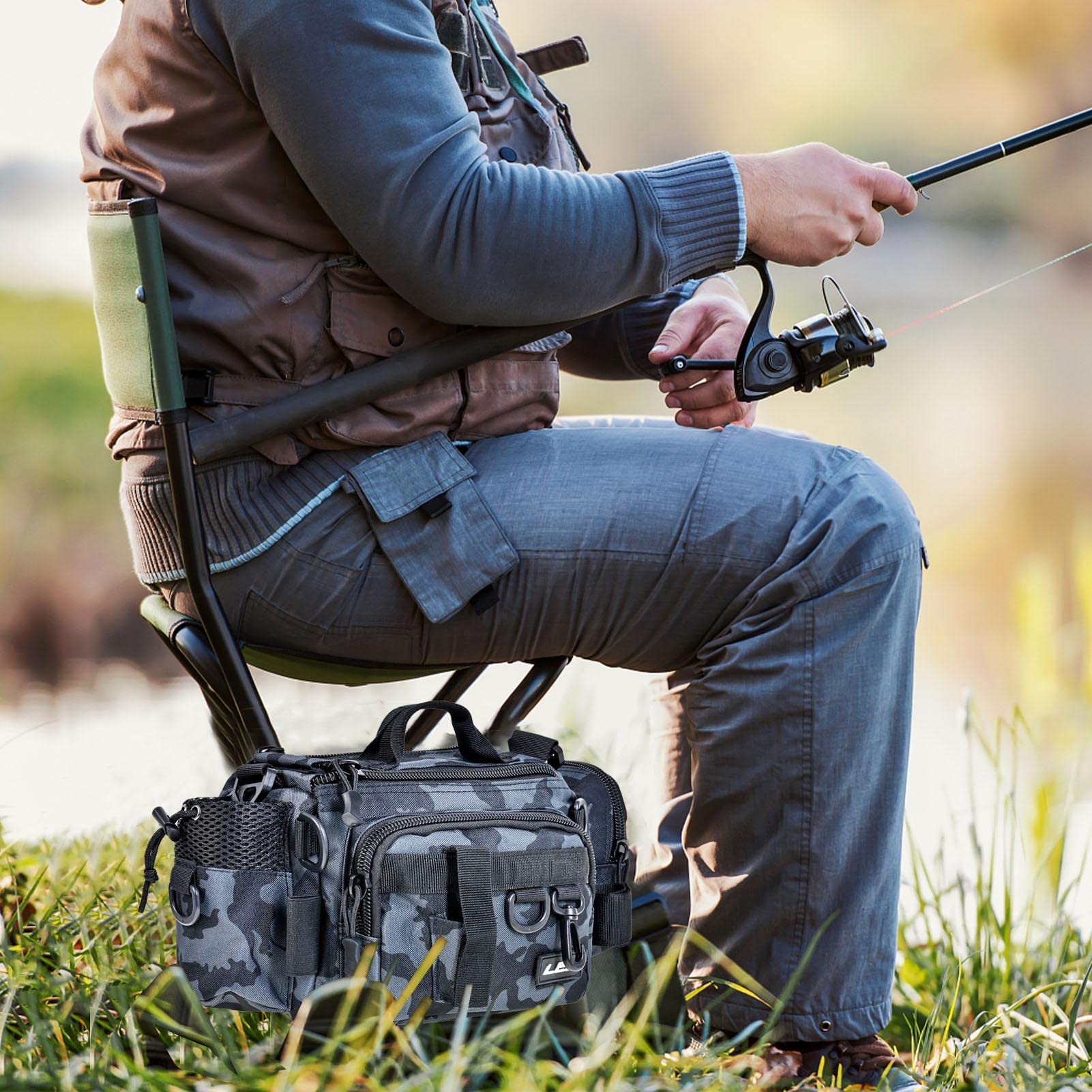
Comfort is a critical factor in fishing bag design, particularly for anglers who spend extended periods walking, hiking, or standing while carrying gear. A comfortable bag reduces fatigue, improves posture, and allows users to focus on fishing rather than the strain of carrying equipment. Fishing backpacks are generally designed with ergonomics in mind, incorporating padded straps, breathable back panels, and balanced weight distribution, whereas tackle box bags prioritize organization and accessibility, often at the expense of long-term carrying comfort.
From Szoneier’s client feedback, comfort ranks among the top three factors influencing repeat purchases for backpack-style fishing bags. This insight underscores the importance of ergonomic design in user satisfaction and product adoption, especially for mobile fishing scenarios such as hiking to remote lakes or walking along riverbanks.
Comfort and Ergonomics Analysis
| Comfort Factor | Fishing Backpack | Tackle Box Bag |
|---|---|---|
| Weight Distribution | Balanced | Uneven |
| Shoulder Strain | Low | High |
| Back Support | Available | None |
| Carry Duration Comfort | High | Low |
| Adjustability | High | Moderate |
Backpacks distribute weight evenly across both shoulders and the back, reducing pressure points. Adjustable chest and waist straps further stabilize the load, minimizing movement during hiking or climbing. Tackle box bags, by contrast, concentrate weight in one hand or on a single shoulder, which can lead to rapid fatigue over long distances.
Ergonomic Design Features
Backpacks are designed to integrate multiple ergonomic elements:
- Padded shoulder straps: Cushion pressure and prevent sore shoulders.
- Breathable mesh back panels: Improve airflow to reduce heat buildup.
- Adjustable chest and waist straps: Enhance stability and distribute weight efficiently.
Tackle box bags are simpler, typically including:
- Basic shoulder straps: Minimal padding and support.
- Hand-carry handles: Useful for short distances but not for long walks.
- Limited padding: Offers little relief during extended use.
Fatigue Over Time
Carrying comfort directly impacts endurance and energy levels. Extended use can create cumulative fatigue that affects performance.
| Carry Duration | Backpack Fatigue Level | Tackle Box Fatigue Level |
|---|---|---|
| 30 minutes | Low | Moderate |
| 1–2 hours | Moderate | High |
| 3+ hours | High (manageable) | Very High |
Backpacks maintain manageable fatigue even during multi-hour hikes, whereas tackle box bags often produce significant discomfort, limiting the distance an angler can cover comfortably.
Posture and Body Impact
Weight distribution affects posture. Backpacks encourage a natural, upright stance by balancing load across the shoulders and back. This reduces the likelihood of shoulder, neck, and arm strain. Tackle box bags, in contrast, can force the user to compensate for uneven weight, causing imbalance and potential discomfort or long-term musculoskeletal strain.
Real-World Scenario
Consider an angler traveling to a remote fishing spot:
- Backpack scenario: The user maintains consistent energy levels, walks comfortably over uneven terrain, and can focus on fishing upon arrival.
- Tackle box scenario: The same trip results in fatigue before reaching the destination, reducing energy and focus, and potentially impacting the fishing experience.
This example illustrates how ergonomics and weight distribution directly influence performance in real-world scenarios.
Material and Comfort Relationship
Material choice also contributes to carrying comfort. Fabric-based backpacks made from polyester, nylon, or Oxford fabric are lighter and more breathable. They enhance comfort during prolonged use by reducing weight and improving airflow.
Tackle box bags often incorporate rigid structures, EVA bases, or thicker panels for durability and organization. While these features increase protection, they also make the bag heavier and less flexible, reducing carrying comfort.
Hybrid backpacks that integrate reinforced panels can strike a balance, providing durability without excessive weight. Szoneier frequently uses this approach in premium models, combining lightweight fabrics with structural reinforcement in critical areas.
Is Comfort Always the Most Important Factor?
While comfort is essential for mobile anglers, it is not always the primary consideration. In stationary fishing scenarios—such as boat, dock, or pier fishing—accessibility and organization may take precedence over ergonomic design. Anglers in these environments often prioritize quick access to gear and well-structured compartments, accepting a trade-off in carrying comfort.
Conversely, for hiking, travel, or exploration-focused fishing, comfort directly influences usability and satisfaction. In these cases, backpacks outperform tackle box bags in maintaining energy, reducing fatigue, and supporting mobility.
User Insight
User behavior and fishing style largely dictate preference:
- Mobile anglers: Prioritize backpacks for hands-free use, ergonomic support, and adaptability over long distances.
- Stationary anglers: Prefer tackle box bags for efficiency, structured storage, and immediate access to gear.
Szoneier’s design philosophy reflects these insights, guiding brands to match bag type to fishing behavior. Hybrid designs are emerging to offer the best of both worlds: backpacks with structured compartments, combining mobility and organization.
Ultimately, comfort is context-dependent. The most effective fishing bag is one that aligns ergonomic design with the intended fishing scenario, ensuring both usability and a positive angling experience.
How Do Storage Capacity and Flexibility Differ?
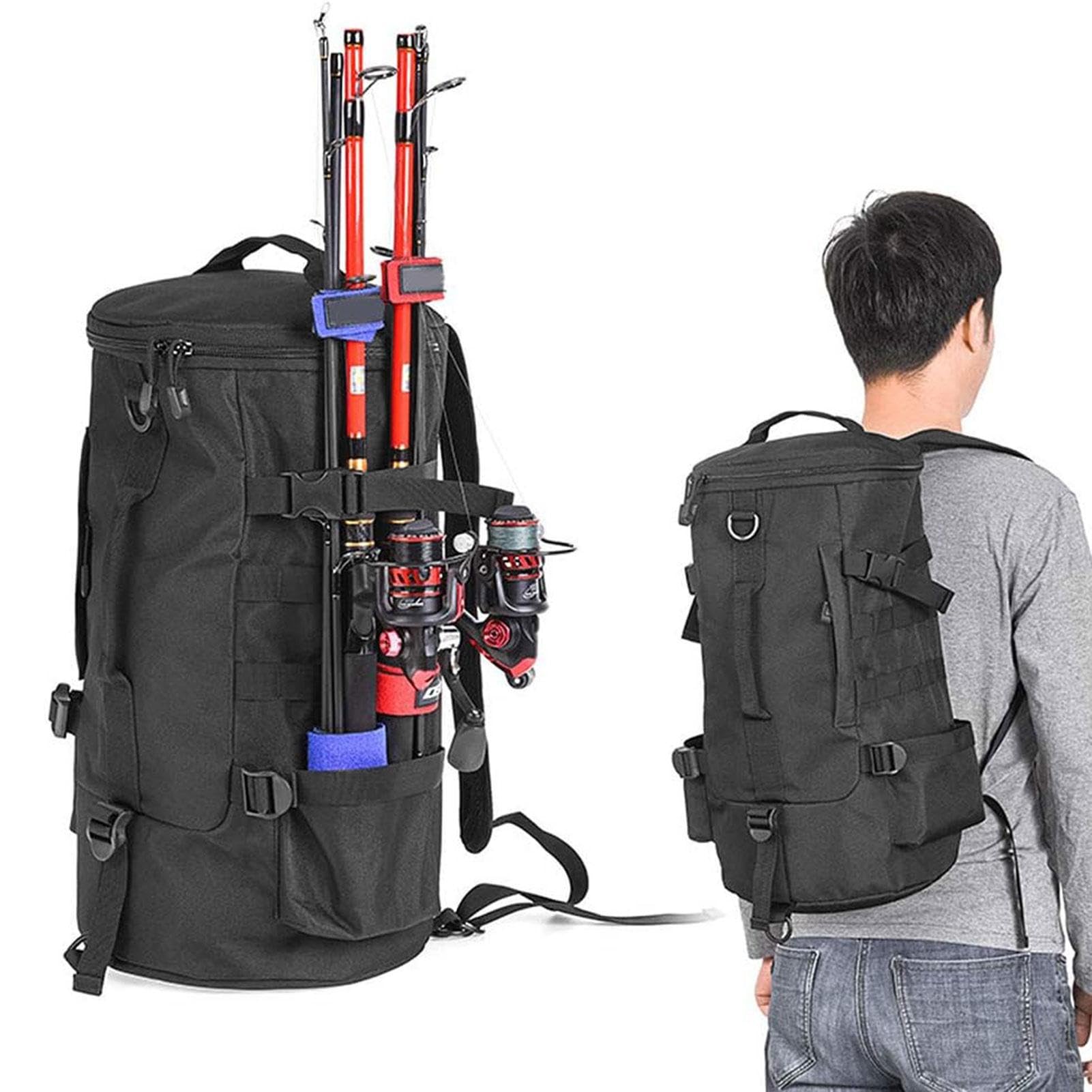

Storage capacity and flexibility are often misunderstood as the same concept, but in fishing bag design they serve very different purposes. Capacity refers to how much gear a bag can hold, while flexibility refers to how easily that space can adapt to different types of items and changing trip requirements. A well-designed product balances both, but in practice, fishing backpacks and tackle box bags prioritize these factors differently.
Fishing backpacks offer greater flexibility and expandable storage capacity, allowing users to carry a wide variety of gear beyond just fishing equipment. Tackle box bags, on the other hand, focus on structured storage, limiting total volume but maximizing organization and accessibility. The distinction becomes especially important when considering real fishing scenarios, where efficiency often matters more than sheer capacity.
From Szoneier’s product development experience, brands targeting outdoor, travel, and multi-purpose use tend to prioritize flexible storage systems. In contrast, brands focused on performance fishing—where speed and precision are critical—favor structured capacity built around tackle systems.
Capacity and Flexibility Comparison
A direct comparison illustrates how these two approaches differ in practical use.
| Storage Factor | Fishing Backpack | Tackle Box Bag |
|---|---|---|
| Total Capacity | High | Moderate |
| Expandability | Excellent | Limited |
| Gear Variety Support | High | Moderate |
| Structure Stability | Moderate | High |
| Packing Flexibility | High | Low |
Fishing backpacks are designed with expandable compartments, soft structures, and adjustable storage spaces. This allows users to increase or decrease capacity depending on the trip. Tackle box bags maintain fixed internal volumes, which ensures consistent organization but limits adaptability.
Capacity vs Efficiency Trade-Off
One of the most important considerations is the trade-off between capacity and efficiency.
Backpacks encourage users to carry more items—extra clothing, food, water, and accessories. While this is useful for long or unpredictable trips, it can also lead to overpacking. Excess gear increases weight and can make it harder to locate specific items quickly.
Tackle box bags, by design, limit what can be carried. This constraint forces users to prioritize essential gear. As a result, organization improves, and access becomes faster and more intuitive.
In real-world use, anglers often discover that carrying less—but organizing it better—leads to improved performance. This is why many experienced users gradually shift toward more structured storage systems.
Modular Storage Systems
Both backpacks and tackle box bags support modular storage, but they implement it differently.
| Feature | Backpack | Tackle Box Bag |
|---|---|---|
| Removable Compartments | Yes | Yes |
| Standard Tackle Box Fit | Sometimes | Yes |
| Custom Layout Options | High | Moderate |
Fishing backpacks often include removable dividers or insert systems that allow users to customize internal space. Some designs also incorporate dedicated compartments for tackle trays, but this is not always standardized.
Tackle box bags are built specifically around standardized tray systems. This ensures compatibility and consistency, allowing users to organize gear in a repeatable way across different trips.
This difference highlights a key distinction: backpacks offer adaptability, while tackle box bags offer predictability.
Space Utilization Efficiency
Space utilization is where structured designs demonstrate a clear advantage.
Tackle box bags use internal volume efficiently because compartments are precisely sized to fit specific items. This minimizes unused space and prevents gear from shifting during movement.
Backpacks, while offering larger total capacity, may contain unused or poorly utilized areas if not packed carefully. Soft compartments can collapse or expand unevenly, leading to inefficient use of space.
This means that a smaller, well-organized tackle bag can sometimes hold nearly as much functional gear as a larger backpack, simply because the space is used more effectively.
Real-World Scenario
Consider two different fishing trips:
On a full-day hiking trip, an angler may need to carry water, food, extra clothing, and safety gear in addition to fishing equipment. In this case, a backpack provides the necessary flexibility and capacity to support a longer, more complex outing.
On a short, focused fishing session—such as a few hours on a dock or boat—the same angler benefits more from a tackle box bag. The structured layout allows quick access to essential gear without carrying unnecessary items.
These scenarios illustrate that the best storage solution depends on how the bag will be used, not just how much it can hold.
Hybrid Storage Design Trends
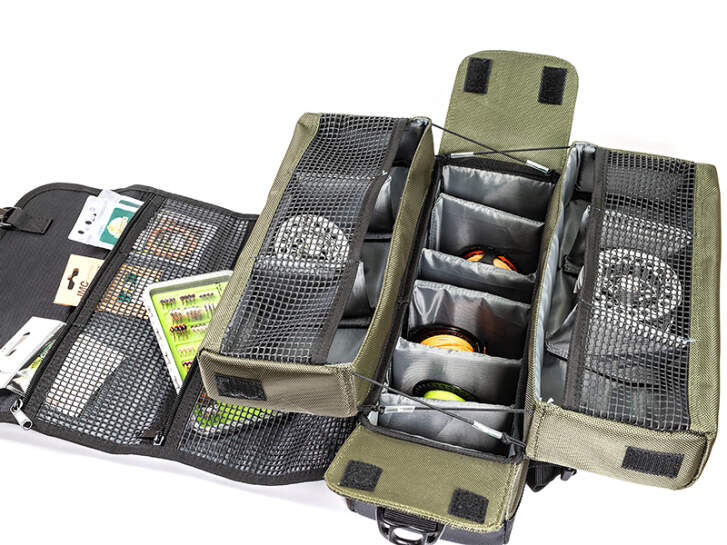
To address the limitations of both systems, modern fishing bag design is increasingly moving toward hybrid solutions.
These designs typically combine a flexible upper compartment with a structured lower section for tackle trays. This allows users to carry additional items while maintaining organized storage for essential fishing gear.
Szoneier has developed several hybrid fishing backpacks that integrate tackle tray compartments into the lower structure while preserving the flexibility of a traditional backpack. These products are particularly popular among anglers who need both capacity and organization in a single solution.
Is Bigger Storage Always Better?
It is a common assumption that more storage capacity is always beneficial, but this is not necessarily true.
Larger capacity often leads to heavier loads, which can reduce mobility and increase fatigue. It can also make organization more difficult, as more items compete for space within the bag.
Efficient storage—carrying only what is needed and organizing it effectively—often delivers better performance than simply increasing capacity. This is especially important in fishing, where speed and accessibility can directly impact results.
User Insight
User behavior often evolves with experience. Beginners tend to carry more gear, valuing capacity and flexibility. Over time, as anglers become more familiar with their needs, they often reduce the amount of equipment they carry and prioritize organization.
This shift leads many experienced anglers toward structured systems such as tackle box bags or hybrid designs. These solutions support efficiency, consistency, and faster decision-making during fishing.
Ultimately, the difference between capacity and flexibility is not about which is better, but about which aligns with the intended use. A well-designed fishing bag should match the user’s fishing style, ensuring that every item carried serves a clear purpose.
Which Option Provides Better Protection for Fishing Gear?

Protection is a central concern in fishing bag design, especially when carrying valuable equipment such as reels, lures, electronic fish finders, or delicate accessories. How a bag protects its contents is determined by structure, materials, internal organization, and stability during transport. Fishing tackle box bags generally offer superior protection due to their semi-rigid or structured design, while fishing backpacks provide moderate protection with an emphasis on mobility and flexibility.
Tackle box bags are engineered to minimize gear movement. Trays, dividers, and rigid panels prevent items from colliding during transport, which reduces wear and the risk of damage. Backpacks rely more on padding and fabric quality, offering some cushioning but less rigid internal protection. As a result, while backpacks are comfortable to carry over long distances, they are more vulnerable to shifting gear under rough handling.
Szoneier’s product testing confirms that structured storage systems significantly reduce internal gear damage, particularly during transport or in environments where the bag is jostled frequently. This distinction is critical for anglers who carry expensive or fragile equipment.
Protection Performance Comparison
| Protection Factor | Fishing Backpack | Tackle Box Bag |
|---|---|---|
| Impact Protection | Moderate | High |
| Internal Stability | Moderate | High |
| Water Resistance | Moderate to High | High |
| Gear Separation | Moderate | Excellent |
| Drop Protection | Moderate | High |
Backpacks excel in mobility and adaptability but have moderate impact protection. Tackle box bags provide higher stability, with rigid compartments that isolate gear and distribute loads to prevent damage.
Material Influence on Protection

The materials used in each bag type further influence protective performance.
| Material | Protection Level |
|---|---|
| Polyester | Moderate |
| Nylon | High |
| Oxford Fabric | High |
| EVA Panels | Very High |
Backpacks primarily use polyester, nylon, or Oxford fabric with added padding. These materials provide moderate protection against impact but are flexible and can allow gear to shift if the bag is jostled.
Tackle box bags frequently incorporate EVA panels, hard plastic inserts, or reinforced structures. EVA provides cushioning and shock absorption, reducing impact forces during drops or transport. The rigid construction ensures that gear stays securely in place, protecting sensitive equipment from wear and collision damage.
Internal Organization and Protection
The way compartments are structured also affects protection. Tackle box systems prevent items from colliding through:
- Tray-based separation for lures, hooks, and weights
- Rigid dividers to maintain compartment shape
- Reinforced lower panels to absorb shock
Backpacks can achieve similar protection only with additional inserts or padded organizers. Without these, small items may shift, increasing the risk of tangling or damage.
Water Protection Considerations
Both backpacks and tackle box bags can be made water-resistant. However, tackle box bags often provide superior water protection due to:
- Waterproof EVA or rigid bases
- Sealed seams and reinforced closures
- Coated or laminated fabrics for splash resistance
Backpacks can also include water-resistant coatings, but flexible compartments may allow water ingress if the bag is submerged or placed on wet surfaces.
Real-World Scenario
Imagine transporting gear in a vehicle or on a boat. A tackle box bag with structured compartments maintains stability; lures, hooks, and accessories remain in place even during sudden movements. A backpack without internal reinforcement may allow items to shift, potentially causing tangling, scratches, or damage. Over repeated use, these small impacts accumulate, highlighting the advantage of structured storage.
Long-Term Equipment Safety
| Usage Condition | Recommended Option |
|---|---|
| Rough transport | Tackle box bag |
| Hiking with gear | Backpack |
| Carrying fragile items | Tackle box bag |
| Mixed-use scenarios | Hybrid |
Hybrid designs that combine backpack ergonomics with structured compartments offer a compromise: portability with enhanced protection. Szoneier has developed such hybrid systems to meet the needs of multi-scenario anglers who require both mobility and gear safety.
Is Maximum Protection Always Necessary?
Not always. Full protection often comes with increased weight, bulk, and reduced flexibility. For casual anglers, light hiking, or travel-focused trips, backpacks provide sufficient protection while offering greater comfort and mobility.
Tackle box bags are preferable for users carrying high-value or fragile equipment, or when fishing in environments that involve frequent jostling or water exposure.
User Insight
Professional anglers often prioritize gear protection and organization above mobility. They value tackle box bags for their ability to safeguard expensive or sensitive equipment. Casual users, by contrast, prioritize convenience, comfort, and the ability to carry additional items over long distances, which makes backpacks more suitable.
Ultimately, the choice between a fishing backpack and a tackle box bag depends on balancing protection, mobility, and the specific needs of the angler. Hybrid solutions can bridge the gap, providing structured compartments for sensitive gear while maintaining ergonomic carrying options for extended mobility.
Szoneier’s design philosophy emphasizes aligning product features with real-world fishing behavior, ensuring that each bag type delivers optimal performance for its intended use.
What Are the Best Use Cases for Each Type?

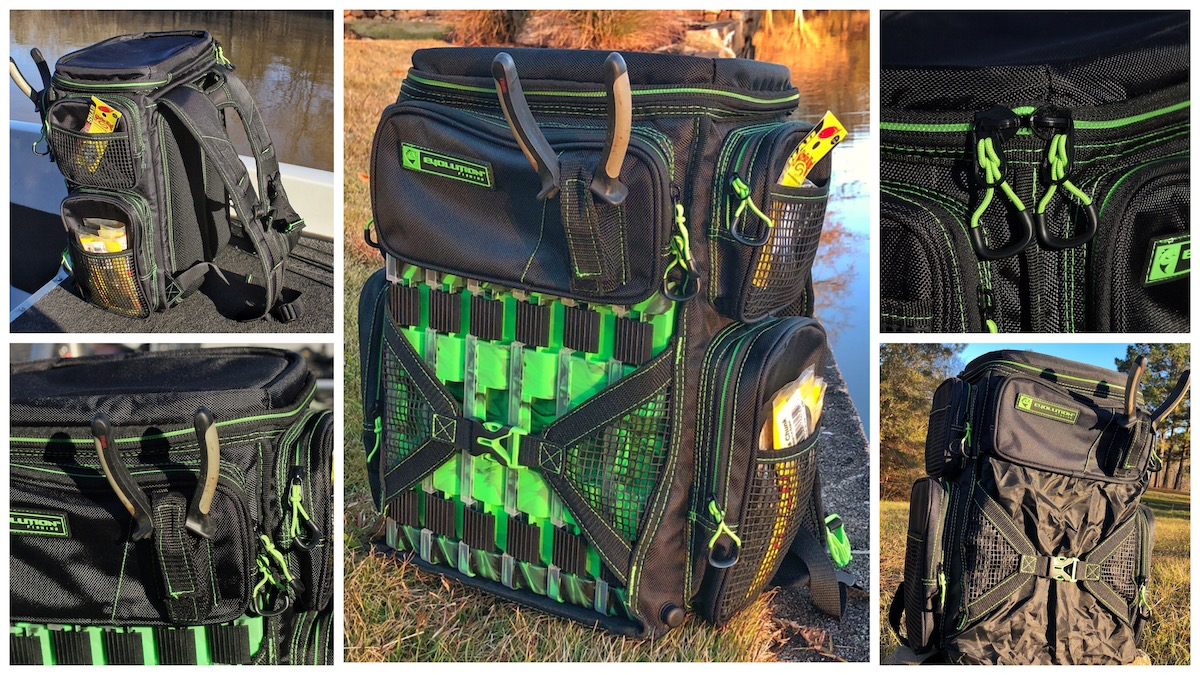
Choosing between a fishing backpack and a tackle box bag ultimately comes down to understanding how and where the bag will be used. Both types are designed to meet specific needs, and selecting the right option ensures efficiency, comfort, and gear protection. Mismatching the bag to the fishing scenario can result in reduced usability, fatigue, or frustration during trips.
Fishing backpacks are ideal for mobile, long-distance, and multi-purpose fishing scenarios. They support travel between locations, riverbank exploration, hiking to remote lakes, and situations where anglers carry a variety of items, including personal gear and provisions. Their ergonomic design, flexible storage, and balanced weight distribution make them well-suited for environments requiring movement over uneven terrain.
Tackle box bags, in contrast, excel in stationary, gear-intensive, or efficiency-focused fishing scenarios. Boat fishing, dock or pier setups, and short sessions benefit from structured compartments and immediate access to organized equipment. The semi-rigid construction ensures stability, prevents gear from shifting, and facilitates rapid selection of lures, hooks, and tools.
Szoneier’s experience working with brands has shown that segmenting product lines according to these use cases increases user satisfaction and broadens market reach. Offering both backpacks and tackle box bags allows brands to address the diverse needs of anglers, from casual explorers to professional fishermen.
Scenario-Based Decision Matrix
| Fishing Scenario | Backpack | Tackle Box Bag |
|---|---|---|
| Hiking to fishing spots | Excellent | Poor |
| Riverbank exploration | Excellent | Moderate |
| Boat fishing | Moderate | Excellent |
| Dock / pier fishing | Moderate | Excellent |
| Travel fishing | Excellent | Moderate |
| Short sessions | Good | Excellent |
Backpacks dominate scenarios requiring mobility and distance travel, while tackle box bags excel when organization and quick access are the priority.
Skill Level and Usage Behavior
| User Type | Recommended Option |
|---|---|
| Beginner | Backpack |
| Casual angler | Backpack |
| Experienced angler | Tackle box bag |
| Professional angler | Both |
Beginners and casual anglers often choose backpacks due to simplicity, versatility, and comfort. Experienced anglers prioritize precise gear selection and rapid access, making tackle box bags a better fit. Professionals or advanced users frequently employ both systems, using backpacks for transport and tackle boxes for on-site organization.
Environmental Influence
Environmental conditions further dictate the optimal bag choice.
| Environment | Best Choice |
|---|---|
| Wet / unstable terrain | Backpack |
| Stable platform (boat/dock) | Tackle box bag |
| Mixed environments | Hybrid |
Backpacks perform well in wet, uneven, or unstable terrain where mobility and balance are critical. Tackle box bags perform best on stable platforms where gear organization and rapid access outweigh mobility needs. Hybrid systems, combining backpacks with structured compartments, provide flexibility across varied conditions.
Gear Type Compatibility
Different gear types influence bag selection.
| Gear Category | Best Option |
|---|---|
| Lightweight accessories | Backpack |
| Heavy tackle boxes | Tackle box bag |
| Electronics | Tackle box bag |
| Clothing / personal items | Backpack |
Backpacks accommodate a diverse array of items, including personal gear, clothing, and hydration systems. Tackle box bags are optimized for heavier or delicate equipment, such as tackle boxes, reels, and electronic devices that benefit from structured protection.
Hybrid Usage Strategy
Modern fishing practices often involve combining both systems:
- Backpack for transport and mobility: Move between locations, carry personal items, and maintain hands-free flexibility.
- Tackle box bag for on-site organization: Provides structured storage, immediate access to essential gear, and maximum stability during active fishing.
This hybrid approach maximizes efficiency, reflecting real-world patterns observed across multiple markets and user types.
Case Insight
A Szoneier client implemented a dual-product strategy to address these needs:
- Lightweight fishing backpacks for travel and outdoor exploration
- Structured tackle box bags for performance-focused users
Within a single season, the brand observed increased customer satisfaction and broader market penetration. Each product line was tailored to a specific fishing scenario, reinforcing the importance of scenario-driven design.
Is One Option Enough?
In many cases, relying on a single type of bag limits versatility and performance. Mobile anglers may need backpacks for travel but still require tackle box bags for on-site organization. Conversely, stationary anglers benefit from structured storage but may appreciate a backpack for transport between locations.
The most effective setups consider multiple systems, optimizing for both mobility and organization. Szoneier’s experience demonstrates that scenario-specific bag designs, supplemented by hybrid solutions, deliver the greatest value to users and brands alike.
How Do You Choose the Right Fishing Bag Manufacturer?
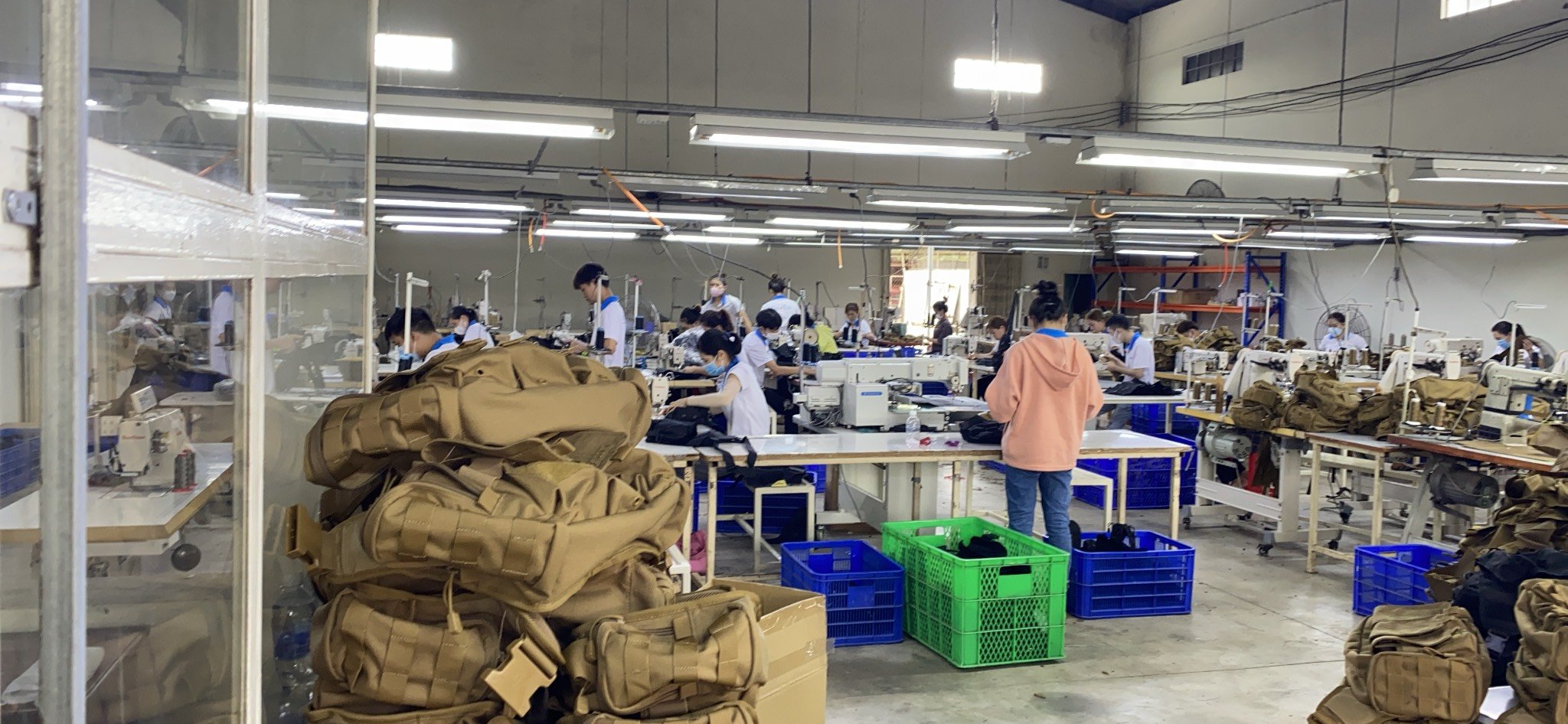
Choosing the right fishing bag manufacturer is one of the most important decisions a brand can make. The difference between a product that performs well in real conditions and one that generates complaints often comes down to how well the manufacturer understands materials, structure, and usage scenarios. A visually appealing design is not enough—execution quality determines long-term performance, durability, and customer satisfaction.
A reliable manufacturer must be able to translate product concepts into functional, repeatable production outcomes. This requires not only production capacity but also engineering knowledge, material expertise, and a structured development process. From Szoneier’s experience working with global brands, manufacturers that integrate design, material sourcing, and production into one system consistently deliver better results than those relying on fragmented supply chains.
Szoneier integrates fabric development, product design, and manufacturing into a unified workflow. This allows every component—from material selection to stitching construction—to be optimized for durability, waterproofing, and real-world usability.
Key Factors When Selecting a Manufacturer
When evaluating a potential partner, several core capabilities should be assessed. These factors directly influence product performance and long-term business outcomes.
| Factor | Why It Matters |
|---|---|
| Material Expertise | Determines durability, waterproofing, and lifespan |
| Design Capability | Ensures products are functional and user-friendly |
| MOQ Flexibility | Supports testing and scaling for different business stages |
| Sampling Speed | Accelerates product development cycles |
| Quality Control | Maintains consistency across batches |
Material expertise is critical because fishing bags operate in demanding environments. Without proper knowledge of fabrics, coatings, and structural materials, even well-designed products can fail under real conditions.
Design capability ensures that products are not only visually appealing but also practical. This includes compartment layout, carry systems, and reinforcement strategies.
MOQ flexibility allows brands to test products in the market without excessive upfront investment. This is particularly important for new product launches or niche segments.
Sampling speed affects how quickly a brand can iterate and refine designs. Faster sampling enables more efficient development and reduces time to market.
Quality control ensures that products meet the same standards across all production runs. Inconsistent quality can damage brand reputation and increase return rates.
Material Selection Capabilities
A capable manufacturer should offer a wide range of material options and understand how to combine them effectively.
| Material | Application |
|---|---|
| Polyester | Lightweight backpacks and entry-level products |
| Nylon | High-durability, abrasion-resistant bags |
| Oxford Fabric | Balanced strength and structure |
| EVA | Rigid bases and impact protection |
| TPU/PVC Coating | Waterproofing and surface protection |
The ability to integrate these materials into hybrid designs is especially important. For example, combining an Oxford fabric outer shell with an EVA base and TPU coating can significantly improve both durability and waterproof performance.
Szoneier specializes in multi-material construction, allowing brands to tailor products based on specific use cases such as hiking, boat fishing, or travel.
Production and Development Metrics
Understanding production capabilities helps brands plan timelines and inventory strategies.
| Metric | Typical Value |
|---|---|
| MOQ | 50–200 pcs |
| Sampling Time | 5–7 days |
| Production Time | 25–30 days |
| Customization | Full OEM/ODM support |
Low MOQ enables small-batch testing, which is essential for validating product concepts before scaling. Fast sampling allows brands to quickly evaluate prototypes and make adjustments.
Stable production timelines ensure reliable delivery, which is critical for maintaining supply chain consistency and meeting market demand.
Customization Capabilities
Customization is a key differentiator in competitive markets. A strong manufacturer should support a wide range of customization options, including:
Custom sizes and structural designs tailored to specific fishing scenarios Multi-compartment layouts optimized for gear organization Logo branding through printing, embroidery, or woven labels Material combinations such as fabric with EVA reinforcement Packaging customization for retail or e-commerce presentation
Effective customization goes beyond aesthetics. It ensures that the product aligns with user needs, brand positioning, and market expectations.
Quality Control Standards
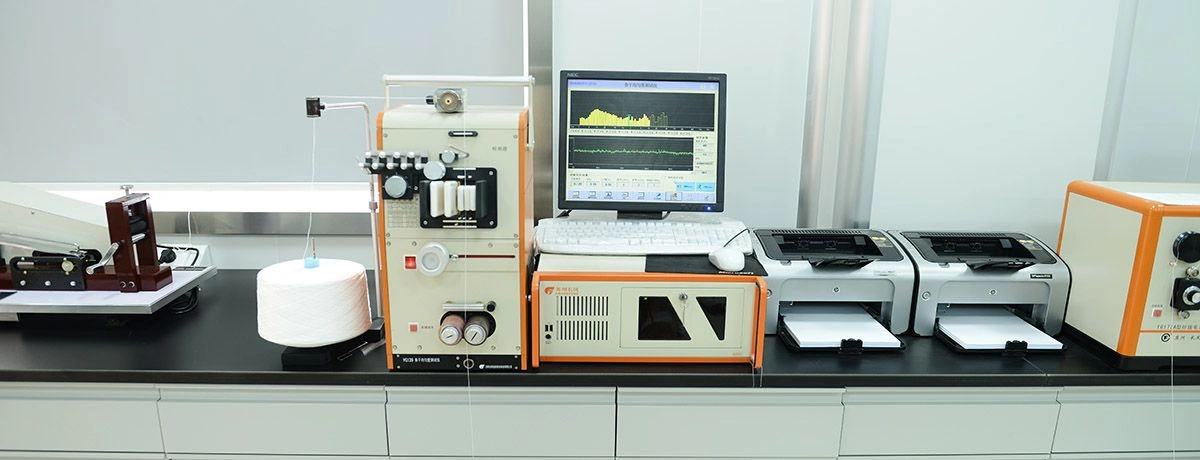
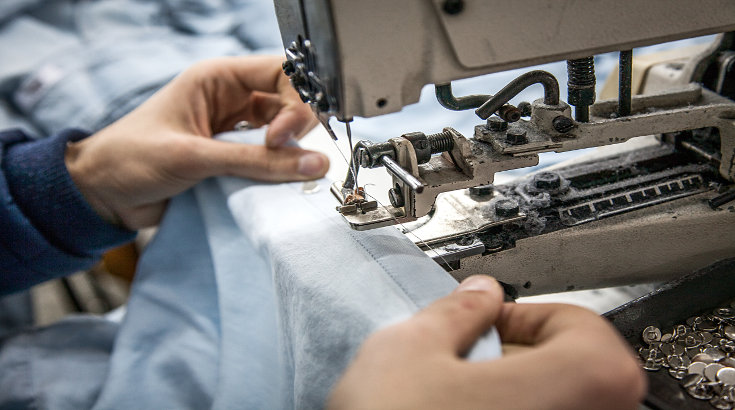
Consistent quality requires structured testing and inspection processes. Key quality control measures include:
Material inspection to verify fabric strength and coating performance Stitching strength testing to ensure durability at stress points Load testing to validate handle and strap performance Waterproof testing to confirm resistance to moisture and environmental exposure
Without these controls, even well-designed products may fail in real-world use. Szoneier applies comprehensive QC procedures at every stage of production to maintain reliability and consistency.
Cost vs Value Consideration
| Aspect | Low-Cost Manufacturer | Experienced Manufacturer |
|---|---|---|
| Material Quality | Basic | Performance-oriented |
| Design Support | Limited | Professional |
| Consistency | Variable | Stable |
| Long-Term Value | Low | High |
Focusing only on price often leads to compromises in material quality, workmanship, or durability. While initial costs may be lower, long-term expenses increase due to returns, repairs, and customer dissatisfaction.
An experienced manufacturer provides better value by delivering consistent quality, reliable performance, and support throughout the product lifecycle.
Real-World Insight
A brand working with Szoneier transitioned from a low-cost supplier to a more experienced manufacturing partner. By improving material selection and refining structural design, the brand reduced product defects and increased customer satisfaction. Within one product cycle, return rates dropped significantly, and repeat orders increased.
This demonstrates that manufacturing quality directly influences both product performance and business outcomes.
Is Price the Most Important Factor?
Price is an important consideration, but it should not be the primary decision factor. The true cost of a product includes not only manufacturing expenses but also performance, durability, and customer satisfaction.
Balancing cost with quality and reliability leads to better long-term results. Investing in a capable manufacturing partner often reduces overall risk and improves brand reputation.
User Insight
Brands that prioritize strong manufacturing partnerships tend to achieve more consistent product quality, better user feedback, and higher repeat purchase rates. This is especially important in competitive markets where performance and reliability differentiate products.
Fishing backpacks and fishing tackle box bags are not competing solutions—they are designed for different use cases. Backpacks provide mobility, comfort, and flexibility, making them ideal for exploration and long-distance fishing. Tackle box bags deliver organization, protection, and efficiency, making them essential for gear-focused scenarios.
The most effective strategy is to understand how each product fits into real fishing behavior and develop solutions accordingly.
Work With Szoneier to Build Reliable Fishing Bags
Szoneier combines material expertise, design capability, and manufacturing experience to support brands from concept to production. With over 18 years of experience, the company delivers products that perform reliably in real-world conditions.
Szoneier offers:
Custom fishing backpacks and tackle box bags tailored to different use scenarios Wide material options including polyester, nylon, Oxford, EVA, TPU, and PVC Low MOQ starting from 50 pieces for flexible product testing Free design support and fast sampling within 5–7 days Stable production quality supported by strict quality control systems
If you are planning to develop or customize fishing bags, working with an experienced manufacturer ensures that your products are built for performance, durability, and real user needs.