Skip to content
A gym bag used to be a simple container: throw in shoes, a towel, a water bottle, maybe a change of clothes, zip it up, and hope nothing smells too terrible by the time you get home. That old version no longer fits how people train, travel, commute, and live now. Today’s gym users move from office to workout, from swimming pool to café, from yoga studio to airport, from campus to fitness class. Their bag needs to protect clean clothes from damp towels, shoes from electronics, toiletries from laptops, and odor-prone items from everything else. A gym bag with wet and dry compartments solves this daily mess in a very practical way.
A gym bag with wet and dry compartments is a sports bag designed with separate storage zones for damp items and clean items. The wet compartment is usually made with water-resistant or waterproof lining such as PVC, PEVA, TPU-coated fabric, coated polyester, or coated Oxford fabric to hold sweaty clothes, wet towels, swimsuits, toiletries, or shower items. The dry compartment stores clean apparel, electronics, wallets, documents, bottles, and daily essentials. The best designs also include a ventilated shoe compartment, leak-resistant seams, easy-clean lining, ergonomic handles, and smart pocket layout.
This product category is growing because gym bags are no longer used only inside gyms. Market research estimates the global gym bag market reached about USD 1.8 billion in 2025 and may reach USD 3.1 billion by 2034, driven by fitness culture, health awareness, gym memberships, and demand for stylish, durable, versatile bags. Another industry report estimates the gym bag market at around USD 2.1 billion in 2025 with steady growth toward 2035, citing urbanization, athleisure, eco-friendly materials, smart storage, waterproofing, and organized compartments as key drivers.
For brands, retailers, fitness studios, swim clubs, travel accessory sellers, and private label projects, wet-dry separation is not just a trendy feature. It is a customer pain-point feature. Nobody wants a wet towel pressed against clean clothes. Nobody wants running shoes rubbing against a laptop charger. Nobody wants shampoo leaking into a passport pocket. The best gym bag feels like a small locker that moves with the user. That is exactly where material selection, compartment design, lining technology, sewing construction, and factory experience become important.
What Is a Wet and Dry Gym Bag?

A wet and dry gym bag is a workout, sports, or travel bag built with separate compartments for damp items and dry items. The wet area is usually lined with water-resistant or waterproof material to hold sweaty clothes, swimsuits, wet towels, shower sandals, toiletries, or post-workout gear. The dry area is used for clean clothes, phones, wallets, books, laptops, headphones, makeup, snacks, and other items that need to stay clean and dry. A well-designed wet-dry gym bag reduces moisture transfer, odor spread, mess, and daily packing stress. It is especially useful for gym users, swimmers, yoga users, commuters, students, travelers, and anyone who carries both clean and used items in one bag.
The simplest way to understand it is this: a normal bag mixes everything together; a wet-dry gym bag creates order. The wet compartment does not automatically mean the whole bag is fully waterproof. In most products, the wet pocket is water-resistant or waterproof-lined, but the zipper, seams, stitching holes, and outer fabric may still have limits. A good manufacturer should explain this clearly. “Waterproof pocket” and “waterproof bag” are not always the same thing. The product must be designed based on the real scenario: damp towel, soaked swimsuit, shampoo bottle, sweaty gym clothes, rainy commute, or pool training.
Wet-Dry Separation
Wet-dry separation means the bag has different storage zones for moisture-prone items and dry belongings. In practical use, this feature prevents damp clothes from touching clean shirts, keeps swimsuits away from electronics, and helps reduce odor transfer from shoes or used workout gear. The concept sounds simple, but good separation requires correct fabric lining, pocket placement, zipper direction, seam construction, and space planning.
In many retail gym bag listings, wet pockets and shoe compartments are now highlighted as core selling points. Search results and product descriptions frequently mention “dry wet separation,” “waterproof wet pocket,” “independent shoe compartment,” and “swimming bag” because customers actively look for these functions when comparing sports duffel bags. (亚马逊)
| Area | Main purpose | Common items | Material requirement | Design risk |
|---|---|---|---|---|
| Wet compartment | Holds damp or sweaty items | Towel, swimsuit, gym clothes | Waterproof or water-resistant lining | Leakage if seams or zipper are weak |
| Dry compartment | Protects clean and valuable items | Clothes, phone, wallet, books | Durable outer fabric and clean inner lining | Moisture transfer if separation is poor |
| Shoe compartment | Isolates dirty footwear | Sneakers, cycling shoes, shower slides | Ventilated lining or durable coated fabric | Odor buildup without airflow |
| Toiletry pocket | Holds bottles and hygiene products | Shampoo, lotion, deodorant | Wipe-clean lining | Leakage risk from bottle pressure |
| Electronics pocket | Protects devices | Phone, laptop, charger, earbuds | Padded or dry-only structure | Unsafe if placed too close to wet zone |
A good wet-dry layout should feel intuitive. The user should not need to think too much. Wet items should go into one clearly separated area. Clean items should remain in the main compartment. Shoes should not touch clean clothes. Toiletries should sit upright or stay in a wipe-clean pocket. This is what turns a gym bag from “just storage” into a daily-use tool.
Why Gym Bags Need Wet Compartments
Gym bags need wet compartments because workout life creates moisture. People sweat. Towels get damp. Swimwear stays wet. Shampoo bottles leak. Shoes carry dirt. A single mixed compartment can make the entire bag smell bad or create stains. Wet compartments solve this by containing moisture and keeping clean items safer.
This feature becomes more important when users move between locations. A person may go to the gym before work, shower, pack sweaty clothes, and then commute with a laptop and office outfit. A swimmer may carry goggles, swimsuit, cap, towel, and clean clothes. A yoga user may carry a sweaty towel and water bottle after class. A traveler may use the same bag for a weekend trip and fitness session. In all these cases, separation improves the whole experience.
| User problem | Without wet-dry design | With wet-dry design |
|---|---|---|
| Sweaty clothes after workout | Clean clothes absorb odor | Used clothes stay separated |
| Wet swimsuit after swimming | Moisture spreads through main compartment | Swimsuit stays in lined pocket |
| Damp towel | Other items feel wet | Towel remains isolated |
| Dirty shoes | Shoes touch clothes and accessories | Shoes stay in a dedicated zone |
| Leaking toiletries | Bag interior becomes messy | Wipe-clean pocket limits damage |
| Office-to-gym commute | Work items mix with gym gear | Cleaner daily organization |
| Travel use | Laundry and clean clothes mix | Better packing control |
The emotional value is also real. A well-designed bag reduces small daily annoyances. The user does not need a plastic bag for wet clothes. They do not need to worry about damp towels touching clean shirts. They do not need to empty the whole bag every time something leaks. These little conveniences are what make customers keep using the product.
Are Wet Pockets Waterproof?
Wet pockets can be waterproof-lined, but that does not always mean the entire pocket is fully waterproof under pressure or immersion. Many wet compartments are designed to resist moisture from damp towels, sweaty clothing, swimsuits, or toiletries. They often use PVC, PEVA, TPU, coated polyester, coated nylon, or laminated Oxford fabric. However, zipper openings, stitched seams, folded corners, and long-term wear can affect real performance.
For product development, it is safer to define the required performance level clearly. Does the pocket need to hold a damp towel for two hours? A wet swimsuit after swimming? A leaking shampoo bottle? A completely soaked towel? These are different requirements. A basic water-resistant pocket may handle damp clothes but fail if water pools inside. A higher-level wet pocket may need welded seams, coated lining, water-resistant zipper, or seam sealing.
| Wet pocket level | Suitable use | Construction option | Buyer expectation |
|---|---|---|---|
| Moisture-resistant | Sweaty clothes, lightly damp towel | Coated lining, standard stitching | Prevents light moisture transfer |
| Water-resistant | Swimwear, gym towel, toiletries | PVC/PEVA/TPU lining, better seam planning | Holds damp items more safely |
| Leak-resistant | Bottles, wet swim gear, shower items | Coated lining plus seam binding or sealing | Reduces leakage risk under normal use |
| High-protection wet zone | Pool use, travel, repeated wet storage | Welded or sealed seams, water-resistant zipper | Higher cost and stronger wet protection |
| Fully waterproof dry bag style | Outdoor water exposure | Waterproof fabric and roll-top/welded structure | Different product category from normal gym bag |
This distinction is very important for brands. Overclaiming waterproof performance can create customer complaints. A gym bag can honestly be described as having a waterproof-lined wet pocket, water-resistant wet compartment, or leak-resistant inner pocket depending on testing and construction. The wording should match the real product.
Wet Pocket vs Shoe Compartment
A wet pocket and a shoe compartment are related, but they are not the same. The wet pocket is designed for damp or moisture-prone items. The shoe compartment is designed for footwear isolation. Shoes create dirt, odor, abrasion, and shape pressure. Wet clothes create moisture. Some bags combine the two functions, but the best designs often separate them.
A shoe compartment should have enough space for real shoe sizes, a durable lining, and ideally ventilation. Product listings often highlight independent shoe compartments that fit larger shoes, such as men’s size 13 in some designs, because shoe fit is a common customer concern. (亚马逊)
| Feature | Wet compartment | Shoe compartment |
|---|---|---|
| Main purpose | Isolate moisture | Isolate shoes, dirt, and odor |
| Common items | Swimsuit, towel, sweaty clothes | Sneakers, sandals, training shoes |
| Best lining | Waterproof or wipe-clean lining | Durable, coated, ventilated fabric |
| Key risk | Leakage or moisture transfer | Odor buildup and dirt transfer |
| Best placement | Side, front, or internal lined pocket | End pocket, bottom pocket, or side tunnel |
| Ventilation need | Helpful but not always required | Very important for odor control |
| Size logic | Based on towel or clothing volume | Based on shoe size and pair height |
For custom gym bag development, brands should decide whether the wet compartment and shoe compartment should be separate or combined. A swimmer may need a larger wet pocket for towels and swimsuits. A gym commuter may value a dedicated shoe tunnel more. A compact gym tote may not have room for both, so the layout must prioritize the main user scenario.
What Items Belong in Each Area?
A wet-dry gym bag should guide the user naturally. Wet or used items go into lined zones. Clean and valuable items go into dry zones. Shoes go into ventilated or isolated areas. Toiletries go into wipe-clean pockets. Electronics should stay far from moisture. This sounds basic, but poor layout often creates user frustration.
| Item | Best compartment | Design note |
|---|---|---|
| Sweaty shirt | Wet pocket | Needs odor and moisture isolation |
| Wet towel | Wet compartment | Larger opening helps packing |
| Swimsuit | Waterproof-lined pocket | Good for pool and beach users |
| Clean clothes | Main dry compartment | Should stay away from wet pocket seam lines |
| Shoes | Shoe compartment | Ventilation improves odor control |
| Shampoo bottle | Toiletry pocket | Wipe-clean lining preferred |
| Deodorant | Small accessory pocket | Easy access before/after workout |
| Phone | Dry quick-access pocket | Avoid placing near wet zone |
| Laptop or tablet | Padded dry compartment | Better for commuter-style bags |
| Water bottle | External bottle pocket | Prevents internal condensation and spills |
| Towel for yoga | Wet or dry zone depending on use | Oversized pocket may be needed |
| Wallet and keys | Secure small pocket | Zipper or hidden pocket preferred |
The better the layout, the less the user needs extra plastic bags or organizers. That is one of the strongest selling points. A wet-dry gym bag can replace several small packing hacks with one well-designed product.
A Wet-Dry Gym Bag Is Really a Portable Locker
The best way to think about this product is not as a bag but as a portable locker. A gym locker separates clean clothes, shoes, shower items, and personal valuables. A wet-dry gym bag should do the same in a smaller, mobile format. This perspective helps brands design a more useful product.
| Locker function | Bag equivalent | Why it matters |
|---|---|---|
| Shoe shelf | Ventilated shoe compartment | Keeps footwear away from clothing |
| Wet towel area | Waterproof-lined wet pocket | Contains damp items after workout |
| Clean clothes section | Main dry compartment | Protects outfit and daily items |
| Toiletry shelf | Wipe-clean toiletry pocket | Prevents bottle leaks from spreading |
| Valuables area | Hidden zipper pocket | Keeps wallet, keys, and phone secure |
| Work shelf | Laptop/document pocket | Supports gym-to-office users |
| Bottle area | External water bottle pocket | Reduces spill risk inside the bag |
When a brand designs around the “portable locker” idea, the final product becomes more customer-centered. Instead of adding random pockets, every compartment has a job. This makes product descriptions stronger, online listings clearer, and customer reviews better.
More Compartments Are Not Always Better
It is tempting to add many pockets because they look good in product images. But too many compartments can reduce usable space, increase sewing cost, add weight, and confuse the user. A compact gym bag with one excellent wet pocket, one shoe compartment, one main dry area, and two small pockets may be better than a bag with twelve poorly sized pockets.
| Design choice | Advantage | Possible problem |
|---|---|---|
| Many small pockets | Looks organized in marketing photos | May reduce main compartment space |
| Large wet pocket | Useful for swimmers | May take space from dry items |
| Separate shoe tunnel | Keeps shoes isolated | Can deform the bag when shoes are inside |
| Laptop pocket | Great for commuters | Unnecessary for pool-only users |
| Toiletry pocket | Practical after shower | Needs leak-resistant lining |
| Mesh ventilation | Helps odor control | May reduce clean appearance |
| Waterproof lining | Protects from moisture | Can add weight and affect flexibility |
| Extra hardware | Premium look | Adds cost and possible failure points |
A strong design begins with the target user, not the feature list. For swimmers, wet storage matters most. For gym commuters, shoe isolation and laptop protection matter. For yoga users, large towel space and mat strap may matter. For travelers, carry-on size and clothing organization matter. Brands should not build one bag for everyone unless the design is carefully balanced.
Manufacturing Insight for Wet-Dry Construction
From a factory viewpoint, wet-dry separation requires careful construction. It is not just sewing a plastic lining into one pocket. The lining must be cut accurately, the seams must be controlled, the zipper position must prevent easy leakage, and the wet pocket must not damage the dry compartment’s capacity. If the wet lining is too stiff, the bag may feel cheap or noisy. If it is too thin, it may tear. If it is not compatible with the outer fabric, the pocket may wrinkle or deform.
| Manufacturing point | Why it matters | Quality check |
|---|---|---|
| Lining material | Controls moisture protection | Check thickness, flexibility, odor, wipe-clean ability |
| Seam design | Prevents leakage and tearing | Inspect stitching, binding, sealing if needed |
| Zipper placement | Affects access and water control | Test opening angle and stress points |
| Pocket volume | Determines real usability | Test with towel, clothes, swimwear |
| Outer fabric support | Keeps bag shape stable | Check deformation after loading |
| Ventilation | Helps odor management | Test mesh/grommet placement |
| Cleaning access | User must wipe pocket easily | Avoid deep narrow wet pockets |
| Durability | Wet zones receive repeated friction | Test lining abrasion and seam strength |
Szoneier’s advantage in this kind of product comes from combining fabric development and finished bag manufacturing. Wet-dry gym bags require polyester, nylon, Oxford fabric, coated linings, mesh, zippers, webbing, hardware, printing, sewing, and quality inspection to work together. A supplier that only sees the outer bag may miss the hidden wet-pocket details that decide customer satisfaction.
Which Users Need Wet-Dry Gym Bags?
Wet-dry gym bags are useful for gym users, swimmers, yoga practitioners, runners, cyclists, students, office commuters, travelers, sports teams, fitness studios, and anyone who carries clean and damp items together. They are especially valuable for people who shower after workouts, carry wet towels or swimwear, pack extra shoes, move between work and training, or use one bag for fitness and short travel. The strongest customer demand comes from users who want organization, odor control, moisture protection, and a cleaner daily routine.
The modern gym bag user is not one type of person. Some train before work. Some swim after school. Some go to yoga on weekends. Some carry sneakers to the office. Some use the same duffel for the gym and overnight travel. Some are parents packing kids’ swim gear. Some are fitness instructors moving between studios. This variety is exactly why wet-dry compartment design has become more common. A bag that can separate wet from dry, shoes from clothes, and toiletries from electronics fits more daily scenarios.
Recent buying guides and product roundups emphasize that gym bags are now selected by lifestyle, not only by size. Features such as water resistance, organization, durability, multiple compartments, waterproof holdalls, and bags suitable for work, gym, commuting, and travel are repeatedly highlighted in current gym bag recommendations. (T3)
Daily Gym Users
Daily gym users need a wet-dry gym bag because their routine creates repeated separation needs. A typical user may carry clean clothes, workout clothes, training shoes, towel, water bottle, shampoo, deodorant, phone, wallet, keys, and maybe headphones. After training, some items are clean and some are sweaty. Without separate compartments, the entire bag becomes a mixed pile.
For daily users, the best bag is not necessarily the biggest one. It should be easy to pack, easy to clean, comfortable to carry, and organized enough for repeated use. A medium-sized duffel or gym backpack with a lined wet pocket, shoe compartment, bottle pocket, and quick-access valuables pocket is often more practical than an oversized bag.
| Daily gym item | User concern | Useful compartment |
|---|---|---|
| Workout clothes | Sweat and odor after use | Wet pocket or laundry zone |
| Clean clothes | Must stay dry and fresh | Main dry compartment |
| Sneakers | Dirt and odor | Ventilated shoe compartment |
| Towel | Moisture transfer | Wet compartment |
| Shampoo/deodorant | Leakage risk | Toiletry pocket |
| Phone/wallet/keys | Security and easy access | Small zipper pocket |
| Water bottle | Spill and condensation | External bottle pocket |
| Headphones | Protection from moisture | Small dry accessory pocket |
For brands targeting daily gym users, the product message should focus on convenience. The bag helps users avoid messy packing, protects clean clothes, and makes post-workout routines smoother. This is a very easy benefit for customers to understand.
Swimmers and Pool Users
Swimmers are one of the strongest user groups for wet-dry gym bags because they regularly carry wet swimwear, towels, goggles, caps, shower items, and sandals. A normal gym bag is often not enough because pool gear can be wetter than standard gym clothes. The wet compartment needs enough volume and better lining to handle damp items after swimming.
Swim bags also need breathability and drainage logic. Some swimmers prefer mesh areas because wet gear needs airflow. Others prefer waterproof-lined pockets because they need to protect dry clothes on the way home. The right choice depends on whether the user prioritizes drying or containment.
| Swimmer need | Design solution | Product note |
|---|---|---|
| Wet swimsuit storage | Waterproof-lined wet pocket | Pocket should be easy to wipe |
| Large towel storage | Larger wet compartment | Volume is important |
| Goggles and cap | Small protective pocket | Avoid crushing items |
| Shower sandals | Shoe or sandal compartment | Ventilation helps |
| Toiletries | Leak-resistant pocket | Bottles should stay separate |
| Clean clothes | Dry compartment | Must be protected from wet gear |
| Pool-to-work commute | Multi-zone layout | Separate electronics from wet area |
For swim-focused bags, brands should be careful not to make the wet pocket too small. A wet swimsuit alone is easy to store. A towel plus swimsuit plus cap plus shower items requires more space. The user’s real pool routine should guide the design.
Yoga, Pilates, and Studio Users
Yoga and Pilates users may not always need a large wet pocket, but they often carry towels, grip socks, leggings, water bottles, skincare items, and sometimes a mat. Hot yoga users especially need moisture separation because towels and clothes can become heavily damp after class. A wet-dry compartment helps keep clean layers, phone, and personal items away from sweaty gear.
For this user group, appearance matters. Many yoga users prefer bags that look clean, soft, stylish, and not overly athletic. A duffel, tote-duffel hybrid, or backpack with subtle wet separation may work better than a bulky sports bag. Lightweight fabrics, soft-touch materials, muted colors, and simple branding can be appealing.
| Yoga user need | Design direction | Why it matters |
|---|---|---|
| Sweaty towel storage | Wet pocket | Especially useful for hot yoga |
| Mat carrying | External strap or sleeve | Frees internal space |
| Clean outfit | Dry compartment | Supports studio-to-work routines |
| Water bottle | Side pocket | Easy access before class |
| Small items | Inner zipper pocket | Stores keys, cards, phone |
| Stylish appearance | Minimal design | Fits lifestyle and casual use |
For yoga and studio brands, the wet-dry feature should be integrated elegantly. The customer may not want the bag to look like a technical sports duffel. The design should feel calm, organized, and wearable.
Travelers and Weekend Users
Many customers now want one bag that works for the gym, overnight trips, and short travel. Wet-dry compartments are useful because travelers also separate clean clothes, laundry, shoes, toiletries, and electronics. A gym duffel with a wet pocket can become a weekend bag. A sports backpack with a shoe compartment can become a carry-on companion.
Travel users care about capacity, carry comfort, luggage sleeve, durable fabric, zippers, and packing organization. A wet pocket can hold laundry, swimwear, toiletries, or beach clothes. A shoe compartment can store sneakers or sandals. A laptop pocket can support work travel. This multi-use positioning increases the product’s value.
| Travel use | Wet-dry bag benefit | Design feature |
|---|---|---|
| Overnight trip | Separates used clothes from clean items | Laundry/wet compartment |
| Beach or pool trip | Stores swimsuit and towel | Larger wet pocket |
| Business fitness travel | Keeps laptop away from gym gear | Padded dry compartment |
| Weekend sports trip | Organizes shoes and clothes | Shoe tunnel plus main compartment |
| Airport carry-on | Needs compact structure | Duffel size and luggage sleeve |
| Hotel gym use | Supports shower routine | Toiletry pocket and wet zone |
For brands, a gym-to-travel bag can command higher perceived value than a gym-only bag. It fits more scenarios and gives customers more reasons to buy.
Students and Campus Users
Students often use one bag for classes, gym, sports, and short trips. They may carry textbooks, laptops, clothes, shoes, water bottles, and sports gear. Wet-dry separation protects school items from sweaty clothes and wet towels. A backpack style may be more suitable than a duffel for students because it distributes weight better and leaves hands free.
The challenge is balancing sport and study. A student gym bag should not look too bulky or too professional. It should be durable, organized, and easy to carry across campus. Water-resistant fabrics, laptop protection, shoe compartments, and simple style can work well.
| Student item | Risk | Useful feature |
|---|---|---|
| Laptop/tablet | Moisture and impact | Padded dry compartment |
| Books/notebooks | Dampness from towel | Separate dry area |
| Sports shoes | Dirt and odor | Shoe compartment |
| Gym clothes | Sweat after class | Wet pocket |
| Water bottle | Spills | External bottle pocket |
| Keys/cards | Loss | Small zipper pocket |
| Charger/earbuds | Damage | Accessory pocket |
Campus users are also price-sensitive, so the design should be practical rather than overbuilt. A durable polyester or Oxford gym backpack with wet-dry separation may be more suitable than an expensive premium duffel for this group.
Fitness Studios, Clubs, and Brand Merchandise
Fitness studios, swim schools, yoga clubs, gyms, sports teams, and wellness brands can use wet-dry gym bags as merchandise, member gifts, retail products, or private label accessories. Unlike basic drawstring bags, wet-dry gym bags provide real functional value. That makes them more likely to be used repeatedly, which also increases brand exposure.
For studios and clubs, the bag should match the brand’s activity. A swim school may need waterproof-lined wet pockets. A yoga studio may need soft colors and mat strap options. A boxing gym may need durable fabric and ventilated shoe storage. A corporate wellness program may need clean branding and practical daily use.
| Organization type | Best bag direction | Branding opportunity |
|---|---|---|
| Swimming club | Wet pocket and large towel space | Club logo print or embroidery |
| Yoga studio | Stylish tote-duffel with wet towel pocket | Soft color and subtle label |
| Fitness gym | Duffel with shoe compartment | Bold logo and durable fabric |
| Sports team | Larger bag with shoe and wet zones | Team color and player number option |
| Corporate wellness | Clean commuter gym bag | Company logo and gift packaging |
| Retail fitness brand | Premium private label duffel | Custom hardware, labels, packaging |
Wet-dry gym bags are strong private label products because they solve a real problem. They can also be differentiated through fabric, color, hardware, pocket layout, and branding details.
Different Users Define “Best Gym Bag” Differently
There is no single best wet-dry gym bag for everyone. The best design depends on the user’s activity, carrying habit, and lifestyle. A swimmer needs more wet storage. A commuter needs laptop protection. A yoga user may need a mat strap. A runner may prefer a compact lightweight bag. A traveler needs packing structure.
| User type | Top priority | Best bag style | Key risk if ignored |
|---|---|---|---|
| Daily gym user | Simple organization | Medium duffel or backpack | Bag becomes messy after workout |
| Swimmer | Large wet storage | Duffel or swim backpack | Wet towel overwhelms small pocket |
| Yoga user | Stylish and soft organization | Tote-duffel or backpack | Bag looks too sporty or bulky |
| Office commuter | Work and gym separation | Backpack or structured duffel | Laptop/electronics too close to wet items |
| Traveler | Multi-use packing | Duffel with shoe/wet pockets | Bag lacks travel comfort |
| Student | Hands-free carrying | Backpack | Duffel may be inconvenient on campus |
| Sports team | Capacity and durability | Large duffel | Weak fabric fails under heavy gear |
| Fitness brand customer | Style plus function | Private label sports bag | Generic design lacks brand value |
This is why manufacturers should avoid pushing one standard design to every buyer. The better approach is modular thinking. A base gym bag can be adjusted with different pocket layouts, fabrics, capacities, colors, hardware, and logo methods depending on the user group.
Wet-Dry Bags Must Balance Hygiene and Airflow
Wet-dry separation helps contain moisture, but containment alone is not enough. If damp clothes stay sealed for too long, odor can build up. If the shoe compartment has no ventilation, bacteria-friendly moisture and smell may remain trapped. Some guides and manufacturer discussions emphasize mesh or grommet ventilation because airflow helps moisture evaporate and reduces odor buildup in shoe and wet zones.
| Design approach | Benefit | Limitation |
|---|---|---|
| Fully sealed wet pocket | Contains moisture better | Can trap odor if items stay inside |
| Mesh ventilation | Improves airflow | May not contain moisture fully |
| Separate shoe compartment | Keeps dirt away from clothes | Needs ventilation for odor control |
| Waterproof lining | Easy to wipe and protect | Can feel less breathable |
| Removable wet pouch | Easier cleaning | Adds cost and may be misplaced |
| Antimicrobial lining | Helps hygiene positioning | Must be verified and compliant |
| Drainage holes | Useful for some swim bags | Not suitable for bags carrying electronics |
A smart design chooses the right balance. For swimmers, containment may matter most on the way home. For shoes, airflow may matter more. For toiletries, wipe-clean lining matters. For electronics, complete dryness matters. One material cannot solve every hygiene issue; the compartment system must be designed intelligently.
Market Insight: Why Wet-Dry Gym Bags Sell Well
Wet-dry gym bags sell well because they connect with visible daily problems. Customers can immediately imagine the benefit. The category also sits at the intersection of fitness, travel, wellness, work commute, and athleisure. Market reports point to rising demand for versatile, durable, stylish, and organized gym bags as active lifestyles continue to grow.
| Demand driver | What customers want | Product response |
|---|---|---|
| Fitness culture | Bags for regular workouts | Durable duffels and backpacks |
| Athleisure | Sport bags that look stylish | Better colors, trims, and silhouettes |
| Urban commuting | Work and gym in one day | Laptop pocket plus wet/shoe separation |
| Swimming and studio fitness | Wet towel and gear storage | Waterproof-lined wet pockets |
| Travel crossover | One bag for gym and weekend | Larger capacity and packing pockets |
| Hygiene awareness | Cleaner storage and odor control | Ventilation and wipe-clean linings |
| Online shopping comparison | Clear feature-based selection | Strong product images and descriptions |
| Private label growth | Differentiated retail products | Custom fabrics, logos, packaging |
For Szoneier clients, this creates a strong product opportunity. A wet-dry gym bag is easier to explain than many fashion accessories because the pain point is universal. Everyone understands wet clothes and clean clothes should not mix. The real challenge is making the product durable, attractive, affordable, and well organized.
How Szoneier Can Design Around User Groups
Szoneier can help develop different wet-dry gym bag versions based on target users. A swim-focused bag may use coated Oxford fabric, a large waterproof-lined wet pocket, drainage-friendly structure, and ventilated shoe storage. A commuter gym bag may use nylon or polyester fabric, padded laptop compartment, side wet pocket, and clean modern branding. A yoga bag may use softer fabric, muted colors, towel pocket, mat strap, and subtle logo. A travel gym duffel may use higher-capacity structure, luggage sleeve, shoe compartment, wet pocket, and reinforced handles.
| Target user | Suggested Szoneier development focus |
|---|---|
| Swimmers | Larger wet pocket, waterproof lining, towel capacity |
| Gym commuters | Laptop pocket, shoe tunnel, compact wet zone |
| Yoga users | Lightweight structure, mat strap, soft color palette |
| Travelers | Duffel capacity, luggage sleeve, laundry/wet pocket |
| Students | Backpack style, durable fabric, laptop protection |
| Fitness brands | Private label logo, brand color, retail packaging |
| Sports teams | Large capacity, team logo, number customization |
| Premium retail | Custom hardware, lining, labels, high-end finishes |
The strongest product is built around the buyer’s customer. Before developing a gym bag, it helps to define who will use it, what they carry, where they go after training, and what frustrates them about current bags. Once those answers are clear, fabric selection and compartment design become much easier.
How Are Wet Compartments Designed?
Wet compartments are designed by combining waterproof or water-resistant lining, suitable pocket placement, strong seam construction, practical opening size, odor-control thinking, and easy-clean access. A good wet compartment should hold damp towels, sweaty clothes, swimwear, toiletries, or shower items without letting moisture spread into the dry area. The best designs use coated lining materials such as PVC, PEVA, TPU, coated polyester, coated nylon, or laminated Oxford fabric, and they place the wet zone where it is easy to reach but does not reduce the usefulness of the main compartment. A wet pocket is not just “one extra pocket”; it is a small technical system inside the gym bag.
Many gym bags fail because the wet pocket is added as a marketing feature rather than engineered as a functional area. The pocket may be too small for a real towel. The zipper may be placed in a way that makes loading difficult. The lining may be waterproof but the seams may leak. The pocket may be so deep and narrow that users cannot wipe it clean. The wet area may take too much space from the dry compartment, making the whole bag less practical. A useful wet compartment must be tested with real items: sweaty clothes, a rolled towel, a swimsuit, shower gel, sandals, and clean clothes packed beside it.
For custom gym bag projects, wet compartment design should begin with one clear question: what wet items will the user actually carry? A swimmer needs a larger wet space. A daily gym user may only need a wet pocket for one shirt and a small towel. A yoga user may need a long towel zone. A traveler may use the wet compartment for laundry or toiletries. A sports team may need stronger separation for repeated heavy use. The answer changes the pocket size, lining material, seam design, zipper choice, and bag structure.
What Makes a Wet Pocket Work?
A wet pocket works when it does three things well: it contains moisture, stays easy to use, and remains durable after repeated packing. Moisture containment depends on lining material and seam construction. Usability depends on pocket opening, volume, placement, and cleaning access. Durability depends on fabric strength, lining thickness, stitching, zipper quality, and how the pocket connects to the main bag body.
A common problem in low-quality gym bags is that the wet pocket looks good in product photos but performs poorly in daily use. It may hold a small swimsuit but not a wet towel. It may resist light moisture but leak if water collects near the seam. It may be hard to turn inside out for cleaning. It may produce unpleasant odor if the pocket traps moisture for too long. These problems happen when design focuses only on appearance.
| Wet pocket design factor | Why it matters | Good design choice | Poor design result |
|---|---|---|---|
| Pocket volume | Determines what users can actually store | Enough space for towel, swimwear, or gym clothes | Pocket becomes decorative, not useful |
| Opening size | Affects loading and cleaning | Wide zipper or easy-access flap | Hard to insert wet items |
| Lining material | Controls moisture protection | PEVA, TPU, PVC, coated polyester, coated Oxford | Moisture transfers into dry zone |
| Seam construction | Affects leakage risk | Bound seams, sealed seams, or careful stitch placement | Water escapes through needle holes |
| Pocket placement | Affects balance and usability | Side, end, front, or internal zone based on use | Wet items press into clean clothes |
| Cleaning access | Affects hygiene | Smooth lining and wipeable shape | Dirt and odor build up |
| Ventilation | Helps odor control | Mesh panels, air holes, or breathable design where suitable | Wet items stay trapped and smell |
| Structural support | Keeps bag shape stable | Reinforced panels around wet zone | Bag deforms when wet pocket is full |
For Szoneier’s custom manufacturing, the wet pocket can be adjusted according to the product’s market. A compact fitness pouch may use a simple PEVA-lined pocket. A swim duffel may need a larger waterproof-lined compartment. A premium commuter gym bag may need a hidden wet section that looks clean from the outside. A high-use sports bag may need stronger coated Oxford lining and reinforced seams.
Which Linings Prevent Leakage?
Wet compartment lining is one of the most important material decisions. The lining must resist moisture, remain flexible, tolerate repeated use, and match the sewing process. Common lining options include PVC, PEVA, TPU, coated polyester, coated nylon, and laminated Oxford fabric. Each option has different cost, hand feel, strength, environmental positioning, and processing requirements.
PVC lining is commonly used because it offers strong water resistance and is cost-effective, but it can feel heavier or less environmentally friendly depending on buyer requirements. PEVA is often used as a PVC-free alternative and can be suitable for wet pockets, toiletry pockets, and wipe-clean compartments. TPU is usually more premium, flexible, and durable, but it costs more. Coated polyester and coated Oxford fabrics can provide a good balance between structure and moisture resistance. Coated nylon is useful for lightweight and durable designs.
| Lining material | Moisture protection | Hand feel | Cost level | Best use | Key concern |
|---|---|---|---|---|---|
| PVC lining | High | Stiffer, strong barrier | Low-medium | Basic wet pockets, budget gym bags | Environmental positioning and odor control |
| PEVA lining | Medium-high | Softer than many PVC options | Medium | Swim bags, toiletry pockets, wet zones | Thickness must match durability need |
| TPU coating | High | Flexible and premium | Higher | Premium gym bags, travel bags | Higher material and process cost |
| Coated polyester | Medium-high | Balanced and stable | Medium | Standard gym duffels, wet pockets | Coating quality must be tested |
| Coated nylon | Medium-high | Lightweight and durable | Medium-high | Lightweight gym backpacks | Can increase price |
| Laminated Oxford | High | Structured and tough | Medium-high | Heavy-use sports bags | More bulk at seams |
| EVA lining | Medium | Soft and cushioned | Medium | Light wet pockets or padded zones | Not always ideal for folded seams |
Leak prevention is not only about the lining material. Seams are usually the weak point. When a needle punctures waterproof lining, it creates tiny holes. If the pocket only holds damp clothes, this may be acceptable. If the pocket needs to hold very wet swimwear or leaking toiletries, seam binding, seam sealing, welding, or smarter seam placement may be needed.
A practical way to set expectations is to classify the wet compartment by real use. For light damp clothing, a coated lining with standard stitching may be fine. For swimmers, stronger lining and better seam handling are safer. For products marketed as leak-resistant, sample testing should include placing wet towels or water-containing items inside the pocket and checking moisture transfer after a set period.
How Does Ventilation Help?
Ventilation helps reduce odor buildup and supports faster moisture release, especially in shoe compartments and wet gear zones. A fully sealed wet pocket can contain moisture well, but if damp clothes stay inside for hours, odor can become stronger. A ventilated compartment allows air to move, which can help reduce trapped smells. However, ventilation also creates a trade-off: more airflow can mean less moisture containment.
This is why ventilation must be used strategically. For shoe compartments, ventilation is often important because shoes carry sweat, dirt, and odor. Mesh panels, metal eyelets, breathable side panels, and small air holes can help. For wet swimsuit pockets, full ventilation may not always be suitable if the user needs to protect clean items from water. A swim bag may use mesh in certain areas and waterproof lining in others.
| Ventilation method | Best location | Benefit | Risk |
|---|---|---|---|
| Mesh panel | Shoe compartment, side pocket | Improves airflow and odor release | Moisture or dirt may escape |
| Metal eyelets | Shoe tunnel or wet zone | Subtle airflow without large mesh | Limited ventilation effect |
| Perforated lining | Shoe or laundry compartment | Breathability with structure | Not leak-resistant |
| External air holes | End pocket | Helps shoes dry | Must avoid rain entry points |
| Breathable fabric panel | Gym backpack back area | Comfort and sweat reduction | Less water resistance |
| Removable wet pouch | Wet clothes and swimwear | User can clean and air out pouch separately | Adds cost and extra component |
For brands, the question is not “Should the bag be ventilated?” but “Which compartment needs ventilation?” The main dry area may not need much airflow. The shoe pocket often does. The wet pocket may need either containment or ventilation depending on the user. A hot yoga bag may benefit from airflow for sweaty towels, while a swim bag may need more waterproof containment.
A smart design can combine both. For example, the shoe compartment can have breathable mesh or eyelets, while the wet pocket uses wipe-clean waterproof lining. The main dry compartment remains protected. The result is a bag that manages odor, moisture, and cleanliness without forcing one feature to solve every problem.
Are Sealed Seams Necessary?
Sealed seams are necessary only when the wet compartment is expected to resist leakage at a higher level. For basic gym bags, standard stitching with waterproof or water-resistant lining may be enough for sweaty clothes or damp towels. For swim bags, toiletry-heavy bags, or products marketed as leak-resistant, seam sealing, seam binding, seam tape, welded seams, or special construction may be worth considering.
The decision depends on performance claims and price level. If a product description says “waterproof wet pocket,” customers may expect strong moisture protection. If the seam leaks after a wet swimsuit is stored inside, the product may receive bad reviews. If the bag is described more carefully as “water-resistant lined wet pocket,” the expectation is more realistic. Manufacturing design and marketing language must match.
| Seam method | Protection level | Cost impact | Best use |
|---|---|---|---|
| Standard stitched seam | Basic | Low | Damp clothes, light gym use |
| Bound seam | Better edge protection | Low-medium | Standard wet pockets and shoe compartments |
| Seam tape | Higher water resistance | Medium | Swim bags, wet pockets, travel bags |
| Welded seam | High | Higher | High-performance waterproof compartments |
| Folded internal seam | Medium | Medium | Cleaner wet pocket construction |
| External seam placement | Medium | Low-medium | Reduces direct water pressure on seam |
Sealed seams are not always the best choice. They can increase cost, slow production, require special equipment, and change flexibility. If the pocket only needs to hold sweaty clothes, a fully sealed construction may be unnecessary. But if the target customer is a swimmer or traveler carrying wet gear near electronics, stronger seam protection can become a key selling point.
For Szoneier projects, seam design should be discussed together with lining material and intended use. The sample should be tested before final approval. A simple moisture test can reveal whether the construction is suitable for the product’s promise.
How Big Should Wet Areas Be?
Wet area size should match the user group and bag capacity. A wet pocket that is too small becomes useless. A wet pocket that is too large steals space from clean clothes. The right size depends on whether the bag is for daily gym use, swimming, yoga, travel, sports teams, or compact commuting.
For daily gym use, a wet pocket may only need to hold one sweaty shirt and a small towel. For swimming, the wet compartment should hold a swimsuit, towel, cap, and possibly goggles or shower sandals. For hot yoga, a wet zone should fit a towel and workout clothes. For travel, the wet compartment may double as a laundry pocket. For team sports, the wet zone may need more durable lining and greater volume.
| User scenario | Suggested wet area size | Common wet items | Design note |
|---|---|---|---|
| Daily gym | Small to medium | Shirt, socks, towel | Side wet pocket is usually enough |
| Swimming | Medium to large | Swimsuit, towel, cap | Larger opening and stronger lining needed |
| Hot yoga | Medium | Towel, leggings, top | Soft bag style with wet towel space |
| Travel | Medium | Laundry, toiletries, swimwear | Wet pocket can double as laundry zone |
| Sports team | Large or reinforced | Uniform, towel, gear | Stronger fabric and easy cleaning needed |
| Compact commuter | Small | One sweaty shirt or towel | Hidden wet pocket works well |
| Beach fitness | Large | Wet clothes, towel, sandals | Wet pocket plus ventilated shoe zone |
The wet area should also be tested when the bag is fully loaded. Some wet pockets work when empty but become hard to use when the main compartment is full. If the wet pocket shares space with the main compartment, the user may struggle to insert a towel after packing shoes and clothes. Good pattern design can reduce this problem by giving the wet pocket its own volume or expansion structure.
Wet Compartment Design Is a Balance of Containment, Access, and Hygiene
A successful wet compartment must balance three goals that can conflict with each other. It must contain moisture, but it should also be easy to access. It should isolate wet items, but it should not trap odor forever. It should be durable, but it should not make the bag stiff, heavy, or expensive. This balance is what separates a good gym bag from a feature-heavy but frustrating one.
| Design priority | What it improves | What it may reduce | Best solution |
|---|---|---|---|
| Strong waterproof lining | Moisture protection | Flexibility and breathability | Use only where needed |
| Sealed seams | Leakage resistance | Cost and production speed | Use for swim or leak-risk designs |
| Large wet pocket | Real item storage | Main compartment capacity | Match size to user scenario |
| Ventilation | Odor control | Water containment | Use mainly for shoes or laundry zones |
| Smooth lining | Easy cleaning | Natural fabric feel | Keep inside wet area only |
| Hidden pocket | Cleaner appearance | Access speed | Good for commuter designs |
| External wet pocket | Easy access | Visual bulk | Good for sports and swim bags |
| Removable wet pouch | Cleaning and flexibility | Extra component cost | Good for premium or travel bags |
The best wet compartment is not always the most waterproof one. For example, a yoga bag may need a breathable wet towel pocket more than a sealed plastic compartment. A swim bag may need containment more than breathability during the trip home. A commuter bag may need a small discreet wet zone that does not make the bag look sporty. A sports team bag may need a large rugged compartment that can be cleaned quickly.
Critical Thinking: Waterproof Claims Must Be Honest
One of the biggest product risks in this category is overpromising. Customers understand “wet pocket” in different ways. Some expect it to hold damp clothes. Some expect it to stop shampoo leaks. Some expect it to protect a laptop from a wet towel. Some may think the entire bag can resist rain. If product language is unclear, complaints become more likely.
| Claim wording | Customer expectation | Manufacturing requirement |
|---|---|---|
| Wet pocket | Basic separation for damp items | Water-resistant lining recommended |
| Water-resistant wet pocket | Resists light moisture | Coated lining and careful seams |
| Waterproof-lined pocket | Lining blocks water | Waterproof lining but seam clarity needed |
| Leak-resistant compartment | Reduces leakage risk | Better seam handling and testing |
| Waterproof gym bag | Whole bag resists water | Outer fabric, zippers, seams, and construction must support claim |
| Dry bag | High waterproof performance | Different structure, often welded seams or roll-top closure |
For brands, careful wording protects reputation. It is better to promise accurately and deliver well than promise waterproof performance and disappoint users. Szoneier can support product testing and construction recommendations so the feature language matches real performance.
Production Testing for Wet Compartments
Wet compartment testing does not have to be complicated, but it should be practical. A sample should be tested with realistic items: damp towel, wet swimsuit, sweaty clothes, toiletry bottle, and normal dry items beside the pocket. The bag should be carried, shaken lightly, left for a period of time, and then checked for moisture transfer, lining damage, odor, zipper stress, and seam leakage.
| Test item | What to check | Why it matters |
|---|---|---|
| Damp towel storage | Moisture transfer to dry area | Tests real gym use |
| Wet swimsuit storage | Lining and seam resistance | Important for swim bags |
| Toiletry bottle pressure | Leakage containment | Useful for shower users |
| Repeated opening/closing | Zipper and pocket durability | Tests daily use |
| Wipe-clean test | Cleaning convenience | Prevents hygiene complaints |
| Loaded bag test | Pocket usability when full | Reveals poor space planning |
| Odor check | Airflow and lining behavior | Important for shoes and sweaty gear |
| Seam stress test | Stitching strength | Prevents failure under load |
Testing should happen before bulk production. A wet compartment is hard to fix after thousands of bags are made. If the pocket is too small, the lining too stiff, or the seam too weak, the issue should be corrected during sampling.
Which Materials Are Best?
The best materials for gym bags with wet and dry compartments are durable outer fabrics such as polyester, nylon, Oxford fabric, ripstop fabric, canvas blends, or neoprene, combined with waterproof or water-resistant inner linings such as PVC, PEVA, TPU, coated polyester, coated nylon, or laminated fabric. Polyester is cost-effective, color-stable, and widely used for sports bags. Nylon is lighter, stronger, and often used for higher-performance bags. Oxford fabric is durable and structured, especially for duffel bags and sports backpacks. Neoprene offers cushioning, stretch, and water resistance, making it useful for bottle sleeves, small pouches, or specialty gym bags. The best material choice depends on durability, price, weight, hand feel, water resistance, odor control, and brand positioning.
For wet-dry gym bags, one fabric rarely does everything. The outer shell needs strength and abrasion resistance. The wet pocket needs moisture protection. The shoe compartment needs durability and ventilation. The shoulder strap needs webbing strength. The back panel may need breathable mesh. The interior may need smooth lining. The bottom panel may need extra reinforcement. This is why material selection should be treated as a complete system.
Szoneier has an advantage in this product category because the company can customize many fabric types, including polyester, nylon, neoprene, Oxford fabric, cotton canvas, jute, linen, coated fabrics, and other materials. A wet-dry gym bag may combine 600D polyester Oxford outside, PEVA-lined wet pocket, breathable mesh shoe compartment, nylon webbing straps, polyester lining, and rubberized bottom protection. Another premium version may use high-density nylon, TPU-coated wet lining, custom hardware, and private label packaging. Different customer groups need different material combinations.
Polyester for Gym Bags
Polyester is one of the most common materials for gym bags because it is durable, affordable, color-stable, and suitable for many coatings and finishes. It can be woven into different structures such as 300D, 600D, 900D, or 1680D polyester depending on strength and hand feel. Polyester is widely used for gym duffels, backpacks, shoe bags, drawstring bags, travel bags, and sports accessories.
The biggest advantage of polyester is balance. It offers good durability at a manageable cost. It accepts printing well. It can be dyed in many colors. It can be coated with PU, PVC, or other finishes for improved water resistance. It is easy to source and suitable for large-volume production. For many fitness brands and private label projects, polyester is the safest starting point.
| Polyester type | Common use | Strength level | Cost level | Best fit |
|---|---|---|---|---|
| 210D polyester | Lightweight lining, drawstring bags | Low-medium | Low | Inner lining or budget light bags |
| 300D polyester | Light sports bags | Medium | Low-medium | Promotional gym bags |
| 600D polyester | Standard gym duffels and backpacks | Good | Medium | Most custom gym bags |
| 900D polyester | Stronger sports bags | High | Medium-high | Heavy-use duffels |
| 1680D polyester | Premium durable bags | Very high | Higher | Travel gym bags and rugged designs |
| PU-coated polyester | Water-resistant shell | Medium-high | Medium | Wet-dry gym bags |
| PVC-coated polyester | Strong moisture resistance | High | Medium | Budget waterproof-style bags |
Polyester is not perfect. It may not feel as premium as nylon in some high-end products. Lower-denier polyester may wear faster. Cheap coatings may crack or peel. Some polyester fabrics can feel stiff or noisy if coating is too heavy. But with the right specification, polyester is extremely practical for wet-dry gym bags.
Nylon for Durability
Nylon is often chosen when brands want lighter weight, higher strength, smoother hand feel, and a more premium sports or travel identity. It is commonly used in performance backpacks, travel duffels, outdoor bags, gym backpacks, and higher-end athletic bags. Nylon can be coated for water resistance and can be made into ripstop structures for tear resistance.
Compared with polyester, nylon often has better strength-to-weight performance. It can feel softer and more refined, especially in premium constructions. It is suitable for compact commuter gym bags, premium duffels, lightweight backpacks, and travel-friendly sports bags. If the target customer values durability and lighter carry, nylon can be a strong choice.
| Nylon material | Best use | Advantage | Concern |
|---|---|---|---|
| 210D nylon | Lining and lightweight pockets | Lightweight and smooth | Not for heavy outer shell |
| 420D nylon | Backpacks and travel bags | Good balance of weight and strength | Higher cost than basic polyester |
| 600D nylon | Durable gym bags | Strong and premium | Material cost increases |
| Ripstop nylon | Lightweight performance bags | Tear resistance | Sporty look may not fit all brands |
| TPU-coated nylon | Premium wet-resistant bags | Flexible and protective | Higher material and process cost |
| Ballistic nylon | Heavy-duty bags | Excellent abrasion resistance | Expensive and heavier |
Nylon may not be necessary for every project. If the buyer needs a cost-effective gym duffel for a fitness studio giveaway, 600D polyester Oxford may be enough. If the buyer wants a premium travel-gym hybrid bag for retail sale, nylon may be worth the upgrade. The best material choice should match price positioning.
Oxford Fabric Performance
Oxford fabric is one of the most practical choices for gym bags because it offers good durability, structure, and versatility. Oxford fabric can be made from polyester or nylon and often comes in denier specifications such as 300D, 600D, 900D, or 1680D. It can be coated with PU or PVC to improve water resistance. It is commonly used for duffel bags, backpacks, travel bags, sports bags, tool bags, cooler bags, and outdoor-style products.
For wet-dry gym bags, Oxford fabric works well because it can create a stable outer shell while supporting different linings and compartments inside. A 600D polyester Oxford gym bag with PU coating is a common and practical choice for mid-range products. A 900D or 1680D Oxford version can feel stronger and more durable. Nylon Oxford can be used for higher-end versions.
| Oxford fabric option | Best product type | Main benefit | Buyer note |
|---|---|---|---|
| 300D Oxford | Lightweight gym bags | Lower weight and cost | Not ideal for heavy loads |
| 600D Oxford | Standard duffels and backpacks | Good durability and value | Strong all-purpose choice |
| 900D Oxford | Heavy-use gym bags | Better abrasion resistance | Slightly heavier |
| 1680D Oxford | Premium travel-gym bags | Strong and structured | Higher cost |
| PU-coated Oxford | Water-resistant gym bags | Better moisture protection | Coating quality matters |
| PVC-coated Oxford | Stronger water barrier | Useful for wet/dry designs | Can feel stiffer |
| Nylon Oxford | Premium lightweight bags | Stronger and smoother | Higher price level |
Oxford fabric is often ideal for private label gym bags because it gives buyers many cost and quality options. Szoneier can adjust outer fabric, coating, lining, color, printing, embroidery, hardware, and compartment structure based on the target market.
Neoprene for Gym Bags
Neoprene is a synthetic rubber-based material known for flexibility, cushioning, insulation, and water resistance. It is commonly used for wetsuits, bottle sleeves, laptop sleeves, lunch bags, protective pouches, and some specialty bags. In gym bag design, neoprene may be used for small accessories, bottle pockets, padded panels, wet-item pouches, or soft compact bags.
Neoprene is not always the best main material for large duffel bags because it can be heavier, warmer, and more expensive than polyester or nylon. But it can add value in selected areas. A neoprene bottle sleeve can reduce condensation transfer. A neoprene pocket can protect electronics or small gear. A neoprene wet pouch can hold swimwear or personal items. A neoprene panel can create a soft, modern look.
| Neoprene use | Benefit | Best product direction |
|---|---|---|
| Bottle pocket | Cushions bottle and handles condensation | Gym backpacks, yoga bags |
| Wet pouch | Water-resistant and flexible | Swim accessories, small gym kits |
| Laptop sleeve | Shock absorption | Commuter gym bags |
| Side panel | Soft modern texture | Fashion sports bags |
| Toiletry pouch | Easy to clean and protective | Travel gym bags |
| Small accessory bag | Flexible and durable | Fitness kits and branded merchandise |
Neoprene works best when used intentionally. It should not be added only because it sounds premium. The buyer should decide whether cushioning, flexibility, water resistance, or texture is useful for the target customer.
Which Fabric Resists Odor?
No common gym bag fabric completely eliminates odor by itself. Odor control comes from a combination of material choice, ventilation, easy-clean lining, moisture management, and user behavior. Some linings can be wiped clean more easily. Some mesh panels help airflow. Some antimicrobial treatments may reduce odor-related concerns, but they must be tested and described carefully. For most gym bags, the most practical odor-control strategy is to separate shoes and wet clothes, use wipe-clean materials in dirty zones, and add ventilation where appropriate.
| Odor-control factor | How it helps | Best use |
|---|---|---|
| Ventilated shoe compartment | Lets air move around shoes | Sneakers, training shoes |
| Waterproof wet lining | Keeps sweat from soaking into fabric | Wet clothes and towels |
| Wipe-clean pocket | Removes residue more easily | Toiletries and wet zones |
| Mesh panels | Improves airflow | Shoe compartments and laundry zones |
| Removable pouch | Easier washing and drying | Premium wet/dry bags |
| Antimicrobial finish | May reduce odor-causing microbes | Higher-end products, must verify claims |
| Smooth lining | Less dirt trapping | Toiletry and wet pockets |
| Separate laundry zone | Keeps used clothes away from clean area | Travel and gym bags |
Odor is not only a material problem. It is a design problem. A wet shirt sealed in any bag for a long time will smell. The product should help the user manage the situation by separating moisture, allowing airflow where useful, and making cleaning easier.
Hardware and Trim Materials
A gym bag is not only fabric. Zippers, sliders, buckles, webbing, shoulder pads, mesh, bottom feet, pullers, hooks, and reinforcement tapes all affect performance. A strong outer fabric cannot save a bag with weak zippers or poor webbing. For wet-dry gym bags, trims must handle repeated opening, weight, moisture exposure, and daily friction.
| Component | Material option | Quality concern |
|---|---|---|
| Zipper | Nylon zipper, resin zipper, waterproof zipper | Smooth movement and strength |
| Puller | Metal, rubber, webbing, plastic | Grip and durability |
| Webbing | Polyester, nylon, cotton blend | Tensile strength and colorfastness |
| Buckle | Plastic, metal, alloy | Break resistance and weight |
| Mesh | Polyester mesh, sandwich mesh | Breathability and tear strength |
| Shoulder pad | EVA, neoprene, foam | Comfort and durability |
| Bottom panel | Coated fabric, rubberized fabric | Abrasion resistance |
| Piping | Polyester or PU piping | Shape retention and edge protection |
| Label | Woven, rubber, leather, PU | Brand presentation and washability |
For private label projects, hardware and trims are powerful customization points. A premium zipper pull, branded webbing, custom rubber patch, or colored lining can make a gym bag feel more valuable without changing the entire structure.
Material Choice Should Follow Product Positioning
The best material is not the most expensive one. It is the material that fits the product’s price, market, use, and brand feeling. A gym bag sold as a budget fitness giveaway should not use costly ballistic nylon unless the buyer has a strong reason. A premium travel-gym bag should not use thin polyester that feels weak. A swim-focused bag should not use an absorbent lining in the wet zone. A commuter gym bag should not ignore laptop protection.
| Product position | Outer material | Wet lining | Best feature focus |
|---|---|---|---|
| Budget fitness bag | 300D or 600D polyester | PVC or coated polyester | Basic wet pocket and logo |
| Standard retail gym duffel | 600D Oxford | PEVA or coated lining | Shoe pocket, wet zone, durable handles |
| Swim gym bag | PU/PVC-coated Oxford | PEVA, TPU, or laminated lining | Large wet compartment and easy cleaning |
| Premium commuter bag | Nylon Oxford or high-density polyester | TPU or quality coated lining | Laptop protection and clean design |
| Travel gym duffel | 900D/1680D Oxford or nylon | TPU/PEVA wet pocket | Shoe tunnel, luggage sleeve, wet/laundry pocket |
| Yoga studio bag | Soft polyester, nylon, cotton blend | Light coated wet pocket | Towel pocket, mat strap, elegant look |
| Sports team bag | Heavy Oxford or polyester | Durable coated lining | Large capacity and reinforced seams |
| Eco-style gym bag | Recycled polyester or cotton blend | PVC-free lining | Sustainability story and practical separation |
This table helps buyers avoid mismatched specifications. Material choice should support the sales story. If the bag is marketed as rugged, the fabric and trims must feel rugged. If it is marketed as lightweight, heavy coated fabric may not fit. If it is marketed as premium, cheap lining and weak zippers will hurt the product experience.
Water Resistance Is Not Only About Fabric
Many buyers ask for “waterproof fabric,” but bag water resistance depends on more than the fabric. The outer shell may be water-resistant, but the zipper can leak. The wet pocket lining may be waterproof, but stitched seams can allow moisture through. The bottom panel may resist splashes, but water can enter from the top zipper. A bag’s real water protection is created by the full construction.
| Area | Water-risk point | Better construction |
|---|---|---|
| Outer shell | Rain or splashes | PU/PVC-coated polyester or nylon |
| Main zipper | Water enters through teeth | Flap cover or water-resistant zipper |
| Wet pocket seam | Needle holes leak | Seam binding, sealing, or smarter seam placement |
| Bottom panel | Floor moisture and abrasion | Reinforced coated bottom |
| Shoe compartment | Dirt and dampness | Coated lining plus ventilation |
| Toiletry pocket | Bottle leakage | Wipe-clean lining and raised pocket edge |
| Shoulder strap area | Stress and moisture | Reinforced stitching and durable webbing |
| Interior lining | Moisture absorption | Polyester or coated lining |
This matters because customer complaints often come from misunderstood claims. A bag can be water-resistant without being waterproof. A wet pocket can be waterproof-lined without being fully leakproof. A responsible manufacturer helps buyers choose accurate materials and descriptions.
Sustainable Material Considerations
Sustainability is increasingly important in sports bags, but it must be handled honestly. Recycled polyester, PVC-free linings, durable construction, repairable design, and long product life can all support a more responsible product story. Cotton canvas may work for some gym tote designs, but for wet-dry gym bags, synthetic coated fabrics often perform better in moisture zones. The best approach is not to force one material into every role but to use materials responsibly.
| Sustainability direction | Possible material choice | Practical benefit | Consideration |
|---|---|---|---|
| Recycled outer fabric | Recycled polyester Oxford | Reduces virgin material use | Certification may be needed |
| PVC-free wet lining | PEVA or TPU | Cleaner material positioning | Cost may increase |
| Longer product life | Durable Oxford or nylon | Reduces replacement frequency | Higher initial cost |
| Modular pouch | Removable wet pouch | Easier cleaning and repair | More components |
| Minimal packaging | Recycled paper tags, bulk packing | Reduces packaging waste | Retail display needs may differ |
| Natural accents | Cotton webbing, canvas panels | Softer brand feeling | Not ideal for wet zones |
A bag that lasts longer can be more responsible than a weak bag made with trendy material language. Durability is part of sustainability. If the product is reused for years, the material choice has done its job.
How Szoneier Builds Material Solutions
Szoneier can support gym bag material development across outer shell fabrics, wet pocket linings, shoe compartment materials, mesh ventilation, webbing, zippers, hardware, printing, embroidery, coating, and finishing. Because Szoneier has experience in fabric R&D and finished product manufacturing, the material decision can be connected directly with bag structure and production reality.
A buyer can request a cost-effective 600D polyester Oxford duffel with a PEVA wet pocket, a premium nylon travel gym bag with TPU lining, a swim-focused bag with larger waterproof compartment, or a yoga-style tote with soft fabric and subtle wet separation. The material package can be adjusted based on MOQ, sample timeline, target price, quality level, and brand positioning.
| Buyer goal | Szoneier material solution |
|---|---|
| Lower cost gym bag | 600D polyester Oxford, standard wet lining, simple logo |
| Premium retail bag | High-density nylon or 1680D Oxford, TPU lining, custom hardware |
| Swim-focused bag | Coated Oxford shell, large PEVA/TPU wet pocket, ventilated shoe area |
| Commuter gym bag | Durable nylon/polyester shell, padded laptop compartment, hidden wet pocket |
| Sports team bag | Heavy-duty Oxford, reinforced bottom, large shoe and wet zones |
| Yoga lifestyle bag | Soft fabric, mat strap, light wet towel pocket, elegant color palette |
| Eco-positioned bag | Recycled polyester option, PVC-free lining, minimal packaging |
| Private label line | Custom fabric color, logo, trims, labels, retail packaging |
The best gym bag material choice is not decided by one fabric name. It is decided by how all materials work together after cutting, sewing, filling, carrying, sweating, wiping, packing, and shipping. That is where experienced manufacturing support becomes valuable.
What Compartments Should a Gym Bag Have?

A good gym bag with wet and dry compartments should include a main dry compartment, a waterproof-lined wet compartment, a separate shoe compartment, a toiletry pocket, a water bottle pocket, a valuables pocket, and optional space for electronics, towels, yoga mats, or travel items. The exact compartment layout should match the user’s activity. A swimmer needs a larger wet area. A commuter needs laptop protection. A traveler needs laundry separation. A sports team needs large capacity and reinforced storage. A yoga user may need a towel pocket and mat strap more than a bulky shoe tunnel.
The strongest gym bag designs do not simply add as many pockets as possible. They create a logical storage path. When the user opens the bag, clean clothes should have a safe place. Wet clothes should have a lined area. Shoes should not rub against towels. Toiletries should not leak into the main compartment. Keys and phones should be easy to find. The goal is not visual complexity; the goal is a bag that makes packing feel automatic.
For brands, compartment design is one of the biggest differences between a cheap gym bag and a product customers will reuse every week. Fabric can make the bag durable, but compartment layout makes the bag lovable. A customer may forget the exact material name, but they will remember that their shoes finally had their own space, their wet swimsuit did not touch clean clothes, and their phone was easy to find after class.
Main Dry Compartment
The main dry compartment is the largest storage zone in most gym bags. It holds clean clothes, towels before use, daily apparel, accessories, snacks, books, headphones, and sometimes travel items. In a wet-dry gym bag, this area must stay clean and dry even when the wet pocket is full. That means the wet compartment should not collapse into the dry space too aggressively, and moisture should not pass through shared seams or low-quality lining.
A good main compartment should open wide enough for easy packing. Duffel bags often use a U-shaped or long top zipper. Backpacks may use clamshell or front-panel openings. Tote-style gym bags may use a wide top opening with zipper or snap closure. The opening matters because gym users often pack in a hurry. If the compartment is deep but narrow, clean clothes get crushed and small items disappear at the bottom.
| Main compartment feature | Why it matters | Best design direction |
|---|---|---|
| Wide opening | Makes packing faster | Long zipper, U-shape opening, or clamshell access |
| Stable shape | Keeps clean items organized | Structured panels or medium-weight outer fabric |
| Smooth lining | Easier to clean and find items | Polyester lining or light coated lining |
| Enough depth | Fits clothes and towel | Match depth to bag capacity |
| Dry protection | Prevents moisture transfer | Keep wet pocket lined and separated |
| Internal organization | Reduces clutter | Mesh pocket, zipper pocket, divider |
| Strong zipper | Handles repeated use | Durable nylon or resin zipper |
| Light interior color | Improves visibility | Avoid very dark lining in deep bags |
For Szoneier custom projects, the dry compartment can be adjusted by target use. A daily gym duffel may need a simple open main space. A premium commuter bag may need a divided section for office clothes. A travel-gym hybrid may need packing-style compartments. A sports team bag may need a large open area for uniforms and gear.
Wet Compartment
The wet compartment is the key feature in this product category. It should be lined with water-resistant or waterproof material and positioned so users can easily store damp clothes, towels, swimwear, or shower items without disturbing the dry compartment. The best wet compartment has enough room for the target user, a smooth wipe-clean lining, a practical zipper opening, and seam construction that matches the product’s moisture claim.
A common problem is making the wet pocket too small. Some brands add a tiny lined pocket and call it wet-dry separation, but real users cannot fit a towel inside. Another issue is placing the wet pocket inside the main compartment in a way that reduces usable space. For many duffel bags, a side wet pocket or front wet pocket works better. For backpacks, a lower or rear wet zone may work depending on the structure.
| Wet compartment type | Best for | Advantage | Limitation |
|---|---|---|---|
| Side wet pocket | Daily gym and swim bags | Easy access and clear separation | May reduce side structure |
| Front wet pocket | Compact duffels and backpacks | Easy to identify and use | Can look bulky when full |
| Internal lined pocket | Commuter and clean-style bags | Keeps exterior minimal | Harder to clean if too deep |
| Bottom wet zone | Swim or travel bags | Separates laundry or wet gear | Can affect bag balance |
| Removable wet pouch | Premium travel and swim bags | Easy cleaning and flexible use | Adds component cost |
| Large wet compartment | Swimmers and sports teams | Fits towel and clothing | Takes space from dry area |
The wet pocket should be developed around real item testing. A standard daily gym bag may need space for one sweaty T-shirt, socks, and a small towel. A swim bag may need space for a towel, swimsuit, cap, goggles, and shower sandals. A hot yoga bag may need a damp towel and workout outfit. The volume should match the user’s routine, not just a product photo.
Shoe Compartment
A shoe compartment keeps footwear separate from clean clothes, towels, toiletries, and electronics. It is one of the most searched-for and most valued features in gym bags because shoes bring dirt, odor, sweat, and shape pressure. A good shoe compartment should fit the intended shoe size, allow easy insertion, and include ventilation if odor control is important.
The shoe compartment is often placed at one end of a duffel bag, forming a tunnel that extends into the main compartment. In backpacks, it may be located at the bottom. In some compact gym bags, it may be a separate side pocket. The design challenge is space. When shoes enter the shoe tunnel, they often take volume away from the main dry compartment. If this is not planned well, the bag looks spacious when empty but becomes cramped when shoes are packed.
| Shoe compartment design | Best use | Advantage | Risk |
|---|---|---|---|
| End tunnel | Duffel gym bags | Easy shoe loading | Reduces main compartment space |
| Bottom compartment | Gym backpacks | Keeps shoes separate and low | Can make backpack bulky |
| Side shoe pocket | Compact sports bags | Simple access | Limited shoe size |
| Ventilated shoe zone | Regular gym users | Helps reduce odor buildup | Mesh may expose dirt or moisture |
| Removable shoe pouch | Travel-gym bags | Flexible packing | User may lose pouch |
| Expandable shoe pocket | Multi-use bags | Adjusts to shoe volume | More complex pattern design |
For buyer-side product planning, shoe size matters. A bag for women’s yoga or studio use may not need a huge shoe compartment. A unisex gym duffel should fit larger sneakers. A basketball or training bag may require more space. A compact commuter bag may need a shoe pouch instead of a full tunnel to keep the profile slim.
Toiletry Pocket
A toiletry pocket stores shampoo, shower gel, deodorant, skincare, hair products, razors, towels, wet wipes, or small hygiene items. For users who shower at the gym, this pocket is extremely practical. It should be easy to clean, resistant to small leaks, and positioned away from electronics and dry clothes.
The ideal toiletry pocket often uses wipe-clean lining, coated fabric, or mesh depending on the product style. If the pocket is inside the dry compartment, it should be leak-resistant. If it is outside, it should be easy to access. Some premium gym bags include a removable toiletry pouch, which adds value for travelers.
| Toiletry pocket feature | Why it matters | Suggested design |
|---|---|---|
| Wipe-clean lining | Handles lotion or shampoo residue | PEVA, TPU, PVC, or coated polyester |
| Upright bottle storage | Reduces leakage risk | Vertical pocket or elastic loops |
| Easy access | Useful before and after shower | Side or front zipper pocket |
| Separation from electronics | Prevents damage | Keep away from laptop pocket |
| Mesh section | Helps visibility | Use only when leak risk is low |
| Removable pouch | Better travel use | Premium or travel-gym designs |
For many customers, toiletries are the hidden mess-maker. A shampoo cap opens slightly, a deodorant leaves marks, a wet toothbrush touches clothing, and suddenly the bag feels dirty. A well-designed toiletry pocket prevents these small disasters.
Water Bottle Pocket
A water bottle pocket seems simple, but it can greatly improve daily use. Gym users carry water bottles, protein shakers, insulated bottles, and sometimes umbrellas. If the bottle is stored inside the main compartment, it can leak or create condensation. An external bottle pocket keeps liquids away from clothes and electronics.
The bottle pocket should match the target market. Fitness users often carry larger bottles or shakers. Yoga users may carry slim bottles. Students and commuters may carry insulated bottles. The pocket should be deep enough to hold the bottle securely and elastic enough to fit different sizes.
| Bottle pocket type | Best for | Advantage | Concern |
|---|---|---|---|
| Elastic mesh pocket | Backpacks and casual bags | Flexible and lightweight | Less premium appearance |
| Fabric side pocket | Duffels and travel bags | Cleaner appearance | Must fit common bottle sizes |
| Zipper bottle pocket | Premium gym bags | Secure and tidy | Adds cost |
| Insulated bottle sleeve | Premium or outdoor-style bags | Reduces condensation | More complex construction |
| Internal bottle holder | Clean exterior designs | Keeps shape minimal | Leakage risk inside bag |
For Szoneier customization, bottle pocket size can be adjusted by region and customer habit. Some markets prefer large gym bottles. Others prefer slim daily bottles. Product testing should include real bottle sizes, not only pocket measurements.
Valuables Pocket
A valuables pocket stores phone, wallet, keys, cards, earbuds, watch, jewelry, or small documents. This pocket should be easy to access but secure enough to prevent items from falling out. It should also stay dry. For gym users, small items are often the most frustrating to find, especially in a large duffel.
A hidden zipper pocket, inner mesh zipper pocket, top quick-access pocket, or side pocket can solve this problem. For commuter-style bags, a fleece-lined pocket can protect phone screens or sunglasses. For travel-gym bags, an anti-theft back pocket may add value.
| Valuables pocket type | Best use | Advantage |
|---|---|---|
| Inner zipper pocket | General gym bags | Keeps small items safe |
| Top quick-access pocket | Daily commuters | Easy phone and keys access |
| Hidden back pocket | Travel and urban users | Better security |
| Fleece-lined pocket | Premium bags | Protects phone or sunglasses |
| Mesh zipper pocket | Sports bags | Visibility and organization |
| Key clip pocket | Gym and travel bags | Prevents key loss |
A small pocket can create a big improvement in user experience. Customers often judge a bag by how easy it is to find essentials after a workout. This is why pocket placement should be tested with real daily items.
Laptop or Work Pocket
Not every gym bag needs a laptop pocket. But for office commuters, students, trainers, and travel users, it can be a major selling point. A gym bag with a laptop compartment becomes a gym-to-work bag, not just a sports bag. This expands the market.
A laptop pocket should be padded, dry, and separated from wet or shoe compartments. It should fit common laptop sizes, usually 13-inch, 14-inch, 15.6-inch, or 16-inch depending on the target market. It should not sit directly against a wet pocket seam or bottle pocket without protection.
| Laptop pocket factor | Why it matters | Design advice |
|---|---|---|
| Padding | Protects device from impact | Use foam or padded lining |
| Dry placement | Avoids moisture risk | Keep far from wet pocket |
| Size compatibility | Fits target devices | Confirm laptop size range |
| Strap or elastic band | Holds device in place | Useful in backpacks |
| Separate access | Convenient for travel/work | Add rear or side laptop zipper |
| Soft lining | Prevents scratches | Use smooth polyester or velvet-like lining |
For brands targeting commuters, the laptop pocket should be included in product messaging. It changes the bag from “gym only” to “daily carry.” But if the target user is a swimmer or sports team, laptop storage may be unnecessary and could waste space.
Compartment Layout Should Follow the User Journey
The best way to design compartments is to map the user’s day. What do they pack before leaving home? What do they need before workout? What gets wet or dirty after workout? What needs to stay protected until evening? This journey-based design is much better than randomly adding pockets.
| User moment | User action | Bag design support |
|---|---|---|
| Morning packing | Packs clean clothes, shoes, toiletries | Main compartment, shoe pocket, toiletry pocket |
| Arriving at gym | Needs shoes, towel, water bottle | Easy-access shoe and bottle zones |
| During workout | Stores phone, keys, wallet | Secure valuables pocket |
| After workout | Packs sweaty clothes and towel | Wet compartment or laundry zone |
| Shower time | Uses toiletries and sandals | Wipe-clean toiletry pocket |
| Commute home/work | Protects laptop and clean clothes | Dry compartment and padded pocket |
| Cleaning bag later | Wipes wet area, airs shoes | Smooth lining and ventilation |
This approach is especially useful for private label development. A buyer can define a target user journey, and Szoneier can translate it into a compartment layout. The final bag feels more thoughtful because every pocket matches a real moment.
Too Much Organization Can Reduce Usability
More pockets can create more order, but they can also reduce flexibility. A gym bag with too many fixed compartments may not fit bulky clothing, boxing gloves, yoga blocks, towels, or travel items. A heavily divided bag may look smart but become annoying when users carry larger objects.
| Over-designed feature | Possible problem | Better option |
|---|---|---|
| Too many small pockets | Main space becomes limited | Use fewer, better-sized pockets |
| Fixed dividers | Reduces flexibility | Use removable divider or open main area |
| Oversized shoe tunnel | Takes too much dry space | Match shoe pocket to target user |
| Large wet compartment | Limits clean clothing storage | Make wet pocket expandable |
| Thick laptop padding | Adds weight | Use only for commuter models |
| Heavy hardware | Feels premium but adds weight | Balance quality and comfort |
| Multiple zippers | More access points but more failure points | Use durable zippers and clear layout |
A strong gym bag has enough organization, not maximum organization. The main compartment should remain useful. Wet and shoe compartments should solve real problems. Small pockets should be easy to find. The design should feel natural when packed.
Compartment Planning by Bag Style
Different bag shapes need different compartment logic. Duffel bags offer large horizontal storage and are good for shoe tunnels. Backpacks are better for commuting and students. Tote-duffel hybrids are good for yoga and lifestyle users. Sling or compact bags may only support a small wet pocket.
| Bag style | Best compartment layout | Best user |
|---|---|---|
| Gym duffel | Main compartment, side shoe tunnel, wet pocket, bottle pocket | Daily gym users and travelers |
| Gym backpack | Bottom shoe pocket, laptop section, wet pocket, bottle pockets | Students and commuters |
| Swim bag | Large wet zone, dry compartment, mesh/ventilation, towel space | Swimmers and pool users |
| Yoga bag | Towel pocket, mat strap, dry clothes zone, small wet pocket | Yoga and Pilates users |
| Travel-gym duffel | Shoe compartment, laundry/wet pocket, laptop pocket, luggage sleeve | Weekend travelers |
| Compact gym tote | Main dry zone, small wet pocket, bottle pocket | Light gym and studio users |
| Team sports bag | Large main space, shoe/wet compartments, reinforced pockets | Sports teams and clubs |
For Szoneier clients, the bag style should be chosen before pocket details. A duffel and a backpack can both have wet-dry separation, but the pocket placement and user experience will differ.
How Szoneier Customizes Compartment Systems
Szoneier can customize compartment systems based on target users, fabric choice, capacity, logo method, and market position. Options include wet pockets, shoe compartments, waterproof-lined toiletry pockets, laptop sections, yoga mat straps, bottle pockets, mesh ventilation, hidden pockets, inner dividers, removable pouches, and private label details.
A buyer can ask for a standard gym duffel with wet and shoe compartments, a swim bag with large wet storage, a commuter backpack with laptop and wet pocket, or a premium travel gym bag with multiple organized zones. Szoneier can help adjust the pattern, lining, zippers, webbing, mesh, and structure so the compartments work in real use.
How to Choose the Right Size?
The right size for a gym bag with wet and dry compartments depends on the user’s activity, packing volume, carrying style, and whether the bag is used only for workouts or also for work, swimming, travel, or sports teams. A daily gym bag is often best in a medium capacity range that fits clothes, shoes, towel, toiletries, and bottle without becoming bulky. A swim bag may need more wet compartment volume. A commuter bag should stay compact and comfortable. A travel-gym bag needs enough space for overnight items. The best size is not the largest size; it is the size that carries the user’s real items comfortably.
Many customers choose the wrong gym bag size because online photos are misleading. An empty bag may look large, but once shoes enter the shoe tunnel and a wet towel fills the side pocket, the main compartment may shrink. A backpack may look compact but feel heavy if packed with shoes, laptop, clothes, and water bottle. A large duffel may hold everything but become awkward on a crowded train. Size should be judged by packed use, not empty dimensions.
For custom manufacturing, size affects material consumption, unit cost, carton size, shipping cost, comfort, and target customer. A larger bag is not simply “more premium.” It may be more expensive, heavier, and less convenient. A smaller bag is not automatically cheaper if it uses complex compartments and premium hardware. Capacity, structure, and feature layout must be developed together.
Daily Gym Size
For daily gym use, the bag should fit one workout outfit, one clean outfit, shoes, towel, toiletries, water bottle, and small valuables. For many users, a medium duffel or backpack works best. Too small, and wet-dry separation becomes cramped. Too large, and the bag becomes inconvenient for daily commuting.
A daily gym bag should feel easy to carry into a locker room, car, subway, office, or studio. The user should be able to pack quickly and find items without digging. A medium size with smart compartments often performs better than a large bag with poor organization.
| Daily gym item | Space requirement | Design note |
|---|---|---|
| Training shoes | Medium volume | Shoe compartment must not crush main space |
| Workout clothes | Small-medium | Can fit in main or wet pocket after use |
| Clean clothes | Medium | Main dry compartment must stay protected |
| Towel | Medium | Wet pocket should fit damp towel |
| Toiletries | Small | Wipe-clean pocket helps |
| Water bottle | Small-medium | External pocket preferred |
| Phone/wallet/keys | Small | Secure pocket needed |
| Headphones | Small | Dry accessory pocket useful |
For daily gym bags, a medium design often sells well because it fits more lifestyles. It can be used after work, before class, for weekend workouts, or as a short-trip bag.
Swimming Size
Swimming requires more wet storage than standard gym use. A swim bag may need to carry a swimsuit, towel, cap, goggles, shower items, sandals, and clean clothes. Wet towels take space, and they should not squeeze into a tiny pocket. Swimmers also need good access because they often pack and unpack wet items quickly in changing rooms.
A swim-focused gym bag should give the wet compartment enough priority. The wet zone may be larger than in a standard gym bag. It may also need stronger lining and easier cleaning. A shoe compartment may hold sandals rather than sneakers. Mesh ventilation may be useful for some designs.
| Swim item | Size impact | Best compartment |
|---|---|---|
| Wet towel | High | Large wet compartment |
| Swimsuit | Low-medium | Wet pocket |
| Swim cap | Small | Small accessory pocket |
| Goggles | Small but fragile | Protective pocket |
| Shower sandals | Medium | Shoe/sandal compartment |
| Toiletries | Medium | Wipe-clean toiletry pocket |
| Clean clothes | Medium | Dry compartment |
| Hair dryer or accessories | Medium | Optional dry pocket |
For swim bags, brands should not copy a regular gym duffel without adjustment. The wet compartment is not an accessory; it is the core feature.
Duffel Bag vs Backpack
Duffel bags and backpacks both work for wet-dry gym bags, but they suit different users. Duffels are better for users who need open capacity, easy packing, and shoe tunnel designs. Backpacks are better for commuters, students, cyclists, and users who need hands-free carrying. A duffel often feels more like a gym or travel bag. A backpack feels more like daily carry.
| Style | Best for | Strength | Limitation |
|---|---|---|---|
| Duffel bag | Daily gym, travel, sports teams | Large open capacity and easy access | Can be awkward for long walking |
| Backpack | Students, commuters, cyclists | Hands-free and balanced carrying | Less open packing space |
| Tote-duffel | Yoga, studio, lifestyle use | Stylish and easy to carry | Less structured for heavy gear |
| Convertible bag | Travel and premium users | Multiple carrying options | More complex and costly |
| Drawstring gym bag | Light use and promotions | Low cost and lightweight | Limited protection and organization |
For product lines, brands may develop more than one style. A duffel can target gym and travel users. A backpack can target students and commuters. A tote-duffel can target yoga and wellness users. Szoneier can help adapt wet-dry compartments to each structure.
Capacity and Comfort
Capacity affects comfort directly. A larger bag can carry more, but it can also become heavy and unbalanced. A bag with poor strap design can feel uncomfortable even if the fabric is strong. Shoulder straps, handles, padding, back panel, and weight distribution are important.
The wet compartment also changes weight distribution. Wet towels and shoes can be heavy. If both are placed on one side, the bag may tilt. If the shoe tunnel takes too much internal space, the user may overpack the dry compartment. Good size planning should include comfort testing with real loads.
| Comfort factor | Why it matters | Design solution |
|---|---|---|
| Strap width | Reduces shoulder pressure | Wider webbing or padded strap |
| Handle length | Affects hand or shoulder carry | Match to bag size |
| Weight distribution | Prevents tilting | Balance wet and shoe zones |
| Back padding | Important for backpacks | Use breathable padding |
| Bag depth | Affects body comfort | Avoid excessive depth for commuters |
| Empty bag weight | Affects daily use | Avoid unnecessary heavy hardware |
| Shoulder pad | Improves duffel carry | EVA or neoprene pad |
| Bottom structure | Keeps shape when loaded | Reinforced base panel |
A good gym bag should still feel manageable when packed. Customers may forgive a bag that is slightly smaller than expected if it carries comfortably. They are less forgiving of a bag that hurts the shoulder or becomes awkward after adding shoes and wet clothes.
Size Planning by Customer Type
Different customer groups need different sizes. A fitness studio may want a medium duffel that works for most members. A swim club may need a larger wet area. A corporate wellness gift may need a compact commuter design. A sports team may need a large gear bag. An online retail brand may want several sizes for different product listings.
| Customer type | Suggested size direction | Key feature |
|---|---|---|
| Daily gym users | Medium | Balanced wet, dry, shoe storage |
| Swimmers | Medium-large | Large wet compartment |
| Yoga users | Small-medium | Towel space and mat strap |
| Office commuters | Compact-medium | Laptop and shoe separation |
| Students | Medium backpack | Laptop, shoes, wet pocket |
| Travelers | Medium-large duffel | Laundry/wet zone and luggage sleeve |
| Sports teams | Large duffel | Gear capacity and durability |
| Promotional programs | Small-medium | Cost control and logo visibility |
Size also affects MOQ and pricing because larger bags use more fabric, lining, zippers, webbing, and carton space. Buyers should define whether the product is for retail sale, promotion, team use, or premium private label before finalizing size.
Capacity Should Be Measured by Real Packing, Not Only Liters
Bag capacity is often listed in liters, but liters do not tell the full story. A 35L bag with poor compartment layout may feel smaller than a 30L bag with better structure. A shoe compartment can reduce main space. A wet pocket can expand inward. A laptop pocket can stiffen one side. The bag’s shape also matters: long duffels pack differently from tall backpacks.
| Measurement | What it tells | What it misses |
|---|---|---|
| Length x width x height | External size | Internal pocket loss |
| Liter capacity | General volume | Usable shape and compartment interference |
| Main compartment size | Clean item storage | Shoe/wet pocket expansion |
| Shoe pocket size | Footwear fit | Impact on main space |
| Wet pocket size | Damp item storage | Real towel volume |
| Empty weight | Carry burden | Comfort when fully packed |
| Carton size | Shipping cost | User comfort |
| Strap length | Carry style | Load comfort |
For custom development, Szoneier can help test capacity with real objects. This is more reliable than only calculating liters. Test packing can include shoes, towel, clothes, bottle, toiletries, and laptop if needed.
Bigger Bags Can Hurt Repeat Use
A big gym bag looks valuable, but if it is too bulky, customers may stop using it. Repeat use depends on convenience. The bag must fit lockers, car seats, public transport, office corners, and home storage. A bag that is oversized for daily use may become a weekend bag instead of a gym bag.
| Oversized bag problem | Customer reaction | Better solution |
|---|---|---|
| Too bulky for lockers | User avoids bringing it | Medium structure with efficient compartments |
| Too heavy when empty | Feels tiring before packing | Use lighter fabric and fewer heavy trims |
| Hard to carry on subway | Inconvenient commute | Backpack or compact duffel style |
| Takes too much storage space | Used less often | Foldable or softer structure |
| Looks too sporty for work | Poor daily fit | Cleaner commuter design |
| Wasted internal space | Items shift around | Add smart but flexible pockets |
The right size supports the user’s routine. For daily fitness, medium and efficient often beats large and bulky. For teams or travel, large can be appropriate. The buyer must define the use case.
Size and Cost Relationship
Size affects cost more than many buyers expect. Larger bags require more outer fabric, lining, zippers, webbing, thread, reinforcement, packaging, and shipping space. Complex compartments increase labor cost. Premium trims and special linings add further cost. A compact bag with complex features can sometimes cost more than a larger simple duffel.
| Cost driver | Small bag | Medium bag | Large bag |
|---|---|---|---|
| Fabric consumption | Lower | Medium | Higher |
| Lining consumption | Lower | Medium | Higher |
| Zipper length | Lower | Medium | Higher |
| Webbing usage | Lower | Medium | Higher |
| Labor complexity | Depends on compartments | Medium | Higher if complex |
| Carton volume | Lower | Medium | Higher |
| Shipping cost | Lower | Medium | Higher |
| Retail price potential | Lower-medium | Medium-high | Higher if positioned well |
Buyers should not choose size only based on perceived value. A large bag must justify itself through real use. A medium bag with better compartment design may deliver stronger customer satisfaction and better margin.
How Szoneier Helps Choose Size
Szoneier can help buyers choose gym bag size by reviewing target users, expected items, preferred bag style, price range, fabric choice, and branding plan. The development team can create samples based on reference dimensions, market examples, or original design ideas. Size can be adjusted after sample testing to improve comfort, capacity, and visual balance.
A buyer can start with a simple request such as “a gym bag for daily workouts with wet and dry compartments.” From there, Szoneier can recommend a medium duffel, backpack, or tote-duffel structure, then adjust wet pocket size, shoe compartment, handle length, and main compartment capacity. This process helps avoid one of the most common mistakes: making a bag that looks right in a photo but does not work well when packed.
How Are Gym Bags Customized?
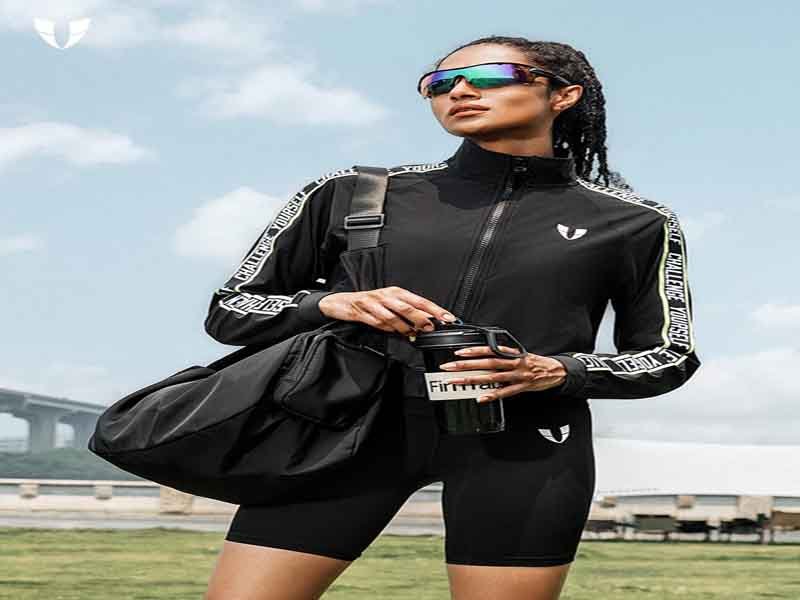
Gym bags with wet and dry compartments can be customized through fabric selection, compartment layout, size, color, logo method, lining material, zipper style, handle system, shoulder strap, shoe compartment structure, wet pocket design, hardware, labels, packaging, and private label branding. The best customization is not just placing a logo on a ready-made bag. It is building a product that matches the customer’s lifestyle, the brand’s price level, and the real use scenario. A swimming bag, a commuter gym backpack, a yoga tote, a sports team duffel, and a premium travel-gym bag all need different customization logic.
For brands, the biggest opportunity is to make the gym bag feel useful before it feels promotional. A user may buy a bag because of the color or logo, but they keep using it because the wet pocket works, the shoe compartment fits real sneakers, the strap feels comfortable, and the dry compartment protects clean clothes. Customization should improve that experience. A custom bag that looks good but fails in daily use can hurt the brand. A custom bag that solves everyday problems can become a product customers carry for years.
Logo Customization
Logo customization is one of the first things buyers ask about, but the right logo method depends on the bag material, brand position, order quantity, color plan, and expected durability. Common methods include screen printing, heat transfer, embroidery, woven labels, rubber patches, silicone patches, leather patches, metal plates, zipper pull logos, custom webbing, and inner labels.
For gym bags, the logo must survive friction, moisture, bending, and repeated handling. A large printed logo on a high-friction side panel may crack or rub if the process is poor. Embroidery may look premium but can create needle holes and puckering on some coated fabrics. Rubber patches are durable and sporty but require mold cost. Woven labels are flexible and clean but may feel less bold than direct printing.
| Logo method | Best material | Visual effect | Best for | Key concern |
|---|---|---|---|---|
| Screen printing | Polyester, Oxford, canvas panels | Bold and cost-effective | Fitness studios, events, retail bags | May wear on high-friction areas |
| Heat transfer | Smooth polyester, nylon, coated panels | Clean and sharp | Multi-color logos, small runs | Needs testing for peeling |
| Embroidery | Polyester, nylon, canvas, twill | Premium and textured | Lifestyle gym bags, clubs, teams | Not ideal for thin or highly coated fabric |
| Woven label | Most fabric types | Subtle and professional | Private label retail bags | Size and placement matter |
| Rubber patch | Polyester, nylon, Oxford | Sporty and durable | Premium sports bags, team bags | Mold cost for custom shape |
| Silicone patch | Nylon, polyester, Oxford | Modern and clean | Athleisure and premium designs | Color matching must be checked |
| Leather patch | Canvas, waxed cotton, premium nylon | Heritage and upscale | Travel-gym bags, boutique brands | Not suitable for every wash or moisture condition |
| Metal plate | Structured premium bags | High-end and polished | Luxury fitness accessories | Adds cost and weight |
| Custom zipper pull | Any bag with zippers | Small branded detail | Retail-ready bags | Puller durability matters |
| Custom webbing | Handles and straps | Strong brand identity | Premium and team bags | MOQ may be higher |
The logo should match the bag’s personality. A bold screen print works well for a fitness studio duffel. A rubber patch fits a rugged sports bag. A woven side label feels clean on a commuter gym backpack. A leather patch may work beautifully on waxed canvas but feel out of place on a bright swim bag. The right choice makes the product feel intentional.
Color Customization
Color is one of the most powerful ways to position a gym bag. Black, navy, gray, and dark green feel practical and easy to sell. Bright colors work well for youth sports, swim clubs, schools, and team programs. Soft neutrals, beige, cream, dusty pink, sage, and pastel tones fit yoga, wellness, and lifestyle brands. High-contrast color blocking can make a gym bag more sporty and visible.
For custom production, color can be created through stock fabric selection or custom dyeing. Stock fabric is usually faster and more cost-effective. Custom dyeing gives stronger brand control but may require higher MOQ and longer lead time. Color matching should be confirmed with lab dips, fabric swatches, or approved samples because colors can look different on polyester, nylon, Oxford fabric, mesh, webbing, rubber patches, and lining.
| Color direction | Customer feeling | Best product type | Manufacturing note |
|---|---|---|---|
| Black | Practical, universal, easy to match | Daily gym bags, commuter bags | Strong retail color, logo contrast needed |
| Navy | Clean, sporty, less harsh than black | Fitness clubs, travel-gym bags | Good for embroidered or white logos |
| Gray | Neutral, modern, urban | Office-to-gym bags | Check dirt visibility by shade |
| Dark green | Outdoor, wellness, premium casual | Travel bags, yoga bags | Works well with tan or black trims |
| Beige or cream | Soft, lifestyle, wellness | Yoga totes, boutique fitness bags | Dirt resistance should be considered |
| Bright blue | Swim, youth, energy | Swim bags, school sports bags | Works well with waterproof themes |
| Red | Strong, active, team-focused | Sports teams, promotions | Colorfastness and logo contrast matter |
| Pastel tones | Gentle, feminine, wellness | Yoga, Pilates, beauty fitness | MOQ and dye consistency should be checked |
| Color blocking | Sporty and dynamic | Team duffels, retail gym bags | Pattern cutting and panel alignment matter |
| Tone-on-tone | Premium and understated | Private label retail bags | Requires subtle logo planning |
Color also affects perceived cleanliness. A light-colored gym bag may look beautiful online but show dirt more easily in real gym environments. A black bag hides dirt but may look generic if branding is weak. A colored lining can improve the user experience because small items are easier to find inside. Many premium bags use a lighter interior lining for visibility, even when the outer shell is dark.
Fabric and Material Customization
Material customization is where Szoneier’s fabric manufacturing background becomes especially valuable. A wet-dry gym bag can use different fabrics for different zones: durable Oxford or polyester for the outer shell, TPU or PEVA lining for the wet pocket, breathable mesh for shoe ventilation, padded foam for laptop protection, webbing for straps, and coated fabric for the bottom panel.
The material choice should follow the product’s price level and user group. A budget fitness bag may use 600D polyester Oxford with PVC or PEVA wet lining. A premium commuter bag may use high-density nylon with TPU lining and custom hardware. A swim bag may use coated Oxford fabric with larger waterproof-lined zones. A yoga bag may use softer polyester, cotton-blend canvas panels, or a lighter structure with muted colors.
| Custom material area | Common options | Why it matters |
|---|---|---|
| Outer shell | Polyester, nylon, Oxford, canvas, recycled polyester | Controls durability, appearance, and cost |
| Wet pocket lining | PVC, PEVA, TPU, coated polyester, laminated Oxford | Controls moisture protection |
| Shoe compartment | Coated fabric, mesh, Oxford, polyester lining | Controls dirt separation and ventilation |
| Main lining | Polyester, nylon, light Oxford | Controls interior finish and visibility |
| Bottom panel | Coated Oxford, rubberized fabric, reinforced polyester | Improves abrasion resistance |
| Handles | Polyester webbing, nylon webbing, cotton webbing | Controls strength and comfort |
| Shoulder pad | EVA, neoprene, foam, mesh | Improves carrying comfort |
| Back panel | Sandwich mesh, foam padding | Important for backpacks |
| Trim | PU, leather, rubber, metal, plastic | Affects brand feeling and durability |
| Packaging | Polybag, paper sleeve, custom box, reusable pouch | Affects retail presentation |
A strong custom gym bag rarely uses only one material. The secret is choosing the right material for each job. The wet zone should be easy to clean. The shoe zone should handle dirt and odor. The dry zone should feel clean and organized. The outer fabric should resist abrasion. The straps should carry weight without twisting. This full-material thinking creates better products.
Compartment Customization
Compartment customization is the heart of wet-dry gym bag design. Buyers can customize the number, size, position, and function of each pocket. Options include side wet pocket, internal waterproof pocket, end shoe compartment, bottom shoe compartment, front organizer pocket, laptop section, bottle pocket, toiletry pocket, towel pocket, mesh pocket, hidden anti-theft pocket, key hook, removable pouch, and laundry compartment.
The layout should match the target user. A swim bag should prioritize wet capacity. A commuter bag should prioritize dry electronics protection. A travel bag should include laundry and shoe separation. A sports team bag should prioritize capacity and durability. A yoga bag should include towel or mat-carrying options.
| Custom compartment | Best user group | Design value | Watch point |
|---|---|---|---|
| Large wet pocket | Swimmers, hot yoga users | Holds damp towel and clothes | Can reduce main capacity |
| Small wet pocket | Daily gym users | Controls sweaty clothes | Not enough for swim users |
| Shoe tunnel | Gym users, travelers | Separates footwear | Takes main compartment space |
| Bottom shoe section | Backpack users | Keeps shoes away from clothes | Can add bulk |
| Toiletry pocket | Shower users, travelers | Holds bottles and hygiene items | Needs wipe-clean lining |
| Laptop compartment | Commuters, students | Adds work-to-gym value | Must stay away from wet zone |
| Bottle pocket | All fitness users | Prevents bottle spills inside | Must fit real bottle sizes |
| Mesh organizer | Sports users | Visibility and airflow | Less protective for valuables |
| Hidden pocket | Travelers, urban users | Security for phone and wallet | Placement must be comfortable |
| Removable pouch | Premium users | Flexible storage and cleaning | Adds cost |
The best pocket layout is not the one with the most pockets. It is the one that makes the user’s packing routine easier. A daily gym user may only need five excellent zones. A travel-gym bag may need more. A promotional gym bag may need simpler construction to control cost.
Hardware Customization
Hardware customization can make a gym bag feel more durable and branded. Zippers, sliders, buckles, hooks, D-rings, strap adjusters, zipper pulls, bottom feet, and metal logos all affect the final product. Cheap hardware can ruin a good fabric bag. A zipper that sticks, a buckle that cracks, or a weak strap adjuster can quickly create customer complaints.
For wet-dry gym bags, hardware must handle moisture, repeated movement, and load. Resin zippers are common for sports bags because they are lightweight and durable. Nylon coil zippers are flexible and widely used. Water-resistant zippers can be used around wet zones or premium compartments, though they increase cost. Metal hardware looks premium but adds weight and may not be ideal for all sports applications.
| Hardware part | Custom option | Best use | Quality concern |
|---|---|---|---|
| Main zipper | Nylon coil, resin zipper, water-resistant zipper | Main access and wet pockets | Smoothness and pull strength |
| Slider | Standard, branded, locking | Retail and travel bags | Durability under repeated use |
| Zipper pull | Rubber, webbing, metal, custom molded | Branding and grip | Must not break easily |
| Buckle | Plastic, alloy, metal | Shoulder straps and compression | Load strength |
| D-ring | Plastic, metal, alloy | Detachable straps | Weight and corrosion resistance |
| Strap adjuster | Plastic or metal | Adjustable shoulder strap | Slippage under load |
| Hook | Swivel hook, snap hook | Detachable strap | Strength and movement |
| Bottom feet | Plastic or metal | Premium duffels | Adds cost and weight |
| Eyelets | Metal or plastic | Shoe ventilation | Rust resistance and placement |
| Logo plate | Metal, rubber, silicone | Premium branding | Secure attachment |
Hardware is a good place to differentiate private label products. A simple gym bag can feel more premium with a branded zipper pull, custom rubber patch, matte black hardware, or matching webbing. But every upgrade should be tested for durability and cost impact.
Strap and Carry System Customization
A gym bag may be carried by hand, shoulder, crossbody, backpack straps, luggage handle, or convertible system. The carry system affects comfort more than many buyers realize. A strong bag that is uncomfortable to carry will not be used often. Strap width, padding, length, adjustability, handle wrap, and attachment points all matter.
For duffel bags, common options include short hand handles, long shoulder strap, detachable shoulder strap, padded shoulder strap, handle wrap, and side grab handles. For backpacks, padded shoulder straps, breathable back panels, sternum straps, and luggage sleeves may be added. For tote-duffel hybrids, long shoulder handles and crossbody straps can create more flexible use.
| Carry system | Best product | User benefit | Design note |
|---|---|---|---|
| Short handles | Small duffels, gift-style bags | Quick hand carry | Must be reinforced |
| Long handles | Tote-gym bags | Shoulder carry | Length should fit clothing layers |
| Detachable shoulder strap | Duffels and travel bags | Flexible carrying | Hooks and D-rings must be strong |
| Padded strap | Medium-heavy gym bags | Reduces shoulder pressure | Adds cost and bulk |
| Backpack straps | Commuter gym bags | Hands-free carrying | Needs back comfort |
| Convertible straps | Premium travel-gym bags | Multiple carrying styles | More complex construction |
| Luggage sleeve | Travel gym bags | Easy airport use | Must fit suitcase handles |
| Side grab handle | Sports team bags | Easier loading and carrying | Reinforcement needed |
Szoneier can adjust straps based on the target user. A sports team duffel may need stronger handles and detachable straps. A commuter backpack needs breathable padding. A yoga bag may need soft long handles. A travel-gym duffel may need a luggage sleeve and padded shoulder strap.
Packaging and Private Label Branding
Private label customization includes not only the bag but also the full presentation. Brands may need woven labels, care labels, hangtags, barcode stickers, custom polybags, kraft paper sleeves, retail boxes, thank-you cards, instruction cards, carton marks, and Amazon or warehouse labeling. For online sellers, packaging affects customer reviews and logistics. For retail brands, packaging affects shelf presentation.
A gym bag with wet-dry compartments can also include educational hangtags that explain the wet pocket, shoe compartment, material, care instructions, and usage scenarios. This helps customers understand the value quickly.
| Private label item | Purpose | Best for |
|---|---|---|
| Woven brand label | Permanent brand identity | Retail gym bags |
| Care label | Cleaning and use guidance | Wet-dry bags, coated fabrics |
| Hangtag | Product story and feature explanation | Retail and boutique sales |
| Barcode label | Inventory and online sales | Amazon, Shopify, retail |
| Custom polybag | Basic protection | Bulk shipping and online sales |
| Kraft sleeve | Eco-style presentation | Wellness and lifestyle brands |
| Retail box | Premium gift presentation | High-end private label bags |
| Product insert | Usage tips and brand story | Direct-to-consumer brands |
| Carton mark | Logistics control | Wholesale and export orders |
| Dust bag packaging | Premium presentation | Luxury fitness accessories |
Packaging should match the product’s price point. A low-cost gym bag may need simple bulk packaging. A premium private label bag may need branded dust bag, hangtag, and retail-ready packaging. Overpackaging can waste cost, but underpackaging can weaken perceived value.
Customization Should Start From the Selling Channel
A gym bag sold on Amazon, in a fitness studio, in a retail store, through a corporate wellness program, or as sports team gear should not be customized the same way. Each channel has different customer expectations, packaging needs, price pressure, and visual priorities.
| Sales channel | Customer expectation | Best customization focus |
|---|---|---|
| Amazon | Clear features, strong reviews, good value | Functional compartments, strong photos, barcode packaging |
| Shopify brand | Brand story and differentiation | Custom colors, labels, packaging, lifestyle design |
| Fitness studio | Useful member product | Logo placement, practical wet pocket, moderate cost |
| Retail store | Shelf appeal and touch quality | Better material, hangtags, premium trims |
| Swim club | Wet storage performance | Large wet pocket, water-resistant lining, club logo |
| Sports team | Capacity and durability | Reinforced structure, team colors, player customization |
| Corporate wellness | Clean branding and gift value | Professional colors, logo, practical organization |
| Travel accessory brand | Multi-use function | Luggage sleeve, shoe pocket, laundry zone, premium hardware |
This selling-channel thinking prevents poor customization choices. An Amazon listing needs features customers can compare quickly. A boutique wellness brand may need softer colors and premium packaging. A sports team needs durability more than delicate styling. A corporate gift should look professional and useful.
Custom Features Must Be Worth Their Cost
Every custom feature adds cost, complexity, or production risk. Some features improve the product greatly. Others sound attractive but do not matter much to the target customer. Buyers should decide which features are essential, which are optional, and which are unnecessary.
| Feature | Customer value | Cost impact | Best decision |
|---|---|---|---|
| Wet compartment | Very high for gym/swim users | Medium | Usually essential |
| Shoe compartment | High for gym/travel users | Medium | Strong selling feature |
| Laptop pocket | High for commuters | Medium | Add only for work-gym users |
| Water-resistant zipper | Medium-high | Medium-high | Use for premium or wet-risk zones |
| Custom rubber patch | Medium | Medium-high with mold | Good for retail branding |
| Full custom dyeing | High for brand color | Higher | Use when color identity matters |
| Multiple inner pockets | Medium | Medium | Keep useful, avoid clutter |
| Luggage sleeve | High for travel users | Medium | Add for travel-gym bags |
| Removable wet pouch | High for premium users | Medium-high | Good for premium positioning |
| Metal logo plate | Medium | Medium-high | Use for high-end products |
| Bottom feet | Medium | Medium | Useful for premium duffels |
| Custom packaging | Medium-high | Variable | Match sales channel |
The goal is not to add every possible feature. The goal is to create the strongest value for the target buyer. A simple gym duffel with excellent wet-dry separation may outperform a complicated bag with too many decorative details.
How Szoneier Supports Custom Gym Bag Projects
Szoneier can support custom gym bag development from design idea to finished product. Buyers can provide reference photos, sketches, technical files, existing samples, logo files, target size, material preference, target price, order quantity, and packaging requirements. Szoneier can help recommend fabric, lining, wet pocket structure, shoe compartment design, logo process, hardware, straps, labels, and private label packaging.
For new brands or small test orders, flexible MOQ and fast sampling are useful for product validation. For established brands, consistency, bulk quality control, repeat production, and packaging accuracy matter more. For premium projects, Szoneier can help refine details such as lining quality, zipper pull design, custom labels, color matching, and compartment usability.
| Buyer need | Szoneier support |
|---|---|
| New gym bag idea | Suggest structure, fabric, compartments, and sample plan |
| Existing product improvement | Analyze weak points and upgrade material or layout |
| Private label launch | Add logo, labels, packaging, barcode, carton marks |
| Swim bag development | Design larger wet pocket and water-resistant lining |
| Commuter gym backpack | Add laptop section, wet pocket, shoe zone, clean exterior |
| Sports team duffel | Customize team color, logo, size, reinforced structure |
| Premium retail bag | Upgrade fabric, hardware, lining, packaging, and trims |
| Cost-controlled order | Recommend practical materials and simplified structure |
| Fast sampling | Develop samples based on reference or technical files |
A strong custom gym bag is not built by decoration alone. It is built by matching the user, material, structure, and brand details from the beginning.
How to Work With a Gym Bag Manufacturer?
Working with a gym bag manufacturer should begin with clear product goals, target users, bag style, size, fabric preference, compartment requirements, logo files, quantity, budget range, packaging needs, and quality expectations. A professional manufacturer should help buyers turn an idea into a manufacturable design by recommending suitable materials, wet pocket construction, shoe compartment layout, stitching methods, trims, sampling steps, testing standards, and bulk production controls. The best results come when the buyer and manufacturer treat the project as product development, not just price comparison.
Many buyers start with a simple question: “How much for a gym bag with wet and dry compartments?” The problem is that this question has no accurate answer without specifications. A compact polyester gym bag with one PEVA wet pocket is very different from a premium nylon commuter backpack with laptop compartment, shoe tunnel, TPU-lined wet zone, branded rubber patch, custom zipper pulls, and retail packaging. Both may be called wet-dry gym bags, but they require very different materials, labor, testing, and cost.
The more clearly a buyer describes the project, the more useful the manufacturer’s quotation becomes. A good supplier should not only quote a number. They should explain options, trade-offs, risks, and improvement suggestions. This is especially important for wet-dry gym bags because the hidden construction matters as much as the outside appearance.
What Details Should Buyers Provide?
Buyers should provide target bag type, user group, dimensions, capacity, fabric preference, wet pocket requirement, shoe compartment requirement, logo method, color, order quantity, packaging needs, and deadline. If available, reference photos, technical drawings, physical samples, or competitor examples are very helpful. The manufacturer can then identify what is practical, what needs adjustment, and what will affect cost.
| Information to provide | Why it matters | Example |
|---|---|---|
| Target user | Guides structure and features | Swimmers, gym commuters, yoga users, sports teams |
| Bag style | Defines pattern and carry method | Duffel, backpack, tote, swim bag |
| Size or capacity | Affects material use and function | 40L duffel, 30L backpack, medium gym bag |
| Wet pocket use | Determines lining and seam requirement | Damp towel, wet swimsuit, sweaty clothes |
| Shoe compartment | Affects layout and bag volume | Fit men’s sneakers, sandals, training shoes |
| Fabric preference | Controls quality and cost | 600D Oxford, nylon, recycled polyester |
| Logo file | Needed for branding method | AI, PDF, SVG, high-resolution PNG |
| Color requirement | Affects fabric sourcing or dyeing | Black, navy, Pantone color |
| Quantity | Affects unit price and production planning | 300 pcs, 1,000 pcs, 5,000 pcs |
| Packaging | Affects final cost and retail readiness | Bulk pack, polybag, hangtag, barcode |
| Deadline | Affects sample and production schedule | Event date, launch date, delivery date |
| Target price | Helps recommend realistic options | Basic, mid-range, premium |
A buyer does not need to know every technical detail before contacting Szoneier. But they should know what the bag is supposed to do. If the buyer says, “This bag is for swimmers and must hold a wet towel,” the manufacturer can plan a larger wet compartment. If the buyer says, “This is for office workers going to the gym,” the manufacturer can add laptop protection and a cleaner exterior. Clear purpose prevents wrong design choices.
How Samples Are Developed
Sample development turns the concept into a physical product. For gym bags with wet and dry compartments, sampling is especially important because the layout must be tested with real items. The process may include design confirmation, material selection, pattern making, sample cutting, logo application, sewing, fitting review, wet pocket testing, capacity testing, revision, and pre-production approval.
The first sample often reveals issues that drawings do not show. The shoe compartment may take too much main space. The wet pocket may be too small for a towel. The shoulder strap may feel uncomfortable when loaded. The zipper opening may not be wide enough. The bag may collapse when empty. These issues are normal during development and should be corrected before bulk production.
| Sample stage | Main purpose | What to check |
|---|---|---|
| Material swatch | Confirm fabric and lining | Hand feel, coating, color, thickness |
| Logo test | Confirm branding method | Print clarity, embroidery quality, patch effect |
| First prototype | Check structure and size | Bag shape, compartment layout, carry comfort |
| Function test | Check real use | Wet pocket, shoe fit, bottle pocket, laptop pocket |
| Revised sample | Improve problems | Size, pockets, straps, zipper, lining |
| Pre-production sample | Final standard | All materials, logos, and details approved |
| Bulk reference sample | QC comparison | Used during mass production inspection |
For wet-dry gym bags, the sample should be packed like a real gym bag. Put shoes in the shoe compartment. Put a towel in the wet pocket. Put clothes in the dry zone. Add a bottle, toiletries, keys, and phone. Carry it by hand and shoulder. Open and close all zippers. This practical testing often gives better feedback than only checking appearance.
How Quality Is Tested
Quality testing for gym bags should cover fabric strength, seam quality, handle strength, strap strength, zipper durability, wet compartment performance, shoe compartment fit, lining durability, color consistency, logo durability, packing accuracy, and final appearance. A gym bag is used under stress: it is carried, dropped, stuffed, pulled, sweated on, and sometimes exposed to rain or locker-room moisture. Quality control must reflect that reality.
For wet-dry designs, testing should include moisture transfer checks. The wet pocket should be tested with damp towels or swimwear. The lining should be wiped and checked for peeling or cracking. Seams should be inspected. Zippers should move smoothly even when the pocket is full. Shoe compartments should be tested with actual shoes.
| Quality item | What to test | Why it matters |
|---|---|---|
| Outer fabric | Abrasion, coating, defects | Controls durability and appearance |
| Wet pocket lining | Moisture resistance, wipe-clean ability | Core product feature |
| Wet pocket seam | Leakage or moisture transfer | Prevents dry area damage |
| Shoe compartment | Size, ventilation, lining | Controls odor and usability |
| Zippers | Smoothness and pull strength | High-use failure point |
| Handles | Load strength and stitching | Prevents breakage |
| Shoulder strap | Webbing strength and buckle hold | Affects comfort and safety |
| Logo | Adhesion, embroidery quality, placement | Protects brand presentation |
| Lining | Cleanliness, stitching, fit | Improves perceived quality |
| Size | Dimension tolerance | Ensures consistency |
| Packaging | Count, labels, carton marks | Supports shipping and sales |
| Final appearance | Shape, symmetry, loose threads | Affects customer first impression |
A good manufacturer should inspect both function and appearance. A bag can look good but fail when loaded. Another bag can be strong but look poorly finished. Both are problems. Szoneier’s experience in fabric and finished product manufacturing helps connect material inspection with final bag performance.
What MOQ Is Suitable?
MOQ depends on bag complexity, material availability, logo method, custom color, hardware, packaging, and production setup. A simple gym duffel using stock polyester fabric and standard logo printing may support a lower MOQ. A custom dyed nylon bag, molded rubber patch, special zipper pull, TPU wet pocket, or private label packaging may require a higher MOQ because materials and setup costs increase.
Buyers often want the lowest MOQ possible, especially when testing a new product. That is reasonable. But MOQ should be discussed together with cost and customization level. Very low quantity can raise unit price. Higher quantity can reduce cost but increases inventory risk. For new products, a balanced trial order is often smarter than forcing every custom feature into a very small order.
| Project type | MOQ tendency | Reason |
|---|---|---|
| Standard gym duffel with logo | Lower | Common fabric and simple process |
| Basic wet pocket gym bag | Lower-medium | Lining adds process but remains manageable |
| Custom color fabric | Medium-higher | Dyeing or special sourcing required |
| Custom rubber patch | Medium | Mold and setup cost |
| Premium nylon commuter bag | Medium | Higher material and sewing requirements |
| Travel-gym bag with many compartments | Medium-higher | More labor and trims |
| Sports team duffel | Medium | Size and reinforcement increase material use |
| Full private label retail program | Medium-higher | Labels, packaging, QC, and carton requirements |
Flexible MOQ is helpful for overseas brands, startups, online sellers, gyms, and small retailers. Szoneier can support low MOQ customization depending on product details, while also guiding buyers toward specifications that remain practical for production.
How Lead Time Is Planned
Lead time includes design communication, material sourcing, sample making, sample revision, pre-production approval, bulk production, inspection, packaging, and shipping. Simple gym bags with stock materials can move faster. Custom materials, special colors, complex compartments, molded patches, premium hardware, or retail packaging add time.
A realistic timeline prevents rushed production. Wet-dry gym bags have more parts than basic totes, so each detail should be approved before bulk production begins. If the buyer changes pocket size, fabric, zipper, or logo after sampling, the schedule may shift.
| Stage | What happens | Delay risk |
|---|---|---|
| Design discussion | Confirms bag style and features | Unclear requirements slow quotation |
| Material selection | Chooses fabric, lining, trims | Custom materials need sourcing time |
| Quotation | Price based on specifications | Missing details cause revisions |
| Sampling | Makes first physical sample | Complex pockets need more time |
| Sample review | Buyer checks and requests changes | Slow feedback delays project |
| Revision | Factory adjusts sample | Major changes restart work |
| Pre-production approval | Final sample confirmed | Approval delay affects bulk schedule |
| Bulk production | Cutting, logo, sewing, finishing | Material defects or process issues |
| Inspection | QC checks function and appearance | High defect rate delays packing |
| Packaging | Labels, folding, carton packing | Custom packaging needs accuracy |
| Shipping | Goods dispatched | Freight method affects arrival |
For event-based orders, launch dates, swim season, school season, holiday sales, or team programs, timing should be discussed early. A rushed gym bag project can lead to weak quality control, wrong labels, poor logo placement, or unfinished details.
How to Compare Manufacturer Quotes
When comparing gym bag manufacturer quotes, buyers should compare full specifications, not only unit price. A lower quote may use thinner fabric, cheaper lining, weaker zippers, simpler stitching, smaller wet pocket, no seam reinforcement, poor packaging, or limited inspection. A higher quote may include better fabric, stronger lining, branded hardware, reinforced handles, private label packaging, and stricter QC.
| Quote item | What to compare | Why it matters |
|---|---|---|
| Outer fabric | Material, denier, coating, weight | Main durability and appearance |
| Wet lining | PVC, PEVA, TPU, coated fabric | Moisture protection level |
| Compartment layout | Number and size of pockets | Determines real usability |
| Shoe compartment | Size, ventilation, lining | Important customer feature |
| Zippers | Type, brand level, water resistance | High-use component |
| Webbing | Width, material, strength | Carry comfort and durability |
| Hardware | Plastic, metal, custom parts | Affects performance and look |
| Logo method | Print, embroidery, patch, label | Affects brand presentation |
| Packaging | Bulk, individual, retail-ready | Affects selling channel |
| MOQ | Minimum order quantity | Affects launch plan |
| Sample cost | Prototype development cost | Important for custom designs |
| QC standard | Inspection level | Reduces defect risk |
| Lead time | Sample and bulk schedule | Affects launch date |
| Shipping terms | EXW, FOB, CIF, DDP | Affects total landed cost |
A very cheap quote can be useful for simple promotional bags, but not if the product is meant for retail customers who expect durability. Buyers should request photos, material descriptions, sample reviews, and clear specification sheets before deciding.
The Best Manufacturer Helps Prevent Mistakes
A strong manufacturer does more than produce what the buyer requests. They help prevent design mistakes. If the wet pocket is too small, they should explain it. If the shoe compartment will reduce main capacity, they should warn the buyer. If a logo method is not suitable for coated fabric, they should suggest alternatives. If the target price does not match the requested quality level, they should offer options rather than silently lowering quality.
| Development issue | Weak supplier response | Strong manufacturer response |
|---|---|---|
| Wet pocket too small | Produces it anyway | Suggests larger or expandable wet zone |
| Shoe compartment steals space | Does not mention it | Explains internal volume trade-off |
| Fabric too thin | Accepts low price request | Recommends suitable denier or reinforcement |
| Logo unsuitable for fabric | Prints without testing | Suggests patch, embroidery, or artwork adjustment |
| Strap too weak | Uses standard webbing | Adds stronger webbing or reinforcement |
| Waterproof claim unclear | Says yes to everything | Clarifies water-resistant vs waterproof |
| Packaging missing details | Ships basic bulk pack | Confirms labels, barcode, carton marks |
| Deadline unrealistic | Accepts and rushes | Gives practical schedule and risk points |
This kind of guidance is valuable because many buyers are experts in their market, not in bag engineering. A good manufacturer fills that gap.
Critical Thinking: Product Development Is a Partnership
Custom gym bag production works best when buyer and manufacturer communicate openly. The buyer should share target customer, price range, and product expectations. The manufacturer should share material options, construction risks, and cost trade-offs. If either side hides important information, the product suffers.
| Buyer responsibility | Manufacturer responsibility |
|---|---|
| Provide clear target user and product goal | Recommend suitable structure and material |
| Share logo files and reference images | Check logo method compatibility |
| Define budget and quantity | Suggest cost-effective options |
| Review samples carefully | Revise technical problems |
| Confirm packaging needs | Prepare correct labels and packing |
| Approve final sample before bulk | Use approved sample as production standard |
| Give realistic deadline | Plan production and inspection properly |
| Communicate changes early | Explain cost and time impact |
A gym bag with wet and dry compartments has many moving parts. Clear cooperation reduces mistakes. The goal is not just to make a bag; it is to make a bag that customers want to use repeatedly.
Why Szoneier Is Suitable for Custom Wet-Dry Gym Bags
Szoneier is a China-based factory with more than 18 years of experience in fabric research, finished product manufacturing, and custom export service. The company can develop products using polyester, nylon, Oxford fabric, neoprene, cotton canvas, jute, linen, coated fabrics, and other materials. For gym bags with wet and dry compartments, Szoneier can support fabric selection, waterproof or water-resistant lining, shoe compartment design, ventilation details, private label logos, custom hardware, fast sampling, flexible MOQ, quality inspection, and export packaging.
Szoneier’s strength is not only sewing bags. It is connecting fabric knowledge with finished product development. Wet-dry gym bags require this connection because the product depends on material performance, compartment structure, and customer experience at the same time.
| Szoneier capability | Value for gym bag buyers |
|---|---|
| Fabric R&D experience | Helps choose polyester, nylon, Oxford, neoprene, coated materials |
| Finished bag manufacturing | Turns fabric into usable duffels, backpacks, and travel bags |
| Wet-dry compartment support | Develops lined wet pockets and dry storage systems |
| Shoe compartment design | Supports ventilation, lining, and size planning |
| Custom logo options | Printing, embroidery, woven labels, patches, zipper pulls |
| Private label service | Labels, hangtags, packaging, barcode, carton marks |
| Low MOQ customization | Helps new brands and test orders launch products |
| Fast sampling | Supports quicker product development |
| Quality control | Checks fabric, stitching, zippers, compartments, packaging |
| Export experience | Supports overseas buyers with production coordination |
For brands planning a gym bag product, Szoneier can help turn a rough idea into a practical sample. Buyers can start with a reference photo, sketch, tech pack, physical sample, or simple product concept. From there, the structure, material, pocket layout, logo, and packaging can be developed step by step.
A Better Gym Bag Starts With Better Separation
A gym bag with wet and dry compartments solves one of the most common problems in active daily life: clean and dirty items should not mix. The value is simple, visible, and easy for customers to understand. A wet pocket protects clean clothes from damp towels. A shoe compartment keeps sneakers away from personal items. A dry zone protects electronics and daily essentials. A good layout makes packing faster and cleaner.
But the best wet-dry gym bags are not created by adding random pockets. They are built around real users. Swimmers need larger wet storage. Gym commuters need laptop protection and clean organization. Yoga users need soft styling and towel space. Travelers need laundry separation and carry comfort. Sports teams need capacity and durability. Every market needs a slightly different version.
For brands, retailers, fitness studios, swim clubs, sports teams, and private label sellers, this product category offers strong customization potential. Fabric, lining, color, wet pocket structure, shoe compartment, hardware, logo, packaging, and size can all be adjusted to create a differentiated product. The key is working with a manufacturer that understands both materials and finished bag construction.
If you are developing custom gym bags with wet and dry compartments, Szoneier can help with fabric recommendation, free design support, low MOQ customization, fast sampling, private label branding, waterproof-lined pocket development, shoe compartment design, quality inspection, and export-ready production. Share your target users, bag style, size, logo, material preference, quantity, and market positioning with Szoneier, and the team can help create a gym bag solution built for real use, stronger brand value, and better customer satisfaction.