Skip to content

A beach bag is never just a bag—it’s the silent workhorse of every seaside trip. It carries wet towels, sandy flip-flops, sunscreen bottles, snacks, and sometimes even your laptop if you’re mixing leisure with work. But here’s the real question: why do some bags still feel clean, lightweight, and organized after a long beach day, while others end up heavy, damp, and full of sand?
The answer lies in the material.
Mesh and canvas are two of the most popular materials used in beach bags, yet they behave completely differently under real-world conditions. Mesh offers breathability, instant drainage, and a lightweight feel, while canvas delivers strength, structure, and a premium look that many people prefer for everyday use beyond the beach.
A direct answer: Mesh beach bags are better for sandy and wet environments because they allow airflow and prevent sand accumulation, while canvas beach bags are more durable, structured, and suitable for heavy loads and long-term daily use. The best choice depends on whether you prioritize convenience and lightness or durability and style.
Picture this: a family returning from the beach—one person shakes their mesh bag and it’s instantly clean, while another struggles to empty sand from every corner of a canvas tote. That small moment captures the real difference—and it’s exactly what we’ll break down in depth below.
What Are Mesh Beach Bags and Canvas Beach Bags?
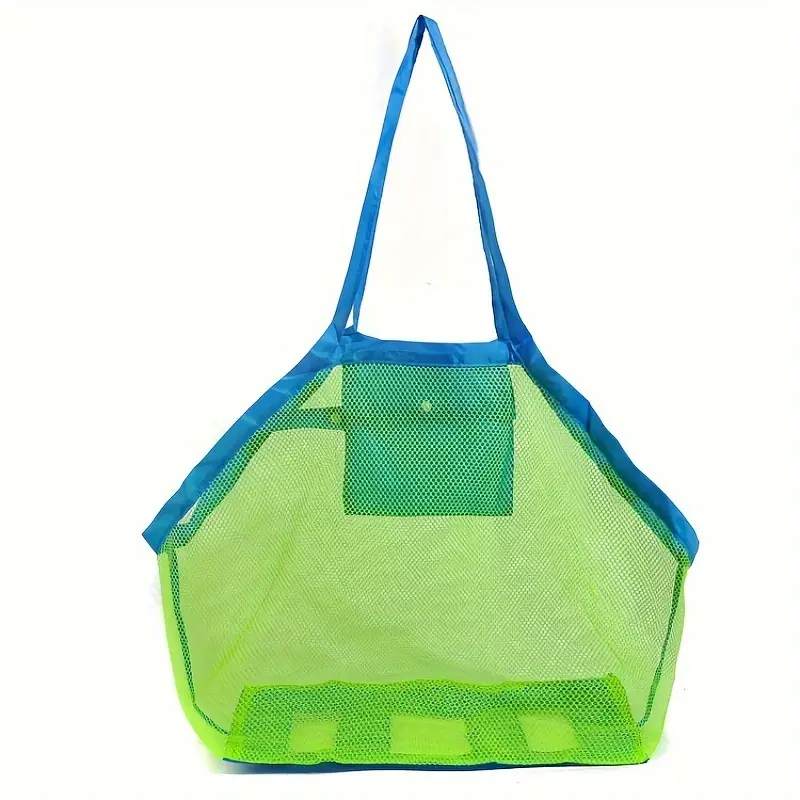

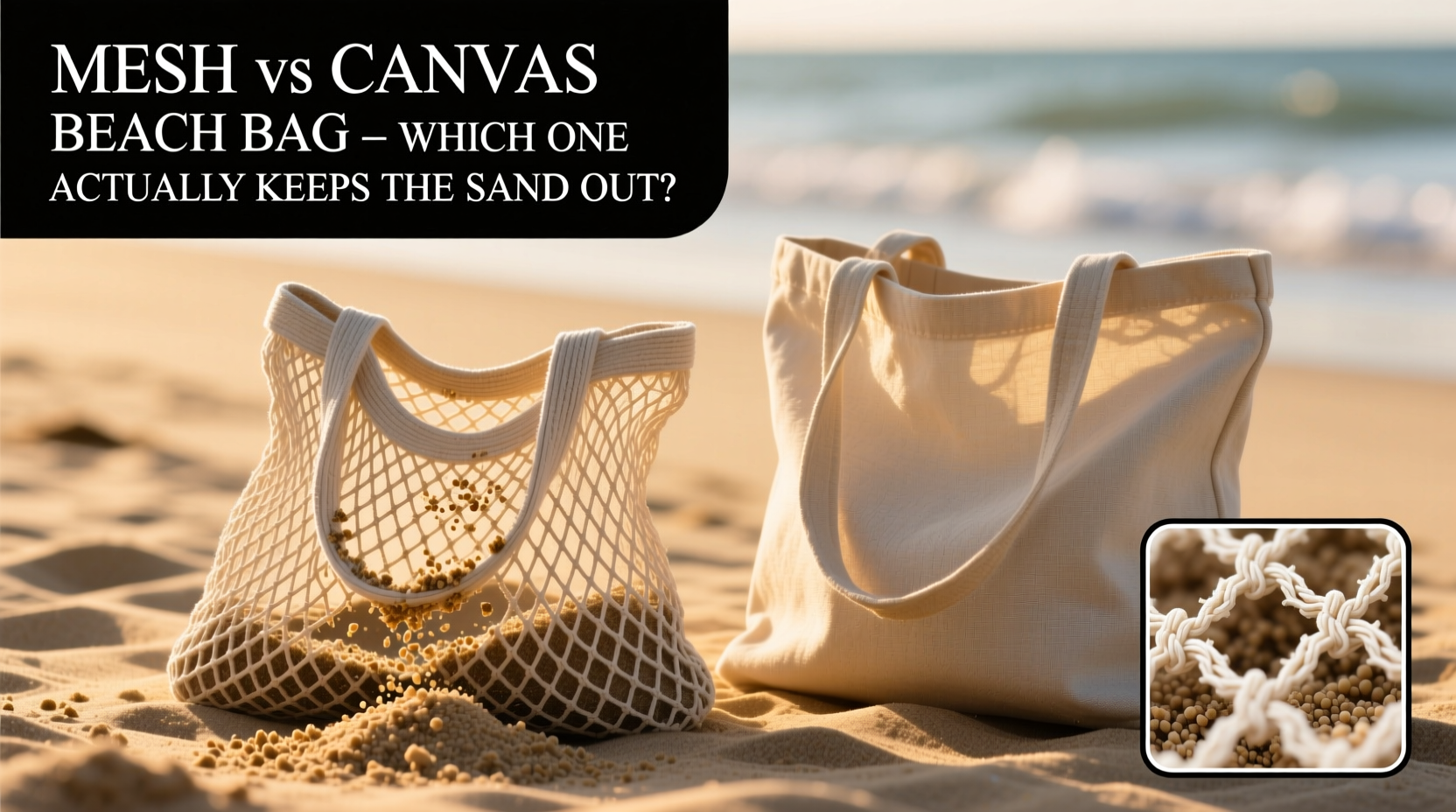

Mesh beach bags and canvas beach bags represent two fundamentally different approaches to solving the same problem: carrying items in a harsh beach environment. Their differences are not only visible in appearance but are rooted in how the materials are engineered, how they behave under stress, and how they perform over repeated use.
Mesh bags are constructed from open-weave synthetic fibers, typically polyester or nylon, forming a net-like structure with visible perforations. This design allows air, water, and sand to pass through freely. Canvas bags, in contrast, are made from tightly woven cotton or cotton-blend fabrics, creating a dense and continuous surface that prioritizes strength and structural integrity.
From a functional standpoint, mesh bags are designed to reduce maintenance—sand falls out, water drains quickly, and drying time is minimal. Canvas bags are built to carry weight, maintain shape, and provide a more stable carrying experience, especially when transporting heavier or irregularly shaped items.
A practical takeaway: mesh bags are optimized for convenience in sandy, wet conditions, while canvas bags are designed for durability, load capacity, and long-term use.
Material Structure Comparison
The most important difference between mesh and canvas lies in their structure. This directly affects how each material interacts with sand, water, and weight.
| Feature | Mesh Beach Bags | Canvas Beach Bags |
|---|---|---|
| Fabric Type | Open-weave polyester/nylon | Dense woven cotton |
| Breathability | Excellent | Low |
| Water Behavior | Drains instantly | Absorbs moisture |
| Weight | Very light (200–400 g typical bag) | Medium to heavy (500–900 g) |
| Structure | Flexible, collapsible | Structured, firm |
Mesh fabrics typically feature hole sizes ranging from 1 mm to 5 mm. Considering that most beach sand particles fall within the 0.1–2 mm range, a large portion of sand passes through the material rather than accumulating inside the bag.
Canvas, by comparison, is woven at densities often between 200–400 GSM for standard beach bags, and up to 600 GSM for heavy-duty applications. This tight weave prevents sand from passing through, causing it to accumulate within the fibers and seams.
Structural Behavior Under Real Conditions
Material structure determines how each bag performs when filled, carried, and exposed to environmental stress.
Mesh behaves as a flexible system. Without a continuous surface, weight is distributed unevenly, especially when carrying dense items like water bottles. This often results in sagging or deformation under loads above 8–10 kg.
Canvas behaves as a rigid system. Its dense weave distributes weight more evenly across the surface, maintaining shape even under heavier loads. This is why canvas bags are commonly used for carrying 10–20 kg without significant deformation.
In practical terms:
- A mesh bag carrying wet towels and bottles will often stretch and lose shape
- A canvas bag carrying the same items will remain stable and easier to handle
Manufacturing Differences
The production processes behind these materials further explain their performance differences.
Mesh fabrics are typically produced through extrusion and knitting processes. Synthetic fibers such as polyester or nylon are extruded into filaments and then knitted into open structures. This method allows precise control over elasticity, hole size, and weight.
Canvas production involves weaving cotton yarns into a dense fabric, followed by processes such as dyeing, finishing, and sometimes coating. Additional steps like reinforcement stitching, lining, or waxing may be applied depending on the intended use.
From a cost perspective:
- Mesh bags are generally faster and cheaper to produce due to fewer processing steps
- Canvas bags require more labor and material, resulting in higher production costs but improved durability
Performance in Beach Environments
The beach environment highlights the strengths and weaknesses of both materials very quickly.
Mesh bags perform well when:
- Sand management is the primary concern
- The load is relatively light (under 5–8 kg)
- Quick drying is important
Canvas bags perform better when:
- Carrying heavier loads (8–20 kg)
- Maintaining structure is important
- The bag is used beyond the beach (shopping, travel, daily use)
However, canvas has clear limitations in wet conditions. Once soaked, it can absorb 20–30% of its weight in water, making it heavier and slower to dry. Mesh avoids this issue entirely by allowing water to pass through.
Real Use Case Insight
In commercial environments such as beach resorts or rental services, usage patterns provide a clear picture of how these materials are selected.
Mesh bags are often chosen for:
- High-turnover usage
- Easy cleaning and maintenance
- Short-term or temporary use
Their ability to dry quickly and release sand with minimal effort reduces maintenance time, which is critical in high-volume operations.
Canvas bags, on the other hand, are commonly used in:
- Retail products
- Branded merchandise
- Multi-purpose applications beyond the beach
Their structured appearance and longer lifespan make them more suitable for products that are expected to be reused over months or years.
User Experience Differences
Beyond technical performance, the choice between mesh and canvas affects how users interact with the product.
Mesh bags feel lightweight and convenient but may lack stability when carrying heavier items. Items inside can shift or press against the open structure, which may be less comfortable during transport.
Canvas bags feel more substantial and stable. The solid surface provides better support, making it easier to organize and carry a variety of items without shifting.
This difference becomes especially noticeable during longer walks or when carrying uneven loads.
Choosing Between Mesh and Canvas
The decision ultimately depends on the intended use rather than the material itself.
- For short beach trips focused on convenience and sand management, mesh is more practical
- For heavier loads, longer usage, or multi-purpose functionality, canvas provides better performance
In many modern designs, manufacturers combine both materials—using mesh panels for drainage and canvas sections for structure. This hybrid approach reflects a shift toward function-driven design, where materials are selected based on specific roles rather than treated as standalone solutions.
Understanding how mesh and canvas differ at a structural and functional level makes it easier to select the right material for the right scenario, reducing compromises and improving overall product performance.
What Are the Key Differences Between Mesh and Canvas Beach Bags?


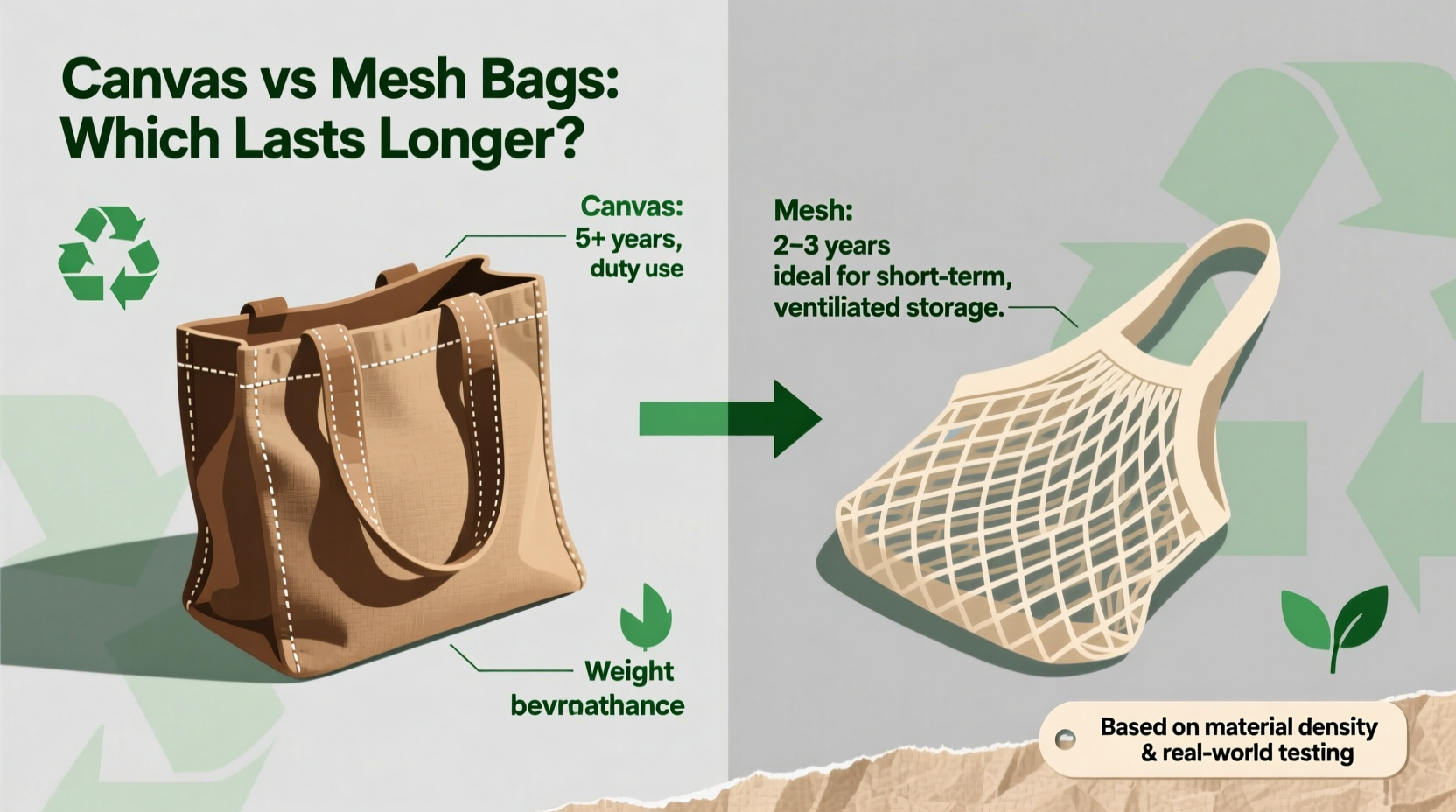
The differences between mesh and canvas beach bags are not limited to material appearance—they reflect two completely different design priorities. Mesh bags are engineered for convenience in sandy and wet environments, while canvas bags are built for strength, structure, and long-term usability. Understanding these differences helps avoid common mismatches between product choice and actual usage.
In practical terms, mesh focuses on reducing friction with the environment—sand falls through, water drains quickly, and cleaning is minimal. Canvas focuses on supporting weight and maintaining shape, which becomes critical when carrying heavier or irregularly shaped items.
A clear takeaway: mesh delivers efficiency and ease of use in beach-specific conditions, while canvas provides durability, higher load capacity, and stronger visual presence for broader, long-term use.
Performance Comparison Across Key Criteria
When evaluating these two materials, performance should be assessed across multiple dimensions rather than a single feature.
| Criteria | Mesh Bags | Canvas Bags |
|---|---|---|
| Sand Resistance | Excellent (sand passes through) | Poor (sand gets trapped in fibers) |
| Load Capacity | Moderate (5–10 kg) | High (15–25 kg) |
| Durability | Medium (6–12 months frequent use) | High (2–5 years) |
| Cleaning Effort | Minimal (shake or rinse) | Moderate (wash and dry) |
| Structural Stability | Low (prone to sagging) | High (maintains shape) |
| Aesthetic Appeal | Casual, functional | Premium, structured |
These differences become more noticeable over time. For example, a mesh bag used frequently under heavier loads may start to stretch or lose shape, while a canvas bag can maintain structural integrity over hundreds of usage cycles.
Weight and Portability Considerations
Weight is one of the most immediate differences users notice, especially in travel or minimalist scenarios.
Mesh bags are typically very lightweight, often ranging between 150–300 grams. This makes them easy to fold, pack, and carry without adding noticeable bulk. For users who prioritize portability—such as travelers or those carrying multiple bags—this is a significant advantage.
Canvas bags, depending on fabric thickness (usually 300–600 GSM), typically weigh between 400–800 grams. While this added weight contributes to durability and structure, it can become a factor when packing for travel or carrying items over longer distances.
In real usage:
- Mesh bags are easier to pack into luggage or backpacks
- Canvas bags provide a more stable carrying experience but at the cost of added weight
Structural Behavior and Load Distribution
One of the most important differences lies in how each material handles weight.
Mesh, due to its open structure, does not distribute load evenly. When carrying heavier items such as water bottles or wet towels, the bag tends to sag, and pressure points form around the handles and seams.
Canvas, with its dense weave, distributes weight across a continuous surface. This results in better balance, less deformation, and improved comfort when carrying heavier loads.
For example:
- A mesh bag carrying 8–10 kg may show visible stretching and reduced stability
- A canvas bag carrying the same load remains firm and easier to manage
This difference is particularly important for family beach trips or situations where multiple items are packed together.
Branding and Visual Impact
Material choice directly affects how branding appears and how the product is perceived.
Canvas offers a flat, dense surface that supports multiple branding techniques such as screen printing, embroidery, and heat transfer. Logos appear sharper, colors are more consistent, and the overall presentation feels more refined. This makes canvas a preferred option for brands aiming to create long-lasting visual impressions.
Mesh, by contrast, has limited surface area for direct branding due to its open structure. Logos are often applied through patches, labels, or attached panels. While this approach works, it typically results in lower visual impact compared to direct printing on canvas.
From a branding perspective:
- Canvas supports high-visibility, premium branding
- Mesh supports functional branding but with limited visual clarity
Consumer Behavior and Purchase Patterns
Retail and usage data show clear differences in how consumers choose between mesh and canvas bags.
Mesh bags are commonly purchased for:
- Short-term or occasional use
- Beach trips, gym visits, or poolside activities
- Situations where easy cleaning and quick drying are priorities
Canvas bags are more often selected for:
- Daily use beyond the beach (shopping, commuting, travel)
- Long-term ownership where durability matters
- Products with strong branding or lifestyle positioning
This difference reflects how users perceive value. Mesh is often seen as a functional, situation-specific tool, while canvas is viewed as a multi-purpose product that integrates into everyday life.
Maintenance and Long-Term Usability
Maintenance requirements also influence user experience over time.
After a beach outing:
- A mesh bag can usually be cleaned with a simple shake or quick rinse, drying within minutes
- A canvas bag often requires more thorough cleaning, especially if sand becomes embedded in the fibers, followed by longer drying time
However, canvas compensates for this with longer lifespan. Even with regular washing, it can maintain usability for several years, whereas mesh may need replacement sooner under frequent use.
Choosing Based on Real Needs
The decision between mesh and canvas should be based on how the bag will actually be used, rather than general assumptions about which material is “better.”
- For lightweight, sand-focused use: mesh provides maximum convenience
- For heavier loads and long-term use: canvas offers better performance
- For users who need versatility beyond the beach: canvas is more practical
In practice, many users eventually adopt both types, selecting the appropriate bag depending on the situation. This approach reduces compromise and ensures better performance across different use cases.
Understanding these differences at a functional level allows for more informed decisions, whether for personal use or product development.
Which Beach Bag Is Better for Sand and Water Conditions?

When evaluating beach bags in real conditions, sand and water are the two factors that most quickly expose material limitations. A bag may look durable or well-designed, but after just a few hours on the beach—carrying wet towels, exposed to fine sand, and placed on damp surfaces—performance differences become obvious.
Mesh beach bags are designed specifically to address these conditions. Their open structure allows sand to fall through and water to drain immediately, reducing both weight and maintenance. Canvas bags, by contrast, are built for strength and structure, not environmental interaction. Their dense weave traps sand and absorbs moisture, which affects usability over time.
A clear conclusion emerges from practical use: mesh bags are significantly more efficient in managing sand and water, while canvas bags require more maintenance but offer better containment and structure.
Sand Interaction Analysis
Sand behavior is influenced by both particle size and fabric structure. Beach sand typically ranges from 0.1 mm to 2 mm, with fine sand (0.1–0.5 mm) being the most problematic because it easily embeds into fabrics.
| Factor | Mesh Bags | Canvas Bags |
|---|---|---|
| Sand Retention | <5% (majority falls through) | 40–70% retained in fibers |
| Cleaning Effort | Minimal (shake or light rinse) | Moderate to high (manual cleaning) |
| Surface Interaction | Open gaps prevent accumulation | Dense weave traps particles |
| Long-Term Impact | Minimal abrasion | Fiber wear from embedded sand |
Mesh eliminates the problem at the source. Instead of resisting sand, it allows it to pass through immediately. Canvas, however, traps sand within its fibers and seams. Over time, this creates internal abrasion, especially when the bag is repeatedly folded or compressed.
In manufacturing tests, canvas fabrics exposed to repeated sand friction show visible wear after 50–100 usage cycles, particularly at fold points and seams.
Water Absorption and Drying Performance
Water interaction is another critical factor, especially when carrying wet items such as towels or swimsuits.
| Factor | Mesh Bags | Canvas Bags |
|---|---|---|
| Water Drainage | Instant | Slow (absorbs moisture) |
| Drying Time | 10–30 minutes | 4–12 hours (depending on thickness) |
| Weight Change When Wet | Minimal | +20–30% increase |
| Odor Risk | Low | Medium to high |
Synthetic mesh materials such as polyester and nylon are hydrophobic, meaning they do not absorb water at the fiber level. Instead, water moves through the structure and evaporates quickly.
Canvas, especially untreated cotton, behaves differently. It can absorb up to 20–25% of its weight in water, which increases carrying weight and significantly extends drying time. If not dried properly, this can lead to odor buildup or mildew.
Real-Life Scenario: After a Beach Day
Consider a typical beach load:
- 2 wet towels (approximately 1.5–2 kg combined)
- 1 swimsuit
- Sunscreen and personal items
- Snacks and accessories
With a mesh bag:
- Water drains continuously while walking
- The bag remains lightweight
- Sand falls out naturally during movement
- No significant cleaning is required
With a canvas bag:
- Moisture accumulates inside the fabric
- The bag becomes heavier over time
- Sand remains embedded in fibers and seams
- Cleaning involves shaking, rinsing, and extended drying
This difference becomes particularly noticeable when the bag is reused the next day. A mesh bag is typically ready to use again within minutes, while a canvas bag may still be damp.
Environmental Conditions and Material Performance
Different beach environments place different demands on materials, but mesh consistently performs better in conditions where sand and water are dominant factors.
| Condition | Best Choice | Reason |
|---|---|---|
| Wet beach / ocean exposure | Mesh | Immediate drainage prevents moisture buildup |
| Dry, fine sand beaches | Mesh | Sand falls through without accumulation |
| Poolside (chlorine exposure) | Mesh | Quick drying reduces chemical retention |
| Mixed beach + urban use | Canvas | Better structure and visual appeal |
Saltwater and chlorine can accelerate material degradation. Synthetic mesh materials tend to resist these effects better than natural fibers, maintaining performance over longer periods.
Limitations of Mesh in Practical Use
While mesh performs exceptionally well in sand and water conditions, it is not without limitations.
- Small items such as keys, coins, or cosmetics may fall through or be less secure
- Lack of structure can make organization difficult
- Limited protection for fragile items
To address these issues, many designs incorporate:
- Inner zippered pockets made from polyester or nylon
- Reinforced base panels for added structure
- Hybrid construction combining mesh with solid fabrics
These adjustments improve usability without compromising the core advantage of sand and water management.
Canvas: Strength with Trade-Offs
Canvas remains relevant despite its limitations because it offers benefits that mesh cannot provide.
- Better containment of small items
- Improved structure for organizing contents
- Stronger support for heavier loads
However, in beach-specific conditions, these advantages come with trade-offs:
- Increased cleaning effort
- Longer drying times
- Greater susceptibility to moisture-related issues
This is why canvas is often preferred for multi-purpose use rather than purely beach-focused applications.
Choosing Based on Priority
The choice between mesh and canvas ultimately depends on which problem the user wants to solve.
- If the priority is eliminating sand and minimizing maintenance, mesh is the more effective solution
- If the priority is structure, load capacity, and versatility beyond the beach, canvas is more suitable
In practice, many users adopt both types, selecting the appropriate bag based on the situation. This approach avoids compromise and ensures better performance across different environments.
Understanding how each material behaves under real beach conditions allows for more informed decisions and reduces the likelihood of choosing a bag that looks suitable but performs poorly in use.
Which Material Is More Durable and Long-Lasting?

Durability is often the deciding factor for users who expect a beach bag to perform consistently over time rather than just during a few outings. While both mesh and canvas materials have their strengths, their long-term performance differs significantly due to how they are constructed and how they respond to repeated stress.
Canvas beach bags are built from densely woven cotton fibers, typically ranging from 12 oz to 24 oz (approximately 340–680 GSM). This плотный structure gives them higher tensile strength, better resistance to tearing, and the ability to maintain shape even under heavy loads. Mesh bags, by contrast, rely on open-weave synthetic structures that prioritize flexibility and drainage but sacrifice structural stability.
A practical conclusion: canvas is the more durable and long-lasting option for repeated or heavy use, while mesh is sufficient for lightweight, occasional applications but tends to degrade faster under stress.
Load Capacity and Structural Strength
Load capacity is one of the most direct indicators of durability, but it must be evaluated alongside how the material behaves under continuous use.
| Metric | Mesh Bags | Canvas Bags |
|---|---|---|
| Safe Load Range | 5–10 kg | 15–25 kg |
| Stretch Resistance | Low | High |
| Tear Resistance | Medium | High |
| Shape Retention | Low | High |
Canvas performs well because its dense weave distributes weight evenly across the fabric surface. This reduces localized stress and prevents deformation. Mesh, lacking a continuous surface, concentrates stress around connection points such as handles and seams.
In real usage, mesh bags carrying loads above 8–10 kg often show visible stretching within a relatively short period, while canvas bags can maintain their form even after repeated heavy use.
Fabric Density and Its Role in Durability
Fabric density is a key factor in determining how long a material will last under real conditions.
| Material | Typical Density | Strength Level | Practical Effect |
|---|---|---|---|
| Canvas | 340–680 GSM | Very high | Resists tearing and deformation |
| Mesh | Variable (open structure) | Medium | Strength depends on reinforcement |
Higher GSM in canvas translates into thicker yarns and tighter weaving, which significantly improves resistance to both tearing and abrasion. Mesh fabrics, even when made from strong synthetic fibers, are limited by their open structure, which reduces their ability to handle concentrated stress.
Lifespan Under Different Usage Patterns
Durability becomes more meaningful when viewed over time and under different usage frequencies.
| Usage Frequency | Mesh Bags | Canvas Bags |
|---|---|---|
| Occasional (1–2 times/week) | 12–18 months | 3–5 years |
| Heavy use (daily or near-daily) | 6–12 months | 2–3 years |
These ranges reflect typical field observations in both consumer and commercial environments. Mesh bags tend to show signs of wear—such as stretching, fraying, or seam stress—much earlier when subjected to frequent use. Canvas bags, particularly those with reinforced construction, maintain functionality over a longer period.
Structural Integrity and Construction Details
Material strength alone does not define durability. Construction techniques play a critical role in how long a bag can withstand real-world use.
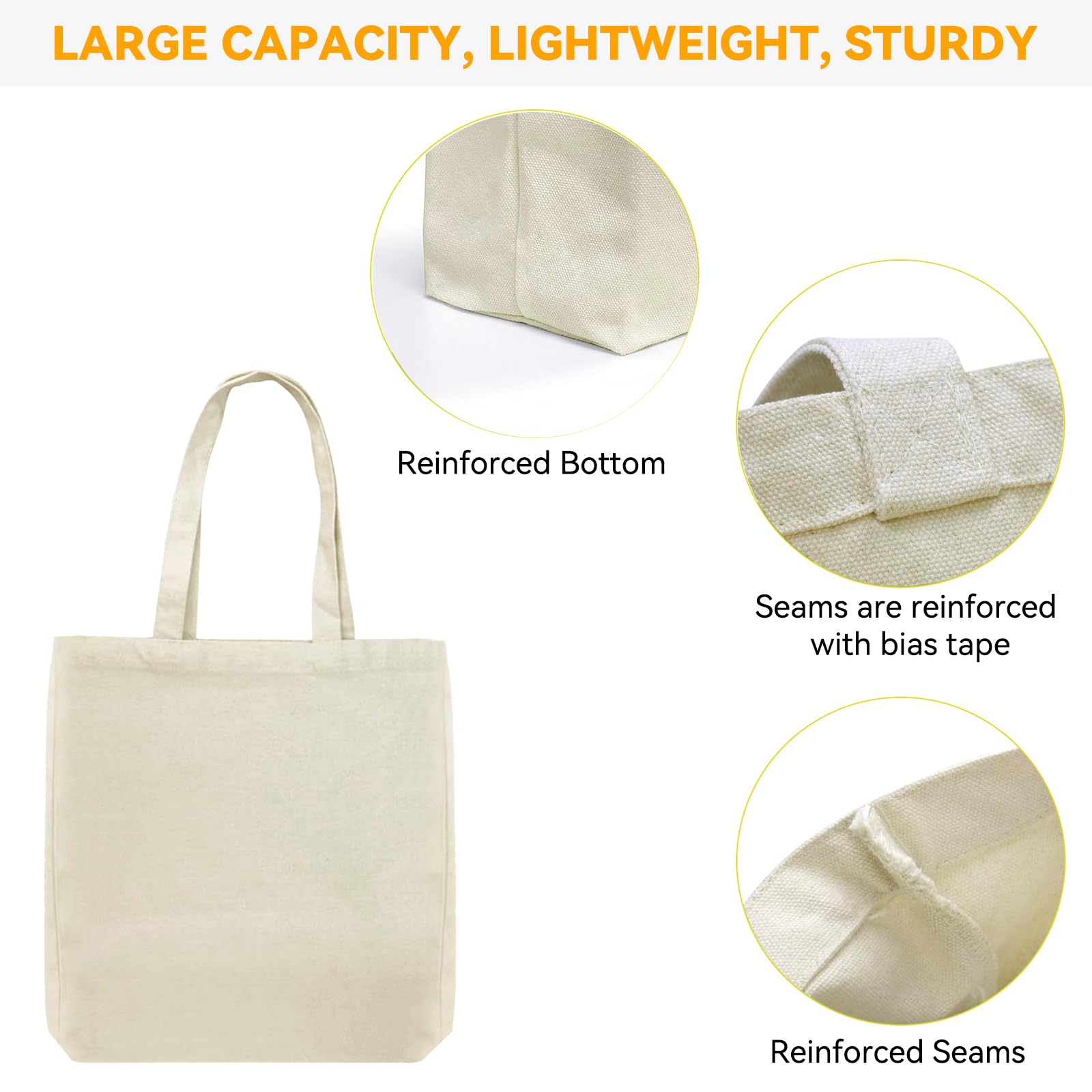
Canvas bags often include:
- Double or reinforced stitching along stress نقاط
- Bar-tack reinforcement at handle connections
- Thick handles designed to distribute weight evenly
- Reinforced bottom panels to support heavy loads
These features allow canvas bags to handle repeated lifting and carrying without structural failure.
Mesh bags, due to their flexible nature, typically lack these reinforcements or rely on lighter stitching. This makes them more vulnerable to deformation, especially when carrying uneven or heavy loads.
Resistance to Wear and Environmental Stress
Beach environments introduce additional factors that affect durability, including sand abrasion, UV exposure, and contact with sharp objects.
| Factor | Mesh Bags | Canvas Bags |
|---|---|---|
| Abrasion Resistance | Medium | High |
| UV Resistance | High (synthetic fibers) | Medium |
| Puncture Resistance | Low | High |
| Sand Friction Impact | Low (sand passes through) | Medium–High (sand trapped in fibers) |
Mesh materials, typically made from polyester or nylon, perform well under UV exposure and do not degrade as quickly in direct sunlight. Canvas, unless treated, may fade or weaken over time with prolonged exposure.
However, when it comes to physical damage—such as contact with sharp edges, rough surfaces, or heavy ضغط—canvas is significantly more resistant. Its dense weave prevents small tears from spreading, whereas mesh can be more easily damaged by punctures.
Real Case Insight from Commercial Use
In high-use environments such as beach resorts, rental services, and outdoor programs, durability differences are clearly reflected in replacement cycles.
- Mesh bags are often replaced every season due to stretching, tearing, or loss of structure
- Canvas bags, particularly those with reinforced construction, are reused across multiple seasons, sometimes lasting several years
This pattern highlights the importance of matching material choice with expected usage intensity. In environments where bags are used daily, durability directly impacts operational costs and user satisfaction.
Cost vs Longevity: A Practical Evaluation
Initial cost is often a deciding factor, but it does not always reflect long-term value.
| Factor | Mesh Bags | Canvas Bags |
|---|---|---|
| Initial Cost | Low ($1.5–$3.0) | Medium ($3.5–$7.0) |
| Replacement Frequency | High | Low |
| Maintenance Effort | Low | Moderate |
| Long-Term Value | Moderate | High |
While mesh bags offer a lower upfront cost, their shorter lifespan can lead to more frequent replacement. Canvas bags, despite a higher initial investment, often provide better value over time due to their durability and extended usability.
Matching Durability to Real Needs
Durability should always be evaluated in the context of actual usage rather than as a standalone feature.
- For light, occasional beach trips: mesh provides sufficient durability with added convenience
- For frequent use or heavy loads: canvas offers the reliability needed to prevent early failure
- For multi-purpose use beyond the beach: canvas provides greater versatility and longevity
A common mistake is selecting materials based solely on cost or appearance without considering how the bag will be used. This often leads to underperformance or unnecessary replacement.
Canvas may be more durable than needed for simple beach use, while mesh may fall short when used beyond its intended purpose. The most effective choice is one that aligns material strength with real usage demands, ensuring consistent performance over time.
How Do Mesh vs Canvas Bags Perform in Daily Practical Use?
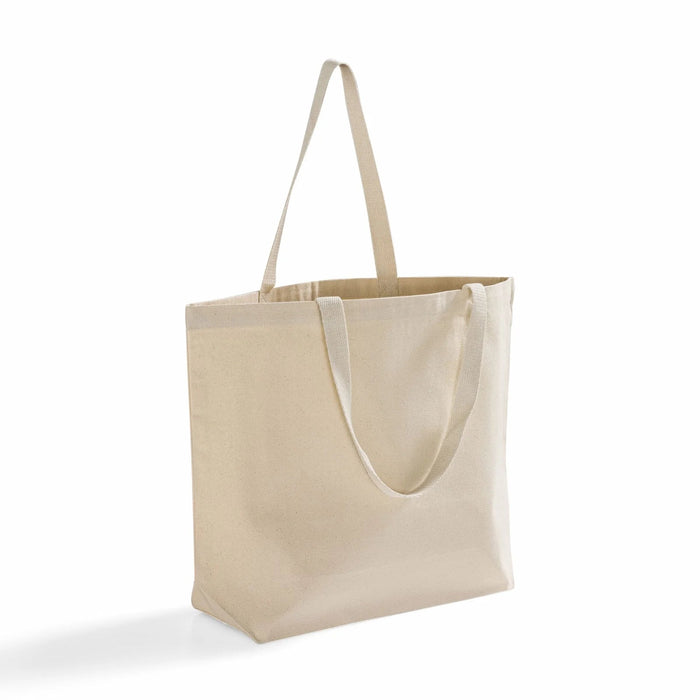


In real-world daily use, the difference between mesh and canvas bags becomes more apparent than in controlled comparisons. While both can function as beach bags, their performance diverges significantly once they are used across multiple scenarios such as shopping, commuting, travel, or family outings.
Mesh bags are designed for convenience in specific environments—primarily where sand, water, and quick cleanup are priorities. Canvas bags, by contrast, are built with broader usability in mind. Their structured design, higher load capacity, and compatibility with compartments make them more adaptable to everyday routines.
A practical conclusion: canvas bags deliver a more stable and versatile daily-use experience, while mesh bags remain effective for short, lightweight, and environment-specific use cases.
Daily Use Performance Across Common Scenarios
When evaluating daily practicality, it is useful to consider how each material performs in typical situations rather than isolated features.
| Scenario | Mesh Bags | Canvas Bags |
|---|---|---|
| Grocery Shopping | Limited support, may sag | Stable, supports heavy loads |
| Work Commute | Not suitable | Suitable for laptops, documents |
| Gym Use | Good ventilation for clothing | Better structure for organization |
| Travel Carry-On | Lightweight but unstructured | Secure and shape-retaining |
| Family Outings | Moderate capacity | High capacity and stability |
Canvas bags can comfortably carry items such as laptops (2–3 kg), books, groceries, and water bottles without losing shape. Mesh bags, under similar conditions, tend to deform due to uneven load distribution.
This difference is particularly noticeable when items inside the bag vary in size or weight. Canvas maintains alignment, while mesh allows contents to shift more freely.
Organization and Storage Efficiency
Daily use often requires more than just carrying capacity—it requires organization. This is where structural differences between mesh and canvas become critical.
| Feature | Mesh Bags | Canvas Bags |
|---|---|---|
| Inner Pockets | Limited or absent | Multiple compartments possible |
| Shape Retention | Low | High |
| Item Protection | Minimal | Moderate to high |
| Zipper Integration | Rare | Common |
Canvas bags are more compatible with structured design elements such as:
- Zippered closures
- Internal dividers
- Reinforced base panels
These features allow users to separate items, protect valuables, and maintain order inside the bag.
Mesh bags, due to their open structure, are less suitable for compartmentalization. Small items may shift or become difficult to locate, and protection against external pressure is limited.
Cleaning and Maintenance in Daily Use
Maintenance requirements also influence long-term usability, especially when a bag is used frequently.
| Factor | Mesh Bags | Canvas Bags |
|---|---|---|
| Cleaning Method | Quick rinse or shake | Machine wash or hand wash |
| Drying Time | 10–30 minutes | 4–12 hours |
| Maintenance Effort | Very low | Moderate |
Mesh bags are highly convenient in this regard. After use, especially in sandy or wet conditions, they can be cleaned quickly and are ready for reuse within a short time.
Canvas bags require more attention. While they are washable, drying time is significantly longer, and repeated washing may affect color or fabric texture if not handled properly.
Comfort and Carry Experience
Carrying comfort becomes increasingly important in daily use, particularly when loads are heavier or carried over longer distances.
| Factor | Mesh Bags | Canvas Bags |
|---|---|---|
| Strap Design | Basic, narrow | Often wide and reinforced |
| Weight Distribution | Uneven under load | Balanced and stable |
| Long Carry Comfort | Moderate | High |
Canvas bags often feature wider straps or reinforced handles, which distribute weight more evenly across the shoulder. This reduces pressure points and improves comfort during extended use.
Mesh bags, while lightweight, may concentrate weight in specific areas due to their flexible structure, making them less comfortable when carrying heavier items.
Adaptability Beyond the Beach
One of the most important differences is how each bag transitions beyond beach-specific use.
Canvas bags integrate naturally into daily life. They are commonly used for:
- Shopping and errands
- Work or school commuting
- Travel and carry-on purposes
Their structured appearance and durability make them suitable for both casual and semi-formal environments.
Mesh bags, on the other hand, are more limited in scope. Their design is closely tied to functional environments such as:
- Beach outings
- Gym sessions
- Poolside use
While they excel in these contexts, they are less adaptable to situations where appearance, structure, or organization is required.
Real-Life User Behavior Patterns
Observed user behavior reflects these differences clearly.
- Users focused on convenience and quick trips tend to prefer mesh bags
- Users seeking multi-purpose functionality consistently choose canvas bags
- Families and frequent travelers often rely on canvas for its stability and capacity
For example:
- Parents carrying toys, snacks, and towels benefit from the structured support of canvas
- Travelers prefer canvas for better packing and protection of belongings
- Minimalist users may choose mesh for its lightweight and simplicity
This pattern shows that material choice is closely tied to lifestyle rather than just product features.
Trade-Offs and Practical Considerations
While canvas offers clear advantages in daily use, it also comes with certain trade-offs:
- Heavier weight compared to mesh
- Longer drying time when exposed to moisture
- Higher maintenance requirements
Mesh, although limited in structure, offers:
- Extremely low maintenance
- Fast drying
- Lightweight portability
These trade-offs highlight an important point: performance depends on context. A material that performs well in one scenario may be less suitable in another.
Matching Material to Daily Needs
Selecting between mesh and canvas for daily use comes down to how the bag will be used most frequently.
- For structured, multi-purpose use with heavier loads: canvas is the more reliable option
- For lightweight, short-duration use with minimal maintenance: mesh is sufficient
In practice, many users find value in using both types depending on the situation. This approach avoids over-reliance on a single material and allows each bag to perform within its optimal range.
Understanding these differences helps ensure that the chosen material aligns with real daily needs, improving both usability and long-term satisfaction.
Which Beach Bag Is More Suitable for Branding and Customization?


When evaluating beach bags from a branding and customization perspective, the difference between mesh and canvas is not subtle—it is structural. The ability to apply logos clearly, maintain visual consistency over time, and support multiple customization techniques depends heavily on the material surface.
Canvas beach bags are widely regarded as the industry standard for branding because they provide a flat, dense, and stable surface. This allows for precise printing, strong ink adhesion, and clean embroidery. Mesh bags, by contrast, have an open, perforated structure that limits direct branding applications and often requires indirect solutions such as patches or labels.
A practical conclusion: canvas offers the highest level of branding quality and flexibility, while mesh can support branding in a limited and more functional way, often relying on creative design adjustments rather than direct application.
Branding Capability Comparison
The effectiveness of branding depends on how well a material supports different techniques and how visible the final result is under real usage conditions.
| Feature | Mesh Bags | Canvas Bags |
|---|---|---|
| Logo Printing | Limited (patches, panels) | Excellent (full-surface printing) |
| Embroidery | Difficult to apply | Highly suitable |
| Color Customization | Moderate | Extensive |
| Logo Clarity | Low to medium | High |
| Branding Durability | Medium | High |
Canvas allows ink or thread to sit evenly on the surface, resulting in sharp edges and consistent color coverage. Mesh, due to its gaps, cannot hold ink uniformly, which reduces print precision and overall visual impact.
In production, this often means that mesh bags require additional components—such as sewn-on fabric panels—to achieve acceptable branding results.
Logo Application Methods and Material Compatibility
Different branding techniques interact with materials in specific ways, affecting both durability and appearance.
| Technique | Mesh Bags | Canvas Bags |
|---|---|---|
| Screen Printing | Not suitable directly | Excellent |
| Heat Transfer | Limited (requires solid panel) | Very good |
| Embroidery | Not practical | Excellent |
| Sublimation | Not suitable | Limited (better on polyester) |
| Patch Label | Common solution | Optional |
Canvas supports a wide range of techniques because of its плотный weave and ability to withstand pressure, heat, and stitching without distortion.
Mesh, on the other hand, relies heavily on indirect branding methods. The most common approach is attaching a logo patch made from canvas, polyester, or leather-like materials. While functional, this adds complexity and often reduces the overall visual impact.
Perceived Value and Market Positioning
Material choice influences not only how branding appears, but also how the product is perceived by end users.
| Factor | Mesh Bags | Canvas Bags |
|---|---|---|
| Perceived Quality | Functional, casual | Premium, durable |
| Retail Price Range | Low to mid | Mid to high |
| Brand Impression | Seasonal, activity-based | Lifestyle, long-term use |
Canvas bags are often associated with higher-value products because they combine durability with a more refined appearance. This makes them suitable for retail, gifting, and branded merchandise intended for repeated use.
Mesh bags are typically positioned as functional or seasonal products. While they align well with beach or sports themes, they are less commonly used for long-term brand positioning.
Customization Flexibility and Design Potential
Beyond logos, customization includes structure, features, and overall design complexity. This is another area where canvas has a clear advantage.
| Custom Feature | Mesh Bags | Canvas Bags |
|---|---|---|
| Structural Design | Limited | Highly flexible |
| Multi-layer Construction | Rare | Common |
| Add-ons (zippers, pockets) | Limited | Extensive |
| Shape Customization | Basic | Advanced |
| Material Blending | Possible (with panels) | Highly adaptable |
Canvas supports more complex product development, including:
- Reinforced bottoms for load support
- Multiple compartments for organization
- Magnetic closures, zippers, and internal pockets
- Layered construction for durability and aesthetics
Mesh bags, due to their flexible and open structure, are more limited in how much they can be modified without compromising functionality.
Real Case Insight: Branding Performance Over Time
In promotional campaigns and retail distribution, the effectiveness of branding is closely tied to how often and how long the product is used.
Observed usage patterns show:
- Canvas bags are reused frequently, often for months or years
- Mesh bags are used for specific occasions, with shorter usage cycles
A canvas bag used for shopping, commuting, or travel can generate hundreds to thousands of brand impressions over its lifespan. In contrast, a mesh bag used primarily for beach trips may have a more limited exposure cycle.
This difference has a direct impact on return on investment for branded products.
Long-Term Branding Value
When evaluating branding effectiveness, it is useful to consider not just initial appearance but long-term visibility.
| Metric | Mesh Bags | Canvas Bags |
|---|---|---|
| Average Usage Frequency | Low to moderate | High |
| Lifespan | Short to medium | Long |
| Brand Exposure Duration | Limited | Extended |
| Reuse Scenarios | Beach, gym | Daily life, travel, shopping |
Canvas bags often function as long-term brand carriers. Because they integrate into daily routines, they continue to display branding well beyond the original point of distribution.
Mesh bags, while effective in specific contexts, do not typically achieve the same level of sustained visibility.
When Mesh Still Makes Sense for Branding
Although canvas is generally superior for branding, mesh should not be excluded entirely. There are specific scenarios where mesh aligns better with campaign goals.
- Summer or beach-themed promotions
- Sports and fitness-related branding
- Lightweight, event-based giveaways
In these cases, the material itself reinforces the intended lifestyle image, even if the branding area is smaller.
Additionally, hybrid designs are increasingly used to combine the strengths of both materials. For example:
- Mesh body for functionality + canvas panel for logo application
- Mesh sides with a reinforced branded base
- Mixed-material constructions that balance performance and visibility
This approach allows brands to maintain functional advantages while improving branding effectiveness.
Choosing Based on Branding Goals
Selecting the right material for customization depends on the intended outcome:
- For maximum logo clarity, durability, and long-term exposure: canvas is the most effective choice
- For functional, event-driven branding: mesh can be suitable with the right design adjustments
- For balanced performance and branding: hybrid constructions provide a practical solution
Material choice is not just a technical decision—it directly influences how a brand is seen, how long it remains visible, and how well it integrates into the user’s daily life.
Are Mesh or Canvas Beach Bags More Eco-Friendly?


Sustainability in beach bags is often reduced to a simple comparison between “natural” and “synthetic,” but in practice, the environmental impact of a product is shaped by a combination of factors—raw material sourcing, production methods, durability, and how frequently the product is used. Mesh and canvas bags represent two different approaches: one based on engineered synthetic performance, the other on natural fiber renewability.
Canvas bags, especially those made from organic or recycled cotton, are generally perceived as more eco-friendly because they originate from plant-based fibers and can biodegrade under the right conditions. Mesh bags, typically made from polyester or nylon, are derived from petroleum-based resources and are not biodegradable. However, this does not automatically make canvas the better environmental choice in every scenario.
A practical conclusion: canvas has an advantage in material origin and consumer perception, but long-term sustainability depends just as much on durability and reuse. A bag that lasts longer and replaces disposable alternatives more effectively often has a lower overall environmental impact, regardless of whether it is natural or synthetic.
Material Sustainability Comparison
To understand the environmental differences, it is important to evaluate how each material is sourced and how it behaves at the end of its lifecycle.
| Factor | Mesh Bags (Polyester/Nylon) | Canvas Bags (Cotton) |
|---|---|---|
| Raw Material Source | Petroleum-based | Natural plant fiber |
| Biodegradability | Very low | Moderate (untreated cotton) |
| Recyclability | Possible (rPET, recycled nylon) | Limited (but reusable) |
| Carbon Footprint | Medium to high | Medium (lower if organic) |
| Waste Persistence | Long-term (decades) | Shorter (months–years depending on conditions) |
Synthetic mesh materials do not break down easily in natural environments, which contributes to long-term waste accumulation if not properly managed. However, recycled polyester (rPET), made from post-consumer plastic such as bottles, can reduce raw material demand and lower overall carbon emissions by approximately 30–50% compared to virgin polyester.
Canvas, particularly organic cotton, avoids synthetic inputs such as pesticides and reduces soil and water contamination. However, conventional cotton production can be resource-intensive, especially in terms of water consumption.
Lifecycle Impact: Durability vs Replacement Frequency
One of the most overlooked aspects of sustainability is product lifespan. A material that lasts longer and is reused more frequently can offset its initial environmental cost.
| Metric | Mesh Bags | Canvas Bags |
|---|---|---|
| Average Lifespan | 6–18 months | 2–5 years |
| Reusability Cycles | Moderate | High |
| Replacement Frequency | Higher | Lower |
| Long-Term Waste Generation | Higher | Lower |
For example, a canvas bag used daily over three years may replace hundreds—sometimes thousands—of single-use plastic bags. In contrast, a mesh bag used occasionally for beach trips may not reach the same level of environmental offset, even if its production footprint is lower.
This highlights a key point: durability directly influences sustainability. A longer-lasting product reduces the need for replacement, lowering overall resource consumption.
Water and Resource Consumption in Production
Material sustainability must also account for how resources are used during production.
| Factor | Mesh Production (Polyester/Nylon) | Cotton Canvas Production |
|---|---|---|
| Water Usage | Low | High (especially conventional cotton) |
| Energy Consumption | Medium | Medium |
| Chemical Use | Moderate | High (reduced in organic cotton) |
| Land Use | Minimal | Significant (agricultural land) |
Synthetic materials require less water during production but rely on fossil fuels and chemical processing. Cotton, while renewable, requires substantial water—estimates suggest that producing 1 kg of conventional cotton can require 8,000–10,000 liters of water, depending on the region and farming practices.
Organic cotton improves this profile by reducing chemical use and often relying on more sustainable farming methods, though water consumption remains a factor.
Consumer Perception and Market Influence
Consumer perception plays a significant role in how materials are positioned in the market.
| Aspect | Mesh Bags | Canvas Bags |
|---|---|---|
| Eco-Friendly Image | Neutral | Strong |
| Reusable Appeal | Moderate | High |
| Premium Sustainable Positioning | Limited | Strong |
| Branding Alignment | Functional | Lifestyle / eco-conscious |
Canvas bags are widely associated with sustainability, particularly when labeled as “organic,” “natural,” or “reusable.” This perception has made them a preferred choice for brands targeting environmentally conscious consumers.
Mesh bags, while less associated with sustainability messaging, are often positioned around functionality—lightweight, breathable, and practical for specific activities.
The Role of Recycled and Hybrid Materials
Advancements in material sourcing are changing how both mesh and canvas perform from a sustainability perspective.
- Recycled polyester (rPET) reduces reliance on virgin petroleum and diverts plastic waste from landfills
- Recycled cotton blends reduce the need for new raw materials
- Hybrid designs combine natural and synthetic materials to balance durability and environmental impact
For example, a canvas bag with a recycled polyester lining can improve water resistance while maintaining a lower environmental footprint compared to fully synthetic alternatives.
Real Market Insight: Sustainability in Practice
In retail and product development, sustainability is increasingly tied to transparency and material sourcing rather than just material type.
Brands are now emphasizing:
- Organic cotton certifications
- Recycled material content (rPET, recycled nylon)
- Reduced packaging and plastic-free shipping
Canvas bags are frequently used in eco-focused product lines because they align with these messaging strategies. However, high-performance products—such as outdoor or travel bags—often rely on synthetic materials due to their durability, with sustainability improvements coming from recycling initiatives rather than material replacement.
Matching Sustainability to Real Use
The most sustainable choice depends on how the bag is used and how long it remains in use.
- For long-term, multi-purpose use: canvas provides better environmental value due to durability and reuse potential
- For lightweight, occasional use: mesh can be sufficient, especially if made from recycled materials
- For high-performance applications: synthetic materials may be necessary, with sustainability improved through recycling and extended lifespan
A common misconception is that natural materials are always more sustainable. In reality, a poorly used or frequently replaced product—regardless of material—can have a higher environmental impact than a durable, well-used alternative.
A Practical Perspective on Eco-Friendly Choices
Sustainability is not defined by a single factor such as biodegradability or material origin. It is the result of the entire lifecycle—from raw material extraction to production, usage, and eventual disposal.
Canvas has clear advantages in renewability and perception, particularly when produced responsibly. Mesh, while synthetic, can achieve meaningful sustainability improvements through recycled materials and efficient production processes.
The most effective approach is to consider:
- How long the product will be used
- How often it will replace disposable alternatives
- Whether the material sourcing aligns with environmental goals
In practical terms, a durable, frequently used bag—whether canvas or recycled synthetic—often represents the most environmentally responsible choice.
How Should You Choose Between Mesh and Canvas Beach Bags?

Choosing between mesh and canvas beach bags is not a matter of identifying a universally superior option. In real-world use, each material is designed to solve a different set of problems. The right decision comes from understanding how the bag will be used, what it needs to carry, and which performance factors matter most—whether that is convenience, durability, appearance, or versatility.
Mesh and canvas sit at opposite ends of the design spectrum. Mesh prioritizes efficiency in sandy and wet environments, while canvas focuses on structure, strength, and long-term usability. The decision becomes much clearer when these priorities are matched with actual use scenarios rather than assumptions.
A practical takeaway: mesh is ideal for lightweight, beach-specific convenience, while canvas is better suited for heavier loads, multi-purpose use, and long-term value.
Decision-Making Framework
Evaluating priorities first helps narrow down the most suitable material quickly.
| Priority | Best Choice | Reason |
|---|---|---|
| Sand-free experience | Mesh | Open structure allows sand to fall through |
| Lightweight travel | Mesh | Minimal weight, easy to fold and pack |
| Heavy load carrying | Canvas | Strong structure supports 15–25 kg |
| Daily multi-use | Canvas | Versatile beyond the beach |
| Premium appearance | Canvas | Structured, higher perceived value |
| Quick drying | Mesh | Water drains instantly |
This framework reflects a key principle: each material is optimized for a specific function, and choosing the right one depends on which function is most important.
Use Case Matching in Real Life
Different users prioritize different aspects of performance, which directly influences material choice.
| User Type | Recommended Material | Explanation |
|---|---|---|
| Beach-only users | Mesh | Designed for sand and water efficiency |
| Families with kids | Canvas | Handles heavier, mixed loads reliably |
| Travelers | Canvas or hybrid | Better structure and organization |
| Minimalists | Mesh | Lightweight and simple to carry |
| Retail brands | Canvas | Strong branding and visual impact |
For example, a solo beach trip with a towel and sunscreen benefits from mesh due to its simplicity. A family carrying multiple items—including drinks, toys, and wet clothing—will find canvas more reliable because it maintains shape and distributes weight more evenly.
Hybrid Design: Combining Strengths
As product expectations evolve, many designs no longer rely on a single material. Hybrid construction has become a practical solution to balance performance.
Common combinations include:
- Mesh panels for ventilation and sand drainage
- Canvas or Oxford bases for load-bearing support
- Reinforced handles to improve carrying comfort
This approach allows each material to perform its specific role. Mesh reduces maintenance by eliminating sand buildup, while canvas provides structure and durability where it is needed most.
In production, hybrid designs have been shown to improve user satisfaction by reducing common complaints such as sagging, sand accumulation, and limited organization.
Cost vs Long-Term Value
Material choice also affects cost, but the most important factor is how cost relates to usage over time.
| Factor | Mesh Bags | Canvas Bags |
|---|---|---|
| Initial Cost | Lower | Higher |
| Replacement Frequency | Higher | Lower |
| Maintenance Effort | Low | Moderate |
| Long-Term Value | Moderate | High |
Mesh bags are cost-effective for short-term or occasional use. However, when used frequently or under heavier loads, they may need to be replaced more often. Canvas bags, although more expensive initially, typically last longer and provide better value over time.
In high-use scenarios, investing in a durable material often reduces overall cost by lowering replacement frequency.
Practical Buying Checklist
Before making a decision, it helps to evaluate a few key questions based on real usage:
- What items will you carry—lightweight essentials or heavier loads?
- How often will the bag be used—occasionally or daily?
- Will the bag be used only at the beach or in other settings as well?
- Is quick cleaning and drying a priority?
- Does appearance or branding matter for your use case?
These questions help align material choice with actual needs, reducing the risk of selecting a bag that performs well in theory but not in practice.
Real-Life Scenario Summary
Different situations naturally favor different materials:
- A quick beach visit with minimal items → mesh offers convenience and easy cleanup
- A full-day outing with multiple items → canvas provides stability and capacity
- A travel scenario requiring organization → canvas or hybrid designs perform better
- A promotional or retail product → canvas supports stronger branding and longer use
Many experienced users do not rely on a single bag. Instead, they switch between mesh and canvas depending on the situation. This flexible approach ensures that each material is used within its optimal range.
Matching Material to Lifestyle
Material selection is ultimately about alignment—matching the characteristics of the bag with how it will actually be used. Mesh and canvas are not competing solutions; they are complementary tools designed for different conditions.
At Szoneier, over 18 years of experience in fabric development and bag manufacturing have shown that the most successful products are those designed with clear use scenarios in mind. Whether it is a lightweight mesh bag for beach convenience, a durable canvas tote for everyday use, or a hybrid design that combines both, the starting point is always the same: understanding the user’s real needs.
If you are planning to develop your own beach bag collection or refine an existing product, evaluating material selection early in the process can significantly improve performance, reduce costs, and enhance market acceptance. Requesting samples, testing different constructions, and exploring hybrid solutions are practical steps toward building a product that performs reliably in real-world conditions.