Skip to content
Walk through any airport, and you’ll see hundreds of travel bags that look similar on the surface—but perform very differently over time. Some bags survive years of heavy use, rain, and rough handling. Others start to wear out after just a few trips. The difference is rarely about design alone. It almost always comes down to one thing: the materials used to build the bag.
At its core, travel bag manufacturing relies on a combination of synthetic fabrics (like nylon, polyester, and Oxford), natural materials (such as canvas and cotton), and specialty fabrics (including neoprene and coated textiles). Each material offers a different balance of durability, weight, flexibility, water resistance, and cost. Nylon provides high strength and lightweight performance, polyester offers affordability and stability, Oxford fabric delivers structure and abrasion resistance, while natural materials bring aesthetic and eco-friendly appeal. The right choice depends on how the bag will be used, how often it will travel, and what level of performance is expected.
Think about a traveler rushing through a rainy airport with a fully packed bag. One bag keeps everything dry, holds its shape, and moves effortlessly. Another absorbs moisture, sags under weight, and shows wear quickly. That difference starts at the material level. Let’s break down exactly what materials are used in travel bags—and how to choose the right one.
What Are the Main Materials Used in Travel Bag Manufacturing?

Material selection is one of the most decisive factors in travel bag manufacturing because it directly determines how a product performs in real-life scenarios—whether it can withstand repeated handling, resist environmental exposure, and maintain its structure over time. While design and branding influence first impressions, it is the choice and combination of materials that ultimately define durability, usability, and long-term value.
In today’s manufacturing landscape, travel bags are primarily constructed from synthetic fabrics, natural materials, and specialty engineered textiles, each serving a specific role within the product. However, the industry has clearly shifted toward synthetic materials due to their ability to deliver consistent performance at scale, which is critical for global production.
In practical terms, most travel bags are built using a layered material strategy:
- Nylon or polyester as the main structural fabric
- Oxford fabric in high-stress or load-bearing areas
- Coated materials to provide water resistance and environmental protection
- Natural fabrics in select segments where aesthetics or sustainability are priorities
This combination approach allows manufacturers to optimize performance without significantly increasing cost or complexity.
What Are the Most Common Travel Bag Materials?
The materials used in travel bags can be broadly divided into three categories, each with distinct characteristics and applications.
| Material Type | Examples | Key Characteristics |
|---|---|---|
| Synthetic fabrics | Nylon, Polyester, Oxford | Durable, lightweight, scalable |
| Natural materials | Canvas, Cotton, Linen | Heavier, breathable, aesthetic appeal |
| Specialty fabrics | Neoprene, TPU-coated fabrics | Functional, protective, performance-driven |
Synthetic materials dominate the industry, accounting for approximately 70–80% of global travel bag production. This is largely due to their superior strength-to-weight ratio and their ability to maintain consistent quality across large production volumes.
Nylon is commonly used in higher-end products due to its flexibility and resistance to tearing, while polyester is widely adopted in mid-range and entry-level products because of its cost efficiency and dimensional stability. Oxford fabric, often made from polyester or nylon with a specific weave structure, is used where additional strength and rigidity are required.
Why Are Synthetic Fabrics Widely Used?
The widespread use of synthetic fabrics is driven by their ability to meet the demands of modern travel, where products must balance durability, weight, and cost.
Synthetic fabrics offer several key advantages:
- High strength-to-weight ratio, allowing bags to remain lightweight while تحمل heavy loads
- Consistent quality across production batches, reducing variability and defects
- Resistance to abrasion, moisture, and environmental stress
| Advantage | Impact |
|---|---|
| Lightweight | Reduces travel fatigue and improves portability |
| Durable | Extends product lifespan under frequent use |
| Cost-efficient | Supports scalable production and competitive pricing |
For example, high-density nylon fabrics can withstand significant tensile stress without tearing, making them ideal for backpacks and carry-on bags that experience repeated handling. Polyester, while slightly less flexible, provides excellent resistance to UV exposure, which helps maintain color and appearance over time.
From a manufacturing perspective, synthetic fabrics are also easier to process. Their uniform structure allows for more precise cutting, consistent stitching, and predictable performance, all of which contribute to higher production efficiency.
Are Natural Materials Still Relevant Today?
Although synthetic materials dominate, natural materials continue to play an important role in specific market segments, particularly where aesthetics, sustainability, or brand identity are key considerations.
| Material | Best Use Case |
|---|---|
| Canvas | Lifestyle and fashion-oriented travel bags |
| Cotton | Lightweight casual bags and promotional products |
| Linen | Premium eco-focused designs |
| Jute | Sustainable and environmentally conscious product lines |
Natural materials are often chosen for their visual texture and environmental appeal. For example, canvas bags are popular in lifestyle and retail markets because they convey a sense of durability and authenticity.
However, these materials have limitations. Compared to synthetic fabrics, they tend to be:
- Heavier, which affects portability
- Less resistant to moisture and abrasion
- More variable in quality, especially in large-scale production
As a result, natural materials are typically used in niche or design-driven products rather than heavy-duty travel applications.
Material Categories vs Performance
Each material category offers a different balance of performance characteristics. Understanding these differences is essential for selecting the right material for a specific product.
| Category | Durability | Weight | Cost | Typical Use |
|---|---|---|---|---|
| Nylon | High | Light | Higher | Premium and performance travel bags |
| Polyester | Medium–high | Medium | Lower | Everyday and mass-market products |
| Oxford | Very high | Medium | Medium | Structured and heavy-duty bags |
| Canvas | High | Heavy | Medium | Lifestyle and fashion bags |
This comparison highlights a key principle in travel bag manufacturing: no single material can meet all requirements simultaneously. Instead, manufacturers must prioritize certain attributes based on the intended use of the product.
For example, a lightweight travel backpack may prioritize nylon for its flexibility and reduced weight, while a structured duffel bag may incorporate Oxford fabric for added strength.
Hybrid Material Combinations in Modern Bags
Modern travel bags rarely rely on a single material. Instead, they use hybrid constructions that combine different fabrics to achieve optimal performance.
| Combination | Benefit |
|---|---|
| Nylon exterior + polyester lining | Balances durability with cost efficiency |
| Oxford base + nylon body | Provides structural strength while maintaining light weight |
| Coated fabric + standard fabric | Enhances water resistance without sacrificing flexibility |
This layered approach allows manufacturers to address multiple performance requirements simultaneously. For instance, using a reinforced Oxford base in a backpack can significantly improve resistance to wear when the bag is placed on rough surfaces, while a lighter nylon body keeps the overall weight manageable.
In high-performance products, it is common to see strategic material placement, where stronger fabrics are used in high-stress areas and lighter materials are used elsewhere. This not only improves durability but also optimizes cost and user comfort.
Material Selection Strategy
A travel brand looking to expand its market presence developed two distinct product lines based on material strategy:
- A lightweight series using high-density nylon for frequent travelers
- A cost-effective series using polyester for casual users
This approach allowed the brand to target different customer segments effectively. The nylon series appealed to users who valued performance and durability, while the polyester series attracted price-sensitive consumers.
The results included:
- Increased market coverage across multiple price points
- Clearer product positioning, reducing internal competition between products
- Improved customer satisfaction due to better alignment between product features and user expectations
This example demonstrates that material selection is not just a technical decision—it is a strategic tool for market segmentation and brand development.
How Szoneier Supports Material Selection
Szoneier approaches material selection as a collaborative process, combining technical expertise with practical manufacturing experience. With a wide range of fabric options and in-depth knowledge of material performance, the company helps clients choose materials that align with both product requirements and market positioning.
Its capabilities include:
- Access to a comprehensive selection of materials, including nylon, polyester, Oxford, canvas, and specialty fabrics
- Custom fabric development and finishing options, such as coatings and performance enhancements
- Material testing and validation to ensure durability and consistency
- Tailored recommendations based on product design, target users, and cost considerations
By integrating material selection into the broader product development process, Szoneier ensures that each travel bag is built with materials that perform reliably in real-world conditions while supporting the brand’s commercial goals.
Which Synthetic Materials Are Best for Travel Bags?
Synthetic materials have become the foundation of modern travel bag manufacturing because they deliver a level of performance, consistency, and scalability that natural materials cannot match. In a market where products must endure frequent handling, varying climates, and repeated stress, materials such as nylon, polyester, and Oxford fabric provide the reliability that both manufacturers and brands depend on.
From a technical perspective, these materials are engineered to achieve a balance between strength, weight, cost, and processability. This balance is critical because travel bags must remain lightweight for user convenience while still being durable enough to handle loads that often exceed 10–20 kilograms during regular use.
Each synthetic material serves a distinct role:
- Nylon is favored for high-performance and lightweight applications
- Polyester is widely used for cost-efficient and stable products
- Oxford fabric is selected for structure and heavy-duty durability
Rather than competing directly, these materials are often used strategically depending on the product’s intended use and market positioning.
Is Nylon the Most Durable Synthetic Material?
Nylon is widely regarded as the most durable and performance-oriented synthetic material used in travel bags. Its molecular structure provides exceptional tensile strength and elasticity, allowing it to withstand repeated stress without tearing or deforming.
| Property | Nylon Performance |
|---|---|
| Strength | Very high |
| Abrasion resistance | Excellent |
| Flexibility | High |
| Weight | Very light |
One of nylon’s key advantages is its ability to maintain strength while remaining lightweight. This makes it particularly suitable for products that require both portability and durability, such as carry-on bags and travel backpacks.
In practical applications, nylon fabrics such as 420D or 840D are commonly used because they offer a strong balance between weight and resistance to wear. Higher-density variants can withstand significant abrasion, making them ideal for frequent travelers who subject their bags to continuous handling.
Nylon is especially effective in scenarios involving:
- High-frequency travel with repeated loading and unloading
- Environments where abrasion is common, such as airports and transit systems
- Products that prioritize weight reduction without compromising strength
How Does Polyester Compare in Performance?
Polyester provides a more cost-effective alternative while still delivering reliable performance for everyday use. It is one of the most widely used materials in the travel goods industry due to its stability and ease of manufacturing.
| Property | Polyester Performance |
|---|---|
| Strength | Moderate–high |
| Weight | Medium |
| Color retention | Excellent |
| Cost | Lower |
One of polyester’s standout characteristics is its ability to retain color over time. This makes it particularly suitable for products where visual consistency and branding are important, such as retail and promotional travel bags.
Although polyester is slightly less flexible than nylon, it offers sufficient durability for most general travel applications. It is commonly used in:
- Everyday travel bags designed for moderate use
- Budget-friendly product lines where cost control is essential
- Promotional items that require consistent appearance across large volumes
From a production standpoint, polyester is easier to handle due to its dimensional stability, which reduces distortion during cutting and sewing. This contributes to more efficient manufacturing and lower defect rates.
What Is Oxford Fabric and How Is It Used?
Oxford fabric is not a single material but a specific weave structure, typically made from polyester or nylon, that enhances durability and rigidity. Its basket-weave construction gives it a thicker, more structured feel compared to standard fabrics.
| Feature | Oxford Fabric |
|---|---|
| Durability | Very high |
| Abrasion resistance | Excellent |
| Structure | Strong and stable |
| Weight | Medium |
Oxford fabric is commonly used in areas where additional strength is required. For example, it is often applied to:
- Bag bases that come into contact with rough surfaces
- Panels that need to maintain shape under load
- Heavy-duty travel bags designed for demanding environments
Because of its structure, Oxford fabric is less flexible than standard nylon or polyester. However, this rigidity is beneficial in applications where shape retention and impact resistance are priorities.
In many designs, Oxford fabric is combined with lighter materials to achieve a balance between strength and usability.
Comparing Synthetic Materials
Each synthetic material offers a different set of advantages, making them suitable for different types of travel bags.
| Feature | Nylon | Polyester | Oxford |
|---|---|---|---|
| Weight | Light | Medium | Medium |
| Durability | High | Medium | Very high |
| Cost | Higher | Lower | Medium |
| Flexibility | High | Medium | Low |
This comparison highlights a key industry principle:
- Nylon is chosen for performance-driven products
- Polyester is selected for cost-efficient production
- Oxford fabric is used for structural reinforcement and durability
Manufacturers often combine these materials within a single product to optimize overall performance.
Fabric Density and Its Impact
Fabric density, measured in denier (D), plays a crucial role in determining the strength and durability of synthetic materials.
| Fabric Type | Density | Performance |
|---|---|---|
| Nylon 210D | Low | Ultra-light, suitable for compact or packable bags |
| Nylon 420D | Medium | High performance with balanced strength and weight |
| Polyester 600D | Medium | Standard durability for everyday use |
| Oxford 900D | High | Heavy-duty performance for demanding applications |
Higher denier fabrics use thicker fibers, which increases resistance to tearing and abrasion. However, this also adds weight and can reduce flexibility.
Manufacturers must carefully balance these factors. For example, a travel backpack designed for daily use may use 420D nylon for the main body and 900D Oxford fabric for the base, ensuring durability where it is most needed without making the entire bag excessively heavy.
Synthetic Material Upgrade
A travel brand producing mid-range bags initially used 600D polyester for its product line. While the bags performed adequately, customer feedback indicated issues with weight and long-term durability.
The manufacturer recommended switching to a 420D nylon fabric with a protective coating. After the change:
- Product weight decreased noticeably, improving portability
- Durability increased, particularly in high-stress areas
- User satisfaction improved due to better overall performance
Although the material cost increased, the brand was able to reposition the product at a higher price point, resulting in improved margins. This demonstrates that material upgrades can enhance both product quality and commercial value.
Why Synthetic Materials Dominate the Market
Synthetic fabrics dominate travel bag manufacturing for several practical reasons:
- They provide consistent and predictable performance across large production volumes
- They are compatible with a wide range of manufacturing processes
- They support advanced treatments such as coatings for water resistance and durability
- They enable efficient customization in terms of color, texture, and functionality
These advantages make synthetic materials the preferred choice for manufacturers aiming to produce reliable, scalable, and cost-effective products.
How Szoneier Optimizes Synthetic Fabric Use
Szoneier approaches synthetic material selection with a focus on performance, efficiency, and product alignment. By integrating fabric expertise with manufacturing experience, the company ensures that each material choice supports the overall product strategy.
Its capabilities include:
- Access to advanced fabric sourcing networks covering nylon, polyester, and Oxford materials
- Custom coating technologies to enhance water resistance and durability
- Material selection based on specific product requirements and usage scenarios
- Strict quality control systems to maintain consistency across production batches
Through this structured approach, Szoneier ensures that every travel bag is built using materials that deliver reliable performance, optimized cost, and long-term user satisfaction.
What Natural Materials Are Used in Travel Bags?
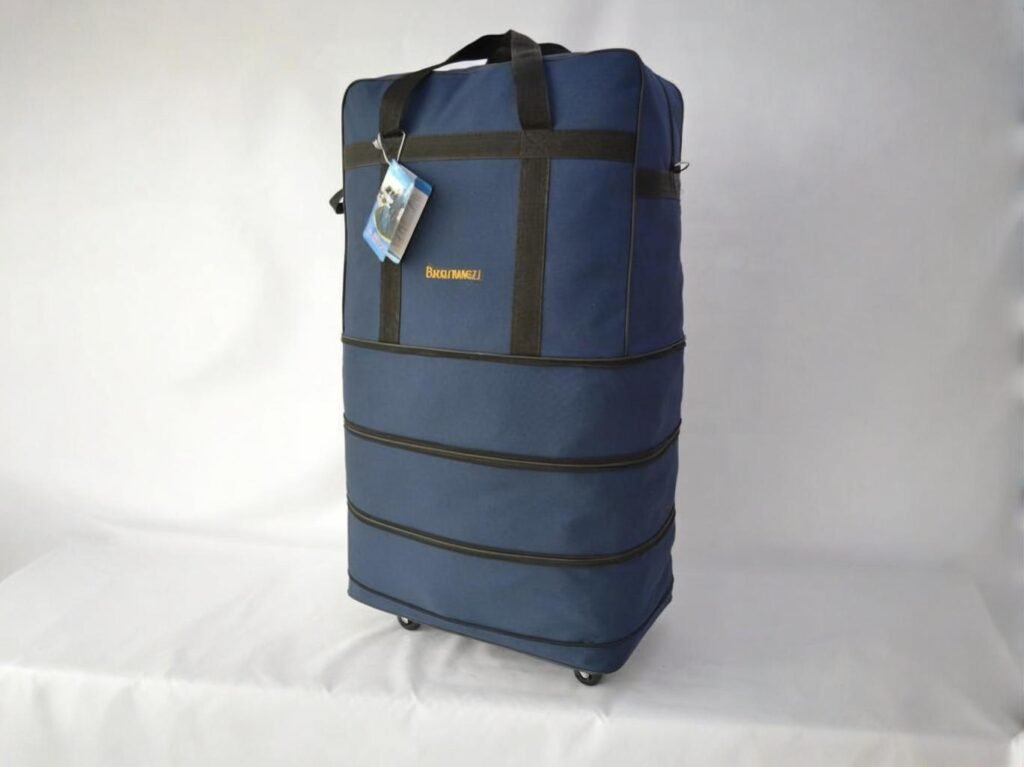
Natural materials such as canvas, cotton, linen, and jute continue to play a role in travel bag manufacturing, but their function has shifted from mainstream utility to design-driven and brand-oriented applications. In today’s market, where performance, weight efficiency, and durability are critical, synthetic fabrics dominate. However, natural materials remain relevant because they offer something synthetics often cannot: authentic texture, environmental appeal, and a distinct tactile experience.
From a commercial perspective, natural fabrics are most commonly used in segments where visual identity and sustainability messaging influence purchasing decisions. This includes lifestyle travel products, boutique retail collections, and eco-focused brands. According to retail trend data, products labeled as “natural” or “eco-friendly” can achieve 10–25% higher perceived value, even when their functional performance is not superior.
In practical manufacturing, natural materials are typically applied in scenarios such as:
- Lifestyle-oriented travel bags designed for casual or urban use
- Short-distance travel products where durability demands are moderate
- Eco-conscious product lines targeting sustainability-focused consumers
However, these materials come with limitations. Compared to synthetic fabrics, they generally have higher weight, lower water resistance, and less consistent long-term durability, which restricts their use in high-performance travel applications.
Is Canvas Suitable for Heavy-Duty Travel Bags?
Canvas is the most widely used natural material in travel bag manufacturing. It is made from tightly woven cotton fibers, giving it a dense structure and relatively high strength compared to other natural fabrics.
| Property | Canvas Performance |
|---|---|
| Strength | High |
| Weight | Heavy |
| Abrasion resistance | Good |
| Water resistance | Low (unless treated) |
Canvas is often selected for products where durability and visual appeal are both important. It is commonly used in:
- Vintage-style travel bags with a rugged aesthetic
- Outdoor lifestyle products where a natural look is preferred
- Fashion-oriented luggage collections
Despite its strength, canvas presents a key limitation: weight. A canvas bag can be 20–30% heavier than a comparable synthetic bag, which becomes a significant disadvantage in air travel where weight restrictions are strictly enforced.
Additionally, untreated canvas absorbs moisture, which can lead to issues such as fabric stiffening, staining, or mildew in humid conditions. To address this, manufacturers often apply wax or coating treatments, though this adds cost and can alter the fabric’s natural feel.
How Does Cotton Perform in Travel Use?
Cotton is lighter and softer than canvas, making it more comfortable and versatile for certain applications. However, it is also less durable and more prone to wear under stress.
| Property | Cotton Performance |
|---|---|
| Weight | Light |
| Strength | Moderate |
| Comfort | High |
| Durability | Low–medium |
Cotton is typically used in products that prioritize comfort and ease of use rather than heavy-duty performance. Common applications include:
- Casual tote bags for short trips or daily errands
- Lightweight travel accessories such as packing pouches
- Promotional or retail items with a focus on branding
One of cotton’s main advantages is its soft texture and breathability, which enhances user experience in low-stress scenarios. However, under repeated use or heavy loads, cotton fibers can weaken, leading to faster wear and reduced structural integrity.
From a manufacturing perspective, cotton also presents challenges in maintaining consistency, as natural fibers can vary in quality depending on sourcing and processing.
Are Jute and Linen Practical for Travel Bags?
Jute and linen are less commonly used but occupy specific niches within the travel bag market, particularly in eco-conscious and premium design segments.
| Material | Key Feature | Limitation |
|---|---|---|
| Jute | Biodegradable, sustainable | Rough texture, limited durability |
| Linen | Smooth, premium feel | Wrinkles easily, lower tensile strength |
Jute is often chosen for its strong environmental positioning, as it is biodegradable and requires relatively low resource input during production. However, its coarse texture and lower durability make it unsuitable for products that require frequent handling or high load capacity.
Linen, on the other hand, offers a more refined appearance and is often used in premium lifestyle products. Its natural sheen and breathable structure make it visually appealing, but it lacks the strength needed for demanding travel conditions.
Both materials are typically used in:
- Eco-focused product lines targeting sustainability-conscious consumers
- Promotional or branding-driven bags where environmental messaging is key
- Niche lifestyle markets that prioritize aesthetics over performance
Natural vs Synthetic Material Performance
Comparing natural and synthetic materials highlights why each category serves a different purpose in travel bag manufacturing.
| Factor | Natural Materials | Synthetic Materials |
|---|---|---|
| Weight | Heavier | Lighter |
| Durability | Moderate | High |
| Water resistance | Low | High |
| Sustainability | High (perception and reality) | Moderate (improving with recycled options) |
This comparison underscores a fundamental industry insight: natural materials are primarily selected for their visual and environmental value, while synthetic materials are chosen for functional performance and reliability.
Manufacturers must therefore align material selection with the intended use of the product. Using natural materials in high-performance applications without modification can lead to reduced lifespan and lower customer satisfaction.
When Do Natural Materials Make Sense?
Natural fabrics are most effective when used in the right context. They are a strong choice when:
- The product emphasizes sustainability and environmental responsibility
- The design focuses on lifestyle appeal and visual differentiation
- The expected usage frequency and load requirements are relatively low
For example, a canvas travel tote designed for weekend use can perform well while delivering strong aesthetic appeal. However, the same material may not be suitable for a carry-on bag intended for frequent air travel.
Brands that understand these distinctions are better positioned to align product performance with customer expectations, reducing the risk of negative feedback.
Hybrid Use of Natural and Synthetic Materials
To overcome the limitations of natural fabrics, many manufacturers adopt a hybrid approach, combining natural and synthetic materials within a single product.
| Combination | Benefit |
|---|---|
| Canvas exterior + polyester lining | Maintains natural look while improving durability |
| Cotton body + nylon reinforcement | Enhances comfort while increasing strength |
| Linen panels + coated fabric base | Combines premium aesthetics with functional protection |
This approach allows manufacturers to balance:
- Visual appeal associated with natural materials
- Functional performance provided by synthetics
- Cost and production efficiency
Hybrid designs are particularly effective in mid-range and premium segments, where consumers expect both aesthetic quality and reliable performance.
Lifestyle Travel Bag Development
A travel brand launched a product line based entirely on canvas materials, targeting consumers who valued a vintage and natural aesthetic. The initial response was positive, with strong sales driven by visual appeal and brand storytelling.
However, after extended use, several issues emerged:
- The weight of the bags reduced portability, particularly for air travel
- Prolonged exposure to moisture affected the fabric’s condition
- Durability concerns arose in high-stress areas such as handles and seams
To address these challenges, the manufacturer introduced synthetic reinforcements, including polyester linings and nylon stress-point reinforcements. This improved overall performance without compromising the product’s visual identity.
The updated design achieved better balance, demonstrating that natural materials are most effective when combined with functional enhancements.
How Szoneier Supports Natural Material Integration
Szoneier approaches natural material integration with a focus on balancing aesthetics and performance. Rather than using natural fabrics in isolation, the company develops solutions that enhance their usability through thoughtful design and material combinations.
Its capabilities include:
- Sourcing high-quality natural fabrics such as canvas, cotton, and linen
- Developing blended material solutions that combine natural and synthetic advantages
- Applying custom treatments to improve durability and resistance to environmental factors
- Optimizing product design to ensure structural integrity and user comfort
By integrating natural materials strategically, Szoneier ensures that products retain their visual and environmental appeal while meeting practical performance requirements.
In a market where both sustainability and functionality are increasingly important, the ability to use natural materials effectively—without compromising durability—has become a key differentiator for modern travel bag manufacturers.
How Do Specialty Materials Improve Travel Bags?
As travel scenarios become more demanding, standard fabrics alone are often not enough to meet performance expectations. This is where specialty materials come into play. Materials such as neoprene, TPU-coated fabrics, PVC coatings, and ballistic nylon are used to enhance specific aspects of a product, allowing manufacturers to address real-world challenges that travelers face daily.
Unlike primary fabrics like nylon or polyester, specialty materials are rarely used as the entire structure of a bag. Instead, they are strategically integrated into key areas to deliver targeted functional benefits, such as protecting sensitive items, improving weather resistance, or extending the product’s lifespan under heavy use.
In practical applications, these materials help solve common problems:
- Protecting electronics from impact and moisture
- Ensuring durability in harsh environments such as rain, dust, or rough handling
- Enhancing perceived product value through improved performance
This targeted use of advanced materials allows manufacturers to create products that are not only functional but also adapted to specific travel conditions and user expectations.
What Is Neoprene Used for in Travel Bags?
Neoprene is a synthetic rubber material widely used in performance products due to its shock-absorbing and water-resistant properties. It is particularly valuable in areas where protection and flexibility are required.
| Property | Neoprene Performance |
|---|---|
| Shock absorption | Excellent |
| Water resistance | High |
| Flexibility | High |
| Weight | Medium-heavy |
In travel bags, neoprene is rarely used as the main exterior fabric. Instead, it is commonly applied in:
- Laptop compartments to protect against impact
- Internal sleeves designed for electronics or fragile items
- Padding layers that improve overall comfort and safety
One of neoprene’s key advantages is its ability to absorb shocks, reducing the risk of damage when a bag is dropped or subjected to sudden impact. This makes it especially valuable for products targeting business travelers or digital users carrying devices.
However, neoprene’s density also means it adds weight, so manufacturers must use it selectively to avoid compromising overall portability.
How Do TPU and Coated Fabrics Enhance Performance?
Coatings are one of the most effective ways to transform standard fabrics into high-performance materials. By applying a protective layer to the fabric surface or backing, manufacturers can significantly improve functionality without changing the base material.
| Coating Type | Function | Benefit |
|---|---|---|
| PU (Polyurethane) coating | Water resistance | Lightweight, suitable for daily use |
| TPU (Thermoplastic polyurethane) coating | Waterproofing + flexibility | High durability with premium feel |
| PVC (Polyvinyl chloride) coating | Heavy-duty waterproofing | Strong protection in extreme conditions |
These coatings provide several key benefits:
- Prevent water penetration, protecting internal contents
- Increase resistance to abrasion and environmental wear
- Extend the overall lifespan of the product
For example, a standard nylon fabric with TPU coating can achieve near-complete waterproof performance while maintaining flexibility. In contrast, PVC coatings offer stronger protection but are heavier and less flexible, making them more suitable for industrial or outdoor applications.
The choice of coating depends on the intended use. Lightweight travel bags may use PU coatings for everyday protection, while outdoor or waterproof bags rely on TPU or PVC for enhanced durability and environmental resistance.
Are Advanced Fabrics Like Ballistic Nylon Worth It?
Ballistic nylon is a high-density synthetic fabric originally developed for military applications. It is engineered to provide exceptional durability and resistance to wear, making it one of the most robust materials available in travel bag manufacturing.
| Property | Ballistic Nylon |
|---|---|
| Durability | Extremely high |
| Abrasion resistance | Excellent |
| Weight | Medium |
| Cost | High |
Ballistic nylon is typically used in:
- Premium travel bags designed for long-term use
- Heavy-duty applications where durability is a priority
- Products targeting professional or frequent travelers
Its tightly woven structure allows it to withstand intense abrasion and repeated stress, making it ideal for environments where bags are exposed to rough handling.
However, this performance comes at a cost. Ballistic nylon is more expensive and slightly heavier than standard nylon, which means it is usually reserved for high-end products where durability justifies the investment.
Functional Benefits of Specialty Materials
Specialty materials are selected to enhance specific performance areas within a travel bag, rather than replacing core fabrics entirely.
| Function | Material Used | Result |
|---|---|---|
| Waterproofing | TPU or PVC coatings | Protection against rain and moisture |
| Shock protection | Neoprene | Reduced impact damage to contents |
| Abrasion resistance | Ballistic nylon | Longer product lifespan |
By integrating these materials strategically, manufacturers can create products that perform better in targeted scenarios. For example, combining a nylon exterior with a neoprene laptop sleeve and TPU coating can result in a bag that is lightweight, protective, and weather-resistant.
Performance vs Weight Trade-Off
One of the key considerations when using specialty materials is the balance between performance and weight. Enhancing functionality often comes with an increase in material density, which affects portability.
| Material | Performance | Weight Impact |
|---|---|---|
| Neoprene | High | Medium |
| TPU coating | Very high | Moderate |
| PVC coating | Extreme | Heavy |
Manufacturers must carefully evaluate these trade-offs. For instance, a fully PVC-coated bag may offer excellent waterproofing but can become too heavy for comfortable travel. On the other hand, a TPU-coated bag provides strong protection while maintaining a more balanced weight profile.
The optimal choice depends on:
- The intended usage environment (urban vs outdoor)
- User expectations regarding weight and portability
- The product’s price positioning and target market
Waterproof Travel Bag Development
A travel brand aiming to enter the outdoor segment initially produced bags using standard nylon with basic water resistance. While the products performed adequately in light conditions, they failed to meet expectations in heavy rain.
The manufacturer introduced a TPU coating on the nylon fabric, resulting in:
- Full waterproof performance under prolonged exposure
- Increased resistance to wear and environmental damage
- Higher perceived product value in the market
Although production costs increased, the brand successfully repositioned the product as a premium offering, achieving stronger sales and improved customer feedback.
This case demonstrates how specialty materials can transform a standard product into a high-performance solution with greater market appeal.
Innovation Trends in Travel Bag Materials
The use of specialty materials continues to evolve as manufacturers respond to changing market demands and technological advancements.
Key trends include:
- Recycled coated fabrics that combine sustainability with performance
- Lightweight waterproof materials that reduce the traditional weight penalty
- Anti-bacterial treatments for improved hygiene in travel products
- Advanced anti-abrasion coatings that extend product lifespan
These innovations reflect a broader shift toward materials that are not only functional but also aligned with environmental and user experience expectations.
How Szoneier Applies Specialty Materials
Szoneier integrates specialty materials into its manufacturing process with a focus on performance-driven design and practical usability. Rather than applying these materials uniformly, the company uses them strategically to enhance specific aspects of each product.
Its approach includes:
- Advanced coating technologies tailored to different levels of water resistance and durability
- High-performance material combinations that balance strength, weight, and cost
- Custom functional solutions based on product requirements and target markets
- Rigorous testing procedures to ensure materials perform under real-world conditions
By combining technical expertise with manufacturing experience, Szoneier ensures that each product benefits from enhanced functionality, improved durability, and reliable performance, without unnecessary complexity or cost.
Which Material Is Best for Durability and Strength?
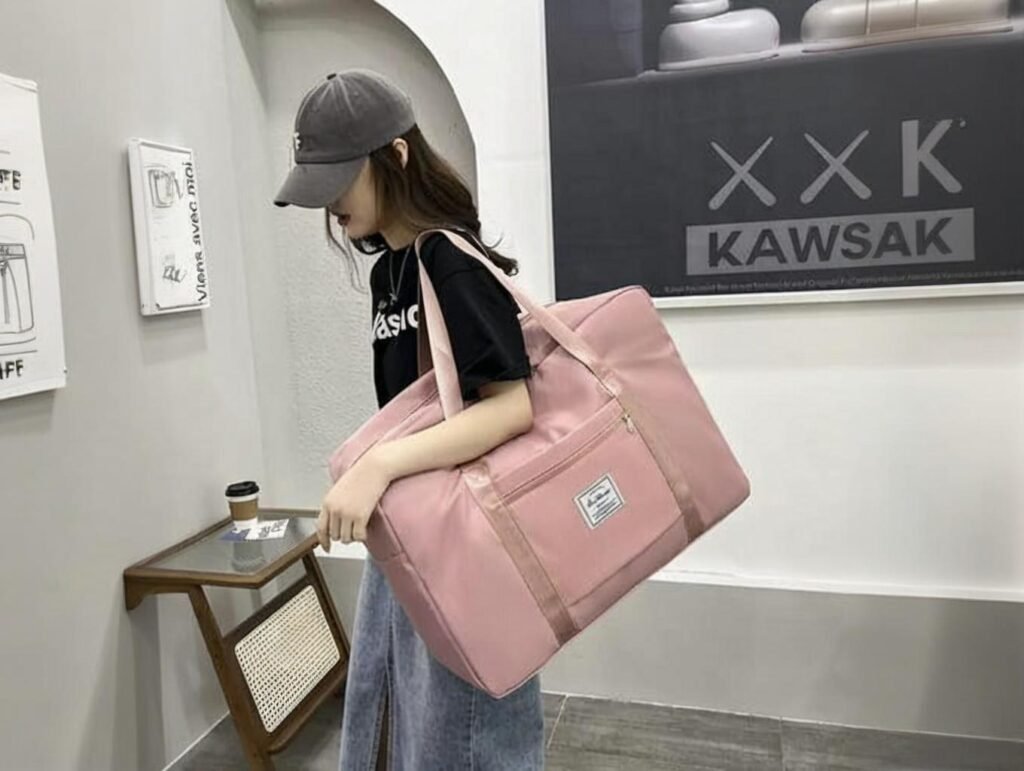
In travel bag manufacturing, durability is not determined by a single material choice—it is the result of how fiber strength, fabric density, coating technology, and construction methods work together. That said, when focusing purely on material performance, high-denier nylon—especially ballistic nylon—consistently ranks as the strongest option, with Oxford fabric following closely due to its structural rigidity and abrasion resistance.
Real-world travel conditions are unforgiving. Bags are dragged across rough surfaces, compressed in overhead compartments, exposed to moisture, and repeatedly loaded and unloaded. Under these conditions, materials must not only resist tearing but also maintain their structure and appearance over time. Products that perform well are those that can absorb stress, resist friction, and recover without permanent deformation.
Industry testing shows that material upgrades alone can extend product lifespan by 30–50%, particularly when combined with reinforced construction techniques. This is why premium travel bags rarely rely on standard fabrics—they are engineered using materials specifically chosen for long-term performance under stress.
How Do Materials Compare in Abrasion Resistance?
Abrasion resistance is one of the most important indicators of durability, as it reflects how well a material withstands continuous friction during use.
| Material | Abrasion Resistance | Real-World Performance |
|---|---|---|
| Ballistic Nylon | Extremely high | Minimal visible wear even after extended use |
| Oxford Fabric (900D) | Very high | Strong resistance in high-contact areas |
| Nylon (420D–840D) | High | Reliable long-term performance |
| Polyester (600D) | Medium | Gradual wear with frequent use |
| Canvas | Medium | Surface wear and fading over time |
Ballistic nylon stands out because of its dense weave and high-strength fibers, allowing it to endure thousands of abrasion cycles without significant degradation. Oxford fabric, particularly in higher denier versions, also performs exceptionally well, making it ideal for areas such as bag bases and corners.
This explains why many high-end products use reinforced panels made from ballistic nylon or Oxford fabric in high-contact zones, even when the main body uses lighter materials.
Which Fabrics Handle Heavy Loads Best?
Load capacity is another critical factor, especially for travel bags designed to carry heavy items over extended periods.
| Material | Load Capacity | Behavior Under Stress |
|---|---|---|
| Nylon | High | Flexes under pressure, reducing tear risk |
| Oxford | Very high | Maintains shape and structural integrity |
| Polyester | Medium | Stable but less adaptable to stress |
| Canvas | High | Strong but less efficient due to weight |
Nylon’s ability to flex slightly under load is a key advantage. This elasticity allows it to absorb stress without breaking, which is particularly important for backpacks and soft-sided luggage.
Oxford fabric, by contrast, is more rigid. It excels in maintaining structure, making it suitable for bags that need to retain their shape under heavy loads, such as duffel bags or structured travel gear.
Polyester, while stable, lacks the same level of flexibility and strength, which can lead to faster wear in high-stress applications.
What Affects Long-Term Durability?
Material choice alone does not determine how long a travel bag will last. Several additional factors play a crucial role in overall durability.
| Factor | Impact |
|---|---|
| Fabric density (denier) | Higher density increases resistance to tearing and abrasion |
| Coating quality | Protects against moisture and surface wear |
| Stitching methods | Determines seam strength and load distribution |
| Reinforcement design | Strengthens high-stress areas |
For example, increasing fabric density from 420D to 840D can significantly improve resistance to wear, but it also adds weight. Similarly, applying a TPU coating can enhance water resistance and durability, but may affect flexibility.
Stitching is often overlooked but is critical. Even the strongest fabric can fail if seams are not properly reinforced. High-quality products use double stitching, bar-tacking, and reinforced seams to ensure that stress is distributed evenly.
Durability vs Weight Trade-Off
One of the key challenges in material selection is balancing durability with weight. While stronger materials generally offer better performance, they also tend to be heavier.
| Material | Durability | Weight | Best Use Case |
|---|---|---|---|
| Ballistic Nylon | Very high | Medium | Premium, long-term use products |
| Oxford Fabric | Very high | Medium | Heavy-duty applications |
| Nylon | High | Light | Frequent travel and carry-on bags |
| Polyester | Medium | Medium | Casual or budget products |
The optimal choice depends on the intended use. For frequent travelers, lightweight nylon often provides the best balance, while heavy-duty applications may justify the use of heavier materials like ballistic nylon or Oxford fabric.
Manufacturers often address this trade-off by using hybrid constructions, where stronger materials are applied only in critical areas, reducing overall weight without compromising durability.
Stress Points That Define Bag Lifespan
In most cases, travel bags do not fail because of the main fabric. Instead, failures occur at specific stress points where pressure and friction are concentrated.
| Area | Common Issue | Recommended Solution |
|---|---|---|
| Handles | Tearing under load | Reinforced stitching and backing materials |
| Corners and base | Abrasion from ground contact | Protective panels using high-density fabric |
| Zippers | Breakage or misalignment | Use of high-grade components and precise installation |
Reinforcing these areas can significantly extend the lifespan of a product. For example, adding protective panels to the base of a bag can reduce wear by over 40% in high-friction environments.
This targeted reinforcement strategy is widely used in premium products to ensure that the most vulnerable areas are adequately protected.
Durability Improvement Strategy
A travel brand producing mid-range bags identified durability issues, particularly in seam failure and fabric wear. The original design used standard 600D polyester with basic stitching.
The manufacturer implemented several upgrades:
- Replaced polyester with high-density nylon for improved strength
- Added reinforced stitching at all load-bearing points
- Introduced protective panels in high-abrasion areas
The results were significant:
- Product lifespan increased by more than 40%
- Customer complaints related to durability dropped sharply
- The brand was able to reposition the product at a higher price point
This case demonstrates that durability improvements come from a combination of material upgrades and construction enhancements, rather than a single change.
How Szoneier Ensures High Durability
Szoneier approaches durability as a system rather than a single feature. By integrating material selection, construction techniques, and quality control, the company ensures that each product performs reliably under real travel conditions.
Its approach includes:
- Sourcing high-quality materials such as nylon, Oxford fabric, and coated textiles
- Applying reinforced construction methods in high-stress areas
- Conducting multi-stage quality inspections throughout production
- Performing real-use testing to simulate actual travel conditions
This structured process ensures that every product delivers consistent strength, long-term durability, and dependable performance, meeting the expectations of both brands and end users in demanding environments.
How Do Materials Affect Weight and Travel Efficiency?
In travel bag design, weight is not just a specification—it is a defining factor that directly influences how efficiently a product performs in real-world travel. Material selection plays a central role in determining total bag weight, which in turn affects packing capacity, ease of movement, airline compliance, and user comfort.
With most airlines enforcing strict carry-on limits—often around 7–10 kg for cabin baggage—even a difference of 300–500 grams in the bag itself can significantly impact how much a traveler can pack. For frequent travelers, this difference is not theoretical; it often determines whether they stay within limits or incur additional fees.
Modern manufacturers therefore treat weight optimization as a key design objective. The goal is to achieve the highest possible strength-to-weight ratio, ensuring that the bag remains durable without adding unnecessary mass.
Which Materials Are the Lightest?
Different materials contribute differently to overall bag weight. Understanding these differences helps in selecting the right fabric for specific travel needs.
| Material | Weight Level | Performance |
|---|---|---|
| Nylon (210D–420D) | Very light | High strength, flexible |
| Polyester (600D) | Medium | Balanced durability and cost |
| Oxford Fabric | Medium-heavy | Strong and structured |
| Canvas | Heavy | Durable but less efficient |
Nylon stands out because it delivers exceptional strength at a lower weight, making it the preferred choice for lightweight travel bags. For example, a bag made from 420D nylon can weigh 15–25% less than a comparable polyester version, while still maintaining similar durability.
Canvas, although strong, is significantly heavier. This makes it less suitable for air travel, where weight efficiency is critical.
How Does Weight Impact Airline Travel?
Weight directly affects how a travel bag performs in airport and in-flight scenarios. The impact extends beyond simple convenience.
| Factor | Impact |
|---|---|
| Carry-on limits | More usable packing capacity |
| Mobility | Easier handling and faster movement |
| Fatigue | Reduced physical strain during long travel |
| Packing flexibility | Greater freedom in item selection |
A lighter bag provides immediate advantages:
- Travelers can pack more essentials without exceeding weight limits
- Movement through airports becomes faster and less tiring
- Overhead lifting and handling require less effort
- The risk of overweight fees is reduced
In practical terms, reducing bag weight by even 20% can translate into significantly improved travel efficiency, especially for frequent flyers who travel multiple times per month.
What Is the Best Balance Between Weight and Strength?
The ideal material is not necessarily the lightest or the strongest, but the one that offers the best balance between the two.
| Material | Weight | Strength | Balance Rating |
|---|---|---|---|
| Nylon 420D | Light | High | Excellent |
| Polyester 600D | Medium | Medium | Good |
| Oxford 900D | Medium-heavy | Very high | Moderate |
Mid-density nylon, particularly in the 420D range, is widely considered the optimal choice for most travel scenarios. It provides strong resistance to wear and tearing while keeping overall weight low.
Polyester offers a reasonable compromise for cost-sensitive products, while Oxford fabric is better suited for applications where maximum durability is required, even at the expense of added weight.
Weight vs Functionality Trade-Off
Every material choice involves trade-offs. Increasing durability often means adding weight, while reducing weight can sometimes limit performance.
| Priority | Recommended Material |
|---|---|
| Lightweight travel | Nylon |
| Balanced performance | Polyester |
| Heavy-duty durability | Oxford |
For example, a bag designed for short business trips may prioritize lightweight nylon to maximize portability, while a bag intended for rugged outdoor use may rely on Oxford fabric to ensure durability under harsh conditions.
Manufacturers must align these choices with the intended user and usage scenario. A mismatch between material and purpose can lead to reduced user satisfaction and product inefficiency.
Structural Design and Weight Optimization
Material selection is only one part of the weight equation. Structural design decisions also have a significant impact on total product weight.
| Design Factor | Impact |
|---|---|
| Fabric thickness | Directly affects overall mass |
| Hardware selection | Adds weight through zippers, buckles, and frames |
| Internal structure | Influences both weight and usability |
For instance, using oversized zippers or heavy metal hardware can add unnecessary weight without providing proportional benefits. Similarly, overly complex internal structures can increase mass while reducing usable space.
Advanced manufacturers focus on design efficiency, ensuring that every component contributes to functionality without adding excess weight.
Weight Optimization in Travel Bags
A travel brand targeting frequent flyers identified weight as a key issue in its product line. The original design used polyester fabric with a relatively complex internal structure.
The manufacturer implemented several changes:
- Switched to lightweight nylon fabric
- Simplified internal compartments to reduce material usage
- Replaced heavy hardware with lighter alternatives
The results were clear:
- Overall bag weight decreased by 20–30%
- Users reported improved mobility and comfort
- Customer satisfaction increased, particularly among frequent travelers
This case demonstrates that weight optimization is not achieved through a single change but through a combination of material selection and design refinement.
Weight Distribution and Comfort
Weight is not only about total mass—it is also about how that weight is distributed. Poor weight distribution can make even a lightweight bag feel uncomfortable.
| Feature | Benefit |
|---|---|
| Balanced compartments | Even load distribution across the bag |
| Flexible materials | Allow natural movement and adaptability |
| Ergonomic design | Reduce strain on shoulders and back |
For example, a backpack made from lightweight nylon with well-designed compartments can distribute weight evenly, reducing pressure points and improving overall comfort.
Flexible materials also play a role by allowing the bag to adapt to the shape of its contents, which enhances both usability and carrying experience.
How Szoneier Optimizes Weight in Manufacturing
Szoneier approaches weight optimization as a combination of material science and structural design. By integrating these elements, the company ensures that products remain both lightweight and durable.
Its approach includes:
- Selecting high-performance fabrics that offer strong durability at lower weights
- Reducing unnecessary material usage through optimized pattern design
- Using advanced production techniques to maintain strength without adding bulk
- Customizing product structures based on specific travel scenarios and user needs
Through this method, Szoneier delivers travel bags that achieve a balanced combination of lightweight construction, durability, and practical usability, ensuring they perform efficiently in real-world travel environments.
How to Choose the Right Material for Different Travel Needs?
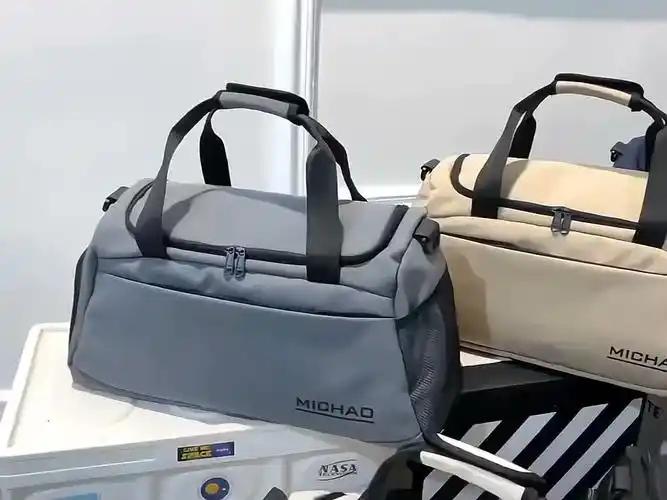
Selecting the right material for a travel bag is not about chasing the highest specifications—it is about making decisions based on real usage scenarios, user behavior, and cost-performance balance. In manufacturing, the most successful products are not those built with the most expensive materials, but those where the material choice is precisely aligned with how the bag will be used in practice.
Travel conditions vary widely. A business traveler flying weekly has completely different requirements compared to a casual user taking occasional weekend trips. Similarly, outdoor travel introduces environmental challenges that standard materials cannot handle. Because of this, material selection must always be context-driven rather than absolute.
In practical terms:
- Frequent travel demands durability, lightweight construction, and resistance to wear
- Occasional travel prioritizes affordability and ease of use
- Outdoor or rugged environments require enhanced protection against weather and abrasion
Failing to align materials with these scenarios often leads to common issues such as premature wear, unnecessary cost increases, or poor user experience.
Which Materials Suit Frequent Travelers?
Frequent travelers place the highest demands on travel bags. Their products must endure repeated handling, constant movement, and heavy packing over extended periods.
| Requirement | Recommended Material | Reason |
|---|---|---|
| High durability | Nylon / Ballistic Nylon | Strong resistance to wear and long lifespan |
| Lightweight | Nylon 420D–840D | Reduces travel fatigue and maximizes packing capacity |
| Abrasion resistance | Oxford fabric / Ballistic Nylon | Handles friction from frequent use |
Nylon-based materials are the preferred choice in this category because they provide an optimal balance of strength, flexibility, and weight efficiency. For example, a 420D nylon fabric can withstand repeated stress while remaining light enough for carry-on use.
Ballistic nylon is often used in premium products for users who travel frequently and require maximum durability with minimal maintenance concerns. These materials help reduce long-term replacement costs and improve overall user satisfaction.
What Works Best for Casual or Short Trips?
Casual travelers typically use their bags less frequently and under less demanding conditions. For this group, cost and convenience are often more important than maximum durability.
| Requirement | Recommended Material | Reason |
|---|---|---|
| Cost efficiency | Polyester | Lower production and retail cost |
| Ease of use | Polyester / Cotton | Simple maintenance and handling |
| Style focus | Canvas / Cotton | Visual appeal and lifestyle positioning |
Polyester is the most practical choice for this segment because it offers reliable performance at a competitive price point. It is durable enough for occasional use while maintaining consistent appearance over time.
Natural materials such as canvas and cotton are also popular in this category, particularly for lifestyle-oriented products. However, they are better suited for light-duty applications rather than heavy or frequent travel.
Which Fabrics Are Ideal for Outdoor or Harsh Conditions?
Outdoor travel introduces additional challenges that require specialized materials. Bags used in these environments must withstand moisture, rough surfaces, and heavier loads.
| Condition | Recommended Material | Benefit |
|---|---|---|
| Rain and humidity | TPU-coated nylon | Provides waterproof protection |
| Abrasion and rough surfaces | Ballistic nylon | Resists wear and tearing |
| Heavy loads | Oxford fabric | Maintains structure and strength |
In these scenarios, standard materials are often insufficient. Coated fabrics and high-density materials are necessary to ensure that the bag can perform reliably under extreme conditions.
For example, TPU-coated nylon can prevent water penetration even during prolonged exposure, while ballistic nylon can withstand heavy abrasion without significant wear. These materials are essential for products targeting adventure travel or professional outdoor use.
Matching Material to User Profiles
Material selection becomes clearer when viewed through the lens of user behavior. Different user groups prioritize different aspects of performance.
| User Type | Material Strategy | Key Priority |
|---|---|---|
| Business traveler | Nylon (mid to high density) | Lightweight and durability |
| Budget traveler | Polyester | Cost efficiency |
| Adventure traveler | Coated nylon + reinforcement | Performance and protection |
| Lifestyle user | Canvas / Cotton | Aesthetic and brand identity |
This approach highlights that material choice is not only technical but also strategic, as it directly influences how a product is perceived and used.
For instance, a business traveler values efficiency and reliability, while a lifestyle user may prioritize design and texture. Aligning materials with these expectations is critical for product success.
Travel Duration vs Material Choice
The length of a trip also influences material requirements. Longer trips generally involve heavier loads and more frequent use, which increases the need for durable materials.
| Trip Length | Recommended Material | Reason |
|---|---|---|
| 1–2 days | Polyester / Cotton | Lightweight and sufficient for short use |
| 3–5 days | Nylon / Polyester blend | Balanced performance and durability |
| 7+ days | Nylon / Oxford fabric | Strong support for heavy loads and extended use |
For short trips, lightweight and cost-effective materials are usually sufficient. However, as trip duration increases, the need for higher durability and structural support becomes more important.
Common Mistakes in Material Selection
Choosing the wrong material can lead to performance issues, increased costs, and reduced customer satisfaction. Several common mistakes should be avoided.
| Mistake | Consequence |
|---|---|
| Choosing based on price only | Short product lifespan and higher replacement rates |
| Ignoring weight | Reduced travel efficiency and comfort |
| Overlooking environment | Material failure under specific conditions |
| Over-specifying performance | Unnecessary cost without added value |
One of the most frequent errors is over-specification—using high-end materials in products that do not require them. This increases cost without providing meaningful benefits to the user.
The most effective approach is to balance performance with actual usage needs, ensuring that every material choice has a clear purpose.
Scenario-Based Product Optimization
A travel brand seeking to expand its market presence restructured its product line based on usage scenarios rather than a one-size-fits-all approach.
The strategy included:
- Polyester materials for entry-level products targeting cost-sensitive customers
- Nylon fabrics for mid-to-premium products requiring better durability and performance
- Coated materials for outdoor-focused models designed for challenging environments
The results were significant:
- Clearer product segmentation across different price points
- Improved customer satisfaction due to better alignment with user expectations
- Stronger market positioning, with each product line serving a distinct purpose
This case demonstrates that scenario-based material selection is a powerful tool for both product development and market strategy.
How Szoneier Helps Match Materials to Needs
Szoneier supports brands by aligning material selection with real-world usage and market positioning. Rather than offering generic solutions, the company focuses on providing targeted recommendations based on product requirements and user scenarios.
Its approach includes:
- Analyzing product positioning and intended use cases
- Recommending materials that balance performance, weight, and cost
- Providing samples for testing and validation before production
- Customizing designs to ensure materials perform effectively in specific environments
By integrating material expertise with practical manufacturing knowledge, Szoneier ensures that each product is built with materials that match actual travel needs, resulting in better performance, improved user experience, and stronger commercial outcomes.
Are These Materials Suitable for Custom Manufacturing?
All major materials used in travel bag production—nylon, polyester, Oxford fabric, and specialty textiles—are highly adaptable for custom manufacturing. What differentiates a standard product from a successful custom product is not the fabric itself, but how effectively the manufacturer integrates material selection, coatings, structure, and finishing techniques into a unified product system.
In modern manufacturing, customization goes far beyond selecting a color or adding a logo. It involves engineering a product that meets specific targets for durability, weight, functionality, and brand positioning, while still being efficient to produce at scale. This is why experienced manufacturers treat material selection as part of a broader development strategy rather than an isolated decision.
When done correctly, custom manufacturing allows brands to create products that are:
- Functionally aligned with real travel scenarios
- Visually consistent with brand identity
- Optimized for cost, performance, and scalability
Which Materials Are Best for Customization and Branding?
Different materials offer different levels of flexibility when it comes to customization, particularly in branding and visual design.
| Material | Customization Capability | Best Use |
|---|---|---|
| Polyester | Excellent printing compatibility | Branding-heavy and promotional products |
| Nylon | Good adaptability with premium feel | Performance-driven and high-end products |
| Canvas | Strong texture and visual identity | Lifestyle and fashion-oriented products |
| Oxford | Moderate customization | Functional and structured designs |
Polyester is widely used for customization because it supports high-resolution printing, vibrant colors, and consistent surface finishes. This makes it ideal for products where branding plays a central role, such as retail collections or promotional items.
Nylon, while slightly less print-friendly, offers a more refined appearance and is often used in premium products where performance and subtle branding are more important than bold graphics.
Canvas provides a natural texture that enhances brand storytelling, particularly for lifestyle products, while Oxford fabric is typically used in designs where functionality and durability take priority over visual complexity.
How Do Coatings and Finishes Affect Product Design?
Coatings and surface treatments are essential tools in custom manufacturing. They allow manufacturers to enhance the performance of a material without changing its core structure.
| Finish Type | Function | Impact |
|---|---|---|
| PU coating | Water resistance | Suitable for everyday travel conditions |
| TPU coating | Waterproofing and flexibility | Enables premium, high-performance products |
| Anti-abrasion coating | Surface protection | Extends product lifespan in high-wear areas |
| UV coating | Color protection | Maintains appearance over time |
These finishes provide flexibility in product development. For example, a standard polyester fabric can be upgraded with a TPU coating to achieve waterproof performance comparable to higher-end materials, without significantly increasing cost.
From a design perspective, coatings also influence the look and feel of the product. Matte, glossy, or textured finishes can all be achieved through different treatments, allowing brands to create distinct visual identities.
What Role Does Material Innovation Play?
Material innovation is becoming a key driver of differentiation in the travel bag industry. Manufacturers are increasingly incorporating advanced materials to meet evolving market demands.
Some of the most relevant innovations include:
- Recycled fabrics such as rPET, which support sustainability goals
- Lightweight high-strength nylon that improves portability without sacrificing durability
- Advanced waterproof coatings that provide protection in extreme conditions
- Anti-bacterial and odor-resistant treatments for improved hygiene
These innovations offer tangible benefits:
- Reduced environmental impact, which is increasingly important for global brands
- Enhanced durability, leading to longer product lifespans
- Improved user experience, particularly in demanding travel scenarios
In competitive markets, integrating innovative materials can significantly improve both product performance and brand perception.
Material Strategy for Product Lines
Custom manufacturing often involves developing multiple product tiers, each with a distinct material strategy aligned with its target market.
| Product Tier | Material Strategy | Goal |
|---|---|---|
| Entry-level | Polyester | Achieve cost efficiency and scalability |
| Mid-range | Polyester + Nylon combinations | Balance performance and price |
| Premium | Nylon or Ballistic Nylon | Maximize durability and perceived value |
This tiered approach allows brands to serve different customer segments without compromising consistency. For example, entry-level products can focus on affordability, while premium lines emphasize performance, durability, and brand positioning.
By structuring material choices in this way, companies can create a coherent product portfolio that addresses diverse market needs.
Manufacturing Efficiency vs Material Choice
Material selection also affects production efficiency, which in turn influences cost, lead time, and scalability.
| Factor | Nylon | Polyester |
|---|---|---|
| Production complexity | Higher due to flexibility and handling requirements | Lower, easier to process |
| Cost control | Moderate | High efficiency and lower cost |
| Scalability | Good | Excellent for large-volume production |
Polyester is often preferred for large-scale manufacturing because it is easier to cut, sew, and maintain consistency across batches. Nylon, while offering better performance, requires more precise handling, which can increase production complexity.
This does not mean one material is better than the other—it simply highlights the importance of aligning material choice with production goals and market positioning.
Custom Travel Bag Development
A travel brand looking to expand its product offerings adopted a structured material strategy across its product line.
The approach included:
- Nylon for premium bags targeting frequent travelers
- Polyester for mass-market products focused on affordability
- TPU-coated fabrics for waterproof models designed for outdoor use
The results were clear:
- A broader product range that appealed to multiple customer segments
- Increased sales driven by clearer product differentiation
- Improved customer satisfaction due to better alignment between product features and user expectations
This example demonstrates how thoughtful material selection can support both product development and commercial success.
Why Manufacturing Experience Matters
Even the best materials cannot deliver strong performance without proper execution. Manufacturing experience plays a critical role in ensuring that materials are used effectively.
A reliable manufacturer provides:
- Accurate material selection based on product requirements
- Consistent quality across production batches
- Efficient production processes that reduce delays and costs
- Real-world performance validation through testing and refinement
Without this expertise, even high-quality materials can lead to suboptimal results, such as poor durability, inconsistent appearance, or production inefficiencies.
How Szoneier Supports Custom Manufacturing
With over 18 years of experience in fabric and bag manufacturing, Szoneier offers a comprehensive system for custom product development. Its capabilities are designed to support brands from initial concept through to final production.
Key strengths include:
- Access to a full range of materials, including nylon, polyester, Oxford fabric, neoprene, and specialty textiles
- In-house fabric research and customization to meet specific performance requirements
- OEM and private label production tailored to brand needs
- Low minimum order quantities, enabling flexible product development
- Fast sampling and short lead times to accelerate market entry
- Multi-stage quality control systems ensuring consistent product performance
By integrating material expertise with manufacturing efficiency, Szoneier enables clients to develop travel bags that are not only visually distinctive but also durable, functional, and ready for real-world use.
In today’s competitive landscape, the ability to customize materials effectively is a critical advantage. Manufacturers that can combine material innovation with production expertise are best positioned to help brands create products that stand out and perform reliably in diverse travel scenarios.
Build Better Travel Bags by Choosing the Right Materials
Travel bag performance starts with material selection. Every fabric—whether nylon, polyester, Oxford, or specialty materials—plays a role in shaping durability, weight, comfort, and overall user experience.
The key is not to find a single “best material,” but to understand:
- How each material behaves
- What each travel scenario requires
- How to combine materials for optimal performance
When materials, design, and manufacturing come together correctly, the result is a product that not only looks good but also performs reliably in real-world travel conditions.
If you are planning to develop or upgrade your travel bag products, choosing the right manufacturing partner is just as important as choosing the right material.
Szoneier combines advanced fabric expertise, product development capability, and over 18 years of manufacturing experience to help you create travel bags that stand out in both quality and performance.
Contact Szoneier today to request samples and start building your custom travel bag collection with the right materials and professional support.