Skip to content
Walk into any airport today and you’ll notice something interesting—most travelers are carrying soft, flexible, lightweight bags instead of rigid suitcases. But what many people don’t realize is that behind these bags lies a critical decision: nylon or polyester. This choice quietly determines how long your bag lasts, how it handles rain, how much weight you carry, and even how comfortable your journey feels.
At a fundamental level, nylon and polyester are both synthetic fabrics widely used in travel bags, but they differ significantly in strength, weight, durability, water resistance, and cost. Nylon is generally stronger, lighter, and more abrasion-resistant, making it ideal for high-performance and frequent travel. Polyester, on the other hand, offers better color retention, lower cost, and stable performance for everyday use. The best choice depends on how often you travel, what you carry, and how demanding your usage is.
Imagine two travelers: one flying weekly with tight schedules, the other taking occasional weekend trips. They may carry similar-looking bags—but the material inside those bags can completely change their experience. Let’s break down exactly how nylon and polyester compare, and how to choose the right one.
What Are Nylon and Polyester Travel Bags?

Nylon and polyester travel bags represent the two most widely used categories of soft luggage in modern manufacturing. Both are made from synthetic fibers engineered to deliver a balance of durability, flexibility, weight efficiency, and cost control, but they differ in how they perform under real-world travel conditions.
From a manufacturing perspective, these materials are not interchangeable—they are selected based on specific product goals and user scenarios. Nylon is typically associated with higher performance and lighter weight, while polyester is known for its structural stability and cost efficiency, making it a staple in mass-market travel products.
In practical use, the difference is immediately noticeable. Nylon bags tend to feel softer, smoother, and more flexible, adapting easily to different packing conditions. Polyester bags, by contrast, feel firmer and more structured, which can help maintain shape but reduces flexibility under load.
Understanding these differences is essential because material choice directly influences how a bag performs over time, especially under frequent travel conditions.
What Defines Nylon in Travel Bags?
Nylon is a high-performance synthetic polymer originally developed for industrial and military applications. Its molecular structure gives it exceptional strength and elasticity, making it one of the most reliable materials for demanding travel scenarios.
In travel bags, nylon is commonly used in different densities such as 210D, 420D, and 840D, where “denier” refers to the thickness of the fibers. Higher denier fabrics provide greater durability but also add weight.
| Property | Nylon Performance |
|---|---|
| Strength | Very high |
| Flexibility | High |
| Abrasion resistance | Excellent |
| Weight | Very light |
These characteristics make nylon particularly suitable for:
- Frequent travelers who use their bags regularly
- Situations involving heavy packing and repeated handling
- Lightweight carry-on bags where every gram matters
One of nylon’s key advantages is its ability to absorb stress without breaking. It can flex slightly under pressure, which reduces the risk of tearing when the bag is overloaded or compressed. This makes it especially effective in environments such as airports, where bags are often subjected to rough handling.
What Defines Polyester in Travel Bags?
Polyester is another widely used synthetic fiber, but it is engineered with a different set of priorities. While it may not match nylon in flexibility, it offers excellent stability, color retention, and cost efficiency, making it a practical choice for a wide range of products.
| Property | Polyester Performance |
|---|---|
| Strength | Moderate–high |
| Flexibility | Medium |
| Color retention | Excellent |
| Cost | Lower |
Polyester is commonly used in:
- Everyday travel bags designed for moderate use
- Budget-friendly luggage where cost control is important
- Promotional or branded products requiring consistent appearance
One of polyester’s standout features is its ability to maintain shape over time. Unlike nylon, which can stretch slightly under stress, polyester remains more rigid, which helps the bag retain its structure even after repeated use.
From a manufacturing standpoint, polyester is also easier to process. Its dimensional stability allows for more consistent cutting, sewing, and finishing, which improves production efficiency and reduces defects.
Are Both Materials Suitable for Air Travel?
Both nylon and polyester are suitable for air travel, but they serve different priorities depending on the traveler’s needs.
| Factor | Nylon | Polyester |
|---|---|---|
| Frequent flying | Excellent | Good |
| Lightweight travel | Excellent | Good |
| Cost efficiency | Moderate | Excellent |
| Long-term durability | Excellent | Good |
For travelers who fly frequently, nylon is often the preferred choice because it offers better durability and lower weight, which improves overall travel efficiency. Polyester, on the other hand, is well-suited for occasional travelers who prioritize affordability and reliability over maximum performance.
Fiber Structure and Its Impact
The differences between nylon and polyester originate at the molecular level, which directly affects how each material behaves in practical use.
| Factor | Nylon | Polyester |
|---|---|---|
| Fiber elasticity | High | Low |
| Moisture absorption | Slightly higher | Very low |
| Resistance to deformation | Moderate | High |
These structural differences explain why:
- Nylon feels softer and more flexible, adapting to different shapes and loads
- Polyester feels firmer and maintains its structure more consistently
Nylon’s elasticity allows it to absorb impact and stress, which is beneficial for durability. Polyester’s rigidity, on the other hand, helps maintain a clean and structured appearance, which is often preferred in retail-focused products.
Fabric Density and Real Performance
Material type alone does not determine performance—fabric density plays an equally important role. Denier (D) is used to measure fiber thickness, and it directly influences durability, weight, and overall performance.
| Fabric Type | Typical Use | Performance Level |
|---|---|---|
| Nylon 210D | Ultra-light travel bags | Light-duty applications |
| Nylon 420D | Standard travel bags | High performance |
| Polyester 600D | Everyday luggage | Balanced durability |
| Polyester 900D | Heavy-duty products | Strong but heavier |
Higher denier fabrics provide greater resistance to wear and tearing, but they also increase weight. This creates a trade-off that manufacturers must carefully manage.
For example, a 420D nylon fabric is often considered ideal because it offers strong durability without significantly increasing weight, making it suitable for most travel scenarios.
First-Time Buyer Decision
A first-time buyer comparing nylon and polyester travel bags often notices immediate differences:
- Nylon feels lighter, smoother, and more flexible
- Polyester feels thicker, more rigid, and slightly heavier
However, the differences become more apparent over time. After extended use:
- Nylon tends to maintain performance under stress, showing less risk of tearing
- Polyester retains its shape well but may exhibit surface wear or reduced flexibility
This experience highlights an important point: the “better” material depends on how the bag will be used. Frequent travelers benefit more from nylon’s durability and lightweight properties, while occasional users may find polyester sufficient for their needs.
Ultimately, choosing between nylon and polyester is not about selecting a superior material—it is about matching material characteristics to real-world usage, ensuring that the product performs as expected throughout its lifecycle.
Which Material Is More Durable for Travel Bags?
Durability is one of the most critical factors in travel bag performance, especially for products exposed to frequent handling, heavy packing, and unpredictable environments. Between nylon and polyester, nylon generally offers superior durability, primarily due to its higher tensile strength, better abrasion resistance, and ability to flex under stress without failing.
However, durability should not be viewed as a single metric. It is the result of how a material behaves under continuous wear, pressure cycles, environmental exposure, and long-term use. While nylon leads in high-performance scenarios, polyester remains a reliable and practical option for moderate use, particularly when cost efficiency is a priority.
In real-world applications, the difference becomes most noticeable over time. Nylon tends to maintain structural integrity under repeated stress, while polyester performs well initially but may show earlier signs of wear in demanding conditions.
Is Nylon Stronger Than Polyester?
From a material science perspective, nylon fibers are engineered to deliver higher strength and elasticity compared to polyester. This gives nylon a clear advantage in demanding applications.
| Property | Nylon | Polyester |
|---|---|---|
| Tensile strength | Higher | Moderate |
| Tear resistance | Excellent | Good |
| Flexibility under load | High | Medium |
Nylon’s elasticity allows it to stretch slightly when subjected to force, which helps absorb impact and prevents sudden tearing. Polyester, being more rigid, does not deform as easily, which can make it more prone to stress-related damage under heavy loads.
This difference is particularly important in travel scenarios where bags are frequently overpacked or compressed. Nylon’s ability to adapt to stress makes it more reliable for long-term, high-intensity use.
How Do They Perform Under Heavy Loads?
Travel bags are often subjected to varying load conditions, from light daily use to heavy packing for extended trips. The ability of a material to handle these loads consistently is a key indicator of durability.
| Load Condition | Nylon Performance | Polyester Performance |
|---|---|---|
| Light load | Excellent | Excellent |
| Medium load | Excellent | Good |
| Heavy load | Very strong | Moderate |
Under heavy loads, nylon maintains performance because it can distribute stress across the fabric structure. Polyester, while stable, lacks the same level of flexibility, which can lead to localized stress points and eventual wear.
For example, in a fully packed travel bag weighing over 15 kg, nylon is more likely to maintain seam integrity and fabric strength, while polyester may begin to show signs of strain in high-stress areas.
Which Material Lasts Longer Over Time?
Long-term durability depends not only on initial strength but also on how the material resists wear and environmental exposure over extended periods.
| Factor | Nylon | Polyester |
|---|---|---|
| Wear resistance | High | Medium |
| UV resistance | Moderate | High |
| Long-term durability | Excellent | Good |
Nylon excels in resisting abrasion and mechanical wear, which are the primary causes of material degradation in travel bags. Polyester, on the other hand, performs better under prolonged exposure to sunlight, as it retains color and structure more effectively in UV-heavy environments.
This means that nylon is generally better suited for frequent travel and heavy use, while polyester may be advantageous in applications where appearance retention and outdoor exposure are more important.
Abrasion Resistance in Real Travel Conditions
Abrasion resistance is one of the most practical measures of durability, as travel bags are constantly exposed to friction during use.
Common sources of abrasion include:
- Airport conveyor systems
- Overhead storage compartments
- Ground contact during loading and unloading
| Surface Contact | Nylon Result | Polyester Result |
|---|---|---|
| Rough surfaces | Minimal visible wear | Noticeable surface wear |
| Repeated friction | High resistance | Moderate resistance |
Nylon’s tightly bonded fiber structure allows it to withstand repeated friction with minimal damage. Polyester, while durable, tends to show surface wear and texture degradation more quickly under the same conditions.
This is why nylon is commonly used in premium travel gear and high-contact areas, where long-term durability is essential.
Stitching and Construction Matter More Than Material Alone
While material selection is important, it is only one part of the durability equation. Construction quality often has an even greater impact on how a product performs over time.
| Factor | Impact |
|---|---|
| Stitch density | Determines seam strength and resistance to tearing |
| Reinforcement techniques | Protect high-stress areas such as handles and corners |
| Zipper quality | Affects long-term usability and reliability |
A poorly constructed nylon bag can fail quickly, while a well-designed polyester bag with reinforced seams and high-quality components can perform reliably for years.
This highlights a key principle in manufacturing: durability is a system outcome, not just a material property.
Durability Upgrade in Product Development
A travel brand producing mid-range luggage experienced recurring issues with seam failure and fabric wear in its polyester product line. Customer feedback indicated that durability was a major concern, particularly among frequent travelers.
To address this, the manufacturer implemented several changes:
- Upgraded the main fabric from polyester to high-density nylon
- Reinforced stitching in all load-bearing areas
- Improved component quality, including zippers and handles
The results were measurable:
- Product failure rates decreased by approximately 35%
- Overall product lifespan increased significantly
- Customer satisfaction improved, leading to stronger repeat purchase rates
This case demonstrates that material upgrades, when combined with improved construction, can have a direct and measurable impact on product performance.
How Szoneier Ensures Durability
Szoneier approaches durability as a combination of material expertise and manufacturing precision. By integrating both aspects, the company ensures that each product meets the demands of real-world travel.
Its process includes:
- Careful selection of materials such as nylon, polyester, and Oxford fabric based on product requirements
- Use of reinforced stitching techniques to strengthen high-stress areas
- Multi-stage quality inspections throughout production
- Real-use testing to validate performance under practical conditions
This comprehensive approach ensures that every travel bag delivers consistent durability, reliable performance, and long-term value, regardless of its intended use or market positioning.
How Do Nylon and Polyester Compare in Weight?
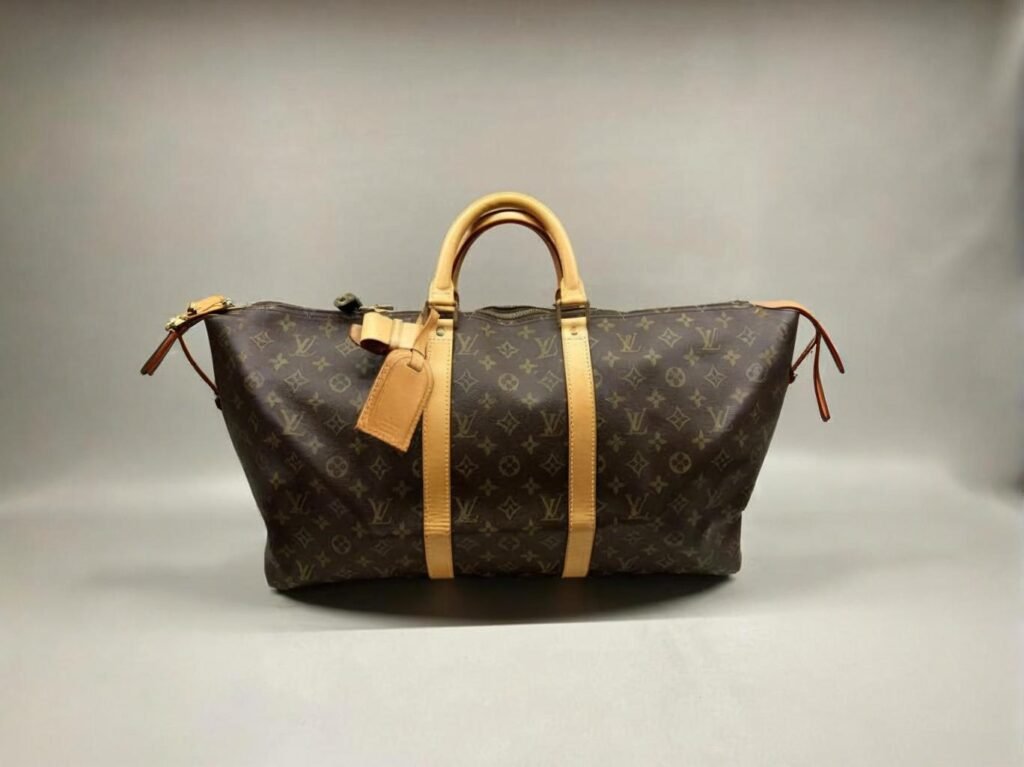
Weight is one of the most practical factors in travel bag performance, especially in an era where airline restrictions are strict and travelers increasingly prioritize mobility. Between nylon and polyester, nylon generally offers a clear advantage in weight efficiency, particularly when comparing materials with similar strength levels.
This advantage comes from nylon’s fiber structure, which allows it to achieve high tensile strength with lower material density. In simple terms, nylon can deliver the same or better durability as polyester while using less material mass. For travelers, this translates directly into more usable packing capacity and less physical strain during movement.
In real-world travel scenarios, even small differences matter. A bag that is 500–800 grams lighter can make a noticeable difference, and when combined with optimized design, the total benefit can reach 1–2 kg of additional packing allowance—a critical margin for carry-on travel.
Is Nylon Always Lighter Than Polyester?
Nylon is not always lighter in absolute terms, but in most comparable performance categories, it provides a better strength-to-weight ratio, which makes it more efficient for travel applications.
| Fabric Type | Weight Level | Strength Level | Efficiency |
|---|---|---|---|
| Nylon 210D | Very light | Medium | High |
| Nylon 420D | Light | High | Very high |
| Polyester 600D | Medium | High | Moderate |
| Polyester 900D | Medium-heavy | Very high | Lower |
To achieve the same level of durability, polyester typically requires thicker fibers or higher denier constructions, which increases overall weight. Nylon, by contrast, maintains strength with finer fibers, allowing for lighter designs without compromising performance.
This is why nylon is often used in products where weight reduction is a priority, such as carry-on bags and travel backpacks.
How Does Weight Affect Travel Efficiency?
The weight of a travel bag has a direct impact on how efficiently it performs across different stages of a journey.
| Factor | Lightweight Bag Impact |
|---|---|
| Airline limits | Allows more items within weight restrictions |
| Mobility | Easier to carry, lift, and maneuver |
| Fatigue | Reduces physical strain over long distances |
| Packing flexibility | Provides more freedom in what to bring |
For example, reducing bag weight by even 1–2 kg can allow travelers to pack:
- Additional clothing for longer trips
- Extra footwear or accessories
- Electronics or travel essentials without exceeding limits
In budget airline scenarios, this difference can determine whether a traveler stays within the allowed weight or incurs additional fees, making weight efficiency both a practical and economic advantage.
Which Material Is Better for Carry-On Bags?
Carry-on travel places a premium on weight efficiency and adaptability. In this context, nylon is generally the better-performing material.
| Criteria | Nylon | Polyester |
|---|---|---|
| Weight efficiency | Excellent | Good |
| Flexibility | High | Medium |
| Carry-on optimization | Ideal | Acceptable |
Nylon’s lighter weight and flexibility make it particularly suitable for:
- Frequent flyers who need to maximize packing capacity
- Minimalist travelers who rely on compact luggage
- Situations where quick movement and easy handling are important
Polyester remains a viable option for casual travel, but over extended use, it may feel slightly heavier and less adaptable, especially when the bag is fully packed.
Weight vs Structural Stability
While reducing weight is important, it must be balanced with structural integrity. A bag that is too light may lack the support needed for practical use.
| Design Factor | Nylon Advantage | Polyester Advantage |
|---|---|---|
| Flexibility | High, adapts to load and space | Moderate |
| Shape retention | Moderate | High, maintains structure |
| Compression ability | Excellent, fits tight spaces | Limited |
Nylon’s flexibility allows it to compress and adapt, making it easier to fit into overhead compartments or tight storage spaces. Polyester, being more rigid, offers better shape retention, which can be beneficial for maintaining a clean and structured appearance.
The choice depends on the intended use. For dynamic travel environments, nylon’s adaptability provides a clear advantage, while polyester may be preferred in designs where structure and form are priorities.
Real Scenario: Carry-On Optimization
A practical example illustrates how material choice affects travel efficiency. A traveler switched from a polyester-based carry-on bag to a nylon-based alternative with similar capacity.
The results were measurable:
- Overall bag weight decreased by approximately 20%
- Packing capacity effectively increased by around 25%
- Mobility improved, particularly during airport transit
This demonstrates that weight differences are not just theoretical—they translate into tangible benefits in everyday travel, from easier handling to better packing efficiency.
Weight Distribution and Comfort
Weight is not only about total mass—it also affects how comfortable a bag is during use. Poor weight distribution can make even a lightweight bag feel heavy and difficult to carry.
| Feature | Benefit |
|---|---|
| Lightweight fabric | Reduces overall load on the user |
| Flexible structure | Adapts to body movement and load shape |
| Balanced compartments | Distributes weight evenly |
Nylon’s flexibility plays an important role here. It allows the bag to conform to its contents and the user’s body, which improves comfort, especially in backpacks and duffel bags.
In contrast, more rigid materials may create pressure points, particularly when the bag is heavily loaded or carried for extended periods.
How Szoneier Optimizes Weight in Production
Szoneier approaches weight optimization as a combination of material selection and structural design. Rather than focusing on a single factor, the company integrates multiple strategies to achieve efficient results.
These include:
- Selecting high-strength, low-density fabrics such as optimized nylon variants
- Reducing unnecessary material layers through efficient pattern design
- Using lightweight hardware and trims without compromising durability
- Refining product structures to balance strength, weight, and usability
Through this approach, Szoneier ensures that travel bags remain lightweight, durable, and efficient, allowing users to maximize performance without sacrificing comfort or functionality.
Which Material Is More Water-Resistant?
Water resistance is a critical performance factor in travel bag design, especially because bags are regularly exposed to rain, humidity, spills, and rough handling environments such as airport logistics systems. Between nylon and polyester, the answer is nuanced: polyester has better natural water resistance, but coated nylon can outperform polyester in real-world conditions.
The key distinction lies in the difference between intrinsic material behavior and engineered performance. Polyester fibers absorb less moisture by default, which gives them an advantage in untreated form. However, modern manufacturing rarely relies on untreated fabrics. Once coatings and surface treatments are applied, nylon can achieve equal or superior water resistance while maintaining better durability and flexibility.
In practical applications, most high-performance travel bags use coated nylon systems, as they provide a more balanced combination of water protection, strength, and long-term reliability.
Does Polyester Resist Water Better Than Nylon?
In its untreated state, polyester is more water-resistant than nylon because of its lower moisture absorption rate.
| Property | Nylon | Polyester |
|---|---|---|
| Natural water resistance | Moderate | High |
| Moisture absorption | Slightly higher | Very low |
| Drying speed | Fast | Very fast |
Polyester’s low absorption means that water tends to remain on the surface rather than penetrating the fibers. This makes it suitable for light rain and everyday conditions without additional treatment.
Nylon, while slightly more absorbent, dries quickly and offers other performance advantages such as flexibility and strength. More importantly, nylon responds exceptionally well to coatings, which allows manufacturers to enhance its water resistance beyond its natural limitations.
How Do Coatings Affect Waterproof Performance?
Coatings are the most important factor in determining how a material performs in wet conditions. They transform standard fabrics into high-performance, water-resistant or fully waterproof materials.
| Coating Type | Effect on Nylon | Effect on Polyester |
|---|---|---|
| PU (Polyurethane) coating | Strong water resistance | Moderate improvement |
| TPU (Thermoplastic polyurethane) coating | Waterproof + flexible | Waterproof |
| PVC coating | Heavy-duty waterproof | Heavy-duty waterproof |
With advanced coatings, nylon can achieve:
- Near-zero water penetration under prolonged exposure
- Increased resistance to abrasion and environmental wear
- Enhanced durability in demanding conditions
TPU-coated nylon, in particular, is widely used in premium travel bags because it combines waterproof performance with flexibility, making it suitable for both urban and outdoor environments.
PVC coatings provide even stronger waterproofing but add weight and reduce flexibility, which limits their use to heavy-duty or industrial applications.
Which Material Performs Better in Rain and Humidity?
Performance in real-world environments depends on both the base material and any applied treatments.
| Environment | Nylon (Coated) | Polyester |
|---|---|---|
| Light rain | Excellent | Excellent |
| Heavy rain | Excellent | Good |
| Humidity | Good | Excellent |
In light rain, both materials perform well. However, in heavy rain or prolonged exposure, coated nylon provides more reliable protection, as the coating acts as a barrier that prevents water from penetrating the fabric.
Polyester performs well in humid environments because it absorbs very little moisture. However, without advanced coatings, it may not provide the same level of protection in intense or prolonged wet conditions.
Water Resistance vs Breathability
While water resistance is essential, breathability also plays a role in overall performance, particularly in humid climates or when carrying sensitive items.
| Factor | Nylon | Polyester |
|---|---|---|
| Water resistance | High (with coating) | Moderate–high |
| Breathability | Moderate | Lower |
| Condensation risk | Lower | Slightly higher |
Breathability affects how moisture behaves inside the bag. Materials with poor breathability can trap humidity, leading to condensation buildup, which may affect electronics or clothing.
Coated nylon often provides a better balance, offering strong water resistance while still allowing some level of moisture regulation, depending on the coating type and construction.
Travel in Wet Conditions
A practical comparison highlights how these materials perform under real conditions. A traveler using TPU-coated nylon bags in consistently rainy environments experienced:
- No water penetration into internal compartments
- Minimal surface wear despite repeated exposure
- Consistent performance over extended use
In contrast, a polyester-based bag without advanced coating showed:
- Slight moisture retention after prolonged exposure
- Reduced effectiveness under heavy rain
- Gradual decline in surface resistance over time
This demonstrates that coating technology often matters more than the base material alone, especially in demanding environments.
How Surface Treatments Improve Performance
Modern travel bags incorporate additional surface treatments to enhance both functionality and longevity.
Common treatments include:
- Water-repellent coatings that cause moisture to bead and roll off
- Anti-stain finishes that prevent dirt and liquids from adhering to the surface
- UV protection layers that reduce fading and material degradation
These treatments provide several benefits:
- Extended product lifespan by reducing environmental damage
- Improved user experience through easier maintenance
- Better appearance retention over time
When combined with high-quality base materials, these enhancements create products that are both functional and visually durable.
Water Resistance vs Weight Trade-Off
Improving water resistance often involves adding coatings, which can increase overall weight. Manufacturers must balance protection with portability.
| Solution | Water Resistance | Weight Impact |
|---|---|---|
| No coating | Low | Very light |
| PU coating | Medium–high | Minimal |
| TPU coating | High | Moderate |
| PVC coating | Very high | Heavy |
For most travel applications, PU and TPU coatings provide the best balance. PVC coatings are typically reserved for situations where maximum waterproofing outweighs weight considerations, such as outdoor or industrial use.
How Szoneier Customizes Water-Resistant Fabrics
Szoneier approaches water resistance as a tailored solution rather than a fixed feature. By combining material expertise with advanced coating technologies, the company ensures that each product is optimized for its intended environment.
Its capabilities include:
- Custom coating options such as PU, TPU, and PVC based on performance requirements
- Fabric development tailored to specific environmental conditions, including high humidity or heavy rain
- In-house testing for water resistance, durability, and long-term performance
- Design optimization to balance water protection with weight and usability
Through this integrated approach, Szoneier delivers travel bags that are not only resistant to water but also durable, efficient, and suitable for real-world travel conditions, ensuring reliable protection across a wide range of environments.
How Do Nylon and Polyester Differ in Cost?

Cost is one of the most influential factors in travel bag development, but it should never be evaluated in isolation. When comparing nylon and polyester, polyester is generally more affordable, while nylon commands a higher price due to its stronger fiber structure, more complex production process, and superior performance characteristics.
However, experienced manufacturers and brands do not look at cost only in terms of raw material price. The real comparison is based on total value over time, which includes durability, replacement frequency, and customer satisfaction. A cheaper material may reduce upfront cost, but if it leads to shorter product lifespan or higher return rates, it can negatively impact long-term profitability.
In practical manufacturing:
- Polyester is widely used for entry-level and cost-sensitive products
- Nylon is preferred for premium products where performance justifies the investment
The decision ultimately depends on how the product is positioned in the market and how it is expected to perform in real use.
Why Is Nylon More Expensive Than Polyester?
The cost difference between nylon and polyester is rooted in both raw material production and processing complexity.
| Cost Factor | Nylon | Polyester |
|---|---|---|
| Raw material cost | Higher | Lower |
| Production complexity | More advanced processing required | Simpler manufacturing |
| Performance level | Higher strength and flexibility | Moderate performance |
| Market positioning | Premium segment | Budget to mid-range |
Nylon requires more energy-intensive polymerization and processing steps, which increases its base cost. In addition, its flexibility and elasticity demand more precise handling during weaving, coating, and sewing, further adding to production expenses.
Polyester, by contrast, is easier to produce and process at scale. Its stable structure and lower raw material cost make it highly efficient for mass production, which is why it dominates large-volume manufacturing.
How Does Material Cost Affect Final Bag Pricing?
Material selection has a direct impact on the final retail price of a travel bag, influencing not only cost but also perceived quality and brand positioning.
| Bag Category | Typical Material | Price Range |
|---|---|---|
| Budget bags | Polyester | Low |
| Mid-range bags | Polyester + Nylon blends | Medium |
| Premium bags | Nylon (often high-denier) | High |
In most cases, materials account for a significant portion of production cost—often 30–50% depending on the product design. Choosing nylon over polyester can increase unit cost, but it also allows brands to position the product at a higher price point.
Material choice also affects:
- Consumer perception of quality and durability
- Target customer segment
- Brand competitiveness in different markets
A well-aligned material strategy ensures that pricing reflects both performance and market expectations.
Which Material Offers Better Value Over Time?
While polyester is more affordable upfront, nylon often delivers better long-term value due to its durability and resistance to wear.
| Factor | Nylon | Polyester |
|---|---|---|
| Initial cost | Higher | Lower |
| Lifespan | Longer | Moderate |
| Replacement frequency | Lower | Higher |
| Long-term value | High | Medium |
For example, a nylon travel bag used frequently may last significantly longer than a polyester equivalent, reducing the need for replacement. This makes nylon a better investment for users who prioritize reliability and long-term performance.
From a brand perspective, longer-lasting products also lead to:
- Fewer customer complaints and returns
- Stronger brand reputation
- Higher repeat purchase rates
This is why many premium brands choose nylon despite its higher cost—it supports both product performance and brand positioning.
Cost vs Performance Trade-Off
Choosing between nylon and polyester involves balancing cost with performance requirements.
| Decision Factor | Nylon Advantage | Polyester Advantage |
|---|---|---|
| Durability | Longer lifespan under heavy use | Adequate for moderate use |
| Weight | Lighter for equivalent strength | Slightly heavier |
| Investment level | Higher upfront cost | Lower initial investment |
This trade-off highlights a key principle in product development:
- Nylon is best suited for performance-driven, long-term use products
- Polyester is ideal for cost-sensitive, high-volume applications
Manufacturers often use this distinction to create tiered product lines, ensuring that each segment meets its specific price and performance targets.
Cost Optimization Strategy
A travel brand initially focused on reducing production costs by using polyester across its entire product line. While this approach allowed for competitive pricing, it led to several challenges:
- Increased product returns due to wear and durability issues
- Lower customer satisfaction among frequent travelers
- Limited ability to position products in higher-value segments
To address these issues, the brand introduced nylon in its premium line while maintaining polyester for entry-level products.
The results included:
- Improved durability and reduced return rates
- Higher customer satisfaction and stronger brand perception
- Increased profitability through better product differentiation
This case demonstrates that investing in higher-quality materials can lead to better overall business outcomes, even when initial costs are higher.
When Is Polyester the Smarter Choice?
Polyester is the better option in scenarios where cost efficiency and scalability are the primary concerns.
It is particularly suitable when:
- Budget constraints are significant
- Products are intended for occasional or light use
- Large production volumes require consistent and efficient manufacturing
In these cases, polyester provides reliable performance at a competitive price, making it an ideal choice for entry-level and promotional products.
When Is Nylon Worth the Investment?
Nylon becomes the preferred choice when performance and durability are critical to the product’s success.
It is most appropriate when:
- The product is used frequently or under demanding conditions
- Lightweight construction is important for travel efficiency
- Long-term durability is a key selling point
For these applications, nylon’s higher cost is justified by its ability to deliver superior performance and longer lifespan, which enhances both user experience and brand value.
How Szoneier Helps Balance Cost and Performance
Szoneier approaches cost optimization as a strategic process that balances material performance with market positioning. Rather than recommending a single material, the company develops solutions tailored to each client’s specific needs.
Its approach includes:
- Selecting materials based on target market and product requirements
- Developing hybrid fabric solutions that combine nylon and polyester advantages
- Optimizing production processes to reduce unnecessary costs
- Offering flexible MOQ and sampling options to support product testing
By integrating these elements, Szoneier enables clients to create travel bags that achieve the right balance between cost, durability, and market competitiveness, ensuring that each product delivers both immediate value and long-term performance.
Which Material Is Better for Different Travel Scenarios?
Choosing between nylon and polyester is not about identifying a universally superior material—it is about aligning material performance with specific travel scenarios, user behavior, and product expectations. In real-world applications, each material performs best under certain conditions, and understanding these distinctions is essential for both product development and purchasing decisions.
Nylon is typically favored in situations that demand high durability, lightweight construction, and long-term reliability, while polyester is more suitable for cost-sensitive applications, occasional use, and stable everyday performance.
This scenario-based approach ensures that products are not over-engineered or underperforming, but instead optimized for practical use and market fit.
Which Is Best for Frequent Flyers?
Frequent flyers place the highest demands on travel bags. Their luggage must endure constant movement, repeated handling, and varying load conditions over extended periods.
| Requirement | Nylon | Polyester |
|---|---|---|
| Durability | Excellent | Good |
| Weight efficiency | Excellent | Moderate |
| Long-term use | Ideal | Acceptable |
Nylon is the preferred material in this scenario because it can withstand:
- Continuous loading and unloading
- Friction from airport handling systems
- Compression in overhead compartments
Its combination of light weight and high strength allows frequent travelers to maximize packing capacity while maintaining long-term reliability. Over time, nylon’s resistance to wear reduces the need for replacement, making it a more efficient choice for high-frequency travel.
What Works Better for Casual Travel?
Casual travelers typically use their bags less frequently and under less demanding conditions. For this group, cost and convenience are often more important than maximum performance.
| Requirement | Nylon | Polyester |
|---|---|---|
| Cost efficiency | Moderate | Excellent |
| Performance | High | Good |
| Ease of use | High | High |
Polyester is often the more practical option for:
- Weekend trips
- Occasional vacations
- Light packing scenarios
It provides adequate durability at a lower cost, making it ideal for users who do not require high-performance materials. Additionally, polyester’s structural stability helps maintain a clean appearance, which is often preferred in everyday travel products.
Which Material Suits Outdoor and Heavy-Duty Use?
Outdoor and heavy-duty travel environments introduce additional challenges, including exposure to weather, rough surfaces, and heavier loads.
| Condition | Nylon | Polyester |
|---|---|---|
| Abrasion resistance | Excellent | Good |
| Weather resistance | Excellent (with coating) | Good |
| Load capacity | High | Moderate |
In these conditions, nylon offers clear advantages. Its ability to flex under stress and resist abrasion makes it more reliable in demanding environments. When combined with coatings such as TPU, nylon can also provide high levels of water resistance, further enhancing its suitability for outdoor use.
Polyester can still perform adequately in moderate conditions, but it may not offer the same level of durability or protection under sustained stress.
Matching Material to Travel Style
Different travel styles require different material strategies. Aligning material choice with user behavior ensures better product performance and user satisfaction.
| Travel Style | Recommended Material | Reason |
|---|---|---|
| Business travel | Nylon | Lightweight and durable for frequent use |
| Budget travel | Polyester | Cost-effective and reliable |
| Adventure travel | Nylon | High performance in demanding conditions |
| Occasional travel | Polyester | Sufficient for light use |
This classification highlights that material selection is not purely technical—it is also behavior-driven, reflecting how different users interact with their travel gear.
Hybrid Solutions: Combining Nylon and Polyester
Modern travel bags often combine nylon and polyester to achieve a balance between performance and cost. This hybrid approach allows manufacturers to optimize different parts of the product for specific functions.
| Hybrid Design | Benefit |
|---|---|
| Nylon exterior + polyester lining | High durability with controlled cost |
| Polyester body + nylon reinforcement | Improved strength in critical areas |
| Mixed fabric panels | Optimized performance across the product |
By using materials strategically, manufacturers can:
- Enhance durability where it matters most
- Reduce overall production cost
- Improve versatility across different use cases
This approach is widely used in mid-range products, where achieving the right balance between performance and affordability is essential.
Product Line Differentiation
A travel brand seeking to expand its market reach developed two distinct product lines based on material selection:
- A polyester-based series targeting entry-level and budget-conscious users
- A nylon-based series designed for premium customers and frequent travelers
This strategy resulted in:
- Broader market coverage across different price segments
- Increased product appeal through clear differentiation
- Higher overall sales due to better alignment with customer needs
The case demonstrates how scenario-based material selection can support both product development and business growth.
Environmental Considerations
Sustainability is becoming an increasingly important factor in material selection. Both nylon and polyester offer options for environmentally conscious production, but their impact differs.
| Factor | Nylon | Polyester |
|---|---|---|
| Recyclability | Moderate | High |
| Sustainable variants | Available | Widely available (e.g., rPET) |
Polyester, particularly in its recycled form (rPET), is widely used in eco-focused products due to its higher recyclability and established supply chains. Nylon also has sustainable variants, but they are less commonly used at scale.
For brands prioritizing sustainability, material choice must balance environmental impact with performance requirements.
How Szoneier Supports Scenario-Based Customization
Szoneier approaches material selection as a strategic process tailored to specific travel scenarios. By combining technical expertise with manufacturing experience, the company helps clients develop products that align with real-world usage.
Its capabilities include:
- Selecting materials based on travel scenarios and target markets
- Combining fabrics to optimize durability, weight, and cost
- Customizing product structures to match functional requirements
- Providing sampling and testing to validate performance before production
Through this approach, Szoneier ensures that every product is designed with a clear purpose, delivering reliable performance, efficient production, and strong market alignment.
How to Choose Between Nylon and Polyester Travel Bags?
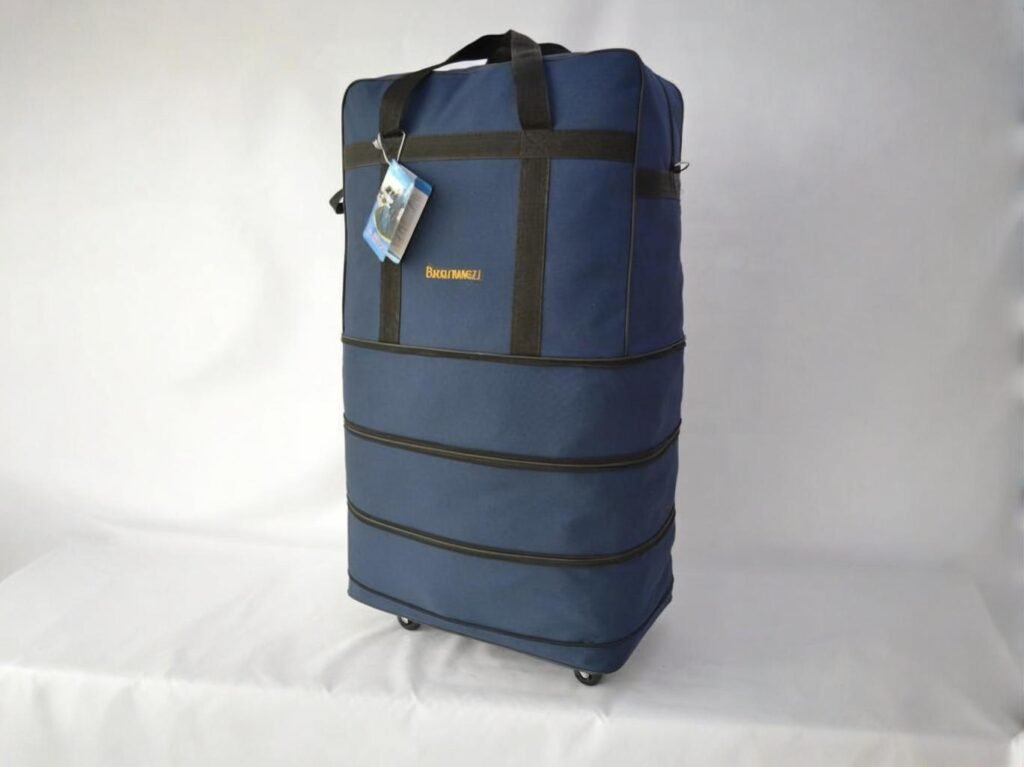
Choosing between nylon and polyester travel bags is not about identifying a universally “better” material—it is about making a decision based on how the product will actually be used, how often it will be used, and what performance factors matter most. In practice, the right choice comes from aligning material characteristics with real travel behavior, not assumptions.
At a fundamental level:
- Nylon is the better option when durability, lightweight performance, and long-term reliability are priorities
- Polyester is the more practical choice when cost efficiency, structure, and occasional use are the main concerns
The most effective way to approach this decision is to shift the question from “Which is better?” to “Which is better for this specific use case?”.
What Factors Should You Consider Before Choosing?
Several key factors influence whether nylon or polyester is the better fit. These should be evaluated together rather than in isolation.
| Decision Factor | Nylon Advantage | Polyester Advantage |
|---|---|---|
| Travel frequency | Ideal for frequent use and long-term reliability | Suitable for occasional or light use |
| Budget | Higher upfront investment | Lower cost and accessible pricing |
| Weight sensitivity | Lighter for equivalent strength | Slightly heavier in comparable durability |
| Durability needs | High resistance to wear and stress | Moderate durability for everyday use |
| Style stability | Flexible and adaptable | More structured and shape-retaining |
This comparison shows that material selection is not a simple trade-off—it is a strategic alignment between performance expectations and real usage patterns.
How Does Fabric Density (Denier) Affect Performance?
Material type alone does not determine performance. Fabric density, measured in denier (D), plays an equally important role in strength, weight, and durability.
| Fabric Type | Weight | Durability | Recommended Use |
|---|---|---|---|
| Nylon 210D | Very light | Medium | Ultra-light or compact travel |
| Nylon 420D | Light | High | Frequent travel and carry-on use |
| Polyester 600D | Medium | High | Everyday travel bags |
| Polyester 900D | Medium-heavy | Very high | Heavy-duty or structured products |
A common misconception is that nylon is always more durable than polyester. In reality, a higher-denier polyester (e.g., 900D) can outperform a lower-denier nylon (e.g., 210D) in durability.
This highlights an important principle: material selection must consider both fiber type and fabric construction, not just one or the other.
Do Design and Construction Matter More Than Material?
Yes—often more than expected. While material provides the foundation for performance, construction determines how effectively that material performs in real use.
| Design Element | Impact on Performance |
|---|---|
| Stitch density | Determines seam strength and resistance to failure |
| Reinforcement techniques | Protect high-stress areas such as handles and corners |
| Zipper quality | Directly affects usability and lifespan |
| Structural design | Improves load distribution and carrying comfort |
A poorly constructed nylon bag can fail quickly despite its material advantages, while a well-designed polyester bag with reinforced stitching and high-quality components can perform reliably for years.
The best products combine appropriate material selection with strong engineering and manufacturing precision.
Decision Matrix for Real Buyers
For practical decision-making, it is helpful to simplify the process into a usage-based matrix.
| Priority Level | Recommended Material | Reason |
|---|---|---|
| High durability + frequent travel | Nylon | Long lifespan and strong performance |
| Balanced performance + cost | Nylon/Polyester blend | Optimized value and versatility |
| Low cost + casual use | Polyester | Cost-effective and sufficient for light use |
This framework allows buyers and brands to align material choice with actual needs rather than perceived advantages.
Emotional vs Practical Decision Making
In many cases, purchasing decisions are influenced by factors that are not directly related to performance.
Common decision drivers include:
- Price sensitivity and short-term cost considerations
- Brand image or perceived value
- Visual appearance and design
However, experienced travelers and professional buyers tend to prioritize:
- Durability under repeated use
- Weight efficiency for easier mobility
- Long-term usability and reliability
This shift from emotional to practical decision-making often leads to choosing higher-performance materials such as nylon, especially for frequent travel scenarios.
Choosing Based on Usage Pattern
A practical example illustrates how usage patterns influence material choice. A traveler initially selected a polyester travel bag due to its lower cost and acceptable appearance.
After a year of frequent use, several issues emerged:
- Noticeable wear in high-contact areas
- Reduced structural performance under heavy loads
- Increased need for replacement
The traveler later switched to a nylon-based bag and experienced:
- Improved durability under repeated use
- Better handling of heavy packing
- Longer overall product lifespan
This case highlights a key insight: material choice should be guided by usage frequency and performance expectations, not just initial cost.
How Szoneier Helps Clients Make the Right Choice
Szoneier supports brands and buyers by translating technical material differences into practical product decisions. Rather than offering one-size-fits-all solutions, the company focuses on aligning materials with real-world use cases and market positioning.
Its approach includes:
- Analyzing product positioning, target users, and usage scenarios
- Recommending suitable materials and fabric densities based on performance requirements
- Providing physical samples for direct comparison and validation
- Developing hybrid material solutions to balance cost and performance
By combining material expertise with manufacturing experience, Szoneier ensures that each product is optimized for actual use conditions, delivering the right balance between durability, weight, cost, and user experience.
In the end, the best choice is not defined by the material itself, but by how well it supports the way the product will be used.
Are Nylon or Polyester Bags Better for Custom Manufacturing?
Both nylon and polyester are highly suitable for custom manufacturing, but they serve different strategic purposes depending on product positioning, target audience, and performance requirements. The decision is not about which material is superior—it is about how well the material aligns with brand goals, price range, and expected usage conditions.
In practice:
- Nylon is typically used for premium, performance-driven products where durability, lightweight construction, and long-term value are key selling points
- Polyester is widely used for cost-efficient, high-volume production, especially in markets where pricing and visual branding are more important
Modern travel bag manufacturing often combines both materials across different product lines, allowing brands to maximize market coverage and product differentiation.
Which Material Is Easier for Customization and Branding?
Customization plays a central role in product development, especially for brands focused on visual identity and market recognition.
| Customization Factor | Nylon | Polyester |
|---|---|---|
| Printing quality | Good | Excellent |
| Color retention | Good | Excellent |
| Texture variation | Moderate | High |
| Branding flexibility | High | Very high |
Polyester stands out in this area because it supports:
- High-resolution printing with sharp detail
- Bright and consistent color reproduction
- A wide range of textures and finishes
This makes it particularly suitable for:
- Promotional products
- Retail collections with strong visual identity
- Custom designs requiring complex graphics
Nylon, while slightly less versatile for printing, offers a more refined and performance-oriented appearance, which is often preferred in premium product lines where subtle branding is sufficient.
How Do Manufacturing Processes Differ?
The choice between nylon and polyester also affects production efficiency and process complexity.
| Process | Nylon | Polyester |
|---|---|---|
| Cutting | Requires more precision due to flexibility | Easier and more stable |
| Sewing | Smooth handling but needs control | Stable and consistent |
| Coating compatibility | Excellent | Excellent |
| Production efficiency | Moderate | High |
Polyester’s structural stability makes it easier to handle during cutting and sewing, which improves production speed and consistency. This is one of the reasons it is widely used in large-scale manufacturing.
Nylon, due to its flexibility, may require more precise handling, but it offers better performance in the final product. Manufacturers must balance production efficiency with product performance when selecting materials.
Which Material Is Better for OEM and Private Label Projects?
For OEM and private label manufacturing, material selection is closely tied to product positioning and target market.
| Project Type | Recommended Material |
|---|---|
| Premium travel bags | Nylon |
| Budget product lines | Polyester |
| Mid-range collections | Hybrid materials |
Many successful brands use a multi-material strategy, offering different product lines to meet diverse customer needs. This approach allows them to:
- Serve both price-sensitive and performance-focused customers
- Maintain consistency across product categories
- Increase overall market competitiveness
Material Strategy for Product Lines
A structured material strategy helps brands build a clear and scalable product portfolio.
| Product Tier | Material Strategy | Goal |
|---|---|---|
| Entry-level | Polyester | Achieve cost efficiency and high volume |
| Mid-range | Polyester + Nylon combinations | Balance performance and price |
| Premium | Nylon (often high-density) | Deliver superior durability and value |
This layered approach enables brands to:
- Reach a wider audience across different price points
- Differentiate products based on performance and quality
- Strengthen brand positioning in competitive markets
By aligning materials with product tiers, companies can ensure that each product delivers appropriate value for its target segment.
How Fabric Innovation Shapes Modern Travel Bags
Material innovation continues to expand the possibilities of custom manufacturing, allowing brands to improve both performance and sustainability.
Key developments include:
- Recycled polyester (rPET), which reduces environmental impact while maintaining performance
- High-density nylon fabrics that offer enhanced strength without significant weight increase
- Advanced coatings such as TPU and PU for improved water resistance
- Anti-abrasion and protective treatments that extend product lifespan
These innovations enable manufacturers to create products that are not only functional but also aligned with modern consumer expectations for sustainability and durability.
Custom Product Development Strategy
A travel brand seeking to expand its market presence implemented a dual-material strategy:
- Polyester-based products for the mass market, focusing on affordability and visual appeal
- Nylon-based products for premium customers, emphasizing durability and performance
The results included:
- A broader and more balanced product range
- Improved brand positioning across multiple segments
- Higher customer satisfaction due to better alignment with user needs
This example demonstrates that material selection is a key driver of product differentiation and business growth.
Why Manufacturing Experience Matters
Material choice alone does not guarantee product success. The effectiveness of nylon or polyester depends heavily on how it is used within the manufacturing process.
An experienced manufacturer ensures:
- Accurate matching of materials to product requirements
- Consistent quality across production batches
- Efficient production workflows that control cost and lead time
- Real-world testing to validate performance before mass production
Without this expertise, even high-quality materials can result in products that fail to meet expectations.
How Szoneier Supports Custom Travel Bag Manufacturing
With over 18 years of experience, Szoneier provides a comprehensive system for custom travel bag production, integrating material selection with advanced manufacturing capabilities.
Its strengths include:
- A full range of material options, including nylon, polyester, Oxford fabric, neoprene, and specialty textiles
- In-house fabric research and development to meet specific performance requirements
- OEM and private label production tailored to different market segments
- Flexible minimum order quantities, enabling both small and large-scale projects
- Fast sampling and short lead times to accelerate product development
- Multi-stage quality control systems to ensure consistent performance
By combining technical expertise with production efficiency, Szoneier enables clients to develop travel bags that are high-performing, cost-effective, and precisely aligned with their target markets.
In today’s competitive landscape, the ability to choose and apply materials strategically is essential. Whether using nylon, polyester, or a combination of both, the goal is to create products that deliver real value, reliable performance, and strong market appeal.
Make the Right Material Choice, Build Better Travel Bags
Nylon and polyester are both excellent materials—but they serve different purposes.
- Nylon is the choice for performance, durability, and lightweight efficiency
- Polyester is the choice for cost control, stability, and everyday usability
The real advantage comes from understanding how these materials behave in real travel situations and choosing the one that aligns with your needs.
If you are planning to develop your own travel bag collection, the right material decision is just the beginning. What truly matters is how that material is transformed into a product—through design, structure, and manufacturing expertise.
Szoneier combines fabric innovation, product engineering, and over 18 years of manufacturing experience to help you create travel bags that are not only lightweight and durable, but also competitive in the market.
From material selection to final production, every detail is optimized for performance and reliability.
Start your custom project today—contact Szoneier to request samples and develop travel bags that truly stand out.