Skip to content
A cotton bag may look simple, but its real quality is hidden in the seams. Most customers do not complain about the fabric first. They complain when the handle tears, the side seam opens, the bottom corner splits, or the stitching starts to loosen after repeated use. For brands, retailers, promotional product companies, and custom product developers, stitching is not a small production detail. It decides whether a cotton bag feels cheap, reliable, premium, or worth reordering.
Durable stitching techniques in cotton bags are sewing methods used to strengthen seams, handles, corners, and load-bearing points so the bag can carry weight, resist pulling, reduce fraying, and keep its shape during daily use. Strong cotton bag stitching depends on the right stitch type, seam structure, thread, stitch density, machine tension, reinforcement design, and inspection process. The best technique is not one single stitch, but a complete construction system matched to fabric weight, bag size, carrying load, and end use.
A lightweight promotional cotton tote used for brochures does not need the same stitching as a heavy canvas grocery bag. A fashion cotton bag with contrast stitching needs both beauty and consistency. A reusable shopping bag needs handle reinforcement that survives repeated loading. That is why professional cotton bag production is less about “sewing fabric together” and more about engineering stress points before the product reaches the customer’s hand.
What Are Durable Stitching Techniques in Cotton Bags?
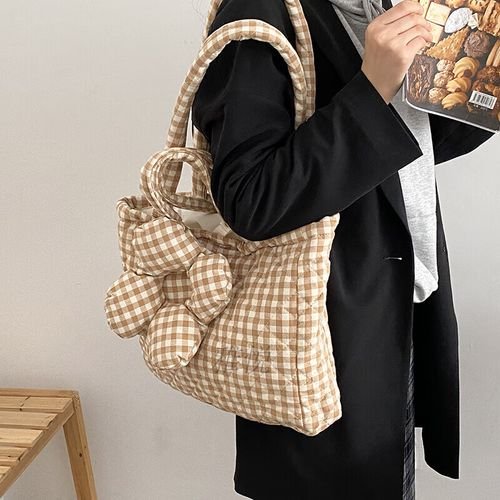
Durable stitching techniques in cotton bags are structured sewing methods designed to keep the fabric, seams, and handles stable under repeated pulling, folding, loading, washing, and friction. In practical manufacturing, durable stitching usually includes lockstitch main seams, double stitching, reinforced handle stitching, bar tacks, overlock finishing, folded edges, proper thread tension, and suitable stitch density. ASTM notes that sewn seam strength is affected by fabric type, seam type, stitch type, stitch density, thread tension, and thread strength, which means durability must be designed as a full system rather than judged by one visible stitch line.
For cotton bags, the most important point is stress distribution. When a customer puts books, groceries, cosmetics, samples, clothing, or event materials into a bag, the pulling force does not spread evenly across the whole product. It concentrates at the handle joints, bottom corners, side seams, and edge openings. If these points are not reinforced, even good cotton fabric can fail quickly. This is why factories like Szoneier evaluate cotton bag stitching based on product use, fabric weight, handle type, loading requirement, and branding style before confirming the final sewing method.
Why stitching is the hidden quality signal
Customers often judge cotton bags by fabric hand feel, print clarity, color, and size. But after purchase, stitching becomes the real test. A bag with beautiful fabric but weak seams can fail after a few uses. A bag with clean, reinforced stitching can keep its structure for months or years depending on the usage environment.
For custom cotton bags, stitching affects:
Load capacity
Handle safety
Product lifespan
Brand perception
Return rate
Repeat order confidence
Retail display quality
Washing stability
Edge neatness
Overall cost performance
A cotton tote used as a giveaway may only need to carry light papers. A private label cotton shopping bag may need to carry groceries repeatedly. A premium cotton canvas bag may need to support laptops, books, or travel items. These different uses require different stitching plans.
Where cotton bags usually fail first
The weakest point in a cotton bag is rarely the middle fabric panel. It is usually the connection between two parts. This is why seam engineering matters. In real production review, the following areas need special attention:
| Failure Area | Common Problem | Main Cause | Better Stitching Solution |
|---|---|---|---|
| Handle attachment | Handle tears away from body | Pulling force concentrated in small area | Box stitching, X-box stitching, bar tack reinforcement |
| Side seam | Seam opens after loading | Low stitch density or poor seam allowance | Double stitching, lockstitch, folded seam |
| Bottom corner | Corner splits under weight | Stress gathers at corner angle | Reinforced seam, backstitch, corner bar tack |
| Bag opening | Edge frays or curls | Raw edge not finished well | Hemming, overlock, binding, topstitching |
| Inner seam | Loose threads after use | Poor thread trimming or tension | Overlock finishing, quality inspection |
| Printed area near seam | Cracking or distortion | Stitching too close to print or thick ink | Better seam placement and print planning |
A well-made cotton bag should not rely on luck. The seam layout should already predict where force will appear.
Durable stitching is not always thicker stitching
Many clients assume stronger stitching means thicker thread, more stitches, or visible reinforcement everywhere. That is only partly true. Over-sewing can create new problems. If the stitch is too dense for lightweight cotton, the needle holes may weaken the fabric. If the thread is too thick, the seam may look rough or pucker. If the tension is too high, the seam can become stiff and easy to break under movement.
Strong stitching requires balance:
The thread must match the fabric weight.
The stitch length must match the seam position.
The needle size must match the thread and fabric.
The seam allowance must leave enough fabric beside the stitch line.
The reinforcement must be placed where force actually occurs.
The sewing tension must be stable from sample to bulk production.
This is where factory experience becomes valuable. A cotton bag is not just a flat piece of cotton. It may include inner pockets, zipper openings, gussets, linings, labels, embroidery, printing, woven handles, cotton webbing, or leather-like trims. Each added detail changes the sewing requirement.
How fabric weight changes stitching choice
Cotton bags can be made from light cotton, medium cotton, heavy cotton, cotton canvas, washed cotton, organic cotton, or blended cotton fabric. Each behaves differently during sewing.
| Cotton Fabric Type | Common Use | Stitching Challenge | Suggested Stitching Focus |
|---|---|---|---|
| 4–6 oz cotton | Event bags, giveaways, light packaging | Fabric may tear if stitch is too dense | Light lockstitch, clean hem, moderate SPI |
| 7–10 oz cotton | Standard tote bags, retail packaging | Needs better handle support | Double stitching, handle reinforcement |
| 10–12 oz cotton canvas | Shopping bags, brand tote bags | Thick layers at seams | Strong thread, better needle control, X-box handles |
| 12–16 oz canvas | Heavy reusable bags, premium bags | Bulk at corners and handle joints | Reinforced seams, bar tacks, heavy-duty machine setup |
| Washed cotton | Fashion tote bags | Soft fabric may shift during sewing | Stable feeding, topstitching, careful tension |
| Organic cotton | Eco bags, lifestyle products | Natural shrinkage and softness | Pre-shrink planning, balanced stitch density |
For example, a 5 oz cotton giveaway bag may look cleaner with simple lockstitch and folded hems. A 12 oz cotton canvas grocery bag needs stronger seams, reinforced handles, and more careful machine control. Using the same stitching plan for both products is a common sourcing mistake.
The relationship between stitching and customer expectations
Different customers define “durable” in different ways. A promotional company may care about low cost and acceptable stitching for one campaign. A supermarket brand may care about repeated load-bearing performance. A fashion brand may care about neat topstitching, symmetry, and thread color consistency. A hotel or gift brand may care about clean finishing and premium hand feel.
| Customer Type | Main Concern | Stitching Priority |
|---|---|---|
| Promotional product sellers | Cost control and delivery speed | Simple but neat seams, stable bulk quality |
| Retail brands | Appearance and repeat use | Clean topstitching, reinforced handles |
| Grocery and shopping brands | Weight capacity | X-box stitching, bar tacks, strong bottom seams |
| Fashion accessory brands | Visual quality | Even stitch lines, contrast thread, fine finishing |
| Gift packaging brands | Presentation | Clean edges, no loose threads, smooth handles |
| Eco lifestyle brands | Natural material image | Cotton thread look or recycled thread options |
| Corporate merchandise clients | Logo presentation | Stitch placement that does not affect printing |
Durability must match the customer’s use case. A strong but ugly stitch may not suit a fashion tote. A beautiful but weak stitch may not suit a reusable shopping bag. The best cotton bag construction is the one that balances strength, appearance, cost, and product positioning.
How stitching turns cotton fabric into a finished product
Cotton fabric alone does not create a durable bag. The sewing process gives the fabric shape, structure, and usable strength. When cotton panels are cut, their edges become vulnerable to fraying. When panels are joined, the seam becomes the bridge that transfers weight from one part of the bag to another. When handles are attached, the stitch pattern becomes the main load-bearing structure.
This is why cotton bag durability should be discussed from a construction view:
Panel strength decides whether the fabric can resist tearing.
Seam strength decides whether the panels stay together.
Handle strength decides whether the bag can carry weight safely.
Edge finishing decides whether the bag remains neat after use.
Thread quality decides whether the stitch line can survive tension.
Machine setup decides whether the stitch is balanced and consistent.
Quality inspection decides whether defects are removed before shipment.
A customer may only see the final tote bag, but a factory sees many small decisions behind it.
Why cheap stitching can increase total cost
Some projects reduce cost by using fewer stitches, thinner thread, narrow seam allowance, or no handle reinforcement. This may lower unit price slightly, but it can increase risk later. Weak stitching can lead to product complaints, poor reviews, returned goods, damaged brand image, or reordering from another supplier.
| Cost-Cutting Choice | Short-Term Benefit | Long-Term Risk |
|---|---|---|
| Fewer stitches | Faster sewing time | Seams may open under repeated use |
| No handle reinforcement | Lower labor cost | Handles may tear when loaded |
| Thin thread | Slightly lower material cost | Thread may break at stress points |
| Narrow seam allowance | Saves fabric | Fabric edge may fray or pull out |
| Poor trimming | Faster production | Loose threads reduce product quality |
| No seam testing | Saves inspection time | Defects reach customers |
For custom cotton bags, the goal should not be the cheapest stitching. The goal should be the right stitching for the product’s expected use.
How Szoneier approaches durable cotton bag stitching
Szoneier works with different cotton fabrics, canvas fabrics, polyester fabrics, nylon fabrics, neoprene fabrics, jute fabrics, linen fabrics, Oxford fabrics, and many other materials. For cotton bag customization, this material experience helps the team match stitching technique with real application needs.
For a lightweight cotton promotional bag, Szoneier may recommend clean lockstitch, folded hems, and simple handle reinforcement to keep the product neat and cost-efficient. For a heavy cotton canvas shopping bag, the team may recommend double stitching, X-box handle attachment, stronger thread, wider seam allowance, and reinforced bottom corners. For private label brand bags, Szoneier can also support custom thread color, logo labels, inner pockets, special washing effects, and packaging.
Which Stitches Are Best for Cotton Bags?

The best stitches for cotton bags are lockstitch for clean main seams, double stitching for added seam security, zigzag stitching for flexible edge support, overlock stitching for fray control, box stitching for handle attachment, X-box stitching for stronger pull distribution, and bar tack stitching for concentrated stress points. In bag production, no single stitch is best for every position. A durable cotton bag usually combines several stitch types according to the bag’s fabric weight, size, handle style, and intended carrying load.
For most cotton tote bags, lockstitch is the foundation because it creates a clean, stable seam with a neat appearance. Double stitching improves seam security by adding a second row of stitches. X-box stitching is widely used for handles because it spreads pulling force across a larger fabric area. Bar tack stitching reinforces small high-stress areas such as handle ends, pocket corners, and seam openings. Search results and sewing references commonly describe X-box stitching as a strong method for securing straps because the box and diagonal cross help stabilize pulling force.
Lockstitch for main seams
Lockstitch is one of the most common stitches in cotton bag manufacturing. It uses an upper thread and lower thread to lock together inside the fabric. This creates a clean, flat stitch line that works well for side seams, bottom seams, hems, pockets, labels, and decorative topstitching.
Lockstitch is suitable when the project needs:
Clean appearance
Straight seam lines
Stable construction
Good control on cotton fabric
Balanced cost and durability
Neat stitching for brand presentation
However, lockstitch alone may not be enough for heavy-load points. For handles, bottom corners, and thick canvas seams, it is often combined with reinforcement methods.
Double stitching for extra seam security
Double stitching means adding two rows of stitching along a seam. It can be used on side seams, bottom seams, handles, pockets, gussets, and openings. The benefit is simple: if one stitch line weakens, the second line still supports the seam. It also spreads stress over a wider area.
Double stitching is especially useful for:
Medium and heavy cotton bags
Reusable shopping bags
Canvas tote bags
Large cotton bags
Bags with gussets
Bags carrying books, groceries, or samples
Private label cotton bags that need a stronger quality feel
But double stitching must be even. If the two stitch lines are crooked or too close together, the product can look rough. If they are too far apart, the seam may not perform as expected. The factory must control spacing carefully.
Zigzag stitching for flexibility and edge support
Zigzag stitching is less common as the main visible seam for standard cotton totes, but it can be useful in certain positions. Because the stitch moves side to side, it can provide more flexibility than a straight stitch. It may be used for edge securing, elastic parts, decorative effects, or areas that need slightly more movement.
For cotton bags, zigzag stitching may help when:
The fabric edge needs flexible support
The bag design includes curved areas
Decorative stitching is part of the design
A special patch or applique needs attachment
The material has slight stretch or movement
Still, zigzag stitching is not always the most premium-looking option. For simple cotton tote bags, straight lockstitch or double stitching usually looks cleaner.
Overlock stitching for fray control
Cotton fabric can fray at cut edges. Overlock stitching wraps thread around the fabric edge to prevent loose yarns from coming out. It is commonly used inside bags, along raw seams, or before folded construction.
Overlock stitching is valuable when:
The bag is unlined
The inner seam is visible
The fabric edge frays easily
The project needs cleaner inside finishing
The bag may be washed or frequently folded
For export-quality cotton bags, inner finishing matters more than many customers think. A bag may look fine outside, but if the inside seams shed threads, customers may feel the product is cheap. Overlock finishing helps solve this issue.
Box stitching for handle attachment
Box stitching creates a square or rectangular stitch pattern around the handle end. It increases the attachment area and helps prevent the handle from pulling out. It is common for cotton tote bags, canvas bags, shopping bags, and promotional bags.
Box stitching is suitable for:
Flat cotton webbing handles
Self-fabric handles
Medium-weight tote bags
Retail cotton bags
Reusable shopping bags
Brand bags that need clean appearance
The size of the box should match the handle width and fabric strength. A box that is too small concentrates stress. A box that is too large may look bulky or interfere with logo placement.
X-box stitching for stronger pull distribution
X-box stitching adds diagonal stitches inside a box pattern. The diagonal cross helps distribute pulling force more evenly. For bags that carry heavier items, X-box stitching is often better than simple straight stitching at the handle joint.
X-box stitching is especially useful for:
Heavy cotton canvas bags
Grocery bags
Book bags
Laptop tote bags
Outdoor cotton bags
Premium reusable shopping bags
Large-capacity cotton bags
The main advantage is not only strength but also visual confidence. Customers can immediately see that the handle area is reinforced.
Bar tack stitching for stress points
Bar tack stitching uses dense short stitches in a small area. It is often applied at the top of handles, pocket corners, zipper ends, seam openings, or stress points. One source on reinforced canvas bag stitching describes bar tack as dense short stitches used to reinforce concentrated stress zones such as handle ends and pocket corners.
Bar tacks are useful because they focus strength exactly where tearing often begins. But they should not be placed randomly. Too many bar tacks can make the bag look overbuilt or industrial. The best use is targeted reinforcement.
Stitch comparison for cotton bags
| Stitch Type | Best Use | Strength Level | Appearance | Cost Impact | Best For |
|---|---|---|---|---|---|
| Lockstitch | Main seams, hems, labels | Medium | Clean and neat | Low to medium | Standard cotton totes |
| Double stitching | Side seams, bottom seams, handles | High | Stronger visual structure | Medium | Reusable cotton bags |
| Zigzag stitch | Flexible edges, decorative parts | Medium | More casual | Medium | Curved or flexible parts |
| Overlock stitch | Inner seams, raw edges | Medium | Clean inside finish | Medium | Unlined cotton bags |
| Box stitching | Handle attachment | High | Professional | Medium | Tote handles |
| X-box stitching | Heavy handle attachment | Very high | Strong and visible | Medium to high | Heavy canvas bags |
| Bar tack | Stress points | Very high at small area | Functional | Medium | Handle ends, corners |
| Topstitching | Edges and decoration | Medium | Premium and clean | Medium | Fashion cotton bags |
Why the best stitch depends on the bag’s job
A stitch should never be selected only because it looks strong. It should be selected because it matches the bag’s job. A cotton bag used for cosmetics packaging may need beautiful topstitching and clean thread trimming more than heavy X-box reinforcement. A grocery bag needs handle strength more than decorative stitching. A fashion tote may need visible contrast stitching that looks intentional and premium.
| Bag Type | Main Use | Recommended Stitching |
|---|---|---|
| Promotional cotton tote | Events, brochures, giveaways | Lockstitch, folded hem, basic handle reinforcement |
| Retail cotton tote | Daily shopping, brand merchandise | Double stitching, box handle stitching, clean topstitch |
| Heavy canvas tote | Books, groceries, daily carry | X-box handles, bar tacks, reinforced bottom seams |
| Drawstring cotton bag | Packaging, gifts, shoes, accessories | Lockstitch, overlock edge, reinforced drawstring channel |
| Fashion cotton bag | Lifestyle retail, boutique sales | Topstitching, contrast thread, neat seam alignment |
| Organic cotton bag | Eco retail, natural product packaging | Balanced stitch density, clean cotton-style finish |
| Industrial cotton bag | Tools, samples, work use | Heavy thread, double seams, bar tacks, reinforced corners |
The best factory recommendation should begin with how the bag will be used, not only with the target price.
How stitch selection affects brand image
Stitching is part of visual branding. A crooked stitch line can make even expensive fabric look cheap. A clean topstitch can make a simple cotton tote feel premium. A contrast thread can become a design feature. Reinforced handles can communicate reliability before the customer even uses the product.
For private label cotton bags, stitching can support brand positioning in several ways:
Natural cotton thread color creates a clean eco look.
Black stitching on natural canvas creates a stronger fashion look.
Tone-on-tone stitching creates a minimal premium look.
Contrast topstitching creates a crafted design feeling.
Heavy X-box stitching communicates durability.
Fine topstitching supports boutique and lifestyle packaging.
This is why custom cotton bag development should include stitch color, stitch spacing, thread thickness, and reinforcement position in the sample confirmation stage.
Common mistakes when choosing stitches
Many cotton bag problems come from choosing the wrong stitch for the wrong purpose.
| Mistake | Why It Happens | Result | Better Choice |
|---|---|---|---|
| Using only single straight stitch for heavy handles | Trying to reduce labor cost | Handle tearing risk | X-box or bar tack reinforcement |
| Using dense stitches on thin cotton | Mistaking more stitches for more strength | Fabric perforation or puckering | Moderate SPI with proper tension |
| No overlock on raw inner seams | Saving finishing time | Fraying and loose threads | Overlock or folded seam |
| Decorative stitching used as structural stitching | Design focus only | Weak load-bearing areas | Separate decorative and reinforcement stitches |
| Thread too thick for fabric | Wanting a stronger look | Rough seam and puckering | Match thread to fabric weight |
| Poor tension control | Machine not adjusted | Loose loops or broken thread | Production tension testing |
A professional manufacturer should help clients avoid these mistakes before bulk production begins.
How Do Reinforced Seams Improve Cotton Bags?
Reinforced seams improve cotton bags by increasing the strength, stability, and tear resistance of the areas where fabric panels are joined. In cotton bag production, the seam is often more important than the fabric itself because the seam carries pulling force whenever the bag is loaded, lifted, folded, washed, or reused. A strong seam keeps the bag body together, reduces edge fraying, prevents side seams from opening, and helps the bag maintain a cleaner shape over time. For custom cotton bags, reinforced seams are especially important when the product uses medium or heavy cotton canvas, large bag dimensions, gussets, long handles, inner pockets, or heavier daily-use applications.
A simple cotton tote may look fine with basic sewing at first glance, but the difference appears after real use. When a customer places groceries, books, clothes, product samples, gym items, or trade show materials inside the bag, the side seams and bottom seams begin to carry repeated stress. If the seam allowance is too narrow, the stitches are too loose, or the raw edge is not finished properly, the fabric may pull out from the stitch line. Reinforced seams solve this by giving the fabric more structure and giving the stitch line more material to hold.
What reinforced seams really mean in cotton bag manufacturing
A reinforced seam does not always mean a thick, heavy, visible seam. It means the seam is designed with enough structure for the expected use of the bag. In some cotton bags, reinforcement may be a second row of stitching. In others, it may be a folded seam, overlock finishing, French seam, bound seam, wider seam allowance, stronger thread, or an added layer of cotton tape inside the stress area.
For cotton bags, seam reinforcement usually focuses on three goals. First, it keeps the fabric panels from separating. Second, it prevents cut edges from fraying. Third, it spreads load pressure across a wider sewing area. When these three goals are handled well, the bag feels stronger without becoming stiff or overbuilt.
| Seam Reinforcement Method | Main Function | Best Use Area | Suitable Cotton Bag Type | Visual Effect |
|---|---|---|---|---|
| Double stitched seam | Adds a second stitch line for strength | Side seams, bottom seams | Standard totes, shopping bags | Clean and structured |
| Overlocked seam | Prevents raw edge fraying | Inner seams | Unlined cotton bags | Clean inside finish |
| Folded seam | Hides raw edge and improves neatness | Bag opening, side seams | Retail cotton bags | Smooth and premium |
| French seam | Encloses raw edge inside seam | Lightweight cotton bags | Gift bags, fine cotton totes | Very clean inside |
| Bound seam | Covers seam with binding tape | Heavy or premium seams | Canvas bags, specialty bags | Strong and decorative |
| Reinforced bottom seam | Adds strength to load-bearing base | Bottom panel, gusset | Grocery bags, large totes | Durable and stable |
| Topstitched seam | Flattens seam and adds visual detail | Openings, side seams | Fashion cotton bags | Premium and crisp |
For a factory like Szoneier, the reinforced seam choice is not random. A lightweight cotton gift bag may use French seams for neatness. A heavy 12 oz canvas tote may use double stitching and overlock finishing. A large grocery bag may need reinforced bottom seams and wider seam allowance. A premium private label cotton bag may need clean folded seams and visible topstitching to improve both durability and appearance.
How seam allowance affects durability
Seam allowance is the distance between the stitch line and the cut edge of the fabric. It is one of the most overlooked details in cotton bag production. If the seam allowance is too narrow, the fabric can fray or pull out, even if the stitch itself is strong. If the seam allowance is too wide, the seam may become bulky, waste fabric, or affect the bag’s shape.
A balanced seam allowance gives the stitch line enough fabric to hold while keeping the bag neat and efficient to produce. The ideal allowance depends on cotton fabric weight, yarn density, weaving structure, and whether the seam is folded, overlocked, or bound.
| Cotton Fabric Weight | Common Bag Use | Practical Seam Allowance Focus | Risk If Too Narrow | Risk If Too Wide |
|---|---|---|---|---|
| 4–6 oz cotton | Light giveaway bags, dust bags | Enough allowance to prevent fraying | Seam may tear after light pulling | Bulky edge on thin fabric |
| 7–10 oz cotton | Standard totes, retail bags | Balanced allowance with clean overlock | Fabric may pull out under load | Side seam may feel thick |
| 10–12 oz canvas | Shopping bags, brand totes | Wider allowance with double stitching | Bottom and side seams may split | Corners may become bulky |
| 12–16 oz canvas | Heavy reusable bags | Reinforced allowance and strong finishing | High failure risk at load points | Harder to fold and sew cleanly |
For custom orders, seam allowance should be confirmed during sampling. The sample should not only look good on a table. It should be filled, lifted, folded, and checked at the seams. This practical review often reveals problems that photos cannot show.
Why overlock stitching matters inside cotton bags
Many customers focus on the outside of the bag because that is where the logo, color, and handle design appear. But the inside of the bag tells a lot about factory quality. If the inner seams show raw edges, loose yarns, or uneven trimming, the product may feel unfinished. Overlock stitching helps wrap and secure the raw edge, reducing fraying during use.
For unlined cotton bags, overlock stitching is especially useful. Cotton fibers can loosen when the bag is repeatedly opened, folded, rubbed, or washed. Without proper edge finishing, the inside seam can produce loose threads. These loose threads may not break the bag immediately, but they reduce perceived quality.
Overlock stitching is often suitable for:
Unlined cotton tote bags
Canvas shopping bags
Drawstring cotton bags
Cotton dust bags
Promotional cotton bags
Cotton storage bags
Reusable grocery bags
However, overlock is not always enough by itself for heavy load-bearing seams. It finishes the edge, but it may need to work together with lockstitch, double stitching, or folded construction for better structural strength.
Are French seams suitable for cotton bags?
French seams can be suitable for lightweight and medium cotton bags where clean inside finishing is important. A French seam encloses the raw edge inside the seam, creating a neat appearance without exposed fabric edges. This method is especially useful for gift bags, boutique packaging bags, fine cotton totes, and products where the inside view matters.
The advantage of French seams is cleanliness. The disadvantage is that they require more sewing steps and may become bulky on heavy canvas. For 12 oz or 16 oz cotton canvas, a French seam may not be the best choice because the folded layers can become too thick at the corners. For lighter cotton, however, French seams can give a refined and well-made feeling.
| Seam Type | Best Fabric Weight | Main Advantage | Main Limitation | Best Application |
|---|---|---|---|---|
| Overlock seam | Light to heavy cotton | Fast edge finishing | Less premium look inside | Standard tote bags |
| French seam | Light to medium cotton | Enclosed clean inside edge | Too bulky on thick canvas | Gift bags, boutique totes |
| Folded seam | Medium cotton | Clean edge and good structure | More labor than raw seam | Retail cotton bags |
| Bound seam | Medium to heavy cotton | Strong and decorative | Higher cost | Premium canvas bags |
| Double stitched seam | Medium to heavy cotton | Strong and simple | Visible stitch lines | Shopping and reusable bags |
A good manufacturer should not force one seam method on every product. The seam type should serve the bag’s real purpose.
How bottom seams support bag load
The bottom seam is a major load-bearing area because it supports the contents of the bag. In simple flat tote bags, the bottom may be formed by folding the fabric and stitching the side seams. In gusseted bags, the bottom has more structure and more seam intersections. These intersections need careful sewing because multiple layers meet at the corners.
Bottom seam strength becomes especially important when the bag is used for:
Groceries
Books
Product samples
Glass bottles
Shoes
Clothing packages
Trade show materials
Daily carry items
If the bottom seam is weak, the bag may sag, distort, or split. Reinforcement can include double stitching, wider seam allowance, bottom corner bar tacks, or a folded bottom construction. For heavy cotton canvas bags, the bottom seam should be reviewed carefully during sampling because thick fabric layers can cause skipped stitches if the machine setup is not suitable.
How reinforced seams balance strength and appearance
A cotton bag must be strong, but it also needs to look right for its market. Reinforcement that looks too industrial may not suit a fashion tote. A hidden seam that looks clean may not be strong enough for heavy shopping use. This balance is one of the reasons custom cotton bag production needs material and construction experience.
| Product Positioning | Seam Priority | Recommended Direction |
|---|---|---|
| Low-cost promotional bag | Basic durability and speed | Lockstitch plus simple overlock |
| Retail reusable bag | Strength and neat appearance | Double stitch plus folded opening |
| Premium cotton tote | Clean finish and brand look | Topstitching, folded seams, careful thread matching |
| Heavy canvas grocery bag | Load-bearing strength | Reinforced bottom seam, X-box handles, bar tacks |
| Gift packaging bag | Soft appearance and neat inside | French seam or clean folded seam |
| Eco lifestyle bag | Natural texture and reliable reuse | Balanced stitch density and clean seam finishing |
The best reinforced seam is not always the strongest-looking one. It is the one that supports the bag’s purpose while keeping the appearance aligned with the brand.
Why seam testing should happen before bulk production
A sample cotton bag should be tested like a real product, not just photographed. In many sourcing projects, problems happen because the sample looks acceptable but is never tested under realistic conditions. Once bulk products reach customers, weak seams become obvious.
Practical seam checks may include:
Filling the bag with estimated carrying weight
Lifting and lowering the bag repeatedly
Pulling side seams gently by hand
Checking handle attachment after loading
Inspecting bottom corners under tension
Folding the bag several times
Checking loose threads after rubbing
Reviewing inside seam finishing
Checking whether seam lines remain straight
For example, if a brand plans to sell a reusable cotton grocery bag, the sample should be filled with a realistic grocery weight and lifted repeatedly. If the handle area stretches, if the bottom seam puckers, or if the side seam opens slightly, reinforcement should be adjusted before bulk production.
How seam construction affects washing and shrinkage
Cotton fabric may shrink after washing, depending on fabric type, pre-treatment, weave, and finishing. Seam construction must consider this. If the fabric shrinks but the thread behaves differently, the seam may pucker. If the seam is too tight, washing may make the stitch line look wavy. If the seam is loose, the bag may lose shape.
For washable cotton bags, factories should consider:
Pre-shrunk cotton fabric when required
Stable stitch tension
Suitable thread type
Balanced stitch density
Enough seam allowance
Clean inner finishing
Testing after washing if the bag is marketed as washable
Not every cotton bag needs wash testing. A giveaway event bag may not require it. A reusable daily cotton tote, however, may benefit from shrinkage review. If a brand wants to advertise washability, sample testing becomes much more important.
How Szoneier improves seam reliability for custom cotton bags
Szoneier supports cotton bags, canvas bags, tote bags, shopping bags, drawstring bags, promotional bags, and other fabric products with custom materials, printing, stitching, finishing, and packaging. For reinforced seams, Szoneier can help clients choose suitable seam construction based on fabric weight, load requirement, target price, and brand appearance.
For lightweight cotton bags, Szoneier can use clean lockstitch and overlock finishing to keep the product neat and cost-efficient. For medium cotton tote bags, double stitching and reinforced openings can improve daily-use durability. For heavy cotton canvas bags, stronger seam structures, reinforced corners, and careful machine setup help reduce seam failure risks. For premium private label cotton bags, topstitching, folded seams, contrast thread, and clean inside finishing can improve retail value.
How Are Cotton Bag Handles Stitched?
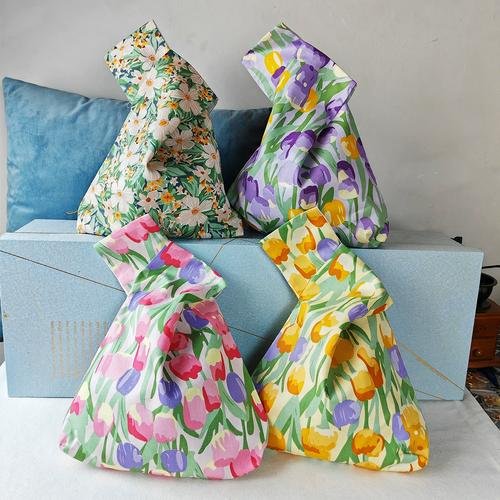
Cotton bag handles are stitched by attaching fabric or webbing straps to the bag body using reinforcement patterns such as box stitching, X-box stitching, double rows, backstitching, and bar tack stitching. The handle joint is usually the most stressed part of a cotton bag because it carries the full weight of the contents during lifting. A well-stitched handle spreads pulling force across a wider area, reduces tearing, keeps the bag balanced, and gives customers confidence when carrying heavier items. For custom cotton bags, handle stitching should be selected based on handle material, bag size, fabric weight, expected load, and visual style.
In real use, customers rarely lift a bag gently every time. They grab it quickly, swing it onto a shoulder, hang it on a hook, place heavy items inside, or carry it repeatedly during shopping and travel. Each action pulls the handle joint. If the handle stitching is weak, the failure is highly visible and frustrating. A side seam issue may be noticed slowly, but a torn handle is immediate. That is why handle reinforcement is one of the most important quality details in cotton bag manufacturing.
Why cotton bag handles need reinforcement
Handles carry weight through small connection points. If a cotton tote has two handles, the force is divided between four attachment points. When the bag is full, each attachment point may carry significant tension. If the handle is attached with only a single straight stitch, the pulling force concentrates on a narrow line. Over time, the stitch may loosen, the fabric may tear, or the handle may detach.
Reinforced handle stitching solves this by increasing the attachment area. A box stitch distributes force around a rectangular shape. An X-box stitch adds diagonal support. A bar tack adds dense reinforcement at the top or base of the handle. The right choice depends on the bag’s use.
| Handle Stitch Type | Strength Level | Best Use | Visual Style | Cost Impact |
|---|---|---|---|---|
| Single row stitch | Low to medium | Light promotional bags | Simple | Low |
| Double row stitch | Medium | Standard cotton totes | Clean | Low to medium |
| Box stitch | High | Retail tote bags | Professional | Medium |
| X-box stitch | Very high | Heavy canvas bags | Strong and visible | Medium |
| Bar tack | Very high at stress point | Handle ends, corners | Functional | Medium |
| Box plus bar tack | Very high | Grocery bags, large totes | Strong and durable | Medium to high |
For most reusable cotton bags, basic single-row handle stitching is not enough. A better handle construction can significantly improve product life and customer satisfaction.
What is box stitching?
Box stitching is a rectangular stitch pattern used to secure the handle to the bag body. It is one of the most common handle reinforcement methods for cotton tote bags. The box shape increases the stitched area, helping the handle stay attached during pulling.
Box stitching works well because it creates multiple directions of support. The top and bottom stitch lines resist vertical pulling, while the side lines help stabilize the handle edge. When properly sewn, it looks clean and professional.
Box stitching is suitable for:
Standard cotton tote bags
Retail shopping bags
Promotional cotton bags with moderate load
Flat cotton webbing handles
Self-fabric cotton handles
Medium-weight canvas bags
However, the box size should match the handle and fabric. A tiny box on a wide handle may not provide enough strength. A very large box may look awkward or interfere with the printed logo. During sample development, the handle placement, stitch box size, and logo position should be reviewed together.
What is X-box stitching?
X-box stitching is a box stitch with diagonal cross lines inside. It is commonly used when stronger handle attachment is needed. The diagonal stitches help distribute pulling force across the box instead of leaving tension only on the outside rectangle.
X-box stitching is recommended for:
Heavy cotton canvas tote bags
Reusable grocery bags
Large-capacity cotton bags
Book bags
Work bags
Travel shopping bags
Bags with long shoulder handles
Bags expected to carry heavier items
The X-box pattern also gives customers a visual signal of durability. When people see reinforced handle stitching, they often trust the bag more. For brand products, this visible construction can be a selling point.
What are bar tacks in cotton bag handles?
Bar tacks are dense, short reinforcement stitches applied to small stress points. In cotton bag handles, bar tacks are often placed at the top edge of the handle attachment, at the base of the handle, or near seam openings where pulling begins.
Bar tacks are useful because they prevent small tears from spreading. They are especially valuable when the handle is narrow, the fabric is heavy, or the bag carries weight frequently. However, bar tacks should be used carefully. Too many dense stitches on thin cotton may create stiffness or needle-hole damage.
| Handle Area | Common Stress | Useful Reinforcement |
|---|---|---|
| Top edge of handle attachment | Pulling starts when bag is lifted | Bar tack or backstitch |
| Bottom edge of handle attachment | Weight pulls downward | Box stitch or X-box stitch |
| Side edge of handle | Handle twists during use | Box side stitching |
| Handle fold area | Fabric layers shift | Double stitching |
| Bag opening near handle | Tension spreads into opening seam | Topstitching and reinforced hem |
For heavy reusable bags, bar tacks can work together with X-box stitching. For light cotton bags, a clean box stitch may be enough.
How handle material changes stitching method
Cotton bag handles can be made from self-fabric cotton, cotton webbing, canvas webbing, rope, braided cord, polyester webbing, leather-like materials, or mixed materials. Each handle type requires different stitching.
| Handle Material | Stitching Consideration | Recommended Use |
|---|---|---|
| Self-fabric cotton handle | Soft, may stretch slightly | Standard totes, fashion bags |
| Cotton webbing | Stable and easy to sew | Retail bags, reusable bags |
| Heavy canvas handle | Thick at attachment points | Canvas totes, grocery bags |
| Rope handle | Usually needs eyelets or knots | Gift bags, fashion bags |
| Polyester webbing | Strong but different texture | Outdoor or utility-style bags |
| Leather-like handle | Needs special needle and reinforcement | Premium bags |
| Padded cotton handle | Thicker layers need machine control | Comfort carry bags |
For cotton fabric handles, stitch tension must be controlled to avoid puckering. For thick webbing handles, the machine must handle multiple layers without skipped stitches. For rope handles, the bag may need metal eyelets, reinforced holes, or internal support patches.
Handle length and load distribution
Handle length affects how force moves through the bag. Short handles are usually hand-carried and may create more direct vertical pulling. Long shoulder handles may twist, swing, and create angled pulling. Wider handles distribute pressure better than narrow handles, but they also require larger attachment areas.
| Handle Design | Carry Style | Stitching Risk | Better Reinforcement |
|---|---|---|---|
| Short hand handle | Direct hand carry | Strong vertical pull | Box stitch or X-box stitch |
| Long shoulder handle | Shoulder carry | Twisting and angled pull | X-box stitch with strong top hem |
| Narrow handle | Small contact area | Higher stress concentration | Bar tack plus box stitch |
| Wide handle | Better pressure spread | Bulky attachment | Larger box stitch |
| Self-fabric handle | Soft and flexible | Stretching at seam | Double stitch and proper folding |
| Webbing handle | Stable and strong | Edge fraying if poor cut | Heat cut or folded end plus box stitch |
Handle design should not be decided only by appearance. It should also match how the final customer will carry the bag.
Why handle failure damages brand trust quickly
A torn handle is one of the worst failures for a cotton bag because it happens during use, often in public. If groceries fall, samples drop, or personal items spill, the customer remembers the brand negatively. Even if the fabric and printing were good, the product is judged as unreliable.
For custom cotton bags used in retail, events, packaging, or promotional campaigns, handle durability matters because the bag often becomes a walking advertisement. If the bag performs well, the logo travels with the customer. If it fails, the same logo is connected with disappointment.
This is why brands should not treat handle stitching as a hidden production detail. It is part of the customer experience.
How to choose handle stitching by expected load
Not every cotton bag needs the strongest handle stitching. Overbuilding a light giveaway bag may waste cost. Underbuilding a reusable shopping bag can cause failure. The smart approach is to match reinforcement with expected load.
| Expected Use | Common Carry Weight | Suggested Handle Stitching |
|---|---|---|
| Light event giveaway | Papers, brochures, small gifts | Double row or small box stitch |
| Retail packaging bag | Clothing, cosmetics, accessories | Box stitch with clean topstitching |
| Daily tote bag | Books, wallet, water bottle, small items | Box stitch or X-box stitch |
| Grocery bag | Food items, bottles, packaged goods | X-box stitch plus bar tack |
| Heavy canvas carry bag | Books, tools, travel items | Large X-box and reinforced top hem |
| Premium fashion tote | Moderate daily use | Clean box stitch, decorative topstitch, hidden reinforcement if needed |
The key is to define the real use before confirming production. A simple question can prevent problems: “What will customers actually put inside this bag?”
How handle stitching interacts with logo placement
Logo placement and handle stitching must be planned together. If the logo is too close to the handle area, reinforcement stitching may interfere with the visual design. If the handle is placed too low to avoid the logo, the bag may look unbalanced. If the stitch box overlaps printed ink, it may affect both sewing quality and appearance.
During sample development, clients should confirm:
Logo size
Logo position
Handle spacing
Handle length
Stitch box size
Thread color
Top hem height
Label placement
Printing method
For screen printing, the stitch area should avoid thick ink layers when possible. For embroidery, the handle area should not become too stiff. For heat transfer, seam and stitch positions should avoid affecting adhesion. Szoneier can help adjust these details before final production.
What Thread Works Best for Cotton Bags?
The best thread for cotton bags is usually polyester thread because it offers high tensile strength, abrasion resistance, color stability, and lower breakage risk during sewing and daily use. Cotton thread may still be suitable for certain eco-style or vintage-looking bags, but polyester thread is generally preferred for reusable tote bags, shopping bags, canvas bags, and heavy-duty cotton products because it performs better under repeated pulling and friction. The ideal thread also depends on fabric weight, stitch density, washing requirements, seam type, and the overall appearance the brand wants to achieve.
Many customers focus heavily on fabric weight and stitching style, but thread quality is equally important. A strong seam can still fail if the thread breaks under pressure. In cotton bag manufacturing, the thread acts like the internal framework that holds the product together. Even the best X-box stitching or reinforced seam will not perform correctly if the thread is too thin, too weak, poorly tensioned, or mismatched with the fabric.
Thread selection affects:
Seam durability
Bag load capacity
Washing stability
Abrasion resistance
Color consistency
Visual appearance
Sewing speed
Machine efficiency
Long-term product lifespan
For factories like Szoneier, thread selection is not simply a material choice. It is part of product engineering. The wrong thread can create seam puckering, skipped stitches, loose tension, broken stitches, or visible quality defects even when the fabric itself is good.
Why polyester thread is commonly used in cotton bags
Polyester sewing thread is widely used because it combines strength with stability. Unlike cotton thread, polyester thread resists stretching, moisture absorption, and friction more effectively. This makes it suitable for reusable cotton bags that experience repeated loading and handling.
Polyester thread performs especially well in:
Reusable shopping bags
Heavy canvas tote bags
Promotional cotton bags
Printed cotton bags
Large-capacity tote bags
Daily-use retail bags
Bags requiring stronger handle stitching
Polyester thread also works well with industrial sewing machines because it produces fewer thread breaks during high-speed sewing. This improves production efficiency and seam consistency during bulk manufacturing.
| Thread Type | Main Advantage | Main Limitation | Best Use |
|---|---|---|---|
| Polyester thread | Strong, durable, abrasion resistant | Less natural appearance | Most cotton bags |
| Cotton thread | Natural look and soft hand feel | Lower abrasion resistance | Eco-style or decorative bags |
| Poly-cotton thread | Balanced appearance and strength | Less strong than pure polyester | Medium-use retail bags |
| Nylon thread | Very high strength | May stretch more | Specialty heavy-duty bags |
| Recycled polyester thread | Eco-friendly image with strength | Higher material cost | Sustainable brand projects |
For many cotton tote bag projects, polyester thread provides the best balance between appearance, durability, and production stability.
Is cotton thread still useful?
Cotton thread still has value in certain applications. Some eco-focused brands prefer cotton thread because it matches the natural look of cotton fabric. Vintage-style bags, washed cotton totes, and minimalist natural products sometimes use cotton thread to create a softer and more organic visual appearance.
However, cotton thread has limitations:
It absorbs moisture more easily
It may wear faster under friction
It is generally weaker than polyester
It may shrink differently during washing
It can break more easily during heavy use
Because of this, cotton thread is usually better for decorative stitching, light-use products, or branding-focused aesthetics rather than high-load reusable shopping bags.
How thread thickness affects cotton bag durability
Thread thickness changes both the appearance and strength of the seam. Thick thread can create a bold, durable look, while thinner thread creates a finer, cleaner seam. But thicker is not always better.
If the thread is too thick for lightweight cotton fabric:
The seam may pucker
The needle holes may weaken the fabric
The stitching may look rough
The fabric may gather unevenly
If the thread is too thin for heavy canvas:
The seam may not carry enough load
Thread breakage risk increases
The handle area may weaken faster
The product may feel cheap
| Fabric Weight | Common Bag Type | Practical Thread Direction |
|---|---|---|
| 4–6 oz cotton | Promotional bags, dust bags | Fine to medium polyester thread |
| 7–10 oz cotton | Standard tote bags | Medium polyester thread |
| 10–12 oz canvas | Shopping bags, retail totes | Medium to thick polyester thread |
| 12–16 oz canvas | Heavy reusable bags | Strong heavy-duty polyester thread |
| Washed cotton | Fashion tote bags | Softer balanced thread appearance |
| Organic cotton | Eco lifestyle bags | Recycled polyester or cotton-look thread |
Professional cotton bag factories match thread size with fabric thickness, stitch density, and sewing speed to maintain stable seam quality.
How thread tension affects seam quality
Thread tension controls how tightly the upper and lower threads lock inside the fabric. Poor tension is one of the most common causes of sewing defects in cotton bag manufacturing.
If tension is too tight:
The seam may pucker
The fabric may wrinkle
The bag may lose shape
The thread may break more easily
If tension is too loose:
The stitches may loop
The seam may weaken
The thread may snag
The stitch line may look messy
Thread tension becomes even more important in cotton bags because cotton fabric can shift during sewing. Thick seams at corners or handle attachments also create tension changes that machines must handle correctly.
| Tension Problem | Visible Sign | Result |
|---|---|---|
| Upper tension too tight | Fabric puckering | Distorted seam appearance |
| Upper tension too loose | Loops on underside | Weak seam |
| Uneven tension | Inconsistent stitch line | Poor visual quality |
| Tight tension on thin cotton | Needle hole stress | Fabric weakening |
| Loose tension on heavy canvas | Loose seam structure | Reduced durability |
Factories with good sewing control usually test machine tension before bulk production begins, especially when changing fabric weight, thread type, or stitch density.
Does thread color matter for branding?
Thread color affects more than appearance. It influences how customers perceive quality and design intention. In many private label cotton bags, thread becomes part of the visual identity.
Tone-on-tone stitching creates a clean and minimal appearance.
Contrast stitching creates a more crafted or fashion-oriented look.
Natural thread colors support eco-style branding.
Dark thread may visually hide dirt and wear.
Bright stitching can become a decorative feature.
| Thread Color Style | Brand Feeling |
|---|---|
| Tone-on-tone | Minimal, clean, premium |
| White contrast stitch | Casual canvas and lifestyle look |
| Black contrast stitch | Stronger modern appearance |
| Natural cotton tone | Eco and organic feel |
| Bright color stitch | Youthful or fashion-oriented |
| Thick decorative stitch | Handmade or rugged aesthetic |
Thread color should also work with printing and logo placement. Poor thread contrast can distract from the logo or create a visually crowded design.
Why thread quality matters more in reusable bags
Single-use promotional bags may not experience long-term stress. But reusable cotton bags face repeated friction, loading, washing, folding, and carrying. This repeated use creates abrasion along the stitch line.
A reusable shopping bag may experience:
Handle pulling every day
Friction against clothing
Stretching at side seams
Weight shifts at bottom corners
Moisture exposure
Repeated folding and storage
This is why reusable cotton bags often benefit from stronger polyester thread and reinforced seam construction.
| Bag Usage Frequency | Thread Requirement |
|---|---|
| One-time event use | Basic stable thread |
| Occasional shopping | Medium-strength polyester thread |
| Daily carry tote | Durable abrasion-resistant thread |
| Grocery reuse | Strong thread with reinforced handles |
| Heavy utility use | High-strength thread plus reinforced seams |
The longer the expected product life, the more important thread performance becomes.
Why poor-quality thread creates hidden problems
Low-quality thread may look acceptable during sewing but fail later. Inferior thread can have inconsistent thickness, weak fibers, unstable dyeing, or poor tension behavior.
Common problems caused by poor thread include:
Frequent thread breaks during sewing
Loose seams after use
Uneven stitch appearance
Fading thread color
Weak handle attachment
Fuzzing along stitch lines
Inconsistent seam strength
For brands, this creates risk because thread defects may only appear after products reach customers. That is why reliable material sourcing matters.
How stitch density and thread interact together
Thread and stitch density must work together. If thick thread is combined with very dense stitching on lightweight cotton, the seam can become stiff and over-perforated. If thin thread is combined with wide stitches on heavy canvas, the seam may lack strength.
| Fabric Type | Better Stitch Balance |
|---|---|
| Thin cotton | Moderate stitch density with finer thread |
| Medium cotton | Balanced stitch density and medium thread |
| Heavy canvas | Strong thread with stable spacing |
| Fashion washed cotton | Softer thread appearance with neat topstitching |
| Grocery tote canvas | Reinforced thread plus strong seam structure |
The strongest seam is usually balanced rather than extreme.
How Many Stitches Per Inch Are Needed?

The ideal stitches per inch for cotton bags usually range from 6 to 10 stitches per inch depending on the fabric weight, seam location, bag purpose, and thread thickness. Lightweight cotton bags often use slightly higher stitch density for cleaner appearance, while heavy cotton canvas bags may use slightly lower density to avoid weakening the fabric with excessive needle holes. In cotton bag manufacturing, the goal is not to maximize stitch count but to balance strength, flexibility, seam appearance, and fabric protection.
Many customers assume that more stitches automatically mean stronger bags. In reality, excessively dense stitching can weaken cotton fabric because each needle penetration creates a hole. If the stitches are packed too closely on lightweight cotton, the seam can act like a perforation line and tear more easily under stress. On the other hand, stitches that are too loose may not hold the fabric securely.
The best stitch density depends on:
Fabric thickness
Thread size
Bag load requirement
Seam type
Handle reinforcement
Washing expectation
Visual style
Machine setup
Professional factories do not choose stitch density randomly. It is tested according to the fabric and construction plan.
What stitches per inch actually means
Stitches per inch, often called SPI, measures how many stitches appear within one inch of seam length. A higher SPI means shorter stitches packed closer together. A lower SPI means longer stitches spaced farther apart.
Short stitches create:
Cleaner seam appearance
Better seam control on curves
More refined visual detail
Long stitches create:
More flexibility
Faster sewing speed
Less needle-hole concentration
Better performance on heavy fabrics
| Stitch Density | Common Appearance | Typical Use |
|---|---|---|
| 4–5 SPI | Loose and visible | Heavy utility seams |
| 6–8 SPI | Balanced strength and flexibility | Most cotton tote bags |
| 8–10 SPI | Cleaner and refined | Fashion and retail cotton bags |
| 10+ SPI | Very dense and decorative | Fine detail sewing only |
For most cotton tote bags, 6–8 SPI offers a good balance between durability and appearance.
Why higher stitch density is not always stronger
Too many stitches can damage cotton fabric. Every stitch creates a needle hole. If the holes are too close together, the fabric may weaken along the seam line. This is especially risky on lightweight cotton.
Problems caused by overly dense stitching include:
Fabric tearing along stitch line
Seam puckering
Reduced flexibility
Wavy seams after washing
Distorted printing near seams
Excess thread buildup
This issue becomes more visible in thin cotton giveaway bags or soft washed cotton fabrics. Heavy canvas can usually tolerate denser stitching better, but even canvas has limits.
| Fabric Type | Risk From Excessive SPI |
|---|---|
| Thin cotton | High risk of perforation |
| Medium cotton | Moderate risk of stiffness |
| Heavy canvas | Lower risk but may become bulky |
| Washed cotton | Puckering risk |
| Organic cotton | Needle stress on softer fibers |
The strongest seam is not always the densest seam. Balanced stitch engineering matters more.
How stitch density affects seam appearance
SPI strongly affects visual quality. A fashion cotton tote bag often needs cleaner and more refined stitching than a low-cost promotional bag. Customers notice uneven spacing quickly, especially on contrast thread.
Higher SPI usually creates:
Cleaner topstitching
More polished retail appearance
Better logo framing near seams
Lower SPI usually creates:
More rugged appearance
More visible handmade feel
Better flexibility on thick canvas
The ideal SPI depends on brand positioning.
| Product Type | Better SPI Direction |
|---|---|
| Promotional giveaway bag | Medium SPI for efficiency |
| Retail cotton tote | Medium-high SPI for clean look |
| Heavy grocery bag | Medium SPI with stronger thread |
| Fashion tote | Higher SPI for premium appearance |
| Washed canvas bag | Balanced SPI to avoid puckering |
| Utility carry bag | Moderate SPI for flexibility |
Factories should not use one SPI setting for every cotton bag style.
How fabric weight changes stitch density choice
Fabric weight directly affects how stitches interact with the material. Thick canvas can support longer stitches because the fabric itself is stronger. Thin cotton often needs slightly shorter stitches to maintain seam control without weakening the fabric.
| Fabric Weight | Better SPI Range | Main Goal |
|---|---|---|
| 4–6 oz cotton | 8–10 SPI | Clean lightweight seam |
| 7–10 oz cotton | 6–8 SPI | Balanced durability |
| 10–12 oz canvas | 6–7 SPI | Strength without stiffness |
| 12–16 oz canvas | 5–6 SPI | Prevent excessive needle stress |
| Washed cotton | 7–8 SPI | Reduce puckering |
| Organic cotton | 6–8 SPI | Balanced softness and durability |
Professional sewing teams adjust SPI according to real fabric testing rather than using fixed machine settings.
Why SPI matters at different seam positions
Not every part of the bag should use identical stitch density. High-stress areas often require different seam engineering than decorative areas.
| Seam Area | Stitch Density Focus |
|---|---|
| Handle attachment | Strong reinforcement and stable tension |
| Side seams | Balanced strength and flexibility |
| Bottom seams | Controlled spacing to support load |
| Decorative topstitch | Cleaner visual consistency |
| Curved areas | Slightly shorter stitches for control |
| Thick layered corners | Lower density to reduce bulk |
This is why experienced factories review sewing details area by area rather than treating the entire bag the same way.
Why SPI should match the bag’s real-life use
A cotton bag used once at a trade show does not need the same seam engineering as a reusable shopping tote carried every week. The intended use changes the ideal stitch balance.
| Real-Life Use | Better Stitch Strategy |
|---|---|
| Event giveaway | Faster sewing and clean appearance |
| Boutique retail tote | Refined topstitching and balanced SPI |
| Grocery carry bag | Lower SPI with stronger thread |
| Daily commuter tote | Balanced SPI and reinforced handles |
| Fashion cotton bag | Neat high-appearance topstitching |
| Heavy utility canvas bag | Moderate SPI with thick thread |
Good manufacturing starts with understanding how customers will actually use the bag.
How washing affects stitch density
Cotton bags marketed as washable should be reviewed carefully for seam performance after washing. Dense stitching may cause puckering if the fabric shrinks differently from the thread.
Potential washing issues include:
Wavy seam lines
Fabric gathering
Distorted side seams
Thread tension imbalance
Uneven handle appearance
This is why some washed cotton bags intentionally use balanced rather than aggressive stitch density. The seam must stay stable after repeated washing and drying.
Why machine setup affects SPI consistency
Even if the correct SPI is selected, poor machine setup can still create uneven stitching. Industrial sewing machines must maintain stable feeding, balanced tension, and consistent speed.
Problems from unstable machine setup include:
Uneven stitch spacing
Skipped stitches
Thread looping
Misaligned topstitching
Crooked seam lines
This becomes especially important for long tote bag seams where visual consistency matters.
How Do Factories Prevent Seam Failure?
Factories prevent seam failure in cotton bags by controlling fabric cutting, seam allowance, stitch type, thread quality, needle selection, machine tension, handle reinforcement, sewing consistency, and final inspection. In practical production, seam failure is rarely caused by one single mistake. It usually happens when several small details are ignored at the same time: the seam allowance is too narrow, thread tension is unstable, the fabric edge is not finished, the stitch density is wrong, or the handle area is not reinforced enough for the bag’s real carrying load.
For custom cotton bags, seam failure prevention should begin before bulk production. The factory should review the fabric weight, bag size, handle type, expected loading, printing position, and customer use scenario during sampling. A bag made for cosmetics packaging does not need the same seam strength as a reusable grocery bag. A fashion tote does not need to look like a tool bag. A good factory prevents problems by matching construction to use, instead of using one fixed sewing method for every cotton bag.
Common causes of cotton bag seam failure
Most cotton bag seam failures come from preventable production issues. When a bag breaks, customers may blame the fabric, but in many cases the real problem is the seam system.
| Seam Failure Cause | What It Looks Like | Why It Happens | Better Factory Control |
|---|---|---|---|
| Narrow seam allowance | Fabric pulls out from stitch line | Not enough fabric beside seam | Set proper allowance by fabric weight |
| Low-quality thread | Thread snaps or fuzzes | Weak thread or poor abrasion resistance | Use suitable polyester or strong thread |
| Poor thread tension | Loops, puckering, loose stitches | Machine not adjusted correctly | Pre-production tension testing |
| Wrong stitch density | Seam tears or looks loose | SPI too high or too low | Match SPI to fabric weight |
| No edge finishing | Raw edges fray inside bag | Cotton yarns loosen after use | Overlock, fold, or bind seam |
| Weak handle stitching | Handle pulls away | Stress concentrated in small area | Box stitch, X-box stitch, bar tack |
| Skipped stitches | Broken or missing stitch line | Wrong needle, thick layers, speed issue | Needle and machine adjustment |
| Crooked seam line | Uneven strength and poor look | Poor feeding or operator control | Sewing guide and inspection |
| Poor trimming | Loose threads remain | Rushed finishing | Final trimming and visual check |
| No load testing | Defects missed before shipment | Only appearance checked | Sample load and pull review |
A professional cotton bag manufacturer does not wait for failure to happen. It checks these risks before production moves too far.
How cutting accuracy affects seam strength
Cutting seems simple, but it has a direct impact on sewing durability. If cotton panels are cut unevenly, the sewing operator may have to stretch or shift the fabric to make the seams match. This can cause uneven tension, twisted seams, or narrow seam allowance in some areas.
Accurate cutting supports:
Straight side seams
Balanced bag shape
Consistent seam allowance
Cleaner gusset construction
Better handle placement
More stable printing alignment
Less fabric waste
For custom cotton bags with logos, cutting accuracy also affects print position. If the panel is cut inconsistently, the logo may appear off-center after sewing. This is especially important for private label cotton bags, retail tote bags, and promotional bags where the logo is a main selling point.
How factories control machine tension
Machine tension must be adjusted according to fabric thickness, thread type, stitch type, and seam position. A cotton tote may have thin areas on the main body but thick areas at the top hem and handle attachment. If machine tension is not adjusted correctly, the stitch line may look good in one area and fail in another.
Good tension control means:
Upper and lower threads lock evenly
The seam lies flat without puckering
The stitch line does not loop underneath
The thread does not snap during sewing
The fabric does not gather around the seam
The handle area remains firm and neat
| Tension Issue | Production Sign | Customer Risk |
|---|---|---|
| Too tight | Wrinkled seam, puckering | Bag looks cheap and may tear |
| Too loose | Loops or loose stitches | Seam may open during use |
| Uneven tension | Inconsistent stitch line | Poor appearance and weak points |
| Wrong bobbin tension | Loose underside | Hidden weakness inside bag |
| Tension not adjusted for thick layers | Skipped stitches | Handle and corner failure |
For bulk orders, machine tension should be checked during production, not only during sample making. Cotton fabric batches can vary slightly, and thread behavior may change when production speed increases.
How needle choice prevents skipped stitches
Needle choice matters more than many buyers realize. If the needle is too small for the thread or too weak for the fabric thickness, it may bend, break, or fail to form proper stitches. If the needle is too large for lightweight cotton, it may leave visible holes and weaken the fabric.
Needle selection depends on:
Cotton fabric weight
Canvas thickness
Thread size
Number of fabric layers
Handle material
Seam type
Machine speed
Printing or finishing treatment
Skipped stitches often appear at thick intersections, such as handle joints, bottom corners, folded hems, or gusset seams. These areas require better machine control and suitable needles.
How seam strength is tested
Factories can test seam strength in different ways depending on product requirements. For many cotton bag projects, practical in-house tests are enough. For larger retail or stricter projects, more formal testing may be requested.
Common seam strength checks include:
Visual inspection of stitch consistency
Hand-pull testing at seams
Handle pull testing
Loading the bag with estimated weight
Repeated lifting tests
Checking bottom corner stress
Rubbing and folding inspection
Washing review when required
Inspection after sample adjustment
| Test Method | What It Checks | Best For |
|---|---|---|
| Visual seam check | Stitch straightness, loose thread, defects | All cotton bags |
| Hand-pull test | Basic seam holding strength | Sampling and production checks |
| Handle pull test | Handle attachment strength | Tote bags and shopping bags |
| Load test | Real carrying performance | Reusable and grocery bags |
| Repeated lift test | Durability under repeated stress | Daily-use cotton bags |
| Wash test | Shrinkage and seam puckering | Washable cotton bags |
| Corner stress check | Bottom and gusset reliability | Large or heavy bags |
| Final trimming check | Loose threads and finish | Retail and private label bags |
A reliable factory should test according to the product’s real use, not only by looking at the surface.
Why inspection must include both outside and inside
Many cotton bags look acceptable from the outside, but the inside reveals more about factory quality. Raw seams, loose threads, skipped stitches, and messy trimming often appear inside the bag first. Customers may not check the inside at first, but once they use the bag, these details affect perceived quality.
Outside inspection should check:
Logo position
Stitch straightness
Handle symmetry
Thread color matching
Bag shape
Seam alignment
Surface cleanliness
Inside inspection should check:
Raw edge finishing
Loose thread trimming
Overlock quality
Bottom seam neatness
Corner finishing
Label stitching
Pocket stitching
No sharp or rough areas
For retail-ready cotton bags, inside finishing can separate a premium product from a low-cost product.
Why seam failure prevention starts at design stage
Some seam problems cannot be fully solved during sewing because the design itself creates the risk. For example, if a large logo is placed too close to the handle attachment, the stitch box may interfere with the print. If the bag is very large but the handle attachment area is too small, the stress will be concentrated. If the gusset is too wide but the bottom seam is not reinforced, the bag may sag under load.
Better design planning should consider:
Bag size
Fabric weight
Panel shape
Gusset depth
Handle width
Handle placement
Top hem height
Logo position
Label position
Expected load
Target retail price
This is why custom cotton bag development should include both design review and production review. A beautiful drawing still needs manufacturable construction.
How factories reduce bulk production variation
A sample may look good, but bulk production needs consistency across hundreds, thousands, or tens of thousands of bags. Seam quality can vary if operators use different machines, if fabric feeding is inconsistent, or if thread tension is not checked regularly.
To reduce variation, factories should control:
Cutting templates
Sewing guides
Machine settings
Thread batch consistency
Needle replacement schedule
Operator training
Inline inspection
Final inspection standards
Packing review
| Production Stage | Main Risk | Control Method |
|---|---|---|
| Material preparation | Fabric shrinkage or uneven weight | Fabric inspection and matching |
| Cutting | Uneven panels | Templates and cutting control |
| Printing before sewing | Misaligned logo | Panel positioning check |
| Sewing | Tension and stitch variation | Machine setup and operator control |
| Reinforcement | Missed bar tacks or weak handle stitch | Inline inspection |
| Trimming | Loose threads | Finishing station |
| Final inspection | Defective bags pass | AQL or agreed inspection standard |
| Packing | Wrinkles or deformation | Proper folding and carton packing |
For custom cotton bag projects, stable quality is often more important than one perfect sample.
How Can Custom Stitching Improve Branding?
Custom stitching improves cotton bag branding by turning functional sewing details into visible design value. Stitch color, stitch spacing, topstitching, handle reinforcement, seam finishing, label stitching, and decorative thread can all affect how customers perceive the bag. For a simple cotton tote, clean stitching can make the product feel reliable. For a fashion cotton bag, contrast stitching can create a stronger style. For a reusable shopping bag, X-box handle stitching can communicate durability before the customer even puts anything inside.
A cotton bag is often more than packaging. It can become a daily-use item, a retail product, a promotional gift, or a walking brand message. If the stitching looks clean, strong, and intentional, the entire product feels more valuable. If the stitching is crooked, loose, or messy, even good cotton fabric and a well-printed logo may look low quality.
How stitch color affects brand image
Thread color is one of the easiest ways to customize cotton bags. It can blend into the fabric or stand out as a design feature. The right choice depends on the brand’s style and the bag’s market positioning.
| Stitch Color Choice | Visual Effect | Best For |
|---|---|---|
| Tone-on-tone stitching | Clean, minimal, premium | Fashion totes, lifestyle brands |
| Natural cotton color | Soft, eco-friendly, simple | Organic cotton bags, natural product packaging |
| Black stitching | Strong, modern, defined | Canvas totes, streetwear-style bags |
| White stitching | Fresh, casual, visible | Natural canvas bags |
| Contrast color stitching | Decorative, recognizable | Brand merchandise, fashion bags |
| Bright color stitching | Playful and bold | Youth products, events, creative brands |
| Matching logo color | Consistent brand identity | Private label bags |
| Heavy decorative thread | Handmade or rugged look | Premium canvas bags |
A small thread color change can make the same cotton bag feel natural, modern, premium, playful, or industrial.
Why topstitching makes cotton bags look more premium
Topstitching is visible stitching placed on the outside of the bag, often along seams, openings, pockets, handles, or decorative panels. It can flatten seams, improve shape, and add a crafted appearance.
Topstitching helps cotton bags by:
Making edges look cleaner
Helping seams lie flat
Adding visual structure
Creating a more finished product
Supporting premium retail presentation
Highlighting pocket or panel design
Improving the perceived value of simple fabric
For premium cotton tote bags, topstitching is often one of the details that makes the product feel more refined. It does not need to be fancy. It just needs to be straight, even, and matched to the product style.
How stitching supports private label design
Private label cotton bags often need more than a logo. The whole product should feel aligned with the brand. Stitching can support this through subtle design decisions.
Private label stitching options may include:
Custom thread color
Contrast topstitching
Hidden inner seams
Clean folded edges
Logo label stitching
Handle reinforcement style
Pocket stitching
Decorative seam lines
Brand-matched stitch spacing
Premium inner finishing
| Brand Positioning | Stitching Direction |
|---|---|
| Eco lifestyle brand | Natural thread color, simple topstitching, clean cotton texture |
| Fashion brand | Contrast stitching, refined topstitching, symmetrical seam lines |
| Grocery brand | Strong handle stitching, visible durability, reinforced bottom |
| Corporate gift brand | Neat tone-on-tone stitching, clean edges, logo-friendly layout |
| Outdoor-style brand | Heavy thread, bar tacks, rugged stitch appearance |
| Premium retail brand | Folded seams, hidden finishing, fine topstitching |
| Kids or creative brand | Colored thread, playful contrast stitching |
| Minimalist brand | Invisible or tone-matched stitching, simple clean construction |
The stitching should match the emotional message of the brand. A natural wellness brand may not want heavy black industrial stitching. A rugged utility brand may not want delicate invisible seams.
How stitching interacts with labels and packaging
Cotton bags often include woven labels, printed labels, care labels, hangtags, inner tags, or branded packaging. These details must be stitched neatly because they are often checked closely by customers.
Label stitching should consider:
Label position
Thread color
Stitch straightness
Corner security
No loose threads
No label puckering
No rough edge touching the user
Compatibility with seam structure
A crooked label can damage the whole product image. For retail cotton bags, label stitching is a small detail with a large quality signal.
How decorative stitching can add product value
Decorative stitching does not always mean complicated embroidery. It can be a simple visible stitch line that adds structure and style. For cotton bags, decorative stitching may include contrast topstitching, double-needle lines, pocket outlines, handle edge stitching, or reinforced panels.
Decorative stitching can make a cotton bag feel:
More designed
More handmade
More premium
More durable
More recognizable
More aligned with brand style
However, decorative stitching should not replace structural reinforcement. A stitch can be beautiful but still weak if it is not placed correctly. The best products use decorative stitching and structural stitching together.
How custom stitching affects customer willingness to reuse the bag
People reuse cotton bags when the bag feels useful, attractive, and reliable. Stitching contributes to all three. A bag with strong handles feels safe to carry. A bag with clean topstitching looks suitable for daily use. A bag with messy loose threads may be thrown away or left in storage.
The more often a customer reuses a cotton bag, the more brand exposure it creates. For promotional and retail projects, reuse value matters.
| Stitching Detail | Customer Perception | Brand Impact |
|---|---|---|
| Straight topstitching | Clean and well-made | Higher trust |
| Reinforced handles | Safe to carry | More frequent reuse |
| Clean inner seams | Better quality feeling | Stronger product satisfaction |
| Contrast thread | Designed and memorable | Better visual identity |
| Loose threads | Cheap and careless | Lower brand perception |
| Crooked labels | Poor quality control | Weak brand confidence |
| Strong bottom seam | Practical and reliable | Better daily use |
| Neat folded edges | Premium finishing | Higher perceived value |
A cotton bag that customers actually reuse is far more valuable than a bag that only looks good on delivery day.
How stitching choices affect product pricing
Custom stitching can influence production cost. More reinforcement, more topstitching, special thread colors, and cleaner inner finishing all require more time and control. But these details can also increase perceived value.
| Stitching Upgrade | Cost Impact | Value Impact |
|---|---|---|
| Custom thread color | Low to medium | Better brand consistency |
| Double stitching | Medium | Higher durability |
| X-box handles | Medium | Stronger load-bearing perception |
| Bar tacks | Medium | Better stress-point protection |
| Folded seams | Medium | Cleaner finish |
| Bound seams | Medium to high | Premium or heavy-duty appearance |
| Decorative topstitching | Medium | Better retail look |
| Inner seam finishing | Medium | Higher product quality perception |
For brands, the key is not adding every possible stitching detail. The key is choosing the upgrades customers will notice and use.
How Szoneier supports custom stitching and branding
Szoneier can help clients develop custom cotton bags with stitching details matched to product use, target customer, and brand positioning. With over 18 years of experience in fabric R&D, finished product manufacturing, and sales, Szoneier supports cotton fabric, canvas fabric, polyester fabric, nylon fabric, neoprene fabric, jute fabric, linen fabric, Oxford fabric, and many other materials for custom products across bags, apparel, medical, military, outdoor, promotional, and retail applications.
For cotton bags, Szoneier can support:
Custom cotton fabric selection
Canvas weight selection
Bag size customization
Handle design customization
Thread color matching
Lockstitch and double stitching
Box and X-box handle stitching
Bar tack reinforcement
Overlock and folded seam finishing
Topstitching design
Private label logo application
Custom labels and hangtags
Printing and embroidery
Free design support
Low MOQ customization
Fast sampling
Free sample support
Short lead time
Final quality inspection
Szoneier can help clients create cotton bags that are not only good-looking, but also practical, durable, and ready for real customer use.
Request Custom Cotton Bags from Szoneier
If you are planning to develop custom cotton bags, reusable tote bags, canvas shopping bags, promotional cotton bags, private label bags, or fabric products with your own logo, Szoneier can help you turn your idea into a production-ready product.
You can send Szoneier your bag size, fabric preference, logo artwork, target quantity, stitching requirement, handle design, packaging idea, and expected usage scenario. The team can help recommend suitable cotton fabric, stitching techniques, reinforcement methods, printing options, and sampling solutions based on your market and product goals.
Contact Szoneier to request a custom cotton bag quotation, free design support, sample development, and professional stitching recommendations for your next fabric product project.