Skip to content
Choosing between a gym duffel bag and a gym backpack looks easy until the bag enters real daily life. A duffel may look more spacious, but it can feel awkward on a crowded subway. A backpack may feel comfortable for commuting, but it may not hold boxing gloves, shoes, towels, and training gear as easily. A premium gym bag is not only about carrying clothes. It has to deal with sweat, wet towels, shoes, bottles, laptops, lockers, office commutes, weekend travel, and brand image at the same time.
Gym duffel bags are usually better for users who need larger storage, faster packing, shoe separation, sports equipment space, and strong logo visibility. Gym backpacks are usually better for commuters, trainers, students, office workers, and users who want hands-free carrying with better weight balance. The best choice depends on user habits, training type, carrying distance, storage needs, material choice, and brand positioning.
For fitness brands, clubs, sports teams, and private label projects, the decision should not be based only on style. A good gym bag should match the way people move before and after training. Think about the person leaving home at 7:00 a.m., carrying shoes, a towel, a water bottle, clean clothes, a laptop, and a phone charger. That person does not care about product theory. They care whether the bag makes the day easier.
What Is the Difference?
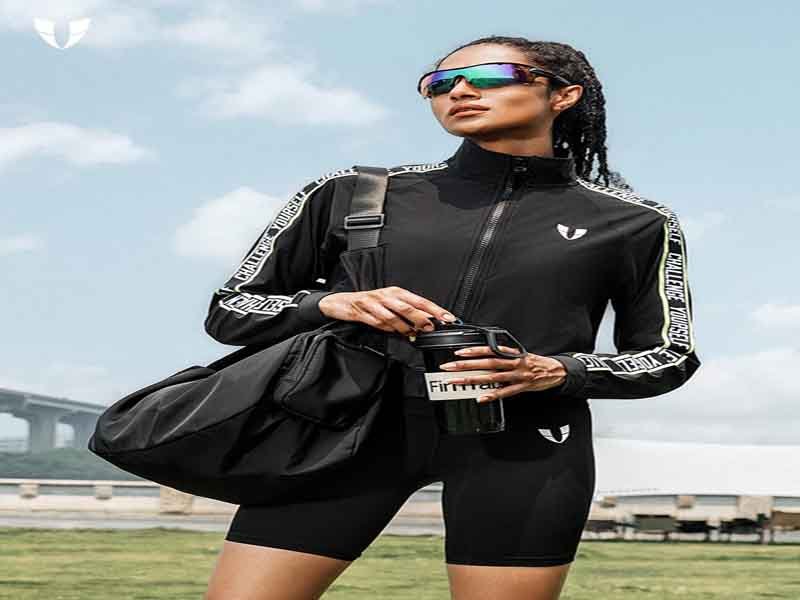
Gym duffel bags and gym backpacks serve the same broad purpose, but they solve different carrying problems. A gym duffel bag is usually a horizontal, wide-opening bag designed for larger storage and quick access. A gym backpack is a vertical, shoulder-carried bag designed for comfort, organization, and daily mobility. Duffels often perform better for heavy sports gear, while backpacks perform better for commuting and all-day carry.
The real difference is not only shape. It is how the user interacts with the bag. A duffel opens wide and lets users throw items in quickly. A backpack organizes items vertically and keeps weight closer to the body. A duffel feels sporty and travel-friendly. A backpack feels urban, practical, and more suitable for work-to-gym routines.
What Is a Gym Duffel Bag?
A gym duffel bag is a soft-sided bag with a large main compartment, top zipper opening, short handles, and often a detachable shoulder strap. Most gym duffels are designed to carry shoes, clothes, towels, bottles, gloves, toiletries, and sports accessories.
The strongest advantage of a duffel bag is access. Users can open the main zipper and see most of the contents immediately. This is helpful in locker rooms, sports clubs, changing rooms, and travel situations.
Common gym duffel features include:
Large main compartment
Separate shoe pocket
Wet clothes section
Side zipper pocket
Water bottle pocket
Detachable shoulder strap
Reinforced handles
Bottom protection panel
Ventilation mesh
Wide logo display area
Duffel bags are especially popular for users who carry bulky items. Boxing gloves, basketball shoes, towels, resistance bands, lifting belts, and swimwear fit more naturally into a duffel than a narrow backpack.
What Is a Gym Backpack?
A gym backpack is a two-strap bag worn on the back, usually designed with multiple compartments for organized daily carry. Unlike a standard school backpack, a gym backpack often includes a shoe compartment, wet pocket, laptop sleeve, water bottle holder, breathable back panel, and reinforced base.
The strongest advantage of a backpack is mobility. It keeps both hands free, balances weight across both shoulders, and works better for people walking, biking, using public transportation, or moving between gym and office.
Common gym backpack features include:
Padded shoulder straps
Breathable back panel
Laptop or tablet sleeve
Separate shoe compartment
Wet pocket
Front organizer
Side bottle pockets
Hidden valuables pocket
Reinforced bottom
Compact vertical shape
Gym backpacks are especially useful for office workers, students, personal trainers, commuters, and urban fitness users who need one bag for both training and daily life.
Are Duffels and Backpacks Used for the Same Purpose?
Yes and no. Both carry gym essentials, but they serve different behavior patterns.
A duffel is better when the user needs open storage and bulky capacity. A backpack is better when the user needs hands-free movement and organized carry. In simple terms, a duffel is more like a mini sports locker, while a backpack is more like a daily mobile organizer.
| Comparison Point | Gym Duffel Bag | Gym Backpack |
|---|---|---|
| Main shape | Horizontal | Vertical |
| Carry method | Hand, shoulder, crossbody | Two shoulders |
| Best strength | Capacity and easy access | Comfort and mobility |
| Best user | Athlete, gym member, sports team | Commuter, trainer, student |
| Locker use | Easy to open | Compact but less wide access |
| Shoe storage | Usually easier | Needs careful structure |
| Logo visibility | Large front or side area | Front panel or patch area |
| Work-to-gym use | Medium | Strong |
| Weekend travel use | Strong | Medium to strong |
| Heavy equipment use | Strong | Medium |
Which One Is More Popular?
Both are popular, but demand differs by user group. Traditional fitness centers often prefer duffel bags because they look sporty, hold more gear, and provide strong branding surfaces. Urban fitness brands and personal training studios often prefer backpacks because members commute with laptops, shoes, clothes, and daily essentials.
The market has also changed because fitness is no longer isolated from daily life. Many people do not go home after training. They go to work, school, meetings, cafes, or travel. This makes hybrid gym bags more attractive: duffel-backpacks, backpacks with shoe sections, and duffels with laptop pockets.
For custom manufacturing, both categories remain valuable. Duffel bags are better for brand visibility and sports use. Backpacks are better for everyday frequency. A product that gets carried five days a week creates more brand exposure than one used only on training days.
The Real Decision Is User Lifestyle
The most useful way to compare gym duffels and backpacks is to start with lifestyle. Where does the user go before the gym? Where do they go after the gym? How far do they carry the bag? Do they drive, walk, bike, or take public transportation? Do they carry shoes? Do they carry a laptop? Do they use lockers?
A duffel works well when the bag is carried for shorter distances and needs more internal space. A backpack works better when the bag is worn for longer periods or needs to move through crowded spaces.
| User Scenario | Better Choice | Reason |
|---|---|---|
| Driving to gym after work | Duffel bag | Easy to pack and place in car |
| Subway commuting | Backpack | Hands-free and compact |
| Carrying boxing gloves | Duffel bag | Larger opening and better volume |
| Carrying laptop and gym clothes | Backpack | Better organization |
| Sports team training | Duffel bag | More capacity and team branding |
| Personal trainer daily use | Backpack | Easier to organize tools and documents |
| Weekend gym and travel | Duffel bag | More flexible packing |
| Yoga or light fitness | Backpack or tote-style duffel | Depends on style preference |
Duffel Bags Feel More Sporty
Duffel bags have a strong athletic identity. They are commonly associated with training, locker rooms, travel, team sports, and active movement. For fitness centers and sports teams, this can be a benefit because the product immediately looks like a gym bag.
A duffel also gives more visual space for bold branding. A large side panel can hold a printed logo, embroidered badge, rubber patch, slogan, club name, or team identity. This is why many clubs choose duffel bags for member gifts and team equipment.
However, duffels can feel less convenient in daily commuting. A large duffel on one shoulder may bump into people, slide off the shoulder, or become tiring if carried for long distances.
Backpacks Feel More Everyday
Backpacks blend more easily into daily routines. A well-designed gym backpack can be used for work, school, travel, and workouts. This is important because modern users prefer products that do not look too specialized.
A backpack can hold a laptop, charger, phone, wallet, clothes, bottle, and gym shoes in separate areas. This makes it more useful for people who want one bag for the whole day.
The limitation is space. A backpack needs careful internal design because vertical storage can make items harder to access. Shoes can take up too much lower space if the compartment is not designed properly.
Product Development View
From a manufacturing point of view, gym duffels and backpacks require different construction thinking.
Duffel bags focus on:
Large panel strength
Zipper opening stability
Handle reinforcement
Shoulder strap durability
Bottom wear resistance
Side pocket usability
Shape retention under load
Backpacks focus on:
Back panel comfort
Shoulder strap ergonomics
Weight distribution
Compartment organization
Laptop protection
Vertical structure
Breathability
For custom projects, this means the same material may perform differently depending on bag structure. A 600D polyester duffel and a 600D polyester backpack do not create the same user experience. Shape, stitching, lining, padding, and pocket layout matter just as much as fabric.
Quick Comparison for Buyers
| Decision Factor | Choose Duffel Bag If | Choose Backpack If |
|---|---|---|
| User carries bulky gear | Shoes, towels, gloves, sports gear | Light shoes, clothes, laptop |
| User carries long distances | Not ideal for long carry | Better for long carry |
| Branding is important | Large logo display needed | Subtle daily brand exposure needed |
| User uses public transport | Less convenient | More convenient |
| User wants fast packing | Strong choice | Medium |
| User wants organization | Medium | Strong |
| Product is for sports teams | Strong choice | Medium |
| Product is for office workers | Medium | Strong |
| Product is for premium retail | Strong with right material | Strong with right structure |
| Product is for events | Strong for higher value gifts | Strong for daily use gifts |
Common Misunderstandings
Many buyers assume duffel bags are always larger and backpacks are always smaller. That is not always true. A 35L backpack can carry more than a small 20L duffel. Some hybrid backpacks open like duffels and provide excellent access. Some compact duffels are designed for light fitness and fashion rather than heavy sports use.
Another misunderstanding is that backpacks are always more comfortable. They are more comfortable only when the back panel, shoulder straps, and weight distribution are well designed. A cheap backpack with thin straps can feel worse than a padded duffel.
The most dangerous misunderstanding is thinking customers only care about appearance. Fitness users care about daily frustration: where to put shoes, how to separate wet clothes, whether the strap hurts, whether the bottle leaks, whether the bag fits in a locker, and whether it still looks good after months of use.
How Szoneier Can Help Compare Both Styles
Szoneier can support both gym duffel bag and gym backpack customization across fabric selection, structure development, logo application, and private label production. Because Szoneier works with cotton, canvas, polyester, nylon, neoprene, jute, linen, Oxford fabric, and other material options, fitness brands can develop different bag styles for different users.
For example, a club may choose Oxford fabric duffels for general members, nylon backpacks for trainers, canvas gym bags for lifestyle merchandise, and polyester drawstring bags for events. Instead of forcing one style to solve every problem, Szoneier can help build a more practical product system around real use.
Which Bag Is Better for Gym Use?
For pure gym use, a duffel bag is usually better when users carry shoes, towels, sports clothing, gloves, water bottles, and bulky workout gear. A gym backpack is better when users need compact storage, daily organization, hands-free movement, and a smoother transition between gym, work, and commuting. The better choice depends on what the user carries and how the bag is used before and after training.
If the gym bag stays mostly in a car, locker room, or sports facility, a duffel is often more convenient. If the bag travels through public transport, offices, school corridors, or bike lanes, a backpack often wins. There is no universal winner. There is only the better match for the user.
Which Fits Shoes Better?
Duffel bags usually fit shoes better because they have wider bodies and more flexible space. A side shoe compartment can be built into a duffel without making the entire product feel awkward. The horizontal shape allows shoes to sit naturally along the side or bottom.
Backpacks can also include shoe compartments, but the design is more sensitive. A bottom shoe compartment may reduce space for clothes. A front shoe pocket may make the backpack bulky. A side shoe pocket may affect balance.
For users carrying large sneakers, basketball shoes, training shoes, or cycling shoes, a duffel often performs better.
| Shoe Storage Factor | Duffel Bag | Backpack |
|---|---|---|
| Large shoe fit | Strong | Medium |
| Easy access | Strong | Medium |
| Odor separation | Strong if ventilated | Strong if designed well |
| Space impact | Medium | High |
| Shape balance | Strong | Medium |
| Best for bulky shoes | Yes | Sometimes |
Which Holds More Workout Gear?
Duffel bags usually hold more workout gear because of their open structure. Items like towels, shoes, weightlifting belts, gloves, wraps, jump ropes, clothes, and toiletries can be packed quickly.
Backpacks can hold plenty of items too, but they organize space vertically. This is better for smaller items and daily essentials but less efficient for large irregular gear.
A user carrying only shoes, shirt, bottle, towel, and phone may be happy with a backpack. A user carrying boxing gloves, spare clothing, towels, knee sleeves, resistance bands, and supplements will likely prefer a duffel.
Gear Capacity Table
| Item Type | Duffel Bag Performance | Backpack Performance |
|---|---|---|
| Training shoes | Strong | Medium |
| Towel | Strong | Strong |
| Wet clothes | Strong with wet pocket | Strong with wet pocket |
| Boxing gloves | Strong | Weak-medium |
| Laptop | Medium if added | Strong |
| Water bottle | Strong | Strong |
| Toiletries | Strong | Strong |
| Resistance bands | Strong | Strong |
| Yoga mat | Medium with strap | Medium with strap |
| Lifting belt | Strong | Medium |
| Office clothes | Medium | Strong if organized |
Which Is Easier to Pack?
Duffel bags are easier to pack quickly. The wide zipper opening lets users drop items into the main compartment without careful arrangement. This matters in real gym life because people often pack in a hurry.
Backpacks require more organization. Items must be placed into vertical sections, and heavy objects should sit close to the back. This is better for order but slower for quick packing.
For users who value speed, duffels feel easier. For users who value neatness, backpacks feel smarter.
Which Works Better for Lockers?
This depends on locker size. A soft duffel can compress into lockers, but a wide duffel may take up too much horizontal space. A backpack is usually easier to place upright in narrow lockers.
Small and medium duffels work well in gym lockers. Oversized duffels can become annoying. Backpacks work better in urban fitness clubs where locker space is limited.
| Locker Situation | Better Bag |
|---|---|
| Wide locker | Duffel |
| Narrow vertical locker | Backpack |
| Small boutique studio locker | Compact backpack |
| Sports club locker room | Duffel |
| Shared office locker | Backpack |
| Open cubby storage | Duffel or backpack |
Which Is Better for Wet Clothes?
Both can work well if designed properly. The key is not whether the bag is a duffel or backpack, but whether it has a true wet pocket.
A wet pocket should separate sweaty shirts, swimwear, towels, or damp socks from dry items. Materials such as TPU-coated lining, PEVA lining, PVC lining, or waterproof polyester can be used.
Duffels usually allow larger wet pockets. Backpacks require careful placement to avoid moisture near laptops or documents.
Wet Storage Comparison
| Wet Storage Need | Duffel Bag | Backpack |
|---|---|---|
| Wet towel | Strong | Medium |
| Sweaty clothes | Strong | Strong if pocket is separate |
| Swimwear | Strong | Medium |
| Toiletry leak protection | Strong | Strong |
| Laptop protection from moisture | Medium | Strong if laptop area is isolated |
| Easy cleaning | Strong | Medium |
Which Bag Feels More Convenient in the Locker Room?
Duffel bags usually feel more convenient inside the locker room because they open wide and sit flat. Users can see their clothes, shoes, towel, and accessories quickly.
Backpacks are more compact but may require digging from top to bottom unless designed with clamshell opening or front-panel access.
For sports clubs, strength training gyms, and swimming centers, a duffel often feels more practical. For smaller fitness studios and commuter gyms, a backpack can still be the better choice.
Gym Use by Training Type
| Training Type | Better Choice | Reason |
|---|---|---|
| General fitness | Duffel or backpack | Depends on commute style |
| Weight training | Duffel | Holds belt, shoes, towel, gear |
| Boxing | Duffel | Fits gloves and wraps better |
| Swimming | Duffel | Better wet storage |
| Yoga | Backpack or tote-style duffel | Lighter and cleaner style |
| Pilates | Backpack or compact duffel | Less gear required |
| Running club | Backpack | Better mobility |
| Basketball | Duffel | Larger shoes and clothing |
| Personal training | Backpack | Better organization |
| Outdoor bootcamp | Backpack | Easier movement |
Comfort During Gym Use
Comfort is not just about carrying. It is also about handling the bag in small spaces. A duffel can be easier to grab quickly, place on a bench, and open. A backpack is easier to wear while walking but less convenient when repeatedly opening and closing.
A duffel’s comfort depends on shoulder strap padding, handle grip, and balance. A backpack’s comfort depends on back panel padding, shoulder strap width, and load placement.
For a gym-only bag, duffel comfort is usually enough. For a full-day carry bag, backpack comfort becomes more important.
Hygiene Considerations
Gym bags deal with sweat, bacteria, moisture, and odor. This makes material and structure important.
Good gym hygiene design includes:
Separate shoe storage
Wet pocket
Ventilation mesh
Easy-clean lining
Water-resistant coating
Dark inner lining
Washable or wipeable surfaces
Duffels can ventilate shoes more easily through side compartments. Backpacks can protect clean items better if compartments are well separated. Both need proper lining and airflow.
What Most Fitness Users Actually Need
Most gym users do not need an extreme sports bag. They need a practical bag that carries:
Shoes
Towel
Water bottle
Clean shirt
Sweaty clothes
Phone
Keys
Wallet
Toiletries
Small accessories
For this common use case, both duffel and backpack can work. The decision comes down to travel behavior.
If the user drives, choose duffel.
If the user commutes, choose backpack.
If the user carries bulky gear, choose duffel.
If the user carries laptop and gym items together, choose backpack.
Purchase Decision Table for Fitness Brands
| Customer Profile | Better Product Choice | Recommended Features |
|---|---|---|
| Local gym members | Medium duffel | Shoe pocket, wet pocket, logo panel |
| City commuters | Gym backpack | Laptop sleeve, shoe section, padded straps |
| Sports team athletes | Large duffel | Reinforced bottom, name tag area |
| Yoga studio clients | Compact backpack or soft duffel | Lightweight fabric, minimal logo |
| Personal trainers | Backpack | Organizer pockets, laptop sleeve |
| Swimming club users | Waterproof duffel | Wet pocket, coated lining |
| Premium members | Premium duffel or backpack | Better hardware, subtle branding |
| Event participants | Lightweight duffel or drawstring | Cost-effective logo visibility |
Why Duffels Still Dominate Traditional Gym Use
Duffels remain popular because they are simple and forgiving. A user can pack them quickly without thinking too much. They hold bulky items well. They show logos clearly. They work for sports teams, fitness clubs, and travel.
For custom projects, duffels also allow more design freedom on panel shape, logo placement, side pockets, and capacity. This makes them attractive for club merchandise and promotional products.
Why Backpacks Are Growing in Daily Fitness Use
Backpacks are growing because fitness has become part of the daily commute. Many users carry one bag from home to office to gym and back home. A backpack handles that lifestyle better.
A modern gym backpack can look professional enough for work while still carrying training gear. This is valuable for urban clubs, corporate wellness programs, trainers, and members who do not want to carry two bags.
Balanced Recommendation
For fitness brands or clubs choosing one product, a medium duffel is often the safest option for general gym use because it fits more training scenarios. For urban, office, student, or trainer-focused users, a gym backpack may create higher daily use value.
For a stronger product line, offer both:
A gym duffel for members and sports users
A gym backpack for commuters and trainers
This gives customers a real choice and helps the brand cover more use cases.
How Szoneier Supports Both Gym Use Cases
Szoneier can customize both gym duffel bags and gym backpacks for different fitness scenarios. For duffels, Szoneier can support shoe compartments, wet pockets, reinforced handles, Oxford fabric, polyester, nylon, canvas, custom logo panels, and private label packaging. For backpacks, Szoneier can support laptop sleeves, padded shoulder straps, breathable back panels, organizer pockets, water-resistant materials, and custom branding.
With more than 18 years of experience in fabric R&D and finished product manufacturing, Szoneier can help buyers choose the right structure, fabric, size, logo method, and packaging based on real gym use instead of guesswork.
How Do They Compare for Daily Carry?

For daily carry, gym backpacks usually perform better than gym duffel bags because they distribute weight across both shoulders, keep hands free, and fit more naturally into commuting, school, office, and urban travel routines. Gym duffel bags still work well for users who drive, carry larger workout gear, or need a bag that opens quickly in locker rooms, but they are less comfortable when carried for long walking distances.
The real daily-carry question is not simply “Which bag is bigger?” It is “How does the user move?” A person who drives from home to gym may love a duffel. A person who takes the subway with a laptop, shoes, and clean clothes may strongly prefer a backpack. A personal trainer moving between clients may need backpack-style organization. A sports club member carrying gear from a car park to the field may find a duffel more practical.
Is a Backpack Better for Commuting?
A gym backpack is usually better for commuting because it keeps the user’s hands free and balances the load on both shoulders. This matters in crowded public transport, bike commuting, walking between office buildings, or moving through busy streets.
A backpack also looks more natural in professional and school environments. A clean black nylon gym backpack with a laptop sleeve can move from office to gym without looking out of place. A large duffel may feel too sporty or bulky in the same situation.
For urban fitness users, a backpack can carry:
Laptop
Gym shoes
Clean clothes
Water bottle
Phone charger
Wallet
Keys
Towel
Toiletries
Sweaty clothing
The most important point is compartment separation. A good gym backpack must prevent shoes and wet clothes from touching office items.
| Commuting Factor | Gym Duffel Bag | Gym Backpack |
|---|---|---|
| Hands-free carry | Medium | Strong |
| Crowded subway use | Weak-medium | Strong |
| Bike commuting | Weak | Strong |
| Office-friendly look | Medium | Strong |
| Laptop protection | Medium if designed | Strong |
| Shoulder comfort | Medium | Strong |
| Quick locker access | Strong | Medium |
| Bulky gear capacity | Strong | Medium |
Is a Duffel Better for Car Travel?
A gym duffel is often better for users who drive. It can be placed on the passenger seat, back seat, or trunk, and the wide opening makes it easy to pack and unpack. Since the user does not need to carry it for a long distance, shoulder comfort is less of a concern.
Duffels also work well for weekend fitness travel. A medium or large duffel can hold gym clothes, casual clothes, shoes, toiletries, towels, and accessories. This makes it useful for members who combine gym, sports, and short trips.
For car-based users, duffel advantages include:
Easy to throw into the car
Large main compartment
Better shoe storage
Fast packing
Strong side pockets
Flexible structure
Good travel crossover use
A duffel can feel less convenient if the user needs to walk long distances after parking, especially when the bag is heavy and carried on one shoulder.
Which Is More Comfortable?
Backpacks are generally more comfortable for longer carry times because the weight is distributed across both shoulders. Duffels can become uncomfortable when loaded heavily, especially if the shoulder strap is narrow or poorly padded.
However, comfort depends heavily on design quality. A cheap backpack with thin straps and no back padding can feel worse than a well-designed duffel with a padded adjustable shoulder strap. A premium gym backpack should include wide shoulder straps, breathable padding, a stable back panel, and smart weight distribution.
| Comfort Detail | Better Design Choice |
|---|---|
| Long walking distance | Backpack |
| Short carry from car to gym | Duffel |
| Heavy equipment | Duffel with padded strap |
| Laptop plus gym clothes | Backpack |
| Balanced shoulder load | Backpack |
| Quick hand carry | Duffel |
| Hands-free movement | Backpack |
| Locker room handling | Duffel |
Which Is Better for Work and Gym?
A backpack is usually better for work-and-gym routines because it can protect electronics and documents while still carrying fitness items. The key is internal zoning. A good work-gym backpack should have a separate laptop sleeve, shoe pocket, wet compartment, and organizer pockets.
A duffel can also work for work and gym if it includes a laptop compartment, but it may still look too casual for some office environments. For premium fitness brands targeting professionals, a gym backpack often feels more aligned with modern work life.
Work-gym users usually need:
Laptop sleeve
Shoe compartment
Wet pocket
Clean clothes section
Water bottle pocket
Small-item organizer
Anti-theft pocket
Neutral color
Professional appearance
This is why black nylon, dark gray Oxford fabric, and clean matte polyester are common choices for commuter gym backpacks.
Which Is Easier on the Shoulders?
Backpacks are easier on the shoulders when the load is balanced properly. Two-strap carry reduces pressure on one side of the body. Duffels place more weight on one shoulder or one hand, which can become tiring over time.
For duffel bags, shoulder comfort can be improved with:
Wider strap webbing
Removable padded shoulder pad
Adjustable strap length
Balanced strap connection points
Reinforced handle grip
Lightweight fabric selection
For backpacks, comfort can be improved with:
Padded shoulder straps
Breathable back panel
Chest strap if needed
Load-stabilizing structure
Foam back support
Proper compartment placement
Daily Carry Weight Matters
A gym bag’s comfort changes dramatically once loaded. A bag that feels fine when empty may feel awkward with shoes, a water bottle, laptop, towel, and toiletries.
Common loaded gym bag weights:
Light gym carry: 2–4 kg
Work and gym carry: 4–7 kg
Sports gear carry: 6–10 kg
Team or equipment carry: 8–15 kg
For loads above 5 kg, backpack comfort becomes more important if the user walks far. For heavier sports gear, a duffel may still be better because the shape handles bulky equipment more naturally.
| Load Weight | Better Option | Reason |
|---|---|---|
| 2–4 kg | Duffel or backpack | Both can work |
| 4–7 kg | Backpack | Better shoulder balance |
| 6–10 kg bulky gear | Duffel | Better volume and access |
| 8–15 kg equipment | Large duffel | More suitable for sports gear |
| Laptop plus shoes | Backpack | Better separation and protection |
Accessibility During the Day
Duffel bags are easier to access quickly because they open wide. Users can place them on a bench, unzip the top, and see most items. This is useful in locker rooms and sports facilities.
Backpacks are often more organized but may require more time to access items unless they use clamshell openings or large front-panel openings.
For daily carry, accessibility depends on the type of item:
Phone and keys: backpack front pocket works well
Shoes: duffel side pocket works well
Towel and clothing: duffel main compartment works well
Laptop: backpack sleeve works well
Wet clothes: either works if pocket is well placed
Safety and Security
Backpacks often offer better security for daily carry because they can include hidden back pockets, anti-theft compartments, and internal laptop sleeves. Duffels are easier to open quickly, which is convenient but can be less secure in crowded spaces.
For commuter users, backpacks can include:
Hidden zipper pocket
Laptop sleeve against back panel
RFID pocket
Inner valuables section
Lockable zipper pullers
For duffels, security can be improved with:
Inner zipper pocket
Lockable main zipper
Hidden side pocket
Separate valuables pouch
Daily Carry and Brand Exposure
From a branding perspective, daily carry matters. A gym backpack may be used more often because it fits work, school, travel, and commuting. A gym duffel may have larger logo visibility but may be used mainly on workout days.
This creates an interesting trade-off:
Duffel bags offer bigger logo display.
Backpacks offer higher daily usage frequency.
For brands, the better choice depends on whether they want strong visibility during fitness moments or broader visibility in daily life.
| Branding Factor | Duffel Bag | Backpack |
|---|---|---|
| Logo display area | Strong | Medium |
| Daily use frequency | Medium | Strong |
| Street visibility | Strong if carried | Strong if used daily |
| Premium subtle branding | Medium | Strong |
| Sports identity | Strong | Medium |
| Lifestyle identity | Medium | Strong |
Weather and Daily Environment
Daily carry bags are exposed to rain, dust, subway floors, car trunks, locker rooms, and office spaces. Material choice becomes very important.
For backpacks used in commuting, water-resistant nylon or Oxford fabric is often a strong choice. For duffels used in cars and locker rooms, polyester, Oxford fabric, or canvas can work well depending on target price and brand style.
Useful daily-carry material choices include:
Nylon for urban premium backpacks
Oxford fabric for durable duffels and backpacks
Polyester for affordable daily bags
Canvas for lifestyle duffels
Neoprene for boutique fitness totes and soft bags
TPU-coated fabric for wet environments
Daily Carry Mistakes Buyers Should Avoid
Common mistakes include choosing a bag that looks good empty but feels bad when loaded. Buyers should also avoid oversized duffels for commuters, backpacks without shoe separation, thin straps, weak bottom panels, and light-colored fabrics that stain easily.
Key mistakes include:
No laptop protection for commuter users
No wet pocket for gym use
Too large for lockers
Too small for shoes
Poor strap padding
Weak zipper
No bottle pocket
Wrong material for rainy markets
Overly loud branding for office users
No reinforced base
Best Daily Carry Choice by User
| User Type | Best Choice | Why |
|---|---|---|
| Office worker | Backpack | Protects laptop and keeps hands free |
| Car-based gym member | Duffel | Easy packing and larger capacity |
| Student | Backpack | Works for school and fitness |
| Personal trainer | Backpack | Better organization |
| Boxing athlete | Duffel | Holds bulky gear |
| Yoga member | Compact backpack or soft duffel | Lightweight and stylish |
| Weekend traveler | Duffel | Flexible packing |
| Corporate wellness user | Backpack | More universal daily use |
Szoneier Daily Carry Customization Support
Szoneier can help brands develop gym bags that match real movement patterns. For commuter users, Szoneier can customize gym backpacks with laptop sleeves, shoe compartments, wet pockets, breathable back panels, nylon or Oxford fabric, and professional branding. For car-based or sports users, Szoneier can customize duffels with larger capacity, reinforced handles, shoe tunnels, water-resistant lining, and strong logo panels.
Because Szoneier supports fabric R&D and finished product manufacturing, buyers can adjust fabric weight, coating, lining, strap width, pocket structure, logo method, and packaging instead of accepting one fixed catalog design.
What Materials Work Best?
The best materials for gym duffel bags and gym backpacks are polyester, nylon, Oxford fabric, canvas, and neoprene, depending on target use, budget, durability needs, and brand positioning. Polyester is practical and cost-effective. Nylon is strong and premium. Oxford fabric is durable and structured. Canvas gives a lifestyle feel. Neoprene creates a soft, modern boutique look. The right material should match the user’s training environment and daily carrying habits.
A gym bag material must handle sweat, weight, friction, rain, locker rooms, shoes, bottles, and repeated opening and closing. A beautiful bag made from the wrong fabric may fail quickly. A simple bag made from the right fabric can perform well for years.
Is Polyester Good for Gym Bags?
Polyester is one of the most widely used materials for gym duffel bags and gym backpacks. It is affordable, lightweight, easy to color, easy to print, and available in many thickness levels.
Polyester is suitable for:
Promotional gym bags
Standard fitness club bags
Drawstring bags
Budget duffels
Lightweight backpacks
Member welcome bags
Event merchandise
The performance of polyester depends heavily on denier and coating. A 210D polyester bag is suitable for light promotional use. A 600D polyester bag is much better for daily gym carry.
| Polyester Type | Best Use | Performance Level |
|---|---|---|
| 210D polyester | Drawstring bags, events | Light use |
| 300D polyester | Lightweight promotional bags | Light-medium use |
| 420D polyester | Basic gym duffels | Medium use |
| 600D polyester | Standard gym bags | Strong daily use |
| 900D polyester | Heavy-duty gym bags | High durability |
Polyester is not always the most premium material, but it offers excellent cost control for large-volume custom orders.
Is Nylon Better for Backpacks?
Nylon is often better for premium gym backpacks because it is strong, smooth, lightweight, and abrasion-resistant. It also works well with water-resistant coatings.
Nylon is suitable for:
Commuter gym backpacks
Premium fitness bags
Travel-gym hybrid bags
Trainer backpacks
High-end duffels
Water-resistant designs
Nylon usually feels more refined than basic polyester. It can create a sleek, urban look that fits modern fitness brands. For buyers targeting office workers, premium gym members, and private label retail collections, nylon is often worth the higher cost.
However, nylon can be more expensive, and some coated nylon fabrics may show scratches or surface marks depending on finish.
Is Oxford Fabric More Durable?
Oxford fabric is one of the best choices for durable gym duffels and gym backpacks. It has a structured woven appearance and strong resistance to wear. It is commonly used for sports bags, travel bags, tool bags, outdoor bags, and heavy-use backpacks.
Oxford fabric is suitable for:
Sports team duffels
Heavy gym bags
Training backpacks
Outdoor fitness bags
Bootcamp equipment bags
Premium member bags
Oxford fabric works well when buyers want strength, structure, and water resistance at a reasonable cost. It also supports multiple logo methods, including embroidery, screen printing, heat transfer, woven labels, and rubber patches.
Is Canvas Good for Duffel Bags?
Canvas is good for lifestyle gym duffel bags, yoga bags, wellness totes, and casual fitness products. It offers a natural texture that feels warmer and less technical than polyester or nylon.
Canvas is suitable for:
Boutique fitness studios
Yoga clubs
Wellness brands
Lifestyle duffels
Retail merchandise
Eco-inspired gym bags
Heavy cotton canvas can feel premium and durable. It works especially well with embroidery and woven labels. However, untreated canvas absorbs moisture more easily, so it may not be ideal for wet towels, sweaty shoes, or rainy commuting unless coated or lined properly.
Is Neoprene Suitable for Gym Bags?
Neoprene is suitable for soft, stylish, and boutique gym bags. It is often used for tote-style gym bags, women’s fitness bags, wellness bags, and premium casual products.
Neoprene offers:
Soft hand feel
Flexible structure
Light cushioning
Modern appearance
Fashion-friendly texture
Good shape recovery
The downside is that neoprene can be heavier and more expensive than polyester. It is not the best choice for low-cost promotional bags, but it can work beautifully for premium fitness merchandise.
Material Comparison for Duffels and Backpacks
| Material | Best for Duffel Bags | Best for Backpacks | Strength | Weakness |
|---|---|---|---|---|
| Polyester | Standard gym duffels, event bags | Basic gym backpacks | Affordable and versatile | Lower premium feel if thin |
| Nylon | Premium duffels, travel bags | Commuter backpacks | Strong, sleek, water-resistant | Higher cost |
| Oxford fabric | Sports duffels, heavy-use bags | Durable backpacks | Structured and tough | Slightly heavier |
| Canvas | Lifestyle duffels, yoga bags | Casual backpacks | Natural premium texture | Lower water resistance |
| Neoprene | Boutique soft gym bags | Fashion gym backpacks | Soft and modern | Higher cost and weight |
| Cotton | Light totes and drawstring bags | Casual light backpacks | Natural feel | Weak moisture performance |
| TPU-coated fabric | Waterproof duffels | Waterproof backpacks | Strong wet protection | Higher cost |
Fabric Weight and Durability
Fabric weight affects durability, structure, and perceived quality. Buyers should not only ask for “polyester” or “nylon.” They should ask about denier, coating, lining, and intended use.
Thin fabric may reduce cost but can create:
Poor shape retention
Weak corners
Low tear resistance
Faster wear
Less premium feeling
Thicker fabric can improve:
Durability
Load support
Appearance
Logo stability
Long-term use
But thicker fabric may increase:
Weight
Cost
Sewing complexity
Shipping weight
The best material is a balance, not the heaviest possible choice.
Water Resistance and Coating Options
Gym bags often face sweat, rain, wet towels, and leaking bottles. Water resistance is important for both duffels and backpacks.
Common coating options include:
PU coating
PVC coating
TPU lamination
Water-repellent finish
Waxed canvas finish
Water-resistant lining
| Coating Type | Best Use | Advantage |
|---|---|---|
| PU coating | Polyester and Oxford gym bags | Cost-effective water resistance |
| PVC coating | Heavy-duty wet-use bags | Strong moisture barrier |
| TPU lamination | Premium waterproof bags | Flexible and durable |
| Water-repellent finish | Nylon commuter bags | Lightweight protection |
| Wax finish | Canvas lifestyle bags | Natural water-resistant look |
A backpack used for commuting may need stronger rain protection. A duffel used mostly inside gyms may need better wet-pocket lining rather than fully waterproof exterior fabric.
Lining Materials Matter
Many buyers focus only on outer fabric, but lining affects usability. Poor lining can tear, stain, trap odor, or leak moisture.
Common lining choices include:
Polyester lining
PEVA lining
PVC lining
TPU-coated lining
Antibacterial lining
Easy-clean lining
For gym bags, lining should be chosen based on sweat and wet storage needs. A premium backpack carrying electronics should isolate wet zones from the laptop area. A swim duffel should use stronger waterproof lining in wet compartments.
Logo Compatibility by Material
Different materials work better with different logo methods.
| Material | Best Logo Methods |
|---|---|
| Polyester | Screen print, heat transfer, woven label |
| Nylon | Rubber patch, heat transfer, woven label |
| Oxford fabric | Embroidery, rubber patch, screen print |
| Canvas | Embroidery, woven label, screen print |
| Neoprene | Heat transfer, rubber patch, embossed patch |
| Cotton | Screen print, embroidery |
| TPU-coated fabric | Heat transfer, PVC patch |
For premium products, buyers should avoid choosing logo method only by price. The logo must survive bending, friction, moisture, and repeated handling.
Material Choice by Brand Positioning
| Brand Positioning | Recommended Material | Reason |
|---|---|---|
| Budget fitness club | Polyester | Cost-effective and easy to customize |
| Premium urban gym | Nylon | Sleek, durable, commuter-friendly |
| Sports team | Oxford fabric | Strong and structured |
| Yoga studio | Canvas or neoprene | Lifestyle feel and softer appearance |
| Swimming club | TPU-coated fabric or PVC | Better wet protection |
| Corporate wellness | Nylon or polyester | Clean and practical |
| Outdoor fitness brand | Oxford or coated nylon | Durable and weather-resistant |
| Retail fitness brand | Nylon, neoprene, canvas | Higher perceived value |
Material Mistakes to Avoid
Buyers often make material decisions based on photos. That is risky because photos cannot show hand feel, thickness, stiffness, coating quality, lining strength, or odor after use.
Common mistakes include:
Using thin polyester for heavy-use duffels
Choosing untreated canvas for wet gym environments
Using low-grade lining in premium bags
Ignoring coating performance
Choosing stiff fabric for compact backpacks
Using high-cost nylon when polyester would work
Selecting light colors without stain testing
Choosing logo methods that do not bond well to fabric
How Szoneier Helps with Material Selection
Szoneier has experience in fabric R&D, finished product manufacturing, and custom bag production, which is valuable because gym bag quality starts with material choice. Buyers can develop gym duffel bags and gym backpacks using cotton, canvas, polyester, nylon, neoprene, jute, linen, Oxford fabric, and other material options.
Szoneier can help compare fabric strength, coating, logo compatibility, lining options, hand feel, color matching, and cost before sample development. This helps buyers avoid wrong material choices and build gym bags that match real usage, target price, and brand style.
Which Design Features Matter?

The most important design features in gym duffel bags and gym backpacks are shoe compartments, wet pockets, ventilation, pocket layout, padded straps, reinforced handles, durable zippers, easy-clean lining, and a structure that matches real user movement. A good gym bag does not need every possible feature. It needs the right features arranged in the right way.
For buyers, design features should not be selected like decorations from a catalog. Every added pocket, zipper, panel, strap, and lining detail changes cost, weight, usability, and production complexity. A well-designed gym duffel may only need a large main compartment, shoe tunnel, wet pocket, side bottle section, reinforced handle, and strong zipper. A well-designed gym backpack may need a laptop sleeve, bottom shoe section, breathable back panel, wet pocket, front organizer, padded straps, and reinforced base.
Shoe Compartments
Shoe compartments are one of the most requested gym bag features because shoes are often dirty, bulky, and odor-prone. For duffel bags, shoe compartments are usually easier to design because the horizontal shape gives more space. For backpacks, shoe compartments must be carefully placed so they do not steal too much room from clothing or laptop storage.
A shoe compartment should be large enough for common sneaker sizes, easy to access, and separated from clean clothing. If the user group includes basketball players, boxing members, or sports teams, the compartment needs extra space. If the user group is office commuters, the shoe area should be compact and clean-looking.
| Shoe Compartment Type | Best For | Advantage | Possible Issue |
|---|---|---|---|
| Side shoe tunnel | Duffel bags, sports clubs | Easy access and good separation | Reduces main compartment space |
| Bottom shoe pocket | Backpacks, commuter bags | Keeps shoes away from clothes | Can make bag bottom bulky |
| Ventilated shoe section | Heavy gym use | Reduces odor buildup | Adds sewing complexity |
| Removable shoe pouch | Premium bags, travel users | Flexible and easy to clean | Can be lost by users |
| External shoe pocket | Sports duffels | Keeps dirt outside main area | Less clean appearance |
Wet Pockets
Wet pockets are important for users who carry sweaty shirts, damp towels, swimwear, toiletries, or post-workout clothes. A wet pocket protects clean clothing, electronics, documents, and dry accessories.
For gym duffels, wet pockets can be larger and placed on the side or inside wall. For gym backpacks, wet pockets need smarter separation, especially when the bag includes a laptop sleeve.
Common wet pocket materials include:
PEVA lining
PVC lining
TPU-coated fabric
Water-resistant polyester lining
Heat-sealed waterproof sections
A wet pocket should be easy to wipe clean. If the lining feels too thin, tears easily, or traps odor, the feature becomes a problem instead of a benefit.
| Wet Pocket Design | Best Bag Type | Best Use |
|---|---|---|
| Inner waterproof pocket | Duffel and backpack | Sweaty clothes and towel |
| Side wet pocket | Duffel | Swimwear or toiletries |
| Bottom wet section | Backpack | Compact wet-dry separation |
| Removable wet pouch | Premium bags | Travel and flexible use |
| Full waterproof compartment | Swim bags | Strong moisture isolation |
Ventilation
Ventilation matters because gym bags often carry sweat, shoes, damp towels, and closed-up clothing. Without airflow, odor builds quickly.
Ventilation can be added through:
Mesh panels
Metal eyelets
Breathable lining
Perforated panels
Airflow shoe compartments
Duffels usually have better space for ventilation around shoe pockets. Backpacks need ventilation both for internal storage and user comfort, especially on the back panel.
Ventilation is especially important for:
Boxing bags
Swimming bags
Running club bags
Sports team duffels
Heavy training bags
Hot climate markets
Daily-use gym bags
Pocket Layout
Pocket layout determines whether the bag feels easy or annoying. Too few pockets make the user dig through everything. Too many pockets increase cost and make the bag confusing.
A good gym duffel usually needs:
Large main compartment
Shoe compartment
Wet pocket
Side zipper pocket
Inner valuables pocket
Bottle pocket
A good gym backpack usually needs:
Main clothing compartment
Laptop sleeve
Shoe section
Wet pocket
Front organizer
Side bottle pockets
Hidden valuables pocket
The goal is not to create maximum pocket count. The goal is to place the right pockets where users expect them.
Duffel vs Backpack Pocket Logic
| Feature | Duffel Bag Priority | Backpack Priority |
|---|---|---|
| Main compartment | Very high | High |
| Shoe compartment | Very high | High |
| Wet pocket | High | High |
| Laptop sleeve | Medium | Very high |
| Bottle pocket | Medium-high | High |
| Quick-access pocket | High | High |
| Hidden valuables pocket | Medium | High |
| Ventilation | High | Medium-high |
| Internal organizer | Medium | High |
Padded Straps
Padded straps improve comfort, especially when the bag carries shoes, bottles, towels, and electronics. For duffels, shoulder strap padding helps reduce pressure on one side. For backpacks, padded shoulder straps are essential because the bag may be worn for long periods.
Strap quality depends on:
Webbing width
Foam thickness
Stitch reinforcement
Adjustability
Breathable material
Connection point strength
A beautiful bag with poor straps will not be used often. Strap comfort directly affects repeat usage.
Reinforced Handles
Duffel bags rely heavily on handles. If the handle stitching fails, the entire product feels unreliable. Gym users often overload bags without thinking, so handle reinforcement is not optional for serious gym duffels.
Good handle construction includes:
Cross stitching
Bar-tack stitching
Double-layer webbing
Padded grip
Extended webbing connection
Reinforced stress points
Backpacks also need reinforced top handles because users often grab them from lockers, car seats, benches, and storage shelves.
Zipper Quality
Zippers are touched every day, so they strongly affect the user’s perception of quality. A stuck zipper makes even a premium-looking bag feel cheap.
Common zipper options include:
Nylon zipper
Resin zipper
Metal zipper
Waterproof zipper
Reverse zipper
Branded zipper puller
For gym bags, resin zippers and high-quality nylon zippers often provide a good balance of durability, smooth use, and cost. Waterproof zippers are useful for commuter bags, swim bags, and outdoor fitness products.
| Zipper Type | Best Use | Advantage | Limitation |
|---|---|---|---|
| Nylon zipper | Standard gym bags | Lightweight and affordable | Lower premium feel |
| Resin zipper | Mid-range and premium bags | Durable and smooth | Slightly higher cost |
| Metal zipper | Fashion bags | Premium appearance | Heavier and less ideal for wet use |
| Waterproof zipper | Swim, outdoor, commuter bags | Moisture protection | Higher cost |
| Reverse zipper | Clean modern bags | Sleek appearance | Needs good sewing control |
Lining and Interior Finish
Interior lining is often invisible in photos but very visible in daily use. A good lining protects the bag structure, improves cleaning, and makes the product feel finished.
Recommended lining features include:
Water-resistant finish
Dark color for stain control
Smooth touch
Tear resistance
Easy-clean surface
Separate lining for wet pocket
Premium bags can also include custom printed lining, branded lining, or antibacterial lining.
Structure and Shape
Duffel bags need shape balance. If the fabric is too soft and the bottom is not reinforced, the bag collapses. If the structure is too stiff, it becomes uncomfortable and hard to store.
Backpacks need vertical structure. If the back panel is too soft, the bag sags. If the shoe compartment is poorly placed, the bag becomes bulky and unstable.
Structure can be improved through:
Thicker fabric
Foam padding
PE board
Reinforced bottom
Piping
Panel construction
Lining support
Feature Priority by User Type
| User Type | Must-Have Features | Nice-to-Have Features |
|---|---|---|
| General gym member | Shoe pocket, wet pocket, bottle holder | Custom lining, reflective strip |
| Office commuter | Laptop sleeve, shoe section, padded straps | Anti-theft pocket, waterproof zipper |
| Sports team | Large capacity, reinforced handles, name tag area | Ventilation mesh, custom number printing |
| Personal trainer | Organizer pockets, laptop sleeve, durable base | Tablet pocket, document section |
| Swimming user | Waterproof pocket, easy-clean lining | Drainage design, waterproof zipper |
| Yoga user | Lightweight structure, soft straps | Mat strap, hidden pocket |
| Premium member | Quality zipper, refined logo, comfortable strap | Rubber patch, custom lining |
| Event user | Low-cost structure, logo visibility | Small zipper pocket |
More Features Are Not Always Better
Many buyers believe a more complex bag is automatically better. That is not always true. Extra features can make the bag heavier, more expensive, harder to produce, and less clean visually.
For example, a duffel with too many outer pockets may look messy and reduce logo space. A backpack with too many compartments may confuse users and increase sewing cost. A waterproof zipper may not be necessary for indoor gym use. A laptop sleeve may be wasted on a sports team duffel.
The smartest design is based on real user problems, not feature quantity.
Design Feature Cost vs Value
| Feature | Cost Impact | User Value | Best Use |
|---|---|---|---|
| Shoe compartment | Medium | Very high | Most gym bags |
| Wet pocket | Medium | Very high | Daily fitness, swim, commuter |
| Laptop sleeve | Medium | High | Backpacks and commuter bags |
| Ventilation mesh | Low-medium | High | Shoe and sports bags |
| Padded strap | Medium | High | Heavy-use bags |
| Reinforced bottom | Medium | High | Duffels and backpacks |
| Waterproof zipper | High | Medium-high | Outdoor and premium bags |
| Custom lining | Medium | Medium | Premium private label |
| Hidden pocket | Low-medium | Medium | Commuter bags |
| Rubber logo patch | Medium | High brand value | Premium bags |
Szoneier Design Support
Szoneier can help customize gym duffel bags and gym backpacks with practical features based on real use scenarios. For duffels, Szoneier can develop shoe compartments, wet pockets, reinforced handles, large logo panels, Oxford fabric structures, and water-resistant lining. For backpacks, Szoneier can support laptop sleeves, padded straps, breathable back panels, organizer pockets, hidden compartments, and reinforced base construction.
This is useful for buyers who want more than a standard product. Szoneier can help evaluate which features are worth adding, which can be simplified, and how to balance cost, durability, function, and brand appearance.
Which Bag Is Better for Branding?
Gym duffel bags are usually better for large, visible logo branding because they have wider front and side panels. Gym backpacks are better for subtle daily brand exposure because users are more likely to carry them to work, school, commuting, and travel. For brand visibility, duffels win on logo size. For daily lifestyle exposure, backpacks often win on usage frequency.
The better branding choice depends on what the brand wants to communicate. A sports club may want a bold duffel with a large logo. A premium fitness studio may want a clean backpack with a small rubber patch. A wellness brand may prefer a canvas duffel with embroidery. A corporate wellness project may need a neutral backpack that employees will actually use every day.
Which Shows Logos Better?
Duffel bags usually show logos better because they have larger uninterrupted panels. The side panel of a duffel can display a gym name, team logo, slogan, event name, or club identity clearly.
Backpacks have smaller logo areas, usually on the front pocket, upper panel, patch area, or zipper puller. The branding is more subtle, but it may be seen more often if the backpack becomes a daily-use item.
| Branding Area | Duffel Bag | Backpack |
|---|---|---|
| Large front logo | Strong | Medium |
| Side logo | Strong | Weak |
| Patch branding | Strong | Strong |
| Embroidery | Strong | Strong |
| Woven label | Strong | Strong |
| Zipper puller branding | Medium | Strong |
| Strap branding | Medium | Strong |
| Daily visibility | Medium | Strong |
Which Style Feels More Premium?
Both can feel premium when designed well, but they communicate different types of value.
A premium duffel feels sporty, travel-ready, and confident. It works well with nylon, Oxford fabric, canvas, waterproof zippers, rubber patches, reinforced handles, and clean silhouettes.
A premium backpack feels modern, urban, and professional. It works well with sleek nylon, structured Oxford fabric, matte hardware, padded straps, hidden pockets, laptop compartments, and minimal logo placement.
Premium perception depends on:
Fabric texture
Bag structure
Zipper quality
Logo method
Stitching neatness
Color consistency
Hardware finish
Packaging
A cheap backpack with a printed logo will not feel premium. A cheap duffel with weak handles will not feel premium either.
Logo Method Comparison
| Logo Method | Duffel Bags | Backpacks | Best Brand Style |
|---|---|---|---|
| Screen print | Strong for large logos | Good for front panels | Events and budget campaigns |
| Heat transfer | Good for detailed logos | Strong for clean graphics | Modern fitness brands |
| Embroidery | Strong on canvas and Oxford | Strong on front panels | Premium and classic |
| Rubber patch | Very strong | Very strong | Sporty premium |
| Woven label | Good | Strong | Minimal private label |
| PVC patch | Strong | Medium | Outdoor and waterproof styles |
| Debossed patch | Good | Strong | Luxury subtle branding |
| Custom zipper puller | Medium | Strong | Retail and premium bags |
How Can Brands Customize Colors?
Color customization is one of the easiest ways to make a gym bag feel aligned with brand identity. Buyers can customize main fabric color, zipper tape, webbing, lining, logo color, stitching thread, and packaging.
Dark colors are safer for gym bags because they hide stains and sweat marks better. Black, charcoal, navy, olive, and dark gray are common choices. Boutique brands may use beige, cream, sage, soft pink, or muted earth tones, but these need better stain planning.
| Color Direction | Best For | Risk |
|---|---|---|
| Black and charcoal | Premium gyms, trainers, commuters | Can look too common without detail |
| Navy and gray | Corporate wellness, clubs | Safe but less bold |
| Bright colors | Events, youth sports | May feel less premium |
| Earth tones | Yoga and wellness | Can stain more easily |
| Tone-on-tone | Premium brands | Logo may be less visible |
| High contrast | Sports teams | Can look too promotional |
Which Works Better for Private Label?
Backpacks often work better for private label daily-use collections because they can feel like retail lifestyle products. Duffels work better for sports, travel, gym membership kits, and team programs.
Private label details may include:
Inner woven label
Hangtag
Custom zipper puller
Custom lining
Care label
Barcode label
Retail packaging
Rubber patch
Brand card
Dust bag
A private label gym bag should look complete from the inside out. Customers notice whether the product feels like a real branded item or just a blank bag with a logo added.
Do Custom Labels and Packaging Matter?
Yes. Labels and packaging matter because they affect first impression and perceived value. A gym bag handed to a member in a plain plastic bag feels different from one with a branded hangtag, custom label, clean folding, and gift-ready packaging.
Packaging matters especially for:
Retail sales
VIP member gifts
Influencer campaigns
Corporate wellness gifts
Premium fitness club launches
Holiday promotions
Private label collections
Packaging does not need to be expensive. Even a simple custom hangtag can improve perceived value.
Branding Strategy by Bag Type
| Brand Goal | Better Bag | Recommended Branding |
|---|---|---|
| Large logo exposure | Duffel | Screen print or rubber patch |
| Premium subtle image | Backpack | Woven label or small rubber patch |
| Sports team identity | Duffel | Embroidery, team logo, number print |
| Daily lifestyle exposure | Backpack | Minimal logo and clean colors |
| Event promotion | Duffel or drawstring | Large screen print |
| Retail merchandise | Both | Custom hangtag and inner label |
| Corporate wellness | Backpack | Subtle logo, neutral colors |
| Boutique fitness | Canvas duffel or backpack | Embroidery or woven label |
Branding Should Not Destroy Usability
Some buyers make the logo too large, choose colors that stain easily, or add decorative features that reduce function. Branding should strengthen the product, not make it harder to use.
Bad branding decisions include:
Oversized logo on premium bag
Logo placed where straps cover it
Print method not suitable for fabric
Light color fabric without stain planning
Too many brand elements
Packaging cost too high for target price
Logo color that conflicts with zipper or webbing
Logo cracking after bending
A gym bag with restrained branding may be used more often than one that feels like a walking advertisement.
Brand Exposure Value: Size vs Frequency
Duffel bags usually offer bigger logo space. Backpacks may be used more frequently. Buyers should think about both visibility and usage frequency.
A large logo on a duffel used twice a week may be valuable.
A subtle logo on a backpack used five days a week may be even more valuable.
The better brand product is the one people keep using.
| Factor | Duffel Bag Advantage | Backpack Advantage |
|---|---|---|
| Logo size | Strong | Medium |
| Sports image | Strong | Medium |
| Daily carry | Medium | Strong |
| Office acceptance | Medium | Strong |
| Travel use | Strong | Strong |
| Premium subtle branding | Medium | Strong |
| Team identity | Strong | Medium |
| Long-term lifestyle use | Medium | Strong |
How Szoneier Supports Custom Branding
Szoneier can support gym bag branding through printing, embroidery, woven labels, rubber patches, PVC patches, custom zipper pullers, custom lining, hangtags, and packaging. Buyers can develop gym duffel bags and gym backpacks that match their brand colors, logo standards, target users, and sales channels.
For private label or OEM/ODM projects, Szoneier can help create bags that feel like finished brand products rather than generic accessories. This includes fabric selection, logo testing, color matching, sample development, packaging design, and quality inspection before shipment.
How Should Buyers Choose?

Buyers should choose between gym duffel bags and gym backpacks by looking at user behavior first, not product appearance first. Duffel bags are usually better for fitness clubs, sports teams, locker-room use, bulky gear, and strong logo visibility. Gym backpacks are usually better for commuters, personal trainers, office workers, students, corporate wellness users, and people who need one bag for both daily life and workouts.
A smart buying decision starts with five questions: what will users carry, how far will they carry it, where will they use it, what image should the brand communicate, and what price range must the product meet? Once these answers are clear, material, structure, logo method, and packaging become much easier to decide.
Which Bag Fits Fitness Clubs?
Fitness clubs often need bags that work for a wide range of members. A medium gym duffel is usually the safest choice because it has enough space for shoes, towels, clothes, bottles, and toiletries. It also gives clubs a large area for logo branding.
For general fitness clubs, a practical duffel should include:
Shoe compartment
Wet pocket
Water bottle section
Reinforced handles
Adjustable shoulder strap
Easy-clean lining
Medium capacity
Strong logo panel
| Fitness Club Need | Better Choice | Reason |
|---|---|---|
| New member gift | Duffel | Higher perceived value |
| Retail merchandise | Duffel or backpack | Depends on target users |
| Locker-room use | Duffel | Easier access |
| Daily commuting members | Backpack | Better mobility |
| Premium membership gift | Premium duffel or backpack | Both can work |
| Trial campaign | Simple duffel or drawstring | Cost control |
Which Bag Fits Personal Trainers?
Personal trainers usually need gym backpacks more than duffels. They carry items beyond workout clothes, including tablets, notebooks, resistance bands, small tools, chargers, client records, bottles, and personal items.
A trainer backpack should include:
Laptop or tablet sleeve
Organizer pockets
Durable fabric
Bottle holder
Padded shoulder straps
Breathable back panel
Reinforced base
Professional branding
For trainers, appearance also matters. A clean black nylon or Oxford backpack can look professional while still being practical for the gym.
Which Bag Fits Sports Teams?
Sports teams usually need duffel bags because team members carry bulky gear, shoes, uniforms, towels, and sometimes protective equipment. Duffels also give teams better logo visibility and easier name or number customization.
Sports team duffels should include:
Large capacity
Team logo panel
Name tag area
Number printing option
Reinforced bottom
Heavy-duty zipper
Ventilated shoe pocket
Strong webbing handles
| Sports Use | Recommended Bag |
|---|---|
| Basketball team | Large duffel |
| Football training | Large duffel |
| Boxing club | Ventilated duffel |
| School sports team | Medium-large duffel |
| Tennis club | Duffel or racket-friendly backpack |
| Running team | Lightweight backpack |
| Swimming team | Waterproof duffel |
Which Bag Fits Yoga Studios?
Yoga studios, Pilates studios, and wellness centers often need softer, cleaner, more lifestyle-oriented bags. A huge sports duffel may feel too aggressive for these users. A compact backpack, canvas duffel, neoprene tote, or yoga-specific carry bag may work better.
Recommended features include:
Lightweight body
Soft hand feel
Mat strap
Minimal logo
Neutral color
Inner pocket
Comfortable handle
Retail-friendly appearance
For yoga and wellness brands, emotional fit matters. The bag should feel calm, clean, and useful outside the studio.
Which Bag Fits Corporate Wellness?
Corporate wellness programs usually need bags that feel practical, neutral, and useful for many employees. A gym backpack is often the best choice because it works for commuting, office use, light workouts, and daily carry.
Corporate wellness bags should avoid loud styling. A subtle logo, neutral color, and clean structure will usually get more use.
Recommended features include:
Laptop sleeve
Shoe compartment
Bottle pocket
Lightweight fabric
Subtle logo
Professional color
Comfortable straps
Simple packaging
Which Bag Fits Premium Fitness Brands?
Premium fitness brands can choose either duffels or backpacks, but the design must feel refined. For premium members, quality is noticed through touch, zipper smoothness, lining, stitching, strap comfort, and branding restraint.
Premium duffels work well for travel, sports, and high-value member gifts. Premium backpacks work well for urban members and professionals.
| Premium Detail | Why It Matters |
|---|---|
| Nylon or Oxford fabric | Creates durability and structure |
| Rubber patch | Adds retail-grade branding |
| Smooth zipper | Improves daily experience |
| Custom lining | Feels more finished |
| Padded straps | Improves comfort |
| Minimal logo | Looks more premium |
| Gift packaging | Improves first impression |
Which Bag Fits Budget Campaigns?
For budget-sensitive campaigns, buyers should keep the design simple but not weak. A low-cost bag still needs basic durability because poor quality can damage brand image.
Budget-friendly options include:
Simple polyester duffel
Lightweight backpack
Drawstring gym bag
Cotton tote for wellness events
Standard screen print logo
Basic zipper pocket
Simple polybag packaging
The key is to protect high-stress areas such as handles, zippers, and stitching even when reducing cost.
Buyer Decision Table
| Buyer Type | Best Bag Choice | Recommended Material | Key Feature |
|---|---|---|---|
| Fitness club | Medium duffel | Polyester or Oxford | Shoe compartment |
| Premium gym | Nylon duffel or backpack | Nylon or Oxford | Subtle branding |
| Personal trainer brand | Backpack | Nylon or Oxford | Laptop sleeve |
| Sports team | Large duffel | Oxford or polyester | Reinforced handles |
| Yoga studio | Canvas duffel or compact backpack | Canvas or neoprene | Soft lifestyle look |
| Corporate wellness | Backpack | Polyester or nylon | Daily usability |
| Swimming club | Waterproof duffel | TPU-coated fabric | Wet pocket |
| Event organizer | Simple duffel or drawstring | Polyester | Logo visibility |
Do Not Let Price Decide Everything
Price is important, but it should not be the only decision factor. A cheaper bag that users do not carry has low real value. A slightly more expensive bag that users use every week can create better brand visibility, stronger member satisfaction, and longer product life.
Buyers should compare total value, not just unit price.
Important value factors include:
How often users will carry it
How long it will last
How well it represents the brand
Whether it solves real storage problems
Whether it supports repeat orders
Whether it can be sold as merchandise
Whether it reduces complaints
Whether it fits the target market
Best Practical Recommendation
Choose a gym duffel bag when the product needs larger storage, sports identity, locker-room convenience, shoe capacity, team use, or strong logo display.
Choose a gym backpack when the product needs commuting comfort, daily organization, laptop storage, hands-free movement, urban styling, or professional appearance.
Choose both if the brand serves different users. A complete fitness product line can include duffels for members, backpacks for trainers, waterproof bags for swimmers, and canvas bags for wellness users.
How Do Custom Orders Work?
Custom gym duffel bag and gym backpack orders usually begin with product style, target user, quantity, material, size, logo method, function requirements, packaging, sample approval, bulk production, quality inspection, and shipping. The smoother the specification process, the lower the risk during production.
For buyers, the biggest challenge is not only finding a manufacturer. It is communicating the product clearly enough that the final bag matches the brand’s real expectations. A gym bag has many details: fabric weight, zipper type, lining, logo placement, shoe pocket size, strap padding, stitching reinforcement, packaging, and carton requirements. Every detail affects cost and user experience.
What Is the MOQ?
MOQ depends on bag style, material, logo method, customization level, and production complexity. A simple polyester duffel or drawstring gym bag usually has a lower MOQ than a premium nylon backpack with custom lining, rubber patch, waterproof zipper, and complex compartments.
Low MOQ is especially useful for:
New fitness brands
Boutique clubs
Private label testing
Seasonal campaigns
Limited-edition merchandise
Fitness event products
Corporate wellness gifts
Larger orders are better for:
Gym chains
Sports teams
Wholesale programs
Retail launches
Multi-location clubs
Long-term branded merchandise
MOQ Planning Table
| Bag Type | MOQ Difficulty | Why |
|---|---|---|
| Simple polyester duffel | Lower | Standard materials and structure |
| Drawstring gym bag | Lower | Simple sewing and easy logo printing |
| Canvas duffel | Medium | Fabric thickness and embroidery may affect production |
| Nylon backpack | Medium-high | More structure and compartments |
| Oxford sports duffel | Medium | Stronger sewing and reinforced panels |
| Neoprene gym bag | Medium-high | Material cost and special handling |
| Waterproof gym bag | Higher | Coating, sealing, and waterproof testing |
| Private label retail bag | Medium-high | Labels, packaging, and detail control |
How Long Does Sampling Take?
Sampling time depends on design complexity. A simple logo customization sample may be faster, while a fully customized duffel or backpack with special fabric, custom compartments, new pattern, logo patch, and packaging may take longer.
During sampling, buyers should check:
Fabric touch
Bag size
Color accuracy
Logo position
Logo durability
Zipper smoothness
Pocket layout
Shoe compartment size
Wet pocket function
Strap comfort
Handle strength
Lining quality
Packaging appearance
The sample should be tested with real items, not only viewed on a desk. Put shoes inside. Add a towel. Add a bottle. Add a laptop if it is a backpack. Carry it for several minutes. Open and close the zipper repeatedly. This small test can prevent major problems later.
What Details Should Buyers Confirm?
Before production, buyers should confirm every important specification in writing.
Important details include:
Bag style
Dimensions
Material type
Fabric thickness
Coating
Lining
Color reference
Logo artwork
Logo size
Logo method
Pocket layout
Shoe compartment size
Wet pocket material
Zipper type
Webbing width
Handle reinforcement
Shoulder strap padding
Packaging method
Carton packing
Quantity
Delivery deadline
Shipping destination
A clear product specification avoids misunderstandings and helps production stay consistent.
Custom Order Specification Table
| Detail | Why It Matters |
|---|---|
| Material | Controls durability, feel, water resistance, and cost |
| Size | Affects usability, shipping cost, and storage |
| Logo method | Affects brand appearance and durability |
| Shoe pocket | Important for hygiene and gym use |
| Wet pocket | Protects dry clothes and electronics |
| Zipper | Impacts daily user experience |
| Strap | Impacts comfort and product lifespan |
| Lining | Affects cleaning and perceived quality |
| Packaging | Affects gift value and retail readiness |
| Quality standard | Reduces defects and complaints |
How Can Costs Be Controlled?
Cost control works best when buyers know which features matter most. Reducing cost by weakening zippers, handles, or fabric may lead to complaints. Smarter cost control means simplifying low-impact details while protecting user-facing quality.
Cost control methods include:
Use standard fabric colors
Choose one main logo method
Avoid unnecessary custom hardware
Use proven bag structures
Keep packaging simple for promotional orders
Increase quantity for better unit pricing
Use polyester instead of nylon when suitable
Choose screen printing for event orders
Reserve rubber patches for premium products
Avoid over-complicated pocket layouts
Cost Control Table
| Area | Lower-Cost Choice | Premium Choice | Recommendation |
|---|---|---|---|
| Fabric | Polyester | Nylon or Oxford | Match to usage level |
| Logo | Screen print | Embroidery or rubber patch | Use based on brand positioning |
| Zipper | Standard zipper | Waterproof zipper | Upgrade only if needed |
| Strap | Basic webbing | Padded strap | Upgrade for heavy bags |
| Packaging | Polybag | Gift box | Use hangtag for balanced value |
| Lining | Basic polyester | Waterproof lining | Upgrade wet areas first |
| Structure | Standard pattern | Fully custom pattern | Use custom only when needed |
How Does Szoneier Support OEM/ODM?
Szoneier supports both OEM and ODM custom gym bag projects. OEM works well when buyers already have a clear design, artwork, dimensions, and specification. ODM works well when buyers have a concept but need help developing the structure, fabric, compartments, branding, and packaging.
Szoneier can support:
Fabric selection
Free design assistance
Low MOQ customization
Fast sampling
Custom logo application
Private label production
OEM manufacturing
ODM product development
Packaging customization
Quality inspection
Short lead time support
For gym duffel bags, Szoneier can develop shoe pockets, wet compartments, reinforced handles, large logo panels, water-resistant lining, and durable Oxford or polyester construction.
For gym backpacks, Szoneier can develop laptop sleeves, breathable back panels, padded straps, organizer pockets, shoe sections, hidden pockets, and premium nylon or Oxford structures.
Why Work with a Fabric-Based Manufacturer?
A gym bag is not only a sewing product. It is a fabric-performance product. The material must resist wear, moisture, weight, friction, odor, and repeated daily handling. Working with a manufacturer that understands fabric development gives buyers more control over the final product.
Szoneier’s experience with cotton fabric, canvas fabric, polyester fabric, nylon fabric, neoprene fabric, jute fabric, linen fabric, Oxford fabric, and related finished products helps buyers choose materials more accurately.
This is useful when comparing:
Polyester vs nylon
Canvas vs Oxford fabric
Neoprene vs cotton
Coated vs uncoated fabric
Lightweight vs heavy-duty fabric
Printed logo vs embroidered logo
Standard lining vs waterproof lining
Quality Control Before Shipment
Quality inspection should happen before shipment, not after customers receive the bags.
Important inspection points include:
Fabric defects
Color consistency
Stitching quality
Loose threads
Zipper function
Logo placement
Logo durability
Handle strength
Strap attachment
Pocket function
Lining quality
Packaging accuracy
Carton labeling
For custom gym bags, consistent quality matters because every bag carries the buyer’s brand identity.
Gym duffel bags and gym backpacks are both valuable, but they serve different users. Duffels are stronger for storage, sports identity, team use, locker-room access, and large logo branding. Backpacks are stronger for commuting, daily organization, laptop storage, hands-free movement, and professional lifestyle use.
The best choice depends on real user behavior. If users carry bulky training gear, choose a duffel. If users move between work, school, gym, and public transport, choose a backpack. If the brand serves multiple user groups, build a product line with both styles.
Szoneier can help fitness brands, clubs, sports teams, wellness studios, corporate wellness programs, and private label projects develop custom gym duffel bags and gym backpacks with suitable materials, practical structures, logo customization, packaging, low MOQ options, fast sampling, and reliable quality control. To start a custom project, send your bag style, logo file, quantity, material preference, target users, desired features, and delivery needs to Szoneier for a tailored gym bag solution.