Skip to content
A concert ticket can cost hundreds of dollars, but one wrong bag can still stop a fan at the gate. That tiny moment, when security says “Sorry, this bag is not allowed,” is exactly why clear bags have become more than a simple accessory. For venues, they help speed up inspection. For guests, they reduce stress. For brands, retailers, event organizers, and merchandise teams, they create a useful product category with strong repeat demand across concerts, festivals, sports events, school activities, and public gatherings.
Clear bags for event and concert security are transparent bags made from clear PVC, vinyl, TPU, or similar see-through materials so security teams can inspect contents quickly. Most venue policies focus on bag size, transparency, structure, and restricted items. Common clear bag types include clear totes, clear crossbody bags, clear pouches, clear fanny packs, and small clutches. A well-designed clear event bag should stay within venue size limits, keep contents visible, use durable seams and straps, avoid oversized opaque branding, and still feel comfortable enough for real people to carry during long lines, crowded arenas, and outdoor festivals.
The best clear bag is not just “clear.” It is clear enough for security, strong enough for repeated use, stylish enough for fans to enjoy, and customizable enough for a brand to sell with confidence. A cheap transparent pouch may pass a quick inspection once, but a better-designed clear bag can become part of someone’s concert routine. They bring it to the show, carry it to the festival, use it again for travel, and remember the brand printed on the strap. That is where good product development starts to matter.
What Are Event Clear Bag Rules?
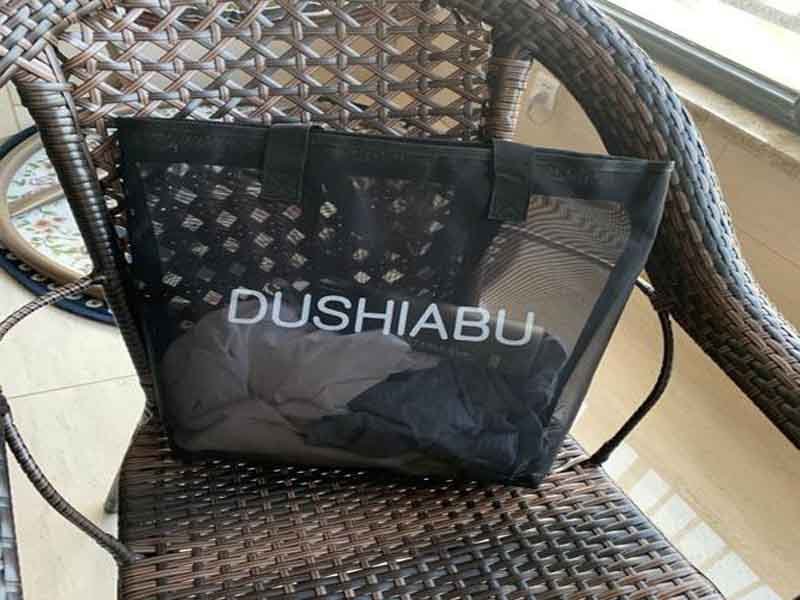
Event clear bag rules are venue policies that limit what guests can bring into concerts, festivals, arenas, stadiums, and public events. Most rules focus on three things: the bag should be transparent, the size should be controlled, and the structure should not hide items from security staff. These rules are not created to make life difficult for guests. They are designed to make entry faster, reduce manual bag checks, prevent hidden items, and create a more predictable crowd flow at busy entrances.
For brands developing custom clear bags, the most important lesson is simple: clear bag rules are not fashion suggestions. They are functional requirements. A bag can look attractive in product photos but still cause problems if the front print blocks visibility, the pocket is opaque, the material is too dark, or the finished size is larger than the venue allows. The product should be developed around real entry conditions, not only around visual style.
What Is a Clear Event Bag?
A clear event bag is a transparent carrying bag designed for venues where opaque handbags, backpacks, large totes, or multi-pocket bags may not be allowed. The main body is usually made from clear PVC, clear vinyl, TPU film, or other transparent material. The trim, zipper tape, strap, binding, and logo areas may use polyester, nylon, Oxford fabric, webbing, or other materials, but the core panels should remain easy to see through.
Clear event bags usually appear in several common forms: clear tote bags, clear crossbody bags, clear mini bags, clear fanny packs, clear backpacks, clear pouches, and clear clutches. Each style has a different use case. A clear tote works well for stadiums and larger events. A clear crossbody bag is better for concerts because it keeps hands free. A clear pouch is useful for cosmetics, small accessories, or event merchandise. A clear backpack may work for school or staff use, but some venues may restrict backpacks even if they are transparent.
| Clear Bag Type | Common Event Use | Main Benefit | Possible Risk |
|---|---|---|---|
| Clear tote bag | Stadiums, concerts, school events | Easy to inspect and roomy | Can feel too basic if design is weak |
| Clear crossbody bag | Concerts, festivals, travel events | Hands-free and stylish | Size and pockets must be controlled |
| Clear fanny pack | Outdoor festivals, concerts | Lightweight and secure | Some venues may check waist bags carefully |
| Clear pouch | Merchandise kits, small essentials | Low cost and easy to customize | Limited carrying capacity |
| Clear backpack | Schools, staff events, large venues | Comfortable for longer use | Some venues restrict backpacks |
| Clear clutch | Fashion events, VIP gifts | Compact and premium | Must stay within small-bag limits |
The best way to define a clear event bag is not by material alone. It should be judged by whether security can see the contents quickly, whether the user can carry it comfortably, and whether the design avoids hidden compartments.
Why Do Concert Venues Require Clear Bags?
Concert venues require clear bags because large crowds need fast, consistent, and safe entry. At a major concert, thousands of guests may arrive within a short window before the show starts. If security teams need to open every large bag, inspect every inner pocket, and negotiate with every guest about what is allowed, lines become slow and stressful. Clear bags reduce that friction because most contents can be checked visually.
There is also a human side. Guests do not want to miss the opening act because of a slow security line. Security staff do not want to argue with hundreds of people about oversized purses. Event organizers do not want angry posts online saying the venue entry process was chaotic. Clear bag policies create a shared rule that everyone can understand before arrival.
For brands, this creates a product opportunity. A clear bag is solving a real pain point. The customer is not only buying storage. They are buying peace of mind: “Will this bag help me get into the event without trouble?” That is why product descriptions, finished dimensions, material clarity, and visible structure matter so much.
| Venue Concern | How Clear Bags Help | Product Design Response |
|---|---|---|
| Long entrance lines | Faster visual inspection | Keep main panels transparent |
| Hidden compartments | Less concealed storage | Avoid opaque inner pockets |
| Staff inconsistency | Easier rule enforcement | Use standard size and simple structure |
| Guest frustration | Fewer rejected bags | Provide clear product size information |
| Public safety | Better content visibility | Avoid dark tint and oversized decoration |
A useful clear bag should work with the venue’s security process, not against it. When a bag helps the guest move through the gate smoothly, the brand has already delivered value before the concert even starts.
Are Clear Bags Required at All Events?
Clear bags are not required at all events. Rules vary by venue, city, event type, performer, sports league, school district, and organizer. Some venues allow small non-clear bags. Some require clear bags above a certain size. Some ban backpacks completely. Some allow medical or parent-care exceptions after inspection. Some outdoor festivals publish stricter item lists because of crowd density, weather, camping areas, or alcohol restrictions.
This variation matters for custom production because no responsible brand should claim that one bag is “approved everywhere.” A safer and more professional approach is to describe the product as “designed around common clear bag policies” or “suitable for many concerts, festivals, stadiums, and venue security requirements.” The product page can also remind users to check the venue’s official policy before attending.
| Event Type | Clear Bag Requirement Level | Best Bag Direction | Key Design Note |
|---|---|---|---|
| Large concerts | Medium to high | Clear crossbody, clear tote | Style and comfort matter |
| Music festivals | Medium to high | Clear fanny pack, crossbody, pouch | Weather resistance and hands-free use matter |
| Sports events | High | Clear tote, clear crossbody | Size control is critical |
| School events | Medium | Clear tote, clear backpack | Durability matters |
| Corporate events | Low to medium | Branded clear tote or pouch | Logo and budget matter |
| VIP events | Medium | Clear clutch or premium pouch | Appearance matters more |
For buyers, the smartest path is to define the target event type before sample development. A festival bag and an arena concert bag may look similar, but their best structure can be different. A festival user may walk all day, dance, sweat, and need a hands-free strap. A concert arena guest may need a small stylish crossbody that holds phone, wallet, lipstick, and keys. A school event clear bag may need tougher seams and simple labeling.
What Items Are Usually Allowed?
Allowed items vary by venue, but clear event bags are commonly used to carry phones, wallets, keys, tickets, sunglasses, small cosmetics, earplugs, portable chargers, tissues, small personal items, and sometimes medical items after inspection. Some venues allow sealed water bottles; others do not. Some allow small cameras; others ban professional camera equipment. Some allow baby-care items after inspection; others have separate family-entry policies.
From a product development perspective, the bag should be designed around realistic contents. A concertgoer does not carry only a phone. They may carry lip balm, compact mirror, power bank, ID card, cash, sunglasses, hotel key, small perfume, earplugs, and merchandise after the show. A festival attendee may carry sunscreen, wipes, poncho, portable charger, and small snacks if allowed. These contents create stress on seams, straps, zippers, and bottom panels.
| Common Item | User Need | Bag Design Response |
|---|---|---|
| Phone and wallet | Quick access and security | Smooth zipper, small front area |
| Keys | Scratch control | Better internal finish or small pouch |
| Sunglasses | Shape protection | Slight structure and clean edges |
| Cosmetics | Privacy and organization | Removable small pouch where appropriate |
| Power bank | Weight support | Reinforced strap and bottom |
| Earplugs and tickets | Small storage | Clear pocket or small pouch |
| Merchandise | Extra space | Tote format or flexible body |
A clear bag that is too tiny may pass the rule but annoy the user. A bag that is too large may be useful but risky at the gate. The best product sits in the middle: small enough to respect venue policies, useful enough to carry real event essentials.
Clear bag rules sound simple on paper, but real product decisions are rarely simple. Security teams want maximum visibility. Guests want privacy and convenience. Brands want logo exposure. Retailers want attractive design. Factories need stable production. These goals can conflict if the product is not planned carefully.
| Stakeholder | Main Priority | Potential Conflict | Better Product Decision |
|---|---|---|---|
| Venue security | Fast inspection | Too many pockets slow inspection | Keep structure simple |
| Guest | Convenience and privacy | Fully clear bags expose items | Add compact removable pouch if suitable |
| Brand | Logo visibility | Large logos block transparency | Use strap or corner branding |
| Retailer | Sellable design | Basic bags look cheap | Improve trim, zipper, and material |
| Factory | Stable production | Complex details increase defects | Confirm sample before bulk |
A strong clear event bag should be designed with these tensions in mind. For example, a large front logo may excite the marketing team, but it may reduce product trust if customers worry about venue rejection. A hidden pocket may improve privacy, but it may also defeat the purpose of a clear bag. A very thin material may reduce cost, but it can wrinkle, smell stronger, or tear at the handle.
| Design Choice | Security Impact | User Impact | Brand Impact |
|---|---|---|---|
| Fully clear body | Strong visibility | Less privacy | Safer compliance positioning |
| Small front logo | Low risk | Clean look | Professional branding |
| Large graphic print | Higher risk | More fashion-forward | Better for non-security use |
| Zipper closure | Usually positive | Protects items | More retail value |
| Opaque pocket | Higher risk | More privacy | Better avoided for strict events |
| Printed strap | Low risk | Stylish | Strong branding without blocking view |
For Szoneier, this is where material and finished-product experience becomes valuable. A clear bag is not just a flat piece of plastic. It is a mixed-material product involving clear film, webbing, Oxford trim, zipper, binding, printing, sewing, packaging, and inspection. When these elements are developed together, the final bag looks cleaner, carries better, and creates fewer problems for the buyer.
Which Clear Bag Sizes Are Allowed?
Allowed clear bag sizes depend on the event and venue, but many policies follow a familiar pattern: transparent bags should be compact, easy to inspect, and not large enough to carry restricted items. A common reference size for stadium-style events is around 12 x 6 x 12 inches, while concerts and indoor venues may prefer smaller crossbody bags, mini totes, or clutches. Small clutch-style bags are often allowed when they stay within compact dimensions, but rules vary widely. For custom production, finished external size should always be confirmed before bulk manufacturing, because a bag that is slightly oversized can create entry problems for users.
For brands, size is more than a product detail. It affects compliance, comfort, capacity, shipping cost, retail price, and customer reviews. A bag that is too small may feel useless. A bag that is too large may be rejected. A bag that expands when filled may exceed its listed size. That is why clear bag sourcing should always include sample measurement, pattern control, and realistic load testing.
What Size Is Common for Concerts?
Concert clear bags are often smaller than stadium totes because guests usually carry fewer items and prefer a stylish, hands-free format. Clear crossbody bags, mini clear totes, clear fanny packs, and compact pouches are common. For large stadium concerts, the 12 x 6 x 12 inch clear tote format may still be relevant. For smaller concert halls, clubs, arenas, and theater-style venues, smaller bags are often more practical.
A common concert bag should hold essentials without becoming bulky. Phone, wallet, keys, ID, lip balm, compact cosmetics, earplugs, and portable charger are usually enough. If the product is designed for festivals, it may need more capacity for sunscreen, wipes, poncho, or sunglasses. If designed for VIP merchandise, it may need to look more premium while staying compact.
| Bag Size Direction | Best Event Type | User Capacity | Design Note |
|---|---|---|---|
| 6 x 2 x 4 inches | Small concerts, VIP events | Phone, card, lipstick | Fashion-first compact style |
| 8 x 2 x 6 inches | Concerts, clubs, arenas | Essentials plus small items | Good crossbody size |
| 10 x 3 x 8 inches | Festivals, outdoor shows | More daily items | Needs stronger strap |
| 12 x 6 x 12 inches | Stadium concerts, sports events | Larger essentials | Must control finished size |
| One-gallon style pouch | Simple security use | Flexible contents | More basic and less premium |
The best concert clear bag size depends on user behavior. A fan standing for four hours does not want a heavy tote. A festival visitor walking all day does not want a tiny clutch. A stadium concert guest may want a larger clear tote for merchandise. Szoneier can help brands adjust size based on sales channel and event scenario.
How Big Can a Clear Tote Be?
A clear tote for event security is often designed around the widely recognized 12 x 6 x 12 inch format, especially for stadium-style events. This size offers practical carrying space while still staying within many common clear bag policies. However, not every concert venue uses this limit. Some venues require smaller bags, and some events may publish special restrictions. Brands should avoid assuming one size fits all markets.
From a manufacturing perspective, clear tote size should be measured as a finished bag, not only as a flat panel. Seam allowance, edge binding, bottom gusset, zipper tape, and material thickness can all affect final external size. A bag listed as 12 inches wide but finished at 12.3 inches may create unnecessary risk. To stay safer, some brands design the finished bag slightly below the maximum, such as 11.75 x 5.75 x 11.75 inches.
| Finished Tote Size | Best Use | Capacity | Compliance Risk |
|---|---|---|---|
| 10 x 4 x 10 inches | Concerts, light events | Medium | Low |
| 11 x 5 x 11 inches | General event use | Medium-high | Low to medium |
| 12 x 6 x 12 inches | Stadium events | High | Medium if tolerance is poor |
| Over 12 inches | Lifestyle or travel use | Higher | High for security events |
The tote should also feel comfortable when carried. If the handles are too short, users cannot put the bag on the shoulder. If the bottom is too soft, items sag and the bag looks overloaded. If the zipper opening is too narrow, the bag feels smaller than its dimensions. Good tote design means capacity, comfort, and compliance all work together.
Are Small Clear Crossbody Bags Allowed?
Small clear crossbody bags are often allowed at concerts and events when they fit venue size rules and remain transparent. They are popular because they feel more stylish than basic totes and allow hands-free movement. For concerts, festivals, and travel events, a clear crossbody bag is often the most user-friendly format. It keeps essentials close to the body, reduces theft risk, and makes dancing or walking easier.
However, crossbody bags must be designed carefully. A thick front flap, opaque back panel, large patch, or hidden inner pocket can make the bag less inspection-friendly. If the bag is marketed for event security, the front and back should remain mostly clear. The strap can carry more branding because it does not block the main storage area.
| Crossbody Feature | User Benefit | Security Risk | Best Practice |
|---|---|---|---|
| Adjustable strap | Better fit | Low | Strongly recommended |
| Clear front panel | Easy inspection | Low | Keep main surface open |
| Clear back panel | Better visibility | Low | Avoid opaque full back |
| Front zipper pocket | Quick access | Medium | Keep pocket transparent |
| Opaque flap | Fashion look | High | Avoid for strict venues |
| Printed strap | Strong branding | Low | Excellent custom option |
For private label programs, clear crossbody bags are a smart product because they feel more retail-ready. They can be sold at a higher price than basic totes, especially when using better material, printed webbing, smooth zipper, and premium packaging.
Do Venue Rules Change by City?
Yes, venue rules can change by city, venue type, event organizer, and even by individual event. A bag that works at one arena may not be accepted at another. A music festival may allow hydration packs but limit bag size. A sports stadium may allow clear totes but ban backpacks. A theater may only allow small clutches. An outdoor public event may follow local safety rules. This variation is one reason customers often search before attending: “Can I bring a clear bag to a concert?” or “What size bag is allowed at this venue?”
For brands, this means product descriptions should be careful and specific. Instead of promising “approved for all concerts,” a better message is “designed for many common venue clear bag policies; please check your event rules before arrival.” This wording protects the brand and helps users make better decisions.
| Venue Type | Rule Variation | Recommended Product Wording |
|---|---|---|
| Stadium concert | Often follows sports-style clear bag rules | Designed around common stadium clear bag sizes |
| Indoor arena | May allow small bags only | Compact clear event bag |
| Festival | May have special outdoor restrictions | Clear festival bag with hands-free strap |
| School event | May require simple clear bags | Clear tote or backpack for campus events |
| Theater | Usually stricter on size | Small clear clutch or pouch |
| Corporate event | Rules set by organizer | Custom branded clear event bag |
The city itself may not be the only reason rules differ. Security provider, event size, performer requirements, local law enforcement guidance, weather, alcohol policy, and crowd profile can all influence bag rules. Brands selling clear bags nationally or internationally should focus on flexible product language and clear size information.
Size looks like a simple number, but it is one of the most important quality-control points in clear bag production. Many rejected products are not wildly oversized. They are slightly wrong. The gusset expands too much. The zipper adds height. The trim adds width. The bag is measured flat instead of finished. The product listing says one thing, the sample shows another.
| Size Issue | Why It Happens | How to Prevent It |
|---|---|---|
| Finished size exceeds limit | Pattern did not account for binding | Measure final assembled sample |
| Depth expands when filled | Soft gusset bulges outward | Test with realistic contents |
| Height increases after zipper | Top construction not included | Measure from bottom to top edge |
| Online listing is inaccurate | Seller uses pattern size | Use finished external dimensions |
| Customer expects more capacity | Product photo lacks scale | Show bag with common items |
| Venue rejects bag | Rule was not checked | Use cautious product wording |
The best size strategy depends on product role. A retail stadium tote can use the maximum common size if tolerance is controlled. A concert crossbody should be smaller and more wearable. A festival fanny pack should prioritize comfort and movement. A promotional pouch should keep cost low but still be useful.
| Product Role | Ideal Size Strategy | Main Reason |
|---|---|---|
| Stadium tote | Near common maximum size | More useful capacity |
| Concert crossbody | Compact and wearable | Better comfort in crowds |
| Festival bag | Small to medium | Hands-free movement |
| VIP gift pouch | Small and clean | Premium presentation |
| School event tote | Medium and durable | Daily practical use |
| Promotional giveaway | Simple and economical | Budget control |
For Szoneier custom orders, size can be controlled from pattern development to sample checking and bulk inspection. Brands can provide target dimensions in inches or centimeters, and Szoneier can help convert them into finished product specifications. This is especially useful for overseas buyers who need a product that looks good online and performs well at real events.
What Materials Work Best?

The best materials for clear event and concert bags are clear PVC, clear vinyl, TPU film, and other transparent polymer films, often combined with polyester webbing, nylon straps, Oxford trim, zipper tape, and reinforced binding. PVC is the most common choice for large-volume clear bags because it is cost-effective, transparent, easy to cut and sew, and suitable for many event bag structures. TPU is often preferred for premium clear bags because it feels softer, bends better, and can give the final product a cleaner, higher-value touch. The right material depends on budget, target event type, durability needs, weather exposure, branding method, and expected retail price.
For clear bags, material quality is easy to judge because everything is visible. Cloudy film, strong odor, poor edge finish, scratches, wrinkles, yellowing, weak trim, and rough stitching cannot hide behind a printed fabric surface. A customer may not know whether the material is PVC or TPU, but they will quickly notice whether the bag feels cheap, smells unpleasant, cracks at the corner, or looks clean enough to carry to a concert. For brands, material selection is directly connected to customer trust.
Is PVC Good for Clear Bags?
PVC is a strong choice for clear event and concert bags when cost control, transparency, structure, and production stability are important. It is widely used for clear totes, clear pouches, clear cosmetic bags, clear crossbody bags, and stadium-style security bags. PVC can be produced in different thicknesses, commonly from lightweight 0.20 mm material for promotional bags to stronger 0.50 mm or 0.60 mm material for retail-grade products.
PVC works well because it can hold shape better than many softer clear films. It can be stitched, bound, printed, heat pressed, or combined with fabric trim. It is also easier to source in stable supply for larger custom orders. For event organizers, school programs, promotional companies, and sports merchandise projects, PVC often provides the best balance between price and function.
| PVC Thickness | Common Product Level | Best Product Use | User Feel | Main Risk |
|---|---|---|---|---|
| 0.20–0.25 mm | Entry level | Event giveaway pouch or tote | Light and flexible | More likely to crease or tear |
| 0.30 mm | Standard | Concert clear tote, simple pouch | Flexible and usable | Needs good stitching support |
| 0.40–0.45 mm | Retail grade | Clear tote, clear crossbody | Better structure | Slightly higher cost |
| 0.50–0.60 mm | Heavy-duty | Clear backpack, premium tote | Stronger and firmer | May feel stiff if design is poor |
The weakness of PVC usually appears when low-grade material is selected. Strong odor, cloudy film, stiff hand feel, poor cold resistance, or surface stickiness can damage the user experience. Good PVC selection should include clarity review, smell control, thickness confirmation, flexibility testing, and surface quality inspection. For a product that may be sold online, packed in cartons, and stored for weeks before use, odor and surface scratches deserve special attention.
For Szoneier, PVC is often a practical starting material for custom clear bags because it supports low MOQ customization, quick sampling, logo printing, and consistent bulk production. It is especially suitable for brands that want reliable transparent bags for concerts, events, stadiums, schools, and promotional campaigns without pushing the unit cost too high.
Is TPU Better for Premium Bags?
TPU can be better for premium clear bags when the project needs softer touch, better flexibility, stronger cold resistance, and a more refined hand feel. TPU often feels less plasticky than low-grade PVC and can bend more naturally, which makes it attractive for clear crossbody bags, premium pouches, festival bags, and higher-end retail accessories. It is especially useful when a brand wants the clear bag to feel like a reusable product rather than a disposable event item.
However, TPU is not always the best choice for every order. It usually costs more than PVC, and some product programs do not need that extra material value. A low-cost concert giveaway may not justify TPU. A premium music festival merchandise bag or private label clear crossbody line may benefit from TPU because customers are willing to pay more for better feel and finish.
| Material | Best Strength | Best Product Fit | Cost Level | Recommended Use |
|---|---|---|---|---|
| Clear PVC | Price, clarity, structure | Totes, pouches, event bags | Low to medium | Large-volume programs |
| High-clarity PVC | Cleaner appearance | Retail totes, premium pouches | Medium | Better online and retail presentation |
| TPU Film | Flexibility and premium feel | Crossbody bags, premium clear bags | Medium to high | Private label and fashion event bags |
| EVA Clear Film | Softness and light weight | Soft pouches, simple bags | Low to medium | Casual accessory use |
| Clear Vinyl | Common transparent bag use | General event bags | Low to medium | Standard clear bag production |
A useful way to decide between PVC and TPU is to look at the sales channel. If the bag is given away at an event, PVC may be enough. If the bag is sold as a branded accessory, TPU or higher-grade PVC may protect the brand image better. If the bag is part of a premium concert merchandise collection, the material should feel pleasant in the hand and look clean in product photos.
Which Trim Materials Are Stronger?
Strong trim materials for clear event bags include polyester webbing, nylon webbing, Oxford fabric, polyester binding tape, nylon binding, and reinforced zipper tape. The trim is not only decorative. It protects edges, strengthens handles, supports zippers, improves shape, and gives the brand a color identity without covering the transparent body.
Oxford fabric trim is useful for structured edges, bottom reinforcement, and color contrast. Polyester webbing is widely used for handles and shoulder straps because it is strong, cost-effective, and easy to customize. Nylon webbing can feel smoother and stronger, often used for premium or heavy-duty designs. Binding tape helps protect the clear film edge from tearing and gives the bag a cleaner finish.
| Trim Material | Best Use | Strength Level | Appearance | Notes |
|---|---|---|---|---|
| Polyester Webbing | Handles, straps | Medium to high | Clean and practical | Good for most custom bags |
| Nylon Webbing | Premium straps | High | Smooth and strong | Higher cost than basic polyester |
| Oxford Fabric | Edges, bottom, zipper panel | Medium to high | Structured and colorful | Good for branded trims |
| Polyester Binding | Edge protection | Medium | Simple and neat | Cost-effective |
| PU Trim | Fashion detail | Medium | More premium | Must avoid covering too much clear area |
| Clear Reinforced Film | Bottom or stress points | Medium | Maintains transparency | Good for strict visibility needs |
For clear bags, trim width should be controlled. Too little trim may reduce durability. Too much trim may block visibility and make the bag feel less security-friendly. The best design uses trim where strength is needed: handles, top opening, bottom corners, zipper edge, and side seams.
Are Clear Bags Waterproof?
Clear bags made from PVC, TPU, or vinyl materials are generally water-resistant because the main body does not absorb water like cotton, canvas, or linen. However, “water-resistant” does not always mean fully waterproof. Stitch holes, zipper gaps, seams, and openings may allow water to enter. A simple clear tote can resist light rain or spilled drinks, but it may not protect contents during heavy rain unless the design includes sealed seams, covered zippers, or welded construction.
For concerts and festivals, water resistance is valuable because users may face rain, wet grass, spilled drinks, outdoor dust, and long waiting lines. A clear bag that wipes clean easily has a real advantage over fabric bags in event settings. However, if the customer expects full waterproof protection, the product should be engineered differently.
| Water Protection Level | Construction Style | Suitable Use | Limitations |
|---|---|---|---|
| Basic water resistance | Sewn PVC or TPU body | Indoor concerts, light rain | Stitch holes may leak |
| Better splash resistance | Zipper top and bound seams | Festivals, outdoor events | Not for heavy rain protection |
| High water resistance | Welded seams and sealed structure | Wet outdoor environments | Higher cost and fewer style options |
| Waterproof bag design | Roll-top or sealed closure | Outdoor sports, boating | Less suitable for typical concert fashion |
For most event and concert clear bags, water-resistant performance is enough. The bag should protect items from light moisture, be easy to wipe clean, and avoid absorbing stains. For outdoor festivals, thicker material, stronger zipper, reinforced seams, and better packing can improve performance significantly.
Material selection is not only a technical decision. It is a market-positioning decision. The material tells customers whether the bag is a disposable event freebie, a practical stadium accessory, or a premium private label product. Choosing the wrong material can confuse the market. A premium brand using thin, smelly PVC may damage trust. A low-budget campaign using expensive TPU may overspend without improving conversion.
| Project Goal | Best Material Direction | Suggested Trim | Best Logo Method |
|---|---|---|---|
| Low-cost event giveaway | 0.20–0.30 mm PVC | Polyester binding | Simple screen print |
| Standard concert bag | 0.30–0.40 mm PVC | Webbing strap, zipper tape | Screen print or woven label |
| Retail clear tote | 0.40–0.50 mm high-clarity PVC | Oxford trim, reinforced handle | Small print or label |
| Premium crossbody | TPU or high-grade PVC | Nylon strap, metal zipper pull | Printed strap, small logo |
| Festival clear bag | Flexible PVC or TPU | Adjustable webbing | Strap branding |
| School/event security bag | Thicker PVC | Reinforced webbing and binding | Small front logo |
Material decisions should also consider climate. A clear bag used in a hot outdoor festival may soften and show fingerprints. A bag used in cold sports events may become stiff if the material grade is poor. A product stored in cartons for a long time may develop odor if material and packing are not properly controlled. These details sound small, but they can affect reviews and repeat orders.
| Material Risk | Customer Complaint | Prevention Method |
|---|---|---|
| Strong odor | “Smells like plastic” | Use better-grade material and airing control |
| Cloudy film | “Does not look clear” | Check clarity before cutting |
| Surface scratches | “Looks used” | Use protective packing |
| Thin film | “Feels cheap” | Match thickness to price point |
| Stiff corners | “Uncomfortable to carry” | Choose softer grade or adjust shape |
| Weak trim | “Handle ripped” | Reinforce stress points |
For Szoneier projects, material planning can be connected with the full product system. The company can help match clear PVC or TPU with polyester webbing, nylon straps, Oxford trim, zipper type, binding method, logo process, and packing style. That combination matters because the final bag is judged as one product, not separate material pieces.
How Should Clear Bags Be Designed?
Clear event and concert bags should be designed around visibility, comfort, size control, strength, and brand expression. The main panels should stay transparent enough for quick inspection. The structure should hold common personal items without tearing or sagging. The strap should feel comfortable during long lines and crowded spaces. The zipper or closure should protect essentials. Branding should be visible but not so large that it blocks the clear body. A good clear bag is not overdesigned; it is clean, useful, and easy to trust.
The best design direction depends on the event. Concertgoers often prefer hands-free crossbody bags. Stadium guests may prefer a larger clear tote. Festival visitors need comfort, weather resistance, and secure closure. School programs may need clear backpacks or durable totes. Promotional campaigns may need simple low-cost bags. When the design matches the user scenario, the bag becomes easier to sell and easier to use.
What Bag Shape Is Most Popular?
The most popular clear bag shapes for events and concerts are clear crossbody bags, clear tote bags, clear pouches, and clear fanny packs. Clear crossbody bags are especially strong for concerts because they look more fashionable and keep hands free. Clear totes remain popular for stadiums, school events, and merchandise programs because they offer more capacity. Clear fanny packs are popular at festivals because they are lightweight and close to the body. Clear pouches work well for VIP kits, cosmetic organization, and low-cost promotional use.
| Bag Shape | Best Event Use | User Benefit | Product Risk |
|---|---|---|---|
| Clear crossbody | Concerts, festivals, travel | Stylish and hands-free | Must control size and pocket structure |
| Clear tote | Stadiums, school events, merchandise | More capacity and easy inspection | May look basic without good trim |
| Clear fanny pack | Festivals and outdoor events | Secure and lightweight | Curved shape can affect size clarity |
| Clear pouch | Gift kits, VIP items, small essentials | Simple and low cost | Limited carrying function |
| Clear backpack | School, staff, long events | Comfortable for longer use | Some venues restrict backpacks |
If a brand wants one hero product for event and concert security, a compact clear crossbody bag is often a smart choice. It feels more modern than a tote and can carry the most common items. If the target market includes stadiums and school events, a clear tote may have wider appeal. If the project is a promotional campaign, a clear pouch or simple tote can control cost.
Should Clear Bags Have Zippers?
Clear bags should often have zippers when they are intended for retail sale or repeated use. A zipper protects phones, wallets, keys, cosmetics, and tickets from falling out in crowded spaces. It also makes the bag feel more complete and valuable. For concerts, festivals, and travel events, zipper closure is usually better than an open top because people move, stand, dance, and walk through crowds.
However, zipper design should be simple and clean. Large opaque zipper panels can reduce visibility. Cheap zippers can jam or make the bag feel low quality. A zipper that is sewn poorly can twist the opening and make the clear material wrinkle. For premium bags, zipper smoothness is one of those tiny details people notice without knowing why.
| Closure Type | Best Use | Cost Level | User Security | Product Feel |
|---|---|---|---|---|
| Open top | Giveaways, simple totes | Low | Low | Basic |
| Snap button | Light event bags | Low to medium | Medium | Casual |
| Top zipper | Concert bags, retail totes | Medium | High | More finished |
| Double zipper | Crossbody, backpack | Medium to high | High | Premium |
| Velcro | Utility bags | Low | Medium | Less refined |
For Szoneier custom orders, zipper type can be selected based on product level. A simple nylon zipper may be enough for a basic clear tote. A smoother zipper with branded puller can make a private label crossbody bag feel more premium. The zipper color can match the trim, creating a cleaner product appearance.
Are Pockets Allowed in Clear Bags?
Pockets may be allowed in clear bags, but they should be designed carefully. A fully transparent front pocket can improve organization without blocking inspection. An opaque pocket, hidden pocket, thick organizer panel, or large inner sleeve can create problems for venues that expect quick visual inspection. For strict event security use, fewer pockets are usually safer.
The challenge is that customers like pockets. They want a place for tickets, lip balm, ID cards, phone, and keys. Brands need to balance organization with transparency. One good solution is to use a small clear front pocket or a removable compact pouch. Another solution is to keep the bag body simple and use strap or trim customization for style instead of adding too many storage sections.
| Pocket Type | User Benefit | Security Risk | Design Advice |
|---|---|---|---|
| Clear slip pocket | Quick access | Low | Good for simple totes |
| Clear zipper pocket | More secure storage | Medium | Keep small and visible |
| Opaque pocket | Privacy | High | Avoid for strict venue bags |
| Hidden inner pocket | Organization | Very high | Not recommended |
| Removable pouch | Privacy and flexibility | Medium | Keep compact and separate |
| Multiple compartments | Strong organization | High | Better for lifestyle bags, not strict security use |
For concert clear bags, a single clear front pocket can be useful. For stadium clear bags, minimal pockets are safer. For fashion clear bags not marketed for security venues, pockets can be more creative. The product description should match the intended use honestly.
How Strong Should Straps Be?
Straps should be strong enough to carry real event essentials repeatedly without tearing, twisting, or digging into the shoulder. Even a small clear concert bag may carry a phone, wallet, keys, sunglasses, power bank, cosmetics, and small merchandise. These items can create more weight than expected. Weak straps are one of the most common reasons bags fail during use.
Strap strength depends on material, width, stitch pattern, attachment method, and hardware quality. Polyester webbing is common and reliable. Nylon webbing can feel smoother and stronger. Wider straps improve comfort and provide space for printed branding. Adjustable straps are especially valuable because users wear bags over different outfits.
| Strap Type | Best Product Use | Comfort Level | Branding Value |
|---|---|---|---|
| Short handle | Clear tote | Medium | Medium |
| Long shoulder handle | Stadium tote | High | Medium |
| Adjustable crossbody strap | Concert bag | Very high | High |
| Detachable strap | Premium clear bag | High | High |
| Printed webbing strap | Festival or fashion bag | High | Very high |
| Backpack straps | Clear backpack | High | Medium |
Strap attachment should be reinforced. A beautiful strap is useless if it tears from the clear film. For crossbody bags, D-rings, reinforced side tabs, and strong stitching are important. For tote bags, box stitching or bar tack reinforcement can reduce failure risk. For premium bags, strap feel can become a selling point.
Clear bag design has one big trap: adding features can make the product worse. More pockets, larger logos, thicker trim, heavier hardware, and special shapes may look attractive during design, but each one can reduce visibility, increase cost, or complicate production. The best design choices should be filtered through one question: does this feature make the bag easier to use, easier to inspect, stronger, or more sellable?
| Design Feature | Adds Value When | Becomes a Problem When |
|---|---|---|
| Zipper | Protects items and improves retail feel | Zipper panel blocks visibility |
| Helps organize small items | Pocket is opaque or hidden | |
| Logo | Builds brand recognition | Logo covers main clear panel |
| Colored trim | Makes bag attractive | Trim becomes too wide |
| Thick material | Improves structure | Bag becomes stiff and heavy |
| Metal hardware | Adds premium feel | Scratches film or adds unnecessary weight |
| Adjustable strap | Improves comfort | Hardware is weak or bulky |
A clear event bag should also be photographed and displayed honestly. Customers want to understand size and capacity before buying. Product images should show the bag on a person, beside common items, and with finished dimensions listed. This reduces returns and prevents unrealistic expectations.
| Product Display Detail | Why It Helps |
|---|---|
| Model wearing the bag | Shows real size and strap length |
| Items inside the bag | Shows capacity clearly |
| Ruler or dimension graphic | Builds trust |
| Close-up of zipper and strap | Shows quality |
| Logo placement photo | Shows visibility |
| Packaging photo | Helps retail buyers evaluate presentation |
For Szoneier, the design stage can include shape recommendation, material matching, trim color planning, strap design, zipper selection, logo placement, sample development, and production adjustment. The goal is not to make a clear bag that only looks good in a catalog. The goal is to make a clear bag that performs well when the user is standing in a noisy, crowded event line with a ticket in one hand and their phone in the other.
Do Clear Bags Need Branding?
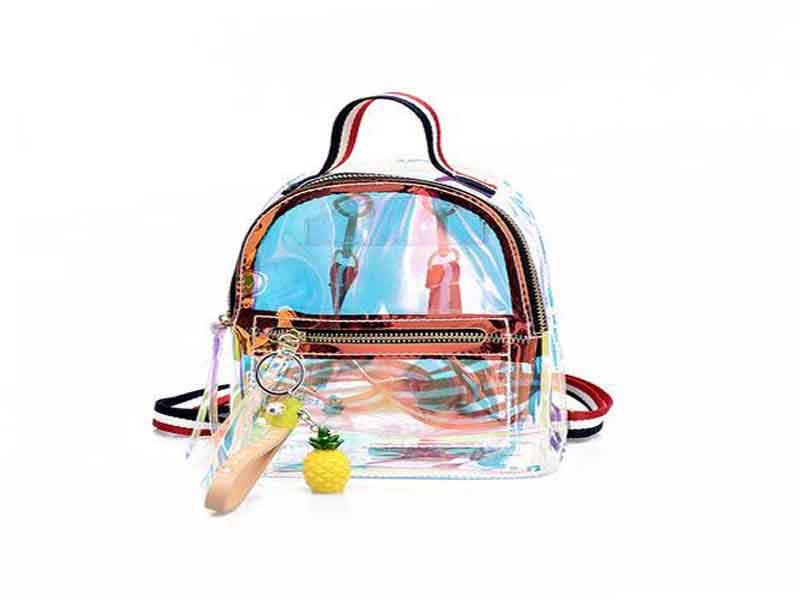
Clear bags do not need branding to meet event or concert security requirements, but branding is often what turns a basic transparent bag into a product people actually want to buy, carry, and remember. A plain clear bag solves the entry problem. A well-branded clear bag solves the entry problem while also supporting a music tour, sports club, school program, festival sponsor, retail line, or private label collection. The important point is balance: branding should help the bag feel more valuable without blocking the transparency that makes the bag useful for security inspection.
For clear event bags, the best branding is usually controlled and intentional. Small logos, printed straps, custom zipper pullers, woven labels, trim colors, hangtags, and packaging can create strong brand identity without turning the bag into a visual wall. Oversized opaque graphics may look bold in a mockup, but they can reduce visibility, make users nervous about venue entry, and weaken the product’s security-friendly purpose.
Can Logos Be Printed on Clear Bags?
Logos can be printed on clear bags through screen printing, UV printing, heat transfer, rubber patches, woven labels, printed webbing, embossed zipper pullers, and small trim labels. The safest logo placements are usually the lower corner, small center area, side trim, strap, zipper pull, or hangtag. The main front and back panels should stay mostly transparent when the bag is designed for concerts, festivals, stadiums, or venue security checks.
A common mistake is treating the clear front panel like a billboard. For a normal canvas tote, a large logo may be fine. For a clear event bag, a large opaque logo can defeat the reason the bag exists. Security staff want to see what is inside. Users want to feel confident before arriving at the gate. Brands want the product to be accepted, not questioned.
| Logo Method | Best Placement | Visual Style | Durability Level | Security-Friendly Level |
|---|---|---|---|---|
| Screen printing | Small front area, lower corner | Clean and cost-effective | Medium to high | Medium to high |
| UV printing | Small detailed artwork | Sharp and premium | Medium to high | Medium |
| Heat transfer | Small graphic or slogan | Bright and flexible | Medium | Medium |
| Woven label | Trim, seam, strap | Retail-ready | High | High |
| Printed webbing | Shoulder strap or handle | Stylish and visible | High | Very high |
| Rubber patch | Side area or trim | Premium and tactile | High | Medium |
| Custom zipper pull | Zipper end | Subtle and premium | High | Very high |
For a concert clear crossbody bag, printed webbing is often one of the smartest branding methods. It gives strong visual identity while keeping the transparent body clean. For a clear tote, a small screen-printed logo near the bottom or on one side can look professional without covering too much of the bag. For premium merchandise, a combination of printed strap, small woven label, and custom zipper pull can create a stronger brand impression than one oversized front logo.
Which Branding Method Lasts Longer?
The longest-lasting branding method depends on the material surface, use environment, logo size, and production process. Woven labels, printed webbing, custom zipper pullers, and rubber patches often perform well because they are attached to trim, strap, or hardware areas rather than directly printed across a flexible clear film. Screen printing and UV printing can also last well when matched correctly with PVC or TPU, but they should be tested for adhesion, rubbing, bending, and packing pressure.
Clear bags face more friction than people expect. A concert bag rubs against clothing, seats, barricades, tables, car doors, and other people in crowded lines. It may be exposed to sweat, rain, sunscreen, cosmetics, spilled drinks, and sunlight. A logo that looks perfect on a sample table may crack, peel, or transfer color if the method is not matched to the material.
| Branding Method | Strength | Weakness | Best Project Type |
|---|---|---|---|
| Woven label | Durable, premium, clean | Limited graphic detail | Retail clear bags, private label bags |
| Printed webbing | Durable and stylish | Requires strap customization | Concert crossbody bags, festival bags |
| Custom zipper pull | Long-lasting and subtle | Adds tooling or mold cost in some cases | Premium clear bags |
| Screen print | Cost-effective and clear | May rub if ink is not matched well | Standard clear totes |
| UV print | Detailed and sharp | Needs surface testing | Premium logos, small artwork |
| Heat transfer | Colorful and flexible | May peel if poorly applied | Fashion event bags |
| Rubber patch | Strong tactile logo | Can look bulky if too large | Premium sports or outdoor bags |
A strong factory should not only ask for the logo file. It should ask where the logo will go, how large it should be, what material it will be applied to, and how the bag will be used. Szoneier can support logo method selection based on clear PVC, TPU, Oxford trim, polyester webbing, nylon straps, and retail packaging needs. This is especially useful when brands want private label products that need to look consistent across multiple production batches.
How Much Logo Coverage Is Safe?
There is no universal percentage rule for logo coverage across all concerts and events, but the safest principle is simple: keep the main panels easy to inspect. For clear security bags, logo coverage should usually stay modest, especially on the front and back body. Large opaque artwork, full-panel prints, big patches, and dark tinted designs may create uncertainty at the entrance even when the bag is technically transparent in some areas.
For many custom clear bag programs, 5–10% front-panel branding feels clean and safe. 10–20% can still work for some event merchandise, depending on placement and transparency. Over 20% may become risky if the bag is marketed for venue security. Full-panel graphics are better suited for fashion, cosmetic, beach, or lifestyle clear bags rather than strict event security use.
| Logo Coverage | Visual Effect | Best Use | Security Risk |
|---|---|---|---|
| 0–5% | Minimal and clean | Premium clear bags, strict security bags | Very low |
| 5–10% | Visible but controlled | Stadium totes, concert bags | Low |
| 10–20% | Stronger brand presence | Event merchandise, festival bags | Medium |
| 20–40% | Bold graphic style | Lifestyle clear bags | High |
| Full-panel print | Fashion statement | Non-security transparent bags | Very high |
This does not mean brands must hide themselves. It means they should brand smarter. Strap branding, zipper pull branding, trim colors, woven labels, and packaging can deliver strong identity without blocking the transparent area. In many cases, smaller branding looks more premium and helps customers feel less like they are carrying a walking advertisement.
Are Private Label Clear Bags Popular?
Private label clear bags are popular because they solve a real user problem and can be adapted for many sales channels. Concert tours, music festivals, sports teams, university stores, event organizers, fashion accessory brands, travel retailers, promotional agencies, and online sellers can all build clear bag products around their own logo, color, packaging, and market positioning.
A private label clear bag program can include a basic clear tote, a compact clear crossbody bag, a clear pouch, a clear fanny pack, and a premium TPU bag. This creates a product ladder: entry-level, standard, and premium. A brand can start with one popular style, test demand, and then expand into a full event-accessory collection.
| Private Label Element | Custom Option | Why It Matters |
|---|---|---|
| Logo | Print, woven label, patch, zipper pull | Builds recognition |
| Trim color | Black, white, team color, festival color | Creates visual identity |
| Strap | Adjustable, detachable, printed | Improves comfort and branding |
| Material | PVC, high-clarity PVC, TPU | Defines price and quality level |
| Packaging | Hangtag, barcode, polybag, retail box | Supports retail and online sales |
| Product set | Tote, crossbody, pouch, fanny pack | Increases collection value |
| Labeling | Size label, care label, carton mark | Improves inventory control |
The biggest opportunity is not just putting a logo on a clear bag. The better opportunity is creating a product that fits a specific event audience. A country music festival may need a durable clear crossbody with western-style trim. A university bookstore may need clear totes in school colors. A pop concert tour may want a clear mini bag with printed strap. A sports club may want a classic clear tote that matches common stadium policies. Different audience, different product.
Branding clear bags requires restraint, which is surprisingly hard for many teams. Marketing teams often want more logo space. Security rules push toward less visual blockage. Users want style, but they also want confidence at the gate. The best product finds a quiet middle ground.
| Branding Decision | Commercial Benefit | Possible Problem | Better Choice |
|---|---|---|---|
| Large front logo | Strong visibility | Blocks transparency | Use smaller front logo plus printed strap |
| Full-color artwork | Eye-catching | May feel less security-friendly | Keep artwork small or semi-transparent |
| Opaque patch | Premium feel | Can hide contents | Place on trim or side area |
| Printed strap | Strong brand presence | Slightly higher cost | Excellent for concert bags |
| Custom zipper pull | Premium detail | Small mold cost for custom shape | Good for private label |
| Hangtag story | Strong retail communication | No bag function impact | Highly recommended |
A useful way to build a clear bag branding plan is to divide brand expression into three zones: the security zone, the comfort zone, and the retail zone. The security zone is the clear body, which should stay visible. The comfort zone is the strap and handle, which can carry color and branding. The retail zone is the hangtag, barcode, packaging, and product insert, which can tell the brand story without affecting security.
| Branding Zone | Best Custom Elements | Why It Works |
|---|---|---|
| Security zone | Small logo, transparent print | Keeps inspection easy |
| Comfort zone | Printed strap, colored webbing, zipper pull | Strong identity without blocking contents |
| Retail zone | Hangtag, label, barcode, packaging | Builds sales value outside the venue |
For Szoneier clients, branding can be developed alongside material and structure. That matters because logo placement affects pattern design, printing order, stitching sequence, packaging protection, and inspection. A clean private label clear bag is rarely created by adding a logo at the end. It is planned from the beginning.
How Do Brands Customize Clear Bags?
Brands customize clear bags by adjusting product shape, finished size, clear material, trim color, strap type, zipper, hardware, logo method, pocket layout, packaging, labels, and retail presentation. Even though the main body should remain transparent for event security, there is still plenty of room for customization. The smartest clear bag customization does not fight the security function. It uses trim, straps, hardware, small logos, and packaging to build brand identity while keeping the bag easy to inspect.
The best customization plan starts with the target user. A concert fan may want a compact crossbody bag with an adjustable strap. A festival guest may need a lightweight fanny pack with splash-resistant material. A stadium visitor may need a larger clear tote. A school program may need durable clear backpacks. A private label brand may need a polished collection with several sizes and matching packaging. Customization should always serve the use case first.
What Colors Can Be Customized?
Colors can be customized on trim, binding, handles, straps, zipper tape, zipper pullers, logo print, woven labels, hangtags, and packaging. The clear body is usually fully transparent, but some projects may use light transparent tint such as smoke gray, clear blue, clear pink, clear green, or transparent black. For security-focused bags, fully clear material is safer than dark tint because it supports faster visual inspection.
Trim color is one of the most useful customization areas. It lets a brand create identity without covering the transparent panels. Black trim looks clean and universal. White trim feels fresh and modern. Team colors work well for sports and school programs. Bright colors fit festivals and youth events. Neutral colors can make the bag feel more premium.
| Custom Color Area | Common Options | Best Use | Risk Level |
|---|---|---|---|
| Clear body | Clear, light tint, smoke tint | Fashion or event bags | Medium if too dark |
| Edge binding | Black, white, navy, red, custom color | Brand identity | Low |
| Handle or strap | Solid color, woven color, printed pattern | Strong branding | Low |
| Zipper tape | Matching or contrast color | Retail appearance | Low |
| Logo print | One color, two color, full color | Brand display | Medium if too large |
| Packaging | Custom hangtag, sticker, carton mark | Retail and shipping | No security risk |
Color should also match the product’s expected use. White trim looks great in product photos but can show dirt after outdoor festivals. Black trim hides wear better and matches many outfits. Bright trim catches attention but may not fit premium brands. For private label products, Szoneier can help match trim and webbing color with brand artwork, Pantone references, or seasonal collection themes.
Can Hardware and Zippers Be Customized?
Hardware and zippers can be customized to improve function, comfort, and brand value. Common options include zipper color, zipper pull shape, metal or plastic zipper pullers, D-rings, strap adjusters, swivel hooks, snap buttons, rivets, buckles, and detachable strap hardware. Hardware selection should match the product level. A simple promotional clear tote may only need a basic zipper. A premium clear crossbody may benefit from smooth zipper teeth, custom pullers, and stronger strap hardware.
Hardware should never become decorative clutter. Large metal plates, oversized buckles, or heavy hardware can scratch clear film, add weight, increase cost, and make the bag feel less security-friendly. The best hardware upgrades are subtle and practical.
| Custom Hardware | Best Product Use | Main Benefit | Caution |
|---|---|---|---|
| Custom zipper pull | Tote, pouch, crossbody | Subtle brand detail | Keep size practical |
| D-ring | Crossbody strap | Strong strap attachment | Reinforce side tabs |
| Strap adjuster | Crossbody and backpack | Better fit | Use durable material |
| Swivel hook | Detachable strap | Flexible use | Test strength |
| Snap button | Simple tote or pouch | Easy closure | Less secure than zipper |
| Rivets | Handle reinforcement | Stronger stress points | Avoid sharp edges |
| Plastic buckle | Fanny pack, sling | Lightweight adjustment | Must not feel cheap |
Zipper quality should be tested carefully. A poor zipper makes the whole bag feel cheap. Users may open and close the bag dozens of times during an event. They take out tickets, phone, ID, cash, lip balm, and charger. Smooth zipper action feels like a small luxury in crowded spaces.
How Do OEM Clear Bag Projects Work?
OEM clear bag projects usually start with a brand’s existing design, reference sample, technical drawing, or product specification. The factory produces the bag according to the brand’s required size, material, logo, trim color, packaging, and quality standard. For clear event bags, OEM work requires careful control of finished dimensions, transparency, seam strength, logo placement, and packing protection.
A typical OEM project includes inquiry, specification review, quotation, sample development, sample revision, approval, bulk production, quality inspection, packing, and shipment. The process becomes faster when the brand provides accurate information at the beginning.
| OEM Step | Brand Provides | Szoneier Supports |
|---|---|---|
| Inquiry | Product idea, quantity, target price | Feasibility review |
| Specification | Size, material, logo, trim, packaging | Technical suggestions |
| Quotation | Order quantity and requirements | Cost breakdown and lead time |
| Sampling | Artwork and approval notes | Pattern, sewing, printing, sample making |
| Revision | Feedback on sample | Adjustment and improvement |
| Bulk order | Final approval and PO | Production planning |
| Inspection | Quality requirements | Finished product checking |
| Shipment | Delivery address and terms | Packing and export coordination |
OEM is best when the brand already knows what it wants. For example, a retailer may have a clear tote design and needs Szoneier to produce it with better material and private label packaging. A concert merchandise team may already have artwork and wants clear crossbody bags for a tour. A school supplier may have an approved clear backpack spec and needs stable production.
What Packaging Options Are Available?
Packaging options for clear bags include individual polybags, hangtags, barcode stickers, care labels, size labels, printed inserts, retail boxes, master cartons, carton marks, and e-commerce-ready packing. Packaging matters more for clear bags than many people expect because transparent material can scratch, crease, stick, or deform during storage and shipment.
For basic event giveaways, simple individual polybags may be enough. For retail programs, hangtags and barcode labels are usually important. For online sales, product inserts, protective packing, and clean folded presentation help reduce complaints. For premium private label clear bags, better packaging can make the product feel more giftable and protect the clear surface.
| Packaging Type | Best Use | Main Benefit |
|---|---|---|
| Individual polybag | Standard orders | Keeps product clean |
| Hangtag | Retail and event merchandise | Explains brand and features |
| Barcode sticker | Retail and warehouse | Supports inventory |
| Product insert | Online sales | Adds instructions and brand story |
| Tissue or film protection | Premium clear bags | Reduces scratches |
| Retail box | Gift or premium products | Better presentation |
| Master carton mark | Export shipment | Easier logistics control |
Packaging should also communicate the product clearly. A label can include finished dimensions, material, care notes, and a reminder to check venue rules. This small detail can reduce customer confusion and improve trust.
Customization can make a clear bag more valuable, but it can also create unnecessary cost and compliance risk if every option is added without a plan. Brands should separate must-have features from nice-to-have features.
| Custom Feature | Must-Have When | Nice-to-Have When | Avoid When |
|---|---|---|---|
| Custom size | Venue rules or product role require it | Brand wants slight differentiation | No clear target use exists |
| Printed strap | Brand needs visible identity | Premium retail product | Budget is very tight |
| Custom zipper pull | Private label value matters | Gift or premium line | One-time low-cost giveaway |
| Special tint | Fashion look matters | Seasonal collection | Strict venue security is the main claim |
| Extra pocket | User organization matters | Lifestyle use | Security compliance is strict |
| Retail packaging | Sold online or in stores | Brand image matters | Product is giveaway-only |
A simple three-level customization strategy works well for many brands.
| Product Tier | Material | Custom Focus | Best Market |
|---|---|---|---|
| Basic | Standard PVC | Small logo, simple binding | Event giveaway |
| Standard | Better PVC | Zipper, colored trim, stronger strap | Concert and stadium retail |
| Premium | TPU or high-clarity PVC | Printed strap, custom zipper pull, retail packaging | Private label and music merchandise |
Szoneier can support all three levels. With more than 18 years of experience in fabric R&D, finished product manufacturing, and custom product development, the company can help brands decide which custom details are worth paying for and which ones may complicate production without improving sales.
Are Clear Bags Durable Enough?

Clear bags are durable enough for event and concert use when the material thickness, seam structure, strap reinforcement, zipper quality, edge finishing, and packing method are properly controlled. A clear bag does not need to carry heavy travel loads, but it still needs to survive real event behavior: long lines, crowded venues, repeated zipper opening, shoulder friction, rain, spilled drinks, sunscreen, folding, carton storage, and quick security checks. For brands, durability is not a small detail. It affects reviews, returns, repeat orders, and whether users trust the product before their next concert.
A good clear event bag should feel clean, stable, and safe in the hand. The clear body should not crack easily. The strap should not tear from the side tabs. The zipper should not jam. The print should not peel after light rubbing. The material should not smell so strong that users leave it outside overnight. These small product details are what separate a cheap transparent pouch from a market-ready clear bag.
How Thick Should Clear Material Be?
Clear material thickness should match the product’s function, price point, and expected use. Entry-level promotional clear bags may use around 0.20–0.30 mm PVC. Standard concert totes and pouches often use around 0.30–0.45 mm. Retail-grade clear crossbody bags, backpacks, and premium totes may use around 0.45–0.60 mm or higher. Thicker material usually improves structure and durability, but it can also increase cost, weight, and stiffness.
| Clear Material Thickness | Product Level | Best Use | Main Benefit | Main Limitation |
|---|---|---|---|---|
| 0.20–0.25 mm | Entry-level | Event giveaway bags, simple pouches | Low cost, lightweight | Easier to crease or tear |
| 0.30 mm | Standard light-use | Concert pouches, basic clear totes | Balanced cost and flexibility | Needs good edge finishing |
| 0.40–0.45 mm | Retail-grade | Clear totes, clear crossbody bags | Better shape and durability | Slightly higher cost |
| 0.50–0.60 mm | Premium-use | Clear backpacks, stronger totes | Stronger structure and hand feel | Can feel stiff if not designed well |
| 0.60 mm+ | Heavy-duty | Staff bags, repeated-use programs | Higher durability | Higher cost and weight |
Thickness should not be judged alone. A 0.50 mm clear body with weak strap stitching can still fail. A 0.35 mm clear body with reinforced binding, strong webbing, and clean sewing can perform well for concert and event use. The final product is a system, not one material number.
For a brand planning a custom clear bag program, the smarter question is: how many times should the user carry it? A one-day giveaway can use lighter material. A private label concert crossbody bag should feel better and last longer. A school event clear backpack needs stronger film and reinforced seams. A premium festival bag should be flexible, comfortable, and resistant to outdoor wear.
How Are Seams Reinforced?
Seams are reinforced through better stitch patterns, binding tape, wider seam allowance, bar-tack stitching, box stitching, reinforced side tabs, stronger webbing, welded edges, or extra material layers at stress points. The most important areas are handle joints, strap attachment points, zipper ends, bottom corners, side seams, and the bottom gusset. These are the places where real use creates pulling pressure.
Clear material is less forgiving than woven fabric. Needle holes can weaken film if stitch density is wrong. Heat welding can deform material if temperature is poorly controlled. Binding can look uneven if the operator lacks experience. On transparent bags, every technical mistake is visible.
| Bag Area | Common Failure | Reinforcement Method | Why It Helps |
|---|---|---|---|
| Handle joint | Tearing from body | Box stitching, bar tack, wider webbing base | Spreads load |
| Side tab | Strap pulls loose | Extra backing layer, reinforced stitch | Improves crossbody strength |
| Zipper end | Seam opens | Bar tack, zipper stop reinforcement | Prevents zipper stress damage |
| Bottom corner | Cracking or splitting | Rounded corner, binding, extra clear layer | Reduces sharp stress |
| Side seam | Film whitening or tearing | Correct stitch length, wider allowance | Reduces perforation weakness |
| Top opening | Wrinkle or distortion | Stable zipper tape, clean binding | Improves appearance and function |
A strong seam does not always need to look bulky. The best clear bag construction is strong but clean. Over-reinforcement can make the product look heavy or reduce transparency. The factory’s job is to place strength where the user needs it, not cover the entire product with opaque material.
How Are Clear Bags Tested?
Clear bags should be tested through finished size inspection, visual clarity review, odor check, seam strength test, handle pull test, zipper cycle test, print rub test, packing test, and random bulk inspection. These tests do not need to be complicated to be useful. Even simple sample testing can catch most problems before bulk production.
For example, a brand can load a sample with a phone, wallet, power bank, keys, sunglasses, and small cosmetics, then carry it for a while, open the zipper repeatedly, rub the logo area, check the strap connection, and inspect whether the clear surface scratches easily. If the sample already shows stress marks, weak stitching, or strong odor, bulk production will not magically improve without correction.
| Test Type | What It Checks | Why It Matters |
|---|---|---|
| Finished size check | Width, height, depth | Helps align with venue restrictions |
| Load test | Handle and seam strength | Reduces tearing complaints |
| Zipper cycle test | Opening and closing performance | Improves daily usability |
| Print rub test | Logo adhesion | Prevents peeling and color transfer |
| Odor check | Material smell | Improves customer acceptance |
| Clarity check | Transparency and cloudiness | Supports fast security inspection |
| Packing test | Scratches, creases, deformation | Protects retail appearance |
| Random inspection | Bulk consistency | Reduces shipment risk |
For Szoneier custom projects, testing can be built into the sample and bulk production process. Since clear bags combine transparent material, fabric trim, webbing, zipper, logo printing, and packaging, each component should be checked as part of the finished product.
Do Clear Bags Need Compliance Documents?
Clear bags may need compliance documents depending on the sales market, customer type, material, end use, and retail channel. Venue clear bag rules are usually entry policies, not product certifications. A bag does not usually receive a universal “concert approved certificate.” However, retailers, distributors, schools, and international buyers may request product specifications, material declarations, inspection reports, chemical test reports, packing lists, or carton documents.
For example, a U.S. retailer may care about PVC material information, labeling, or California Proposition 65 risk. A European buyer may request REACH-related material information. A school program may ask for stricter safety documentation. A promotional company may need a simple specification sheet and inspection report. Documentation should be discussed before bulk production, not after goods are finished.
| Document Type | When It Matters | What It Helps Confirm |
|---|---|---|
| Product specification sheet | All custom orders | Size, material, logo, packaging |
| Material declaration | Retail or regulated markets | Material identity and sourcing |
| Inspection report | Bulk shipment | Quality and quantity control |
| Chemical test report | Certain markets or retailers | Restricted substance confidence |
| Sample approval record | Custom development | Reduces production disputes |
| Packing list | Export and warehouse | Shipment accuracy |
| Carton marks | Retail and logistics | Inventory handling |
| Care label or insert | Retail products | User guidance |
Compliance should be practical, not performative. The goal is to prepare the documents the buyer or market actually needs. Overcomplicating documentation can slow down a simple promotional order. Ignoring documentation can delay a retail shipment. Szoneier can help clients clarify what documents fit the project type, product material, and destination market.
Durability is where many clear bag programs quietly win or lose. Customers may accept a simple design, but they rarely forgive a broken strap or strong plastic smell. The challenge is that many durability issues are invisible in photos. A supplier can show a nice product image, but the buyer still needs to check thickness, stitching, zipper quality, material clarity, packing, and sample performance.
| Quality Factor | User Experience Impact | Brand Risk | Better Control |
|---|---|---|---|
| Strong odor | User feels product is cheap or unsafe | Bad reviews and returns | Better material grade and airing |
| Weak handles | Bag tears at event | Refunds and brand damage | Reinforced webbing and stitching |
| Poor zipper | Items fall out or bag feels low quality | Lower repeat purchase | Zipper testing |
| Cloudy film | Bag looks old or unclear | Less trust and slower inspection | Clarity check before cutting |
| Surface scratches | Product looks used | Retail rejection | Protective packing |
| Peeling logo | Brand looks cheap | Customer complaints | Logo adhesion testing |
| Sharp edges | Uncomfortable or unsafe | Safety complaints | Clean binding and edge finishing |
Durability also connects to sustainability in a practical way. A bag that lasts for multiple events is less wasteful than a bag thrown away after one concert. Even when using synthetic clear materials, better construction can reduce product waste by improving reuse. Many buyers now care not only about material claims but also about whether the product has a real life after the event.
| Product Lifespan Goal | Material Direction | Construction Direction | Best Use |
|---|---|---|---|
| One-day event | Light PVC | Simple seams and logo | Promotional giveaway |
| One season | Mid-thickness PVC | Reinforced handles and zipper | Sports or concert retail |
| Multi-season use | High-clarity PVC or TPU | Strong strap, clean binding | Private label clear bags |
| Daily campus use | Thicker PVC | Reinforced stress points | School clear bags |
| Outdoor festival reuse | Flexible PVC or TPU | Splash-resistant structure | Festival merchandise |
The strongest sourcing decision is not always choosing the thickest material. It is choosing the right construction for the expected use. A clear crossbody bag needs strap attachment strength. A clear tote needs bottom and handle reinforcement. A clear pouch needs zipper smoothness and clean edge finishing. A clear backpack needs much stronger stress-point control.
How to Choose a Clear Bag Manufacturer?
Choose a clear bag manufacturer by checking material knowledge, finished product experience, sample quality, size control, logo customization ability, seam reinforcement, packaging support, inspection process, communication speed, and export experience. A reliable manufacturer should understand that clear event bags are not only transparent containers. They are security-friendly, user-facing, brandable products that must look clean and perform consistently in real event settings.
The best supplier should help you avoid problems before they happen. If a factory only says “yes” to every request without discussing size tolerance, material thickness, logo coverage, odor, strap strength, or venue use, that is a warning sign. Clear bags look simple, but the details decide whether the product passes inspection, sells well, and receives positive feedback.
What Should Brands Prepare First?
Brands should prepare a clear product brief before asking for quotation. A strong brief includes product type, target event use, finished size, material preference, trim color, strap style, logo artwork, quantity, packaging needs, target market, delivery timeline, and any document requirements. If the brand is not sure about technical details, reference photos and target price range can help the factory recommend suitable options.
A vague inquiry such as “Please quote clear concert bag with logo” usually leads to slow communication. The factory must ask follow-up questions, and the first price may not be accurate. A complete brief helps Szoneier suggest better material, structure, logo method, and packaging from the beginning.
| Information to Prepare | Example | Why It Helps |
|---|---|---|
| Product type | Clear tote, crossbody, fanny pack, pouch | Determines structure and pattern |
| Target use | Concert, festival, stadium, school event | Guides size and design direction |
| Finished size | 8 x 2 x 6 inches or 12 x 6 x 12 inches | Helps control venue suitability |
| Material | PVC, high-clarity PVC, TPU | Affects cost and quality |
| Thickness | 0.30 mm, 0.45 mm, 0.60 mm | Affects durability and feel |
| Logo file | AI, EPS, SVG, PDF | Supports accurate branding |
| Trim color | Pantone color or standard black | Builds brand identity |
| Quantity | 500, 1,000, 5,000 pcs | Affects price and production plan |
| Packaging | Polybag, hangtag, barcode, retail box | Supports selling channel |
| Market | U.S., Europe, Japan, Australia | Helps document and labeling planning |
The clearer the brief, the faster the development process. It also reduces misunderstanding during sampling and bulk production.
How Long Does Sampling Take?
Sampling time depends on product complexity, material availability, logo method, hardware, packaging, and revision needs. A simple clear tote with standard PVC and one-color logo can usually move faster than a premium TPU crossbody bag with custom printed strap, custom zipper pull, and retail packaging. Complex structures require more pattern work and testing.
For event products, sampling speed matters because concerts, festivals, school events, and sports seasons are calendar-driven. Missing the selling window can hurt the entire project. Szoneier supports fast sampling and free design assistance, which helps buyers move from idea to physical sample more efficiently.
| Product Type | Sampling Complexity | Main Time Driver |
|---|---|---|
| Simple clear pouch | Low | Material and logo confirmation |
| Basic clear tote | Low | Size and print placement |
| Clear tote with zipper | Low to medium | Zipper structure and edge finish |
| Clear crossbody | Medium | Strap, hardware, pocket layout |
| Clear fanny pack | Medium | Curved pattern and zipper shape |
| Clear backpack | Medium to high | Stress-point reinforcement |
| Premium TPU bag | Medium to high | Material behavior and sewing control |
| Private label set | High | Multiple SKUs and packaging |
During sample review, brands should not only look at beauty. They should check real function: finished size, visibility, strap comfort, zipper movement, logo placement, material smell, seam strength, packing method, and whether the bag matches the target event use.
What MOQ Is Common?
MOQ for custom clear bags depends on material, structure, logo method, trim color, hardware, packaging, and production complexity. Simple logo customization on standard material can often support lower MOQ than fully custom trim, special TPU, custom hardware, or custom retail packaging. Szoneier supports low MOQ customization, which is valuable for new brands, event merchandise tests, small batch orders, and private label launches.
MOQ is not only a factory preference. It is connected to material roll purchasing, printing setup, cutting efficiency, labor arrangement, packaging production, and quality control. A small clear pouch with screen print may have easier MOQ than a crossbody bag with custom webbing, special hardware, and retail box packaging.
| Custom Level | MOQ Pressure | Best Use |
|---|---|---|
| Standard shape + logo | Lower | Market testing, event giveaways |
| Custom size | Medium | Private label products |
| Custom trim color | Medium | Team, school, festival branding |
| Custom printed strap | Medium to high | Premium concert bags |
| Custom hardware | Medium to high | Higher-end retail collections |
| Custom packaging | Medium | Online and retail selling |
| Multi-SKU collection | Higher | Established brands and distributors |
A practical launch strategy is to start with one hero product. For example, a clear crossbody bag for concerts or a clear tote for stadium events. After sales feedback, the brand can add a clear pouch, fanny pack, or premium TPU version. This reduces inventory risk and lets the product line grow based on real demand.
Why Work With Szoneier?
Szoneier is a China-based factory with more than 18 years of experience in fabric R&D, finished product manufacturing, and custom product development. The company works with cotton fabric, canvas fabric, polyester fabric, nylon fabric, neoprene fabric, jute fabric, linen fabric, Oxford fabric, and many other material systems. For clear event and concert bags, this material experience is useful because the final product often combines transparent PVC or TPU with webbing, Oxford trim, nylon straps, polyester binding, zipper tape, labels, printing, and retail packaging.
Szoneier supports custom, private label, OEM, and ODM projects for overseas small and medium buyers as well as higher-end brand clients. The company offers free design support, low MOQ customization, fast sampling, free sample options, short lead times, and 100% quality assurance. For clear bag projects, this means clients can develop a product from idea to sample to bulk production with one coordinated team.
| Szoneier Capability | Value for Clear Bag Clients |
|---|---|
| 18+ years material and product experience | Better material matching and production control |
| Fabric R&D background | Strong support for trim, webbing, Oxford, nylon, polyester |
| OEM and ODM customization | Supports both existing designs and new product concepts |
| Free design support | Helps buyers refine shape, logo, and structure |
| Low MOQ customization | Reduces risk for new product launches |
| Fast sampling | Supports event-driven timelines |
| Free sample options | Helps buyers verify quality before bulk |
| Private label support | Logo, packaging, label, and retail-ready details |
| Quality assurance | Reduces bulk production and shipment risk |
| Short delivery planning | Helps seasonal and event programs |
A strong clear bag supplier should think like a product partner. The goal is not only to make a transparent bag. The goal is to help the brand create a bag that fits event rules, feels good to carry, looks clean in photos, supports private label branding, and arrives in sellable condition.
Choosing a manufacturer is often where buyers focus too heavily on unit price. Price matters, of course. But for clear event bags, the cheapest quote may hide weak material, poor logo adhesion, strong odor, thin straps, uneven stitching, scratched surfaces, or weak packaging. These issues usually appear after shipment, when fixing them becomes expensive.
| Supplier Question | Why It Matters | Strong Answer Should Include |
|---|---|---|
| What material thickness do you recommend? | Prevents weak or overbuilt product | Thickness based on use and price level |
| Can you control finished size? | Helps with venue rules | Sample measurement and bulk tolerance |
| Can you test logo adhesion? | Prevents peeling | Print rub or sample review |
| How are handles reinforced? | Prevents tearing | Stitch pattern and stress-point design |
| How do you reduce scratches? | Protects clear surface | Packing method and inspection |
| Can you support packaging? | Helps retail selling | Hangtag, barcode, polybag, carton mark |
| Can you support low MOQ? | Helps new projects | Flexible custom options |
| Can you help with design? | Reduces development mistakes | OEM/ODM guidance |
A professional sourcing process should move step by step: project brief, material recommendation, quotation, sample development, sample test, revision, final approval, bulk production, inspection, packaging, and shipment. Skipping too many steps may seem faster, but it often creates delays later.
| Project Stage | Buyer Action | Szoneier Support |
|---|---|---|
| Idea | Share event use and reference style | Suggest clear bag direction |
| Specification | Confirm size, material, logo, quantity | Recommend structure and cost options |
| Sampling | Review physical sample | Make sample and adjust details |
| Testing | Check size, zipper, strap, logo, smell | Improve weak points |
| Approval | Confirm final standard | Lock production specification |
| Production | Place bulk order | Material sourcing, cutting, sewing, printing |
| Inspection | Confirm quality expectations | Check size, appearance, function |
| Packing | Confirm label and carton needs | Protect product and prepare shipment |
| Delivery | Arrange shipping method | Support export coordination |
For brands planning clear bags for concerts, festivals, stadiums, schools, corporate events, retail shops, online stores, or private label merchandise, Szoneier can help turn an idea into a production-ready product. You can customize clear tote bags, clear crossbody bags, clear pouches, clear fanny packs, clear backpacks, and premium transparent bags with your own size, material, logo, trim color, zipper, strap, packaging, and brand labels.
Send Szoneier your reference design, target size, logo file, estimated quantity, material preference, packaging needs, and delivery timeline. The team can help review the product direction, recommend suitable clear material and fabric trim, prepare samples, and support custom production for event and concert security bag programs.