Skip to content
A hunting bag manufacturer does not simply sew camouflage fabric into a backpack shape. The real job is to turn different field problems into purpose-built carrying systems. One hunter needs a compact bag that stays quiet while moving through trees. Another needs a framed pack that can carry camping equipment into the mountains and bring a heavy load back out. A waterfowl hunter may need a washable, water-resistant gear bag, while a rifle hunter may care more about hands-free weapon carry and balanced weight distribution.
A hunting bag manufacturer produces daypacks, multi-day backpacks, framed load-hauling packs, lumbar packs, duffel bags, rifle scabbard packs, bow carriers, shotgun cases, ammunition pouches, optics harnesses, game bags, meat-hauling systems, hydration-compatible packs, accessory pockets, and custom modular carrying products. Manufacturers may also develop fabrics, camouflage prints, waterproof treatments, frames, padding, hardware, logos, labels, and packaging around a customer’s intended application.
That range matters because “hunting bag” is not one product category with one standard construction. The market includes compact waist packs of only a few liters, tree-stand bags with numerous organized pockets, expandable daypacks, 50- to 80-liter expedition packs, and framed systems designed to separate harvested meat from clean equipment. Current hunting-pack collections from established outdoor companies divide products by scouting, hydration, load hauling, treestand hunting, expeditions, travel, and volume expansion, showing how specialized the category has become.
The manufacturer must decide where the weight sits, how the hunter accesses equipment, which parts touch the body, and what happens after the weather changes. Capacity alone cannot answer those questions. A 40-liter pack designed around a rigid frame and functional hip belt behaves differently from a soft 40-liter bag that allows the contents to sag. A rifle-carrying pack must control both the weapon and the rest of the load. A bow-carry system must hold irregular shapes without damaging cams, strings, limbs, or accessories.
The strongest hunting products are normally built around a clear use scenario. Designers ask what the user will carry, how far the bag will travel, whether the person will crawl or climb, how often the contents must be accessed, and what may need to be carried after the hunt. From there, materials and structures can be selected with purpose rather than guesswork.
Picture two backpacks sitting beside each other before sunrise. They have similar camouflage, similar dimensions, and almost the same advertised capacity. By midday, one has shifted away from the wearer’s back, its loose straps are catching branches, and the rifle butt is striking the hunter’s leg. The other is moving quietly, holding the load close, and allowing the hunter to keep both hands free. The difference was created long before either bag reached the field—inside the manufacturer’s material room, pattern department, sample workshop, and testing process.
What Hunting Bags Do Manufacturers Produce?
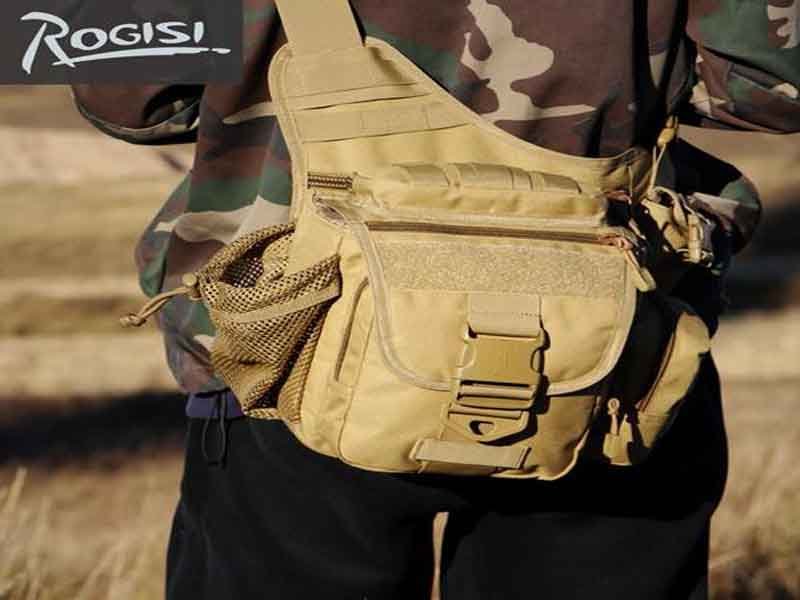
Hunting bag manufacturers produce specialized packs for short trips, multi-day expeditions, load hauling, treestand use, travel, scouting, weapon transport, and compact gear organization. Common products include hunting daypacks, internal- or external-frame backpacks, lumbar packs, expandable bags, waterproof duffels, game bags, hydration packs, and modular accessories. The correct product structure depends on trip duration, equipment volume, carrying load, terrain, weather, and access requirements.
What Are Hunting Daypacks?
Hunting daypacks are compact or medium-sized backpacks designed to carry the equipment needed for several hours or a full day in the field. Their contents commonly include water, food, rainwear, gloves, first-aid supplies, calls, ammunition, navigation equipment, optics, knives, and additional clothing.
A practical hunting daypack may fall between approximately 15 and 45 liters, although some designs move outside that range. Smaller versions suit short scouting sessions, treestand access, and warm-weather hunts. Larger daypacks accommodate insulated clothing, spotting scopes, tripods, and emergency equipment.
Current products demonstrate how wide this category can be. The SITKA Mountain Hauler 2700 is around 44 liters and is specified to carry up to 45 pounds, including a bow. It also includes a hydration sleeve for a bladder larger than three liters and exterior pockets for long equipment. The Mystery Ranch Pop Up 40 is presented as a higher-volume daypack that can transform into a meat hauler through its expandable frame and load-carrying structure.
Those examples reveal an important point: a hunting daypack is no longer necessarily a simple soft backpack. It may include an internal frame, load lifters, a structured hip belt, hydration storage, weapon-carry straps, spotting-scope pockets, and an expandable load area.
A daypack manufacturer normally develops several internal and external zones:
A large main compartment for clothing and general equipment.
A top or front pocket for frequently used supplies.
Side pockets for a bottle, tripod, or spotting scope.
A hydration sleeve positioned near the user’s back.
Hip-belt pockets for calls, snacks, wind indicators, or small tools.
A secure pocket for keys, licenses, tags, or a phone.
External compression straps for jackets or irregular equipment.
A bottom or front cradle for a rifle or bow.
The number of pockets should follow the actual activity rather than the assumption that more pockets always create more value. A pack with 20 poorly sized pockets may be less useful than one with six carefully planned compartments. Small pockets add zippers, seam lines, weight, cost, and potential leakage points.
Tree-stand daypacks often require a different layout from mountain daypacks. The user may carry climbing sticks, safety equipment, a bow, calls, food, hand warmers, and layers. The bag may also need to hang from a tree while allowing silent access. SITKA’s Tool Bucket, for example, uses a 17-pocket layout, exterior bow straps, ventilated padding, and a quick-access top structure intended for treestand use.
Mountain daypacks generally place more emphasis on weight transfer, stability, hydration, and equipment compression. Their contents move vertically with the body over uneven terrain, so the bag should prevent hard items from shifting away from the back.
For custom development, a useful daypack specification includes more than a requested capacity. The manufacturer should also receive information about the intended load, main equipment, torso fit, hydration size, weapon type, climate, and preferred access method.
| — | — | — | — | — |
The final capacity should be verified through physical packing. A computer calculation based on dimensions may not reflect space lost to curved panels, padding, pockets, frame channels, and zipper construction. During sampling, the customer’s real equipment can be arranged inside the prototype to confirm whether the volume is useful rather than merely impressive on a specification sheet.
Which Packs Suit Multi-Day Hunts?
Multi-day hunting packs are designed to carry shelter, sleeping equipment, food, water treatment, cooking gear, clothing, optics, and hunting tools for several days. They commonly offer approximately 50 to 100 liters of storage, stronger frame systems, substantial hip belts, adjustable torso lengths, and external attachment points.
SITKA’s current product guidance describes multi-day or expedition packs as generally ranging from 50 to more than 80 liters, with stronger frames, sleeping-bag storage, hydration compatibility, and external attachment features. The Mystery Ranch Metcalf 75 is positioned for use from the first day through the fifth day, while the company’s larger Marshall pack is designed for extended expedition use.
Capacity should match more than trip length. Season and terrain can change the required volume dramatically. A three-day warm-weather hunt may need less space than a one-night winter trip because insulated clothing and sleeping equipment occupy much more volume.
Multi-day packs commonly use top-loading, front-loading, panel-loading, or hybrid access.
Top-loading designs reduce the length of the main zipper and can create a lighter, weather-resistant structure. However, equipment at the bottom is difficult to reach.
Front-panel access allows the main compartment to open widely. It improves organization but adds zipper length, weight, and potential water-entry points.
Side access allows the user to reach middle sections without opening the top.
Hybrid packs combine a top collar with a long front or side zipper.
A floating lid can expand upward when the load grows. It may also be removable and converted into a smaller pack or accessory pouch. Compression straps are important because the same bag may carry a full expedition load on the way into the field and a reduced load during daily hunting.
The manufacturer should consider how equipment is packed vertically. Sleeping bags are normally placed low because they are light and bulky. Dense food, water, and equipment should sit closer to the frame and near the upper-middle part of the back. Heavy objects placed far from the user increase backward leverage and shoulder fatigue. Stone Glacier’s pack guidance similarly emphasizes keeping heavier items close to the back and using frame geometry and load lifters to stabilize the load.
A multi-day pack may require:
A reinforced internal or external frame.
An adjustable torso system.
Load-lifter straps.
A structured lumbar pad.
A wraparound hip belt.
A removable top lid.
A sleeping-bag compartment.
Hydration storage and hose routing.
Side pockets for tripod legs or a rifle stock.
Compression straps on multiple axes.
A rain cover or water-resistant shell.
A separate load shelf for meat.
A practical design question is whether the pack should be highly organized or intentionally simple. Multiple permanent pockets improve direct access, but they add weight and restrict how large equipment can be packed. Ultralight hunting systems may use one large main bag with removable internal pouches. More conventional products may use several fixed compartments.
The best structure depends on the customer’s intended user. A guide carrying shared equipment may need broad organization. A backcountry hunter concerned about total pack weight may prefer removable accessories.
What Are Framed Hunting Packs?
Framed hunting packs use structural components to prevent the bag from collapsing and to transfer weight from the shoulders toward the hips. Frames may be made from aluminum stays, aluminum tubes, carbon fiber, magnesium, reinforced polymers, HDPE sheets, or mixed systems.
A frame becomes increasingly valuable as the load rises. Lightweight bags can remain comfortable when filled with clothing, but dense loads such as water, optics, ammunition, or harvested meat require stronger weight control.
Manufacturers commonly build:
Frame-sheet packs for light or moderate loads.
Internal-stay packs for day and multi-day use.
Full internal-frame backpacks for heavy loads.
External-frame systems with removable bags.
Expandable frame packs with load shelves.
Modular frames that accept several bag sizes.
One commercially available example illustrates how a compact product can still include meaningful load support. Mystery Ranch’s Pop Up 40 uses a telescoping frame and is rated by the brand for an 80-pound load, allowing the bag to shift from a normal daypack into a meat-hauling configuration. Stone Glacier integrates a load shelf into its frames and states a 150-pound rating for its current frame systems. Those figures are specific to those products rather than universal manufacturing standards, but they show how far framed hunting packs may extend beyond ordinary backpack use.
A frame alone does not make a pack capable of carrying heavy weight. The frame must connect properly to:
Shoulder-strap anchors.
Load-lifter straps.
Hip-belt wings.
Lumbar padding.
Bag compression points.
Load-shelf webbing.
Bottom supports.
Frame pockets or channels.
When those connections are weak, the frame may remain intact while the surrounding fabric tears or the harness shifts.
Frame fit is another major development issue. Torso length determines where the shoulder straps begin and where the hip belt sits. A pack that does not offer adjustment may fit one body group well and create pressure for others.
For custom products, frame development can include several torso settings, interchangeable hip-belt sizes, adjustable shoulder yokes, or separate small, medium, and large harnesses. These systems increase component count and sampling work but improve long-duration comfort.
Which Lumbar Packs Are Available?
Lumbar packs, waist packs, fanny packs, and compact hip packs are designed for hunters who carry only essential equipment and want greater freedom of movement. They are commonly used for scouting, short treestand trips, spot-and-stalk hunting, calls, rangefinders, ammunition, and water.
A current ALPS OutdoorZ Little Bear lumbar pack provides an example of this class. It has an 8-liter capacity, removable shoulder harness, padded waist belt, and multiple accessory pockets. The company’s Covert model also offers an 8-liter structure but adds a brushed tricot outer fabric and a hidden hand-warmer compartment.
Lumbar products may include:
A single padded waist belt.
A waist belt with stabilizing shoulder straps.
An H-style shoulder harness.
A convertible pack that expands upward.
Detachable bottle pockets.
Integrated hand-warmer compartments.
Side pockets for calls or small tools.
MOLLE or modular attachment surfaces.
The largest challenge is controlling bounce. Because the pack sits behind the hips, loose contents can move with every step. Compression straps, shaped foam, curved body panels, and a wide belt help stabilize the load.
Weight distribution must also be realistic. A waist pack may be comfortable with a few kilograms but become unstable when overloaded. Adding shoulder straps can increase control, but it also changes the product into a small harness pack.
A convertible lumbar pack can serve two use cases. The ALPS Big Bear, for example, expands from a lumbar section into a larger daypack with a stated total capacity of 44 liters. This demonstrates how manufacturers can create expandable products for customers who want a compact configuration during the hunt and additional space for travel or clothing.
Quietness matters more in lumbar packs because they frequently brush against clothing, vegetation, and the user’s arms. Soft brushed fabrics can reduce noise, but abrasion-resistant reinforcement may still be needed along the bottom and belt attachment points.
What Hunting Duffels Are Produced?
Hunting duffels transport clothing, boots, optics, waders, protective equipment, and other gear between homes, vehicles, airports, boats, camps, and hunting locations. Unlike body-worn hunting packs, duffels prioritize storage efficiency, wide access, carrying handles, and protection during travel.
Manufacturers commonly produce duffels in approximately 30- to 150-liter capacities. Smaller models can function as carry-on or overnight bags. Mid-sized models suit weekend trips. Large duffels hold bulky insulated clothing, boots, and shared camp equipment.
SITKA’s current hunting-duffel range includes 50-, 75-, and 110-liter models, and the company describes features such as water-resistant fabrics, reinforced waterproof bases, multiple grab handles, removable backpack straps, and lash points.
Useful hunting-duffel constructions include:
U-shaped zip openings for full visibility.
Reinforced waterproof bottom panels.
Separate boot or wet-gear compartments.
Ventilated sections for damp equipment.
Internal mesh pockets.
Compression straps.
Removable backpack shoulder straps.
Multiple carrying handles.
Name-card or identification windows.
Lockable zipper sliders.
Padded dividers for optics or electronics.
A waterproof bottom does not make the complete duffel waterproof. Water may still enter through the upper fabric, zipper, or seams. Manufacturers should define whether the product is splash resistant, highly water resistant, or built with welded waterproof construction.
Material selection also depends on transportation. A duffel intended for airports needs abrasion resistance and protected straps. A boat or waterfowl duffel may require TPU-laminated fabric and easy-clean surfaces. A vehicle storage bag may use a heavier shell because carrying weight is less critical.
| — | — | — |
Duffel development should consider empty storage. Large bags that cannot fold occupy significant retail and warehouse space. A semi-structured duffel offers easier packing and presentation, while a soft duffel can compress more efficiently.
Szoneier can develop hunting daypacks, multi-day backpacks, framed load haulers, lumbar packs, expandable packs, treestand bags, travel duffels, and supporting accessories. Materials can be selected from nylon, polyester, Oxford fabric, canvas, ripstop textiles, TPU laminates, quiet brushed fabrics, spacer mesh, foam, webbing, and reinforced frame components according to the product’s load, terrain, and weather requirements.
Which Weapon-Carrying Bags Are Made?
Hunting bag manufacturers produce rifle scabbard packs, rifle-support backpacks, bow-carrying packs, shotgun sleeves, padded gun cases, ammunition pouches, and modular weapon-carry accessories. These products are designed to secure valuable equipment, protect critical parts, balance the load, maintain hands-free movement, and allow controlled access. The carry system should be developed around the weapon’s dimensions, weight, optics, accessories, and intended carrying position.
What Are Rifle Scabbard Packs?
A rifle scabbard pack combines a backpack with a long, padded compartment that holds part or all of a rifle. The scabbard is normally positioned vertically along the center of the back or attached to one side of the frame.
An integrated central scabbard places the rifle close to the user’s spine, which can improve balance compared with carrying it far to one side. Eberlestock’s Just One pack uses an integrated rifle scabbard and an internal aluminum frame. The brand describes the scabbard as contoured to keep the rifle centered while the pack expands from day use to larger multi-day carrying.
Manufacturers can produce several scabbard styles:
Open-top rifle boots supporting the stock.
Full-length padded sleeves.
Partially enclosed central channels.
Removable side scabbards.
Expandable scabbards with zipper access.
MOLLE-attached modular rifle sleeves.
Scabbards with removable butt covers.
A full scabbard provides more protection but adds material, weight, and bulk. A rifle boot combined with upper straps is lighter and allows the rifle to be removed more quickly. The correct system depends on whether protection or rapid access is more important.
Scabbard dimensions must account for more than rifle length. The manufacturer needs:
Overall rifle length.
Stock width.
Scope height and width.
Barrel and muzzle-device dimensions.
Bipod size.
Bolt-handle clearance.
Sling position.
Preferred muzzle-up or muzzle-down carry.
One current Eberlestock bolt-action scabbard measures 34 inches high with a 20-inch circumference opening and is designed as a padded, reinforced sleeve that attaches to modular frames. The brand recommends measuring the circumference of the rifle and optic together at the widest point before selecting the product.
That measuring method is useful in custom development. A simple rifle-length measurement may overlook a large optic, turret, suppressor, thermal device, or bipod.
| — | — | — | — | — |
The scabbard also affects bag access. A central rifle may interfere with front zippers or load shelves. A side-mounted rifle can unbalance the pack. During sampling, the entire loaded system should be worn and moved through doorways, vegetation, slopes, and vehicle access points.
Which Bags Carry Hunting Rifles?
Rifles can be carried by integrated-scabbard backpacks, rifle-boot packs, external compression systems, drag bags, padded sleeves, and modular frame attachments.
A rifle-boot system supports the butt or stock at the bottom while upper straps hold the barrel. Badlands uses built-in rifle and bow boots on products such as the Superday and 2200 packs. These designs also incorporate hip belts, hydration compatibility, and reinforced stress points, demonstrating how weapon carry is integrated into the broader harness system rather than treated as an isolated strap.
External compression carry is flexible because it accommodates different weapon sizes. The rifle can be secured under side or front compression straps. However, the straps must prevent sideways movement and should not press directly against sensitive optics or controls.
Drag bags and padded rifle cases are different from ordinary packs. They prioritize weapon protection and may unfold into shooting mats. Eberlestock’s 52-inch Sniper Sled, for example, uses a triple-fold structure, internal divider, removable harness, and external pouches.
A manufacturer can customize rifle bags with:
High-density foam.
Removable internal dividers.
Muzzle and stock protection.
Optic clearance.
Cleaning-rod storage.
Ammunition pockets.
Suppressor sleeves.
Drag handles.
Removable backpack straps.
MOLLE attachment points.
Water-resistant zipper covers.
High-visibility internal lining.
The rifle should be restrained at more than one point. A loosely fitted case allows momentum to build when the bag is dropped. Dense foam at the edges and adjustable internal straps can reduce movement.
How Do Bow-Carrying Packs Work?
Bow-carrying packs use a lower cradle, boot, compression straps, padded cam protectors, or a removable sling to stabilize a compound bow while leaving the hunter’s hands free.
Compound bows create a difficult carrying problem because their cams, limbs, sights, stabilizers, and strings extend beyond a simple rectangular shape. The system must control the center section without placing damaging pressure on the cams or sight.
SITKA’s Tool Bucket uses adjustable exterior straps to secure a bow, while Badlands products such as the Superday and Sacrifice LS use built-in rifle-or-bow boots. Badlands also offers a separate bow sling with padded cam protectors and a quick-release tightening system.
A manufacturer may develop:
Front-panel bow carry.
Vertical rear carry.
Side bow carry.
Bottom boot with upper straps.
Compression-wing carry.
Detachable bow sling systems.
The bow should sit close enough to the pack to limit movement but not so close that hard components rub against the shell or frame. Strap placement should avoid the string, arrow rest, sight pins, and cam edges.
Quick release is important when the user approaches a hunting area. Complicated straps may provide secure transport but take too long to remove with cold hands or gloves.
What Are Shotgun Carry Bags?
Shotgun carry bags include padded sleeves, soft gun cases, breakdown cases, field slips, waterproof cases, and backpack-style carriers. They may be designed for waterfowl, upland hunting, sporting use, or vehicle transport.
A shotgun slip is usually long and narrow with a top zipper or flap. A breakdown case has separate compartments for the barrel and stock. A waterfowl case may use floating foam, a water-resistant outer shell, and corrosion-resistant hardware.
Useful features include:
Thick muzzle protection.
A reinforced stock area.
Soft, non-scratching lining.
A full-length zipper.
Drainage openings.
A removable shoulder strap.
External ammunition pockets.
Identification panels.
Carrying handles positioned around the center of gravity.
The inner lining should not trap moisture against a metal surface. After wet use, the case should open widely enough to dry. A fully waterproof case may protect against external water but can trap internal condensation if a wet shotgun is sealed inside.
Which Pouches Hold Ammunition?
Ammunition products include cartridge sleeves, shotgun-shell pouches, magazine pockets, belt-mounted holders, hip-belt pockets, and modular MOLLE attachments.
A cartridge sleeve uses individual elastic loops to separate rifle rounds. Badlands currently offers a sleeve designed to hold five rounds and connect to a binocular harness through a modular attachment system.
Shotgun-shell pouches are larger and may use an open top, drawcord, magnetic flap, zipper, or rigid mouth. Competition-style access is not always suitable for hunting because an open pouch can collect rain, leaves, and mud.
Ammunition holders should be designed around:
Cartridge or shell diameter.
Round count.
Retention force.
Glove access.
Noise level.
Orientation.
Moisture protection.
Attachment position.
An elastic loop that is too loose may release ammunition during movement. One that is too tight becomes difficult to use in cold weather. The elastic should be tested after repeated insertion and removal because recovery may decline over time.
Quiet access is also important. Metal ammunition should not strike zippers, buckles, or other rounds. Individual loops, soft lining, and magnetic or silent flap closures can reduce noise.
Szoneier can customize complete weapon-carry systems or individual accessories, including rifle scabbards, rifle boots, bow straps, padded shotgun cases, ammunition sleeves, shell pouches, hip-belt pockets, and modular attachments. Customers can provide weapon measurements, reference samples, required carrying positions, material preferences, camouflage artwork, and logo files so the bag structure can be developed around real equipment rather than generic dimensions.
What Game-Carrying Products Are Produced?
Hunting bag manufacturers produce reusable game bags, meat-hauling packs, expandable load shelves, waterfowl decoy bags, waterproof wet-gear carriers, and removable washable liners. These products must control heavy or irregular loads while limiting contamination, moisture retention, odor, fabric damage, and movement during transport. Their construction is usually more demanding than that of a standard hunting backpack because the load can be wet, warm, unevenly shaped, and considerably heavier than the equipment carried into the field.
A bag that performs well on the way into a hunting area may behave very differently on the way out. Clothing, food, and optics form relatively predictable loads. Harvested meat does not. It can shift, leak moisture, create concentrated pressure, and pull the pack away from the wearer’s center of gravity.
For that reason, game-carrying products are developed around load containment, ventilation, cleanability, compression, and frame connection. The manufacturer must also consider how the product will be washed, dried, stored, and reused.
What Are Hunting Game Bags?
Hunting game bags are breathable textile sacks used to hold and protect harvested meat during cooling and transport. They help keep dirt, insects, leaves, and debris away from the meat while allowing heat and moisture to escape.
Traditional game bags were often made from cotton cheesecloth or loosely woven cotton. Modern versions commonly use synthetic mesh, knitted polyester, lightweight woven nylon, ripstop fabric, or specialized stretch textiles.
The ideal game bag must solve two competing problems. It should be open enough to support airflow, but closed enough to block insects and surface contamination. A fabric with openings that are too large allows dust and insects to reach the contents. A fabric that is too tightly woven may slow cooling and hold moisture.
Reusable synthetic game bags often offer better tear resistance and faster drying than lightweight cotton. They can also be washed repeatedly. Cotton still appeals to customers who prefer natural fibers, but it absorbs more moisture and can become heavy when wet.
| — | — | — | — | — | — |
A complete game-bag set may include several sizes rather than one universal sack. Smaller bags can hold separated cuts, while larger bags accommodate quarters or bulky sections.
Useful size planning may include:
Small bags for loose cuts and organ meat.
Medium bags for front quarters.
Large bags for rear quarters.
Long narrow bags for backstraps or boned meat.
A separate storage pouch for clean transport.
Drawcord closures are common because they are lightweight and easy to repair. The cord channel should be reinforced so that pulling does not tear the upper edge. A cord lock can improve closure control, although it adds a small plastic component that must withstand washing and cold temperatures.
The seam structure requires careful consideration. A simple overlocked seam may be adequate for light contents, but heavier loads benefit from folded, bound, or double-stitched seams. Corners should not concentrate weight into one short stitch line.
Game bags may also include hanging loops. These should connect to reinforced seams rather than to a single fabric layer. A wet load suspended from a branch creates far more concentrated force than the same weight lying on the ground.
Color can affect usability. Light-colored fabric makes contamination easier to see and allows the user to judge cleanliness. Bright orange pull tabs or labels can help locate bags in low light. However, permanent dark stains may be more visible on white material.
Manufacturers should confirm the intended contact requirements and market regulations when a textile may come into direct contact with meat. Dyes, finishes, printing inks, and antimicrobial treatments should be selected carefully. A decorative coating that is acceptable on a backpack exterior may not be appropriate for direct food-related contact.
Cleaning instructions should be developed alongside the product. The user may need to rinse the bags promptly, wash them in cold or warm water, avoid fabric softener, and air-dry them completely before storage. A product that cannot dry thoroughly can develop odor and mildew even when the base textile is synthetic.
How Do Meat Hauler Bags Work?
Meat-hauler bags use a frame, compression system, load shelf, or reinforced main compartment to carry dense weight close to the wearer’s back. Their purpose is not merely to create more volume. They must transfer weight toward the hips while preventing the load from shifting during walking, climbing, or descending.
A reliable meat-hauling system normally includes:
A rigid or semi-rigid frame.
A reinforced hip belt.
Load-lifter straps.
Multiple compression points.
A washable load-contact surface.
A lower support panel or shelf.
Drainage or removable liner options.
High-strength webbing.
Reinforced frame and bag connections.
A conventional soft backpack may hold a heavy load temporarily, but it can sag and pull backward. When the load moves farther from the body, leverage increases. The wearer feels more pressure on the shoulders and must lean forward to compensate.
Meat-hauler packs therefore try to position the densest part of the load close to the frame. Compression straps pull the load inward from several directions. A lower shelf prevents it from sliding down.
| — | — | — |
The manufacturer should define the target working load before selecting materials. A pack rated for 20 kilograms requires a different frame and harness from one intended to carry 45 kilograms or more.
However, one maximum-load number does not describe the complete user experience. A product may survive a high static load but remain uncomfortable or unstable during movement. Testing should include walking, step changes, twisting, drops, and repeated lifting.
The load area should also be easy to inspect and clean. Exposed foam, deep mesh, and complicated stitching can trap contamination. Removable liners and smooth coated panels simplify maintenance.
Some meat-hauling systems separate the load from the main equipment bag. The clean gear remains in the bag while meat is placed between the bag and frame. This keeps the center of gravity close and reduces direct contact with internal compartments.
Other products use a dedicated external panel or cradle. This may be easier to clean but can place the load farther from the body if the structure is not carefully compressed.
The user should be able to adjust the pack after loading. An irregular load often settles during the first stage of transport. Compression straps need enough adjustment range to be retightened without removing the entire system.
Large buckles and textured pull tabs are valuable because wet, cold, or gloved hands have less dexterity. Tiny adjusters may save a small amount of weight but become frustrating in actual use.
Which Packs Use Load Shelves?
Load shelves are commonly used on framed hunting backpacks, modular pack systems, meat-hauling packs, and expedition backpacks. The shelf is normally positioned between the frame and the removable bag body or attached as an expandable panel behind the main pack.
A load shelf creates temporary cargo space without requiring the clean equipment compartment to hold meat, wet gear, firewood, or awkward equipment. It can also allow a smaller daypack to carry a much larger outbound load.
There are several common shelf structures:
A fabric panel fixed to the frame.
A removable cradle attached by webbing.
An expandable space between frame and bag.
A lower support wing combined with compression straps.
A rigid or semi-rigid platform.
A shelf that folds away when not in use.
The shelf should support the bottom of the load and connect to compression straps above and at the sides. Without lower support, the load may gradually slide downward. Without side compression, it can swing during walking.
A practical load shelf may use 500D or 1000D nylon, laminated high-tenacity polyester, or a washable coated textile. The material should resist puncture and abrasion because bone edges, buckles, and equipment corners can create concentrated pressure.
| — | — | — | — |
The bag-to-frame connection should be designed for repeated separation. If the user must remove the main bag to open the load shelf, buckles and attachment points will experience frequent cycling. They should be easy to understand and difficult to assemble incorrectly.
Color-coded tabs or distinct buckle sizes can help prevent confusion. A complicated system may appear technically advanced but reduce user satisfaction if it takes too long to operate in rain, darkness, or cold.
Load shelves also have applications beyond meat transport. They can carry:
Tree stands.
Climbing sticks.
Water containers.
Firewood.
Dry bags.
Feed or field supplies.
Large optics cases.
Temporary camp equipment.
This broader use can increase the product’s value, but the marketing claim should not replace physical testing. Each type of cargo changes how the frame is loaded.
What Are Waterfowl Decoy Bags?
Waterfowl decoy bags are large-capacity mesh, open-top, drawstring, or compartmented carriers used to transport duck and goose decoys through wetlands, fields, boats, and shallow water. They prioritize drainage, quick loading, low water retention, and resistance to mud and abrasion.
Basic decoy bags may use open polyester mesh with shoulder straps and a drawcord. Premium versions can include individual dividers to prevent painted decoys from rubbing together.
Common decoy-bag styles include:
Large mesh sacks.
Backpack-style mesh carriers.
Floating bags.
Divider bags.
Slot bags with individual compartments.
Roll-top waterproof carriers.
Boat-storage decoy bags.
Wheeled field carriers.
A standard mesh sack is economical, lightweight, and easy to drain. However, decoys can strike each other, causing scratched paint, damaged flocking, and tangled lines.
A slot bag uses padded or textile dividers to keep each decoy separate. It takes longer to manufacture and occupies more space, but it provides better protection for detailed or expensive decoys.
| — | — | — | — | — |
Mesh strength is critical because wet decoys and attached weights can create substantial load. The shoulder straps should be connected through broad reinforcement areas rather than sewn to one narrow section of mesh.
Drainage openings should be positioned at the lowest points when the bag is carried and when it is placed on the ground. Poorly positioned drainage can leave water trapped in corners.
Materials must tolerate repeated wet-dry cycles. Polyester mesh is commonly selected because it absorbs little moisture and dries quickly. Nylon offers strong abrasion resistance but may absorb more water. Coated fabrics are useful on bottoms and high-wear panels.
The bottom panel may use a heavier material than the sides. It contacts mud, boat floors, gravel, and vegetation, while the side mesh mainly controls the contents.
Waterfowl products also benefit from corrosion-resistant components. Metal parts should be stainless, coated, or otherwise protected. Ordinary metal sliders and rings can rust after repeated exposure to water and mud.
Shoulder comfort matters even for a simple decoy bag. Wet decoys are heavier than dry ones, and long straps may cut into the shoulders. Padded backpack straps or a sternum strap can improve control.
Which Bags Carry Wet Gear?
Wet-gear bags carry waders, rainwear, boots, gloves, decoy lines, waterfowl equipment, and other items that may enter the bag soaked, muddy, or contaminated. They are produced as waterproof duffels, ventilated equipment bags, roll-top sacks, removable liners, and divided travel bags.
There are two different design directions:
A sealed bag prevents moisture from reaching vehicles, clothing, or other equipment.
A ventilated bag allows damp contents to dry.
Those goals should not be confused. A fully sealed bag is useful during transport, but wet gear left inside can develop odor and mildew. A ventilated bag supports drying but may leak water into the surrounding area.
Some products combine both functions by using a removable waterproof liner inside a ventilated outer carrier. The liner can contain moisture during transport and be removed at the destination.
Wet-gear bag materials may include:
TPU-laminated polyester.
TPU-laminated nylon.
PVC-coated polyester.
Heavy PU-coated Oxford.
Rubberized fabrics.
Polyester mesh.
Antimicrobial linings.
Molded EVA bases.
| — | — |
The closure affects moisture control. Roll-top closures provide reliable containment but reduce quick access. Large waterproof zippers improve convenience but raise material cost and may require more pulling force.
Welded seams are useful because they avoid needle holes. However, handles, webbing, and hardware still need attachment points. These areas require reinforced welding patches or carefully sealed sewn structures.
Szoneier can produce reusable game bags, meat-hauling packs, expandable load shelves, decoy carriers, wet-gear duffels, waterproof liners, and modular transport accessories. Customers can specify the intended load, game type, bag volume, cleaning method, waterproof requirement, ventilation level, and preferred frame arrangement. Samples can then be developed around actual field use rather than a generic bag shape.
Which Materials Are Used in Hunting Bags?
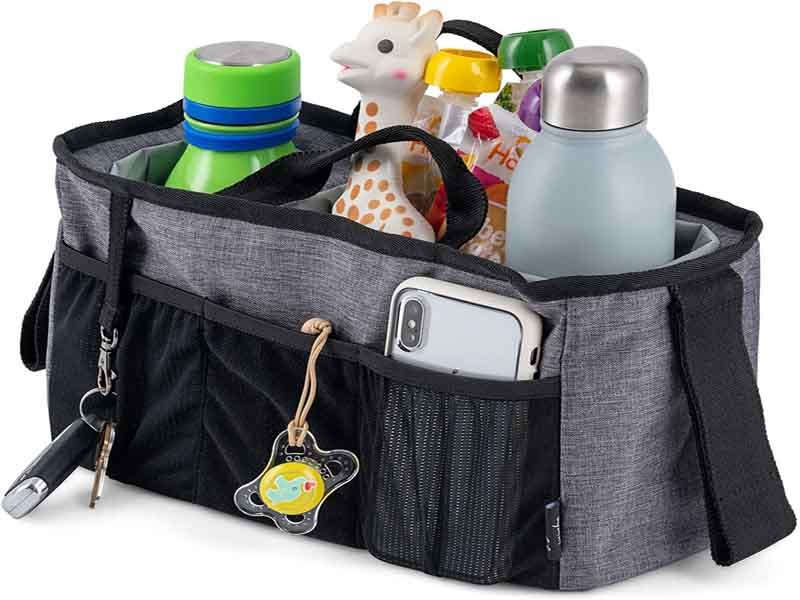
Hunting bag manufacturers use nylon, polyester, Oxford fabric, Cordura-type textiles, canvas, ripstop materials, brushed quiet fabrics, PU-coated textiles, TPU laminates, reinforcing sheets, foam, mesh, webbing, and structural frames. Nylon usually offers stronger abrasion performance, polyester provides cost-effective printability and low moisture absorption, Oxford offers broad specification flexibility, and laminated textiles provide stronger water protection.
Material selection should follow the purpose of each panel. The body, bottom, lining, harness, frame sleeve, wet compartment, and weapon pocket do not need to use the same fabric. A zoned material structure usually produces a lighter and more reliable hunting bag than using one heavy textile everywhere.
Is Nylon Better Than Polyester?
Nylon is often better for abrasion resistance, tear strength, and demanding load-bearing applications. Polyester is often better for cost control, ultraviolet stability, low moisture absorption, dimensional stability, and detailed camouflage printing.
Neither fiber is automatically superior in every hunting bag.
A high-tenacity 500D nylon is a strong choice for mountain packs, frame sleeves, bottom panels, and areas that contact rock or branches. A 600D polyester Oxford can be an excellent choice for printed daypacks, equipment bags, and products where consistent camouflage and competitive pricing matter.
| — | — | — |
Fiber type is only one variable. Yarn quality, weave density, coating weight, and finishing can change performance significantly.
A dense high-tenacity polyester may outperform basic low-density nylon. Customers should therefore request complete specifications rather than choosing only by the fiber name.
Useful information includes:
Yarn denier.
Finished fabric weight.
Thread density.
Tensile strength.
Tear strength.
Abrasion result.
Coating type.
Water-resistance rating.
Colorfastness.
Coating adhesion.
Cold-temperature performance.
A hybrid design often provides the best value. Polyester can be used on broad printed panels, while nylon reinforces the bottom, shoulder attachments, weapon pocket, and frame-contact areas.
What Is Oxford Fabric Used For?
Oxford fabric is used for hunting backpack shells, pocket panels, linings, equipment bags, rifle cases, ammunition carriers, duffels, frame sleeves, and waterproof compartments. It is popular because manufacturers can adjust the fiber, denier, weave density, coating, finish, color, and surface texture for different performance levels.
Oxford describes a basket-style weave rather than one specific raw material. It can be produced from polyester, nylon, recycled fibers, or blended yarns.
Common hunting-bag specifications include:
210D Oxford for linings and light compartments.
300D Oxford for lightweight accessory bags.
420D Oxford for technical daypacks.
500D nylon for premium pack bodies.
600D polyester for general hunting bags.
900D polyester for structured equipment carriers.
1000D nylon for high-wear zones.
1680D constructions for heavy travel and equipment bags.
| — | — | — | — |
The denier number does not describe total quality. Two 600D fabrics can have different finished weights, yarn strengths, coatings, and abrasion results.
Oxford fabric can receive many post-processing treatments:
PU coating.
PVC backing.
TPU lamination.
DWR treatment.
Brushing.
Flame-retardant treatment.
Antimicrobial finishing.
Camouflage printing.
Embossing.
Foam bonding.
Tricot lamination.
The finishing sequence affects performance. A camouflage print may change shade after brushing or heat lamination. A DWR finish can lose effectiveness if later processes disturb the textile surface.
Material approval should therefore use the final processed fabric rather than an unfinished base cloth.
Which Fabrics Make Bags Quiet?
Quiet hunting bags commonly use brushed polyester, microfiber textiles, fleece-faced laminates, softshell fabric, treated canvas, and short-pile tricot surfaces. These materials reduce the sharp scraping and rustling sounds produced when a bag contacts clothing, trees, or vegetation.
Quietness depends on more than the outer face. A soft fabric bonded to a stiff coating may still crackle when folded. A silent shell combined with metal zipper pullers and loose buckles may remain noisy in use.
Common quiet material options include:
Peach-finished polyester.
Brushed tricot.
Short-pile fleece.
Microfiber suede.
Softshell laminates.
Brushed poly-cotton.
Waxed or treated canvas.
Low-luster knitted surfaces.
| — | — | — | — | — |
Brushed materials can collect burrs, seeds, and mud. For hunting in thorny or grassy terrain, deep fleece may create more frustration than value.
A practical design may place quiet material on the front, lid, and side-contact panels while using tougher nylon on the base and frame areas.
Noise testing should be performed at realistic temperatures. Some coatings become stiffer in cold weather, changing a quiet room-temperature sample into a noisy winter product.
The bag should also be tested while loaded. Hard equipment moving inside a loose compartment can create more sound than the outer fabric. Padded dividers, elastic retention, and correctly sized pockets help control internal noise.
How Are Bags Made Water-Resistant?
Hunting bags are made water-resistant through tightly woven shells, durable water-repellent surface finishes, PU coatings, PVC backing, TPU lamination, protected zippers, seam tape, storm flaps, welded seams, and removable waterproof liners.
Water resistance should be defined by level:
Water-repellent bags handle dew and brief drizzle.
Water-resistant bags withstand moderate rain and splashes.
Highly water-resistant bags protect equipment during longer exposure.
Waterproof bags use sealed or welded construction and controlled closures.
A waterproof fabric does not automatically produce a waterproof bag. Sewing creates needle holes, while zippers, hydration ports, webbing anchors, and frame openings create additional leak paths.
| — | — | — |
For general hunting backpacks, a DWR-treated fabric with a good PU backing may provide sufficient protection. For waterfowl equipment or wet-weather packs, TPU-laminated material and sealed seams may be more appropriate.
Zipper orientation influences leakage. Top-facing horizontal zippers collect water, while vertical or covered zippers allow better drainage. Raised openings and protective lids can improve performance without using the most expensive waterproof zipper.
Cold flexibility must be considered. Thick PVC and low-quality coatings can become stiff in winter. TPU and carefully selected PU systems usually provide better flexibility, but they still require testing.
The interior should not be sealed without considering condensation. Moisture from wet clothing or perspiration can become trapped. Some compartments benefit from drainage or ventilation rather than full waterproofing.
What Materials Reinforce Heavy Loads?
Heavy-load hunting bags use high-denier fabric, high-tenacity webbing, HDPE sheets, aluminum stays, reinforced polymers, composite frames, structural foam, bar-tack stitching, and internal backing patches.
Reinforcement should distribute force rather than simply add thickness. A small patch placed directly under a shoulder-strap seam may still create a concentrated failure line. A better design extends the reinforcement across a broader area and connects it to the frame or structural webbing.
Critical reinforcement zones include:
Shoulder-strap anchors.
Load-lifter attachments.
Hip-belt connections.
Haul handles.
Frame channels.
Load-shelf corners.
Bottom panels.
Weapon-carry pockets.
Compression-strap anchors.
Zipper endpoints.
| — | — | — |
Thread and stitch structure matter as much as fabric. High-strength polyester or bonded nylon thread may be used depending on the product and sewing equipment.
Bar tacks are common at webbing anchors, but adding more stitches does not always create more strength. Excessive needle penetration can perforate the fabric and create a tear line. Stitch density and pattern should match the material.
A load-bearing connection may use:
An outer shell panel.
An internal reinforcement patch.
Extended webbing.
Box-X stitching.
Controlled bar tacks.
Connection to the frame sheet or stay channel.
A protective lining over the internal structure.
Heavy-load testing should include both static and dynamic force. Static loading confirms whether the structure holds weight. Dynamic tests reveal damage caused by walking movement, swinging, lifting, and dropping.
After testing, inspectors should look for:
Stitch elongation.
Fabric whitening.
Needle-hole growth.
Webbing slippage.
Coating cracks.
Frame-channel abrasion.
Buckled reinforcement patches.
Thread breakage.
Delamination.
Material zones should be selected according to stress. Making the complete bag from 1000D nylon may increase weight without improving comfort or organization. A 500D body with 1000D reinforcement and an engineered frame often provides a better performance balance.
Szoneier can source and process cotton, canvas, polyester, nylon, neoprene, jute, linen, Oxford fabric, ripstop textiles, brushed quiet fabrics, recycled textiles, PU-coated materials, PVC-backed fabric, and TPU laminates. These materials can be combined with custom foam, mesh, webbing, frames, buckles, zippers, camouflage printing, embroidery, labels, and patches.
During development, customers can provide a target bag capacity, intended load, use environment, required waterproof level, camouflage pattern, reference sample, or material preference. Szoneier can then create a panel-by-panel material plan, develop a functional sample, and adjust weight, durability, noise, water protection, and cost before production.
How Are Hunting Bags Designed for Field Use?
Hunting bags are designed for field use by matching load distribution, access, noise control, weather protection, equipment organization, camouflage, and body fit to a specific hunting scenario. A successful design keeps essential gear reachable, stabilizes heavy contents close to the body, protects weapons and optics, limits fabric noise, and remains functional when the user is wearing gloves, moving through vegetation, or working in rain, mud, and low light.
A hunting pack should not be designed as an ordinary backpack with camouflage printed on the surface. Field conditions change how every feature behaves. A small zipper pull that looks clean in a product photograph may be difficult to grip with insulated gloves. A pocket that appears spacious when empty may become unusable once the main compartment is tightly packed. A soft back panel may feel comfortable in a showroom but collapse under a heavy load.
The design process therefore begins with questions about actual use:
How long will the bag be carried?
What is the expected load?
Which items require immediate access?
Will the user carry a rifle, bow, tripod, or spotting scope?
Will the bag be used in wet, cold, hot, or humid conditions?
Does the user need to transport meat or wet gear?
How important are silence and concealment?
Will the pack be worn over light clothing or thick winter layers?
The answers shape the bag’s volume, frame, pockets, harness, closure system, materials, and reinforcement.
How Do Frames Support Heavy Loads?
Frames support heavy loads by controlling the shape of the pack and transferring force from the shoulder area toward the hips. They prevent the bag from sagging, reduce backward pull, stabilize dense equipment, and help the wearer maintain a more natural posture.
When a soft bag is heavily loaded, the contents tend to settle at the bottom and move away from the body. This increases leverage against the wearer. The shoulders experience more pulling force, and the user may lean forward to compensate.
A properly designed frame holds heavy items close to the back and creates a direct load path into the hip belt.
Common frame structures include:
Flexible polymer frame sheets.
Single aluminum stays.
Dual aluminum stays.
Tubular aluminum frames.
Carbon-fiber frames.
Reinforced polymer frames.
Hybrid frame-sheet and stay systems.
External modular frames.
A polymer frame sheet is suitable for light and moderate loads. It spreads pressure across the back panel and prevents hard objects from pressing directly against the wearer.
Aluminum stays add vertical stiffness. They can often be shaped to match the user’s back profile. A dual-stay system provides greater stability and helps control side-to-side movement.
External frames are useful for heavy or irregular loads. They allow the bag body to separate from the carrying structure, creating space for a load shelf or removable cargo panel.
| — | — | — | — |
The frame must connect correctly to the shoulder straps, load lifters, hip belt, and bag compression system. If these parts are developed separately, the frame may support the bag without transferring meaningful weight to the hips.
Load lifters are small straps connecting the upper shoulder harness to the top of the frame. When correctly positioned, they pull the upper bag closer to the body and reduce backward movement.
Their angle is important. If the frame is too short, the load lifters become nearly horizontal and provide little lifting effect. If the anchor is too high, it may create uncomfortable pressure.
The hip belt should wrap around the upper pelvis rather than simply tighten around the waist. Its foam, shape, and webbing structure must resist folding under load.
A heavy-load belt may use:
A firm structural foam core.
A softer comfort layer.
High-tenacity internal webbing.
Three-dimensional spacer mesh.
An adjustable central buckle.
Forward-pull tightening straps.
Top and bottom stabilization straps.
Removable accessory pockets.
Frame testing should use realistic equipment and movement. A static hanging test confirms basic strength, but it does not show how the pack behaves while walking downhill, stepping across rocks, or rotating the torso.
During sample evaluation, the manufacturer should inspect:
Whether the load stays close to the body.
Whether the frame twists excessively.
Whether the hip belt slides downward.
Whether shoulder pressure increases over time.
Whether the frame ends damage the fabric.
Whether compression straps maintain tension.
Whether the pack remains stable when partially loaded.
A frame designed only for the maximum load may feel unnecessarily rigid during ordinary use. Some products therefore use removable stays or modular frames, allowing users to choose between a lighter day configuration and a stronger hauling configuration.
Which Features Improve Organization?
Hunting bag organization improves when compartments are arranged according to access frequency, item size, noise risk, weight, and contamination. The most useful organization system is not the one with the greatest number of pockets. It is the one that allows the hunter to locate and retrieve equipment without unpacking the entire bag.
Gear can be divided into four access groups:
Immediate-access items include calls, ammunition, wind indicators, a rangefinder, a phone, snacks, and navigation tools.
Frequent-access items include gloves, hats, rainwear, optics, and water.
Occasional-use items include first-aid supplies, spare batteries, repair tools, and extra clothing.
Camp or overnight items include sleeping equipment, cooking gear, and stored food.
Immediate-access items should be placed in hip-belt pockets, lid pockets, shoulder-harness pockets, or outer front compartments. Heavy equipment should remain near the frame rather than in distant front pockets.
A common design problem is placing too much storage on the front of the bag. Once those pockets are filled, the center of gravity moves away from the wearer. The pack may also become too deep for movement through dense vegetation.
| Equipment | Recommended position | Design reason |
|---|---|---|
| Water bladder | Close to frame | Keeps dense weight near the body |
| Ammunition | Hip belt or secure upper pocket | Fast access and controlled movement |
| Rangefinder | Shoulder or hip pocket | One-hand access |
| Spotting scope | Reinforced side pocket | Long shape and quick retrieval |
| Tripod | Side pocket with upper strap | Stable vertical carry |
| Rainwear | Front stretch or lid pocket | Quick access before weather changes |
| First-aid kit | Marked internal pocket | Easy to identify but securely stored |
| Batteries | Small sealed pocket | Protects against moisture and loss |
| Knife and tools | Reinforced internal sleeve | Limits puncture and movement |
| Wet gear | Separate coated compartment | Prevents moisture transfer |
| Game-related contents | Removable liner or load shelf | Improves hygiene and cleaning |
Pocket dimensions should be based on real objects. A generic “optics pocket” may not accommodate a large rangefinder or binocular case. A tripod pocket may hold the legs but fail to support the head.
During development, representative equipment should be placed into the sample. Zippers, pocket openings, compression straps, and internal dividers should be tested while the main compartment is full.
Internal organization may include:
Zippered mesh pockets.
Elastic sleeves.
Padded dividers.
Hook-and-loop removable panels.
MOLLE-style attachment surfaces.
Key clips.
Radio sleeves.
Battery holders.
Ammunition loops.
Document pockets.
High-visibility lining can improve usability. Bright orange, light gray, tan, or muted yellow interiors make small dark equipment easier to find, especially before sunrise.
However, a light lining shows dirt and stains more clearly. For hunting bags that may carry muddy or wet gear, a medium gray or olive lining may offer a better balance.
Zipper orientation also affects organization. A top-opening pocket is convenient when the bag is standing upright but may spill contents when placed flat. A vertical pocket offers easy side access but can allow small items to fall toward the bottom.
Clamshell openings provide excellent visibility and packing control. They are useful for equipment organizers, medical-style hunting bags, and travel duffels. However, the long zipper adds weight and creates more potential water-entry points.
Roll-top or top-loading structures provide simpler weather protection but make lower contents harder to reach. Side access zippers can solve this problem, although they require additional reinforcement.
How Do Hydration Systems Fit?
Hydration systems are usually integrated through an internal bladder sleeve, suspension loop, hose port, shoulder-strap routing, and retention clips. The system should keep water close to the user’s back, prevent the bladder from collapsing into the main compartment, and allow the hose to reach either shoulder.
Water is one of the heaviest items commonly carried. One liter weighs approximately one kilogram. A three-liter bladder therefore adds around three kilograms before the reservoir itself is considered.
For this reason, the bladder should sit close to the frame and near the center of the back. Placing it in an external front pocket increases backward leverage.
A hydration compartment may include:
A separate internal sleeve.
A top suspension loop.
A wide opening for reservoir insertion.
Left and right hose ports.
Shoulder-strap hose clips.
A drainage opening.
Water-resistant lining.
A protective frame-side panel.
| Hydration feature | Function | Common design problem |
|---|---|---|
| Bladder sleeve | Holds reservoir upright | Sleeve too small for filled bladder |
| Suspension hook | Prevents reservoir collapse | Hook too weak or difficult to access |
| Hose port | Guides drinking tube outside | Opening allows rain or debris entry |
| Hose clip | Keeps tube near shoulder | Clip breaks in cold weather |
| Drainage hole | Releases small leaks | Poor placement traps water |
| Insulated sleeve | Slows freezing or heating | Adds bulk and drying time |
| Separate compartment | Protects other contents | Increases seams and construction cost |
The sleeve should be tested with the bladder filled. A reservoir that fits when empty may become wider and thicker once filled.
The hydration compartment should not contain sharp hardware, exposed frame ends, or rough seam allowances. A leaking reservoir can soak clothing, food, and electronics, so separation from the main compartment adds value.
Cold-weather products may use insulated hose sleeves or covers. However, insulation only slows freezing; it does not eliminate it. The tube should be routed so that water can drain back toward the reservoir after use.
Hydration ports should allow both left- and right-side routing. Users may have personal preferences, and weapon-carry systems can make one shoulder more practical than the other.
Some hunting bags use bottle pockets instead of or in addition to hydration bladders. Bottles are easier to inspect, refill, and clean. They also allow users to divide water across the pack.
A combination system may include a central hydration sleeve and two side bottle pockets. The manufacturer should verify that filled side pockets do not interfere with arm movement or weapon carry.
What Makes a Hunting Bag Quiet?
A quiet hunting bag combines soft exterior materials, controlled hardware, silent closures, secure equipment retention, and stable straps. Noise must be reduced across the complete bag rather than only through the shell fabric.
Outer materials may use:
Brushed polyester.
Softshell fabric.
Short-pile fleece.
Microfiber surfaces.
Treated canvas.
Tricot-faced laminates.
Low-luster woven textiles.
Quiet closures may include cord-pull zippers, magnetic flaps, covered buckles, drawcords, and soft webbing retainers.
Hook-and-loop closure is useful but loud. It should be avoided on pockets that must be opened near game. It may still be acceptable on internal dividers or adjustments that are set before entering the field.
Loose metal zipper tabs can strike sliders and buckles. Replacing them with cord loops, molded rubber pullers, or textile tabs reduces impact noise.
Strap management is equally important. Long webbing ends can flap against the bag. Elastic keepers, folded strap retainers, and roll-up systems prevent this.
Internal organization also affects sound. Ammunition, optics, tools, and metal equipment should not move freely inside large compartments.
Noise-control features include:
Individual ammunition loops.
Padded optics pockets.
Elastic tool retainers.
Soft internal dividers.
Tight compression straps.
Covered zipper sliders.
Frame anti-rattle sleeves.
Foam-lined hard-equipment compartments.
| Noise source | Design response |
|---|---|
| Hard fabric rubbing vegetation | Use brushed or soft-faced panels |
| Metal zipper impact | Use cord or rubber pullers |
| Loose ammunition | Add individual elastic loops |
| Flapping webbing | Add strap keepers |
| Buckle movement | Cover or stabilize hardware |
| Frame squeak | Line and secure frame channels |
| Hook-and-loop opening | Replace with zipper, magnet, or buckle |
| Hard optics movement | Add padded fitted compartments |
Cold testing is essential because fabrics, coatings, and plastic hardware become harder at low temperatures. A sample that sounds quiet indoors may become noticeably louder below freezing.
The loaded bag should be tested while walking, crouching, climbing, opening pockets, and brushing against branches. Listening to an empty bag on a worktable does not represent actual use.
How Does Camouflage Improve Concealment?
Camouflage improves concealment by disrupting the shape of the bag, reducing visual contrast, matching dominant terrain colors, and controlling surface shine. Effective camouflage uses pattern scale, texture, color balance, and product construction together.
A pattern should match the environment where the product will be used. Woodland, grassland, mountain, marsh, desert, and snow conditions require different visual structures.
Pattern scale must also match viewing distance. Small photographic details appear convincing at close range but may merge into one dark block at distance. Large shapes disrupt the overall silhouette but can appear simple close up.
Multi-scale camouflage combines:
Fine texture for close observation.
Medium branches, leaves, or rock elements.
Large light-and-dark breakup areas.
Matte surfaces to reduce glare.
The bag’s shape can interrupt the pattern. Pockets, webbing, zippers, and solid reinforcement panels should be coordinated so that they do not create unnatural blocks.
Hardware should also be low-glare. A bright zipper slider or glossy buckle may reflect more light than the surrounding fabric.
Camouflage design should consider:
Fabric printing method.
Surface brushing.
Coating sequence.
Webbing color.
Thread color.
Buckle finish.
Logo contrast.
Frame exposure.
Seasonal environment.
Pattern repeat size.
A custom camouflage pattern can be printed through sublimation, digital printing, screen printing, or pigment printing depending on the material and order requirements.
Polyester offers strong options for sublimation and transfer printing. Nylon may require specialized printing and dye processes. Canvas can use pigment or reactive systems depending on composition.
The final pattern should be approved on processed fabric. Brushing, DWR treatment, coating, and lamination can change color and surface reflectance.
Szoneier can develop hunting bags around a specific field scenario rather than applying one standard construction to every model. Frames, harnesses, hydration systems, quiet materials, camouflage, pocket organization, and weapon-carry components can be adjusted according to the intended load, terrain, trip duration, and equipment list.
What Custom Hunting Bag Options Are Available?
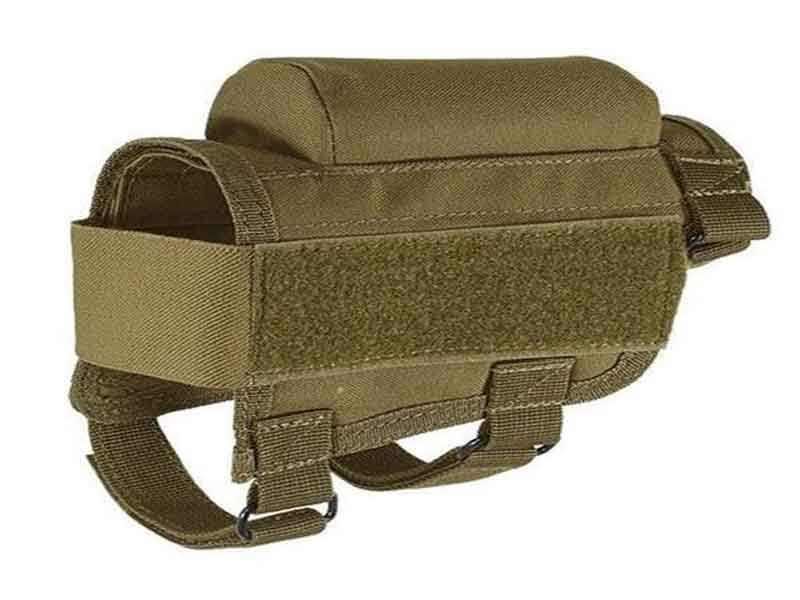
Custom hunting bag options include capacity, dimensions, frame structure, camouflage printing, shell material, pocket layout, weapon-carry systems, webbing, straps, hardware, padding, waterproofing, logos, labels, and packaging. Customers can begin with an existing design, a reference sample, a technical drawing, or a functional idea. The manufacturer then converts those requirements into patterns, materials, prototypes, tests, and production specifications.
Customization should improve product usefulness rather than add features only for visual differentiation. Every additional pocket, zipper, strap, and accessory affects weight, sewing time, material cost, and quality-control complexity.
The most effective custom development begins with a prioritized requirement list. Essential features should be separated from optional ideas.
Can Bag Capacity Be Customized?
Hunting bag capacity can be customized by changing panel dimensions, gusset depth, extension collars, expandable sections, removable pouches, compression systems, and external load structures.
Capacity is normally expressed in liters, but the advertised number alone does not guarantee usable storage. Two packs with the same stated volume can feel very different because of shape, internal dividers, curved panels, foam, frames, and pocket construction.
A tall narrow pack keeps weight closer to the body but may be difficult to access. A wide shallow pack offers better visibility but can interfere with arm movement. A deep pack holds bulky items but moves the center of gravity farther backward.
| Capacity range | Common product direction | Suitable use |
|---|---|---|
| 5–12 L | Waist pack or minimal scouting bag | Calls, water, ammunition, essentials |
| 15–25 L | Compact daypack | Short hunts and treestand access |
| 25–40 L | Full hunting daypack | Clothing, optics, food, field equipment |
| 40–55 L | High-volume day or overnight pack | Cold-weather layers and expanded gear |
| 55–75 L | Multi-day hunting pack | Two- to five-day trips |
| 75–100 L | Expedition pack | Extended trips and bulky equipment |
| 100 L and above | Large expedition or transport system | Shared camp gear and specialist loads |
Expandable capacity offers flexibility. A pack can use:
A roll-top extension collar.
A front compression panel.
An expandable zipper gusset.
A floating lid.
Removable side pockets.
A detachable front bag.
A frame load shelf.
An expansion collar may add several liters without changing the base footprint. It is useful when the user carries more equipment into or out of the field.
Removable pouches allow a pack to adapt between day and expedition use. However, attachment points must be stable and easy to operate.
Capacity should be verified through physical filling or standardized volume measurement. The customer can also send a representative packing list so the sample can be tested with actual equipment.
Custom sizing should account for body fit. A large-capacity pack may require multiple torso lengths, while a compact daypack can use a simpler universal harness.
Which Camouflage Patterns Can Be Printed?
Hunting bags can use licensed camouflage, customer-owned artwork, factory-developed patterns, solid earth tones, digital camouflage, photographic terrain prints, abstract breakup patterns, or seasonal color variations.
Custom patterns can be created for:
Woodland.
Pine forest.
Dry grass.
Marsh and reeds.
Mountain rock.
Desert scrub.
Snow.
Mixed transitional terrain.
Printing options depend on fabric composition and pattern complexity.
| Printing process | Suitable material | Strength | Limitation |
|---|---|---|---|
| Sublimation | Polyester | Detailed, durable color | Primarily suited to polyester |
| Transfer printing | Polyester | Efficient repeat production | Heat may affect some finishes |
| Digital pigment printing | Multiple textiles | Flexible artwork and detail | Hand feel depends on binder |
| Rotary screen printing | Polyester, nylon, cotton | Efficient for larger volumes | Higher setup for many colors |
| Flat screen printing | Multiple fabrics | Strong simple patterns | Limited detail compared with digital |
| Yarn-dyed construction | Cotton and blends | Durable woven appearance | Limited photographic detail |
Artwork preparation should include repeat size, color references, pattern orientation, and ownership confirmation. A pattern that looks balanced on a square artwork file may not align naturally across a tall backpack.
The manufacturer should create strike-offs or printed sample fabric before full bag sampling. Color should be reviewed in daylight and low-light conditions.
Custom camouflage also affects matching components. Webbing, buckles, zippers, thread, and labels should be selected in coordinated solid colors.
Perfect matching between different materials is not always possible. Polyester fabric, nylon webbing, plastic buckles, and rubber patches reflect light differently even when their nominal color is the same.
A controlled tonal range often looks more natural than forcing every component into an exact laboratory shade.
How Are Logos Added?
Logos can be added through embroidery, screen printing, heat transfer, woven labels, rubber patches, silicone patches, leather patches, metal badges, reflective printing, debossing, or custom-jacquard webbing.
The correct method depends on the desired appearance, surface material, logo detail, durability, noise requirement, and position.
| Logo method | Appearance | Durability | Suitable position |
|---|---|---|---|
| Embroidery | Textured and premium | High | Main exterior panels |
| Screen print | Flat and flexible | Good | Fabric panels and liners |
| Heat transfer | Detailed and clean | Good | Smooth coated or woven areas |
| Woven label | Fine textile detail | High | Exterior or internal branding |
| Rubber patch | Technical and dimensional | Very high | Front panels and straps |
| Silicone patch | Soft premium texture | Very high | Outdoor and waterproof products |
| Leather patch | Traditional appearance | High with proper care | Canvas and heritage bags |
| Debossed patch | Subtle tonal branding | High | Quiet premium designs |
| Metal badge | Strong visual impact | High | Travel or equipment bags |
| Jacquard webbing | Repeated integrated branding | Very high | Straps and handles |
Hunting products often benefit from subtle branding. A large bright logo may conflict with concealment. Tonal embroidery, matte rubber patches, or low-contrast woven labels provide brand recognition without creating excessive visual contrast.
Embroidery penetrates the fabric with many needle holes. On waterproof panels, it should be avoided or backed with sealing material. A separate patch can be attached in a controlled area.
Heat-transfer logos work well on smooth textiles but require temperature and pressure compatibility. Excessive heat can damage coatings or create visible marks.
Rubber and silicone patches offer excellent outdoor durability. Their edges, thickness, color, and surface finish can be customized. Matte surfaces are usually more suitable than glossy finishes for hunting use.
Internal branding can include:
Woven care labels.
Printed product information.
Serial-number labels.
QR-code labels.
Size labels.
User instructions.
Warranty information.
Logo placement should be confirmed on the actual sample. A logo centered on a flat drawing may become distorted when the bag is filled or covered by compression straps.
Can Pockets and Straps Be Modified?
Pockets and straps can be modified according to the equipment carried, preferred access direction, body position, weapon system, and load requirement.
Custom pocket options include:
Rangefinder pockets.
Radio pockets.
Binocular compartments.
Spotting-scope sleeves.
Tripod pockets.
Ammunition holders.
Knife sleeves.
Battery organizers.
Hydration sleeves.
Wet-gear compartments.
Hip-belt pockets.
Removable accessory pouches.
Internal mesh organizers.
Pocket design should consider opening size as well as internal volume. A large pocket with a narrow zipper may be difficult to use.
The pocket should remain accessible when adjacent compartments are full. Expansion gussets, elastic panels, and three-dimensional construction can preserve usable space.
Strap customization may include:
Shoulder width.
Shoulder curvature.
Foam thickness.
Torso adjustment.
Load-lifter length.
Sternum strap position.
Hip-belt size.
Compression-strap location.
Bow and rifle retention.
Tripod straps.
Bottom sleeping-pad straps.
External lashing points.
Men’s, women’s, and unisex harness shapes may differ. A universal design can serve a broad market, but premium products may benefit from more specific shoulder and hip-belt geometry.
The sternum strap should adjust vertically so users can position it comfortably. A fixed strap may sit too high or too low depending on torso length and clothing thickness.
Compression straps should control the load without blocking main zippers. Side straps that cross over pockets can make bottle or tripod access difficult.
Removable straps increase flexibility but add buckles and attachment points. The customer should decide whether modularity is worth the extra complexity.
Which Packaging Options Are Available?
Hunting bags can be packed in polybags, recycled plastic bags, nonwoven drawstring bags, cotton dust bags, printed boxes, kraft cartons, retail sleeves, hang-card systems, or custom gift packaging.
Packaging should protect the bag while controlling shipping volume. Large framed packs and padded duffels occupy significant carton space, so compression and frame separation may reduce freight cost.
Common packaging options include:
Individual transparent polybags.
Printed warning and recycling labels.
Recycled PE bags.
Biodegradable or compostable bags where suitable.
Nonwoven storage bags.
Cotton drawstring dust bags.
Kraft paper sleeves.
Printed folding cartons.
Corrugated retail boxes.
Custom insert cards.
Hangtags.
Barcode and shipping labels.
| Packaging type | Protection | Presentation | Shipping efficiency |
|---|---|---|---|
| Standard polybag | Basic dust and moisture protection | Low | Excellent |
| Recycled PE bag | Basic protection | Moderate environmental positioning | Excellent |
| Nonwoven drawstring bag | Reusable and attractive | Good | Moderate |
| Cotton dust bag | Premium natural presentation | Very good | Moderate |
| Kraft sleeve | Supports branding | Good | Good |
| Folding carton | Strong retail presentation | Very good | Moderate |
| Corrugated box | High transport protection | Moderate | Lower efficiency |
| Custom rigid box | Premium presentation | Excellent | Low |
Framed packs may require protective covers over frame ends and buckles. Shoulder straps should be folded in a way that avoids permanent foam creases.
Retail packaging should communicate practical information:
Capacity.
Dimensions.
Bag weight.
Material.
Camouflage name.
Frame type.
Hydration compatibility.
Weapon-carry features.
Care instructions.
Country of origin.
Barcode.
Safety warnings.
Carton planning affects total project cost. A bag that can be compressed by 15 percent may reduce the number of shipping cartons substantially. However, excessive compression can deform foam, frames, or laminated panels.
Packaging samples should therefore be checked after storage and transport simulation. The bag should recover its intended shape after unpacking.
Szoneier provides custom hunting bag development from fabric selection through finished packaging. Customers can customize capacity, dimensions, camouflage, materials, frame systems, pockets, straps, logos, labels, hardware, waterproofing, linings, and retail presentation.
Development can begin from a technical pack, hand drawing, reference product, material sample, or written list of functional requirements. By sharing the expected load, terrain, weather, equipment, target market, and quantity, customers allow Szoneier to recommend a practical structure rather than adding unnecessary cost or weight.
How Are Hunting Bags Developed and Tested?
Hunting bags are developed through requirement analysis, material selection, structural engineering, pattern making, prototype sampling, field evaluation, laboratory testing, revision, pre-production approval, and mass-production quality control. A reliable development process tests not only whether the bag looks correct, but whether its straps, seams, frame, coatings, zippers, pockets, and weapon-carrying systems continue working under realistic loads and weather conditions.
The most common development mistake is beginning with appearance before defining use. Camouflage, pocket shape, and logo position matter, but they cannot compensate for an unstable frame, poorly positioned shoulder straps, or a compartment that does not fit the intended equipment.
A manufacturer should first understand the complete use scenario:
What type of hunting will the bag support?
How many hours or days will it be carried?
What equipment must fit inside?
What is the normal load?
What is the maximum expected load?
Will it carry a rifle, bow, tripod, or harvested meat?
Will it be used in rain, snow, mud, heat, or freezing temperatures?
Does the customer need water resistance or full waterproofing?
How important are silence and camouflage?
Which market will receive the product?
Once these questions are answered, the development team can convert the product idea into measurable specifications.
What Information Starts Development?
Hunting bag development starts with a product brief containing dimensions, capacity, intended load, equipment list, materials, color, camouflage, frame requirements, pocket layout, logo method, packaging, target market, and expected order quantity.
The customer does not always need a complete professional technical pack. Development can begin from:
A hand drawing.
A reference sample.
A competitor product.
A three-view design.
A written feature list.
A mood board.
A fabric swatch.
A camouflage file.
A packing list showing real equipment.
A combination of several references.
However, the more precise the starting information is, the fewer revisions will normally be required.
A useful development brief should distinguish between essential requirements and optional preferences. For example, a load shelf may be essential, while a removable lid may be optional. This prevents the sample from becoming overloaded with features that increase weight, cost, and complexity without creating meaningful value.
| Development information | Questions to define | Why it matters |
|---|---|---|
| Product type | Daypack, frame pack, rifle bag, duffel, game bag? | Determines the basic construction |
| Capacity | How many liters or which items must fit? | Controls panel dimensions and bag shape |
| Load | Normal and maximum carrying weight? | Determines frame, webbing, seams, and foam |
| User | Body type, torso range, clothing layers? | Influences harness and fit |
| Terrain | Forest, mountain, marsh, grassland, snow? | Affects fabric, camouflage, and reinforcement |
| Climate | Wet, hot, humid, freezing, high UV? | Affects coating and hardware selection |
| Equipment | Rifle, bow, optics, tripod, hydration? | Determines pockets and attachment systems |
| Noise requirement | General use or stealth priority? | Controls fabric and closure choices |
| Waterproof level | Repellent, resistant, or waterproof? | Changes fabric and seam construction |
| Branding | Logo, patch, labels, custom webbing? | Affects materials and production process |
| Packaging | Polybag, dust bag, box, retail display? | Influences freight and presentation |
| Target cost | Required price or retail position? | Guides material and feature decisions |
Capacity should be supported by an equipment list whenever possible. Saying “35 liters” is less useful than listing a rain jacket, three-liter hydration bladder, binoculars, ammunition, first-aid kit, food, and compact tripod.
Weapon measurements should include the widest and longest configuration. A rifle fitted with a large optic, bipod, or suppressor may not fit a pocket developed from the basic firearm dimensions.
Camouflage artwork should include repeat size, color references, file format, and orientation. Vector files are useful for logos, while high-resolution layered files may be required for detailed camouflage printing.
The customer should also identify required testing or compliance standards before materials are ordered. Testing added late in development can reveal that the selected coating, buckle, ink, or fabric does not meet the target requirement.
How Is a Hunting Bag Sample Made?
A hunting bag sample is made by converting the approved design into paper or digital patterns, cutting selected materials, preparing reinforcement components, sewing the structure, adding frames and hardware, and checking dimensions and functionality. The first prototype is normally used to identify structural issues rather than to demonstrate perfect production appearance.
The sampling process often follows these stages:
Requirement review.
Preliminary material recommendation.
Technical drawing confirmation.
Pattern development.
Material and hardware preparation.
First structural sample.
Dimension and fit inspection.
Load and access evaluation.
Customer feedback.
Pattern and material revision.
Second confirmation sample.
Pre-production sample.
The first sample may use substitute colors or available hardware when the final custom materials have long lead times. This is acceptable for checking size and structure, but the manufacturer should clearly identify which components are temporary.
A structural sample should confirm:
Overall dimensions.
Usable capacity.
Pocket access.
Harness position.
Frame fit.
Shoulder-strap spacing.
Hip-belt shape.
Weapon-carrying position.
Zipper direction.
Compression range.
Logo location.
Bag balance.
Construction feasibility.
The sample should be packed with realistic contents. Empty bags can hide serious design problems. A front pocket may appear spacious until the main compartment is filled. A side bottle pocket may become inaccessible when the compression straps are tightened.
For framed packs, the sample should be adjusted to several torso positions. The frame, harness, and hip belt should remain aligned rather than twisting or creating gaps.
For rifle or bow packs, actual equipment or an accurate dimensional model should be used. The team should check whether straps contact delicate components and whether the weapon can be removed while the pack is loaded.
Sampling is also the stage where manufacturing complexity becomes visible. A design drawing may include tight curves, thick layer intersections, and inaccessible seam positions. The sample maker can recommend changes that improve consistency without changing the intended appearance.
| Sample stage | Primary purpose | Typical questions |
|---|---|---|
| Material mock-up | Confirm fabric hand and color | Is the material quiet, stiff, or too heavy? |
| First prototype | Check shape and structure | Does the bag fit the intended equipment? |
| Fit sample | Evaluate harness and frame | Is weight distributed correctly? |
| Revised sample | Confirm corrections | Were access and structural problems solved? |
| Pre-production sample | Establish manufacturing standard | Are final materials, logos, and packaging correct? |
| Shipment sample | Represent completed production | Does mass production match approval? |
The approved pre-production sample should remain available during manufacturing. It becomes the visual and structural reference for sewing teams and inspectors.
Measurements should be recorded in a specification sheet with tolerances. Without tolerances, minor variation may create unnecessary disputes or inconsistent inspection decisions.
Complex hunting bags may require more than one sample revision. A frame pack with a load shelf, adjustable harness, weapon-carrying system, and waterproof compartments should not be rushed into production simply because the first prototype looks attractive.
Which Load Tests Are Required?
Hunting bag load testing should include static loading, dynamic lifting, repeated carrying, drop impact, strap pulling, handle testing, compression cycling, and frame evaluation. The test load should reflect the product’s intended use and should normally include a reasonable safety margin above the advertised working load.
Static testing places a controlled weight inside the bag for a defined period. It reveals seam elongation, fabric distortion, strap slippage, and frame deformation.
Dynamic testing is often more revealing because walking and lifting generate shock loads. A 20-kilogram bag does not apply a constant 20-kilogram force when it is dropped, swung, or lifted suddenly.
Useful load evaluations include:
Suspending the loaded bag by both shoulder straps.
Suspending it by the haul handle.
Repeatedly lifting and lowering the bag.
Dropping it from a controlled height.
Walking over stairs and uneven ground.
Twisting the loaded frame.
Tightening and releasing compression straps.
Opening zippers while the bag is full.
Repeatedly attaching and removing a load shelf.
Testing weapon-carry points under movement.
| Test type | What it reveals | Critical inspection areas |
|---|---|---|
| Static load test | Long-duration structural deformation | Main seams, frame, shoulder anchors |
| Dynamic lift test | Shock resistance | Handles, webbing, bar tacks |
| Drop test | Impact and content movement | Base, corners, zippers, frame ends |
| Walking test | Stability and comfort | Harness, hip belt, load lifters |
| Compression cycling | Strap and buckle durability | Adjusters, webbing, anchor points |
| Frame torsion test | Resistance to twisting | Stay channels and frame joints |
| Weapon retention test | Carry security | Cradles, straps, buckles |
| Pocket overload test | Localized seam durability | Pocket corners and zipper ends |
Test weight should be distributed realistically. Filling a bag with one solid metal block does not represent normal packing and may create an unrealistic pressure point. Sandbags, fabric weights, water containers, or representative equipment can create a more accurate load shape.
After testing, inspectors should look for more than complete breakage. Early warning signs include:
Growing needle holes.
Whitening around stressed fabric.
Webbing slipping through adjusters.
Broken coating around folds.
Loose frame channels.
Distorted zipper curves.
Foam collapse.
Hip-belt rolling.
Thread abrasion.
Reinforcement edges becoming visible.
A bag that survives a heavy static load but shows rapidly enlarging stitch holes may fail after repeated field use. Small structural changes made during sampling can prevent large warranty problems later.
Comfort should be evaluated separately from strength. A pack may remain physically intact under 30 kilograms while becoming uncomfortable after 30 minutes. Fit testing should involve walking, climbing steps, bending, and removing equipment.
How Is Water Resistance Tested?
Water resistance is tested at fabric, seam, compartment, and completed-bag levels. Common methods include spray testing, hydrostatic-pressure testing, rain simulation, seam-leakage inspection, zipper exposure, and controlled immersion for products designed to meet waterproof claims.
Fabric hydrostatic testing measures how much water pressure the material can resist before leakage occurs. This provides useful material data, but it does not measure the finished bag’s openings and seams.
A spray test evaluates surface wetting and the effectiveness of the DWR finish. It shows whether water beads or spreads across the face, but it does not prove that the fabric is waterproof.
Finished-bag testing may involve placing absorbent paper or dry textile inside the compartments and exposing the bag to controlled rain. Afterward, the interior is inspected for wet areas.
| Water test | Evaluated area | Suitable claim |
|---|---|---|
| Spray test | Fabric surface | Water repellency |
| Hydrostatic-pressure test | Coated or laminated fabric | Material waterproof resistance |
| Seam-leak test | Sewn or taped joints | Seam protection |
| Rain-room test | Complete bag | Realistic rain resistance |
| Zipper exposure test | Pocket and main openings | Closure performance |
| Short immersion test | Waterproof containers | Controlled waterproof claim |
| Repeated flex and retest | Aged materials | Long-term protection potential |
Testing should include likely leak points:
Top zipper corners.
Hydration hose openings.
Webbing attachment seams.
Frame channels.
Pocket bottoms.
Logo embroidery.
Drainage openings.
Bottom seams.
Roll-top closure edges.
A waterproof fabric with embroidered branding may leak through the logo area. If branding is required on a waterproof panel, a separately attached or welded patch may be more suitable.
Seam tape should be inspected for lifting, incomplete bonding, wrinkles, and gaps around thick seam intersections. Heat, pressure, and tape speed must be controlled during production.
Water testing should be repeated after flexing or aging when long-term performance is important. New coatings often perform well initially, but repeated folding can expose cracks or weak adhesion.
For bags carrying wet gear rather than protecting dry gear, the test direction may be reversed. The objective is to confirm that water does not leak outward into a vehicle or travel bag.
What Does Quality Inspection Check?
Hunting bag quality inspection checks material identity, color, dimensions, sewing, reinforcement, frame assembly, zippers, buckles, webbing, padding, logos, cleanliness, functionality, packaging, and consistency with the approved sample.
Inspection should occur throughout production rather than only after all bags are completed.
Incoming material inspection may examine:
Fabric color and shade.
Finished weight.
Width.
Coating appearance.
Print registration.
Surface defects.
Webbing width and thickness.
Buckle color and fit.
Zipper chain operation.
Foam density and thickness.
Frame dimensions.
Logo components.
In-process inspection focuses on construction details before they become hidden inside the product. Reinforcement patches, frame sleeves, foam layers, and internal webbing are difficult to inspect after the lining is closed.
Final inspection should include both appearance and function.
| Inspection category | Examples of checkpoints |
|---|---|
| Dimensions | Height, width, depth, strap length, pocket size |
| Sewing | Stitch consistency, skipped stitches, loose thread |
| Reinforcement | Correct patches, webbing extensions, bar tacks |
| Zippers | Smooth movement, correct direction, secure stops |
| Buckles | Complete engagement, correct size, no cracking |
| Frame | Proper insertion, alignment, capped ends |
| Harness | Symmetry, foam position, adjustment range |
| Waterproofing | Tape coverage, welded seams, closure structure |
| Branding | Logo size, position, color, orientation |
| Cleanliness | No oil, adhesive, chalk, odor, or stains |
| Function | Pocket access, hydration routing, weapon retention |
| Packaging | Correct labels, accessories, carton quantity |
Symmetry is especially important in shoulder straps and hip belts. Small alignment differences can affect comfort even when the bag appears acceptable on a table.
Zippers should be operated with the bag loaded because panel tension can change how smoothly they move. Buckles should be tested with the final webbing because the wrong thickness may create slippage.
Random finished bags may be selected for destructive or intensive testing. These samples are not returned to saleable inventory, but they provide stronger evidence than visual inspection alone.
Szoneier can coordinate hunting bag development from initial design through fabric processing, prototype sampling, structural revision, performance testing, production, inspection, and packaging. Customers can provide a detailed technical pack or begin with a simpler concept, reference image, or existing product. The development team can then help convert the idea into a measurable and manufacturable specification.
How Do You Choose a Hunting Bag Manufacturer?
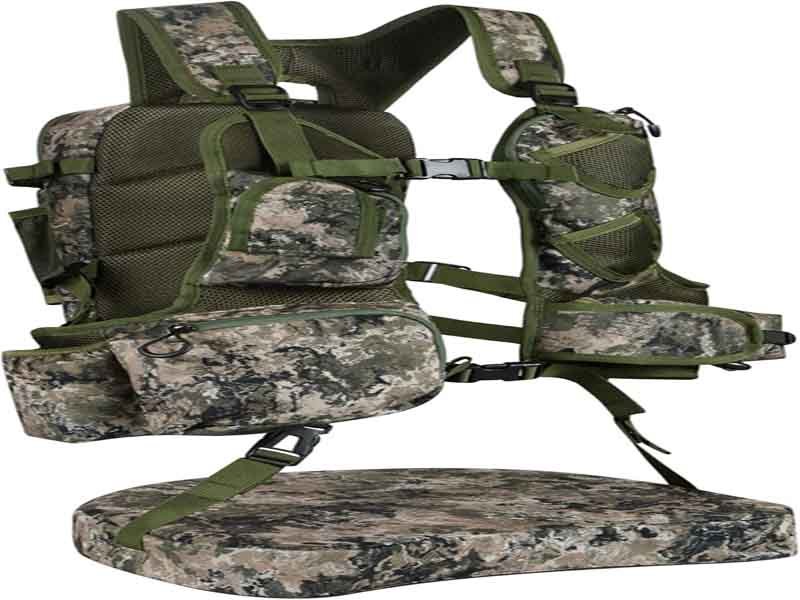
Choose a hunting bag manufacturer by evaluating its relevant product experience, fabric knowledge, sampling capability, structural engineering, testing methods, quality records, communication, customization options, production control, and ability to explain material decisions. A capable manufacturer should do more than quote a bag from a photograph. It should identify risks, recommend practical materials, build testable samples, document specifications, and maintain consistency from approval through shipment.
A low price can be attractive at the beginning of a project, but the total cost of a weak development process can be much higher. Extra sample rounds, incorrect materials, missed delivery dates, field failures, returns, and damaged brand reputation all cost more than the initial difference between quotations.
The best manufacturer is not automatically the largest factory or the supplier offering the lowest minimum order. It is the one whose capabilities match the complexity, market position, and performance requirements of the product.
Which Product Experience Matters?
Relevant experience means the manufacturer understands the specific construction challenges of hunting and load-bearing bags, not merely that it has sewn general backpacks.
A factory experienced in simple school bags may be capable of clean sewing but unfamiliar with frame channels, load lifters, rifle cradles, waterproof liners, quiet materials, or heavy-load harnesses.
For hunting bag projects, useful experience includes:
Framed backpacks.
Load shelves.
Rifle and bow carrying systems.
Quiet fabric construction.
Waterproof and water-resistant bags.
Heavy-duty reinforcement.
Outdoor hardware.
Hydration systems.
Camouflage printing.
Game and wet-gear products.
Adjustable torso harnesses.
Ask to see products with construction complexity similar to the planned design. A portfolio of basic tote bags does not demonstrate the same capability as a framed hunting pack.
The manufacturer should be able to explain why it selected particular materials and structures. Strong technical answers are more valuable than broad claims such as “high quality” or “very durable.”
Useful questions include:
Which fabric would you use for the base, and why?
How will the shoulder straps connect to the frame?
How do you prevent the rifle cradle from moving?
Which coating is suitable for cold conditions?
How will the load shelf be cleaned?
What test load do you recommend?
Which parts are most likely to fail?
A knowledgeable team should identify possible weaknesses before the sample is made. For example, it may recommend moving a pocket to avoid conflict with compression straps or increasing the frame height to improve load-lifter geometry.
| Manufacturer evidence | What it demonstrates |
|---|---|
| Similar finished products | Practical category experience |
| Internal pattern team | Ability to develop structure |
| Material sample library | Broad selection and comparison capability |
| Load-testing equipment | Performance awareness |
| Sewing detail samples | Workmanship level |
| Fabric and hardware reports | Supply-chain documentation |
| Written inspection standards | Repeatable quality control |
| Traceable production records | Better issue investigation |
| Packaging-development examples | Complete project support |
Experience should also include the target material. Sewing heavy canvas is different from sewing TPU laminate or high-denier nylon. Waterproof seam tape requires different equipment and operator skill from ordinary binding.
Does the Factory Develop Fabrics?
A factory with fabric-development and post-processing capability can provide stronger control over material performance, appearance, lead time, and product differentiation. It can coordinate the base textile with printing, coating, lamination, brushing, DWR finishing, embossing, bonding, and other processes.
This is especially valuable for hunting bags because shell materials must often combine several requirements:
Camouflage appearance.
Abrasion resistance.
Quiet surface.
Water repellency.
Flexible backing.
Low-temperature performance.
Colorfastness.
Controlled weight.
A trading company may source available fabrics efficiently, but it may have less control over how those fabrics are produced or modified. A factory integrated with fabric development can compare constructions and adjust them around the final product.
Important fabric capabilities include:
Polyester and nylon Oxford development.
Canvas and blended-textile sourcing.
Camouflage printing.
Custom color dyeing.
PU coating.
PVC backing.
TPU lamination.
DWR finishing.
Brushing and peach finishing.
Foam and tricot bonding.
Antimicrobial treatment.
Recycled textile sourcing.
Material testing.
A factory should be able to explain the difference between the base fabric and the finished processed material. A 600D polyester before coating, printing, and finishing will not have the same weight, feel, noise, or performance after processing.
Material consistency is another advantage. When the factory manages or closely controls the processing chain, it can establish approved standards for color, coating, weight, and surface feel.
However, integrated capability should still be verified. Ask for sample swatches, specifications, and test results rather than relying only on promotional descriptions.
What Are OEM and ODM Services?
OEM service generally means manufacturing a product according to a customer’s design, technical pack, sample, or detailed specification. ODM service includes more development support, such as structure planning, material recommendation, feature design, sample creation, and modification.
In practice, many hunting bag projects combine both models.
A customer may provide:
The overall design and logo.
A reference product.
Required dimensions.
A list of features.
A preferred camouflage.
The manufacturer may then develop:
Patterns.
Internal reinforcement.
Frame configuration.
Material mapping.
Pocket dimensions.
Hardware selection.
Sewing methods.
Packaging.
| Service model | Customer contribution | Manufacturer contribution |
|---|---|---|
| OEM from tech pack | Complete design and specifications | Material sourcing and production |
| OEM from sample | Physical reference and requested changes | Pattern copying, adjustment, manufacturing |
| Joint development | Functional concept and key requirements | Structure, materials, sampling, testing |
| ODM customization | Market direction and target use | Design, engineering, prototype, production |
| Private label | Selected existing product and branding | Logo, color, labels, packaging |
Private-label development is suitable when the customer wants to introduce a product efficiently using an existing structure. Colors, logos, labels, materials, and packaging can be adjusted without rebuilding every pattern.
Full custom development provides greater differentiation but requires more decisions, sampling, and testing.
The chosen model should be clear before pricing. A quotation for an existing standard bag cannot be compared directly with the cost of developing a new framed product with custom materials.
Intellectual-property terms should also be discussed. Customer artwork, patterns, technical files, and custom camouflage should be handled under appropriate confidentiality and ownership arrangements.
How Do MOQ and Lead Time Differ?
MOQ and lead time vary according to product complexity, custom materials, printing, hardware, frame development, testing, packaging, and factory scheduling.
A simple existing bag with a standard fabric color can normally be produced more quickly and in a smaller quantity than a fully customized hunting pack using a new camouflage print, molded hardware, branded webbing, and a custom frame.
MOQ may be influenced by several different components:
The finished bag assembly quantity.
The fabric dyeing or printing minimum.
The webbing production minimum.
The custom buckle minimum.
The logo-patch minimum.
The packaging minimum.
The frame-component minimum.
This means a factory may be able to sew a small number of bags, but the custom fabric supplier may require a larger material run.
| Customization level | Typical development complexity | Main lead-time drivers |
|---|---|---|
| Existing model with logo | Low | Logo and packaging preparation |
| Existing model with color change | Low to moderate | Fabric and trim sourcing |
| Existing model with custom camouflage | Moderate | Artwork, strike-off, printing |
| Modified pocket and strap layout | Moderate | Pattern adjustment and sample revision |
| New frameless hunting pack | Moderate to high | Full pattern and functional testing |
| New framed load-hauler | High | Frame, harness, load testing |
| Waterproof welded bag | High | Laminate sourcing and welding development |
| Custom molded hardware | Very high | Tooling, trial production, testing |
A realistic schedule should separate:
Design confirmation.
Material development.
Sample preparation.
Sample review.
Testing.
Production material ordering.
Mass production.
Inspection.
Packaging.
Shipping.
Fast sampling is useful, but speed should not remove necessary validation. A quick prototype can confirm appearance, while a load-bearing frame system may need additional testing and revision.
Customers should also consider the time required for their own review. Delays in artwork approval, sample feedback, or packaging confirmation can extend the total project even when factory work is on schedule.
A reliable manufacturer should provide a timeline with clear approval points rather than one vague delivery promise.
Which Quality Records Should You Request?
Request quality records that show what materials were used, how the product was inspected, which tests were performed, and whether production remained consistent with the approved sample.
Useful documents may include:
Material specifications.
Fabric test reports.
Color approvals.
Camouflage strike-offs.
Coating and waterproof data.
Hardware specifications.
Buckle-strength reports.
Zipper test records.
Load-test records.
Inspection checklists.
Measurement reports.
Pre-production sample approval.
In-line inspection reports.
Final inspection reports.
Packing records.
Corrective-action reports.
Compliance documents where applicable.
A test report should match the actual material or product being purchased. A general report for a similar fabric is less valuable than a report linked to the correct construction, supplier, color, and production lot.
Inspection records should identify the sampling method, inspected quantity, acceptance criteria, and results. Statements such as “100% quality checked” are meaningful only when the checkpoints and standards are clear.
| Record | Purpose |
|---|---|
| Approved material sheet | Confirms fabric, coating, weight, and color |
| Bill of materials | Lists every production component |
| Measurement specification | Controls dimensions and tolerances |
| Construction sheet | Defines seams, stitches, and reinforcement |
| Test report | Documents performance |
| In-line inspection record | Finds problems during production |
| Final inspection report | Confirms shipment quality |
| Packaging specification | Controls labels, folding, and cartons |
| Traceability record | Links problems to production batches |
| Corrective-action report | Shows how defects were resolved |
Communication records are also important. Confirmed decisions about color, logo placement, material substitution, and sample changes should be documented rather than left in informal conversations.
A manufacturer should not substitute materials without approval. Even when two fabrics have similar names, they may differ in weight, coating, shade, noise, and performance.
Quality evaluation should also consider responsiveness when a problem is found. Every manufacturing process can encounter issues. The important difference is whether the supplier identifies the cause, contains affected production, proposes a correction, and prevents recurrence.
Szoneier brings together more than 18 years of experience in fabric research and development, post-processing, sample creation, finished-product manufacturing, and international customization. Available material directions include cotton, canvas, polyester, nylon, neoprene, jute, linen, Oxford fabric, ripstop textiles, brushed quiet surfaces, coated fabrics, waterproof laminates, foam, mesh, webbing, and structural components.
Hunting bag projects can include custom capacity, frames, load shelves, rifle or bow carriers, game compartments, hydration systems, quiet materials, camouflage printing, logo application, private labels, retail packaging, and complete OEM or ODM development.
To request a custom hunting bag quotation, send Szoneier your reference images, technical pack, desired capacity, expected carrying load, terrain, climate, camouflage preference, product quantity, logo files, and target delivery plan. The Szoneier team can review the concept, recommend materials and construction, prepare a functional sample, and develop a production solution built around real field use.