Skip to content
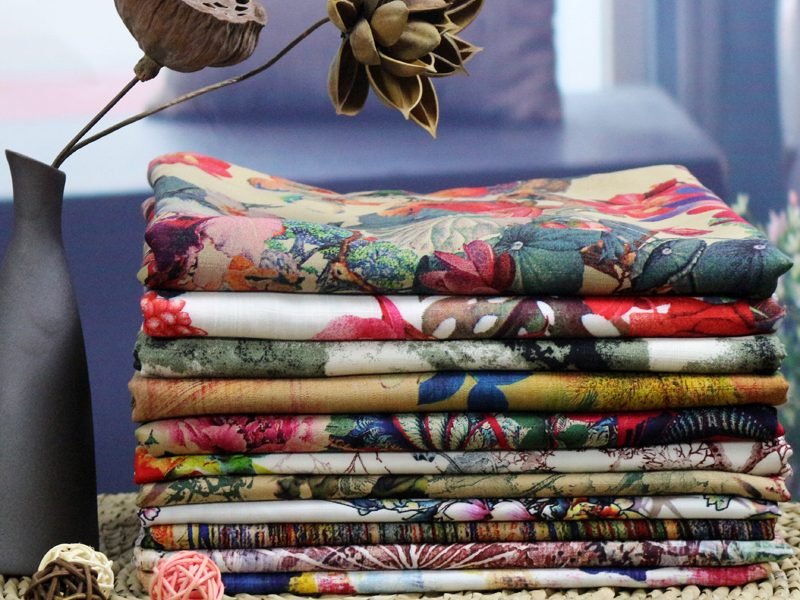
When fashion meets function and sustainability, the future gets a lot greener—and a lot more luxurious. Once dismissed as a coarse fabric best suited for eco-activists and canvas tote bags, hemp is now weaving its way into the collections of luxury fashion houses, led by pioneers like Stella McCartney and Patagonia. With climate-conscious consumers demanding authenticity and low-impact materials, the luxury sector is responding—not with greenwashing, but with true innovation.
Luxury fashion is embracing hemp because it offers the rare mix of sustainability, durability, and versatility needed to meet both environmental and design standards. Hemp requires less water than cotton, regenerates soil, and resists pests naturally—all while offering a breathable, long-lasting textile. Brands like Stella McCartney and Patagonia are using it to make clothing that is not just ethical, but also elegant and high-performance.
And the shift is not just about sustainability. It’s about branding, consumer identity, and making a bold statement. In this article, we’ll dive deep into how top brands are scaling hemp, what materials they’re using, and how smaller labels can follow in their footsteps—without compromising quality or margins.
Let’s begin by understanding what’s really driving the luxury hemp movement.
1. What Is Driving the Rise of Hemp in the Luxury Fashion Industry?
The rise of hemp in luxury fashion is driven by growing consumer demand for sustainability, regulatory support for eco-materials, and major innovations in textile processing that make hemp softer, finer, and more versatile than ever before.
Why Hemp, Why Now?
1.1 Sustainability is No Longer Optional
According to the 2023 McKinsey State of Fashion report, over 67% of Gen Z and Millennial consumers say sustainability influences their buying decisions. Luxury brands are under increasing pressure to align with ESG goals, and hemp provides:
- 75% less water use compared to cotton
- Natural biodegradability (no microplastics)
- No need for chemical pesticides or fertilizers
1.2 Regulatory and Market Push
- The EU’s Green Deal and California’s SB 62 Garment Worker Protection Act are forcing supply chains to clean up.
- Hemp’s carbon-sequestering properties (up to 15 tons CO₂ per hectare) make it attractive for carbon-neutral fashion programs.
1.3 Improved Fabric Technologies
Old concerns about hemp’s stiffness have been addressed through:
- Enzyme-washed finishes that make it feel like linen
- Hemp-modal and hemp-silk blends used for high-end drapes and dresses
1.4 Prestige Through Planet-Positive Sourcing
Consumers now associate natural fibers with authenticity and wellness. Hemp garments, especially when certified organic, appeal to affluent buyers looking to align values with luxury.
2. How Are Stella McCartney and Patagonia Integrating Hemp Into Their Supply Chains?
Stella McCartney and Patagonia are using hemp as a core component of their sustainability strategies by incorporating it into seasonal capsule collections, investing in regenerative farming, and using fabric blends that balance performance with luxury aesthetics.
Inside the Supply Chain Strategies
2.1 Stella McCartney: Sustainability as DNA
- First hemp garment in 2019 as part of a sustainable tailoring collection
- Uses hemp-organic cotton blends for suiting, dresses, and trench coats
- Partners with regenerative agriculture farms in France and India
| Product | Material | Sustainability Note |
|---|---|---|
| Oversized Blazer | 60% hemp, 40% organic cotton | Plastic-free buttons |
| Cargo Pants | 100% hemp | Certified GOTS dyeing |
2.2 Patagonia: Function Meets Eco-Awareness
- Incorporates hemp into workwear, outdoor jackets, and utility trousers
- Uses hemp-recycled polyester blends for durability
- Communicates supply chain transparency via The Footprint Chronicles
| Product | Material Blend | Impact Focus |
|---|---|---|
| Iron Forge Pants | 55% hemp / 45% recycled polyester | Toughness + sustainability |
| All-Wear Shorts | Hemp/cotton | Lightweight and biodegradable |
2.3 Key Common Practices
- Blending for comfort: Hemp with TENCEL™, modal, or silk.
- Supplier relationships: Direct sourcing from farms or trusted weaving mills.
- Marketing focus: Messaging around soil health, water saving, and ethical labor.
In a 2022 Earth Day campaign, Stella McCartney’s hemp trench coat was featured as a flagship item—backed by social media storytelling on farm-to-fabric processes.
3. Which Hemp Fabric Types Are Most Commonly Used in Luxury Apparel?

Luxury brands prefer hemp blends—such as hemp with silk, cotton, or TENCEL™—to balance texture, breathability, and visual appeal. Pure hemp fabrics are also gaining traction for structured pieces like jackets or trousers.
Breakdown of Hemp Fabric Types
3.1 Hemp-Silk Blends
- Offers a luxurious sheen and elegant drape
- Popular for high-end blouses, scarves, and dresses
- Used by niche eco-couture labels for formalwear
3.2 Hemp-Organic Cotton
- Widely used by Stella McCartney and other premium casualwear brands
- Breathable, durable, and soft after washing
- Maintains 100% plant-based composition while improving softness
3.3 Hemp-Lyocell or Hemp-TENCEL™
- Combines hemp’s breathability with TENCEL™’s softness and flow
- Excellent for summer collections and flowy resortwear
- OEKO-TEX® certified mills in Europe and China often supply this blend
3.4 Pure Hemp (Refined Finish)
- Heavier weight; often used for luxury outerwear or tailored garments
- Once considered coarse, now enzyme-treated to match linen-like comfort
- Known for long life cycle and zero shrinkage
| Fabric Type | Use Case | Pros | Common Brands Using |
|---|---|---|---|
| Hemp + Silk | Dresses, scarves | Shiny, elegant, breathable | Niche luxury labels |
| Hemp + Organic Cotton | T-shirts, pants, jackets | Durable, breathable, ethical | Stella McCartney |
| Hemp + TENCEL™ | Blouses, flowy pants | Soft, fluid, compostable | Mara Hoffman |
| 100% Hemp (Washed) | Blazers, workwear | Eco-strong, linen feel, long-lasting | Patagonia, Jungmaven |
4. Is Hemp Truly a Sustainable Alternative to Cotton and Synthetics in High-End Fashion?
Yes, hemp outperforms cotton and synthetic materials in water usage, land efficiency, biodegradability, and overall environmental footprint—making it a superior choice for sustainability-conscious luxury fashion brands.
Sustainability Comparison by the Numbers
4.1 Water Usage and Soil Impact
| Fabric Type | Water Use (per kg fiber) | Pesticide Use | Soil Health Impact |
|---|---|---|---|
| Cotton | \~10,000 L | High | Soil-degrading |
| Polyester | \~75 L + microplastics | None | Polluting |
| Hemp | \~300–500 L | None | Soil-regenerating |
- Hemp requires \~20x less water than cotton and doesn’t degrade soil.
- It naturally aerates soil through deep roots and prevents erosion.
4.2 Carbon Footprint
- Hemp absorbs up to 15 tons of CO₂ per hectare during growth.
- Polyester emits \~9.5 kg of CO₂ per kg produced.
4.3 Biodegradability and End-of-Life
| Material | Biodegradable | Microplastic Pollution | Decomposition Time |
|---|---|---|---|
| Polyester | ❌ No | ✅ Yes | 500+ years |
| Cotton | ✅ Yes | ❌ No | \~6 months |
| Hemp | ✅ Yes | ❌ No | \~3–6 months |
“When I switched to hemp for my capsule outerwear line, we reduced water usage by 84% and had no need for synthetic dye fixers,” said Mila Rey, designer at a New York-based eco-fashion startup.
5. How Can Luxury Brands Manage MOQ and Quality Control When Sourcing Hemp Garments?
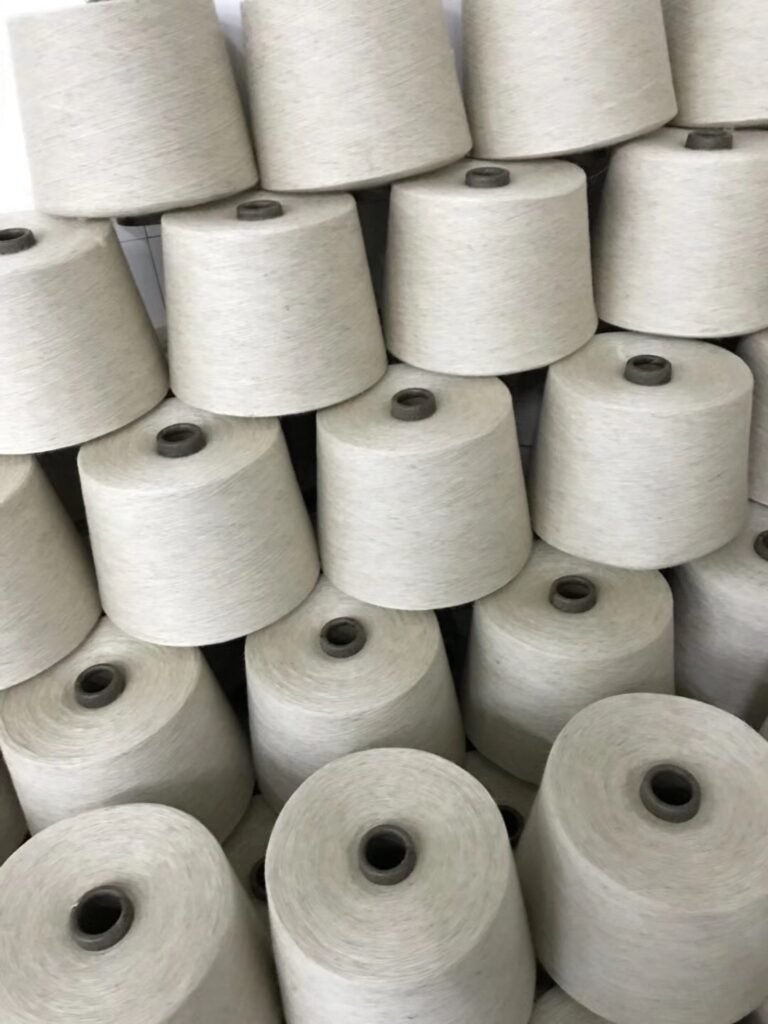
Luxury brands manage MOQ (Minimum Order Quantity) and quality control in hemp garment production by partnering with specialized manufacturers, requesting fabric swatches, investing in pre-production sampling, and using third-party audits to maintain consistency.
Strategic MOQ & QC Management for Hemp Fashion
5.1 Understanding MOQ Structures in Hemp Supply
| Supplier Region | Typical MOQ (Meters) | MOQ for Garments (Units) | Customization Flexibility |
|---|---|---|---|
| China | 500–1000 m | 200–300 pcs | High (colors, blends) |
| India | 300–500 m | 100–200 pcs | Moderate |
| Europe (Italy) | 100–200 m | 50–100 pcs | Very High (niche blends) |
- SzoneierFabrics offers low-MOQ options (as low as 100m) for sampling and prototyping.
- Blends like hemp-modal or hemp-silk often have higher MOQs due to limited weaving facilities.
5.2 Pre-Production Sampling Is Essential
- Request lab-dyed swatches before bulk dyeing.
- Evaluate GSM (grams per square meter) to ensure the right weight for your garments.
- Use shrinkage test reports—hemp can shrink if untreated.
5.3 Quality Control Measures in Hemp Fabrication
| Quality Factor | What to Check | Tool or Method |
|---|---|---|
| Color Consistency | Lab dip vs. bulk fabric | Spectrophotometer scan |
| Surface Uniformity | No lint balls, visible slubs | Visual and tactile inspection |
| Strength & Tear | Warp/weft tensile tests | ISO 13934-1 test method |
| Fabric Behavior | Drape, washability, wrinkling | Wash test + wear simulation |
Use a third-party QA agency such as Intertek or SGS for final inspection before shipment.
6. What Role Do Fabric Innovations Play in Scaling Hemp Garment Production Globally?
Innovations in enzyme processing, fiber blending, and circular manufacturing are critical in making hemp fabrics scalable, soft, and luxurious enough for global fashion brands.
Hemp Fabric Innovations Revolutionizing Luxury Apparel
6.1 Enzyme Finishing Techniques
- Reduces the coarse texture of raw hemp.
- Increases softness and fluidity, making it comparable to linen or rayon.
- Common enzyme sources: cellulase, protease, and laccase.
6.2 Fiber Blending for Targeted Performance
| Blend | Performance Goal | Application Examples |
|---|---|---|
| Hemp + TENCEL™ | Drape + softness | Women’s blouses, luxury tees |
| Hemp + Bamboo | Antimicrobial + absorbent | Yoga wear, activewear |
| Hemp + Recycled Poly | Durability + stretch | Outdoor gear, utility wear |
6.3 Closed-Loop Production Models
- Brands like Patagonia and Outerknown are piloting hemp garments with zero wastewater discharge.
- Dyeing innovation: Use of plant-based natural dyes or low-impact reactive dyes.
In 2023, Stella McCartney announced a trial with a closed-loop hemp mill in Italy where 92% of water is recycled, and hemp stems are fully composted post-spinning.
7. Is the Hemp Boom in Luxury Fashion a Lasting Trend or a Marketing Hype?
The hemp boom in luxury fashion is not just a fleeting trend—it reflects a growing industry-wide shift toward regenerative and circular materials. While early buzz was driven by sustainability marketing, long-term adoption now hinges on fabric innovation, policy incentives, and proven consumer demand.
Signs Hemp Is Here to Stay
7.1 Industry Investment and Policy Momentum
- LVMH announced a €60M sustainability innovation fund, partly directed at natural fiber R\&D—including hemp.
- The EU’s Green Deal 2030 encourages use of renewable plant-based materials, positioning hemp as a priority crop.
- The U.S. Farm Bill legalized industrial hemp in 2018, unlocking research and processing subsidies.
7.2 Consumer Demand and Market Signals
| Indicator | Trend in Hemp Fashion |
|---|---|
| Search Volume (“hemp clothing”) | +240% since 2020 |
| Retail Adoption | On the rise in Nordstrom, Zalando, Net-a-Porter |
| Social Media Hashtags | #hempfashion, #sustainableluxury trending |
7.3 Longevity Depends on Innovation, Not Nostalgia
- Brands like Reformation use hemp not as a rustic throwback, but as a modern fiber that fits elevated design aesthetics.
- Long-term success requires soft-hand finishes, style versatility, and scalable sourcing channels.
8. How Can Small and Medium Fashion Brands Adopt Hemp Garments with Low Risk?

SMEs can reduce risk when entering the hemp garment space by partnering with low-MOQ suppliers, leveraging hybrid fabrics, starting with capsule collections, and educating their customers about hemp’s value.
Strategic Entry into Hemp for Smaller Brands
8.1 Start Small with Capsule Lines
- Focus on 2–3 core SKUs (e.g. hemp tees, lounge pants).
- Test performance and sell-through in 1–2 seasons.
8.2 Use Hybrid Blends to Broaden Appeal
- Hemp + Organic Cotton = soft and familiar feel
- Hemp + Spandex (under 5%) = stretch for comfort
8.3 Choose the Right Supplier
| Factor | What to Look For |
|---|---|
| MOQ Flexibility | Accepts 100–200 pcs or fabric by roll |
| Customization | Offers blend adjustments, dye matching |
| Sampling Speed | Delivers first sample within 7–10 days |
| Communication | English support, responsive updates |
SzoneierFabrics, for example, provides:
- Free sampling
- Low MOQ from just 100m or 50 garments
- Custom logo or dye support
- Global shipping and packaging solutions
8.4 Customer Education: Your Hidden Sales Tool
- Include hangtags or QR codes explaining hemp’s benefits.
- Use storytelling: share how hemp is grown, processed, and better for the planet.
- Feature wear-test reviews to build social proof.
Partner with SzoneierFabrics to Launch Your Hemp Garment Line
As the demand for sustainable materials explodes—especially in premium and ethical fashion—hemp is rapidly becoming a must-have fiber in any future-forward brand’s portfolio. Whether you’re a luxury fashion house scaling collections like Stella McCartney or a small eco-label testing your first capsule, hemp offers environmental credibility, design flexibility, and consumer resonance.
SzoneierFabrics has years of experience helping international buyers design and manufacture custom hemp fabrics and garments. With low MOQ, free design, fast sampling, and short delivery times, we make it easy to bring your sustainable fashion vision to life.
📩 Ready to Source Hemp Garments?
Contact us today to request a quote, sample swatches, or a one-on-one consultation:
- 🌐 Website: https://szoneierfabrics.com
- 📧 Email: Info@szoneierfabrics.com
- 📞 Phone: (+86) 13823134897
Let’s build your next best-selling sustainable product—together.