 Skip to content
What Is Another Name For Hemp Fabric?
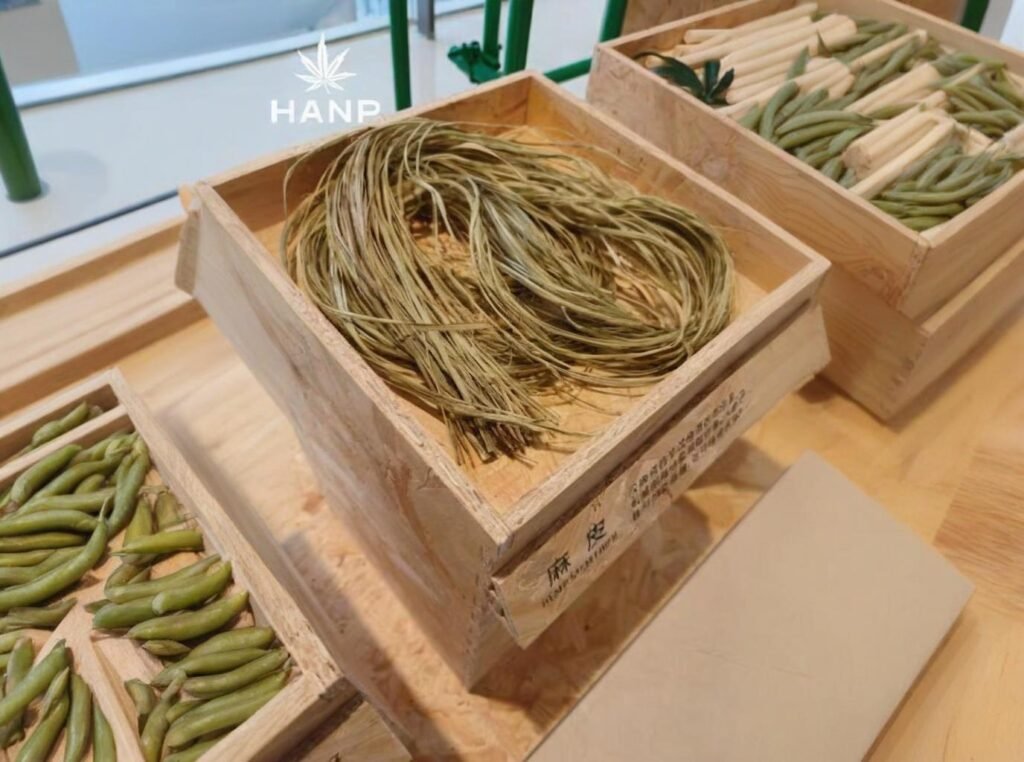
The demand for sustainable textiles is rising fast—and hemp is leading the charge. But for many global fabric buyers, designers, or sourcing agents, finding “hemp” fabric isn’t always straightforward. You might search for hemp canvas, cannabis fiber, or bast cloth—but are these all the same thing?
Yes, hemp fabric is known by various names depending on industry, region, or application—such as cannabis textile, bast fiber fabric, industrial hemp cloth, and linen-like hemp. Understanding these terms is crucial for accurate sourcing, compliance, and branding.
Why does this matter? Because fabric mislabeling or lack of naming clarity can cause:
- Customs clearance issues
- Certification rejections (GOTS, OCS)
- B2B miscommunication
- Lost time and sourcing errors
In this article, we’ll clarify every major name for hemp fabric, explain how it’s listed in global textile markets, and help B2B buyers like you avoid confusion when sourcing or exporting.
Let’s start with the basics: what defines hemp fabric, and how it’s categorized in the textile supply chain.
1. What Is Hemp Fabric and How Is It Classified in the Textile Industry?
Hemp fabric is a woven or knitted textile made from the bast fibers of the stalk of the Cannabis sativa plant. It is categorized within the textile industry as a natural cellulose fiber, similar to flax (linen) or ramie. It’s valued for its durability, moisture-wicking properties, and eco-friendliness.
Hemp fabric is a natural bast fiber textile, classified under “cellulose plant fibers” alongside linen and jute. It is extracted from Cannabis sativa stalks and woven into sustainable fabric.
Where Hemp Fabric Sits in the Textile Ecosystem
a. Textile Fiber Classification Table
| Fiber Type | Origin | Common Examples | Classification Group |
|---|---|---|---|
| Natural Cellulose | Plant-based | Cotton, Hemp, Linen, Ramie | Bast or seed fibers |
| Protein Fibers | Animal-based | Silk, Wool, Alpaca | Animal-origin textiles |
| Regenerated Cellulose | Processed plant | Viscose, Modal, Tencel | Semi-synthetic |
| Synthetic Fibers | Petroleum-based | Polyester, Nylon | Man-made synthetic |
b. Why Hemp is Categorized as a Bast Fiber
- Hemp fibers come from the inner bark (phloem) of the stalk
- Like flax (linen), it requires retting, decortication, and scutching
- It is not spun from seed (like cotton), nor extruded (like viscose)
c. Industry Use Terms
- “Bast fiber fabric” (textile trade catalogs)
- “Industrial hemp cloth” (agriculture-linked manufacturing)
- “Cannabis bast textile” (used in patent filings and EU reports)
A European buyer searching for GOTS-certified “hemp linen” in B2B marketplaces often needed to filter by “bast fiber canvas” to find reliable results.
2. Are There Other Commercial or Scientific Names Used for Hemp Fabric Globally?
Yes. Hemp fabric can appear in textile catalogs, trade documents, or product descriptions under alternate commercial, botanical, and regulatory names. These include “cannabis textile,” “bast cloth,” “hemp canvas,” “industrial hemp fabric,” and more.
Hemp fabric is also known by names such as cannabis textile, bast cloth, industrial hemp fabric, and hemp canvas—depending on the context, region, and end use.
Alternate Names for Hemp Fabric
a. Commercially Used Names
| Term | Where Used | Notes |
|---|---|---|
| Hemp Canvas | USA, EU e-commerce & fashion | Durable hemp used in bags, tents, jackets |
| Bast Fiber Fabric | Textile sourcing platforms | Covers flax, jute, ramie, and hemp |
| Cannabis Textile | Medical hemp and EU-based labels | Often used in regulatory or eco-documents |
| Hemp Twill | Fashion and denim markets | Refers to the weave, not the fiber type |
| Industrial Hemp Cloth | Agriculture-to-textile sectors | Refers to non-psychoactive fiber crops |
b. Scientific/Regulatory Names
| Source | Label Example |
|---|---|
| HS Code (Harmonized) | “5302.10 – True Hemp (raw or processed)” |
| EU Customs Databases | “Cannabis sativa bast fiber textile” |
| ISO/TC 38 Nomenclature | “Natural bast fiber textile: hemp” |
c. Example: China Export Labeling
A Chinese factory exporting to Europe may list hemp fabric as:
- English: “Industrial Hemp Woven Fabric”
- HS Code: 5302.10
- Chinese: “工业用大麻布” Failure to match this nomenclature can result in customs delay or inspection failure.
d. Why Brands Should Know These Names
- Helps in import/export documentation
- Prevents retail mislabeling or greenwashing accusations
- Assists in selecting proper GOTS or OEKO-TEX certification scope
3. How Does the Term “Cannabis Textile” Relate to Hemp Fabric?
The term “cannabis textile” is a broader, more scientific or legal classification used in regulatory, academic, or governmental contexts to refer to any textile made from the Cannabis sativa plant. In commercial practice, “cannabis textile” is almost always synonymous with hemp fabric, but it is typically used in policy documents, research papers, or trade regulations rather than consumer-facing product labels.
“Cannabis textile” is a formal or regulatory term used to describe fabric made from Cannabis sativa stalk fibers—essentially hemp fabric. It appears in trade compliance, patents, and sustainable material indexes.
Cannabis Textile vs. Hemp Fabric—What’s the Difference?
a. Linguistic and Legal Origins
| Term | Use Context | Notes |
|---|---|---|
| Hemp Fabric | Commercial, consumer brands | Widely accepted, used in labeling and retail |
| Cannabis Textile | Scientific, policy, regulatory | Includes both fiber and potential pharma uses |
| Industrial Hemp | Agriculture and UN treaties | Distinguishes non-drug use of Cannabis sativa |
b. Where You’ll See “Cannabis Textile” Used
- EU eco-certification documents
- ISO and ASTM standards for bast fibers
- WIPO patent filings
- UN FAO reports on sustainable textiles
- Import/export compliance systems (especially in countries regulating cannabis-related items)
c. Common Misunderstanding
Because “cannabis” is associated with psychoactive properties, many buyers wrongly assume cannabis textiles = marijuana-derived. In fact:
- Hemp = cannabis sativa with <0.3% THC
- No psychoactive use or contamination risk in textile-grade hemp
- The term simply reflects the botanical family
Real Scenario: A German fashion buyer received customs delay because the supplier labeled the shipment “Cannabis Fiber Fabric” without clarifying it was industrial hemp. After changing to “Hemp Bast Textile,” the issue was resolved.
d. Pro Tip for B2B Buyers
If your documentation or platform uses the word “cannabis,” always include:
- “Industrial use only”
- “Hemp bast fiber”
- Correct HS code (5302.10) To prevent clearance delays or supplier misinterpretation.
4. What Are Regional Names or Cultural Terms for Hemp Fabric Across Countries?
Throughout history, hemp has been used across cultures, each with its own name for the fabric. These terms reflect local traditions, language evolution, and textile customs. For B2B buyers sourcing internationally, recognizing these terms can help uncover hidden hemp suppliers or artisan producers—especially in rural or non-English-speaking regions.
Hemp fabric is known by different names across the world—like ‘Kenaf’ in parts of Africa, ‘Cannabis Cloth’ in the EU, ‘麻布 (mábù)’ in China, and ‘Bhangar’ in India. These regional terms can reveal heritage fabric practices and niche sourcing opportunities.
Global Naming Map for Hemp Textiles
a. Regional Hemp Fabric Terms
| Country/Region | Term Used | Translation / Meaning |
|---|---|---|
| China | 麻布 (má bù) | Hemp cloth / linen-like bast fabric |
| India (North) | Bhangar / Sunn | Coarse hemp or jute blend fabric |
| Japan | Asa (麻) | Traditional hemp or ramie used in kimonos |
| Eastern Europe | Konoplja | Slavic root for hemp-based fabrics |
| Turkey | Kenevir Kumaşı | Industrial hemp fabric |
| France/Italy | Tissu de chanvre | Woven hemp cloth |
| Sub-Saharan Africa | Kenaf / Ambary | Often used interchangeably with jute/hemp |
| South America | Cáñamo Textil | Industrial hemp fabric |
b. Why Regional Names Matter
- China: “麻布” is commonly used in small mill listings on Alibaba, 1688, and Baidu—knowing this can help expand sourcing
- India: “Sunn cloth” may appear on invoices or mill labels in artisan cooperatives
- Japan: “Asa” textiles are highly valued in cultural clothing (summer wear, Yukata), and sometimes mislabeled as ramie
c. Buyer Insight: A U.S. Home Goods Brand
While sourcing rustic hemp curtains from India, a U.S. buyer couldn’t find “hemp canvas” in catalogs. After asking for “bhangar cloth,” local exporters opened up stock lists of natural dyed hemp-cotton blends.
Cultural fluency in naming reveals hidden fabric gems.
5. Is Hemp Fabric Ever Labeled Under Eco or Trade Names in Fashion Markets?
Yes. In the fashion industry, hemp fabric is sometimes marketed under branded trade names, eco-friendly line labels, or proprietary fabric collections—especially when it’s blended, finished, or part of a broader sustainable materials portfolio. These names are often used to make hemp fabrics sound more appealing, softer, or premium for high-end buyers.
Hemp fabric is sometimes marketed under trade names like Hempcel™, Hempy™, or as part of eco-labels like EcoBlend™, Organic Touch™, or NatureTex™—especially in blended or branded textile programs.
Marketing and Trade Label Variants of Hemp
a. Popular Trade Names in Fashion Industry
| Trade Name | Base Composition | Used By | Notes |
|---|---|---|---|
| Hempcel™ | Hemp + Lyocell | Private mills (Asia, EU) | Branded as soft-touch hemp blend |
| Hempy™ | 100% Hemp or blended | U.S. surf & outdoor brands | Targets lifestyle apparel |
| EcoBlend™ | Hemp + Organic Cotton + Recycled PET | Retailers & private label OEMs | Broad eco-textile label, hemp optional |
| NatureTex™ | Hemp-rich eco-fabrics | Indian artisan exporters | Often includes naturally dyed handloom hemp |
b. Labeling Practices on B2C Products
- T-shirts may say: “Organic Eco Blend – 55% hemp / 45% organic cotton”
- Bags may state: “Sustainable hemp canvas – Eco processed”
- Curtains: “Natural linen-look hemp weave” (even if not linen)
c. Certification Tie-ins
Eco-labeling often includes or is paired with:
- GOTS (if ≥70% certified organic fiber)
- OCS 100/Blended (for verified organic origin)
- GRS (if recycled fibers involved)
- OEKO-TEX (if chemical and allergen safe)
d. Marketing Motivation
- “Hemp” alone can sound harsh or unfamiliar
- Trade names create emotional value (comfort, softness, modernity)
- Brands want hemp’s eco-credibility without scaring off comfort-seeking buyers
A premium Japanese menswear brand sells shirts labeled as “Asakaze™ Eco Fabric,” which turns out to be a blend of 60% hemp and 40% Tencel. The hemp is enzyme-softened and pre-shrunk, making it smooth and breathable like high-end cotton.
6. Which Fabric Names Are Often Confused with Hemp but Are Not the Same?
Several other plant-based fabrics resemble hemp in texture or naming, but are not hemp—including ramie, linen (flax), jute, and kenaf. These bast fibers come from different plants with different properties, and confusion can lead to sourcing mistakes, mislabeling, and quality issues.
Fabrics like linen, ramie, jute, and kenaf are often confused with hemp because of similar texture or fiber structure, but they are botanically and technically distinct.
Hemp vs. Other Bast Fibers
a. Bast Fiber Comparison Table
| Fabric Name | Botanical Source | Key Difference from Hemp | Common Confusion Reason |
|---|---|---|---|
| Linen | Flax plant | Softer, shorter fibers, more refined | Both are bast fibers and “natural” |
| Ramie | Boehmeria nivea | Has a silkier finish, more brittle when dry | Sometimes called “China hemp” |
| Jute | Corchorus olitorius | Much coarser, low durability for apparel | Used in coarse bags like hemp |
| Kenaf | Hibiscus cannabinus | Similar in cultivation, less tensile strength | Used in paper & bio-composites |
b. Naming Overlaps That Cause Problems
- Ramie is often called “Chinese Grass Cloth” or “China Hemp”
- Linen is marketed as “hemp-like” for sustainability halo
- Some jute fabrics are incorrectly sold as “hemp burlap” on marketplaces
- “Bast fabric” could include hemp, flax, jute, or even banana fiber
c. Case Study: Confusion in a Textile Trade Show
At a European textile fair, a Brazilian buyer ordered “100% bast fiber canvas” from a Southeast Asian mill. On delivery, it turned out to be jute-linen blend instead of hemp. This:
- Triggered a retail product recall
- Caused misrepresentation in their GOTS audit
- Cost over €15,000 in repackaging and legal disclaimers
Always request fiber lab reports or conduct burn/fiber tests when hemp is not clearly labeled.
d. How to Prevent Mistakes
- Ask for full fiber composition by % (e.g. “55% hemp / 45% cotton”)
- Request yarn origin and HS codes (hemp = 5302.10)
- Use third-party testing (e.g. SGS, Intertek) for large orders
- Avoid vague terms like “natural fiber blend” in contracts
7. How Do Customs Declarations and HS Codes Refer to Hemp Textiles?
In global trade and customs systems, hemp fabric is categorized under the Harmonized System (HS) code “5302”, which refers to bast fibers like true hemp and flax. This classification helps customs agencies identify the material’s legal status, origin, and duties.
Hemp fabric is officially classified under HS code 5302.10, which identifies true hemp fibers—raw, processed, or woven—used in textiles.
Hemp in the Harmonized System
a. Official HS Code Classification
| HS Code | Description | Applies To |
|---|---|---|
| 5302.10 | “True hemp (Cannabis sativa) – raw or retted” | Raw fiber |
| 5302.90 | “True hemp – other (processed, combed, etc.)” | Carded, combed fiber |
| 5308.10 | “Yarn of true hemp” | Spun yarn |
| 5309.11 | “Woven fabrics of true hemp, unbleached or bleached” | Plain-woven textiles |
| 5309.19 | “Woven fabrics of true hemp, dyed/printed” | Fashion/apparel-grade hemp fabric |
b. Import/Export Documentation Tips
- Always declare “True hemp textile – for apparel/home textile use”
- Include scientific name (Cannabis sativa L.) in documents when required
- Clearly label as “non-psychoactive industrial hemp” to avoid legal complications in strict jurisdictions
- Match with GOTS or OCS batch numbers if shipping organic-certified fabric
c. Customs Risk Zones
- US, Canada, Australia: Fine as long as THC < 0.3% and labeled “industrial hemp”
- Middle East: May delay shipments due to cannabis-related scrutiny
- EU: Usually efficient, especially if part of eco-certified trade programs
d. Practical Advice from SzoneierFabrics
Our exports include:
- HS label: “Woven fabric of Cannabis sativa fiber (true hemp)”
- Internal code: “SZ-HMP-FABRIC-C”
- We include COA (certificate of analysis for THC-free), fiber origin report, and GOTS/OCS tracking where needed
Mislabeling hemp fabric—even by omission—can cause costly customs delays.
8. How Can B2B Buyers Ensure Clarity When Sourcing Hemp Fabric Under Different Names?
Clarity is everything in sourcing. The global naming confusion surrounding hemp can lead to mislabeled shipments, unintentional greenwashing, and production mismatches. Whether sourcing online or through trade shows, buyers must adopt a standardized approach to specifying and validating hemp fabrics.
B2B buyers can ensure clarity by using standardized terminology, requesting certifications, verifying fiber content, and aligning all parties on HS codes and trade names from inquiry to invoice.
Clarity Checklist for Sourcing Hemp Fabric
a. Standard Sourcing Language Template
When requesting a quote, say:
“We are looking for woven hemp fabric (100% hemp or 55/45 hemp/cotton), weight 180–220 GSM, with pre-shrinking and GOTS certification. Please confirm if this is Cannabis sativa fiber (non-psychoactive, industrial grade) and list the HS code used in customs documents.”
b. Documents to Request from Suppliers
| Document Type | Why It Matters |
|---|---|
| Fiber Content Report | Verifies % of hemp in the blend |
| GOTS/OCS Certificate | Proves organic or sustainable chain of custody |
| COA (Certificate of Analysis) | Needed for hemp legality in some jurisdictions |
| Mill Specs Sheet | Details weave type, GSM, width, dyeability |
| Customs Harmonization Sheet | Ensures you’re using the correct HS code |
c. What to Avoid
- Generic terms like “natural canvas”
- Unverifiable blends like “eco fabric” or “bast mix”
- Suppliers who can’t provide documentation beyond photos
- Any product labeled “hemp” but priced suspiciously low—may be jute
d. Red Flags for Mislabeled Hemp
| Red Flag | Potential Issue |
|---|---|
| No HS code on commercial invoice | May cause customs rejection |
| No COA or lab testing available | Risk of hemp-marijuana confusion |
| “China hemp” labeled as “ramie” | May not be true hemp |
| Label says “linen-like” but no fiber info | Could be polyester-linen imitation |
Know the Names, Master the Source
In a world where sustainability matters, hemp fabric is an essential textile—but knowing what it’s called is just as critical as knowing where to find it. From cannabis textile to bhangar, hempcel™ to 麻布, buyers must cut through the naming noise to source effectively.
Want to avoid sourcing mistakes and access low-MOQ, high-quality hemp fabric?SzoneierFabrics is ready to help. We offer:
- Certified hemp textiles (GOTS/OCS/GRS)
- Custom blends with cotton, tencel, or viscose
- Fast sampling & shipping with accurate labeling
- Support for international compliance & customs
Get your free sample or request a quote now—and bring clarity to your eco-sourcing journey.


Can't find the answers?
No worries, please contact us and we will answer all the questions you have during the whole process of bag customization.
Make A Sample First?
If you have your own artwork, logo design files, or just an idea,please provide details about your project requirements, including preferred fabric, color, and customization options,we’re excited to assist you in bringing your bespoke bag designs to life through our sample production process.