 Skip to content
Who Is The Largest Exporter Of Silk In The World?
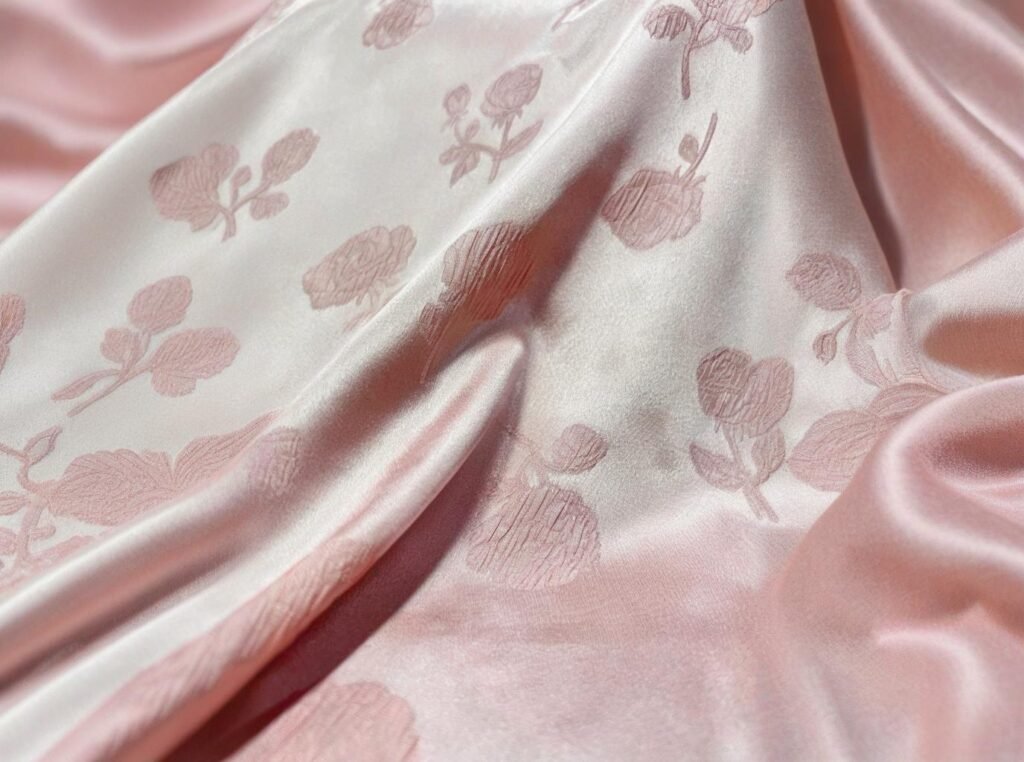
Silk has long been synonymous with elegance, status, and craftsmanship. Yet, beyond its romantic legacy lies a fierce global industry where countries compete not just in quality, but in scale, sustainability, and supply chain dominance. For buyers and brands seeking the finest fabrics or the most reliable suppliers, understanding who controls the global silk export market is no longer optional—it’s a sourcing necessity.
China is the largest exporter of silk in the world, leading in both raw silk and finished silk fabric exports by volume and value. It accounts for more than 70% of global silk production and exports to over 120 countries annually. However, India, Italy, and Vietnam also play key roles in specific silk segments—such as artisanal handlooms, luxury finishing, and sustainable alternatives.
This article doesn’t just list trade stats. It dives into how each country got to where it is, what types of silk they specialize in, and how buyers can strategically choose their sourcing partners based on performance, product, and reliability. If you’ve ever wondered whether to buy mulberry silk from Hangzhou or handwoven Eri silk from Assam, this guide is your starting point.
1. What Criteria Define the “Largest” Silk Exporter Globally?
The largest silk exporter in the world is defined by a combination of factors, not just raw output. These include export volume (in metric tons), export value (USD), the range of silk types exported, and global market share across both raw and finished categories.
What “Largest” Really Means in Silk Exports
Key Evaluation Metrics
| Metric | Explanation | Why It Matters |
|---|---|---|
| Export Volume (MT) | Amount of raw/fabric silk exported annually | Shows manufacturing and reeling capacity |
| Export Value (USD) | Total revenue from silk exports | Reflects pricing power and value-added production |
| Product Diversification | Types of silk exported (raw, yarn, fabric, apparel) | Indicates industry maturity |
| Destination Markets | Number and quality of countries served | Affects logistics, reliability, and trade balance |
| Certifications & Standards | OEKO-TEX, ISO, GOTS, Silk Mark | Builds buyer confidence and brand trust |
Trade Classification Note:
Most international trade databases use HS Codes 5002–5007 for tracking silk exports:
- 5002: Raw silk (not thrown)
- 5007: Woven fabrics of silk/silk waste
- Finished garments may fall under broader textile codes (HS 62, 63)
Example:
A country might export a high volume of raw silk but minimal finished fabric. Another might specialize in luxury printed silk with a high per-meter value. The “largest” exporter by volume may not always be the leader in value-added exports—which is often more important to fashion brands and retailers.
2. Which Country Currently Leads in Silk Export Volume and Value?
As of 2025, China remains the undisputed leader in both silk export volume and value, dominating the global trade in raw silk, mulberry silk yarn, and woven fabric. According to UN Comtrade and WTO data, China accounts for approximately 72% of the world’s raw silk exports and over 55% of finished silk fabric exports.
China’s Silk Export Performance
Global Silk Export Rankings (2024 Data)
| Rank | Country | Export Volume (Metric Tons) | Export Value (USD) | Primary Export Products |
|---|---|---|---|---|
| 1 | China | \~85,000 | \$2.3 billion | Raw silk, mulberry fabric, printed scarves |
| 2 | India | \~34,000 | \$750 million | Tussar, Eri, silk yarn, handlooms |
| 3 | Italy | \~7,000 | \$1.2 billion | Luxury printed fabric, silk apparel |
| 4 | Vietnam | \~5,500 | \$380 million | Mulberry raw silk, plain weave fabric |
| 5 | Uzbekistan | \~3,000 | \$210 million | Raw silk, blended silk yarn |
Source: ITC Trademap, UN Comtrade, China Customs, Indian Ministry of Textiles
China’s Silk Export Highlights:
- Raw Silk: Hangzhou, Suzhou, and Guangxi dominate in reeling and yarn production.
- Finished Goods: Zhejiang and Jiangsu provinces lead in digital printing and apparel weaving.
- Export Markets: Major buyers include Italy, France, South Korea, Japan, UAE, and the U.S.
Case in Point:
A California-based luxury bedding startup began sourcing 22 momme mulberry silk charmeuse from a certified Chinese mill in Jiaxing. With full OEKO-TEX documentation and 14-day delivery, they scaled from 300 to 2,500 units/month within six months. The low MOQ and fast sampling allowed them to test styles quickly without overstocking.
Considerations for Buyers:
- China offers unmatched scale, price range, and OEM/ODM support.
- Short lead times, fabric consistency, and printability make Chinese silk ideal for fashion labels, home brands, and custom accessory sellers.
3. How Does China Dominate the Global Silk Export Market?
China dominates the global silk export market through a combination of historical leadership, industrial infrastructure, scale, and innovation. It has built a vertically integrated silk ecosystem—from mulberry cultivation to digital printing—which enables mass production and customization at competitive prices.
The Pillars of China’s Silk Export Dominance
Key Factors Behind China’s Market Leadership
| Factor | Strategic Advantage |
|---|---|
| Raw Material Supply | Largest mulberry plantation area in the world (Zhejiang, Sichuan, Guangxi) |
| Reeling and Weaving Tech | Advanced automatic reeling and power looms for consistent quality |
| Vertical Integration | In-house dyeing, printing, coating, and finishing |
| Labor and Logistics | Skilled labor + proximity to ports (Ningbo, Shanghai) |
| Digital Textile Capability | World-class digital printing hubs (e.g., Shaoxing) |
| Trade Relationships | Strong trade with Italy, South Korea, UAE, Japan, EU |
China’s Silk Infrastructure in Action:
- Hangzhou & Suzhou: Centers for high-grade mulberry silk weaving and digital dye-sublimation
- Shaoxing: Known for reactive and pigment printing (especially for scarves, pajamas)
- Guangxi & Yunnan: Emerging as sustainable raw silk reeling zones with organic certifications
Real-World Example:
A French boutique brand partnered with a Chinese factory in Suzhou to produce a line of botanical-printed mulberry silk blouses. The factory provided in-house design conversion to reactive printing, color lab dips, and full OEKO-TEX documentation—all under 20 days. This end-to-end efficiency is why China remains unbeatable for scalable custom silk production.
Critical Perspective:
- While China leads in cost and capacity, perceptions of luxury may still favor Italian or Indian silk in certain markets.
- Buyers must evaluate suppliers individually—as quality and ethical compliance can vary between manufacturers.
4. What Are the Main Types of Silk Exported by Leading Countries?
The main types of silk exported globally include mulberry silk, tussar silk, eri silk, and muga silk—each linked to specific regions and exporters. China primarily exports mulberry silk, while India is known for wild silks, and Italy exports luxury-finished silk fabrics made from imported raw material.
Silk Type Distribution by Country
Global Export Specialization by Silk Type
| Silk Type | Primary Exporting Countries | Product Formats Exported |
|---|---|---|
| Mulberry | China, Vietnam, Uzbekistan | Raw silk, yarn, woven fabric, scarves |
| Tussar | India | Yarn, handloom fabric, saris, stoles |
| Eri (Peace) | India | Fabric, yarn, shawls, hand-spun products |
| Muga | India (Assam only) | Woven fabric, heirloom pieces, ceremonial use |
| Luxury Silk | Italy (made from imported raw silk) | Printed fabric, fashion apparel, accessories |
Silk by Format (Raw vs Finished)
| Format | Countries Leading in Export |
|---|---|
| Raw Silk (Unthrown) | China, Vietnam, Uzbekistan |
| Spun Yarn | India, China, Thailand |
| Woven Fabric | China, Italy, India |
| Apparel/Scarves | Italy, China, India |
Example – Tussar Silk from India:
- Hand-spun and handwoven by tribal cooperatives
- High-value for eco-conscious and artisan collections
- Exported mainly to Europe, Japan, and Southeast Asia for designer use
Example – Italian Finished Silk:
- Imported raw silk (often from China or Brazil)
- Dyed, printed, and finished in Como, Italy
- Branded as luxury silk for couture and fashion weeks
Sourcing Insight for B2B Buyers:
- Mulberry silk from China is ideal for large-scale, consistent production
- Tussar or Eri silk from India suits small-batch, story-rich collections
- Printed silk from Italy appeals to high-end fashion brands needing artistic exclusivity
5. How Do India, Vietnam, and Italy Compare in Silk Export Rankings?
India, Vietnam, and Italy all play crucial but distinctly different roles in the global silk trade. India is the second-largest silk producer globally and dominates in wild silks like Tussar, Eri, and Muga. Vietnam exports high-quality mulberry silk, especially to East Asia, while Italy focuses on luxury finishing, importing raw silk and exporting high-value fabric and apparel.
Country-by-Country Silk Export Comparison
Silk Export Overview (2024 Data)
| Country | Export Rank | Key Silk Types Exported | Export Value (USD) | Export Strength |
|---|---|---|---|---|
| India | #2 | Tussar, Eri, Muga, Mulberry | \~\$750 million | Handloom, organic silk, wild silks |
| Vietnam | #4 | Mulberry | \~\$380 million | High-quality raw silk for East Asian markets |
| Italy | #3 | Printed & woven silk (imported base) | \~\$1.2 billion | Luxury fashion fabric & accessories |
Country Highlights:
India
- Produces all 4 major silk types (only country that does)
- Strong in GOTS-certified Eri silk and handwoven Tussar
- Key export items: scarves, stoles, shawls, saris
- Target markets: Germany, UK, France, UAE, USA
Vietnam
- Exports mainly raw mulberry silk from Bao Loc region
- Known for fine quality filament yarn and woven fabric
- Less value-added product; mostly OEM to China and Japan
Italy
- No native silk farming today—imports raw silk from China
- Adds value via finishing, digital print, and tailoring
- Markets to luxury fashion brands across Europe and North America
Real-World Case:
A New York menswear label sourced digitally printed silk twill from Italy for its necktie line while using Indian Eri silk for its ethical accessory range. The price per meter varied drastically—\$55/m from Como vs \$18/m from India—but both appealed to different consumer sentiments.
Strategic Insight:
- Choose India for ethical sourcing and artisan appeal.
- Use Vietnam for high-quality raw silk integration at better prices than China.
- Go to Italy when your buyers expect luxury branding and designer cachet.
6. What Are the Key Markets for Global Silk Exports?
The largest global markets for silk exports are the United States, Italy, Germany, Japan, France, and the United Arab Emirates, with growing demand also seen in Australia, South Korea, and Southeast Asia. These markets differ in product focus—ranging from raw silk for industrial weaving to finished accessories for luxury fashion.
Silk Demand by Region and Product Type
Top Importers of Silk by Value (2024)
| Country | Estimated Import Value (USD) | Primary Silk Products Imported |
|---|---|---|
| United States | \$530 million | Scarves, bedding, garments (finished goods) |
| Italy | \$500 million | Raw silk, yarn for luxury fabric finishing |
| Germany | \$420 million | Tussar & Eri fabric, scarves, home décor |
| Japan | \$350 million | Raw silk, woven fabric, high-grade apparel |
| UAE | \$240 million | Luxury garments, hijabs, bridal silk |
| France | \$220 million | Couture fabrics, accessories |
Market Breakdown by Silk Type & Use
| Region | Silk Type Demand | Typical Use Case |
|---|---|---|
| North America | Mulberry, Eri | Sleepwear, accessories, scarves, bedding |
| Europe | Tussar, Mulberry, Muga | Fashion, cultural garments, couture |
| East Asia | Mulberry (raw & fabric) | OEM apparel, traditional clothing |
| Middle East | Muga, printed mulberry | Formalwear, hijabs, gift textiles |
Buyer Behavior Trends:
- U.S. brands favor OEKO-TEX certified mulberry silk for bedding and wellness-focused fashion.
- Japanese buyers prioritize filament grade and consistency, often sourcing raw silk from Vietnam and China.
- European luxury houses seek artisanal blends and printed silk from Italy or India for high-end garments.
Example:
An Australian wellness retailer sourced GOTS-certified Eri silk eye masks from India. The ethical sourcing story, paired with product texture and softness, helped the item go viral on TikTok and became a bestseller in under 60 days.
Sourcing Strategy for Sellers:
- Target Europe and North America with certified, ethical, or personalized silk solutions
- Consider custom dyeing or digital printing for UAE, where color and pattern customization is in high demand
- Align with local calendars—bridal season, Ramadan, Lunar New Year—to plan export cycles
7. How Have Trade Policies and Sustainability Affected Silk Exports?
Global silk exports are increasingly shaped by trade regulations, environmental standards, and ethical sourcing demands. While traditional supply chains prioritized cost and speed, modern buyers now weigh carbon footprint, labor ethics, and compliance certifications in their procurement decisions.
Regulatory & ESG Forces Reshaping Silk Trade
Key Trade & Sustainability Trends Impacting Silk
| Factor | Impact on Exporters & Buyers |
|---|---|
| Free Trade Agreements | Reduce tariffs for partner countries (e.g., RCEP, EU-Vietnam FTA) |
| Sustainability Mandates | Increase demand for OEKO-TEX, GOTS, ISO-certified suppliers |
| Import Restrictions | Certain countries restrict products using forced labor |
| Green Consumerism | Buyers demand peace silk, organic dyeing, low-waste practices |
| Circular Fashion Movement | Drives interest in biodegradable and slow-fashion silk |
Country-Specific Examples:
China:
- Many mills now offer OEKO-TEX Standard 100 certified silk.
- Some producers investing in closed-loop dyeing systems and solar-powered facilities.
India:
- Home to GOTS-certified Eri and Tussar cooperatives.
- Government-backed schemes like Silk Samagra 2.0 support sustainable sericulture.
Italy:
- Complies with EU REACH regulations on chemical use in printing/finishing.
- Como-based mills emphasize low-energy looms and artisan-scale production.
Example:
A U.S. retailer faced customs delays due to lack of OEKO-TEX documentation on silk sleepwear imported from an uncertified supplier. After switching to a certified Chinese partner, they reduced customs inspections and gained shelf space in eco-conscious boutiques.
Buyer Takeaway:
- Always ask for certification PDFs—not just claims.
- Consider long-term sourcing partners who can adapt to ESG-driven procurement.
- Export-friendly suppliers (like SzoneierFabrics) can help you comply and compete in regulated markets.
8. How Can B2B Buyers Choose Reliable Silk Exporters for Custom Orders?
To choose the right silk exporter, B2B buyers must evaluate product quality, customization capabilities, documentation reliability, production capacity, and communication transparency. Choosing based on price alone often leads to issues in color matching, shrinkage, delays, or even fraud.
Sourcing Strategy for Modern Silk Buyers
Silk Exporter Selection Checklist
| Evaluation Area | What to Look For |
|---|---|
| Product Specialization | Type of silk (e.g., mulberry, eri), GSM, weave expertise |
| Quality Control | In-house lab tests, swatch consistency, AQL standards |
| Certifications | OEKO-TEX, GOTS, ISO, Silk Mark India |
| Sampling Process | Free or low-cost, fast turnaround, accurate proofing |
| MOQ Flexibility | Low minimums to support small brands or test orders |
| Customization Capability | Dyeing, digital printing, weaving specs |
| Logistics & Compliance | Export license, HS codes, trade references |
| Communication & Service | Fast response, detailed BOMs, English-speaking staff |
Exporter Red Flags:
- No photos/videos of facilities or product during sampling
- Certificates with expired issue dates or unverifiable logos
- Hesitation in providing third-party inspection reports
- Quoting only FOB price with no clarity on lead times or QC
Buyer Persona Matching:
| Buyer Type | Ideal Exporter Match |
|---|---|
| Fashion brand (DTC) | Supplier with low MOQ, design team, printing |
| Corporate gifting company | Supplier with pre-made SKUs + fast customization |
| Ethical/sustainable brand | GOTS/Eri-certified artisan supplier (e.g., India) |
| Retail chain or wholesaler | China-based large-scale OEM with OEKO-TEX approval |
Case Study:
An Australian online bedding brand worked with a Chinese OEKO-TEX certified silk mill offering:
- MOQ of 100 meters
- Reactive print services
- Free sampling within 5 days As a result, they expanded their SKUs from 4 to 16 within two quarters and gained a 20% boost in average order value due to improved fabric feel and sustainability labeling.
The Future of Silk Exporting Is Certified, Customized, and Cross-Border
So, who is the largest exporter of silk in the world? The answer is still China—but the best exporter for your business depends on your goals. Whether you’re seeking cost-effective OEM production, artisan-crafted ethical fabric, or luxury-printed silks, there’s a sourcing path tailored to your brand.
- China dominates in volume, price, and technology.
- India offers diversity, ethics, and heritage-driven silk types.
- Italy leads in high-fashion finishing and luxury silk branding.
- Vietnam and Uzbekistan are rising stars offering quality with agility.
Smart B2B sourcing means looking beyond export rankings and into the values and services behind each meter of silk.
Partner with SzoneierFabrics — Your Global Silk Sourcing Ally
At SzoneierFabrics, we specialize in OEM/ODM silk customization with a focus on global B2B buyers. From OEKO-TEX certified mulberry silk to low-MOQ custom printing, we help fashion brands, interior designers, and wholesalers build standout silk products.
✅ 18+ years of manufacturing experience ✅ Free design + sampling ✅ MOQ starts at just 50 meters ✅ Fast lead time: 7–15 days ✅ Certified fabrics (OEKO-TEX, ISO optional) ✅ Export-ready documentation & shipping coordination


Can't find the answers?
No worries, please contact us and we will answer all the questions you have during the whole process of bag customization.
Make A Sample First?
If you have your own artwork, logo design files, or just an idea,please provide details about your project requirements, including preferred fabric, color, and customization options,we’re excited to assist you in bringing your bespoke bag designs to life through our sample production process.