Skip to content
Cotton bags and canvas bags are often placed in the same product category, but they are not the same in real manufacturing. Many buyers ask for a “cotton bag” when they actually need a thicker canvas grocery tote. Others ask for a “canvas bag” when a lighter plain cotton bag would be more cost-effective for a promotional campaign. This small misunderstanding can change the final price, hand feel, durability, printing result, shipping cost, and customer experience.
Cotton bags are made from cotton-based fabrics and can be lightweight, soft, foldable, and suitable for shopping, packaging, events, and daily carry. Canvas bags are usually made from heavier plain-weave cotton or cotton-blend canvas, giving them stronger structure, better load capacity, and a more durable hand feel. In simple terms, cotton bags are a broad category, while canvas bags are a stronger, thicker, more structured type of cotton or cotton-blend fabric bag. The better choice depends on product use, target price, fabric weight, logo method, and expected reuse.
For brands, this comparison matters because a bag is not just a container. It is something customers touch, carry, wash, fold, photograph, and reuse. A thin cotton bag may be perfect for a light giveaway, but disappointing for heavy groceries. A heavy canvas tote may feel premium, but unnecessary for a one-day event. The best supplier will not simply ask which one you want. They will ask what the bag needs to do.
What Are Cotton Bags?
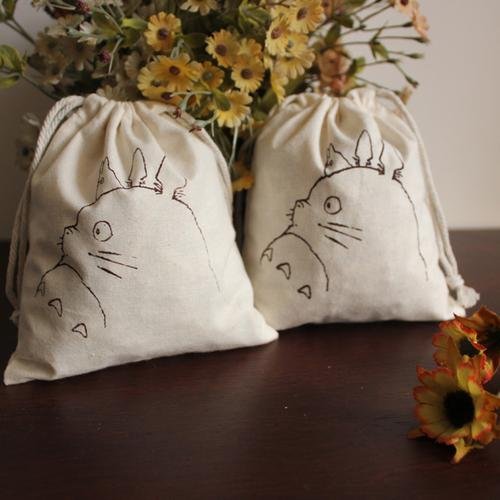
Cotton bags are reusable bags made from cotton fabric, usually using plain cotton, organic cotton, recycled cotton, cotton twill, cotton drill, or lightweight cotton canvas depending on the product purpose. They are commonly used for retail shopping, grocery carrying, beauty packaging, gift sets, events, promotional campaigns, drawstring pouches, and daily tote bags. Cotton bags are valued for their soft touch, natural look, easy customization, and flexible price range. They can be light and economical or thicker and more durable depending on fabric weight and construction.
Cotton bags are not one single product. A thin 120 gsm cotton giveaway bag and a 280 gsm cotton shopping tote belong to the same general material family, but they feel and perform very differently. That is why cotton bag sourcing should always begin with fabric weight, structure, handle design, printing method, and intended use.
Cotton Bags As A Broad Fabric Bag Category
In the fabric bag industry, “cotton bag” is a broad term. It may refer to simple flat tote bags, cotton drawstring bags, cotton shopping bags, cotton grocery bags, cotton pouches, cotton packaging bags, and cotton retail bags.
| Cotton Bag Type | Common Fabric | Main Use | Typical Buyer Concern |
|---|---|---|---|
| Cotton Tote Bag | Plain cotton or medium cotton | Retail, events, daily carry | Logo clarity and cost |
| Cotton Shopping Bag | Medium cotton or cotton canvas | Store packaging and shopping | Strength and size |
| Cotton Grocery Bag | Medium cotton or canvas | Food shopping and reuse | Load capacity and washability |
| Cotton Drawstring Bag | Lightweight cotton | Beauty, gift, storage | Softness and closure |
| Cotton Pouch | Thin to medium cotton | Product packaging | Clean sewing and small logo |
| Organic Cotton Bag | Organic cotton fabric | Wellness, food, eco brands | Material claim and quality |
| Recycled Cotton Bag | Recycled cotton blend | Eco campaigns | Fiber content and durability |
| Cotton Promotional Bag | Lightweight cotton | Events and giveaways | MOQ, price, delivery time |
This broad range is why a buyer should not request “cotton bag price” without details. The manufacturer needs to know fabric weight, size, handle type, printing method, quantity, and packaging before giving a meaningful quotation.
What Cotton Fabric Feels Like
Cotton fabric usually feels softer, lighter, and more flexible than heavy canvas. It has a natural hand feel that many customers associate with comfort, simplicity, and everyday use. For brands in beauty, wellness, organic food, handmade products, coffee, events, and lifestyle retail, this softer look can be an advantage.
Plain cotton is usually less rigid than canvas. It folds easily and is comfortable for light carrying. It is also easy to print when the surface is smooth and the artwork is not too complex. However, lightweight cotton may not provide enough shape or strength for heavy shopping loads.
| Fabric Feel | Cotton Bag Performance |
|---|---|
| Soft | Comfortable for daily light use |
| Foldable | Easy to store and distribute |
| Breathable | Good for natural and lifestyle products |
| Lightweight | Lower shipping cost and easier handling |
| Less Structured | May not stand upright or hold heavy shape |
| Natural Appearance | Fits eco-style and minimalist branding |
A cotton bag is usually best when the brand wants a light, approachable, natural-looking reusable bag rather than a heavy-duty structure.
Common Cotton Bag Fabric Weights
Fabric weight is one of the most important specifications for cotton bags. It is commonly measured in gsm or ounces. The higher the gsm, the thicker and usually stronger the fabric feels.
| Fabric Weight | Common Description | Best Use | Buyer Note |
|---|---|---|---|
| 100–120 gsm | Very light cotton | Dust bags, simple packaging | Not recommended for heavy shopping |
| 130–150 gsm | Lightweight cotton | Events, giveaways, promotional bags | Cost-effective but thin |
| 160–180 gsm | Light-medium cotton | Retail packaging, simple totes | Better hand feel |
| 200–220 gsm | Medium cotton | Daily shopping, brand totes | More practical for reuse |
| 240–280 gsm | Heavy cotton or light canvas | Stronger shopping bags | Good middle range |
| 300 gsm+ | Canvas-like cotton | Grocery, retail, premium bags | Stronger but higher cost |
A buyer who wants a cotton bag for light packaging may choose 140–180 gsm. A buyer who wants a reusable shopping bag may choose 200–280 gsm. A buyer who wants a strong grocery tote may be better served by canvas.
Are Cotton Bags Durable?
Cotton bags can be durable when the fabric weight, stitching, and handles are properly designed. However, lightweight cotton bags should not be expected to perform like heavy canvas bags. Durability depends on the whole structure, not only the fiber.
| Durability Factor | Why It Matters |
|---|---|
| Fabric Weight | Thicker fabric usually handles more stress |
| Weave Density | Tighter weave improves strength |
| Stitch Quality | Weak seams can fail even with good fabric |
| Handle Reinforcement | Prevents tearing at stress points |
| Bag Size | Oversized thin bags may be overloaded |
| Washing Control | Cotton may shrink or wrinkle |
| Print Durability | Logo should survive repeated use |
A common mistake is choosing a large cotton bag with thin fabric. Customers may fill it with heavy items, causing handle tearing or seam stress. If the bag is large, the fabric and stitching must match the expected load.
What Are Cotton Bags Used For?
Cotton bags are widely used because they are flexible, affordable, and easy to brand. They are suitable for many light to medium applications.
| Application | Why Cotton Works |
|---|---|
| Retail Shopping | Natural look and easy logo printing |
| Beauty Packaging | Soft touch and clean presentation |
| Gift Bags | Reusable alternative to disposable packaging |
| Events | Low cost and easy distribution |
| Grocery Bags | Works if fabric weight is strong enough |
| Bookstores | Medium cotton can carry books if reinforced |
| Coffee Shops | Good for merchandise and lifestyle branding |
| Wellness Brands | Matches natural and clean identity |
| Online Stores | Lightweight cotton reduces shipping burden |
| Promotional Campaigns | Large print area and flexible MOQ |
For high-load uses such as groceries, books, tools, or thick retail merchandise, brands should consider heavier cotton or canvas.
Cotton Bags And Brand Image
Cotton bags communicate softness, simplicity, natural lifestyle, and approachability. They work well for brands that do not want their packaging to feel too industrial or overly premium.
| Brand Image Goal | Cotton Bag Advantage |
|---|---|
| Natural | Unbleached cotton gives a raw, simple look |
| Minimal | Works well with small logo printing |
| Friendly | Soft fabric feels less commercial |
| Affordable | Lightweight options support cost control |
| Handmade | Cotton texture matches craft-style products |
| Wellness | Clean and soft appearance suits calm branding |
| Eco-Aware | Reusable cotton supports lower-waste messaging |
| Everyday | Easy for customers to fold and carry |
A cotton bag can feel humble and practical, which is exactly what many sustainable and lifestyle brands want.
Cotton Bag Limitations Buyers Should Know
Cotton bags have many advantages, but they are not perfect for every project. A professional buyer should understand the limitations before ordering.
| Limitation | Practical Impact | Better Solution |
|---|---|---|
| Lightweight cotton can feel thin | Customers may see it as low value | Use higher gsm or canvas |
| Cotton can shrink | Size may change after washing | Use tested fabric and care label |
| Cotton wrinkles | Presentation may look casual | Use heavier fabric or pressing |
| Natural cotton may stain | Light colors show dirt | Choose darker color or washable design |
| Not water-resistant by default | Wet groceries may be an issue | Use coating, lining, or Oxford fabric |
| Low structure | Bag may not stand upright | Add gusset or choose canvas |
| Heavy load risk | Handles may tear if underbuilt | Reinforce handles and seams |
This is why material selection must match real use. Cotton is excellent for many custom bags, but not every cotton bag is suitable for heavy-duty applications.
Cotton Bags In Custom Manufacturing
Custom cotton bags can be developed in many ways. Buyers can adjust fabric type, weight, color, size, handle, printing method, label, packaging, and structure.
| Custom Option | Available Direction |
|---|---|
| Fabric | Plain cotton, organic cotton, recycled cotton, twill, drill |
| Weight | Lightweight, medium, heavy cotton |
| Color | Natural, white, black, dyed, Pantone color |
| Shape | Flat tote, gusseted bag, pouch, drawstring bag |
| Handle | Short, long, wide, cotton webbing, self-fabric |
| Logo | Screen print, digital print, embroidery, woven label |
| Packaging | Bulk, individual bag, kraft band, hangtag |
| Private Label | Care label, brand label, barcode, carton mark |
Szoneier can help buyers select cotton fabric and structure based on product use. For example, a beauty brand may need soft cotton drawstring bags, while a bookstore may need a stronger cotton tote with reinforced handles.
When Cotton Bags Are The Better Choice
Cotton bags are often better when the buyer needs a softer, lighter, more economical, and flexible reusable bag. They are also suitable when shipping weight, low MOQ, fast sampling, and simple logo printing matter.
| Choose Cotton Bags When | Reason |
|---|---|
| The product is light | Heavy canvas may be unnecessary |
| Budget is limited | Lightweight cotton is more cost-friendly |
| The brand wants a soft natural look | Cotton feels approachable |
| The order is for events | Easy to produce and distribute |
| The bag is for packaging | Soft cotton protects and presents products |
| The design is minimalist | Cotton handles simple logos well |
| Foldability matters | Cotton stores easily |
| Low MOQ is important | Stock cotton options can support small runs |
For small and medium foreign buyers, cotton bags can be a practical entry point into custom fabric products because they are flexible, affordable, and easy to brand.
What Are Canvas Bags?
Canvas bags are reusable bags made from canvas fabric, a strong, thick, plain-weave fabric traditionally made from cotton, linen, hemp, or blended yarns. In modern custom bag manufacturing, most canvas bags are made from cotton canvas or cotton-polyester canvas. Compared with ordinary lightweight cotton bags, canvas bags feel thicker, stronger, more structured, and more durable. They are commonly used for grocery totes, shopping bags, fashion totes, book bags, tool bags, work bags, promotional merchandise, and premium retail packaging.
Canvas bags are often chosen when the buyer wants a bag that feels more substantial. They can carry heavier loads, hold shape better, and create a higher-value impression. A canvas bag can still be soft and natural, but it usually has more body and strength than plain cotton.
Canvas Is A Fabric Structure, Not Just A Bag Name
Many people think canvas is a separate material from cotton. In reality, canvas often refers to a type of weave and fabric construction. Cotton canvas is made from cotton yarns woven into a strong plain-weave fabric. Canvas can also be made from linen, hemp, synthetic fibers, or blends.
| Term | Meaning |
|---|---|
| Cotton | Fiber type |
| Canvas | Fabric construction or weave style |
| Cotton Canvas | Canvas fabric made from cotton yarn |
| Polyester Canvas | Canvas-style fabric made from polyester yarn |
| Cotton-Poly Canvas | Blended canvas fabric |
| Waxed Canvas | Canvas treated with wax for water resistance |
| Dyed Canvas | Canvas fabric dyed to custom colors |
| Printed Canvas | Canvas with printed artwork or logo |
This distinction matters because “cotton bag” and “canvas bag” can overlap. A canvas bag can be a cotton bag if the canvas is made from cotton. The difference is that canvas usually describes a heavier and stronger fabric construction.
Why Canvas Bags Feel Thicker
Canvas fabric is usually woven with thicker yarns and a tighter, stronger structure. This gives it a heavier hand feel and better resistance to stress. Compared with lightweight cotton, canvas is more likely to hold shape when filled.
| Fabric Feature | Canvas Bag Effect |
|---|---|
| Thicker yarn | Stronger hand feel |
| Dense weave | Better durability |
| Higher gsm | More load confidence |
| Stronger structure | Better shape retention |
| Heavier body | More premium appearance |
| Better seam support | Handles reinforcement better |
This is why canvas bags are often used for grocery shopping, books, tools, heavy retail products, and premium merchandise.
Common Canvas Fabric Weights
Canvas bags are usually made from medium to heavy fabric. The right weight depends on the product purpose.
| Canvas Weight | Feel | Common Use | Buyer Note |
|---|---|---|---|
| 220–260 gsm | Light canvas | Retail tote, daily shopping | Good balance for general bags |
| 280–320 gsm | Medium canvas | Grocery bag, bookstore tote | Practical for repeated use |
| 340–400 gsm | Heavy canvas | Premium shopping bag | Stronger and more structured |
| 450–550 gsm | Very heavy canvas | Tool bag, utility tote | Durable but heavier |
| 600 gsm+ | Extra heavy canvas | Industrial and specialty bags | May be too stiff for normal tote use |
For most brand tote bags and grocery bags, 280–400 gsm canvas is common and practical. Heavier canvas is not always better because it increases cost and shipping weight.
What Canvas Bags Are Used For
Canvas bags are suitable for heavier, longer-use, and higher-value applications.
| Application | Why Canvas Works |
|---|---|
| Grocery Bags | Handles heavier items better |
| Book Bags | Stronger fabric for weight |
| Fashion Totes | Premium structure and style |
| Retail Shopping Bags | More durable brand packaging |
| Coffee Shop Merchandise | Customers can reuse often |
| Farmers’ Market Bags | Good for produce and daily shopping |
| Tool Bags | Heavy canvas supports stronger loads |
| Promotional Merchandise | Feels more valuable than thin cotton |
| Travel Bags | Durable for daily movement |
| Private Label Products | Better retail value |
A canvas bag usually feels more like a product than disposable packaging. This makes it attractive for private label and premium brand projects.
Canvas Bag Strength And Load Capacity
Canvas bags are generally stronger than lightweight cotton bags, but strength still depends on fabric weight, stitching, structure, handles, and reinforcement. A thick canvas body with weak handle stitching can still fail.
| Strength Factor | Canvas Bag Advantage |
|---|---|
| Fabric Thickness | Better tear resistance |
| Dense Weave | More stable under load |
| Handle Support | Holds reinforcement stitching well |
| Bottom Structure | Better for gussets and boxed bottoms |
| Long-Term Use | More durable for repeated carrying |
| Shape Retention | Better for groceries and books |
For real load use, the manufacturer should reinforce handles with box stitching, cross stitching, or bar tacks. Large canvas bags should also have strong bottom seams.
Canvas Bags And Premium Brand Image
Canvas bags often look and feel more premium than lightweight cotton bags. The fabric has more weight, texture, and structure, which gives the finished bag a stronger presence.
| Brand Image Goal | Canvas Bag Advantage |
|---|---|
| Premium retail | Stronger hand feel |
| Durable lifestyle | Long-term use impression |
| Minimal luxury | Works well with subtle logo |
| Heritage style | Canvas has a classic utility look |
| Sustainable reuse | Customers are more likely to keep it |
| Merchandise value | Suitable for selling as a product |
| High-end packaging | Feels less disposable |
| Outdoor or utility style | Stronger visual fit |
A black canvas tote with embroidery can feel like merchandise. A natural canvas grocery bag with reinforced handles can feel practical and trustworthy. A heavy canvas bag with a woven label can feel more like a lifestyle product than simple packaging.
Canvas Bags And Customization
Canvas bags can be customized with many design features, including size, shape, gusset, handle style, logo method, color, lining, pockets, closures, and packaging.
| Custom Option | Canvas Bag Application |
|---|---|
| Custom Size | Grocery, fashion, book, retail bags |
| Gusset | Adds capacity and structure |
| Long Handles | Shoulder carry |
| Wide Handles | Heavy load comfort |
| Screen Printing | Logos and slogans |
| Embroidery | Premium branding |
| Woven Label | Private label identity |
| Inner Pocket | Daily convenience |
| Zipper | Security and travel use |
| Reinforced Bottom | Heavy-load support |
| Waxed Finish | Water-resistant appearance |
| Custom Packaging | Retail-ready presentation |
Canvas works especially well for brands that want to invest in a durable reusable product.
Canvas Bag Limitations Buyers Should Know
Canvas is strong, but it is not perfect for every order.
| Limitation | Practical Impact |
|---|---|
| Higher Cost | More material and heavier fabric increase price |
| Heavier Shipping | Freight cost may increase |
| Less Foldable | Thick canvas takes more space |
| Longer Drying Time | Heavy cotton canvas dries slower |
| Possible Shrinkage | Cotton canvas may shrink if washed improperly |
| Stiffer Feel | May not suit soft packaging needs |
| More Difficult Fine Printing | Heavy texture can affect detailed artwork |
| Higher MOQ For Custom Dyeing | Custom colors may need larger orders |
Canvas bags are best when durability, structure, and premium feel matter enough to justify the higher cost.
Canvas Bags vs Other Strong Fabrics
Canvas is not the only strong fabric for custom bags. Depending on the use case, buyers may also consider Oxford fabric, nylon, polyester, jute, neoprene, or other materials.
| Fabric | Compared With Canvas |
|---|---|
| Oxford Fabric | More water-resistant and technical |
| Nylon | Lighter and stronger for compact bags |
| Polyester | More color-stable and quick-drying |
| Jute | More rustic and natural-looking |
| Linen | More refined natural texture |
| Neoprene | Better for insulated or padded bags |
| PVC/TPU-Coated Fabric | Better for waterproof applications |
Szoneier’s multi-fabric capability helps buyers choose the best material instead of forcing every project into canvas.
When Canvas Bags Are The Better Choice
Canvas bags are better when the product needs durability, structure, higher perceived value, and stronger load capacity.
| Choose Canvas Bags When | Reason |
|---|---|
| The bag must carry heavy items | Canvas supports stronger loads |
| The product is sold as merchandise | Canvas feels more valuable |
| The brand wants premium packaging | Canvas looks more substantial |
| The bag is for groceries or books | Better structure and durability |
| Reuse is a key selling point | Customers are more likely to keep it |
| Embroidery or woven labels are needed | Canvas supports premium branding |
| Long-term brand visibility matters | Canvas survives daily use better |
| The buyer wants a structured shape | Canvas holds form better |
For premium shopping bags, grocery totes, fashion totes, bookstore bags, farmers’ market bags, and private label products, canvas is often the stronger choice.
What Is The Main Difference?
The main difference between cotton bags and canvas bags is that cotton bags refer to a wider material category, while canvas bags refer to bags made from a thicker, stronger, more structured woven fabric. Cotton bags can be lightweight, soft, foldable, and cost-friendly. Canvas bags are usually heavier, more durable, and better for carrying groceries, books, retail products, and daily-use items. In simple sourcing language, cotton bags are better for light use and flexible branding, while canvas bags are better for strength, structure, and long-term reuse.
Cotton Is A Fiber, Canvas Is A Fabric Structure
This is the most important point. Cotton describes the fiber. Canvas describes a fabric construction. A canvas bag can be made from cotton, so “cotton bag” and “canvas bag” are not always completely separate.
| Term | Meaning | Example |
|---|---|---|
| Cotton | Natural fiber | Plain cotton tote bag |
| Canvas | Strong woven fabric structure | Cotton canvas grocery bag |
| Cotton Canvas | Canvas fabric made from cotton yarn | Heavy canvas shopping tote |
| Polyester Canvas | Canvas-style fabric made from polyester | Outdoor or utility bag |
| Cotton Bag | Broad category | Tote, pouch, drawstring, grocery bag |
| Canvas Bag | More specific category | Structured tote, book bag, heavy shopping bag |
When a buyer says “cotton bag,” the supplier still needs to know whether the buyer means thin plain cotton, medium cotton, or cotton canvas. Without this detail, price comparison becomes inaccurate.
The Difference In Hand Feel
Cotton bags usually feel softer, lighter, and more flexible. Canvas bags feel thicker, firmer, and more structured. This difference affects customer perception immediately.
| Feature | Cotton Bag | Canvas Bag |
|---|---|---|
| Touch | Softer and lighter | Thicker and stronger |
| Flexibility | More foldable | More structured |
| Appearance | Casual and natural | Durable and premium |
| Weight | Usually lighter | Usually heavier |
| Shape | Less rigid | Holds shape better |
| Customer Feeling | Simple, friendly, practical | Strong, reliable, higher value |
For beauty packaging, soft cotton may feel more suitable. For grocery shopping or bookstore merchandise, canvas often feels more trustworthy.
The Difference In Strength
Canvas is usually stronger than lightweight cotton because it uses thicker yarns, denser weave, and heavier fabric weight. However, strength also depends on stitching, handles, seams, and bag construction.
| Strength Factor | Cotton Bag | Canvas Bag |
|---|---|---|
| Fabric Strength | Light to medium | Medium to high |
| Load Capacity | Depends heavily on gsm | Usually stronger |
| Handle Support | Needs reinforcement for heavier use | Better support for reinforcement |
| Tear Resistance | Lower in thin fabric | Better in heavier canvas |
| Bottom Structure | May sag under heavy items | Holds shape better |
| Long-Term Use | Good if fabric is medium weight | Better for repeated heavy use |
A 220 gsm cotton bag may be stronger than a 120 gsm cotton bag, but a 320 gsm canvas bag will usually feel more suitable for heavy daily use.
The Difference In Cost
Cotton bags usually cost less than canvas bags when they use lighter fabric and simpler construction. Canvas bags cost more because they use heavier fabric, stronger stitching, more labor, and often more structured designs.
| Cost Factor | Cotton Bag | Canvas Bag |
|---|---|---|
| Fabric Cost | Lower for lightweight cotton | Higher due to heavier fabric |
| Sewing Cost | Lower for simple styles | Higher for thick fabric and reinforcement |
| Printing Cost | Similar for basic print | May increase with thicker surface |
| Shipping Cost | Lower due to lighter weight | Higher due to heavier weight |
| Packaging Cost | Often simple | May need better folding and packing |
| Total Product Value | Good for budget projects | Better for premium projects |
The cheaper option is not always better. If customers need a bag for heavy groceries, a low-cost cotton bag may fail early and damage brand trust.
The Difference In Reuse Potential
Canvas bags usually have stronger reuse potential because customers see them as more durable. A well-made canvas bag can become a daily shopping bag, book bag, coffee shop tote, or lifestyle accessory.
| Reuse Scenario | Better Choice | Reason |
|---|---|---|
| One-day event | Cotton bag | Lower cost and easy distribution |
| Weekly grocery shopping | Canvas bag | Better strength |
| Beauty gift set | Cotton bag | Softer and more refined |
| Bookstore tote | Canvas bag | Handles weight better |
| Fashion merchandise | Canvas bag | Higher perceived value |
| Low-cost giveaway | Cotton bag | More budget-friendly |
| Premium retail packaging | Canvas bag | Stronger presentation |
| Lightweight pouch | Cotton bag | Softer and easier to sew |
The more often the bag needs to be reused, the more important fabric strength becomes.
The Difference In Printing Effect
Both cotton and canvas bags can be printed, but the result depends on fabric texture and weight. Smooth cotton often works well for simple prints and lightweight designs. Canvas works well for bold logos, large artwork, embroidery, woven labels, and premium branding, but very fine details may be affected by the heavier texture.
| Printing Method | Cotton Bag Performance | Canvas Bag Performance |
|---|---|---|
| Screen Printing | Very suitable for logos | Very suitable for bold designs |
| Digital Printing | Better on smoother cotton | Possible, but texture matters |
| Heat Transfer | Good for detailed artwork | Works with testing |
| Embroidery | Suitable on medium cotton | Excellent on canvas |
| Woven Label | Good | Excellent |
| Large Artwork | Good on smooth cotton | Strong visual result on canvas |
| Fine Lines | Better on smooth cotton | May lose sharpness on rough canvas |
If the logo has very fine text, smooth cotton may print more clearly. If the brand wants a premium embroidered logo, canvas is often better.
The Difference In Appearance
Cotton bags often look soft, clean, light, and casual. Canvas bags look stronger, thicker, and more substantial. This affects brand positioning.
| Brand Style | Better Match |
|---|---|
| Minimal skincare | Cotton bag |
| Organic grocery | Cotton canvas bag |
| Fashion retail | Canvas bag |
| Event giveaway | Cotton bag |
| Premium coffee brand | Canvas bag |
| Handmade gift shop | Cotton or canvas depending on price |
| Bookstore | Canvas bag |
| Wellness brand | Organic cotton or medium canvas |
| Outdoor lifestyle | Heavy canvas or Oxford fabric |
| Budget promotion | Lightweight cotton |
A bag should match the product it carries. A luxury retail item in a thin cotton bag may feel underwhelming. A small handmade soap in a heavy canvas bag may feel overpackaged.
The Difference In Washing And Care
Both cotton and canvas can be washable, but both may shrink if not properly treated. Canvas may become stiffer after washing, while lightweight cotton may wrinkle more easily.
| Care Factor | Cotton Bag | Canvas Bag |
|---|---|---|
| Washability | Usually washable | Usually washable |
| Shrinkage Risk | Medium | Medium |
| Wrinkling | More visible on thin cotton | Less visible but can crease |
| Drying Speed | Faster if lightweight | Slower if heavy |
| Shape After Wash | May distort if thin | Better structure if well made |
| Care Label Needed | Yes | Yes |
For custom orders, wash testing is important if the bag will be marketed as washable.
Quick Comparison Table
| Feature | Cotton Bags | Canvas Bags |
|---|---|---|
| Category | Broad fabric bag category | Stronger woven fabric bag type |
| Main Material | Cotton fabric | Cotton canvas or blended canvas |
| Feel | Soft, light, flexible | Thick, firm, structured |
| Durability | Light to medium | Medium to high |
| Best Use | Events, packaging, light shopping | Grocery, books, retail, daily use |
| Price | Usually lower | Usually higher |
| Shipping Weight | Lower | Higher |
| Printing | Good for simple and detailed logos | Good for bold and premium branding |
| Embroidery | Suitable on medium fabric | Very suitable |
| Washability | Good with care | Good with care |
| Brand Image | Natural, simple, friendly | Durable, premium, reliable |
| Reuse Value | Depends on fabric weight | Usually stronger |
| Best Buyer | Promotions, beauty, light retail | Retail, grocery, fashion, private label |
How Szoneier Helps Buyers Choose
Szoneier can help buyers compare cotton and canvas before production by reviewing the product’s use case, target price, logo design, expected load, sales channel, and brand style. The company can provide fabric suggestions, free design support, fast sampling, and low MOQ customization.
For example, if a customer needs 1,000 event bags with a one-color logo, Szoneier may recommend lightweight or medium cotton. If a customer needs premium grocery totes for repeated use, Szoneier may recommend cotton canvas with reinforced handles. If a customer wants a private label retail tote, Szoneier may suggest heavy canvas with embroidery, woven label, and custom packaging.
Which Fabric Is More Durable?

Canvas bags are generally more durable than lightweight cotton bags because canvas fabric is thicker, denser, and more structured. However, durability does not depend on fabric alone. A strong bag also needs proper fabric weight, reinforced handles, double stitching, suitable thread, clean cutting, and quality inspection. A medium-weight cotton bag can perform well for daily light use, while a heavy canvas bag is better for groceries, books, tools, and long-term retail merchandise. The right choice depends on how much weight the bag must carry and how often customers will reuse it.
Fabric Weight Controls Strength
Fabric weight has a direct effect on durability. Higher gsm usually means thicker fabric and better strength, but it also increases cost and shipping weight.
| Fabric Weight | Cotton Bag Use | Canvas Bag Use | Durability Level |
|---|---|---|---|
| 120–150 gsm | Giveaway, dust bag, light packaging | Rarely used as canvas | Low |
| 160–200 gsm | Light shopping, retail packaging | Very light canvas feel | Low to medium |
| 220–260 gsm | Medium cotton tote | Light canvas tote | Medium |
| 280–320 gsm | Heavy cotton tote | Standard canvas grocery bag | Medium to high |
| 340–400 gsm | Heavy cotton/canvas | Premium canvas tote | High |
| 450 gsm+ | Rare for simple cotton bags | Heavy-duty canvas bag | Very high |
For real grocery or bookstore use, 280–400 gsm canvas is usually more reliable than lightweight cotton.
Handle Strength Is Often More Important Than Fabric
Many bags fail at the handle before the fabric body fails. This is especially true for grocery bags and book bags.
| Handle Detail | Durability Impact |
|---|---|
| Box Stitching | Improves handle attachment |
| Cross Stitching | Distributes load better |
| Bar Tack Stitching | Reinforces stress points |
| Wide Handles | Reduces pressure and improves comfort |
| Cotton Webbing | Adds strength |
| Double-Layer Handle Area | Prevents tearing |
| Strong Thread | Improves long-term performance |
| Correct Handle Drop | Prevents awkward carrying |
A 320 gsm canvas bag with weak handle stitching can still fail. A 240 gsm cotton bag with excellent handle reinforcement may perform better than expected for medium loads.
Seam Construction Affects Lifespan
Seams carry stress every time the bag is loaded. Poor stitching causes fraying, tearing, twisting, and customer complaints.
| Seam Type | Best Use | Durability Value |
|---|---|---|
| Single Stitch | Lightweight bags | Basic strength |
| Double Stitch | Shopping bags | Better durability |
| Bound Seam | Premium bags | Cleaner and stronger |
| French Seam | Clean inner finish | Good appearance |
| Reinforced Bottom Seam | Grocery bags | Better load support |
| Boxed Bottom Seam | Structured bags | Higher stability |
For canvas grocery bags, bottom seam strength is very important because heavy items push downward.
Load Capacity By Use Case
Exact load capacity depends on construction, but buyers can use general guidance when choosing between cotton and canvas.
| Bag Use | Suggested Material | Construction Recommendation |
|---|---|---|
| Beauty gift bag | Lightweight cotton | Basic stitching |
| Event tote | 140–180 gsm cotton | Simple flat structure |
| Daily shopping tote | 200–260 gsm cotton | Reinforced handles |
| Grocery bag | 280–340 gsm canvas | Gusset and double stitching |
| Book bag | 300–400 gsm canvas | Strong handles and bottom seam |
| Tool-style bag | 450 gsm+ canvas | Heavy reinforcement |
| Premium retail tote | 340–450 gsm canvas | Woven label and clean finishing |
Durability should be planned around real use, not just appearance.
Wash Durability
Cotton and canvas can both be washable, but washing can affect size, color, print, and shape. Canvas is usually more stable in structure, while lightweight cotton may wrinkle or shrink more noticeably.
| Wash Issue | Cotton Bag | Canvas Bag |
|---|---|---|
| Shrinkage | Possible | Possible |
| Wrinkling | More visible on thin fabric | Less soft but can crease |
| Print Damage | Depends on method | Depends on method |
| Handle Distortion | Possible if poorly sewn | Less likely if reinforced |
| Color Fading | Depends on dye | Depends on dye |
| Drying Time | Faster | Slower |
If washability is part of the product claim, sample testing should be done before bulk production.
Abrasion And Daily Wear
Canvas usually performs better against daily abrasion because the fabric is denser and thicker. This matters for bags used in supermarkets, bookstores, campuses, travel, markets, and offices.
| Daily Wear Situation | Cotton Bag Performance | Canvas Bag Performance |
|---|---|---|
| Rubbing against clothing | Good if medium weight | Better |
| Carrying books | May stretch or sag | Stronger |
| Grocery edges | May stress fabric | More resistant |
| Frequent folding | Very good | Good but bulkier |
| Washing often | Good with care | Good but slower drying |
| Long-term daily carry | Medium | Stronger |
Canvas is usually the better option for customers who expect the bag to last.
Durability vs Cost
More durability usually means higher cost. The buyer must decide how much durability the product really needs.
| Project Type | Best Cost-Durability Balance |
|---|---|
| Low-cost event giveaway | Lightweight cotton |
| Retail shopping bag | Medium cotton |
| Reusable grocery bag | Medium canvas |
| Premium merchandise | Heavy canvas |
| Private label retail tote | Heavy canvas with quality finishing |
| One-time packaging | Cotton pouch or lightweight bag |
| Long-term customer loyalty gift | Canvas tote |
A premium canvas bag may not be necessary for every project. But for reusable products, underbuilding the bag can hurt the brand.
Durability Testing Before Bulk Production
Buyers should test samples before placing a large order, especially if the bag will carry heavy items.
| Test | What It Shows |
|---|---|
| Load Test | Whether handles and seams hold weight |
| Pull Test | Handle attachment strength |
| Wash Test | Shrinkage and print durability |
| Rub Test | Print and fabric wear |
| Folding Test | Crease and shape behavior |
| Size Check | Production accuracy |
| Stitch Check | Sewing quality |
| Visual Inspection | Surface defects and finishing |
Szoneier can support sample development and quality inspection to help buyers reduce durability risk before mass production.
Which Is More Durable Overall?
| Question | Better Answer |
|---|---|
| Is canvas stronger than cotton? | Usually yes, especially compared with lightweight cotton |
| Can cotton bags be durable? | Yes, if fabric weight and stitching are suitable |
| Which lasts longer? | Canvas usually lasts longer under heavier use |
| Which is better for groceries? | Canvas is usually better |
| Which is better for giveaways? | Cotton is usually more cost-effective |
| Which is better for premium retail? | Canvas often feels more valuable |
| Which is better for soft packaging? | Cotton is usually better |
| Which is better for heavy books? | Canvas is usually better |
Which Bag Is Better For Printing?
Cotton bags and canvas bags both work well for custom printing, but they do not create the same result. Smooth cotton bags are usually better for fine lines, small text, detailed artwork, and lightweight promotional designs. Canvas bags are better for bold logos, large brand graphics, embroidery, woven labels, and premium-style printing because the thicker fabric gives the design more weight and presence. The best choice depends on artwork complexity, fabric texture, print size, color count, washing expectations, and brand positioning.
Printing Quality Depends On Fabric Surface
The smoother the fabric surface, the easier it is to print sharp details. Plain cotton usually has a flatter surface than heavy canvas, so it can work better for thin lines, small text, and detailed graphics. Canvas has more texture, which gives a stronger handmade and premium feel, but very small details may lose clarity.
| Printing Factor | Cotton Bags | Canvas Bags |
|---|---|---|
| Surface Texture | Smoother, softer | Thicker, more textured |
| Fine Detail | Better for small text and thin lines | May lose sharpness on rough canvas |
| Bold Logo | Good | Excellent |
| Large Artwork | Good on medium cotton | Strong visual effect |
| Ink Absorption | Usually easier to control | Depends on weave density |
| Premium Feeling | Medium | Stronger |
| Best Artwork Style | Clean logo, detailed print, light graphics | Bold logo, large print, embroidery, label |
For minimalist logos, both fabrics can work. For complex illustrations, cotton may be cleaner. For premium retail branding, canvas often feels more valuable.
Screen Printing
Screen printing is one of the most common methods for cotton and canvas bags. It works especially well for simple logos, slogans, icons, and solid-color graphics.
| Screen Printing Use | Cotton Bags | Canvas Bags |
|---|---|---|
| One-Color Logo | Very suitable | Very suitable |
| Two-Color Logo | Good | Good |
| Large Brand Slogan | Good | Excellent |
| Fine Details | Better on smooth cotton | Needs testing |
| Large Quantity Orders | Cost-effective | Cost-effective |
| Wash Durability | Good when cured properly | Good when cured properly |
Screen printing is a strong choice when buyers want clean branding, controlled cost, and stable results for medium or large orders.
Digital Printing
Digital printing is useful for colorful artwork, gradients, illustrations, and small-batch custom designs. It usually performs better on smoother cotton than rough canvas.
| Digital Printing Factor | Cotton Bags | Canvas Bags |
|---|---|---|
| Full-Color Artwork | Good | Possible, but texture affects detail |
| Gradients | Better | Needs testing |
| Small Batch Orders | Suitable | Suitable |
| Photo-Like Designs | Better on smooth fabric | Less sharp on rough surface |
| Cost | Higher than simple screen print | Higher than simple screen print |
| Best Use | Art bags, event bags, retail prints | Bold colorful canvas designs |
Digital printing is best when artwork complexity matters more than the lowest unit cost.
Heat Transfer Printing
Heat transfer printing can produce bright and detailed designs. It is often used for smaller orders, colorful logos, or designs that are difficult to screen print. However, wash durability must be tested carefully.
| Heat Transfer Factor | Cotton Bags | Canvas Bags |
|---|---|---|
| Color Brightness | Strong | Strong |
| Detail | Good | Good, but texture matters |
| Small Orders | Very suitable | Suitable |
| Wash Resistance | Needs testing | Needs testing |
| Feel On Fabric | May feel slightly layered | More visible on thick fabric |
| Best Use | Promotional bags, custom artwork, short runs | Custom canvas graphics |
For reusable bags, heat transfer should not be selected only because it looks bright in the sample. It should be tested for folding, rubbing, and washing.
Embroidery
Embroidery works especially well on canvas bags because the thicker fabric can support thread tension and give the logo a premium textured appearance. Medium cotton can also use embroidery, but thin cotton may pucker or distort.
| Embroidery Factor | Cotton Bags | Canvas Bags |
|---|---|---|
| Premium Look | Good on medium cotton | Excellent |
| Durability | High | High |
| Small Logo | Suitable | Very suitable |
| Large Design | Cost increases | Cost increases |
| Thin Fabric Risk | Puckering | Lower risk |
| Best Use | Premium pouches, retail totes | Fashion totes, coffee bags, private label bags |
Embroidery is best for brands that want a subtle, long-lasting, high-quality logo rather than a large low-cost print.
Woven Labels And Patches
Woven labels, leather patches, rubber patches, and fabric labels are popular for private label bags. They work especially well on canvas because canvas already feels like a durable finished product.
| Branding Detail | Cotton Bags | Canvas Bags |
|---|---|---|
| Woven Label | Good | Excellent |
| Care Label | Good | Good |
| Rubber Patch | Possible | Better |
| Leather Patch | Possible | Better for premium bags |
| Side Label | Good | Excellent |
| Hangtag | Good | Good |
| Private Label Look | Medium to high | High |
For premium retail bags, woven labels or embroidery often look more refined than a large printed logo.
Printing Method Comparison
| Printing Method | Best For | Best Fabric | Cost Level | Durability |
|---|---|---|---|---|
| Screen Printing | Simple logos, slogans | Cotton and canvas | Low to medium | Good |
| Digital Printing | Full-color artwork | Smooth cotton | Medium to high | Medium to good |
| Heat Transfer | Colorful small batches | Cotton and canvas | Medium | Needs testing |
| Embroidery | Premium small logos | Canvas, medium cotton | Medium to high | Excellent |
| Woven Label | Private label branding | Canvas and cotton | Medium | Excellent |
| Rubber Patch | Fashion-style branding | Canvas | High | Excellent |
| Hangtag | Story and care info | Any fabric | Low to medium | Not permanent |
Dark Fabric Printing
Printing on black, navy, dark green, or deep brown bags may require additional steps. Light-colored ink may need an underbase layer to appear bright. This can affect cost and production time.
| Dark Fabric Issue | Solution |
|---|---|
| White logo looks dull | Add underbase printing |
| Thin lines disappear | Increase line thickness |
| Color shifts | Test sample before bulk |
| Heat transfer edge visible | Choose proper transfer material |
| Embroidery color mismatch | Confirm thread color |
| Print cracking risk | Test folding and washing |
Dark canvas bags often look premium, but printing must be planned carefully.
Printing And Washability
For reusable cotton and canvas bags, printing should survive real life. Customers may fold, wash, rub, and carry the bag repeatedly.
| Test Item | Why It Matters |
|---|---|
| Wash Test | Checks fading, cracking, peeling |
| Rub Test | Checks daily wear |
| Folding Test | Checks cracking on printed areas |
| Color Fastness | Prevents bleeding |
| Ink Curing Check | Ensures screen print durability |
| Adhesion Test | Important for heat transfer |
| Embroidery Pull Check | Confirms thread stability |
If a bag is marketed as washable, printing must be tested with the fabric before production.
Which Bag Should Brands Choose For Printing?
| Brand Need | Better Choice | Reason |
|---|---|---|
| Small detailed logo | Smooth cotton | Better detail clarity |
| Bold retail logo | Canvas | Stronger visual presence |
| Full-color illustration | Cotton | Smoother print surface |
| Premium embroidery | Canvas | Better fabric support |
| Low-cost event print | Cotton | More economical |
| Coffee shop merchandise | Canvas | Better product value |
| Beauty packaging | Cotton | Softer and cleaner look |
| Fashion tote | Canvas | Stronger structure and label effect |
How Szoneier Supports Custom Printing
Szoneier can help buyers choose the right printing and branding method according to fabric type, logo design, order quantity, washing needs, and target price. Customers can provide logo files, artwork, color references, or existing samples. Szoneier can support screen printing, digital printing, heat transfer, embroidery, woven labels, hangtags, private label details, and custom packaging.
For cotton bag projects, Szoneier may recommend smoother cotton for fine artwork. For canvas bag projects, Szoneier may recommend embroidery, woven labels, or bold screen printing for a more premium look.
Which Bag Is More Eco-Friendly?

Cotton bags and canvas bags can both be eco-friendly when they are durable, reusable, washable, and used many times. Since many canvas bags are made from cotton canvas, the environmental difference is often less about “cotton vs canvas” and more about fabric weight, production impact, product lifespan, and reuse frequency. Lightweight cotton uses less material but may not last as long. Canvas uses more material but can offer longer service life. The more a bag is reused, the stronger its sustainability value becomes.
Eco-Friendly Depends On Reuse
Reusable bags only make sense when customers actually reuse them. A thin cotton bag used once is not a strong sustainability choice. A canvas tote used for years can provide much better long-term value.
| Reuse Level | Cotton Bag Meaning | Canvas Bag Meaning |
|---|---|---|
| 1–3 uses | Weak eco value | Weak eco value |
| 10–30 uses | Good for light cotton bags | Still early for heavy canvas |
| 30–80 uses | Stronger cotton value | Good reuse value |
| 80–150 uses | Best for durable cotton bags | Strong canvas value |
| 150+ uses | Needs strong construction | Excellent for heavy canvas |
The most sustainable bag is usually the one customers keep using, not necessarily the one with the greenest label.
Cotton Bag Sustainability
Cotton bags offer a natural, reusable, washable, and biodegradable material story when untreated and properly managed. They are popular with sustainable brands because they look clean, simple, and responsible.
| Cotton Bag Eco Strength | Practical Meaning |
|---|---|
| Natural fiber | Fits eco and lifestyle branding |
| Reusable | Can replace disposable bags |
| Washable | Supports longer life |
| Lightweight options | Lower material use |
| Easy to customize | Helps brands promote reuse |
| Soft and foldable | Easier for customers to carry |
The limitation is that cotton production still uses land, water, energy, and processing. Cotton bags need repeated use to justify their impact.
Canvas Bag Sustainability
Canvas bags are usually more durable, especially when made from cotton canvas. They may use more material than lightweight cotton, but their longer lifespan can make them valuable for sustainable brands.
| Canvas Bag Eco Strength | Practical Meaning |
|---|---|
| Stronger fabric | Better chance of long-term use |
| Higher perceived value | Customers are less likely to throw it away |
| Better for heavy loads | Can replace many disposable shopping bags |
| Good for retail merchandise | Can be sold instead of given away |
| Repairable | Strong fabric can sometimes be restitched |
| Timeless style | Longer fashion life |
Canvas is more sustainable when it is used often enough to balance its higher material input.
Organic Cotton And Recycled Cotton Options
Both cotton bags and canvas bags can use organic cotton or recycled cotton, depending on fabric availability and order requirements.
| Material Option | Eco Benefit | Buyer Check |
|---|---|---|
| Natural Cotton | Simple reusable material | Avoid exaggerated claims |
| Organic Cotton | Stronger eco positioning | Confirm certification needs |
| Recycled Cotton | Reduces virgin fiber use | Check strength and content |
| Cotton Canvas | Durable long-term use | Ensure customers will reuse it |
| Recycled Canvas | Stronger circular story | Test consistency |
| Undyed Cotton | Fewer color processing steps | Color may vary naturally |
If a brand makes organic or recycled claims, documentation should be confirmed before production.
Greenwashing Risk
Brands should be careful with words like “100% eco-friendly,” “zero impact,” or “planet-saving.” These claims can sound unrealistic. Better language focuses on reuse, durability, and responsible design.
| Risky Claim | Better Claim |
|---|---|
| 100% eco-friendly bag | Reusable cotton bag designed for repeated use |
| Zero-waste canvas tote | Durable canvas tote that helps reduce disposable bag use |
| Sustainable forever | Made for long-term use with reinforced stitching |
| Plastic-free solution | Reusable fabric bag alternative to disposable plastic bags |
| Green bag | Washable cotton or canvas bag for daily reuse |
Honest product language builds trust, especially with sustainability-focused customers.
Which Bag Reduces Waste Better?
The bag that reduces waste better is the one customers reuse more often. For light shopping and events, cotton may be enough. For groceries, books, and daily carrying, canvas may reduce waste better because it lasts longer.
| Use Case | Better Eco Choice | Why |
|---|---|---|
| One-time campaign | Lightweight cotton | Uses less material and lower cost |
| Weekly grocery shopping | Canvas | More durable for repeated loads |
| Beauty product packaging | Cotton | Soft, light, reusable |
| Bookstore tote | Canvas | Handles heavy books |
| Coffee shop merchandise | Canvas | Customers may keep it longer |
| Gift pouch | Cotton | Less material than heavy canvas |
| Farmers’ market | Canvas | Stronger for produce |
| Online packaging insert | Cotton | Lower shipping weight |
There is no universal winner. The better choice depends on real reuse.
Eco Design Checklist
| Design Decision | Better Eco Direction |
|---|---|
| Fabric | Match weight to real use |
| Size | Avoid oversized material waste |
| Printing | Use timeless artwork customers will keep |
| Color | Consider natural or durable dye |
| Handle | Reinforce to extend life |
| Packaging | Avoid excessive packaging |
| Labels | Add care and reuse guidance |
| Quality | Build for repeated use |
End-Of-Life Considerations
Cotton and cotton canvas bags can often be reused for storage, repaired, donated, repurposed, or recycled through textile systems where available. Untreated natural cotton may be compostable under suitable conditions, but printed, dyed, blended, coated, or labeled bags may not be.
| End-Of-Life Path | Cotton Bag | Canvas Bag |
|---|---|---|
| Reuse | Very good | Excellent |
| Repair | Possible | More practical |
| Repurpose | Good for storage or cleaning cloth | Good for storage or utility use |
| Donation | Good if clean | Good if clean |
| Textile Recycling | Depends on local system | Depends on local system |
| Composting | Only untreated natural cotton | Only untreated natural cotton |
| Disposal | Last option | Last option |
Brands can include care labels or hangtags to encourage longer use.
Cotton vs Canvas Eco Summary
| Eco Question | Cotton Bags | Canvas Bags |
|---|---|---|
| Uses less material? | Usually yes | Usually no |
| Lasts longer? | Depends on weight | Usually yes |
| Better for heavy reuse? | Medium cotton can work | Usually better |
| Better for light packaging? | Yes | Often overbuilt |
| Better for premium reuse? | Sometimes | Usually yes |
| Better for low-cost events? | Yes | Usually too expensive |
| Better for grocery use? | Only if strong enough | Usually better |
| Better for sustainability story? | Good | Strong if reused often |
How Szoneier Helps With Eco-Friendly Bag Choices
Szoneier can help buyers choose between cotton and canvas based on product purpose, reuse goal, target market, cost, and sustainability positioning. The company can support natural cotton, cotton canvas, organic cotton, recycled cotton options, and alternative fabrics such as jute, linen, polyester, nylon, neoprene, and Oxford fabric.
For brands that need lighter eco packaging, Szoneier may recommend cotton. For brands that need strong reusable shopping or grocery bags, Szoneier may recommend canvas. For brands that need a more rustic natural look, jute or linen may be considered. For water-resistant reusable bags, Oxford fabric may be a better match.
The goal is not to choose the material with the best slogan. The goal is to choose the material customers will actually use again.
Which Bag Should Brands Choose?
Brands should choose cotton bags or canvas bags based on real product use, customer expectations, target price, logo style, shipping requirements, and how often the bag is expected to be reused. Cotton bags are usually better for lightweight packaging, promotional events, beauty products, giveaways, and lower-cost reusable bags. Canvas bags are usually better for grocery shopping, bookstores, premium retail, fashion merchandise, heavy daily use, and long-term brand exposure. The best bag is not simply the thickest or cheapest option. It is the one that fits the customer’s actual lifestyle and encourages repeated use.
Which Bag Is Better For Retail?
Retail brands often choose bags based on customer experience and perceived value. A lightweight cotton bag can work well for simple packaging, while a structured canvas tote can feel like merchandise customers want to keep.
| Retail Type | Better Choice | Reason |
|---|---|---|
| Fashion boutique | Canvas bag | Premium appearance and structure |
| Beauty store | Cotton bag | Soft and elegant |
| Coffee shop | Canvas bag | Merchandise-style reuse |
| Gift shop | Cotton or canvas | Depends on product value |
| Bookstore | Canvas bag | Better load support |
| Handmade products | Cotton bag | Natural and approachable |
| Lifestyle retail | Canvas bag | Better long-term use |
| Eco store | Organic cotton or canvas | Strong reusable identity |
Retail bags should match the product inside. A luxury item in a thin bag may feel disappointing. A small lightweight product in an overly heavy bag may feel unnecessary.
Which Bag Is Better For Grocery Shopping?
Canvas is usually the stronger choice for groceries because groceries are heavy, irregularly shaped, and often reused weekly. Thin cotton bags may stretch, sag, or tear under repeated grocery loads.
| Grocery Need | Better Bag Direction |
|---|---|
| Weekly supermarket use | Medium-heavy canvas |
| Farmers’ market shopping | Canvas with gusset |
| Produce carrying | Strong cotton or canvas |
| Bottles and jars | Reinforced canvas |
| Frozen food carrying | Canvas with optional lining |
| Lightweight grocery items | Medium cotton may work |
For grocery bags, reinforced handles, gussets, and strong seams matter as much as fabric type.
Which Bag Is Better For Events?
Events usually prioritize quantity, price control, portability, and logo visibility. Lightweight cotton bags are often the better choice because they are easier to distribute and more cost-effective.
| Event Type | Better Choice | Reason |
|---|---|---|
| Trade show | Cotton bag | Lower cost and lighter shipping |
| Charity run | Cotton bag | Easy giveaway item |
| Festival merchandise | Canvas bag | Better resale value |
| Conference gift bag | Medium cotton | Balanced cost and quality |
| Brand launch | Canvas for premium kits | Better perceived value |
| Community event | Cotton bag | Practical and affordable |
If the event bag is expected to become long-term merchandise, canvas may be worth the higher cost.
Which Bag Is Better For Private Label?
Canvas bags are usually better for private label retail products because they feel more durable and valuable. Customers are more likely to pay for a structured canvas tote than a very thin cotton bag.
| Private Label Goal | Better Choice |
|---|---|
| Fashion tote product | Canvas |
| Grocery tote line | Canvas |
| Beauty pouch line | Cotton |
| Premium coffee tote | Canvas |
| Minimal lifestyle bag | Medium cotton or canvas |
| Subscription gift bag | Cotton |
| Bookstore tote | Canvas |
| Handmade artisan brand | Cotton or canvas depending on style |
Private label bags should feel intentional, not disposable.
Which Bag Is Better For Shipping?
Shipping cost matters, especially for online sellers and large export orders. Cotton bags are usually lighter and easier to compress, reducing freight cost.
| Shipping Factor | Cotton Bags | Canvas Bags |
|---|---|---|
| Weight | Lower | Higher |
| Carton Volume | Smaller | Larger |
| Folding | Easier | Bulkier |
| Freight Cost | Lower | Higher |
| E-commerce Efficiency | Better for lightweight products | Better for premium products |
| Packaging Simplicity | Easier | May need better folding |
For brands shipping internationally, freight cost can significantly affect total product cost.
Which Bag Is Better For Sustainability Branding?
Both cotton and canvas can support sustainability-focused branding, but they communicate slightly different messages.
| Brand Message | Better Choice | Why |
|---|---|---|
| Minimal natural lifestyle | Cotton | Softer and simpler |
| Durable long-term reuse | Canvas | Stronger perception of longevity |
| Organic skincare | Organic cotton | Gentle and natural feel |
| Grocery sustainability | Canvas | Better for repeated shopping |
| Handmade artisan image | Cotton | More casual and handmade |
| Premium eco retail | Canvas | Higher product value |
| Zero-waste starter kit | Cotton or canvas | Depends on intended use |
The most important factor is whether customers actually reuse the bag.
Which Bag Is Better For Different Price Levels?
| Budget Level | Better Material Strategy |
|---|---|
| Low budget | Lightweight cotton |
| Medium budget | Medium cotton or light canvas |
| Mid-premium | Medium-heavy canvas |
| Premium retail | Heavy canvas |
| Luxury reusable merchandise | Heavy canvas with embroidery and labels |
Brands should avoid using very thin cotton simply to reduce cost if the bag is expected to carry heavy items. Customers quickly notice weak products.
Cotton vs Canvas By Industry
| Industry | Recommended Direction |
|---|---|
| Fashion | Canvas |
| Grocery | Canvas |
| Beauty | Cotton |
| Wellness | Cotton or organic cotton |
| Coffee | Canvas |
| Bookstore | Canvas |
| Event | Cotton |
| Farmers’ market | Canvas |
| Hotel | Cotton or medium canvas |
| Outdoor lifestyle | Heavy canvas or Oxford fabric |
| Subscription box | Cotton |
| Handmade craft | Cotton |
| Premium retail | Canvas |
Questions Brands Should Ask Before Choosing
Before choosing cotton or canvas, brands should answer a few practical questions.
| Question | Why It Matters |
|---|---|
| What will customers carry? | Determines required strength |
| How often will the bag be reused? | Affects durability needs |
| Is the bag packaging or merchandise? | Changes perceived value requirements |
| Will the bag be washed? | Influences fabric and print choice |
| What is the target price? | Controls material options |
| Does the logo need fine detail? | Affects print method |
| Is shipping cost important? | Heavier canvas increases freight |
| Does the bag need premium structure? | Canvas may be better |
A good supplier should help buyers answer these questions before production.
Real-World Buying Scenarios
| Buyer Situation | Better Choice | Why |
|---|---|---|
| Organic skincare startup | Cotton drawstring bag | Soft and affordable |
| Grocery chain reusable tote | Canvas grocery bag | Better strength |
| Coffee shop selling merch | Canvas tote | Feels collectible |
| Trade show giveaway | Lightweight cotton | Easy and economical |
| Bookstore brand tote | Canvas | Handles books well |
| Handmade soap packaging | Cotton pouch | Gentle presentation |
| Fashion retailer | Structured canvas | Higher-end feel |
| Eco campaign | Medium cotton or canvas | Depends on expected reuse |
How To Customize With Szoneier?

Szoneier provides custom manufacturing support for cotton bags, canvas bags, and many other fabric products using cotton fabric, canvas fabric, polyester fabric, nylon fabric, neoprene fabric, jute fabric, linen fabric, Oxford fabric, and additional materials. Customers can customize size, fabric weight, color, logo, handle, structure, packaging, and private label details according to their market needs. With more than 18 years of experience in fabric development, finished product manufacturing, and export support, Szoneier helps brands create reusable fabric bags that are practical, durable, and aligned with their product positioning.
Custom Fabric Options
Different projects require different fabrics. Szoneier can help buyers compare materials according to use, price, appearance, durability, and shipping needs.
| Fabric Type | Best Use |
|---|---|
| Plain Cotton | Events, lightweight retail bags |
| Cotton Canvas | Grocery bags, premium totes |
| Organic Cotton | Wellness and eco brands |
| Recycled Cotton | Sustainability-focused campaigns |
| Jute | Rustic market bags |
| Linen | Premium natural bags |
| Polyester | Lightweight foldable shopping bags |
| Oxford Fabric | Water-resistant reusable bags |
| Nylon | Compact reusable bags |
| Neoprene | Insulated or padded bags |
Szoneier can recommend suitable fabric weight and structure based on the customer’s product category and target market.
Custom Size And Structure
Bag dimensions directly affect usability, material consumption, shipping cost, and customer experience.
| Structure Type | Typical Use |
|---|---|
| Flat Tote | Events and simple shopping |
| Bottom Gusset Tote | Grocery and retail |
| Side Gusset Bag | Larger capacity shopping |
| Boxed Bottom Tote | Premium retail bags |
| Drawstring Bag | Beauty and gift packaging |
| Foldable Bag | Daily portable shopping |
| Large Utility Tote | Grocery and market use |
| Mini Tote | Gift and cosmetic packaging |
Customers can provide dimensions or reference photos, and Szoneier can assist with pattern recommendations.
Custom Handle Options
Handle design affects comfort, durability, and appearance.
| Handle Option | Advantage |
|---|---|
| Short Handles | Compact carry |
| Long Shoulder Handles | Comfortable shopping use |
| Wide Handles | Better load comfort |
| Cotton Webbing | Added durability |
| Self-Fabric Handles | Consistent fabric appearance |
| Contrast Color Handles | Stronger visual style |
| Reinforced Handles | Better long-term durability |
For grocery and bookstore bags, reinforced handles are especially important.
Custom Logo Methods
Szoneier supports multiple branding methods according to artwork style and budget.
| Branding Method | Best Use |
|---|---|
| Screen Printing | Logos and slogans |
| Digital Printing | Colorful artwork |
| Heat Transfer | Small runs and detailed graphics |
| Embroidery | Premium retail bags |
| Woven Labels | Private label branding |
| Rubber Patches | Fashion-style bags |
| Hangtags | Product storytelling |
| Care Labels | Washing and material instructions |
Before production, Szoneier can test logo methods on selected fabric to help buyers confirm the best result.
Custom Packaging Support
Packaging affects both presentation and shipping.
| Packaging Option | Suitable For |
|---|---|
| Bulk Packing | Wholesale and supermarkets |
| Individual Polybag | E-commerce and protection |
| Kraft Paper Band | Eco-style retail |
| Hangtag | Retail display |
| Barcode Label | Inventory management |
| Gift Box | Premium packaging |
| Custom Carton | Export logistics |
Szoneier can support packaging adjustments according to customer market and shipping needs.
Low MOQ Customization
Many startups and small brands cannot order very large quantities at the beginning. Szoneier supports low MOQ customization for many cotton and canvas bag projects.
| Customer Type | Typical Need |
|---|---|
| Startup brand | Small test order |
| Online store | Flexible quantity |
| Event organizer | Short-run production |
| Boutique retailer | Multiple small styles |
| New product launch | Sampling before bulk |
| Coffee shop | Merchandise trial order |
Low MOQ support helps brands test the market with lower risk.
Fast Sampling Process
Fast sampling helps buyers review material, logo, structure, and size before bulk production.
| Sampling Step | Purpose |
|---|---|
| Requirement Confirmation | Understand product goals |
| Fabric Recommendation | Match material to use |
| Artwork Review | Confirm logo method |
| Pattern Development | Create bag structure |
| Sample Production | Build physical sample |
| Feedback Revision | Improve final design |
| Bulk Approval | Confirm production details |
Szoneier supports quick sampling to help customers reduce development time.
Quality Control And Inspection
Szoneier uses inspection procedures to help reduce defects before shipment.
| Inspection Point | What Is Checked |
|---|---|
| Fabric | Weight, defects, color |
| Cutting | Size accuracy |
| Stitching | Seam quality |
| Handles | Reinforcement |
| Logo | Position and clarity |
| Packaging | Label and carton accuracy |
| Quantity | Shipment consistency |
| Final Appearance | Clean finishing |
For reusable bags, quality consistency is critical because the bag represents the customer’s brand directly.
OEM And ODM Support
Szoneier supports both OEM and ODM development for custom fabric bags.
| Service Type | Meaning |
|---|---|
| OEM | Customer provides design and branding |
| ODM | Szoneier helps develop the product concept |
| Private Label | Customer uses their own logo and packaging |
| Sample-Based Development | Production based on physical reference |
| Artwork-Based Development | Production based on digital files |
This flexibility helps brands at different stages of product development.
Why Brands Work With Szoneier
Szoneier combines fabric knowledge with finished product manufacturing experience. Instead of offering only one fabric type, the company can compare cotton, canvas, polyester, nylon, neoprene, jute, linen, Oxford fabric, and additional materials according to the product’s real use.
Szoneier offers:
More than 18 years of experience
100% quality assurance
Free design support
Low MOQ customization
Fast sampling
Free sample support
Short lead times
Custom logo production
OEM and ODM service
Private label support
Multiple fabric options
Custom packaging
Export-ready production
For brands comparing cotton bags and canvas bags, Szoneier can help turn an idea into a finished reusable product that matches customer expectations, target pricing, and real-life use.
Start Your Custom Bag Project With Szoneier
Choosing between cotton bags and canvas bags is not about finding a universal winner. It is about understanding how customers will use the bag, what the brand wants to communicate, and how durability, appearance, printing, cost, and sustainability fit together.
Szoneier can help develop custom cotton bags, canvas bags, grocery bags, shopping totes, retail packaging bags, promotional bags, drawstring pouches, and private label reusable fabric products for global customers. Whether you need lightweight cotton event bags or premium heavy canvas retail totes, Szoneier can support material selection, structure development, logo printing, packaging, quality control, and fast production.
Send your logo, target quantity, bag size, preferred fabric, and application scenario to Szoneier to start your custom cotton or canvas bag inquiry.