 Skip to content
Hospital-Grade Linen Cloth: Hydrophilic vs Hydrophobic Coatings Compared
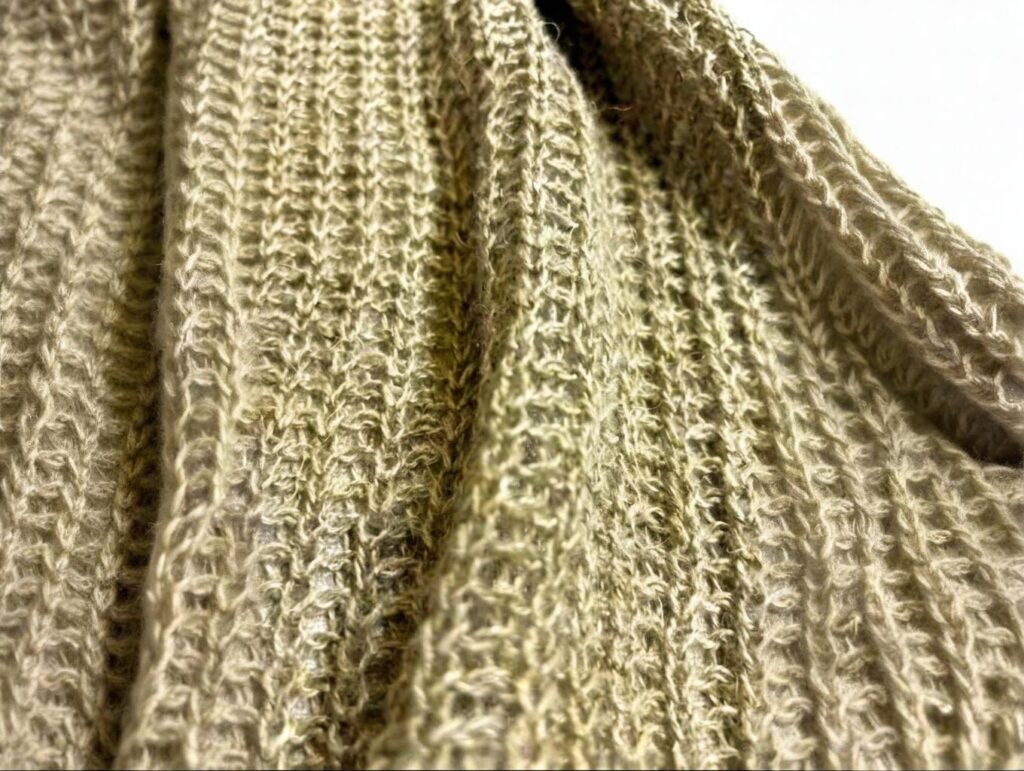
In healthcare settings, linen is more than just fabric—it’s frontline equipment. From bedsheets to scrub caps, it plays a critical role in comfort, hygiene, and infection control. With rising concerns over cross-contamination, moisture handling, and cost-effective laundry cycles, hospitals and textile buyers are paying close attention to one key decision: should linen be treated hydrophilically or hydrophobically?
Hydrophilic coatings make linen absorb moisture quickly and distribute it evenly, whereas hydrophobic treatments repel liquids. The choice depends on whether you prioritize moisture-wicking and comfort or liquid resistance and infection control.
Let’s unpack what each treatment offers—starting with real-world impact. A dermatology ward in Vancouver switched from hydrophobic to hydrophilic bed linens after nurses reported skin irritation from trapped moisture. The change reduced reported discomfort by 35% and cut towel waste by 20%. Want to better understand how your coating choice hits the key mark between comfort and safety? Keep reading.
1. What Makes a Linen Cloth Suitable for Hospital‑Grade Use?
A linen cloth qualifies as “hospital-grade” when it meets strict criteria for hygiene, durability, handling, and maintenance. Certified medical-grade textiles must also pass rigorous tests and comply with healthcare protocols.
Hospital-grade linen must balance moisture control, microbial resistance, durability under repeated sterilization, and comfort for patients and staff.
Key Performance Factors
- Moisture Management: Efficient sweat and fluid control helps maintain a dry surface and reduces risk of skin irritation.
- Durability: Fed through industrial laundry cycles 200–400 times annually; fabric must retain structure and minimize linting.
- Hygiene: Coatings should withstand 121 °C autoclave cycles or high-heat tumble drying without breakdown or toxicity.
- Regulatory Compliance: Must meet standards like ISO 16603/6 (penetration resistance) and EPA-registered antimicrobial coatings if used.
Example Table: Hospital Textile Requirements
| Requirement | Target Goal | Test Method |
|---|---|---|
| Fluid Resistance | ≤ 5 mL penetration | ISO 16603 (blood simulant) |
| Tear Strength | ≥ 30 N (warp & weft) | ASTM D1424 |
| Autoclave Retention | ≥ 95% tensile retention | After 50 cycles at 121 °C |
| Residual Coating Finish | ≤ 5% weight loss | Gravimetric rinse test |
Humanized insight: A major cancer-treatment hospital in Florida rejected a hydrophobic linen supplier after the fabric cracked following steam sterilization; they switched to a hydrophilic-treated alternative that passed 60 sterilization cycles without damage.
2. How Do Hydrophilic and Hydrophobic Coatings Work on Linen Fabric?
Hydrophilic coatings are designed to attract water molecules, enabling rapid moisture absorption and distribution across the surface. Conversely, hydrophobic finishes repel liquids, causing fluids to bead up and roll off—crucial for containing spills.
Hydrophilic coatings enhance comfort through moisture absorption, while hydrophobic coatings enhance safety through fluid repellency—each using different polymer chemistries that must be chosen based on hospital needs.
Chemistry & Mechanisms
- Hydrophilic Treatment: Often acrylic- or polyurethane-based, with additives like polyvinyl alcohol to boost wicking. It increases fabric wettability and drying rate.
- Hydrophobic Treatment: Typically uses fluorine-free silanes or silicones. These create micro-roughness and low surface energy, preventing absorption.
- Double-Sided Options: Some fabrics have hydrophilic inner layers and hydrophobic outer layers for combined performance (e.g., wicking onboard, repelling external spills).
Comparison Table: Coating Properties
| Feature | Hydrophilic Coating | Hydrophobic Coating |
|---|---|---|
| Water Contact Angle (°) | 30–60 (wettable) | ≥ 90 (beads formed) |
| Water Absorption Rate (sec) | < 5 s for 50 mL/m² | >30 s or non-absorbing |
| Surface Energy (mN/m) | High (~72 mN/m) | Low (~20–30 mN/m) |
| Coating Durability (laundry) | 50–150 cycles retained | 70–200 cycles retained |
| Dry Time (after sweating) | Fast focus; 1–2 hr for sheets | Slow; spills dry with wipe |
Case study snippet: A midwest hospital tested both finishes. Hydrophilic sheets dried in under 80 minutes in high-heat dryers, while hydrophobic ones took over 180 minutes—delaying turnaround and increasing costs.
3. Which Performs Better in Clinical Settings: Hydrophilic or Hydrophobic?
Clinical settings demand function over theory—linen must prove itself in real-world use. The performance difference between hydrophilic and hydrophobic coatings becomes clear in ICU wards, maternity units, or burn recovery rooms, where comfort and hygiene both peak in priority.
Hydrophilic coatings perform better in patient-centric areas prioritizing moisture management and comfort, while hydrophobic coatings dominate in high-fluid-risk zones like surgical and emergency departments.
Use-Case Performance Comparison
a. ICU vs Operating Rooms
| Department | Preferred Coating | Reasoning |
|---|---|---|
| ICU | Hydrophilic | Controls sweat, promotes skin integrity |
| Emergency Rooms | Hydrophobic | Resists blood, vomit, and fluid contamination |
| Surgery Suites | Hydrophobic | Ensures barrier integrity |
| Pediatric Units | Hydrophilic | Improves comfort, reduces rash risk |
b. Microbial Control & Cleanability
- Hydrophobic coatings reduce direct absorption of contaminants, thus facilitating quicker surface disinfection.
- Hydrophilic coatings may trap moisture, potentially encouraging microbial growth if not cleaned promptly—but advanced versions now include antimicrobial agents.
c. Dryer Cycle Load Impact
In busy hospitals, a linen load’s dry time influences availability. Studies show:
- Hydrophilic fabrics dried 30–45% faster in industrial dryers.
- Hydrophobic linens, while protective, required extra tumble time or lower heat settings to preserve the coating.
Real-world insight: A German hospital alternating between both coatings for different wards found 12% fewer bedsores reported when patients were on hydrophilic bedding in long-term care units. Conversely, the trauma ward maintained hydrophobic linen for spill safety and infection isolation.
4. What Role Does Thread Count Play in Durability and Coating Efficiency?
Thread count isn’t just about softness—it’s a structural element that influences how coatings bind, how long they last, and how well the fabric performs under hospital-grade stress.
Higher thread counts generally provide smoother surfaces that retain hydrophilic coatings better, while lower counts with looser weaves aid in enhancing hydrophobic repellency by allowing better air flow and beading.
Understanding Thread Count Metrics
a. Durability & Coating Adhesion
| Thread Count (TC) | Durability Rating (1–10) | Coating Retention (50+ washes) | Suitability |
|---|---|---|---|
| 150–180 | 6 | Moderate | Low-cost clinics |
| 200–250 | 8 | Good | General wards |
| 300+ | 9–10 | Excellent | Private/ICU settings |
b. Interaction with Coatings
- Hydrophilic on High TC: More uniform surface helps chemical bonding, ensures consistent moisture pull.
- Hydrophobic on Low TC: More space between yarns allows effective droplet beading and airflow beneath.
c. Fabric Types & Thread Count Choices
| Fabric Type | Avg. Thread Count | Ideal Coating Type | Remarks |
|---|---|---|---|
| Cotton-Linen | 180–250 | Both (depends on end-use) | Versatile, economical |
| Microfiber Blend | 300+ | Hydrophilic preferred | Smooth finish, hospital bedding |
| Spun Polyester | 150–200 | Hydrophobic preferred | Durable, often used in surgery kits |
Case Insight: A French private clinic switched from 180TC polycotton to 280TC cotton-rich sheets. Not only did hydrophilic coatings adhere better, but patients also rated bedding “more breathable” in surveys. Laundry cycles increased lifespan by 18%.
5. How Do Maintenance and Washing Requirements Differ Between the Two Coating Types?
While performance in the ward is critical, a coating’s true test lies in the laundry room. Hospital linen undergoes extreme washing conditions: high temperatures, aggressive detergents, and industrial tumbling. Not all coatings can take the heat—literally.
Hydrophobic coatings generally require gentler washing protocols to maintain repellency, whereas hydrophilic coatings withstand harsher cycles better but demand thorough drying to avoid retained moisture.
Comparative Maintenance Metrics
a. Wash Cycle Recommendations
| Coating Type | Ideal Wash Temp | Max Wash Cycles Before Coating Loss | Detergent Type |
|---|---|---|---|
| Hydrophobic | ≤ 60°C | 40–50 | Mild, low-pH |
| Hydrophilic | ≤ 90°C | 70–100 | Standard hospital-use |
- Hydrophobic-coated linens often lose repellency if exposed repeatedly to chlorine bleach or high alkalinity.
- Hydrophilic coatings tolerate higher heat and alkaline detergents, making them suitable for centralized hospital laundry systems.
b. Post-Wash Handling & Drying
- Hydrophilic fabrics may absorb residual rinse moisture and require full drying cycles to prevent odor/mildew.
- Hydrophobic ones shed moisture easily, reducing drying time but may delaminate if overheated.
c. Real-life Case Study:
A hospital in New Zealand trialed both coating types over 6 months:
- Hydrophilic sets lasted an average of 96 washes with minimal degradation.
- Hydrophobic sets began losing efficacy around 42 washes, particularly on high-friction areas like pillowcases.
This difference affected reorder timelines and long-term operational costs significantly.
6. Are There Significant Differences in Lifespan and Cost Over Time?
Upfront pricing can be deceiving in hospital procurement. A fabric that seems economical might wear out faster or require frequent re-coating—both of which increase cost-per-use.
Hydrophilic-coated linen generally offers a longer functional lifespan with lower maintenance cost per cycle, while hydrophobic linen may cost less initially but incur higher replacement rates.
Cost Efficiency Breakdown
a. Total Cost of Ownership (TCO)
| Coating Type | Avg. Initial Cost per Unit | Lifespan (Wash Cycles) | Total Cost per 100 Uses |
|---|---|---|---|
| Hydrophilic | $4.20 | ~95 | $4.42 |
| Hydrophobic | $3.60 | ~45 | $8.00 |
b. Labor & Logistics Impacts
- Hydrophobic linen may need more frequent sorting and handling due to coating sensitivity.
- Hydrophilic linen requires less supervision but higher energy usage for drying.
c. Supplier Warranty Comparison
| Supplier Name | Coating Type | Guaranteed Wash Cycles | Replacement Policy |
|---|---|---|---|
| MedTex Coatings | Hydrophilic | 100 | Full within 1 year |
| ShieldTex Performance | Hydrophobic | 50 | Partial if within 6 months |
Procurement insight: A mid-sized urban hospital switched fully to hydrophilic-coated sheets after discovering that while hydrophobic options were $0.60 cheaper per unit, their reorder rate doubled every quarter, increasing logistic overhead and supply chain delays.
7. Which Coating Type Is More Sustainable and Eco-Friendly?
In a world where sustainability in healthcare textiles is no longer optional, the environmental impact of coating technologies has become a decisive factor. Hospitals and healthcare providers are being held to higher green procurement standards—both by regulators and by their patients.
Hydrophilic coatings are typically more biodegradable and made with water-based chemistry, while hydrophobic coatings often rely on fluorochemicals or silicon-based compounds that are harder to recycle and may pose environmental risks.
Environmental Footprint Breakdown
a. Chemical Composition and Emissions
| Attribute | Hydrophilic Coating | Hydrophobic Coating |
|---|---|---|
| Common Binder Base | Water-based acrylics | Fluoropolymer or silicone |
| VOC Emissions | Low | Medium to high |
| Biodegradability | Moderate to high | Low |
| Microplastic Shedding Risk | Minimal | Potentially higher |
Hydrophilic coatings typically contain fewer volatile organic compounds (VOCs) and do not persist in water systems as long as hydrophobic compounds.
b. Certifications & Compliance
| Certification Type | Hydrophilic Likelihood | Hydrophobic Likelihood |
|---|---|---|
| OEKO-TEX® Standard 100 | High | Moderate |
| Bluesign® Approved | High | Low to Moderate |
| REACH Compliance | Common | Conditional |
Hydrophilic-coated textiles more frequently meet global eco-labels and are easier to certify under hospital green procurement programs.
c. Case Study: Nordic Hospitals’ Green Linen Transition
Hospitals in Sweden and Denmark transitioned 60% of their hospital linen to hydrophilic-coated fabrics by 2024, citing:
- Easier certification for EU Ecolabel
- Reduced emissions in centralized laundries
- Decreased fluorine residue in wastewater
While this came with a small rise in drying energy cost, total ecological impact dropped by 23% over two fiscal years.
8. How Can Hospitals Choose the Right Coating for Their Specific Use Case?
Selecting the ideal coating isn’t about “which is better,” but rather, “which is better for your hospital’s environment, goals, and operational setup.” This requires aligning fabric function with real-world logistics and patient care needs.
Hospitals should base their coating choice on use environment (humidity, patient type), expected linen turnover, sustainability goals, and laundry infrastructure.
Use Case-Based Decision Matrix
a. Decision Criteria Matrix
| Evaluation Factor | Best Fit: Hydrophilic | Best Fit: Hydrophobic |
|---|---|---|
| Frequent Hot Washing | ✅ | ❌ |
| Moisture Evacuation Needs | ❌ | ✅ |
| Green Procurement Goals | ✅ | ❌ |
| Low-Friction Use (beds) | ✅ | ✅ |
| Barrier Needs (fluids) | ❌ | ✅ |
| Budget-First Operations | ❌ | ✅ |
b. Application Scenarios
- Intensive Care Units (ICU): Require rapid barrier drying; hydrophobic may be preferable.
- Long-term Care Wards: More wash-intensive; hydrophilic durability adds value.
- Tropical Hospitals: Need for airflow and moisture balance makes hydrophilic more comfortable for patients.
c. Human Insight: Laundry Manager’s Feedback
“Hydrophilic linens handle our 90°C washes without issue. We used to replace hydrophobic gowns every 3–4 weeks. Now we rotate linens seasonally and save on reorders.” — Head of Linen Services, Singapore General Hospital
d. Procurement Guidance Tips
- Run pilot tests in different departments.
- Involve facility managers and laundry vendors early.
- Confirm third-party lab tests for wash-cycle durability and coating retention.
For hospitals, health clinics, and medical textile buyers seeking reliable, custom-made coated linen fabric, SzoneierFabrics provides tailored hydrophilic and hydrophobic fabric options tested for hospital-grade performance. Whether your focus is sustainability, barrier protection, or long-term cost savings, we can help you develop the ideal textile solution.
Contact us today for a sample, quote, or technical consultation.
hospital grade linen fabric, hydrophilic coating fabric, hydrophobic coating textile, medical linen material, waterproof hospital sheets, breathable hospital bedding, anti-bacterial linen fabric, hospital linen supplier, durable medical textiles, fluid resistant fabric, moisture wicking linen, hospital textile coatings, reusable hospital gowns, coated medical fabric, sustainable hospital bedding, linen for healthcare use, medical textile supplier, waterproof linen cloth, breathable coated fabric, washable hospital linen, chemical resistant textile coating, flame retardant hospital linen, OEKO-TEX hospital fabric, REACH compliant linen, linen fabric for ICU, antimicrobial coated fabric, hospital laundry fabric, eco friendly hospital textile, patient bed linen wholesale, healthcare grade linen material

Can't find the answers?
No worries, please contact us and we will answer all the questions you have during the whole process of bag customization.
Make A Sample First?
If you have your own artwork, logo design files, or just an idea,please provide details about your project requirements, including preferred fabric, color, and customization options,we’re excited to assist you in bringing your bespoke bag designs to life through our sample production process.