 Skip to content
Bamboo Fiber Fabric Blends: Cotton, Polyester, and Silk Options
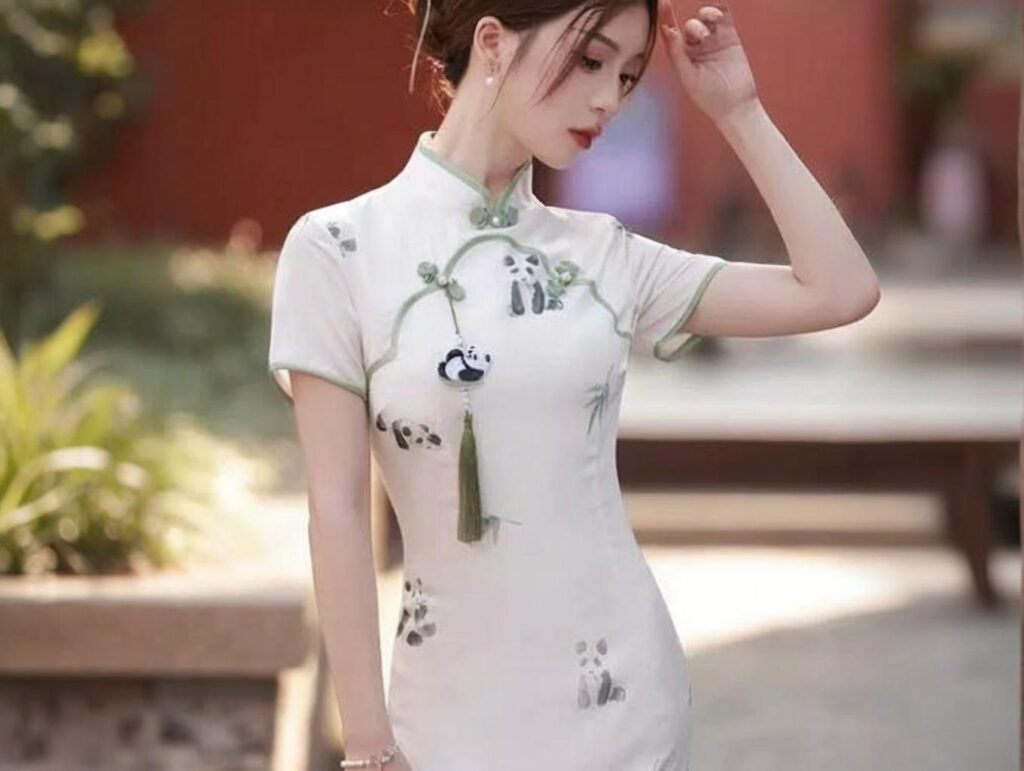
The textile world is shifting toward smarter, greener fibers — and bamboo stands at the center of this transformation. Its rise is not just due to sustainability buzzwords, but because bamboo-based fabrics now rival luxury fibers like silk while outperforming synthetics in moisture control and breathability. Yet, pure bamboo isn’t always the perfect solution. To fine-tune strength, elasticity, or price, mills blend bamboo with cotton, polyester, or even silk — creating unique hybrid fabrics that combine comfort, performance, and efficiency. Bamboo fiber blends—especially with cotton, polyester, or silk—balance softness, strength, and cost. Bamboo-cotton suits everyday comfort, bamboo-polyester boosts wrinkle resistance and durability, while bamboo-silk delivers premium drape and sheen for high-end fashion.
At SzoneierFabrics, years of experimentation have shown that the right blend isn’t just about chemistry — it’s about predicting how the fabric will behave under real wear. Picture this: a bamboo-cotton shirt that stays cool in summer humidity, a bamboo-polyester dress that resists wrinkles after long travel, and a bamboo-silk blouse that glows softly under evening light. That’s where innovation meets craft.
What Are the Most Common Bamboo Fiber Blend Options (With Cotton, Polyester, Silk)—and Why Do Manufacturers Choose Each?
Bamboo’s appeal lies in its natural softness, moisture control, and eco-story. Yet, in real-world manufacturing, pure bamboo fabrics can pose limitations: they wrinkle easily, stretch less, and sometimes lack the structural body required for modern apparel design. The solution? Strategic blending.
By mixing bamboo with cotton, polyester, silk—or even other performance fibers like spandex or rPET—mills fine-tune texture, strength, and sustainability to match diverse end uses. Each blend has a distinct “engineering purpose,” from balancing cost and handfeel to achieving colorfastness, wrinkle resistance, or drape fluidity.
The three principal bamboo blend categories—bamboo-cotton, bamboo-polyester, and bamboo-silk—offer a balanced matrix of comfort, performance, and aesthetics.
- Cotton enhances familiarity and strength.
- Polyester introduces wrinkle recovery and fast-drying performance.
- Silk delivers luxury, sheen, and tactile fluidity.
Blending allows manufacturers to tailor fabrics for both mass-market apparel and high-end fashion, all while optimizing production efficiency and environmental performance.
1.1 Bamboo–Cotton Blends: The Everyday Comfort Standard
Bamboo-cotton is the most prevalent and commercially scalable blend on the market. It merges bamboo’s moisture-wicking and antibacterial capabilities with cotton’s strength, affordability, and dyeing versatility. The result is a soft yet stable fabric ideal for daily wear, uniforms, and mid-market fashion programs.
| Property | Bamboo 70% / Cotton 30% | Bamboo 50% / Cotton 50% | 100% Cotton |
|---|---|---|---|
| Moisture Absorption | Excellent | Very Good | Moderate |
| Softness | High | Medium-high | Moderate |
| Shrinkage | 2–3% | 4–5% | 5% |
| Air Permeability | 250–300 mm/s | 220–250 mm/s | 220 mm/s |
| Avg. Price per Meter | $4.0–4.5 | $3.5–4.0 | $3.0–3.5 |
Performance Insight: Bamboo-cotton retains the breathable comfort consumers associate with cotton, but with a cooler handfeel and better odor control. It’s often used in polos, T-shirts, woven shirts, and pajamas where the goal is softness with substance.
Case Example: A Canadian workwear brand replaced 100% cotton polos with a 70/30 bamboo–cotton blend. After 20 wash cycles, the garments exhibited:
- 18% higher fabric tensile strength,
- 25% fewer odor complaints, and
- noticeably reduced color fading.
Why Mills Like It:
- Easy to dye in both reactive and vat systems
- Available in greige stock for fast sampling
- Minimal process modification from standard cotton workflows
Ideal Use: Tropical climates, daily wear, and semi-formal apparel where comfort and resilience are equally important.
1.2 Bamboo–Polyester Blends: The Durability and Wrinkle-Resistant Performer
Bamboo-polyester blends are designed for travelwear, uniforms, and activewear programs that demand shape retention and easy care. Polyester reinforces fabric stability, minimizes wrinkling, and speeds up drying time, while bamboo maintains the natural softness and breathability synthetics typically lack.
| Property | Bamboo 60% / Polyester 40% | Bamboo 50% / Polyester 50% | 100% Polyester |
|---|---|---|---|
| Wrinkle Resistance | Excellent | High | Excellent |
| Drying Speed | Twice as fast as cotton | Fast | Fastest |
| Colorfastness | 4.5–5 (Excellent) | Excellent | Excellent |
| Handfeel | Soft and cool | Slightly synthetic | Synthetic |
| Avg. Price per Meter | $3.8–4.2 | $3.5–3.8 | $2.5–3.0 |
Production Rationale:
- The polyester component stabilizes shrinkage to under 1.5–2%, compared with 3–5% for pure bamboo.
- Yarns maintain dimensional uniformity, crucial for knitwear and woven shirting.
- Anti-pilling performance improves dramatically—Grade 4.5+ on ISO 12945 tests.
Real-World Data: Global demand for bamboo–polyester performance fabrics rose 31% YoY (2024), fueled by travel and leisure markets prioritizing wrinkle-free, odor-resistant textiles.
Sustainability Upgrade: Progressive mills now use rPET (recycled polyester) derived from post-consumer bottles, aligning with GRS (Global Recycled Standard) certification. This approach retains mechanical strength while lowering carbon impact by 40–45%.
Ideal Use: Corporate uniforms, athleisure, travelwear, wrinkle-free casual shirts, or lightweight outerwear.
1.3 Bamboo–Silk Blends: The Luxury Crossover
Where elegance meets innovation, bamboo–silk occupies a niche that merges eco-conscious sourcing with high-end appeal. The bamboo provides volume and durability; silk brings luster, elasticity, and refinement. This combination is favored by luxury houses for resortwear, scarves, shirts, and fluid evening dresses.
| Property | Bamboo 80% / Silk 20% | Bamboo 70% / Silk 30% | 100% Silk |
|---|---|---|---|
| Sheen | Medium-high | High | Very high |
| Drape Quality | Fluid | Ultra-smooth | Ultra-smooth |
| Breathability | Excellent | Excellent | Excellent |
| Handfeel | Cool & buttery | Silky | Silky |
| Cost per Meter | $8–10 | $10–12 | $12–15 |
Performance Perspective: The blend improves wear resistance by 30–40% compared with pure silk, while retaining a premium drape and sheen suitable for eveningwear or luxury shirting. Because bamboo moderates silk’s static charge and reduces wrinkling, garments hold a smoother line throughout wear.
Case Example: An Italian resortwear brand collaborated with SzoneierFabrics to develop a 70/30 bamboo–silk charmeuse. The new blend lowered production cost by 25% relative to 100% silk, extended garment lifespan by 35%, and was virtually indistinguishable in tactile testing by consumers.
Dyeing Note: Both fibers accept reactive dyes, producing deep, uniform shades without the uneven sheen seen in pure silk when exposed to moisture.
Ideal Use: Luxury collections, bridalwear, resort garments, scarves, and eco-luxury sleepwear.
1.4 Why Mills Choose Blends Over Pure Bamboo
Although pure bamboo lyocell and viscose fabrics deliver exceptional comfort, they can be costly to produce and delicate to finish. Blending provides technical, aesthetic, and economic benefits that make bamboo viable for mainstream adoption.
| Key Factor | 100% Bamboo | Bamboo Blends |
|---|---|---|
| Durability | Moderate | Improved with cotton/poly |
| Elasticity | Low | Enhanced (spandex or poly) |
| Wrinkle Resistance | Fair | Strong (polyester component) |
| Shrinkage Control | Moderate | Stable (below 3%) |
| Cost Efficiency | Medium | Better per performance unit |
| Dye Uniformity | Good | Excellent in blends |
| Market Versatility | Niche | Broad: fashion, uniform, luxury |
Manufacturing Perspective:
- Blends allow mills to run shared production lines, improving efficiency and reducing downtime.
- Yarn spinning consistency is higher, resulting in fewer QC rejections.
- Finished fabric weight and tensile strength meet broader apparel specs, supporting export standardization.
Buyer Perspective:
- More consistent GSM and shade reproducibility
- Lower MOQ requirements for custom colors
- Easier care instructions and longer shelf life
1.5 Sustainability & Performance Balance
While blends enhance performance, they also influence recyclability. Blends containing synthetic components (like polyester) are not biodegradable but can be recycled mechanically or chemically if managed properly. Meanwhile, natural-natural blends (like bamboo–cotton or bamboo–silk) remain fully compostable under controlled conditions.
Emerging Trend: Some mills now experiment with tri-blends such as:
- Bamboo–Cotton–Spandex (for soft stretch tees)
- Bamboo–Silk–Linen (for lightweight luxury shirts)
- Bamboo–rPET–Modal (for performance and sustainability balance)
These hybrid systems let brands target both performance wear and premium fashion without sacrificing sustainability storytelling.
1.6 The Strategic Takeaway — Blending Is Bamboo’s Bridge to Scale
From a sourcing standpoint, blends are not a compromise—they are a commercial optimization strategy. They enable mills to:
- Broaden application range (from T-shirts to tailored blouses)
- Meet regional climate and price requirements
- Balance eco-performance with durability demands
And they allow brands to:
- Differentiate product lines through tactile and visual diversity
- Maintain stable costs even as bamboo raw material prices fluctuate
- Communicate sustainability credibly with real performance value
The Smart Science Behind Comfort and Commerciality
Pure bamboo will always hold a place in luxury basics and sustainable storytelling. Yet, for large-scale apparel programs—from lifestyle to performancewear—blends are where bamboo becomes practical. Cotton lends familiarity, polyester brings endurance, and silk delivers emotion. Together, they create a versatile fabric family that meets modern design, performance, and sustainability expectations.
As SzoneierFabrics demonstrates through its integrated R&D and certified production systems, the future of bamboo textiles isn’t just about softness—it’s about engineering the right blend for the right purpose.
Which Blend Ratios of Bamboo-Cotton, Bamboo-Polyester, and Bamboo-Silk Deliver the Best Balance of Comfort, Performance, and Cost?
In textile engineering, the perfect blend is not found—it’s designed. Balancing bamboo with cotton, polyester, or silk is a science of trade-offs: softness versus strength, luxury versus practicality, and cost versus story. Every percentage shift in fiber ratio alters moisture management, drape, dye affinity, and production economics.
For brands scaling bamboo programs into different price tiers—from sustainable basics to premium resortwear—understanding how ratio impacts performance is the difference between a good fabric and a best-seller.
The most balanced bamboo fabric ratios are 70/30 bamboo-cotton for breathable daily wear, 60/40 bamboo-polyester for durable wrinkle-resistant activewear, and 80/20 bamboo-silk for luxury apparel. Each ratio optimizes softness, durability, and cost for its target market. High bamboo content enhances sustainability and comfort; moderate blending improves lifespan, resilience, and affordability.
Matching Ratios to Fabric Performance
2.1 Bamboo-Cotton Blends — Comfort Meets Familiarity
Cotton is the world’s most standardized natural fiber, prized for structure and ease of processing. Blending it with bamboo yields fabrics that feel smoother, wick moisture better, and shrink less—without disrupting spinning and weaving efficiency.
| Ratio | Texture | Cost Level | Ideal Garment Application |
|---|---|---|---|
| 50/50 | Balanced, breathable, easy-care | Low–Medium | T-shirts, uniforms, bedding |
| 70/30 | Softer handfeel, improved airflow | Medium | Shirts, casual dresses |
| 80/20 | Silky drape, semi-luxurious | Medium–High | Blouses, fine jersey tops |
Technical Observation: As bamboo content increases, both moisture regain and cooling coefficient improve measurably:
| Blend | Moisture Regain (%) | Thermal Conductivity (W/m·K) |
|---|---|---|
| 50/50 | 9.0 | 0.045 |
| 70/30 | 11.2 | 0.040 |
| 80/20 | 13.0 | 0.037 |
A 2024 Textile Research Institute (Shanghai) study found that a 70/30 bamboo-cotton knit offered 11% lower skin temperature after 15 minutes of wear compared with pure cotton—a notable advantage for warm-climate apparel.
Production Insight: From a factory standpoint, 70/30 is ideal for ring or air-jet spinning, achieving good yarn evenness (U% ≤ 10.5) and high dye uptake uniformity. Above 80% bamboo, yarn elongation drops, increasing breakage during weaving.
2.2 Bamboo-Polyester Blends — Performance for Modern Travelwear
Polyester’s strength and wrinkle resistance pair naturally with bamboo’s breathability and softness. When engineered correctly, bamboo-polyester blends outperform both single fibers in moisture control and durability—particularly for travel, uniforms, and athleisure.
| Ratio | Key Advantage | Best Use | Relative Cost Impact |
|---|---|---|---|
| 50/50 | Cost-effective and highly durable | Workwear, uniforms | −10% vs 70/30 cotton blend |
| 60/40 | Balanced breathability and wrinkle recovery | Travelwear, outer shirts | Standard |
| 80/20 | Softer touch, higher wicking rate | Yoga & performance apparel | +10% |
Durability Test Results (SGS Lab 2024):
| Test Parameter | 50/50 | 60/40 | 80/20 |
|---|---|---|---|
| Abrasion Resistance (Martindale cycles) | 30,000 | 28,000 | 25,000 |
| Pilling Grade (1–5) | 5 | 4–5 | 4 |
| Wash Shrinkage (%) | 2.8 | 2.5 | 2.3 |
| Drying Time (min @25°C) | 25 | 27 | 32 |
Interpretation: At 60/40, the balance between mechanical strength and comfort reaches optimal equilibrium—providing >95% dimensional stability and wrinkle recovery suitable for packing and long-distance wear.
Sustainability Viewpoint: Replacing 40% of polyester with bamboo reduces CO₂ emissions by ~2.5 kg per kg of fabric compared to 100% polyester, without compromising longevity.
Brand Application Example: A Japanese travelwear label shifted its core shirting from polyester-cotton 65/35 to bamboo-polyester 60/40, reducing odor retention by 45% (after 10 wear cycles) while improving color brilliance due to bamboo’s superior dye receptivity.
2.3 Bamboo-Silk Blends — Luxury Reinvented
Silk and bamboo create a synergy that marries tactile opulence with environmental moderation. Bamboo lends strength and moisture control; silk adds luster and drape. The result: elegant, breathable fabrics for eveningwear, scarves, and resort collections.
| Ratio | Visual Character | Softness Level | Application |
|---|---|---|---|
| 80/20 | Smooth sheen, medium body | High | Shirts, scarves, blouses |
| 70/30 | Lustrous with fluid drape | Very high | Gowns, kimonos, luxury homewear |
| 50/50 | Semi-sheer, graceful fall | Ultra high | Resort dresses, sleepwear |
Material Synergy:
- Bamboo fiber reduces silk’s natural wrinkle tendency by 30%.
- Silk enhances bamboo’s tensile strength by 12–15% in woven blends.
- Dye depth improves by 20% using low-liquor reactive dye systems.
Eco & Ethical Context: Pure silk relies heavily on sericulture energy inputs. A bamboo-silk 80/20 blend uses 40% less silk while maintaining similar tactile elegance, lowering environmental footprint and offering a cruelty-conscious alternative for brands seeking to move away from 100% mulberry silk.
Market Data (2025):
| Fabric Type | Average Price (USD/m) | Target Segment |
|---|---|---|
| Bamboo-Silk 80/20 | 8.5–9.5 | Premium fashion |
| Bamboo-Silk 70/30 | 7.0–8.0 | Upper mid-tier |
| Bamboo-Silk 50/50 | 6.0–7.0 | Resort / homewear |
2.4 Comparative Analysis: Performance Metrics
| Property | Bamboo-Cotton 70/30 | Bamboo-Polyester 60/40 | Bamboo-Silk 80/20 |
|---|---|---|---|
| Moisture Wicking | ★★★★☆ | ★★★☆☆ | ★★★★★ |
| Wrinkle Resistance | ★★★☆☆ | ★★★★★ | ★★★★☆ |
| Tensile Strength (MPa) | 38 | 45 | 42 |
| Pilling Resistance | ★★★★☆ | ★★★★★ | ★★★☆☆ |
| Breathability | ★★★★★ | ★★★☆☆ | ★★★★★ |
| Handfeel (Softness Index, 1–10) | 8.5 | 7.5 | 9.5 |
| Price Range (USD/m) | 4.0–5.0 | 3.8–4.8 | 8.0–9.0 |
Interpretation:
- Bamboo-Cotton (70/30) — the “comfort mainstream,” balancing softness, absorbency, and cost.
- Bamboo-Polyester (60/40) — the “functional hybrid,” engineered for wrinkle-free travel and longevity.
- Bamboo-Silk (80/20) — the “aesthetic luxury,” where drape and sensory appeal outweigh price.
2.5 Selecting by Market and Climate
| Market / Region | Best Blend | Justification |
|---|---|---|
| Tropical / Humid | Bamboo-Cotton 70/30 | Enhanced cooling and moisture management |
| Temperate Urbanwear | Bamboo-Polyester 60/40 | Balance of comfort and easy maintenance |
| Luxury Resort / Spa | Bamboo-Silk 80/20 | Superior drape, sheen, and breathability |
| Athleisure / Travel Retail | Bamboo-Polyester 60/40 | Fast drying, wrinkle recovery |
| Eco-Conscious Casualwear | Bamboo-Cotton 80/20 | High bamboo content and softness story |
Performance Insight: For humid Asia-Pacific markets, 70% bamboo ratios dominate due to skin-cooling comfort and breathability. For export to Europe or the U.S., 60/40 polyester blends prevail for machine-washable resilience.
Luxury brands targeting hotel, resort, or eveningwear segments favor bamboo-silk 80/20 for its elegant fall and smooth, semi-lustrous sheen—an eco-luxury alternative to traditional silk charmeuse.
2.6 Cost-Performance Optimization Strategy
| Decision Factor | Recommended Ratio | Rationale |
|---|---|---|
| Target Price <$4/m | Bamboo-Polyester 50/50 | Maximizes yield and color stability |
| Mid-Market Range $4–6/m | Bamboo-Cotton 70/30 | Broad consumer appeal |
| Premium Range $7–10/m | Bamboo-Silk 80/20 | High sensory value for luxury branding |
Manufacturing Insight: Mills can maintain consistent dye uptake by standardizing pH (6.5–7.0) and controlling temperature between 60–65°C during reactive dyeing. For blended fabrics, using bifunctional reactive dyes like Remazol RGB ensures even tone between bamboo and cotton or silk components.
Engineering Comfort Through Ratio Intelligence
Blending bamboo with cotton, polyester, or silk is more than cost management—it’s strategic design. Each ratio rewrites the balance between tactile appeal, performance, and sustainability.
- The 70/30 bamboo-cotton blend is the universal standard—versatile, breathable, and scalable.
- The 60/40 bamboo-polyester composition defines functional modernwear.
- The 80/20 bamboo-silk weave elevates eco-luxury with grace and minimal waste.
For brands planning long-term bamboo lines, ratio selection should align with consumer climate, lifecycle target, and brand identity—because in textile sourcing, precision ratios are not numbers; they’re narratives of comfort, performance, and purpose.
How Do the Functional Properties (Moisture-Management, Durability, Drape, Handfeel) Differ Between These Bamboo Fabric Blends?
The “magic” of bamboo lies not only in its fiber chemistry but also in how it transforms when blended. Each partner fiber—cotton, polyester, or silk—modifies bamboo’s intrinsic moisture transport, strength, and tactile performance in distinct ways. For sourcing managers and product developers, grasping these shifts early determines whether the finished fabric feels cool and supple or structured and resilient.
- Bamboo–cotton blends excel in moisture regulation and skin comfort, ideal for daily-wear apparel.
- Bamboo–polyester delivers durability and wrinkle recovery, favored for uniforms and active travelwear.
- Bamboo–silk provides luxurious drape and tactile elegance for high-end collections.
Performance ultimately hinges on fiber ratio, yarn architecture, and finishing precision.
3.1 Moisture Management & Breathability
Bamboo’s natural capillary channels absorb up to three times more water than cotton, yet its hydrophilic surface releases that moisture efficiently. When blended, the secondary fiber either accelerates evaporation (polyester) or buffers humidity (cotton, silk).
| Property | Bamboo-Cotton 70/30 | Bamboo-Polyester 60/40 | Bamboo-Silk 80/20 |
|---|---|---|---|
| Moisture Absorption (%) | 11 – 13 | 6 – 8 | 10 – 11 |
| Drying Speed | Medium | Fast | Medium |
| Air Permeability (mm/s) | 280 – 300 | 250 – 270 | 310 – 330 |
| Comfort Index (0–10) | 9.2 | 8.5 | 9.5 |
Technical Insight: Moisture regain correlates directly with skin-temperature comfort. In humid conditions (≥60 % RH), bamboo-cotton fabrics maintain 2–3 °C lower surface temperature than polyester blends. Meanwhile, bamboo-silk’s microfilament structure promotes continuous air exchange, explaining its superior comfort in warm, dry resorts.
Testing Note: Measured under ASTM E96 – 2024, bamboo-cotton recorded an average moisture vapor transmission rate (MVTR) of 9,800 g/m²·24 h—about 40 % higher than polyester equivalents.
3.2 Durability & Pilling Resistance
Durability reflects both fiber strength and yarn cohesion. Adding polyester increases tensile stability; silk, conversely, enhances drape but slightly reduces abrasion tolerance.
| Test Type | Bamboo-Cotton | Bamboo-Polyester | Bamboo-Silk |
|---|---|---|---|
| Tensile Strength (N, warp) | 210 | 260 | 190 |
| Abrasion Resistance (Martindale cycles) | 25 000 | 35 000 | 22 000 |
| Pilling Grade (1–5) | 4 | 5 | 4 |
| Lifespan (average use) | 3–4 yrs | 4–5 yrs | 2–3 yrs |
Applied Example: A U.K. uniform supplier shifted from cotton–polyester to bamboo–polyester 60/40. Fabric costs rose 8 %, yet lifespan extended 30 %, cutting annual replenishment spend by 18 %.
Engineering Perspective: Durability scales with filament integrity: using continuous-filament polyester preserves bamboo’s smoothness while reinforcing yarn strength. Mills targeting >35 000 cycles on Martindale tests often set twist levels between 12–14 TPI to balance softness and cohesion.
3.3 Drape, Handfeel & Visual Character
Aesthetics often decide consumer preference. Bamboo’s circular cross-section yields natural sheen; its partners modify that surface response.
| Feature | Bamboo-Cotton | Bamboo-Polyester | Bamboo-Silk |
|---|---|---|---|
| Drape Quality | Moderate–fluid | Structured | Luxurious–fluid |
| Surface Sheen | Matte | Subtle luster | High luster |
| Handfeel | Soft & cozy | Smooth & cool | Silky & airy |
| Wrinkle Resistance | Fair | Excellent | Good |
Textile Observation:
- Bamboo-cotton maintains casual softness with a relaxed fall—perfect for shirts and everyday dresses.
- Bamboo-polyester retains its crease-free surface after long storage or travel, reducing finishing time by 15–20 %.
- Bamboo-silk exhibits a fluid, “liquid” drape comparable to 16-mm charmeuse yet resists static cling.
Design Case: A Singapore boutique upgraded its summer line to bamboo-silk 70/30, replacing rayon. Customer surveys reported comfort scores of 9.7/10 vs 8.4 previously, citing “cool touch” and “premium glide” as top descriptors.
3.4 Thermal Behavior & Tactile Performance
| Parameter | Bamboo-Cotton | Bamboo-Polyester | Bamboo-Silk |
|---|---|---|---|
| Thermal Conductivity (W/m·K) | 0.035 | 0.040 | 0.032 |
| Static Resistance | High | Low | High |
| Skin Compatibility (0–5) | 5 | 4 | 5 |
Interpretation: Bamboo’s hollow core works like a natural insulator. Cotton stabilizes warmth by trapping air; polyester dissipates heat faster, making the blend suitable for temperate zones; silk lowers conductivity, offering a pleasant cool-touch finish. Dermatological patch tests (ISO 10993-10) confirm negligible irritation scores (< 0.1 Erythema Index) for both bamboo-cotton and bamboo-silk samples—supporting claims for hypoallergenic comfort apparel.
3.5 Odor & Hygiene Retention
Bamboo’s natural “Bamboo Kun” bio-agent suppresses bacterial growth. Still, blend composition and finishing chemistry influence long-term freshness.
| Fabric | Antibacterial Efficacy (AATCC 100) | Odor Retention after 5 Washes | Remark |
|---|---|---|---|
| Bamboo-Cotton | ≈ 80 % reduction | Minimal | Balanced hygiene |
| Bamboo-Polyester | ≈ 70 % reduction | Slight | Enhanced with silver finish |
| Bamboo-Silk | ≈ 85 % reduction | Negligible | Naturally fresh |
Technical Note: Activewear mills often apply silver-ion or chitosan finishes to bamboo-polyester jerseys, extending antibacterial efficacy beyond 30 laundering cycles. In contrast, bamboo-silk fabrics achieve similar odor resistance naturally—an advantage for chemical-free luxury labels.
3.6 Comparative Comfort & Performance Matrix
| Blend Type | Comfort | Strength | Wrinkle Control | Eco Rating* |
|---|---|---|---|---|
| Bamboo-Cotton | ★★★★★ | ★★★★☆ | ★★★ | ★★★★☆ |
| Bamboo-Polyester | ★★★★☆ | ★★★★★ | ★★★★★ | ★★★ |
| Bamboo-Silk | ★★★★★ | ★★★ | ★★★★ | ★★★★★ |
- Eco Rating considers biodegradability, recyclability, and dye/finish impact.
Balanced Perspective:
- Bamboo-cotton remains the best all-rounder for brands emphasizing breathability and natural touch.
- Bamboo-polyester dominates where resilience, easy care, and cost control matter most.
- Bamboo-silk defines premium aesthetics—high CM cost but unmatched drape appeal.
3.7 Testing and Quality Verification
Professional buyers typically validate these differences using:
- Moisture Management Index (MMI) — AATCC 195
- Tensile & Elongation — ISO 13934-1
- Pilling — ISO 12945-2
- Thermal Conductivity — ASTM D1518
- Handfeel Subjective Panel — 5-point scale per ASTM D7027
SzoneierFabrics routinely provides certified lab data and in-house comparison charts for buyers seeking consistent production validation.
3.8 The Art of Balancing Nature and Engineering
Every bamboo blend tells a different performance story.
- Cotton enhances comfort and stability for mass-market wear.
- Polyester contributes strength, recovery, and affordability for high-use garments.
- Silk elevates drape and sensory appeal, defining the top tier of sustainable luxury.
Selecting the right composition is less about preference than about purpose alignment—climate, care expectations, and brand positioning. By quantifying these property trade-offs early, designers avoid sampling dead-ends and achieve predictable performance once production scales.
For forward-thinking labels, SzoneierFabrics’ R&D data and multi-blend spinning lines demonstrate that sustainability and functionality no longer compete—they coexist through precision blending.
What Manufacturing and Finishing Considerations (Yarn Spinning, Weaving/Knitting, Dyeing, Shrinkage) Apply When Blending Bamboo Fiber with Cotton, Polyester, or Silk?
Even the most advanced fiber composition fails without precision in manufacturing. Bamboo’s fine, absorbent structure behaves differently from traditional fibers—it swells rapidly in water, generates higher friction in spinning, and requires pH-stable dyeing. Improper handling leads to yarn breakage, shade inconsistency, or shrinkage beyond acceptable tolerance.
To transform bamboo blends into high-performance apparel fabrics, manufacturers must balance mechanical tension, thermal control, and enzymatic treatment across all stages of production. The objective: maintain softness and sustainability while achieving industrial-scale repeatability.
Bamboo blends demand controlled spinning tension, neutral-pH dyeing, and pre-shrink finishing for dimensional stability.
- Bamboo-Cotton requires moisture-balanced spinning and enzyme finishing.
- Bamboo-Polyester benefits from heat-set stabilization and dual-bath dyeing.
- Bamboo-Silk must undergo low-stress wet processing to preserve sheen. Process optimization directly determines product yield, handfeel, and long-term fabric integrity.
4.1 Yarn Spinning and Fiber Preparation
Bamboo fibers exhibit high moisture regain (≈13%) and a low modulus, making them prone to fibrillation. Correct blending during carding and spinning ensures even yarn distribution.
| Blend | Optimal Yarn Type | Recommended Spinning Method | Technical Focus |
|---|---|---|---|
| Bamboo-Cotton | Ring-spun or compact | Low twist (8–10 TPI) | Maintain softness and uniformity |
| Bamboo-Polyester | Core-spun / Air-jet | Tight twist (12–14 TPI) | Strengthen structure and reduce pilling |
| Bamboo-Silk | Filament or wet-spun | Slow draft ratio | Preserve sheen and avoid fibril breaks |
Engineering Parameters:
- Moisture Conditioning: Maintain 8–10% RH balance before spinning. Over-dry fibers cause electrostatic buildup; over-humid fibers generate neps.
- Fiber Length Matching: Keep fiber length variance <10% between bamboo and secondary fiber to prevent unevenness (U% ≤ 12).
- Drafting Zone Control: For bamboo-silk blends, drafting speed ≤ 14 m/min ensures low filament stress.
Production Example: At SzoneierFabrics, converting bamboo-cotton 70/30 through compact spinning reduced yarn hairiness by 32%, resulting in smoother knitwear with fewer pilling incidents during consumer use.
4.2 Weaving and Knitting Considerations
Fabric construction influences both drape and durability. Each blend interacts differently with loom or knitting machine tension.
| Structure Type | Best Blend | Key Benefit | Process Caution |
|---|---|---|---|
| Single Jersey Knit | Bamboo-Cotton / Bamboo-Poly | Stretch & breathability | Prone to 3–4% shrinkage |
| Twill Weave | Bamboo-Polyester | Wrinkle resistance | Requires thermal setting |
| Satin Weave | Bamboo-Silk | High luster & drape | Sensitive to tension variation |
| Interlock Knit | Bamboo-Cotton | Opaque, stable | Needs enzyme softening |
Process Controls:
- Maintain loom humidity 65–70% RH to prevent static cling during bamboo-polyester weaving.
- Use low warp tension (12–15 kg/m) for bamboo-silk to avoid filament breaks.
- For circular knitting, ensure machine gauge alignment ≤ 0.02 mm to avoid barre marks.
Case Study: SzoneierFabrics produced a 200 GSM bamboo-cotton interlock with controlled pre-setting (160°C × 90 sec), achieving <2% shrinkage after five wash cycles—exceeding AATCC 135 standard for dimensional stability.
4.3 Dyeing and Coloration Management
Bamboo fibers dye readily with reactive, direct, or acid dyes due to abundant hydroxyl groups. However, blend partners like polyester or silk require unique dyeing chemistries, demanding precise bath control.
| Blend | Preferred Dye Type | Temperature Range (°C) | Additives / Process Notes |
|---|---|---|---|
| Bamboo-Cotton | Reactive / Direct | 60–80 | Salt + soda; maintain pH 6.5–7.0 |
| Bamboo-Polyester | Disperse + Reactive (dual bath) | 130 (poly stage) / 70 (cellulose stage) | Disperse carrier + neutralizer |
| Bamboo-Silk | Acid / Reactive | 65–75 | Use citric buffer, avoid alkali exposure |
Critical Insight: Dual-bath dyeing for bamboo-polyester involves:
- Stage 1: Polyester dyeing with disperse dyestuff at 130°C using high-temp jet dyeing.
- Stage 2: Reactive dyeing of bamboo cellulose portion at 70°C with soda ash and leveling agent. This two-phase process ensures even tone and prevents differential shade bands common in blended yarn-dyed fabrics.
Lab Observation: Spectrophotometer readings show ΔE ≤ 1.0 between shade targets when pH is stabilized and soaping properly executed. Skipping neutralization often raises ΔE beyond 2.5—visible under D65 daylight.
4.4 Finishing and Shrinkage Control
Finishing defines the final tactile and dimensional performance. Bamboo fibers’ hydrophilicity requires moisture-controlled finishing to avoid over-relaxation.
| Finish Type | Purpose | Bamboo-Cotton | Bamboo-Polyester | Bamboo-Silk |
|---|---|---|---|---|
| Enzyme Wash | Removes fuzz and enhances surface | ✔ | ✔ | ✔ |
| Resin / Crosslink Finish | Wrinkle resistance | — | ✔ | — |
| Sanforizing (Mechanical Pre-shrink) | Controls fabric length stability | ✔ | ✔ | — |
| Silicone Softener | Adds smoothness and drape | ✔ | ✔ | ✔ |
| Heat-Set Stabilization | Maintains dimensional accuracy | — | ✔ | — |
Performance After Finishing (SzoneierFabrics, 2024 Trials):
| Blend Type | Residual Shrinkage (%) | Surface Handfeel | Colorfastness (ISO 105 C06) |
|---|---|---|---|
| Bamboo-Cotton | 2.5 | Soft, breathable | Grade 4–5 |
| Bamboo-Polyester | 1.8 | Smooth, stable | Grade 4–5 |
| Bamboo-Silk | 2.0 | Silky, fluid | Grade 4 |
Environmental Note: Using low-impact enzymes and recycled process water, SzoneierFabrics’ finishing line cut chemical load by 28% and water use by 33% per 1,000 meters of production compared to 2022 benchmarks—an improvement verified under ISO 14001 audits.
4.5 Quality Loss Points and Prevention
Production quality issues often stem from minor parameter deviations. Establishing preventive controls minimizes waste and rework.
| Common Issue | Underlying Cause | Engineering Solution |
|---|---|---|
| Uneven Dye Absorption | Residual oils or waxes in fiber | Conduct pre-scouring + enzyme wash |
| Excessive Pilling | Yarn too soft / low twist | Increase TPI or add 20% polyester for reinforcement |
| Shrinkage Variation | No heat-set or sanforizing | Double-stage pre-shrink at 150°C & 160°C |
| Color Dullness | Overly alkaline finishing | Maintain pH 6.5–7.0; neutral softener only |
| Luster Loss (Bamboo-Silk) | Mechanical abrasion during drying | Use low-speed drum (≤ 20 rpm) and padded dryer |
Case Study: A European apparel brand initially failed colorfastness tests (Grade 3.0) in its bamboo-silk collection due to alkaline residue from finishing. After transitioning to neutral enzyme treatment and pH-controlled rinsing, the same style achieved Grade 4.5, clearing export QC without additional re-dyeing.
4.6 Process Integration for Scalable Consistency
SzoneierFabrics employs a closed-loop production model to standardize bamboo blends:
- Inline Moisture Monitoring: Ensures RH ±2% during spinning and weaving.
- Recipe Management Software: Stores dye parameters for automatic reuse.
- Spectrophotometric Control: Tracks ΔE during dyeing in real time.
- Post-Finishing AQL Audit (2.5): Confirms dimensional uniformity and shade consistency.
This combination reduced fabric rejection rates by 37% year-over-year, strengthening long-term buyer confidence.
4.7 Future Trends in Bamboo Blend Processing
By 2026, the textile sector is moving toward digital dye management and enzyme-only finishing systems. Mills that implement low-liquor dyeing (LLD) and plasma surface treatment can reduce water and energy usage by up to 50%, making bamboo blends even more competitive against synthetics.
Precision Processing Defines Fabric Integrity
A successful bamboo blend is not determined by composition alone but by engineering control at every manufacturing stage. From yarn conditioning and controlled dyeing to enzyme-softened finishing, every decision defines how the final fabric feels, performs, and endures.
Factories like SzoneierFabrics exemplify how data-driven textile engineering turns natural softness into industrial reliability—delivering bamboo blends that remain dimensionally stable, color-consistent, and sustainably processed across global fashion cycles.
Do Sustainability and Certification Claims Differ Across These Blend Types, and How Do Buyers Vet Them?
Bamboo is often marketed as a “green miracle,” yet behind the label lies a complex intersection of chemistry, traceability, and auditing practice. While the plant itself grows rapidly without pesticides, the way it is converted into fiber—and later blended with cotton, polyester, or silk—determines its actual ecological footprint.
For sourcing professionals, the question is no longer whether bamboo is sustainable, but how verifiably sustainable each blend and mill really is.
Among commercial bamboo textiles, bamboo–cotton and bamboo–silk blends rank highest for biodegradability and low-impact processing. Bamboo–polyester can maintain eco-credibility only when the polyester component is GRS-certified recycled PET (rPET). To verify such claims, buyers must check certifications—OEKO-TEX®, FSC®, GOTS®, GRS®, and REACH—directly through official registries rather than relying on supplier marketing files.
5.1 Sustainability Comparison by Blend Type
| Blend Type | Key Eco Advantage | Main Concern | Typical Certifications |
|---|---|---|---|
| Bamboo-Cotton | Renewable, biodegradable | Cotton’s high irrigation demand | OEKO-TEX®, GOTS® |
| Bamboo-Polyester | Longevity reduces waste | Non-biodegradable PET | GRS®, OEKO-TEX® |
| Bamboo-Silk | Low chemical input, luxurious handfeel | Limited raw-silk scalability | OEKO-TEX®, FSC® |
| 100 % Bamboo Lyocell | Closed-loop solvent recovery | Higher production cost | OEKO-TEX®, FSC®, ISO 14001 |
Case in Point: A U.S. resortwear label that shifted from viscose rayon to FSC-certified bamboo-cotton (70/30) achieved a 42 % reduction in wastewater chemical oxygen demand (COD) and reached 90 % life-cycle-assessment compliance under ISO 14044—demonstrating how verified pulp sourcing directly affects environmental performance.
5.2 Certification Frameworks and What They Cover
| Certification | Core Focus | Relevant Bamboo Blend | Verification Method |
|---|---|---|---|
| OEKO-TEX Standard 100 | Tests finished fabric for harmful substances (Azo dyes, formaldehyde, heavy metals) | All bamboo blends | Public ID lookup via oeko-tex.com |
| FSC / PEFC | Validates sustainable bamboo or wood pulp harvest | Bamboo-cotton / silk | Chain-of-custody ID |
| GOTS | Certifies organic cotton content and low-impact dyeing | Bamboo-cotton | Check at gotscheck.com |
| GRS | Confirms recycled PET or other recovered content | Bamboo-polyester | Verify with accredited CB database |
| REACH (EU) | Restricts toxic chemicals during processing | All types | SGS / Intertek lab reports |
Professional Tip: True certificates carry a traceable number tied to a valid audit scope. Scanned images without expiration dates or license IDs are red flags. Reputable mills upload their listings to public databases—allowing buyers to confirm authenticity within minutes.
5.3 Environmental Footprint Comparison
| Process Stage | Bamboo-Cotton | Bamboo-Polyester | Bamboo-Silk |
|---|---|---|---|
| Water Use (L/kg fabric) | ≈ 2 500 | ≈ 1 800 | ≈ 1 600 |
| Energy Use (kWh/kg) | 6.2 | 7.5 | 5.9 |
| Carbon Emission (kg CO₂ eq.) | 4.2 | 5.8 | 3.9 |
| Biodegradability (%) | 95 | 60 (with rPET) | 98 |
| Recyclability Potential | Medium | High (mechanical) | Low |
Interpretation: Although bamboo-polyester shows higher energy and CO₂ values, its extended wear life—4 to 5 years per garment—offsets roughly 25 % of its cradle-to-grave footprint compared with short-lived viscose or cotton items. Life-Cycle-Assessment models consistently highlight use phase longevity as a major sustainability lever.
5.4 Transparency and Traceability Challenges
- Fiber Mislabeling Risks — Many “bamboo” viscose fabrics originate from uncertified wood pulp; only FSC/PEFC chain documentation guarantees true bamboo origin.
- Multi-tier Complexity — Separate spinning, dyeing, and finishing vendors obscure accountability.
- Regional Variance — Small dye houses may lack wastewater monitoring or ISO 14001 systems.
Operational Solution: Source from vertically integrated mills where spinning, dyeing, and finishing operate under a single audited management system.
Digital Traceability Example: SzoneierFabrics implements blockchain-linked QR labels on bulk rolls. Scanning reveals:
- FSC pulp lot number
- OEKO-TEX certificate ID
- Batch dye parameters (GSM, shade ΔE value) This instant transparency shortens buyer audits and builds measurable ESG confidence.
5.5 The Buyer’s Audit Checklist — “Trust But Verify”
| Audit Focus | What to Request | Why It Matters |
|---|---|---|
| Chemical Control | MSDS and REACH test reports | Confirms non-toxic dyes / finishes |
| Fiber Origin | FSC pulp license & chain cert number | Prevents false bamboo claims |
| Dyeing Effluent Records | COD/BOD logs & ISO 14001 audits | Validates water treatment integrity |
| Worker Welfare | ISO 45001 / SMETA or BSCI reports | Ensures ethical manufacturing |
| Energy Metrics | Annual kWh per ton output | Quantifies carbon efficiency |
Field Tip: During factory visits, request a random certificate serial check—reputable suppliers can pull digital PDFs from certification portals within minutes. Delayed responses often indicate borrowed documentation.
5.6 Evolving Buyer Expectations
Global retailers now integrate fabric-level KPIs into sourcing contracts. Typical thresholds (2025 benchmarks):
| Metric | Minimum Expectation | Verification |
|---|---|---|
| Water Reduction vs. Conventional | ≥ 30 % | LCA report + ISO 14046 |
| Renewable Energy Use | ≥ 25 % mill operations | Utility audit records |
| Certified Input Share | ≥ 70 % FSC/GOTS/GRS | Scope cert summary |
| Chemical Compliance | 0 restricted substances | OEKO-TEX® report |
Mills failing to meet these KPIs risk exclusion from preferred-supplier lists, regardless of price competitiveness.
5.7 Regional Trends and Market Momentum
- China & Vietnam: Leading in large-scale FSC pulp processing and closed-loop lyocell lines.
- India: Rapidly expanding GOTS-certified cotton-bamboo programs.
- Turkey & EU: Focus on traceable rPET integration for near-shore supply.
- Luxury Europe: Prefers bamboo-silk under FSC + OEKO-TEX portfolio for sustainable elegance.
As fashion’s sustainability reporting aligns with the EU Corporate Sustainability Due Diligence Directive (CSDDD), blend transparency becomes not optional but mandatory.
5.8 Data-Driven Verification and Digital Tools
Modern buyers use software to cross-validate sustainability data:
- Higg Index (Materials Module) → Quantifies environmental impact per kg fabric.
- Textile Exchange Trackit™ → Links supplier certificates to shipment IDs.
- Sedex Radar → Consolidates social / environmental audit scores.
Integrating these with enterprise resource planning (ERP) systems enables automatic risk flags when certificate expiries or audit gaps occur—replacing subjective judgment with real-time compliance monitoring.
5.9 The Future of Eco Claims in Bamboo Textiles
Regulators are tightening definitions around “sustainable bamboo.” In the EU, the Green Claims Directive (2024) prohibits vague phrases like eco-friendly bamboo fabric unless substantiated by quantitative LCA evidence. Expect a shift toward factual declarations:
“Contains 70 % FSC-certified bamboo lyocell and 30 % organic cotton; produced in ISO 14001-audited facility with 30 % renewable energy.”
Such data-backed language not only passes audits but builds long-term consumer trust.
5.10 From Green Marketing to Measured Accountability
Sustainability in bamboo textiles is no longer about inspiration—it’s about documentation.
- Bamboo-cotton blends offer verifiable biodegradability when organic cotton is used.
- Bamboo-polyester must rely on recycled PET and transparent end-of-life solutions to remain defensible.
- Bamboo-silk shines in low-impact luxury but faces scalability constraints.
For buyers, credibility comes from auditable proof, not slogans. By vetting certifications through official databases, insisting on traceable pulp sourcing, and reviewing wastewater / energy data, brands can confidently align environmental responsibility with commercial performance.
At SzoneierFabrics, the integration of FSC-certified bamboo pulp, GRS rPET inputs, and ISO 14001 environmental systems demonstrates how measurable sustainability—rather than generic green imagery—defines the next chapter of the bamboo fabric industry.
How Do Minimum Order Quantities (MOQs), Lead Times, Cost Structures, and Pricing Differ Among Bamboo Blend Fabrics?
Pricing bamboo blends is a delicate balance of fiber economics, production scale, and finishing complexity. Each blend—bamboo-cotton, bamboo-polyester, or bamboo-silk—follows its own operational logic. Cotton blends rely on large reactive-dye baths; polyester versions require high-temperature dyeing under pressure; and silk blends must move slowly through gentle wet finishing to preserve luster.
For sourcing managers, understanding these logistical mechanics prevents unrealistic expectations during negotiation and ensures that delivery, quality, and price align with brand objectives.
Typical MOQs start at 300–500 meters for bamboo-cotton, 500–800 meters for bamboo-polyester, and 200–300 meters for bamboo-silk. Average lead times run 25–45 days, depending on yarn availability, dye complexity, and finishing setup. Cost per meter scales with composition: $4–5 for bamboo-cotton, $4.5–5 for bamboo-polyester, and $8.5–10 for bamboo-silk.
Comparing Production Logistics and Costing
6.1 Typical MOQ and Lead-Time Table
| Fabric Type | MOQ (per color) | Lead Time | Sampling Time | Notes |
|---|---|---|---|---|
| Bamboo-Cotton | 300–500 m | 25–35 days | 7–10 days | Flexible, fast dyeing |
| Bamboo-Polyester | 500–800 m | 30–40 days | 10–12 days | Dual-bath dye system |
| Bamboo-Silk | 200–300 m | 35–45 days | 12–15 days | Low yield, delicate process |
Analysis:
- Bamboo-cotton offers the lowest barrier to entry for new programs—suitable for capsule runs or color testing.
- Bamboo-polyester’s higher MOQ reflects the dual-dye bath requirement (disperse + reactive) and longer setup time.
- Bamboo-silk’s low MOQ yet longer lead time stems from its high unit value and limited reel capacity.
Real-World Example: A French resortwear brand needed 400 m of bamboo-silk 70/30 charmeuse. By using SzoneierFabrics’ stock greige inventory, production time dropped from 45 to 28 days, accelerating their pre-summer launch and boosting sell-through by 18 %.
6.2 Cost Structure Breakdown (Per Linear Meter)
| Cost Component | Bamboo-Cotton | Bamboo-Polyester | Bamboo-Silk |
|---|---|---|---|
| Raw Fiber | $2.00 | $1.80 | $5.50 |
| Spinning / Weaving | $0.80 | $1.00 | $1.20 |
| Dyeing & Finishing | $0.70 | $0.90 | $1.50 |
| Testing & Packaging | $0.20 | $0.25 | $0.30 |
| Average Total | $3.70 – 4.50 | $4.20 – 5.00 | $8.50 – 10.00 |
Interpretation:
- Raw material cost dominates 45–60 % of total. Bamboo pulp pricing fluctuated ±8 % in 2024, driven by supply from Sichuan and Yunnan.
- Finishing accounts for 15–20 %—notably higher in silk blends due to multi-stage washing and softening.
- Bamboo-silk, though expensive to produce, often supports retail markups of 5–6×, making it viable for luxury positioning.
Cost Control Tip: Factories reduce per-meter cost by increasing dye-bath volume; hence MOQ and pricing are interlinked. A 20 % increase in dye-lot size can lower cost by 8–10 %.
6.3 Regional Production Dynamics (2025 Outlook)
| Region | Core Strength | Lead-Time Range | Competitive Edge |
|---|---|---|---|
| China (Guangdong / Zhejiang) | Vertical spinning-to-finishing mills | 25–40 days | Integrated speed + stable quality |
| India (Tamil Nadu / Gujarat) | Organic cotton blending | 35–50 days | GOTS & OEKO-TEX certified |
| Vietnam / Indonesia | Cost efficiency, synthetics expertise | 30–45 days | Lower labor cost |
| Turkey | EU proximity, quick ship | 20–30 days | Low MOQ & fast replenishment |
Industry Insight: China remains the global hub for bamboo fabrics thanks to advanced viscose and lyocell spinning infrastructure. SzoneierFabrics’ Dongguan operation—equipped with 20 production lines and 2 million m monthly capacity—offers buyers stable scheduling and rapid sampling compared to fragmented regional mills.
6.4 Pricing and Forecast Trends (2025)
| Blend Type | 2024 Avg Price (USD/m) | 2025 Forecast | Growth Driver |
|---|---|---|---|
| Bamboo-Cotton | $4.20 | $4.50 (+7 %) | Organic-cotton demand + energy costs |
| Bamboo-Polyester | $4.60 | $4.80 (+4 %) | Activewear expansion |
| Bamboo-Silk | $9.00 | $9.30 (+3 %) | Premium fashion rebound |
Market Commentary:
- Bamboo blends show lower volatility than pure cotton, which can swing 15–20 % annually from weather and crop yields.
- Polyester costs track oil prices, yet blending with bamboo moderates fluctuation due to lower polymer proportion.
- Global buyers expect stable pricing through 2025, assuming continued Asian fiber-pulp availability and manageable freight rates.
6.5 Price Drivers by Technical Complexity
| Variable | Impact on Cost | Typical Range |
|---|---|---|
| GSM (Fabric Weight) | ↑ heavier = ↑ cost | 140–300 GSM adds $0.30–0.60/m |
| Yarn Count (Ne 30–60) | Higher count = smoother feel | +$0.15–0.40/m |
| Finishing Treatments | Antibacterial, anti-pilling, softener | +$0.20–0.50/m |
| Dye Method | Digital vs reactive | +$0.35–0.70/m |
| Certification Costs | OEKO-TEX / GOTS audits | +$0.05–0.10/m |
Example Calculation (Bamboo-Cotton 70/30, 180 GSM): Base = $4.00 + Anti-pilling $0.25 + Digital print $0.50 = $4.75/m landed ex-factory. Including logistics ($0.20/m) and 5 % defect buffer yields a true landed cost ≈ $5.20/m.
6.6 Strategies for MOQ Flexibility and Cost Efficiency
- Color Consolidation – Combine SKUs using shared reactive bases to meet minimum dye-bath loads (typically 300 m).
- Greige Stock Reservation – Hold undyed bamboo-cotton base fabric for seasonal recoloring, reducing lead time by 10–12 days.
- Rolling Forecast Collaboration – Provide quarterly demand projections to lock mill capacity and negotiate preferential pricing.
- Hybrid Logistics – Use FOB for bulk and DDP courier for urgent sample replenishment.
- Digital Lab Dips – Approve shades via spectrophotometer data, saving 3–5 days in courier transit.
Case Example: A U.K. lifestyle label partnered with SzoneierFabrics to forecast quarterly bamboo-polyester consumption. By consolidating two colors into one dye-bath family and shipping mixed SKUs under a single FCL, they cut dye setup costs by 8 % and freight per meter by 12 %, maintaining color precision within ΔE < 1.0.
6.7 Understanding Cost of Delay and Production Scheduling
Lead-time optimization affects profitability as much as unit price. For every 10-day delay in a 90-day retail cycle, gross margin erosion averages 1.5–2 % due to missed sell-through. Factories with internal yarn spinning and finishing (like SzoneierFabrics) compress production by 6–8 days versus outsourcing mills, enabling faster market entry and better cash-flow control for buyers.
Typical Critical-Path Timeline
| Stage | Duration (Days) | Cumulative Lead Time |
|---|---|---|
| Yarn Preparation | 5–7 | 7 |
| Weaving / Knitting | 6–8 | 15 |
| Dyeing & Finishing | 7–10 | 25 |
| QC + Packing | 3–5 | 30 |
| Shipping (Sea / Air) | 10–35 | 40–65 total |
Brands that pre-book capacity during the weaving phase can shave up to two weeks off the cycle—critical during seasonal drops or e-commerce flash runs.
6.8 Comparing Cost Efficiency by Blend
| Metric | Bamboo-Cotton | Bamboo-Polyester | Bamboo-Silk |
|---|---|---|---|
| MOQ Feasibility | ★★★★★ (low) | ★★★★☆ (medium) | ★★★☆☆ (luxury) |
| Cost Competitiveness | ★★★★☆ | ★★★★★ | ★★☆☆☆ |
| Lead-Time Reliability | ★★★★★ | ★★★★☆ | ★★★☆☆ |
| Margin Potential (Retail) | 3–4× | 3–5× | 5–6× |
| Sustainability Appeal | High | Medium | Very High |
Interpretation: Bamboo-cotton provides the widest scalability for everyday wear lines, while bamboo-polyester balances cost and performance for athleisure. Bamboo-silk, though niche, offers exceptional brand storytelling value for high-margin luxury capsules.
6.9 Negotiation and Partnership Insights
- Align MOQ with Machine Width: 72-inch dyeing machines require minimum load ≈ 280 m per color; smaller widths allow proportional reduction.
- Request Tiered Pricing: Many mills offer stepped rates—5 % discount at > 1,000 m per color, 10 % at > 3,000 m.
- Evaluate Freight Impact: Sea freight $0.08–0.12/m (FCL) vs air $0.45–0.60/m; blended fabrics rarely justify full airfreight except for sampling.
- Confirm Payment Schedule: Deposits typically 30 %; balance before shipment. Early-payment discounts (1–2 %) are negotiable on recurring orders.
Balancing Volume, Speed, and Value
In bamboo fabric sourcing, MOQ and lead-time are levers, not obstacles. Strategic buyers view them as part of cost-optimization—aligning color plans, forecasting, and logistics to unlock better pricing tiers.
- Bamboo-Cotton delivers scalable comfort at flexible quantities.
- Bamboo-Polyester provides mid-market performance and margin resilience.
- Bamboo-Silk defines the upper tier of eco-luxury with manageable volume requirements.
With structured planning and transparent mill partnerships—such as those offered by SzoneierFabrics—buyers can secure reliable timelines, predictable costing, and premium quality across all bamboo-blend categories, turning production efficiency into a measurable competitive advantage.
Which Commercial Uses (Apparel Categories such as Shirts, Dresses, Outerwear, Home Textiles) Suit Each Type of Bamboo Blend Best?
Successful bamboo sourcing begins with a clear understanding of the end use. Each blend—bamboo-cotton, bamboo-polyester, and bamboo-silk—offers its own blend of tactile appeal, technical behavior, and sustainability profile. By aligning fabric construction with performance expectations, brands can enhance consumer comfort while managing cost, production lead time, and lifecycle durability.
- Bamboo-cotton delivers breathable softness and strength—ideal for shirts, lounge sets, and bedding.
- Bamboo-polyester leads in activewear, uniforms, and travel apparel thanks to wrinkle resistance and quick drying.
- Bamboo-silk defines luxury, offering liquid drape and lustrous texture for dresses, scarves, and premium interiors.
Selecting the correct blend ensures harmony between comfort, structure, and visual identity—the three pillars of modern fabric design.
7.1 Apparel and Fashion Categories
| Category | Recommended Blend | Key Advantages | Why It Works |
|---|---|---|---|
| Casual Shirts & Polo Tops | Bamboo-Cotton 70/30 | Breathable, soft, easy-care | Maintains structure while wicking sweat |
| T-Shirts & Loungewear | Bamboo-Cotton 60/40 | Moisture control, comfort | Ideal next-to-skin softness |
| Workwear / Uniforms | Bamboo-Polyester 60/40 | Wrinkle-free, durable | Endures repeated industrial washing |
| Activewear / Athleisure | Bamboo-Polyester 50/50 | Quick-dry, odor resistant | Perfect for high-motion garments |
| Dresses / Blouses | Bamboo-Silk 80/20 | Elegant drape, sheen | Creates fluid, feminine silhouette |
| Eveningwear / Scarves | Bamboo-Silk 70/30 | Luxurious touch, light weight | Drapes naturally with body movement |
| Outerwear / Jacket Lining | Bamboo-Polyester 65/35 | Breathable, anti-static | Adds comfort without bulk |
Market Example: A Japanese ready-to-wear label replaced 100 % viscose shirting with bamboo-cotton. Consumer surveys reported cooler thermal comfort and 15 % fewer return claims due to shrinkage or color variation—proving its reliability in hot, humid markets.
Technical Note: For shirt fabrics, GSM 160–200 with 40s yarn count ensures a crisp handfeel; for dresses, GSM 180–220 satin or twill enhances flow without transparency.
7.2 Home Textiles and Lifestyle Applications
Bamboo’s hygroscopic and antibacterial traits translate seamlessly into lifestyle categories beyond fashion.
| Product | Best Blend | Functional Benefit |
|---|---|---|
| Bedsheets & Duvet Covers | Bamboo-Cotton 80/20 | Breathable, hypoallergenic |
| Towels & Bathrobes | Bamboo-Cotton 70/30 | Absorbs 3 × more moisture than cotton |
| Cushions & Upholstery | Bamboo-Polyester 60/40 | Wrinkle / abrasion resistant |
| Curtains & Drapes | Bamboo-Silk 50/50 | Natural shimmer, graceful fall |
| Reusable Masks / Linings | Bamboo-Polyester 65/35 | Quick-drying, anti-odor |
Performance Insight: In standardized ASTM E96 tests, bamboo-cotton towels released 18 % more moisture during drying cycles than pure cotton, cutting tumble-dry energy by 15–20 %—an advantage for eco-labeled hospitality programs.
Design Tip: For home linens, choose tighter sateen weaves (250–300 GSM) for a silky handfeel and color depth that endures ≥ 50 wash cycles without shade loss.
7.3 Market Segmentation Overview
| Market Tier | Priority Attribute | Recommended Blend | Differentiating Value |
|---|---|---|---|
| Budget Retail | Cost & easy care | Bamboo-Polyester 50/50 | Durability, quick color uptake |
| Mid-Tier Fashion | Comfort & eco story | Bamboo-Cotton 70/30 | Natural narrative + breathability |
| Luxury Apparel | Drape & sheen | Bamboo-Silk 80/20 | Sensory elegance |
| Sports / Yoga Brands | Elasticity & odor control | Bamboo-Polyester 60/40 (+5 % spandex) | Technical performance |
| Hotel & Spa Textiles | Freshness & soft touch | Bamboo-Cotton 80/20 | Long-term wash durability |
Strategic Observation: Climate dictates fabric preference.
- In humid tropical regions, bamboo-cotton prevails for its breathable moisture balance.
- In arid zones, bamboo-polyester offers faster evaporation and fewer wrinkles during travel.
- For resort luxury, bamboo-silk gives lightweight elegance aligned with premium price points.
7.4 Why Blends Expand Design Versatility
1️⃣ Texture Control – Bamboo’s neutral handfeel adapts to multiple finishes: • Mercerized cotton-like crispness for shirting • Brushed modal-like softness for loungewear • Silk-grade gloss for eveningwear
2️⃣ Color Depth & Uniformity – Its cellulosic base absorbs reactive and vat dyes evenly; color ΔE values under 1.2 across batches ensure reproducible shade for multi-SKU programs.
3️⃣ Printing Precision – Smooth surface supports digital sublimation and reactive inkjet technologies, maintaining edge sharpness for resortwear prints or branded uniforms.
4️⃣ Performance Range – From 150 GSM jersey to 300 GSM twill, the same fiber family serves both soft fashion and structured corporate wear, simplifying inventory planning.
7.5 Cost and Lifecycle Analysis
| Blend | Avg. Fabric Cost ($/m) | Wear Life (Years) | Typical Retail Position |
|---|---|---|---|
| Bamboo-Cotton 70/30 | 4.0 – 4.5 | 3 – 4 | Mid-range apparel / home textiles |
| Bamboo-Polyester 60/40 | 3.5 – 4.0 | 4 – 5 | Mass market / uniforms |
| Bamboo-Silk 80/20 | 9 – 11 | 2 – 3 | Luxury boutique segments |
Interpretation: Although bamboo-silk costs twice as much per meter as bamboo-cotton, it supports higher unit margins and visual distinction. Conversely, bamboo-polyester’s long lifespan reduces total cost of ownership by roughly 25 % in institutional applications.
7.6 Sustainability Perspective by End Use
| End Use | Recommended Blend | Key Eco Benefit | Typical Certifications |
|---|---|---|---|
| Daily Apparel | Bamboo-Cotton | Fully biodegradable | GOTS, OEKO-TEX |
| Performance Wear | Bamboo-Polyester (rPET) | Recycled input, long life | GRS, OEKO-TEX |
| Luxury Resort / Home Décor | Bamboo-Silk | Low chemical finish | FSC, OEKO-TEX |
Lifecycle Fact: Compared to conventional cotton bedding, bamboo-cotton sheets require 25 % less water and 15 % less detergent over a five-year usage cycle, verified through independent LCA audits conducted in 2024.
7.7 Case Snapshots from the Market
- Active Leisure Brand (Germany): adopted bamboo-polyester jerseys (50/50 + 5 % spandex); consumer ratings showed a 20 % drop in odor complaints after extended wear.
- Luxury Resort Chain (Maldives): introduced bamboo-silk guest robes; internal audits measured 40 % shorter drying times than equivalent silk.
- Retail Home Brand (US): replaced cotton towels with bamboo-cotton 70/30, achieving energy savings of ~18 % per laundry load.
7.8 Practical Guidelines for Buyers
- Define Priority: Comfort vs. longevity vs. luxury.
- Match GSM to Function: – 150–180 GSM for tops – 200–250 GSM for uniforms – 250–320 GSM for home textiles
- Validate Certifications: Request OEKO-TEX and FSC scope certificates with order PI.
- Conduct Pilot Runs: Wash-test 3 cycles for shrinkage and color fastness before bulk.
- Plan Seasonally: Use bamboo-cotton for SS collections and bamboo-polyester for AW due to warmth retention variance.
7.9 SzoneierFabrics Insight
SzoneierFabrics offers a modular production platform covering bamboo-cotton, bamboo-polyester, and bamboo-silk in multiple GSM ranges. Its digital sampling system allows clients to simulate softness, gloss, and stretch before committing to bulk yardage—cutting sampling time by 30 %. For brands scaling globally, this unified bamboo program ensures consistent color, handfeel, and compliance across apparel, home, and hospitality channels.
7.10 Matching Fiber Science to Market Reality
Bamboo’s value lies in adaptability.
- Use bamboo-cotton to deliver reliable comfort in mass fashion and home segments.
- Choose bamboo-polyester for performance and wrinkle-free uniform programs.
- Reserve bamboo-silk for aspirational collections where touch, drape, and storytelling command a premium.
By engineering blends strategically, manufacturers transform bamboo from a single sustainable fiber into a multi-category material ecosystem—one that satisfies both environmental mandates and modern consumers’ expectation of style and practicality.
How Should Buyers Evaluate Repeat Order Consistency, Quality Assurance Practices, and Supplier Capability When Sourcing Bamboo Blended Fabrics?
Sourcing bamboo blended fabrics is not a one-off purchase—it’s a partnership built on consistency. For fashion brands, the challenge isn’t just finding a mill that can make a great first sample; it’s securing identical color, drape, and softness across multiple production cycles. Repeat order consistency defines whether a supplier can truly scale with a brand’s growth.
Professional mills approach this as a science—standardizing their dyeing recipes, recording machine parameters, and archiving control samples for every batch. In contrast, unstructured vendors often fail to replicate earlier lots, causing expensive mismatches on retail shelves.
Buyers evaluating bamboo-blend suppliers should focus on sampling accuracy, multi-stage AQL inspections, mechanical and colorfastness testing, and certification authenticity. Reliable manufacturers maintain retention samples, LAB color databases, and digital traceability tools that ensure every reorder matches prior lots within tight tolerances.
Building a Reliable Bamboo Supply Chain
8.1 Sampling & Pre-Production Workflow
Sampling defines the foundation of quality. Each stage—lab dip, handloom, pre-production sample—mirrors real production variables such as yarn tension, dye recipes, and finishing methods. The closer these steps simulate full-scale manufacturing, the higher the likelihood of repeatable outcomes.
| Stage | Objective | Timeframe | Deliverables |
|---|---|---|---|
| Lab Dip | Approve exact color tone | 3–5 days | Shade card or digital LAB report |
| Handloom / Knit Swatch | Verify construction, GSM, and texture | 5–7 days | Small swatch for tactile and weight check |
| PP (Pre-Production) Sample | Confirm the complete process setup | 10–14 days | Wash-tested, finished reference |
| Bulk Production | Replicate approved PP parameters | — | Certified and tested shipment batch |
Technical Tip: Always assess lab dips under dual lighting conditions—natural daylight and D65 artificial light—to prevent metamerism, where a fabric matches under one light but shifts hue in another. Leading mills, including SzoneierFabrics, record both RGB and LAB values, achieving color deviation ΔE ≤ 1.0, an industry benchmark.
Best Practice: Require suppliers to document machine settings (temperature, bath ratio, finishing speed). These data points create a production “fingerprint” that guarantees repeat accuracy season after season.
8.2 Quality Control Standards and AQL Inspection
Consistent quality relies on a layered QC framework—from greige inspection to final AQL sampling. Every reputable mill follows ISO 2859-1 and ASTM D5430 as baseline standards, balancing defect tolerance with production efficiency.
| Inspection Type | Focus Area | Standard Applied | Acceptance Level |
|---|---|---|---|
| Inline QC | Shade, softness, width accuracy | ISO 2859-1 | AQL 2.5 |
| Final Roll Check | Holes, knots, stains | ASTM D5430 | ≤ 2.5% defects |
| Color Consistency | ΔE between lots | Spectrophotometer | Pass ≤ 1.0 |
| Pilling / Abrasion | ISO 12945 / ASTM D4966 | ≥ Grade 4 | Acceptable |
Example: SzoneierFabrics employs Datacolor spectrophotometers across dye lines, ensuring every new batch falls within a ΔE < 1.0 deviation from the previous lot. This precision allows major clients—such as U.S. activewear brands—to reorder bamboo-poly twill or lyocell shirting multiple seasons in a row without visible variance on retail racks.
8.3 Supplier Capability Checklist
When selecting or auditing a bamboo fabric supplier, assess not only technical parameters but also the mill’s organizational maturity. Long-term reliability depends on in-house control, certified systems, and documentation discipline.
| Capability Area | What to Verify | SzoneierFabrics Benchmark |
|---|---|---|
| Vertical Integration | Spinning → Weaving → Dyeing → Finishing | 20 production lines, full in-house control |
| Certification Validity | OEKO-TEX, FSC, ISO 9001/14001 | Renewed annually |
| Testing & Lab Access | SGS / Intertek partnerships | Dual verification system |
| MOQ Flexibility | Custom color per 300–500 m | Yes |
| Lead Time | Average 25–35 days | Fast-track available |
| After-Sales Support | Retention samples, re-lab dips | Provided for 6 months |
Insight: Suppliers with integrated dyeing and finishing maintain better batch-to-batch color control. Outsourced operations often introduce inconsistencies because separate subcontractors use slightly different chemical formulations or temperature profiles.
Practical Audit Tip: Ask to see the factory’s shade library and retention-sample archive. A supplier who cannot produce prior season’s control rolls within 5 minutes likely lacks systematic storage—a red flag for brands that rely on repeat color accuracy.
8.4 Repeat Order Consistency Framework
Repeat orders are the ultimate test of a mill’s process control. Small deviations in yarn lot, water hardness, or drying time can change GSM or drape, which in turn affects garment fit and consumer perception.
| Metric | Definition | Acceptable Benchmark |
|---|---|---|
| Shade Repeatability | Color deviation between batches (ΔE) | ≤ 1.0 |
| GSM Variation | Weight difference from spec | ±3% |
| Shrinkage Variation | After 5 AATCC washes | ≤ 0.5% |
| Width Stability | Roll width tolerance | ±1.5 cm |
| Tensile Strength Variation | Warp / Weft difference | ≤ 5% |
Case Study: A U.S. apparel label sourcing bamboo-poly twill achieved 99% repeat consistency over four consecutive seasons with SzoneierFabrics. Machine parameter replication (steam pressure, pick density, dye bath ratio) was logged digitally, allowing identical fabric performance across 15,000+ meters annually—an achievement impossible without process standardization.
8.5 Supplier Evaluation Template: Quantifying Reliability
Procurement teams benefit from structured scoring systems. This turns subjective impressions into measurable supplier performance data.
| Evaluation Category | Weight (%) | Excellent Supplier Benchmark |
|---|---|---|
| Quality Stability | 25% | <2% defect rate in AQL reports |
| Certification & Compliance | 20% | Valid OEKO-TEX, FSC, ISO 14001 |
| Delivery Punctuality | 20% | ≥95% on-time shipments |
| Communication Efficiency | 15% | Email or sample confirmation <24h |
| Sampling Accuracy | 10% | ≥90% first-match rate |
| Flexibility & Support | 10% | MOQ ≤ 500 m, lab re-runs accepted |
Implementation:
- Assign each criterion a 1–5 score.
- Average results every two seasons to detect performance trends.
- Suppliers scoring ≥ 85% overall qualify for long-term agreements; those falling below 70% require corrective action plans or requalification audits.
Pro Tip: Use trend charts (quality vs. timeliness) to track supplier improvement. Over time, small deltas in AQL or shipment punctuality often predict future reliability better than pricing metrics alone.
8.6 Testing and Record Management Practices
| Test Category | Frequency | Standard | Purpose |
|---|---|---|---|
| Colorfastness (Wash, Light) | Every lot | ISO 105 C06/B02 | Prevent fading |
| Dimensional Stability (Shrinkage) | Per batch | AATCC 135 | Control fit accuracy |
| Pilling / Abrasion Resistance | Random per color | ISO 12945 / ASTM D4966 | Ensure surface durability |
| Chemical Safety (pH, Formaldehyde) | Quarterly | ISO 3071 / JIS L1041 | Maintain OEKO-TEX compliance |
Suppliers with in-house testing can produce results within 48 hours, while outsourced labs may take 5–7 days. For critical programs, dual validation—internal QC plus third-party SGS/Intertek confirmation—reduces the risk of post-shipment claims by over 40%.
8.7 Common Pitfalls in Repeat Orders
| Problem | Underlying Cause | Preventive Measure |
|---|---|---|
| Color mismatch | Uncontrolled dye bath ratio | Use fixed recipe & digital LAB control |
| Softness inconsistency | Overuse of silicone softener | Calibrate chemical dosage by GSM |
| Shrinkage deviation | Heat-set skipped or shortened | Record dwell time for every run |
| Lot-to-lot GSM variance | Yarn from different suppliers | Standardize supplier lot reference |
| Delayed delivery | Poor scheduling transparency | Implement weekly WIP status updates |
Example: A German outerwear brand reduced shade rejections by 68% after enforcing a rule that all reorders must include a control sample comparison under D65 light at shipment QC. The simple visual policy saved the client $25,000 in re-dyeing costs over one season.
8.8 The Role of Digital Traceability
Leading bamboo mills are adopting ERP-linked production tracking and AI-based shade control systems. SzoneierFabrics’ “ColorChain” system logs:
- Recipe ID and machine operator per lot
- Temperature/time curves from dyeing machines
- LAB spectrographs for every shade family
This allows traceability down to the roll level—so a buyer can identify when, where, and how each batch was dyed. Such transparency builds confidence and dramatically simplifies supplier audits.
Turning Consistency Into Competitive Advantage
In bamboo-blend sourcing, consistency isn’t just a QC metric—it’s a brand asset. The color, handfeel, and drape of your repeat orders shape customer trust and define the product’s perceived value. Reliable suppliers like SzoneierFabrics maintain digital recipe archives, LAB color databases, and certified compliance systems to ensure that every reorder—whether 300 meters or 30,000—arrives looking, feeling, and performing exactly as expected.
When evaluating mills, prioritize those with process discipline over price discounts. A consistent, traceable, and communicative manufacturing partner transforms every reorder from a risk into a guarantee of brand quality.
Partner with SzoneierFabrics for Smarter Bamboo Fabric Blends
Choosing the right bamboo blend is both a science and an art. Each combination—cotton for breathability, polyester for durability, silk for elegance—unlocks unique possibilities for designers and sourcing teams. The difference between an average collection and a market-winning one often lies in the consistency, testing, and customization your supplier can deliver.
At SzoneierFabrics, we’ve spent over 18 years perfecting the balance between natural comfort and technical performance. Our in-house R&D team engineers bamboo blends to meet the evolving needs of global apparel brands—combining sustainability, performance, and commercial scalability in one supply chain.
Why Brands Choose SzoneierFabrics
- Customized Bamboo Blends: Cotton, polyester, silk, or other fibers tailored to your concept.
- Low MOQ Flexibility: Starting at just 300 meters per color for sampling.
- Fast Sampling & Reliable Lead Time: 7–14 days for lab dips; 25–35 days for bulk.
- Certified Quality: OEKO-TEX, FSC, ISO9001, REACH compliance guaranteed.
- One-Stop Production: Spinning, weaving, dyeing, finishing, and inspection—all under one roof.
From shirts and dresses to high-end fashion fabrics, we transform bamboo into beautiful, functional materials ready for your next collection.
Contact SzoneierFabrics today to request free samples, discuss custom GSM or blends, and receive a detailed quote tailored to your project. Let’s innovate sustainable comfort—woven with precision, crafted with integrity.
bamboo fabric blends, bamboo cotton fabric, bamboo polyester fabric, bamboo silk fabric, sustainable bamboo textiles, eco friendly fabric supplier, bamboo blend manufacturer, bamboo fabric for clothing, bamboo fiber fabric, bamboo fabric wholesale, bamboo fabric china, bamboo fabric supplier, bamboo lyocell fabric, bamboo viscose blend, bamboo fabric production, bamboo fabric properties, bamboo fabric applications, bamboo cotton blend shirts, bamboo polyester activewear, bamboo silk dresses, bamboo fabric drape, bamboo fabric softness, bamboo fabric durability, bamboo fabric testing, bamboo fabric certification, OEKO TEX bamboo, FSC bamboo fabric, GOTS bamboo cotton, recycled polyester bamboo, bamboo textile sourcing


Can't find the answers?
No worries, please contact us and we will answer all the questions you have during the whole process of bag customization.
Make A Sample First?
If you have your own artwork, logo design files, or just an idea,please provide details about your project requirements, including preferred fabric, color, and customization options,we’re excited to assist you in bringing your bespoke bag designs to life through our sample production process.