Skip to content
Most people judge a backpack by its appearance—color, shape, or brand—but what truly determines whether it feels comfortable after hours of use or falls apart after a few months is something you can’t immediately see: the frame and structural design. Behind every well-performing backpack is an internal system that controls how weight is distributed, how stress is absorbed, and how the entire product holds its shape over time.
At its core, backpack frame and structure design refers to the combination of internal support systems, material reinforcement, and load distribution engineering that determines how a backpack performs under real-world conditions. A properly designed structure ensures that weight is transferred efficiently across the shoulders and back, reduces localized stress on seams and fabrics, and maintains the bag’s shape even after thousands of use cycles. Whether it’s an internal aluminum stay, a reinforced fabric frame, or a hybrid support system, the frame acts as the backbone of durability and comfort.
Think about carrying a fully loaded backpack during a long commute or a full day of school. Some bags feel balanced and stable, while others pull backward, strain your shoulders, or start to sag. That difference isn’t random—it’s the result of engineering decisions made during design and manufacturing. Once you begin to understand how these hidden structures work, you start to see why some backpacks perform effortlessly while others fail under pressure. And that’s where the real story begins.
What Is Backpack Frame Design and Why Does It Matter?

Backpack frame design is the structural foundation that determines how a backpack carries weight, maintains its shape, and performs over time. While fabrics and coatings often receive the most attention, the frame is what transforms a bag from a simple container into a load-bearing system. It defines how forces are distributed, how the backpack interacts with the human body, and how well it resists deformation under repeated use.
At its core, a backpack frame is an internal or external support structure—either rigid or semi-flexible—that stabilizes the load and transfers weight efficiently. In practical product testing, backpacks with well-engineered frame systems can improve load distribution efficiency by 30–40% compared to frameless designs. This directly reduces user fatigue, improves comfort, and extends product lifespan by minimizing stress on seams, panels, and hardware.
Without a proper frame, even high-quality materials can fail prematurely because the load is unevenly distributed. With a well-designed frame, the same materials can perform significantly better under identical conditions.
Definition of Backpack Frame Systems
Understanding Different Frame Types
Backpack frames are categorized based on how they are integrated into the product and how they support the load.
| Frame Type | Description | Typical Usage |
|---|---|---|
| Internal frame | Hidden structure inside the backpack (aluminum stays, plastic sheets) | Most modern travel and outdoor backpacks |
| External frame | Visible rigid structure attached outside | Heavy-load and specialized applications |
| Frameless | No rigid support, relies on fabric and packing structure | Lightweight and minimalist designs |
Internal frame systems dominate the market today because they provide a balance between support, weight, and comfort. They are typically made from aluminum stays, PE (polyethylene) boards, or composite materials that maintain shape while allowing some flexibility.
External frames, while less common in consumer markets, are still used in heavy-load scenarios where maximum load transfer and ventilation are required. Frameless designs are popular in ultralight products but rely heavily on careful packing to maintain structure.
Role in Load Distribution and Support
How Frames Improve Weight Management
The primary function of a backpack frame is to distribute weight across the body in a controlled and efficient way. Without a frame, weight tends to concentrate in specific areas, leading to discomfort and instability.
| Function | Without Frame | With Frame |
|---|---|---|
| Weight distribution | Uneven, concentrated on shoulders | Balanced across shoulders, back, and hips |
| Pressure points | High, localized stress | Reduced, evenly distributed load |
| Stability | Low, shifting load | High, controlled movement |
A well-designed frame transfers a significant portion of the load from the shoulders to the hips through the back panel and hip belt system. This reduces strain on the upper body and allows users to carry heavier loads for longer periods.
In addition, frames help maintain the backpack’s shape, preventing sagging or deformation that can affect balance and comfort.
Impact on User Comfort and Safety
Why Frame Design Directly Affects Experience
Frame design is one of the most important factors influencing how a backpack feels during use. Poor structural support can lead to discomfort, fatigue, and even long-term strain.
| Factor | Poor Design Outcome | Optimized Design Outcome |
|---|---|---|
| Shoulder strain | High pressure on straps | Even distribution across body |
| Posture | Forward leaning, imbalance | Upright alignment, better support |
| Fatigue | Rapid onset during use | Reduced fatigue over time |
For example, in backpacks carrying 10–20 kg loads, improper frame design can cause users to lean forward to compensate for imbalance. This increases strain on the lower back and shoulders. A properly engineered frame keeps the load close to the body’s center of gravity, improving posture and reducing effort.
From a safety perspective, stable load distribution also reduces the risk of slips or imbalance during movement, especially in outdoor or uneven environments.
Why Frame Design Is Often Overlooked
Common Misconceptions in Product Development
Despite its importance, frame design is frequently underestimated in backpack development. Many products prioritize visible features such as fabric or aesthetics while neglecting structural engineering.
| Misconception | Reality |
|---|---|
| Strong fabric equals durability | Structural design has a greater impact on long-term performance |
| Lightweight always means better | Balance between weight and support is critical |
| Simple construction is sufficient | Effective load management requires engineering |
Data from product feedback and testing shows that over 50% of comfort-related complaints are linked to poor frame design rather than material quality. This highlights how critical structural support is to user satisfaction.
A backpack made from premium materials can still perform poorly if the frame does not support the intended load or usage scenario.
Structural Engineering Perspective
Designing Frames for Real-World Performance
From a manufacturing standpoint, frame design must integrate multiple factors to achieve optimal performance.
- Load-bearing capacity must match the intended use, whether for daily carry (5–10 kg) or heavy-duty applications (15–25 kg).
- Flexibility vs rigidity must be balanced to provide support without restricting movement.
- Compatibility with materials ensures that the frame works effectively with fabric, padding, and reinforcement systems.
For example, a rigid aluminum stay may provide excellent load transfer but requires proper integration with padding and back panels to avoid discomfort. Similarly, flexible plastic framesheets must be designed to maintain shape without compromising durability.
Factories with experience in both material development and structural design are better equipped to optimize these elements. By integrating frame systems with fabric construction, seam placement, and reinforcement strategies, they can create backpacks that deliver both comfort and long-term reliability.
Ultimately, backpack frame design is what defines how a product performs under real conditions. It is the difference between a bag that simply carries items and one that supports the user efficiently, comfortably, and consistently over time.
Which Types of Backpack Frames Are Commonly Used?
Backpack frame design is not one-size-fits-all. The type of frame used depends on how much weight the backpack is expected to carry, how long it will be worn, and what level of comfort and stability is required. In modern manufacturing, three primary categories dominate: internal frames, external frames, and frameless structures. Each represents a different balance between support, weight, flexibility, and cost.
From a product engineering perspective, choosing the right frame type is one of the most important decisions in backpack development. It determines not only how the backpack performs under load, but also how it feels during use and how well it holds its shape over time.
Internal Frame vs External Frame
Two Core Structural Approaches
Internal and external frames represent two fundamentally different philosophies in load support and design.
| Frame Type | Advantage | Limitation |
|---|---|---|
| Internal frame | Compact, close-to-body fit, stable | Less airflow and ventilation |
| External frame | Excellent load transfer, high capacity | Bulky, less streamlined |
Internal frame systems are now the standard in most backpacks. They typically use aluminum stays, plastic framesheets, or composite supports embedded within the back panel. This design keeps the load close to the body’s center of gravity, improving balance and mobility. It is especially effective for travel, commuting, and general outdoor use.
External frames, on the other hand, use a rigid structure—often aluminum or steel—mounted outside the fabric body. This creates a gap between the backpack and the user’s back, improving ventilation and allowing for better weight transfer to the hips. These frames are highly effective for carrying heavy loads (20–30 kg or more), but their bulk and rigid shape make them less suitable for everyday use.
Frameless Backpack Structures
Minimalist Design with Trade-Offs
Frameless backpacks remove rigid structural components entirely, relying on fabric tension and packing technique to maintain shape.
| Feature | Benefit | Drawback |
|---|---|---|
| Lightweight | Reduced overall weight (often <1 kg) | Limited load support |
| Flexible | Adapts to contents and movement | Poor weight distribution |
| Simple construction | Lower production cost | Reduced durability under stress |
Frameless designs are popular in ultralight and minimalist products, particularly for short trips or low-load applications. However, they require careful packing to maintain structure. Without proper packing, the load can shift, creating pressure points and reducing comfort.
In practical use, frameless backpacks are best suited for loads under 5–8 kg. Beyond that, the lack of structural support becomes a significant limitation.
Hybrid and Modular Frame Systems
Combining Strength and Flexibility
To bridge the gap between different frame types, many modern backpacks use hybrid or modular systems that combine rigid and flexible elements.
| System Type | Description | Performance |
|---|---|---|
| Hybrid frame | Internal frame with flexible components (e.g., partial framesheet + stays) | Balanced support and comfort |
| Modular system | Adjustable or removable frame components | Adaptable to different use cases |
Hybrid frames are widely used in travel and mid-range outdoor backpacks. They provide enough structure to support moderate loads while maintaining flexibility for comfort and movement.
Modular systems go a step further by allowing users to adjust or remove frame components. For example, a backpack may include removable aluminum stays or adjustable back panels. This versatility makes it suitable for multiple scenarios, from light commuting to heavier travel use.
Choosing the Right Frame Type
Matching Frame Design to Application
Selecting the correct frame type depends on how the backpack will be used in real-world conditions.
| Application | Recommended Frame Type | Reason |
|---|---|---|
| Laptop backpack | Internal frame (light framesheet) | Maintains shape and protects contents |
| School backpack | Semi-structured (light internal support) | Comfort with moderate load |
| Hiking backpack | External or strong internal frame | High load capacity and stability |
| Travel backpack | Hybrid frame | Balance of durability and versatility |
For example, laptop backpacks benefit from internal frames because they keep the structure stable and protect electronic devices. Hiking backpacks require stronger support systems to handle heavier loads over long distances. Travel backpacks often use hybrid designs to combine durability with portability.
Trade-Off Analysis Between Frame Types
Understanding Performance Differences
Each frame type involves trade-offs that affect comfort, durability, weight, and cost.
| Factor | Internal Frame | External Frame | Frameless |
|---|---|---|---|
| Comfort | High (balanced load) | Medium (less ergonomic) | Low (load concentration) |
| Durability | High | Very high (rigid structure) | Low |
| Weight | Medium | Heavy | Light |
| Cost | Medium | High | Low |
Internal frames offer the best overall balance, which is why they dominate the market. External frames excel in extreme load scenarios but sacrifice convenience and aesthetics. Frameless designs prioritize weight reduction but compromise on support and durability.
Manufacturing Insight: Frame Integration Challenges
Engineering Frames into the Product
Integrating frame systems into backpack construction is a complex process that requires precision and coordination between materials, design, and assembly.
- Frame components must be precisely aligned during assembly to ensure proper load transfer and structural integrity.
- Material compatibility is critical, as the frame must work seamlessly with fabric, padding, and reinforcement layers.
- Connection points—such as where stays or framesheets meet the fabric—must be reinforced to prevent tearing or deformation under load.
- Flexibility must be carefully balanced to avoid creating rigid pressure points while maintaining support.
For example, an internal aluminum stay must be securely anchored within the backpack while still allowing slight movement to adapt to the user’s body. Improper integration can lead to discomfort, structural failure, or reduced performance.
Factories with advanced production systems and experience in structural design are better equipped to manage these challenges. By controlling alignment, reinforcement, and material interaction, they ensure that frame systems deliver consistent performance across production batches.
Ultimately, the choice of frame type defines how a backpack performs in real use. Internal frames provide balanced, everyday performance, external frames handle extreme loads, and frameless designs prioritize lightweight simplicity. The most effective products are those that match frame design precisely to their intended application, ensuring both comfort and durability over time.
How Does Backpack Structure Affect Load Distribution?
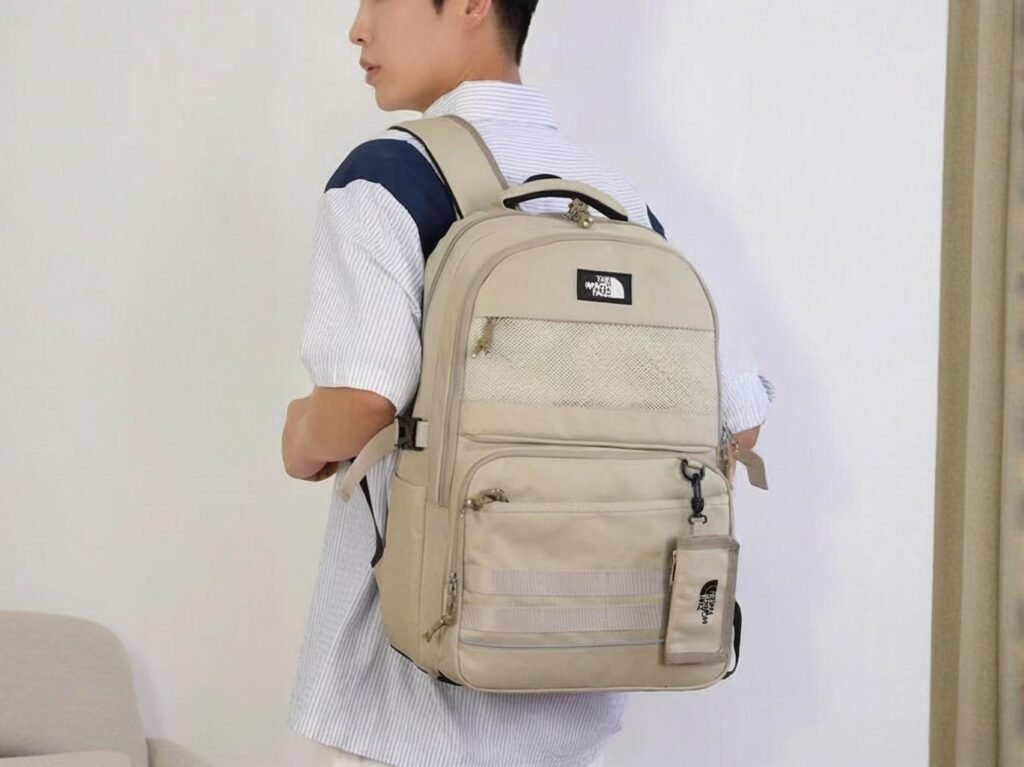
Backpack structure is the invisible system that determines how weight is carried, not just how much is carried. Two backpacks with the same weight can feel completely different depending on how that weight is positioned, supported, and stabilized. This is why structure plays a more decisive role in comfort than many users realize.
From an engineering standpoint, load distribution is controlled by three core elements: how close the load sits to the body (center of gravity), how weight is transferred through the structure (load pathways), and how the backpack behaves during movement (dynamic stability). When these elements are optimized, the body carries weight efficiently. When they are not, the same load creates strain, imbalance, and fatigue.
Field testing consistently shows that optimized backpack structures can reduce perceived load by 20–30%, even without reducing actual weight. This is achieved purely through better distribution and stabilization.
Center of Gravity and Balance
Why Load Position Matters More Than Weight
The position of the load relative to the user’s spine has a direct impact on balance and energy expenditure. The farther the load sits from the back, the more leverage it creates, pulling the user backward and forcing compensation through posture.
| Design Type | Center of Gravity Position | Result |
|---|---|---|
| Poor structure | Far from back | Pulls backward, unstable, increased fatigue |
| Standard structure | Mid-position | Acceptable balance, moderate comfort |
| Optimized structure | Close to spine | Stable, efficient, reduced strain |
When the center of gravity is too far back, users naturally lean forward to compensate. This shifts strain to the lower back and shoulders, increasing fatigue over time. In contrast, a well-structured backpack keeps the load close to the body, allowing for a more upright posture and efficient movement.
This principle becomes even more important as load increases. At 10–15 kg, even small deviations in load positioning can significantly affect comfort and stability.
Weight Transfer to Hips and Shoulders
Distributing Load Across the Body
A well-designed backpack does not rely solely on the shoulders to carry weight. Instead, it distributes the load across multiple support points, primarily the shoulders, back panel, and hips.
| Load Distribution Type | Pressure Location | User Experience |
|---|---|---|
| Shoulder-dominant | Upper body only | High fatigue, discomfort |
| Balanced distribution | Shoulders + hips + back | Comfortable, efficient |
| Poor distribution | Uneven, shifting pressure | Instability, strain |
In larger backpacks, effective load transfer to the hips is critical. The hip belt, combined with the frame and back panel, can carry up to 50–70% of the total load when properly designed. This significantly reduces shoulder strain and allows for longer carrying times.
Even in smaller backpacks without full hip belts, a structured back panel can help distribute pressure more evenly, reducing localized stress on the shoulders.
Stability During Movement
Controlling Motion Under Dynamic Conditions
Backpacks are constantly in motion. Walking, running, climbing, and bending all introduce dynamic forces that affect how the load behaves. Poor structural design allows the load to shift, creating instability and increasing energy expenditure.
| Movement Condition | Poor Structure Outcome | Optimized Structure Outcome |
|---|---|---|
| Walking | Side-to-side swing | Stable alignment with body |
| Running | Bounce and vertical shift | Controlled, reduced movement |
| Bending | Load shifts away from back | Maintains close positioning |
When a backpack swings or bounces, the user must continuously adjust to maintain balance. This increases fatigue and reduces efficiency. A well-designed structure minimizes movement by keeping the load tightly integrated with the body.
Compression systems, internal organization, and frame rigidity all contribute to this stability.
Why Load Distribution Is Often Misunderstood
Common Misconceptions About Comfort
Many users assume that reducing weight is the most important factor in improving comfort. In reality, how the weight is distributed has a greater impact.
| Misconception | Reality |
|---|---|
| Less weight equals more comfort | Poor distribution can make light loads feel heavy |
| Thin or minimalist design is better | Lack of structure reduces support |
| More compartments improve usability | Poor layout can disrupt balance |
For example, a poorly structured 5 kg backpack can feel more uncomfortable than a well-designed 8 kg backpack. This is because uneven load distribution creates pressure points and instability, increasing perceived effort.
Understanding this distinction is critical for both product design and user experience.
Structural Engineering Insight: Designing for Real Movement
Integrating Form with Function
From a manufacturing perspective, optimizing load distribution requires careful coordination between structure, materials, and ergonomics.
- Curved back panels are designed to match the natural shape of the spine, improving contact and load transfer.
- Compartment positioning is optimized to keep heavier items close to the back, reducing leverage effects.
- Load-bearing zones are reinforced to maintain structural integrity under repeated use.
For example, placing heavier items closer to the back panel reduces the distance between the load and the spine, improving balance. Similarly, ergonomic shaping ensures that the backpack conforms to the user’s body rather than working against it.
These design elements must be tested under real movement conditions to ensure consistent performance.
Advanced Design Strategy: Dynamic Load Control
Features That Improve Stability in Motion
Modern backpacks incorporate additional features to actively control how the load behaves during use.
| Feature | Function | Benefit |
|---|---|---|
| Compression straps | Tighten and secure contents | Reduces internal shifting |
| Internal dividers | Organize load distribution | Maintains balance |
| Structured panels (framesheets) | Maintain shape under load | Consistent performance |
Compression straps are particularly important. By tightening the load, they reduce internal movement and keep the center of gravity stable. Internal dividers help distribute weight evenly, preventing concentration in one area.
Structured panels ensure that the backpack maintains its shape even when partially filled, preventing sagging and uneven load distribution.
Ultimately, backpack structure defines how weight is experienced by the user. It determines whether a load feels stable or unstable, comfortable or exhausting. By optimizing center of gravity, load transfer, and dynamic stability, a well-engineered backpack can significantly improve performance without changing the actual weight being carried.
What Materials Are Used in Backpack Frames and Structures?
Backpack performance is not defined by fabric alone. The internal structure—what gives the backpack its shape, load-bearing capacity, and long-term stability—is equally critical. Frame and structural materials determine how well a backpack supports weight, how it behaves under repeated stress, and how comfortable it feels during use.
In modern backpack design, structure is achieved through a combination of rigid elements (such as metal or plastic frames), semi-rigid supports (like composite panels), and reinforced textile systems. The goal is to create a support system that is strong enough to carry load, yet flexible enough to adapt to body movement.
From a manufacturing perspective, the most effective designs are not based on a single material, but on how multiple materials are integrated to balance strength, weight, and flexibility.
Aluminum Stays and Metal Frames
High-Strength Structural Support
Metal components remain the most reliable solution for high-load applications, especially in outdoor and technical backpacks.
| Material | Strength | Weight | Flexibility | Application |
|---|---|---|---|---|
| Aluminum stay | High | Light | Moderate | Internal frames, hiking backpacks |
| Steel frame | Very high | Heavy | Low | External frames, heavy-duty use |
Aluminum stays are widely used because they offer an excellent strength-to-weight ratio. They can be pre-shaped or manually adjusted to match the curvature of the user’s back, improving load distribution and comfort. In typical applications, aluminum stays handle loads in the range of 15–25 kg while maintaining structural integrity.
Steel frames provide even higher strength but at the cost of increased weight. They are generally used in specialized or industrial applications where durability is more important than portability.
Plastic Sheets and Composite Frames
Lightweight Structural Alternatives
Plastic and composite materials are increasingly used in modern backpacks, particularly for everyday and travel applications where full metal frames are unnecessary.
| Material Type | Feature | Performance |
|---|---|---|
| HDPE (High-Density Polyethylene) sheet | Lightweight, flexible support | Moderate strength, good shape retention |
| Polycarbonate | High rigidity and impact resistance | Durable, stable under load |
| Composite panels (multi-layer) | Combination of materials | Balanced strength and flexibility |
HDPE framesheets are one of the most common structural components in backpacks. They provide enough rigidity to maintain shape and distribute load, while remaining lightweight and cost-effective. These are often used in laptop backpacks and mid-range travel products.
Polycarbonate offers higher rigidity and impact resistance, making it suitable for products that require more structural stability without significantly increasing weight.
Composite panels combine different materials—such as plastics, fibers, or laminates—to achieve a balance between strength and flexibility. These are typically found in premium backpacks where performance and durability are prioritized.
Fabric Reinforcement and Webbing Systems
Structural Support Without Rigid Frames
In many lightweight or cost-sensitive designs, structural support is achieved through reinforced fabrics and webbing rather than rigid frames.
| Component | Function | Benefit |
|---|---|---|
| High-denier fabric (e.g., 600D–1000D) | Provides load resistance | Durable and flexible |
| Webbing straps (polyester/nylon) | Distributes load across structure | Improves stability |
| Reinforced seams and bartacks | Strengthens connection points | Prevents structural failure |
For example, high-denier fabrics combined with strategic reinforcement can maintain shape and support moderate loads without adding rigid components. Webbing systems help transfer load across the backpack, reducing stress concentration in specific areas.
This approach is commonly used in school backpacks, casual bags, and ultralight designs where weight reduction is a priority.
Comparing Frame Materials
Selecting Materials Based on Application
Each structural material offers different advantages depending on how the backpack is intended to be used.
| Material | Durability | Weight | Cost | Best Use |
|---|---|---|---|---|
| Aluminum | High | Light | Medium | Hiking, travel, heavy load |
| Plastic (HDPE) | Medium | Light | Low | Everyday, laptop backpacks |
| Composite | High | Medium | High | Premium and performance products |
| Fabric-based structure | Medium | Very light | Low | Lightweight and casual use |
For instance, a hiking backpack carrying 20 kg requires aluminum or composite support to maintain structure and comfort. A daily commuter backpack, typically carrying 5–8 kg, can rely on HDPE sheets or reinforced fabric systems.
Hidden Trade-Off: Rigidity vs Flexibility
Finding the Right Balance
One of the key challenges in frame design is balancing rigidity and flexibility. Too much rigidity improves load support but reduces comfort, while too much flexibility improves comfort but compromises structural stability.
| Approach | Advantage | Drawback |
|---|---|---|
| Fully rigid frame | Strong load support, stable structure | Less adaptable to body movement |
| Flexible structure | Comfortable, conforms to body | Reduced load capacity |
| Hybrid system | Balanced support and comfort | More complex design |
For example, a rigid aluminum frame can carry heavy loads efficiently but may feel restrictive if not properly shaped. A flexible plastic framesheet improves comfort but may deform under high load.
Hybrid systems—combining rigid stays with flexible panels—are often used to achieve the best balance. They provide support where needed while allowing natural movement.
Manufacturing Insight: Material Integration
Engineering Multiple Materials into One System
Combining different structural materials is not simply a matter of assembly—it requires precise engineering to ensure compatibility and long-term performance.
- Rigid components must be securely anchored to prevent movement or deformation under load.
- Flexible materials must be integrated in a way that allows movement without compromising support.
- Connection points—such as where frames meet fabric—must be reinforced to handle stress concentration.
- Material properties such as thermal expansion, flexibility, and wear resistance must be considered to avoid failure over time.
For example, integrating an aluminum stay into a fabric structure requires reinforced channels and secure anchoring to prevent shifting. Similarly, combining plastic panels with textile materials requires careful bonding or stitching to maintain alignment.
Factories with expertise in both material processing and structural design are better equipped to handle these challenges. By controlling how materials interact within the product, they can create backpacks that maintain their shape, distribute load effectively, and perform reliably over extended use.
Ultimately, the materials used in backpack frames and structures define how the product behaves under real conditions. The best designs are those that combine materials intelligently, using each where it delivers the most value—strength where needed, flexibility where possible, and efficiency throughout.
How Are Backpack Frames Designed for Different Applications?
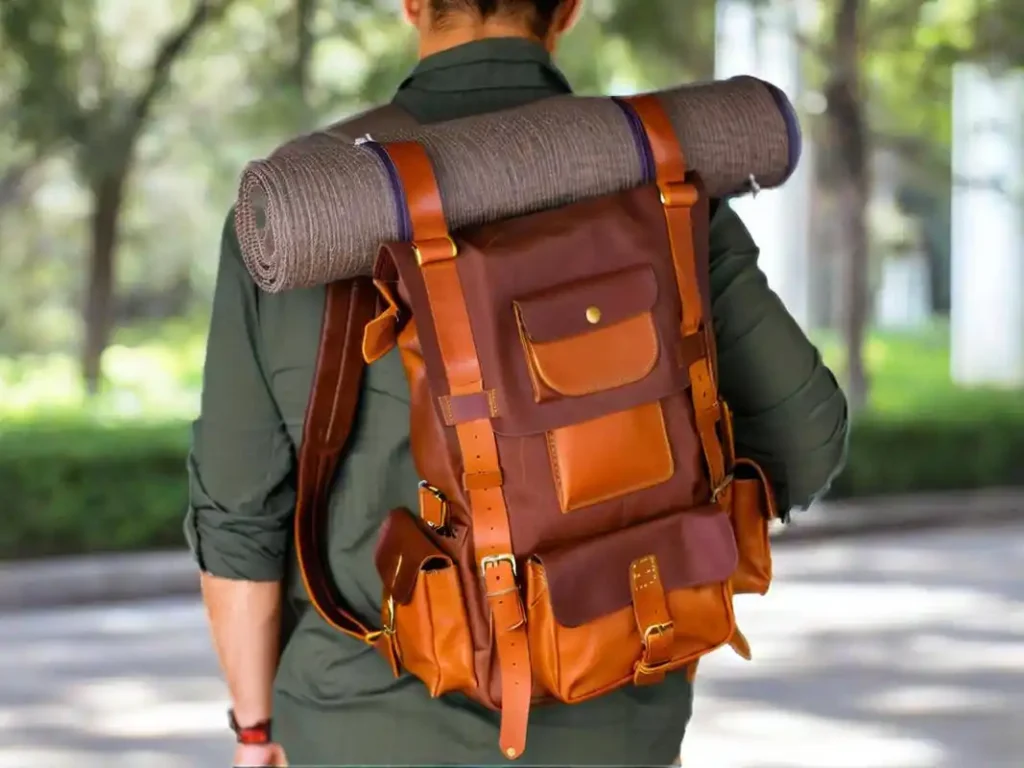
Backpack frame design is fundamentally application-driven. The same structural system cannot efficiently serve both a lightweight commuter bag and a heavy-load expedition pack. Each use case demands a specific balance of rigidity, flexibility, weight, and durability. When the frame is aligned with real-world usage, the backpack performs efficiently, feels comfortable, and maintains its structure over time. When it is not, even high-quality materials cannot compensate for poor structural logic.
In practical product development, application-specific frame design can extend product lifespan by up to 30–40% and significantly improve user satisfaction. This is because the structure is optimized not just for carrying weight, but for how that weight is used, moved, and supported in real conditions.
Laptop Backpacks vs Hiking Backpacks
Two Completely Different Structural Priorities
Laptop and hiking backpacks represent opposite ends of the structural design spectrum. One prioritizes compact protection and everyday usability, while the other focuses on load transfer and endurance.
| Feature | Laptop Backpack | Hiking Backpack |
|---|---|---|
| Frame type | Light internal frame (HDPE sheet, thin support) | Internal frame (aluminum stays) or external frame |
| Load capacity | 5–10 kg | 15–30 kg |
| Primary focus | Device protection, shape retention | Load transfer, weight distribution |
| Flexibility | Moderate (for comfort and daily use) | Low to moderate (for stability under load) |
| Structure rigidity | Semi-rigid | Rigid or semi-rigid with strong support |
Laptop backpacks rely on lightweight framesheets or reinforced panels to maintain shape and protect devices. The structure must prevent deformation while remaining comfortable for short to medium carrying durations.
Hiking backpacks, by contrast, are engineered to carry heavier loads over long distances. Their frames—often aluminum stays or composite systems—are designed to transfer weight efficiently to the hips and maintain stability during movement.
School vs Travel vs Tactical Applications
Structural Design Based on Everyday Scenarios
Different daily and professional use cases require distinct structural strategies.
| Application | Structural Focus | Key Requirement |
|---|---|---|
| School backpack | Lightweight structure with basic support | Comfort and ease of use |
| Travel backpack | Hybrid frame with reinforced zones | Versatility and durability |
| Tactical backpack | Reinforced frame + webbing system | Extreme durability and load stability |
School backpacks typically use minimal structural support, relying on lightweight framesheets or reinforced fabric to maintain shape. The goal is comfort under moderate loads (5–8 kg) and affordability for large-scale production.
Travel backpacks require a more balanced approach. They must handle varying loads, frequent handling, and different environments. Hybrid frame systems—combining flexible panels with localized reinforcement—are commonly used.
Tactical backpacks are designed for demanding environments. They often incorporate reinforced frames, high-denier materials, and extensive webbing systems to distribute load and withstand extreme stress conditions.
Lightweight vs Heavy-Load Designs
Trade-Off Between Portability and Support
Frame design must also consider whether the backpack is intended for lightweight portability or heavy-load performance.
| Design Type | Advantage | Limitation |
|---|---|---|
| Lightweight design (≤500–800 g) | Easy to carry, flexible | Limited support, lower durability |
| Heavy-load design (≥1.5–2.5 kg structure) | Strong support, high durability | Increased weight, reduced mobility |
| Balanced design | Optimized performance for mixed use | Requires precise engineering |
Lightweight designs often use flexible framesheets or reinforced fabrics to reduce weight. These are ideal for short-duration use or minimal loads.
Heavy-load designs prioritize structural strength, using rigid frames and reinforced components to maintain stability under 15–30 kg loads.
Balanced designs aim to combine both advantages, offering sufficient support while keeping weight manageable. This is the most common approach in modern travel and multi-purpose backpacks.
Why Misaligned Design Leads to Product Failure
Common Structural Mismatches
Many product failures are not caused by poor materials, but by mismatched structural design.
| Mismatch Type | Result | Example |
|---|---|---|
| Lightweight frame used for heavy loads | Structural deformation, seam failure | Backpack loses shape under 15 kg load |
| Overly rigid frame for daily use | Discomfort, poor ergonomics | Commuter bag feels stiff and restrictive |
| Generic, non-specific design | Low user satisfaction | Product fails to meet expectations |
For example, using a thin HDPE framesheet in a backpack intended for heavy travel can lead to bending and loss of support. Conversely, using a rigid aluminum frame in a daily commuter bag adds unnecessary weight and reduces comfort.
These mismatches highlight the importance of designing structure around actual usage conditions rather than applying a universal solution.
Engineering Insight: Customizing Structure for Performance
How Manufacturers Adapt Frame Design
From a production perspective, adapting frame systems to different applications involves several key adjustments.
- Material thickness is selected based on load requirements, with thicker or stronger materials used for higher loads.
- Reinforcement zones are strategically placed in high-stress areas such as the bottom panel, strap anchors, and back panel.
- Panel structure is optimized to maintain shape and distribute load effectively.
For instance, a travel backpack may use a combination of a medium-thickness framesheet and localized aluminum stays to balance flexibility and support. A tactical backpack may incorporate additional reinforcement layers and webbing to handle extreme stress.
Factories with strong R&D and prototyping capabilities can fine-tune these elements through testing and iteration, ensuring that the final product meets both performance and manufacturing requirements.
Real Advantage: Multi-Application Design Strategy
Designing for Versatility
As user needs become more diverse, many modern backpacks are designed to perform across multiple scenarios rather than a single use case.
| Feature Combination | Benefit |
|---|---|
| Laptop + travel structure | Supports both daily use and extended trips |
| Lightweight body + reinforced base | Improves comfort while maintaining durability |
| Modular compartments | Adapts to different storage needs |
For example, a hybrid backpack may include a structured laptop compartment combined with a reinforced lower section for travel durability. Modular compartments allow users to adjust the internal layout based on their needs, improving usability across different situations.
This multi-application strategy increases product value and broadens market appeal, but it requires careful engineering to avoid compromising performance in any one area.
Ultimately, backpack frame design is about precision. The most successful products are those that match structure to purpose—delivering the right level of support, flexibility, and durability for the intended use. By aligning design with real-world conditions, manufacturers can create backpacks that not only perform better but also last longer and provide a superior user experience.
What Structural Components Improve Backpack Durability?
Backpack durability is not determined by fabric alone. Two products made from the same material can perform very differently depending on how they are constructed. The real difference lies in structural components—how seams are reinforced, how panels are designed, and how load-bearing areas are engineered to handle stress over time.
From a product engineering perspective, durability is about stress management. Every backpack experiences repeated forces: tension from carrying weight, abrasion from contact surfaces, and fatigue from constant movement. If these forces are not properly distributed and absorbed, failure occurs—often at predictable weak points.
In controlled product testing, backpacks with optimized structural components can last 2–3 times longer than standard constructions, even when using identical base fabrics. This highlights that durability is a system-level outcome, not just a material property.
Reinforced Seams and Load Points
Strengthening the Most Vulnerable Areas
Seams are the most common failure points in backpacks because they are where separate materials are joined and where stress is concentrated. Reinforcing these areas is essential for long-term durability.
| Reinforcement Type | Application Area | Benefit |
|---|---|---|
| Double stitching (lockstitch) | General seams | Increases seam strength and redundancy |
| Bartack stitching | Strap attachments, high-load joints | Handles high tensile stress, prevents tearing |
| Box stitching (box-X pattern) | Load-bearing zones (handles, anchors) | Distributes force evenly across area |
Bartack stitching, for example, is specifically designed to withstand repeated pulling forces. It is commonly used at shoulder strap connections, where stress can exceed several hundred newtons during use.
Box stitching spreads load across a wider area, reducing stress concentration and preventing localized failure. These techniques are standard in high-quality backpacks but are often simplified or omitted in lower-cost products.
Back Panel Structure and Support
Maintaining Shape and Load Stability
The back panel is a central structural element that affects both durability and user comfort. It supports the load, maintains shape, and distributes pressure across the user’s back.
| Panel Type | Feature | Performance |
|---|---|---|
| Flat panel | Minimal structure | Low support, prone to deformation |
| Padded panel (foam + fabric) | Cushioning and moderate support | Improved comfort, moderate durability |
| Molded or structured panel (EVA/PE) | Pre-shaped, rigid support | High durability, maintains form over time |
A well-designed back panel prevents sagging and deformation, which can otherwise shift load and increase stress on seams and fabric. Molded panels, often made from EVA or PE foam, provide consistent structural support and improve load distribution.
In long-term use, backpacks with structured back panels show significantly less deformation, especially under loads above 8–10 kg.
Bottom Panel and Stress Zones
Protecting the Most Exposed Area
The bottom panel is one of the most critical durability zones because it is exposed to constant friction, impact, and environmental stress.
| Design Approach | Result |
|---|---|
| Single-layer fabric (standard 300D–600D) | Faster wear, higher risk of tearing |
| Double-layer construction | Improved abrasion resistance |
| Reinforced materials (900D–1680D, TPU/PVC coating) | Maximum durability and lifespan |
For example, adding a second layer of high-denier fabric or a coated reinforcement panel can increase abrasion resistance by over 50–100% in high-contact conditions.
In practical use, backpacks without reinforced bottoms often show visible wear within months, while reinforced designs can maintain integrity for years under similar conditions.
Stress Concentration and Failure Points
Identifying Where Backpacks Fail
Understanding where stress accumulates allows designers to reinforce the right areas rather than over-engineering the entire product.
| Stress Zone | Stress Type | Solution |
|---|---|---|
| Strap attachment points | Tensile (pulling force) | Bartack + reinforcement patches |
| Bottom panel | Abrasion + impact | High-denier or coated fabric |
| Zipper areas | Repeated motion + tension | Reinforced zipper tape and alignment |
Data from product failure analysis shows that over 65% of backpack failures occur in these concentrated stress zones. This makes targeted reinforcement far more effective than simply increasing overall material thickness.
For example, reinforcing strap anchors with additional layers and stitching can prevent tearing even under heavy loads, while leaving other areas lightweight to maintain comfort.
Hidden Risk: Overlooking Small Components
Small Parts, Big Impact
Durability is often compromised not by major structural elements, but by smaller components that are overlooked during design or sourcing.
| Component | Risk | Solution |
|---|---|---|
| Thread (polyester/nylon) | Breakage under tension | Use high-tenacity thread (e.g., bonded nylon) |
| Webbing straps | Stretching or fraying | Use high-density, reinforced webbing |
| Buckles and hardware | Cracking under load or cold conditions | Use impact-resistant materials (e.g., POM, Duraflex-grade) |
For instance, low-quality thread can fail even if the fabric and stitching pattern are strong. Similarly, weak buckles can break under load, rendering the entire backpack unusable.
High-quality backpacks use matched components—ensuring that thread strength, webbing strength, and hardware durability are all aligned with the overall load requirements.
Manufacturing Insight: Precision in Structural Assembly
Why Execution Determines Durability
Even the best design can fail if not executed properly during production. Structural durability depends heavily on manufacturing precision.
- Consistent stitch density (typically 8–10 stitches per inch) ensures uniform strength across seams.
- Proper panel alignment prevents uneven stress distribution and distortion.
- Controlled sewing tension avoids loose or overly tight seams that can weaken over time.
- Reinforcement placement must match design specifications exactly to protect critical zones.
For example, inconsistent stitch density can create weak sections within a seam, while misaligned panels can introduce stress concentrations that lead to early failure.
Factories with advanced production systems and strict quality control processes can maintain these standards across large production volumes. Automated cutting, standardized SOPs, and in-line inspections all contribute to consistent structural integrity.
Ultimately, structural components are what transform materials into a durable product. By reinforcing key stress points, optimizing panel construction, and ensuring precise assembly, manufacturers can significantly extend product lifespan and deliver consistent performance under real-world conditions.
How Do Ergonomic Systems Integrate with Frame Design?
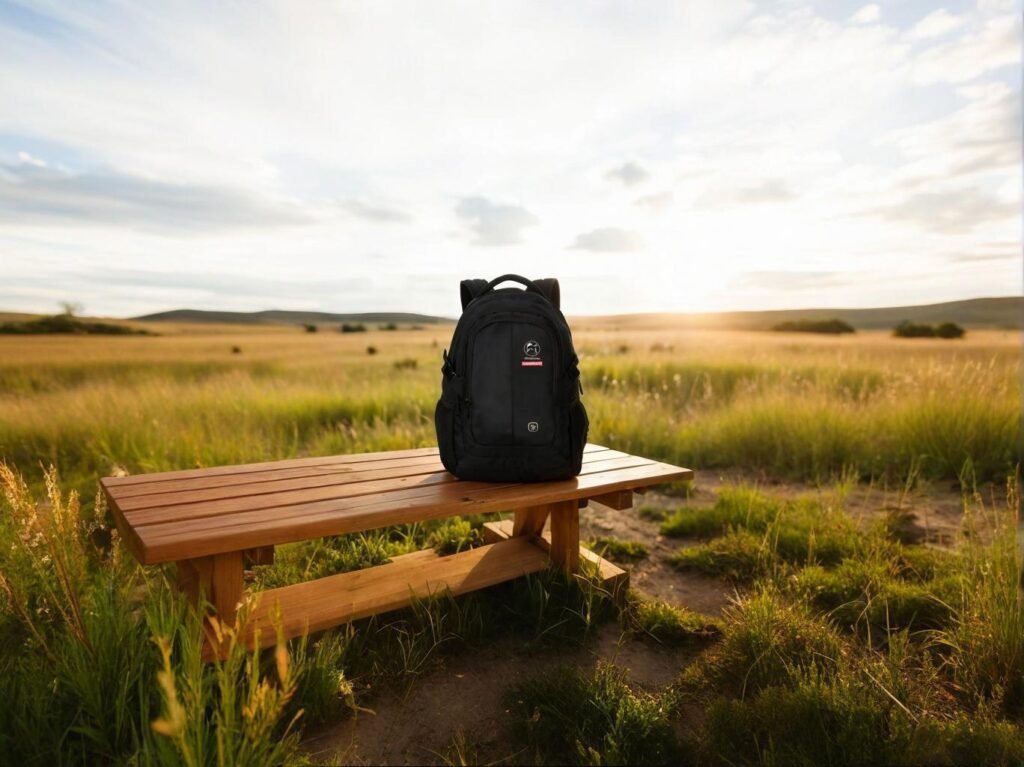
Ergonomic systems and frame design function as a single, integrated system rather than two independent features. The frame defines how load is supported and transferred, while ergonomic components determine how that load interacts with the human body. When these elements are aligned, the backpack feels stable, balanced, and significantly lighter than its actual weight. When they are not, even a well-built frame can result in discomfort and fatigue.
From an engineering standpoint, ergonomic integration focuses on three principles: aligning the structure with the body’s natural shape, distributing load across multiple contact points, and minimizing localized pressure. In controlled usage tests, backpacks with properly integrated ergonomic systems can reduce shoulder pressure by 25–35% and improve carrying endurance over extended periods.
Shoulder Straps and Hip Belts
Primary Load Transfer Interfaces
Shoulder straps and hip belts are the main connection points between the backpack and the user. They translate the structural support of the frame into physical comfort.
| Component | Function | Impact |
|---|---|---|
| Shoulder straps | Support upper portion of load | Determines initial comfort and stability |
| Hip belt | Transfers load to pelvis | Reduces shoulder strain significantly |
| Sternum strap | Connects shoulder straps | Stabilizes load and prevents shifting |
In larger backpacks, a properly designed hip belt can transfer up to 60–70% of the load to the hips. This is critical because the pelvis is better suited to carry weight than the shoulders. Without this transfer, the entire load remains on the upper body, leading to rapid fatigue.
The effectiveness of these components depends on their integration with the frame. For example, shoulder straps must be anchored at the correct angle relative to the frame to ensure that weight is pulled inward rather than downward.
Ventilation and Airflow Systems
Managing Heat and Moisture
Comfort is not only about load distribution—it is also influenced by temperature and airflow. Poor ventilation can make a well-balanced backpack feel uncomfortable over time.
| System Type | Feature | Benefit |
|---|---|---|
| Mesh padding | Breathable contact surface | Reduces heat buildup and sweat |
| Air channels | Structured gaps in back panel | Promotes airflow |
| Suspended back panel | Creates space between back and bag | Maximizes ventilation |
Suspended back panels, often used in hiking backpacks, create a physical gap between the backpack and the user’s back. This significantly improves airflow but requires careful frame integration to maintain load stability.
In contrast, padded back panels offer closer contact and better load transfer but require engineered airflow channels to manage heat.
Adjustable Suspension Systems
Customizing Fit for Different Users
Adjustability is essential because users vary in height, torso length, and body shape. A fixed structure cannot provide optimal performance for all users.
| Adjustment Feature | Function | Benefit |
|---|---|---|
| Strap length adjustment | Adapts fit to user size | Improves comfort and stability |
| Frame height adjustment | Aligns load with torso length | Enhances posture and load transfer |
| Load lifter straps | Pull load closer to upper back | Improves balance and reduces strain |
Load lifters are particularly important in structured backpacks. By adjusting the angle between the shoulder straps and the frame, they help bring the load closer to the body’s center of gravity, improving stability and reducing shoulder pressure.
Adjustable suspension systems are commonly used in mid- to high-end backpacks because they allow a single product design to fit a wider range of users without compromising performance.
Why Ergonomics Fails in Many Backpacks
Common Design and Integration Issues
Even backpacks with strong frames can perform poorly if ergonomic components are not properly integrated.
| Issue | Cause | Result |
|---|---|---|
| Shoulder pain | Narrow or poorly shaped straps | High pressure concentration |
| Back discomfort | Flat or unsupported back panel | Poor load distribution |
| Load instability | Missing or ineffective stabilizers | Excess movement during use |
One of the most common mistakes is treating ergonomic features as add-ons rather than integral parts of the structure. For example, adding padding without proper frame alignment does not improve load distribution—it only masks discomfort temporarily.
True ergonomic performance comes from alignment between structure and contact points, not from individual components alone.
Balancing Comfort and Structure
Finding the Optimal Design Balance
Ergonomic performance requires a balance between structural support and flexibility. Too much rigidity can create pressure points, while too much softness reduces load stability.
| Approach | Advantage | Drawback |
|---|---|---|
| Rigid structure | Strong load support and stability | Reduced adaptability to body movement |
| Soft structure | Comfortable and flexible | Limited support under load |
| Hybrid system | Balanced support and comfort | More complex to design and produce |
Modern backpacks often use hybrid systems that combine rigid frame elements with flexible padding and adjustable components. This allows the backpack to maintain structure while adapting to the user’s body and movement.
Manufacturing Insight: Achieving Ergonomic Precision
Consistency in Production Matters
Ergonomic performance is highly sensitive to manufacturing accuracy. Small variations in materials or assembly can significantly affect comfort.
- Foam density must be consistent to ensure uniform cushioning and support.
- Strap positioning must be precise to maintain correct load angles and balance.
- Panel shaping must match design specifications to align with the body’s contours.
- Stitching and attachment points must be reinforced and accurately placed to handle stress.
For example, if shoulder straps are positioned too wide or too narrow, load distribution becomes uneven, leading to discomfort. Similarly, inconsistent foam density can create pressure points that reduce comfort over time.
Factories with strong process control systems—such as standardized templates, automated cutting, and in-line quality checks—are better able to maintain ergonomic consistency across large production volumes.
Ultimately, ergonomic systems are what make a backpack usable over extended periods. The frame provides the structure, but ergonomics determine how that structure is experienced by the user. When both are properly integrated, the result is a backpack that not only carries weight efficiently but also supports the body in a way that feels natural, stable, and comfortable.
How Can Brands Optimize Backpack Frame Design in Manufacturing?
Optimizing backpack frame design in manufacturing is not just about creating a strong structure—it is about ensuring that the structure can be produced consistently, efficiently, and at scale without compromising performance. Many products perform well at the sample stage but fail to maintain the same quality during mass production due to variability in materials, processes, and assembly precision.
From a manufacturing perspective, true optimization lies in aligning three core elements: structural performance, cost efficiency, and production scalability. When these elements are properly balanced, brands can deliver products that are not only durable and comfortable but also commercially viable across large production volumes.
In real production environments, optimized frame design can reduce defect rates by 20–30% and improve long-term product reliability, simply by eliminating inconsistencies in structure and assembly.
Balancing Weight, Cost, and Durability
Managing Trade-Offs in Design Decisions
Every decision in frame design involves trade-offs. Increasing strength often adds weight and cost, while reducing weight can compromise durability. The goal is not to maximize one factor, but to achieve the optimal balance based on the product’s intended use.
| Factor | Low-Cost Approach | Optimized Approach |
|---|---|---|
| Materials | Basic plastics or thin fabrics | Engineered materials (HDPE, aluminum stays, composites) |
| Structure | Minimal reinforcement | Targeted reinforcement at stress zones |
| Weight | Ultra-light but less stable | Balanced for comfort and support |
For example, replacing a full aluminum frame with a hybrid system (partial aluminum stay + HDPE sheet) can reduce cost and weight while maintaining sufficient support for mid-range applications. This type of optimization ensures that performance is aligned with market expectations without unnecessary over-engineering.
Material Selection and Testing
Ensuring Structural Reliability Before Production
Material selection is one of the most critical steps in frame optimization because it directly affects load-bearing capacity, flexibility, and durability.
| Material Type | Advantage | Application |
|---|---|---|
| Aluminum stays | High strength-to-weight ratio | Heavy-load and outdoor backpacks |
| Composite panels | Balanced strength and flexibility | Premium and travel products |
| Reinforced fabric structures | Lightweight and cost-effective | Everyday and school backpacks |
However, selecting materials is not enough—each material must be validated through testing before entering production.
- Load testing ensures the frame can handle expected weight ranges without deformation.
- Flex testing evaluates how materials perform under repeated bending and movement.
- Fatigue testing simulates long-term use to identify potential failure points.
For example, an HDPE framesheet may pass initial load tests but fail under repeated flex cycles if thickness or quality is not properly controlled. Testing ensures that materials meet both short-term and long-term performance requirements.
Scaling Production with Consistent Quality
Maintaining Performance Across Volume
The biggest challenge in manufacturing is consistency. A well-designed frame must perform the same way in the first unit and the ten-thousandth unit.
| Challenge | Solution |
|---|---|
| Material variation between batches | Approved supplier systems and incoming quality checks |
| Assembly inconsistency | Standardized SOP (standard operating procedures) |
| Structural misalignment | Precision cutting and assembly fixtures |
For example, even a small deviation in frame positioning can affect load distribution and comfort. Standardizing assembly processes and using positioning guides ensures that each unit meets the same structural specifications.
Why Scaling Often Reduces Quality
Common Risks in Mass Production
As production volume increases, small inconsistencies can accumulate and lead to noticeable quality issues.
| Risk | Impact | Prevention |
|---|---|---|
| Process deviation | Structural inconsistency across batches | Strict SOP implementation |
| Worker variation | Uneven stitching or assembly | Training and skill standardization |
| Material inconsistency | Variable performance | Batch control and supplier qualification |
For instance, inconsistent foam density in back panels can alter how the frame interacts with the user’s body, affecting comfort. Similarly, variations in aluminum stay thickness can change load-bearing performance.
Preventing these issues requires continuous monitoring and feedback throughout the production process.
Designing for Manufacturability
Simplifying Without Sacrificing Performance
One of the most effective ways to optimize frame design is to make it easier to manufacture consistently.
| Design Factor | Impact |
|---|---|
| Simplified structure | Reduces assembly errors and variability |
| Standardized components | Improves sourcing and consistency |
| Modular design | Allows flexible production and scalability |
For example, reducing the number of frame components or simplifying their integration points can significantly lower the risk of assembly errors. Modular frame systems—where components are pre-assembled or interchangeable—also improve scalability and reduce production complexity.
Designing for manufacturability ensures that the product can be produced efficiently without compromising structural performance.
Manufacturing Advantage: Integrated Production Capability
Why Vertical Integration Improves Frame Quality
Factories with integrated production systems—covering material processing, frame fabrication, and final assembly—have a clear advantage in optimizing backpack frame design.
- They can control material quality at the source, ensuring consistency in frame components.
- They reduce lead times by minimizing reliance on external suppliers.
- They maintain tighter process control, improving structural accuracy and repeatability.
- They can quickly adjust production parameters to resolve issues before they scale.
For example, an integrated factory can ensure that aluminum stays, plastic panels, and fabric components are all produced and assembled under controlled conditions, reducing variability between batches.
This level of control is particularly important for frame systems, where small deviations can significantly impact performance.
Ultimately, optimizing backpack frame design in manufacturing is about building a repeatable system. It requires aligning materials, structure, and processes into a cohesive workflow that delivers consistent results at scale. Brands that focus on this integration can produce backpacks that not only perform well in testing but also maintain that performance across every unit delivered to the market.
Build Smarter Backpack Structures That Last
Backpack frame and structure design is the foundation of product performance. It determines how weight is distributed, how comfortable the backpack feels, and how long it can withstand real-world use. Every element—from frame type to material selection to ergonomic integration—plays a role in shaping the final product.
A well-engineered backpack is not just durable—it is balanced, comfortable, and reliable over time. Products that combine strong structural design with precise manufacturing processes consistently outperform those that rely only on materials or appearance.
At Szoneier, we bring over 18 years of experience in fabric development and backpack manufacturing, offering a full range of materials including polyester, nylon, Oxford, neoprene, and advanced coating technologies. With capabilities such as free design support, low MOQ, fast sampling, and strict quality control, we help turn structural concepts into high-performance products.
If you are looking to develop or improve your backpack designs, now is the time to focus on the structure that truly defines performance. Contact Szoneier to explore custom solutions tailored to your product vision, material requirements, and market goals—and start building backpacks that deliver comfort, durability, and long-term value.