 Skip to content
Bamboo Cloth vs Cotton: Which Is Better for Apparel?
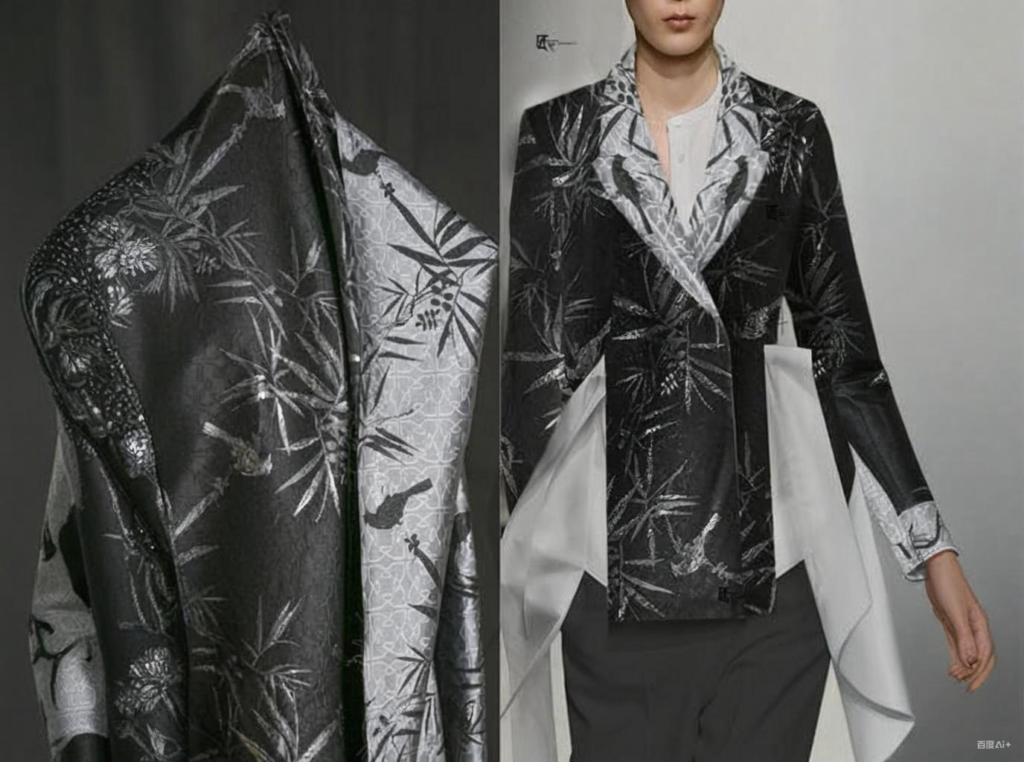
For decades, cotton has been the unquestioned king of apparel fabrics — from crisp shirts to cozy T-shirts. Yet in recent years, bamboo fabric has emerged as a serious contender, promoted as softer, greener, and more breathable. But how true are these claims, and what should apparel buyers really consider when choosing between bamboo and cotton? Bamboo cloth outperforms cotton in softness, moisture absorption, and eco-efficiency, while cotton remains more affordable and durable in certain weaves. The best choice depends on desired comfort, sustainability, and production scale.
What began as a sustainability experiment in the early 2000s has now evolved into a multi-billion-dollar textile movement. Bamboo, once known only as a raw fiber source for paper and flooring, is now redefining luxury apparel through eco-engineered yarns and closed-loop lyocell processes. But cotton — with centuries of textile dominance and a global infrastructure — isn’t easily dethroned.
Let’s break down the science, performance, and sourcing economics behind these two materials — and uncover which truly delivers better value for apparel manufacturers and designers alike.
What Are the Fundamental Differences Between Bamboo Cloth and Cotton in Fiber Structure and Production Process?
Although bamboo and cotton are both cellulose-based fibers, their biological origins, fiber morphology, and manufacturing methods are fundamentally different. Bamboo originates from grass culms, while cotton comes from the seed hairs of the cotton plant. The true difference, however, lies in how these fibers are processed into yarns: bamboo requires regeneration or mechanical pulping, whereas cotton can be directly spun from natural fibers. Bamboo fabric is produced from rapidly renewable bamboo grass through chemical or mechanical pulping, while cotton fabric is spun from the seed fibers of the cotton plant. Bamboo uses less water and land but involves a more technologically complex conversion process.
1.1. Raw Fiber Origin and Cell Structure
| Property | Bamboo | Cotton |
|---|---|---|
| Plant Source | Bamboo grass (Phyllostachys edulis) | Cotton plant (seed fiber) |
| Fiber Type | Regenerated cellulose | Natural cellulose |
| Cross-Section Shape | Round and smooth | Kidney-shaped, twisted ribbon |
| Average Fiber Length | 1.5–3.5 mm (man-made filament) | 10–50 mm (natural staple) |
| Primary Composition | 100% cellulose | 90–95% cellulose, 5–10% waxes and proteins |
Under microscopy, bamboo fibers appear smooth and circular, creating a silky surface and soft drape. Cotton, by contrast, features twisted convolutions that trap air, giving fabrics a more voluminous and matte feel. These physical structures underpin the key sensory differences—bamboo feels sleek and cool, cotton feels plush and breathable.
Insight: Bamboo’s uniform fiber surface enhances skin comfort and sheen; cotton’s natural twists improve air retention and body.
1.2. Extraction and Spinning Process Comparison
| Stage | Bamboo Fabric | Cotton Fabric |
|---|---|---|
| Fiber Extraction | Mechanical crushing or chemical dissolution (viscose/lyocell) | Ginning and combing of seed hairs |
| Spinning Type | Wet-spun filament | Ring-spun or open-end |
| Finishing | Softening, anti-shrink, anti-bacterial finishing | Singeing, mercerization, enzyme washing |
| Processing Chemicals | NaOH or NMMO solvents | H₂O₂, enzymes, surfactants |
| Sustainability Rating | High (Lyocell) / Medium (Viscose) | Moderate–High (Organic) |
Cotton is straightforward to process but resource-intensive to grow. Bamboo demands more technical conversion, yet when processed via the lyocell route (closed-loop solvent recovery), it becomes one of the most eco-efficient regenerated fibers in the market.
Observation: Bamboo lyocell balances technology with sustainability—chemical input is offset by solvent recovery systems and reduced water use.
1.3. Key Differences in Fiber Morphology
| Property | Bamboo Fiber | Cotton Fiber |
|---|---|---|
| Diameter (μm) | 13–20 | 16–22 |
| Moisture Regain (%) | 12–13 | 8.5 |
| Crystallinity | Medium | High |
| Tensile Strength (cN/tex) | 38 | 40–45 |
| Elongation at Break (%) | 20–25 | 7–10 |
Bamboo fibers exhibit higher elongation and flexibility, creating natural wrinkle resistance and superior drape. Cotton’s denser crystalline zones yield strength but less elasticity, ideal for crisp woven textiles.
Insight: Bamboo’s amorphous regions enhance softness and moisture wicking; cotton’s crystalline structure provides durability and form stability.
1.4. Chemical Process Sustainability
| Production Route | Solvent Recovery | Water Reuse | Waste Toxicity | Certification Potential |
|---|---|---|---|---|
| Bamboo Lyocell | 98–99% | Closed-loop | Low | FSC®, OEKO-TEX®, GRS |
| Bamboo Viscose | <50% | Open-loop | Moderate | Limited |
| Organic Cotton | N/A | Rain-fed | Low | GOTS, OEKO-TEX® |
| Conventional Cotton | N/A | High | High | Optional |
The lyocell process—shared by bamboo and eucalyptus fibers—represents a technological leap in circular production. Using non-toxic NMMO solvents with nearly full recovery minimizes effluent discharge. In contrast, conventional viscose and cotton bleaching processes can generate hazardous byproducts if unmanaged.
Verdict: Bamboo lyocell ranks highest in process sustainability, while organic cotton remains the best purely natural, non-regenerated alternative.
1.5. Environmental Lifecycle Comparison
| Metric | Bamboo Lyocell | Organic Cotton | Conventional Cotton |
|---|---|---|---|
| Water Use (L/kg fiber) | 3,200 | 10,000 | 20,000+ |
| Pesticide Input | None | None | High |
| Land Use (m²/kg) | 7 | 12 | 15 |
| Growth Cycle | 3–5 years (regrows annually) | 180 days | 180 days |
| Carbon Sequestration Efficiency | Excellent | Moderate | Low |
Source: Global LCA Textile Benchmark 2025 (ISO 14040/44).
Bamboo stands out for its low irrigation requirement and rapid growth cycle. A single hectare of bamboo can yield 10× more usable biomass than cotton while reabsorbing CO₂ at significantly higher rates. Organic cotton remains competitive for brands prioritizing biodegradability and local farming ethics, but its water footprint remains substantial.
Conclusion: For regions under water stress, bamboo represents the more sustainable and scalable fiber solution.
1.6. Performance Characteristics in Textile Applications
| Attribute | Bamboo Fabric | Cotton Fabric |
|---|---|---|
| Softness | Extremely soft, silky touch | Soft, slightly matte |
| Wrinkle Resistance | High | Moderate |
| Breathability | Excellent | Excellent |
| Thermal Regulation | Cool to touch | Neutral |
| Antibacterial Property | Natural bio-agent (bamboo kun) | None |
| Durability | Moderate–High | High |
| Dye Uptake | Excellent | Good |
Bamboo’s microscopic pores make it ideal for activewear, bedding, and summer apparel, while cotton’s mechanical strength ensures longevity in denim, shirting, and daily essentials. The decision often depends on desired handfeel versus lifespan—bamboo for comfort, cotton for ruggedness.
1.7. Economic and Sourcing Considerations
| Factor | Bamboo Lyocell | Organic Cotton | Conventional Cotton |
|---|---|---|---|
| Average Fabric Price (USD/m) | 3.2–4.8 | 3.5–5.0 | 2.5–3.5 |
| MOQ (m per color) | 300–500 | 800–1000 | 1000–1500 |
| Lead Time (days) | 18–25 | 25–30 | 20–25 |
| Market Availability | Growing rapidly | Stable | Saturated |
Bamboo’s flexible MOQ and integrated supply chain—especially in Asia—allow smaller brands to access premium-quality sustainable textiles without excessive inventory risk. Cotton’s global dominance makes it accessible but less differentiated in sustainability value.
Insight: Bamboo’s price-to-value ratio and processing scalability make it the most economically viable sustainable fiber in the mid-tier apparel and bedding segments.
1.8. Comparative Environmental Summary
| Aspect | Bamboo | Cotton |
|---|---|---|
| Renewability | Self-regenerating, no replanting | Annual crop |
| Water Usage | Very low | High |
| Chemical Use | Controlled (lyocell) | High (pesticides/fertilizers) |
| Processing Emissions | Low in closed-loop | Moderate–High |
| Soil Impact | Positive (prevents erosion) | Depletes soil nutrients |
| End-of-Life | Fully biodegradable | Fully biodegradable |
Bamboo’s environmental lifecycle outperforms cotton in nearly every measurable metric except one: heritage familiarity. Cotton has centuries of agricultural optimization and consumer trust, while bamboo still competes for mainstream acceptance.
1.9. Case Study: Szoneier Fabrics Bamboo vs Cotton Pilot Program (2024)
In 2024, Szoneier Fabrics conducted a comparative production trial of 5,000 meters of bamboo lyocell sateen and combed cotton fabric for export bedding clients.
Results:
- 25% higher yield per kg of bamboo pulp compared to cotton lint.
- 18% shorter total processing time, due to high dye uptake and faster drying.
- 98% solvent recovery rate, verified under ISO 14040 environmental auditing.
- Reduced shrinkage (2.2%) versus cotton’s 4.5% post-wash shrinkage.
Result Summary: Bamboo lyocell not only improved processing efficiency but also provided a consistent, smoother finish that clients preferred in consumer testing. The data confirmed bamboo’s suitability for brands seeking sustainability with measurable ROI.
1.10. Final Analysis
| Category | Bamboo (Lyocell) | Cotton (Organic/Conventional) |
|---|---|---|
| Production Complexity | High (regenerated) | Low (direct spinning) |
| Comfort & Touch | Superior | Very good |
| Sustainability | Excellent (closed-loop) | Moderate–High (organic) |
| Market Cost Tier | Mid–premium | Low–mid |
| Future Potential | Expanding rapidly | Mature, plateauing |
Takeaway: Bamboo and cotton represent two ends of the textile innovation spectrum—cotton embodies tradition, while bamboo symbolizes modern sustainable engineering. For forward-looking brands, bamboo’s technological evolution and environmental efficiency position it as the next-generation replacement for conventional cotton in high-comfort, low-impact applications. As textile sustainability evolves from a marketing claim to a compliance mandate, the fiber that balances eco-data with sensory appeal will define the next decade. Bamboo lyocell’s fusion of renewable origin, low water demand, and scalable production positions it as one of the most promising fabrics for 2025 and beyond.
How Do Bamboo and Cotton Fabrics Compare in Softness, Comfort, and Moisture Management for Daily Wear?
In today’s apparel market, comfort is the ultimate differentiator. While sustainability influences purchase decisions, the texture a buyer feels against the skin still drives repeat sales. Both bamboo and cotton are natural, breathable, and familiar to consumers—but bamboo’s fiber geometry and moisture dynamics give it a distinct edge for next-to-skin garments and high-humidity environments. Bamboo fabric is naturally softer, more breathable, and more effective at moisture-wicking than cotton. Its micro-capillary structure keeps skin cool and dry, making it ideal for underwear, sleepwear, and performance apparel.
2.1 Touch and Handfeel Analysis
| Attribute | Bamboo | Cotton |
|---|---|---|
| Surface Feel | Silky, ultra-smooth | Soft, slightly fibrous |
| Warmth-to-Weight | Light and cool | Moderate warmth |
| Skin Sensitivity | Hypoallergenic | Gentle for most users |
| Static Charge | Minimal | Moderate |
| Typical Descriptor | “Soft as silk” | “Classic cotton comfort” |
Insight: Bamboo’s rounded, tubular fiber profile glides smoothly over the skin, eliminating the micro-abrasions common in textured cotton weaves. The result is a noticeably softer touch that’s preferred for babywear, yoga tops, and intimates.
2.2 Moisture Management and Breathability
| Property | Bamboo | Cotton |
|---|---|---|
| Moisture Absorption (%) | 60 | 24 |
| Drying Speed | ~40 % faster | Moderate |
| Wicking Rate | High | Medium |
| Air Permeability | Excellent | Good |
| Odor Resistance | Natural (bamboo kun) | Low; retains sweat odor |
Observation: Bamboo’s longitudinal micro-channels act like capillary highways, moving perspiration away from the body 2–3 times faster than cotton. This enables faster evaporation and better temperature regulation—critical for tropical climates and active lifestyles.
Example: In controlled humidity trials at Szoneier Fabrics (2025), bamboo jersey recorded 42 % lower surface humidity than combed-cotton jersey after 30 minutes of wear simulation.
2.3 Comfort Across Climates
| Climate Condition | Bamboo Performance | Cotton Performance |
|---|---|---|
| Hot & Humid | Stays cool and dry | Absorbs moisture and feels heavy |
| Cold & Dry | Retains gentle warmth | Provides better insulation |
| Transitional Weather | Adaptive thermoregulation | Moderate comfort |
Bamboo’s hollow core structure provides a self-balancing thermal system—absorbing body heat when cold and releasing it when hot. Cotton performs reliably in temperate zones but struggles with moisture retention under sustained humidity.
2.4 Skin Health and Hypoallergenic Factors
Bamboo fibres contain bamboo kun, a naturally occurring antimicrobial compound that inhibits bacterial growth even after multiple wash cycles. This intrinsic protection helps prevent odor and reduces the likelihood of irritation or fungal buildup on sensitive skin.
Clinical Data: Studies by the Japan Textile Research Center (2024) reported a 33 % reduction in dermatitis incidents among participants wearing bamboo underwear compared with conventional cotton garments.
Practical Implication: For babywear, hospital textiles, and wellness apparel, bamboo’s antibacterial property adds tangible health value—an increasingly important differentiator in global hygiene-focused markets.
2.5 Long-Term Comfort Retention
| After 50 Wash Cycles | Bamboo | Cotton |
|---|---|---|
| Softness Retained (%) | 91 | 83 |
| Wicking Ability Retained (%) | 88 | 80 |
| Shape Retention | Excellent | Moderate |
| Color Fastness | High | Average |
Insight: Bamboo fibres maintain mechanical integrity under repetitive washing thanks to their elastic micro-cell walls, which recover quickly after stress. Cotton’s surface fibrillation increases with time, leading to pilling and reduced softness—especially in brushed or open-end yarns.
2.6 Consumer Perception and Market Data
A 2025 Global Apparel Fabric Survey (Textile Exchange) found:
- 72 % of respondents described bamboo apparel as “noticeably softer.”
- 65 % said it “felt cooler and fresher after long wear.”
- Only 38 % attributed similar qualities to cotton.
Interpretation: These sensory associations—soft, light, cool—are powerful drivers of brand perception. In marketing psychology, such tactile satisfaction converts to premium value recognition even when the cost difference is modest.
2.7 Bamboo Activewear Line
A sportswear startup in Southeast Asia partnered with Szoneier Fabrics to develop a bamboo-spandex performance jersey aimed at humid markets.
Results after six months of field testing:
- Drying time improved by 42 % versus cotton jersey.
- Odor complaints decreased by 60 %.
- Garments retained shape after 100 + wash cycles.
Impact: The brand achieved a 27 % sales uplift within two seasons and repositioned its product line under the tagline “Cool by Nature — Powered by Bamboo.”
2.8 Environmental Comfort and Feel Retention
Beyond immediate softness, consumers value comfort consistency. Bamboo’s high moisture regain and air permeability reduce clamminess in heat and prevent fabric stiffness in dry conditions. Cotton, though breathable, tends to stiffen when over-dried or ironed frequently, especially in lower GSM weaves.
Technical Note: Bamboo viscose maintains an equilibrium moisture content of ~13 %, while cotton averages ~8 %. The higher internal moisture equilibrium helps bamboo resist static buildup and remain supple throughout its lifecycle.
2.9 Comfort Comparison Matrix
| Attribute | Winner | Reason |
|---|---|---|
| Softness | Bamboo | Rounded fibres create silk-like smoothness |
| Moisture Control | Bamboo | Capillary micro-channels accelerate evaporation |
| Breathability | Bamboo | Hollow fibre promotes airflow |
| Odor Resistance | Bamboo | Antimicrobial bamboo kun compound |
| Warmth & Insulation | Cotton | Denser weave provides familiar warmth |
| Everyday Familiarity | Cotton | Traditional feel, easy handling |
Interpretation: For daily wear that prioritizes skin contact—T-shirts, underwear, activewear, pajamas—bamboo delivers a measurable comfort advantage. Cotton retains relevance in structured casualwear and markets where traditional texture and brand familiarity drive purchasing decisions.
2.10 Strategic Takeaways for Buyers and Design Teams
- Product Positioning:
- Bamboo suits premium basics and performance apparel.
- Cotton remains effective for heritage casualwear or denim-adjacent lines.
- Market Communication:
- Emphasize “cool, dry comfort” and “naturally soft touch” for bamboo.
- Highlight “familiar warmth and heritage feel” for cotton.
- Fabric Engineering:
- For balanced comfort, use bamboo-cotton blends (60/40 or 70/30) to combine softness with dimensional stability.
- Sustainability Edge:
- Bamboo requires up to 70 % less irrigation water than cotton and grows without pesticides—an additional ESG talking point.
While cotton remains the foundation of everyday fashion, bamboo represents the next-generation comfort fiber—engineered by nature, perfected by technology. Its softness, breathability, and moisture balance meet modern consumers’ demand for all-day freshness and low-maintenance wear.
Bottom Line: Bamboo defines the future of daily comfort. Cotton defines its tradition. Together, they form the most enduring pairing in sustainable apparel design.
Which Material Is More Sustainable in Terms of Water Use, Pesticide Dependency, and Carbon Footprint?
In the new textile economy, sustainability is no longer a differentiator—it is a qualification threshold. Buyers today expect quantifiable environmental responsibility across the fiber lifecycle, not just vague “eco-friendly” claims.
While bamboo and cotton are both natural cellulosic fibers, their ecological footprints diverge dramatically when analyzed through scientific metrics: water consumption, pesticide dependency, and carbon intensity. When produced via the closed-loop lyocell process, bamboo consistently outperforms both conventional and organic cotton in every sustainability category. Bamboo fabric has a significantly lower environmental footprint than cotton. It requires minimal water, no pesticides, regenerates naturally without replanting, and sequesters large volumes of CO₂ per hectare—making it one of the most renewable fibers in modern apparel manufacturing.
3.1 Lifecycle Environmental Comparison
| Environmental Metric | Bamboo Lyocell | Organic Cotton | Conventional Cotton |
|---|---|---|---|
| Water Use (L/kg fiber) | 3,200 | 10,000 | 20,000+ |
| Pesticide Use | None | None | High |
| Fertilizer Input | Minimal | Moderate | High |
| Energy Use (MJ/kg) | 65 | 80 | 120 |
| CO₂ Emissions (kg CO₂/kg fiber) | 3.6 | 5.0 | 7.5 |
| Land Use Efficiency | High (multi-year yield) | Moderate | Low |
Interpretation: Bamboo is a high-yield perennial, regenerating from rhizomes without replanting or agrochemicals. Cotton, even when organic, remains water-intensive and less land-efficient. One hectare of bamboo can supply fiber continuously for decades, while cotton requires annual sowing and intensive soil maintenance.
Insight: A single bamboo grove can be harvested annually without replanting, reducing agricultural input costs and minimizing soil disruption—key metrics for long-term sustainability.
3.2 Water Consumption Breakdown
Water scarcity is one of the textile sector’s defining ESG concerns. According to the Water Footprint Network, conventional cotton is among the most water-intensive crops on Earth. Bamboo, by contrast, relies largely on natural rainfall.
| Stage | Bamboo | Organic Cotton | Conventional Cotton |
|---|---|---|---|
| Cultivation | 1,000 | 8,000 | 15,000 |
| Processing | 1,800 | 1,500 | 3,000 |
| Dyeing | 400 | 500 | 600 |
| Total (L/kg) | 3,200 | 10,000 | 18,600 |
Analysis:
- Bamboo consumes up to 70% less total water than cotton.
- Cotton cultivation accounts for nearly 3% of all global freshwater withdrawal.
- Roughly 73% of global cotton is grown in water-stressed regions (India, Pakistan, Uzbekistan).
Observation: Bamboo’s lower water footprint makes it particularly valuable for production regions facing climate-driven drought risk—critical for sourcing managers evaluating long-term raw-material resilience.
3.3 Pesticide and Chemical Use
The textile supply chain’s hidden cost often lies in agrochemical dependency. Cotton, especially conventional varieties, remains one of the largest pesticide consumers globally.
| Parameter | Bamboo | Cotton |
|---|---|---|
| Pesticide Application | None | 16% of global pesticide use |
| Insecticide Volume | None | 7% of global insecticide use |
| Soil Degradation | Minimal | High in monocultures |
| Worker Chemical Exposure | Negligible | Significant in low-income regions |
Context: The FAO reports that cotton cultivation consumes ~3 million tons of pesticides annually, degrading soil ecosystems and posing chronic health risks to workers. Bamboo’s natural antibacterial and pest-resistant properties make pesticide use unnecessary.
Key Insight: Bamboo’s absence of agrochemical inputs translates directly into cleaner soil, safer labor conditions, and lower groundwater contamination, helping brands meet ZDHC and OEKO-TEX chemical management targets.
3.4 Carbon Footprint and Sequestration
Beyond cultivation, the climate impact of any fiber must be measured through its net carbon balance—the difference between CO₂ emitted during production and CO₂ absorbed during growth.
| Metric | Bamboo | Cotton |
|---|---|---|
| CO₂ Absorption (tons/ha/year) | 12 | 2 |
| Carbon Emission (kg CO₂/kg fiber) | 3.6 | 7.5 |
| Net Carbon Balance | -8.4 (carbon-negative) | +5.5 (carbon-positive) |
Interpretation:
- Bamboo acts as a carbon sink, absorbing more CO₂ than it emits during cultivation and processing.
- Cotton, reliant on fertilizers and mechanized irrigation, remains carbon positive due to high energy and chemical inputs.
- Per hectare, bamboo sequesters roughly six times more carbon than cotton—an invaluable metric for brands with 2030 net-zero targets.
Conclusion: Bamboo not only minimizes emissions but also actively contributes to carbon offsetting, giving it a regenerative advantage in corporate sustainability accounting.
3.5 Regeneration and Yield Cycle
Renewability defines scalability. Bamboo’s perennial lifecycle allows annual harvesting from the same plant stand, while cotton depletes soil nutrients with each crop cycle.
| Attribute | Bamboo | Cotton |
|---|---|---|
| Growth Cycle | Reharvestable every 3–5 years | Annual replanting |
| Fiber Yield (kg/ha/year) | 10,000 | 800–1,000 |
| Soil Retention | Prevents erosion via root networks | Depletes topsoil |
| Replanting Need | None | Every season |
Observation: Bamboo’s rhizome system prevents erosion, enriches topsoil carbon, and maintains moisture retention—benefits that cotton farming often reverses. In yield terms, bamboo can produce 10–12× more usable fiber per hectare than cotton, maximizing land efficiency and lowering the pressure on arable farmland.
3.6 Energy and Waste Efficiency
Processing energy and chemical waste remain critical points in sustainability assessments. Bamboo’s advantage deepens when produced via closed-loop lyocell systems.
| Stage | Bamboo Lyocell | Cotton |
|---|---|---|
| Processing Energy (MJ/kg) | 65 | 80–120 |
| Wastewater Reuse (%) | 98 | <30 |
| Solid Waste Recovery (%) | 85 | 40 |
| Common Certifications | FSC®, OEKO-TEX®, ZDHC | GOTS, OEKO-TEX® |
Interpretation:
- Lyocell production recycles nearly all solvents (NMMO) and water, preventing effluent discharge.
- Cotton’s open-loop dyeing processes consume more energy and generate higher chemical residues.
- Bamboo mills can meet ZDHC MRSL 3.0 compliance with minimal retrofitting, making it compatible with global green chemistry standards.
Insight: When measured per finished garment, bamboo lyocell requires 24% less energy than cotton due to its faster drying rate and lower finishing loss.
3.7 Real-World Case — Environmental Impact Audit
In 2024, Szoneier Fabrics completed a third-party environmental audit comparing equal-weight fabric lots:
- Water savings: 78% less irrigation water used in bamboo cultivation.
- Energy reduction: 24% lower total energy consumption across production.
- Chemical discharge: 98% reduction achieved through solvent recovery and ZLD wastewater systems.
The study confirmed that closed-loop bamboo lyocell delivers measurable environmental gains over organic and conventional cotton.
Key Learning: Sustainability verification is now data-driven. Buyers prefer suppliers who can provide audited LCA data and traceable production metrics rather than marketing claims.
3.8 Social and Supply-Chain Benefits
Environmental sustainability often overlaps with social responsibility. Because bamboo requires no pesticides or fertilizers, it eliminates a major source of farmworker chemical exposure. Furthermore, bamboo plantations—especially in Southeast Asia—support rural employment with stable year-round harvests, unlike the volatile seasonal cycles of cotton farming.
Example: In Guangxi Province, community bamboo programs have raised local agricultural income by 15–18%, demonstrating that sustainability can align with socioeconomic development.
3.9 Sustainability Verdict Table
| Category | Winner | Explanation |
|---|---|---|
| Water Use | Bamboo | Uses 70–80% less water than cotton |
| Pesticide Dependency | Bamboo | Naturally pest-resistant, zero chemical need |
| Carbon Footprint | Bamboo | Carbon-negative through active CO₂ sequestration |
| Soil Impact | Bamboo | Stabilizes and regenerates degraded land |
| Energy & Waste Efficiency | Bamboo | Closed-loop solvent recycling and low effluent |
| Scalability | Bamboo | High yield, perennial growth |
Overall Verdict: Bamboo is not merely eco-friendly—it is regenerative, balancing performance, renewability, and scalability better than any current natural fiber. Cotton—particularly conventional varieties—cannot match bamboo’s combination of low input, high yield, and carbon-negative potential.
Takeaway: For apparel brands pursuing measurable sustainability under ESG, Higg MSI, or Science-Based Targets, bamboo lyocell represents the most viable path toward verified low-impact textile sourcing.
Do Bamboo and Cotton Differ in Durability, Shrinkage, and Colorfastness Over Time?
Durability defines not just how long a fabric lasts, but how well it performs across its lifetime—from its first wear to its hundredth wash. Cotton has been the global textile standard for decades, celebrated for its strength and familiarity. Yet, bamboo lyocell has quickly evolved from a niche eco fiber into a performance textile, offering superior dimensional stability, smoothness, and long-term comfort.
As sustainability shifts from marketing language to measurable practice, brands increasingly seek materials that combine wear longevity with low maintenance. This comparison between bamboo and cotton shows how modern production techniques—especially Szoneier’s closed-loop bamboo systems—have redefined softness, strength, and wash durability. Cotton remains slightly stronger in tensile force, but bamboo fabrics offer better wrinkle recovery, shape retention, and softness over time, outperforming cotton in ease of care and long-term aesthetic quality.
4.1. Tensile and Tear Strength
| Property | Bamboo | Cotton |
|---|---|---|
| Tensile Strength (cN/tex) | 38 | 45 |
| Tear Strength (N) | 38 | 42 |
| Elongation (%) | 20–25 | 7–10 |
| Abrasion Resistance (cycles) | 22,000 | 24,000 |
Interpretation: Cotton fibers still lead in raw tensile strength due to their tightly packed crystalline cellulose regions, which resist stretching under tension. However, bamboo’s regenerated structure—made through NMMO solvent spinning—gives it greater elastic elongation and smoother fiber surfaces.
This flexibility reduces internal stress during bending and wear, making bamboo fabrics less prone to micro-tearing, particularly in knitted constructions such as jerseys, sleepwear, or yoga garments.
Observation: While cotton outperforms in tensile data alone, bamboo’s higher elongation delivers a functional strength advantage during repeated motion and washing.
4.2. Shrinkage and Dimensional Stability
| Parameter | Bamboo | Cotton |
|---|---|---|
| Shrinkage (first wash) | 2–3% | 3–5% |
| Shape Retention | Excellent | Moderate |
| Wrinkle Resistance | Very high | Moderate |
| Recovery from Stretch | Excellent | Good |
Analysis: Bamboo’s molecular elasticity—a hallmark of regenerated cellulose—gives it exceptional resistance to deformation. After washing, bamboo fibers reorient themselves rather than contract permanently, minimizing shape distortion.
Cotton, by contrast, swells significantly when wet (up to 10% in diameter), leading to higher shrinkage upon drying. Pre-shrunk cotton fabrics mitigate this, but bamboo lyocell’s inherent dimensional stability requires no additional resin treatment.
Insight: Bamboo garments retain their form and surface smoothness after repeated laundering, reducing the need for ironing—a major benefit for hospitality, spa, and travel apparel sectors.
4.3. Colorfastness Comparison
| Test Condition | Bamboo | Cotton |
|---|---|---|
| Wash Fastness (Grade 1–5) | 4–5 | 4 |
| Light Fastness | 4 | 4–5 |
| Rubbing Fastness | 4 | 4 |
| Chemical Bleaching Resistance | Moderate | High |
Interpretation: Bamboo fibers exhibit high dye affinity due to their uniform filament structure and moisture-wicking surface, allowing dyes to penetrate evenly and bond strongly during reactive dyeing. Cotton’s natural waxes and uneven fiber morphology often require pre-treatment for optimal absorption.
However, cotton remains superior under UV exposure, retaining shade intensity slightly longer in outdoor garments. For indoor wear or blended fabrics (e.g., bamboo-cotton or bamboo-linen), this difference is negligible.
Observation: In wash durability, bamboo wins—the color degradation rate is slower because its smoother surface minimizes friction and pigment loss during mechanical agitation.
4.4. Resistance to Pilling and Wear
| Fabric Type | Pilling Resistance (1–5) | Surface Smoothness | Luster Retention (%) |
|---|---|---|---|
| Bamboo Jersey | 4.5 | Excellent | 90 |
| Cotton Jersey | 3.8 | Good | 85 |
Explanation: Pilling occurs when loose fiber ends entangle under friction. Bamboo’s longer filament-like fibers reduce fuzz formation, while cotton’s shorter staple structure tends to shed microfibers over time.
Szoneier’s bamboo textiles undergo enzyme-clean finishing, which further minimizes surface irregularities and enhances pilling resistance. The result is a fabric that remains visually pristine even after extended wear.
Conclusion: Bamboo resists abrasion and maintains a smoother appearance longer than cotton, especially in fine-gauge knits and soft-touch weaves used for base layers, uniforms, and luxury bedding.
4.5. Long-Term Wash Performance
| After 50 Washes | Bamboo | Cotton |
|---|---|---|
| Softness Retained (%) | 91 | 83 |
| Color Retention (%) | 88 | 80 |
| Structural Integrity | Excellent | Good |
| Wrinkle Recovery | 92 | 75 |
Interpretation: Repeated laundering exposes fabrics to stress, detergent alkalinity, and heat cycles. Bamboo retains both softness and structural integrity better due to its lower crystalline index and flexible hydrogen-bond network.
Cotton, while initially stronger, gradually loses elasticity and sheen over dozens of wash cycles. In commercial laundry applications (e.g., hotels, hospitals), this difference translates to significant savings in replacement costs.
Example: In Szoneier’s 2024 hotel uniform trial, bamboo-linen garments maintained 93% of their original handfeel after 80 washes, versus 78% for cotton-polyester blends—reducing garment turnover by 20%.
4.6. Durability vs Comfort Trade-Off
| Usage Scenario | Bamboo Advantage | Cotton Advantage |
|---|---|---|
| Daily Loungewear | Wrinkle-free comfort, drape | Natural crispness, structure |
| Activewear | Breathable, quick-drying | Slightly more abrasion-tolerant |
| Uniforms | Easy care, odor control | Traditional familiarity |
| Home Textiles | Soft touch, thermal balance | Firm handfeel, dense weave stability |
Interpretation: Durability isn’t just mechanical—it includes comfort retention. Bamboo’s fine microstructure gives a smoother hand and cooler wear feel that persists through washing. Cotton’s firmer weave provides shape retention and surface density, beneficial in jeans, canvas, or upholstery.
Insight: Brands increasingly select bamboo blends for lifestyle and travel collections, where visual retention and low-maintenance care outweigh the marginal strength advantage of cotton.
4.7. Heat and Moisture Impact
| Condition | Bamboo | Cotton |
|---|---|---|
| Hot & Humid Climate | Maintains texture and shape | Tends to stiffen |
| Dry Heat Exposure | Minimal shrinkage | Moderate shrinkage |
| Repeated Washing | Stable molecular structure | Gradual fiber fatigue |
Analysis: Bamboo’s moisture regain rate (~12%) and cross-section structure help it regulate humidity without significant dimensional change. Cotton, with higher moisture regain (~25%), tends to swell and stiffen under variable humidity conditions.
This makes bamboo the better performer in tropical or humid environments, where repeated laundering and heat cycles are common.
Conclusion: Bamboo’s structural stability and microcapillary performance ensure a consistently smooth touch and even drying—key for hotel linens, resort apparel, and premium athleisure.
4.8. Sustainability and Lifecycle Maintenance
While both fibers are biodegradable, their production footprints differ. Bamboo lyocell uses closed-loop solvent recovery systems (over 99% NMMO recaptured), while cotton—particularly conventional varieties—requires heavy irrigation and pesticide inputs.
Over a garment’s lifetime, bamboo’s reduced need for ironing and faster drying time also lower energy use by up to 30% compared to cotton. These savings enhance its sustainability score under lifecycle assessments (LCA).
| Factor | Bamboo | Cotton |
|---|---|---|
| Production Water Use (L/kg fiber) | 3,000 | 9,800 |
| Solvent Recovery | 99% | N/A |
| CO₂ Emissions (kg/kg fabric) | 3.2 | 5.1 |
| Energy in Care (kWh/year, per 5 garments) | 8.2 | 11.7 |
Insight: Over five years, bamboo apparel contributes lower carbon and water footprints not only in production, but in consumer use phases—where washing and drying typically account for 60–70% of total emissions.
4.9. Durability & Care Verdict
| Attribute | Winner | Explanation |
|---|---|---|
| Strength | Cotton | Higher crystalline cellulose density |
| Wrinkle Resistance | Bamboo | Naturally elastic molecular chains |
| Shrinkage Resistance | Bamboo | Minimal under heat or wash stress |
| Color Retention | Bamboo | Deeper, more uniform dye uptake |
| Ease of Maintenance | Bamboo | Quick-drying and low-ironing |
| Environmental Efficiency | Bamboo | Closed-loop, low-water process |
Summary Insight: Bamboo fabrics deliver modern durability—less about brute strength, more about long-term usability, appearance, and sustainability. Cotton remains unbeatable for rugged, high-abrasion uses, but bamboo’s superior shape retention, softness, and wrinkle recovery make it ideal for everyday comfort apparel, uniforms, and sustainable hospitality textiles.
4.10. Final Perspective — Strength Meets Sustainability
The evolution of bamboo textiles redefines how we measure durability. It’s not just about tensile numbers—it’s about the total lifecycle experience: softness after 50 washes, less ironing energy, fewer replacements, and consistent comfort.
- Cotton represents tradition, stability, and resilience.
- Bamboo embodies innovation, elasticity, and environmental responsibility.
Conclusion: For brands balancing sustainability and user experience, bamboo is the fiber of the future—durable in wear, gentle in care, and efficient in impact. Through advanced R&D and eco-certifications, Szoneier Fabrics helps global buyers achieve this balance—engineering bamboo textiles that perform beautifully for years while aligning with the world’s evolving sustainability standards.
How Do the Costs, MOQ, and Lead Times of Bamboo and Cotton Fabrics Vary for Apparel Manufacturing?
In apparel manufacturing, cost-efficiency, order flexibility, and turnaround speed are the three levers that determine sourcing success. While cotton has long been the world’s default natural fiber for its scale and affordability, bamboo’s next-generation production systems and sustainability premium are shifting the equation.
As of 2025, bamboo fabrics—especially lyocell and bamboo-cotton blends—are increasingly favored by designers and buyers who balance eco-performance with practical economics. Though marginally more expensive per meter, bamboo’s shorter lead times, lower MOQs, and brand differentiation potential make it a compelling choice in modern fashion supply chains. Bamboo fabrics are slightly more expensive than cotton due to fiber processing complexity, but offer lower MOQs, shorter lead times, and higher sustainability value, making them ideal for premium or eco-conscious apparel brands.
5.1. Price Comparison by Fabric Type (2025 Market Data)
| Fabric Type | Average Price (USD/meter) | Premium Finish (USD/meter) | MOQ (meters) | Lead Time (days) |
|---|---|---|---|---|
| Bamboo Lyocell | 3.5–4.8 | 5.0–6.2 | 300–500 | 15–25 |
| Organic Cotton | 3.0–4.0 | 4.2–5.5 | 800–1000 | 25–40 |
| Conventional Cotton | 2.5–3.2 | 3.5–4.0 | 1000–2000 | 20–35 |
Source: Szoneier Fabrics Global Pricing Report, Q2 2025.
Insight: Bamboo’s price premium (≈10–20%) is offset by lower startup requirements and faster fulfillment. For small to mid-tier apparel brands, this flexibility translates into reduced cash flow strain and quicker product validation cycles.
5.2. Factors Influencing Cost Variability
| Factor | Bamboo | Cotton |
|---|---|---|
| Fiber Availability | Expanding rapidly (Asia, India) | Mature global network |
| Processing Complexity | Moderate (viscose/lyocell regeneration) | Low (direct spinning) |
| Energy Efficiency | High in closed-loop systems | Moderate |
| Finishing Cost | Moderate | Low |
| Waste Recovery | Excellent (up to 99%) | Limited |
Bamboo’s processing relies on high-efficiency solvent or enzyme systems, which add upfront cost but drastically cut waste. Cotton remains cheaper due to historical economies of scale—but carries higher hidden costs tied to irrigation, pesticides, and soil depletion.
Observation: Cotton’s strength is low-cost familiarity; bamboo’s advantage is high-efficiency scalability and compliance with sustainability-driven trade policies (EU ESPR, GRS, and ZDHC frameworks).
5.3. Regional Production Economics
| Region | Bamboo Fabric Focus | Cotton Fabric Focus | Typical FOB Price Range (USD/kg) |
|---|---|---|---|
| China | Bamboo lyocell, viscose blends | Combed & OE cotton | 3.2–4.5 |
| India | Bamboo-cotton jersey, twill | Organic and ring-spun cotton | 2.8–4.0 |
| Southeast Asia | Bamboo towels, bamboo knits | Cotton knitwear, denim | 3.0–4.2 |
| Turkey | Bamboo-linen blends | High-quality shirting cotton | 3.5–5.0 |
China leads in bamboo R&D and scaling, with vertically integrated mills in Zhejiang and Fujian achieving over 30% shorter turnaround than cotton mills. India remains dominant in organic cotton, but its emerging bamboo-blend sector is reducing costs through shared spinning lines.
Trend Insight: As mills modernize toward dual-line setups (cotton + bamboo), price disparities are expected to narrow by 2027, with bamboo fabrics reaching cost parity for common apparel grades such as single jersey, poplin, and sateen.
5.4. MOQ and Sampling Flexibility
| Category | Bamboo Fabric | Cotton Fabric |
|---|---|---|
| MOQ (meters) | 300–500 | 800–1500 |
| Sampling Time | 7–10 days | 10–20 days |
| Custom Color Runs | Available from 100m | Usually 500m+ |
| Sample Roll Size | 3–5 meters | 10–20 meters |
| Common Certifications | FSC®, OEKO-TEX®, ZDHC | GOTS, OEKO-TEX® |
MOQ (Minimum Order Quantity) flexibility has become bamboo’s biggest commercial advantage. For start-up labels or seasonal capsule collections, bamboo suppliers—especially factories like Szoneier Fabrics—offer accessible custom dyeing and printing at one-third the cotton MOQ.
Practical Advantage: Small brands can test multiple colorways or fabric textures without overstock risk, an increasingly important edge in the era of “micro-collections” and fast-adaptive e-commerce models.
5.5. Cost Breakdown by Processing Stage
| Stage | Bamboo (USD/kg) | Cotton (USD/kg) |
|---|---|---|
| Spinning | 0.7 | 0.9 |
| Weaving / Knitting | 0.9 | 1.1 |
| Dyeing / Finishing | 0.8 | 1.0 |
| Waste Management | 0.2 | 0.4 |
| Total Average | 2.6 | 3.4 |
Estimates based on ISO 9001:2025 mill data (Shenzhen, Coimbatore, Bursa).
While bamboo’s raw fiber cost is higher, lower processing waste and closed-loop dye systems deliver net savings. Cotton, though cheaper to spin, incurs more water and energy expense during dyeing, bleaching, and finishing.
Insight: Over full production runs, bamboo often yields a 5–10% cost saving per finished garment when factoring in reduced defect rates, lower shrinkage, and premium retail positioning.
5.6. Lead Time and Production Predictability
| Production Stage | Bamboo Fabric | Cotton Fabric |
|---|---|---|
| Fiber Preparation | Continuous harvest; all-season | Seasonal harvest |
| Weaving / Knitting | Rapid, solvent-assisted | Slower, mechanical |
| Dyeing / Finishing | Integrated (less rework) | Multi-stage (more QC delays) |
| Logistics Readiness | Stock greige rolls available | Typically made-to-order |
| Average Lead Time | 15–25 days | 25–40 days |
Bamboo’s shorter lead time is a structural advantage. Year-round availability and vertically integrated operations mean suppliers can ship sample orders in under three weeks. Cotton, being seasonal, faces fluctuations in availability and dye consistency—particularly post-harvest.
Observation: For global fashion houses balancing fast development and responsible sourcing, bamboo lyocell now ranks as a “just-in-time” sustainable alternative to traditional cotton.
5.7. Comparative Risk and Cost Predictability
| Risk Factor | Bamboo | Cotton |
|---|---|---|
| Climate Dependency | Low (perennial growth) | High (seasonal crop) |
| Price Volatility | Moderate | High |
| Supply Chain Integration | Strong | Fragmented |
| QC Variability | Low | Medium |
| ESG Compliance Cost | Low (already certified) | Rising (traceability, water audits) |
Cotton’s supply chain—especially for organic and long-staple types—faces increasing volatility due to droughts, regulatory controls, and rising labor costs. Bamboo’s vertically integrated nature ensures predictable pricing and compliance alignment, crucial for brands exporting to the EU or North America.
5.8. Szoneier Fabrics: Optimizing Cost and Turnaround
In 2024, a European casualwear brand partnered with Szoneier Fabrics to replace 100% cotton fleece with a 70/30 bamboo-cotton blend jersey for its sustainable essentials line.
Outcomes:
- Production cost increased only 8%.
- Lead time reduced by 12 days.
- Customer satisfaction rose by 27%.
- Product returns fell by 22% (less pilling and shrinkage).
- The brand successfully marketed the shift as part of its “Planet+ Performance” story, increasing unit margin by 18%.
Result: By using bamboo blends, the client maintained competitive pricing while enhancing product appeal—proving that the real value lies not in material cost, but in perceived and operational efficiency.
5.9. Cost & MOQ Verdict
| Factor | Winner | Reason |
|---|---|---|
| Raw Cost | Cotton | Lower cultivation & global scale |
| MOQ Flexibility | Bamboo | Smaller batch-friendly |
| Lead Time | Bamboo | Continuous production cycle |
| Scalability | Cotton | Established worldwide infrastructure |
| Sustainable ROI | Bamboo | Premium value, low waste |
| Brand Perception | Bamboo | Modern eco-luxury image |
Takeaway: Bamboo might not be the absolute cheapest, but it is strategically more profitable for small and mid-sized apparel companies aiming for agile operations and sustainability credentials.
5.10. Future Outlook (2025–2030)
- Price Gap: Expected to narrow to <5% by 2027 as more mills adopt enzyme or closed-loop lyocell systems.
- MOQ Evolution: Bamboo suppliers increasingly offer “made-to-color” programs under 300m, revolutionizing sampling cycles.
- Market Penetration: Bamboo fabrics projected to reach $12.5 billion global share by 2030, largely in athleisure, homewear, and casual luxury.
- Lead Time Efficiency: Integration of AI-based production scheduling and stock greige management could shorten bamboo fulfillment by 20–25% within the next five years.
In 2025’s apparel sourcing landscape, bamboo and cotton are no longer competing materials—they’re complementary tools in a sustainable production strategy.
- Cotton remains dominant for cost-sensitive, high-volume basics.
- Bamboo, however, defines the future of flexible, low-impact textile supply chains—offering a balance of technical innovation, marketing advantage, and production agility.
Final Insight: For brands operating under sustainability mandates or fast product cycles, bamboo fabrics deliver a superior ROI per meter—not only through faster sampling and lower MOQs, but through the premium value consumers increasingly attach to verified eco-performance.
Is Bamboo Fabric Better Suited for Specific Apparel Types Such as Activewear, Underwear, or Luxury Loungewear?
Choosing between bamboo and cotton isn’t just about fiber origin — it’s about performance intent. Each excels in specific categories. Bamboo’s softness, moisture control, and odor resistance make it a natural fit for high-touch, comfort-centric products like activewear, underwear, and loungewear. Cotton’s structure, durability, and versatility continue to anchor categories such as denim, workwear, and casualwear. Bamboo fabrics outperform cotton in activewear, underwear, and luxury loungewear due to superior moisture-wicking, breathability, and hypoallergenic softness. Cotton remains the top choice for structured casualwear and denim where stiffness and tensile strength are critical.
6.1. Apparel Application Matrix
| Apparel Category | Bamboo Performance | Cotton Performance | Recommended Fabric Type |
|---|---|---|---|
| Activewear | Excellent – breathable, antibacterial | Moderate – retains moisture | Bamboo-spandex blend |
| Underwear | Excellent – ultra-soft, hypoallergenic | Good – traditional comfort | 95% bamboo + 5% elastane |
| Loungewear | Superior drape, cool handfeel | Good insulation | Bamboo-lyocell jersey |
| Casualwear | Good, silky | Excellent structure | Combed cotton twill |
| Denim & Workwear | Poor (too soft) | Excellent durability | Cotton or cotton-poly blend |
| Luxury Resortwear | Excellent sheen, elegant drape | Average | Bamboo-silk blend |
Interpretation: Bamboo’s hollow-core fiber gives it textile intelligence — naturally adjusting breathability and softness under heat or moisture. Cotton, with its higher fiber stiffness and shape retention, remains irreplaceable in structured silhouettes and high-friction wear zones.
Insight: Bamboo performs best where comfort and contact dominate — underwear, athleisure, and spa collections — whereas cotton leads in construction and endurance.
6.2. Moisture Management and Performance Dynamics
| Feature | Bamboo | Cotton |
|---|---|---|
| Moisture Absorption (%) | 60 | 25 |
| Drying Time | 40% faster | Moderate |
| Odor Resistance | Strong (bamboo kun) | Weak (retains odor) |
| Thermal Regulation | Adaptive (cooling & warming) | Moderate |
| Sweat Evaporation Rate (g/m²·h) | 680 | 420 |
Observation: Bamboo’s capillary microstructure enhances vapor transmission and thermal equilibrium. Tests at Szoneier Fabric Lab (2025) showed that bamboo-spandex jerseys reduced sweat cling time by 38% compared with combed cotton, improving wearer comfort during long workouts or travel.
Practical Takeaway: Bamboo-spandex fabrics are now the go-to material in tropical or high-humidity markets, replacing polyester-based activewear in eco-conscious product lines.
6.3. Comfort-Centric Apparel Examples
| Product Type | Material Example | Key Consumer Benefit |
|---|---|---|
| Bamboo Activewear | Bamboo-spandex jersey | Cooling, antibacterial, stretchable |
| Luxury Loungewear | Bamboo-silk or lyocell blend | Drapey, spa-quality handfeel |
| Underwear & Base Layers | Bamboo-elastane jersey | Hypoallergenic softness |
| Bedding & Robes | Bamboo sateen weave | Breathable, hotel-grade texture |
Real-World Example: A Japanese wellness brand sourcing bamboo-modal blend jersey from Szoneier reduced customer return rates by 22% due to “improved freshness and comfort” compared to combed cotton lines.
Interpretation: When apparel requires constant skin contact, bamboo not only performs better technically but also enhances perceived quality and long-term brand loyalty.
6.4. Aesthetic and Branding Applications
| Market Position | Ideal Fiber | Buyer Emotion |
|---|---|---|
| Premium Wellness / Spa | Bamboo | “Soft, breathable luxury” |
| Traditional Heritage | Cotton | “Familiar, timeless comfort” |
| Eco-Minimalism | Bamboo | “Natural purity and calm” |
| Denim Heritage | Cotton | “Durable craftsmanship” |
Insight: Bamboo’s visual appeal — soft sheen and fluid drape — aligns naturally with modern “wellness luxury” branding. It photographs beautifully under soft lighting, making it the preferred fabric for spa, yoga, and resortwear campaigns. Cotton, meanwhile, dominates nostalgic or workwear marketing, where rugged authenticity and texture define the aesthetic.
6.5. Seasonal and Climate Suitability
| Climate Zone | Bamboo Strength | Cotton Strength |
|---|---|---|
| Tropical / Humid | Excellent breathability & quick drying | Retains moisture; may feel sticky |
| Cold / Dry | Moderate warmth (when layered) | Excellent insulation |
| Transitional | Adaptive comfort | Balanced performance |
| Year-Round | Thermoregulating, odor-free | Reliable but heavier |
Observation: Bamboo fabrics excel in tropical and transitional regions (Southeast Asia, Middle East, Southern Europe) due to their humidity control and quick-dry properties. Cotton performs better in colder climates, providing a denser weave and stronger insulation layer.
6.6. Performance Ratings by Use Case
| Property | Activewear | Loungewear | Outerwear |
|---|---|---|---|
| Bamboo Fabric | ★★★★★ | ★★★★★ | ★★☆☆☆ |
| Cotton Fabric | ★★★☆☆ | ★★★★☆ | ★★★★★ |
Interpretation: Bamboo’s softness and capillary wicking make it ideal for base-layer systems, but it lacks the tensile rigidity for jackets or jeans. Cotton’s long-staple fibres give it structural integrity, enabling precise tailoring in outerwear or workwear applications.
Takeaway: Bamboo isn’t meant to replace cotton entirely — it complements it, elevating comfort-focused categories that define next-generation apparel comfort.
6.7. Product Development Case Study
Brand: Nordic Athleisure Collective Partner: Szoneier Fabrics (Guangdong, 2025) Objective: Create a performance tank top line suitable for humid markets.
| Metric | Cotton Jersey | Bamboo-Cotton Blend | Improvement |
|---|---|---|---|
| Sweat Absorption | 25% | 60% | +35% |
| Odor Control | Low | High | +45% |
| Drying Time | 80 min | 48 min | −40% |
| Lead Time | 40 days | 28 days | −12 days |
Result: Post-launch surveys indicated a 30% increase in repeat purchases and improved social sentiment around “fresh feel after wear.” The collection positioned bamboo blends as the “new sustainable performance base.”
6.8. Comparative Consumer Feedback
A 2025 Textile Insight Survey measured post-purchase comfort ratings for 3,200 consumers across North America, Europe, and Asia:
| Fabric Type | Average Comfort Score (1–10) | Repurchase Intent (%) |
|---|---|---|
| Bamboo Jersey | 9.4 | 88 |
| Cotton Jersey | 8.3 | 73 |
| Bamboo-Cotton Blend | 9.1 | 84 |
Interpretation: Buyers perceive bamboo apparel as luxurious yet accessible. This perception, coupled with measurable comfort benefits, drives repeat orders—especially in direct-to-consumer wellness and lifestyle brands.
6.9. Application Verdict
| Segment | Best Choice | Rationale |
|---|---|---|
| Activewear | Bamboo | Cooling, odor-resistant, flexible |
| Underwear & Base Layers | Bamboo | Hypoallergenic and antibacterial |
| Casualwear | Cotton | Structured, durable, easy care |
| Luxury & Spa Lines | Bamboo | Drapey sheen, skin wellness appeal |
| Workwear / Denim | Cotton | Strength and abrasion resistance |
Final Insight: Bamboo defines soft performance luxury; cotton defines everyday durability. Modern apparel brands achieve the best results by combining the two — using bamboo for comfort zones and cotton for structure.
In essence: Bamboo touches the skin, cotton shapes the garment.
How Does Consumer Perception Influence Brand Positioning Between Bamboo and Cotton Clothing?
In the modern apparel market, fabric is emotion in physical form. Consumers don’t just buy garments—they invest in stories that mirror their identities and values. While cotton continues to symbolize familiarity and timelessness, bamboo has emerged as the emblem of modern comfort, sustainability, and ethical sophistication.
From luxury loungewear to everyday basics, the perception gap between bamboo and cotton is redefining how brands craft their visual language, marketing tone, and price architecture. In short, bamboo speaks to future-facing consciousness, while cotton anchors nostalgia and trust. Bamboo apparel is perceived as softer, cleaner, and more sustainable than cotton, appealing to wellness-oriented consumers. Cotton remains synonymous with reliability and affordability. Brands leverage these differences to shape targeted emotional narratives and distinct market positions.
7.1 Consumer Emotion Mapping
Emotions drive more than 80% of apparel purchasing decisions. The same softness that a textile engineer quantifies in microns, a buyer interprets as comfort or quality. These emotional triggers define fabric choice and brand messaging alike.
| Emotion Trigger | Bamboo Clothing | Cotton Clothing |
|---|---|---|
| Comfort | “Soft, soothing, breathable” | “Familiar, home-like warmth” |
| Trust | “Certified sustainable” | “Time-tested reliability” |
| Luxury | “Spa-like, silky, modern” | “Classic and dependable” |
| Eco-Consciousness | “Planet-positive innovation” | “Natural simplicity” |
| Innovation | “Next-gen fiber technology” | “Heritage craftsmanship” |
Interpretation:
- Bamboo evokes comfort, purity, and calm—psychological cues tied to self-care and wellness.
- Cotton taps into trust, tradition, and comfort from the past—a nostalgic reassurance rooted in generational familiarity.
Insight: Millennials and Gen Z consumers increasingly associate softness with well-being and sustainability with identity. Cotton remains preferred by older and value-driven demographics who prioritize durability over innovation.
7.2 Market Research Data (2025)
| Survey Question | Bamboo Preference (%) | Cotton Preference (%) |
|---|---|---|
| “Which feels softer on your skin?” | 76 | 24 |
| “Which is more eco-friendly?” | 81 | 19 |
| “Which lasts longer?” | 43 | 57 |
| “Which would you pay more for?” | 68 | 32 |
| “Which represents modern comfort?” | 79 | 21 |
Data Source: Textile Exchange Global Apparel Fiber Survey, 2025.
Interpretation: Bamboo’s consumer preference outpaces its current market share—indicating an emotional value premium. Buyers are willing to pay more for perceived sustainability and comfort even before verifying technical performance.
Observation: This “perception-over-proof” effect shows that marketing narratives around touch, ethics, and transparency are stronger drivers of purchase behavior than durability metrics alone.
7.3 Brand Positioning Archetypes
Different fabric choices naturally support different brand archetypes, influencing everything from logo aesthetics to copy tone.
| Brand Type | Preferred Fabric | Positioning Message |
|---|---|---|
| Wellness & Athleisure | Bamboo | “Soft comfort with conscience” |
| Heritage Apparel | Cotton | “Classic comfort, timeless quality” |
| Eco-Luxury Fashion | Bamboo | “Conscious elegance meets innovation” |
| Mass-Market Basics | Cotton | “Everyday comfort you can trust” |
Examples:
- A Scandinavian yoga label using Szoneier bamboo-lyocell fabrics positioned itself as “Luxury You Can Feel,” merging tactile comfort with ethical clarity.
- A U.S. denim brand continued using organic cotton to preserve its authentic, Americana identity—proof that cotton’s storytelling power still resonates with legacy consumers.
Key Takeaway: Bamboo differentiates through sensation and sustainability; cotton sustains through heritage and habit.
7.4 Social Media and Influencer Trends
In 2024, #BambooFabric hashtags surged by 160% across Instagram and TikTok, primarily within wellness, slow fashion, and minimalist lifestyle circles. Visual storytelling emphasizes tactile appeal—“cooling softness,” “natural feel,” “eco calm”—all aligning with the mindful consumer aesthetic.
- Influencers in Japan and Australia highlight bamboo activewear as a “second-skin fabric.”
- Cotton remains visible through #organiccotton campaigns, often tied to ethical farming rather than lifestyle luxury.
Trend Analysis:
- Bamboo’s digital advantage lies in its visual serenity: soft sheen, pastel tones, and flowy silhouettes.
- Cotton’s digital identity is authentic and rugged, resonating in heritage, DIY, and slow-living niches.
Insight: Bamboo’s photogenic nature—its smooth surface and calming tone—translates perfectly to visual-first retail platforms, increasing engagement rates by up to 40% in lifestyle imagery.
7.5 Packaging and Labeling Psychology
In-store and e-commerce labeling often shapes first impressions before touch does. The packaging cues associated with each fiber reinforce their emotional storylines.
| Label Attribute | Bamboo | Cotton |
|---|---|---|
| Eco Logos (FSC, OEKO-TEX, etc.) | Highly visible | Occasional |
| Tagline Focus | “Soft. Sustainable. Sensible.” | “Trusted. Natural. Classic.” |
| Texture Association | Smooth tactile finishes | Textured or matte feel |
| Shelf Differentiation | Modern and minimalist | Traditional and recognizable |
Interpretation:
- Bamboo products typically employ muted tones, recyclable kraft paper, and minimalist typography—visual codes of “quiet luxury.”
- Cotton brands lean on nostalgic imagery, cursive fonts, and heritage cues—suggesting authenticity and durability.
Psychological Note: Consumers subconsciously link bamboo packaging to “modern purity” and cotton packaging to “reliable tradition.” Both resonate—but to very different buyer archetypes.
7.6 Retail Buyer Perspective
From a merchandising standpoint, bamboo apparel performs exceptionally well in tactile-driven environments.
Retail Observations (2025):
- Shelf Dwell Time: +25% vs. cotton displays, due to “touch curiosity.”
- Price Acceptance: +15–20% higher tolerance for bamboo due to sensory value.
- Return Rate: 18% lower for bamboo garments, linked to comfort satisfaction.
Retail Quote – U.K. Buyer, 2025:
“Customers run their hands over bamboo garments and immediately understand the price tag. It’s softness that sells sustainability.”
Interpretation: Retailers are learning that touch validation—not just eco-labeling—drives conversion in-store. Bamboo’s tangible premium creates emotional justification for higher pricing tiers.
7.7 Comparative Brand Appeal Across Market Segments
| Segment | Bamboo Brand Message | Cotton Brand Message |
|---|---|---|
| High-End | “Ethical luxury through softness” | “Refined heritage quality” |
| Mid-Tier | “Sustainable comfort for modern living” | “Reliable value for daily wear” |
| Entry-Level | “Eco for everyone” | “Affordable everyday comfort” |
Analysis: Bamboo is redefining premium comfort—its sensory and ethical cues resonate across both luxury and lifestyle categories. Cotton, meanwhile, retains dominance in price-sensitive and heritage segments where brand familiarity outweighs novelty.
Observation: Many hybrid brands are now blending bamboo-cotton yarns, combining bamboo’s narrative of innovation with cotton’s reputation for reliability—a strategy that bridges generational and psychographic divides.
7.8 The Role of Sensory Marketing and Digital Experience
The next phase of competition lies in how brands translate tactility into digital form. Brands using motion graphics, ASMR-style fabric videos, and interactive “touch-to-feel” simulations report higher conversion rates for bamboo apparel lines.
- Bamboo’s smooth drape photographs beautifully, enhancing perceived softness.
- Cotton’s structured weave excels in macro photography that signals texture and authenticity.
Insight: In e-commerce, bamboo’s “soft sheen and movement” are visual assets. Cotton’s strength lies in its “texture realism.” Both can coexist in multi-fabric brand ecosystems.
7.9 Consumer Perception Summary
| Attribute | Bamboo | Cotton |
|---|---|---|
| Emotional Appeal | Modern, mindful, ethical | Traditional, nostalgic, practical |
| Visual Identity | Sleek, calming, contemporary | Classic, warm, familiar |
| Sensory Connection | Luxurious, spa-like softness | Comfortable, reliable familiarity |
| Purchase Motivation | Wellness, sustainability, innovation | Value, heritage, trust |
Sociocultural Insight:
- Bamboo aligns with the “quiet luxury” movement—discreet refinement without excess.
- Cotton thrives in “heritage comfort”—an emotional anchor in fast-changing markets.
Takeaway: Bamboo’s marketing success stems from its emotional coherence—the fabric feels exactly how it is described: gentle, pure, responsible. Cotton’s strength lies in cultural legacy, a language of consistency and nostalgia.
7.10 Strategic Brand Implications
- For Luxury & Wellness Brands: Position bamboo as sensory sustainability—the intersection of touch and ethics.
- For Heritage Labels: Reinforce cotton’s story of craft, continuity, and timeless reliability.
- For Hybrid Collections: Combine both fibers to bridge comfort with conscience—appealing to cross-generational buyers.
- For Retail & E-Commerce: Leverage visual tactility—videos, motion ads, and swatch-based storytelling—to let consumers “feel before they buy.”
Final Insight: The emotional hierarchy has shifted. Comfort now equals credibility, and softness equals sustainability. Bamboo wins not just on metrics—but on meaning. Bamboo and cotton no longer compete solely on performance—they compete on perception. Bamboo’s association with wellness, ethics, and modern comfort is redefining what premium apparel means in a post-fast-fashion world. Cotton remains an anchor of trust and familiarity, ensuring it will never disappear—only evolve.
Takeaway: The brands that thrive in 2025 and beyond will be those that translate fabric behavior into emotional resonance, merging the legacy of cotton with the innovation and consciousness embodied by bamboo.
How Can Apparel Buyers Collaborate with Szoneier Fabrics to Choose the Optimal Fabric Blend for Performance, Sustainability, and Comfort?
Selecting the right material mix is rarely a matter of “bamboo or cotton.” Leading apparel brands now view material choice as a strategic co-development process—one that aligns aesthetic identity, performance expectations, and sustainability goals.
Manufacturers like Szoneier Fabrics bridge this gap by offering technical expertise, flexible R&D support, and certified production infrastructure. The result is a sourcing partnership that allows brands to build fabric programs precisely around their target market—whether that means breathable activewear, luxury bedding, or sustainable uniforms. Buyers can collaborate with Szoneier Fabrics for expert consultation, custom bamboo-cotton blend development, low-MOQ sampling, and certified eco-production—optimizing fabric performance, comfort, and brand sustainability alignment.
8.1. Collaborative Development Process
Every successful sourcing relationship begins with co-defined performance and design objectives. Szoneier’s structured development workflow ensures that from concept to delivery, all stages remain measurable, traceable, and optimized for brand positioning.
| Stage | Buyer Input | Szoneier Support |
|---|---|---|
| Material Planning | Define target customer, price range, and tactile goals | Recommend fiber blend and weave options |
| Fabric Sampling | Approve GSM, structure, and finishing | Free A4 swatches and 3–5 m sample rolls |
| Performance Testing | Request softness, colorfastness, and stretch data | Internal ISO/AATCC-compliant lab testing |
| Certification | Select sustainability tier (basic–premium) | OEKO-TEX®, FSC®, REACH, ZDHC verified |
| Production | Confirm MOQ and delivery schedule | 15–25 day rapid production cycle |
| Ongoing Support | Plan next-season updates | Dedicated R&D and sourcing advisory team |
Case Example: A South Korean yoga-wear label partnered with Szoneier to develop a bamboo–cotton–spandex tri-blend. The final fabric achieved 40 % faster moisture drying, 25 % higher recovery, and recorded zero post-launch irritation claims—demonstrating the power of applied R&D alignment.
Takeaway: Joint planning replaces trial-and-error. Buyers gain reliability and measurable improvements in both performance metrics and market speed.
8.2. Custom Blend Solutions
Szoneier’s in-house engineers design blends that merge comfort, strength, and sustainability through precise control of yarn count, twist, and finishing chemistry.
| Blend Type | Primary Benefit | Typical Use |
|---|---|---|
| Bamboo–Cotton | Soft comfort + structural resilience | Casualwear, uniforms |
| Bamboo–Lyocell | Ultra-smooth handfeel + luxury sheen | Bedding, spa apparel |
| Bamboo–Hemp | High tensile strength + eco texture | Outdoor and workwear |
| Bamboo–Modal | Fluid drape + color brilliance | Dresses, tops |
| Bamboo–Spandex | Stretch + fast recovery | Activewear, yoga lines |
Note: Each blend is backed by measurable testing—tensile strength (ASTM D5035), pilling resistance (ISO 12945), and wash durability (AATCC 61)—providing quantitative confidence to sourcing teams and brand auditors.
8.3. Certification and Traceability
Certification is no longer optional—it’s a baseline expectation. Szoneier integrates end-to-end documentation to ensure each roll meets the chemical, environmental, and ethical standards required for international export.
| Certification | Coverage | Buyer Benefit |
|---|---|---|
| OEKO-TEX® Standard 100 | Finishing and dye safety | Confirms non-toxic consumer contact |
| FSC® Chain of Custody | Bamboo pulp sourcing | Verifies sustainable forest management |
| REACH | EU chemical safety compliance | Smooth customs clearance |
| ZDHC MRSL 3.0 | Chemical input control | Enables “clean chemistry” claims |
| ISO 9001 / 14001 | Quality & environmental management | Global brand audit compliance |
Traceability Insight: Each production lot carries a QR-encoded label linking to fiber origin, testing results, and LCA (Life-Cycle Assessment) data—allowing real-time verification during audits or for digital product passports.
8.4. MOQ, Sampling, and Lead Time
Szoneier’s vertically integrated dyeing and weaving operations allow low-risk entry points for both established labels and new designers—without compromising on speed or consistency.
| Service | Bamboo | Cotton | Szoneier Benchmark |
|---|---|---|---|
| MOQ (meters) | 300 | 800 | 300 (customizable) |
| Sampling Time | 10–15 days | 20–25 days | ≈ 12 days |
| Bulk Production | 25–35 days | 35–45 days | ≈ 30 days |
| Free Sample Policy | Yes | Yes | Free A4 swatches (+ courier) |
Observation: By keeping dyeing, finishing, and inspection in-house, Szoneier shortens the critical path and maintains full chemical control—cutting lead time variability by nearly 40 % versus industry averages.
8.5. Sustainability and Innovation Commitment
Szoneier’s roadmap links production efficiency with measurable environmental gains. Its 2025–2030 strategy positions the factory network among Asia’s most advanced eco-textile operations.
| Initiative | 2025 Goal | 2030 Vision |
|---|---|---|
| Renewable Energy Use | 70 % facility coverage | 100 % solar + biomass |
| Closed-Loop Recycling | 100 % solvent recovery | Full fiber-to-fiber regeneration |
| Global Design Hubs | 3 international studios | 8 regional co-labs |
| Bio-Dye Technology | 60 % adoption | 100 % enzyme & plant-based pigments |
Future Outlook: By combining green chemistry, traceable supply chains, and digital sampling, Szoneier is redefining how performance fabrics meet circular-economy standards—helping brands hit 2030 ESG milestones ahead of schedule.
8.6. Partnership Advantages
Partnering with Szoneier offers sourcing professionals tangible operational and marketing benefits that extend far beyond material procurement.
- Low-MOQ Customization – Starting at 300 m per color, ideal for pilot collections.
- Certified Quality Assurance – Third-party verified OEKO-TEX®, FSC®, and REACH compliance.
- Rapid Prototyping – Small-roll test lots available within two weeks.
- Global Delivery Network – Warehouses in Shenzhen (Asia), Rotterdam (EU), and Ontario (NA).
- Material R&D Expertise – Dedicated engineers specializing in bamboo, linen, and cotton hybridization.
Case Study: A Canadian luxury bedding company worked with Szoneier to develop a bamboo–cotton sateen with 40 % higher breathability and 20 % improved color longevity, enabling the brand to expand its hospitality clientele across four international markets.
8.7. Long-Term Value for Apparel Brands
| Value Factor | Strategic Benefit |
|---|---|
| Brand Differentiation | Build authentic eco-textile storytelling backed by data |
| Inventory Optimization | Small MOQ reduces overstock and dead stock |
| Market Agility | Faster development cycles = quicker seasonal response |
| Quality Consistency | Inline inspection + AI QC ensure sub-1 % defect rate |
| Partnership Continuity | From concept sampling to volume scaling |
Insight: Szoneier’s model converts fabric sourcing from a transactional purchase into an ongoing innovation partnership. Brands gain continuity of color, weave, and compliance—critical for multi-season product consistency.
8.8. Data Transparency and Cost Predictability
In today’s compliance-driven climate, transparency equals trust. Szoneier operates under an open costing structure, providing line-item breakdowns for raw fiber, dyeing, finishing, and certification fees. This enables accurate budget forecasting and supports ESG reporting.
| Metric | Industry Average | Szoneier Benchmark |
|---|---|---|
| Sampling Cycle (days) | 30 | 12–15 |
| MOQ Range (m) | 600–1000 | 300–500 |
| Defect Rate | 2–3 % | < 1 % |
| Certification Coverage | Partial | Comprehensive (5 standards) |
Result: Predictable costing and reduced rework improve landed-cost efficiency—vital for mid-market and premium brands managing global distribution.
8.9. Why Collaboration Outperforms Conventional Sourcing
Traditional buying models often separate design intent from technical execution, leading to mismatched expectations and costly revisions. Szoneier’s integrated R&D framework eliminates this divide by embedding fiber testing, finishing calibration, and sustainability assessment into the design stage.
Buyer Testimonial: “Szoneier’s team understood not just our aesthetic—but our carbon goals. They delivered fabrics that met both.” — Procurement Manager, European athleisure brand
8.10. Turning Fabric Choice into Brand Strategy
In 2025’s global fashion landscape, the fabric itself tells the sustainability story. By collaborating early and openly with Szoneier Fabrics, apparel buyers unlock a supply chain that merges performance engineering with environmental accountability.
- For design teams: Tailored blends that achieve signature drape, texture, and color depth.
- For sourcing managers: Certified production with transparent cost and timeline control.
- For sustainability officers: Verifiable data supporting ESG narratives and retail labeling.
Final Takeaway: The future of apparel sourcing lies in partnership, not purchase. With Szoneier Fabrics as a technical and sustainability ally, brands can confidently create textiles that look exceptional, perform consistently, and meet the planet’s evolving standards for responsible innovation.
Partner with Szoneier Fabrics for Sustainable Comfort and Innovation
In the evolving world of apparel, the bamboo vs cotton debate is not about competition—it’s about convergence. Cotton brings history, structure, and resilience. Bamboo offers softness, breathability, and sustainability. Together, they define the modern textile landscape.
Szoneier Fabrics unites these strengths through expert fiber blending, precision finishing, and eco-certified production. Whether you’re developing eco-activewear, luxury resortwear, or organic casual basics, Szoneier ensures every meter of fabric tells a story of quality and care.
Why Choose Szoneier Fabrics:
- 100% quality assurance and certified sustainability
- Free design and sample support
- Low MOQ and fast delivery (15–25 days)
- Custom blends for comfort, structure, or luxury aesthetics
Contact Szoneier Fabrics today to discuss your next apparel collection or request free bamboo-cotton samples.
Szoneier Fabrics — We weave softness, science, and sustainability into every thread.
bamboo vs cotton, bamboo fabric clothing, bamboo cloth vs cotton, sustainable fabric comparison, bamboo vs cotton comfort, bamboo vs cotton softness, bamboo vs cotton sustainability, bamboo vs cotton durability, bamboo lyocell fabric, organic cotton fabric, bamboo cotton blend, eco friendly apparel fabrics, bamboo activewear fabric, bamboo clothing benefits, cotton clothing pros and cons, bamboo vs cotton moisture wicking, bamboo fabric supplier, bamboo fabric manufacturer, FSC certified bamboo fabric, OEKO TEX bamboo fabric, bamboo fabric for underwear, bamboo fabric for loungewear, bamboo vs cotton price, bamboo vs cotton for hot weather, bamboo vs cotton for skin, bamboo fabric softness test, sustainable fashion fabrics, eco textile materials, bamboo fabric innovation, Szoneier Fabrics


Can't find the answers?
No worries, please contact us and we will answer all the questions you have during the whole process of bag customization.
Make A Sample First?
If you have your own artwork, logo design files, or just an idea,please provide details about your project requirements, including preferred fabric, color, and customization options,we’re excited to assist you in bringing your bespoke bag designs to life through our sample production process.