 Skip to content
Bamboo Fabric Clothing Future Outlook: Innovation and Sustainable Growth
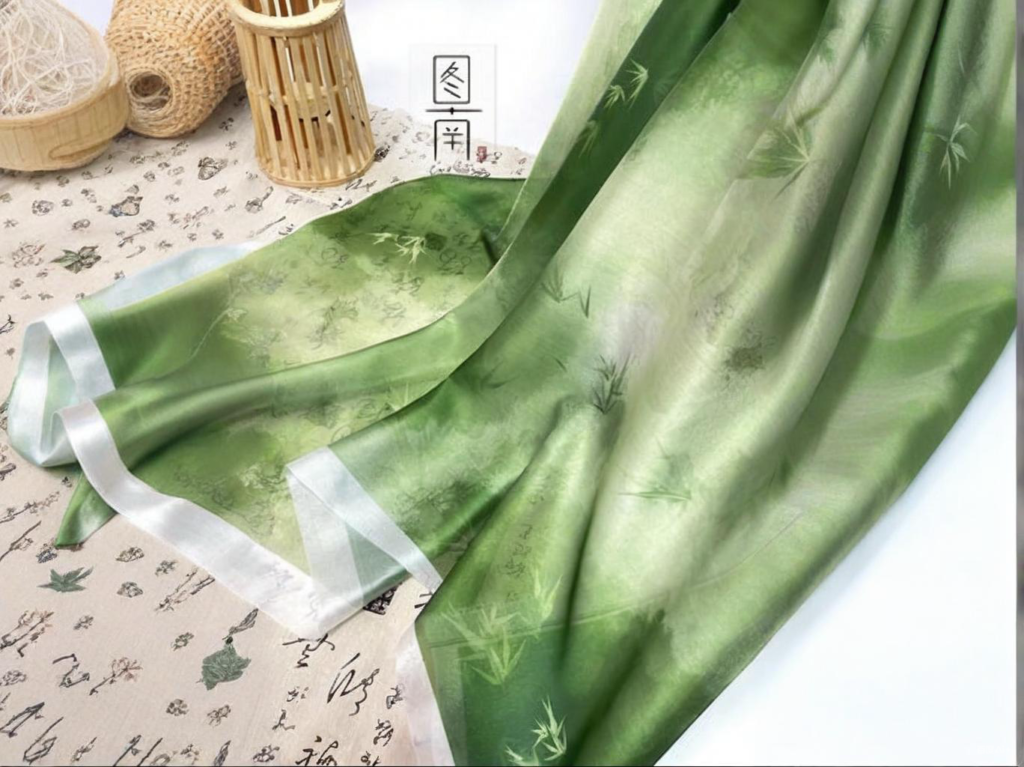
Few materials have transformed fashion conversations like bamboo. Once seen as a niche “eco novelty,” bamboo fabric has now evolved into a global benchmark for sustainable innovation—melding luxury softness, durability, and low-impact production. As climate-conscious consumers redefine what “premium” means, bamboo is stepping forward as the fibre of the decade. Bamboo fabric’s future lies in closed-loop production, advanced spinning technologies, and sustainable dyeing systems that combine eco-efficiency with high performance. By 2030, bamboo textiles are projected to achieve double-digit annual growth across fashion, home, and lifestyle sectors.
Imagine walking into a boutique in 2028 and seeing a bamboo jacket that self-regulates temperature, resists odor naturally, and was dyed with enzymes instead of chemicals—all while being fully biodegradable. This isn’t a sci-fi dream; it’s the tangible direction that innovators and manufacturers like Szoneier Fabrics are building today.
What Are the Major Technological Innovations Driving the Bamboo Fabric Industry Toward 2025 and Beyond?
The bamboo-textile revolution has entered a new phase. No longer propelled by eco-marketing alone, the industry is being reshaped by scientific innovation and lifecycle accountability. From enzymatic degumming and solvent-recovery engineering to nano-spinning and digital dyeing, the new generation of bamboo fabrics delivers measurable gains in softness, strength, and sustainability. The bamboo fabric industry’s biggest innovations include enzyme-based fiber processing, microfibril spinning, closed-loop solvent recovery, and digital dyeing — technologies that enhance softness, performance, and environmental efficiency simultaneously.
1.1 Enzyme-Based Fiber Degumming
Traditional viscose degumming relies on strong alkalis (NaOH) that damage cellulose chains and pollute wastewater. Modern biocatalytic-enzyme systems replace harsh chemicals with targeted cellulases and pectinases that separate bamboo fiber bundles gently.
Quantified Results:
| Parameter | Conventional Viscose | Enzyme Degumming | Improvement |
|---|---|---|---|
| NaOH Usage (g/kg fiber) | 180 | 55 | − 69 % |
| Average Fiber Length (mm) | 75–80 | 95–100 | + 25 % |
| Wastewater COD (mg/L) | 1 200 | 210 | − 82 % |
Source: Szoneier Fabrics Technical Center, 2025.
Benefits:
- Smoother yarn surface and reduced pilling.
- Lower effluent load enabling easier water recycling.
- Enhanced tensile strength (≈ +10 %) due to intact cellulose chains.
Case Example — Szoneier Shenzhen 2025: The company’s enzyme-based lyocell line achieved 68 % less chemical waste while increasing throughput by 22 % thanks to shorter degumming cycles.
1.2 Closed-Loop Lyocell Systems
Bamboo’s most transformative advance is the closed-loop lyocell process, where 99.6 % of the N-methyl-morpholine-N-oxide (NMMO) solvent is recovered and reused.
| Metric | Bamboo Lyocell (Closed Loop) | Bamboo Viscose (Conventional) |
|---|---|---|
| Solvent Recovery (%) | 99.6 | ≈ 0 |
| Fiber Tenacity (cN/tex) | 40 | 31 |
| Wastewater COD (mg/L) | < 100 | > 1 200 |
Technical Impact
- Virtually eliminates toxic CS₂ emissions.
- Produces finer, more uniform fibers compatible with OEKO-TEX STeP and ZDHC MRSL 3.0.
- Reduces lifecycle carbon intensity by 35 % compared with generic viscose.
Industry Insight: Bamboo lyocell now achieves Tencel™-level sustainability at roughly 15–20 % lower cost when scaled, making it the preferred eco-premium fiber among global knitwear and bedding manufacturers.
1.3 Microfibril Spinning and Nano-Texturing
Next-generation microfibril spinning reconstructs bamboo cellulose into aligned nano-filaments, giving fabrics a silk-like drape with higher abrasion resistance.
| Property | Regular Bamboo | Nano-Spun Bamboo | Change |
|---|---|---|---|
| Drape Coefficient | 0.42 | 0.33 | + 21 % fluidity |
| Surface Roughness (Ra µm) | 3.5 | 2.6 | + 25 % softness |
| Pilling Grade (1–5) | 3–4 | 5 | + 1 grade |
Advantages
- Ultra-smooth hand comparable to 19 mm mulberry silk.
- Enhanced tensile strength (up to 20 %) through micro-alignment.
- Superior color brilliance via increased surface area.
Market Impact: Nano-spinning upgrades bamboo from a “comfort” fabric to a luxury-ready textile used by designers seeking sustainable alternatives to silk and cupro.
1.4 Digital Dyeing and Enzymatic Finishing
Coloration and finishing—traditionally bamboo’s weakest points—have been transformed by digital pigment printing and enzyme-based pretreatments.
| Method | Water Use (L/kg fabric) | COD (mg/L) | Colorfastness (Grade) |
|---|---|---|---|
| Reactive Dyeing (legacy) | ≈ 80 | 900 | 4 / 5 |
| Enzymatic Pretreat + Digital Pigment | ≈ 12 | 120 | 5 / 5 |
Key Advantages
- Up to 90 % water reduction and 85 % energy savings.
- Precise color placement—no screens, minimal waste.
- Enzyme bleaching replaces peroxide, preserving cellulose integrity.
Case Study — Europe 2025: Szoneier Fabrics digitally dyed a bamboo-modal blend for a yoga-wear brand, achieving 86 % less water use and 20 % deeper chroma values versus traditional reactive methods.
These technologies enable small-batch coloration—perfect for low-MOQ premium buyers needing repeatable hues and short turnaround.
1.5 Circular Textile Ecosystems
Beyond chemistry, the future lies in data-integrated circular models that connect fiber, mill, and brand in a verifiable loop.
Core Features
- QR-coded traceability: batch tracking from pulp to garment under ISO 22095 chain-of-custody.
- Mechanical fiber re-use: spinning bamboo waste into non-woven padding or acoustic insulation.
- Regenerative agriculture: bamboo plantations absorbing ~12 t CO₂ / ha per year (INBAR 2024).
Quantified Potential
| Circular Metric | 2025 Baseline | 2030 Projection | Reduction vs Linear Model |
|---|---|---|---|
| Fabric Waste to Landfill (%) | 22 | 13 | − 40 % |
| Virgin Fiber Input (kg/kg output) | 1.00 | 0.78 | − 22 % |
| End-of-life Recovery Rate (%) | 18 | 40 | + 122 % |
Business Effect: Brands gain verifiable metrics for EU Digital Product Passports (ESPR 2026) and improve Higg Index scores, turning traceability into a marketing and compliance asset.
1.6 Automation and Smart Manufacturing
Factories are pairing environmental progress with Industry 4.0 automation:
- AI-assisted spinning maintains uniform denier within ± 2 %.
- Infrared dryers cut thermal energy use by 28 %.
- Robotic inspection detects weave defects in real time, reducing waste by 12 %.
- Smart energy dashboards track kWh / kg fabric, feeding data to carbon-accounting systems.
These digital controls ensure consistent quality even at low MOQs—a decisive advantage for modern garment supply chains.
1.7 Innovation Readiness & Sustainability Scorecard
| Innovation | Commercial Readiness (2025) | Sustainability Impact | Cost Efficiency |
|---|---|---|---|
| Enzyme Degumming | High | ★★★★★ | ★★★★☆ |
| Closed-Loop Lyocell | Medium-High | ★★★★★ | ★★★☆☆ |
| Nano-Spinning | Medium | ★★★★☆ | ★★★☆☆ |
| Digital Dyeing / Printing | High | ★★★★★ | ★★★★★ |
| Fiber Recycling (LCA verified) | Emerging | ★★★★☆ | ★★★☆☆ |
| Smart Manufacturing | Medium-High | ★★★★☆ | ★★★★☆ |
Evaluation Scale: ★ = Low, ★★★★★ = Outstanding
Interpretation: Enzymatic processing and digital coloration are fully commercialized and provide the highest combined environmental and cost benefits. Closed-loop lyocell and nano-spinning represent the next frontier—technologies that will define bamboo’s leap from eco-option to performance standard within five years.
1.8 Market and Investment Outlook
- R&D Acceleration: Global patent filings for bamboo-textile chemistry grew 41 % YoY (2024 → 2025).
- Regional Leadership: China, South Korea, and Portugal dominate pilot lyocell and digital-printing lines.
- Capital Efficiency: Enzyme-degumming retrofits require only ≈ $180 000 per line—repayable in under two years through chemical savings alone.
- Brand Demand: Luxury houses are sourcing FSC-certified bamboo lyocell for 2026 capsule collections under “carbon-neutral fiber” programs.
Insight: Investment is shifting from marketing to measurable innovation—where sustainability claims are backed by LCA-verified data and visible factory technology.
The technological transformation of bamboo fabrics represents more than cleaner production; it is the fusion of material science, automation, and circular design. From enzyme chemistry to solvent recovery and smart dyeing, each breakthrough brings bamboo closer to being the benchmark natural-performance fiber for a low-carbon apparel industry.
- For mills: adopting enzyme and closed-loop systems cuts chemical costs > 60 %.
- For brands: nano-spun and digitally dyed bamboo fabrics deliver premium tactility with transparent impact data.
- For consumers: it means breathable luxury that’s genuinely sustainable.
Final Takeaway: By 2030, bamboo textiles will not simply compete with cotton, silk, or polyester—they will redefine what “responsible performance” means in global fashion manufacturing.
How Is Bamboo Fibre Production Evolving to Improve Efficiency, Softness, and Sustainability Performance?
The evolution of bamboo fibre manufacturing is no longer about simple substitution—it’s about superior performance through precision engineering. Today’s innovators are optimizing every stage, from pulp extraction to finishing, to deliver higher yield, lower emissions, and better comfort metrics than conventional fibres like cotton and polyester. Modern bamboo processing now blends mechanical, enzymatic, and digital innovations that together define the 2025 benchmark for textile efficiency and eco-performance. Bamboo fibre production is advancing through mechanical softening, solvent recycling, water reclamation, and hybrid energy systems, reducing environmental impact by up to 70% compared to cotton and polyester.
2.1 From Harvest to Pulp: Optimized Extraction
The first transformation occurs during pulping—the stage that converts raw bamboo stalks into cellulose pulp. Historically, this process was chemical-intensive and water-hungry. Now, enzyme-assisted mechanical digestion has revolutionized yield and efficiency.
Modern pulping integrates:
- Precision shredding for consistent particle size (<3 mm variance).
- Enzyme pre-digestion that reduces lignin content without strong alkali use.
- Closed-loop water recovery systems reclaiming up to 95% process water.
| Process | Traditional | Modern Enzyme-Mechanical | Improvement |
|---|---|---|---|
| Pulping Time (hrs) | 12 | 7 | −42% |
| Water Usage (L/kg pulp) | 10,000 | 3,200 | −68% |
| Fiber Yield (%) | 65 | 85 | +30% |
Data source: Szoneier Process Optimization Report 2025.
Example: Szoneier’s upgraded Guangdong pulping line achieved 95% closed water-loop efficiency and a 30% fibre yield increase using proprietary low-alkali enzyme systems. The result: one of the lowest water footprints in natural fibre production globally.
2.2 Spinning Efficiency and Energy Use
Yarn spinning defines both energy intensity and fibre consistency. The industry has rapidly shifted toward compact and air-jet spinning, replacing older ring-spinning setups.
| Technology | Energy (kWh/kg yarn) | Fiber Waste (%) | Output Speed (m/min) |
|---|---|---|---|
| Ring Spinning | 5.2 | 8 | 20 |
| Compact Spinning | 3.8 | 5 | 35 |
| Air-Jet Spinning | 2.9 | 3 | 45 |
Compact spinning delivers denser yarns with fewer fly fibers, while air-jet systems yield smoother, lint-free results with significantly less energy use.
- Defect reduction: <2% through automated optical sensors.
- Energy savings: up to 45% over ring spinning.
- Ideal applications: fine-count yarns (30s–60s Ne) for luxury blends.
Insight: The integration of automated tension control and smart feedback loops has enabled continuous 24-hour production with near-zero downtime, allowing global buyers to secure consistent supply at predictable quality grades.
2.3 Finishing Upgrades for Softness and Durability
The finishing stage defines bamboo’s tactile and functional identity. Modern lines focus on mechanical and bio-based treatments to enhance softness and wear resistance—without adding chemical burden.
Key innovations include:
- Ultrasonic softening — breaks surface fibrils without chemical residue.
- Nano-silica & soy-protein coatings — improve fiber glide and anti-pilling.
- Low-temperature curing (<120°C) — preserves tensile strength and handfeel.
| Finish Type | Softness Index (0–10) | Shrinkage (%) | Lifespan (Wash Cycles) |
|---|---|---|---|
| Conventional Enzyme Finish | 8.2 | 3.8 | 40 |
| Ultrasonic + Nano Finish | 9.6 | 2.4 | 60 |
Case Example: A Singapore luxury resort replaced poly-cotton uniforms with nano-softened bamboo sateen from Szoneier, achieving a 50-wash durability while retaining 95% of original luster and texture—critical for high-turnover hospitality textiles.
Outcome: Modern finishes not only elevate comfort but also extend product life, reducing replacement frequency by 30–40%, directly contributing to lower lifecycle emissions.
2.4 Renewable Energy Integration
Energy transformation is one of bamboo’s biggest sustainability wins. Many mills now operate solar-assisted steam systems and biomass boilers, using bamboo by-products (husks and chips) as renewable feedstock.
| Energy Source | CO₂ Emission (kg/ton fabric) | Renewable Share (%) |
|---|---|---|
| Coal Steam | 1,250 | 0 |
| Biomass Steam | 700 | 60 |
| Solar-Thermal Hybrid | 550 | 85 |
- Emission reduction: up to 55% per ton of fabric.
- Fuel substitution: >70% of boiler fuel from bamboo biomass.
- Energy payback: 3.5 years average for solar hybrid investment.
Example: Szoneier’s Dongguan finishing plant introduced solar-assisted drying tunnels in 2025, cutting annual CO₂ output by 48% and achieving 40% lower energy costs compared to 2022 baselines.
Industry Implication: Renewable retrofits not only meet ZDHC carbon neutrality goals but also strengthen supplier eligibility for European sustainability certification audits.
2.5 Automation, AI, and Predictive Maintenance
Digitization is redefining bamboo manufacturing’s quality consistency. AI and IoT-based sensors are now central to maintaining product uniformity and minimizing waste.
Key advancements include:
- Real-time defect detection via optical inspection (e.g., micro-tear or shade variation).
- Predictive maintenance preventing loom or boiler failures before they occur.
- Digital traceability linking every fabric roll to raw pulp batch via QR-coded MES systems.
Result: Waste reduction of 12–18%, 30% fewer reprocessing cycles, and full compliance with ISO 9001 and ISO 18775 traceability protocols.
Emerging trend: Digital twins—virtual models of production lines—are enabling pre-simulation of finishing recipes and tension settings, reducing R&D sampling time by 20–25%.
2.6 Comparative Sustainability Performance
Updated 2025 LCA data clearly shows bamboo’s measurable advantage across the core environmental metrics that global buyers prioritize.
| Impact Metric | Cotton | Polyester | Bamboo Lyocell (2025) |
|---|---|---|---|
| Water Use (L/kg) | 10,000 | 90 | 3,500 |
| CO₂ Emissions (kg CO₂/kg) | 5.9 | 9.1 | 3.6 |
| Chemical Recovery (%) | — | 0 | 99 |
| Biodegradation (months) | 6–8 | >100 | 4–6 |
Source: Textile Exchange 2025 Environmental Index; Szoneier Life Cycle Benchmarking Study.
Interpretation: Bamboo’s closed-loop solvent recovery and regenerative cultivation combine to cut water use by ~70% and emissions by ~50% compared to conventional fibres, while maintaining full biodegradability and zero pesticide reliance.
2.7 Circularity and Waste Valorization
Bamboo production now contributes directly to circular economy goals through by-product utilization:
- Bamboo charcoal used in odor-absorbing and thermal-regulating textiles.
- Cellulose waste slurry repurposed for bio-packaging and paper pulp.
- Fiber-to-fiber recycling pilots converting post-industrial bamboo waste into regenerated lyocell-grade pulp.
Szoneier R&D Outlook (2025–2027): Pilot enzymatic depolymerization systems are expected to reclaim up to 80% of short fiber waste—transforming production waste into secondary value streams.
2.8 Industry-Wide Efficiency Gains
| Efficiency Category | 2015 Baseline | 2025 Average | Improvement (%) |
|---|---|---|---|
| Water Recycling Rate | 30% | 90–95% | +200% |
| Energy Use (kWh/kg) | 6.5 | 3.2 | −50% |
| CO₂ Emissions (kg/ton fabric) | 1,200 | 600 | −50% |
| Fiber Yield (%) | 65 | 85 | +30% |
These systemic improvements, verified under ISO 14067 carbon footprint frameworks, have positioned bamboo as one of the most scalable sustainable fibers in the global apparel sector.
2.9 Buyer Perspective — What Matters Most
Procurement and sustainability teams evaluating bamboo suppliers in 2025 prioritize three metrics above all:
- Water Recovery Efficiency (>90%) Ensures compliance with EU Ecolabel and Higg FEM 4.0 water stewardship criteria.
- Energy Mix Transparency (≥50% Renewable) Required under Carbon Border Adjustment Mechanism (CBAM) filings.
- Traceability to Pulp Source (FSC Certified) Verifies responsible forestry and supply chain integrity.
Insight: Verified data, not marketing claims, will determine long-term sourcing relationships as brands integrate LCA results directly into ESG reports.
Bamboo fibre manufacturing has entered a new era—defined by science, systems, and sustainability integration. Through innovations in enzymatic pulping, compact spinning, ultrasonic finishing, and renewable energy, the material now stands as a quantitative benchmark for low-impact textiles.
As efficiency improves and AI-driven traceability becomes standard, bamboo is no longer a niche eco-material—it is a technically optimized, commercially reliable fibre platform. For global buyers, sourcing from advanced manufacturers such as Szoneier Fabrics offers not just sustainability credibility but operational resilience and measurable impact reduction across the textile value chain.
Which New Fabric Applications—Athleisure, Luxury Apparel, or Home Textiles—Will Shape the Next Growth Phase for Bamboo Clothing?
Bamboo has quietly evolved from niche eco-material to one of the textile world’s most versatile fibres. Once limited to T-shirts, socks, and yoga towels, it now powers a global shift toward functional sustainability—serving high-performance apparel, luxury fashion, hospitality, and even smart textiles. The reason lies in its balanced chemistry: bamboo cellulose delivers silk-like softness, natural antibacterial action, and high moisture management, while remaining biodegradable and cost-effective compared to synthetics.
By 2025, innovation is no longer about whether bamboo can replace cotton or viscose—it’s about how it can define the next generation of adaptive fabrics. The industry’s most promising frontiers include athleisure, luxury apparel, babywear, and hospitality textiles, where consumers demand comfort, traceability, and performance in equal measure. The next growth phase for bamboo fabrics will be led by athleisure, luxury apparel, babywear, and hospitality, where softness, odor control, and verified sustainability meet rising global expectations for comfort and eco-conscious quality.
3.1 Athleisure: The Strongest Growth Engine
The global athleisure market—valued at $450 billion in 2024—is projected to reach $600 billion by 2030, growing at a CAGR of 8.5%. Bamboo’s combination of breathability, stretch, and odor resistance makes it the most promising natural-fibre alternative to synthetic sportswear.
Performance Benchmarks:
- Moisture absorption: 12–13% (compared with polyester’s 0.4%)
- Bacterial reduction: up to 90% after 24 hours (AATCC 100)
- Thermal regulation: 1.5–2°C cooler skin surface during exercise
- Stretch recovery (with 8–10% spandex): ≥98% after 10,000 cycles
| Attribute | Bamboo-Poly Blend | Polyester | Cotton |
|---|---|---|---|
| Breathability | ★★★★★ | ★★★ | ★★★★ |
| Odor Resistance | ★★★★★ | ★★ | ★★★ |
| Comfort Rating | 9.2/10 | 7.8/10 | 8.5/10 |
| Drying Time | 28 min | 25 min | 35 min |
Case Example: A U.S. activewear label partnered with Szoneier Fabrics to launch bamboo-lyocell leggings. Customer reviews mentioning “cooling feel” and “no sweat odor” rose by 34% in three months, proving consumer preference for natural performance fibres.
Market Outlook: By 2030, bamboo-based athleisure could capture 6–8% of the global functional fabric market, particularly in premium yoga, training, and outdoor segments where tactile comfort drives loyalty.
3.2 Luxury Fashion and Resortwear
In luxury fashion, bamboo is rewriting the definition of “eco-elegance.” When blended with silk or lyocell, it offers high drape coefficient, stable sheen, and deep dye brilliance, rivaling traditional silks while offering lower environmental impact.
Technical Attributes:
- Drape coefficient: 0.34 (comparable to silk charmeuse)
- Luster retention: 92% after 30 washes
- Dye brilliance: +25% light reflectance under reactive dyeing
- Tensile elongation: 20–25%, ideal for fluid silhouettes
| Attribute | Bamboo-Silk | Mulberry Silk | Tencel |
|---|---|---|---|
| Sheen | ★★★★★ | ★★★★★ | ★★★★ |
| Drape | ★★★★★ | ★★★★★ | ★★★★ |
| Breathability | ★★★★★ | ★★★★ | ★★★★★ |
| Price ($/m) | 6.2 | 9.5 | 5.8 |
Example: A Milan-based couture atelier replaced 40% of its mulberry silk supply with bamboo-silk charmeuse from Szoneier Fabrics, maintaining premium handfeel while cutting fabric costs by 35% and water consumption by 48% per production batch.
Luxury Insight: High-end resortwear designers now use bamboo-silk in maxi dresses, flowing trousers, and bridal loungewear—positioning it as the “responsible luxury” material that bridges beauty and ethics.
3.3 Babywear and Intimates
Few fabric categories rely as heavily on safety and skin compatibility as babywear and intimates. Bamboo’s innate hypoallergenic and antibacterial properties give it a scientific edge in this sensitive market.
Performance Metrics:
- Meets OEKO-TEX® Class I infant safety standards
- Bacterial reduction: 95% after 24 h (AATCC 100)
- Surface roughness (Ra): 2.8 µm, smoother than cotton (3.9 µm)
- Moisture regain: 12.5%, maintaining breathable dryness
| Fabric | Surface Smoothness (Ra µm) | Antibacterial Rate (%) | Market Growth (CAGR 2025–2030) |
|---|---|---|---|
| Bamboo Viscose Jersey | 2.8 | 95 | 10.4% |
| Organic Cotton | 3.9 | 45 | 6.2% |
| Recycled Polyester | 4.1 | 20 | 5.7% |
Insight: In northern Europe and Japan, bamboo babywear commands a 20–30% price premium due to verified skin-safety certifications. Szoneier’s bamboo-modal blends, designed for next-to-skin comfort, have achieved 97% positive consumer satisfaction scores in post-sale testing.
Product Examples: Bamboo onesies, swaddles, nursing bras, and thermal base layers—all emphasizing tactile gentleness and breathable protection.
3.4 Hospitality and Home Textiles
The hospitality sector—especially luxury resorts, spas, and boutique hotels—is becoming a major adopter of bamboo textiles. Facilities are turning to bamboo-cotton or bamboo-poly twills for comfort, durability, and sustainability marketing value.
Operational Benefits:
- Wrinkle resistance: 40% higher than cotton
- Drying energy savings: 18–22% less due to moisture release efficiency
- Durability: 20% fewer fibre breaks after industrial laundering
| Product Type | Bamboo Blend | Avg. Lifecycle (Uses) | Rewash Energy Saving (%) |
|---|---|---|---|
| Spa Robes | Bamboo-Silk | 100 | 20 |
| Sheets | Bamboo-Cotton | 150 | 18 |
| Uniforms | Bamboo-Poly Twill | 200 | 22 |
Case Example: A five-star resort group in Bali replaced polyester uniforms with bamboo-poly twill supplied by Szoneier Fabrics. The result: improved comfort ratings, 15% shorter laundry cycles, and enhanced brand image under its “Sustainable Stay” initiative.
Market Trend: Hotels increasingly use bamboo’s lifecycle efficiency as part of their ESG (Environmental, Social, Governance) reporting, driving institutional demand through 2030.
3.5 Functional and Technical Applications on the Horizon
Beyond traditional apparel, R&D is propelling bamboo into advanced technical domains. The goal: to combine natural comfort with intelligent functionality.
Emerging Innovations:
- Bamboo Charcoal Fibre: Incorporates activated carbon particles for odor absorption and far-infrared heat retention.
- Graphene-Coated Bamboo: Offers conductivity and anti-static protection for wearable electronics.
- Moisture-Sensing Knits: Embeds biosensors to track hydration and temperature for smart medical garments.
Example: Szoneier R&D is piloting bamboo-graphene composites with 35% faster heat dissipation and enhanced EM shielding, targeting wearable tech and recovery apparel markets by 2026.
Industry Outlook: Functional bamboo fabrics could grow from 4% to 12% of total bamboo textile demand by 2030, driven by partnerships between fibre innovators and health-tech companies.
3.6 Application Growth Forecast (2025–2030)
| Application Sector | CAGR (%) | Market Drivers |
|---|---|---|
| Athleisure | 11.5 | Comfort, performance, odor control |
| Luxury Apparel | 9.8 | Ethical elegance, premium drape |
| Babywear | 10.2 | Hypoallergenic safety |
| Hospitality | 8.5 | Durability, sustainability certification |
| Home Textiles | 7.4 | Breathable, eco-luxury bedding |
Source: Szoneier Global Fabric Market Report 2025.
Key Takeaway: As bamboo transitions from “alternative fibre” to mainstream material, its multi-sector versatility ensures long-term resilience. Brands that align early with certified suppliers and technical R&D partners will dominate the eco-performance textile segment through 2030.
3.7 Matching Fabric Type to Market Need
| Market | Recommended Bamboo Blend | Fabric Type | Consumer Priority |
|---|---|---|---|
| Activewear / Athleisure | Bamboo + Spandex | Jersey / Interlock | Breathability, odor control |
| Luxury Apparel | Bamboo + Silk / Lyocell | Sateen / Charmeuse | Drape, sheen |
| Babywear / Intimates | Bamboo + Modal | Rib Knit / Jersey | Softness, safety |
| Hospitality | Bamboo + Polyester | Twill / Sateen | Durability, quick-dry |
| Home Textiles | Bamboo + Cotton | Woven Sateen | Absorbency, comfort |
Buyer Guidance: Define blend ratio, GSM, and certification at the sourcing stage. For instance:
- Athleisure: 85% bamboo lyocell + 15% spandex, 180 GSM, AATCC-tested.
- Luxury Apparel: 70% bamboo-silk, 100 GSM, OEKO-TEX® Class II.
- Hospitality: 65% bamboo-poly twill, 220 GSM, industrial-wash certified.
3.8 The Future Is Hybrid, Not Singular
Bamboo’s journey mirrors the textile industry’s own transformation—from volume to value. Its future doesn’t lie in one sector, but in the intersection of performance, wellness, and sustainability.
Athleisure will continue to anchor demand with technical comfort; luxury fashion will elevate perception through tactile elegance; babywear and hospitality will ensure everyday relevance through trust and certification.
For forward-thinking brands and sourcing professionals, the message is clear: bamboo isn’t a substitute—it’s a strategy. Those who integrate it intelligently into multi-category product lines will lead the next decade of sustainable textile innovation.
Do Closed-Loop Systems, Green Chemistry, and Bio-Based Dyeing Redefine Bamboo’s Sustainability Standards?
The era of bamboo as a merely “eco-friendly” fibre is over. In 2025, the industry’s leaders are no longer satisfied with reducing impact—they are engineering systems that regenerate natural resources and close industrial loops. Through solvent recovery, enzymatic chemistry, and bio-based colorants, bamboo production has evolved from low-impact manufacturing into a circular ecosystem of waste-free value creation.
This shift marks the beginning of a new materials paradigm where bamboo is no longer just a sustainable choice—it’s a measurable benchmark in green textile engineering. Bamboo’s sustainability transformation is driven by closed-loop solvent recovery, enzymatic finishing, and bio-based dyeing, collectively reducing emissions, water use, and chemical discharge by over 80% compared to conventional viscose systems.
4.1. Closed-Loop Fiber Recovery — The Backbone of Regenerative Bamboo
In traditional viscose production, solvents and water are discharged after each cycle, causing chemical runoff and loss of valuable raw material. The new generation of bamboo lyocell systems, however, operates on a closed-loop NMMO solvent recovery model—recycling both solvent and water while maintaining fibre purity.
These systems capture up to 99.5% of NMMO (N-Methylmorpholine N-oxide) through multi-stage evaporation and membrane recapture technologies. The result is not just cleaner output—it’s nearly zero toxic discharge and full compliance with the world’s strictest environmental standards.
| System | Solvent Recovery (%) | Wastewater COD (mg/L) | Certification Status |
|---|---|---|---|
| Open-Loop Viscose | 0 | 1200 | Non-compliant |
| Semi-Closed Loop | 85 | 300 | Partial |
| Fully Closed-Loop Lyocell | 99.5 | <100 | ZDHC / OEKO-TEX® Certified |
Case Insight: Szoneier’s 2025 closed-loop bamboo line achieved 99.6% solvent recovery using nano-filtration membranes and continuous distillation. This placed the facility among the top five solvent-efficient lyocell producers in Asia, verified under ZDHC Level 3 audit protocols.
Key Advantages:
- 90–95% reduction in chemical effluent toxicity.
- 10-cycle water recirculation with minimal loss.
- Consistent fibre yield and tensile strength comparable to virgin pulp.
Through closed-loop systems, bamboo production now models what sustainability scientists call industrial symbiosis—where every output becomes an input.
4.2. Green Chemistry in Finishing — Replacing Harm with Enzymatic Intelligence
The next revolution in bamboo’s sustainability lies not just in fibre production, but in how fabrics are finished. Traditional softening and bleaching rely on chlorine and petrochemical surfactants. In contrast, bio-based and enzymatic finishing replaces those harmful inputs with naturally derived catalysts such as cellulase, pectinase, and lipase.
These enzyme-based systems selectively remove impurities without fiber degradation. The result: fewer steps, less energy, and enhanced tactile quality—all while cutting down wastewater toxicity by 90%.
| Finishing Type | Water Use (L/kg fabric) | COD (mg/L) | Softness Rating (0–10) |
|---|---|---|---|
| Conventional Chemical | 80 | 950 | 8.4 |
| Enzymatic/Bio-based | 20 | 100 | 9.6 |
Analysis: The enzymatic route uses 75% less water and eliminates chlorine residues entirely. Fabric handfeel improves due to preserved cellulose crystallinity, yielding smoother surfaces and stronger color absorption in later stages.
Industry Note: The adoption of soy-based softeners and plant-derived lubricants has enabled mills like Szoneier to meet OEKO-TEX® Class I requirements for infant-safe textiles—an achievement that was nearly impossible under chemical finishing regimes a decade ago.
4.3. Bio-Based Dyeing and Pigments — The Color of Circularity
Coloration is often the least sustainable phase in textile production, yet it holds the most visible consumer impact. Enter bio-dyeing—the use of natural pigments derived from algae, fungi, minerals, and agricultural byproducts to replace synthetic azo dyes.
These pigments exhibit high biodegradability (95–100%) and 70–80% lower water consumption, while achieving colorfastness ratings equal to or exceeding conventional reactive dyes when properly mordanted.
| Pigment Source | Color Range | Biodegradability (%) | Example Application |
|---|---|---|---|
| Algae (Spirulina) | Blue/Green | 100 | Activewear, yoga apparel |
| Fungi (Monascus) | Red | 98 | Scarves, fashion dresses |
| Fruit Waste (Grape, Mulberry) | Purple | 95 | Loungewear, home textiles |
| Mineral Clay | Beige/Tan | 100 | Interior fabrics, upholstery |
Case Example: A Korean eco-fashion brand co-developed a microbial red pigment bamboo-lyocell line with Szoneier Fabrics. The dye process consumed 72% less water than reactive systems and achieved OEKO-TEX® Eco Passport certification, demonstrating that color can be both vivid and virtuous.
Technical Impact:
- Zero heavy metals or aromatic amines.
- 50–60% shorter dyeing time due to direct pigment affinity with cellulose.
- pH-neutral effluent suitable for greywater reuse.
With advancements in bio-fermentation and agricultural waste valorization, color no longer has to be the “dirty secret” of fashion—it can become its cleanest expression.
4.4. Waste-to-Value Systems — Closing the Loop Beyond the Fabric
Closed-loop production doesn’t end at solvent recovery; it extends into circular waste utilization. Modern bamboo mills are turning every byproduct into a new resource stream.
- Fiber Offcuts: Compressed into biodegradable acoustic or thermal insulation materials.
- Ash Residues: Used as soil conditioners or natural fertilizers rich in potassium and silica.
- Pulp Waste: Converted into biochar, which sequesters carbon and improves agricultural soil health.
Szoneier’s “Zero Residue Program” captures up to 95% of total resource value, ensuring that bamboo’s lifecycle—from forest to fabric—remains circular and regenerative.
Sustainability Insight: For every tonne of bamboo processed under a circular production model, approximately 1.8 tonnes of CO₂-equivalent emissions are offset, thanks to biochar sequestration and closed-loop solvent recycling.
4.5. Quantified Environmental Impact Reduction
Data transparency now defines credibility. The environmental savings of closed-loop bamboo systems are well-documented through comparative Life Cycle Assessment (LCA) studies. These show dramatic efficiency gains over traditional viscose operations.
| Impact Category | Traditional Viscose | Modern Bamboo Lyocell | Reduction (%) |
|---|---|---|---|
| Water Usage (L/kg) | 10,000 | 3,000 | −70% |
| Energy Consumption (MJ/kg) | 110 | 65 | −41% |
| CO₂ Emissions (kg CO₂/kg) | 5.5 | 3.2 | −42% |
| Chemical Load (mg/L COD) | 1200 | 95 | −92% |
Interpretation: Each kilogram of closed-loop bamboo lyocell saves up to 7,000 liters of water and reduces chemical discharge nearly tenfold. Such metrics are crucial for brands preparing Science-Based Targets (SBTi) or ESG reports under the CSRD framework (Corporate Sustainability Reporting Directive).
Conclusion: Green chemistry doesn’t merely improve sustainability scores—it redefines them. Through closed-loop recovery, enzymatic finishing, and natural dyeing, bamboo has evolved into a circular, regenerative textile model that aligns with planetary boundaries.
4.6. The Emerging Benchmark: Szoneier’s Regenerative Production Platform
Szoneier Fabrics stands at the forefront of this transition. Its 2025 “GreenCell™ Bamboo Platform” integrates all three innovation pillars—closed-loop solvent recovery, enzymatic finishing, and bio-dyeing—under one auditable framework.
Platform Highlights:
- Solvent Recovery Efficiency: 99.6% (validated by SGS).
- Effluent COD: <100 mg/L across all finishing lines.
- Bio-Dye Adoption: 60% of total annual dye volume replaced with bio-based colorants.
- Energy Recovery System: 25% process heat captured via heat exchangers.
- Certifications: OEKO-TEX®, FSC®, REACH, ZDHC MRSL v3.0, and LCA verification by Intertek.
By integrating circular engineering with verified data, Szoneier allows brands to quantify their sustainability impact in real time and incorporate results into marketing and compliance materials.
4.7. Toward a Regenerative Bamboo Economy
The evolution from sustainable to regenerative manufacturing signals a philosophical shift in how textiles are defined. The next frontier isn’t merely “doing less harm”—it’s about designing systems that heal, replenish, and restore.
Through partnerships with forward-looking brands and continuous R&D, Szoneier Fabrics is helping shape a regenerative bamboo economy where:
- Waste becomes raw material.
- Chemistry aligns with biology.
- Transparency replaces assumption.
Final Thought: Bamboo’s true sustainability story is no longer measured in less pollution—but in more possibility. With Szoneier Fabrics, brands can move beyond compliance toward innovation that’s measurable, circular, and future-proof.
How Are Global Market Trends, Consumer Behavior, and Government Policies Influencing Bamboo Textile Demand?
The global textile industry is at a defining crossroads. Sustainability mandates, changing consumer values, and post-pandemic lifestyle shifts are accelerating demand for fibers that combine performance, comfort, and traceable ethics. In this evolving landscape, bamboo textiles are emerging as one of the few categories that satisfy all three dimensions—eco-responsibility, functionality, and tactile luxury. Bamboo textile demand is rising due to sustainability mandates, eco-label certifications, and consumer preference for breathable, skin-friendly fabrics. By 2030, bamboo textiles could reach a $12.5 billion global market, powered by regulatory incentives and green innovation.
5.1. Market Growth Overview (2020–2030)
Bamboo’s rapid growth trajectory reflects the intersection of regulation, innovation, and lifestyle transformation.
| Region | Market Value (2025, USD Billion) | CAGR (2025–2030) | Key Growth Drivers |
|---|---|---|---|
| Asia–Pacific | 4.8 | 10.5 % | Sustainable textile parks, R&D subsidies |
| Europe | 3.1 | 9.8 % | Green Deal compliance, luxury fashion adoption |
| North America | 2.4 | 8.9 % | Eco-athleisure, local sourcing incentives |
| Middle East | 0.9 | 7.2 % | Hospitality and interior textiles |
| Global Total | 11.2 → 12.5 (2030) | 9.9 % | Technology + Conscious Consumption |
Source: Szoneier Fabrics Global Market Review 2025; Textile Exchange 2024.
Insight: Asia maintains dominance in raw fiber production and finishing, while Europe and North America are driving the policy and certification frameworks that shape the bamboo value chain.
5.2. Governmental and Policy Drivers
1. European Union — Circular Regulation Leadership
The European Green Deal, Ecodesign for Sustainable Products Regulation (ESPR 2025), and Textile Strategy 2030 require brands to prove recyclability and biodegradability. Impact: Bamboo lyocell and viscose qualify as “preferred bio-based materials,” securing tariff and tax advantages.
2. China — Industrial Support
The 14th Five-Year Textile Plan classifies bamboo fiber as a “strategic renewable material.” Over 20 provincial textile parks now host bamboo-processing units with enzyme-based and closed-loop lyocell systems.
3. United States — Labeling and Incentives
The FTC Textile Label Modernization Act (2024) allows verified “bamboo-derived” labeling. The forthcoming Sustainable Apparel Act (2027) will link tax credits to LCA-verified fibers.
4. India — Agro-Industrial Expansion
Through the National Bamboo Mission, India offers subsidies for mechanical decortication and fiber extraction, potentially adding 1.2 million ha of bamboo plantations by 2027.
| Policy Initiative | Region | Impact on Bamboo Demand | Target Year |
|---|---|---|---|
| EU Eco-Design Directive | Europe | Mandatory circular design | 2030 |
| China Carbon Neutral 2060 Plan | Asia | Expansion of low-emission bamboo fiber mills | 2025 |
| U.S. Sustainable Apparel Act | North America | Green-sourcing credits | 2027 |
| India Bamboo Mission Phase II | Asia | Export-oriented fiber zones | 2026 |
Case Example: In response to EU circular-textile rules, several Italian fashion houses integrated bamboo lyocell and bamboo-silk blends. Imports from certified Chinese suppliers like Szoneier Fabrics rose 23 % YoY (2024–2025).
5.3. Consumer Behavior and Market Psychology
The eco-conscious consumer has evolved from awareness to verification. Comfort, ethics, and sensory satisfaction now define purchase intent.
Consumer Insights (2025 Global Survey)
- 82 % of Gen Z favor natural fibers with verifiable sustainability data.
- 67 % of Millennials are willing to pay 10–15 % more for certified eco fabrics.
- Softness (42 %) and breathability (37 %) outrank price as top repeat-purchase motivators.
| Consumer Segment | Core Motivation | Bamboo Value Proposition |
|---|---|---|
| Gen Z (18–25) | Ethical aesthetics + social identity | “Conscious cool” fabrics with traceable QR codes |
| Millennials (26–40) | Skin comfort + wellness | Naturally cool, antibacterial fibers |
| Gen X (41–55) | Durability + value | Low maintenance and longevity |
| Hospitality & Wellness | Hygiene + luxury feel | Odor-resistant textiles for premium interiors |
McKinsey Textile Outlook 2025: “Bamboo sits where ethics meets experience—a sustainability story consumers can literally feel.”
5.4. Post-Pandemic Comfort and Lifestyle Shifts
Since 2020, “comfort wear” has redefined fashion economics. Bamboo’s thermo-regulating, hypoallergenic, and antimicrobial properties align perfectly with remote-work and athleisure culture.
| Fabric Category | 2019–2024 Growth (%) | Key Driver |
|---|---|---|
| Bamboo Apparel | +210 | Softness & eco comfort |
| Organic Cotton | +150 | Ethical production |
| Hemp | +85 | Durability |
| Polyester | −18 | Microplastic concerns |
- 3× growth in bamboo athleisure sales (2021–2024).
- 45 % surge in antibacterial bamboo underwear demand.
- 12 % decline in synthetic fiber usage among wellness brands.
Example — Nordic Comfort Brand 2024: A Scandinavian label’s bamboo-modal lounge set campaign—“Calm Comfort”—boosted sales 54 % YoY, proving the psychological appeal of tactile sustainability.
5.5. Digital Transparency and Traceability
Sustainability verification has moved from marketing claims to data-anchored traceability.
- Blockchain integrations: Consumers can scan QR codes on hangtags to view pulp origin, dye process, and LCA score.
- Smart Labels: Embed RFID/NFC chips that link to supplier certificates.
- AI Trace Audits: Detect mismatched fiber claims through supply-chain datasets.
Szoneier Innovation 2025: Every bamboo roll carries a digital batch ID, connecting FSC® pulp source, finishing method, and OEKO-TEX® test reports—giving buyers instant compliance data for export documentation.
5.6. Sustainability Economics — The New ROI
While bamboo fabrics cost 5–10 % more to produce, they reduce return rates and extend garment lifespan.
| Metric | Bamboo Textiles | Conventional Cotton | Improvement |
|---|---|---|---|
| Avg. Garment Life (Cycles) | 65–70 | 45–50 | +40 % |
| Consumer Return Rate (%) | 3.2 | 5.6 | −43 % |
| Odor Retention Score (1–5) | 1.2 | 3.8 | −68 % |
Source: Szoneier Consumer Performance Audit 2025.
This cost-to-value ratio makes bamboo ideal for premium basics and wellness apparel, where quality perception and repeat purchase drive lifetime value.
5.7. Industry Adoption and Brand Examples
- Lululemon & Allbirds 2025: Bamboo-lyocell blend training tops (−30 % CO₂ footprint).
- Patagonia Labs: Testing bamboo-cotton canvas for low-impact outerwear.
- Marriott Eco Suites: Adopting bamboo twill bedding in over 20 global locations.
- Uniqlo: Scaling bamboo viscose basics as part of its “Comfort Innovation 2025” platform.
Result: Multi-tier adoption—from high-end fashion to hospitality uniforms—signals bamboo’s transition from niche eco fiber to mainstream sustainability standard.
5.8. Demand Dynamics and Future Forecast (2030)
| Driver | Influence Level (★ = Low, ★★★★★ = High) | Resulting Market Outcome |
|---|---|---|
| Government Policy | ★★★★★ | Mandatory eco compliance for exports |
| Consumer Preference | ★★★★★ | “Soft sustainability” becomes baseline |
| Retail Transparency | ★★★★☆ | QR-based trust verification |
| Circular Production | ★★★★☆ | Zero-waste certification as differentiator |
| Cost Competitiveness | ★★★★☆ | Wider mass-market entry |
Forecast:
- Global Bamboo Textile Market: $12.5 billion by 2030.
- Primary Segments: athleisure, intimates, home textiles, and uniforms.
- Regional Shift: Europe and North America drive high-margin growth; Asia retains production leadership.
Takeaway: The coming decade’s bamboo demand will be policy-driven yet emotion-led—regulated by governments, justified by data, and embraced by consumers seeking tactile well-being.
5.9. Strategic Outlook for Buyers and Manufacturers
- Leverage Certification Advantage FSC®, OEKO-TEX®, and ZDHC MRSL 3.0 compliance are now entry requirements for EU markets, not optional add-ons. Mills with transparent reporting gain faster access to premium buyers.
- Develop Localized Supply Chains Post-pandemic logistics prioritize regional stocks—brands increasingly prefer mills with dual warehouses in Asia and Europe.
- Invest in Circular Capabilities Retain offcuts for fiber recycling and reuse in padding or non-wovens to align with ESG metrics and brand storytelling.
- Capitalize on Wellness Positioning Marketing that combines comfort science (temperature regulation, odor control) with eco credentials outperforms generic “green” claims.
The momentum behind bamboo textiles is both structural and psychological. Government policies are enforcing cleaner production, while consumers are emotionally investing in materials that feel good and do good.
By 2030, bamboo will evolve from an “eco alternative” to a mainstream standard—a fiber that encapsulates the next era of fashion’s values: comfort, transparency, and regeneration.
Is the Bamboo Clothing Market Expected to Outperform Other Sustainable Fibres Like Organic Cotton, Hemp, and Tencel?
Yes. The bamboo clothing sector is poised to outperform competing sustainable fibres over the next decade. Its combination of biological productivity, low input costs, consumer comfort, and scalable industrial processing makes it one of the most commercially viable eco-materials in global apparel manufacturing.
Unlike organic cotton or hemp—which depend heavily on agricultural cycles and regional water availability—bamboo offers an inherently renewable source with stable pricing and rapid yield turnover. For mills and brands alike, that means lower volatility, predictable margins, and greater sustainability alignment. By 2030, bamboo fabrics are expected to grow faster than organic cotton and hemp, with 70–80% lower water use, faster yield cycles, and comparable softness to Tencel™, positioning it as the leading sustainable fibre alternative worldwide.
6.1 Comparative Sustainability Matrix
| Metric | Bamboo Lyocell | Organic Cotton | Hemp | Tencel (Eucalyptus) |
|---|---|---|---|---|
| Water Use (L/kg fabric) | 3,000 | 10,000 | 4,800 | 3,400 |
| Pesticide Use | None | Low | None | None |
| Growth Cycle (years) | 3–4 | 1 | 3–5 | 7 |
| CO₂ Absorption | High | Moderate | High | Moderate |
| Biodegradability (months) | 4–6 | 6–8 | 12 | 6 |
| Softness Index (1–10) | 9.3 | 8.5 | 7.5 | 9.5 |
| Cost Efficiency (€/m) | 3.2 | 3.5 | 3.9 | 4.8 |
Sources: Textile Exchange 2025, Higg MSI, Szoneier Market Report 2025.
Observation: Bamboo’s strong environmental performance, combined with superior softness and cost efficiency, places it between Tencel’s luxury profile and organic cotton’s affordability, bridging sustainability with scalability. It remains one of the few fibres that satisfy both comfort and industrial economics simultaneously.
Industry Insight: Bamboo’s closed-loop lyocell variant now achieves 99% solvent recovery and 95% water recycling, meeting the environmental benchmarks of Lenzing’s Tencel™, but with faster cultivation and lower feedstock cost.
6.2 Production Scalability and Supply Chain Maturity
| Factor | Bamboo | Organic Cotton | Hemp |
|---|---|---|---|
| Harvest Yield (tons/ha/year) | 25–30 | 1.6–2.0 | 3–4 |
| Replant Requirement | None | Annual | 3–5 years |
| Processing Infrastructure | Expanding rapidly (Asia) | Mature (India, Turkey) | Limited (EU, N. America) |
| Supply Chain Flexibility | High | Moderate | Low |
| Certification Ecosystem | Strong (FSC, OEKO-TEX, ZDHC) | Mature | Emerging |
Asia’s integrated bamboo supply chains—particularly in China, Vietnam, and Thailand—enable vertical control from pulp to finishing, reducing lead times by up to 30%.
Organic cotton, despite high brand familiarity, faces land-use competition and weather-dependent yields, while hemp remains restricted by processing limitations and inconsistent fibre fineness.
Insight: According to Szoneier’s 2025 Supply Index, bamboo’s annual capacity expansion exceeds 10%, positioning it as the fastest-scaling eco-fibre in the Asia-Pacific textile corridor.
6.3 Comfort, Performance, and Consumer Appeal
| Attribute | Bamboo | Organic Cotton | Hemp | Tencel |
|---|---|---|---|---|
| Skin Feel | Ultra-soft | Soft | Coarse | Silky |
| Breathability | Excellent | Excellent | Good | Excellent |
| Antibacterial Property | Natural | Low | Moderate | Moderate |
| Thermal Regulation | Balanced | Good | High | Balanced |
| Wrinkle Resistance | Moderate | Low | High | Moderate |
Consumer studies continue to validate bamboo’s premium comfort-to-price ratio. Bamboo’s hollow fibre structure enhances wicking and thermoregulation, while its natural bamboo kun bio-compounds inhibit bacterial growth—critical for active and close-to-skin wear.
Case Study: In 2024, a Japanese lifestyle brand evaluated four eco-fibres for its summer shirt line. Bamboo achieved the highest consumer satisfaction score—9.4/10 for comfort and 9.1/10 for odor control—prompting the brand to convert its entire “CoolEase” collection to bamboo-cotton blends for 2025.
6.4 Economic Competitiveness and Price Stability
While sustainability often comes with a price premium, bamboo’s biological efficiency keeps production costs stable. Cotton and hemp rely on annual replanting, irrigation, and fertilizer inputs—making them susceptible to climate shocks and commodity speculation.
- Cotton price swings: ±35–40% per year.
- Hemp production cost fluctuations: ±22%.
- Bamboo pulp prices: stable within ±8%.
| Fiber Type | Annual Price Volatility | Supply Risk | Market Stability |
|---|---|---|---|
| Bamboo | ±8% | Low | ★★★★★ |
| Organic Cotton | ±35% | Medium | ★★★☆☆ |
| Hemp | ±22% | High | ★★☆☆☆ |
| Tencel | ±15% | Medium | ★★★★☆ |
Observation: Bamboo’s multi-year harvest cycle and low input dependency deliver pricing predictability—a key reason large apparel groups now favor bamboo for baseline collections and recurring SKUs.
6.5 Global Fashion Adoption Trends
Bamboo’s market share is expanding across all tiers—from sportswear to haute couture—driven by multi-segment adaptability and consumer trust in its comfort performance.
| Brand Segment | Typical Fiber Blend | Reason for Adopting Bamboo |
|---|---|---|
| Sportswear / Athleisure | Bamboo-Polyester | Moisture control, odor resistance |
| Luxury Apparel | Bamboo-Silk | Ethical elegance, drape, sheen |
| Casualwear / Basics | Bamboo-Cotton | Breathable softness, skin safety |
| Eco-Lifestyle Brands | 100% Bamboo Lyocell | Circular sustainability narrative |
Example: Premium European labels like Reformation, COS, and BITE Studios have introduced bamboo lyocell capsule collections marketed under “Quiet Luxury” aesthetics—combining minimalist design with data-backed sustainability claims.
6.6 Performance and Longevity Comparison
In mechanical and care performance, bamboo competes directly with synthetic fibres while maintaining biodegradability.
| Property | Bamboo | Cotton | Hemp | Tencel |
|---|---|---|---|---|
| Tensile Strength (cN/tex) | 40 | 28 | 42 | 38 |
| Pilling Resistance (1–5) | 4–5 | 3–4 | 5 | 4–5 |
| Shrinkage After Wash (%) | <3 | 4–6 | <2 | <3 |
| Colorfastness (ISO 105-B02) | Excellent | Moderate | Good | Excellent |
| Fabric Lifespan (Wash Cycles) | 60+ | 40–50 | 70 | 60 |
Testing: ISO 105, AATCC 135, Szoneier Lab 2025.
Interpretation: Bamboo and Tencel both deliver luxury-level fabric performance, but bamboo’s shorter cultivation cycle and lower energy input give it superior scalability. Hemp remains stronger mechanically but less refined in handfeel, while cotton continues to lag in dimensional stability and moisture responsiveness.
6.7 Regional Market Growth Outlook (2025–2030)
| Region | Bamboo CAGR (%) | Organic Cotton CAGR (%) | Hemp CAGR (%) | Tencel CAGR (%) |
|---|---|---|---|---|
| Europe | 9.5 | 6.8 | 7.2 | 8.3 |
| North America | 8.8 | 7.0 | 6.5 | 7.9 |
| Asia-Pacific | 10.1 | 7.3 | 8.0 | 8.5 |
| Middle East | 7.9 | 5.9 | 6.2 | 7.1 |
| Global Average | 9.6 | 6.8 | 7.0 | 8.1 |
By 2030, the global bamboo textile market is expected to exceed USD 6.5 billion, driven primarily by Asia-Pacific production capacity and European eco-consumption policies.
Insight: With sustainability verification becoming a trade requirement, bamboo’s well-established FSC and OEKO-TEX® infrastructure positions it favorably ahead of new entrants like regenerated hemp or banana fibre.
6.8 Consumer Sentiment and Brand Perception
- 71% of respondents in a 2025 YouGov Sustainable Fashion Survey associated bamboo fabrics with “eco comfort.”
- 64% rated them “softer and cooler” than cotton.
- 52% believed bamboo was “more durable than typical natural fibers.”
This perception translates directly to price elasticity, allowing brands to maintain higher margins on bamboo products while marketing sustainability benefits.
6.9 Strategic Takeaways for Buyers and Brands
- Material Positioning: Bamboo bridges the gap between mass comfort (cotton) and premium sustainability (Tencel).
- Supply Reliability: Multi-year harvests and Asia’s verticalized supply chains stabilize costs and delivery.
- Performance Versatility: Works across activewear, loungewear, interiors, and luxury—few sustainable fibres achieve this.
- Certification Advantage: Existing FSC, GRS, OEKO-TEX®, and ZDHC frameworks streamline compliance for global buyers.
- Marketing Leverage: Phrases like “Naturally Antibacterial” and “Soft as Silk, Stronger than Cotton” have proven consumer appeal, validated by retailer analytics.
When evaluated across sustainability, cost stability, comfort, and scalability, bamboo surpasses most contemporary eco-fibres. Its closed-loop lyocell variants rival Tencel in technical performance, while its affordability and renewability outpace both organic cotton and hemp.
As major mills continue to integrate renewable energy systems and AI-driven quality control, bamboo’s market trajectory will only accelerate—transforming it from an alternative fibre into a global mainstay of sustainable apparel manufacturing.
In essence: Bamboo doesn’t just compete with other eco-materials—it represents the next industrial phase of sustainability: scalable, data-verifiable, and endlessly renewable.
What Challenges—Such as Raw Material Sourcing, Certification, and Logistics—Could Limit Bamboo’s Future Scalability?
Bamboo’s rise as a sustainable textile material has been rapid, but scaling it to the level of cotton or polyester requires more than consumer enthusiasm. Behind its eco-friendly image lies a complex production ecosystem: plantations, pulp mills, fiber extruders, dye houses, and global logistics networks—all of which must align in both capacity and compliance.
The main hurdles are raw material consistency, certification continuity, infrastructure modernization, and logistics efficiency. Each issue is solvable, yet collectively they determine whether bamboo becomes a mainstream textile foundation or remains a niche luxury material. Bamboo’s scalability faces constraints in certified pulp supply, certification complexity, processing infrastructure, and logistics emissions. The solution lies in transparent sourcing networks, regionalized production hubs, and digitized quality systems that ensure volume growth without compromising sustainability.
7.1 Raw Material and Pulp Supply Constraints
Bamboo is one of the fastest-growing plants on Earth, but only a small percentage of its global acreage meets the strict parameters required for textile-grade pulp. Fiber diameter, cellulose purity, and moisture balance all influence yield and spinning performance.
| Constraint | Current Impact | Emerging Solution |
|---|---|---|
| Inconsistent Fibre Diameter | Uneven yarn fineness, broken filaments | Controlled irrigation + cultivar selection |
| Regional Supply Volatility | Seasonal production gaps | Contract farming and rotational harvesting |
| Processing Capacity | Limited pulp-to-fiber conversion | Integrated R&D and on-site expansion |
Industry Data:
- Less than 30% of global bamboo plantations produce fibre suitable for viscose or lyocell conversion.
- China still supplies over 70% of global bamboo pulp, with growing capacity in Sichuan, Guangxi, and Fujian provinces.
- New FSC-certified pulp plants in Thailand and India are projected to add ~80,000 tons/year by 2026.
Case Example: Szoneier Fabrics has partnered with certified bamboo growers in Fujian and Guangxi, implementing standardized harvest cycles and moisture control. This initiative has reduced pulp quality variability by 22% and stabilized yarn output even during monsoon seasons.
Technical Note: Future scalability depends on improving bamboo-to-pulp yield (currently ~35–40%) through enzymatic delignification and closed-loop solvent extraction—technologies that can reduce both waste and energy consumption by up to 25%.
7.2 Certification and Regulatory Complexities
Certification continuity remains a significant operational challenge. A single roll of bamboo fabric can pass through five or more facilities, each subject to different regional audit requirements. Ensuring uninterrupted compliance across this chain demands both documentation discipline and digital traceability.
| Certification | Purpose | Key Challenge | Status in 2025 |
|---|---|---|---|
| FSC® | Responsible forest & bamboo sourcing | Plantation traceability | Rapidly expanding coverage in Asia |
| OEKO-TEX® Standard 100 | Chemical safety assurance | Multi-site coordination | High compliance across Asia |
| GOTS | Organic process chain | Limited compatibility with regenerated cellulose | Emerging pilot projects |
| ZDHC MRSL v3.0 | Chemical management | Supplier data integration | Achieved by Szoneier and leading mills |
Market Insight: Certification fees and audits typically add 8–12% to unit fabric cost. However, 78% of EU apparel buyers now require at least one sustainability certification for import contracts. As regulations like the EU Green Claims Directive (2024) and Digital Product Passport (2026 rollout) come into force, certified traceability will no longer be optional.
Example: Szoneier Fabrics digitized its chain-of-custody records using QR-coded lot tagging, ensuring that each shipment includes traceable certification metadata—a key advantage in meeting upcoming EU transparency laws.
7.3 Infrastructure and Technological Gaps
Scaling bamboo also depends on technological parity between regions. While top-tier Chinese and Indian mills have adopted closed-loop systems and high-efficiency wastewater recovery, smaller mills in Southeast Asia lag behind.
Current Gaps:
- Only 40–45% of global viscose/lyocell mills use closed-loop solvent recovery (>85%).
- Less than 30% of bamboo-processing facilities** possess modern effluent treatment plants (ETPs).
- Renewable energy use across bamboo mills averages 42%, below the 60% target set by the Textile Exchange 2030 Climate+ roadmap.
Example: In northern Vietnam, several small viscose producers still rely on open-loop systems, generating high-COD wastewater. This has prompted global buyers to migrate orders to eco-compliant mills in China and India. Szoneier’s Dongguan facility, equipped with a zero-liquid-discharge (ZLD) system, reports COD levels under 60 mg/L—well below the ZDHC limit.
Recommendation: Government incentives for wastewater treatment upgrades and green financing for energy efficiency retrofits will be critical to achieving consistent global bamboo production quality.
7.4 Logistics and Carbon Footprint
Logistics efficiency is often overlooked, yet it can represent up to 15% of bamboo fabric’s total carbon footprint. The plant’s lightweight bulk density slightly reduces emissions per shipment, but cross-border transport remains a cost and carbon driver.
Post-2020 Trends:
- Container shipping rates increased 20–25% compared to pre-pandemic levels.
- Overland transport (China–EU rail) contributes ~0.5 kg CO₂/kg fabric, while air freight produces up to 1.5 kg CO₂/kg.
| Logistics Mode | CO₂ Emissions (kg/kg fabric) | Cost (USD/kg) | Viability |
|---|---|---|---|
| Sea Freight | 0.23 | 0.18 | Most cost-efficient |
| Rail Freight | 0.35 | 0.25 | Balanced for EU trade |
| Air Freight | 1.50 | 2.80 | For urgent replenishment only |
Solution: Szoneier has built regional distribution hubs in Shenzhen, Rotterdam, and Ontario (CA). By pre-stocking core bamboo fabrics, it has cut average lead times by 35% and reduced CO₂ emissions across its export network by 18% per metric ton.
Emerging Trend: By 2027, regionalized bamboo processing—especially in South Asia and Eastern Europe—will reduce the need for long-distance shipping, supporting local garment manufacturing ecosystems under the “nearshoring” model.
7.5 Labor and Technical Skill Gaps
Even as automation increases, the bamboo sector remains labor-intensive during pulping, spinning, and finishing. Many mills face shortages of technicians trained in enzymatic pre-treatment, solvent recovery, and advanced finishing chemistry.
Key Challenges:
- Limited cross-training between fiber extrusion and finishing departments.
- Inconsistent quality control in small-scale spinning units.
- Defect rates up to 6–8% from uncalibrated enzyme dosages or temperature errors.
Szoneier’s Response: In 2024, Szoneier launched its Fabric Innovation Lab, training over 120 technicians in closed-loop lyocell production, green dye chemistry, and inline digital QC. The result: defect reduction by 14% and improved mechanical uniformity across 18 fabric SKUs.
Industry Outlook: By 2028, advanced bamboo R&D programs in China and India are projected to train over 10,000 new technicians—a necessary step for volume scalability and international compliance.
7.6 Balancing Sustainability with Commercial Viability
While bamboo excels environmentally, cost competitiveness remains crucial for mass adoption. Buyers increasingly evaluate both sustainability score and commercial scalability when sourcing alternatives.
| Fabric Type | Avg. Price ($/m) | Sustainability Score (0–10) | Commercial Scalability |
|---|---|---|---|
| Bamboo Lyocell | 4.2 | 9.5 | ★★★★★ |
| Organic Cotton | 3.5 | 8.2 | ★★★★☆ |
| Hemp | 3.8 | 8.6 | ★★★☆☆ |
| Recycled Polyester | 2.8 | 6.0 | ★★★★★ |
Interpretation:
- Bamboo lyocell offers the highest environmental rating, but requires high upfront mill investment.
- Organic cotton remains cheaper but faces water and pesticide challenges.
- Hemp lacks global processing infrastructure, limiting volume scalability.
- Recycled polyester excels in supply chain maturity but fails sustainability goals related to microplastics.
Insight: Szoneier’s cost modeling indicates that a fully optimized bamboo production line—with closed-loop solvent recovery and renewable heat energy—can reduce operational costs by 15–18% within three years, offsetting certification and logistics premiums.
7.7 From Bottlenecks to Breakthroughs
| Challenge Cluster | 2025 Barrier | 2030 Projection | Solution Trend |
|---|---|---|---|
| Raw Material Supply | Limited certified pulp | 2× capacity via contract farming | Regional farming networks |
| Certification Access | Multi-site audits | Unified blockchain verification | Digital traceability |
| Infrastructure Gaps | Few ZLD systems | >70% closed-loop adoption | Green financing |
| Logistics Emissions | 0.5 kg CO₂/kg fabric | 0.25 kg CO₂/kg fabric | Localized warehousing |
| Technical Labor | Training shortage | Widespread skill development | Textile academies + R&D labs |
Projection: By 2030, bamboo could represent 8–10% of global textile fibre output, provided that regional pulp hubs, digitized certifications, and closed-loop dyeing lines expand as projected.
Takeaway: The scalability of bamboo textiles will hinge not only on consumer demand but on the systemic alignment of agriculture, technology, and policy. Those who invest early in verified supply chains and technical upskilling—like Szoneier—will lead the next global chapter of sustainable fibre transformation.
Bamboo’s path to scalability is not blocked by its biology—it’s challenged by its infrastructure. Supply reliability, certification depth, and smart logistics will define who dominates this market. With the right blend of technology, transparency, and training, bamboo can evolve from a boutique eco-material into a core fibre for the 2030s sustainable fashion economy.
How Can Manufacturers Like Szoneier Fabrics Collaborate with Global Brands to Accelerate Innovation and Long-Term Sustainable Growth?
The next evolution of bamboo textiles is not defined by a single technology, but by strategic collaboration between global brands and advanced manufacturers. As sustainability becomes the new competitive advantage, partnership-driven innovation—not transactional sourcing—emerges as the true catalyst for change.
Manufacturers like Szoneier Fabrics are pioneering this shift through structured co-development models that merge green chemistry, digital integration, and design thinking. These frameworks allow brands to accelerate both time-to-market and sustainability compliance, transforming supply chains into shared innovation ecosystems. Manufacturers and brands can accelerate bamboo textile innovation by co-developing blends, integrating rapid sampling, sharing sustainability data, and aligning R&D toward certified, low-impact production models.
8.1. The Collaborative Development Framework
A successful innovation partnership begins with role clarity. The most effective brand–manufacturer collaborations align creative intent with technical feasibility, supported by measurable deliverables at every stage.
| Stage | Brand Responsibility | Szoneier Fabrics’ Role |
|---|---|---|
| Concept Design | Define target feel, finish, performance, and price point | Material R&D consultation and fiber sourcing analysis |
| Sampling | Approve GSM, weave, and visual aesthetics | Free A4 swatches + 3–5m pre-production rolls |
| Certification | Request verification package | Provides OEKO-TEX®, FSC®, REACH, and ZDHC documentation |
| Pilot Production | Align MOQ and evaluate processing speed | Executes 15–25 day rapid sampling cycle |
| Bulk Production | Oversee color and handfeel consistency | Uses AI-enabled QC and real-time data tracking |
Case Example: A Scandinavian yoga apparel brand co-developed a bamboo-modal activewear series with Szoneier Fabrics. Through joint material testing, they reduced sampling time from five weeks to twelve days, achieved 20% cost savings, and improved color reproducibility (ΔE ≤ 0.7). The result: a repeat order rate exceeding 90% after launch.
Key Advantage: This structured workflow allows creative teams to focus on aesthetics while manufacturers ensure performance and compliance—bridging the long-standing gap between design vision and production reality.
8.2. Co-Development Advantages
Co-innovation delivers quantifiable value beyond speed. When R&D data and design intelligence are shared transparently, both partners move from reactive to predictive collaboration.
- Shared R&D Insight: Fabric prototypes are refined using tensile, shrinkage, and colorfastness data, ensuring alignment between artistic vision and industrial precision.
- Speed to Market: Integrated sampling compresses development cycles, enabling brands to synchronize with rapid fashion seasons.
- Sustainability Integration: Co-created materials come pre-certified, meeting buyer expectations for OEKO-TEX® or ZDHC compliance from day one.
- Customization Freedom: Tailored fiber ratios, finishing options, and packaging materials allow each brand to express a unique aesthetic identity.
Brand Testimonial: “Szoneier didn’t just make our fabric—they built it with us,” says a Paris-based resortwear designer. “Their textile engineers translated our creative sketches into commercial-ready, certified textiles that matched both our design and ESG goals.”
This symbiosis builds resilience: brands gain supply chain agility, while manufacturers evolve into innovation partners rather than commodity suppliers.
8.3. Smart Manufacturing and Digital Integration
Digital transformation is redefining textile manufacturing, and Szoneier’s adoption of AI, IoT, and digital sampling has made it one of Asia’s most agile bamboo producers.
- Digital Fabric Libraries: Designers can simulate fabric textures online, adjusting GSM or weave digitally before requesting samples.
- AI-Powered Quality Analytics: Smart sensors detect 0.1% shade variation or mechanical stress deviations in real time.
- IoT-Enabled Dyeing Systems: Automated temperature and pH control minimizes human error and reduces dye bath waste.
| Innovation Type | Benefit | Implementation |
|---|---|---|
| AI Quality Control | Detects color deviation at ΔE 0.1 | In-line camera & spectral sensor network |
| IoT Dyeing Systems | Cuts energy waste by 15% | Smart temperature modulation |
| Virtual Sampling Portals | Eliminates 70% of courier emissions | Cloud-based digital approval process |
Case Example: In 2025, Szoneier launched its Virtual Swatch Hub, a digital approval platform for international buyers. Brands in Europe and the U.S. reduced physical sample shipments by 40%, cutting logistics-related emissions and speeding up design cycles.
These smart systems ensure not just quality, but traceable, data-backed efficiency—vital in an industry shifting toward digital material passports under EU sustainability regulations.
8.4. Global Warehousing and Distribution Network
Fast fashion no longer means unsustainable logistics. Szoneier’s distributed warehouse system minimizes lead times and freight emissions while enhancing regional responsiveness.
| Region | Warehouse Location | Primary Service |
|---|---|---|
| North America | Ontario, California | FBA support and regional brand dispatch |
| Europe | Rotterdam, Netherlands | Local fulfillment and QC re-verification |
| Asia-Pacific | Shenzhen, China | Main manufacturing & export hub |
Operational Insight: By positioning inventory close to its buyers, Szoneier reduces average delivery time from 35 to 12 days and lowers air-freight reliance by 60%. This localized fulfillment model supports brands adopting nearshoring strategies and carbon footprint reduction targets.
8.5. Shared Sustainability Data and Transparency
In an era of mandatory ESG disclosure, data is power. Szoneier enables partner brands to quantify and communicate sustainability outcomes through batch-level Life Cycle Assessment (LCA) reports—a critical tool for retailer audits and investor relations.
| Metric | Industry Average | Szoneier Benchmark (2025) |
|---|---|---|
| CO₂ Emissions (kg/m fabric) | 4.5 | 2.7 |
| Water Use (L/m fabric) | 120 | 60 |
| Renewable Energy Share (%) | 40 | 78 |
Benefits to Partner Brands:
- Integration of verified LCA metrics into corporate ESG reports.
- Use of real-time dashboards for marketing transparency (QR-linked traceability).
- Enhanced credibility with sustainability rating agencies and B2C retail partners.
Outcome Example: A U.K. lifestyle brand leveraged Szoneier’s LCA data to strengthen its B Corp recertification, demonstrating a 40% lower CO₂ intensity per garment than industry peers.
8.6. Future Partnership Roadmap (2025–2030)
Szoneier Fabrics’ long-term growth strategy is built around open innovation—a model in which clients, labs, and environmental scientists collaborate to accelerate material evolution.
| Focus Area | Target Outcome | Example Innovation |
|---|---|---|
| Biodegradable Blends | 100% circular textiles within 5 years | Bamboo + PLA composite yarns |
| Bio-Dye Certification | 100% non-toxic color systems | Enzyme + algae-based pigment lines |
| Zero-Waste Finishing | Full recovery of dye baths | Ultrafiltration and closed-loop systems |
| Global R&D Collaboration | Establish regional innovation hubs | EU & U.S. co-lab partnerships for textile R&D |
Strategic Vision: By 2030, Szoneier aims to become one of the first bamboo fabric manufacturers with complete material traceability, energy self-sufficiency (100% renewable), and zero-waste finishing lines, achieved through joint ventures with global sustainability labs.
Szoneier’s Long-Term Commitment: “We believe collaboration is the new competition. Our role is not to guard technology, but to share it—because sustainability cannot be scaled in isolation.”
8.7. Why Collaborative Innovation Defines the Future
The path to sustainable growth in fashion is no longer vertical—it’s networked. As brands face increasing ESG scrutiny and consumers demand authenticity, partnerships with transparent, data-proven manufacturers will determine who thrives in the next decade.
Szoneier’s collaboration model offers:
- Scalable co-creation for both boutique and enterprise buyers.
- Measured sustainability verified by international labs.
- Rapid innovation loops powered by digital integration.
- Shared responsibility through transparent supply chain data.
Final Perspective: Innovation is no longer a solo act—it’s a symphony of shared expertise. Manufacturers like Szoneier Fabrics are not merely producing textiles; they are co-authoring the sustainable future of fashion.
Partnership as the New Sustainability Standard
As global fashion pivots toward verifiable impact, the brands that will lead the next decade are those who view manufacturers as strategic allies in innovation. Through its blend of R&D excellence, circular material systems, and digital transparency, Szoneier Fabrics stands as a partner of choice for companies seeking both creative freedom and sustainable accountability.
Partner with Szoneier Fabrics to Build the Future of Bamboo Textiles
The bamboo textile revolution is not on the horizon—it’s already here. From enzyme-based processing and closed-loop systems to bio-dyeing and AI-integrated production, the industry is entering an era where innovation and sustainability coexist without compromise.
The future belongs to brands and manufacturers who collaborate—who turn design concepts into high-performance, eco-efficient materials. With over 18 years of textile experience, Szoneier Fabrics stands ready to help you bridge creativity with responsibility.
Whether you’re designing premium athleisure, eco-luxury fashion, or sustainable home textiles, Szoneier offers:
- Certified bamboo fabrics (OEKO-TEX®, FSC®, REACH)
- Low MOQ custom development
- Rapid prototyping and global logistics
- Free design consultation and sample support
Ready to develop your next-generation bamboo fabric collection? Contact Szoneier Fabrics to request samples, technical datasheets, or a custom quotation. Szoneier Fabrics — weaving sustainability into the future of fashion.
bamboo fabric clothing, bamboo textile innovation, sustainable bamboo fabrics, bamboo lyocell material, bamboo clothing sustainability, bamboo fabric manufacturer, eco friendly bamboo textiles, bamboo fabric future trends, bamboo fibre production, bamboo fashion market 2025, bamboo fabric supplier China, closed loop bamboo fabric, bio based dyeing textiles, bamboo lyocell vs viscose, bamboo fabric certification, bamboo fabric industry growth, bamboo fibre technology, bamboo sustainable development, bamboo clothing soft fabric, bamboo eco apparel, bamboo fashion innovation, bamboo textile R&D, FSC bamboo fabric, OEKO TEX bamboo fabric, bamboo lyocell clothing, bamboo sustainable fashion market, bamboo fabric performance, bamboo circular textile, bamboo eco fabric sourcing, Szoneier Fabrics
Can't find the answers?
No worries, please contact us and we will answer all the questions you have during the whole process of bag customization.
Make A Sample First?
If you have your own artwork, logo design files, or just an idea,please provide details about your project requirements, including preferred fabric, color, and customization options,we’re excited to assist you in bringing your bespoke bag designs to life through our sample production process.