Skip to content
When it comes to controlling odor, most people assume “airtight” automatically means “smellproof.” That’s not always true. In fact, many users are surprised to find that even tightly sealed containers can still allow odors to escape over time, while certain fabric-based solutions perform better in real-world conditions.
Here’s the short answer: smellproof bags are designed to absorb and neutralize odors using specialized materials like activated carbon, while airtight containers focus on physically sealing air inside. If your priority is odor control in flexible, portable situations, smellproof bags often perform better. If you need long-term preservation and rigid protection, airtight containers may be the better choice.
A traveler once packed strong-smelling food into a plastic airtight container, only to find their entire luggage smelling after a long flight. Later, switching to a multi-layer carbon-lined bag solved the issue completely. This kind of real-world contrast is why understanding the difference matters more than most people think.
Now let’s break it down in detail.
What Is a Smellproof Bag?
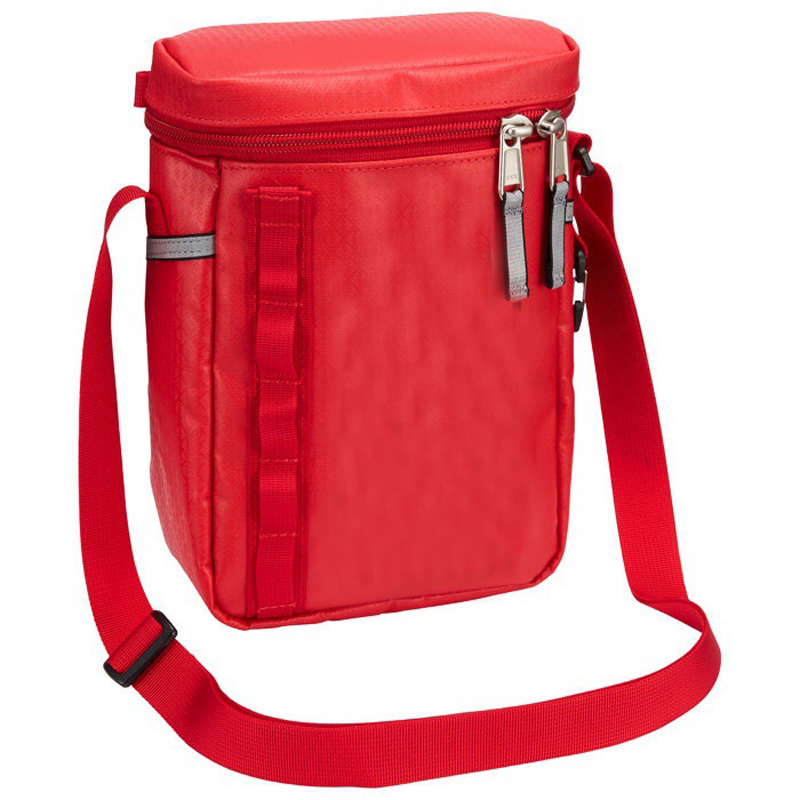
Smellproof bags are engineered storage solutions designed to control odor at a molecular level rather than simply enclosing it. Unlike conventional bags that rely on basic containment, these products are developed using multi-layer material systems that combine physical barriers with chemical adsorption. The goal is not just to trap smell inside, but to actively prevent odor molecules from escaping into the surrounding environment.
In practical terms, a smellproof bag is built with a layered structure that typically includes an outer shell for durability, an inner adsorption layer—most often activated carbon—and additional coatings or linings that reduce air permeability. This layered construction allows the bag to function effectively even when it is opened and closed repeatedly, which is a key limitation in traditional airtight containers.
From a manufacturing standpoint, the difference between a standard storage bag and a high-performance smellproof bag lies in material selection, lamination precision, and structural engineering. These are not cosmetic upgrades; they directly determine how well the product performs over time.
In recent years, demand for smellproof bags has grown steadily across global markets. In North America alone, the odor-control storage segment has seen annual growth rates estimated between 6% and 9%, driven by increased consumer awareness around privacy, travel convenience, and product discretion. This demand has pushed manufacturers to move beyond basic designs and invest in more advanced material systems.
From a user perspective, smellproof bags are commonly used for travel, daily carry, and specialized storage scenarios where discretion matters. Their portability, flexibility, and relatively low cost compared to rigid airtight containers make them a preferred choice in many real-world situations.
How Smellproof Bags Actually Work
At a technical level, smellproof bags operate through a combination of adsorption, diffusion control, and structural resistance. Unlike airtight containers, which rely entirely on sealing mechanisms, smellproof bags use layered materials to slow down and neutralize odor molecules before they can escape.
The most critical mechanism is adsorption. Activated carbon, which is widely used in high-quality smellproof bags, contains millions of microscopic pores. These pores create an विशाल surface area—often exceeding 500 to 1,500 square meters per gram—allowing odor molecules to bind to the carbon surface. This process effectively removes odor compounds from the air inside the bag.
In addition to adsorption, the outer and intermediate layers play a supporting role by reducing the rate at which air—and therefore odor molecules—can pass through the material. Coatings such as TPU (thermoplastic polyurethane) or PVC add a level of air resistance, slowing diffusion and giving the carbon layer more time to absorb odors.
Zipper systems also contribute significantly to overall performance. While most smellproof bags are not fully airtight, high-quality designs use reinforced or layered zipper constructions that minimize gaps where air could escape. In some advanced designs, double-seal zippers or hidden zipper flaps are used to further reduce leakage.
The effectiveness of this system depends on how well these components are integrated. A well-designed bag ensures that air movement is controlled, contact time with the carbon layer is maximized, and structural weak points are minimized.
How Do Materials Impact Odor Control?
Material composition is the single most important factor in determining whether a smellproof bag performs as expected. Not all products marketed as “smellproof” use the same standards, and differences in material quality can result in significant performance gaps.
The following table outlines the typical material layers and their roles:
| Material Layer | Function | Performance Level |
|---|---|---|
| Outer Fabric (Oxford/Nylon/Polyester) | Provides durability, abrasion resistance, and structural integrity | Medium |
| TPU/PVC Coating | Reduces air permeability and enhances barrier performance | Medium |
| Activated Carbon Layer | Adsorbs and neutralizes odor molecules | High |
| Inner Lining (Polyester/Non-woven) | Protects carbon layer and maintains internal structure | Medium |
Among these layers, activated carbon is the defining component. Its effectiveness depends on factors such as particle size, density, and distribution within the fabric. Higher-quality carbon layers tend to be thicker and more evenly distributed, which increases adsorption capacity and extends the usable lifespan of the bag.
For example, in industrial-grade applications, carbon layer thickness can range from 0.5 mm to over 2 mm. In consumer products, thinner layers are often used to balance cost and flexibility, but this can reduce long-term performance. Manufacturers with strong material sourcing capabilities are able to optimize this balance more effectively.
The lamination process is another critical factor. Poor lamination can create micro-gaps between layers, allowing odor molecules to bypass the carbon layer entirely. High-quality manufacturing requires precise bonding techniques to ensure that all layers function as a unified system.
Are Smellproof Bags Truly Odor-Proof?
While the term “odor-proof” is commonly used in marketing, it is not entirely accurate from a technical perspective. No flexible material system can guarantee 100% odor containment under all conditions. However, well-designed smellproof bags can achieve odor reduction rates of approximately 90% to 95% in typical usage scenarios.
Performance depends on several key variables:
| Factor | Impact on Performance |
|---|---|
| Carbon layer thickness | Thicker layers provide greater adsorption capacity and longer lifespan |
| Zipper quality | Better sealing reduces direct leakage pathways |
| Bag structure | Multi-layer construction improves overall effectiveness |
| Usage frequency | Frequent use accelerates carbon saturation |
Over time, the activated carbon layer becomes saturated as it absorbs more odor molecules. Once saturation is reached, performance gradually declines. In most consumer applications, this occurs after several months of regular use, although the exact timeframe varies depending on usage intensity and environmental conditions.
Temperature and humidity also play a role. Higher temperatures can increase the volatility of odor compounds, while high humidity can reduce the efficiency of carbon adsorption. This is why performance may vary between different climates or usage environments.
Experienced manufacturers address these variables through material optimization and structural design. By balancing carbon density, airflow control, and durability, they can deliver consistent performance across a wide range of real-world conditions.
What Makes Some Smellproof Bags Fail?
Despite the growing popularity of smellproof bags, product quality across the market remains inconsistent. Many lower-cost options fail to deliver meaningful odor control due to compromises in materials and construction.
One of the most common issues is the use of low-density or thin carbon layers. While this reduces production costs, it significantly limits adsorption capacity. In some cases, the carbon layer is more of a marketing feature than a functional component.
Zipper design is another frequent weak point. Standard zippers without reinforcement can allow air to pass through small gaps, especially under pressure or movement. Over time, wear and deformation can further reduce sealing performance.
Fabric quality also plays a role. Weak or loosely woven outer fabrics may not provide sufficient structural support, leading to deformation and reduced effectiveness of the internal layers. In addition, poor stitching or inadequate lamination can create pathways for odor leakage.
Manufacturing consistency is often overlooked but equally important. Even with high-quality materials, inconsistent production processes can lead to variations in performance between batches. This is particularly relevant for large-scale orders, where quality control becomes more complex.
Manufacturers with integrated production systems and strict quality control protocols are better positioned to avoid these issues. By controlling raw material sourcing, lamination processes, and final inspection, they can ensure more reliable product performance.
Real-World Performance Comparison
The effectiveness of smellproof bags varies depending on how they are used. While laboratory conditions provide a baseline, real-world scenarios introduce variables such as movement, temperature changes, and repeated opening.
The table below summarizes typical performance across common use cases:
| Scenario | Smellproof Bag Performance |
|---|---|
| Travel (backpack/luggage) | Excellent |
| Daily carry | Excellent |
| Short-term storage | Very good |
| Long-term storage (weeks+) | Moderate |
In mobile scenarios such as travel or daily commuting, smellproof bags perform particularly well. The combination of adsorption and structural resistance is sufficient to handle intermittent exposure and moderate odor levels.
For short-term storage, performance remains strong as long as the carbon layer has not reached saturation. However, for long-term storage—especially over several weeks—performance may decline as adsorption capacity is gradually used up.
This is why smellproof bags are best positioned as flexible, portable solutions rather than permanent storage systems. Their strength lies in convenience and adaptability, which aligns well with modern consumer behavior.
From a product development perspective, the key to achieving consistent real-world performance lies in balancing material quality, structural design, and manufacturing precision. Brands that invest in these areas are able to deliver products that meet both functional expectations and market demand, making smellproof bags a growing category in the global accessories market.
What Is an Airtight Container?
An airtight container is a rigid storage system designed to minimize or eliminate air exchange between its internal chamber and the external environment. Unlike flexible storage solutions, airtight containers rely on mechanical sealing systems—such as compression lids, threaded closures, or gasket-based locks—to create a physical barrier that traps both air and contents inside.
At a fundamental level, airtight containers are engineered around pressure control rather than chemical interaction. They do not neutralize or absorb odor molecules; instead, they restrict airflow so that volatile compounds remain enclosed. This distinction is critical when evaluating performance, especially in applications where odor control is a primary concern.
In industrial and consumer markets, airtight containers are widely used across sectors including food storage, pharmaceuticals, laboratory handling, and logistics. Their popularity is driven by their ability to preserve freshness, prevent contamination, and provide structural protection. In the U.S. household storage segment alone, airtight containers account for a significant share of kitchen storage products, with continued growth driven by meal prep trends and food safety awareness.
From a design perspective, airtight containers are defined by three core elements: material rigidity, seal integrity, and closure consistency. These factors determine not only how well the container performs initially, but also how its performance evolves over repeated use cycles.
How Airtight Containers Control Odor
Airtight containers manage odor indirectly by limiting the movement of air. Since most odors are carried by volatile organic compounds (VOCs) suspended in air, restricting airflow reduces the ability of these compounds to escape into the surrounding environment.
When a container is properly sealed, the internal air becomes a closed system. Odor molecules remain suspended inside, and without airflow, their diffusion outward is significantly slowed. However, unlike adsorption-based systems, these molecules are not removed or neutralized—they simply remain contained.
This approach works well under stable conditions. In controlled environments where the container remains closed and undisturbed, odor containment can be highly effective. In laboratory testing, high-quality airtight containers can reduce odor leakage by approximately 70% to 90%, depending on seal quality and material density.
However, this performance is highly dependent on maintaining seal integrity. Any disruption—such as opening the lid, applying pressure, or exposing the container to temperature changes—can allow trapped air (and the odor molecules within it) to escape.
This is why airtight containers are often more effective for preservation than for active odor management. They are designed to isolate contents, not to interact with them chemically.
Do Airtight Containers Really Stop Smell?
In practical use, airtight containers can significantly reduce odor leakage, but they are not completely smellproof. The limitation lies in both material science and real-world usage conditions.
Odor molecules are extremely small, often measuring less than 1 nanometer in size. Over time, these molecules can pass through microscopic imperfections in seals or even diffuse through certain materials, particularly plastics. This process is slow but becomes noticeable with prolonged storage or repeated use.
Several factors contribute to this limitation:
- Imperfect seals: Even minor inconsistencies in gasket compression or lid alignment can create pathways for air exchange
- Material permeability: Some plastics allow gradual diffusion of gases over time, especially under heat or pressure
- Pressure variation: Changes in altitude or temperature can cause internal pressure shifts, forcing air out of the container
- User handling: Incomplete closure or wear-and-tear can compromise sealing performance
In travel scenarios, for example, pressure changes inside luggage compartments can increase the likelihood of odor leakage. Similarly, frequent opening and closing cycles accelerate seal wear, reducing long-term effectiveness.
As a result, while airtight containers are highly effective in controlled environments, their performance in dynamic, real-world conditions is more variable.
Material Comparison in Airtight Containers
Material selection plays a critical role in determining both odor resistance and overall durability. Different materials offer distinct advantages, and the choice often depends on the intended application.
| Material | Pros | Cons |
|---|---|---|
| Plastic (PP, PET) | Lightweight, cost-effective, impact-resistant | May absorb odors and degrade over time |
| Glass | Non-porous, excellent odor resistance, easy to clean | Heavy, fragile, less suitable for travel |
| Stainless Steel | Highly durable, non-reactive, long lifespan | Higher cost, opaque structure limits visibility |
| Silicone Seals | Flexible, ensures tight closure | Subject to wear, deformation, and aging |
Plastic containers dominate the mass market due to their affordability and versatility. However, over time, certain plastics can absorb odor compounds, leading to residual smells even after cleaning. This is particularly noticeable in food storage applications involving strong flavors.
Glass, by contrast, offers superior resistance to odor absorption due to its non-porous nature. It is often preferred in applications where purity and hygiene are critical, such as laboratory or medical use. The trade-off is reduced portability and higher risk of breakage.
Stainless steel provides a balance between durability and odor resistance, but its higher cost and lack of transparency limit its use in everyday consumer products.
The effectiveness of an airtight container is not determined by material alone, but by how well the material integrates with the sealing system. A high-quality gasket combined with a stable structure is essential for maintaining consistent performance.
How Do Sealing Mechanisms Affect Performance?
The sealing mechanism is the defining feature of any airtight container. It determines how effectively the container can maintain internal pressure and prevent air exchange.
Different sealing systems offer varying levels of performance:
| Seal Type | Effectiveness |
|---|---|
| Snap-lock lid | Medium |
| Screw-top lid | High |
| Vacuum seal | Very high |
| Silicone gasket seal | High |
Snap-lock lids are commonly used in consumer food containers due to their convenience, but they rely on multiple contact points that can weaken over time. Screw-top lids provide a more consistent seal by applying uniform pressure along the thread, making them more reliable for long-term storage.
Vacuum sealing represents the highest level of performance. By removing air from the container entirely, it minimizes both oxidation and odor transmission. However, this approach requires specialized equipment and is less practical for everyday use.
Silicone gaskets are widely used to enhance sealing performance. Their flexibility allows them to conform to minor surface irregularities, creating a tighter seal. However, repeated compression can lead to material fatigue, reducing effectiveness over time.
In manufacturing, the precision of the sealing interface is critical. Even high-quality materials cannot compensate for poor alignment or inconsistent gasket placement. This is why production tolerances and quality control play a significant role in final product performance.
Real-World Limitations of Airtight Containers
While airtight containers excel in certain applications, they are not universally optimal. Their rigid structure and reliance on mechanical sealing introduce limitations in dynamic environments.
| Scenario | Airtight Container Performance |
|---|---|
| Long-term storage | Excellent |
| Travel portability | Poor |
| Odor concealment in open environments | Moderate |
| Impact resistance | High (except glass) |
For long-term storage, airtight containers perform exceptionally well. Their ability to maintain a stable internal environment makes them ideal for preserving food, chemicals, or sensitive materials over extended periods.
However, their portability is limited. Rigid structures take up more space and are less adaptable to changing storage conditions. In travel scenarios, they can be bulky and less convenient compared to flexible alternatives.
Odor concealment in open or frequently accessed environments is another challenge. Each time the container is opened, trapped air is released, allowing odors to escape. This makes them less suitable for situations requiring repeated access.
Impact resistance varies depending on material. Plastic and stainless steel containers offer high durability, while glass containers are more vulnerable to breakage under stress.
Why Some Airtight Containers Still Leak Odor
Even well-designed airtight containers can experience odor leakage over time. This is often not due to a single failure point, but rather the gradual accumulation of small inefficiencies.
Common causes include:
- Seal degradation: Repeated opening and closing compresses gaskets, reducing their ability to maintain a tight seal
- Temperature fluctuations: Expansion and contraction of materials can create micro-gaps in the sealing interface
- Improper closure: User error, such as incomplete locking or misalignment, compromises performance
- Material aging: Over time, materials can warp, crack, or lose elasticity
In addition, environmental factors such as humidity and pressure changes can accelerate these issues. For example, in high-temperature conditions, plastic containers may slightly deform, affecting seal consistency.
Because of these limitations, many users adopt a layered approach to odor control. It is not uncommon to combine airtight containers with secondary solutions—such as odor-absorbing inserts or external storage systems—to enhance overall performance.
From a product development perspective, the challenge lies in balancing sealing strength, usability, and durability. Manufacturers that invest in high-precision molds, durable gasket materials, and rigorous testing protocols are better equipped to deliver consistent performance over time.
Ultimately, airtight containers remain one of the most reliable solutions for controlled storage environments. However, understanding their limitations is essential for selecting the right product for specific use cases, particularly when odor control is a critical requirement.
What Is the Difference Between Smellproof Bags and Airtight Containers?
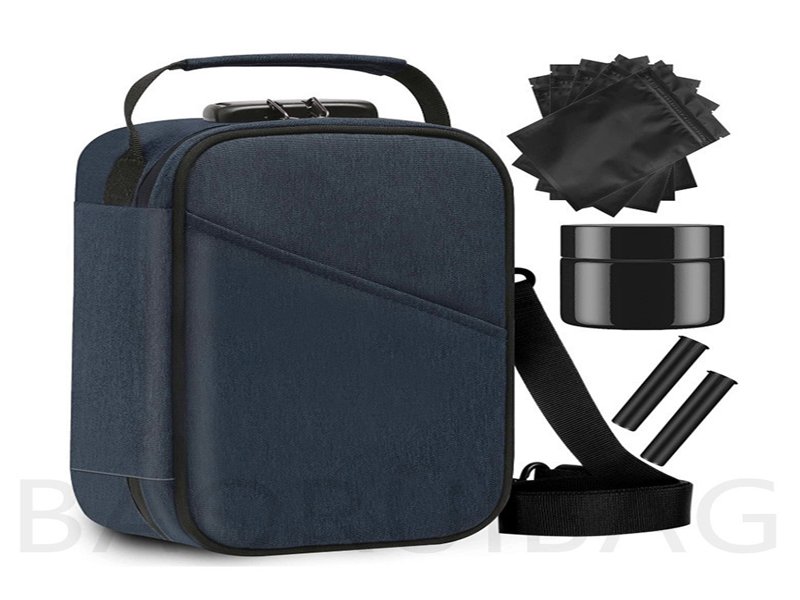
At a surface level, smellproof bags and airtight containers may appear to solve the same problem—keeping odors contained. In reality, they operate on fundamentally different principles, and this difference directly impacts how they perform across real-world scenarios.
The core distinction lies in how odor is managed. Smellproof bags are designed as active odor-control systems. They use multi-layer material structures, most notably activated carbon, to adsorb and neutralize odor molecules before they can escape. Airtight containers, on the other hand, rely on passive containment. They trap air—and everything within it—inside a sealed chamber, without altering the chemical composition of the odor itself.
This difference becomes particularly relevant when conditions are less than ideal. In controlled environments, both solutions can perform well. But in dynamic situations—such as travel, repeated opening, or temperature changes—the gap in performance becomes more noticeable.
A practical reference point comes from material science data. Activated carbon, when properly engineered into layered fabrics, can adsorb approximately 60% to 80% of volatile organic compounds (VOCs) depending on its density, pore structure, and exposure duration. In contrast, airtight systems depend entirely on seal integrity. Even minor inconsistencies—on the scale of microns—can allow odor molecules to escape over time.
This is why users often report that airtight containers perform well initially but gradually lose effectiveness, while high-quality smellproof bags maintain more consistent odor control during everyday use.
Multi-Dimensional Comparison
Understanding the difference between these two solutions requires evaluating them across multiple dimensions, including odor control, portability, durability, and use-case alignment. Each category reveals a different aspect of their strengths and limitations.
Which One Controls Odor Better?
| Factor | Smellproof Bags | Airtight Containers |
|---|---|---|
| Odor absorption | High (activated carbon layer) | None |
| Odor containment | High | Medium–High |
| Leakage over time | Low | Medium |
| Performance under pressure changes | Stable | Can weaken |
From a purely technical standpoint, smellproof bags offer a more robust approach to odor control because they combine adsorption with containment. Instead of relying on a perfect seal—which is difficult to maintain in real-world conditions—they reduce the concentration of odor molecules inside the storage space.
Airtight containers, by contrast, are only as effective as their seal. Once that seal is compromised, even slightly, there is no secondary mechanism to prevent odor escape. This is particularly evident in scenarios involving pressure changes, such as air travel or temperature fluctuations, where internal air expansion can force odors outward.
In environments where discretion is critical, this difference becomes highly noticeable. Smellproof bags are generally more reliable because they address the root cause of odor rather than just its movement.
How Do Portability and Flexibility Compare?
| Feature | Smellproof Bags | Airtight Containers |
|---|---|---|
| Weight | Lightweight | Medium–Heavy |
| Flexibility | High | None |
| Travel-friendly | Excellent | Limited |
| Storage space efficiency | Compressible | Fixed volume |
Portability is where smellproof bags clearly outperform airtight containers. Their flexible construction allows them to adapt to different storage environments, making them easier to carry, pack, and conceal. This is especially valuable in travel scenarios, where space efficiency and weight are critical considerations.
Airtight containers, by design, prioritize structural rigidity. While this provides protection, it also limits adaptability. Fixed shapes and volumes make them less efficient in dynamic storage situations, particularly when space is constrained.
In logistics and everyday use, this difference translates into usability. Smellproof bags integrate more naturally into backpacks, luggage, or daily carry systems, while airtight containers are better suited for stationary storage.
Which Option Offers Better Durability?
| Aspect | Smellproof Bags | Airtight Containers |
|---|---|---|
| Impact resistance | Medium | High (except glass) |
| Wear over time | Carbon layer gradually saturates | Seal components degrade |
| Functional lifespan | 6–24 months (heavy use) | 1–5 years |
Durability is not a straightforward comparison because each product type degrades in a different way. Smellproof bags experience functional degradation, primarily due to the gradual saturation of the activated carbon layer. Over time, as adsorption capacity is used up, odor control effectiveness declines.
Airtight containers, on the other hand, experience mechanical degradation. Seals, gaskets, and locking mechanisms wear out with repeated use, reducing their ability to maintain a tight closure. This degradation is often less noticeable at first but can lead to sudden performance drops once the seal fails.
From a lifecycle perspective, airtight containers generally last longer in terms of physical structure. However, their odor control performance is more sensitive to small failures in sealing. Smellproof bags may have a shorter functional lifespan, but they tend to degrade more gradually, providing more predictable performance over time.
Are They Solving the Same Problem?
| Use Goal | Best Solution |
|---|---|
| Discreet odor control | Smellproof bag |
| Food preservation | Airtight container |
| Travel storage | Smellproof bag |
| Long-term sealed storage | Airtight container |
Although these products are often compared directly, they are not designed to solve the same problem. Smellproof bags are optimized for mobility, discretion, and short-to-medium-term odor control, while airtight containers are built for stability, protection, and long-term preservation.
This distinction is critical in product selection. Choosing the wrong solution often leads to dissatisfaction, not because the product is poorly made, but because it is being used outside of its intended application.
In professional settings—such as laboratory storage or food processing—airtight containers remain the standard due to their ability to maintain controlled internal environments. In contrast, smellproof bags are more aligned with consumer use cases where flexibility and discretion are prioritized.
Why Many Users Choose the Wrong Product
One of the most common misconceptions in this category is the assumption that “airtight” automatically means “odor-proof.” From a technical standpoint, this is not accurate.
Airtight containers trap odor inside, but they do not reduce or neutralize it. As a result, any release of internal air—whether through opening, pressure changes, or seal imperfections—can lead to noticeable odor leakage.
Smellproof bags, by contrast, reduce the concentration of odor molecules through adsorption. This means that even if small amounts of air escape, the intensity of the odor is significantly lower.
This difference becomes particularly evident in real-world environments such as shared living spaces, travel scenarios, or enclosed areas. In these contexts, users often find that smellproof bags provide a more consistent level of discretion.
From a product development and sourcing perspective, understanding this distinction is essential. Manufacturers that specialize in smellproof technology focus heavily on material engineering—such as carbon density, lamination techniques, and airflow control—while airtight container manufacturers prioritize precision molding, seal design, and material rigidity.
Ultimately, these two solutions are best viewed as complementary rather than interchangeable. In many cases, combining both—using an airtight container within a smellproof system or vice versa—can deliver enhanced performance, particularly in high-demand scenarios.
For buyers, the key is aligning the product with the intended use case. When odor control is the primary concern, especially in mobile environments, smellproof bags offer a more reliable solution. When structural protection and long-term storage are the priority, airtight containers remain the more appropriate choice.
How Do Smellproof Bags Compare in Real Use Scenarios?
Smellproof bags are not designed for static, controlled environments—they are built for movement. Their performance advantage becomes most visible in real-life, dynamic scenarios where users need reliable odor control without sacrificing portability or convenience. Unlike rigid storage solutions, smellproof bags are engineered to maintain consistent performance even when subjected to frequent handling, compression, and environmental changes.
From a product engineering perspective, this adaptability comes from a combination of flexible materials, layered odor-control systems, and lightweight construction. These features allow the bag to function effectively in situations where traditional storage methods often fail, particularly when conditions are unpredictable.
Field testing and user feedback across North American and European markets consistently show that smellproof bags deliver the highest value in short- to mid-term usage cycles, especially when discretion is a priority. In these scenarios, performance is not just about containment—it is about maintaining low odor visibility under real-world stress conditions.
Scenario-Based Performance Analysis
When evaluating smellproof bags, isolated lab performance only tells part of the story. Real-world effectiveness depends on how the product behaves under different usage conditions, including travel, storage duration, odor intensity, and handling frequency.
Are Smellproof Bags Better for Travel?
In travel scenarios, smellproof bags consistently outperform rigid alternatives. Their ability to adapt to space constraints while maintaining odor control makes them particularly effective for luggage, backpacks, and daily carry systems.
| Travel Factor | Smellproof Bag Performance |
|---|---|
| Weight impact | Minimal |
| Space efficiency | High (compressible structure) |
| Odor leakage during transit | Very low |
| Adaptability to luggage | Excellent |
Unlike airtight containers, which occupy fixed volume regardless of content, smellproof bags compress and conform to available space. This is a significant advantage in air travel and compact packing situations, where every cubic inch matters.
Another important factor is pressure stability. During flights or altitude changes, internal pressure variations can affect sealed containers, sometimes forcing air outward. Smellproof bags, by contrast, rely less on internal pressure balance and more on adsorption, making them less sensitive to these fluctuations.
In practical terms, this translates into more consistent odor control throughout the entire travel process—from packing to transit to arrival.
How Effective Are They for Short-Term Storage?
Smellproof bags are optimized for short-cycle storage, where contents are accessed, moved, or replaced regularly. Their performance is strongest within this timeframe.
| Duration | Performance |
|---|---|
| 1–24 hours | Excellent |
| 2–5 days | Very good |
| 1–2 weeks | Moderate |
| 1+ month | Gradual decline due to carbon saturation |
The reason behind this performance curve lies in the adsorption capacity of activated carbon. Initially, the carbon layer has a high number of available binding sites for odor molecules, allowing it to neutralize odors efficiently. Over time, as these sites become occupied, the effectiveness decreases.
In most consumer use cases—such as daily carry or short-term storage—this limitation is not significant. However, for extended storage periods, the gradual decline in performance becomes more noticeable.
From a product development standpoint, this is why smellproof bags are positioned as active-use solutions rather than long-term storage systems.
Do They Work for Strong Odors?
Smellproof bags are capable of handling a wide range of odor intensities, but their effectiveness depends heavily on design quality, particularly the thickness and density of the carbon layer.
| Odor Strength | Effectiveness |
|---|---|
| Mild (food, snacks) | Excellent |
| Medium (spices, herbs) | Very good |
| Strong (chemical/organic compounds) | Good (with multi-layer systems) |
For mild to moderate odors, even entry-level smellproof bags can deliver reliable performance. However, strong odors—especially those involving high concentrations of volatile compounds—require more advanced construction.
High-end products typically use multi-layer carbon systems, sometimes combining different grades of activated carbon to increase adsorption efficiency. In addition, improved sealing structures help reduce the rate at which odor molecules can escape before being absorbed.
In testing environments, these enhanced designs have shown measurable improvements in VOC reduction, particularly when combined with controlled airflow within the bag.
What Role Does Zipper Technology Play?
Zippers are one of the most critical—and often overlooked—components in smellproof bag performance. While the material layers handle adsorption, the zipper determines how effectively the internal environment is isolated.
| Zipper Type | Performance |
|---|---|
| Standard zipper | Low |
| Waterproof zipper | Medium |
| Airtight zipper (double seal) | High |
Standard zippers, commonly used in low-cost products, create small gaps that allow air exchange. Over time, these gaps can become the primary source of odor leakage, regardless of how effective the internal materials are.
Waterproof zippers provide an improvement by reducing permeability, but they are not fully sealed systems. The highest level of performance comes from airtight or double-seal zipper designs, which combine structural reinforcement with additional sealing layers.
Manufacturers with advanced production capabilities—such as Szoneier—address this issue by integrating reinforced stitching, layered zipper covers, and precision alignment during assembly. These enhancements reduce weak points and ensure that the zipper does not undermine the performance of the carbon layer.
In many cases, upgrading the zipper system can improve overall odor control more significantly than increasing material thickness alone.
Are Smellproof Bags Reusable and Sustainable?
One of the practical advantages of smellproof bags is their reusability. Unlike disposable odor-control solutions, they are designed for repeated use over extended periods.
| Factor | Evaluation |
|---|---|
| Reusability | High |
| Washability | Limited (material-dependent) |
| Environmental impact | Lower than single-use alternatives |
Most high-quality smellproof bags can be used for several months or longer, depending on usage intensity. This makes them a cost-effective option over time, particularly for users who require consistent odor control.
However, washability is limited. Because the activated carbon layer is sensitive to moisture and chemical exposure, improper cleaning can reduce its effectiveness. In most cases, surface cleaning of the outer layer is recommended, while the internal structure should remain dry.
From an environmental perspective, the ability to reuse the product reduces waste compared to disposable solutions. This aligns with broader market trends toward sustainable and long-lasting consumer products.
Hidden Limitation: Carbon Saturation
Despite their advantages, smellproof bags are not maintenance-free. The most important limitation is carbon saturation, which occurs when the adsorption capacity of the activated carbon layer is fully utilized.
| Usage Frequency | Estimated Lifespan |
|---|---|
| Light use | 12–24 months |
| Moderate use | 6–12 months |
| Heavy use | 3–6 months |
As saturation increases, the bag’s ability to neutralize new odor molecules decreases. This does not result in immediate failure, but rather a gradual reduction in performance.
Some advanced designs address this limitation by allowing replaceable carbon inserts or modular internal layers. While this adds complexity to the product, it significantly extends its usable lifespan and improves long-term value.
From a manufacturing perspective, this is an area where innovation continues to evolve, particularly in high-end market segments.
Real User Insight
Real-world performance is not determined by design alone. User behavior plays a significant role in how effectively a smellproof bag functions.
Consistent feedback from users highlights several best practices:
- Avoid overfilling the bag, as this reduces airflow and limits contact between odor molecules and the carbon layer
- Ensure the zipper is fully sealed, especially in high-movement scenarios
- For strong odors, use multiple layers or secondary containment to enhance performance
These insights reinforce a key principle: product design and usage habits work together to determine actual performance.
In practical terms, a well-designed smellproof bag used correctly can deliver highly reliable odor control across a wide range of everyday scenarios. This combination of adaptability, efficiency, and ease of use is what makes smellproof bags increasingly relevant in modern storage solutions.
How Do Airtight Containers Perform in Daily Storage?

Airtight containers are built for stability, consistency, and controlled storage environments. Their performance advantage becomes most apparent in situations where contents need to be preserved over time with minimal exposure to air, moisture, and external contaminants. Unlike flexible storage solutions, airtight containers rely on rigid structures and mechanical sealing systems to maintain an isolated internal environment.
In everyday use, this makes them particularly effective in kitchens, refrigerators, and organized storage systems, where movement is limited and conditions remain relatively stable. Their ability to maintain internal conditions over extended periods is the primary reason they are widely used for food preservation, ingredient storage, and even medical or laboratory applications.
However, their performance in odor control is fundamentally different from systems that actively neutralize odor. Airtight containers do not reduce odor intensity—they simply prevent it from escaping, and only as long as the seal remains intact. Once that seal is compromised, even slightly, trapped air—and the odors within it—can be released.
This distinction is critical when evaluating how they perform in real-world daily use, especially in comparison to more dynamic storage solutions.
Real-World Storage Performance
Airtight containers are most reliable in environments where they can remain undisturbed for extended periods. Their rigid construction and sealing systems are optimized for maintaining internal conditions rather than adapting to changing external factors.
Are Airtight Containers Better for Long-Term Storage?
In long-term storage scenarios, airtight containers consistently outperform most alternative solutions. Their ability to maintain a sealed internal environment helps preserve both product quality and structural integrity over time.
| Storage Duration | Airtight Container Performance |
|---|---|
| 1–3 days | Excellent |
| 1–2 weeks | Excellent |
| 1–3 months | Very good |
| 6+ months | Good (dependent on seal durability) |
This performance is driven by the combination of rigid structure and controlled air exchange. By minimizing oxygen exposure, airtight containers slow down chemical reactions such as oxidation, which can degrade food quality and freshness.
However, long-term effectiveness depends heavily on the durability of the sealing system. Over time, even high-quality gaskets and locking mechanisms can degrade, leading to gradual performance decline.
How Do They Preserve Freshness and Quality?
The primary function of an airtight container is to create a stable internal environment. By limiting exposure to oxygen and external moisture, it slows down several key processes that affect product quality.
- Oxidation: Reduced oxygen levels slow chemical breakdown
- Moisture exchange: Prevents drying out or unwanted humidity absorption
- Microbial activity: Limits conditions that support bacterial growth
| Preservation Factor | Effectiveness |
|---|---|
| Moisture control | High |
| Freshness retention | High |
| Flavor preservation | Medium–High |
| Odor containment | Medium |
While freshness and moisture control are strong points, odor containment is more variable. Because odor molecules remain inside the container, they can accumulate over time. When the container is opened, this concentrated air is released, which is why strong smells can still be noticeable even after long storage.
This highlights a key limitation: airtight containers preserve internal conditions but do not modify them.
Which Products Are Best Stored in Containers?
Airtight containers are highly versatile, but their effectiveness varies depending on the type of product being stored.
| Product Type | Suitability |
|---|---|
| Dry food (grains, snacks) | Excellent |
| Liquids | Excellent |
| Perishables | Very good |
| Strong-smelling items | Moderate |
For dry goods and liquids, airtight containers provide reliable protection against contamination and environmental changes. In the case of perishables, they help extend shelf life by maintaining a stable internal atmosphere.
However, for items with strong odors, performance is less consistent. While the container can trap the smell, it does not prevent odor buildup inside. Over time, this can lead to noticeable release when the container is opened, especially if the seal has weakened.
How Do Temperature and Pressure Affect Performance?
Environmental conditions play a significant role in how airtight containers perform over time. Because they rely on sealed air systems, changes in temperature and pressure can directly impact their effectiveness.
| Condition | Impact |
|---|---|
| High temperature | Expands internal air, increasing pressure on seals |
| Low temperature | Can stiffen gaskets, reducing sealing flexibility |
| Pressure changes (travel) | May force air through micro-gaps |
In high-temperature environments, internal air expands, which can stress the sealing system and increase the likelihood of leakage. In low temperatures, materials such as silicone gaskets can become less flexible, reducing their ability to maintain a tight seal.
Pressure changes—such as those experienced during air travel—introduce another variable. As external pressure drops, internal pressure may push outward, potentially forcing air (and odor molecules) through even minor imperfections in the seal.
These factors explain why airtight containers that perform well in kitchens may show reduced effectiveness during transport or in fluctuating environments.
What Are the Limitations in Daily Use?
Despite their strengths, airtight containers are not always practical for everyday, mobile use. Their design prioritizes stability over adaptability, which introduces several limitations.
| Limitation | Explanation |
|---|---|
| Bulkiness | Fixed shape limits packing flexibility |
| Weight | Heavier materials increase carrying burden |
| Seal wear | Gaskets degrade with repeated use |
| Odor retention | Materials may absorb and retain smells |
Bulk and weight are particularly relevant in daily scenarios such as commuting or travel. Unlike flexible storage options, rigid containers cannot adapt to available space, making them less efficient in compact environments.
Seal wear is another critical factor. Each opening and closing cycle compresses the gasket, gradually reducing its ability to maintain a tight seal. Over time, this leads to decreased performance, even if the container appears structurally intact.
Odor retention is especially noticeable in plastic containers. Certain polymers can absorb odor compounds, leading to persistent smells that remain even after cleaning. This is less of an issue with glass or stainless steel, but those materials introduce trade-offs in weight and cost.
Material Aging and Odor Retention
The long-term performance of an airtight container is closely tied to how its materials age. Different materials respond differently to repeated use, temperature exposure, and contact with odor compounds.
| Material | Odor Retention Risk |
|---|---|
| Plastic | High |
| Glass | Very low |
| Stainless steel | Low |
Plastic containers are the most susceptible to odor retention due to their semi-porous nature. Over time, odor molecules can become embedded in the material, making them difficult to remove completely.
Glass offers the best resistance to odor retention because it is non-porous. This makes it ideal for applications where cleanliness and neutrality are critical. Stainless steel also performs well, although it may retain slight odors depending on surface finish and usage conditions.
Material aging is often overlooked during product selection, but it has a direct impact on long-term usability and maintenance.
User feedback provides valuable insight into how airtight containers perform beyond controlled testing conditions. Across different use cases, several consistent patterns emerge:
- Initial performance is typically strong, with effective sealing and freshness preservation
- Over time, seal wear leads to gradual performance decline
- Odor leakage becomes more noticeable after repeated use or improper maintenance
- Regular cleaning and gasket care are necessary to maintain effectiveness
These observations highlight an important reality: airtight performance is not permanent. It depends on both product quality and user maintenance.
From a practical standpoint, users who rely on airtight containers for long-term storage benefit from periodic inspection and replacement of sealing components. In higher-end products, replaceable gaskets are often included to extend lifespan and maintain consistent performance.
Overall, airtight containers remain one of the most reliable solutions for controlled storage environments. Their strength lies in preserving internal conditions over time. However, their limitations in mobility, adaptability, and active odor control mean they are best used in scenarios where stability is more important than flexibility.
Which One Is Better for Odor Control: Bags or Containers?
When odor control is the primary objective, the comparison between smellproof bags and airtight containers becomes less about preference and more about mechanism efficiency under real-world conditions. On a purely technical level, smellproof bags tend to outperform airtight containers in most everyday scenarios because they combine two layers of defense: containment and active odor neutralization.
Airtight containers, by contrast, rely entirely on mechanical sealing. As long as the seal remains intact, they can effectively trap odor inside. However, they do not reduce or eliminate odor molecules. This distinction becomes critical once real-life variables—movement, pressure changes, repeated opening—are introduced.
In controlled environments, both solutions can perform adequately. But in shared spaces, travel situations, or enclosed environments, where even minor odor leakage is noticeable, smellproof bags generally provide more consistent and reliable results.
From a material science perspective, this advantage is not accidental. It is the result of integrating adsorption technology—primarily activated carbon—into a flexible, layered system that compensates for imperfections in sealing.
Scientific and Practical Comparison
Understanding which solution performs better requires examining not just theoretical capability, but also how each system behaves when exposed to real-world stress factors.
Do Odors Escape Through Zippers or Seals?
Both smellproof bags and airtight containers have structural weak points. The difference lies in how much those weaknesses impact overall performance.
| Weak Point | Smellproof Bags | Airtight Containers |
|---|---|---|
| Closure system | Zipper leakage risk | Seal/gasket wear |
| Long-term reliability | Medium–High | Medium |
| Sensitivity to user error | Medium | High |
In smellproof bags, the zipper is typically the most vulnerable component. Lower-end designs with standard zippers allow air exchange, which can reduce effectiveness. However, high-quality products address this through double-layer zippers, waterproof sealing structures, and reinforced stitching, significantly reducing leakage.
Airtight containers depend heavily on perfect seal integrity. Even a minor misalignment, dust particle, or worn gasket can create a pathway for odor escape. This makes them more sensitive to user handling and long-term wear.
In practice, this means that smellproof bags are more forgiving of small imperfections, while airtight containers require consistent precision to maintain performance.
How Does Material Affect Smell Retention?
Material selection is a defining factor in odor control performance, particularly when comparing active versus passive systems.
| Material Type | Odor Blocking Ability |
|---|---|
| Activated carbon fabric | Very high |
| Laminated fabrics (TPU/PVC) | Medium |
| Plastic | Low–Medium |
| Glass | High (non-porous) |
Activated carbon stands apart because it does not simply block odor—it removes odor molecules from the air through adsorption. This is a chemical interaction, not just a physical barrier.
Laminated fabrics contribute by slowing air movement, allowing more time for carbon layers to absorb odor. In airtight containers, materials such as glass perform well because they are non-porous, but they still rely on sealing rather than active odor reduction.
Plastic, commonly used in containers, introduces additional challenges. Over time, it can absorb odor compounds, which may later be released, reducing overall effectiveness.
From a performance standpoint, the presence of activated carbon is the single most important differentiator between the two systems.
Is Layered Protection More Effective?
Layered protection significantly improves odor control because it addresses multiple pathways of odor escape simultaneously.
| Protection Type | Effectiveness |
|---|---|
| Single-layer container | Medium |
| Double-seal container | High |
| Multi-layer smellproof bag | Very high |
| Combined system (bag + container) | Maximum |
Smellproof bags are inherently multi-layered systems. Each layer—outer fabric, coating, carbon core, inner lining—contributes to controlling airflow and adsorbing odor molecules.
Airtight containers can improve performance through double-seal designs or vacuum systems, but they still lack an active mechanism for odor removal.
The highest level of performance is achieved by combining both approaches. For example, placing an item inside a smellproof bag and then storing it within an airtight container creates a dual-layer system that minimizes both odor concentration and air exchange.
This approach is commonly used in high-sensitivity environments where even minimal odor leakage is unacceptable.
Performance Under Real Conditions
The true test of any odor-control solution is how it performs outside of controlled conditions. Real-world environments introduce variables that can significantly impact effectiveness.
| Condition | Smellproof Bags | Airtight Containers |
|---|---|---|
| Movement | Stable | Seal may weaken |
| Pressure change | Stable | Risk of leakage |
| Frequent opening | Moderate impact | High impact |
| Long-term storage | Moderate | Strong |
Smellproof bags maintain stable performance during movement because they do not rely solely on internal pressure balance. Their adsorption-based system continues to function even when the bag is compressed or repositioned.
Airtight containers are more sensitive to these variables. Movement can shift internal pressure, while frequent opening releases accumulated odor. Over time, these factors reduce overall effectiveness.
This explains why smellproof bags are more commonly used in mobile and high-interaction scenarios, while airtight containers are preferred for stationary, low-interaction storage.
Cost vs Performance Analysis
Cost considerations are often part of the decision-making process, particularly for buyers evaluating long-term value.
| Factor | Smellproof Bags | Airtight Containers |
|---|---|---|
| Initial cost | Medium | Low–High |
| Maintenance | Low | Medium |
| Replacement cycle | Medium | Long |
| Value for mobility | High | Low |
Smellproof bags typically fall into a mid-range price category, reflecting the cost of layered materials and carbon components. Their replacement cycle is shorter due to carbon saturation, but maintenance requirements are minimal.
Airtight containers vary widely in price depending on material and sealing technology. While they often have a longer physical lifespan, they require ongoing attention to seal condition and cleanliness to maintain performance.
From a value perspective, smellproof bags deliver higher returns in scenarios where mobility and consistent odor control are critical.
Why Smellproof Bags Often Win in Practice
At first glance, airtight containers may appear to offer a more “secure” solution due to their rigid structure and sealing mechanisms. However, real-world conditions rarely align with ideal scenarios.
Several factors contribute to this shift in performance:
- Perfect sealing is difficult to maintain over time
- Odor molecules are extremely small and highly mobile
- Environmental changes—such as temperature and pressure—affect seal integrity
- User behavior introduces variability in closure and handling
Smellproof bags are designed to compensate for these variables. By reducing the concentration of odor molecules through adsorption, they remain effective even when minor leakage occurs.
This is a fundamental advantage. Instead of relying on a single point of failure (the seal), they distribute odor control across multiple layers and mechanisms.
When Should You Combine Both?
In certain scenarios, combining smellproof bags and airtight containers provides the most effective solution.
| Scenario | Recommendation |
|---|---|
| Strong odor + long-term storage | Use both |
| Travel with odor-sensitive items | Use smellproof bag |
| Kitchen or pantry storage | Use airtight container |
| High-security odor control | Dual-layer system |
This layered approach is particularly useful when both odor intensity and storage duration are high. By reducing odor concentration and limiting air exchange simultaneously, it minimizes the risk of leakage under a wide range of conditions.
Final Thought Before Choosing
Choosing between a smellproof bag and an airtight container is not about which product is universally better—it is about aligning the solution with the specific context of use.
Smellproof bags are engineered for flexibility, discretion, and real-world variability. Airtight containers are optimized for stability, protection, and long-term preservation.
Understanding this difference allows users to make more informed decisions and avoid common misconceptions, particularly the assumption that all sealed systems provide the same level of odor control.
How Should You Choose Between Smellproof Bags and Airtight Containers?

Choosing between smellproof bags and airtight containers is not a matter of identifying a universally “better” product. It is a decision rooted in context, usage patterns, and performance priorities. In real-world applications, the most effective choice comes from aligning the product’s functional strengths with how it will actually be used on a daily basis.
From a procurement and product evaluation perspective, buyers who achieve the best outcomes tend to focus less on marketing claims and more on practical variables—mobility, odor intensity, storage duration, environmental conditions, and frequency of use. These factors directly influence whether a solution will perform consistently over time.
A simplified decision rule often holds true across most scenarios: If the requirement is portable, discreet odor control, a smellproof bag is typically the more effective solution. If the priority is long-term stability and preservation in a fixed environment, an airtight container is the more appropriate choice.
However, real-life decision-making is rarely that binary. A deeper evaluation reveals more nuanced trade-offs that can significantly impact performance.
Decision Framework Based on Real Needs
Rather than comparing features in isolation, it is more useful to evaluate both options across multiple dimensions that reflect actual usage conditions.
What Factors Should You Consider Before Choosing?
| Decision Factor | Smellproof Bags | Airtight Containers | Recommendation |
|---|---|---|---|
| Portability | Excellent | Poor | Bags are better for movement |
| Odor strength | High performance | Medium | Bags for strong odors |
| Storage duration | Short–medium | Medium–long | Containers for extended storage |
| Space efficiency | Flexible | Fixed | Bags maximize space utilization |
| Protection (impact) | Medium | High | Containers protect fragile items |
| Ease of use | High | Medium | Bags are more convenient |
This comparison reflects how products behave in real environments rather than controlled test conditions. For example, while airtight containers may appear more secure in theory, their rigidity and reliance on seal integrity can limit usability in mobile scenarios.
Smellproof bags, by contrast, offer a more adaptable solution. Their flexibility allows them to integrate into daily routines with minimal friction, which often translates into better real-world performance.
Which Option Is More Cost-Effective Over Time?
Cost-effectiveness is not determined solely by initial price. It is influenced by how often the product is used, how long it maintains performance, and what level of maintenance it requires.
| Cost Factor | Smellproof Bags | Airtight Containers |
|---|---|---|
| Initial cost | Medium | Low–Medium |
| Replacement frequency | Medium | Low |
| Maintenance | Low | Medium (seal care/replacement) |
| Long-term value | High (for active use) | High (for static use) |
Smellproof bags typically require replacement sooner due to carbon saturation, but they deliver strong value in high-frequency, mobile use cases. Airtight containers, with their longer physical lifespan, are more cost-effective in low-frequency, stationary environments.
From a total cost of ownership perspective, the better option depends on how intensively the product is used and whether performance degradation is gradual (as in carbon saturation) or sudden (as in seal failure).
How Does Custom Design Improve Performance?
Standard, off-the-shelf products often fail to address specific use cases, particularly in B2B or specialized applications. Customization allows manufacturers to optimize performance by adjusting materials, structure, and functional details.
| Custom Feature | Benefit |
|---|---|
| Multi-layer carbon thickness | Improves odor adsorption capacity |
| Reinforced zipper systems | Minimizes leakage points |
| Water-resistant coatings | Adds environmental protection |
| Size and structure optimization | Enhances usability and efficiency |
Manufacturers such as Szoneier focus on material engineering combined with structural design, ensuring that each component contributes to overall performance. For example, increasing carbon density without improving airflow design may not deliver meaningful gains. Effective customization requires balancing multiple variables simultaneously.
In practice, customized solutions often outperform standard products because they are designed around specific user behaviors and environmental conditions, rather than generic assumptions.
What Mistakes Should You Avoid?
Incorrect product selection is often the result of common but avoidable decision-making errors.
| Common Mistake | Result |
|---|---|
| Choosing based on price alone | Compromised performance and durability |
| Ignoring material quality | Faster degradation and reduced effectiveness |
| Overfilling storage | Limits airflow and reduces odor control efficiency |
| Not considering usage scenario | Mismatch between product and real needs |
One of the most frequent mistakes is assuming that all odor-control solutions function the same way. In reality, the difference between adsorption-based systems and sealing-based systems leads to very different outcomes in practice.
Another overlooked factor is user behavior. Even high-quality products can underperform if used incorrectly—for example, failing to fully seal a container or overloading a smellproof bag.
Scenario-Based Selection Guide
Applying the decision framework to real-life scenarios provides a clearer picture of which solution is more appropriate.
| Scenario | Best Choice |
|---|---|
| Daily commuting | Smellproof bag |
| Home kitchen storage | Airtight container |
| Travel (airplane, road trips) | Smellproof bag |
| Long-term pantry storage | Airtight container |
| Strong odor + long duration | Combined solution |
This scenario-based approach highlights an important point: performance is highly context-dependent. The same product can perform exceptionally well in one situation and poorly in another.
Why Custom Fabric Solutions Are Gaining Popularity
In recent years, there has been a noticeable shift toward flexible, fabric-based storage solutions. This trend is driven by changes in user behavior, particularly the increasing importance of mobility and multi-functionality.
Fabric-based smellproof solutions offer several advantages:
- Adaptability to different shapes and storage environments
- Reduced weight and improved portability
- Integration of multiple functions (odor control, water resistance, durability)
From a market perspective, this shift aligns with broader consumer trends toward convenience, flexibility, and efficiency. As lifestyles become more mobile, rigid storage solutions are often supplemented—or replaced—by more adaptable alternatives.
For manufacturers, this creates opportunities to innovate through material development and structural design, rather than relying solely on traditional product formats.
One Size Does Not Fit All
Perhaps the most important insight in this comparison is that there is no single solution that performs best in every scenario. Users who achieve the most consistent results are those who adapt their storage strategy based on context.
In many cases, this means using both solutions in combination—leveraging the portability and odor control of smellproof bags alongside the stability and protection of airtight containers.
This approach reflects a broader principle in product selection: effectiveness comes from alignment, not generalization.
Ultimately, the smartest choice is not about choosing one over the other, but about understanding how each solution performs and applying it where it delivers the greatest value.
Are Smellproof Bags and Airtight Containers Used in Different Industries?
Yes—and the differences are not subtle. Smellproof bags and airtight containers occupy distinct positions across industries, largely because they solve different operational problems. The choice between them is rarely based on preference; it is driven by functional requirements, regulatory constraints, and end-user expectations.
At a high level, smellproof bags are favored in environments where mobility, discretion, and adaptability are essential. Airtight containers dominate where stability, hygiene control, and long-term preservation are critical. This division has become more pronounced as industries refine their packaging strategies to meet both performance and cost targets.
From a market perspective, rigid container systems still account for the majority of traditional storage applications—particularly in food and medical sectors—while flexible, fabric-based solutions are experiencing faster growth rates, especially in consumer lifestyle, travel, and e-commerce-driven categories.
Understanding how each solution is applied across industries provides a clearer picture of their real-world value.
Industry-Level Applications
Different industries prioritize different performance metrics. As a result, the same product can be highly effective in one sector and less relevant in another.
How Are They Used in Food and Storage Industries?
| Industry Use | Smellproof Bags | Airtight Containers |
|---|---|---|
| Snack storage | Good | Excellent |
| Fresh food storage | Moderate | Excellent |
| Odor-sensitive food transport | Excellent | Moderate |
| Bulk storage | Poor | Excellent |
In the food industry, airtight containers remain the standard for storage and preservation. Their ability to maintain controlled environments—limiting oxygen exposure and moisture exchange—makes them ideal for keeping food fresh over time.
However, when the focus shifts from storage to transport, smellproof bags become more relevant. For example, in food delivery or personal transport scenarios, odor containment during movement is often more important than long-term preservation. Flexible bags offer better portability and can reduce odor leakage in transit, particularly in confined spaces.
Bulk storage is another area where rigid containers clearly outperform. Their structural integrity and stackability make them more suitable for warehouse and pantry systems.
What About Medical and Specialized Applications?
| Application | Preferred Solution | Reason |
|---|---|---|
| Medical sample storage | Airtight containers | Sterility, contamination control, regulatory compliance |
| Portable medical kits | Smellproof bags | Lightweight, flexible, easy to organize |
| Odor-sensitive materials | Smellproof bags | Active odor absorption capability |
In medical and laboratory environments, airtight containers are essential for sterility and compliance. Regulatory standards often require sealed, non-reactive, and easily sanitized materials, which rigid containers are better equipped to provide.
That said, smellproof bags are increasingly used in supporting roles, particularly for portable kits and field applications. Their flexibility allows for easier organization and transport of tools and supplies, especially in situations where weight and space are constrained.
For materials that emit odors—whether chemical or biological—smellproof bags provide an additional layer of control by reducing odor intensity rather than simply containing it.
How Are They Used in Travel and Outdoor Markets?
| Scenario | Smellproof Bags | Airtight Containers |
|---|---|---|
| Backpacking | Excellent | Poor |
| Camping | Very good | Moderate |
| Airline travel | Excellent | Risk of pressure-related leakage |
| Daily commuting | Excellent | Poor |
Travel and outdoor markets represent one of the strongest growth areas for smellproof bags. Their lightweight construction and flexible form factor make them ideal for environments where space and weight are limited.
In airline travel, for example, pressure changes can affect sealed containers, sometimes leading to micro-leakage. Smellproof bags are less sensitive to these conditions because they rely on adsorption rather than internal pressure balance.
For activities like backpacking or commuting, rigid containers are often impractical due to their bulk and fixed shape. Smellproof bags, by contrast, integrate more naturally into mobile lifestyles.
This is why they have become a preferred solution in categories such as outdoor gear, travel accessories, and personal storage systems.
Which Industries Prefer Flexible vs Rigid Packaging?
| Industry Type | Preferred Solution |
|---|---|
| Lifestyle & travel products | Smellproof bags |
| Food & beverage storage | Airtight containers |
| E-commerce packaging | Increasingly flexible bags |
| Outdoor gear | Smellproof bags |
The shift toward flexible packaging is not limited to smellproof applications—it reflects a broader industry trend. Flexible solutions offer advantages in logistics efficiency, cost reduction, and user convenience.
In e-commerce, for instance, shipping costs are heavily influenced by weight and volume. Fabric-based solutions reduce both, making them more attractive for brands looking to optimize fulfillment operations.
Rigid containers remain dominant in sectors where structure and protection are non-negotiable. However, in categories where adaptability is valued, flexible solutions are gaining ground.
How Do Custom Manufacturers Support Industry Needs?
One of the key drivers behind the diversification of applications is the role of custom manufacturers. Companies like Szoneier have expanded beyond standard product offerings to deliver application-specific solutions tailored to different industries.
This is achieved through a combination of:
- Advanced fabric research and development, enabling precise control over material performance
- Multi-layer engineering, optimizing odor control, durability, and environmental resistance
- Custom sizing and structural design, ensuring products align with specific use cases
- Branding and private label integration, supporting commercial and retail requirements
By controlling both material sourcing and production processes, manufacturers can fine-tune products to meet the unique demands of each industry. This level of customization is particularly valuable in B2B contexts, where generic solutions often fall short.
Why Fabric-Based Solutions Are Expanding Across Industries
The growing adoption of smellproof bags is part of a larger shift toward flexible, fabric-based products. Several market trends are contributing to this expansion:
| Trend | Impact |
|---|---|
| Demand for portability | Increased reliance on lightweight, flexible solutions |
| Sustainability focus | Preference for reusable over disposable products |
| Custom branding needs | Greater demand for adaptable manufacturing processes |
| E-commerce growth | Need for compact, cost-efficient packaging |
These trends are reshaping how products are designed, manufactured, and distributed. Flexible solutions align well with modern consumption patterns, particularly in markets where mobility and convenience are key.
From a production standpoint, fabric-based systems also allow for faster iteration and lower minimum order quantities, which is attractive for emerging brands and niche applications.
Industry Choice Reflects Function, Not Preference
Across all sectors, one principle remains consistent: industries select solutions based on performance requirements, not trends. A product’s success depends on how well it meets the specific demands of its application.
Airtight containers continue to dominate where control, protection, and compliance are critical. Smellproof bags are expanding rapidly in areas where flexibility, discretion, and user convenience are prioritized.
For buyers, designers, and manufacturers, understanding this distinction is essential. It allows for more accurate product positioning, better alignment with market needs, and ultimately, more effective solutions in both consumer and industrial contexts.
Which Is Better — Smellproof Bags or Airtight Containers?
There is no single “winner”—only the right tool for the right situation.
- Choose smellproof bags for portability, discretion, and active odor control
- Choose airtight containers for stability, protection, and long-term storage
- Combine both for maximum performance when needed
In today’s real-world use, flexibility and performance matter more than labels. The best solution is the one that fits seamlessly into your daily routine and solves the problem effectively.
If you are looking to develop high-performance smellproof bags or custom fabric storage solutions, working with an experienced manufacturer makes a significant difference.
Szoneier, with over 18 years of expertise in fabric R&D and product manufacturing, offers customized smellproof bag solutions, including material selection, structure optimization, and private label support.
Whether you need improved odor control, better durability, or unique product design, you can reach out to Szoneier to explore tailored solutions that match your exact requirements.
Now is the time to turn your product idea into a high-performance solution.