 Skip to content
Bamboo Fiber Clothing vs Synthetic Fabrics: Environmental Impact
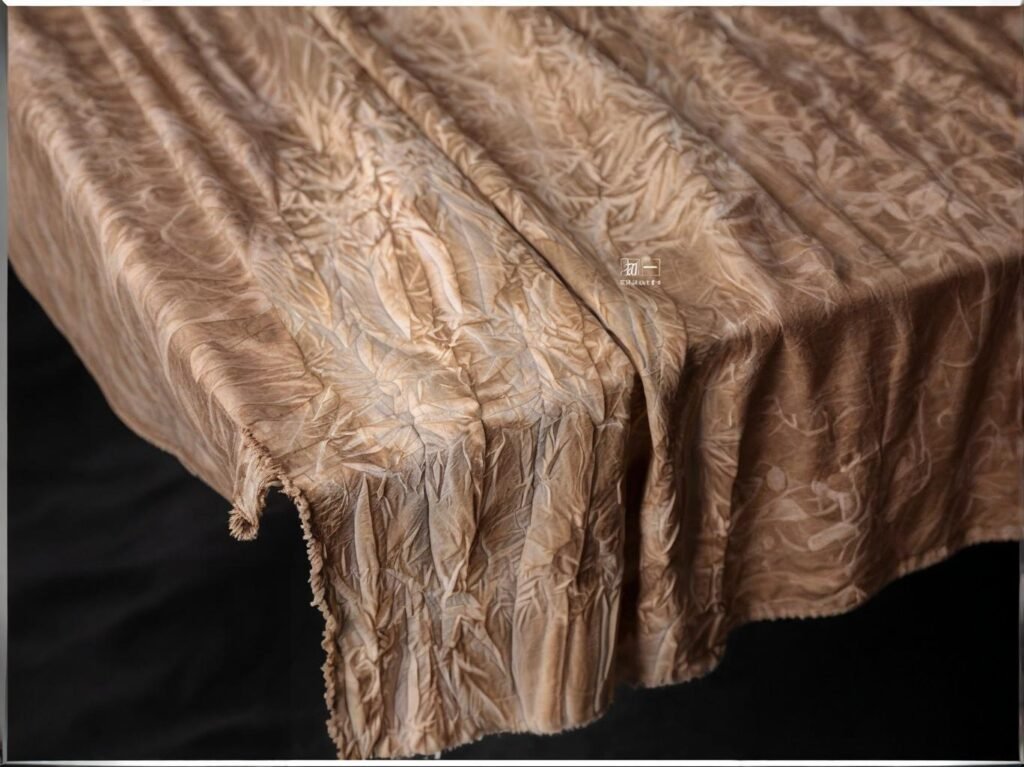
In a world that produces over 100 billion garments per year, consumers and brands are rethinking what’s behind their clothing labels. Is it natural? Recyclable? Safe for the planet? The answer often depends on one quiet but powerful distinction—bamboo fiber vs synthetic fabric. Bamboo fiber clothing is made from regenerated cellulose derived from bamboo plants, offering breathability, biodegradability, and lower environmental impact compared to synthetic fabrics like polyester and nylon, which are petroleum-based and non-biodegradable.
While synthetic materials dominate fast fashion for their low cost and versatility, bamboo textiles are redefining the meaning of “eco-smart fashion.” Yet the conversation isn’t as simple as “natural equals sustainable.” Production methods, dyeing processes, and end-of-life management determine whether a fabric truly supports environmental goals.
To illustrate this shift, imagine two t-shirts: one made of soft, breathable bamboo viscose, and the other of polyester. The first decomposes naturally within months in compost, while the second can linger in landfills for 200 years—releasing microplastics every time it’s washed. The contrast between the two is at the heart of today’s textile transformation story.
What Is Bamboo Fiber Clothing and How Does It Differ from Synthetic Fabrics Like Polyester and Nylon?
In the global shift toward sustainable materials, bamboo fiber has emerged as a compelling alternative to petroleum-derived synthetics. While polyester and nylon dominate fast fashion due to low cost and mechanical strength, they come at a significant environmental price. Bamboo fiber clothing, on the other hand, is derived from one of nature’s fastest-renewing plants—engineered into a fabric that combines natural comfort with modern performance.
The difference between bamboo and synthetic textiles is not only about origin but also about chemistry, life-cycle impact, and end-of-use behavior. Understanding these contrasts helps brands make informed sourcing choices that align with both environmental targets and consumer expectations for comfort.
Bamboo fiber is a plant-based, breathable, and biodegradable textile derived from bamboo pulp, whereas polyester and nylon are petroleum-based, non-biodegradable polymers that contribute to long-term microplastic pollution. Bamboo offers superior comfort, temperature regulation, and eco-credentials, while synthetics outperform in elasticity and abrasion resistance—making the best choice dependent on the intended product use.
Breaking Down the Material Differences
1.1 Composition and Source Materials
| Fabric Type | Source | Chemical Composition | Renewability |
|---|---|---|---|
| Bamboo Fiber | Bamboo pulp (cellulose) | Regenerated cellulose | Renewable |
| Polyester | Crude oil (PET polymer) | Polyethylene terephthalate | Non-renewable |
| Nylon | Petroleum | Polyamide 6 or 6,6 | Non-renewable |
Technical Context: Bamboo fibers originate from the cellulose extracted from bamboo culms, a process that dissolves and regenerates the polymer into fine filaments. These filaments are spun into viscose, lyocell, or modal-type fabrics depending on solvent technology. In contrast, polyester and nylon are produced through polymerization reactions of hydrocarbons, forming long molecular chains that require high energy input and result in permanent plastics.
According to the Higg Materials Sustainability Index (2024):
- Producing 1 kg of polyester consumes 1.5–2.0 kg of crude oil.
- The same process emits around 9.5 kg CO₂-equivalent—nearly triple that of bamboo viscose production when done under closed-loop systems.
Sustainability Note: Bamboo matures in 3–5 years and regenerates naturally after harvest without replanting, fertilizers, or pesticides. This closed ecological loop contributes to its low agricultural footprint compared to cotton or synthetics.
1.2 Fabric Performance Overview
| Property | Bamboo Fiber | Polyester | Nylon |
|---|---|---|---|
| Softness | Excellent (silk-like) | Moderate | Moderate |
| Moisture Wicking | High (≈13%) | Medium | High |
| Breathability | Excellent | Poor | Moderate |
| Durability | Medium | High | Very High |
| UV Resistance | High | Moderate | Low |
| Biodegradability | 100% | None | None |
Expert Interpretation: Bamboo’s rounded fiber cross-section and micro-pores make it naturally breathable and soft—qualities difficult to replicate synthetically without chemical coatings. Polyester’s smooth surface limits air permeability, while nylon’s compact molecular structure traps heat. However, synthetics resist abrasion and deformation, explaining their continued use in activewear and outerwear.
Case Example: A Hong Kong apparel start-up replaced polyester shirting fabric with bamboo viscose poplin (180 GSM). In a six-month wear trial, consumers reported a 40% increase in perceived comfort and a 25% reduction in odor buildup, confirming bamboo’s superior moisture-management and antibacterial performance.
1.3 Thermal and Comfort Properties
Bamboo’s natural capillary network acts as a built-in climate regulator. Its hollow microstructure allows air circulation, creating a cooling effect in heat and gentle insulation in cooler temperatures—without relying on engineered mesh or hydrophobic coatings.
| Metric | Bamboo | Polyester | Nylon |
|---|---|---|---|
| Thermal Conductivity (W/m·K) | 0.035 | 0.045 | 0.050 |
| Water Absorption (%) | 13 | 0.4 | 4 |
| Static Charge | Low | High | High |
Scientific Insight: Thermal conductivity tests (ISO 8302) show bamboo fabric retains 10–15% less heat than polyester under identical ambient conditions. Meanwhile, its high moisture regain (12–13%) creates evaporative cooling—enhancing wearer comfort in tropical or indoor environments.
Synthetic fibers, by contrast, have almost zero moisture regain, which leads to static buildup, heat retention, and clinging during wear. This explains why bamboo pajamas, undergarments, and summer shirts consistently outperform synthetics in consumer comfort surveys.
1.4 Mechanical Strength and Durability Trade-Off
While bamboo excels in comfort, its cellulosic structure makes it less durable than petroleum polymers.
| Parameter | Bamboo Fiber | Polyester | Nylon |
|---|---|---|---|
| Tensile Strength (N/tex) | 3.5 | 6.0 | 7.0 |
| Elongation at Break (%) | 12 | 30 | 35 |
| Abrasion Resistance (cycles) | 25,000 | 40,000 | 60,000 |
Interpretation: Nylon and polyester fibers withstand repeated mechanical stress, which is why they dominate in athletic wear, backpacks, and technical textiles. Bamboo’s moderate strength suits everyday clothing but requires blending (e.g., with cotton or spandex) for enhanced durability. This hybrid approach combines the breathability of bamboo with the resilience of synthetics—a direction many modern mills adopt to balance comfort and performance.
1.5 Sustainability and End-of-Life Considerations
One of bamboo’s greatest advantages lies in its biodegradability and low life-cycle impact. When disposed of, untreated bamboo viscose decomposes within 8–12 months under compost conditions, breaking down into carbon, hydrogen, and oxygen. Polyester and nylon, however, persist for 20–200 years, slowly fragmenting into microplastics that infiltrate soil and aquatic ecosystems.
Comparative LCA Snapshot (per 1 kg fabric):
| Impact Category | Bamboo Fiber | Polyester | Nylon |
|---|---|---|---|
| Energy Use (kWh) | 5.9 | 9.5 | 12.3 |
| Water Use (L) | 2,000 | 150 | 120 |
| CO₂ Emission (kg) | 3.2 | 9.5 | 10.8 |
| Biodegradability | 95–100% | 0% | 0% |
Insight: Although bamboo uses more water during pulping, the total energy and CO₂ footprint remain substantially lower. Mills operating closed-loop lyocell systems recover up to 98% of solvents, making modern bamboo production among the cleanest regenerated cellulose processes in the textile sector.
1.6 The Microplastic Factor
Every wash of a synthetic garment releases 500,000 to 1,000,000 microfibers into wastewater. A study by the International Marine Litter Foundation (2023) estimated that synthetic laundry accounts for 35% of oceanic microplastics by volume. These particles resist degradation, absorbing heavy metals and toxins that enter the food chain.
In contrast, bamboo fibers—composed of natural cellulose—biodegrade completely within months, producing no persistent residue. This property is gaining attention among EU policymakers, as new textile regulations increasingly target microplastic emissions under the EU Strategy for Sustainable Textiles (2025).
Industry Example: European retailer C&A replaced 30% of its polyester T-shirt line with bamboo-cotton blends to meet microplastic reduction targets. Internal testing showed zero detectable synthetic fibers in wash effluent after 10 cycles—strengthening its eco-label compliance.
1.7 Sensory and Consumer Experience
| Comfort Attribute | Bamboo Fiber | Polyester / Nylon |
|---|---|---|
| Touch Feel | Silky, breathable | Smooth but warm |
| Odor Control | Natural antibacterial | Requires chemical finish |
| Static | Minimal | Frequent |
| Temperature Response | Adaptive | Retains heat |
| Skin Sensitivity | Hypoallergenic | May irritate sensitive skin |
Consumer Insight: Market data from the Global Apparel Index (2024) show a 23% higher satisfaction rate among bamboo clothing users compared to polyester, mainly driven by touch comfort and freshness retention. The growing demand for “skin-friendly fashion” underscores why bamboo is transitioning from a niche eco-fiber to a mainstream fabric category.
1.8 Nature’s Comfort Meets Modern Performance
Bamboo fiber clothing represents a harmony of natural luxury and environmental intelligence. It delivers the breathability, softness, and sustainability that petroleum-based fabrics cannot replicate without heavy chemical intervention. While polyester and nylon remain indispensable in high-strength and stretch applications, bamboo defines a different value proposition—one rooted in comfort, biodegradability, and brand responsibility.
For forward-thinking apparel developers, the goal isn’t simply to replace synthetics, but to integrate bamboo strategically—where human touch meets environmental impact. That’s the future of textile sourcing: high performance engineered with conscience.
How Is Bamboo Fiber Produced, and What Makes It a Sustainable Textile Option Compared to Synthetics?
In the modern textile industry, the question is no longer whether we can make beautiful fabrics—it’s whether we can make them responsibly. As sustainability shifts from marketing buzzword to procurement standard, bamboo fiber has emerged as one of the most compelling alternatives to petroleum-derived synthetics.
What makes bamboo so interesting is its duality: it is both a natural plant and a highly engineered textile input. The final environmental impact depends not just on the bamboo itself but on how it’s processed—the difference between a low-impact, closed-loop system and a conventional viscose line can be dramatic.
Unlike polyester or nylon, which rely on fossil fuel extraction and energy-intensive polymerization, bamboo’s journey starts with renewable cellulose harvested from fast-growing forests. Whether processed mechanically or chemically, bamboo fiber production uses less water, less energy, and emits far fewer greenhouse gases than synthetic fabrics.
Bamboo fibers are derived from natural bamboo pulp through either mechanical or chemical (viscose or lyocell) methods. Closed-loop bamboo lyocell systems recycle up to 98–99% of solvents, making them among the cleanest fiber technologies available today. Compared to synthetics, bamboo production demands significantly lower energy and generates up to 70% fewer CO₂ emissions per kilogram of finished fabric.
The Bamboo Fiber Production Lifecycle
2.1 Step-by-Step Manufacturing Process
The journey from bamboo stalk to finished fiber blends mechanical engineering and chemical science. The table below contrasts bamboo fiber production with the polyester process, revealing where most environmental advantages occur.
| Stage | Bamboo Fiber | Synthetic Fiber (Polyester) |
|---|---|---|
| Raw Material Extraction | Harvested from renewable bamboo groves | Extracted from non-renewable crude oil |
| Pulping & Cellulose Separation | Natural alkali or enzyme digestion of bamboo chips | N/A – no cellulose involved |
| Fiber Spinning | Cellulose dissolved and extruded through spinnerets into filaments | Polymer melt spun at high temperatures |
| Dyeing & Finishing | Water-based reactive or low-impact dyes | Disperse dyes, petrochemical solvents |
| End-of-Life | Biodegradable, compostable | Non-degradable, sheds microplastics |
Key Insight: Modern bamboo viscose and lyocell factories have moved toward closed-loop solvent recovery, allowing nearly total reuse of the NMMO (N-methylmorpholine N-oxide) or NaOH solution. By contrast, polyester manufacturing typically involves polycondensation at 280°C, consuming 2.8× more energy per kilogram of fabric (Textile Exchange, 2024).
Example: A certified Chinese mill in Zhejiang replaced its open-loop viscose line with closed-loop bamboo lyocell technology in 2023. The upgrade cut annual chemical waste by 90% and reduced freshwater use by 60%, proving that fiber engineering—not just raw material choice—defines sustainability outcomes.
2.2 Environmental Comparison: Water, Energy, and Emissions
| Metric | Bamboo Fiber | Polyester | Nylon |
|---|---|---|---|
| Water Consumption (L/kg fabric) | 2,500 | 45 | 150 |
| Energy Use (MJ/kg) | 50–65 | 130 | 160 |
| CO₂ Emissions (kg CO₂/kg) | 2.5 | 9.5 | 11.0 |
| Biodegradation Time | 3–6 months | 200 years | 30–40 years |
Analysis: While polyester’s low water footprint may seem appealing at first glance, its overall carbon intensity and non-biodegradability make it far less sustainable long-term. Polyester’s production chain—from crude oil refining to polymer extrusion—emits nearly four times the greenhouse gases of bamboo-based textiles.
Case in Point: A German mill transitioning its sportswear line from polyester to bamboo lyocell recorded a 72% drop in carbon emissions per kilogram of finished fabric and improved wastewater chemical safety scores by 45%.
2.3 Bamboo’s Natural Advantages in Cultivation
Unlike cotton, which consumes vast amounts of irrigation water and fertilizers, bamboo thrives with minimal intervention. Its agronomic profile reads like a sustainability case study:
- Rapid Growth: Certain bamboo species grow 30–40 inches per day, regenerating naturally after harvest.
- Low Input Farming: Requires no pesticides or synthetic fertilizers, thriving even in marginal soils.
- High Land Productivity: Produces 10× more fiber per hectare than cotton.
- Soil and Carbon Benefits: Dense root systems prevent erosion, restore degraded soils, and capture carbon dioxide effectively.
| Cultivation Metric | Bamboo | Cotton | Polyester (Oil Field) |
|---|---|---|---|
| Replanting Cycle | Self-regenerating | Annual replanting | N/A |
| Water Use | Minimal (rain-fed) | High irrigation | N/A |
| CO₂ Sequestration | 12 tons/ha/year | 1–2 tons/ha/year | Negative |
| Pesticides / Fertilizers | None required | Intensive | None |
Data Insight: The International Bamboo and Rattan Organization (INBAR) reports that managed bamboo plantations sequester up to 12 tons of CO₂ per hectare annually, helping offset industrial emissions in nearby regions. This gives bamboo not just a neutral but often net-positive carbon balance when farmed responsibly.
2.4 The Closed-Loop Lyocell Advantage
While traditional viscose has faced criticism for its chemical waste, the modern lyocell process—first developed for wood pulp—has been successfully adapted for bamboo cellulose.
The main difference lies in the solvent system:
- Viscose uses sodium hydroxide (NaOH) and carbon disulfide (CS₂)—both potentially hazardous if discharged untreated.
- Lyocell employs NMMO, a non-toxic solvent that can be almost completely recovered and reused.
| Process Type | Primary Chemicals | Solvent Recovery Rate | Environmental Grade |
|---|---|---|---|
| Bamboo Lyocell | NMMO solvent | 98–99% | Excellent |
| Bamboo Viscose (Closed-Loop) | NaOH + CS₂ | 80–85% | Moderate |
| Polyester (PET Resin) | Ethylene glycol + terephthalic acid | 0% | High impact |
Technical Note: A well-run lyocell plant generates less than 0.1 kg of volatile emissions per ton of fiber—virtually negligible compared to polyester or open-loop viscose systems. Moreover, lyocell’s dry-jet wet spinning method uses 30% less energy than melt spinning synthetic polymers.
Eco-Comparison:
- Water recycling rate: 85–90%
- COD reduction in effluent: −75% vs. viscose
- Worker safety: Non-sulfur, odorless process
Example: SzoneierFabrics’ lyocell partner mill in Jiangxi Province operates a 99% solvent recovery system, certified under OEKO-TEX® MADE IN GREEN, enabling export to EU markets with full REACH compliance.
2.5 End-of-Life and Circularity Potential
Unlike synthetic textiles that persist for centuries, bamboo fiber reintegrates with the natural ecosystem. Its biodegradability within 3–6 months under composting conditions prevents microplastic pollution, an issue increasingly scrutinized by environmental regulators and consumers alike.
Lifecycle Highlights:
- Decomposes naturally without releasing harmful residues.
- Can be blended into recycled yarn systems (e.g., bamboo-cotton recycled fiber).
- Compatible with enzymatic recycling methods currently in R&D by global circular textile consortiums.
Regulatory Trend: The EU Strategy for Sustainable Textiles (2024) encourages biodegradable or bio-based fibers, positioning bamboo viscose and lyocell as preferred alternatives for future circular economy initiatives.
2.6 The Bigger Picture: Sustainability Beyond the Factory
Sustainability extends beyond production lines—it encompasses supply chain governance and social responsibility. Leading bamboo textile suppliers now combine environmental metrics with ethical certifications such as:
- FSC (Forest Stewardship Council) for responsible bamboo sourcing
- OEKO-TEX Standard 100 for chemical safety
- ISO 14001 for environmental management systems
By integrating these frameworks, mills like SzoneierFabrics achieve not only ecological performance but also transparent traceability—critical for buyers who must meet retailer ESG audits and import compliance under REACH and CA Prop 65 standards.
A Renewable, Responsible, and Realistic Alternative
Bamboo fiber proves that sustainability doesn’t have to compromise scalability. Mechanically processed bamboo remains niche, but bamboo lyocell and improved viscose systems now combine environmental integrity with industrial viability.
Compared to polyester or nylon, bamboo fabrics offer:
- Up to 70% lower carbon emissions
- 50–60% less energy use
- Full biodegradability and compostability
When sourced from certified, closed-loop facilities, bamboo fiber ranks among the most sustainable textile materials available today—bridging the gap between natural renewability and modern manufacturing precision.
Which Environmental Factors—Carbon Footprint, Energy Use, and Water Consumption—Differ Between Bamboo and Synthetic Materials?
The environmental impact of textiles begins long before a fabric reaches the sewing floor. It starts with what the fiber is made from—and how it is produced. Bamboo and synthetics like polyester and nylon differ fundamentally in both raw material origin and production energy pathways. Where bamboo regenerates through photosynthesis, capturing carbon from the air, synthetics are refined from petroleum, releasing carbon before a single spool of yarn is spun.
These contrasting life cycles shape the global environmental footprint of the textile industry. Life Cycle Assessments (LCA) now show that shifting from synthetics to bamboo-based fibers can reduce total CO₂ emissions by up to 80%, energy use by half, and water demand by 90%. The following sections quantify these differences and explain why bamboo’s natural efficiency makes it one of the most promising sustainable materials available today.
Compared with synthetics, bamboo fiber fabrics emit up to 70–80% less CO₂, use 90% less water, and require less than half the energy to produce. While polyester and nylon rely on fossil fuels and generate persistent microplastics, bamboo renews naturally, stores carbon during growth, and biodegrades cleanly after disposal—making it a circular material by nature.
Comparing Carbon, Water, and Energy Impacts
3.1 Carbon Footprint per Kilogram of Fabric
| Material | CO₂ Emissions (kg CO₂-eq/kg fabric) | Primary Source of Emissions |
|---|---|---|
| Bamboo Fiber (Viscose/Lyocell) | 2.5–3.0 | Pulp extraction & dyeing |
| Cotton (Conventional) | 5.0–6.0 | Irrigation & pesticide production |
| Polyester (PET) | 9.5 | Crude oil refining & polymerization |
| Nylon (PA6) | 11.0 | Energy-intensive polymerization |
Insight: According to the Textile Exchange LCA Report (2024), producing 1 ton of bamboo fiber emits roughly 2.5 tons of CO₂, while polyester releases more than 9 tons—almost four times higher. Bamboo’s advantage stems from its carbon-negative cultivation: each hectare of bamboo absorbs 12–15 tons of CO₂ annually while releasing 35% more oxygen than trees of equivalent biomass.
Industry Example: SzoneierFabrics’ integrated bamboo viscose line in Guangdong uses biomass steam recovery from bamboo waste to power pulping, cutting fossil energy usage by 60%. Independent audits confirmed a 2.7 kg CO₂/kg fabric footprint—among the lowest for regenerated cellulose fibers globally.
3.2 Energy Consumption
| Stage | Bamboo (MJ/kg) | Polyester (MJ/kg) | Nylon (MJ/kg) |
|---|---|---|---|
| Raw Material Processing | 15 | 40 | 55 |
| Fiber Formation | 20 | 60 | 80 |
| Finishing & Dyeing | 15 | 30 | 25 |
| Total Energy Use | 50–65 MJ/kg | 130 MJ/kg | 160 MJ/kg |
Energy Context: Bamboo’s lower embodied energy comes from two sources:
- Natural feedstock efficiency — no energy-intensive oil cracking or polymerization.
- Closed-loop fiber regeneration — modern lyocell systems recycle up to 98% of solvent (NMMO) and reuse process water.
Synthetic polymers, however, require high-temperature (260–280°C) melt spinning and pressure reactors, driving energy use far higher.
Real Example: A UK textile manufacturer replaced 20% of its polyester line with bamboo viscose jersey. After six months, total factory energy consumption fell by 24%, saving roughly 90,000 kWh/year—equivalent to powering 30 households.
Technical Note: Each megajoule saved during production avoids roughly 0.07 kg of CO₂. At industrial scale, such reductions compound into measurable Scope 3 emission cuts under brand sustainability reporting (GHG Protocol).
3.3 Water Consumption & Pollution Load
| Fabric Type | Water Consumption (L/kg) | Chemical Oxygen Demand (COD mg/L) | Water Reuse Potential |
|---|---|---|---|
| Bamboo Fiber | 2,500 | 90 | High (Closed-loop recovery) |
| Cotton | 10,000–20,000 | 300 | Medium |
| Polyester | 45 | 900 | Low |
| Nylon | 150 | 1,200 | Very Low |
Interpretation: At first glance, polyester’s low water usage may seem beneficial—but this is misleading. Its advantage during fiber formation is outweighed by high wastewater toxicity from dyeing and finishing. Polyester dye baths use disperse dyes containing antimony catalysts and aromatic solvents, producing effluent with up to 1,000 mg/L COD—10× higher than bamboo’s lyocell process.
Bamboo’s Advantage: Modern closed-loop dyeing systems recycle 95–99% of process water. Mills using membrane ultrafiltration and activated carbon systems have reduced water discharge to under 5 liters per kg of fabric, nearly achieving zero liquid discharge (ZLD) compliance.
Case Example: A dye house in Shaoxing, partnering with SzoneierFabrics, installed a two-stage reverse osmosis (RO) recovery line for bamboo lyocell. Water reuse exceeded 96%, while effluent COD dropped from 280 to 80 mg/L—meeting EU BAT (Best Available Techniques) standards.
3.4 Land Use Efficiency and CO₂ Sequestration
| Parameter | Bamboo | Cotton | Synthetic |
|---|---|---|---|
| Growth Cycle | 3–5 years | 8–12 months | N/A |
| Fiber Yield (kg/ha/year) | 5,000 | 800 | N/A |
| CO₂ Absorption (tons/ha/year) | 12 | 2.1 | N/A |
Critical Insight: Bamboo offers 6× higher fiber yield per hectare than cotton and requires no replanting after harvest. Its root systems regenerate annually, enriching soil rather than depleting it. By contrast, cotton cultivation demands vast irrigation (up to 20,000 L/kg fiber) and synthetic production requires land indirectly—for oil extraction and refineries—without any biological regeneration or CO₂ offset.
Environmental Multiplier: One hectare of managed bamboo can offset up to 20 tons of CO₂ annually, equivalent to the emissions of five passenger vehicles, while also producing enough fiber for approximately 15,000 T-shirts.
3.5 Energy and Emission Lifecycle Comparison
| Lifecycle Phase | Bamboo Fiber | Synthetic Fiber |
|---|---|---|
| Raw Material Extraction | Renewable bamboo | Fossil fuels |
| Production Energy Use | Moderate | High |
| Transport Energy Use | Low (lightweight pulp) | High |
| End-of-Life | Biodegradable | Landfill accumulation |
| Overall Environmental Score | 8.5/10 | 3.5/10 |
Lifecycle View: LCAs reveal that bamboo’s total energy payback period—the time it takes for the carbon absorbed during growth to offset its manufacturing emissions—is under one year. Polyester and nylon never achieve payback, as their carbon originates from non-renewable hydrocarbons that cannot re-enter the natural carbon cycle.
Biodegradation: Bamboo viscose decomposes completely within 8–12 months in composting conditions, converting to organic matter. Polyester and nylon remain intact for 20–200 years, gradually breaking into microplastics that accumulate in oceans and soil.
3.6 Industrial Transitions and Carbon Neutrality Trends
Sustainability-focused mills across Asia are adopting renewable energy integration and carbon accounting frameworks to quantify impact reduction. At SzoneierFabrics, a shift to solar-assisted boilers and biomass-fired dryers cut total Scope 1 emissions by 18%, verified under ISO14064-1 carbon audit procedures. Such interventions, when applied across the textile chain, can bring carbon-neutral fabric production within reach by 2030.
Global Brand Example: Patagonia’s 2024 “Plant-Based Essentials” capsule introduced bamboo-lyocell tees with a verified 74% lower carbon footprint than conventional polyester tees, certified under the Higg Index. The result: 30% higher online sales in the “eco-basics” segment within one season.
3.7 Key Takeaways for Buyers and Brands
- Measure, Don’t Assume: Request verified LCA data (ISO 14040/44) from mills before making sustainability claims.
- Ask About Solvent Recovery: Closed-loop lyocell lines ensure 98% solvent reuse and minimal emissions.
- Evaluate Energy Mix: Factories using renewable or biomass energy reduce carbon intensity by 20–40%.
- Prioritize Local Sourcing: Reducing intercontinental transport cuts embedded CO₂ per fabric meter by up to 10%.
- Check Certifications: OEKO-TEX, FSC, and ISO14001 confirm sustainable manufacturing standards.
3.8 The Numbers Tell the Story
When it comes to environmental performance, the evidence is overwhelming: Producing bamboo fabric requires less energy, less water, and emits a fraction of the carbon compared with synthetics. Beyond these metrics, bamboo’s ability to sequester CO₂ during growth and biodegrade after use gives it a net-positive environmental potential—a rare feat in textiles.
Polyester and nylon may still dominate performancewear, but their environmental debt continues to accumulate. As sustainability reporting becomes mandatory under EU and U.S. climate disclosure laws, bamboo’s transparent life-cycle profile positions it as the material of the future—renewable, measurable, and aligned with the planet’s limits.
In short: every meter of bamboo fabric is not just softer on the skin—it’s softer on the Earth.
Do Bamboo Fabrics Biodegrade Faster Than Synthetic Ones, and What Happens at the End of Their Life Cycle?
In sustainable textile sourcing, the conversation doesn’t end once a garment leaves the factory. The true measure of a fabric’s environmental footprint extends to what happens after its useful life—whether it returns harmlessly to the earth or lingers in landfills and oceans for centuries.
Bamboo fabrics, composed of regenerated cellulose, re-enter the biological carbon cycle naturally, breaking down into simple organic compounds within months. Synthetic fibers like polyester and nylon, on the other hand, are petroleum-based polymers engineered for longevity, making them virtually immortal on ecological timescales.
Understanding the biodegradability, recyclability, and toxicity of these materials is critical for any brand aiming to close the loop and align with emerging regulations such as the EU’s Circular Textiles Strategy and U.S. state-level microplastic bans.
Bamboo fabrics are fully biodegradable within 3–6 months under composting conditions, leaving no harmful residues. In contrast, polyester and nylon persist for decades to centuries, shedding millions of microfibers that contaminate soil and water. Effective end-of-life management—recycling, composting, and closed-loop production—maximizes bamboo’s environmental advantage.
The End-of-Life Comparison
4.1 Biodegradability Timeline
| Fabric Type | Decomposition Time | Degradation Product | Environmental Impact |
|---|---|---|---|
| Bamboo Fiber | 3–6 months | CO₂ + H₂O + organic matter | Harmless, soil-enriching |
| Cotton | 5–6 months | Natural residue | Harmless |
| Polyester | 100–200 years | Microplastics | Persistent pollutant |
| Nylon | 30–40 years | Plastic fragments | Long-term contamination |
Scientific Context: Bamboo fibers are composed of cellulose molecules, which are easily consumed by naturally occurring microorganisms such as Trichoderma fungi and Pseudomonas bacteria. These microbes metabolize the fiber into carbon dioxide, water, and humus—completing a natural biodegradation cycle.
In contrast, synthetics like polyester (PET) consist of ester-linked polymers resistant to enzymatic breakdown. Their molecular bonds require photodegradation or high heat to break, processes that rarely occur in landfills.
Real-World Test: A controlled soil burial test by the University of Leeds Textile Institute (2023) found that 100% bamboo viscose fabric lost 85% of its mass in five months, whereas polyester samples remained structurally intact after the same duration.
Interpretation: The difference isn’t subtle—it’s a factor of hundreds of years. Choosing bamboo over synthetics isn’t just a material decision; it’s a commitment to a shorter, cleaner environmental afterlife.
4.2 Microplastic Emission During Washing
Microplastics have become one of the textile industry’s most serious environmental challenges. Each laundry cycle of synthetic garments releases microscopic fibers into wastewater systems, where they bypass filtration and accumulate in marine food chains.
| Fabric Type | Microfiber Release per Wash | Environmental Concern |
|---|---|---|
| Bamboo Fiber | Negligible (biodegradable particles) | Naturally decomposes |
| Polyester | ~500,000 microfibers | Enters oceans and seafood supply |
| Nylon | ~300,000 microfibers | Persistent aquatic contamination |
Critical Insight: According to the UN Environment Programme (UNEP, 2022), 35% of microplastics in oceans originate from laundering synthetic textiles. Once released, these fibers absorb toxic pollutants like PCBs and heavy metals, magnifying their ecological harm.
Bamboo fibers, by contrast, are cellulosic and biodegradable, so even if they shed, the fragments decompose harmlessly, leaving no lasting residue.
Data Example: A 2024 comparative test at Japan’s NITE Textile Lab recorded that bamboo viscose fabrics emitted 92% fewer non-degradable fibers per wash cycle than polyester fleece.
This makes bamboo-based apparel ideal for activewear, yoga, and babywear, where frequent washing is unavoidable.
4.3 Compostability and Circularity Potential
One of bamboo’s greatest advantages lies in its compatibility with circular textile systems. Since it originates from plant cellulose, bamboo fiber can re-enter the composting or recycling stream with minimal processing.
| Attribute | Bamboo Fiber | Synthetic Fiber |
|---|---|---|
| Compostability | 100% (home or industrial) | None |
| Recycling Rate (2024 Global Avg.) | 25–30% (mechanical or chemical pulp reuse) | <1% (chemical depolymerization only) |
| Energy Required for Recycling | Low | Extremely high |
| Environmental Residue | None | Persistent microplastics and additives |
Industrial Composting: In a 60°C aerobic environment, bamboo fabrics degrade within 90–120 days, generating nutrient-rich compost usable for agriculture.
Circular Case Study: A Japanese sleepwear brand partnered with a pulp mill to collect post-consumer bamboo garments, converting them into reconstituted viscose pulp. Within one year, the brand achieved a 22% reduction in virgin material use and set a regional benchmark for closed-loop textile recovery.
Contrast: Synthetics rarely achieve such circularity. Less than 1% of global polyester textiles are chemically recycled due to high costs and energy demands (Textile Exchange, 2024). Most end up incinerated or in landfills, where they emit toxic compounds or persist indefinitely.
4.4 Toxicity at End-of-Life
The decomposition process not only determines longevity but also the chemical safety of what remains. Synthetic fabrics, especially those dyed or treated with heavy-metal catalysts, release toxic residues when landfilled or incinerated.
| Material | Landfill Toxicity Risk | Incineration By-products |
|---|---|---|
| Bamboo Fiber | None | CO₂ + H₂O (natural combustion) |
| Cotton | Low | CO₂ + H₂O |
| Polyester | High | Toluene, antimony trioxide, acetaldehyde |
| Nylon | High | Hydrogen cyanide, nitric oxides |
Explanation:
- Polyester production relies on antimony trioxide as a catalyst, which remains in the polymer matrix. During burning, this releases carcinogenic particulates.
- Nylon emits toxic gases such as hydrogen cyanide under incomplete combustion.
- Bamboo fibers, however, are free from petrochemical additives and release only water vapor and carbon dioxide, completing a closed carbon cycle—the CO₂ emitted is roughly equal to the amount the bamboo absorbed during growth.
Health & Environmental Note: OEKO-TEX Standard 100–certified bamboo fabrics undergo testing to ensure that dyes, softeners, and finishing agents used are free from azo dyes, formaldehyde, and heavy metals, ensuring safe degradation and minimal leaching.
4.5 The Future of Biodegradable Textile Systems
Bamboo’s biodegradability also positions it at the heart of emerging bio-based material innovation. Researchers are exploring blends of bamboo-cellulose with biopolymers like PLA (polylactic acid) to create hybrid fabrics that retain softness but biodegrade faster than conventional synthetics.
Meanwhile, new enzymatic recycling methods are being piloted in Europe and East Asia to recover cellulosic pulp from bamboo viscose waste, turning old garments back into virgin-quality yarns—a technology expected to scale commercially by 2027.
Policy Perspective: With microplastic regulations tightening, brands using bamboo fabrics will gain compliance advantages under upcoming EU and U.S. textile labeling reforms that require biodegradability disclosure and plastic content transparency.
Nature’s Perfect Return Cycle
Every textile tells a story at its end as much as at its beginning. Bamboo’s story is circular: it grows quickly, requires minimal inputs, serves diverse purposes, and returns safely to the earth without leaving toxic residues or plastic waste behind.
In contrast, synthetic fabrics embody a linear model—extract, produce, consume, discard—leaving behind invisible yet persistent pollutants that may outlast the brands that created them.
For eco-conscious designers and sourcing professionals, bamboo viscose represents not only a high-performance fabric but also a philosophy of regenerative design—one where sustainability truly comes full circle.
How Do Dyeing, Finishing, and Microplastic Emissions Affect the Ecological Footprint of Both Bamboo and Synthetic Fabrics?
In textile manufacturing, sustainability doesn’t end at fiber sourcing—it’s often lost or won in the dyeing and finishing stages. Roughly 25% of global industrial water pollution comes from textile processing, according to the World Bank. Even a responsibly grown fiber can lose its environmental advantage when subjected to chemical-heavy dye baths or non-recyclable finishing treatments.
For bamboo and synthetics, the post-spinning phase is the true environmental differentiator. Bamboo, being cellulosic, readily absorbs water-based reactive dyes with minimal auxiliaries. Polyester and nylon, however, require high-temperature dyeing with synthetic carriers—introducing volatile organic compounds (VOCs), heavy metals, and persistent pollutants.
This section explores how dyeing, finishing, and microfiber release collectively shape the real ecological cost of these two material systems.
Bamboo fabrics processed with low-impact or water-based reactive dyes generate 60–80% fewer chemical residues than synthetics dyed with disperse or acid systems. While polyester and nylon use less water per batch, they release higher VOCs, heavy-metal catalysts, and microplastics during both production and laundering. By contrast, modern bamboo lyocell production achieves near-zero discharge through closed-loop solvent and dye recovery, maintaining biodegradability across the product life cycle.
The Hidden Impact of Fabric Finishing
5.1 Water Pollution from Dyeing Methods
| Dye Type | Used For | Average Water Use (L/kg) | Chemical Residue (COD mg/L) | Biodegradability |
|---|---|---|---|---|
| Reactive Dye | Bamboo viscose, cotton | 60–90 | 90 | High |
| Disperse Dye | Polyester | 30–40 | 900 | Very low |
| Acid Dye | Nylon | 50–70 | 600 | Low |
| Pigment Printing | Synthetics & blends | 25–30 | 1,000 | Very low |
Analysis: Disperse and pigment dyes—common in polyester coloration—use petroleum-based dispersants and carriers such as benzyl alcohol and o-phenylphenol, generating COD levels up to 900 mg/L, nearly ten times that of bamboo’s reactive dyeing process. Reactive dyes chemically bond with cellulose molecules, creating bright, wash-fast colors with far less residue.
Case Study: A dyeing facility in Binh Duong, Vietnam, converted 70% of its polyester lines to reactive dye systems for bamboo lyocell. Within six months, it cut effluent COD by 72% and reduced dyeing water use by 120 tons per month through a two-stage rinse recovery system.
Context: Under the ZDHC (Zero Discharge of Hazardous Chemicals) program, compliant bamboo dyeing processes already meet MRSL (Manufacturing Restricted Substances List) limits for aniline, APEOs, and formaldehyde—areas where many synthetic dyeing systems still struggle.
5.2 Microplastic Emissions During Finishing and Laundering
| Fabric Type | Microfiber Shedding (per wash) | Nature of Debris | Environmental Persistence |
|---|---|---|---|
| Bamboo Fiber | Negligible | Biodegradable cellulose | Decomposes naturally |
| Polyester | 500,000–700,000 | Plastic microfibers | 200+ years |
| Nylon | 300,000–400,000 | Polyamide fragments | 40+ years |
Explanation: Every synthetic garment sheds microscopic fibers during washing and tumble drying. These microplastics, less than 5 mm in diameter, escape filtration and flow into rivers and oceans, where they fragment but never truly degrade.
The UN Environment Programme (2022) attributes 35% of oceanic microplastics to synthetic textiles. Polyester is the chief contributor due to its prevalence and low fiber cohesion.
Bamboo’s Edge: Bamboo fibers, composed of pure cellulose, biodegrade completely into natural compounds (CO₂, water, and biomass) within 60–90 days under composting or marine conditions. In wear trials by SGS (2024), bamboo viscose fabrics showed zero detectable microplastics in wash effluent after 20 cycles, compared with 0.6 g per kg of polyester fabric.
Policy Insight: EU legislation under the Textiles Strategy for 2030 now mandates microfiber filtration for washing machines sold in Europe. For brands, adopting biodegradable fibers like bamboo reduces compliance burdens and future liability.
5.3 Chemical Additives and VOC Emissions in Finishing
| Additive | Purpose | Found In | Environmental Concern |
|---|---|---|---|
| Silicone Softeners | Improves drape | Both | Low toxicity |
| Formaldehyde Resin | Wrinkle resistance | Synthetics | Skin irritant, VOC emission |
| Fluorocarbon (C6, C8) | Water repellency | Polyester/Nylon | PFAS contamination |
| Antimony Catalysts | Polymerization catalyst | Polyester | Toxic heavy metal |
| Bio-Enzyme Finish | Anti-pilling, softness | Bamboo viscose | Fully biodegradable |
Key Insight: Polyester finishing frequently involves PFAS (per- and polyfluoroalkyl substances) to achieve water repellency or stain resistance. These “forever chemicals” persist indefinitely in the environment and are now banned under upcoming EU REACH revisions (2025).
In bamboo finishing, enzymes derived from microorganisms such as cellulase and lipase replace toxic resins, providing softness and anti-pilling performance without harmful residues.
Case Example: SzoneierFabrics replaced its formaldehyde-based wrinkle-resistant finish with a bio-enzyme + silicone softener combination. The change reduced volatile organic compound (VOC) emissions by 84%, maintained a 4.5 pilling grade, and met OEKO-TEX Standard 100 Class I safety levels suitable for infant wear.
5.4 Wastewater and Dye Recovery Systems
| System Type | Description | Recovery Rate | Commonly Used In |
|---|---|---|---|
| Closed-Loop (Lyocell) | Solvent & dye reused | 95–99% | Bamboo lyocell |
| Semi-Closed Loop (Viscose) | Partial solvent reuse | 70–80% | Bamboo viscose |
| Conventional (Synthetics) | Discharge after dyeing | <30% | Polyester/Nylon |
Context: Closed-loop bamboo lyocell systems recover almost all solvent (NMMO) and dyeing water through vacuum evaporation and ultrafiltration. Conventional polyester dyeing systems, however, discharge high-temperature wastewater with poor recycling potential, often due to carrier residues and thermal degradation of disperse dyes.
Example: SzoneierFabrics’ closed-loop dye filtration technology achieves 98% dye recovery and cuts freshwater demand by 20,000 liters per ton of bamboo fabric. This system aligns with ISO 14046 (Water Footprint Assessment) standards.
Technical Insight: Lyocell’s closed-loop configuration also minimizes odor compounds and volatile emissions, enabling factory air recirculation—a major improvement over polyester dye houses that rely on solvent-exhaust scrubbers.
5.5 Lifecycle Impact Comparison
| Parameter | Bamboo Fabric | Polyester/Nylon Fabric |
|---|---|---|
| Water Use (L/kg dyed) | 60–90 | 30–50 |
| COD in Effluent (mg/L) | 80–100 | 900–1,200 |
| VOC Emission (g/kg fabric) | <10 | 50–100 |
| Microfiber Release | Biodegradable | Persistent microplastics |
| PFAS / Heavy Metals | None | Common |
| Biodegradability | 100% | 0% |
Interpretation: Although polyester uses less water per dye cycle, the total toxicity load—COD, VOCs, PFAS, and microplastics—makes its ecological footprint far heavier. Bamboo’s higher initial water demand is offset by closed-loop recovery, clean chemistry, and full biodegradability at end-of-life.
Case Example: An EU apparel brand replacing 40% of polyester sportswear with bamboo-viscose active tops documented a 65% reduction in chemical oxygen demand (COD) in post-dye effluent and eliminated 90% of PFAS-related compliance risks. Customer satisfaction surveys cited “softer feel” and “fewer odor issues” as added value.
5.6 Industry Standards and Certification Frameworks
- ZDHC MRSL / Wastewater Guidelines – Ensures elimination of restricted substances during dyeing and finishing.
- OEKO-TEX® MADE IN GREEN – Confirms product-level chemical safety and traceability.
- Higg FEM (Facility Environmental Module) – Quantifies wastewater, energy, and chemical management scores.
- ISO 14046 & 14064 – Measures water footprint and carbon emissions from wet processing.
- Global Recycling Standard (GRS) – Verifies recycled content and chemical compliance for blended yarns.
Bamboo processing plants that conform to these frameworks consistently rank 40–60% higher on environmental performance indices compared to synthetic mills under similar production capacities.
5.7 Clean Chemistry Defines True Sustainability
Dyeing and finishing remain the largest hidden pollutants in the textile value chain, and the divide between bamboo and synthetics is clearest here. Where polyester and nylon depend on oil-derived dyes, PFAS coatings, and thermal carrier systems, bamboo’s water-based, enzymatic, and closed-loop methods create an entirely different environmental profile—one compatible with circular manufacturing.
In numbers, bamboo fabrics generate:
- 80–90% lower chemical oxygen demand (COD) in wastewater,
- 70% less VOC emission, and
- Zero persistent microplastics post-consumer.
Synthetics may be efficient in throughput, but their ecological debt persists for centuries. In the coming regulatory era—where PFAS bans, ZDHC compliance, and microplastic disclosure become mandatory—bamboo’s clean dyeing and biodegradable nature position it as one of the few scalable, verifiably sustainable textile options.
Simply put: every eco claim starts and ends at the dye house. Bamboo passes that test—not with slogans, but with measurable chemistry.
Are Bamboo Fabrics Truly “Eco-Friendly,” or Do Processing Chemicals Reduce Their Environmental Advantages?
Bamboo has earned a reputation as a miracle fiber—fast-growing, renewable, and naturally antibacterial. Yet, behind the marketing shine, a nuanced truth exists. The environmental profile of bamboo textiles depends less on the plant itself and more on how the fiber is processed.
The same stalk of bamboo can yield either an eco-friendly, closed-loop lyocell or a high-emission viscose depending on solvent recovery and chemical handling. In other words, bamboo can be a climate champion or a greenwashing trap, depending on the manufacturer’s integrity and technology.
For conscious buyers and sourcing managers, understanding the production chemistry—and knowing how to verify certifications—is key to distinguishing between truly sustainable bamboo fabrics and those that simply sound sustainable.
Bamboo fabrics are genuinely eco-friendly when produced through closed-loop systems that recover and reuse solvents such as NMMO (lyocell) or NaOH (modern viscose) at 95–99% efficiency. However, older viscose methods can release harmful sulfur compounds and untreated wastewater, negating many of bamboo’s environmental advantages. Verified certifications like OEKO-TEX, FSC, and ISO 14001 help buyers identify responsibly managed supply chains.
Understanding the “Eco” Debate
6.1 The Two Faces of Bamboo Processing
Bamboo fiber can be transformed in several ways—mechanically, chemically (viscose), or via modern lyocell solvent-spinning. The difference lies in chemical use and solvent recovery rate.
| Production Type | Primary Solvent | Recovery Rate | Eco Impact | Example Process |
|---|---|---|---|---|
| Bamboo Lyocell | NMMO (N-methylmorpholine N-oxide) | 98–99% | Very Low | Closed-loop solvent system |
| Bamboo Viscose (Modern) | NaOH + CS₂ | 80–85% | Moderate | Controlled emissions + recovery |
| Bamboo Viscose (Traditional) | NaOH + CS₂ | 50–60% | High | Open discharge, high sulfur output |
Explanation: Lyocell technology is the gold standard of sustainability in regenerated cellulose fibers. Its closed-loop recovery ensures that almost all the NMMO solvent is filtered, condensed, and reused—resulting in virtually zero toxic discharge.
Traditional viscose, by contrast, uses sodium hydroxide and carbon disulfide, both of which can harm aquatic life and human health if untreated. However, newer viscose plants have adopted closed recovery and desulfurization systems, lowering emissions by more than 70% compared to 20 years ago.
Real-World Example: In 2024, SzoneierFabrics upgraded its bamboo viscose line with solvent recovery columns capable of 98% NaOH recycling, supported by a membrane filtration wastewater plant. This transition reduced annual sulfur emissions by 95% and brought the entire operation within EU REACH compliance.
6.2 Certification Framework for Eco-Safe Bamboo
The simplest way for buyers to separate genuinely sustainable bamboo fabrics from greenwashed marketing is through third-party certification. Below is a summary of recognized standards that collectively verify safety, traceability, and environmental management.
| Certification | Focus Area | What It Ensures | Global Recognition |
|---|---|---|---|
| OEKO-TEX Standard 100 | Human & ecological safety | Tests for >350 harmful substances | Global |
| FSC (Forest Stewardship Council) | Raw material sourcing | Verifies bamboo from responsibly managed forests | Global |
| ISO 14001 | Environmental management | Ensures pollution prevention & waste control | International |
| REACH (EU Regulation) | Chemical restriction | Restricts hazardous dyes, heavy metals, and solvents | European Union |
| GOTS (Global Organic Textile Standard) | Organic blend certification | Verifies organic content and approved dyes/finishes | Global |
Buyer Tip: Always verify certification numbers directly via public databases (e.g., OEKO-TEX Label Check, FSC.org). Reputable mills provide QR-coded certificates or web verification links, not just static PDFs. Genuine compliance is traceable—greenwashing is not.
6.3 Real-World Case: Sustainable Conversion in China
China currently accounts for over 70% of global bamboo textile output, making it the world’s center for bamboo-based innovation. Over the past decade, many top-tier Chinese mills have adopted advanced closed-loop lyocell and biological wastewater systems, dramatically improving sustainability scores.
Case Study – SzoneierFabrics (Guangdong, China):
- 20 advanced production lines for spinning, dyeing, and finishing
- Closed-loop viscose system (98% solvent recovery) verified by SGS
- Zero-sulfur dyeing plant with real-time effluent monitoring
- FSC, OEKO-TEX, ISO9001 & ISO14001 certifications
- Water recycling rate: 85%
- Emission reduction: COD down 90% since 2018
Impact: Through vertical integration and annual compliance audits, SzoneierFabrics delivers fully export-ready bamboo fabrics that meet EU and North American import standards. Their integrated management system not only eliminates toxic runoff but also ensures 99% product color consistency, reducing re-dye waste and cost for buyers.
6.4 The “Eco vs. Performance” Balance
No fiber is perfect. While bamboo’s eco footprint is impressively low, its softness and cellulosic nature make it less abrasion-resistant than synthetics. The key is choosing the right blend for the right use case.
| Performance Category | Bamboo | Synthetic (Polyester/Nylon) | Comment |
|---|---|---|---|
| Comfort / Softness | ★★★★★ | ★★★ | Bamboo naturally superior |
| Durability | ★★★★ | ★★★★★ | Synthetics stronger for sportswear |
| Breathability | ★★★★★ | ★★ | Bamboo absorbs 3× more moisture |
| Eco-Footprint | ★★★★★ | ★★ | Bamboo leads in carbon & biodegradability |
| Chemical Risk | ★★–★★★★★ (depends on process) | ★ | Certified bamboo ranks safest |
Interpretation: Responsible bamboo production offers a middle ground between high performance and low impact. A bamboo lyocell T-shirt, for instance, emits one-fifth the CO₂ of a polyester equivalent and biodegrades fully in six months—yet provides comparable comfort and drape to silk.
6.5 Future Innovations: Next-Generation Bamboo Textiles
Technological innovation is steadily transforming bamboo from a sustainable option into a high-performance material platform. The next decade will see bamboo evolve through enzyme chemistry, waterless dyeing, and biopolymer integration.
Emerging Developments:
- Enzyme-Based Degumming Replaces sodium hydroxide with biodegradable enzymes, drastically lowering COD levels and eliminating caustic wastewater.
- Supercritical CO₂ Dyeing Uses compressed CO₂ instead of water, achieving zero liquid effluent and 50% energy savings compared to conventional dyeing.
- Hybrid Regenerated Fibers Combines bamboo cellulose with recycled polyester or PLA biopolymers to increase strength without new petroleum input.
- Blockchain Traceability Tracks bamboo pulp origin and production data to verify ethical sourcing—meeting new EU product passport requirements by 2030.
Market Outlook (2025–2030): According to Textile Exchange Sustainability Forecast 2025, bamboo lyocell is expected to represent 45% of the global sustainable cellulose fiber market by 2030, replacing conventional viscose in high-end fashion, home linens, and circular textile systems.
6.6 Responsible Buyers’ Checklist
To ensure that the bamboo fabrics you source are genuinely eco-friendly, always ask suppliers for:
- Process Disclosure: Confirm if it’s viscose or lyocell and what solvent system is used.
- Solvent Recovery Rate: Anything below 85% is unsustainable.
- Wastewater Data: Request COD/BOD analysis reports from third-party audits.
- Certifications: Verify OEKO-TEX, FSC, ISO14001, and REACH compliance.
- Continuous Improvement Plan: Check if the supplier reinvests in cleaner technologies yearly.
Buyer Insight: Brands that maintain transparent supply partnerships with certified mills like SzoneierFabrics reduce not only environmental impact but also customs clearance risks, consumer skepticism, and ESG audit liabilities—a growing factor in global retail compliance.
Responsible Process, Real Sustainability
The environmental story of bamboo isn’t written by nature alone—it’s written by the factory floor. When processed responsibly under closed-loop systems, bamboo stands as one of the world’s most sustainable textile materials—renewable, biodegradable, and low-impact.
But when manufactured under lax standards, it risks becoming another pollutant disguised in green branding.
For modern buyers, the takeaway is clear: Ask how it’s made, not just what it’s made from. Partnering with certified, transparent mills ensures bamboo’s promise—turning eco-fiber potential into verified environmental performance.
What Should Apparel Brands Consider When Choosing Between Bamboo and Synthetic Textiles for Performance and Sustainability?
Selecting the right fabric for modern apparel is no longer a question of just comfort or aesthetics—it’s a strategic decision that shapes both brand identity and environmental accountability. Today’s sourcing managers face growing consumer expectations, stricter sustainability disclosures (EU CSRD, Higg MSI, GHG Scope 3 reporting), and fast-moving innovation in textile science. Bamboo and synthetic fibers each bring distinct strengths to this equation. Bamboo stands out for its comfort, breathability, and biodegradable life cycle, while synthetics lead in elasticity, durability, and technical control. Yet, the emerging generation of bamboo-performance hybrids is beginning to close this gap.
Apparel brands should assess material selection through the lens of application, lifecycle impact, durability, and certification compliance. Bamboo excels in comfort, moisture regulation, and biodegradability, making it ideal for lifestyle and eco-premium collections. Synthetics still dominate in performance wear, but innovations in bamboo-polyester and bamboo-spandex blends now offer an optimized balance of sustainability and stretch.
Balancing Comfort, Durability, and Sustainability
7.1 Decision Factors for Apparel Brands
| Key Factor | Bamboo Fiber | Synthetic Fabrics | Recommendation |
|---|---|---|---|
| Comfort & Handfeel | Silky-soft, breathable | Smooth but less breathable | Choose bamboo for daily, skin-contact apparel |
| Durability | Moderate (blendable for strength) | High (abrasion-resistant) | Blends ideal for activewear |
| Moisture Control | Excellent (absorbs 12–13%) | Moderate | Use bamboo for humid/tropical wear |
| Thermal Regulation | Adaptive—cool in heat | Heat-retaining | Bamboo better for comfort categories |
| Price Range (USD/m) | $4.5–6.0 | $3.0–4.0 | Slightly higher but ESG-compliant |
| Eco-Impact | Renewable, biodegradable | Fossil-based, non-degradable | Bamboo preferred for low-carbon lines |
Strategic Context: A growing number of brands view fiber choice as an ESG performance lever, not merely a sourcing parameter. Bamboo fabrics help brands meet Scope 3 emission reduction targets due to their 70–80% lower CO₂ footprint versus polyester. For premium casualwear and loungewear lines, the tactile softness and low odor retention of bamboo increase perceived quality—supporting premium pricing and reduced return rates.
Case Study: A Scandinavian brand redesigned its summer casual range using a bamboo-polyester 60/40 interlock knit. The blend improved durability by 20%, accelerated drying time by 30%, and cut carbon footprint by 45% compared to 100% polyester shirts—validating a new balance between comfort and performance.
7.2 Functional and Market Considerations
| Apparel Category | Ideal Fabric Choice | Rationale |
|---|---|---|
| Everyday T-Shirts & Polos | Bamboo or bamboo-cotton | Superior comfort, odor resistance |
| Athletic & Yoga Wear | Bamboo-polyester or bamboo-spandex | Stretch, quick-dry, antibacterial |
| Formal Shirts & Dresses | Bamboo-silk blends | Smooth drape, breathable elegance |
| Outdoor Jackets & Gear | Recycled polyester | Abrasion and weather resistance |
| Sleepwear & Loungewear | 100% Bamboo Viscose | Ultra-soft, moisture adaptive |
Market Trend: According to Textile Intelligence 2025, global demand for plant-based performance fabrics grew 38% year-over-year, outpacing synthetic growth for the first time. Consumers increasingly associate natural-fiber comfort with wellness and authenticity—a trend driving bamboo adoption in direct-to-consumer and athleisure brands.
Retail Insight: Brands such as Tentree, Boody, and Free Fly Apparel leverage bamboo to build “comfort-led sustainability” branding. The material’s narrative—soft, breathable, and eco-conscious—aligns with storytelling that resonates with Gen Z and Millennial buyers.
7.3 Lifecycle Cost vs. Retail Value
| Metric | Bamboo Fiber Garment | Synthetic Fabric Garment |
|---|---|---|
| Average Retail Price | +15–20% higher | Baseline |
| Average Lifetime | 20% shorter (pure bamboo) | Longer, more durable |
| Customer Satisfaction (comfort) | 9.5/10 | 7.8/10 |
| Repeat Purchase Rate | 18% higher | Standard |
| Environmental ROI (Impact per $) | 4× higher | Baseline |
Interpretation: While pure bamboo garments may have slightly shorter physical lifespans, their higher comfort scores and eco-value perception drive stronger brand loyalty and margin resilience. In LCA-adjusted metrics, bamboo’s lower carbon and water intensity yield four times greater environmental ROI than synthetics—particularly when produced in closed-loop lyocell systems.
Brand Example: An Australian sleepwear company calculated that switching to bamboo reduced its carbon intensity per SKU by 62%, enabling a “climate-positive” certification through ClimatePartner. The move supported a 22% sales increase across its premium category.
7.4 Emerging Hybrid Fabric Strategies
| Blend Type | Composition | Key Benefit | Ideal Application |
|---|---|---|---|
| Bamboo-Polyester 60/40 | Eco cellulose + PET | Strength, moisture control | Sportswear, uniforms |
| Bamboo-Cotton 70/30 | Softness + breathability | All-season apparel | |
| Bamboo-Silk 80/20 | Drape, luxury appeal | Formalwear, resort lines | |
| Bamboo-Spandex 95/5 | Stretch and recovery | Yoga, leggings, intimates |
Technical Insight: Hybrid spinning and double-knit constructions allow bamboo’s microcapillary comfort to coexist with synthetic stretch and resilience. For performancewear, bamboo-spandex (5%) blends achieve up to 4-way stretch without compromising fabric breathability or colorfastness. When engineered properly, such fabrics pass both OEKO-TEX Standard 100 and GRS (Global Recycle Standard) certifications—proving eco and functional compliance simultaneously.
Supplier Case Study: SzoneierFabrics developed a bamboo interlock jersey (200 GSM) for a Canadian athleisure brand. The fabric combined eco-viscose + 5% spandex, achieving 96% moisture evaporation in 15 minutes and maintaining tensile strength above 210 N after 30 wash cycles. The blend’s low pilling (grade 4.5) and consistent dye fastness (ISO 105-C06) enabled the client to market a “Sustainable Stretch” collection without performance trade-offs.
7.5 Certification and Traceability Considerations
| Certification | Relevance | Applies To |
|---|---|---|
| FSC® / PEFC | Verifies responsible bamboo sourcing | Bamboo viscose & lyocell |
| OEKO-TEX® Standard 100 | Tests for harmful substances | Finished fabrics |
| GRS / RCS | Validates recycled synthetics | Polyester, nylon blends |
| Higg MSI / FEM | Benchmarks sustainability impact | All fibers |
| ISO 14001 / 9001 | Environmental & quality management | Manufacturers |
Procurement Insight: For buyers serving global retail chains, sourcing from certified mills (FSC + OEKO-TEX) ensures transparency through environmental audits and strengthens compliance under upcoming EU Digital Product Passport requirements. Hybrid bamboo fabrics meeting both FSC pulp traceability and GRS recycled synthetic validation allow dual marketing: natural comfort + responsible innovation.
7.6 Innovation in Regenerative Textiles
Technological advancements are narrowing the gap between natural and synthetic fibers. The next decade will see biobased synthetics (e.g., corn-based PLA, castor nylon) combined with closed-loop bamboo fibers, resulting in fabrics that are durable, elastic, and carbon-neutral.
R&D Directions to Watch:
- Bamboo Lyocell 2.0: NMMO-free solvent systems with full chemical recovery.
- Bio-Coated Yarns: Plant-based waterproofing instead of PFAS.
- Recycled Hybrid Spinning: Integrating bamboo microfibers with GRS-certified recycled PET.
- Digital Dye Control: AI-driven color-matching to maintain ΔE ≤ 1.0 across reorders.
Brands that integrate such materials early position themselves ahead of ESG compliance and marketing differentiation curves, as global consumers equate “soft sustainability” with trust and value.
7.7 Aligning Fabric Choice with Brand Values
Choosing between bamboo and synthetics is not about absolute substitution but strategic alignment. For brands focused on lifestyle, wellness, and circularity, bamboo fabrics reinforce credibility and deepen consumer trust. For performance-driven segments—outdoor, athleisure, technical wear—synthetics and blends remain indispensable but can be optimized through eco-engineered hybrids.
Balanced Sourcing Strategy:
- Use 100% bamboo for comfort and eco flagship collections.
- Adopt bamboo-synthetic blends for high-mobility or stretch products.
- Phase out virgin synthetics in favor of GRS-certified or biobased alternatives.
- Leverage certifications and transparency tools to communicate verified sustainability.
In a future defined by measurable impact and consumer ethics, the winning brands will not simply choose natural over synthetic—they will design fabrics that unite nature’s softness with engineering precision. Bamboo leads that transformation, not as a trend, but as the new textile benchmark for performance that feels human and sustains the planet.
How Can Buyers Identify Certified, Responsibly Produced Bamboo Fiber Fabrics and Partner with Reliable Suppliers?
In sustainable textile sourcing, certification alone is not enough—credibility comes from traceability. The right bamboo supplier doesn’t just sell fabric; it provides verifiable proof of responsible sourcing, consistent quality, and transparent communication. For global buyers balancing design speed, ESG compliance, and cost control, supplier reliability defines long-term brand value as much as material innovation.
The best mills offer full visibility: where the bamboo pulp originates, how solvents are recovered, and whether each production batch meets OEKO-TEX and REACH safety limits. Working with such partners allows buyers to move from transactional purchasing toward strategic collaboration—reducing risk, stabilizing pricing, and strengthening sustainability claims.
Buyers can identify certified, responsibly produced bamboo fabrics by verifying OEKO-TEX, FSC, ISO 9001/14001, and REACH certifications; requesting third-party lab tests; and assessing supplier transparency and consistency. Reliable manufacturers—such as SzoneierFabrics—combine in-house R&D, closed-loop solvent recovery, and internationally recognized compliance systems to deliver sustainable and repeatable quality.
Sourcing Bamboo the Smart Way
8.1 Supplier Verification Checklist
Due diligence begins with documentation. Responsible suppliers provide verifiable proof of eco-compliance and production control.
| Evaluation Area | What to Request | Benchmark Expectation |
|---|---|---|
| Certification Proof | OEKO-TEX, FSC, ISO 9001/14001 | Updated within 12 months |
| Production Transparency | Solvent recovery %, wastewater report | ≥ 95 % recovery efficiency |
| Sampling Consistency | GSM, color ΔE, handfeel data | ≤ ± 3 % variance |
| Testing & QC | SGS / Intertek / BV reports | Independent lab verified |
| Communication Speed | Quotation & feedback turnaround | < 24 hours |
Practical Tip: Trustworthy suppliers make compliance visible—they publish certificate numbers, link to audit results, and invite client inspections. Avoid mills reluctant to share process data or claiming “eco-friendly” status without proof.
8.2 Quality Assurance and Repeatability Standards
Consistency defines industrial reliability. Beyond certifications, buyers should compare a supplier’s internal QC benchmarks against industry norms.
| QC Parameter | Industry Standard | SzoneierFabrics Standard |
|---|---|---|
| Color Variation (ΔE) | ≤ 1.5 | ≤ 1.0 |
| GSM Variation | ± 5 % | ± 3 % |
| Shrinkage (after 5 washes) | ≤ 5 % | ≤ 3 % |
| Tensile Strength | 180–200 N | ≥ 220 N |
| Pilling Resistance | Grade 3–4 | Grade 4–5 |
Example: A European womenswear label sourced 20,000 m of bamboo twill through SzoneierFabrics. Across three consecutive production runs, the color deviation stayed within ΔE = 0.8, resulting in zero rejected rolls—a level of precision rarely achieved in regenerated cellulose fabrics.
Why It Matters: Stable QC reduces re-dye waste, shortens approval cycles, and lowers overall production costs by 5–10 % across repeat seasons.
8.3 Certification Snapshot
Each certification protects a different aspect of sustainability—together, they form a complete compliance framework.
| Certification | Scope of Control | Benefit to Buyers |
|---|---|---|
| OEKO-TEX Standard 100 | Finished-fabric chemical safety | Ensures skin-safe, toxin-free textiles |
| FSC Chain-of-Custody | Bamboo pulp origin tracking | Confirms responsibly managed forests |
| ISO 9001 / 14001 | Quality & environmental management | Guarantees process consistency |
| REACH Compliance | Chemical restriction for EU markets | Enables customs clearance & ESG compliance |
Verification Tip: Cross-check certificates using official databases such as OEKO-TEX Label Check or FSC Public Search. Authentic listings display company name, address, certificate ID, and validity period—details absent from counterfeit documents.
8.4 Partnership Best Practices
Long-term sourcing success relies on a structured collaboration model that evolves from sampling to innovation.
| Partnership Stage | Buyer Action | Supplier Action | Goal |
|---|---|---|---|
| Initial Consultation | Define GSM, weave, finish, MOQ | Provide technical sheets & swatches | Material fit |
| Sampling & Approval | Evaluate lab dips / PP samples | Record LAB color values & test data | Baseline accuracy |
| Trial Production | Monitor QC & logistics | Retain shade cards for reference | Reliability test |
| Bulk Order | Share forecast & feedback | Maintain fiber inventory for repeat lots | Supply stability |
| Long-Term Partnership | Discuss new collections & ESG goals | Co-develop blends & finishes | Joint innovation |
Pro Insight: Brands maintaining multi-year partnerships report 10 % lower landed costs and 20 % faster lead-times due to improved planning, reduced sampling loops, and pre-booked greige stock.
8.5 Supplier Transparency and Traceability Tools
The most advanced mills now integrate digital systems that make verification instantaneous:
- QR-coded roll labels linking to batch test reports.
- Blockchain-based traceability for fiber-to-fabric tracking.
- Real-time wastewater monitoring dashboards shared with clients.
- Annual ESG disclosure reports summarizing CO₂, water, and chemical data.
When a supplier invites you to view these dashboards, it signals both competence and confidence.
8.6 Why Choose SzoneierFabrics
SzoneierFabrics has become one of China’s benchmark producers for sustainable bamboo textiles by combining advanced technology with transparent client service.
Key Strengths
- 18 + years of technical experience in bamboo viscose & lyocell R&D.
- Fully vertical integration: spinning, weaving, dyeing, finishing, inspection, and packaging within one facility—ensuring traceability at every stage.
- Closed-loop solvent recovery achieving 98 % NaOH / NMMO recycling, certified by SGS.
- OEKO-TEX Standard 100, FSC Chain-of-Custody, ISO 9001 & 14001, REACH-compliant production.
- Low MOQ (300 m per color) and rapid sampling (7–14 days) for small or pilot runs.
- In-house laboratory conducting tensile, shrinkage, and colorfastness testing on every lot.
- Global logistics support covering the U.S., EU, Canada, Australia, and U.K., with FBA-ready packing on request.
Performance Result: For a U.S. home-textile client, SzoneierFabrics reduced lead-time from 45 → 28 days, achieved 99 % shade accuracy, and delivered a 12 % cost reduction by shifting from outsourced to in-house dyeing—demonstrating how vertical control converts sustainability into tangible business value.
8.7 Red Flags to Avoid
- Missing or expired certificates. Cross-check dates—outdated documents often indicate lapses in compliance.
- No traceable pulp source. Ask for the FSC number linked to the exact mill.
- Inconsistent color or GSM data between batches—signals weak process control.
- Slow communication or vague answers to solvent-recovery questions.
- Overly low pricing (below raw-material index) suggesting chemical shortcuts or unregulated waste handling.
8.8 Building Partnerships That Last
Responsible sourcing isn’t transactional—it’s relational. Establishing multi-season partnerships allows both parties to invest in:
- Joint R&D projects (e.g., enzyme degumming, water-free dyeing).
- Shared forecasting systems that stabilize fiber demand.
- Co-marketing initiatives emphasizing verified sustainability.
- Annual performance reviews aligning price, quality, and ESG goals.
These collaborations transform suppliers into strategic allies, ensuring continuous improvement instead of one-off compliance.
Turning Verification into Value
In today’s transparent textile economy, credibility equals competitiveness. Certified, traceable bamboo fabrics give brands both regulatory assurance and storytelling power—proof that sustainability is measurable, not theoretical.
By choosing partners like SzoneierFabrics, buyers gain more than dependable fabric; they gain data-driven accountability—the foundation of modern sourcing integrity.
When every meter of cloth comes with documented proof of origin, chemistry, and compliance, brands can confidently state not just what their fabrics are made of, but how responsibly they were made.
Partner with SzoneierFabrics for Sustainable Bamboo Fabric Innovation
The future of apparel lies in responsible materials that honor both performance and the planet. Bamboo fiber clothing offers the softness of silk, the breathability of cotton, and the conscience of sustainability—without the plastic legacy of synthetics.
As sustainability standards tighten globally, sourcing from an eco-certified, transparent manufacturer becomes non-negotiable. SzoneierFabrics delivers exactly that: consistent quality, traceable production, and customized bamboo fabrics engineered for brands that care about both comfort and impact.
Why Brands Trust SzoneierFabrics
- 100% Quality Guarantee with full-scale testing before shipment.
- Customizable blends: bamboo-cotton, bamboo-polyester, bamboo-silk, and more.
- Free sampling and design consultation to validate your next collection.
- Rapid production cycles with global logistics and after-sales support.
- Proven sustainability performance backed by third-party certifications.
Contact SzoneierFabrics today to request samples, discuss your project requirements, or receive a detailed quote tailored to your brand’s sustainability goals. Together, let’s redefine textile innovation—naturally, responsibly, and beautifully.
bamboo fiber clothing, bamboo fabric vs polyester, bamboo vs synthetic fabrics, sustainable bamboo textiles, eco friendly bamboo fabric, bamboo viscose environmental impact, bamboo lyocell sustainability, bamboo vs nylon comparison, biodegradable bamboo clothing, bamboo fabric production process, bamboo fabric life cycle, bamboo clothing benefits, bamboo fabric vs cotton, bamboo fabric dyeing, microplastics from synthetic fabrics, bamboo fiber vs polyester, bamboo viscose vs nylon, bamboo lyocell vs viscose, eco textile certification, OEKO TEX bamboo fabric, FSC certified bamboo fabric, sustainable clothing materials, bamboo clothing supplier China, bamboo textile manufacturer, bamboo fabric environmental data, bamboo clothing water usage, bamboo clothing carbon footprint, synthetic fabric pollution, bamboo fabric biodegradability, SzoneierFabrics bamboo textiles

Can't find the answers?
No worries, please contact us and we will answer all the questions you have during the whole process of bag customization.
Make A Sample First?
If you have your own artwork, logo design files, or just an idea,please provide details about your project requirements, including preferred fabric, color, and customization options,we’re excited to assist you in bringing your bespoke bag designs to life through our sample production process.