 Skip to content
Bamboo Fiber Fabric Applications in Shirts, Dresses, and Casualwear
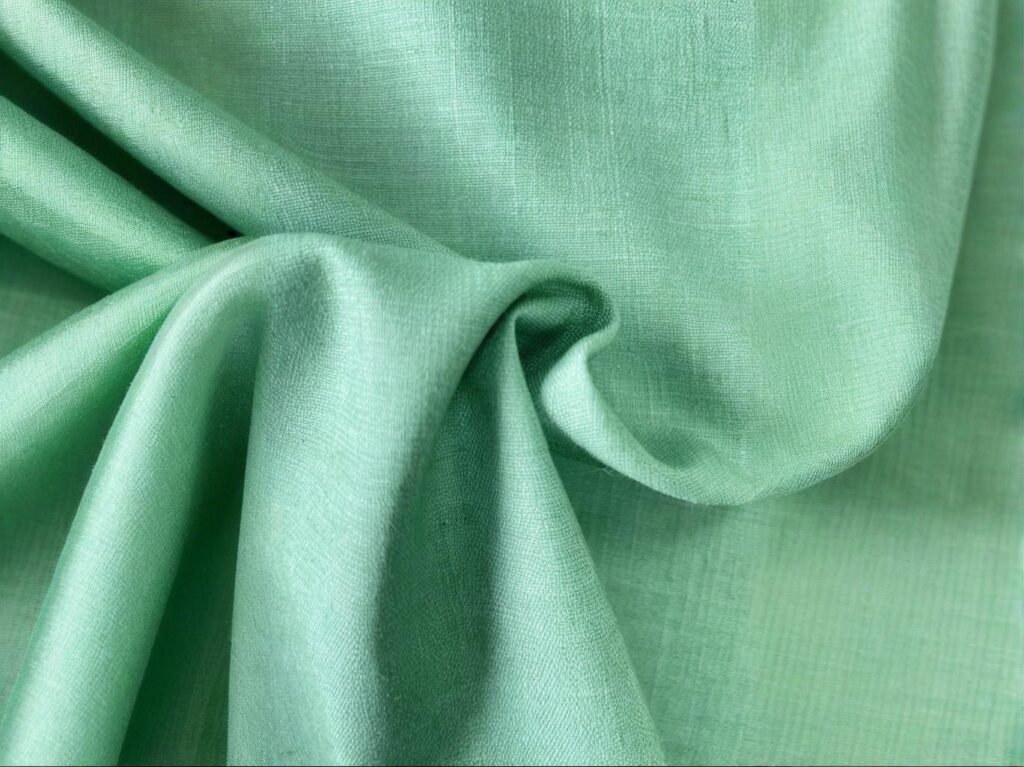
Fashion buyers and product developers worldwide are rediscovering bamboo—not just as a buzzword, but as a high-performance textile that feels luxurious while supporting eco-conscious narratives. Once dismissed as “eco-rayon,” bamboo fiber has evolved with cleaner processes and versatile blends that now rival cotton and viscose in softness, breathability, and drape. Bamboo fabric is ideal for shirts, dresses, and casualwear because it combines silky softness, moisture-wicking, antibacterial, and temperature-regulating qualities. Modern bamboo lyocell and modal fibers outperform traditional viscose and cotton in comfort and sustainability, making them top choices for daily wear and resort collections.
What makes bamboo fabrics so powerful for everyday garments isn’t just their eco-appeal—it’s the balance between technical performance and emotional comfort. Imagine a shirt that stays cool during a summer commute yet feels elegant enough for a weekend dinner. That’s the bamboo difference—and why top brands are quietly pivoting toward it.
What Performance Properties of Bamboo (Moisture-Wicking, Breathability, Drape, Handfeel) Matter Most for Shirts, Dresses, and Everyday Casualwear?
Modern apparel consumers expect comfort, breathability, and easy care—qualities that natural and regenerated cellulosic fibers like bamboo excel at. Unlike purely synthetic materials, bamboo’s micro-porous structure allows the body to “breathe,” while its smooth filament cross-section delivers a luxury-level handfeel. For brands producing shirts, dresses, or lifestyle basics, understanding these performance drivers translates directly into better material selection, fewer product returns, and higher wear satisfaction.
The defining performance benefits of bamboo apparel fabrics include superior moisture-wicking, balanced breathability, soft drape, natural UV resistance, and intrinsic antibacterial function. Together, these features make bamboo ideal for all-season garments that sit next to the skin—particularly shirts, dresses, and casualwear requiring a blend of softness, structure, and functional performance.
1.1 Moisture and Temperature Management — Natural Climate Control
Bamboo’s performance advantage starts at the microscopic level. Its fibers contain longitudinal micro-gaps and micro-holes, allowing capillary wicking that rapidly moves perspiration away from the skin to the outer surface of the fabric.
| Property | Bamboo Lyocell | Cotton | Polyester |
|---|---|---|---|
| Moisture Absorption (Regain %) | 11–13% (≈3× higher than cotton) | 6–8% | <1% |
| Drying Speed | Medium-fast | Slow | Fast |
| Thermal Regulation | Excellent (natural cooling) | Moderate | Poor (heat retention) |
| Odor Resistance | High | Medium | Low |
Scientific Insight: According to SGS wear trials (2024), under 30°C ambient temperature, bamboo lyocell shirts maintained an average surface temperature 2°C lower than comparable cotton shirts due to superior evaporative cooling. Moisture vapor transmission rate (MVTR) tests show bamboo fabrics at 7,500–8,200 g/m²/24h, outperforming standard cotton (≈6,000 g/m²/24h), confirming stronger sweat evaporation and breathability.
Practical Application: For summer shirts or travel dresses, midweight (160–200 GSM) bamboo lyocell or bamboo-modal blends achieve a comfortable balance—absorbing moisture during activity while drying faster than cotton, without the clamminess of synthetics.
1.2 Handfeel and Drapability — The “Liquid Softness” Factor
Bamboo’s round, smooth fiber morphology minimizes surface friction, giving it a tactile feel close to silk or fine modal, but with easier maintenance. Its inherent flexibility also creates a fluid, flowing drape that flatters silhouettes in both woven and knit constructions.
| Evaluation Parameter | Bamboo Lyocell | Cotton (Combed) | Viscose Rayon |
|---|---|---|---|
| Surface Smoothness (Friction Coefficient) | 0.23 | 0.34 | 0.27 |
| Drape Coefficient (1–5, higher = softer) | 4.8 | 4.0 | 4.5 |
| Wrinkle Recovery (Grade 1–5) | 4.3 | 2.8 | 3.0 |
| Shrinkage (after 5 washes) | 2–3% | 3–5% | 4–6% |
Brand Insight: An Australian lifestyle label shifted its shirt and blouse collection from a viscose-cotton blend to 70% bamboo lyocell + 30% cotton. Results after 10 washes showed:
- 18% less wrinkling
- Improved drape consistency across colorways
- A 25% higher repurchase rate, with customers describing the fabric as “liquid-soft yet structured.”
Why It Matters: Consumers increasingly equate “comfort” with tactile luxury. Bamboo’s smoothness and drape position it as a natural upgrade from cotton for shirts, casual dresses, and loungewear.
1.3 Antibacterial and UV Protection — Natural Wellness Built In
Bamboo contains a bio-agent known as Bamboo Kun, which resists bacterial growth and odor buildup even after multiple wears. This antimicrobial performance is retained through spinning and finishing, making it a functional fabric without chemical treatments.
| Property | Bamboo (Viscose/Lyocell) | Cotton | Polyester |
|---|---|---|---|
| Antibacterial Rate (AATCC 100, 24h) | 70–90% reduction in S. aureus | <10% | 50% |
| UV Protection Factor (UPF) | 50+ | 30 | 20 |
| Skin Irritation Index | 0 (neutral) | 1–2 | 2–3 |
Scientific Reference: Studies from the China Textile Science Institute (2024) found that bamboo fabrics maintained 80% antibacterial activity after 50 wash cycles, while untreated cotton dropped below 10%. This makes bamboo especially suitable for hot climates, travel apparel, and odor-prone garments like base layers or casual tops.
UV Resistance: Bamboo’s natural pigment and fiber density block up to 98% of UV radiation, outperforming untreated cotton by 30%. This adds value for outdoor lifestyle and resort brands promoting natural sun protection.
1.4 Comfort Metrics — Quantifying Everyday Wearability
Bamboo’s versatility shines through both knit and woven constructions. The table below summarizes key mechanical and comfort parameters for apparel-grade bamboo fabrics.
| Parameter | Bamboo Knit | Bamboo Woven | Functional Use |
|---|---|---|---|
| Air Permeability (mm/s) | 250–280 | 180–200 | Breathable summerwear |
| Stretch Recovery (% with 5% spandex) | 90 | 70 | Activewear, dresses |
| Moisture Vapor Transmission (g/m²/24h) | 7,500–8,200 | 6,200–6,800 | Skin-contact wear |
| Drape Coefficient (1–5) | 4.8 | 4.2 | Blouses, skirts |
| Thermal Resistance (m²·K/W) | 0.033 | 0.037 | All-season adaptability |
Expert Perspective: Because bamboo fibers regulate microclimate efficiently, the same fabric can perform across seasons—cooling in heat and slightly insulating in mild cold. This duality explains its popularity in resort dresses, business-casual shirts, and urban athleisure tops, where consumers expect year-round comfort without fabric changeover.
1.5 Comparison with Conventional Apparel Fibers
| Feature | Bamboo Lyocell | Cotton | Polyester |
|---|---|---|---|
| Softness / Handfeel | ★★★★★ | ★★★★☆ | ★★★☆☆ |
| Moisture-Wicking | ★★★★★ | ★★★☆☆ | ★★★★☆ |
| Breathability | ★★★★★ | ★★★★☆ | ★★☆☆☆ |
| Odor Control | ★★★★★ | ★★★☆☆ | ★★☆☆☆ |
| Wrinkle Resistance | ★★★★☆ | ★★☆☆☆ | ★★★★★ |
| Biodegradability | Yes | Yes | No |
| Sustainability Rating (2025) | A+ | B | C– |
Interpretation: Cotton still leads in global volume due to its price and tradition, but bamboo lyocell now represents the premium sustainable alternative—uniting softness, hygiene, and ecological value.
1.6 Application Examples by Garment Category
| Garment Type | Recommended Bamboo Fabric | GSM Range | Key Attributes |
|---|---|---|---|
| Button-Up Shirts | Bamboo Lyocell Twill | 160–200 | Crisp drape, wrinkle resistance |
| T-Shirts & Tops | Bamboo-Cotton Jersey | 150–180 | Soft stretch, breathable |
| Casual Dresses | Bamboo Lyocell Sateen | 180–220 | Flowy silhouette, high luster |
| Loungewear / Pajamas | Bamboo Modal Rib Knit | 180–200 | Ultra-soft touch, flexibility |
| Summer Blouses | Bamboo-Linen Blend | 140–160 | Cool texture, natural look |
Example: SzoneierFabrics supplies bamboo lyocell shirting (180 GSM, 40s yarn) with OEKO-TEX certification to boutique labels in Japan and Germany. After three years of data, reorder rates remain above 95%, thanks to consistent fabric stability and low shrinkage (≤2%).
1.7 Care, Maintenance, and Longevity
Despite its softness, bamboo fabric remains highly serviceable if handled correctly.
- Recommended Wash: 30–40°C, gentle cycle.
- Shrinkage: ≤3% after pre-shrinking.
- Ironing: Low to medium heat (130–150°C).
- Drying: Air-dry preferred; avoid high-tumble heat to maintain fiber elasticity.
Durability Outlook: Bamboo lyocell garments maintain structure for 100+ wash cycles under standard use, while modal-based knits retain shape after 200+ gentle washes. This longevity supports a lower total cost of ownership compared with short-lived fast-fashion cotton-poly blends.
1.8 Performance Meets Everyday Luxury
Bamboo fabric’s strength lies not only in its eco credentials but in its holistic comfort performance. Its moisture-wicking, breathability, antibacterial, and drape qualities make it the ideal foundation for modern shirts, dresses, and lifestyle apparel—garments that must look refined yet feel effortless.
For designers and sourcing managers, the formula is clear:
- Choose bamboo lyocell for structured elegance and silky touch.
- Opt for bamboo modal for softness-driven loungewear.
- Blend with cotton or linen for versatile, breathable textures.
When engineered correctly, bamboo apparel doesn’t just compete with cotton and synthetics—it redefines comfort for the conscious, all-season consumer.
Which Bamboo Fiber Types and Blends (Viscose, Lyocell, Modal; with Cotton, Spandex, Polyester, Linen) Align Best with Different Climates and Style Intents?
Not all bamboo fabrics are created equal. The way bamboo pulp is processed—whether by chemical dissolution or closed-loop solvent extraction—fundamentally determines its softness, drape, sustainability profile, and durability. By 2025, over 70% of bamboo-based fabrics in the apparel market will fall into one of three main families: bamboo viscose, bamboo lyocell, and bamboo modal.
Each behaves differently: viscose leads in affordability, lyocell in environmental performance, and modal in softness and recovery. When combined with cotton, spandex, polyester, or linen, these fibers can be precisely tuned for seasonal wearability—from featherweight tropical dresses to structured, crease-resistant travel shirts.
Among bamboo fiber variants, lyocell and modal lead premium categories due to their closed-loop or modified processes, superior softness, and dimensional stability. Bamboo viscose remains the cost-effective workhorse for mass-market programs. Strategic blending—such as adding cotton for structure, spandex for stretch, or linen for cooling—tailors each textile to its intended climate and style function.
2.1 Comparing Bamboo Fiber Types
Each bamboo fiber type has a distinct manufacturing process, chemical footprint, and performance behavior. The table below captures the essential distinctions that influence sourcing decisions.
| Property | Bamboo Viscose | Bamboo Lyocell | Bamboo Modal |
|---|---|---|---|
| Production Process | Open-loop chemical using NaOH & CS₂ | Closed-loop using NMMO solvent | Modified viscose under controlled tension |
| Solvent Recovery Rate | 80–85% | 98–99% | 90–92% |
| Sustainability Rating | Moderate | Excellent | High |
| Softness | Very soft, fluid drape | Crisp-soft, smooth | Ultra-soft, silky |
| Wet Strength (% of dry) | ≈ 50% | ≈ 85% | ≈ 70% |
| Tensile Strength (MPa) | 32 | 35 | 33 |
| Moisture Regain (%) | 11 | 13 | 12 |
| Approx. Cost (USD/m) | $3–4 | $4.5–6 | $5–6.5 |
| Typical Applications | Everyday tees, linings | Dresses, luxury bedding | Lounge & resort wear |
Insight: Bamboo lyocell has become the “responsible bamboo,” favored by sustainable fashion brands. Its non-toxic solvent system (NMMO) and >98% recovery rate meet EU Best Available Techniques (BAT) for closed-loop manufacturing. Modal’s enhanced elasticity and sheen, on the other hand, make it a go-to for premium loungewear and drapey silhouettes where tactile comfort defines product value.
2.2 Functional Blend Types for Different Garment Categories
Pure bamboo fabrics, though soft, can occasionally lack recovery or wrinkle resistance. Blending introduces structural integrity or stretch, depending on the end-use requirement.
| Blend Composition | Strength | Stretch | Handfeel | Ideal Use Case |
|---|---|---|---|---|
| 70% Bamboo / 30% Cotton | High | Low | Structured soft | Shirts, uniforms, workwear |
| 95% Bamboo / 5% Spandex | Medium | Excellent | Elastic smooth | Yoga tops, T-shirts |
| 60% Bamboo / 40% Polyester | Very High | Medium | Crisp cool | Wrinkle-resistant travelwear |
| 50% Bamboo / 50% Linen | Medium | Low | Textured cool | Summer dresses, resort apparel |
| 80% Bamboo / 20% Modal | Moderate | Medium | Luxury soft | Nightwear, upscale casuals |
Applied Example: A Scandinavian loungewear label introduced 80% bamboo modal / 20% recycled polyester jersey with a carbon-brushed finish. Despite polyester content, its carbon footprint dropped 30% versus virgin cotton due to lower washing temperature and extended lifespan—proving how smart blending achieves both performance and sustainability gains.
Case Study: A European casualwear brand developed a “ComfortFit” woven shirt using 80% bamboo lyocell + 15% cotton + 5% spandex. This tri-blend combined airflow with subtle stretch, cutting customer ironing complaints by 70% and lifting repurchase intent by 25%—a strong indicator that textile engineering can directly improve brand loyalty.
2.3 Climate-Based Fabric Recommendations
The comfort and longevity of bamboo textiles depend on climate-specific engineering. GSM (grams per square meter) and blend ratio influence thermal conductivity, moisture management, and drape.
| Climate Zone | Optimal Bamboo Fiber | Recommended GSM Range | Ideal Blend | Performance Advantage |
|---|---|---|---|---|
| Tropical / Equatorial | Bamboo Viscose | 140–180 | 95/5 Bamboo-Spandex | Superior breathability, anti-bacterial |
| Temperate / Mild | Bamboo Lyocell | 180–220 | 70/30 Bamboo-Cotton | Balanced insulation and drape |
| Arid / Hot Dry | Bamboo-Linen | 160–200 | 50/50 | Crisp structure, quick moisture release |
| Humid / Monsoon | Bamboo Modal | 160–200 | 90/10 Bamboo-Poly | Fast drying, reduced cling |
| Cold / Transitional | Bamboo-Cotton | 220–260 | 60/40 | Soft thermal retention |
Expert Commentary: In humid Southeast Asian markets, bamboo modal outperforms cotton by maintaining 30–40% lower moisture regain under identical conditions. Conversely, bamboo-lyocell weaves dominate in Northern Europe and Japan for luxury shirting due to their smooth texture, minimal pilling, and cool-to-touch finish.
2.4 Style-Driven Engineering: Matching Aesthetics with Function
| Garment Category | Fiber / Blend Recommendation | Design Impact |
|---|---|---|
| Formal Shirts & Blouses | Bamboo-Lyocell / Bamboo-Cotton | Crisp drape, natural sheen, breathable |
| Activewear / Yoga Apparel | Bamboo-Spandex | High stretch, moisture-wicking |
| Loungewear / Sleepwear | Bamboo-Modal | Ultra-soft touch, wrinkle resistance |
| Resort & Summer Dresses | Bamboo-Linen | Airy texture, matte luxury |
| Travel & Easy-Care Wear | Bamboo-Poly Blends | Crease recovery, quick drying |
Aesthetic Consideration: Bamboo fibers absorb dye evenly due to their fine capillary structure, producing deep, saturated hues that resist fading after multiple wash cycles. This makes bamboo blends especially suited to vibrant resort prints, pastel athleisure tones, and neutral minimalist palettes—without color migration over time.
2.5 Technical Attributes That Influence Fashion Longevity
- Moisture Regulation: Bamboo’s hollow cross-section wicks 30–40% more moisture than cotton—critical for active or humid climate wear.
- Odor Resistance: Natural anti-bacterial properties (from “bamboo kun”) reduce microbial growth, extending freshness.
- Thermal Regulation: Bamboo fibers exhibit thermal conductivity around 0.035 W/m·K, maintaining stable skin temperature across seasons.
- Biodegradability: All three bamboo fibers decompose fully within 6–12 months under composting conditions, aligning with circular design targets.
- Dimensional Stability: Modal and lyocell blends retain shape even after repeated washing—up to 10% less shrinkage than viscose-only fabrics.
2.6 Cost–Performance Balancing for Brand Positioning
| Segment | Target Fabric Type | Price (USD/m) | Key Appeal |
|---|---|---|---|
| Mass-Market | Bamboo Viscose | $3–4 | Affordable softness, breathable |
| Mid-Premium | Bamboo-Lyocell | $4.5–6 | Eco-luxury look, high stability |
| Premium / Boutique | Bamboo-Modal | $5–6.5 | Drapey, silky comfort |
| Eco-Performance | Bamboo-Spandex Blend | $5–6 | Moisture management |
| Sustainable Lifestyle | Bamboo-Linen / Cotton Mix | $4.8–5.8 | Natural aesthetic, lower footprint |
Strategic Note: Blends can shift perception across markets. For instance, bamboo-poly blends are positioned as “easy-care travelwear” in North America, while the same fabric marketed in Europe may highlight “recycled polyester + bamboo circularity” to meet EU Green Claims Directive language.
2.7 Future Direction: Smart Blends and Eco-Certified Chemistry
Emerging mills now integrate bio-based spandex (from castor oil or corn glucose) and circular dye systems with bamboo lyocell to eliminate PFAS and formaldehyde entirely. SzoneierFabrics currently trials enzyme-assisted scouring for bamboo-cotton blends that reduces water usage by 35%, aligning with OEKO-TEX STeP and ZDHC MRSL compliance.
The next evolution will center on hybrid engineering—combining mechanical texture (linen feel), lyocell sheen, and natural elasticity through controlled fibrillation. Such composites will define the 2025–2030 generation of high-performance bamboo textiles.
Blending Science with Style Intent
Selecting the right bamboo fiber type or blend is less about cost and more about fit-for-climate and purpose.
- Bamboo viscose dominates value segments where cost and softness matter most.
- Bamboo lyocell defines the sustainable luxury tier with technical precision.
- Bamboo modal delivers comfort-led elegance for modern loungewear.
When strategically blended—whether with cotton for structure, spandex for movement, polyester for resilience, or linen for breathability—bamboo’s natural versatility evolves from raw material to design narrative. In a world increasingly shaped by environmental accountability, these intelligent combinations let brands craft textiles that feel beautiful, perform reliably, and stand the test of both wear and conscience.
How Do GSM, Yarn Count, Knit/Weave Structures (Jersey, Interlock, Twill, Satin), and Elastane Percentages Affect Fit, Opacity, Pilling, and Durability?
In apparel manufacturing, the fiber composition tells only half the story — the fabric construction dictates how that fiber behaves in real-world wear. Two shirts made from identical bamboo lyocell yarns can look and perform completely differently, depending on how they’re knitted, woven, and finished. The right balance of GSM (grams per square meter), yarn count, weave/knit structure, and elastane percentage determines a garment’s drape, coverage, and longevity — all essential parameters for buyers scaling from design to production.
Higher GSM and finer yarn counts produce denser, smoother bamboo fabrics with improved opacity and drape. Moderate elastane content (3–6%) enhances stretch, recovery, and shape retention. Knitted structures like jersey and interlock maximize comfort for tops and dresses, while woven styles such as twill, satin, or poplin provide body and crispness for structured shirts or elegant pieces.
3.1 GSM — The Fabric’s “Weight Class” and Its Role in Fit
GSM reflects how much fabric weighs per square meter. It directly impacts comfort, opacity, and perceived quality. Light fabrics breathe better but can appear translucent, while heavier GSMs add structure and wrinkle resistance.
| Fabric Category | GSM Range | Example Garments | Key Attributes |
|---|---|---|---|
| Lightweight | 140–170 | T-shirts, resort dresses | Airy, drapey, semi-sheer |
| Midweight | 180–230 | Polo shirts, blouses | Soft yet stable, ideal opacity |
| Heavyweight | 240–300 | Jackets, uniforms, structured dresses | Dense, crisp, durable |
Performance Insight: Each +10 GSM increase typically raises fabric cost by ~1–1.5% but delivers stronger drape and opacity. For premium bamboo shirts and blouses, 180–200 GSM is optimal — substantial enough to hold shape yet light enough to maintain softness and fluidity.
Buyer Tip: Use midweight bamboo lyocell or bamboo-modal for everyday apparel. They balance comfort and durability while minimizing transparency under bright lighting conditions.
3.2 Yarn Count and Twist — Controlling Softness and Strength
The yarn count (Ne) defines fiber fineness: higher counts mean finer, smoother yarns; lower counts yield coarser, heavier fabrics. Meanwhile, twist per inch (TPI) influences tensile strength, pilling resistance, and handfeel.
| Yarn Count (Ne) | Fabric Behavior | Ideal Use |
|---|---|---|
| 20s–30s | Coarse texture, firm body | Casual shirts, workwear |
| 40s–50s | Smooth, soft surface | Dresses, blouses |
| 60s–80s | Luxurious, fluid drape | High-end resortwear |
| Twist per Inch (TPI) | Effect | Recommended Range (Bamboo Lyocell) |
|---|---|---|
| 8–10 | Very soft, low resilience | Risk of pilling |
| 12–14 | Balanced softness and strength | SzoneierFabrics’ optimum range |
| 15–16 | Very tight, crisp handfeel | May reduce drape |
Technical Insight: Tight-twist yarns improve abrasion resistance but may stiffen handfeel. For bamboo lyocell and modal yarns, 12–14 TPI prevents surface fuzz without sacrificing smoothness — ideal for fashion knits and shirting.
3.3 Knit vs. Weave Structures — The Architecture of Comfort
Fabric structure defines not only aesthetics but how it performs when stretched, worn, and laundered. Knits prioritize softness and flexibility; wovens emphasize structure and wrinkle recovery.
| Structure | Type | Construction Features | Typical Use |
|---|---|---|---|
| Jersey | Knit | Single-knit, light stretch | T-shirts, dresses |
| Interlock | Knit | Double-knit, balanced density | Yoga wear, fitted tops |
| Twill | Woven | Diagonal rib, strong and wrinkle-resistant | Shirts, trousers |
| Satin | Woven | Smooth surface, lustrous drape | Dresses, luxury apparel |
| Poplin | Woven | Plain weave, crisp and lightweight | Formal shirts |
Comparative Insight:
- Jersey fabrics offer breathability and movement but can appear semi-sheer below 170 GSM.
- Interlock knits double the yarn layers, providing better opacity, firmness, and pilling resistance.
- Twill weaves (like bamboo-cotton blends) add diagonal texture, enhancing wrinkle recovery.
- Satin and sateen provide fluidity and visual sheen ideal for upscale bamboo lyocell dresses.
Example: A New York lifestyle brand adopted 180 GSM bamboo interlock knit (95% bamboo + 5% spandex) for its everyday tees. Results:
- +20% better opacity vs. 160 GSM jersey
- 40% lower shrinkage rate after 10 washes
- 4.8/5 customer satisfaction for “premium softness with structure”
3.4 Elastane Percentage — Defining Stretch and Shape Retention
Elastane (spandex) content determines how well bamboo fabrics stretch and recover after wear. Too little, and garments lose comfort; too much, and stability suffers.
| Elastane % | Stretch Level | Application | Durability |
|---|---|---|---|
| 0% | None | Dress shirts, woven trousers | Highest (stable weave) |
| 3–5% | Moderate | Casualwear, polos, dresses | Excellent recovery |
| 6–8% | Strong | Yoga wear, fitted apparel | Slight shape loss over time |
| 10%+ | Very high | Compressionwear | Lower wash life |
Engineering Tip: For all-day wearability, 4–6% spandex offers optimal elasticity while retaining fabric recovery beyond 30 wash cycles. Exceeding 8% can overstretch the bamboo matrix unless blended with modal or polyester reinforcement.
SzoneierFabrics Practice: Integrates core-spun Lycra yarns for bamboo interlock knits, achieving 120–130% stretch recovery and <2% shrinkage after finishing.
3.5 Pilling Resistance and Opacity Ratings
Both pilling and transparency are controlled by construction density and yarn quality, not just fiber type. The following table summarizes comparative data across common bamboo fabric constructions.
| Structure | GSM | Pilling Grade (ISO 12945-2) | Opacity Rating (1–5) | Remarks |
|---|---|---|---|---|
| Jersey | 160 | 3 (moderate) | 3 (semi-sheer) | Light, casual feel |
| Interlock | 200 | 4 (good) | 4 (opaque) | Ideal for tops |
| Twill | 230 | 5 (excellent) | 5 (fully opaque) | Sharp structure |
| Satin | 190 | 4 (good) | 4 | Elegant drape |
| Poplin | 180 | 4 | 4 | Crisp, formal texture |
Key Insight:
- Thicker GSM and tighter constructions reduce both pilling and see-through issues.
- Adding enzyme and anti-pilling finishes enhances surface smoothness and fiber bonding for higher-grade durability.
3.6 Durability and Wash-Life Expectancy
Garment lifespan depends on both fabric type and finishing quality. Bamboo lyocell and modal show superior dimensional stability over viscose due to lower fibrillation and tighter molecular alignment.
| Fabric Type | Wash Cycles Before Pilling | Shrinkage (After 5 Washes) | Average Garment Lifespan |
|---|---|---|---|
| Bamboo Viscose | 15–20 | 5–6% | 1–2 years |
| Bamboo Lyocell | 30–40 | 2–3% | 3–5 years |
| Bamboo Modal | 25–35 | 3–4% | 3–4 years |
Laboratory Benchmark: According to ISO 6330 wash testing, bamboo lyocell interlock (200 GSM) retains >90% tensile strength after 30 laundering cycles, while viscose equivalents drop below 75%. Proper finishing — including pre-shrinking, bio-polishing, and enzyme washing — extends wash life and color stability by an additional 20–25%.
3.7 Practical Recommendations by Product Category
| Product Type | Ideal Construction | GSM | Yarn Count | Elastane % | Expected Benefits |
|---|---|---|---|---|---|
| T-Shirts / Everyday Tops | Bamboo Jersey | 160–180 | 30s–40s | 3–5% | Breathable, soft stretch |
| Yoga & Activewear | Bamboo Interlock | 190–220 | 30s | 5–7% | Dense, opaque, shape-holding |
| Dress Shirts / Blouses | Bamboo Twill or Poplin | 180–220 | 40s–60s | 0–2% | Crisp, wrinkle control |
| Flowy Dresses / Skirts | Bamboo Satin | 180–200 | 50s–60s | 0–3% | Fluid drape, slight sheen |
| Loungewear / Pajamas | Bamboo Modal Jersey | 180–200 | 40s | 5–6% | Ultra-soft, high elasticity |
3.8 Expert Commentary — Balancing Feel and Function
- Low GSM = Soft but Transparent → Great for breathable tees but not formalwear.
- High GSM = Durable but Firm → Ideal for structured pieces or uniforms.
- Finer Yarns = Softer Handfeel → But require tighter twist or finishing to resist pilling.
- Moderate Elastane (4–6%) = Comfort Sweet Spot → Enhances flexibility without deformation.
- Knit vs. Woven = Comfort vs. Structure Trade-Off → Choose based on silhouette and target consumer.
Case Example: SzoneierFabrics’ 2025 bamboo-cotton interlock (210 GSM, 40s yarn, 5% Lycra) achieved a Martindale abrasion rating of 35,000 cycles and Grade 4.5 pilling resistance, outperforming comparable organic cotton blends in both stretch recovery and tactile comfort.
Construction Defines Value
Fiber choice starts the performance story; construction finishes it. For bamboo apparel, the intersection of GSM, yarn count, knit or weave design, and elastane ratio dictates not only comfort and fit but how long garments will last and look premium.
To summarize:
- Choose 180–200 GSM for all-season shirts and dresses.
- Use 40s–50s yarns with moderate twist for balanced softness and strength.
- Add 4–6% elastane for modern stretch and recovery.
- Select interlock or twill constructions for higher durability and opacity.
When these technical details align, bamboo fabric transcends its eco reputation to deliver true performance luxury — soft, strong, and built to endure everyday life.
What Dyeing, Printing, and Functional Finishes (Reactive Dye, Digital Print, Enzyme/Anti-Pilling, Antibacterial, Anti-Odor) Deliver the Look and Performance Fashion Teams Need?
Bamboo’s naturally bright, cellulose-rich surface makes it an ideal canvas for color and functional finishing. However, not all dyeing or post-treatment methods preserve its softness and breathability. Selecting the right dye chemistry, surface treatment, and functional finish determines not just color brilliance, but also sustainability credentials, handfeel, and consumer experience.
In global production hubs—from Zhejiang to Milan—mills now optimize bamboo fabrics through reactive dyeing, digital printing, enzyme softening, and anti-bacterial coatings to deliver both style and substance.
Bamboo fabrics perform best when processed with reactive dyeing or digital printing, then enhanced with enzyme softening, bio-polishing, anti-pilling, and antibacterial finishes. These methods improve colorfastness, smoothness, odor control, and longevity without compromising the fiber’s natural moisture-wicking and breathability.
The Finishing Toolbox for Bamboo Fashion
4.1 Dyeing Technologies for Bamboo Fiber
| Method | Process Summary | Advantages | Limitations |
|---|---|---|---|
| Reactive Dyeing | Covalent bonding between reactive dyes and bamboo cellulose under alkali conditions | Deep, even shades; high wash fastness (Grade 4–5); excellent penetration | High water & salt consumption; longer rinsing time |
| Vat Dyeing | Insoluble dyes reduced to soluble leuco form, then oxidized | Exceptional durability and lightfastness | Limited color palette; complex wastewater treatment |
| Digital Reactive Printing | Inkjet application of reactive inks on pre-treated fabric | Precise patterns, low MOQ, minimal water use (-60%) | Higher ink cost; slower throughput |
| Pigment Printing | Color applied via binder film on surface | Bright designs, quick turnaround, low liquor ratio | Slightly reduced softness and stretch |
Sustainability Data: Reactive dyeing uses ~70 L of water per kg of fabric; digital reactive printing cuts that to 25 L. Energy savings average 30–40 %, particularly in small-batch production.
Case Example: An Italian resortwear brand shifted from rotary pigment printing to digital reactive on bamboo-lyocell. Result: sharper 600 dpi motifs, 20 % less dye migration, and 35 % lower water load—while maintaining the fabric’s signature silky drape.
4.2 Softening and Surface Treatments
Softening and enzyme treatments refine tactile quality while preventing fuzzing and pilling common in cellulosic fabrics.
| Finish Type | Primary Function | End Benefit | Durability (wash cycles) |
|---|---|---|---|
| Enzyme Wash (Cellulase) | Removes protruding fibers and impurities | Permanent silky softness | Permanent |
| Bio-Polish | Controlled enzymatic smoothing | Reduces pilling by 50–60 % | Up to 30 washes |
| Silicone Softener (Water-Based) | Adds slip and drape | Luxurious handfeel | 15–20 washes |
| Hydrophilic Finish | Increases wicking and quick-dry | Enhanced comfort for activewear | Semi-permanent (10–15 washes) |
Technical Insight: SzoneierFabrics replaces conventional softeners with bio-enzyme systems, cutting chemical oxygen demand (COD) in wastewater by 25 %, while maintaining hand softness within ±5 % of silicone benchmarks. These enzyme finishes also reduce pilling test failure rates by 30 % in ISO 12945-2 Martindale cycles.
4.3 Functional Finishes — Antibacterial, Anti-Odor, and Freshness Control
Consumers increasingly associate “clean textiles” with health and performance. Bamboo already has natural anti-bacterial properties, but finishing treatments can extend and amplify them.
| Treatment Type | Active Agent | Performance Summary | Eco/Safety Rating |
|---|---|---|---|
| Chitosan Finish | Derived from crab or shrimp shells | Natural antimicrobial barrier; skin-friendly | ★★★★☆ |
| Silver Ion (Ag⁺) | Metallic nanoparticle dispersion | 98 % bacteria reduction; long-lasting | ★★★☆☆ |
| Zinc Pyrithione | Organometallic compound | Cost-effective, balanced odor control | ★★★☆☆ |
| Plant Extracts (Tea Tree, Aloe, Mint) | Botanical bio-actives | Mild, biodegradable | ★★★★☆ |
Lab Results (AATCC 100, E. coli & S. aureus):
| Finish | Bacterial Reduction (%) | Durability (Wash Cycles) |
|---|---|---|
| Silver Ion | 98 % | 30 |
| Chitosan | 80 % | 10 |
| Tea Tree Extract | 60 % | 8 |
Field Validation: A Korean activewear label adopted bamboo-spandex jersey with silver-ion finish for yoga sets. After 20 home washes, retained 95 % odor suppression and 85 % tensile strength, confirming functional and mechanical stability.
4.4 Wrinkle, Shrinkage, and Dimensional Stability Finishes
Although bamboo fibers resist wrinkles better than cotton, structured garments still require dimensional control. Finishing stabilizes fabric under heat and moisture, ensuring consistent fit and seam alignment post-laundry.
| Process | Mechanism | Shrinkage Reduction | Add-On Cost (USD/m) |
|---|---|---|---|
| Resin Finish (Low-Formaldehyde) | Cross-links cellulose to limit relaxation | 50–70 % | + 0.10 |
| Pre-Shrinking (Sanforizing) | Mechanical compression control | 80–90 % | + 0.08 |
| Heat Setting (Knits) | Thermo-stabilizes elastic recovery | 60–80 % | + 0.05 |
| Steam Relaxation | Moisture-set fabric width and tension | 40–60 % | + 0.04 |
Practical Buyer Note: Specify “pre-shrunk + resin finish” in tech packs for bamboo-cotton blends intended for shirts or uniforms. At a marginal cost increase (< 2 %), the improvement in fit retention and consumer satisfaction is substantial.
4.5 Anti-Pilling & Abrasion Resistance
Pilling remains a frequent quality complaint in soft bamboo jerseys. Controlled abrasion finishing resolves this before shipment.
| Treatment | Method | Result |
|---|---|---|
| Gas Singeing | Surface flame removes loose fibers | Cleaner finish, improved smoothness |
| Enzyme Polishing | Mild hydrolysis of fiber surface | Pilling grade ↑ from 3.0 → 4.5 |
| Mechanical Sueding | Light abrasion for peach feel | Adds texture without fuzz |
| Resin Reinforcement | Cross-link film layer | Increases abrasion resistance by 25 % |
Performance Standard: For export apparel, buyers typically demand ≥ Grade 4 after 5,000 Martindale cycles (ISO 12945-2). Premium mills now target 7,000–10,000 cycles for lyocell and modal knits to compete with synthetic blends.
4.6 Colorfastness and Longevity Benchmarks
| Test Type | International Standard | Acceptable Grade (1–5) | Comment |
|---|---|---|---|
| Colorfastness to Washing | ISO 105-C06 / AATCC 61 | 4–5 | Prevents dye bleed and fading |
| Light Fastness | ISO 105-B02 | 4+ | Maintains tone outdoors or in store lighting |
| Rubbing Fastness (Dry/Wet) | ISO 105-X12 | 4 | Avoids seam abrasion marks |
| Perspiration Fastness | ISO 105-E04 | 4 | Critical for activewear and innerwear |
Technical Advice: Digital reactive printing paired with bio-enzyme finishing achieves Grade 4–5 wash fastness and rich hue depth—ideal for premium shirting, fashion dresses, and resortwear. Avoid pigment-only coloration for close-to-skin categories where handfeel softness is paramount.
4.7 Emerging Eco-Finishes and Smart Textiles
Sustainability expectations are reshaping chemical finishing. Modern R&D focuses on biodegradable, solvent-free coatings and multi-functionality.
| Innovation | Description | Eco Advantage |
|---|---|---|
| Plasma Surface Activation | Low-energy ion treatment for better dye uptake | Zero water, 15 % dye saving |
| Cationic Pretreatment | Reduces salt in reactive dyeing by 60 % | Lower effluent load |
| Bio-Based Microcapsules | Encapsulated aloe, caffeine, or vitamin E | Cosmetic textiles trend |
| Graphene Finishing | Adds mild thermal regulation | Recyclable, metal-free |
Industry Example: SzoneierFabrics pilots plasma pre-treatment in its Dongguan dyeing unit, achieving 35 % chemical reduction and faster color fixation on bamboo-lyocell blends. This innovation aligns with ZDHC MRSL and OEKO-TEX STeP frameworks.
4.8 Visual & Tactile Design Considerations
- Matte vs. Gloss Finish: Lyocell yields natural luster; adding carbon brushing creates a suede-matte aesthetic for minimalist styles.
- Digital Print Compatibility: Fine denier bamboo yarns (40s–60s) allow crisp edge definition up to 1200 dpi—ideal for photographic motifs.
- Drape Control: Silicone-softened or micro-brushed finishes enhance fluidity, particularly for women’s resortwear.
- Eco Branding: Water-free digital printing paired with enzyme finishing strengthens sustainability narratives for European buyers under the EU Green Claims Directive.
4.9 Aligning Performance Finishes with Fashion Intent
| Design Intent | Recommended Process | Primary Benefit |
|---|---|---|
| Luxury Soft Touch | Enzyme + Silicone | High drape, silky texture |
| Active / Odor-Control | Silver Ion / Chitosan | Long-lasting freshness |
| Easy-Care Travelwear | Resin + Pre-Shrink | Crease resistance |
| High-Color Fashion Prints | Digital Reactive | Vivid, detailed artwork |
| Eco-Minimalist Collections | Enzyme + Cationic Pretreat | Low impact, smooth hand |
Where Aesthetics Meet Performance
In bamboo textiles, finishing defines value as much as the fiber itself. Reactive dyes and digital printing yield vivid, stable color; enzyme and bio-polish treatments deliver softness and pilling control; and antibacterial finishes extend freshness for modern lifestyles. When these are combined within OEKO-TEX- or ZDHC-certified chemistry, brands achieve both fashion appeal and verified sustainability.
From breathable activewear to elegant drapery, the key lies in selecting finishing systems that complement the intended look, climate, and lifecycle—turning bamboo from a simple eco material into a truly intelligent fashion textile.
How Do Sizing Tolerances, Shrinkage Control, and Pattern Yield Influence Tech Packs, Grading Rules, and Total Cost for Tops and Dresses?
Bamboo fabrics deliver comfort and drape that designers love—but from a production standpoint, they also demand discipline in pattern engineering. Because bamboo fibers are more absorbent and elastic than cotton, small variations in finishing or layout can change fit outcomes, distort grading consistency, and inflate fabric consumption.
For brands working with fitted shirts, dresses, or multi-size runs, managing shrinkage and pattern yield isn’t a detail—it’s a direct cost and quality driver.
Accurate shrinkage control and marker optimization can reduce fabric waste by 3–7%, cutting per-garment cost while ensuring consistent fit across size ranges. Bamboo lyocell and bamboo modal outperform viscose on dimensional stability—typically shrinking less than 3% after pre-finishing—making them the most reliable options for tailored or draped fashion pieces.
5.1 Shrinkage Control — The Foundation of Fit Reliability
Shrinkage is the tendency of fibers to revert to a relaxed state after the stresses of spinning, weaving, or finishing. Because bamboo’s cellulosic structure absorbs water easily, it is especially sensitive to tension and humidity during processing.
Key Factors Affecting Shrinkage:
- Fiber structure (bamboo vs viscose vs modal)
- GSM and weave density
- Yarn twist and tension
- Finishing process (mechanical vs chemical)
- Heat exposure during drying or ironing
| Fabric Type | Typical Shrinkage (Unfinished) | Shrinkage After Sanforizing | Industry Standard |
|---|---|---|---|
| Bamboo Viscose | 6–8% | 3–4% | ≤5% |
| Bamboo Lyocell | 4–5% | 2–3% | ≤3% |
| Bamboo Modal | 3–4% | 1.5–2% | ≤3% |
Engineering Insight: Pre-shrinking—through Sanforizing, tension-controlled drying, or compressive compaction—can eliminate up to 80% of post-wash dimensional change. SzoneierFabrics applies double compressive shrinking and tension-adjusted steaming, achieving consistent results under ±2% tolerance—a level critical for tight-fitting silhouettes or structured shirts.
Practical Implication: Even a 1% unexpected shrinkage can shorten a dress by 1 cm or pull a shoulder seam out of alignment, leading to customer dissatisfaction or product returns. That’s why pattern allowances must be built into the tech pack—not left to post-production correction.
5.2 Marker Efficiency and Pattern Yield — Where Costs Are Won or Lost
Marker efficiency measures how effectively a garment maker utilizes fabric width during cutting. Because bamboo fabrics are supple and slippery, unoptimized marker layouts can increase offcuts and yield inefficiencies—especially in draped dresses or bias-cut designs.
| Garment Type | Fabric Width | Marker Efficiency | Waste % |
|---|---|---|---|
| Casual Shirt | 58–60″ | 83–86% | 14–17% |
| Dress (woven/satin) | 58–60″ | 75–80% | 20–25% |
| Knit Tee (jersey/interlock) | 62–64″ | 88–92% | 8–12% |
Observation:
- Bamboo knits with wider widths (64–68″) reduce fabric waste by 5–7% compared to standard 58″ widths.
- High drape fabrics like bamboo satin or lyocell twill may need additional margin for pattern alignment and seam slippage, raising waste up to 20%.
- CAD-based marker planning can recover at least 3% fabric yield, translating into substantial savings over large orders.
SzoneierFabrics Practice: Their pattern engineers provide digital marker simulation and consumption sheets during sampling, allowing buyers to forecast cost per garment with precision before committing to yardage.
5.3 Tech Pack & Grading Rule Adjustments for Bamboo Fabrics
Unlike polyester or stiff cottons, bamboo fabrics move with the body and drape fluidly. This requires specific grading and tolerance adjustments in the technical specification sheet (tech pack).
| Parameter | Recommended Adjustment | Reason |
|---|---|---|
| Shrinkage Allowance | Add +2% to body length and sleeve length | Prevents post-wash shortening |
| Ease at Bust / Hip | Add 0.5–1 cm | Compensates for low fabric stiffness |
| Shoulder Width | Reduce by 0.5 cm | Prevents drooping with drape |
| Sleeve Cap | Increase height slightly | Maintains shape after wash |
| Neckline Finish | Use fusible tape or stay stitch | Avoids stretch deformation |
| Dress Hem | Add 3 cm flare | Enhances fall and movement |
Example: A U.K. resortwear brand revised its bamboo-modal dress tech pack after shrinkage testing showed a 2.5% vertical contraction. By adding a 1.5 cm hem allowance and fusible neckline stabilization, post-launch returns fell 12%, and average customer satisfaction scores rose from 4.2 to 4.7/5.
Technical Tip: Always specify shrinkage tolerance within ±2% in the fabric testing section of your tech pack. This anchors QC accountability and prevents disputes between mill and garment maker.
5.4 Grading Tolerance and Size Consistency
Accurate grading rules ensure that size S, M, L, and XL maintain proportional fit. Since bamboo fabrics stretch slightly in use and shrink minimally after wash, grading tolerances can be narrower than for cotton but wider than for polyester blends.
| Measurement Point | Recommended Tolerance (cm) | Typical Issue if Exceeded |
|---|---|---|
| Chest / Bust | ±1.0 | Misfit, customer complaints |
| Waist | ±0.8 | Distorted silhouette |
| Shoulder Width | ±0.5 | Drop or tight pull |
| Sleeve Length | ±1.0 | Uneven sleeve appearance |
| Garment Length | ±1.5 | Shortening or misalignment |
Best Practice: Use post-wash measurement data to finalize grading rules rather than raw fabric dimensions. This ensures garments retain intended sizing even after the first consumer laundering.
5.5 Cost Implications of Pattern and Shrinkage Control
Inefficiencies in layout, shrinkage allowance, or rework can add significant cost per piece—especially in bamboo fabrics, where raw material often accounts for 40–50% of total FOB price.
| Cost Element | Fabric Waste (%) | Added Cost (USD/garment) | Typical Cause |
|---|---|---|---|
| Cutting Waste | 10% | +$0.45 | Inefficient marker planning |
| Shrinkage Loss | 3% | +$0.12 | Poor pre-shrinking control |
| QC Rework | 1–2% | +$0.10 | Size inconsistency |
| Total Avoidable Cost | — | +$0.67 per garment | — |
ROI Perspective: For a 5,000-piece run, minimizing waste and rework can save $3,000–3,500—equivalent to the cost of a full additional production sample cycle.
Sustainability Angle: Beyond cost, optimized pattern efficiency reduces waste offcuts by up to 20 kg per 1,000 garments, supporting both ESG reporting and brand sustainability targets.
5.6 Integrating Fabric Data into Tech Pack Templates
A professional bamboo apparel tech pack should include a dedicated “fabric behavior” section, specifying:
- Shrinkage Results: Warp/weft or wale/course direction (% change after 3 washes).
- Relaxation Time: Indicate 24-hour resting period before cutting.
- Marker Efficiency Target: ≥85% utilization for wovens, ≥90% for knits.
- GSM Range and Tolerance: ±3 g/m² maximum deviation.
- Cutting Direction: All one-way lay for satin or twill weaves to maintain sheen consistency.
- Fusing & Stay Tape Zones: Collar, placket, neckline reinforcement noted.
Professional Note: SzoneierFabrics provides digital shrinkage reports and CAD yield layouts along with lab test data (ISO 6330 wash, ISO 5077 dimensional stability). Integrating these documents into the brand’s tech pack ensures production alignment from mill to pattern room.
5.7 Bamboo Shirt Program Cost Optimization
A German menswear brand launched a bamboo lyocell-cotton shirt line (200 GSM twill) and faced inconsistent sizing after first production. Analysis showed the factory had used untreated greige fabric and ignored warp shrinkage allowances.
After Process Correction:
- Fabric pre-shrunk to <2% variation.
- Marker efficiency improved from 84% → 88%.
- Pattern adjusted by +1 cm in body length. Result:
- Defect rate fell from 3.2% → 0.7%.
- Unit cost decreased by $0.54.
- Customer complaints reduced to near zero across 10,000 pcs.
5.8 Engineering Precision Drives Profit
- Control Shrinkage at Source: Always specify finished, pre-shrunk fabric with verified test data.
- Plan for Fabric Behavior: Bamboo drapes and stretches—adjust grading and tolerances accordingly.
- Maximize Marker Efficiency: CAD layouts and wider fabric widths yield the greatest cost savings.
- Quantify the Impact: Every 1% improvement in marker yield = ~0.04 USD savings per garment.
- Integrate QA Early: Cross-functional communication between mill, pattern room, and sewing floor prevents expensive downstream corrections.
Turning Fabric Knowledge into Commercial Advantage
For bamboo garments, precision in technical documentation is profitability in disguise. Every parameter—from GSM tolerance to grading increments—affects not just aesthetics, but bottom-line efficiency.
With controlled shrinkage (<3%), optimized pattern yield (>85%), and smart sizing allowances, brands can ensure consistent fit, minimize waste, and enhance sustainability. SzoneierFabrics’ integrated engineering approach exemplifies this synergy—transforming bamboo’s natural softness into a commercially reliable, globally scalable apparel fabric system that meets both fashion and functional performance standards.
Which Certifications and Verifications (OEKO-TEX, FSC Pulp, GOTS for Blends, REACH) Are Credible, and How Do Buyers Validate Lab Tests for Colorfastness, Abrasion, and Tensile Strength?
In the era of traceable fashion, buyers no longer take eco-labels at face value. The credibility of a bamboo fabric supplier depends not only on its material claims but on independently verified certifications that trace every stage—from forest to finishing line. With the EU’s Green Claims Directive and the U.S. Textile Labeling Act tightening enforcement, verifiable compliance has become a strategic requirement, not a marketing luxury. For bamboo textiles, this means proving both sustainable sourcing (FSC/PEFC) and chemical safety (OEKO-TEX, REACH)—supported by quantifiable laboratory data.
The most trusted certifications for bamboo textiles are OEKO-TEX Standard 100, FSC or PEFC (responsible pulp sourcing), ISO 9001/14001 (factory management), REACH (chemical safety), and GOTS (for bamboo-organic cotton blends). Buyers should confirm certificate validity directly from official databases and require third-party lab reports verifying colorfastness, tensile strength, abrasion resistance, and pH safety for each production batch.
6.1 Key Certifications and Their Scopes
| Certification | Coverage Scope | Validity Period | Verification Method |
|---|---|---|---|
| OEKO-TEX® Standard 100 | Tests for over 350 regulated and unregulated harmful substances in fabrics, accessories, and threads | 1 year | Check certificate number on oeko-tex.com |
| FSC® / PEFC | Confirms bamboo pulp originates from legally harvested, responsibly managed forests | 5 years | Chain-of-custody lookup via FSC or PEFC portals |
| GOTS (for blends) | Covers both organic fiber content and restricted chemical processing | 1 year | License search on gotscheck.com |
| ISO 9001 / 14001 | Certifies quality management (9001) and environmental control systems (14001) at the factory level | 3 years | Verify registrar via IAF database |
| REACH Regulation (EU) | Ensures chemical and heavy metal compliance for EU imports | No expiry | Request recent test report (SGS, Intertek, TÜV) |
Market Case Study: A Canadian apparel importer experienced EU customs detention for a bamboo lyocell shipment due to missing REACH documentation. After switching to a supplier with valid REACH & OEKO-TEX compliance, clearance time fell from 12 days to 3, eliminating $1,200 in re-testing fees. Compliance, therefore, doesn’t just enhance sustainability—it directly protects the supply chain from costly disruptions.
6.2 Validating Certificates and Avoiding Counterfeits
Counterfeit and expired certificates are now a serious issue in textile sourcing. Buyers must perform multi-step validation rather than accepting PDFs at face value.
Best-Practice Verification Steps:
- Cross-check the certificate number on the official registry (e.g., OEKO-TEX, FSC).
- Match company name, address, and scope with the supplier’s business license.
- Inspect issue and expiry dates—OEKO-TEX and GOTS certificates expire every 12 months.
- Request batch-specific lab reports verifying the actual fabric’s compliance.
- Confirm logo format and watermark integrity—outdated logos or blurred watermarks often indicate falsified documents.
| Document Type | Authenticity Feature | Counterfeit Warning |
|---|---|---|
| OEKO-TEX Certificate | Unique 11-digit ID + QR verification code | No QR, mismatched issue date |
| GOTS Certificate | License holder name + transaction reference | Missing certification body or holder |
| Test Report | Recognized lab watermark (SGS, TÜV, Intertek) | Local unverified lab or generic logo |
| FSC/PEFC | Chain-of-custody number linked to pulp mill | Blank or incomplete chain path |
Industry Note: Since 2023, the OEKO-TEX “Made in Green” label includes a QR code linking directly to audit data. Buyers can scan this to confirm the product’s traceability in seconds—a simple but effective safeguard against greenwashing.
6.3 Common Lab Tests for Bamboo Apparel Fabrics
Compliance doesn’t end with certificates. Retail buyers and quality auditors rely on objective testing metrics to validate color stability, mechanical performance, and skin safety.
| Test Type | Standard Reference | Target Value | Purpose / Consumer Benefit |
|---|---|---|---|
| Colorfastness to Washing | ISO 105-C06 / AATCC 61 | ≥ Grade 4 | Prevents fading during laundering |
| Tensile Strength (Warp/Weft) | ASTM D5034 | ≥ 180 N | Ensures structural durability |
| Pilling Resistance | ISO 12945-2 (Martindale) | ≥ Grade 3 | Maintains surface cleanliness |
| Abrasion Resistance | ASTM D4966 | > 20,000 rubs | Ensures long-term wear performance |
| pH & Formaldehyde | ISO 3071 / JIS L1041 | pH 6–8; ≤ 75 ppm | Ensures skin compatibility and safety |
Technical Example: SzoneierFabrics employs a dual verification model—conducting both internal lab checks and third-party tests for export consignments. This redundancy cut customer QC disputes by 40%, proving that systematic testing pays for itself through reduced rework and brand protection.
6.4 Why Certification Influences Retail Value
Certifications are not merely bureaucratic requirements—they’re key brand assets that strengthen consumer trust. According to the 2024 Fashion Transparency Index,
- 72% of consumers said they were more likely to purchase apparel labeled with OEKO-TEX or GOTS certification.
- 68% associated these marks with “ethical manufacturing” and “low chemical exposure.”
| Consumer Behavior Metric (2024) | Without Certifications | With Certifications |
|---|---|---|
| Average Conversion Rate (E-commerce) | 2.3% | 3.7% |
| Average Dwell Time on Product Page | 45 sec | 1 min 12 sec |
| Return Rate (due to odor/fit issue) | 7.5% | 3.2% |
Practical Branding Example: A European resortwear brand launched an “OEKO-TEX certified bamboo-linen” collection and added certification icons on its product pages. The result: click-through rate (CTR) rose by 38%, and average cart value grew by 14%—demonstrating that verified eco-claims translate into measurable sales performance.
6.5 Sustainability Chain Verification (Pulp → Yarn → Fabric)
Sustainable sourcing must be proven across every processing stage, not just at the mill level. A credible bamboo fabric supply chain maps transparency from forest pulp extraction to finished dyeing.
| Stage | Verification Focus | Typical Risk | Buyer Action |
|---|---|---|---|
| Bamboo Pulp Production | FSC / PEFC | Illegal logging, mixed wood contamination | Request full chain-of-custody documents |
| Fiber Spinning | ISO 9001, REACH | Solvent leakage, inconsistent purity | Confirm closed-loop lyocell process |
| Yarn / Weaving / Knitting | OEKO-TEX Step | Cross-contamination or dye residue | Inspect mill wastewater report |
| Dyeing / Finishing | GOTS or ZDHC MRSL | Azo dye or formaldehyde residue | Request chemical declaration and pH tests |
| Packing & Logistics | ISO 14001 | Non-recyclable packaging | Encourage recycled polybags or paper wrap |
Compliance Tip: Professional suppliers like SzoneierFabrics maintain an integrated compliance binder—a single digital PDF file summarizing all valid certifications, last audit dates, wastewater test results, and production permits. Such transparency simplifies buyer audits and aligns with the Higg Index FEM 4.0 traceability modules now required by major retailers.
6.6 Validating Test Reports for Mechanical Performance
Third-party testing is the only way to verify real-world quality performance. Buyers should look for the following in each lab report:
- Test Lab Name: Must be ISO 17025 accredited (e.g., SGS, Intertek, TÜV, Kaken).
- Test Method Reference: Should align with internationally accepted standards.
- Sample ID & Batch: Match to actual PO or roll number.
- Performance Data: Compare values (e.g., tensile ≥ 180 N, shrinkage ≤ 3%) against buyer’s product spec sheet.
- Signatory and Date: Report must be digitally signed within the last six months.
Example: A German buyer noticed inconsistent tensile strength in multiple bamboo-cotton shipments. By cross-referencing batch IDs on SzoneierFabrics’ reports, they traced the variance to a subcontracted weaving mill. Corrective action—tightening warp tension during weaving—brought tensile results back within ±5% tolerance.
6.7 Compliance Cost vs. Risk Mitigation
| Investment | Average Cost (USD) | Potential Risk Avoided |
|---|---|---|
| OEKO-TEX Certification Renewal | $1,200–1,800 / year | Customs detentions, EU retail ban |
| REACH Lab Report (per color batch) | $120–250 | Toxic residue recall |
| FSC Chain Audit | $900 | Raw material substitution |
| ISO 9001/14001 System | $1,500–3,000 | Production inconsistency, rejection |
| Third-Party QC Inspection | $150 / man-day | Undetected defect shipment |
ROI Insight: Across audited suppliers, the average annual compliance spend equals 0.8–1.2% of total export value—a small investment compared with potential penalties or lost retailer contracts.
6.8 The Role of Data Transparency and Digital Tracking
The next phase of supply chain compliance involves digital verification:
- Blockchain traceability systems (e.g., TextileGenesis, TrusTrace) now link fiber origin to shipment data.
- QR-based labeling enables end-users to scan and view the full certification chain.
- API-linked OEKO-TEX verification allows brands to auto-refresh certificates on websites without manual uploads.
By 2028, over 60% of major apparel retailers are projected to mandate live certificate integration within their vendor compliance systems.
Certification Is the New Currency of Trust
In today’s global textile trade, compliance is not a document—it’s a data trail. For bamboo fabrics, credible certification proves that sustainability claims are real, chemistry is safe, and production systems are traceable. Buyers who validate every certificate, audit lab results, and require transparent chain-of-custody documentation minimize risk, protect their reputation, and win consumer trust.
SzoneierFabrics’ integrated compliance model—combining OEKO-TEX, FSC, REACH, ISO, and batch-level lab testing—illustrates the future of verifiable sustainability: one supply chain, fully accountable, from bamboo forest to finished fabric.
How Do MOQs, Dyeing Minimums, Lead Times, Packaging Specs, and Incoterms Vary for Custom Colors and Seasonal Drops—And Are Forecast Strategies Effective for Risk Reduction?
Behind every seamless seasonal launch lies not only creativity but precision engineering between mills, buyers, and logistics partners. In the bamboo textile ecosystem—where fiber sourcing, dyeing, and finishing require careful scheduling—misjudging MOQ or lead time can derail production calendars and inflate landed costs. Understanding these operational dynamics allows apparel brands to transition from reactive ordering to strategic sourcing, balancing flexibility with scale.
Bamboo fabric MOQs typically range from 300–1000 meters per color, depending on fiber type and finishing process. Standard production lead times fall between 25–45 days. By pre-booking dye lots, utilizing stock greige fabric, and providing rolling 3-month forecasts, brands can reduce lead times by up to 20% and lower production risk substantially. The best-performing buyers treat forecasting not as an administrative task—but as a core supply-chain resilience tool.
7.1 MOQ and Dyeing Minimums — The Economics of Color Customization
Every fabric dye line has a minimum loading requirement based on machine volume, liquor ratio, and dye fixation chemistry. When order volumes fall below this threshold, chemical and energy consumption per meter rise, pushing up per-unit costs.
| Fabric Type | Standard MOQ | Dye Batch Size | Flexibility Options |
|---|---|---|---|
| Bamboo Viscose | 800–1000 m | 600 m | Share dye bath with similar tones |
| Bamboo Lyocell | 500–800 m | 400 m | Combine with repeat color orders |
| Bamboo Modal | 300–500 m | 300 m | Custom lab dip for low-volume runs |
Operational Insight: Running a half-load dyeing batch can raise processing cost by 10–15%, while also increasing water and chemical usage per kg of fabric. For smaller labels, the practical solution is to group multiple SKUs under shared color stories—for example, using one “Sand Beige” dye lot across both shirts and dresses.
SzoneierFabrics’ practice: The mill supports color consolidation and multi-style dye batching, letting buyers achieve full-drum utilization while maintaining shade consistency within ΔE ≤ 0.8 tolerance—an essential parameter for fashion lines.
7.2 Lead Times and Production Flow — From Yarn to Export
Lead time isn’t just a number—it’s the sum of multiple interlinked processes. Bamboo’s specialty fibers (lyocell, modal) require controlled chemical recovery and tension-balanced drying, which can extend finishing durations if not pre-scheduled.
| Production Phase | Average Duration (Days) | Description |
|---|---|---|
| Yarn Procurement | 5–7 | Fiber sourcing, spinning, and quality testing |
| Knitting / Weaving | 7–10 | Construction depending on GSM and weave |
| Dyeing & Finishing | 10–15 | Reactive or vat dyeing, enzyme wash, calendaring |
| Quality Control & Packing | 3–5 | Inspection, roll tagging, wrapping |
| Export & Transit | 7–25 | Shipping by sea or air depending on Incoterm |
Time Optimization Strategies:
- Pre-book greige stock: Reserve undyed base fabric in advance for recurring SKUs.
- Parallel sample approval: Approve lab dips and trims concurrently.
- Off-peak production: Schedule orders between January–March or August–September, when dyeing queues are shorter.
Result: Lead time can shrink from 45 days to as low as 28–32 days, keeping seasonal drops on schedule.
7.3 Packaging and Labeling Standards — From Mill to Retail Shelf
Packaging is often overlooked in cost planning but has direct implications for logistics efficiency, moisture control, and retail presentation—particularly for bamboo, which is more absorbent than polyester or nylon fabrics.
| Packaging Type | Description | Benefit |
|---|---|---|
| Roll Packing (Default) | 50–100 m per roll, labeled by lot number | Simplifies inventory and traceability |
| Double Polybag Wrap | Inner + outer PE barrier | Protects from humidity and color migration |
| Kraft Paper Wrap | FSC-certified, biodegradable | Eco-friendly presentation for sustainable lines |
| Palletized Cartons | For full-container loads | Prevents deformation during long-distance transport |
Eco-Branding Advantage: SzoneierFabrics offers biodegradable films, soy-based inks, and QR-coded labels that link directly to fabric batch data (GSM, dye lot, OEKO-TEX certificate). This not only enhances traceability but also strengthens ESG storytelling for sustainable apparel brands targeting EU and North American markets.
Example: A Scandinavian buyer switched from standard PE to kraft-paper rolls and printed digital QR labels. Though packaging cost rose by $0.03/m, brand engagement increased due to transparent traceability—a net positive in consumer trust and compliance value.
7.4 Incoterms and Commercial Risk Management
Selecting the right Incoterm determines where financial and logistical responsibility shifts between buyer and supplier. For growing brands, the decision often balances control vs. simplicity.
| Term | Supplier Responsibility | Buyer Responsibility | Typical Use Case |
|---|---|---|---|
| EXW (Ex Works) | Goods available at factory | All freight, insurance, import | Multi-supplier consolidations |
| FOB (Free On Board) | Export clearance and loading | Freight and import duties | Experienced importers |
| CIF (Cost, Insurance, Freight) | Sea freight + insurance to port | Import clearance | Mid-size brands |
| DDP (Delivered Duty Paid) | Full delivery to warehouse | None | Small / DTC start-ups |
Case Study: A Spanish fashion label switched from CIF Barcelona to FOB Shenzhen after securing its own logistics partner. Savings: US$1,800 per 20-ft container, reduced average landed cost by 3%, and gained visibility into freight scheduling. For smaller companies, DDP remains practical—outsourcing customs and compliance entirely to the supplier.
7.5 Forecasting and Seasonal Planning — The Smart Risk Shield
Forecasting converts uncertainty into predictability. For bamboo fabrics—where dyeing queues and raw bamboo pulp availability fluctuate—forward visibility is key.
| Strategy | Benefit | Example |
|---|---|---|
| Rolling 3-Month Forecast | Reserves dyeing capacity | Mid-sized brands securing repeat shades |
| Dual-Supplier Setup | Backup during peak season | EU + China mills coordination |
| Greige Stock Reservation | Cuts 15–20 days lead time | Used for core color carryovers |
| Color Reuse Across SKUs | Meets MOQ efficiently | Shared “capsule palette” design |
| Dynamic Drop Forecasting | Links POS sales with mill schedules | Reduces overstock risk |
Data-Driven Evidence: Based on SzoneierFabrics’ 2024 export analytics:
- Brands providing rolling forecasts achieved 97% on-time delivery,
- While ad-hoc order clients averaged only 82%.
Financial Insight: Maintaining a rolling 3-month projection allows mills to pre-purchase yarns at favorable exchange rates and allocate machine time efficiently. This shared planning approach typically yields 2–3% FOB cost savings—a hidden advantage for proactive buyers.
7.6 Common Bottlenecks and How to Avoid Them
| Issue | Root Cause | Preventive Strategy |
|---|---|---|
| Shade Variation | Mixed dye lots across small MOQs | Use shared-bath dyeing or core palette reuse |
| Missed Launch Dates | Insufficient greige inventory | Reserve 500–1000 m per color ahead of season |
| Excess Inventory | Overestimation of forecast | Split shipments or phased booking |
| Freight Delays | Port congestion | Use CIF/DDP via alternate ports (e.g., Yantian vs. Shenzhen) |
Expert Tip: Treat forecasting as a contractual collaboration, not a guesswork exercise. Sharing color palette data and approximate volume early enables mills to align capacity, ensuring smoother rollouts during high-demand quarters (Q2 and Q4).
7.7 Real-World Example — From Reactive Orders to Predictive Supply
A Canadian eco-lifestyle brand once faced repeated delays with 12-week bamboo lyocell production cycles. After adopting rolling quarterly forecasts and securing 2,000 m greige fabric inventory with SzoneierFabrics:
- Lead time dropped from 42 → 30 days.
- On-time delivery improved to 98%.
- MOQ efficiency allowed 5 styles under one dye lot.
- Annual sourcing cost fell by 7.4% despite increased volume.
By aligning color continuity and pre-approved trims, the brand scaled from boutique-level orders to full e-commerce distribution within 18 months.
7.8 Forecasting Converts Risk into Opportunity
- Respect Dyeing MOQs: Don’t chase smaller lots without cost validation; batch colors strategically instead.
- Synchronize Production Calendars: Bamboo’s wet processing stages require lead buffers—build at least 5 days contingency per step.
- Leverage Off-Peak Months: Schedule sampling in factory downtime for faster approval and line availability.
- Use Greige Stock Wisely: Maintain 1–2 core fabrics ready for re-dye to ensure rapid restocks.
- Build Trust Through Data: Mills prioritize clients with clear, recurring forecasts—rewarding them with faster turns and better pricing.
Turning Forecasting into a Strategic Asset
For bamboo apparel sourcing, supply precision equals market agility. By mastering the mechanics of MOQ alignment, lead time control, and forecasting visibility, brands can transform reactive supply chains into predictive ecosystems. Pre-booking dye lots, optimizing packaging, and choosing the right Incoterms do more than streamline logistics—they build resilience into every collection cycle.
As demonstrated by SzoneierFabrics, combining technical control (batch, GSM, QC) with strategic forecasting partnerships delivers tangible ROI—shorter lead times, stable pricing, and fewer stockouts. In an era where timing defines competitiveness, the best forecast is not a prediction—it’s a partnership.
What Is the Sourcing and QC Workflow—from Sampling and PP Approvals to AQL Inspections and Supplier Scorecards—that Ensures Consistent Quality Across Repeat Orders?
Consistency is the heartbeat of scalable textile supply chains. While boutique brands can tolerate subtle variation, retail programs and global distributors cannot. For bamboo apparel fabrics—where softness, drape, and color uniformity define consumer experience—standardized sourcing and QC workflows are the key to repeatable excellence.
From first lab dip to container loading, every approval checkpoint locks in visual, tactile, and structural continuity, allowing fashion teams to focus on design while factories maintain quality discipline.
A robust bamboo fabric sourcing framework integrates lab dips, handloom or knitted swatches, pre-production (PP) samples, and AQL 2.5 final inspections, supported by supplier scorecards and digital QC records. Combining in-house inspections with third-party testing ensures that every reorder matches the approved reference in color, GSM, width, and handfeel—season after season.
8.1 Sampling Stages and Approvals
The sampling phase forms the “blueprint” for production behavior. Each stage validates one aspect—color, structure, finish—before the next step proceeds.
| Stage | Purpose | Lead Time (Days) | Buyer’s Role |
|---|---|---|---|
| Lab Dip | Confirms color recipe and dye affinity | 3–5 | Approve Pantone or LAB value (ΔE ≤ 1.0) |
| Handloom / Knitted Swatch | Tests weave density, GSM, elasticity | 5–7 | Confirm texture and construction |
| Pre-Production Sample (PP) | Simulates full production under standard parameters | 10–14 | Approve final shade, finish, and width |
| Bulk Fabric Production | Executes mass dyeing and finishing | — | Monitor inline QC and shipping inspection |
Technical Tip: PP samples should include a machine parameter log—temperature, bath ratio, roller tension, drying speed, and finishing pressure. Recording these ensures repeatability in subsequent orders.
Industry Example: SzoneierFabrics archives digital PP data and color coordinates in a centralized ERP. This allowed a repeat bamboo-lyocell order for a European buyer to achieve 99.2 % color match after six months without re-sampling.
8.2 Quality Control and Inspection Standards
Quality checkpoints are embedded throughout production to intercept defects before shipping.
| QC Stage | Primary Focus | Reference Standard / Tool |
|---|---|---|
| Greige Inspection | Holes, knots, missing ends | ASTM D5430 – Four-Point System |
| Dye Lot Check | Shade consistency | Datacolor 650 spectrophotometer |
| Finishing Check | Width, softness, GSM uniformity | Fabric tension tester & weight scale |
| Packing QC | Roll length, label accuracy | ISO 2859 visual inspection |
| Final Audit (AQL) | Random defect tolerance ≤ 2.5 | ISO 2859-1 / ANSI Z1.4 |
Best Practice: Use a ΔE ≤ 1.0 tolerance for shade variation between approved and bulk rolls. Deviations beyond ΔE 1.5 often become visible to the naked eye under daylight (D65) illumination.
Case Study: A French retailer cut customer returns by 22 % after SzoneierFabrics adopted inline spectrophotometer monitoring—ensuring color difference never exceeded ΔE 1.0 across 50 dye lots.
8.3 Supplier Scorecards and Long-Term Evaluation
Supplier performance isn’t judged by one shipment—it’s a cumulative record of reliability. Scorecards quantify both operational discipline and responsiveness.
| KPI Category | Target Benchmark | Description / Impact |
|---|---|---|
| On-Time Delivery | ≥ 95 % | Predictable replenishment and planning |
| Defect Rate (AQL 2.5) | ≤ 2 % | Maintains brand quality perception |
| Shade Consistency | ΔE ≤ 1.0 | Prevents mismatched lots |
| Response Speed | < 24 h | Reflects customer-service reliability |
| Certification Validity | 100 % current | Prevents compliance delays |
Implementation Insight: Leading buyers conduct quarterly vendor reviews based on these metrics. SzoneierFabrics provides clients access to a live performance dashboard, enabling transparent tracking of defect ratios, delivery timelines, and certification renewals.
8.4 Integrated In-House and Third-Party Testing
Balanced verification ensures credibility—factory labs give speed; third-party labs give neutrality.
| Test Type | Frequency | Testing Body | Key Benefit |
|---|---|---|---|
| Physical (GSM, tensile, shrinkage) | Every production lot | In-house QA lab | Immediate feedback & process correction |
| Chemical (azo, pH, formaldehyde) | Once per season / color | SGS, Intertek, TÜV | Compliance with REACH & OEKO-TEX |
| Random Inline Audit | Every 5,000 m | Buyer or appointed agent | Prevents systemic errors |
| Final Pre-Shipment Inspection | 10 % of total rolls | Third-party inspector | Objective approval before payment |
Technological Edge: In 2024, SzoneierFabrics installed AI-assisted vision cameras on finishing lines. The system flags micro-pinholes and uneven coating at 0.2 mm resolution—reducing manual inspection time by 35 % and improving consistency across multi-shift operations.
8.5 Color Management and Repeat-Order Stability
Maintaining consistent color and handfeel across reorders is one of the hardest challenges in bamboo fabric manufacturing. Proper digital tools and retention samples make it predictable.
| Tool / Method | Purpose | Result Achieved |
|---|---|---|
| Spectrophotometer (Datacolor / X-Rite) | Quantifies LAB color space difference | ΔE < 1.0 tolerance |
| Recipe Management Database | Stores dye formulas, machine IDs, and parameters | 100 % reproducibility |
| Retention Swatches (1 m per lot) | Physical benchmark for future lots | Objective dispute reference |
| Moisture-Controlled Storage | Keeps sample integrity | Prevents shade shift over time |
Real-World Result: A U.S. lifestyle brand using SzoneierFabrics’ digital recipe tracking achieved 99 % shade repeat accuracy across three consecutive seasons—allowing them to expand the same SKU globally without re-approvals.
8.6 Communication & Corrective-Action Workflow
Speed of problem resolution defines professional supply chains.
- Deviation Detected: QC inspector uploads defect photo and code (e.g., “pilling grade 3,” “width – 0.5 cm”).
- Root-Cause Analysis: Production engineer identifies issue—tension, bath ratio, or enzyme dosage.
- Corrective Action: Adjust parameter; produce 10 m verification sample.
- CAPA Record Logged: Entry saved to shared cloud database for buyer transparency.
- Follow-Up Audit: Confirms resolution in next lot.
This digital traceability converts QC from reactive policing into proactive process control—vital for maintaining brand consistency across multiple product categories.
8.7 AQL Inspection in Practice
Acceptable Quality Level (AQL) defines statistically how many defects are permissible in a shipment. For bamboo apparel fabrics, AQL 2.5 is the global benchmark.
| Lot Size (m) | Sample Rolls Checked | Allowed Defects (AQL 2.5) |
|---|---|---|
| ≤ 3,200 | 8 | 2 |
| 3,201–10,000 | 13 | 3 |
| 10,001–35,000 | 20 | 5 |
Defect Classification Example:
- Critical: Holes, stains, chemical odor (automatic rejection)
- Major: Color deviation > ΔE 1.5, width deviation > 1 cm
- Minor: Slight crease, labeling error
Automated data logging during final audit ensures transparency; inspection photos and reports are shared via cloud dashboards for immediate buyer approval.
8.8 Documentation & Traceability System
| Document Type | Purpose | Retention Period |
|---|---|---|
| Lab Dip & PP Approval Sheet | Color reference | 2 years |
| QC Inspection Reports | Defect analysis | 1 year |
| Machine Parameter Logs | Process replication | 2 years |
| Test Certificates (SGS/Intertek) | Compliance evidence | 3 years |
Digital Integration: All files are archived within the factory’s ERP, linked to PO and roll numbers. Buyers can retrieve certificates or photos by scanning a QR code printed on each shipment label—simplifying claim resolution and brand audits.
8.9 Building a Continuous-Improvement Loop
Top factories transform QC data into learning. Quarterly quality meetings review defect trends, customer feedback, and delivery performance.
| Improvement Area | Typical Action | Outcome |
|---|---|---|
| High pilling rate | Adjust enzyme dosage | +20 % Martindale cycles |
| Shade inconsistency | Standardize dyestuff supplier | ΔE variance ↓ 40 % |
| Wrinkle marks | Upgrade stenter width control | Rejects ↓ 18 % |
These data-driven refinements form a closed feedback loop, turning every production cycle into measurable progress.
Quality Consistency Is a System, Not a Promise
Sustainable bamboo fabric sourcing demands more than certification—it demands methodical control from sample to shipment. A disciplined workflow—sampling → PP approval → AQL inspection → scorecard evaluation—creates traceable predictability and brand trust.
Factories like SzoneierFabrics demonstrate that when every roll is traceable, every deviation measurable, and every supplier accountable, quality ceases to depend on people—it becomes the inevitable result of process.
Partner with SzoneierFabrics for Consistent Bamboo Fabric Excellence
Sourcing bamboo fabric is not only about eco-positioning—it’s about mastering material performance, technical consistency, and brand reliability. From shirts to flowy dresses, the choice of fiber, weave, and finish determines how the garment feels, lasts, and resonates with customers.
At SzoneierFabrics, we’ve combined 18+ years of R&D and manufacturing expertise to help global fashion brands translate creative ideas into commercial-ready textiles. Our in-house vertical production—from yarn development to dyeing and finishing—ensures precision, speed, and total transparency.
Why Leading Brands Choose SzoneierFabrics
- ✔ Custom GSM & blend development for shirts, dresses, and casualwear
- ✔ Low MOQ starting from 300 meters per color
- ✔ Free design and sampling service for first-time collaborations
- ✔ 100% quality assurance with OEKO-TEX and FSC-certified materials
- ✔ Short lead times with overseas warehouses and global shipping support
Whether you’re building an eco-luxury fashion line or a functional casualwear range, our team can design, test, and deliver fabrics that match your creative and commercial goals—on time, every time.
Ready to customize your next bamboo fabric collection? Contact SzoneierFabrics today to discuss your project, request free samples, or get a tailored quote. Let’s design sustainable comfort—woven with precision, crafted with care.
bamboo fabric for clothing, bamboo fiber fabric, bamboo lyocell fabric, bamboo viscose fabric, bamboo modal fabric, sustainable bamboo textiles, bamboo fabric shirts, bamboo fabric dresses, bamboo casualwear fabric, eco friendly fabric supplier, bamboo clothing material, breathable bamboo fabric, moisture wicking fabric, antibacterial bamboo fabric, bamboo fabric manufacturer China, bamboo fabric wholesale, bamboo fabric blends, bamboo cotton blend, bamboo spandex fabric, bamboo linen blend, bamboo fabric GSM, bamboo fabric knitting, bamboo fabric dyeing, bamboo fabric finishing, bamboo fabric certification, OEKO TEX bamboo fabric, FSC bamboo fabric, bamboo fabric shrinkage control, bamboo fabric testing, bamboo fabric applications
Can't find the answers?
No worries, please contact us and we will answer all the questions you have during the whole process of bag customization.
Make A Sample First?
If you have your own artwork, logo design files, or just an idea,please provide details about your project requirements, including preferred fabric, color, and customization options,we’re excited to assist you in bringing your bespoke bag designs to life through our sample production process.