 Skip to content
Canvas Material for Custom Apparel: Why It’s the Best Choice for Workwear
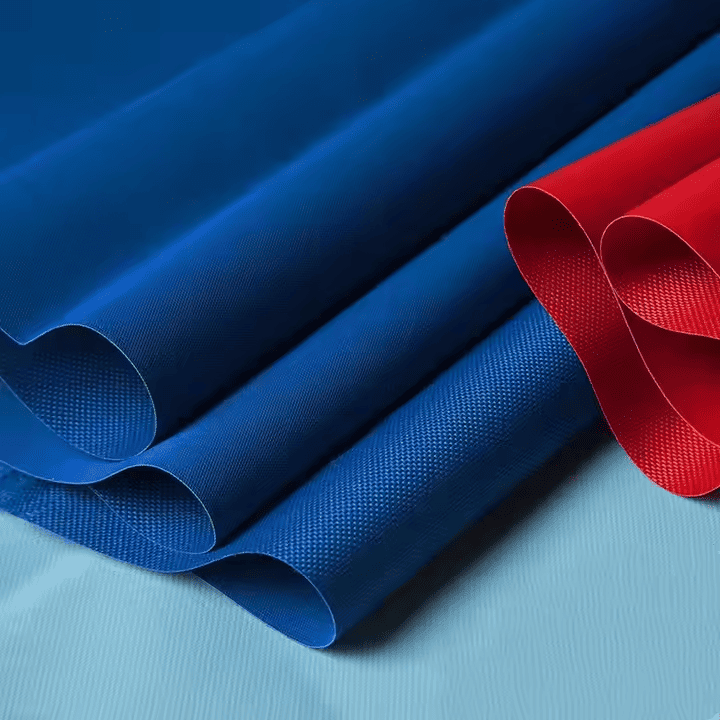
Workwear isn’t just a uniform—it’s a tool. It’s expected to endure stress, protect the wearer, adapt to weather, and maintain brand identity all at once. In a marketplace filled with synthetic blends, performance fabrics, and quick-fix coatings, canvas continues to rise as a trusted material for durable, customizable, and comfortable work clothing. Canvas fabric is the best choice for custom workwear because it combines high durability, structural integrity, breathability, and customization flexibility. Whether used for industrial jackets, utility trousers, or aprons, canvas outperforms many alternatives in wear resistance, comfort over long shifts, and long-term cost efficiency.
From farmers in Australia to machine operators in Germany, canvas garments are worn, washed, and worn again—proving their worth day after day. One logistics company in the UAE even replaced all synthetic uniforms with cotton canvas vests, reporting fewer replacements and better comfort in desert conditions. Let’s explore why canvas might just be the best-kept secret in workwear.
What Makes Canvas Fabric Suitable for Heavy-Duty Workwear Applications?
Canvas is naturally engineered to perform under pressure. Its tightly woven construction, high GSM, and ability to hold structure make it ideal for jobs that demand both movement and resistance—especially in environments where uniforms double as personal protective gear. Canvas is ideal for heavy-duty workwear because of its dense weave, abrasion resistance, and structural strength. It performs well in rugged environments, supports reinforced stitching, and offers a protective layer without the stiffness or discomfort of synthetic shells.
Why Canvas Performs Under Pressure
A. GSM and Density Strength
| Canvas Weight | GSM Range | Application Example |
|---|---|---|
| Lightweight (8–10oz) | 270–340 | Service vests, aprons |
| Midweight (12oz) | 360–420 | Jackets, overalls |
| Heavyweight (14–16oz) | 450–540 | Tool belts, industrial pants |
Higher GSM canvas translates into stronger resistance against tears, punctures, and everyday abrasion. For construction or agricultural jobs, 14oz+ canvas ensures lasting wear.
B. Abrasion & Tear Resistance
Canvas ranks high on the Martindale and Wyzenbeek abrasion tests:
- Martindale: 25,000–40,000 cycles
- Tear Strength: 45–60N (warp/weft)
These figures make canvas suitable for mechanics, welders, and field workers who regularly kneel, bend, or lean against equipment.
C. Seam Strength & Reinforcement Compatibility
The tight weave allows:
- Double/triple needle stitching
- Bar-tack reinforcement
- Stress point binding
D. Heat Resistance
Unlike synthetic fibers, cotton-based canvas won’t melt under high heat, making it safer around sparks, welders, and machines.
Real-World Example: A tool manufacturer in Germany replaced their polyester shop coats with 12oz canvas garments. After six months, garment longevity increased by 28%, and feedback from staff highlighted “cooler feel” and “more breathable movement.”
How Does Canvas Compare to Other Fabrics Like Denim or Twill for Work Uniforms?
Denim, twill, and canvas are often used interchangeably in industrial apparel, but their performance profiles differ. Comparing them across key performance metrics shows where canvas shines—and where it offers added value. Canvas outperforms denim and twill in structure retention, multi-directional wear resistance, and breathability. While denim is durable and twill drapes well, canvas strikes the best balance for rugged, customizable workwear that needs to endure repeated use and maintain its silhouette.
Fabric Comparison by Key Attributes
A. Structural Comparison
| Fabric | Structure Holding | Wrinkle Resistance | Drape |
|---|---|---|---|
| Canvas | High | Moderate | Firm |
| Denim | Medium-High | Low | Stiff |
| Twill | Medium | High | Soft |
Canvas holds its shape best—ideal for cargo pockets, utility aprons, and jackets that need form stability.
B. Breathability and Heat Performance
| Metric | Canvas | Denim | Twill |
|---|---|---|---|
| Air Permeability | High | Moderate | Moderate |
| Heat Retention | Moderate | High | Low–Moderate |
| Best For | Hot climates | Mild to cold | Indoor uniforms |
Canvas is often chosen for tropical or warm industrial environments where workers must stay cool while protected.
C. Customization & Branding
Canvas is more flexible than denim in:
- Embroidery
- Patchwork
- Screen or direct-to-garment printing
Twill is softer but less rugged; denim looks premium but resists customization due to surface stiffness.
D. Shrinkage & Maintenance
| Fabric | Shrinkage (Unwashed) | Machine Wash Safe | Maintenance Level |
|---|---|---|---|
| Canvas | 2–3% (preshrunk) | Yes | Low |
| Denim | 5–8% | Yes | Medium |
| Twill | 2–3% | Yes | Low |
Canvas holds up well when pre-shrunk and is easier to iron and shape after washes.
Case Study: A South African mining company tested denim, canvas, and polycotton twill for field uniforms. Canvas outlasted the others in sand abrasion by 3:1 and provided better airflow. Workers preferred it due to reduced skin irritation and “less cling in sweaty areas.”
Which Canvas Weights and Blends Are Best for Different Workwear Categories?
Not all canvas is created equal. The weight (GSM) and fiber composition can significantly affect the garment’s performance, comfort, and longevity. Matching the right type of canvas to the intended use is essential for achieving the perfect balance between strength, movement, and breathability in workwear. Heavyweight canvas (14–16oz) is best for high-impact, tool-heavy industries, while midweight (10–12oz) works well for general-purpose jackets and overalls. Blended canvas—often cotton-polyester—offers improved shape retention and moisture control, making it suitable for year-round uniforms.
Matching Canvas to Industry Demands
A. Canvas Weight Guide by Application
| Canvas Weight | GSM Range | Best Use Cases |
|---|---|---|
| 8–10 oz | 270–340 | Aprons, light vests, indoor uniforms |
| 10–12 oz | 340–420 | Jackets, overalls, painter’s pants |
| 14–16 oz | 450–540 | Tool belts, mechanic trousers, cargo outerwear |
Lightweight canvas provides flexibility and comfort, ideal for non-hazard environments. Heavy canvas handles repeated physical friction, tool carriage, and outdoor wear-and-tear.
B. Fabric Blend Considerations
| Composition | Benefits | Example Use |
|---|---|---|
| 100% Cotton Canvas | Breathable, natural, easy to dye | Heat-intensive jobs, environmentally focused brands |
| 65% Cotton / 35% Polyester | Enhanced durability, less shrinkage, color retention | Industrial and transportation uniforms |
| Hemp/Cotton Canvas | Eco-friendly, strong, breathable | Sustainable workwear for eco brands |
C. Work Environment Matching Table
| Job Role | Canvas Weight & Blend Recommendation |
|---|---|
| Warehouse Staff | 10oz–12oz, cotton/poly blend for balance |
| Electricians | 12oz 100% cotton for breathability + insulation safety |
| Welders/Mechanics | 14oz cotton canvas with FR finish |
| Hospitality/Cleaning | 8oz lightweight canvas for ease of movement |
| Construction Crew | 16oz reinforced cotton canvas |
D. Regional Climate and Fabric Choice
| Climate | Recommended Fabric Choice |
|---|---|
| Hot & Dry | 100% cotton midweight (10–12oz) |
| Humid/Subtropical | Cotton/poly blend with anti-mildew finish |
| Cold & Windy | Heavyweight canvas layered or brushed on interior |
Case Insight: An American utility company in Texas transitioned from 65/35 twill to 12oz cotton canvas for their field uniforms. Despite higher unit cost, staff praised the canvas for its breathability and “non-sweaty” feel, and the company saw a 43% drop in summer heat complaints.
Is Canvas Fabric Comfortable Enough for All-Day Industrial or Outdoor Use?
Durability often comes at the expense of comfort. However, canvas has the unique ability to soften over time while maintaining its strength. When treated and cut correctly, it becomes a comfortable material even for physically demanding jobs. Yes, canvas can be highly comfortable for all-day wear—especially when pre-washed, softened, or blended with stretch fibers. Its natural breathability, shape retention, and ability to mold to the body over time make it ideal for outdoor and industrial apparel that’s worn for long shifts.
The Comfort Science Behind Canvas
A. Fabric Breathability
Unlike synthetics, cotton-based canvas allows airflow and wicks moisture slowly but naturally. This helps:
- Regulate body temperature
- Reduce sweat buildup
- Prevent rashes from trapped moisture
B. Hand Feel and Break-In
Canvas softens with wear. Pre-washing or stone-washing treatments can accelerate this, providing a more flexible feel right out of the box.
| Treatment Type | Comfort Outcome |
|---|---|
| Enzyme Wash | Softer hand feel, reduced surface roughness |
| Silicone Finish | Smoother surface, anti-static effect |
| Brushed Canvas | Fleece-like interior, warmer for cold weather |
C. Stretch and Ergonomic Movement
Canvas can be woven with elastane (1–3%) for stretch garments:
- Easier kneeling, crouching
- Less resistance at joints
- Better fit across body types
D. Odor and Skin-Friendliness
100% cotton canvas is hypoallergenic and resistant to odor retention. Ideal for industries where workers wear the same set for multiple days (e.g., farming, transport, repair work).
E. Weight Distribution & Garment Design
Well-structured canvas uniforms distribute their own weight across the body rather than clumping at the hem or shoulders. This makes carrying tools or bending easier over time.
Human Insight: A Japanese gardening supply brand issued 10oz enzyme-washed canvas pants for its staff. Employees noted less “stickiness” during humid days and preferred the slightly structured cut that didn’t cling to their skin while working in greenhouses.
How Can Canvas Be Customized for Branded or Specialized Workwear Needs?
Custom workwear isn’t just about protection—it’s a powerful tool for brand visibility and team unity. Canvas, with its surface texture, natural density, and printing compatibility, is especially suited for customization at both visual and functional levels. Canvas is highly customizable for branded workwear through embroidery, screen printing, digital printing, and patch application. Its tight weave ensures logo durability, while its structural integrity supports uniform features like multi-compartment pockets, tool loops, and reinforced elbows.
Canvas Customization in Professional Garments
A. Branding Techniques on Canvas
| Method | Canvas Compatibility | Best For |
|---|---|---|
| Screen Printing | Excellent | Large logos, bold color areas |
| Embroidery | Excellent | Small logos, chest patches |
| Heat Transfer Vinyl | Good | Multi-color, reflective details |
| Digital Printing | Moderate (pre-treated) | Detailed graphics on light canvas |
Canvas holds ink well and resists print bleed, even after multiple washes. For high-visibility workwear, heat transfer vinyl on colored canvas offers bold contrast.
B. Functional Add-ons for Specialized Use
Canvas is robust enough to handle:
- Reinforced knee patches
- Hammer loops and D-ring tabs
- Tool holsters and badge holders
- Reflective taping for safety compliance
C. Custom Color Dyeing and Pantone Matching
SzoneierFabrics supports small-batch dyeing for:
- Brand-specific Pantone shades
- Garment pre-dyed canvas rolls
- Garment-dyed techniques for vintage effects
D. Garment Pattern Compatibility
Canvas performs well in:
- Multi-panel constructions (jackets, cargo pants)
- Gusseted inserts for movement
- 3D pocket builds for electricians and field workers
Real-World Example: A French vineyard issued burgundy-colored canvas aprons with printed logos and phone-sized chest pockets. Staff appreciated the durability, while the branding subtly reinforced the premium, earthy identity of the wine label.
What Treatments or Coatings Improve Canvas for Weather-Resistant Work Apparel?
Standard canvas is absorbent, which is ideal for breathability—but less so for moisture-heavy or exposed environments. Luckily, canvas can be finished or coated for water resistance, stain prevention, and weather durability—making it a flexible solution for outdoor workwear. Waxed finishes, PU coatings, and water-repellent treatments can make canvas highly resistant to rain, mud, and UV degradation—without sacrificing breathability or structure. These upgrades help canvas uniforms perform reliably in fields such as construction, delivery, agriculture, and offshore work.
Enhancing Canvas for Outdoor Performance
A. Waterproofing Options
| Finish Type | Performance Benefit | Visual Effect |
|---|---|---|
| Waxed Canvas | Repels water, adds vintage appeal | Matte, textured |
| PU Coated Canvas | High water resistance, easier to clean | Slight gloss |
| Acrylic Coating | Moderate water and UV resistance | Slightly stiff hand |
| DWR (Durable Water Repellent) | Light rain protection | No change in feel |
SzoneierFabrics offers both interior and exterior finishes, depending on garment design and water exposure levels.
B. UV Protection & Color Retention
Canvas treated with UV absorbers can:
- Extend fade resistance by 2–3x
- Prevent weakening of fibers under sunlight
- Maintain sharp branding colors longer
Ideal for roadside workers, port crews, and field laborers exposed to high UV.
C. Flame Retardancy & Anti-Mildew Coatings
| Feature | Compliance Standards | Applications |
|---|---|---|
| Flame Retardant Finish | NFPA 701, EN 11612, ISO 14116 | Welders, refinery staff, factory crews |
| Anti-Mildew Treatment | ASTM G21 | Tropics, agriculture, marine |
D. Dirt, Oil, and Chemical Resistance
Nano-coatings like Teflon or silicone repel:
- Oil stains
- Grease
- Cleaning chemicals
These options are common for mechanic uniforms, kitchen aprons, and industrial laundry situations.
Case Study: A UAE-based logistics company adopted PU-coated canvas jackets with reflective print for desert drivers. The company reported significantly less sun bleaching and zero reported mold issues during the rainy season. Replacements were reduced by over 60% year-over-year.
Do Canvas Uniforms Offer Better Durability and ROI in Long-Term Use?
In workwear, upfront savings don’t always equal long-term value. The real metric is total lifecycle cost—how long a garment lasts, how often it needs replacing, and how well it performs before degrading. Canvas has proven itself as a smart investment in this regard. Yes, canvas uniforms offer better long-term durability and ROI by withstanding wear-and-tear longer, requiring fewer replacements, and maintaining shape and branding integrity across washes. Though slightly more expensive upfront, canvas reduces overall garment turnover rates.
Measuring ROI of Canvas Workwear
A. Cost-Per-Wear Calculation
| Fabric Type | Avg. Lifespan (Washes) | Avg. Cost per Piece | Cost Per Wear |
|---|---|---|---|
| Canvas (12oz) | 60–100 | \$18–25 | \~\$0.25–0.30 |
| Polyester Blend | 40–60 | \$12–18 | \~\$0.30–0.45 |
| Twill (Lightweight) | 30–45 | \$10–14 | \~\$0.33–0.47 |
Canvas offers the lowest cost-per-wear ratio when durability is factored in—even when priced slightly higher at the outset.
B. Deformation and Fade Resistance
Canvas holds its shape across months of daily wear, especially with:
- Pre-shrinking treatments
- Fade-resistant dyeing
- Reinforced stitching
Fewer complaints of sagging or misshapen garments help maintain professional appearance.
C. Lower Replacement Rates
Companies using canvas workwear typically experience:
- 30–60% fewer annual replacements
- 2x longer usage cycles in outdoor and manual labor roles
D. Maintenance Savings
Canvas is:
- Easy to machine wash
- Less prone to static
- Less dependent on dry cleaning or complex stain removal
Real-World Example: A logistics provider in Mexico tracked two years of uniform use across polyester and canvas crews. Canvas-based workwear reduced annual garment spending by 38%, with better employee satisfaction scores and brand consistency in field photos.
How Can You Source High-Quality Canvas Fabric for Custom Workwear Manufacturing?
Sourcing canvas isn’t just about finding rolls of fabric—it’s about choosing the right weave, weight, finish, and certification for your specific application. Reliable suppliers should offer flexibility, testing, customization, and production transparency to bring your workwear concepts to life. To source high-quality canvas for workwear, look for suppliers offering verified performance specs, low MOQ options, certified finishes (like FR or waterproofing), and full support for sampling, color matching, and bulk manufacturing. A capable canvas supplier bridges technical and creative needs.
Building a Smart Sourcing Strategy
A. What to Look for in a Canvas Supplier
| Evaluation Criteria | Why It Matters |
|---|---|
| GSM & Weight Range | Fit different garments (light aprons to cargo pants) |
| Finishing Options | Customize weather resistance, printability, hand-feel |
| Fabric Testing | Ensure durability, colorfastness, shrinkage control |
| Certifications | NFPA, OEKO-TEX, GOTS, ISO-compliant finishes |
| MOQ Flexibility | Ideal for seasonal or branded uniform runs |
| Sampling Turnaround | Speed to market, design approval |
B. Recommended Production Workflow
- Define Use Case – Choose GSM, color, coatings based on job roles.
- Request Sample Swatches – Verify structure, softness, performance.
- Confirm Lab Tests – Abrasion, colorfastness, shrinkage, if needed.
- Lock in Branding Elements – Embroidery zones, reflective tape, labels.
- Approve Bulk Production – After final prototype or pre-production sample.
C. Why Choose SzoneierFabrics
SzoneierFabrics specializes in workwear-grade canvas manufacturing with:
- GSM ranges from 8oz to 16oz
- Custom finishes: FR, waterproof, anti-mildew, waxed, PU-coated
- GOTS, OEKO-TEX, REACH certifications
- Free swatches, low MOQ, and design guidance
- Sampling in 7 days, bulk lead time of 20–25 days
- Strict QC, lot tracking, and multi-language support
D. Global Use Case Versatility
Whether it’s 1000 pieces for a local logistics firm or a 500-yard test run for a national construction brand, SzoneierFabrics can deliver performance-grade canvas tailored to regional climate and garment use.
Canvas Isn’t Just a Fabric—It’s a Workwear Investment
Workwear is more than a uniform—it’s the physical extension of a job. It protects, identifies, and empowers the wearer. Canvas material continues to lead the way in providing the balance of comfort, durability, customization, and ROI that work-focused garments demand.
From ultra-durable tool aprons to breathable all-season jackets, canvas delivers results that outperform many alternatives—and elevates your brand presence in the process.
Ready to Customize Canvas Workwear for Your Team?
SzoneierFabrics makes it easy to get started:
- ✅ Choose from a wide range of certified canvas fabrics
- ✅ Free samples, expert design consultation, and fast turnarounds
- ✅ Low MOQ, high performance, full customization
- ✅ Serving brands and businesses in logistics, construction, agriculture, hospitality, and more
Contact SzoneierFabrics today to request a quote, receive fabric swatches, or start developing your own high-performance workwear line with confidence.
canvas fabric for workwear, custom canvas uniforms, best fabric for workwear, heavy duty canvas fabric, canvas vs denim for workwear, canvas work pants material, flame retardant canvas fabric, waterproof canvas for jackets, canvas fabric for industrial apparel, cotton canvas for uniforms, canvas material for outdoor clothing, canvas fabric for utility wear, workwear canvas fabric supplier, abrasion resistant canvas fabric, breathable workwear material, high gsm canvas fabric, custom branded workwear fabric, durable canvas fabric for overalls, canvas for welding jackets, canvas vs twill work clothes, fabric for construction uniforms, coated canvas for workwear, waxed canvas uniform fabric, oeko tex canvas fabric, sustainable workwear fabric, canvas fabric for mechanic uniforms, printed canvas for uniforms, industrial grade canvas material, sourcing canvas for workwear, stretch canvas for ergonomic clothing,

Can't find the answers?
No worries, please contact us and we will answer all the questions you have during the whole process of bag customization.
Make A Sample First?
If you have your own artwork, logo design files, or just an idea,please provide details about your project requirements, including preferred fabric, color, and customization options,we’re excited to assist you in bringing your bespoke bag designs to life through our sample production process.