 Skip to content
Clear Bags for Workplace Safety Compliance
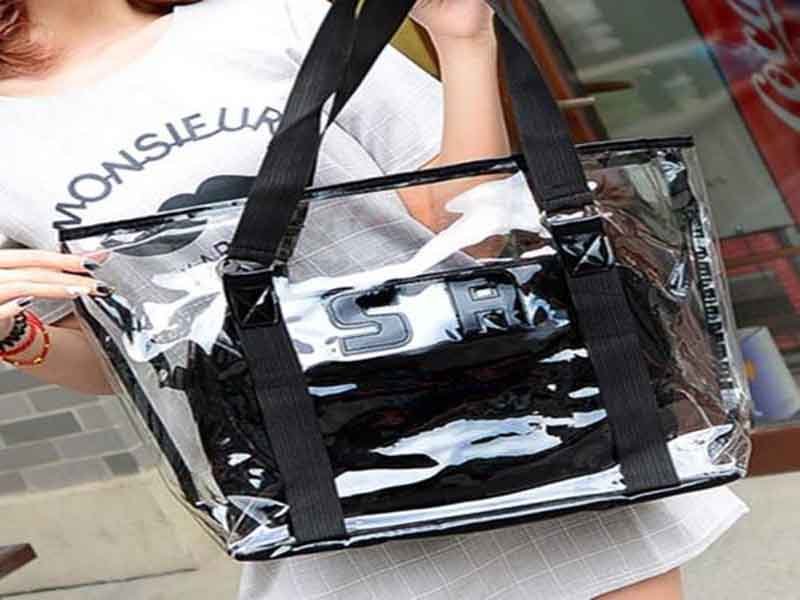
A workplace clear bag may look like a small operational detail, but in many facilities it quietly solves a very real problem: how can people carry daily essentials without slowing down inspections, creating privacy disputes, or increasing risk in controlled areas? In factories, warehouses, healthcare facilities, schools, logistics centers, stadium operations, laboratories, correctional environments, and secure offices, personal bags are not just personal bags. They can affect safety, theft prevention, hygiene control, inventory protection, visitor screening, and access management.
Clear bags for workplace safety compliance are transparent bags made from clear PVC, vinyl, TPU, or similar see-through materials that allow security teams, supervisors, and facility managers to inspect contents quickly without opening every compartment. They are commonly used in workplaces where visibility, access control, loss prevention, restricted-area management, and fast entry screening matter. A good clear work bag should be transparent, durable, easy to clean, comfortable to carry, properly sized, and designed with limited opaque areas so it supports inspection instead of creating new blind spots.
It is important to understand one thing from the beginning: clear bags are usually part of a company’s internal safety or security policy, not a universal legal requirement by themselves. OSHA’s public mission focuses on assuring safe and healthful working conditions by setting and enforcing standards and providing training, outreach, education, and assistance; workplace clear bag policies are typically employer-level procedures that may support broader safety, security, or operational goals rather than a single OSHA “clear bag rule.” CISA’s public venue screening guidance also reflects the wider security logic behind controlled inspection: screening processes should be planned, staffed, equipped, and implemented to reduce risks at entry points, even though each facility must adapt procedures to its own environment.
Imagine a distribution center at shift change. Hundreds of workers leave within 20 minutes. Some carry lunch bags, personal backpacks, tool pouches, jackets, gloves, chargers, cosmetics, and small personal items. Security wants speed. Workers want respect. Management wants fewer shrinkage incidents and fewer arguments at the door. A clear bag policy will not solve every problem, but a well-designed clear bag can remove a lot of friction. That is where product design, material selection, privacy balance, and custom manufacturing become surprisingly important.
1. What Are Workplace Clear Bags?
Workplace clear bags are transparent carrying bags used in jobsites, factories, warehouses, schools, hospitals, public venues, laboratories, secure facilities, and restricted work areas to make contents easier to view during entry, exit, or internal movement. They are usually made from clear PVC, clear vinyl, TPU film, or similar transparent material, often with fabric trim, webbing handles, zippers, labels, and reinforced seams. Companies use them to support workplace security, safety checks, inventory protection, hygiene management, and faster bag inspection procedures.
For a company, the value of a clear work bag is not only transparency. The real value is predictability. When every employee, contractor, visitor, or temporary worker uses a similar clear bag format, security checks become faster and less personal. Supervisors do not need to ask someone to empty a dark backpack every day. Staff can see whether the bag contains approved items. Workers still have a way to carry lunch, phone, wallet, medicine, keys, gloves, or work essentials. The clear bag becomes a small bridge between operational control and human convenience.
What Is a Clear Work Bag?
A clear work bag is a see-through bag designed for workplace environments where contents may need to be visually checked. It can be a clear tote, clear backpack, clear lunch bag, clear crossbody bag, clear pouch, clear tool pouch, clear drawstring bag, or clear zip bag. The main storage area should be transparent enough to allow quick viewing, while trims and straps can be made from polyester, nylon, Oxford fabric, PVC binding, or webbing.
Unlike concert or stadium clear bags, workplace clear bags often need to handle repeated daily use. An employee may use the same bag five days a week. That means durability matters more. The bag must survive lockers, break rooms, security checkpoints, commute friction, dust, water splashes, warehouse floors, shift changes, and rough handling. A one-time event bag and a daily workplace bag should not be built with the same quality assumptions.
| Clear Work Bag Type | Common Workplace Use | Main Advantage | Main Design Risk |
|---|---|---|---|
| Clear tote bag | Warehouses, factories, offices, schools | Easy to inspect and simple to carry | Open top may expose items |
| Clear backpack | Schools, staff teams, larger facilities | Comfortable for daily use | More compartments may slow checks |
| Clear lunch bag | Factories, healthcare, warehouses | Separates food from personal items | Insulation can reduce visibility |
| Clear crossbody bag | Front desk, light-duty staff, visitors | Compact and hands-free | Too small for full shift use |
| Clear pouch | Tools, cosmetics, small items, lockers | Low cost and easy sorting | Limited capacity |
| Clear tool pouch | Maintenance, production, inspection teams | Helps organize small work items | Must match task safety rules |
The best clear work bag is not automatically the most transparent or the cheapest. It is the one that fits the facility’s policy, worker routine, and durability requirement. A hospital visitor clear pouch, a warehouse employee clear tote, and a factory tool-clearance pouch all need different design logic.
Why Do Workplaces Use Clear Bags?
Workplaces use clear bags to improve visibility, reduce inspection time, support loss prevention, manage restricted items, and create a more consistent security process. In industries where small products, tools, medicine, electronics, parts, confidential documents, or controlled materials move through a facility, opaque personal bags can create inspection friction. A clear bag makes it easier to see what is inside without forcing every worker into an uncomfortable daily search.
Clear bags are also used to reduce misunderstandings. If a company allows personal bags but requires them to be clear, the policy becomes easier to communicate: employees can bring approved personal items, but contents must remain visible. This is often less strict than banning bags completely and less invasive than repeated manual searches.
| Workplace Goal | How Clear Bags Help | Product Design Response |
|---|---|---|
| Faster entry and exit | Contents can be viewed quickly | Transparent body, simple structure |
| Loss prevention | Reduces hidden storage space | Avoid opaque pockets and bulky panels |
| Restricted-area control | Helps identify unauthorized items | Clear compartments and visible layout |
| Worker convenience | Employees can still carry essentials | Comfortable size and straps |
| Policy consistency | Less subjective inspection | Standardized bag type and size |
| Hygiene control | Easy-to-wipe surfaces | PVC or TPU body, smooth seams |
There is also a management benefit. When a clear bag policy is paired with clear communication, respectful enforcement, and practical product design, it can reduce daily conflict. Employees are more likely to accept the policy when the bag is comfortable, durable, and large enough for normal needs.
Are Clear Bags Required by Law?
Clear bags are generally not required by one universal workplace law. They are usually implemented as company policies, facility security rules, school policies, venue procedures, or site-specific access-control requirements. OSHA’s role is broader workplace safety and health oversight rather than issuing a general rule that every workplace must use clear bags. OSHA’s stated function includes setting and enforcing standards and providing training and assistance to support safe and healthful working conditions.
That distinction matters. A company should not describe clear bags as “legally required” unless a specific regulation, contract, facility rule, union agreement, client requirement, or government policy applies. More accurate wording is: “clear bags may support workplace safety, security checks, and loss prevention procedures.” This is more trustworthy and avoids overclaiming.
| Policy Source | Clear Bag Requirement Likelihood | Example Context |
|---|---|---|
| Company security policy | High in controlled facilities | Warehouse, factory, distribution center |
| Facility access rule | Medium to high | Stadium operations, school campus, lab |
| Client contract | Medium | Third-party logistics or production sites |
| Industry regulation | Varies | Healthcare, pharmaceuticals, controlled materials |
| OSHA rule | Usually not a clear-bag-specific rule | Broader safety and health standards |
| Local law | Varies by region and facility | Public institutions or correctional settings |
A smart company should document why clear bags are being used. Is the goal theft prevention? Restricted-item control? Faster screening? Hygiene? Visitor management? Once the purpose is clear, the product design becomes easier.
Which Industries Use Clear Bags?
Clear bags are used across many industries where visibility, inspection, safety, or loss prevention matters. Common users include manufacturing plants, warehouses, logistics centers, retail distribution centers, hospitals, schools, stadium operations, event venues, food processing facilities, pharmaceutical facilities, laboratories, correctional environments, government buildings, airports, and secure offices.
Different industries need different clear bag features. A warehouse may want large clear totes for shift workers. A healthcare facility may want clear pouches that can be wiped clean. A school may need clear backpacks with reinforced straps. A pharmaceutical site may need strict size and pocket control. A stadium operations team may need clear staff bags for event-day access. A food facility may need smooth surfaces that are easy to sanitize.
| Industry | Common Clear Bag Type | Main Reason for Use | Key Design Need |
|---|---|---|---|
| Manufacturing | Clear tote, clear pouch | Tool and personal item visibility | Durable seams and wipe-clean material |
| Warehousing | Clear tote, clear backpack | Entry/exit checks, loss prevention | Strong handles and larger capacity |
| Healthcare | Clear pouch, clear tote | Hygiene and restricted-area control | Easy cleaning and smooth edges |
| Schools | Clear backpack, clear tote | Campus safety and policy consistency | Reinforced straps |
| Logistics | Clear tote, clear lunch bag | Faster shift change checks | Practical size and low odor |
| Food processing | Clear pouch, clear tote | Hygiene and controlled access | Washable surface |
| Laboratories | Clear pouch, clear zip bag | Restricted materials and visibility | Chemical-aware material selection |
| Venues | Clear staff bags | Access control | Standardized size and labeling |
For Szoneier, this industry diversity creates strong custom production opportunities. A clear bag for a warehouse does not need to look like a clear bag for a hospital. A school clear backpack does not need the same structure as a factory employee tote. Custom material, trim, logo, size, zipper, labeling, and packaging can be adjusted according to the work environment.
The most important question is not “Should every workplace use clear bags?” The better question is “What problem is the clear bag supposed to solve?” Clear bags can support safety and security, but they can also create employee concerns if policies are poorly explained. People may worry about privacy, fairness, personal dignity, or whether the policy treats them like suspects. A good clear bag program should address these concerns directly.
| Workplace Concern | Clear Bag Advantage | Human Concern | Better Policy/Product Response |
|---|---|---|---|
| Theft prevention | Reduces hidden storage | Workers may feel distrusted | Explain policy purpose clearly |
| Fast inspection | Speeds entry and exit | Personal items become visible | Allow small privacy pouch if policy permits |
| Restricted items | Easier visual control | Rules may feel strict | Provide approved item list |
| Visitor management | Easier screening | Visitors may not know rules | Provide spare clear pouches |
| Hygiene | Easy-to-clean surfaces | Bag may feel less personal | Offer practical, comfortable designs |
For product development, the privacy issue should not be ignored. Workers may carry medicine, hygiene products, religious items, medical devices, or personal documents. A fully transparent bag can feel uncomfortable. A balanced solution may include a small approved opaque privacy pouch, clearly defined size limits, or separate handling rules for medical items. The company policy should decide what is allowed, and the bag should be designed to support that policy.
| Design Approach | Best For | Strength | Limitation |
|---|---|---|---|
| Fully transparent bag | Strict security areas | Highest visibility | Lowest privacy |
| Clear bag with small pouch | General workplaces | Balances visibility and dignity | Needs policy approval |
| Clear tote with zipper | Warehouses and factories | Practical and secure | More cost than open tote |
| Clear backpack | Schools and daily-use staff | Comfortable | More complex inspection |
| Clear pouch system | Tools and small items | Organized and visible | Limited capacity |
Clear workplace bags work best when companies combine product design with thoughtful rules. The bag itself is only one piece of the safety system.
How Do Clear Bags Support Safety?
Clear bags support workplace safety by making contents more visible, reducing inspection friction, helping control restricted items, speeding up entry and exit checks, and supporting consistent access-control procedures. They can also help reduce theft risk in facilities that handle small, high-value products or controlled materials. However, clear bags are not a complete safety system by themselves. They work best when combined with written policies, access control, employee training, respectful inspection procedures, and clear communication.
CISA guidance for venue security screening emphasizes that screening procedures should be planned and supported with appropriate personnel, equipment, and access-point control, which reflects a larger principle that also applies to workplaces: visibility and process design both matter. A clear bag helps because it turns a slow, personal, inconsistent inspection into a faster visual check. But the policy behind it must still be fair, consistent, and properly explained.
How Do Clear Bags Improve Visibility?
Clear bags improve visibility by allowing security staff, supervisors, or access-control teams to view the contents without opening the bag fully. This can reduce the need for hand searches, speed up checkpoints, and make restricted-item screening more predictable. In a workplace with many employees moving in and out at shift change, visibility can save time and reduce stress for both staff and inspectors.
A transparent bag also reduces hidden storage zones. Opaque backpacks, dark lunch bags, and multi-pocket bags can hide small items easily. Clear bags reduce that concern because the main storage area is visible from outside. However, visibility can be weakened by oversized logos, dark tinted material, opaque pockets, thick insulation, or too many compartments.
| Visibility Feature | Safety Benefit | Design Warning |
|---|---|---|
| Clear front and back panels | Fast visual inspection | Avoid large opaque logos |
| Clear side panels | Easier depth viewing | Do not use full opaque side trim |
| Simple main compartment | Less hidden space | Avoid too many internal sections |
| Light-colored trim | Easier content contrast | Trim should not cover body |
| Transparent pockets | Better organization with visibility | Keep pocket structure simple |
| Low-tint material | Better inspection clarity | Dark smoke film may reduce visibility |
The goal is not to expose every personal detail in an uncomfortable way. The goal is to make the bag’s general contents visible enough for workplace policy. This is why some facilities pair clear bags with small approved privacy pouches. That balance can improve employee acceptance.
Do Clear Bags Reduce Theft Risk?
Clear bags can help reduce theft risk by making it harder to hide unauthorized items in personal bags. This is especially relevant in workplaces handling small valuable goods, electronics, cosmetics, jewelry, medical products, tools, parts, food products, or branded merchandise. When bag contents are visible, the chance of unnoticed removal may decrease, and the inspection process becomes less invasive.
But clear bags do not eliminate theft by themselves. Theft prevention also depends on inventory control, access permissions, locker policies, camera placement, supervisor training, employee trust, exit procedures, and fair enforcement. A clear bag can be a useful layer, not the whole wall.
| Theft Risk Scenario | Clear Bag Benefit | Additional Control Needed |
|---|---|---|
| Small retail goods | Easier to see hidden items | Inventory tracking |
| Electronics parts | Less concealment space | Restricted zones |
| Tools leaving facility | Faster visual review | Tool checkout process |
| Medical supplies | Better bag visibility | Controlled storage |
| Warehouse picking areas | Less opaque carrying space | Access control and cameras |
| Sample rooms | Easier exit checks | Sign-out records |
A good policy avoids sending the wrong message. If clear bags are introduced only as a theft-prevention tool, employees may feel targeted. If the policy is positioned as part of site safety, restricted-area management, and faster checks, acceptance may improve. The bag design also matters: workers are more likely to use a clear bag willingly if it is comfortable, durable, and not embarrassing.
Can Clear Bags Speed Security Checks?
Yes, clear bags can speed security checks because inspectors can see contents quickly without asking every person to unzip multiple compartments. In workplaces with shift changes, visitor entry, contractor access, or restricted-area exits, this can reduce bottlenecks. A clear bag policy also makes inspection more consistent because everyone follows a similar format.
Speed matters more than many managers realize. If 300 employees leave a facility at the same time and each bag check takes only 15 seconds longer than necessary, the delay becomes real. Even a small improvement in inspection time can reduce frustration and overtime pressure.
| Inspection Method | Approximate User Experience | Operational Impact |
|---|---|---|
| No bag policy | Fast but inconvenient | Workers may lack storage |
| Opaque bags with manual checks | Slow and personal | More friction at exits |
| Clear bags with visual checks | Faster and more consistent | Better flow |
| Clear bags plus random checks | Balanced control | Requires clear policy |
| Lockers only | Strong control | Less flexible for workers |
Clear bag design can support faster checks. A simple rectangular tote is easier to inspect than a complex backpack with many compartments. A zipper top helps keep items secure but should open smoothly if needed. Transparent pockets are better than opaque pockets. Labels can identify department, role, or visitor type if the workplace uses access categories.
Are Clear Bags Good for Restricted Areas?
Clear bags can be useful for restricted areas because they make personal items easier to monitor and reduce the chance of unauthorized materials entering or leaving. They may be used in clean zones, production floors, fulfillment areas, labs, medical storage areas, event operations, security checkpoints, or facilities handling controlled items.
However, not every restricted area should use the same bag. Some areas may require no bags at all. Some may allow only small clear pouches. Some may allow clear totes but not backpacks. Some may need antistatic materials, chemical-resistant materials, cleanable surfaces, or color-coded access labels. The workplace risk assessment should guide the bag design.
| Restricted Area Type | Clear Bag Use | Design Recommendation |
|---|---|---|
| Warehouse picking zone | Employee personal items | Clear tote with zipper |
| Food production zone | Limited approved items | Smooth clear pouch, easy cleaning |
| Healthcare storage | Staff essentials | Clear pouch or compact tote |
| Lab area | Controlled items | Special material review needed |
| Event operations | Staff access bag | Clear staff bag with ID label |
| School campus | Student belongings | Clear backpack with reinforced straps |
| High-security site | May restrict bags completely | Policy comes first |
Clear bags are most useful in areas where some personal carry is allowed but visibility is required. If the site is extremely sensitive, clear bags may not be enough. In that case, lockers, controlled issue tools, entry logs, and no-bag rules may be more suitable.
Clear bags support safety best when companies see them as one layer in a broader safety and security system. A weak policy with good bags will still create confusion. A good policy with uncomfortable bags will create employee resistance. A strong program needs both: fair procedures and practical products.
| Safety Layer | Role | How Clear Bags Fit |
|---|---|---|
| Access control | Controls who enters | Clear bags support visual item checks |
| Written policy | Defines allowed items | Bag design should match the policy |
| Employee training | Explains expectations | Helps reduce conflict |
| Supervisor consistency | Prevents unfair enforcement | Standard bag types help |
| Storage systems | Provides alternatives | Lockers reduce need for large bags |
| Inspection process | Checks compliance | Transparent bags speed review |
| Product quality | Supports daily use | Durable bags improve adoption |
A common mistake is introducing clear bags without explaining why. Workers may see the policy as surveillance instead of safety. Communication should be simple: what items are allowed, what items are not allowed, where bags can be used, how exceptions are handled, and what privacy options exist.
| Communication Point | Why It Matters |
|---|---|
| Purpose of policy | Reduces distrust |
| Approved bag types | Prevents confusion |
| Allowed personal items | Reduces checkpoint disputes |
| Privacy pouch rules | Protects dignity |
| Medical exception process | Supports fairness |
| Replacement bag process | Helps daily compliance |
| Cleaning and care guidance | Extends product life |
For Szoneier custom clear work bags, safety support can be built into the product through transparent material, controlled size, strong straps, zipper closures, department labels, color-coded trims, logo placement, and packaging. A clear bag should not feel like a punishment. When designed well, it becomes a practical daily tool that helps the workplace run with less friction.
Which Clear Bag Types Work Best?
The best clear bag type depends on the workplace environment, the items people need to carry, the inspection process, and how often the bag will be used. Clear tote bags are usually the most versatile choice for factories, warehouses, logistics centers, schools, and general employee use because they are easy to inspect and simple to manufacture. Clear backpacks work better when users need more capacity or hands-free comfort, but they require stronger seams and a simpler compartment layout. Clear crossbody bags are useful for light-duty staff, visitors, reception teams, and controlled-access areas where only small essentials are allowed. Clear pouches work best for tools, cosmetics, medical items, small electronics, PPE accessories, locker organization, and visitor kits.
A workplace clear bag should never be selected only by appearance. The real question is what problem it needs to solve. Does the facility need faster exit checks? Does the worker need to carry lunch and daily essentials? Does the school need a clear backpack policy? Does the production floor need small tool visibility? Does the hospital need easy-to-wipe pouches? Once the use case is clear, the bag type becomes much easier to choose.
What Clear Tote Bags Are Used For?
Clear tote bags are used for employee belongings, warehouse shift bags, factory personal items, school event bags, visitor kits, staff supplies, light PPE, lunch items, uniforms, and simple workplace carrying needs. They are popular because the rectangular shape is easy to inspect from the front, back, and side. A tote also has fewer hidden zones than a multi-pocket backpack, which makes it easier for security teams to check quickly.
For workplaces with shift changes, clear tote bags are often the safest first product. They are large enough to be useful but simple enough to inspect. A zipper-top clear tote can hold phone, wallet, keys, small pouch, gloves, lunch box, safety glasses, notebook, charger, and personal medicine. Open-top totes are cheaper, but zipper-top totes are usually better for daily use because they keep items from falling out during commuting or locker storage.
| Clear Tote Type | Best Workplace Use | Main Strength | Main Limitation |
|---|---|---|---|
| Open-top clear tote | Simple staff programs, giveaways | Low cost, easy inspection | Items may fall out |
| Zipper-top clear tote | Warehouses, factories, schools | Better security and daily use | Slightly higher cost |
| Reinforced clear tote | Logistics, production floors | Stronger handles and bottom | Higher material cost |
| Clear tote with color trim | Team or department identification | Easy visual grouping | Trim should not block visibility |
| Clear tote with small pouch | General employee use | Better privacy balance | Pouch rules must be defined |
For a factory or warehouse, the most practical clear tote size often sits between compact and oversized. Too small, and employees cannot carry normal essentials. Too large, and the bag may become harder to inspect or may encourage unnecessary items. A good working range for daily employee totes is often around 12–16 inches wide, depending on workplace policy and locker size. The final size should always match the company’s internal rules.
Which Clear Backpacks Fit Workplaces?
Clear backpacks fit workplaces where users need more carrying capacity or hands-free comfort. They are common in schools, campuses, staff programs, security teams, large facilities, and jobs where employees walk longer distances between entry points, lockers, break rooms, and work areas. A clear backpack can carry more than a tote, but it also introduces more design complexity.
The safest clear workplace backpack should have a transparent front, transparent back, transparent side panels, limited pockets, reinforced shoulder straps, strong zipper construction, and a clean internal layout. If the backpack has too many compartments, thick padded panels, opaque organizer sections, or hidden inner sleeves, it may weaken the purpose of visibility.
| Clear Backpack Feature | Why It Matters | Better Design Direction |
|---|---|---|
| Transparent main body | Supports visual inspection | Use clear PVC or TPU panels |
| Limited compartments | Reduces hidden storage | Keep layout simple |
| Reinforced straps | Supports daily carrying | Use wide webbing and strong stitching |
| Strong zipper | Handles repeated opening | Choose smooth zipper and reinforced ends |
| Clear side pockets | Holds bottle or small items visibly | Avoid opaque mesh if strict visibility is needed |
| Comfortable back structure | Improves daily use | Use minimal reinforcement if policy allows |
Clear backpacks are more comfortable than totes when users carry heavier items, but they must be built better. Shoulder strap attachment points take more stress than tote handles. The bottom corners also need reinforcement because the bag may be placed on floors, benches, lockers, buses, or warehouse shelves. For schools and daily-use staff programs, a low-cost thin clear backpack may create complaints quickly.
A clear backpack is best when the workplace values comfort and capacity enough to accept a slightly more complex inspection process. For strict restricted areas, a clear tote or pouch may still be easier to control.
Are Clear Crossbody Bags Practical?
Clear crossbody bags are practical for workplaces where users only need to carry small essentials. They are especially useful for reception teams, visitor programs, event staff, stadium workers, retail staff, security teams, temporary contractors, and controlled zones where large personal bags are not allowed. A crossbody design keeps the bag close to the body and leaves hands free, which can be helpful in busy work environments.
For workplace use, clear crossbody bags should be compact, lightweight, and easy to inspect. The strap should be adjustable because employees wear different uniforms, jackets, or safety vests. The bag should have a smooth zipper and minimal pockets. A front clear pocket can be useful for ID cards, access badges, small radios, or notepads, but opaque flaps should be avoided in strict security settings.
| Crossbody Use Case | Best Design | Why It Works |
|---|---|---|
| Visitor access | Small clear pouch with strap | Keeps belongings visible and controlled |
| Reception staff | Compact clear crossbody | Holds phone, pen, ID, keys |
| Event operations | Clear crossbody with badge area | Supports quick identification |
| Retail floor staff | Small clear bag | Reduces bulky personal storage |
| Security staff | Clear utility crossbody | Carries small tools visibly |
| Contractor access | Simple clear zip bag | Easier entry and exit check |
The main limitation is capacity. A clear crossbody bag will not replace a full employee tote or backpack. It works best when the company’s policy allows only small personal items in the work area. It is also a good option for visitor kits because the facility can issue a standardized clear bag at entry and collect it at exit if needed.
When Are Clear Pouches Better?
Clear pouches are better when the workplace needs small-item organization, quick inspection, low cost, and controlled carry. They are useful for tools, safety glasses, gloves, cosmetics, medicine, ID cards, cables, chargers, small electronics, sample items, quality inspection tools, first-aid accessories, and locker storage. A clear pouch can also be used inside a larger clear tote to keep items organized without creating hidden compartments.
In healthcare, food processing, laboratories, and clean work areas, clear pouches can be easier to wipe and store than larger bags. In factories, they can separate small tools or PPE accessories. In schools, they can hold stationery or personal items. In warehouses, they can help organize allowed employee items.
| Clear Pouch Type | Best Use | Main Advantage | Design Note |
|---|---|---|---|
| Flat zipper pouch | Documents, ID, small items | Low cost and simple | Good for visitor kits |
| Gusseted pouch | Cosmetics, medicine, chargers | More capacity | Keep transparent sides |
| Tool pouch | Small tools, PPE accessories | Organized and visible | Needs stronger seams |
| Wristlet pouch | Light personal carry | Easy to carry | Best for visitors |
| Multi-pouch set | Department kits, lockers | Better sorting | Label sizes clearly |
| Waterproof-style pouch | Wet or wipe-clean areas | Better moisture protection | Needs sealed design if required |
Clear pouches are not only accessories. They can be part of a workplace system. For example, a facility may use one clear tote for general employee belongings and one small clear pouch for approved items entering the production floor. That structure can reduce clutter and make rules easier to follow.
Choosing the right clear bag type requires looking beyond the product photo. A company should think about shift flow, inspection point layout, locker size, employee comfort, privacy, cleaning needs, replacement frequency, and policy enforcement. The cheapest bag may not be the most economical if it breaks often or frustrates workers. The largest bag may not be the most useful if it slows inspection. The most transparent bag may still fail if employees dislike carrying it every day.
| Workplace Need | Best Bag Type | Why It Fits | Risk to Manage |
|---|---|---|---|
| Fast shift exit | Clear tote | Easy visual inspection | Choose strong handles |
| Daily commute inside facility | Clear backpack | Better comfort and capacity | Avoid too many pockets |
| Restricted area access | Clear pouch | Controlled item carry | Define approved items |
| Visitor management | Clear crossbody or pouch | Easy to issue and inspect | Keep low-cost but durable |
| School safety policy | Clear backpack | Familiar daily format | Reinforce straps |
| Healthcare hygiene | Clear pouch or tote | Easy-to-wipe surface | Avoid rough seams |
| Warehouse loss prevention | Clear tote | Reduces opaque storage | Use zipper and visible panels |
A useful way to plan a custom clear bag program is to create three zones: outside-work storage, workplace-approved carry, and restricted-area carry. Employees may keep personal items in lockers, carry a clear tote in general areas, and use a small clear pouch inside restricted areas. This layered approach is more realistic than expecting one bag to solve every situation.
| Workplace Zone | Suggested Bag Type | Policy Logic |
|---|---|---|
| Entry and exit checkpoint | Clear tote or backpack | Fast visual inspection |
| Locker and break room | Clear tote or lunch bag | Personal convenience |
| Production floor | Clear pouch or small tote | Limited approved items |
| Restricted storage area | Small clear pouch only | Stronger control |
| Visitor area | Issued clear pouch | Temporary access control |
| Staff event area | Clear crossbody | Hands-free work support |
For Szoneier custom development, the bag type can be matched to the company’s operational flow. A warehouse may need durable clear zipper totes. A school may need clear backpacks. A healthcare buyer may need clear pouches with smooth edges. A factory may need clear tool pouches with reinforced seams. This is where Szoneier’s material and finished product experience becomes valuable: the company can adjust size, thickness, trim, strap, zipper, logo, and packaging around the real work environment.
What Materials Are Suitable?
Suitable materials for workplace clear bags include clear PVC, clear vinyl, TPU film, EVA clear film, polyester webbing, nylon straps, Oxford fabric trim, polyester binding, zipper tape, and reinforced transparent film. PVC is commonly used because it is transparent, cost-effective, easy to produce, and suitable for large-volume workplace programs. TPU is often chosen for premium or repeated-use bags because it can offer better flexibility and a softer feel. Strong webbing, Oxford trim, and reinforced seams are important because workplace bags are often used every day, not only once.
A workplace clear bag must be more durable than a one-time event bag. It may be opened in the morning, stored in a locker, carried through checkpoints, placed on warehouse floors, wiped clean, taken home, and reused again the next day. Material choice affects clarity, odor, weight, flexibility, cold resistance, tear strength, cleaning, printing quality, and employee acceptance.
Is PVC Good for Work Bags?
PVC is good for many clear work bags because it offers a strong balance of transparency, structure, durability, and cost. It is widely used for clear totes, clear backpacks, clear pouches, clear lunch bags, and employee security bags. PVC can be produced in different thicknesses, allowing buyers to choose between low-cost light-use products and stronger daily-use bags.
For workplace use, PVC thickness should be chosen carefully. A thin 0.20 mm PVC may work for a visitor pouch or simple giveaway, but it may not last long as a daily employee tote. A 0.35–0.50 mm PVC is often more suitable for repeated use, while 0.50–0.60 mm or thicker material may be needed for clear backpacks or heavy-use totes.
| PVC Thickness | Workplace Use | Durability Level | Best Product Type |
|---|---|---|---|
| 0.20–0.25 mm | Visitor pouch, light-use bags | Low to medium | Simple clear pouch |
| 0.30 mm | Basic employee bags | Medium | Clear tote, clear pouch |
| 0.35–0.45 mm | Daily workplace use | Medium to high | Zipper tote, lunch bag |
| 0.50–0.60 mm | Heavy-duty daily use | High | Backpack, reinforced tote |
| 0.60 mm+ | Special heavy use | Very high | Staff or tool bags |
PVC’s weakness is quality variation. Low-grade PVC may smell strong, become cloudy, crack in cold environments, or scratch easily. For workplace programs, smell control is especially important because employees may use the bag daily in enclosed spaces. A bag with strong plastic odor can quickly create complaints.
Szoneier can help select PVC thickness, clarity level, softness, and trim combination according to the workplace use. For many buyers, PVC remains the most practical material because it supports stable production, low MOQ customization, fast sampling, and cost control.
Is TPU Better for Premium Use?
TPU can be better for premium workplace clear bags when flexibility, softer hand feel, cold resistance, and repeated-use comfort matter. TPU often feels less rigid than standard PVC and can create a more refined product experience. It is suitable for higher-end staff bags, reusable visitor pouches, healthcare or office clear bags, premium employee kits, and private label workplace accessory programs.
However, TPU usually costs more than PVC. It may not be necessary for all projects. A large warehouse ordering thousands of basic clear employee totes may prefer PVC for cost efficiency. A premium corporate campus, medical supplier, or retail brand may choose TPU because the bag needs to look cleaner and feel better over long-term use.
| Material | Strength | Limitation | Best Workplace Fit |
|---|---|---|---|
| PVC | Cost-effective, clear, structured | Quality varies by grade | General employee bags |
| High-clarity PVC | Better appearance | Higher cost than basic PVC | Retail or premium workplace bags |
| TPU | Flexible, premium feel | Higher cost | Reusable staff bags, premium pouches |
| EVA clear film | Soft and lightweight | May have lower clarity | Light-duty pouches |
| Clear PE/PP | Low cost | Less durable and less premium | Disposable or short-term uses |
A useful decision rule is to match material to expected lifespan. If the bag only needs to last a short visitor program, PVC or lighter film may be enough. If the bag represents the company’s daily employee standard, better PVC or TPU may be worth the investment. If the bag is sold under a brand name, material feel becomes part of the brand promise.
Which Trim Materials Are Stronger?
Strong trim materials include polyester webbing, nylon webbing, Oxford fabric, polyester binding tape, nylon binding, reinforced PVC binding, and high-density zipper tape. Trim materials are critical because clear film alone is not always enough to handle daily stress. Handles, straps, edges, zipper areas, and bottom corners need extra support.
Polyester webbing is a common choice for handles because it is strong, affordable, and easy to customize. Nylon webbing can feel smoother and stronger, making it suitable for premium bags or heavier daily-use designs. Oxford fabric works well for reinforced edges, bottom panels, zipper panels, and color-coded trims. Binding tape helps prevent clear film edges from tearing.
| Trim Material | Best Use | Strength Level | Custom Benefit |
|---|---|---|---|
| Polyester webbing | Handles, shoulder straps | Medium to high | Cost-effective, printable |
| Nylon webbing | Premium straps | High | Smooth, durable feel |
| Oxford fabric | Edge trim, bottom, zipper panel | Medium to high | Strong color customization |
| Polyester binding | Edge finishing | Medium | Affordable and clean |
| Reinforced PVC binding | Clear edge support | Medium | Maintains transparent look |
| High-density zipper tape | Zipper structure | High | Improves repeated use |
For workplace bags, trim should be stronger than promotional bag trim. A worker may carry the same bag hundreds of times per year. Weak webbing, loose stitches, or thin binding will show problems quickly. A small increase in trim quality can greatly improve product life.
Are Clear Bags Waterproof?
Clear bags made from PVC, TPU, or vinyl are generally water-resistant because these materials do not absorb water like cotton or canvas. They can be wiped clean and can protect items from light splashes, rain, or spills. However, most sewn clear bags are not fully waterproof because water can enter through stitch holes, zippers, seams, and openings. A bag should only be called waterproof when the construction is designed and tested for that level of protection.
For workplaces, water resistance is often enough. Employees may need protection from rain during commuting, spills in break rooms, cleaning sprays, or wet floors. Food processing, healthcare, and outdoor worksites may need smoother wipe-clean surfaces. If the product must protect contents from heavy water exposure, sealed seams or welded construction may be required.
| Water Protection Level | Material and Construction | Workplace Use |
|---|---|---|
| Basic water resistance | Sewn PVC or TPU | General employee bags |
| Splash resistance | Zipper top, bound seams | Warehouses, schools, event staff |
| Wipe-clean hygiene | Smooth PVC or TPU surface | Healthcare, food processing |
| High water resistance | Welded seams, covered zipper | Outdoor or wet work areas |
| Full waterproof design | Sealed closure, roll-top style | Specialized outdoor work |
Waterproof claims should be used carefully. A clear tote with stitched seams may resist light rain but should not be described as fully waterproof. Honest product language protects both the manufacturer and the buyer.
Material selection is one of the biggest differences between a clear bag that works for a week and a clear bag that works for a year. Many clear bags look similar online, but the material system can be very different. Thickness, softness, clarity, odor, trim quality, zipper grade, stitch control, and packaging all affect the final product.
| Material Decision | Low-Cost Option | Better Daily-Use Option | Premium Option |
|---|---|---|---|
| Clear body | 0.25 mm PVC | 0.40 mm PVC | TPU or high-clarity PVC |
| Handles | Thin webbing | Reinforced polyester webbing | Wider nylon webbing |
| Edge trim | Basic binding | Oxford or reinforced binding | Custom color premium trim |
| Closure | Open top | Zipper top | Smooth zipper with custom pull |
| Logo | One-color print | Woven label or controlled print | Strap branding plus custom pull |
| Packaging | Bulk pack | Individual polybag | Protective retail pack |
Workplace material planning should also consider cleaning. In healthcare, food processing, labs, and factories, bags may need to be wiped regularly. Smooth surfaces are easier to clean. Rough fabric trim may absorb dirt more easily. However, fully clear film without fabric reinforcement may tear faster. Again, the right choice depends on environment.
| Workplace Environment | Material Priority | Recommended Direction |
|---|---|---|
| Warehouse | Durability and handle strength | Mid-thickness PVC with webbing |
| Factory floor | Tear resistance and visibility | Reinforced PVC tote or pouch |
| Healthcare | Wipe-clean surface | Smooth PVC or TPU pouch |
| School | Strap strength and capacity | Thick PVC backpack |
| Food processing | Hygiene and simple structure | Smooth clear pouch or tote |
| Corporate security | Clean appearance | High-clarity PVC or TPU |
| Outdoor staff | Weather resistance | TPU or thicker PVC with zipper |
Szoneier’s advantage is that material selection can be connected with finished product engineering. Since the company works with PVC-style clear materials, polyester, nylon, Oxford, canvas, cotton, neoprene, jute, linen, and many post-treatment processes, it can help buyers develop bags that match real workplace needs instead of choosing materials blindly.
How Should Clear Bags Be Designed?
Clear workplace bags should be designed around visibility, daily usability, durability, policy consistency, and employee comfort. The main storage area should remain transparent enough for quick inspection, while the structure should still protect personal items, tools, lunch supplies, PPE accessories, or work essentials. A good clear work bag is not just a security item. It is something a real person may carry every day, so it needs smooth edges, strong handles, practical size, low-odor material, easy-clean surfaces, and enough organization to be useful without creating hidden compartments.
For custom production, workplace clear bag design should begin with the policy goal. A warehouse that wants faster exit checks may need zipper-top clear totes. A school may need clear backpacks with reinforced straps. A hospital may need wipe-clean pouches. A factory may need clear tool bags with visible compartments. A secure office may need a compact transparent tote for approved items only. When the design matches the rule and the worker’s routine, the product feels less like a restriction and more like a practical tool.
What Size Is Best for Work?
The best size for a workplace clear bag depends on what employees are allowed to carry, where the bag will be used, and how inspections are performed. A small pouch may be enough for visitors or restricted areas. A medium clear tote may work well for factory and warehouse employees. A clear backpack may be better for schools or large facilities where people need hands-free carrying. Oversized bags are usually not ideal because they slow inspection and encourage extra items.
A practical workplace bag should fit daily essentials without becoming a storage loophole. Employees may need phone, wallet, keys, ID badge, lunch container, safety glasses, gloves, small notebook, medicine, hygiene pouch, charger, or PPE accessories. If the company allows lunch bags separately, the main clear bag can be smaller. If the clear bag must carry both lunch and personal items, size should be planned more carefully.
| Bag Size Direction | Best Workplace Use | Common Capacity | Design Note |
|---|---|---|---|
| Small pouch, 6–9 inches wide | Visitors, restricted zones, small tools | ID, phone, keys, medicine, small items | Easy to inspect, limited capacity |
| Compact crossbody, 7–10 inches wide | Front desk, event staff, contractors | Phone, wallet, badge, pen, small notebook | Hands-free and controlled |
| Medium tote, 12–16 inches wide | Warehouses, factories, schools | Daily essentials, small lunch, PPE | Most versatile work option |
| Large tote, 16–20 inches wide | Staff kits, uniforms, larger facilities | More items and work supplies | Needs clear policy to avoid overuse |
| Clear backpack | Schools, campuses, larger sites | Books, supplies, personal items | Requires stronger construction |
For most workplace clear bag programs, a medium clear tote is the safest starting point. It is simple, visible, cost-effective, and easy to customize. However, if employees walk long distances or carry more items, backpack or crossbody designs may be more comfortable.
Should Clear Bags Have Zippers?
Clear workplace bags should often have zippers when they are used daily because zippers keep contents secure, reduce accidental spills, and make the bag feel more finished. In warehouses, factories, schools, hospitals, and event operations, a zipper-top bag prevents phones, keys, chargers, small tools, or personal items from falling out during movement. It also helps keep the workplace cleaner because items stay contained.
Open-top clear totes are cheaper and easier to inspect, but they may not work well for commuting, locker storage, or active work environments. Snap buttons are simple, but they offer limited protection. Zippers are usually the best balance for daily use, especially when the zipper tape and puller are strong enough for repeated opening.
| Closure Type | Best Workplace Use | Cost Level | Security for Items | Inspection Impact |
|---|---|---|---|---|
| Open top | Low-cost staff bags, simple checkpoints | Low | Low | Very easy to inspect |
| Snap button | Light-duty office or school use | Low to medium | Medium | Easy to inspect |
| Single zipper | Warehouses, factories, daily employee use | Medium | High | Still simple if bag is clear |
| Double zipper | Backpacks, larger totes | Medium to high | High | Better access but more parts |
| Velcro | Utility pouches, tool bags | Low | Medium | Can collect dust or lint |
| Drawstring | Light carry, event staff | Low | Medium | Less structured |
A zipper should not create a thick opaque band that blocks visibility. For clear work bags, zipper tape can match trim color, but the main body should remain easy to see through. Szoneier can help choose zipper size, color, puller type, and sewing method according to the bag’s daily-use level.
Are Pockets Allowed?
Pockets can be used in workplace clear bags, but the number, material, and placement should match the company’s policy. Transparent pockets are usually safer than opaque pockets because they support visibility. A clear front pocket can hold ID, phone, badge, small tools, or documents. Clear side pockets may hold water bottles or gloves. Opaque internal pockets are more sensitive because they may reduce inspection visibility.
The best approach is to use pockets only where they add real function. Too many pockets create inspection friction and may make the policy harder to enforce. A warehouse employee clear tote may only need one main compartment and one small transparent pocket. A school clear backpack may need two or three visible compartments. A tool pouch may need clear segmented pockets for small parts.
| Pocket Type | Best Use | Visibility Level | Policy Risk |
|---|---|---|---|
| Clear front pocket | ID, phone, access card | High | Low |
| Clear side pocket | Bottle, gloves, small PPE | High | Low to medium |
| Clear internal divider | Organizing documents or tools | Medium to high | Medium |
| Opaque privacy pouch | Medicine, hygiene items | Low | Depends on policy |
| Hidden pocket | Valuables or private items | Low | High |
| Multi-compartment organizer | Tools, school supplies | Medium | Medium to high |
Privacy is the delicate part. Employees may need to carry personal medical or hygiene items. A small approved privacy pouch can make the clear bag policy more humane, but the company should define its size and allowed use clearly. For custom production, Szoneier can develop clear bags with optional removable pouches, transparent pockets, or color-coded compartments depending on workplace policy.
How Strong Should Handles Be?
Handles should be strong enough for repeated daily use, not just a one-time carrying test. Workplace bags may be used hundreds of times per year, so handle strength is one of the most important design features. Weak handles can tear at the seam, stretch the clear film, or make the bag uncomfortable. For clear totes and backpacks, handle and strap reinforcement should be planned from the pattern stage.
Strong handles usually use polyester webbing, nylon webbing, reinforced stitching, box stitches, bar-tack stitches, wider attachment areas, or extra backing layers. For clear backpacks, shoulder strap attachment points need even more reinforcement. For tool pouches, side tabs and wrist straps must be strong enough for concentrated weight.
| Handle or Strap Type | Best Product Use | Strength Level | Design Note |
|---|---|---|---|
| Thin PVC handle | Small pouch | Low | Not ideal for daily totes |
| Polyester webbing handle | Standard clear tote | Medium to high | Good cost and durability balance |
| Nylon webbing handle | Premium work bag | High | Smoother and stronger feel |
| Shoulder-length tote handle | Warehouse and school bags | High comfort | Better for commuting |
| Adjustable crossbody strap | Staff and visitor bags | Medium to high | Needs strong side tabs |
| Backpack shoulder strap | School and campus use | High | Must reinforce attachment points |
Handle comfort also matters. A narrow strap may be strong enough but uncomfortable when the bag is loaded. Wider webbing feels better and can also carry printed branding or department colors. For Szoneier custom projects, strap width, webbing density, stitching method, and attachment design can all be adjusted for the expected workplace load.
Workplace clear bag design is about balancing three forces: security visibility, employee usability, and product durability. If visibility is the only priority, the bag may feel too exposed and uncomfortable. If privacy is the only priority, the bag may fail the security purpose. If cost is the only priority, the product may break too fast. The right design respects all three.
| Design Priority | Strong Choice | Possible Problem | Better Balance |
|---|---|---|---|
| Maximum visibility | Fully clear body, no pockets | Low privacy and limited organization | Add approved small pouch if policy allows |
| Daily usability | Zipper, pockets, comfortable handles | More complex inspection | Use clear pockets and simple layout |
| Low cost | Thin PVC, open top | Shorter lifespan | Use better handles at minimum |
| Premium feel | TPU, smooth zipper, nylon strap | Higher cost | Use for higher-value staff programs |
| Department control | Color-coded trim | Too much opaque material | Keep trim narrow |
| Brand identity | Logo print | Blocks transparency if too large | Use strap or small corner logo |
One often-overlooked design factor is cleaning. In food, healthcare, laboratory, and manufacturing environments, bags may need to be wiped frequently. Smooth clear surfaces are easier to clean than textured fabric, but fabric trims improve strength. A smart design places fabric where reinforcement is needed and keeps the main body smooth.
| Workplace Environment | Recommended Design Focus | Avoid |
|---|---|---|
| Warehouse | Zipper tote, strong handles, medium size | Thin handles and oversized body |
| Factory floor | Reinforced seams, clear pockets, easy-clean body | Hidden pockets |
| Healthcare | Smooth pouch, wipe-clean material, minimal seams | Rough trim in sensitive areas |
| School | Clear backpack, reinforced straps, simple compartments | Weak shoulder strap stitching |
| Food facility | Smooth clear pouch or tote, simple shape | Fabric-heavy construction |
| Office security | Clean appearance, compact tote or pouch | Industrial-looking design |
| Event operations | Crossbody or staff clear bag, ID zone | Bulky backpack design |
For Szoneier, design support can include size planning, bag structure, material selection, zipper choice, pocket layout, strap engineering, logo placement, trim color, and packaging. Because Szoneier works with clear materials as well as polyester, nylon, Oxford fabric, canvas, cotton, neoprene, jute, linen, and post-treatment processes, it can build a workplace clear bag as a complete product system rather than a generic plastic bag.
Do Clear Bags Need Branding?
Clear workplace bags do not need branding to support safety compliance, but branding can make them easier to manage, distribute, identify, and accept. A plain transparent bag can work for a simple policy, but a branded clear bag can help show company ownership, department use, visitor status, security zones, school identity, or employee program consistency. The key is to keep branding controlled. Logos, labels, trim colors, and printed straps should support identification without blocking visibility.
For custom workplace programs, branding is often less about advertising and more about organization. A warehouse may use different trim colors for departments. A hospital may add department labels. A school may add a small logo for campus policy. A factory may print “Approved Work Bag” or include a QR code label. A venue may add staff role colors. Good branding makes the bag easier to use within a system.
Can Logos Be Added?
Logos can be added to workplace clear bags through screen printing, UV printing, woven labels, heat transfer, rubber patches, printed webbing, zipper pull branding, hangtags, and sewn labels. For safety-oriented clear bags, logos should usually be small, clean, and placed away from the main inspection area. Large opaque logos can reduce visibility and weaken the purpose of the bag.
The logo should match the workplace environment. A fashion-style large logo may work for retail merchandise, but a warehouse or hospital clear bag may need more practical branding: company name, department code, visitor label, security zone color, or asset number. For schools, a small campus logo can help make the policy feel official.
| Logo Method | Best Workplace Use | Durability | Visibility Impact |
|---|---|---|---|
| Screen print | Company logo, department text | Medium to high | Low if small |
| UV print | Detailed logo or QR code | Medium to high | Medium |
| Woven label | Trim or strap branding | High | Low |
| Printed webbing | Department or brand identity | High | Very low |
| Heat transfer | Simple artwork | Medium | Medium |
| Rubber patch | Premium staff bags | High | Medium |
| Custom zipper pull | Subtle brand detail | High | Very low |
For workplace safety bags, branding should make the policy easier to follow. A small logo near the bottom corner may be enough. A printed strap with department name can be even better because it keeps the clear body open while improving identification.
Where Should Logos Go?
Logos should go in areas that do not block inspection. Good placements include lower corners, side trim, handles, straps, zipper pulls, small woven labels, or hangtags. For clear backpacks, logos can be placed on small trim zones or straps rather than across the full front panel. For clear pouches, a small lower-corner print is usually cleaner than a large center logo.
The main inspection zone is usually the front and back clear panels. These should remain mostly transparent. If the workplace uses clear bags for quick checks, a large front logo makes the process less efficient. For stricter facilities, the logo can be placed on the strap or a small label instead.
| Logo Placement | Best For | Visibility Risk | Recommendation |
|---|---|---|---|
| Lower front corner | Totes and pouches | Low | Good for small logo |
| Strap or handle | Crossbody, tote, backpack | Very low | Excellent for workplace branding |
| Side trim | Totes and backpacks | Low | Good for department colors |
| Zipper pull | Premium bags | Very low | Subtle and durable |
| Hangtag | Distribution and retail | None | Good for instructions |
| Full front panel | Promotional look | High | Avoid for safety-focused bags |
Branding can also include color coding. For example, blue trim for maintenance, green trim for visitors, red trim for restricted access, black trim for general employees, or white trim for healthcare staff. Color coding should be simple and explained in the policy.
Which Branding Methods Last?
The longest-lasting workplace branding methods are usually woven labels, printed webbing, custom zipper pullers, small rubber patches, and properly tested screen or UV printing. Since workplace bags are used frequently, the logo method should resist rubbing, bending, wiping, sweat, and daily handling. A logo that peels after one week will make the whole program look poorly managed.
For clear PVC or TPU surfaces, direct printing should be tested before bulk production. The surface can be glossy and flexible, so ink adhesion matters. For straps and trims, woven labels or printed webbing often last well because they sit on fabric or webbing rather than a flexible clear film.
| Branding Method | Durability Level | Best Surface | Best Use |
|---|---|---|---|
| Woven label | High | Trim, strap, seam | Daily workplace bags |
| Printed webbing | High | Polyester or nylon strap | Department or company branding |
| Custom zipper pull | High | Hardware | Premium staff bags |
| Screen print | Medium to high | PVC or TPU after testing | Standard logos |
| UV print | Medium to high | Smooth clear film | Detailed logos or QR codes |
| Heat transfer | Medium | Film or trim | Shorter-run custom graphics |
| Rubber patch | High | Trim or side area | Premium identification |
For Szoneier projects, branding can be tested during sampling. Buyers can review logo size, position, ink adhesion, color matching, and how the logo looks after bending or light rubbing. This prevents unpleasant surprises after bulk production.
Are Private Label Bags Useful?
Private label clear workplace bags are useful for companies, distributors, facility suppliers, school suppliers, safety product brands, and promotional service providers. A private label program can include custom logo, custom trim color, size selection, material thickness, zipper type, department labels, packaging, barcode stickers, carton marks, and product inserts. This helps the buyer create a standardized product line instead of buying random generic clear bags.
A private label workplace clear bag can also support repeat orders. Once a company approves a specific clear tote, backpack, or pouch, the same specification can be reproduced for new employees, new sites, seasonal staff, visitors, or replacement programs. This consistency is valuable for multi-location operations.
| Private Label Feature | Workplace Value |
|---|---|
| Custom logo | Makes the bag official |
| Department color trim | Improves visual management |
| Size standardization | Supports consistent policy |
| Custom packaging | Easier distribution |
| Barcode label | Supports inventory and retail |
| Care insert | Helps employees use and clean bag |
| Replacement program | Supports long-term compliance |
| Multi-style range | Tote, backpack, pouch, lunch bag options |
For suppliers selling to workplaces, private label clear bags can become a recurring product category. A company may order new bags every year for new hires, damaged replacements, visitor kits, or policy updates. Szoneier can support these programs with low MOQ customization, free design support, sampling, packaging, and repeat production.
Branding workplace clear bags should be more practical than decorative. The goal is not always to make the biggest logo. The goal may be to reduce confusion, improve identification, and create a more professional policy rollout. A well-branded clear bag can say: this is the approved bag, this belongs to the company program, this color means this department, and this size is allowed.
| Branding Goal | Best Method | Why It Works |
|---|---|---|
| Company approval | Small logo print or woven label | Shows official use |
| Department control | Trim color or printed strap | Easy visual sorting |
| Visitor identification | Bright color trim or label window | Supports access control |
| Premium staff kit | TPU material plus zipper pull | Better employee acceptance |
| Policy communication | Hangtag or insert | Explains allowed use |
| Inventory control | Barcode sticker or QR code | Easier distribution tracking |
A common mistake is using branding that creates more inspection work. If the logo covers the clear panel, the bag becomes less useful. If color trim becomes too wide, contents become harder to see. If branding is only decorative and not durable, it may peel quickly. For workplace safety bags, branding should be placed where it helps, not where it interferes.
| Bad Branding Choice | Result | Better Alternative |
|---|---|---|
| Large opaque front logo | Blocks visibility | Small lower-corner logo |
| Full dark tinted body | Slows inspection | Clear body with colored trim |
| Thick rubber patch | Creates hidden area | Woven label on strap |
| Poor ink adhesion | Peeling logo | Test print before bulk |
| No label or instruction | Employee confusion | Add hangtag or care insert |
| Too many colors | Policy confusion | Use simple color coding |
For Szoneier clients, branding can be integrated into the whole product plan. The company can help decide logo size, print method, strap branding, trim color, label design, packaging format, and carton marking. When branding supports function, the clear bag becomes easier to adopt and easier to reorder.
Are Clear Bags Durable and Compliant?
Clear workplace bags can be durable and compliance-friendly when the material thickness, seam structure, handle reinforcement, zipper quality, transparency level, logo placement, and documentation are properly controlled. For daily workplace use, clear bags need stronger construction than one-time promotional bags because employees may carry them repeatedly through lockers, checkpoints, commute routes, break rooms, production floors, school halls, warehouses, or healthcare areas. A clear work bag should support the company’s internal safety policy while staying comfortable, clean, and reliable for the person using it every day.
The word “compliant” should be used carefully. A clear bag is not automatically compliant with every workplace rule simply because it is transparent. Compliance depends on the facility’s policy, approved bag dimensions, allowed item list, material requirements, inspection process, and regional market expectations. In many cases, buyers may also need product specifications, material declarations, inspection reports, or chemical-related documents depending on the target market and use environment. A good manufacturer should help buyers clarify these details before bulk production.
How Thick Should Material Be?
Material thickness should be selected according to the bag’s expected lifespan, carrying load, work environment, and budget. For simple visitor pouches or short-term use, lighter clear PVC may be enough. For daily employee totes, clear backpacks, school bags, or warehouse bags, thicker PVC or TPU is usually better because the bag will face repeated pulling, bending, rubbing, cleaning, and storage.
A workplace bag that is too thin may wrinkle quickly, tear around handles, collapse when loaded, or look cheap after a few uses. A bag that is too thick may become heavy, stiff, and uncomfortable. The goal is not to choose the thickest material, but to match thickness with real use.
| Material Thickness | Best Use | Durability Level | User Feel | Main Warning |
|---|---|---|---|---|
| 0.20–0.25 mm PVC | Visitor pouches, short-term programs | Low to medium | Light and flexible | Not ideal for daily employee bags |
| 0.30 mm PVC | Basic clear totes, light work use | Medium | Flexible and affordable | Needs good seam reinforcement |
| 0.35–0.45 mm PVC | Daily clear totes, lunch bags, pouches | Medium to high | Better structure | Good balance for many workplaces |
| 0.50–0.60 mm PVC | Clear backpacks, warehouse bags, school use | High | Firm and stronger | May feel stiff if poorly designed |
| 0.40 mm+ TPU | Premium staff bags, reusable pouches | High | Softer and more flexible | Higher cost |
| 0.60 mm+ clear material | Heavy-duty staff or tool bags | Very high | Strong but heavier | May be overbuilt for normal use |
Thickness should also be reviewed together with trim and strap construction. A strong clear body with weak handles still fails. A medium-thickness clear body with reinforced webbing may perform better than a thick film with poor stitching. For workplace programs, the highest stress points usually decide the bag’s real lifespan.
| Bag Area | Why Thickness Matters | Extra Control Needed |
|---|---|---|
| Main body | Holds shape and protects items | Choose clear film by use level |
| Bottom panel | Supports weight | Add binding or reinforced clear layer |
| Handle attachment | Receives pulling force | Use webbing and box stitching |
| Zipper area | Faces repeated opening | Use stable zipper tape |
| Corners | Common cracking point | Round corners or reinforce edges |
| Pocket area | Adds stress and stitch holes | Keep layout simple |
A practical buyer question is: “How often will each person use the bag?” If it is a visitor pouch used for one meeting, keep it simple. If it is an employee bag used 200 workdays per year, better material and reinforcement are worth the investment.
How Are Seams Reinforced?
Seams are reinforced by using proper stitch length, wider seam allowance, binding tape, reinforced webbing, bar-tack stitching, box stitching, extra backing layers, rounded corners, strong zipper stops, and sometimes heat welding or high-frequency welding depending on the material and structure. In clear workplace bags, seams are critical because the material does not hide stress marks. Poor construction is visible almost immediately.
Clear films can weaken if stitch holes are too close together. If the stitch density is too high, the seam may behave like a perforated tear line. If the stitch is too loose, the seam may open. If heat welding is used incorrectly, the material may warp, burn, or look cloudy. This is why workplace clear bags need experienced production control.
| Reinforcement Method | Best Use | Benefit | Watch Point |
|---|---|---|---|
| Box stitching | Tote handles, strap bases | Spreads load across larger area | Needs clean sewing |
| Bar tack | Strap ends, zipper stops | Adds strength at stress points | Should not damage film |
| Edge binding | Side seams, top opening | Protects film edges | Trim width should stay moderate |
| Extra backing layer | Strap attachment | Reduces tearing | Must not block too much visibility |
| Rounded corners | Bottom and pouch corners | Reduces cracking | Pattern must be accurate |
| Reinforced zipper stop | Zipper ends | Prevents seam opening | Important for daily-use bags |
| Heat welding | Certain pouch structures | Creates sealed look | Requires process control |
For clear totes, handle bases and bottom corners are often the first failure points. For clear backpacks, shoulder strap attachment and zipper corners need extra attention. For pouches, zipper ends and side seams matter most. For tool bags, pocket seams and bottom panels must handle concentrated weight from small metal items.
| Bag Type | High-Risk Seam Area | Better Reinforcement |
|---|---|---|
| Clear tote | Handle attachment and bottom corners | Box stitch, stronger webbing, bound bottom |
| Clear backpack | Shoulder straps and zipper corners | Reinforced tabs, wider backing, bar tack |
| Clear pouch | Zipper ends and side seams | Reinforced zipper stops, proper stitch length |
| Clear lunch bag | Zipper and bottom gusset | Stable gusset sewing, easy-clean seams |
| Clear tool pouch | Pocket seams and base | Extra layers and stronger binding |
| Clear crossbody | Side tabs and D-ring area | Reinforced tab and strong hardware |
A strong seam should not make the bag look bulky. The best clear bag construction is strong but controlled, with reinforcement placed exactly where stress happens.
Do Clear Bags Need Testing?
Clear bags should be tested before bulk production, especially when they are used for workplace safety programs, daily employee use, school policies, healthcare settings, or retail distribution. Testing should check material clarity, material odor, finished dimensions, handle strength, zipper function, seam durability, logo adhesion, packing protection, and visual consistency.
Testing does not always mean expensive laboratory testing. Many practical quality checks can happen during sampling and production inspection. For example, load the bag with realistic items, carry it by the handles, open and close the zipper repeatedly, rub the printed logo, bend corners, wipe the material, inspect clarity, and check whether the surface scratches during packing.
| Test Type | What It Checks | Why It Matters |
|---|---|---|
| Finished size check | Width, height, depth, pocket size | Confirms policy fit |
| Material clarity check | Transparency and tint | Supports visual inspection |
| Odor review | Plastic smell after opening | Protects employee acceptance |
| Load test | Handle and bottom strength | Reduces tearing complaints |
| Zipper cycle test | Repeated opening and closing | Confirms daily usability |
| Print rub test | Logo adhesion | Prevents peeling and transfer |
| Seam pull review | Stitch and reinforcement strength | Checks stress points |
| Wipe-clean test | Surface response to cleaning | Useful for healthcare and food settings |
| Packing test | Scratches, folds, deformation | Protects delivered appearance |
| Random bulk inspection | Production consistency | Reduces shipment disputes |
For workplace bags, sample testing should reflect real use. A warehouse employee bag should be tested with phone, keys, water bottle, gloves, lunch container, charger, and small notebook. A school clear backpack should be tested with books and supplies. A healthcare pouch should be checked for wipe-clean performance and smooth edges. A tool pouch should be tested with the small tools it is meant to carry.
| Workplace Scenario | Sample Test Focus |
|---|---|
| Warehouse employee tote | Handle strength, zipper, bottom support |
| Factory tool pouch | Pocket strength, seam durability, visibility |
| Healthcare clear pouch | Wipe-clean surface, smooth edges, low odor |
| School clear backpack | Strap strength, zipper cycle, corner stress |
| Visitor clear pouch | Low cost, clarity, simple zipper |
| Food facility bag | Smooth surface, simple structure, easy cleaning |
A manufacturer that supports sample testing helps buyers reduce risk before bulk production. Szoneier can help review material thickness, structure, logo placement, seam reinforcement, and packaging during the sample stage.
What Documents May Buyers Need?
Buyers may need product specification sheets, material declarations, sample approval records, inspection reports, packing lists, carton marks, barcode labels, care instructions, and sometimes chemical test reports depending on the destination market, sales channel, and workplace environment. Clear workplace bags are often purchased for internal use, but many buyers still need documentation for procurement, safety review, retail sale, or import processes.
If the product is sold or distributed in markets with chemical safety expectations, buyers may ask about restricted substances, phthalates, heavy metals, REACH, CPSIA, California Proposition 65, or other relevant requirements depending on the use case and jurisdiction. If the bag is used by children in schools, requirements may be different from adult employee use. If used in healthcare or food-related spaces, cleaning and material information may matter more.
| Document Type | When It May Be Needed | What It Confirms |
|---|---|---|
| Product specification sheet | Nearly all custom orders | Size, material, thickness, color, logo, structure |
| Material declaration | Procurement and safety review | Main material identity |
| Sample approval record | Custom production | Approved standard before bulk |
| Inspection report | Bulk shipment | Quantity, appearance, size, function |
| Chemical test report | Retail, school, regulated markets | Restricted substance confidence |
| Packing list | Export and warehouse receiving | Shipment details |
| Carton marks | Logistics and inventory | Easy sorting and tracking |
| Care instruction | Daily-use programs | Cleaning and handling guidance |
| Barcode or SKU label | Retail and distribution | Inventory control |
The buyer should clarify document needs early. Waiting until after production to request chemical reports, special labels, or packaging changes can delay shipment and increase cost. Szoneier can help buyers plan documentation around market, material, and end use.
Durability and compliance are connected. A bag that breaks after two weeks may technically match a policy, but it fails the workplace program. A bag that is strong but full of opaque panels may be durable but weak for inspection. A bag that is low-cost but smells bad may trigger employee complaints. A good clear work bag has to satisfy the policy, the user, and the procurement team at the same time.
| Evaluation Angle | Poor Choice | Better Choice | Result |
|---|---|---|---|
| Policy fit | Too many opaque pockets | Simple transparent layout | Faster checks |
| Durability | Thin film and weak handles | Mid-thickness film and reinforced webbing | Longer use |
| Employee acceptance | Strong odor and sharp edges | Low-odor material and smooth finishing | Fewer complaints |
| Procurement | No specs or records | Clear product sheet and sample approval | Easier approval |
| Brand image | Peeling logo | Tested print or woven label | More professional |
| Logistics | Bulk packed without protection | Individual packing or scratch control | Cleaner arrival |
A company should also think about replacement cycles. Even durable bags wear out over time. Workplace programs can plan annual replacement, new-hire kits, visitor pouch inventory, department color updates, or spare bag stock. This makes clear bag compliance easier to maintain.
| Use Frequency | Suggested Product Level | Replacement Planning |
|---|---|---|
| Visitor use only | Basic clear pouch | Replace when scratched or damaged |
| Occasional employee use | Standard clear tote | Keep spare inventory |
| Daily warehouse use | Reinforced tote | Plan seasonal or annual replacement |
| School daily use | Clear backpack | Replace by school year or damage level |
| Healthcare or food use | Smooth clear pouch | Replace based on hygiene policy |
| Tool or equipment use | Heavy-duty pouch | Replace after seam or zipper wear |
For Szoneier clients, the most reliable path is to develop a physical sample, test it with realistic items, revise weak points, approve the final specification, and then move to bulk production with clear quality standards.
How to Source Custom Clear Work Bags?
To source custom clear work bags successfully, buyers should start with the workplace policy goal, approved bag type, finished size, material preference, usage frequency, logo needs, privacy requirements, packaging method, documentation needs, and delivery timeline. A reliable sourcing process includes product brief preparation, material recommendation, quotation, sample development, sample testing, revision, final approval, bulk production, quality inspection, packing, and shipment. The more clearly the workplace use case is defined, the easier it becomes to produce a bag that supports safety, inspection, and daily employee use.
A good clear work bag manufacturer should understand transparent materials, fabric trim, webbing, zipper construction, seam reinforcement, logo placement, packaging, and export communication. The best supplier does not only produce what is requested; it helps buyers avoid common mistakes such as oversized bags, poor transparency, strong odor, weak handles, large opaque logos, hidden pockets, and insufficient packing protection.
What Should Buyers Prepare?
Buyers should prepare a clear product brief that explains how and where the bag will be used. A simple request such as “clear work bag with logo” is not enough for accurate development. The factory needs to know whether the bag is for warehouse employees, factory staff, school students, healthcare workers, visitors, contractors, or restricted-area access. Each use case affects size, material, zipper, pocket layout, strap strength, and documentation.
| Information to Prepare | Example | Why It Matters |
|---|---|---|
| Workplace type | Warehouse, school, hospital, factory | Guides material and structure |
| Bag type | Tote, backpack, pouch, lunch bag | Determines pattern and cost |
| Finished size | 14 x 12 x 6 inches, custom cm size | Supports policy consistency |
| Material preference | PVC, TPU, high-clarity PVC | Affects durability and price |
| Thickness target | 0.35 mm, 0.45 mm, 0.60 mm | Controls strength and feel |
| Usage frequency | Visitor use, daily employee use | Guides reinforcement level |
| Allowed pockets | No pockets, clear pocket, small pouch | Supports policy design |
| Logo files | AI, EPS, SVG, PDF | Supports accurate branding |
| Trim color | Black, blue, department colors | Helps visual management |
| Quantity | 500, 1,000, 5,000 pcs | Affects pricing and production plan |
| Packaging | Bulk pack, individual polybag, barcode | Supports distribution |
| Documents | Inspection report, material info, test reports | Supports procurement review |
If buyers do not know the technical details, reference photos and use scenarios are still helpful. A good factory can recommend material thickness, strap design, and structure based on the target use.
How Long Does Sampling Take?
Sampling time depends on bag complexity, material availability, logo method, trim color, hardware, packaging, and revision rounds. A simple clear pouch or standard clear tote can usually be developed faster than a clear backpack, insulated clear lunch bag, or multi-pocket tool pouch. Custom printed straps, special TPU material, unique hardware, or custom retail packaging may add time.
For workplace programs, sampling should not be rushed blindly. A physical sample helps buyers check size, visibility, handle strength, zipper quality, odor, logo placement, and employee usability. It is better to spend time correcting a sample than to receive thousands of bags with the same mistake.
| Product Type | Sampling Complexity | Main Time Driver |
|---|---|---|
| Clear zipper pouch | Low | Material and logo confirmation |
| Basic clear tote | Low | Size and handle design |
| Zipper clear tote | Low to medium | Zipper and edge finish |
| Clear crossbody bag | Medium | Strap and side tab reinforcement |
| Clear backpack | Medium to high | Strap strength and multi-panel sewing |
| Clear lunch bag | Medium | Structure and possible insulation |
| Tool pouch | Medium to high | Pocket layout and seam strength |
| Private label set | High | Multiple SKUs and packaging |
Szoneier supports fast sampling and free design assistance, helping buyers move from concept to sample with fewer delays. For urgent workplace rollout programs, preparing artwork, size requirements, and packaging needs early can shorten communication time.
What MOQ Is Common?
MOQ for custom clear work bags depends on product type, material, thickness, logo method, trim color, custom hardware, packaging, and order complexity. Standard styles with logo customization usually support lower MOQ than fully custom material, special color trim, custom printed webbing, molded zipper pullers, or retail packaging. Szoneier supports low MOQ customization, which is helpful for companies testing a new workplace policy, launching a small safety program, or preparing bags for one facility before expanding to multiple sites.
MOQ is connected to real production factors: material roll quantity, cutting efficiency, printing setup, labor scheduling, trim sourcing, packaging purchase, and quality inspection. A simple clear pouch may have a lower MOQ pressure than a custom clear backpack with color-coded straps and custom packaging.
| Custom Level | MOQ Pressure | Best For |
|---|---|---|
| Standard clear pouch with logo | Lower | Visitor kits, small programs |
| Standard clear tote with logo | Lower to medium | Employee safety programs |
| Custom size tote | Medium | Facility-specific policy |
| Custom color trim | Medium | Departments, schools, brand identity |
| Custom printed strap | Medium to high | Premium or branded programs |
| Custom clear backpack | Medium to high | Schools, campuses, daily staff use |
| Custom packaging | Medium | Retail or multi-site distribution |
| Multi-style product set | Higher | Large organizations or distributors |
A smart MOQ strategy is to test one core product first. For example, start with a clear zipper tote for warehouse employees or a clear pouch for visitors. After feedback, add a backpack, lunch bag, tool pouch, or department-specific color version.
Why Choose Szoneier?
Szoneier is a China-based factory with more than 18 years of experience in fabric R&D, finished product manufacturing, and custom product development. The company can customize products using cotton fabric, canvas fabric, polyester fabric, nylon fabric, neoprene fabric, jute fabric, linen fabric, Oxford fabric, and other material systems. For clear workplace bags, Szoneier can combine transparent PVC or TPU with webbing, Oxford trim, nylon straps, polyester binding, zippers, labels, logo printing, packaging, and quality inspection.
Szoneier supports custom, private label, OEM, and ODM projects for overseas small and medium buyers as well as high-end brand clients. The company offers 100% quality assurance, free design support, low MOQ customization, fast sampling, free sample options, and short delivery planning. For workplace clear bag programs, this means buyers can develop a product that matches their actual policy, industry, user group, and brand requirements.
| Szoneier Capability | Value for Workplace Clear Bags |
|---|---|
| 18+ years manufacturing experience | Better product control from sample to bulk |
| Fabric and material R&D | Strong support for clear body, trim, webbing, and finishing |
| OEM and ODM customization | Supports both existing designs and new product concepts |
| Free design support | Helps refine size, shape, logo, and structure |
| Low MOQ customization | Reduces launch risk |
| Fast sampling | Supports policy rollout and seasonal needs |
| Free sample options | Helps verify quality before order |
| Private label support | Logo, labels, packaging, carton marks |
| Quality assurance | Supports consistent bulk production |
| Short delivery planning | Helps buyers meet workplace program timelines |
Working with Szoneier is especially useful when buyers do not want a generic clear bag. A warehouse may need reinforced zipper totes. A school supplier may need clear backpacks. A hospital buyer may need wipe-clean pouches. A factory may need transparent tool bags. A distributor may need private label packaging and repeatable specifications. Szoneier can help build these products from material selection to final packing.
Sourcing clear workplace bags should be handled as a product-development process, not a quick commodity purchase. The lowest quotation may look attractive, but hidden weaknesses can create higher costs later: broken handles, scratched surfaces, strong odor, wrong size, peeling logos, delayed documents, or employee complaints.
| Sourcing Mistake | What Can Go Wrong | Better Approach |
|---|---|---|
| Choosing only by price | Weak material or poor stitching | Compare thickness, trim, and construction |
| No clear policy goal | Wrong bag type selected | Define workplace use first |
| No physical sample | Size or quality surprises | Approve sample before bulk |
| Oversized opaque logo | Reduced visibility | Use small logo or strap branding |
| Weak packaging | Scratched clear surface | Plan protective packing |
| Ignoring documents | Procurement delays | Clarify document needs early |
| Too many pockets | Slower inspection | Keep layout simple |
| Wrong material thickness | Bag too weak or too stiff | Match material to use frequency |
A professional sourcing timeline should include enough time for sample review and revision. Clear bags show mistakes easily, so small details need attention before bulk production.
| Sourcing Stage | Buyer Action | Szoneier Support |
|---|---|---|
| Policy review | Define approved items, size, and user group | Suggest suitable bag type |
| Product brief | Share dimensions, logo, quantity, packaging | Recommend material and structure |
| Quotation | Compare options by quality level | Provide cost and lead time options |
| Sampling | Review physical sample | Make sample and revise details |
| Testing | Check size, strap, zipper, clarity, odor | Improve weak points |
| Final approval | Confirm product specification | Lock bulk standard |
| Bulk production | Place order | Material sourcing, cutting, sewing, printing |
| Inspection | Confirm quality expectations | Check appearance, size, function |
| Packing | Confirm labels, polybags, cartons | Protect clear surfaces |
| Shipment | Arrange delivery | Support export coordination |
If your company, school, warehouse, factory, healthcare facility, venue, or safety product brand is planning a clear workplace bag program, Szoneier can help develop the right product from the beginning. You can customize clear tote bags, clear backpacks, clear pouches, clear lunch bags, clear crossbody bags, clear tool bags, and private label workplace safety bags with your preferred size, material thickness, trim color, zipper type, strap design, logo placement, packaging, and documentation needs.
Send Szoneier your workplace use scenario, reference design, target size, logo file, estimated quantity, material preference, packaging requirements, and delivery timeline. The team can review your project, recommend a suitable clear material and fabric trim solution, prepare samples, and support custom production for workplace safety compliance bag programs.

Can't find the answers?
No worries, please contact us and we will answer all the questions you have during the whole process of bag customization.
Make A Sample First?
If you have your own artwork, logo design files, or just an idea,please provide details about your project requirements, including preferred fabric, color, and customization options,we’re excited to assist you in bringing your bespoke bag designs to life through our sample production process.