Skip to content
“Sustainable fabric” has become one of the most overused—and misunderstood—terms in the textile world. In 2026, choosing between cotton and polyester is no longer a simple debate about natural versus synthetic. It is a strategic decision shaped by water scarcity, energy transitions, recycling infrastructure, regulations, consumer expectations, and supply-chain transparency.
Many sourcing teams still ask the wrong question: Which fiber is more sustainable? The more accurate question is: Under what conditions does cotton or polyester become the more responsible choice for a specific product, market, and lifecycle? In 2026, neither cotton nor polyester is inherently more sustainable in all cases. Cotton performs better in biodegradability and comfort but carries water and land-use risks. Polyester offers durability and lower water use, especially when recycled, but raises concerns around microplastics and end-of-life impact. Sustainable textile sourcing depends on fiber type, production method, certification, performance requirements, and supply-chain transparency—not fiber labels alone.
The reality is that two fabrics made from the same fiber can have completely different sustainability outcomes. A responsibly sourced recycled polyester can outperform poorly managed cotton. Likewise, traceable organic cotton can be far more sustainable than virgin synthetic fabric. In the sections below, we break down this choice with real data, trade-offs, and sourcing logic—so decisions are based on evidence, not assumptions.
1. What does “sustainable textile sourcing” really mean in 2026?

By 2026, sustainable textile sourcing has moved decisively beyond slogans, fiber buzzwords, and single-issue claims. It is no longer enough to label a fabric as “organic,” “recycled,” or “eco-friendly” without demonstrating how that material performs across its entire lifecycle. Buyers, regulators, and platforms now evaluate sustainability as a system, not a material attribute.
In practical terms, a fabric is only considered sustainable if it reduces total environmental and social impact without shifting the burden elsewhere. Lower water use that results in higher chemical discharge, recycled content without verified traceability, or biodegradable fibers that fail prematurely and require frequent replacement are no longer acceptable trade-offs.
Sustainability in 2026 is about net impact, not isolated improvements.
Redefining Sustainability Beyond Marketing Language
For much of the past decade, sustainability language in textiles was driven by marketing rather than measurement. Brands focused on what sounded good, not what held up under scrutiny. That era is ending.
In 2026, sustainability claims are increasingly challenged by:
- Regulatory frameworks
- Platform compliance requirements
- Brand risk management
- Professional buyer due diligence
As a result, sustainable sourcing has become more technical, more documented, and more closely tied to real-world product performance.
A) The Four Pillars of Sustainable Fabric Sourcing
Modern sustainable sourcing frameworks evaluate textiles across four interconnected pillars. Strength in one area cannot compensate for weakness in another.
| Pillar | What It Evaluates |
|---|---|
| Environmental | Water, energy, emissions |
| Social | Labor, farming conditions |
| Performance | Longevity, durability |
| Traceability | Verified sourcing & data |
Ignoring any one pillar weakens the whole claim.
Environmental: Beyond Water and Carbon Headlines
Environmental impact is still a core pillar, but the definition has expanded. In 2026, environmental evaluation includes:
- Water consumption (absolute and regional stress context)
- Energy use (renewable vs fossil-based)
- Greenhouse gas emissions
- Chemical inputs and wastewater load
- Land use and biodiversity impact
Crucially, relative improvement is no longer enough. A fabric that uses less water than alternatives but introduces higher toxicity or microplastic release may fail environmental assessment when viewed holistically.
Social: From Audits to Farming Reality
Social sustainability has shifted from factory-only audits to upstream reality, particularly in agriculture-based fibers.
Key expectations now include:
- Transparent labor conditions at farm level
- Fair compensation and safe working environments
- Responsible land use practices
- Absence of forced or child labor
Buyers increasingly recognize that sustainability cannot exist if environmental gains are achieved through social exploitation. This is especially relevant in cotton, viscose, and other labor-intensive supply chains.
Performance: The Most Underestimated Pillar
Performance is now recognized as a sustainability multiplier.
A fabric that:
- Tears easily
- Pills quickly
- Loses shape
- Requires frequent replacement
creates a larger environmental footprint over time, regardless of how “green” its raw material appears.
In 2026, durability, abrasion resistance, dimensional stability, and colorfastness are increasingly treated as sustainability metrics, not just quality attributes.
Traceability: From Claims to Proof
Traceability has become non-negotiable. Sustainability claims must now be backed by verifiable data, not supplier statements alone.
This includes:
- Fiber origin documentation
- Batch-level traceability
- Chain-of-custody records
- Third-party certifications where applicable
A recycled or certified fiber without traceability is treated as a risk, not a benefit.
B) Why Lifecycle Thinking Matters More Than Fiber Labels
One of the biggest shifts by 2026 is the move away from fiber absolutism. Cotton vs polyester, natural vs synthetic—these debates are now considered incomplete without lifecycle context.
| Stage | Typical Blind Spot |
|---|---|
| Raw material | Farming or oil extraction impact |
| Processing | Dyeing, finishing chemicals |
| Use phase | Washing frequency, durability |
| End-of-life | Recyclability, biodegradation |
Lifecycle thinking evaluates total impact over time, not just the starting point.
Raw Material: The Starting Point Is Not the Whole Story
Raw material extraction matters, but it is only the first step.
Examples:
- Organic cotton may reduce pesticide use but still require significant water in stressed regions.
- Recycled polyester reduces virgin oil extraction but may introduce microplastic concerns.
- Regenerated fibers depend heavily on chemical recovery efficiency.
In 2026, raw material sustainability is evaluated relative to region, system, and controls, not in isolation.
Processing: The Hidden Impact Layer
For many fabrics, the largest environmental burden occurs during processing, not fiber production.
Key risk areas include:
- Dyeing and finishing chemicals
- Water discharge quality
- Energy source for heat-intensive processes
- Process consistency across batches
A fabric with a low-impact fiber can become unsustainable if processed irresponsibly. Buyers increasingly request process-level transparency, not just fiber claims.
Use Phase: Where Sustainability Is Often Won or Lost
The use phase is now recognized as a major impact driver.
Factors include:
- Washing frequency
- Washing temperature
- Drying method
- Ironing requirements
- Product lifespan
For example, a fabric that requires frequent hot washing may consume more energy over its lifetime than a fabric with a higher production footprint but longer durability and lower care demand.
This is why performance and care behavior are now central to sustainability assessment.
End-of-Life: From Theory to Reality
End-of-life considerations have matured significantly.
Questions now asked include:
- Can the fabric realistically be recycled?
- Are recycling systems available at scale?
- Is biodegradation conditional or uncontrolled?
- Does the fabric contaminate recycling streams?
Theoretical recyclability without infrastructure no longer qualifies as sustainable in serious sourcing decisions.
C) How Regulations and Platforms Are Changing Expectations
By 2026, sustainability is no longer optional because market access increasingly depends on it.
Many regions and platforms now require:
- Clear fiber origin disclosure
- Verified recycled content percentages
- Chemical safety documentation
- Consistent batch traceability
- Anti-greenwashing compliance
These requirements affect:
- EU market entry
- Major e-commerce platforms
- Large brand supplier onboarding
- Institutional procurement
Sustainability has shifted from brand storytelling to compliance reality.
From Voluntary to Mandatory
What was once voluntary reporting is becoming mandatory disclosure. Claims must be:
- Consistent
- Documented
- Auditable
Failure to substantiate sustainability claims now carries:
- Legal risk
- Platform delisting
- Brand reputation damage
This has fundamentally changed how sourcing teams approach fabric selection.
D) Practical Sourcing Takeaway for 2026
In practice, sustainable textile sourcing today means making trade-offs consciously, not pretending they don’t exist.
Sustainable fabrics in 2026 are those that:
- Perform longer, not just greener on paper
- Have documented, auditable supply chains
- Reduce total lifecycle impact, not single metrics
- Align with real product usage, not trend narratives
This reframes debates such as cotton vs polyester or natural vs synthetic as contextual decisions, not moral absolutes.
Why “Better” Is Replacing “Perfect”
One of the most important mindset shifts is the abandonment of perfectionism. No fabric is impact-free.
The goal in 2026 is:
- Lower total impact
- Higher transparency
- Fewer unintended consequences
Sustainability is measured by direction and evidence, not by idealized labels.
What This Means for Brands and Product Developers
Brands that succeed with sustainable sourcing in 2026 tend to:
- Involve material decisions early in product design
- Test durability as part of sustainability evaluation
- Demand traceability before storytelling
- Align sustainability claims with actual use behavior
They treat fabric choice as a strategic decision, not a marketing afterthought.
Final Perspective
Sustainable textile sourcing in 2026 is no longer about choosing the “right” fiber. It is about choosing the right system.
A fabric can only be considered sustainable if it:
- Minimizes environmental and social impact across its lifecycle
- Performs reliably over time
- Can be traced, verified, and defended
Anything less is no longer credible.
Sustainability today is not about appearing responsible—it is about being measurably, consistently, and operationally responsible in a world that is finally paying close attention.
2. Which has the lower environmental footprint in practice: cotton, polyester, or blends?
When environmental footprint is discussed seriously—not rhetorically—the answer is rarely simple. Cotton, polyester, and blended fabrics impact the environment in fundamentally different ways, across different stages of the lifecycle. Comparing them without context often leads to misleading conclusions.
In practice, neither cotton nor polyester consistently wins across all environmental metrics. Each performs better in some areas and worse in others. Blends further complicate the picture by improving performance and durability while introducing new end-of-life challenges.
The real question is not which fiber is best, but which impact matters most for a given product, market, and use case.
Comparing Real Environmental Trade-Offs
Environmental footprint must be evaluated across multiple dimensions, including water, energy, land, emissions, durability, and end-of-life outcomes. A fiber that looks favorable in one category can perform poorly in another.
This is why lifecycle-based comparison—not marketing labels—is now the baseline in professional sourcing decisions.
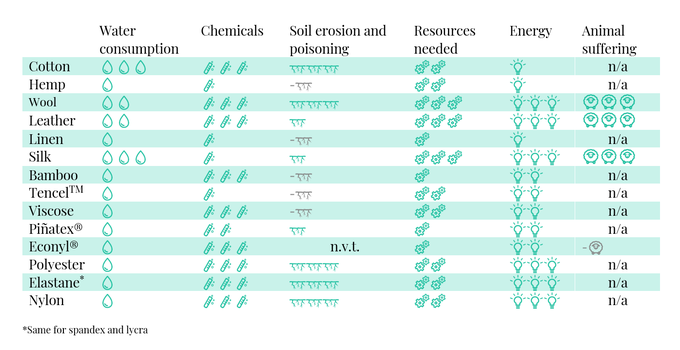
A) Water Consumption Comparison
Water remains one of the most visible—and contentious—differences between cotton and polyester.
| Fiber Type | Water Use (Approx.) | Key Risk |
|---|---|---|
| Conventional cotton | Very high | Water scarcity |
| Organic cotton | Lower | Yield efficiency |
| Virgin polyester | Very low | Fossil dependency |
| Recycled polyester | Very low | Collection quality |
Cotton’s water footprint is primarily associated with irrigation during cultivation. In water-stressed regions, this can place significant pressure on local ecosystems and communities. Conventional cotton grown with inefficient irrigation can consume thousands of liters of water per kilogram of fiber.
Organic cotton typically reduces chemical inputs and may lower water stress when rain-fed, but lower yields mean more land and time are required to produce the same volume of fiber. As a result, water savings are not always proportional.
Polyester, by contrast, uses very little water at the raw material stage. However, water use reappears downstream during dyeing and finishing—steps that affect all fibers and often dominate total water discharge quality.
From a water-scarcity perspective alone, polyester often appears superior. But water volume alone does not capture toxicity, wastewater treatment, or regional impact.
B) Energy Use and Carbon Emissions
Energy intensity and greenhouse gas emissions are often the decisive metrics in carbon-focused sustainability frameworks.
| Fiber | Energy Intensity | Carbon Impact |
|---|---|---|
| Cotton | Medium | Farming + processing |
| Virgin polyester | High | Oil extraction |
| Recycled polyester | Lower | Reduced emissions |
Polyester is derived from fossil fuels, making its baseline carbon footprint structurally higher than natural fibers. Virgin polyester production requires significant energy input for polymerization and extrusion.
Recycled polyester (rPET) significantly improves this profile. Depending on recycling method and energy source, carbon emissions can be reduced by 30–50% compared to virgin polyester. In systems powered by renewable energy, reductions can be even higher.
Cotton’s carbon footprint is more distributed. Emissions come from:
- Fertilizer production and use
- Agricultural machinery
- Irrigation pumping
- Processing and transport
While cotton avoids fossil-based raw material extraction, its emissions can rise quickly if farming practices are inefficient or heavily mechanized.
From a carbon perspective:
- Virgin polyester performs poorly
- Recycled polyester can outperform many natural fibers
- Cotton varies widely depending on farming and processing systems
C) Land Use and Biodiversity
Land use is one of cotton’s most underestimated impacts.
Cotton cultivation requires arable land, often in regions already under pressure from food production and biodiversity loss. Large-scale monoculture farming can degrade soil health, reduce habitat diversity, and increase dependency on chemical inputs.
Polyester, as a synthetic fiber, does not compete for agricultural land. However, this advantage is offset by reliance on non-renewable fossil resources.
| Impact Area | Cotton | Polyester |
|---|---|---|
| Land use | High | Low |
| Biodiversity risk | Medium–High | Low |
| Renewable source | Yes | No |
This creates a structural trade-off:
- Cotton supports renewable agriculture but strains land and ecosystems
- Polyester avoids land pressure but locks production into fossil dependency
Neither outcome is impact-free. The environmental priority—biodiversity preservation vs resource renewability—determines which fiber appears more favorable.
D) Use Phase: The Often-Ignored Footprint Driver
One of the biggest shifts in sustainability analysis is recognition that the use phase can outweigh production impacts.
Key factors include:
- Washing frequency
- Washing temperature
- Drying method
- Ironing needs
- Garment lifespan
Cotton garments often require more frequent washing and ironing. Polyester dries faster and resists wrinkling, reducing energy use during care. However, polyester can retain odors, sometimes increasing wash frequency depending on use.
Durability also matters. A fabric that lasts twice as long effectively halves its production footprint per year of use.
This is where simplistic fiber comparisons break down. A durable polyester garment worn for years may outperform a cotton garment that degrades quickly and requires replacement—even if cotton’s raw material footprint is lower.
E) Microplastics vs Agricultural Pollution
Environmental comparison must also address pollution type, not just quantity.
- Polyester releases microplastics during washing, contributing to long-term marine pollution.
- Cotton contributes agricultural runoff, including fertilizers and pesticides, affecting soil and freshwater systems.
These impacts are qualitatively different and difficult to compare directly. Microplastics persist for decades, while agricultural pollution varies by region and regulation.
In 2026, responsible sourcing increasingly considers mitigation strategies:
- Filtration and yarn engineering for synthetics
- Regenerative farming and runoff controls for cotton
Fiber choice alone does not determine outcome—system design does.
F) Why Blends Complicate Footprint Analysis
Blended fabrics—such as cotton-polyester—are often chosen for performance optimization. They can improve strength, reduce shrinkage, enhance comfort, and extend product life.
From a sustainability perspective, blends offer both benefits and risks.
Benefits:
- Reduced water use compared to 100% cotton
- Improved durability and lifespan
- Lower care requirements in some applications
Challenges:
- Difficult or impossible to recycle mechanically
- Limited end-of-life solutions
- Higher disclosure complexity
A cotton-polyester blend may reduce water use and increase durability—but at the cost of recyclability. Whether this is a net gain depends on how long the product is used and whether end-of-life systems exist.
This is why blends are not inherently unsustainable—but they demand clear justification and transparency.
G) End-of-Life Reality vs Theory
End-of-life performance is where many sustainability claims fail under scrutiny.
Key questions now asked include:
- Is recycling infrastructure available at scale?
- Will consumers actually recycle the product?
- Does the fabric contaminate recycling streams?
- Does biodegradation occur under real conditions?
Cotton is biodegradable in theory, but treated cotton may degrade slowly or release residues. Polyester is recyclable in theory, but collection and sorting rates remain inconsistent.
Blends perform worst here, as they often fit neither recycling nor biodegradation systems.
In 2026, credible sustainability assessments increasingly discount theoretical end-of-life benefits unless supported by real infrastructure.
H) Supplier Control Matters More Than Fiber Type
Across real sourcing programs, one pattern is consistent: processing quality often outweighs fiber choice.
At SzoneierFabrics, lifecycle assessments repeatedly show that:
- Dyeing efficiency
- Chemical recovery systems
- Energy sources
- Yield control
- Batch consistency
can change a fabric’s footprint more dramatically than switching fiber category.
The same cotton fabric can have wildly different environmental profiles depending on:
- Farming region
- Irrigation method
- Dyeing technology
- Wastewater treatment
Likewise, recycled polyester can outperform cotton—or fail badly—depending on traceability and processing discipline.
I) No Universal Winner—Only Aligned Decisions
The search for a universally “better” fiber is increasingly seen as misguided.
Instead, best-practice sourcing in 2026 asks:
- What is the dominant impact risk for this product?
- How long will it realistically be used?
- How will consumers care for it?
- What end-of-life options exist in reality?
A low-impact fiber in the wrong application can be worse than a higher-impact fiber used intelligently.
What This Means Going Forward
Choosing between cotton, polyester, or blends is not a moral judgment—it is a systems decision.
The most responsible choice is the one that:
- Aligns with product lifespan
- Matches real consumer behavior
- Minimizes total lifecycle impact
- Can be documented and defended
There is no permanent winner—only better alignment.
In 2026, sustainability leadership is not about declaring one fiber superior. It is about understanding trade-offs deeply enough to choose intentionally, transparently, and contextually.
3. How do organic cotton, recycled polyester, and conventional options compare on real sustainability claims?

By 2026, sustainability claims in textiles are no longer taken at face value. Buyers, brands, and regulators increasingly look past labels to evaluate how materials actually behave across production, performance, and verification. A fiber marketed as “sustainable” only delivers real value if its environmental benefits are measurable, consistent, and defensible throughout the supply chain.
Organic cotton, recycled polyester (rPET), and conventional options are often positioned as opposites in sustainability discussions. In reality, each addresses different sustainability problems, and each introduces its own risks. The most credible sourcing decisions today are not based on ideology, but on evidence, application context, and lifecycle trade-offs.
Organic cotton, recycled polyester, and conventional materials are tools—not moral categories.
Sustainability in 2026 is evaluated along three practical dimensions:
- Impact reduction – Does the material measurably lower environmental or social harm?
- Performance stability – Does it perform reliably over the product’s lifespan?
- Claim credibility – Can its sustainability claims be verified and audited?
Viewed through this lens, the differences between organic cotton, rPET, and conventional fibers become clearer—and more nuanced.
A) Organic Cotton: Strengths and Structural Limits
Organic cotton is often treated as the gold standard of sustainable natural fibers. Its core value lies in how it is grown, not in what it is made of.
Organic cotton avoids synthetic pesticides, herbicides, and fertilizers. This can improve soil health, reduce chemical runoff, and lower risks to farm workers and surrounding ecosystems. However, organic does not automatically mean low-impact.
| Factor | Reality Check |
|---|---|
| Water use | Still high in many regions |
| Yield | 10–30% lower than conventional |
| Traceability | Strong if certified |
| Cost stability | More volatile |
Where Organic Cotton Delivers Real Value
Organic cotton performs best when:
- Grown in rain-fed regions with minimal irrigation
- Supported by strong certification systems (e.g., GOTS, OCS)
- Integrated into supply chains with clear transaction certificates
- Used in products where skin contact, comfort, and chemical safety matter most
In these contexts, organic cotton can significantly reduce pesticide exposure, protect biodiversity, and strengthen farming communities.
Structural Challenges to Acknowledge
Lower yields are one of organic cotton’s biggest constraints. Producing 10–30% less fiber per hectare means:
- More land may be required to meet demand
- Costs are more sensitive to climate variability
- Supply consistency can fluctuate year to year
From a lifecycle perspective, organic cotton’s water footprint often remains high, especially in irrigated regions. Organic farming improves input quality, but it does not fundamentally change cotton’s biological water needs.
In other words, organic cotton improves how cotton is grown—but it does not eliminate cotton’s inherent resource demands.
B) Recycled Polyester (rPET): Impact Reduction With Conditions
Recycled polyester is often presented as a clear sustainability upgrade over virgin polyester. When done correctly, this claim is largely valid—but only under specific conditions.
| Factor | Reality Check |
|---|---|
| Carbon footprint | 30–50% lower than virgin |
| Water use | Very low |
| Feedstock quality | Highly variable |
| Traceability | Requires strict chain-of-custody |
Where rPET Excels
Recycled polyester’s strongest sustainability contribution is carbon reduction. By avoiding virgin oil extraction and polymerization, rPET can cut greenhouse gas emissions by 30–50%, depending on recycling method and energy source.
Additional advantages include:
- Very low water use at raw material stage
- Diversion of plastic waste from landfill and incineration
- Compatibility with existing polyester processing infrastructure
For durable products with long service life—such as bags, outerwear, or technical textiles—rPET can significantly reduce lifecycle impact.
The Hidden Risks Behind “Recycled” Claims
The sustainability of rPET depends heavily on feedstock quality and process control.
Poorly sorted input material can lead to:
- Color inconsistency
- Lower yarn strength
- Higher defect rates in weaving or knitting
- Greater batch-to-batch variation
These issues often do not appear in lab tests but surface during bulk production, creating waste that undermines sustainability gains.
Traceability is another major challenge. Without:
- Batch-level recycled content verification
- Transaction certificates
- Chain-of-custody documentation
“Recycled” claims quickly lose credibility. In 2026, undocumented recycled content is increasingly treated as a compliance risk, not a sustainability benefit.
C) Conventional Cotton and Virgin Polyester: Still Relevant?
Despite criticism, conventional cotton and virgin polyester remain widely used—and not only because of cost. They continue to play a role because of predictability, availability, and performance stability.
| Material | Why It’s Still Used |
|---|---|
| Conventional cotton | Stable quality, lower cost |
| Virgin polyester | Consistent performance, durability |
Conventional Cotton: Not Automatically Unsustainable
Conventional cotton has well-known challenges: pesticide use, water demand, and fertilizer runoff. However, its performance profile is stable, and its supply chains are mature.
When conventional cotton is:
- Sourced from regions with efficient irrigation
- Paired with responsible chemical management
- Processed in facilities with strong wastewater treatment
its overall footprint can rival poorly managed “sustainable” alternatives.
In practice, how cotton is processed often matters more than whether it is labeled organic or conventional.
Virgin Polyester: Performance vs Resource Dependency
Virgin polyester’s main sustainability weakness is its dependence on fossil resources. However, it offers:
- High durability
- Excellent dimensional stability
- Long service life
For products designed for extended use, these performance advantages can offset part of the material’s production footprint by reducing replacement frequency.
Virgin polyester remains relevant in applications where durability and consistency are critical—and where recycled supply is insufficient or unreliable.
D) Certification vs Reality Gap
One of the biggest issues in 2026 sourcing is the gap between certification language and operational reality.
| Claim | What to Verify |
|---|---|
| “Organic” | Transaction certificates |
| “Recycled” | Batch-level content proof |
| “Eco-friendly” | Specific standards referenced |
Certifications are only as strong as:
- Their scope
- Their enforcement
- Their alignment with actual production
For example:
- Fiber-level certification without transaction certificates breaks traceability
- Recycled claims without batch proof invite greenwashing accusations
- “Eco-friendly” without a referenced standard has little credibility
Buyers increasingly expect documented proof, not general assurances.
E) Performance Consistency as a Sustainability Metric
A key shift by 2026 is the recognition that performance stability is central to sustainability.
A material that:
- Fails early
- Causes high defect rates
- Requires frequent replacement
creates more waste and emissions over time, regardless of its fiber origin.
This is where some certified materials struggle. Organic cotton with inconsistent yarn strength, or rPET with unstable feedstock, can generate higher scrap rates—eroding sustainability gains.
F) Hybrid Strategies: Where Real-World Sourcing Is Heading
In practice, many of the most effective sustainability outcomes come from hybrid material strategies rather than single-fiber solutions.
At SzoneierFabrics, successful programs often combine:
- Certified organic cotton for skin-contact or comfort layers
- Recycled polyester for structural strength or durability
- Conventional materials where performance and yield stability are critical
This approach balances:
- Environmental impact reduction
- Product performance
- Supply reliability
- Cost control
Hybrid strategies acknowledge trade-offs instead of denying them.
G) Why Labels Alone Are No Longer Enough
By 2026, sustainability language without supporting data increasingly creates commercial risk.
Platforms, brands, and regulators now ask:
- Can this claim be audited?
- Can it be traced batch by batch?
- Can it be defended publicly?
Materials that sound sustainable but fail under scrutiny damage brand credibility faster than making no claim at all.
Choosing Substance Over Signals
Organic cotton, recycled polyester, and conventional options are not competitors in a moral contest. They are different tools for different sustainability challenges.
- Organic cotton improves agricultural practices and chemical safety
- Recycled polyester reduces carbon emissions and waste
- Conventional materials provide stability and scalability
The most responsible sourcing decisions in 2026 are those that:
- Evaluate full lifecycle impact
- Prioritize performance consistency
- Demand verifiable documentation
- Match material choice to product reality
Sustainability is no longer about choosing the “right” label. It is about choosing the right balance of impact, performance, and proof—and being able to stand behind that choice with confidence.
What performance differences matter most for real products?

One of the most common reasons sustainability strategies fail in real markets is overlooking performance. A fabric with a lower production footprint does not remain sustainable if it wears out early, deforms in use, or frustrates users into replacing it prematurely. By 2026, sourcing teams increasingly recognize that durability, usability, and care behavior are sustainability metrics, not secondary considerations.
In everyday products—from bags and backpacks to apparel, accessories, and home textiles—cotton and polyester behave very differently once they leave the factory. These differences directly shape product lifespan, user satisfaction, replacement frequency, and total environmental impact.
Sustainability fails when performance is ignored.
Performance Factors That Influence Long-Term Impact
Performance determines whether a product stays in circulation or becomes waste. While lifecycle assessments often emphasize production-stage emissions, the use phase—how a product performs over months or years—can outweigh those initial differences.
In practice, performance-driven sustainability focuses on five core dimensions:
- Durability and structural lifespan
- Comfort and user experience
- Care behavior and energy use
- Material loss through shedding
- Fit between material and application
A) Durability and Lifespan
Durability is the most direct link between performance and sustainability. A fabric that resists abrasion, tearing, and deformation extends product life and delays replacement.
| Performance Metric | Cotton | Polyester |
|---|---|---|
| Abrasion resistance | Medium | High |
| Tear strength | Medium | High |
| Shape retention | Low–Medium | High |
Cotton fibers are shorter and less elastic than polyester. Under repeated friction, cotton fabrics tend to fuzz, thin, and weaken more quickly. This is acceptable in low-stress applications but becomes a limitation in products exposed to constant abrasion or load.
Polyester’s molecular structure gives it higher tensile strength and elastic recovery. It resists surface wear and retains structural integrity longer, especially in woven constructions used for bags, straps, and outer layers.
Practical implication: For high-wear products such as backpacks, tote bags, travel gear, and tool pouches, polyester often outlasts cotton by a significant margin. A longer lifespan can offset higher production emissions by reducing total units consumed over time.
Durability as a Sustainability Multiplier
From a sustainability perspective, durability acts as a multiplier. Doubling a product’s usable life effectively halves its annualized environmental footprint. This is why many sourcing teams now treat abrasion cycles, tear resistance, and seam stability as sustainability indicators, not just quality metrics.
B) Comfort and Breathability
While durability favors polyester, comfort still matters, particularly for products with prolonged skin contact.
| Feature | Cotton | Polyester |
|---|---|---|
| Breathability | Excellent | Moderate |
| Moisture feel | Natural | Can feel clammy |
| Skin comfort | High | Depends on finish |
Cotton’s natural fiber structure allows air circulation and moisture absorption, creating a breathable, skin-friendly experience. It feels dry and comfortable in moderate conditions, making it ideal for apparel, linings, and items worn close to the body.
Polyester does not absorb moisture in the same way. Instead, it relies on finishes or yarn engineering to move moisture across the surface. When poorly designed, this can result in a clammy or synthetic feel.
Practical implication: For products like clothing, inner linings, or accessories worn for long periods, cotton often delivers better user comfort—reducing dissatisfaction and premature disposal.
Comfort and User Retention
User comfort influences sustainability indirectly. Products that feel unpleasant are abandoned earlier, regardless of their durability. In this sense, comfort contributes to emotional longevity, keeping products in active use longer.
C) Drying Speed and Care Behavior
Care behavior is one of the most underestimated contributors to environmental impact. How often and how intensively a product is washed, dried, and ironed can exceed its production footprint over time.
| Factor | Cotton | Polyester |
|---|---|---|
| Drying time | Slow | Fast |
| Wrinkle resistance | Low | High |
| Wash frequency | Higher | Lower |
Cotton absorbs water and dries slowly. It wrinkles easily and often requires ironing. These characteristics increase energy use during washing and drying, especially when products are washed frequently.
Polyester dries quickly, resists wrinkles, and often requires less ironing. In many applications, this leads to lower energy use during the use phase, particularly in regions where tumble drying is common.
Practical implication: For products that require frequent washing—such as sportswear, travel items, or reusable bags—polyester’s care efficiency can significantly reduce lifetime energy consumption.
Use Phase vs Production Phase
In 2026 sourcing decisions, the use phase is increasingly weighted alongside production. A fabric with slightly higher production emissions but lower care energy can deliver lower total lifecycle impact over years of use.
D) Microplastic vs Fiber Shedding
Durability is not without trade-offs. Polyester’s strength comes with the issue of microplastic shedding during washing.
Cotton also sheds fibers—but the environmental behavior of those fibers differs.
| Concern | Cotton | Polyester |
|---|---|---|
| Shedding | Yes | Yes |
| Biodegradability | High | Low |
| Filtration impact | Lower risk | Higher concern |
Cotton fibers shed during washing and wear, but they are biodegradable and break down more readily in natural environments. Polyester fibers shed as microplastics that persist in waterways and ecosystems.
This creates a sustainability tension:
- Polyester lasts longer but contributes to microplastic pollution
- Cotton degrades naturally but may require more frequent replacement
Practical implication: For products expected to be washed often, especially in household settings without filtration systems, microplastic release is a real concern. Mitigation strategies—such as yarn engineering, tighter weaves, or consumer guidance—become part of responsible sourcing.
E) Performance-Driven Sustainability Insight
One of the clearest lessons from real-world product data is this:
The most sustainable fabric is often the one that stays in use the longest.
For high-wear, low-skin-contact products, polyester or cotton–polyester blends often deliver the best sustainability outcome by:
- Extending product lifespan
- Reducing replacement frequency
- Lowering care energy per year of use
For low-wear or skin-contact products, cotton’s comfort and biodegradability may outweigh durability advantages.
This reinforces the idea that sustainability is application-specific, not fiber-specific.
F) The Role of Blends in Performance Optimization
Blended fabrics are often chosen to balance performance trade-offs.
Common benefits include:
- Improved abrasion resistance over cotton
- Better comfort than pure polyester
- Reduced shrinkage and deformation
- More stable appearance over time
However, blends introduce challenges at end-of-life, as discussed earlier. Their sustainability value depends on whether performance gains translate into meaningfully longer product use.
Blends are most defensible when:
- Products face moderate to high wear
- Longevity gains are clear
- End-of-life limitations are disclosed transparently
G) Matching Fabric to Product Reality
Performance-driven sourcing starts by asking the right questions:
- How will the product actually be used?
- How often will it be washed?
- What stresses will it face daily?
- What frustrates users most in similar products?
A fabric that performs well in lab tests but poorly in real behavior patterns does not deliver sustainability in practice.
Why This Comparison Matters
The debate between cotton and polyester is often framed as an environmental morality question. In reality, it is a performance alignment problem.
Sustainability is not just about how a fabric is made—it is about:
- How it performs
- How users interact with it
- How long it remains useful
Ignoring performance leads to short-lived products that undermine every upstream sustainability effort, from organic farming to recycled content.
By 2026, responsible sourcing recognizes that performance is inseparable from sustainability. A fabric that lasts longer, performs reliably, and fits real user behavior often delivers a lower total footprint—even if its production impact is higher.
Cotton and polyester are not opponents. They are tools with different strengths:
- Cotton excels in comfort and biodegradability
- Polyester excels in durability and care efficiency
The most sustainable choice is the one that aligns material behavior with product purpose, ensuring that products stay in use longer and create less waste over time.
Sustainability begins in sourcing—but it succeeds in performance.
5. How do you evaluate microplastics, biodegradability, and end-of-life options?
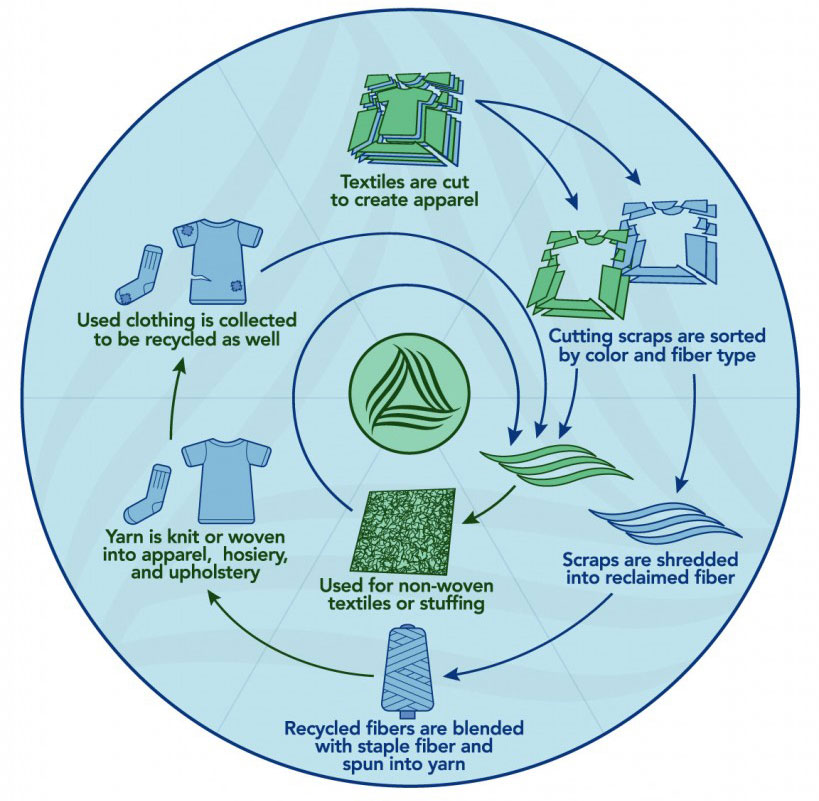
By 2026, sustainability discussions around textiles have shifted decisively toward what happens after a product is used, not just how responsibly it was produced. Regulators, platforms, and increasingly informed buyers now ask difficult questions about microplastic release, biodegradability, and real-world recyclability—areas that were often glossed over in earlier sustainability narratives.
The uncomfortable truth is this: no mainstream textile is impact-free at end of life. Natural fibers, synthetics, and blends each introduce different environmental risks once garments enter washing systems, waste streams, or disposal pathways. Sustainable sourcing today is less about finding a perfect solution and more about understanding trade-offs clearly, then designing products that minimize long-term harm.
End-of-life sustainability is no longer theoretical—it is operational, regulated, and reputational.
Looking Beyond Production to Real End-of-Life Impact
For years, sustainability claims focused heavily on production-stage metrics: water use, carbon emissions, and chemical inputs. While these remain important, they tell only part of the story. A fabric with a low production footprint can still cause significant harm if it:
- Releases persistent microplastics
- Cannot be realistically recycled
- Degrades into polluted waste streams
- Encourages premature disposal
In 2026, credible sustainability evaluation extends across three post-use dimensions:
- Microplastic release during use and washing
- Biodegradability and breakdown behavior
- End-of-life pathways that actually exist, not just in theory
A) Microplastic Shedding: What Actually Causes It
Microplastic pollution has become one of the most scrutinized issues associated with synthetic textiles. Polyester and other synthetics shed microfibers during washing, wearing, and abrasion. However, shedding is not inherent to synthetics being “bad”—it is a function of how fabrics are engineered, constructed, and used.
Polyester sheds microplastics because it is strong yet flexible under mechanical stress. When fibers are abraded, tiny fragments break off rather than disintegrating.
| Factor | Influence on Shedding |
|---|---|
| Yarn quality | Lower quality = more shedding |
| Fabric construction | Loose knits shed more |
| Finishing | Harsh finishes increase release |
| Wash conditions | Heat and agitation matter |
Why Construction Matters More Than Fiber Type
Loose knits, brushed surfaces, and low-twist yarns tend to shed more microfibers than tightly woven or compact constructions. Aggressive mechanical finishes—used to create softness or texture—can significantly increase fiber release.
Wash conditions also play a major role. High temperatures, long cycles, and heavy agitation increase shedding. From a sustainability standpoint, designing fabrics that shed less under normal washing conditions is often more effective than switching fiber categories alone.
Importantly, high-quality recycled polyester made from well-controlled feedstock and spun into stable yarns can shed less than poorly produced virgin polyester. This challenges the assumption that recycled content automatically worsens microplastic performance.
Mitigation, Not Elimination
Microplastic release cannot currently be eliminated entirely in synthetic textiles. Sustainable evaluation therefore focuses on risk reduction, including:
- Tighter fabric constructions
- Improved yarn engineering
- Reduced mechanical finishing
- Clear care instructions for consumers
In 2026, these mitigation strategies are increasingly treated as part of responsible material selection.
B) Cotton Fiber Shedding Is Not Impact-Free
Cotton is often positioned as a “safe” alternative because it sheds natural fibers rather than plastics. While cotton fibers are biodegradable, this does not mean their environmental impact is negligible.
| Aspect | Cotton Reality |
|---|---|
| Biodegradability | High |
| Chemical residue | Possible from dyeing |
| Water pollution | Fiber + dye runoff |
Cotton fibers break down more readily in natural environments, reducing long-term persistence. However, during washing, cotton sheds fibers that can carry residual dyes, finishing chemicals, and treatment agents into wastewater systems.
In regions with limited wastewater treatment, these fibers can still contribute to water pollution and sediment load, particularly when combined with chemical residues.
Biodegradability Depends on Processing
Not all cotton biodegrades equally. Factors that affect breakdown include:
- Type of dye used
- Presence of finishes or coatings
- Degree of chemical cross-linking
Heavily treated or coated cotton fabrics may degrade more slowly and release additional substances as they break down. As with synthetics, processing choices matter as much as fiber origin.
From an end-of-life perspective, cotton reduces long-term persistence risks but does not eliminate pollution concerns.
C) End-of-Life Recyclability: Theory vs Reality
Recyclability is one of the most misunderstood sustainability claims. Many fabrics are technically recyclable, but few are recycled at scale due to infrastructure, sorting, and economic limitations.
| Fabric Type | Recycling Feasibility |
|---|---|
| 100% cotton | Moderate (downcycling common) |
| 100% polyester | High (where systems exist) |
| Cotton/poly blends | Low |
| Coated/laminated fabrics | Very low |
Mono-Materials vs Blends
Mono-material fabrics—those made from a single fiber type—are the easiest to recycle in theory. Polyester can be mechanically or chemically recycled where systems exist. Cotton is often downcycled into insulation or wiping materials rather than re-spun into new garments.
Blended fabrics present the biggest challenge. Cotton-polyester blends combine the disadvantages of both fibers at end of life:
- They cannot be easily separated
- They contaminate recycling streams
- They rarely meet criteria for biodegradation
Coatings, laminations, and decorative finishes further complicate matters, often rendering fabrics effectively unrecyclable.
Infrastructure Is the Real Limitation
In 2026, recycling feasibility depends less on fiber chemistry and more on available systems. A fabric may be recyclable in theory, but if collection, sorting, and processing infrastructure does not exist in the target market, that recyclability has little practical value.
This is why sustainability assessments increasingly distinguish between:
- Theoretical recyclability
- Operational recyclability
Only the latter is considered credible in serious sourcing decisions.
D) Designing for Realistic End-of-Life Outcomes
Given these constraints, sustainable sourcing increasingly emphasizes designing for realistic end-of-life, not idealized scenarios.
In practice, this means:
- Reducing unnecessary fiber blends
- Avoiding decorative coatings where performance gain is marginal
- Favoring constructions that extend product life
- Clearly labeling material composition
Longer product use often outweighs perfect recyclability that never happens.
A durable product that stays in use for five years instead of one often generates less total waste than a theoretically recyclable product that fails early and is discarded quickly.
Longevity as an End-of-Life Strategy
From an environmental perspective, the most effective end-of-life intervention is often delaying end of life itself. Extending durability, repairability, and user satisfaction reduces the volume of products entering waste streams in the first place.
This reframes sustainability priorities:
- Longevity first
- Then recyclability
- Then biodegradability
End-of-life design starts at the sourcing stage.
E) Microplastics vs Longevity: A Real Trade-Off
One of the most difficult sustainability tensions is balancing microplastic risk against product lifespan.
- Polyester lasts longer but sheds persistent microfibers
- Cotton degrades naturally but may need replacement sooner
There is no universally correct answer. The responsible approach is contextual decision-making:
- For high-wear, long-life products, durability may outweigh shedding concerns
- For frequently washed items, fiber release becomes more critical
- For disposable or short-life products, biodegradability may matter most
This is why blanket statements about “good” and “bad” fibers are increasingly rejected in professional sourcing.
F) Labeling, Transparency, and Consumer Behavior
End-of-life impact is also influenced by how products are communicated to users. Clear labeling and care guidance can reduce environmental harm by:
- Encouraging lower-temperature washing
- Reducing unnecessary wash frequency
- Informing disposal or recycling options
In 2026, transparency is part of sustainability performance. Products that hide material complexity or overstate recyclability create confusion and undermine trust.
G) Practical Factory Insight
From a manufacturing perspective, these trends are already reshaping sourcing requests.
At SzoneierFabrics, there is a clear increase in brand demand for:
- Mono-material constructions where feasible
- Clearly labeled and justified blends
- Reduced coatings and unnecessary laminations
- Fabrics engineered for durability rather than novelty
This shift is driven not only by environmental concerns, but by regulatory pressure in Europe and North America, where end-of-life accountability is becoming stricter.
Factories are increasingly asked not just what a fabric is made of, but what happens to it after years of use.
H) Why End-of-Life Evaluation Is Now a Brand Risk Issue
Poor end-of-life claims are no longer just sustainability gaps—they are reputational risks. Greenwashing scrutiny, regulatory enforcement, and platform policies increasingly penalize misleading recyclability or biodegradability claims.
Brands are expected to:
- Acknowledge limitations
- Disclose trade-offs
- Avoid exaggerated promises
Honest communication is now safer than idealized claims.
By 2026, evaluating microplastics, biodegradability, and end-of-life options is about accepting complexity rather than seeking perfection.
No mainstream textile is impact-free. Every fiber sheds, degrades, or persists in different ways. Sustainable sourcing therefore means:
- Understanding how harm occurs
- Reducing risk where possible
- Designing products that last longer
- Aligning claims with reality
End-of-life sustainability is not a checkbox—it is a design philosophy that starts with material choice and ends with how products actually exit use.
The most responsible products are not those that promise zero impact, but those that minimize harm honestly, measurably, and over time.
6. Which certifications and traceability documents should you require in 2026?
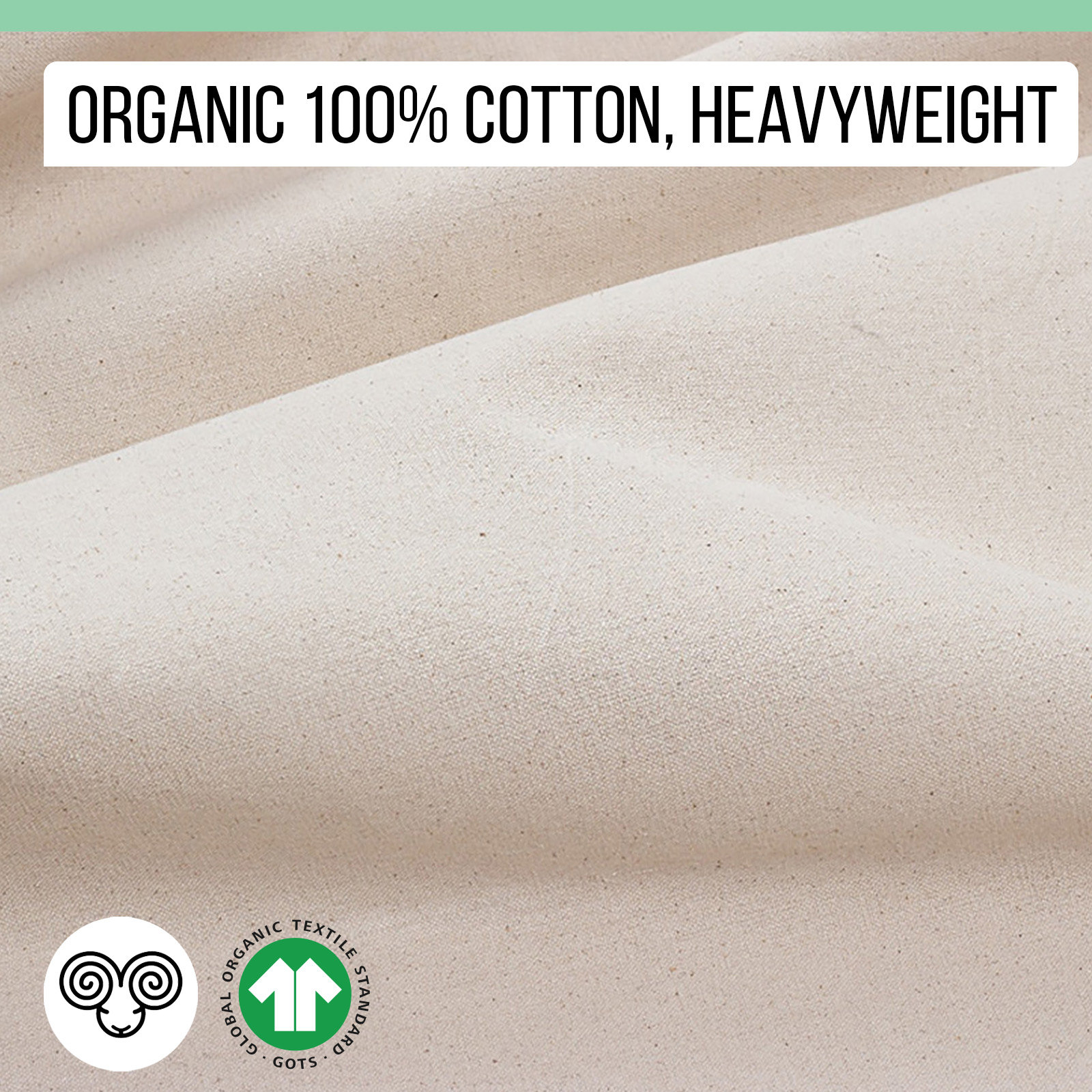
By 2026, textile certifications are no longer decorative badges used for marketing differentiation. They have become commercial infrastructure—directly tied to market access, platform compliance, buyer approval, and brand risk management. The real value of a certification today is not the logo printed on a hangtag, but the traceability, documentation, and audit trail that sit behind it.
At the same time, the industry has learned a hard lesson: more certificates do not automatically mean more credibility. Over-certification can inflate costs without reducing risk, while under-verification exposes brands to compliance failures, greenwashing accusations, and shipment delays. The challenge in 2026 is not collecting certificates, but knowing which ones matter, why they matter, and how to verify them correctly.
Certifications have shifted from “nice to show” to commercial necessity.
Making Sense of Textile Certifications
Textile certifications exist to answer three fundamental questions:
- What is the material made of?
- How was it processed?
- Can this claim be verified at batch level?
Understanding which certifications address which question is critical. Many sourcing mistakes occur because buyers assume a certificate covers more than it actually does.
A) Core Certifications and What They Really Guarantee
Different certifications serve very different purposes. Treating them as interchangeable is one of the most common sourcing errors.
| Certification | What It Covers |
|---|---|
| GOTS | Organic fiber + processing |
| OCS | Organic fiber content only |
| GRS | Recycled content + chain |
| RCS | Recycled content only |
| OEKO-TEX | Chemical safety |
GOTS (Global Organic Textile Standard)
GOTS is one of the most comprehensive textile certifications. It covers:
- Organic fiber origin
- Processing stages (spinning, weaving, dyeing, finishing)
- Chemical restrictions
- Social criteria
However, GOTS is strict and costly. It is most appropriate for products where organic integrity across the full supply chain is essential—such as baby products, premium apparel, or skin-contact textiles.
A common misunderstanding is assuming GOTS is required for all organic claims. In reality, it may be excessive for certain applications.
OCS (Organic Content Standard)
OCS verifies the presence and percentage of organic fiber, but does not regulate processing chemicals or social criteria. It is simpler and less expensive than GOTS.
OCS is suitable when:
- Organic fiber content is important
- Processing controls are handled separately
- The product does not require full organic system certification
OCS answers what the fiber is—not how it was processed.
GRS (Global Recycled Standard)
GRS is the most robust recycled-content certification in common use. It covers:
- Recycled material content
- Chain of custody
- Chemical restrictions
- Social compliance
GRS is often required by major brands and platforms for recycled polyester or nylon claims. It is particularly valuable because it enforces traceability across multiple processing stages.
RCS (Recycled Claim Standard)
RCS verifies recycled content only, without additional environmental or social criteria. Like OCS, it is narrower in scope but useful when paired with other controls.
OEKO-TEX (Standard 100)
OEKO-TEX focuses on chemical safety, not sustainability. It verifies that finished textiles do not contain harmful substances above defined limits.
OEKO-TEX does not verify:
- Fiber origin
- Recycled content
- Environmental impact
Yet it remains extremely important, especially for consumer safety, regulatory compliance, and platform acceptance.
Understanding scope avoids false assumptions—and costly mistakes.
B) Scope Certificates vs Transaction Certificates
One of the most critical shifts by 2026 is increased scrutiny of transaction-level proof.
| Document Type | Purpose |
|---|---|
| Scope certificate | Facility qualification |
| Transaction certificate | Batch-specific proof |
Scope Certificates: Necessary but Not Sufficient
A scope certificate confirms that a facility is authorized to produce certified materials under a given standard. It answers the question: Is this factory allowed to make certified products?
What it does not prove:
- That your specific batch is certified
- That your order used certified input
- That no material substitution occurred
Relying on scope certificates alone is no longer acceptable for serious sustainability claims.
Transaction Certificates: The Real Proof
Transaction certificates (TCs) are issued per batch or shipment. They verify that:
- Certified input material was used
- Quantities are balanced
- Chain-of-custody rules were followed
By 2026, many platforms and buyers will challenge sustainability claims without transaction certificates, even if factories hold valid scope certificates.
No transaction certificate = no defensible claim.
C) Traceability Gaps to Watch For
Even with certifications, traceability failures remain common. Understanding where breakdowns occur helps buyers ask better questions.
| Risk | Why It Happens |
|---|---|
| Mixed fiber sourcing | Supply pressure |
| Subcontract processing | Poor disclosure |
| Expired certificates | Lack of updates |
Mixed Fiber Sourcing
During supply shortages or peak seasons, factories may blend certified and non-certified materials to meet deadlines. Without strict batch control, this creates hidden non-compliance.
Subcontract Processing
Subcontracting dyeing, finishing, or printing without disclosure is a major risk. If subcontractors are not certified under the same scheme, the entire certification chain can be invalidated.
Expired or Suspended Certificates
Certificates have validity periods. In 2026, auditors and platforms increasingly cross-check certificate numbers in real time against certification databases. Expired documents are quickly flagged.
Verification is now automated—assumptions are risky.
D) Certification Cost vs Value Trade-Off
Not every product needs the highest-level certification. Smart sourcing aligns certification depth with product positioning and risk exposure.
| Product Type | Certification Strategy |
|---|---|
| Entry-level goods | OEKO-TEX + disclosures |
| Mid-range products | GRS or OCS |
| Premium lines | GOTS + GRS combinations |
Avoiding Over-Certification
Over-certifying low-margin products can:
- Inflate cost
- Reduce competitiveness
- Slow development timelines
For example, requiring GOTS for a non-skin-contact accessory may add cost without meaningful risk reduction.
Avoiding Under-Certification
Under-certifying high-visibility or regulated products creates:
- Platform delisting risk
- Buyer rejection
- Legal exposure
Certification strategy should reflect who is buying, where it is sold, and what claims are made.
E) Supplier Transparency as a Hidden Indicator
By 2026, experienced buyers increasingly judge suppliers not by how many certificates they show, but by how they talk about them.
Factories willing to:
- Share audit summaries
- Explain material origin clearly
- Show batch tracking systems
- Acknowledge limitations
are often more reliable than suppliers with long certificate lists but vague explanations.
Transparency is harder to fake than logos.
F) Documentation Beyond Certifications
Certifications alone are no longer sufficient. Buyers increasingly request supporting documents such as:
- Material specifications
- Chemical compliance statements
- Batch production records
- Process flow diagrams
These documents help validate that certified materials are actually integrated into production, not just sourced theoretically.
G) Certification as Risk Management, Not Marketing
In 2026, certifications function less as brand storytelling tools and more as risk shields.
They protect against:
- Greenwashing accusations
- Regulatory penalties
- Platform compliance failures
- Buyer disputes
Brands that treat certifications as operational tools rather than marketing assets tend to use fewer—but stronger—documents.
H) Regional Pressure Is Increasing
Different markets now apply different levels of scrutiny:
- EU: Strong focus on traceability and anti-greenwashing
- North America: Platform-driven verification and liability
- Asia-Pacific: Rapid alignment with international standards
This means global brands must assume the strictest standard applies, even if selling in multiple regions.
Why This Matters Now
In 2026, sustainability claims are no longer evaluated in isolation. They are:
- Audited
- Compared
- Cross-checked
- Challenged
Clear, verified documentation protects brands not only from compliance risk, but from credibility erosion. Consumers may forgive complexity—but they do not forgive misleading claims.
The most effective certification strategy in 2026 is not about collecting the most logos. It is about:
- Understanding certification scope
- Demanding transaction-level proof
- Closing traceability gaps
- Aligning documentation with product reality
Certifications are tools, not trophies.
Used correctly, they build trust, enable market access, and reduce risk. Used carelessly, they create cost without credibility.
In a market where sustainability is verified—not assumed—knowing which documents actually matter is a competitive advantage.
7. What hidden sourcing risks should you watch for in “sustainable” cotton and polyester?
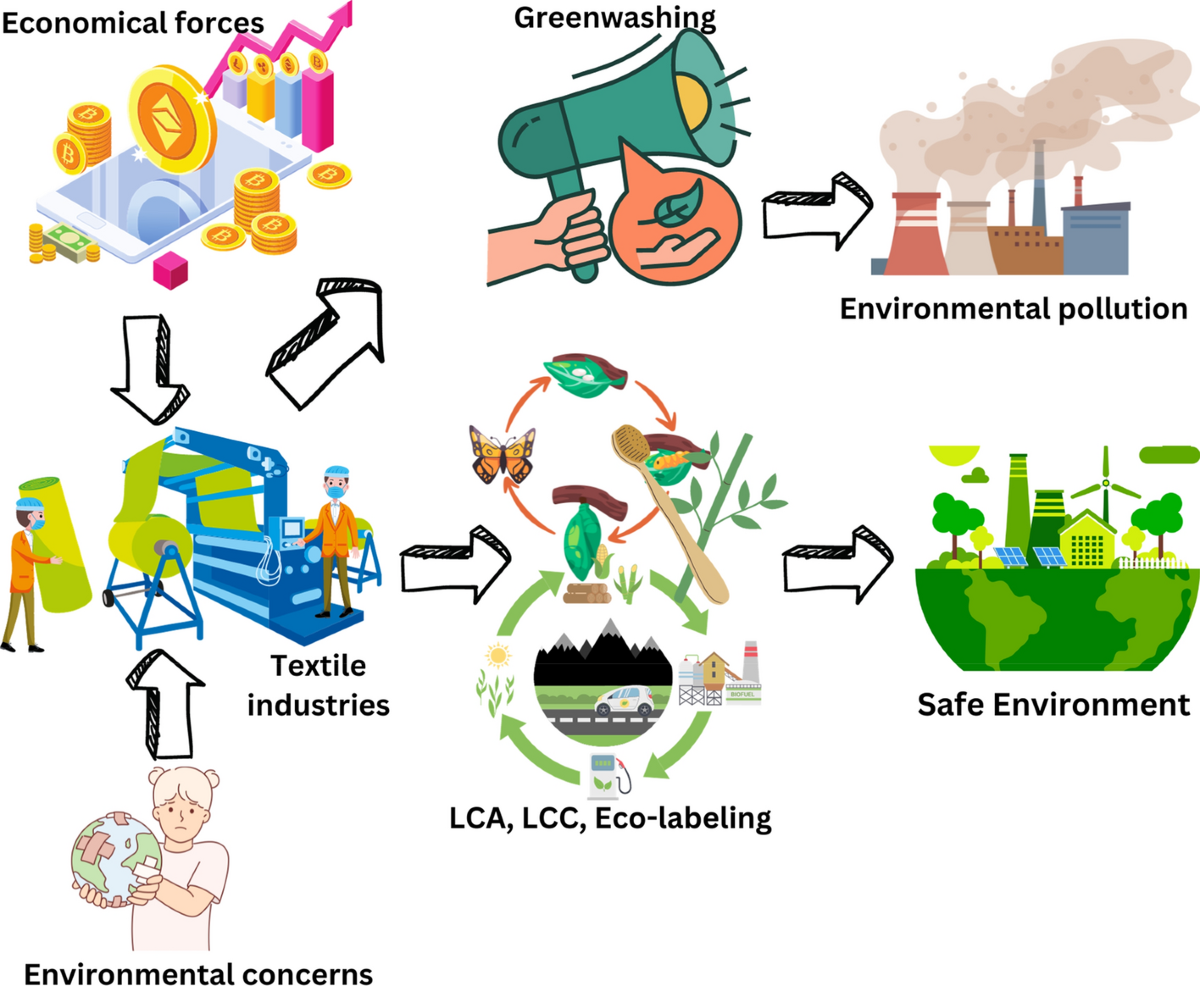
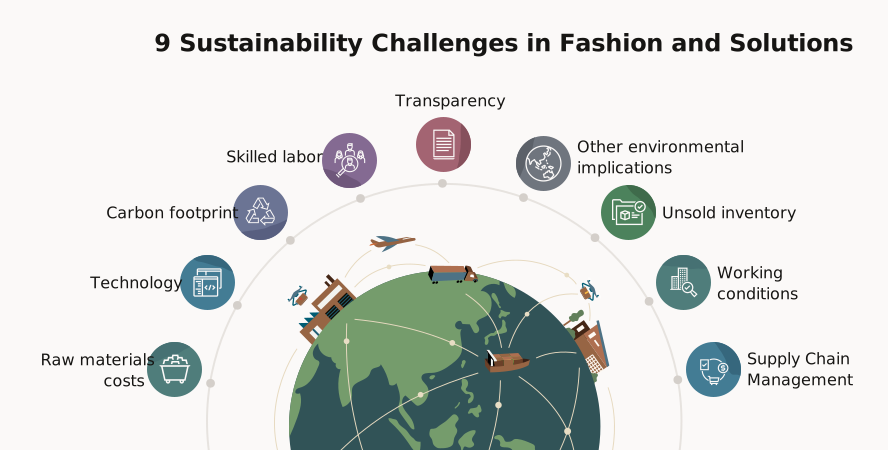
By 2026, the greatest sustainability risk is no longer choosing the “wrong” fiber. It is accepting sustainability claims that are incomplete, unverifiable, or structurally misleading. Many sourcing failures happen not at the fiber-selection stage, but in the gaps between raw material sourcing, processing decisions, and documentation discipline.
These risks are often invisible at the sampling stage. They surface later—during scale-up, audits, platform review, or even after products reach the market—when correction is costly or impossible.
Sustainability problems rarely announce themselves early. They accumulate quietly.
Where Sustainability Claims Quietly Break Down
Modern textile supply chains are complex, multi-stage systems. A claim that is technically “true” at one stage can become functionally false once the full lifecycle is considered. The most common failures occur where information is selectively presented, variability is underestimated, or commercial pressure overrides process control.
Understanding these hidden risks allows teams to prevent sustainability from becoming a late-stage liability.
A) Greenwashing Through Selective Disclosure
One of the most common sourcing risks in 2026 is not outright falsehood, but selective truth—highlighting one positive attribute while ignoring offsetting impacts elsewhere.
| Claim Emphasized | What’s Often Missing |
|---|---|
| “Organic cotton” | Dyeing & finishing impact |
| “Recycled polyester” | Traceability of feedstock |
| “Low water use” | Energy or chemical trade-off |
Why Selective Disclosure Is So Effective—and So Dangerous
Selective disclosure works because most sustainability narratives focus on single metrics. Organic cotton is associated with better farming practices. Recycled polyester is associated with waste reduction. Low-water processes sound inherently positive.
However, sustainability is systemic. Improving one metric while worsening another does not reduce total impact—it merely shifts the burden.
Examples commonly seen in practice:
- Organic cotton dyed using high-impact reactive dyes with poor wastewater treatment
- Recycled polyester sourced from mixed or undocumented waste streams
- “Low water” dyeing processes that rely on higher energy or solvent use
Each claim may be technically accurate, yet the overall impact is ambiguous or even negative.
By 2026, regulators and buyers increasingly treat partial disclosure as a red flag, especially when it obscures known trade-offs.
B) Batch Inconsistency in Recycled Materials
Recycled polyester is one of the most powerful tools for reducing carbon emissions—but it introduces variability risks that many teams underestimate.
| Risk Area | Practical Impact |
|---|---|
| Color variation | Shade inconsistency |
| Fiber length | Strength fluctuation |
| Contamination | Dye uptake issues |
Why Recycled Feedstock Behaves Differently
Unlike virgin polyester, recycled polyester depends on post-consumer or post-industrial waste streams. These streams vary by:
- Source material
- Previous dye history
- Polymer degradation
- Sorting accuracy
Even within a certified recycled supply chain, batch-to-batch variation is normal.
At small scale, this may go unnoticed. At production scale, it can result in:
- Shade drift across lots
- Inconsistent tensile strength
- Uneven fabric appearance
- Higher rejection rates
If incoming inspection and batch segregation are weak, recycled content can quietly increase waste, undermining its sustainability intent.
Sustainability Risk Hiding in Yield Loss
Every rejected roll, off-shade batch, or reprocessed lot adds:
- Extra energy use
- Additional chemicals
- Transport emissions
In some poorly controlled programs, recycled polyester fabrics show higher total environmental impact than virgin alternatives due to elevated scrap rates.
This is why recycled sourcing must be paired with:
- Stricter incoming material control
- Conservative shade tolerances
- Realistic performance expectations
Recycled does not mean forgiving.
C) Dyeing and Finishing: The Silent Impact Driver
One of the most misunderstood truths in textile sustainability is that processing often outweighs fiber choice in total environmental impact.
| Process Stage | Common Risk |
|---|---|
| Dyeing | Water pollution |
| Coating | Chemical compliance |
| Finishing | Microplastic shedding |
Why Fiber-Level Decisions Are Only the Beginning
Cotton and polyester both pass through multiple processing stages:
- Scouring
- Dyeing
- Washing
- Finishing
- Sometimes coating or laminating
Each stage introduces environmental and compliance risk.
A responsibly dyed conventional cotton fabric—with controlled effluent, lower liquor ratios, and compliant auxiliaries—can outperform a poorly processed organic cotton fabric in real environmental terms.
Similarly, recycled polyester finished with aggressive mechanical or chemical treatments may shed more microfibers than a well-engineered virgin fabric.
By 2026, serious buyers increasingly ask:
- Where was this fabric dyed?
- What wastewater controls were used?
- What finishing agents were applied?
- Are chemical disclosures complete?
Fiber origin without processing transparency is no longer sufficient.
D) Over-Specification That Backfires
Another hidden sourcing risk comes from over-correcting—chasing the most extreme sustainability specification without regard for scalability or system stability.
This often appears noble at the concept stage, but problematic at execution.
| Overreach Example | Result |
|---|---|
| Ultra-pure organic fiber | Supply instability |
| Exotic recycled blends | Recycling dead ends |
When Good Intentions Create New Risks
Common over-specification pitfalls include:
- Demanding ultra-high organic purity in regions with limited certified supply
- Requiring rare recycled blends that few mills can process consistently
- Stacking multiple certifications without considering cost and lead time
These decisions often lead to:
- Longer development cycles
- Higher minimum order quantities
- Increased sourcing fragility
- Pressure on suppliers to “make it work”
Under commercial pressure, this is where quiet substitutions and undocumented adjustments happen.
Ironically, over-specification can increase the risk of non-compliance.
Sustainability Must Survive Scale
True sustainability is not proven in a pilot run. It is proven when:
- Orders scale
- Lead times tighten
- Supply chains are stressed
If a sustainability specification cannot survive scale without shortcuts, it is not robust.
E) Traceability Gaps Between Stages
Many sustainability failures occur between certified stages, not within them.
Typical gap scenarios include:
- Certified yarn woven in a non-certified facility
- Certified fabric finished by an uncertified subcontractor
- Certified fiber blended during processing to meet delivery pressure
These gaps are rarely visible unless:
- Transaction certificates are enforced
- Subcontracting is disclosed
- Batch tracking is active, not theoretical
By 2026, auditors and platforms increasingly trace process continuity, not just input claims.
A single undocumented step can invalidate an entire sustainability claim.
F) Documentation Fatigue and Human Error
As documentation requirements increase, another risk emerges: documentation fatigue.
When teams handle:
- Multiple certifications
- Multiple suppliers
- Multiple product lines
Errors creep in:
- Expired certificates reused
- Incorrect batch references
- Misaligned transaction volumes
These are not malicious failures—but they can still trigger:
- Audit findings
- Platform delistings
- Buyer disputes
Sustainability systems must be operationally manageable, not just theoretically sound.
G) Misalignment Between Product Use and Sustainability Strategy
A subtle but serious risk arises when sustainability choices are made without reference to actual product use.
Examples include:
- Highly biodegradable fabrics used in high-wear applications
- Recycled fabrics chosen for short-life promotional items
- Complex blends specified for products with no realistic recycling pathway
When material behavior does not align with product reality, sustainability gains disappear in practice.
The most common outcome is early disposal, which negates upstream improvements.
H) Supplier Behavior as the Strongest Risk Indicator
One of the most reliable ways to identify hidden sourcing risk is not through paperwork—but through supplier behavior.
Reliable partners tend to:
- Explain trade-offs openly
- Clarify what a certification does not cover
- Recommend simpler solutions when appropriate
- Adjust material suggestions based on product use
High-risk suppliers often:
- Over-promise sustainability outcomes
- Avoid discussing limitations
- Deflect detailed questions
- Rely heavily on logos instead of explanations
Transparency is difficult to fake—and far more predictive than any single certificate.
I) Sustainability Claims vs Legal and Platform Exposure
By 2026, sustainability missteps are no longer just internal problems. They carry:
- Legal exposure under anti-greenwashing laws
- Platform penalties or delisting
- Reputational damage amplified by social media
Claims that were acceptable five years ago are now actively challenged.
The biggest risk is not being imperfect—but being overconfident without proof.
The hidden risks in “sustainable” cotton and polyester sourcing are rarely about fiber chemistry. They are about:
- Incomplete disclosure
- Variability management
- Process transparency
- Supplier integrity
- Commercial realism
Sustainability fails quietly when:
- Claims outpace controls
- Ideals ignore scale
- Documentation lags reality
The most resilient sourcing strategies in 2026 are not the most extreme. They are the most honest, traceable, and adaptable.
Sustainable sourcing is not about finding the cleanest narrative. It is about building systems that hold up under pressure—long after the story is told.
8. How do you choose the best material mix for your market, price, and lead time?
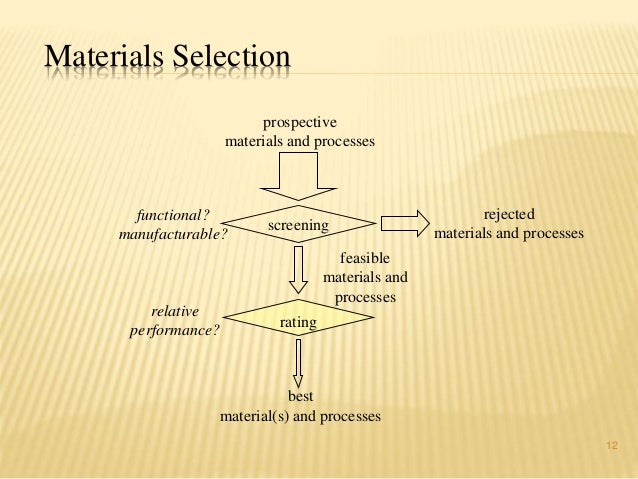

By 2026, the most effective sourcing decisions are no longer binary choices between cotton or polyester. Real-world products succeed because sourcing teams make structured, contextual decisions—balancing sustainability goals with performance requirements, cost constraints, and delivery realities.
The conversation has shifted.
The question is no longer “Which fiber is better?” It is “Which material strategy works best for this product, in this market, at this price point, within this timeline?”
Sustainable sourcing today is not ideological. It is operational.
A Practical Decision Framework That Works in Real Sourcing
Experienced sourcing teams approach material selection as a multi-variable equation, not a moral debate. They recognize that every product lives at the intersection of:
- How it is used
- Who buys it
- What it must cost
- How fast it must ship
- How long it must last
The most resilient material choices are those that survive commercial pressure, not just sustainability audits.
A) Start With Product Use, Not Ideology
The single most common sourcing mistake is starting with a fiber preference instead of a use-case analysis. Materials should be chosen based on how a product behaves in the real world—not how it sounds in a sustainability brief.
| Product Reality | Material Priority |
|---|---|
| High abrasion | Polyester or blend |
| Skin contact | Cotton or cotton-rich |
| Frequent washing | Polyester advantage |
| Premium feel | Cotton advantage |
Why Use-Case First Always Wins
A fabric that performs poorly in use will be replaced faster, regardless of how responsibly it was sourced. Early replacement multiplies environmental impact by increasing:
- Production volume
- Transport emissions
- Waste generation
For example:
- A cotton tote bag used daily and replaced after one year
- Versus a polyester tote bag used daily for five years
The second option often has a lower total footprint, despite higher production emissions.
Use-case reality is the foundation of sustainability.
Typical Use-Case Mismatches to Avoid
Common sourcing failures include:
- Highly biodegradable fabrics used in high-friction applications
- Recycled fabrics specified for short-life promotional items
- Comfort-driven fabrics used where durability is the dominant requirement
These mismatches rarely fail immediately—but they fail predictably.
B) Match Sustainability Goals to Customer Expectations
Another frequent mistake is over-engineering sustainability for markets that do not reward it—or under-delivering where expectations are high.
| Market Position | Smart Fiber Strategy |
|---|---|
| Entry-level | Responsible conventional |
| Mid-range | Certified recycled or organic |
| Premium | Full traceability + performance |
Sustainability Is Perceived, Not Absolute
Customers experience sustainability indirectly:
- Through product feel
- Through durability
- Through brand communication
In entry-level markets, price sensitivity dominates. Here, responsibly sourced conventional cotton or polyester—paired with good processing controls—often delivers the best balance of cost and impact.
In mid-range markets, certifications like GRS or OCS add value when clearly communicated.
In premium markets, sustainability must be defensible, not just visible. Full traceability, transaction certificates, and performance consistency matter more than labels alone.
Over-specifying sustainability where customers cannot perceive or value it reduces ROI and strains supply chains.
C) Lead Time and MOQ Considerations
Material choice directly affects supply stability, especially under tight timelines.
| Material Type | Supply Stability |
|---|---|
| Conventional cotton | High |
| Organic cotton | Medium |
| Recycled polyester | Variable |
| Custom blends | Project-based |
Why Lead Time Is a Sustainability Issue
Longer lead times often mean:
- Expedited shipping
- Smaller, less efficient production runs
- Increased air freight
All of these increase environmental impact.
Conventional cotton and virgin polyester benefit from mature, predictable supply chains. Organic cotton depends on certified availability, which can fluctuate by season and region. Recycled polyester depends on feedstock supply and processing capacity, which can vary sharply.
Custom blends introduce the most uncertainty. They require:
- Yarn development
- Sampling rounds
- Process tuning
Factories with in-house development capability reduce these risks significantly by shortening iteration cycles and controlling quality earlier.
D) Why Blends Still Dominate Real Products
Despite end-of-life challenges, blended fabrics remain common—not because sourcing teams ignore sustainability, but because blends often solve real performance problems.
Blends can:
- Improve abrasion resistance
- Enhance dimensional stability
- Balance comfort and strength
- Reduce extreme weaknesses of single fibers
This is why blends dominate categories like:
- Bags and backpacks
- Workwear
- Travel accessories
- Home textiles
The sustainability challenge is not the existence of blends—it is how they are used and disclosed.
Transparency Beats Purity
Blends become a problem when:
- Their composition is hidden
- Their recyclability is overstated
- Their performance benefits are marginal
Blends remain defensible when:
- They meaningfully extend product life
- Their composition is clearly labeled
- End-of-life limitations are acknowledged
Avoiding blends entirely often leads to performance compromises that shorten product life, which undermines sustainability goals.
E) Cost Control Without Sustainability Regression
Cost pressure is where many sustainability strategies quietly collapse.
Common cost-driven failures include:
- Downgrading recycled content without disclosure
- Switching processing locations without updating certificates
- Relaxing incoming inspection to save time
The most resilient sourcing strategies build cost realism into material choice from the start.
This includes:
- Choosing materials with stable supply
- Avoiding exotic specs unless justified
- Aligning certification level with price point
“Sustainable but unaffordable” is not sustainable at scale.
F) Lead Time vs Material Ambition: A Real Trade-Off
Ambitious sustainability specs often collide with tight timelines.
Typical conflict scenarios:
- Certified organic yarn not available in required color
- Recycled feedstock delays spinning schedules
- Certification documentation lagging production
Experienced teams plan for this by:
- Locking material specs early
- Allowing buffer time for documentation
- Avoiding late-stage fiber changes
Late material changes are one of the biggest sources of both compliance risk and quality failure.
G) What Experienced Sourcing Teams Do Differently
High-performing sourcing teams share several habits that reduce risk and improve outcomes.
They:
- Pilot materials before scaling
- Compare cotton, polyester, and blends side by side
- Evaluate performance after washing and aging
- Lock specifications early
- Accept “good and honest” over “perfect and fragile”
At SzoneierFabrics, many successful projects begin with parallel sampling—testing cotton, polyester, and blended options under identical conditions to see which performs best for the intended use, cost target, and delivery window.
This approach replaces assumptions with evidence.
H) Designing Material Strategy, Not Just Choosing Fibers
The most advanced sourcing decisions treat materials as part of a system, not isolated inputs.
A complete material strategy considers:
- Fiber choice
- Fabric construction
- Dyeing and finishing
- Performance over time
- Care behavior
- End-of-life reality
Changing fiber alone rarely delivers meaningful sustainability gains if the rest of the system is ignored.
I) Why “Cotton vs Polyester” Is the Wrong Question
The cotton-versus-polyester debate persists because it is simple. Unfortunately, real sourcing is not.
Cotton offers:
- Comfort
- Breathability
- Biodegradability
- Familiarity
Polyester offers:
- Durability
- Dimensional stability
- Care efficiency
- Scalability
Blends offer:
- Balance
- Compromise
- Practical performance
None is universally superior. Each performs differently depending on use, market, and execution.
Choosing Wisely, Not Sides
The most effective material choices in 2026 are not driven by ideology or trend alignment. They are driven by fit.
Fit between:
- Product use and material behavior
- Market expectations and sustainability claims
- Cost targets and certification depth
- Lead time pressure and supply stability
Sustainable sourcing is not about choosing the “right” fiber. It is about choosing the right material strategy—one that performs reliably, scales honestly, and holds up under commercial pressure.
Cotton, polyester, and blends will all remain part of the textile landscape. The brands that succeed are those that use them intentionally, transparently, and contextually.
Sustainability is not a label. It is a series of disciplined decisions—made early, tested thoroughly, and executed realistically.
Ready to develop sustainable fabrics that actually work?
SzoneierFabrics is a China-based fabric R&D and manufacturing partner with long-term experience in custom cotton, polyester, and blended textiles. From fiber selection and certification planning to sampling, testing, and bulk production, the team supports brands and importers looking to balance sustainability with real-world performance.
If you’re planning a 2026 collection or reevaluating your material strategy, share your product type, target market, and sustainability priorities. Request a custom fabric quotation or sample from SzoneierFabrics—and build sustainability into your materials, not just your messaging.