 Skip to content
Custom Linen Cloth Manufacturing: MOQ & Lead Time Comparison by Country
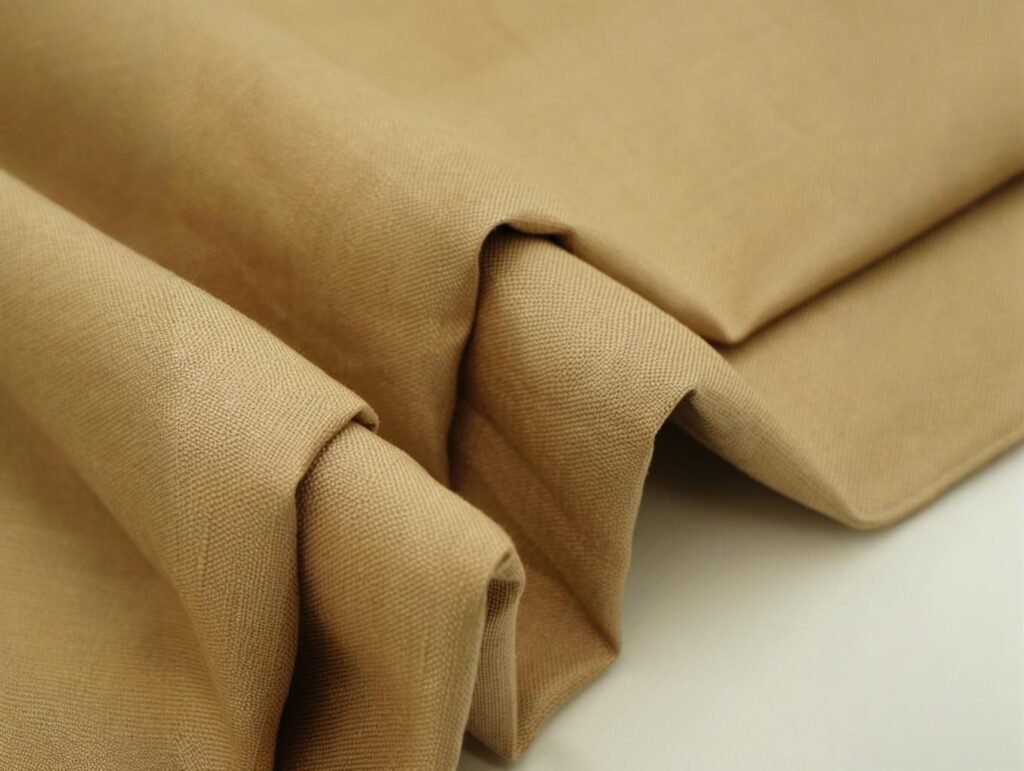
Custom linen cloth sourcing can feel like walking a tightrope—balancing between fast turnaround and manageable order size. Whether launching a capsule collection or scaling production, knowing how MOQ and lead times compare across countries is game-changing.
MOQ (minimum order quantity) and lead time for custom linen cloth vary significantly by country—European mills typically start at 200–500 m with 35–60 day lead times, while Asian factories offer smaller MOQs (100–300 m) and faster turnarounds (15–30 days).
With this insight, you can better plan fabric costs, manage inventory, and meet your launch timelines. And—bonus—you’ll avoid over-ordering or missing market windows. For example, one U.S. startup missed prime spring launch by two weeks due to misjudging Belgian mill timelines. Here’s how you can avoid that—and get ahead.
1. What Is the Standard MOQ for Custom Linen Fabric Orders Worldwide?
MOQ isn’t a fixed rule—it’s shaped by local production economics, equipment set-up, and fiber sourcing. European mills with shorter supply chains often ask for larger minimums, while Asian producers typically offer flexibility with smaller runs.
The standard MOQ for custom linen orders varies from 100–300 m in Asia to 200–500 m in Europe. Some specialized suppliers even offer MOQs as low as 50–100 m for stock styles, though customization usually raises that floor.
Global MOQ Benchmarks
Regional Overview and MOQ
| Country/Region | MOQ Range (m) | Typical Custom Specs |
|---|---|---|
| China | 100–300 | Standard dyeing, reactive finishes |
| India | 150–350 | Enzyme wash, blends |
| Vietnam/Bangladesh | 200–400 | Garment dye, heavier canvas |
| Turkey | 200–500 | OEKO-TEX®, EU-standard weaving |
| Lithuania/Poland | 300–600 | Masters of Linen®, eco-certified |
| Portugal/Italy | 200–500 | High-end finishes, yarn-dyed |
| Belgium/France | 300–700 | Premium flax, heritage quality |
Why MOQs Vary
- Weaving yoga: setting up a loom for color batches takes time and yarn—so larger runs cost less per meter.
- Dyeing economies: chemical preparation and pit building are expensive for small runs.
- Certifications and testing: meeting OEKO-TEX® or Masters of Linen® standards adds QC steps justifying higher MOQ.
Small Stock Exceptions
- Many mills sell stock colors from just 50–100 m, but adding custom color or finish usually returns MOQ to standard range.
Example: An Australian design studio sourcing OEKO-TEX® linen from Turkey paid for 100 m stock and added 150 m per custom color, optimizing costs while securing compliance and variety.
2. Which Countries Offer the Fastest Lead Times for Linen Cloth Production?
Lead time is a key decider, once you’ve nailed MOQs. It’s not just about speed—but about launching on schedule, not chasing deadlines.
Asian producers like China, Vietnam, and India generally offer the quickest lead times (15–30 days), while European suppliers can take 35–60 days—or longer, for certified, high-end flax from Belgium or France.
Lead Time Comparison by Country
| Country/Region | Standard Lead Time (days) | Notes |
|---|---|---|
| China | 15–25 | High capacity, stock availability |
| India | 20–30 | Enzyme/pre-shrunk options common |
| Vietnam/Bangladesh | 25–35 | Garment-dyeing available |
| Turkey | 30–45 | EU compliance, shorter transit |
| Portugal/Italy | 35–50 | Premium weaving, EU logistics |
| Lithuania/Poland | 40–60 | Eco-certified, smaller mill network |
| Belgium/France | 45–70 | Masters of Linen® with deep QC |
Factors Speeding or Slowing Delivery
- Stock vs. Custom: stock colors and fabrics ship in 2–3 weeks; custom dyeing/add-ons add 2–3 weeks.
- Seasonal peaks: European mills slow down between March–May, increasing lead times.
- Transit time: Asian shipping adds 10–20 days; EU routes have 3–7 day windows for intra-region.
Real-World Insight: A U.K. fashion label switched from Portuguese to Turkish linen for their summer range—cutting lead time from 48 to 33 days, enabling a new spring drop 2 weeks earlier and reducing rush shipping costs by 18%.
3. How Does MOQ Vary Between European and Asian Linen Manufacturers?
Minimum order quantity (MOQ) often reflects a country’s production model. European mills tend to focus on high-value, certified linen with advanced finishing—requiring larger setup costs. Asian suppliers, by contrast, prioritize volume and flexibility, often catering to brands seeking low-risk, small-batch production.
Asian linen manufacturers generally offer lower MOQs (100–300 m), while European mills often require 300–600 m per custom order due to stricter quality standards, limited loom capacity, and more complex dyeing or finishing processes.
Comparing MOQ Expectations by Region
Cost-Efficiency vs. Craftsmanship
| Region | MOQ Range (m) | Specialization | Notes |
|---|---|---|---|
| Asia (CN/IN) | 100–300 | Speed, stock colors, small-batch dyeing | Low setup cost and wide capacity |
| Turkey | 200–400 | Mid-tier quality, EU-compliant fabrics | Balance of cost and certs |
| Western EU | 300–600 | Certified flax, premium finish | MOQ linked to luxury positioning |
MOQ and Production Flexibility
- China and India: Flexible for sampling, allow small MOQ with surcharge (even 50 m for test runs).
- Italy and France: Often require larger dye lots to maintain consistency; yarn-dyed or woven-to-order options increase MOQ.
- Turkey and Lithuania: Offer middle-ground options—good for scaling with sustainability goals.
Case Example: A Canadian resort wear brand sourced custom-dyed linen in 150 m lots from India, testing color trends before bulk reorders. When scaling up, they shifted to Lithuanian production at 400 m MOQ for better texture and yarn quality.
MOQ + Pricing Strategy Matrix
| MOQ Size | Target Use Case | Suggested Countries |
|---|---|---|
| 100–200 m | Sampling, new collections | China, India, Vietnam |
| 200–400 m | Mid-scale production | Turkey, Bangladesh |
| 400–600 m | Premium/luxury bulk orders | Italy, France, Belgium |
4. What Factors Influence Lead Time in Custom Linen Fabric Manufacturing?
Lead time isn’t just about a factory’s capacity—it’s also about raw material origin, dyeing queues, local holidays, and even lab dip approvals. A missed dye test can delay a shipment by 7–10 days.
Lead times are influenced by fabric construction complexity, dyeing methods, fiber sourcing origin, compliance testing, and country-specific holidays. Streamlined communication and early sampling reduce delays significantly.
Key Lead Time Variables
1. Fiber Source & Yarn Prep
- Belgian and French flax must be retted, combed, and spun—a slow artisanal process.
- Asian regions often use blended or stock yarns, accelerating production cycles.
2. Dyeing Method
| Dyeing Technique | Extra Time Needed | Notes |
|---|---|---|
| Reactive dyeing | +3–5 days | Deep penetration, eco-compliant |
| Pigment dyeing | +1–2 days | Fast but lower washfastness |
| Yarn-dyeing | +7–10 days | Used in premium products |
3. Certification & Testing
- OEKO-TEX®, GOTS, and REACH compliance often require 3–7 extra days for batch tests.
- Export compliance (especially to the EU or U.S.) adds additional document prep time.
4. Local Conditions
- Monsoon seasons in India and Bangladesh delay drying, impacting dye turnaround.
- Summer holidays in European mills (Aug shutdowns) can double quoted lead times.
Real Use Case: An L.A.-based slow fashion brand working with a Masters of Linen® certified Belgian mill faced an 18-day delay during European summer break. Switching to Portugal for similar quality with pre-summer booking shaved 12 days off and allowed on-time retail delivery.
5. Which Countries Offer the Best Balance of MOQ, Lead Time, and Quality?
When choosing a custom linen supplier, the ideal scenario blends low MOQ, fast turnaround, and consistent quality. However, not every country delivers on all three. The balance often depends on your product positioning, seasonality, and sourcing agility.
Turkey and Lithuania currently offer the most balanced linen sourcing conditions—combining mid-range MOQs (200–400 m), relatively fast lead times (3–5 weeks), and EU-compliant quality standards.
Regional Comparison Matrix
1. Europe: Lithuania, Portugal, and Turkey
| Country | MOQ (avg) | Lead Time | Quality Level | Notes |
|---|---|---|---|---|
| Lithuania | 200–400 m | 3–4 wks | Consistent, clean finish | Good for mid-premium apparel |
| Portugal | 300–500 m | 5–6 wks | Excellent prewashed linen | Strong in home textiles |
| Turkey | 200–400 m | 3–4 wks | High, EU-compliant | Fast logistics to EU/US |
2. Asia: China, India, Vietnam
| Country | MOQ (avg) | Lead Time | Quality Level | Notes |
|---|---|---|---|---|
| China | 100–300 m | 2–4 wks | Variable (can be high) | Great for prototypes or private labels |
| India | 150–400 m | 4–6 wks | Handwoven and machine | Sustainable blends widely used |
| Vietnam | 200–400 m | 3–5 wks | Increasing EU exports | Good alternative for scaled supply |
Strategic Insight:
- Startups launching new products benefit from China or India due to low MOQ and flexible terms.
- Growing brands balancing quality and speed often shift to Lithuania or Turkey as order volumes grow.
- Premium labels typically engage Portugal or Western Europe for custom weaves and finishes.
Case Insight: A Scandinavian sleepwear label moved sourcing from Indian linen (250 m MOQ, 6-week lead) to Turkish linen (300 m MOQ, 4-week lead) to improve lead time and fabric softness—critical for their spring collection delivery.
6. How Do Certifications Like OEKO-TEX or Masters of Linen Impact MOQ?
Certifications often increase the MOQ and lead time, but they offer unmatched consumer trust, especially in export markets like the EU, USA, and Australia. These labels guarantee not only product safety but traceability, ethical farming, and low-impact processing.
Certifications like OEKO-TEX®, GOTS, and Masters of Linen® usually require minimum production runs of 300–600 m to comply with batch-level testing, record tracking, and mill audit processes.
Certification Effect Breakdown
MOQ Impact Table by Certification Type
| Certification | Typical MOQ Impact | Notes |
|---|---|---|
| OEKO-TEX Standard 100 | +100–150 m | Requires material and process testing |
| GOTS (organic) | +150–200 m | Chain of custody tracking raises threshold |
| Masters of Linen® | +300–400 m | Yarn must originate and be processed in EU |
| European Flax® | +150 m | Focus on raw flax, MOQ tied to fiber origin control |
Why MOQ Increases:
- Testing logistics: Certification bodies batch test material. To minimize cost, mills prefer testing larger dye lots.
- Documentation demands: Organic status or EU origin traceability requires clear documentation from yarn to weaving.
- Limited certified capacity: Not all production lines are certified, so scheduling is less flexible.
Is It Worth It?
Yes, if:
- Your brand markets sustainability or organic status.
- You’re exporting to strict-compliance markets.
- You seek long-term consumer trust and price justification.
Use Case: A wellness-focused Australian robe brand insisted on OEKO-TEX and GOTS-certified linen for their meditation wear. Their MOQ rose from 200 m to 500 m, but their retail value and press visibility doubled due to verified eco-credentials.
7. What Are Common Mistakes to Avoid When Calculating MOQ and Lead Time?
Many sourcing professionals underestimate the hidden layers behind MOQ and lead time. This oversight can result in missed launch windows, inflated warehousing costs, or production setbacks.
The most common mistakes include underestimating fabric wastage, ignoring mill production calendars, over-relying on quoted lead times, and failing to clarify MOQ by color or design variation.
Mistake Mapping and Prevention
1. Misinterpreting MOQ Terms
| Misunderstanding | What Actually Happens |
|---|---|
| MOQ = total meters of fabric | Often it’s MOQ per color, per weight, or per weave |
| MOQ = confirmed at quote | MOQ can change post-sampling if machinery or yarn changes |
| MOQ = same for all products | Jacquard, dobby, and yarn-dyed linens often have higher MOQ |
Action tip: Always break down MOQ per SKU component—color, weave, width, and finish.
2. Ignoring Mill Scheduling and Holidays
| Error Type | Impact | Solution |
|---|---|---|
| Overlapping national holidays | Adds 2–3 weeks delay | Consult regional calendars upfront |
| Assuming 4-week lead time always | Delays in high season | Ask for production queue confirmation |
Insight: A US-based homeware brand lost \$22,000 in sales due to miscalculating MOQ/color during Lunar New Year in China. Their mistake? MOQ was 500 m per color, not total, and their supplier shut down for 15 days.
3. Underestimating Fabric Loss
Cutting, washing, shrinkage, and QC rejection all lead to loss.
| Fabric Stage | % Loss (average) |
|---|---|
| Pre-shrinking | 2–4% |
| Cutting and seaming | 5–10% |
| Post-treatment QC | 1–2% |
Tip: Add a 10–15% buffer to your MOQ request to ensure finished goods quantity matches plan.
8. How Can Sourcing Managers Optimize for Both MOQ and Lead Time in Custom Linen Projects?
Achieving the sweet spot between manageable MOQ and fast lead time is less about compromise and more about planning. Strategic communication, material forecasting, and tiered production plans help sourcing professionals avoid tough trade-offs.
The most effective strategies include pre-booking loom time, maintaining a rolling forecast with key mills, consolidating fabric specs across SKUs, and co-developing seasonal programs.
Optimization Strategies
1. Establish Preferred Mill Partnerships
- Build long-term trust to negotiate better terms.
- Shared forecasting helps mills reserve capacity and minimize lead time fluctuation.
- Premium clients often get early access to next-season yarns or finishes.
2. Tier MOQ by Fabric Type
| Fabric Type | MOQ Flexibility | Lead Time Expectation | Optimization Tip |
|---|---|---|---|
| Greige linen | High | Short (2–3 wks) | Use for early development sampling |
| Yarn-dyed linen | Moderate | Medium (4–6 wks) | Plan 90 days ahead to lock slots |
| Jacquard/dobby linen | Low | Long (6–8 wks) | Batch different designs using same yarn |
3. Implement Spec Consolidation
Instead of developing ten different linen blends for each shirt style, consolidate specs to 2–3 standard qualities. This allows:
- MOQ aggregation
- Easier stock rotation
- More accurate cost forecasts
4. Use Flexible MOQ Models
Work with mills offering:
- Blanket contracts: MOQ of 1000 m, delivered in 3 shipments of 333 m.
- Fabric-on-demand systems: where greige fabric is held in stock and dyed/finished as per call-off.
Success Story: A Canadian wellness brand unified all their lounge shirt styles into a single 180gsm enzyme-washed Belgian linen. They reduced MOQ complexity by 60% and achieved a rolling delivery model (monthly 200 m).
Sourcing Custom Linen Made Simple
Sourcing managers today need more than a supplier—they need a fabric partner who understands MOQ realities, respects your timeline, and delivers consistently.
At SzoneierFabrics, we specialize in custom linen manufacturing tailored to your unique needs. Whether you’re ordering 100 meters or planning 10,000+, we help you navigate regional lead times, certification challenges, and price-volume optimization.
Ready to start your custom linen project? Contact SzoneierFabrics today for a fast quote, free sampling, and flexible MOQ options. Let’s bring your textile ideas to life—on time, on budget, and on spec.
custom linen cloth manufacturing, linen fabric MOQ, linen fabric lead time, linen suppliers by country, bulk linen fabric sourcing, minimum order quantity linen, European linen manufacturers, Chinese linen fabric lead time, custom linen fabric supplier, flax linen fabric wholesale, linen textile production, linen fabric export guide, linen sourcing for brands, low MOQ linen supplier, linen cloth factory China, custom dyed linen fabric, linen fabric turnaround time, Eastern European linen suppliers, Belgian linen fabric export, French linen MOQ, linen fabric per yard pricing, wholesale linen fabric manufacturers, custom loom linen fabric, high quality linen textile, fast production linen supplier, sustainable linen fabric sourcing, linen garment fabric bulk order, organic linen fabric lead time, how to order custom linen, best countries for linen production
Can't find the answers?
No worries, please contact us and we will answer all the questions you have during the whole process of bag customization.
Make A Sample First?
If you have your own artwork, logo design files, or just an idea,please provide details about your project requirements, including preferred fabric, color, and customization options,we’re excited to assist you in bringing your bespoke bag designs to life through our sample production process.