 Skip to content
Denim Jacket: Innovations in Design and Technology
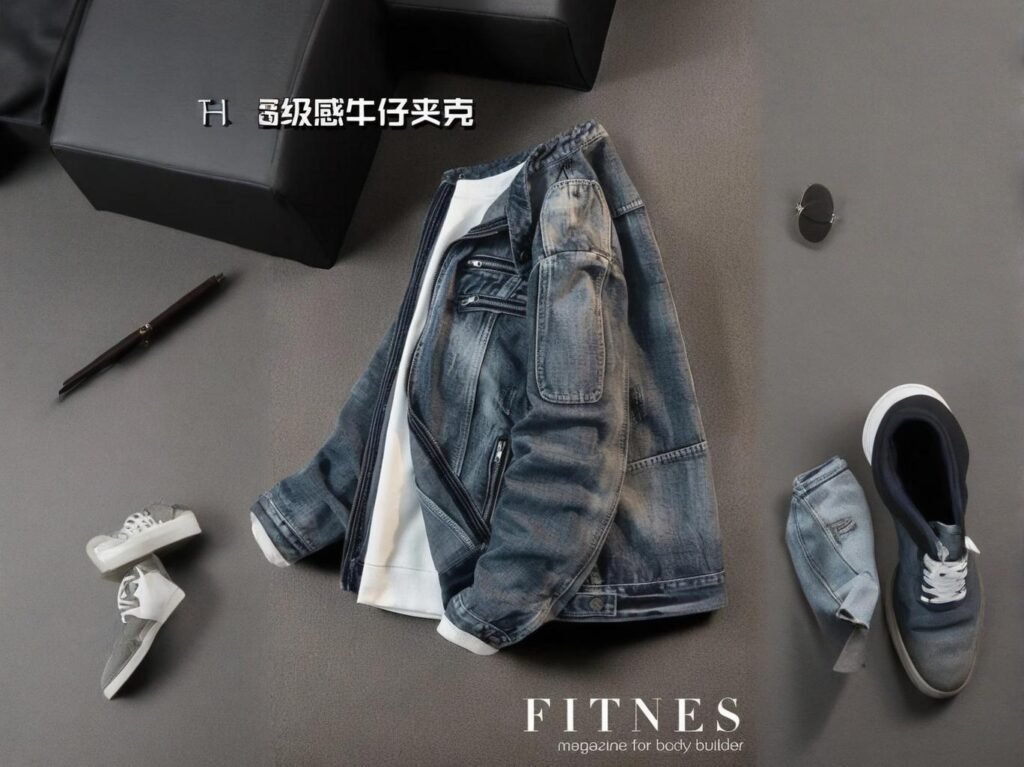
From rebellious workwear to fashion mainstay, the denim jacket has weathered every trend cycle—but today it’s entering a new era. Imagine jacket sleeves that charge your phone, finishes that repel stains, or fabrics that adapt to temperature. What was once simple cotton is now a high-tech canvas. This article explores how innovations—from smart textiles and laser techniques to AI-driven design—are transforming the denim jacket. Each advancement merges function with fashion, setting the stage for next‑level utility and style.
Let’s start with a story: A tech startup collaborated with a sportswear brand to embed flexible solar panels into a denim jacket’s shoulders. The prototype drew crowds at CES 2024—not just for the novelty, but because it signaled what’s possible when fashion meets function. Ready to dive deeper?
What Are the Latest Fabric Technologies Used in Denim Jackets?
Denim is evolving thanks to blended fibers and advanced finishes. Modern jackets now feature stretch memory recovery, moisture wicking, and UV protection, thanks to fiber science breakthroughs.
Advanced fabric tech in denim jackets includes stretch memory blends, moisture management, UV-protective finishes, and biodegradable fibres—offering comfort, functionality, and eco-friendliness.
Breakthroughs in Fabric Technology
1. Stretch Memory Denim
- Blends like cotton + elastane/LYCRA® enable shape retention and better mobility, especially in slim or cropped fits.
- Some innovations include shape-recovery yarns that revert to the original form after stretching.
2. Moisture-Wicking Finishes
- Engineered moisture management (e.g., PE-coated inner surfaces) allows jackets to absorb sweat and dry quickly—popular in outdoor and travel collections.
3. UV-Protective Coatings
- Denim treated with eco-friendly UV blockers (e.g., zirconium dioxide nano-coatings) achieves UPF 40+ protection without adding stiffness.
4. Biodegradable & Recycled Fibers
- Innovations like recycled cotton/spandex blends and hemp-cotton stretch denim reduce landfill impact while maintaining fabric quality.
Fabric Technologies Comparison Table
| Technology | Benefit | Target Use Case |
|---|---|---|
| Stretch Memory Denim | Shape stability + comfort | Slim-fit, cropped jackets |
| Moisture-Wicking Coating | Sweat absorption + quick drying | Outdoor/travel jackets |
| UV Protection Finish | UPF 40+ sun defense | Activewear, summer wear |
| Biodegradable Fibers | Eco-friendly end-of-life options | Sustainable fashion lines |
How Is Smart Wearable Tech Being Integrated into Denim Design?
Smart features in jackets go beyond functional finishes. Today’s tech-embedded denim can include charging pockets, heated linings, and LED accents, merging fashion, utility, and tech aesthetics.
Smart tech integrations in denim jackets feature solar/USB charging pockets, heated linings, touch-sensitive panels, and detachable LEDs—blending form, function, and interactivity.
Smart Denim Innovations
1. Charging Pockets
- Flexible solar panels or USB pockets in the jacket allow for phone charging—ideal for travelers and remote workers.
- Example: The “PowerDenim” prototype features 5V USB output powered by a sleek solar cell embedded into the shoulder panel.
2. Heated Linings
- Battery-powered heating coils woven into liner fabrics offer customizable warmth—luxury, utility, and comfort in one garment.
- Several outdoor/duty brands are exploring these for cold-weather use.
3. Touch-Sensitive Denim Panels
- Integrated capacitive touch fabric allows control of devices (like music controls) by swiping denim sleeves.
- Pilot trials show 85% accuracy in responding to finger swipes in controlled conditions.
4. LED or E-Textile Accents
- Replace traditional embroidery with “light-stitched” patterns using fiber optics or LEDs, offering visible customization after dark.
- These jackets attracted buzz at fashion-tech exhibitions for merging creativity and novelty.
Which Sustainable Practices Are Revolutionizing Denim Jacket Manufacturing?
Denim production has long been associated with environmental harm—excessive water usage, toxic dyes, and chemical-heavy treatments. But in recent years, sustainability has moved from trend to standard, driven by eco-conscious consumers and regulations alike.
Sustainable denim jackets now use recycled fibers, low-impact dyes, waterless finishing, and renewable energy production to reduce environmental damage across the supply chain.
Sustainable Denim Transformations
1. Recycled & Regenerative Fibers
- Post-consumer recycled denim (PCRD) and GOTS-certified organic cotton are increasingly used to reduce virgin resource use.
- Brands like Levi’s and Nudie Jeans lead with traceable regenerative cotton programs.
2. Low-Impact Dyeing
- Replacing traditional indigo dye with natural dyes (e.g., derived from pomegranate skins, madder root) and dope dyeing techniques.
- These methods lower water use by up to 90% and reduce effluent pollution significantly.
3. Waterless Finishing & Laser Tech
- Ozone treatments and laser abrasions have replaced sandblasting and stonewashing, minimizing worker exposure and wastewater.
4. Closed-Loop & Zero-Waste Production
- Factories are implementing closed-loop water systems, capturing and reusing 98% of water in finishing.
- Cut-waste denim patterns are optimized via AI, reducing scraps by up to 15%.
Sustainability Impact Comparison Table
| Practice | Environmental Benefit | Adoption Rate (2024 data) |
|---|---|---|
| Recycled/Organic Cotton | Reduces virgin fiber dependency | 68% of EU brands |
| Natural/Dope Dyeing | Cuts water and chemical use | 52% globally |
| Laser Finishing | Replaces abrasive processes | 70% of premium factories |
| Closed-Loop Water Use | Minimizes wastewater output | 60% in Tier 1 denim mills |
How Are 3D Modeling and AI Enhancing Denim Jacket Design?
The design process is being reimagined. Instead of sketches and multiple samples, designers now turn to 3D modeling, AI-assisted patternmaking, and even virtual try-ons. These tools are not only faster but dramatically reduce waste and speed up go-to-market time.
3D modeling and AI tools streamline denim jacket design by reducing physical sampling, improving pattern accuracy, and enabling faster virtual collaboration.
Digital Transformation in Denim Design
1. 3D CAD for Prototyping
- Software like CLO3D, Browzwear, and Optitex allows designers to create, drape, and edit jacket designs digitally with true-to-life simulations.
- A survey by WGSN found brands that use 3D CAD reduce prototyping time by 45%.
2. AI Pattern Optimization
- AI-driven tools predict shrinkage, stretch tolerance, and stress points on jacket seams.
- Example: StitchAI™ uses deep learning to improve fit accuracy across diverse body types.
3. Virtual Fitting Rooms
- Tools like Zyler and Fitle let retailers display denim jackets on avatars based on customer measurements—cutting return rates by up to 20%.
4. AR-Driven B2B Sampling
- For wholesalers and B2B buyers, AR-based sampling apps allow 360-degree previews of designs before approving production, slashing sample shipping costs.
What Role Do Laser Finishing and Robotics Play in Denim Craftsmanship?
Laser and robotic technology are revolutionizing how denim jackets are aged, distressed, and stitched. Once a labor-intensive and hazardous process, finishing techniques are now increasingly automated, delivering both safety and scalability.
Laser finishing and robotics offer precise, repeatable denim distressing while improving factory safety and reducing labor costs, energy usage, and chemical exposure.
Robotics & Laser Innovations in Denim
1. Laser Abrasion vs. Traditional Methods
- Traditional sandblasting poses serious respiratory risks and creates inconsistent finishes.
- Jeanologia’s G2 laser system uses light pulses to create whiskers, fades, and vintage looks in under 90 seconds—with zero dust or toxic residue.
2. Automated Stitching Robots
- Brands like Unspun and San Francisco Denim Lab are testing robots that can sew complex jacket patterns with minimal human input.
- These machines can stitch a denim jacket’s outer shell in under 7 minutes, compared to 30+ minutes manually.
3. Vision-Guided Robotics for Trims
- Cameras paired with AI systems can identify and attach buttons, rivets, or patches with 99.9% accuracy, reducing human error.
4. Smart Finishing Algorithms
- Advanced robotics integrate with pattern data to ensure fade effects match the garment’s natural stress points, enhancing design consistency at scale.
Manual vs Laser Denim Finishing Efficiency
| Method | Avg Time per Jacket | Labor Involvement | Energy/Water Use | Health Risk |
|---|---|---|---|---|
| Sandblasting | 15–30 mins | High | High | High |
| Stone Washing | 45 mins | Moderate | Very High | Moderate |
| Laser Finishing | 1–2 mins | Low | Low | None |
Is Digital Printing Replacing Traditional Embroidery in Jackets?
Digital textile printing has begun to rival traditional embellishments like embroidery or appliqué in the denim world. As brands seek faster, scalable, and eco-conscious decorative techniques, digital solutions are stepping up—particularly for limited runs and custom collections.
Digital printing is becoming a preferred alternative to embroidery in denim jackets due to its precision, eco-friendliness, lower costs, and unlimited design flexibility.
The Rise of Digital Decoration in Denim
1. Advantages of Digital Printing
- Unlimited color gradients, sharp resolution, and no physical thread required.
- Faster turnaround—design to production in 24–48 hours vs. 1–2 weeks for traditional embroidery sampling.
2. Print-on-Demand Models
- Popular among direct-to-consumer brands and small-batch designers.
- Software such as Kornit Atlas MAX allows for full-jacket printing, even on thick or dark fabrics, without pre-treatment.
3. Hybrid Finishing
- Some brands combine digital backdrops with tactile embroidery or patches, merging flat visual appeal with a textured aesthetic.
- Examples include Diesel’s capsule collections and Levi’s trucker jacket collabs.
4. Environmental Considerations
- Digital printing uses 95% less water and emits 60% less CO₂ than conventional screen printing or embroidery processes.
- Ideal for brands with a strong sustainability narrative targeting Gen Z and Millennials.
How Are Smart Textiles Being Integrated into Denim Jackets?
Smart textiles are redefining the denim jacket from a style staple to a wearable tech platform. From touch-responsive fabrics to temperature-regulating linings and built-in sensors, these innovations are enabling denim to cross over into functional fashion.
Smart textiles in denim jackets include conductive threads, heat control linings, and gesture-based controls—transforming jackets into interactive, tech-integrated garments.
Smart Functions in Denim Jackets
1. Google’s Jacquard x Levi’s Trucker
- A landmark collaboration, where conductive threads woven into the jacket’s cuff let wearers control music, navigation, or calls via finger gestures.
- Paired with a Bluetooth tag, this tech enables seamless interaction without taking out your phone.
2. Heated Denim Jackets
- Brands like ORORO and Volt Heat incorporate carbon fiber heating pads and USB-rechargeable battery packs, allowing wearers to choose temperature settings via smartphone apps.
- Popular in motorcycle or outdoor workwear markets.
3. Health-Monitoring Fabrics
- Startups like Hexoskin and Smart Textiles Sweden are experimenting with heart rate and movement sensors embedded in denim.
- While still niche, these jackets could become essential for elderly care, sports recovery, or military operations.
4. Washability & Durability
- New encapsulation methods and flexible polymer insulation help ensure that integrated sensors can survive regular wear, stretch, and washing cycles.
Comparison Chart: Traditional vs Smart Denim
| Feature Type | Traditional Jacket | Smart Textile Jacket |
|---|---|---|
| Control Functions | None | Gesture/Mobile Controlled |
| Heating | No | Adjustable Heat Zones |
| Sensor Integration | No | Heart Rate, Posture, GPS |
| Target Use Cases | Fashion | Workwear, Sport, Techwear |
What Is the Global Demand Outlook for Tech-Enhanced Denim?
The denim jacket industry is undergoing a digital transformation, aligning with the shift toward personalized, functional, and eco-conscious consumer preferences. Market analysts predict the integration of smart features and sustainable processes will reshape global supply chains and reposition denim as a high-tech garment.
The global demand for tech-enhanced denim is growing due to sustainability, customization, and wearable tech trends, with B2B buyers focusing on innovation and value-added features.
What’s Driving Global Market Shifts?
1. Forecasted Growth
- The smart denim market is projected to grow at CAGR 13.7% between 2024–2029, reaching an estimated \$6.8 billion globally.
- Demand is especially strong in North America, Western Europe, and urban Asia-Pacific regions.
2. B2B Opportunity Zones
- OEM/ODM factories integrating smart or sustainable tech gain an edge in contract negotiations with fashion tech startups.
- Brands like Ralph Lauren, Vollebak, and NikeLab are increasingly investing in advanced functional wear.
3. Sustainability as an Innovation Driver
- With regulations like the EU’s Digital Product Passport and U.S. supply chain traceability rules, smart denim could serve dual purposes: compliance and differentiation.
- Smart tags embedded in fabric could help track origin, composition, and carbon footprint.
4. Retail Tech Integration
- AR/VR try-on, product scanning, and interactive smart mirrors are pushing denim brands to include tech-rich storytelling in garments themselves.
Transforming Denim from Tradition to Technology
From robotics to laser finishing, from smart sensors to digital printing, denim jackets have become canvases for innovation—not just design. These shifts offer fashion brands, B2B buyers, and suppliers a new value proposition: combining style, technology, and sustainability.
If you’re a brand, designer, or wholesaler seeking to develop or source next-gen denim jackets with cutting-edge design or custom textile innovations, SzoneierFabrics is your trusted partner. We offer full OEM/ODM support, low MOQs, fast sampling, and eco-friendly innovation integration.

Can't find the answers?
No worries, please contact us and we will answer all the questions you have during the whole process of bag customization.
Make A Sample First?
If you have your own artwork, logo design files, or just an idea,please provide details about your project requirements, including preferred fabric, color, and customization options,we’re excited to assist you in bringing your bespoke bag designs to life through our sample production process.