
Does Rayon Fabric Shrink During Bulk Garment Production?
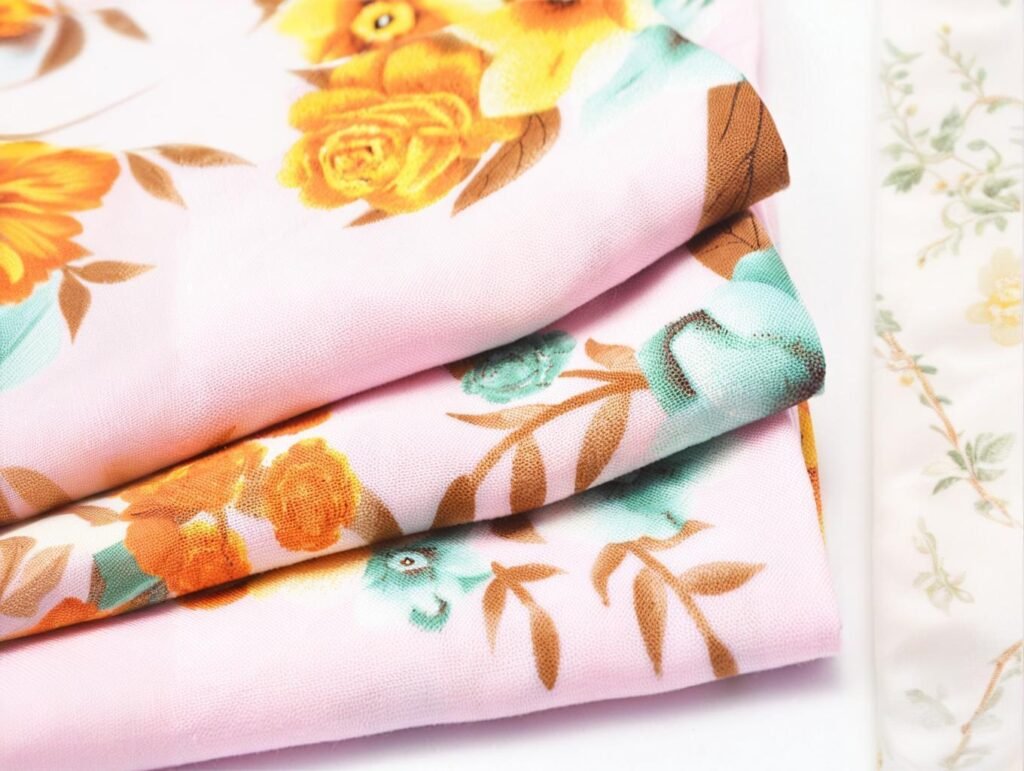
In today’s competitive apparel industry, quality consistency can make or break a production run—especially when working with semi-synthetic fibers like rayon. Known for its silk-like drape and softness, rayon is a favorite among fashion designers and manufacturers alike. But it also comes with a notorious question that can spark panic across production lines: does rayon shrink during bulk garment manufacturing?
Yes, rayon fabric is highly prone to shrinkage during bulk garment production, especially when exposed to heat, moisture, or mechanical agitation during processing or post-production washing. Shrinkage rates can vary from 3% to over 10%, depending on the fabric type, finishing, and treatment methods used. This makes preemptive handling techniques like pre-shrinking and controlled finishing absolutely essential.
Now imagine this: a client orders 5,000 rayon blouses for a spring launch. You finish the production, only to find that 20% of them have shrunk post-pressing or washing, leading to size inconsistencies, rejected orders, and reputational damage. This article explores how and why rayon shrinks, what steps professionals take to prevent it, and how your sourcing decisions can make or break the quality of your final product. Let’s dive deep.
1. What Causes Rayon Fabric to Shrink During Manufacturing?
Rayon shrinks primarily due to its cellulose-based structure, which absorbs moisture easily and reacts to mechanical stress. The production process for rayon weakens its molecular bonds compared to natural cotton or linen. When subjected to water and heat, especially during the washing or dyeing stages, the fibers tighten and compact—resulting in dimensional changes.
Unpacking the Root Causes
a. Moisture Sensitivity of Regenerated Cellulose
- Rayon, derived from wood pulp, has a hydrophilic structure that attracts and retains water, making it more vulnerable than polyester or nylon.
- Unlike synthetic fibers, rayon lacks thermoplastic memory—so once it changes shape due to water exposure, it often doesn’t return.
b. Heat Exposure in Dyeing & Pressing
- Standard dye bath temperatures can reach 60–85°C (140–185°F). Without pre-treatment, rayon fibers can shrink significantly during this stage.
- Inconsistent pressing temperatures post-garment construction can further exacerbate shrinkage unpredictability.
c. Mechanical Stress
- In high-speed machines, tension or friction during knitting, spinning, or weaving leads to latent stress in the yarn.
- This stress is often “released” during the first wash or steam, causing fibers to revert to their natural, shorter length.
| Cause of Shrinkage | Impact | Preventive Strategy |
|---|---|---|
| Water absorption | Fiber swelling, length reduction | Pre-washing, moisture control |
| Heat (ironing/dyeing) | Permanent fiber contraction | Use of temperature-controlled units |
| Fabric tension from weaving | Latent shrinkage after washing | Relaxation treatments before cutting |
Critical Insight: In a 2022 lab test by the China Textile Industry Testing Center, untreated rayon showed 7.8% average shrinkage, while pre-treated rayon showed less than 2.4%, demonstrating the importance of upstream interventions.
2. How Does the Type of Rayon Affect Its Shrinkage Rate?
Not all rayon is created equal. There are several types—viscose rayon, modal, and lyocell (TENCEL)—and each has distinct chemical treatments that influence shrinkage behavior. Understanding the differences can help manufacturers select the most stable option based on garment use, processing needs, and design objectives.
Comparing Shrinkage by Rayon Type
a. Viscose Rayon (Standard Rayon)
- Most shrink-prone of all rayon types.
- Chemically weaker; up to 8–10% shrinkage if untreated.
- Used widely in fast fashion due to cost-effectiveness but needs heavy finishing control.
b. Modal Rayon
- Chemically modified viscose with higher wet strength.
- Retains shape better under moisture; shrinkage typically below 5% with proper pre-treatment.
- Ideal for underwear, athletic wear, and fabrics requiring frequent washes.
c. Lyocell (TENCEL)
- Made with a closed-loop solvent system (NMMO), resulting in stronger fibers.
- Shrinkage is generally under 3%, even in wet conditions.
- More stable for eco-conscious fashion lines and luxury applications.
| Rayon Type | Shrinkage Range | Use Case | Durability |
|---|---|---|---|
| Viscose | 6–10% | Dresses, skirts, linings | Low |
| Modal | 3–5% | Activewear, sleepwear | Medium |
| Lyocell | 1–3% | Premium garments, sustainable | High |
Case Study: A New York-based fashion label switched from viscose to lyocell for their loungewear line after 18% of customer returns were due to post-wash size distortion. Post-transition, return rates dropped by 62% in two seasons.
Tip: Ask your supplier or mill for fiber spec sheets and certified shrinkage test reports before placing a bulk order.
3. Is Pre-Shrinking Rayon Fabric Necessary Before Mass Production?
Yes—pre-shrinking (or pre-washing) rayon is a critical step that significantly reduces unexpected shrinkage during or after bulk garment production. Many manufacturers who skip this process to save cost end up facing higher losses due to post-production inconsistencies, customer complaints, or returned inventory.
Why Pre-Shrinking Is a Non-Negotiable Step
a. Fabric Relaxation and Dimensional Stability
- Rayon fabric often holds residual tension from weaving or dyeing.
- Pre-shrinking helps relax the fibers and reveals how the fabric will behave after the end-user washes it.
b. Shrinkage Rate Before vs. After Treatment A controlled study on 4 rayon fabric batches yielded the following results:
| Fabric Type | Untreated Shrinkage (%) | After Pre-Shrinking (%) |
|---|---|---|
| Viscose Plain Weave | 8.2% | 2.3% |
| Modal Jersey Knit | 5.6% | 1.1% |
| Lyocell Twill | 3.3% | 0.9% |
| Rayon-Poly Blend | 4.7% | 1.4% |
Source: Zhejiang Textile Testing Institute, 2023
c. Pre-shrinking Methods Used in the Industry
- Steam Shrinking: Common in woven fabrics; involves passing fabric over a perforated drum with steam.
- Hot-Water Wash & Dry: Replicates consumer-level washing; more reliable for knitted rayon.
- Calendering or Compacting: Mechanically flattens and stabilizes the fibers after moisture exposure.
d. When Pre-Shrinking Becomes Critical
- When garment is tight-fitting (like shirts, leggings)
- When rayon is used for multi-layered construction (e.g., lined jackets)
- When customer specs demand shrinkage under 2%
Case Insight: A garment factory in Vietnam producing rayon-blend business shirts reduced their order rejections by 85% after incorporating a pre-shrink steam wash and light calendaring step before cutting fabric rolls.
Pro Tip: Always test 10×10 cm swatches for shrinkage with your production washing cycle before scaling.
4. Do Different Weaves or Blends of Rayon Impact Shrinkage Behavior?
Absolutely. The structure of the fabric—whether it’s a plain weave, twill, knit, or a blend with synthetic or natural fibers—has a profound effect on how much and how evenly rayon shrinks. A loosely woven or knitted rayon fabric will shrink more compared to a densely woven or blended one.
The Interplay Between Fabric Construction and Shrinkage
a. Weave Types and Their Shrinkage Patterns
- Plain Weave Rayon: Most prone to shrinkage; gaps between fibers allow more movement.
- Twill Rayon: More structured; fiber overlap reduces distortion.
- Rayon Jersey Knit: Shrinks the most in vertical direction (length), due to looped construction.
| Weave Type | Shrinkage Risk | Shrinkage Pattern |
|---|---|---|
| Plain Weave | High | Even, vertical & horizontal |
| Twill Weave | Medium | More stable, mostly vertical |
| Satin Weave | Low | Minimal, controlled |
| Knit (Jersey/Rib) | Very High | Major length shrinkage |
b. Fiber Blending: Rayon With Polyester, Cotton, or Spandex
- Rayon + Polyester: Polyester minimizes water absorption and acts as a shrinkage stabilizer.
- Rayon + Cotton: Can amplify shrinkage due to both being cellulose-based—pre-shrinking both is crucial.
- Rayon + Spandex: Adds stretch but can lead to distortion if over-dried or heat-treated improperly.
| Blend Composition | Shrinkage Range | Shrinkage Notes |
|---|---|---|
| 100% Rayon | 5–10% | Unstable if untreated |
| Rayon + 30% Polyester | 2–4% | Better wash resistance |
| Rayon + Cotton 50/50 | 4–8% | Double pre-shrink recommended |
| Rayon + Spandex 5% | 3–6% | Watch heat levels during press |
c. Yarn Count and Density Matter Too
- Finer yarns (higher count) tend to move more under heat or water, increasing shrinkage.
- Higher GSM (grams per square meter) fabrics tend to be more dimensionally stable.
Real-World Lesson: A Canadian athleisure brand experienced inconsistent sizing in their rayon-cotton tank tops. A deep dive revealed different GSM lots from the supplier. Post-correction, they mandated minimum 200 GSM and 50/50 rayon-polyester blends—resulting in 92% consistency in size grading post-production.
Pro Tip: Always document GSM, weave, blend ratio, and lot color codes when ordering rayon fabric in bulk to reduce inter-batch variability.
5. Which Finishing Techniques Can Help Control Rayon Shrinkage?
Rayon’s sensitivity to water, heat, and mechanical stress means finishing treatments play a crucial role in stabilizing the fabric before it reaches the cutting table. These techniques can greatly reduce post-production shrinkage, prevent warping, and improve dimensional stability.
The Finishing Toolbox for Rayon Fabrics
a. Sanforization (Mechanical Pre-shrinking)
- A controlled compressive shrinkage process originally developed for cotton.
- Now used for rayon twills and plain weaves, applying steam and tension to stabilize fibers.
- Shrinkage is reduced to below 1.5% in finished garments.
| Fabric Type | Shrinkage Before | Shrinkage After Sanforizing |
|---|---|---|
| Rayon Plain Weave | 7.2% | 1.1% |
| Rayon-Cotton Blend | 5.5% | 1.4% |
| Viscose Jersey Knit | 6.8% | 2.3% |
b. Resin Finishing or Crosslinking Agents
- Used especially in viscose and modal fabrics to bind fibers chemically and reduce movement.
- Popular in formalwear and uniforms where dimensional stability is critical.
- Some resins improve anti-wrinkle properties but may affect softness.
c. Heat Setting (Limited Use for Rayon)
- Common in synthetics but can be cautiously used on rayon-poly blends.
- Requires precise temperature calibration (120–140°C) to avoid burning or discoloration.
d. Enzyme Finishes
- Biological treatments that remove loose fibers and improve wash performance.
- Frequently used in modal and lyocell to improve feel and reduce surface fuzzing.
e. Moisture Management Coatings
- Certain coatings create a barrier to moisture absorption, reducing the impact of home washing cycles.
Practical Tip: Request finishing specs such as “sanforized,” “preshrunk,” “resin-treated,” or “heat-set” in your tech pack. Confirm through shrinkage test reports before approving production fabric.
Real-Life Case: A Turkish garment exporter faced high shrinkage rejection rates (6–8%) on rayon shirts. They introduced light resin finishing and post-cure sanforizing in collaboration with their dye house. The next season, shrinkage-related complaints dropped by 87%.
6. How Should Rayon Be Treated During Cutting, Sewing, and Washing?
Even if you use pre-shrunk or stabilized rayon, poor handling during cutting, stitching, or washing can reintroduce shrinkage issues. This phase demands strict process control to maintain garment sizing and shape.
Handling Rayon with Respect at Every Stage
a. Fabric Relaxation Before Cutting
- Allow fabric to rest for 12–24 hours in ambient conditions after unrolling to prevent latent tension.
- Cutting rayon too soon can lead to post-sewing distortion and shape loss.
b. Proper Stitching Techniques
- Use sharp microtex needles to avoid snagging.
- Avoid excessive tension in threads—rayon is prone to puckering if over-stitched.
- Choose polyester threads for stability; rayon threads often lack tensile strength.
c. Handling During Washing or Finishing
- Post-sewing wash tests must be conducted on finished garment samples.
- Use mild detergent, cold water, and low tumble drying to simulate real-world conditions.
| Handling Stage | Common Mistake | Corrective Action |
|---|---|---|
| Cutting | Cutting immediately after unrolling | Allow fabric to relax 24 hrs |
| Sewing | Excessive thread tension or blunt needle | Use fine needles and balanced tension |
| Washing | High heat during drying | Use low heat or line-dry for tests |
d. Shrinkage Monitoring Systems
- Install lab-scale laundering equipment in the QA department for pre-production simulation.
- Conduct tests as per AATCC 135 or ISO 6330 standards for wash shrinkage.
e. Batch Labeling and Tracing
- Each production batch should carry a traceable label linked to fabric specs and shrinkage reports.
- Helps in isolating issues in case shrinkage discrepancies arise post-delivery.
Factory Best Practice Example: A Sri Lankan uniform supplier used pre-washed rayon but still faced post-delivery shrinkage complaints. They later found the culprit—cutting done within 2 hours of fabric roll opening. By instituting a 24-hour rest policy and in-house shrinkage testing, they regained buyer trust and avoided over 400 returns.
Pro Tip: Instruct your sewing line with process SOPs (standard operating procedures) for rayon—highlighting pressing temperatures, needle types, and inspection checkpoints.
7. Are There Industry Standards or Tests for Rayon Fabric Shrinkage?
Yes, there are internationally recognized testing standards used to evaluate and control shrinkage in rayon fabrics during garment production. These tests simulate real-world laundering conditions to ensure fabric stability before bulk manufacturing begins.
Testing Frameworks and What They Reveal
a. AATCC and ISO Shrinkage Test Standards
- AATCC 135 (American Association of Textile Chemists and Colorists): Simulates home laundering conditions with multiple wash and dry cycles.
- Shrinkage of rayon is calculated by measuring pre- and post-wash dimensions.
- Commonly used by brands in the U.S., Canada, and parts of Southeast Asia.
- ISO 6330 (International Standard Organization): Offers standardized domestic washing methods applicable globally.
- Includes parameters for water temperature, detergent concentration, spin speed, and drying methods.
- Preferred for EU and Middle Eastern markets.
| Test Method | Used In | Shrinkage Limit Tolerance |
|---|---|---|
| AATCC 135 | U.S., SEA, Latin America | ±3% is generally acceptable |
| ISO 6330 | Europe, Middle East | ±2% for premium garments |
b. Laboratory Equipment Used
- Launder-Ometer for simulating washing durability.
- Shrinkage Templates and Scales for precise dimensional change calculations.
- Thermoform Testers to detect heat sensitivity of rayon-polyester blends.
c. What Buyers Often Require
- Pre-production shrinkage test reports before approving bulk cutting.
- Washed garment samples to inspect hand-feel, size retention, and fabric recovery.
d. Real-World QA Example A German private label required all their modal shirts to pass ISO 6330 Method 6N with shrinkage under 2%. The fabric supplier provided third-party lab reports from Intertek and pre-washed samples. This helped secure a recurring seasonal order worth over €600,000.
Pro Tip: Ask suppliers for lot-specific shrinkage test certificates and verify if testing was done under production-representative conditions (same dye, same GSM, same finishing).
8. What Best Practices Can Manufacturers Follow to Prevent Shrinkage Issues?
Preventing rayon shrinkage is not about one single method—it’s about holistic control across the supply chain, from fiber sourcing to final ironing. Below are tested best practices that successful manufacturers implement to ensure consistent, shrinkage-free rayon garments.
From Fabric Mill to Final Packing – What Works
a. Start with Quality-Controlled Sourcing
- Source rayon from mills with certified finishing lines (sanforizing, resin finishing, etc.).
- Prefer mills that provide pre-washed fabric swatches and spec sheets with shrinkage tolerances.
b. Integrate Pre-Shrinking Protocols
- Introduce steam shrinkage or hot-wash relaxation treatments before cutting.
- Involve QA inspectors early to test swatches from each new roll lot.
c. Implement Garment-Level Process Controls
- Allow fabric relaxation time after unrolling.
- Use proper tension settings during stitching to avoid fabric distortion.
- Press at low temperatures (max 110–120°C) and avoid over-steaming rayon blends.
d. Conduct In-House Shrinkage Simulations
- Set up lab-scale laundering (per ISO or AATCC).
- Simulate consumer handling conditions for realistic performance checks.
e. Educate Line Workers and QA Inspectors
- Provide training on:
- Proper needle selection
- Cutting and stitching handling techniques
- How to recognize fabric tension and distortion
f. Document Everything
- Maintain a technical data sheet per fabric lot: GSM, weave, blend, finishing method, shrinkage test results.
- Use digital QA tracking tools to flag variations early.
| Stage | Best Practice |
|---|---|
| Sourcing | Ask for shrinkage tolerance reports, fiber specs |
| Pre-production | Steam or wash fabric rolls, test 10×10cm swatches |
| Sewing | Use correct thread tension, avoid stretch during stitching |
| QA Testing | ISO 6330 or AATCC 135 washing protocols |
| Packing | Fold gently to prevent tension distortion |
Case Study: A design house in Los Angeles reduced its rayon return rate by 74% over two production seasons after integrating a 6-step shrinkage protocol—from sourcing certified pre-shrunk viscose to installing a fabric relaxation room in their cutting section.
Sourcing Manager Checklist: Before approving rayon for your next order, ensure: ✅ Shrinkage rate is under 3% ✅ Fabric has been pre-treated ✅ Cutting SOP includes relaxation time ✅ QA runs test washes using ISO or AATCC ✅ Garment samples are pre-washed and measured
Ready to Source Rayon Fabric the Right Way?
Rayon fabric offers beauty, breathability, and luxury at scale—but without proper control, shrinkage can sabotage your production. From understanding fiber chemistry to choosing the right weave and finishing, every decision matters. Manufacturers who invest in proper testing, sourcing from reliable mills, and implementing process SOPs often see significant returns in consistency, customer satisfaction, and brand reputation.
At SzoneierFabrics, we help ensure your rayon-based garments meet both visual and dimensional expectations. With years of experience in developing pre-shrunk, stable rayon blends across twill, jersey, and dobby constructions, we support your production needs with:
- 📦 Low MOQ & fast sampling
- 🧪 Free pre-shrink testing & swatch approval
- 🧵 Customized weaving and finishing
- 🚚 Quick delivery & global shipping options
Need shrinkage-controlled rayon fabrics for your product line?Contact SzoneierFabrics today or visit www.szoneierfabrics.com to request free samples and fabric consulting.
rayon fabric shrinkage, does rayon shrink, rayon fabric in bulk production, rayon pre-shrinking process, how to prevent rayon shrinkage, rayon garment manufacturing, shrinkage of viscose rayon, lyocell shrinkage rate, modal fabric shrinkage, pre washed rayon fabric, shrinkage control in textiles, rayon vs cotton shrinkage, bulk rayon fabric treatment, rayon shrinkage after washing, industrial rayon fabric care, rayon shrinkage test methods, AATCC rayon testing, ISO 6330 rayon, rayon finishing techniques, sanforized rayon fabric, shrinkage percentage in rayon, fabric shrinkage tolerance, shrinkage testing standards, rayon blending with polyester, best rayon fabric for garments, heat sensitivity of rayon, how to sew rayon, rayon QA checklist, stabilized rayon fabric, custom rayon fabric supplier,

Can't find the answers?
No worries, please contact us and we will answer all the questions you have during the whole process of bag customization.
Make A Sample First?
If you have your own artwork, logo design files, or just an idea,please provide details about your project requirements, including preferred fabric, color, and customization options,we’re excited to assist you in bringing your bespoke bag designs to life through our sample production process.