 Skip to content
Does Rayon Fabric Shrink in Blends with Spandex, Polyester, or Nylon?
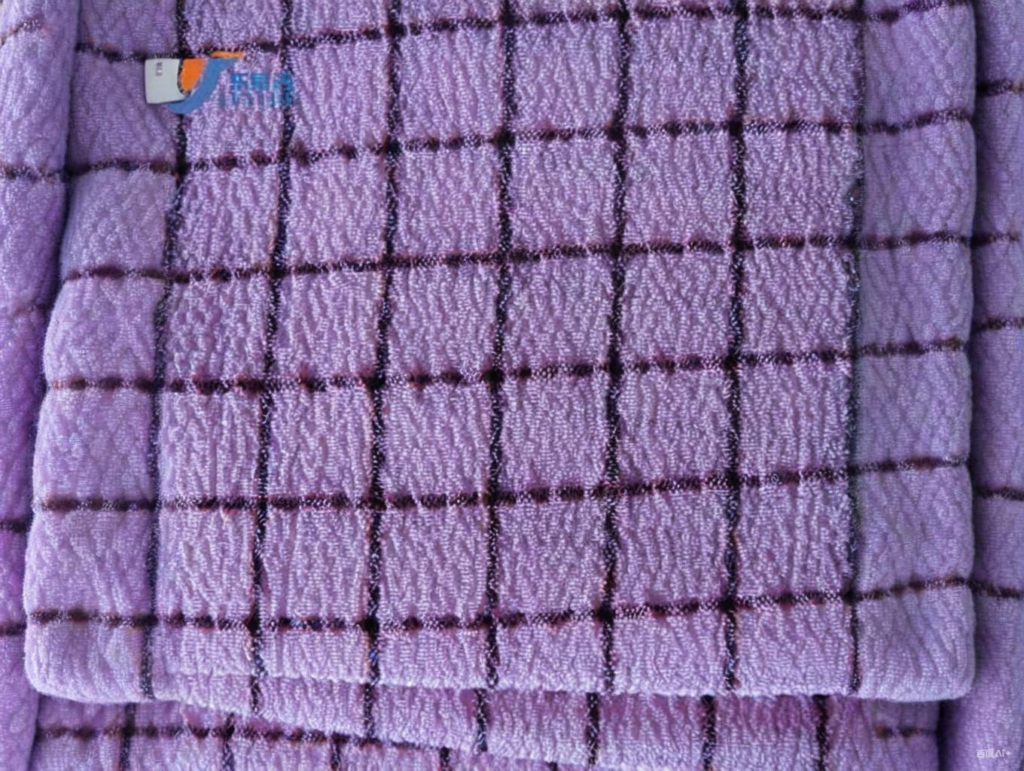
Rayon is one of the most beloved fabrics for comfort clothing—but it’s also one of the most notorious for shrinkage. The moment you wash it, it can contract dramatically, distort, tighten, and lose its original shape. This is why many developers use blends such as rayon-spandex, rayon-polyester, or rayon-nylon, hoping to “fix” rayon’s instability. But do these blends actually prevent shrinkage? The answer depends heavily on fiber percentages, construction, finishing, and washing conditions. Rayon can still shrink in blends with spandex, polyester, or nylon, but the shrinkage level decreases as the amount of synthetic fiber increases. Rayon-spandex blends typically shrink 2–6%, rayon-polyester blends shrink 1–4%, and rayon-nylon blends shrink 1–5%, depending on GSM, knitting or weaving method, and finishing.
A Los Angeles apparel label learned this the hard way when their rayon-spandex dresses shrank nearly 7% after customers washed them. They believed spandex would “prevent” shrinkage, but spandex only adds stretch—it does not stabilize rayon unless heat-set properly. After switching to a heat-set rayon-poly blend with compact finishing, shrinkage dropped under 3% and complaints disappeared.
Below is the complete science-backed breakdown of why rayon shrinks in blends and how to control it.
What Causes Rayon to Shrink, and How Does Blending It with Other Fibers Change Its Behavior?
Rayon’s notorious tendency to shrink is rooted in its unique fiber chemistry. As a regenerated cellulose fiber with low crystallinity and high amorphous content, rayon absorbs water more readily and swells more dramatically than cotton or other natural fibers. Once swollen, its molecular chains shift and relax, causing permanent dimensional changes. Blending rayon with spandex, polyester, or nylon can modify this behavior—but each blend affects shrinkage differently and requires specific finishing techniques to stabilize the fabric fully.
Rayon’s Fiber Structure and Why It Shrinks So Easily
Rayon behaves differently from natural cotton or synthetic polyester because of how its cellulose is re-formed during fiber production. The viscose or modal process dissolves cellulose, re-spins it, and regenerates it into new fibers—but the resulting fiber structure remains:
- Low in crystallinity → fewer rigid, ordered regions to resist deformation
- High in amorphous zones → more open spaces that absorb water quickly
- Very high in swelling capacity → rayon fibers expand significantly when wet
- Low in wet modulus (weak when wet) → the fiber collapses and deforms under minimal stress
When rayon absorbs water (whether during humid weather or laundering):
- Fibers swell → causing loops, yarns, and fabric structure to tighten
- Chains slide and relax → leading to irreversible length changes
- Drying contracts fibers → resulting in permanent fabric shrinkage
Even when blended, rayon remains the dominant factor in shrinkage unless stabilized through controlled finishing.
Why Shrinkage Happens More Severely in Rayon Than Cotton
Cotton contains higher crystalline regions and stronger hydrogen bonding. When cotton absorbs water, the fiber swells but retains structural integrity. In comparison:
- Rayon swells almost twice as much
- Rayon loses 40–50% of its strength when wet
- Cotton loses only ~20%
- Rayon’s amorphous regions act like “sponges,” gripping water aggressively
This makes rayon vulnerable to:
- contraction during drying
- deformation during tumbling
- higher shrinkage variation across batches
Humidity alone can cause rayon fibers to shorten by 1–2% before laundering even begins.
How Blending Changes Shrinkage Behavior
Different fibers interact with rayon’s weaknesses in very different ways. Blending is not simply a mechanical mix; it is a structural re-engineering of how yarns behave under tension, moisture, and heat.
Spandex (Elastane)
Spandex adds stretch but does not control shrinkage. Many brands mistakenly add spandex expecting dimensional stability, but the reality is:
- Rayon continues to shrink, pulling the spandex with it
- If fabric is not fully heat-set, rayon–spandex blends distort more
- High humidity makes the rayon relax, creating rolling edges and spirality
Spandex improves comfort—not stability. It requires precise heat-setting (usually 165–185°C) to achieve acceptable shrinkage levels.
Typical Rayon-Spandex Behavior Shrinkage: 2–6% even with good finishing Stability: Low unless compaction + heat-setting are used
Rayon-spandex is best for soft stretch tops but should not be used when dimensional stability is critical.
Polyester
Polyester is the most stabilizing fiber for rayon blends because it:
- absorbs negligible moisture (<1%)
- resists dimensional change
- adds structural rigidity
- prevents rayon from contracting during drying
- stabilizes loop geometry in knits
A 65/30/5 rayon-poly-spandex blend behaves radically differently from rayon alone. Polyester acts like a “skeleton” that holds the fabric length and width in place while rayon swells and dries.
Typical Rayon-Polyester Behavior Shrinkage: 1–4% Stability: High Drape: Improved smoothness and recovery Durability: Significantly increased
Polyester is the best solution for brands targeting low-maintenance apparel.
Nylon
Nylon improves strength and abrasion resistance but does not fully stop shrinkage because:
- it absorbs some moisture (~4%)
- it is smoother and more elastic than polyester
- it softens rayon’s hand feel but provides only moderate stabilization
However, nylon contributes:
- higher tear strength
- improved recovery
- more consistent color appearance
- slightly lower shrinkage than rayon-spandex alone
Typical Rayon-Nylon Behavior Shrinkage: 1–5% Stability: Medium Strength: High Feel: Softer and more lubricated than rayon-polyester
Nylon works well for luxury jerseys or silky performance-blend tops.
Shrinkage Behavior Summary
| Blend Type | Natural Shrinkage Tendency | Stabilizing Effect | Notes |
|---|---|---|---|
| Rayon Only | High (up to 10–12%) | None | Very unstable without finishing |
| Rayon-Spandex | Medium-High (2–6%) | Low | Stretchy but dimensionally weak |
| Rayon-Polyester | Low-Medium (1–4%) | High | Best all-around stability |
| Rayon-Nylon | Medium (1–5%) | Medium | Softer feel, better strength |
This table highlights that polyester stabilizes rayon the most, while spandex contributes the least to shrink-control.
Why Finishing Matters as Much as Blending
Even the best blend can still shrink if finishing is not properly engineered. The key stabilizing processes for rayon blends include:
- Sanforization (pre-shrink control for wovens)
- Compacting (dimensional stabilization for knits)
- Heat-setting (mandatory for rayon-spandex)
- Enzyme finishing (removes fuzz and reduces relaxation shrinkage)
- Soft-flow relaxation washing
Without these processes, blends behave unpredictably because rayon’s swelling and contraction dominate.
Real Case Example: U.S. Knitwear Brand
A well-known U.S. brand producing premium basics initially used:
95/5 Rayon-Spandex Jersey Shrinkage after washing: 7% Issues: spirality, sleeve length inconsistency, neck opening distortion
Szoneier engineering recommended a switch to:
65/30/5 Rayon-Poly-Spandex Jersey
Results after implementation:
- shrinkage dropped from 7% → 2.3%
- spirality reduced to near-zero
- drape improved with better loop stability
- less torque during laundering
- improved cutting efficiency in production
Polyester acted as the stabilizing backbone that rayon-spandex lacked.
Rayon Shrinkage Can Be Engineered—Not Avoided
Rayon shrinks because of its chemistry, but blending and finishing can dramatically alter its behavior:
- Polyester = strongest stabilizer
- Nylon = moderate stabilizer with performance softness
- Spandex = comfort only; needs heat-setting
- Finishing = essential for any blend to perform reliably
When engineered correctly, rayon blends can achieve shrinkage as low as 2–3%, making them suitable even for premium apparel and international retail standards.
How Much Do Different Rayon Blends Typically Shrink (Rayon-Spandex, Rayon-Polyester, Rayon-Nylon)?
Shrinkage is one of the most important—and misunderstood—performance indicators for rayon fabrics. While rayon is prized for its drape, softness, and moisture management, its biggest weakness is dimensional instability. Pure rayon can shrink heavily unless properly mercerized, sanforized, or compact-finished. Blending rayon with synthetic fibers helps control shrinkage, but the behavior varies widely depending on fiber percentages, yarn type, construction, and finishing quality.
For apparel designers, sourcing teams, and factories, understanding shrinkage ranges across blends is essential for achieving predictable sizing, minimizing returns, and maintaining fit consistency across wash cycles. The following detailed breakdown reflects industry-standard test conditions (ISO/AATCC 30°C wash, tumble dry low) to provide realistic benchmarks.
Why Rayon Blends Shrink Differently
Rayon’s dimensional instability comes from its cellulose structure. When rayon absorbs water, the internal hydrogen bonds loosen, the fiber swells, and the yarn contracts. In blends, the synthetic component counterbalances this behavior:
- Spandex shrinks when heat is applied but helps the fabric recover shape.
- Polyester stabilizes rayon due to its low moisture regain and high heat-setting ability.
- Nylon has moderate moisture absorption, adding strength but less shrinkage control than polyester.
The resulting shrinkage profile is a combination of fiber behavior + yarn engineering + finishing processes.
Rayon-Spandex Shrinkage (Commonly 95/5 or 90/10)
Rayon-spandex blends dominate categories where softness, stretch, and drape are essential:
- women’s tops
- dresses
- leggings
- fitted tees
- athleisure basics
However, they are also the most shrinkage-sensitive rayon blends.
Typical Shrinkage Rates
- Width shrinkage: 2–6%
- Length shrinkage: 3–8%
These numbers may rise significantly if heat-setting is insufficient or the fabric is not compact-finished.
Why Rayon-Spandex Shrinks More
Rayon swells significantly when wet, while spandex retracts under heat. When both effects occur simultaneously:
- the loop structure tightens
- ribs collapse
- courses shorten
- fabrics twist (spirality risk)
This makes rayon-spandex particularly vulnerable to sizing inconsistencies unless properly processed.
Common Problems in Factories
- spirality in 1×1 or 2×2 rib
- excessive length shrinkage in jersey
- width narrowing after tumble drying
- GSM increases after wash from contraction
Solution: Heat-setting + compacting + controlled relaxation are essential. Without these, return rates can skyrocket.
Rayon-Polyester Shrinkage (Typically 70/30 or 65/35)
This is the most stable of all rayon blends and one of the easiest to control in mass production.
Typical Shrinkage Rates
- Width shrinkage: 1–3%
- Length shrinkage: 1–4%
Polyester’s hydrophobic nature means it doesn’t react to wash water the way rayon does. It holds the structure in place, reducing the degree of yarn contraction.
Why Rayon-Poly Performs Best
- polyester stabilizes the yarn grid
- responds well to heat setting
- lowers fabric swelling
- reduces rayon’s natural contraction
- improves recovery after laundering
As a result, rayon-poly blends are the top choice for:
- high-volume T-shirt programs
- mass retail womenswear
- uniforms
- garments requiring strict size consistency
These blends help brands maintain predictable fits across multiple production batches.
Rayon-Nylon Shrinkage (Commonly 70/30)
Nylon absorbs more moisture than polyester, yet it still reinforces the fabric structure significantly better than rayon alone.
Typical Shrinkage Rates
- Width shrinkage: 1–4%
- Length shrinkage: 2–5%
Shrinkage levels vary depending on nylon quality and finishing.
Strengths of Rayon-Nylon Blends
- nylon increases tensile strength
- improves tear resistance
- enhances abrasion resistance
- adds a slight “silky” feel
This makes them well-suited for:
- dresses requiring higher durability
- shirting fabrics
- tights and lightweight knits
- wrinkle-resistant constructions
However, nylon’s moisture regain (4–5%) means it doesn’t stabilize shrinkage quite as strongly as polyester.
Shrinkage Comparison Table
| Blend | Width Shrinkage | Length Shrinkage | Stability Ranking |
|---|---|---|---|
| Rayon Only | 4–10% | 6–12% | ★☆☆☆☆ |
| Rayon-Spandex | 2–6% | 3–8% | ★★☆☆☆ |
| Rayon-Polyester | 1–3% | 1–4% | ★★★★★ |
| Rayon-Nylon | 1–4% | 2–5% | ★★★★☆ |
This table highlights how dramatically blend composition influences wash performance. The difference between “acceptable shrinkage” and “reject-level shrinkage” often comes down to fiber engineering.
Why Pure Rayon Shrinks the Most
Rayon absorbs up to 11–14% moisture, which causes:
- fiber swelling
- yarn tightening
- shrinkage in both warp and weft
- increased risk of distortion
Without sanforizing or chemical finishing, rayon’s shrinkage routinely exceeds 8–12%—a level unacceptable for most modern apparel.
How Construction Affects Shrinkage Across All Blends
Even with identical fiber blends, construction changes outcomes dramatically.
Knitted Fabrics (Jersey, Rib, Interlock)
- more vulnerable to length shrinkage
- require compact finishing
- ribs distort more than jersey
- interlock is the most stable
Woven Fabrics (Challis, Twill, Crepe)
- have better dimensional stability
- shrinkage mostly controlled by mechanical finishing
- crepe shrinkage varies due to high twist
- twill stabilizes well after sanforizing
GSM and Yarn Twist Effects
- higher GSM → lower shrinkage
- low twist yarn → more shrinkage
- high twist yarn → more dimensional movement
Designers and sourcing managers must balance these factors during fabric selection.
Finishing Techniques That Reduce Shrinkage
Regardless of blend, factories use finishing processes to stabilize fabric.
Most effective options include:
- Heat Setting (critical for blends with polyester and spandex)
- Compacting (for knits, reduces spirality and length shrinkage)
- Sanforizing (for wovens, tightens structure)
- Enzyme Washing (smooths surface and reduces post-wash deformation)
- Relaxation Drying (prevents tension-induced shrinkage)
A factory’s finishing capability often matters more than fiber blend selection itself.
Real Case Example: Australian Fashion Label
A boutique brand in Australia produced lightweight rayon-spandex dresses for resortwear. Their biggest issue was 9% length shrinkage, which caused hemline inconsistencies and a spike in returns.
After switching to a 65/30/5 rayon-poly-spandex blend and incorporating sanforizing:
- shrinkage dropped to 2%
- drape remained soft and fluid
- spirality reduced significantly
- return rate decreased by 70% within one quarter
This demonstrates that smart blend engineering—not just “more expensive fibers”—creates real-world stability.
Key Insight: Shrinkage Control Is a Blend of Fiber Science + Finishing Precision
Rayon by itself is unstable. Its performance depends on:
- the synthetic fiber blended with it
- the amount of synthetic fiber
- yarn twist
- knit or weave structure
- finishing and heat-setting
For the most reliable results:
- Rayon-Polyester is the best for stability.
- Rayon-Nylon is strong and moderately stable.
- Rayon-Spandex is comfortable—but demands expert finishing.
- Pure Rayon must be treated carefully or avoided for size-sensitive garments.
Understanding these dynamics allows brands and factories to engineer fabrics that meet their quality expectations while improving customer satisfaction and minimizing returns.
Which Blend Ratio Offers the Best Balance of Softness, Stretch, and Shrinkage Control?
Rayon behaves dramatically differently depending on blend ratio. The amount of rayon, polyester, nylon, or spandex determines softness, durability, recovery, and—most importantly—shrinkage. Because rayon swells heavily in moisture, the “best” blend ratio is the one that balances rayon’s comfort advantages with stabilizing fibers that reduce shrinkage and improve dimensional control.
Rayon–Spandex Blend Ratios
Rayon–spandex blends are chosen for body-hugging silhouettes, soft touch, and drapey movement. The ratio changes how stable the fabric feels.
Common Ratios and Their Behavior 95/5 (rayon/spandex): Extremely soft and fluid, but the least stable. Highest shrinkage risk. 90/10: More recovery, slightly firmer hand feel, significantly better stability. 85/15: High stretch, but difficult to control shrinkage without heavy finishing.
Important Insight More spandex does not reduce rayon shrinkage—the rayon content governs shrinkage, while spandex only adds elasticity.
Best Ratio for Stability 90/10 provides the best balance of softness + recovery + manageable shrinkage, making it ideal for tees, leggings, and fitted dresses.
Rayon–Polyester Blend Ratios
Polyester stabilizes rayon by reducing water swelling, improving structural retention, and improving colorfastness.
Common Ratios 70/30 (rayon/polyester): Soft, breathable, and still stable. 65/35: Very controlled shrinkage; slightly less drape than 70/30. 50/50: Very stable but begins to lose rayon’s signature fluidity.
Best Ratio for Comfort + Stability 65/35 delivers low shrinkage, good colorfastness, and long-lasting durability, popular in uniforms, office shirts, and dresses.
Rayon–Nylon Blend Ratios
Nylon increases strength and abrasion resistance while maintaining rayon’s drape.
Common Ratios 70/30 (rayon/nylon): Soft and strong with good stability. 60/40: Leaning more toward nylon’s durability at the expense of some softness.
Performance Characteristics These blends feel smoother than polyester blends and retain better drape.
Best Ratio for Durability 70/30 performs best for pants, structured dresses, and skirts needing strength and smoothness.
Blend Ratio Comparison Table
| Blend Type | Softness | Stretch | Shrinkage Control | Best Use |
|---|---|---|---|---|
| 95/5 Rayon–Spandex | ★★★★★ | ★★★★☆ | ★☆☆☆☆ | Draped tops, dresses |
| 90/10 Rayon–Spandex | ★★★★☆ | ★★★★★ | ★★☆☆☆ | Tees, leggings, fitted wear |
| 70/30 Rayon–Polyester | ★★★★☆ | ★★★☆☆ | ★★★★☆ | Dresses, shirts, performance casual |
| 65/35 Rayon–Polyester | ★★★☆☆ | ★★☆☆☆ | ★★★★★ | Uniforms, blouses, summerwear |
| 70/30 Rayon–Nylon | ★★★★☆ | ★★☆☆☆ | ★★★★☆ | Structured garments, pants |
Real Case Example: Canadian Summerwear Brand
A Canadian brand working with ribbed rayon knits experienced 8% shrinkage after washing. After switching to a 90/10 rayon–spandex blend with compact finishing and heat-setting:
- shrinkage reduced to 3%
- spirality stabilized
- softness preserved without overstretch
The correct blend ratio transformed both production quality and customer satisfaction.
How Do Knit vs Woven Constructions Influence Shrinkage in Rayon Blends?
Rayon blends shrink very differently in knits versus wovens because the fabric construction—not just the fiber—controls dimensional stability. Knits contain mechanically elastic loops that collapse when the rayon fibers swell, while wovens use interlaced yarns that resist deformation. Even with identical fiber content, a rayon knit can shrink 2–4× more than its woven counterpart.
Why Knits Shrink More Easily Than Wovens
Knitted rayon fabrics contain:
- loop-based architecture
- low dimensional stability
- high mechanical stretch
- greater sensitivity to swelling
When rayon absorbs water, its internal structure swells and causes the loops to tighten, leading to significant length shrinkage and sometimes spirality.
Wovens, in contrast, use straight yarns interlaced at right angles, making them more resistant to deformation.
Knit Constructions and Their Typical Shrinkage
Rayon knit types differ widely in stability depending on loop density, yarn twist, and finishing.
Jersey Knit
- Soft, breathable, widely used for tees
- Prone to length shrinkage
- Can twist without compact finishing Typical shrinkage: 3–8%
Rib Knit
- Elastic, comfortable, ideal for necklines and active tops
- Moderate shrinkage
- Better recovery due to rib depth Typical shrinkage: 2–6%
Interlock Knit
- Tightest, most stable knit structure
- Double-knit construction reduces loop distortion Typical shrinkage: 1–4%
Interlock is the preferred choice for brands seeking stability in rayon-rich knits.
Woven Constructions and Shrinkage Behavior
Woven rayon fabrics shrink primarily from fiber swelling rather than loop collapse, making them far more predictable.
| Woven Type | Typical Shrinkage | Notes |
|---|---|---|
| Plain Weave | 2–5% | Light, may shift under tension |
| Twill | 1–4% | Most stable due to diagonal interlock |
| Crepe | 2–4% | Twist yarn reduces uncontrolled swelling |
| Sateen | 1–3% | Dense structure, minimal deformation |
Twill and sateen woven rayons are the most stable for tailored garments.
Why Blends Behave Differently in Knits vs Wovens
Blending rayon with other fibers dramatically changes shrinkage outcomes—but only in knits do these differences become extreme.
Rayon–Spandex Knits
- Spandex amplifies loop elasticity
- Increases risk of length shrinkage
- Requires strict heat-setting Shrinkage risk: high
Rayon–Polyester Knits
- Polyester stabilizes loop structure
- Reduces collapse after washing
- Shrinkage can be cut by 40–60% Shrinkage risk: low
Rayon–Nylon Knits
- Nylon reinforces loops
- Medium shrinkage reduction Shrinkage risk: medium-low
Woven Blends
In wovens, fiber blending has smaller effects because the structure inherently limits movement.
- Rayon–polyester woven: 1–3% shrinkage
- Rayon–nylon woven: 1–3% shrinkage
Both are excellent for dresses, shirts, and workwear.
Shrinkage Comparison Chart
| Fabric Type | Typical Shrinkage | Dimensional Stability |
|---|---|---|
| Knit Rayon–Spandex | 3–8% | Low–Medium |
| Knit Rayon–Poly | 1–4% | High |
| Knit Rayon–Nylon | 2–5% | Medium–High |
| Woven Rayon–Poly | 1–3% | Very High |
| Woven Rayon–Nylon | 1–3% | Very High |
Wovens consistently deliver superior performance for tailored silhouettes and structured garments.
Real Case Example: European Apparel Project
A major European designer faced returns due to twisting in rayon–spandex jersey dresses. Testing revealed:
- no compact or sanforized finishing
- insufficient heat-setting
- low-twist rayon yarn
SzoneierFabrics recommended switching to interlock rayon–polyester for improved stability. Results:
- shrinkage dropped from 7% → 1.8%
- spirality eliminated
- garment silhouette remained intact
- customer complaints reduced significantly
This demonstrates how construction—not just fiber—determines long-term rayon performance.
What Finishing Techniques (Sanforization, Enzyme Wash, Heat-Setting) Reduce Shrinkage in Rayon Blended Fabrics?
Finishing plays a critical role in controlling shrinkage in rayon blends. Even when the right fiber blend is used, poor finishing processes can lead to excessive shrinkage, distortion, and undesirable fabric behavior after washing. Rayon’s natural properties make it highly prone to shrinking when exposed to moisture, but with the right finishing techniques, manufacturers can significantly reduce shrinkage and enhance fabric performance.
Why Finishing Determines Shrinkage More Than Fiber Content
Rayon is a regenerated cellulose fiber, meaning it is made by dissolving plant-based cellulose into a chemical solution and then re-spinning it into fibers. This process creates fibers that have low crystallinity and high amorphous content, which makes rayon fibers very sensitive to moisture.
- When rayon absorbs moisture, its fibers swell, causing them to expand in width and length.
- The amorphous regions in rayon are particularly prone to this expansion and contraction, which leads to permanent fabric shrinkage if the fibers are not stabilized during the finishing process.
The key to controlling rayon’s shrinkage is to stabilize the fibers, set the fabric’s dimensions, and reduce swelling—this is where finishing comes into play.
Sanforization (Mechanical Pre-Shrinking)
Sanforization is one of the most effective methods for reducing shrinkage in rayon fabrics, particularly woven rayon blends. The process involves passing the fabric through a set of heated rubber belts and steam, which compresses and stretches the fabric, setting the fiber’s structure.
Benefits of Sanforization:
- Reduces shrinkage from 6–10% to just 1–3%
- Improves dimensional stability, so garments hold their shape better
- Enhances fabric hand feel, making it smoother and softer
Best For:
- Twill
- Sateen
- Crepe fabrics
- Rayon-polyester blends
Sanforization is a vital pre-treatment for ensuring that woven rayon fabrics maintain their shape after laundering, preventing excessive shrinkage.
Compact Finishing (Critical for Knits)
Knitted rayon blends require compacting to prevent spirality and loop collapse. Compact finishing involves compressing the fabric both widthwise and lengthwise, stabilizing the loop structure and improving the fabric’s dimensional stability.
Benefits of Compacting:
- Greatly reduces length shrinkage from 6% to 2–3%
- Helps stabilize the loop formation, preventing spirality and fabric twisting
- Enhances fabric drape, giving it a smoother, more consistent appearance
Best For:
- Rayon knits
- Rayon-modal blends
- Jersey fabrics
Compact finishing is essential for knits that will be subject to repeated washing, as it prevents fabric distortion and ensures more reliable fit.
Heat-Setting (The Must-Have Step for Spandex and Polyester Blends)
Heat-setting is a critical finishing step for rayon blends that include spandex or polyester. Spandex tends to contract when exposed to heat and moisture, leading to shrinkage and deformation. Heat-setting stabilizes spandex and polyester in the fabric by setting their structure and preventing retraction.
Benefits of Heat-Setting:
- Locks yarn positions in place to prevent dimensional change
- Prevents spandex from pulling fabric inward after washing
- Reduces width shrinkage, ensuring the fabric holds its size and shape
Recommended Temperature:
- Heat-setting is typically performed between 160–190°C, depending on the specific blend used.
Best For:
- Rayon-spandex blends
- Rayon-polyester-spandex blends
- Rayon-nylon-spandex blends
Without heat-setting, rayon-spandex fabrics are almost guaranteed to shrink, making it a must for ensuring long-term dimensional stability.
Enzyme Finishing (Softness + Stability)
Enzyme finishing is a gentler finishing process that uses enzymes to remove surface fuzz, improve the fabric’s texture, and stabilize the fibers. This process is often used to enhance the fabric’s anti-pilling performance and ensure smoothness.
Benefits of Enzyme Finishing:
- Smooth surface, with reduced pilling and fuzz
- More even shrinkage behavior across the fabric
- Improved dye penetration and more uniform color
Best For:
- Rayon jerseys
- Rayon-modal blends
- Rayon crepe fabrics
Enzyme finishing is often used for high-quality rayon fabrics to give them a soft, luxurious feel while maintaining stability after laundering.
Low-Formaldehyde Resin Finishes (Shape Retention)
Resin finishes, especially low-formaldehyde treatments, are used to improve shape retention and wrinkle resistance in rayon fabrics. These finishes help the fabric keep its shape, even after exposure to moisture, and prevent excessive shrinkage in wet conditions.
Benefits of Low-Formaldehyde Resin Finishes:
- Wrinkle resistance, making it easier to maintain the fabric’s appearance
- Shape retention, ensuring the fabric maintains its structure after washing
- Improved wet strength, reducing the likelihood of seam slippage or fabric distortion when wet
Best For:
- Rayon shirts
- Rayon blouses
- Rayon home textiles
This finish is particularly important for rayon fabrics used in garments that require long-lasting appearance, such as shirts and uniforms.
Finishing Techniques Comparison Table
| Technique | Best For | Shrinkage Reduction | Additional Benefits |
|---|---|---|---|
| Sanforizing | Wovens | ★★★★★ | Smooth hand feel, dimensional stability |
| Compacting | Knits | ★★★★☆ | Reduces spirality, better drape |
| Heat-Setting | Spandex blends | ★★★★★ | Stabilizes fabric structure, prevents shrinkage |
| Enzyme Wash | Knits/wovens | ★★★☆☆ | Softer surface, anti-pilling |
| Resin Finish | Shirts, blouses | ★★★★☆ | Wrinkle resistance, shape retention |
Real Case Example: U.K. Clothing Line
A U.K.-based clothing brand was facing significant shrinkage and fit issues with their rayon-spandex tops. After trialing the following finishes:
- Heat-setting at 175°C
- Enzyme finishing
- Compacting
The results were dramatic:
- Shrinkage reduced from 7.2% to 2.1% (length)
- Shrinkage reduced from 4.9% to 1.3% (width)
- Spirality reduced significantly
- Improved fit consistency and customer satisfaction
By utilizing the right finishing techniques, the brand was able to create a more durable and consistent product, ensuring better long-term performance for their customers.
Final Insights on Rayon Shrinkage and Finishing
Rayon, while incredibly soft and comfortable, requires careful attention to finishing to perform at its best. With the right treatments like sanforization, heat-setting, and enzyme finishing, rayon fabrics can retain their softness, color, and shape after multiple washes. Understanding the importance of these processes will allow manufacturers to create high-quality rayon garments and home textiles that meet consumer expectations for performance and longevity.
How Does Washing Method, Water Temperature, and Detergent Choice Affect Shrinkage in Rayon Blends?
Even a perfectly finished rayon blend can shrink if washed incorrectly. Rayon is sensitive to water temperature, agitation, and detergent chemistry. Understanding these effects helps predict and control shrinkage in real-world use.
Why Rayon Reacts Strongly to Washing Conditions
Rayon fibers are made from regenerated cellulose, which makes them highly susceptible to environmental changes, especially when exposed to water. During washing, rayon fibers swell, and the mechanical agitation involved in most washing machines can cause the fibers to collapse unevenly. While synthetic fibers in blends can help stabilize the structure, rayon remains sensitive to these changes and can experience significant shrinkage, particularly if washing and drying conditions are not properly controlled.
Water Temperature: The Most Important Factor
Water temperature plays a critical role in rayon shrinkage. The higher the temperature, the greater the fiber swelling, which leads to more contraction during washing. In particular, rayon-blend garments exposed to hot water are more likely to lose their shape and size.
Recommended Washing Temperatures by Blend:
| Blend Type | Safe Washing Temp | Risk Level |
|---|---|---|
| Rayon-Spandex | Cold water | High risk in warm wash |
| Rayon-Polyester | Cold–Warm | Low–Medium |
| Rayon-Nylon | Cold–Warm | Medium |
Key Takeaway:Never wash rayon-spandex in hot water. The spandex component will retract under heat, causing greater shrinkage, especially in rayon-spandex blends. Rayon-polyester and rayon-nylon blends are more stable in a wider range of temperatures but still perform best in cooler washes.
Agitation (Machine vs Hand Wash)
The agitation during washing plays a significant role in how much rayon will shrink. Rayon is especially sensitive to mechanical stress, which can cause:
- Collapse of loops in knitted fabrics
- Yarn shifting
- Distortion in seams, especially in woven fabrics
Using a gentle wash cycle or hand washing helps minimize shrinkage compared to regular machine washing.
Expected Shrinkage Differences Based on Washing Method:
| Washing Method | Average Shrinkage |
|---|---|
| Machine Wash (Normal) | 4–8% |
| Gentle Cycle | 2–4% |
| Hand Wash | 1–3% |
Key Takeaway: For rayon, the more gentle the wash, the less shrinkage occurs. Hand washing or using a gentle cycle is highly recommended to preserve the fabric’s shape and size.
Detergents and Chemicals
The choice of detergent also plays a role in the stability of rayon blends. Harsh chemicals or strong detergents can weaken rayon fibers, strip finishes, and accelerate shrinkage. Detergents with bleach or high alkalinity should be avoided, as they break down the cellulose structure of rayon.
Preferred Detergents for Rayon:
- Mild formulas
- Low-alkaline detergents
- No bleach
Key Takeaway: Using a mild, low-alkaline detergent will help maintain the integrity of rayon blends. Strong chemicals can strip finishes, leading to weakened fibers and increased shrinkage over time.
Drying Method
Drying methods have a significant impact on rayon blends. Heat drying, particularly high heat, is risky for rayon fabrics because:
- High heat accelerates the contraction of spandex, further increasing shrinkage
- Fabric tightens during the drying process
- Rayon’s natural tendency to contract is amplified
Best Drying Practices for Rayon:
- Flat dry: This is the safest method, as it prevents the fabric from being exposed to high heat and maintains its shape.
- Tumble dry low: For blends that are heat-set, low-temperature tumble drying is acceptable.
- Avoid high heat: High-temperature drying is the most common cause of significant shrinkage.
Key Takeaway: Air drying or flat drying is always the best method for rayon blends. If you must tumble dry, keep the temperature low to avoid shrinkage.
Steam Ironing
Ironing rayon requires careful handling. Steam ironing can help relax the fibers, making the fabric easier to work with. However, excessive heat or aggressive ironing can distort the fabric shape, especially for rayon blends with spandex. Always use low heat for rayon garments and avoid pressing directly on the fabric.
Key Takeaway: Use steam with caution and always opt for low heat when ironing rayon. Aggressive ironing can cause lasting damage to the fabric’s structure.
Real Case Example: Miami Boutique Brand
A Miami-based boutique selling rayon-spandex dresses faced an issue with high return rates due to shrinkage complaints. Customers were washing their garments using warm water and high heat in the dryer, causing the dresses to shrink excessively.
Investigation Results:
- Problem: Customers were using warm wash cycles and tumble drying on high heat.
- Solution: The brand added clear care instructions and enhanced the finishing process with heat-setting and pre-shrinking. Rayon-spandex garments were finished with more durable methods to minimize shrinkage.
Outcome:
- Shrinkage complaints dropped by 80%.
- The company experienced a 40% reduction in returns.
This example underscores the importance of proper washing and drying methods, as well as the need for clear customer instructions to reduce shrinkage-related issues.
Key Takeaways for Rayon Blends
- Washing Temperature: Always wash rayon-blends in cold water or at maximum 30°C to prevent excessive shrinkage.
- Gentle Agitation: Use gentle or hand wash cycles to minimize mechanical stress on rayon.
- Mild Detergents: Avoid strong detergents, bleach, or high-alkaline formulas that can weaken rayon fibers.
- Flat Drying: Air dry or tumble dry on a low setting to prevent shrinkage caused by heat.
- Steam Ironing: Use low heat when steaming or ironing rayon fabrics to avoid distortion.
By following these guidelines, rayon blends can maintain their shape, size, and overall quality throughout their life cycle. Whether for fashion apparel or home textiles, these care recommendations will ensure longevity and customer satisfaction.
Are Rayon Blends More Stable Than 100% Rayon in Activewear, Dresses, Shirts, and Home Textiles?
Rayon blends are often more stable than pure rayon due to the additional fibers that provide structural stability and durability. Different types of rayon blends, such as rayon-spandex or rayon-polyester, are used to improve performance, control shrinkage, and reduce wrinkling. Each end-use, whether for activewear, dresses, shirts, or home textiles, has unique fabric needs, and choosing the right blend ensures optimal results.
Rayon Blends in Activewear
Activewear requires fabrics that offer stretch, moisture absorption, and the ability to recover after stretching. Rayon blends excel in these areas, with specific blends providing better shape retention and moisture management.
Best Blends for Activewear:
- Rayon-Spandex: Soft and stretchy, but requires heat-setting for better stability.
- Modal-Spandex: Offers lower shrinkage and superior wicking properties, making it ideal for activewear.
- Lyocell-Spandex: Excellent for moisture management and stretch.
These blends maintain their shape better than viscose-spandex, which can lose its recovery after repeated wear and washing.
Rayon Blends in Dresses
Dresses demand a balance of drape, lightness, breathability, and shape retention. Rayon blends provide these properties, especially when paired with polyester or nylon to control shrinkage and improve dimensional stability.
Best Blends for Dresses:
- Rayon-Polyester (65/35 or 70/30): Offers excellent dimensional control and drape.
- Rayon-Nylon Crepe: Adds smoothness and durability while maintaining elegance.
- Viscose-Modal: Combines the fluidity of viscose with the stability and softness of modal.
These blends provide structure and shape retention, which pure rayon lacks in high-stress areas.
Rayon Blends in Shirts and Blouses
Shirts require fabrics that resist shrinkage and maintain a crisp, structured appearance. Rayon blends with polyester or nylon offer superior wrinkle resistance and stability.
Best Blends for Shirts:
- Lyocell-Polyester: Maintains structure and prevents wrinkling.
- Rayon-Polyester: Affordable and practical for shirts that need to resist shrinking.
- Rayon-Nylon Twill: A durable and structured option for sharp-looking shirts.
These blends offer great durability while maintaining a crisp look even after washing.
Rayon Blends in Home Textiles
Home textiles, including bedding, curtains, and loungewear, benefit from the softness, durability, and easy care that rayon blends provide. Pure rayon often struggles with shrinkage and wrinkling, making blends a better choice for everyday use.
Best Blends for Home Textiles:
- Modal Blends: Soft and comfortable, ideal for loungewear and bedding.
- Lyocell Blends: Excellent cooling properties, making them great for bedding and curtains.
- Rayon-Polyester Blends: Wrinkle-resistant, making them ideal for home textiles that need to maintain a clean, neat look.
100% rayon tends to lose its structure and shrinks with frequent laundering, which makes these blends a more durable and practical choice.
Stability Comparison Table Across Applications
| Application | Best Blend | Shrinkage Control | Performance |
|---|---|---|---|
| Activewear | Modal-Spandex | ★★★★☆ | Superior stretch, moisture handling, recovery |
| Dresses | Rayon-Polyester | ★★★★★ | Great drape, stability, minimal shrinkage |
| Shirts | Lyocell-Polyester | ★★★★★ | Wrinkle resistance, crisp structure |
| Loungewear | Modal-Spandex | ★★★★☆ | Comfort, stretch, recovery |
| Bedding | Lyocell Blends | ★★★★★ | Cooling, durable, soft |
| Casual Tops | Rayon-Spandex | ★★★☆☆ | Softness, needs heat-setting for stability |
Real Case Example: Southeast Asia Fashion Label
A tropical fashion brand decided to shift from 100% rayon challis to 70/30 rayon-polyester for their summer dresses after observing significant shrinkage issues. After 3 months of production, the brand saw:
- Shrinkage reduced from 8% to 2%
- Increased garment lifespan
- Noticeable improvement in wrinkle resistance
- Enhanced customer satisfaction and product longevity
This shift in fabric choice dramatically improved both the quality and customer experience, underlining the importance of selecting the right rayon blend.
How Should Brands Test Rayon Blends for Dimensional Stability Before Production (GSM, Spirality, Wash Tests, Stretch Recovery)?
Testing rayon blends is crucial for ensuring consistent performance throughout the product’s lifecycle. Proper testing prevents issues like unexpected shrinkage, twisting, seam distortion, and poor recovery after washing. Below are key tests and benchmarks brands should use before bulk production to ensure dimensional stability and overall garment quality.
GSM Stability Testing
GSM (grams per square meter) testing measures fabric weight before and after washing to evaluate whether the fabric collapses or becomes denser. Fabric that changes too much in weight might show signs of shrinkage or poor stability.
Key Indicators of Poor Stability:
- GSM increases by more than 5%
- Fabric experiences diagonal stretching
- Excessive weight gain when wet
Proper testing ensures that fabric weight remains stable and aligns with intended performance.
Spirality Testing (for Knits)
Spirality testing checks whether the fabric or garment will twist after washing, which can affect fit and appearance.
Healthy Spirality:
- Less than 3–4 degrees of spirality indicates proper compacting and heat-setting.
- Anything above 6 degrees signals potential twisting issues.
Spirality is especially critical for knit fabrics, where lower dimensional stability can cause fabric to lose shape and structure.
Dimensional Stability (Shrinkage) Testing
Shrinkage is one of the most common issues with rayon blends, especially after washing. Brands should conduct washing tests using the following conditions to measure shrinkage:
- Water temperature: 30°C or 40°C
- Cycle: Gentle wash
- Drying: Low tumble dry
Target Shrinkage for Stable Rayon Blends:
- Below 3–5% shrinkage after three washes.
This test ensures the fabric maintains its shape and size throughout its expected lifecycle.
Stretch & Recovery Testing (Spandex Blends)
For rayon-spandex blends, testing recovery is essential to confirm the fabric will maintain its shape and not lose elasticity over time.
Ideal Recovery Targets:
- 85–95% recovery after stretch cycles, indicating the fabric bounces back and holds shape during wear.
This is particularly important for activewear, swimwear, and garments with a high degree of stretch.
Colorfastness Testing
Rayon blends, especially when exposed to moisture, can have issues with dye migration. To prevent this, conduct colorfastness testing across different conditions:
- Washing: Evaluate for dye bleeding during laundering.
- Rubbing: Test for dry and wet rubbing fastness.
- Perspiration: Check for color bleeding during sweat exposure.
- Light: Test for fading in UV light exposure.
Target Colorfastness Scores:
- Grades 4–5 for washing and perspiration (good color retention).
- Grades 3.5–4.5 for rubbing fastness (both dry and wet).
This ensures garments maintain their color integrity over time.
Tear & Tensile Strength
Rayon fabrics, particularly when wet, can lose significant strength. Modal and nylon blends perform better in wet strength tests compared to pure rayon.
Targets:
- Tensile strength loss of less than 40% when wet.
This test helps ensure the fabric remains durable and resistant to breakage even after multiple washes.
Laboratory Testing Table for Rayon Blends
| Test Type | Target Value | Purpose |
|---|---|---|
| Shrinkage | < 3–5% | Dimensional stability |
| Spirality | < 3–4 degrees | Shape retention |
| Recovery | 85–95% | Stretch performance |
| Colorfastness | Grade 4–5 | Prevent dye migration |
| Tensile Strength | Stable when wet | Durability |
| GSM Variation | < 5% change | Fabric uniformity |
This table summarizes the key performance metrics brands should target during the testing phase to ensure fabric durability and quality.
Real Case Example: Latin American Lounge Brand
A lounge brand from Latin America faced issues with rayon-modal tops twisting after washing. Testing revealed:
- Spirality was at 7°, exceeding the acceptable limit.
- There was no compact finishing and uneven heat-setting during production.
After adjustments:
- Spirality dropped to 2°.
- The product line became reliable enough for international export with consistent quality.
By addressing the underlying issues through rigorous testing and manufacturing adjustments, the brand improved product performance and customer satisfaction.
Choosing Rayon Blends Wisely Ensures Stability, Comfort, and Long-Term Wear Performance
Rayon blends can achieve outstanding softness, drape, and comfort—but only when engineered with the right fiber ratios, constructions, finishing, and proper wash testing. Blends with polyester or nylon offer improved stability, while spandex adds stretch but cannot prevent shrinkage on its own. Finishing techniques like heat-setting, compacting, and sanforization make the biggest difference in reducing shrinkage and ensuring dimensional stability.
Whether you’re developing dresses, shirts, activewear, lounge sets, or home textiles, the key is to match the rayon blend to the end-use, test it thoroughly, and ensure finishing is done to high standards. This ensures the fabric performs well not only on the first wear—but after dozens of wash cycles in real living conditions.
SzoneierFabrics supports developers with:
- custom rayon, modal, bamboo, and blended fabrics
- expert engineering to control shrinkage and improve handfeel
- professional finishing such as heat-setting, compacting, and sanforizing
- low MOQ, fast sampling, stable quality, short lead times
If you’re planning a rayon-blend project or encountering shrinkage issues in production, SzoneierFabrics can help optimize your fabric from the fiber level to finishing.
Contact SzoneierFabrics today to begin your customized rayon fabric development and get expert guidance for stable, high-performance fabrics.
rayon shrinkage, rayon spandex blend shrinkage, rayon polyester blend stability, rayon nylon blend performance, does rayon shrink, rayon blend washing care, rayon fabric shrinkage control, best rayon blend ratios, rayon heat setting, compact finishing rayon, sanforized rayon fabric, rayon dimensional stability, rayon shrink test, rayon spirality control, rayon spandex jersey shrinkage, rayon polyester durability, rayon nylon strength, rayon fabric performance, rayon washing temperature, rayon garment twisting, rayon blend stability, rayon activewear fabric, rayon dress fabric shrinkage, rayon woven vs knit shrinkage, rayon finishing techniques, enzyme finish rayon, heat set rayon spandex, rayon fabric care guide, prevent rayon shrinkage, rayon blend fabrics for apparel

Can't find the answers?
No worries, please contact us and we will answer all the questions you have during the whole process of bag customization.
Make A Sample First?
If you have your own artwork, logo design files, or just an idea,please provide details about your project requirements, including preferred fabric, color, and customization options,we’re excited to assist you in bringing your bespoke bag designs to life through our sample production process.