Skip to content
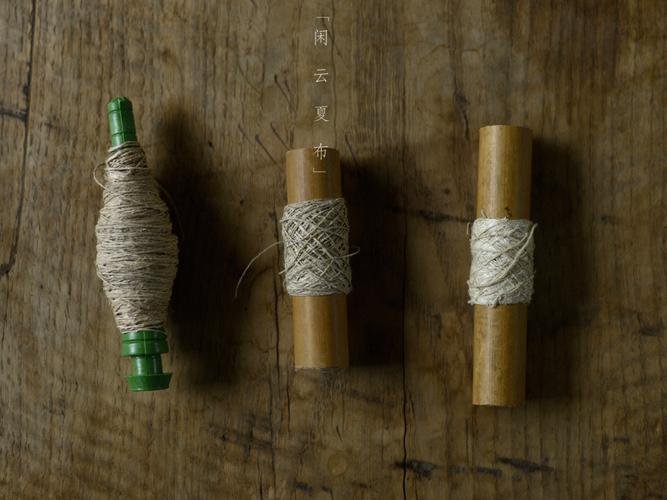
Hemp fabric is emerging as a premium, sustainable choice in modern fashion. Known for its durability, breathability, and eco-friendly cultivation, hemp blends the appeal of natural fibers with contemporary design requirements. High-fashion brands increasingly turn to hemp to offer garments that are both luxurious and environmentally responsible. Hemp fabric clothing provides sustainable luxury through durable fibers, natural breathability, and elegant texture. Its eco-friendly cultivation and versatile applications make it ideal for modern high-fashion collections.
Imagine a fashion house launching a limited-edition summer collection featuring hemp blazers and dresses. Using hemp, the designer achieved both premium hand feel and sustainability credentials, resonating with conscious consumers while maintaining high-quality drape and color retention.
What Is Hemp Fabric and Why Is It Considered Sustainable Luxury?

Hemp fabric is produced from fibers extracted from the stalks of the Cannabis sativa plant, a crop cultivated for thousands of years for rope, textiles, and durable goods. In modern textile applications, hemp has re-emerged not as a rustic or utilitarian material, but as a high-performance natural fiber capable of meeting both sustainability targets and premium quality expectations.
What sets hemp apart from many other plant fibers is not a single attribute, but the way environmental efficiency and material performance overlap. Hemp grows quickly, requires relatively little water, and thrives without heavy chemical intervention. At the same time, the fiber itself is naturally strong, breathable, and adaptable to refinement processes that produce fabrics suitable for contemporary luxury apparel, accessories, and home textiles.
In the context of today’s fashion and textile markets, “sustainable luxury” no longer means compromise. Buyers expect responsible sourcing and refined hand feel, durability, and visual appeal. Hemp fabric occupies this intersection more convincingly than most natural fibers.
What hemp fabric is made from
Hemp fibers are bast fibers, meaning they come from the outer layer of the plant’s stalk, similar in category to linen (flax). After harvesting, the stalks undergo retting, a controlled biological process that separates fibers from woody material. The fibers are then dried, combed, and spun into yarn.
Historically, hemp fibers were coarse, stiff, and associated with ropes or sacks. Modern processing has changed that perception. Through improved retting control, enzyme treatments, and finer spinning techniques, hemp can now be transformed into fabrics ranging from crisp and structured to surprisingly soft and drapable.
The raw material itself provides the foundation. Hemp fibers are long, with high cellulose content and strong molecular bonding. This gives the fabric inherent tensile strength and abrasion resistance before any finishing is applied.
Why hemp is considered environmentally sustainable
Hemp’s sustainability profile is rooted in agricultural efficiency rather than downstream marketing claims. Compared to conventional cotton and many other natural fibers, hemp places significantly lower demands on water, soil, and chemical inputs.
Key sustainability features include:
- Low water footprint compared to cotton
- Natural resistance to many pests, reducing pesticide dependence
- Minimal need for synthetic fertilizers
- Biodegradable and recyclable fiber structure
Hemp typically requires a fraction of the irrigation used for cotton cultivation. In many regions, rainfall alone is sufficient. Its deep root system improves soil structure and reduces erosion, while also allowing the plant to access nutrients more efficiently.
Because hemp grows densely and rapidly, it suppresses weeds naturally, further reducing the need for herbicides. From a lifecycle perspective, this translates into lower upstream environmental impact per kilogram of usable fiber.
Sustainability features in practical terms
To understand why hemp is attractive to sustainability-focused brands, it is useful to compare it directly with other commonly used natural fibers.
| Fiber | Water Usage per kg | Pesticide Requirement | Durability | Softness | Luxury Potential |
|---|---|---|---|---|---|
| Hemp | 300–500 L | Low | High | Medium | High |
| Organic Cotton | 700–1000 L | Low | Medium | High | Medium-High |
| Linen | 500–700 L | Low | Medium-High | Medium | Medium |
These figures illustrate why hemp is increasingly chosen for collections that emphasize reduced environmental impact without sacrificing product longevity. Lower water usage directly supports sustainability goals, while high durability reduces replacement frequency, extending product life.
From a sourcing perspective, these attributes also reduce exposure to water scarcity risks and agricultural volatility, which are becoming more relevant concerns for long-term supply planning.
Why hemp qualifies as a luxury material
Luxury in textiles is no longer defined solely by rarity or price. It is defined by performance, comfort, longevity, and narrative value. Hemp aligns well with these criteria when processed to appropriate standards.
From a tactile standpoint, modern hemp fabrics can be engineered to deliver:
- Breathability comparable to linen
- Moisture-wicking behavior that improves comfort
- A dry, clean hand feel associated with premium summer textiles
Over time, hemp softens with wear and washing without losing structural integrity. This aging behavior is often considered a luxury characteristic, similar to how high-quality linen or leather improves rather than degrades with use.
Visually, hemp accepts dyes well, especially when blended or finished correctly. The fiber’s structure allows for rich, deep shades and natural textures that appeal to high-end design aesthetics. Matte finishes, subtle slubs, and organic surface variation are often viewed as desirable rather than defects in luxury contexts.
Strength and durability as premium attributes
Hemp is one of the strongest natural textile fibers. Its tensile strength exceeds that of cotton and rivals or surpasses linen in many constructions. This strength translates into garments and textiles that resist tearing, stretching, and abrasion.
For luxury brands, durability is not just functional; it is reputational. Products that maintain shape and appearance over time reinforce perceptions of quality and justify premium positioning. Hemp’s inherent strength reduces reliance on heavy chemical finishes or reinforcement, allowing a more natural material story.
In practical use, hemp fabrics tend to:
- Retain shape after repeated washing
- Resist pilling better than many cotton fabrics
- Maintain fabric integrity under stress
These characteristics support applications in tailored garments, outerwear, bags, and interior textiles where longevity is a core value proposition.
Comfort and breathability in premium apparel
Hemp fibers are naturally hollow and porous, which enhances airflow and moisture transport. This contributes to thermal regulation, keeping wearers cooler in warm conditions and reducing clamminess.
In luxury apparel, comfort is closely tied to breathability. Hemp performs well in this area, particularly in summer garments, resort wear, and lifestyle collections that prioritize natural comfort over synthetic performance finishes.
When blended with fibers such as organic cotton, silk, or TENCEL™, hemp can achieve a softer hand feel while retaining its strength and sustainability benefits. These blends are increasingly common in premium collections seeking balance between comfort and structure.
Dyeability and aesthetic flexibility
One of the misconceptions about hemp is that it limits color options. In reality, modern hemp fabrics accept dyes effectively when processed correctly. Reactive, natural, and low-impact dye systems can all be used to achieve consistent, high-quality coloration.
Hemp’s slightly irregular fiber surface can enhance color depth, creating visual richness rather than flatness. This quality is often leveraged in luxury design to create understated yet distinctive finishes.
Because hemp is compatible with a wide range of finishing techniques, designers can achieve effects ranging from crisp tailoring fabrics to washed, relaxed textures suitable for casual luxury lines.
Case study: transition from cotton to hemp
A European fashion brand replaced cotton with hemp in a limited capsule collection focused on sustainability and longevity. The results were measurable and commercially relevant:
- Approximately 30% lower water footprint at the material level
- Improved durability, with garments retaining structure after repeated washing
- Progressive softening of fabric hand feel over time
Customer feedback highlighted comfort and perceived quality as strongly as sustainability credentials. This demonstrates an important point: hemp’s value in luxury contexts is not only environmental, but experiential.
Operational and sourcing considerations
From an operational standpoint, hemp allows designers and brands to align environmental responsibility with premium positioning. Its story is credible, its performance is tangible, and its supply chain is becoming more transparent as demand grows.
Hemp’s combination of eco-efficiency and material performance enables brands to communicate sustainability without relying on superficial claims. For many consumers, this authenticity is now part of what defines luxury.
For manufacturers and product developers, hemp also offers flexibility. It can be woven, knitted, blended, and finished using established textile infrastructure, reducing barriers to adoption compared to more experimental sustainable materials.
Long-term relevance in sustainable luxury
As regulations tighten and consumers become more informed, materials that deliver both sustainability and quality will dominate premium segments. Hemp is well positioned in this shift because it addresses environmental impact at the agricultural level while meeting performance expectations at the product level.
Rather than being a trend material, hemp functions as a structural solution for brands seeking long-term alignment between ethics and excellence. Its durability, comfort, and visual character support a wide range of luxury applications, from fashion to interiors.
Hemp fabric is not considered sustainable luxury because it is niche or novel. It earns that position because it combines resource efficiency, durability, comfort, and aesthetic versatility in a way few natural fibers can match.
By reducing environmental impact without sacrificing performance or refinement, hemp enables a form of luxury that is resilient, responsible, and increasingly relevant in modern textile markets.
Which Qualities of Hemp Fabric Make It Suitable for High-Fashion Clothing?
Hemp fabric has moved far beyond its early association with coarse, utilitarian textiles. In contemporary fashion, it is increasingly recognized as a high-performance natural fiber capable of meeting the aesthetic, functional, and ethical standards of modern luxury clothing. Its suitability for high-fashion does not come from a single attribute, but from a combination of fiber structure, mechanical performance, comfort behavior, and finishing adaptability.
For designers working at the premium end of the market, hemp offers something rare: a material that delivers structure and durability without sacrificing breathability or drape, while also aligning with sustainability narratives that resonate strongly with today’s luxury consumers.
Fiber structure as the foundation of luxury performance
At the microscopic level, hemp fibers are long, bast fibers with a highly crystalline cellulose structure. This gives hemp exceptional tensile strength compared to many other natural fibers. Unlike short-staple fibers, hemp’s length allows yarns to be spun with fewer weak points, which directly improves fabric integrity.
From a fashion perspective, this translates into garments that:
- Hold tailored shapes longer
- Resist seam slippage and fabric breakdown
- Maintain surface appearance over repeated wear
High-fashion garments often prioritize silhouette retention—particularly in blazers, trousers, coats, and structured dresses. Hemp’s fiber morphology supports these needs naturally, reducing reliance on heavy interlinings or synthetic reinforcement.
Durability that supports long garment life
Durability is a core requirement in luxury clothing, where consumers expect garments to age gracefully rather than degrade quickly. Hemp fibers are notably stronger than cotton on a weight-for-weight basis and exhibit high resistance to abrasion and tearing.
This strength allows designers to:
- Use lighter fabric weights without sacrificing longevity
- Create sharper tailoring with cleaner edges
- Reduce fabric failure at stress points such as elbows, knees, and seams
In high-fashion contexts, durability is not about ruggedness—it is about preserving refinement over time. Hemp supports this by resisting fiber fatigue and structural breakdown.
Breathability and natural moisture management
Comfort is non-negotiable in luxury apparel. Hemp performs exceptionally well in this area due to its hollow fiber structure and high moisture regain.
Hemp fabric typically exhibits:
- High air permeability, allowing efficient ventilation
- Moisture regain in the 12–15% range, higher than cotton
- Rapid moisture dispersion across the fabric surface
This combination helps regulate microclimate around the body. In tailored garments, where airflow is often restricted by construction, hemp’s inherent breathability prevents heat buildup and clamminess—an important factor for premium customer satisfaction.
Unlike some synthetic fibers that rely on chemical finishes for moisture control, hemp achieves this performance naturally, which aligns well with luxury brands emphasizing material authenticity.
Drape and texture: balancing structure and elegance
One of the most misunderstood aspects of hemp is its drape. Early hemp textiles were stiff and coarse, limiting their fashion appeal. Modern processing techniques—enzyme washing, mechanical softening, and refined spinning—have transformed hemp’s hand feel dramatically.
In contemporary high-fashion fabrics, hemp offers:
- Medium-to-high body suitable for structured garments
- A clean, dry hand that enhances tailored silhouettes
- Natural texture that adds visual depth without appearing rustic
Designers often describe modern hemp as sitting between linen and wool in behavior. It has more structure than linen, with less wrinkling, and a crisper surface than wool, making it ideal for architectural designs and minimalist aesthetics.
Thermal comfort across seasons
Luxury clothing increasingly prioritizes seasonless versatility. Hemp’s thermal behavior supports this trend well.
Hemp fibers provide:
- Insulation through trapped air within the fiber structure
- Cooling effect in warm conditions due to breathability
- Reduced thermal shock during temperature transitions
This makes hemp suitable for garments intended for extended wear across varying climates, such as travel-ready blazers, lightweight coats, and premium casualwear.
Unlike fabrics that rely heavily on lining systems for thermal regulation, hemp contributes directly to comfort at the shell level.
Performance metrics and fashion relevance
Quantifiable performance data helps fashion manufacturers evaluate whether a fabric truly meets luxury standards.
Table 2: Hemp Fabric Characteristics for High-Fashion Applications
| Property | Measurement / Benchmark | Implication for Clothing |
|---|---|---|
| Tensile Strength | 500–700 MPa | Long-lasting garments, reduced tearing |
| Air Permeability | 200–300 CFM/m² | Breathable, comfortable wear |
| Moisture Regain | 12–15% | Natural wicking, comfort |
| Fabric Weight | 180–300 GSM | Structured yet flexible garments |
| Color Fastness | Grade 4–5 | Maintains dye and finish quality |
These benchmarks place hemp firmly within the performance range expected of premium fashion textiles, particularly for tailored and semi-structured garments.
Dyeability and finish quality in luxury contexts
Color and surface finish are critical in high-fashion clothing. Hemp accepts dyes well when processed correctly, producing rich, natural-looking shades with good fastness. While hemp does not achieve the extreme brightness of some synthetics, it excels in depth, tone stability, and surface sophistication.
Key advantages include:
- Strong affinity for reactive and vat dyes
- Good resistance to fading when properly fixed
- Compatibility with garment dyeing for fashion effects
For luxury brands, the slightly muted, organic color profile of hemp is often a benefit rather than a limitation. It supports understated palettes, neutral tones, and earth-inspired collections that emphasize material quality over visual excess.
Surface aging and patina
A hallmark of luxury materials is how they age. Hemp develops a subtle softening and patina over time rather than visible degradation. This controlled aging enhances perceived value and reinforces the idea of longevity.
Compared with cotton, which may pill or thin, or synthetics, which can shine or crack, hemp tends to:
- Become softer without losing structure
- Retain matte surface qualities
- Avoid synthetic sheen after repeated wear
This aging behavior aligns closely with luxury consumer expectations around authenticity and durability.
Sustainability as a luxury value driver
While performance is essential, sustainability has become a defining dimension of modern high fashion. Hemp’s agricultural advantages—low water use, minimal pesticide requirements, and high yield per hectare—strengthen its appeal for brands seeking credible environmental positioning.
In luxury markets, sustainability is not only about environmental metrics; it is about responsible craftsmanship and material honesty. Hemp supports this narrative convincingly because its performance benefits are intrinsic, not reliant on heavy chemical modification.
Case Study: Tailored hemp blazer application
Szoneier Fabrics supplied hemp fabric for a sustainable blazer line targeting premium consumers. Designers selected a 240 GSM hemp fabric with enzyme-softened finishing to balance structure and comfort.
Key outcomes reported by the design team included:
- Excellent shape retention after repeated wear
- Minimal seam distortion in tailored panels
- Positive feedback on hand feel and breathability
Customers responded favorably to both the tactile experience and the sustainability story, viewing the garment as a long-term wardrobe investment rather than a trend-driven piece.
Operational insight for fashion manufacturers
Understanding hemp’s physical and mechanical properties allows fashion manufacturers to make informed design and production decisions. Hemp performs best when:
- Garment structure leverages its natural rigidity rather than fighting it
- Fabric weight is chosen to match silhouette intent
- Finishing processes focus on softening without over-processing
When these factors are aligned, hemp supports high-end aesthetics while maintaining production efficiency and quality consistency.
Design opportunities enabled by hemp
Hemp is particularly well-suited for:
- Tailored jackets and blazers
- Structured dresses and skirts
- Premium trousers and wide-leg pants
- Fashion-forward outerwear with architectural lines
Its ability to bridge structure, comfort, and sustainability makes it a versatile option for designers working across both classic and contemporary luxury segments.
Hemp fabric earns its place in high-fashion clothing not through novelty, but through measurable performance and refined behavior. Its strength, breathability, drape, and thermal comfort support sophisticated garment construction, while its aging characteristics and sustainability credentials reinforce luxury positioning.
For fashion brands seeking materials that combine elegance, durability, and authenticity, hemp is not an alternative—it is a strategic material choice capable of delivering long-term value at the premium end of the market.
How Does Hemp Compare to Other Natural Fibers (Cotton, Linen, Silk) in Fashion Applications?
In contemporary fashion, fiber selection is no longer driven solely by appearance or tradition. Designers today must balance aesthetics, performance, sustainability, and longevity—often within the same garment. Against this backdrop, hemp has re-emerged as a serious contender alongside established natural fibers such as cotton, linen, and silk. Once associated primarily with utilitarian textiles, hemp is now widely used in premium and high-fashion collections due to advances in fiber processing and finishing.
Hemp stands out not because it replaces other fibers entirely, but because it occupies a distinct functional and aesthetic position. It offers higher durability than cotton, greater structure than silk, and better wrinkle control than linen when properly engineered. At the same time, its environmental profile aligns closely with the sustainability expectations of modern luxury brands.
To understand hemp’s role in fashion applications, it is essential to compare it systematically with other natural fibers across durability, environmental impact, tactile qualities, and garment performance.
Durability Comparison: Structural Strength and Wear Life
From a fiber mechanics perspective, hemp is one of the strongest plant-based textile fibers available for apparel use. Its long fiber length and high cellulose crystallinity give it excellent tensile strength and resistance to fatigue.
- Hemp vs Cotton: Hemp fibers are significantly stronger than cotton, particularly in wet conditions where cotton loses strength. Hemp resists stretching, tearing, and pilling, which translates into garments that retain shape and surface integrity over extended wear.
- Hemp vs Linen: Linen (derived from flax) has comparable fiber strength, but its shorter fiber segments and stiffer morphology make it more prone to permanent creasing and breakage at fold points.
- Hemp vs Silk: Silk is structurally delicate. While it offers exceptional drape and smoothness, it is vulnerable to abrasion, UV degradation, and moisture damage, limiting its durability in everyday or high-friction garments.
In practical terms, hemp fabrics perform exceptionally well in garments expected to experience frequent wear, washing, and mechanical stress, such as tailored jackets, structured dresses, trousers, and outerwear.
Environmental Impact: Resource Efficiency and Sustainability Metrics
Sustainability is no longer a marketing add-on; it is a material selection requirement for many fashion brands. Hemp’s agronomic profile gives it a clear advantage over most natural fibers.
- Water consumption: Hemp requires far less irrigation than cotton and linen, particularly when grown in temperate climates. Its deep root system improves soil health and reduces dependency on artificial watering.
- Agrochemical use: Hemp grows densely and naturally suppresses weeds, minimizing the need for herbicides. It is also naturally resistant to many pests, reducing pesticide usage.
- Land efficiency: Hemp produces high fiber yield per hectare, making it suitable for regenerative agriculture systems.
By contrast, conventional cotton remains one of the most water-intensive crops in global agriculture. Linen performs better environmentally than cotton but still requires retting processes that can impact water systems if unmanaged. Silk production, while relatively low in water usage, involves energy-intensive processes and animal-based inputs that complicate sustainability claims.
For fashion brands seeking measurable reductions in environmental footprint without sacrificing fabric performance, hemp offers a compelling balance.
Aesthetic and Functional Comparison: Texture, Drape, and Visual Language
Aesthetics are where fiber differences become most visible to consumers. Hemp’s visual and tactile profile is distinct from other natural fibers, but not inherently inferior.
- Hemp texture: Raw hemp has a slightly coarser hand feel than cotton, but modern enzymatic treatments and mechanical softening processes significantly improve its softness. With repeated washing, hemp fabrics often become softer rather than weaker.
- Cotton texture: Cotton is naturally soft and familiar, making it easy to wear and widely accepted. However, it lacks structural memory and can appear limp in tailored silhouettes without reinforcement.
- Linen texture: Linen offers a crisp, airy feel with visible slubs that signal natural authenticity. Its tendency to wrinkle heavily, however, limits its suitability for garments requiring sharp lines.
- Silk texture: Silk remains unmatched in smoothness and luster. It reflects light beautifully and flows effortlessly, but it lacks structural body and requires careful handling.
Hemp occupies a middle ground: it offers structured drape rather than fluid drape. This makes it particularly suitable for architectural garments, minimalist tailoring, and statement pieces where shape is intentional rather than incidental.
Comparative Performance Table: Hemp vs Other Natural Fibers
| Fiber | Durability | Softness | Water Usage (L/kg) | Wrinkle Resistance | Luxury Appeal | Sustainability |
|---|---|---|---|---|---|---|
| Hemp | High | Medium | 300–500 | Medium | High | Very High |
| Cotton | Medium | High | 700–1000 | Low | Medium | Medium-High |
| Linen | Medium-High | Medium | 500–700 | Low | Medium | High |
| Silk | Low | Very High | 250–400 | Medium | Very High | Medium |
This comparison highlights why hemp is increasingly chosen not as a replacement for silk or cotton, but as a strategic alternative where durability, sustainability, and structure are priorities.
Garment Behavior Over Time: Aging, Washing, and Shape Retention
A critical but often overlooked factor in fashion applications is how fabrics age. Hemp excels in this area.
Hemp fibers maintain strength after repeated washing, with minimal fibrillation or surface breakdown. Unlike cotton, which can thin and lose tensile integrity over time, hemp garments often improve in hand feel without significant loss of performance. Linen, while durable, develops pronounced creasing that some consumers appreciate but others find undesirable. Silk, meanwhile, is highly sensitive to laundering and typically requires dry cleaning, limiting its practical lifespan.
For brands concerned with product longevity and reduced return rates, hemp offers predictable aging behavior and stable performance across wash cycles.
Blending Strategies: How Hemp Works with Other Fibers
In many fashion applications, hemp is blended rather than used alone. These blends are not compromises; they are performance optimizations.
- Hemp–cotton blends: Cotton softens the hand feel and improves immediate comfort, while hemp adds strength and shape retention.
- Hemp–silk blends: Silk introduces luster and fluidity, while hemp provides structure and durability, resulting in balanced luxury fabrics.
- Hemp–linen blends: These blends enhance breathability while moderating linen’s extreme wrinkling tendency.
Blending allows designers to fine-tune tactile qualities while retaining hemp’s sustainability advantages.
Case Study: Hemp vs Cotton in Summer Dresses
A fashion label developed parallel summer dress lines using hemp-blend and cotton-blend fabrics with similar weights and constructions. After one retail season, clear differences emerged.
Hemp-enhanced garments maintained shape and surface appearance better after repeated washing and wear. Cotton garments felt softer initially but showed signs of stretching and fabric fatigue over time. Customer feedback indicated a preference for the hemp versions, citing durability, structure, and alignment with eco-conscious values as decisive factors.
This outcome reflects a broader market shift: consumers increasingly value performance longevity alongside comfort and sustainability.
Design Implications for High-Fashion Applications
Hemp is particularly well-suited for fashion applications where form, structure, and material narrative matter. It supports tailored silhouettes, sculptural garments, and minimalist designs that rely on fabric behavior rather than embellishment.
Designers working with hemp must account for its lower natural elasticity compared to cotton knits and its higher initial stiffness compared to silk. Pattern engineering, finishing treatments, and garment construction must be aligned with these characteristics. When done correctly, hemp fabrics elevate rather than constrain design possibilities.
Operational Insight: When Hemp Makes the Most Sense
Hemp is not a universal solution, but it excels in specific contexts:
- Tailored garments requiring shape retention
- Sustainable collections with measurable impact goals
- Statement pieces emphasizing material authenticity
- Products designed for repeated wear and washing
For designers and brands seeking high-performing natural fabrics that align durability, sustainability, and refined aesthetics, hemp offers a unique and increasingly valuable position within the fashion fiber landscape.
In fashion applications, hemp’s strength is not that it imitates cotton, linen, or silk—but that it provides an alternative path where structure, longevity, and environmental responsibility converge.
What Are the Key Performance Benefits and Limitations of Hemp Fabric in Clothing?
Hemp fabric has moved well beyond its early reputation as a niche or “alternative” textile. Today, it is increasingly specified by apparel designers and sourcing teams looking for materials that combine durability, comfort, and environmental responsibility. However, hemp is not a universal solution. Its performance profile is highly distinctive, and understanding both its strengths and constraints is essential when deciding where—and where not—to use it in clothing.
At a fiber level, hemp behaves very differently from cotton, viscose, or synthetic yarns. These differences directly affect how garments feel, wear, age, and perform in real-world use. The key to successful hemp clothing lies in matching its intrinsic properties with the right garment category, construction method, and finishing approach.
Performance Benefits of Hemp Fabric in Apparel
Hemp’s advantages are primarily rooted in its fiber morphology and chemical composition. The long bast fibers, high cellulose content, and low lignin levels contribute to a set of performance characteristics that are difficult to replicate with conventional plant fibers.
Strength and Durability Hemp is one of the strongest natural fibers used in apparel production. Its tensile strength typically ranges between 500 and 700 MPa, depending on fiber length, retting method, and yarn construction. In practical terms, this translates into garments that resist tearing, seam failure, and surface abrasion far better than standard cotton fabrics of similar weight.
For clothing brands, this durability has two important implications. First, hemp garments tend to have a longer usable lifespan, even under frequent washing and daily wear. Second, the fabric maintains structural integrity over time, making it suitable for tailored pieces, outerwear shells, and workwear-inspired designs where fabric fatigue is a common failure point.
Breathability and Moisture Management Hemp fibers are naturally hollow and porous, allowing air to circulate freely through the fabric structure. Combined with a moisture regain of approximately 12–15%, hemp fabrics can absorb perspiration vapor efficiently and release it back into the atmosphere.
In warm or humid conditions, this creates a cooling effect that many wearers describe as “dry” or “fresh” compared to synthetic blends. For summer shirts, lightweight trousers, dresses, and base layers, this breathability improves comfort without relying on chemical moisture-wicking finishes that may degrade over time.
UV Resistance and Skin Protection One often overlooked benefit of hemp is its inherent resistance to ultraviolet radiation. Dense hemp fabrics can naturally block a significant percentage of UV rays, often achieving high UPF ratings without additional coatings or treatments.
For designers targeting resort wear, outdoor apparel, or casual summer collections, this property adds functional value without increasing fabric complexity. From a regulatory and sustainability perspective, it also avoids the need for UV-absorbing chemical finishes, which may raise concerns in certain markets.
Thermal Comfort Across Seasons Hemp offers moderate thermal insulation, making it adaptable across multiple seasons. While it does not provide the loft or heat retention of wool, its ability to trap air within the fiber structure allows it to perform well in layered garments.
In cooler climates, hemp shirts and trousers can be worn comfortably with inner layers, while in transitional seasons, its balanced thermal behavior helps regulate body temperature without overheating. This versatility makes hemp particularly attractive for capsule wardrobes and minimalist fashion concepts.
Environmental and Brand Value From a sustainability standpoint, hemp’s advantages are well documented. The plant requires minimal irrigation, grows rapidly, and typically needs little to no pesticide input. The fiber is biodegradable and recyclable, aligning with circular fashion principles.
For brands, this translates into tangible storytelling value. Hemp allows designers to substantiate sustainability claims with measurable agricultural and environmental data, rather than relying solely on marketing language. In markets where consumers increasingly scrutinize material sourcing, this credibility can directly influence purchasing decisions.
Limitations Designers Must Address
Despite its strengths, hemp is not without drawbacks. These limitations do not disqualify it from apparel use, but they do require informed design and engineering decisions.
Initial Hand Feel and Surface Texture Untreated hemp fibers are relatively stiff and coarse compared to cotton or regenerated cellulose fibers. This is due to the fiber’s length, crystallinity, and residual lignin content. While repeated washing and wear gradually soften the fabric, first impressions can be a challenge, especially in premium or close-to-skin garments.
To address this, manufacturers often apply enzyme washing, stone washing, or mechanical softening processes. Alternatively, blending hemp with softer fibers such as organic cotton, TENCEL™, or modal can significantly improve hand feel while preserving hemp’s strength and breathability.
Limited Elasticity Hemp fibers have low inherent elasticity. Unlike cotton, which has moderate flexibility, or elastane-blended fabrics designed for stretch, hemp maintains its shape under tension but does not recover quickly from deformation.
This characteristic makes hemp less suitable for activewear, form-fitting garments, or designs that require frequent stretching, such as leggings or performance tops. In such cases, designers must either introduce elastic fibers into the yarn or restrict hemp usage to panels where stretch is not critical.
Wrinkling Behavior Hemp fabrics tend to wrinkle naturally, particularly in plain weaves and lightweight constructions. While some designers embrace this as part of the material’s authentic aesthetic, it may conflict with consumer expectations in formal or polished apparel categories.
Blending hemp with synthetic fibers or using tighter weaves can reduce wrinkling, but this often involves trade-offs in breathability or sustainability perception. The decision ultimately depends on the brand’s design language and target market.
Hemp Fabric Performance Table
| Property | Hemp Fabric | Benefit | Limitation |
|---|---|---|---|
| Tensile Strength | 500–700 MPa | Resists tearing & wear | Coarser than silk |
| Moisture Regain | 12–15% | Breathable and wicking | May feel stiffer until softened |
| Thermal Comfort | Medium | Suitable for layering & insulation | Not as insulating as wool |
| UV Resistance | High | Protects skin | None significant |
| Drape & Texture | Structured, natural | Ideal for tailored garments | Less fluid than silk |
| Elasticity | Low | Maintains shape | Limited stretch for activewear |
Case Study: Hemp in a Tailored Garment Application
In one recent project, Szoneier supplied hemp fabric for a sustainable blazer collection targeting environmentally conscious urban professionals. The initial fabric specification focused on maximizing durability and structure, but early samples revealed that a 100% hemp composition produced a hand feel that was firmer than desired for a luxury positioning.
To resolve this, the design team adjusted the fiber blend to include 20% organic cotton. This modification improved surface softness and slightly enhanced flexibility without compromising the blazer’s tailored silhouette. Post-finishing processes included enzyme washing and controlled calendaring, which further refined the drape and tactile quality.
The final garments demonstrated strong shape retention, excellent abrasion resistance at stress points such as elbows and seams, and a noticeably more refined hand feel. Importantly, the sustainability profile remained intact, allowing the brand to communicate both environmental responsibility and premium craftsmanship.
Operational Insight for Designers and Manufacturers
Hemp fabric performs best when its characteristics are deliberately integrated into the design and production process. Rather than treating hemp as a direct substitute for cotton or synthetics, successful manufacturers evaluate it as a distinct material with specific strengths.
From a sourcing perspective, this means selecting appropriate yarn counts, weave structures, and finishing methods based on end-use requirements. From a design standpoint, it involves choosing garment types—such as shirts, blazers, trousers, dresses, and outer layers—where hemp’s durability, breathability, and structure enhance performance rather than create limitations.
When these factors are properly aligned, hemp fabric can deliver long-lasting, comfortable, and environmentally credible clothing that meets both functional and aesthetic expectations.

How Do Designers Incorporate Hemp Fabric Into High-End Fashion Collections?
Designers are increasingly incorporating hemp fabric into high-end fashion collections not as a novelty material, but as a strategic design choice that aligns sustainability with luxury performance. In contemporary fashion, hemp is no longer positioned as rustic or purely eco-functional. Instead, it is engineered, blended, and finished to meet the aesthetic, tactile, and structural standards expected in premium and luxury segments.
The appeal of hemp in high fashion lies in its material honesty. It offers natural strength, breathability, and texture at the fiber level, allowing designers to build garments that feel intentional rather than over-processed. As luxury consumers become more informed and selective, materials that combine environmental responsibility with visible craftsmanship gain strong emotional and commercial traction.
Rather than forcing hemp to behave like cotton or synthetics, successful designers work with its inherent properties—using construction, blending, and finishing to elevate the fiber while preserving its character.
Why hemp fits the luxury design mindset
High-end fashion increasingly values longevity, structure, and authenticity over short-lived trends. Hemp naturally supports these values. Its fibers are long and strong, giving fabrics dimensional stability and resistance to deformation. This makes hemp particularly attractive for garments where silhouette and form matter, such as tailored jackets, coats, and architectural dresses.
At the same time, hemp’s breathability and moisture regulation allow it to perform well in garments worn close to the body. With appropriate processing, hemp fabrics can transition seamlessly from structured tailoring to fluid drape, depending on yarn fineness, weave, and blend strategy.
Luxury design today is less about visual excess and more about material intelligence. Hemp offers designers a fiber that communicates purpose, restraint, and quality.
Core design strategies for using hemp in luxury collections
Designers rarely use hemp in isolation without careful planning. Instead, they apply a set of proven strategies to balance performance, comfort, and aesthetics.
Blending hemp with other fibers
Blending is one of the most effective ways to adapt hemp to luxury applications. By combining hemp with complementary fibers, designers can fine-tune hand feel, drape, and elasticity while retaining sustainability benefits.
Common blend strategies include:
- Hemp + organic cotton for softness and familiarity
- Hemp + silk for fluidity, sheen, and elegance
- Hemp + Tencel™ for smoothness and moisture control
Blends reduce hemp’s natural stiffness while preserving its strength and breathability. In luxury garments, this balance is critical. The fabric must feel refined on the skin while maintaining structural integrity over time.
Surface treatments and finishing techniques
Modern finishing techniques allow designers to soften hemp fabrics without undermining their environmental value. Enzymatic washing, bio-polishing, and low-impact softening treatments refine the fiber surface, reducing coarseness and improving drape.
Importantly, these treatments are chosen to enhance, not mask, the fabric. Over-finishing can strip hemp of its natural character and undermine its sustainability story. Luxury designers tend to favor subtle surface refinement that allows the fiber’s texture to remain visible and tactile.
Dyeing techniques are also selected carefully. Hemp accepts both natural and synthetic dyes well, enabling designers to achieve rich, nuanced color palettes. Matte finishes and slightly irregular color uptake are often embraced as part of hemp’s visual identity in high-end collections.
Tailored and structured garment design
Hemp’s natural rigidity and tensile strength make it particularly suitable for tailored garments. Designers leverage this quality to create blazers, jackets, and trousers with clean lines and defined silhouettes.
Unlike softer fibers that require heavy interlinings or synthetic reinforcement, hemp can provide structure inherently. This reduces reliance on additional materials and aligns with minimalist luxury aesthetics.
In tailoring, hemp fabrics:
- Hold crease and shape well
- Resist sagging and distortion
- Age gracefully with wear
These properties are highly valued in premium fashion, where garments are expected to retain form across seasons.
Pattern and color versatility
Despite outdated assumptions, hemp offers broad creative freedom in pattern and color. Advances in spinning and weaving allow hemp fabrics to range from fine, smooth plains to textured twills and jacquards.
Designers can work with:
- Neutral, earth-toned palettes that emphasize natural luxury
- Deep, saturated colors that highlight hemp’s dye affinity
- Subtle surface variation that adds visual depth
This versatility allows hemp to appear in both minimalist and expressive luxury collections without feeling constrained or repetitive.
Practical applications in high-fashion collections
The following table illustrates how designers typically apply hemp fabrics across different garment categories in luxury fashion.
| Garment Type | Hemp Blend / Treatment | Key Design Benefit | Sustainability Advantage |
|---|---|---|---|
| Blazers / Jackets | Hemp 80% + Organic Cotton 20% | Structured fit, durable | Reduced water & pesticide footprint |
| Dresses & Skirts | Hemp 70% + Silk 30% | Smooth drape, elegant hand feel | Biodegradable blend |
| Casual Shirts / Tops | Hemp 60% + Tencel 40% | Breathable, soft | Low-impact cultivation |
| Outerwear / Coats | Hemp 90% | Thermal insulation, long-lasting | Eco-friendly, chemical-free dyeing |
Each application reflects a different balance between structure and softness. Designers select blend ratios and treatments based on the garment’s functional and aesthetic role within the collection.
Case study: hemp-silk eveningwear in luxury fashion
A European fashion house introduced a capsule collection of hemp–silk evening dresses as part of its sustainability initiative. Rather than hiding the hemp component, designers highlighted its natural texture and architectural drape.
The design approach focused on:
- Clean silhouettes that showcased fabric structure
- Minimal chemical finishing to preserve fiber integrity
- Deep, muted color tones that emphasized material depth
The collection sold out rapidly, exceeding internal expectations. Marketing emphasized the concept of eco-luxury, framing hemp not as a compromise but as an upgrade—an intentional choice aligned with craftsmanship and responsibility.
Customer feedback frequently mentioned the garments’ weight, drape, and sense of permanence, reinforcing the idea that hemp can elevate luxury perception when used thoughtfully.
Operational insight for designers and brands
From an operational standpoint, hemp allows designers to meet sustainability goals without sacrificing creative freedom. Its durability reduces return and replacement rates, while its breathability enhances wearer comfort—both critical factors in premium positioning.
Designers who succeed with hemp typically follow a few guiding principles:
- Respect the fiber’s natural behavior rather than forcing imitation
- Use blending to fine-tune hand feel instead of heavy finishing
- Design silhouettes that benefit from structure and longevity
This approach positions hemp as a design asset, not just a sustainable alternative.
Consumer perception and storytelling
In high-end fashion, material storytelling matters as much as performance. Hemp offers a credible narrative rooted in reduced environmental impact, agricultural efficiency, and durability. When paired with refined design, this story resonates strongly with sustainability-conscious consumers who still expect luxury-level quality.
Importantly, hemp’s story is not abstract. Reduced water use, lower chemical input, and biodegradability are tangible attributes that can be communicated transparently. This clarity builds trust and strengthens brand identity in premium markets.
Long-term relevance in luxury fashion
As luxury fashion moves toward slower cycles and more responsible production, materials like hemp are likely to become foundational rather than exceptional. Its compatibility with tailoring, versatility across garment types, and alignment with sustainability frameworks make it well suited to long-term adoption.
Hemp does not rely on trend-driven novelty. Instead, it supports a design philosophy centered on enduring value, which is increasingly how luxury is defined.
Key understanding
Designers incorporate hemp fabric into high-end fashion by leveraging its natural strength, structure, and breathability while refining its hand feel through blending and thoughtful finishing. Rather than diluting hemp’s identity, successful luxury collections emphasize its character and performance.
When used intelligently, hemp enables designers to deliver garments that are sustainable in origin, luxurious in experience, and relevant in a market that values both responsibility and refinement.
What Sustainability Certifications or Standards Should Hemp Fabric Clothing Meet?
Sustainability certifications are no longer optional for hemp fabric clothing positioned in the mid- to high-fashion market. They function as independent verification systems that translate environmental claims into measurable, auditable standards. For designers, brands, and retailers working with hemp, certifications bridge the gap between material potential and market trust.
Hemp is widely perceived as an eco-friendly fiber, but perception alone is not enough in premium fashion. Buyers, regulators, and consumers increasingly expect proof—not just that hemp is sustainable by nature, but that it has been grown, processed, dyed, finished, and manufactured responsibly across the entire supply chain.
In this context, sustainability certifications serve three core roles:
- They validate environmental and chemical safety claims
- They demonstrate ethical and responsible production
- They enable access to regulated and premium markets
Why certifications matter specifically for hemp fashion
Hemp’s sustainability advantages—low water use, reduced pesticide needs, and high fiber yield—are well documented. However, many environmental risks in textiles occur after harvesting, during processing stages such as retting, spinning, dyeing, and finishing.
Certifications are important because they:
- Separate verified sustainable hemp from generic hemp claims
- Reduce greenwashing risk for fashion brands
- Provide documentation required by retailers and regulators
- Support premium pricing through credibility rather than storytelling alone
For high-fashion brands, certifications also protect brand equity. A single unverified sustainability claim can undermine years of positioning in eco-luxury segments.
Core sustainability certifications relevant to hemp fabric clothing
Different certifications focus on different parts of the sustainability equation. No single certification covers everything, which is why many premium hemp garments carry multiple certifications simultaneously.
Table 6: Sustainability Certifications for Hemp Fabric
| Certification | Focus Area | Key Requirement | Benefit for High-Fashion Hemp Clothing |
|---|---|---|---|
| GOTS | Organic fiber, eco-friendly processing | 70% minimum organic fibers, chemical-free finishing | Credible eco-luxury claim |
| OEKO-TEX 100 | Chemical safety | Free from harmful substances | Ensures skin-safe garments |
| Cradle to Cradle (C2C) | Circularity & sustainability | Material reuse, safe chemistry | Market differentiation & sustainability story |
| Fair Trade | Ethical labor practices | Certified ethical working conditions | Supports social responsibility messaging |
Each certification addresses a different risk or value point in hemp apparel.
Global Organic Textile Standard (GOTS)
GOTS is widely regarded as the gold standard for organic textiles, including hemp. It covers the entire production chain—from certified organic raw fibers to environmentally and socially responsible manufacturing.
For hemp fabric clothing, GOTS certification confirms:
- Hemp is grown without synthetic pesticides or fertilizers
- Processing avoids toxic chemicals and heavy metals
- Dyeing and finishing meet strict environmental criteria
- Social compliance is enforced at certified facilities
A critical requirement is that finished textiles must contain at least 70% certified organic fibers, with higher labeling tiers available at 95% or more.
In high-fashion applications, GOTS offers two major advantages:
- It provides a globally recognized organic claim, trusted by retailers and consumers
- It supports storytelling around purity, craftsmanship, and material integrity
Brands using GOTS-certified hemp can confidently position garments as both luxurious and genuinely sustainable, rather than “eco-inspired.”
OEKO-TEX Standard 100
OEKO-TEX Standard 100 focuses on chemical safety, testing finished textiles for substances that may be harmful to human health. Unlike GOTS, it does not assess farming methods or social practices, but it is extremely important for skin-contact garments.
For hemp clothing, OEKO-TEX certification ensures:
- No banned azo dyes
- No excessive formaldehyde
- Controlled heavy metals
- Absence of allergenic or carcinogenic substances
This is particularly relevant for:
- Dresses, shirts, trousers, and blazers worn directly on the skin
- Luxury garments marketed for comfort and well-being
- Products sold in regions with strict chemical regulations
From a fashion perspective, OEKO-TEX reassures consumers that natural does not mean unsafe. Many premium brands pair OEKO-TEX with other certifications to cover both environmental and health-related concerns.
Cradle to Cradle (C2C)
Cradle to Cradle certification goes beyond conventional sustainability by evaluating products through the lens of circular design. Instead of focusing only on reduced harm, C2C assesses whether materials are designed to be reused, recycled, or safely returned to the environment.
For hemp fabric clothing, C2C certification examines:
- Material health and chemical safety
- Recyclability or biodegradability
- Renewable energy use in production
- Water stewardship
- Social fairness
While more complex and demanding than other certifications, C2C offers strong differentiation in the high-fashion market. It appeals to brands positioning themselves as innovation leaders rather than followers of minimum compliance.
C2C-certified hemp garments support narratives around:
- Circular fashion systems
- Long-term material responsibility
- Design for disassembly or biodegradation
This certification is especially attractive for capsule collections, concept pieces, or flagship sustainable lines.
Fair Trade Certification
Sustainability in fashion is not only environmental—it is also social. Fair Trade certification focuses on ethical labor practices, fair wages, and safe working conditions throughout the supply chain.
In hemp fabric clothing, Fair Trade certification verifies that:
- Workers are paid fairly and on time
- Working conditions meet safety standards
- Forced or child labor is prohibited
- Communities benefit from production
For high-fashion brands, Fair Trade adds credibility to social responsibility claims and aligns with growing consumer expectations around transparency and ethics.
Although Fair Trade does not assess fiber chemistry or dye safety, it complements environmental certifications by addressing the human dimension of sustainability.
Certification stacking: why multiple standards are common
Most premium hemp fashion products rely on certification stacking rather than a single label. This approach addresses multiple sustainability dimensions simultaneously.
A typical high-fashion hemp garment may combine:
- GOTS for organic and processing integrity
- OEKO-TEX 100 for skin safety
- Fair Trade for labor ethics
Together, these certifications form a robust sustainability profile that withstands scrutiny from retailers, regulators, and informed consumers.
Regulatory and market access considerations
Certifications also play a practical role in market access. Many international retailers and online platforms require recognized sustainability standards before onboarding products.
Certifications help brands:
- Meet EU chemical and sustainability regulations
- Satisfy retailer compliance checklists
- Support sustainability reporting and disclosures
- Prepare for upcoming ESG-related legislation
Without certifications, even well-made hemp garments may face barriers in key markets.
Case study: Certified hemp in luxury tailoring
Szoneier supplied hemp fabric for a sustainable luxury blazer collection that achieved both GOTS and OEKO-TEX Standard 100 certification. The fabric was developed using certified organic hemp yarns and processed under controlled dyeing and finishing conditions.
Key outcomes included:
- Certifications featured prominently in marketing and hangtags
- Stronger trust from buyers and retail partners
- Higher perceived value compared with uncertified alternatives
Consumers associated the certified hemp blazer not only with sustainability, but with responsible craftsmanship, reinforcing the luxury positioning of the collection.
Operational insight for fashion manufacturers
Achieving certification requires planning, documentation, and disciplined process control. For manufacturers and brands, this means:
- Sourcing certified raw hemp fibers
- Working with audited spinning, weaving, and dyeing partners
- Maintaining traceability across production stages
- Preparing for periodic audits and testing
While certification introduces operational complexity, it also encourages process standardization and quality consistency, which benefit production efficiency in the long term.
Certification as a design and branding tool
In high-fashion, certifications are not just compliance tools—they influence design decisions. Fabric weights, dye choices, finishing methods, and even color palettes are often selected to remain within certification limits.
This constraint-driven design approach often leads to:
- Cleaner material choices
- More thoughtful construction
- Reduced reliance on aggressive finishes
In many cases, certification requirements align naturally with the refined, understated aesthetic of luxury fashion.
For hemp fabric clothing positioned in the high-fashion or eco-luxury segment, sustainability certifications are a strategic necessity, not an optional add-on.
The most credible hemp garments are supported by:
- GOTS for organic integrity and processing standards
- OEKO-TEX 100 for chemical and skin safety
- Cradle to Cradle for circularity leadership
- Fair Trade for ethical labor assurance
When hemp’s inherent sustainability is reinforced by recognized certifications, brands gain more than compliance—they gain trust, differentiation, and long-term market credibility.
Are There Consumer Trends or Market Data Showing Demand Growth for Hemp Fashion?
Yes—there is clear and accelerating evidence that hemp fashion is moving from niche positioning into mainstream and premium apparel markets. This growth is not driven by a single factor, but by a convergence of sustainability awareness, regulatory pressure, material innovation, and changing consumer values around longevity and authenticity. Hemp is no longer viewed as an alternative fiber used only by eco-brands; it is increasingly recognized as a strategic material capable of supporting both commercial scale and luxury positioning.
What makes hemp fashion’s growth particularly notable is that demand is not confined to one region or one price segment. Instead, adoption is occurring across mass-market sustainable lines, premium capsule collections, and high-fashion experimental garments. This breadth signals a structural shift rather than a temporary trend.
The Sustainability Shift That Fuels Demand
The strongest driver behind hemp fashion growth is the ongoing transformation of consumer attitudes toward sustainability. Over the past decade, environmental responsibility has moved from a “nice-to-have” attribute to a purchase decision factor, especially among younger and urban consumers.
Hemp aligns closely with the expectations of this new consumer mindset. Compared to conventional cotton, hemp’s lower water use, reduced pesticide requirements, and high land efficiency are well-documented advantages. As consumers become more informed, they increasingly question the environmental cost of garments—not only how they look or feel.
In surveys conducted by apparel retailers and sustainability-focused organizations, a growing share of consumers report that fiber choice influences their willingness to pay a premium. Hemp benefits from this shift because it offers visible sustainability credentials without relying on synthetic substitutes or heavy chemical processing.
From Eco-Basic to Eco-Luxury
One of the most important market developments is hemp’s migration into the eco-luxury segment. Early hemp fashion was often associated with rough textures and casual silhouettes. Advances in fiber processing, spinning, and finishing have changed this perception dramatically.
Today’s hemp fabrics can be fine, smooth, and tailored, making them suitable for blazers, dresses, trousers, and structured outerwear. Luxury brands increasingly use hemp not to replace silk or wool entirely, but to signal material intelligence and environmental leadership.
In premium markets, hemp’s appeal lies in its story as much as its performance. Consumers purchasing higher-priced garments expect transparency, durability, and values alignment. Hemp offers a narrative of responsible sourcing and long-term wear that resonates strongly in this segment.
Capsule Collections and Controlled Market Testing
Many brands first introduce hemp through limited-edition capsule collections. This strategy allows designers to test consumer response without committing to full-scale line integration.
These capsules often emphasize craftsmanship, material sourcing, and fabric storytelling. The scarcity factor creates urgency, while the sustainability message generates media attention. In multiple markets, such collections have outperformed expectations, selling through faster than comparable cotton or linen capsules.
This pattern is significant because it demonstrates that hemp garments are not merely admired—they are purchased, worn, and reordered. Repeated capsule success often leads to hemp becoming a permanent part of seasonal collections.
Global Market Growth Signals
Market data reinforces what brands are experiencing on the retail floor. The global hemp textiles market has shown steady growth and is widely projected to expand at 6–8% compound annual growth rate (CAGR) over the next five years. Apparel represents one of the fastest-growing application segments within this market.
This growth is supported by regulatory changes in agricultural policy, increased investment in hemp processing infrastructure, and improved supply chain reliability. As fiber availability becomes more consistent, brands gain confidence in using hemp at scale rather than as a novelty.
Regional Demand Patterns and Consumer Behavior
| Region | Consumer Awareness | Preference for Sustainable Fabrics | Market Growth (Annual) |
|---|---|---|---|
| Europe | High | 70% prefer eco-friendly textiles | 7% CAGR |
| North America | Medium–High | 65% seek sustainable luxury | 6% CAGR |
| Asia-Pacific | Growing | 50% aware of eco-textiles | 8% CAGR |
Europe currently leads in hemp fashion adoption, driven by strong environmental regulation, mature eco-labeling systems, and high consumer awareness. Many European consumers actively seek fiber transparency and are willing to invest in garments with verified sustainability credentials.
North America shows slightly lower awareness but strong growth in the sustainable luxury segment. Here, hemp often enters the market through premium casualwear and designer collaborations rather than mass retail.
Asia-Pacific represents the fastest growth region. Awareness is still developing, but rising interest in sustainable lifestyles—combined with strong domestic textile manufacturing capacity—positions the region for rapid expansion. As local brands adopt hemp, consumer familiarity is expected to increase quickly.
Consumer Motivations Beyond Sustainability
While sustainability initiates interest, performance and longevity often close the sale. Consumer feedback consistently highlights several perceived benefits of hemp garments:
- Better shape retention after washing
- Reduced fabric fatigue over time
- A sense of “substantial quality” compared to lightweight cotton
- Improved comfort as garments soften with wear
These attributes matter because modern consumers are increasingly critical of fast-fashion quality. Hemp aligns with a growing preference for fewer, better-made garments rather than frequent low-cost replacements.
In this context, hemp supports both environmental and economic logic: buying fewer garments that last longer reduces waste and improves value perception.
Retail Feedback and Sell-Through Performance
Retail data from brands that have introduced hemp apparel suggests that sell-through rates are often strongest when hemp is positioned clearly, not disguised. Products labeled explicitly as hemp or hemp-blend tend to outperform similar designs where fiber content is downplayed.
This indicates that consumers are actively seeking hemp, not avoiding it. Clear communication around fabric benefits, care behavior, and sustainability impact reinforces purchase confidence.
Returns data also provides insight. Hemp garments generally show lower return rates related to fabric failure, such as pilling or distortion, compared to cotton-heavy alternatives. This strengthens the business case for brands considering long-term material shifts.
Case Study: European Luxury Hemp Collection
Szoneier supplied hemp fabrics for a European luxury label developing an eco-conscious summer collection. The line included tailored dresses and lightweight blazers made from refined hemp blends.
The collection sold out in three weeks, outperforming previous seasonal launches. Customer feedback highlighted appreciation for fabric structure, breathability, and sustainability messaging. Notably, many repeat customers cited the hemp material itself as a reason for purchase, rather than design alone.
This outcome illustrates a key market reality: when hemp is combined with strong design and quality execution, consumer resistance disappears. Instead, material choice becomes a differentiator.
Media, Influencers, and Cultural Acceptance
Fashion media and sustainability-focused influencers have played a significant role in normalizing hemp. Coverage has shifted from novelty framing to serious material discussion, often comparing hemp favorably with linen or organic cotton.
As hemp appears more frequently on runways, in lookbooks, and in editorial content, consumer perception evolves. Visibility matters: when consumers see hemp presented as elegant and modern, it reinforces trust and desirability.
This cultural acceptance cycle accelerates adoption, especially in markets where hemp previously carried outdated associations.


Price Sensitivity and Willingness to Pay
One concern brands often raise is whether consumers will pay more for hemp garments. Market data suggests that price sensitivity decreases when value is clearly communicated.
Consumers are more willing to accept moderate price premiums when hemp garments demonstrate durability, comfort, and responsible sourcing. In luxury and premium segments, hemp is often perceived as an upgrade rather than a compromise.
This willingness to pay supports healthier margins and offsets the higher raw material and processing costs sometimes associated with hemp textiles.
Operational Implications for Brands and Manufacturers
Demand growth has practical consequences. Brands incorporating hemp must ensure consistent supply, quality control, and fabric performance. Early adopters often faced variability issues, but the supply chain has matured significantly in recent years.
Manufacturers that understand hemp’s processing requirements—spinning, finishing, and blending—are better positioned to support this demand. As volumes grow, economies of scale further improve cost efficiency, reinforcing the growth cycle.
Strategic Outlook: Is Hemp Fashion a Long-Term Trend?
All indicators suggest that hemp fashion growth is structural rather than cyclical. Sustainability regulations are tightening, consumer expectations are rising, and material innovation continues to improve hemp’s usability.
Unlike trend-driven fibers that surge and fade, hemp addresses enduring concerns: environmental impact, durability, and authenticity. These concerns are unlikely to disappear, particularly as climate awareness and resource constraints intensify.
Operational Insight for Decision-Makers
Understanding consumer trends allows designers, sourcing teams, and manufacturers to align product development with real demand. Hemp garments should be positioned deliberately—as sustainable, durable, and design-forward—not as experimental alternatives.
Brands that integrate hemp strategically rather than tentatively are better placed to capture this growing market. For manufacturers, investing in hemp expertise is not speculative; it is a response to measurable, data-supported demand growth.
Conclusion: Demand Is Real and Expanding
Consumer trends and market data both confirm that hemp fashion demand is rising across regions and price segments. Growth is driven by sustainability awareness, performance expectations, and cultural acceptance—not by short-term marketing narratives.
Hemp’s role in fashion is evolving from “eco-option” to material of choice for brands that value longevity, responsibility, and modern aesthetics. For those aligned with these priorities, hemp is no longer a future opportunity—it is a present one.
How Do Production Practices and Manufacturing Choices Impact the Cost and Quality of Hemp Fabric Clothing?
The cost and quality of hemp fabric clothing are not determined by the fiber alone. They are the result of a long chain of production decisions that begin in the field and continue through spinning, weaving, finishing, and garment assembly. Two hemp fabrics with the same fiber content can differ dramatically in hand feel, durability, appearance, and price depending on how they are produced.
For apparel brands and sourcing teams, understanding these production variables is essential. Hemp is often positioned as a premium, sustainable material, but without the right manufacturing strategy, it can easily become either too expensive for the target market or too rough and inconsistent for quality expectations.
Fiber Sourcing: Where Cost and Quality Begin
The first major cost driver in hemp clothing is fiber sourcing. Hemp grown under certified organic or low-impact agricultural systems typically commands a higher raw material price. This is due to lower crop yields, stricter certification requirements, and increased labor input during cultivation and harvesting.
From a quality perspective, however, well-managed hemp fields produce longer, cleaner bast fibers with fewer impurities. These fibers spin more evenly, break less during processing, and ultimately result in stronger, more uniform yarns. In garment applications, this translates into fabrics with better surface consistency, fewer weak points, and longer wear life.
Non-certified or mixed-grade hemp fibers may reduce material costs in the short term, but they often introduce variability in fiber length and fineness. This can increase waste during spinning and weaving and may require additional finishing to compensate for uneven texture, pushing costs back up later in the process.
Retting and Fiber Extraction Methods
Retting—the process used to separate hemp fibers from the woody core—has a significant impact on both fabric quality and sustainability profile. Mechanical retting and water retting are generally favored in apparel-grade hemp production, while chemical retting is less common due to environmental and regulatory concerns.
Mechanical retting is more controlled and environmentally responsible but often produces fibers with a slightly coarser initial texture. Water retting, when properly managed, can yield finer, softer fibers, though it requires careful wastewater treatment to meet environmental standards.
The choice of retting method affects not only hand feel but also downstream costs. Finer fibers reduce breakage during spinning and allow for higher yarn counts, which are essential for lightweight apparel fabrics. Coarser fibers may limit design options or require blending to achieve acceptable softness.
Spinning and Yarn Engineering Decisions
Spinning technology plays a central role in determining how hemp behaves in finished clothing. Hemp fibers can be spun using traditional ring spinning, open-end spinning, or blended spinning systems, each with distinct cost and performance implications.
Ring-spun hemp yarns are more expensive to produce but offer better strength, smoother surfaces, and improved drape. These yarns are commonly used in premium apparel applications where tactile quality and appearance matter. Open-end spinning reduces costs and increases production speed, but it often results in bulkier yarns with less refined texture, better suited for casual or utility garments.
Yarn twist levels also matter. Higher twist increases strength and abrasion resistance but can make the fabric feel stiffer. Lower twist improves softness and drape but may compromise durability. Balancing these parameters is a key quality decision that directly affects both cost and garment performance.
Weaving and Fabric Construction Choices
Fabric construction determines how hemp yarns translate into wearable textiles. Plain weaves are cost-effective and durable but tend to emphasize hemp’s natural stiffness and wrinkling tendencies. Twill and sateen weaves increase production complexity and cost but significantly improve drape, surface smoothness, and visual depth.
Fabric weight is another critical factor. Lightweight hemp fabrics require finer yarns, tighter quality control, and slower loom speeds, all of which increase manufacturing costs. Heavier fabrics are more forgiving in production but limit garment applications and seasonal versatility.
Designers targeting tailored clothing or premium casual wear often accept higher weaving costs in exchange for superior fabric aesthetics and comfort.
Blending: A Strategic Cost and Quality Tool
Blending hemp with other fibers is one of the most effective ways to control both cost and performance. Pure hemp fabrics are rarely used in high-end apparel due to hand feel limitations and restricted elasticity. Strategic blends allow manufacturers to fine-tune softness, drape, stretch, and price.
Cotton blends improve softness and familiarity, making hemp garments more approachable for mainstream consumers. Regenerated fibers such as Tencel or modal enhance drape and moisture management, while small percentages of elastane can introduce stretch without undermining hemp’s natural image.
From a cost standpoint, blending can stabilize pricing by reducing dependence on high-grade hemp fiber alone. From a quality standpoint, it allows designers to expand hemp into garment categories that would otherwise be unsuitable.
Dyeing and Finishing Treatments
Dyeing and finishing are among the most variable cost components in hemp fabric production. Hemp’s high absorbency allows it to take color deeply and evenly, but it also means dyeing parameters must be tightly controlled to avoid shade variation.
Natural or low-impact dye systems align well with hemp’s sustainability narrative but often require longer processing times and higher skill levels. Conventional reactive dyes may reduce costs but raise environmental considerations depending on wastewater treatment practices.
Softening treatments, enzyme washes, and anti-wrinkle finishes significantly influence consumer perception. Each additional finishing step adds cost, energy use, and potential chemical inputs. The challenge for manufacturers is to achieve a refined hand feel and appearance without undermining sustainability claims or inflating costs beyond the garment’s market position.
Production Efficiency and Manufacturing Scale
Operational efficiency has a direct impact on both cost and quality consistency. Automated cutting systems, digital pattern optimization, and precise fabric inspection reduce material waste and labor hours while improving repeatability.
For hemp fabrics, which can vary more naturally than synthetics, consistent process control is particularly important. Inconsistent tension during weaving or uneven finishing can exaggerate hemp’s natural variability, leading to higher rejection rates.
Larger production runs generally reduce per-unit costs, but they also require greater upfront investment and inventory risk. Many brands balance this by starting with smaller, blended hemp runs to validate market response before scaling up.
Production Choices Impact Table
| Production Factor | Effect on Cost | Effect on Quality | Sustainability Impact |
|---|---|---|---|
| Organic Hemp Sourcing | High | Premium hand feel and durability | Very High |
| Mechanical Retting | Moderate | Slightly coarser texture | Medium-High |
| Fiber Blending | Moderate | Improves softness and drape | Medium |
| Dyeing & Finishing | Variable | Enhances color, softness | Depends on chemical use |
| Automated Production | Medium | Consistent quality | Reduces waste |
Case Study: Balancing Cost and Quality in a Hemp Blazer Line
In a recent project, a designer partnered with Szoneier to develop a hemp-based blazer line positioned in the eco-luxury segment. Initial cost modeling showed that a 100% hemp fabric would exceed target pricing once advanced softening and finishing were applied.
By adjusting the composition to 80% hemp and 20% organic cotton, the team achieved a more balanced cost structure. The cotton component improved softness and eased spinning and weaving, reducing yarn breakage and fabric waste. Eco-friendly finishing processes were selected to maintain environmental credibility while delivering a refined hand feel suitable for tailored garments.
The final product met both aesthetic and durability expectations, with controlled costs and a clear sustainability narrative that resonated with the brand’s audience.
Operational Insight for Apparel Brands
Every manufacturing choice in hemp clothing production carries trade-offs. Lower costs often come at the expense of hand feel or consistency, while premium finishes and sourcing increase both quality and price. The most successful hemp apparel programs are those where production decisions are aligned with clear market positioning.
Rather than treating hemp as a single material category, experienced manufacturers approach it as a system of variables—fiber grade, processing method, blend ratio, and finishing strategy—that can be adjusted to meet specific design and pricing goals.
When these variables are managed deliberately, hemp fabric enables apparel brands to deliver garments that balance durability, comfort, sustainability, and commercial viability without compromise.
If you want to source high-quality hemp fabric for sustainable luxury clothing, Szoneier Fabrics offers:
- Custom hemp fabrics and blends tailored for fashion applications
- Free design consultation and rapid sampling
- Low MOQ production with short lead times
- Verified certifications for sustainability, safety, and quality
Contact Szoneier today to request samples or discuss custom hemp fabric orders
hemp fabric clothing, sustainable luxury fashion, hemp high-fashion apparel, eco-friendly textiles, hemp fabric for dresses, hemp blazer material, hemp cotton blend, organic hemp fabric, hemp fiber fashion, breathable hemp fabric, hemp fabric durability, hemp clothing certifications, GOTS hemp clothing, OEKO-TEX hemp, hemp fabric suppliers, luxury sustainable textiles, hemp fabric sourcing, hemp fabric for jackets, hemp fashion trends, sustainable hemp garments, hemp clothing production, hemp fabric hand feel, hemp fashion design, hemp apparel market, hemp textile innovations, hemp fabric blends, eco-conscious fashion, hemp fabric performance, hemp clothing manufacturers, Szoneier hemp fabric