 Skip to content
Hiking Backpack Capacity Guide (Liters Explained)
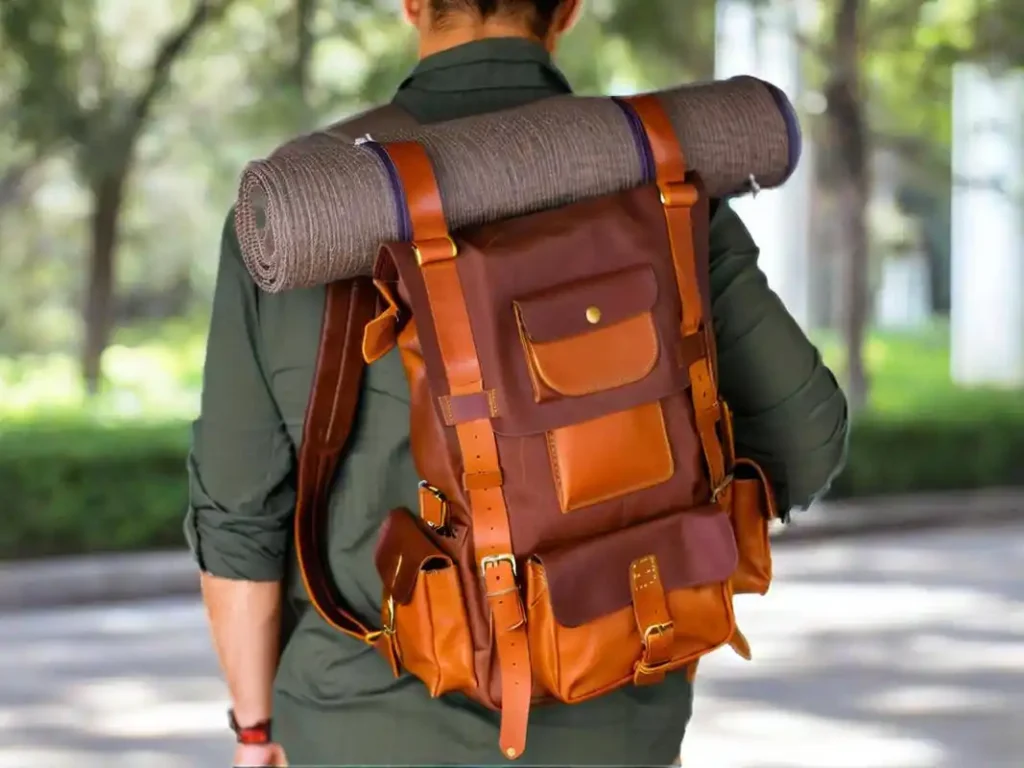
Choosing the right hiking backpack size is one of the most underestimated decisions outdoor users—and even many brands—make. A backpack that is too small forces users to leave out essential gear, while an oversized pack often leads to unnecessary weight, poor balance, and fatigue. In today’s outdoor market, where lightweight gear and multi-functional design are driving demand, understanding backpack capacity is no longer optional—it’s a critical factor that directly impacts comfort, safety, and overall hiking performance.
In real-world scenarios, capacity determines how efficiently gear is packed and carried. A 25L backpack may work perfectly for a short summer hike but quickly becomes insufficient when weather changes or additional equipment is needed. Meanwhile, a 65L pack may seem like a safe choice, but when underfilled, it often creates instability and wasted space. This gap between perceived and actual usage is where most users make mistakes.
A hiking backpack’s capacity, measured in liters, represents its total storage volume. Day hikes typically require 10–30 liters, overnight trips 30–50 liters, multi-day hikes 50–80 liters, and expeditions 70 liters or more. The correct size depends on trip duration, gear type, weather conditions, and packing habits rather than just distance.
From a manufacturing and product development perspective, backpack capacity also affects material selection, structure, and user satisfaction. At Szoneier, optimizing backpack capacity and usability has helped brands improve repeat purchase rates by more than 25%.
Imagine two hikers starting the same three-day journey—one carries a well-balanced 45L pack, while the other struggles with an overloaded 70L bag. By the second day, the difference becomes obvious not only in comfort but also in endurance and safety. This is why understanding backpack capacity is essential for both users and brands.
What Does Backpack Capacity (Liters) Mean?
A hiking backpack’s capacity, measured in liters, refers to the total internal and external storage space available for carrying gear. It directly determines how much equipment a user can bring and plays a central role in selecting the right backpack for different hiking scenarios.
What Is a Liter in Backpack Measurement?
A liter represents one cubic decimeter of space, meaning 1 liter equals 1,000 cubic centimeters. In practical terms, this measurement translates into how much physical gear—such as clothing, food, and equipment—a backpack can hold.
For example, a 20L backpack is generally sufficient for daily essentials like water, snacks, and a light jacket. A 40L backpack can accommodate overnight gear, including extra clothing and food supplies. Larger sizes such as 60L and above are typically used for multi-day or expedition-level trips where tents, cooking equipment, and sleeping systems are required.
However, capacity is not always intuitive. Two backpacks labeled with the same volume may feel very different due to variations in shape, compartment design, and material flexibility. A well-structured 40L backpack may hold more usable gear than a poorly designed 50L pack.
From a production standpoint, capacity is calculated using standardized filling methods. However, real-world usability depends on internal layout efficiency, pocket configuration, compression systems, and fabric stretch characteristics. Szoneier focuses on improving usable capacity rather than just nominal volume, which can increase packing efficiency by up to 18%.
How Do Brands Calculate Backpack Volume?
Backpack volume is typically measured using standardized industry methods such as ASTM or ISO guidelines. The process involves filling all compartments with uniform materials and measuring the total volume.
Different brands may use different approaches. Some measure only the main compartment, while others include external pockets and expandable sections. This leads to variations in how capacity is represented.
A backpack labeled as 50 liters by one brand may feel smaller or larger than another due to these differences. This inconsistency can create confusion for customers and lead to mismatched expectations.
For brands and distributors, inaccurate capacity labeling often results in higher return rates and negative product feedback. To address this, Szoneier provides detailed capacity breakdowns, including main compartment volume and total usable space, along with real-use simulations to ensure accuracy.
Is Bigger Capacity Always Better?
Choosing a larger backpack does not necessarily lead to better performance. Oversized backpacks often encourage overpacking, which increases total weight and reduces mobility. This can lead to fatigue, discomfort, and even a higher risk of injury.
Studies show that carrying loads exceeding 20 to 25 percent of body weight significantly increases physical strain. Larger backpacks also raise the center of gravity, making balance more difficult on uneven terrain.
At the same time, backpacks that are too small create their own problems. Limited space can force users to attach gear externally, which affects stability and accessibility.
The most effective approach is to match backpack capacity with the intended use rather than selecting the largest available option. For brands, offering clearly defined size categories such as 20L, 40L, and 60L helps customers make more informed decisions.
How Many Liters Do You Need for Hiking?
The number of liters required for a hiking backpack depends on trip duration, gear type, weather conditions, and personal packing style. Most hikers need between 10 and 30 liters for day hikes, 30 to 50 liters for overnight trips, and 50 to 80 liters for multi-day adventures.
How Trip Duration Affects Capacity
Trip duration is the most straightforward factor when determining backpack size. Short trips require less gear, while longer trips demand additional equipment such as sleeping systems, cooking tools, and food supplies.
For a single-day hike, a 10–30L backpack is usually sufficient. It can carry water, snacks, a light jacket, and basic safety gear. For one- to two-day trips, a 30–50L backpack allows space for overnight essentials such as a sleeping bag and extra clothing.
Multi-day trips lasting three to five days typically require 50–70 liters to accommodate tents, cooking equipment, and additional supplies. Extended expeditions exceeding five days often require 70–90 liters due to the need for more food, fuel, and specialized gear.
However, duration alone does not determine the correct size. Two hikers on the same trip may require different capacities depending on their gear choices and packing efficiency.
How Gear Type Changes Volume Needs
The type of gear used can significantly influence backpack capacity requirements. Ultralight gear reduces volume by up to 40 percent, while traditional or bulky equipment increases space requirements.
For example, a compact sleeping bag may take up only 5–8 liters, whereas a standard version may require 10–15 liters. Winter sleeping bags can exceed 20 liters due to additional insulation.
Specialized equipment such as cameras or technical gear can also add significant volume. In some cases, this can increase total capacity needs by 10 to 25 liters.
To address these variations, Szoneier develops backpacks with modular compartments and adjustable compression systems, allowing users to adapt the same backpack to different gear configurations.
How Weather and Season Impact Size
Weather conditions have a direct impact on the amount of gear required and, consequently, backpack size. Summer hiking typically requires minimal equipment, while colder or unpredictable conditions demand additional layers and protective gear.
Spring and autumn hikes often require an extra 5–10 liters of capacity for additional clothing. Winter hiking can increase capacity needs by 15–30 liters due to heavier insulation, larger sleeping systems, and safety equipment.
Rainy environments also require waterproof storage solutions, which may add extra bulk. Using advanced materials such as high-density nylon, waterproof Oxford fabrics, and TPU-coated polyester can reduce the need for additional protective gear.
Szoneier integrates these materials into backpack designs to improve durability and weather resistance, helping users minimize unnecessary volume while maintaining protection.
Which Backpack Size Is Best for Different Trips?
Choosing the right backpack size depends on matching capacity with specific trip types. Different hiking scenarios require different amounts of gear, and selecting the correct liter range ensures better comfort, efficiency, and safety.
What Size for Day Hikes (10–30L)?
For day hikes, a backpack between 10 and 30 liters is usually sufficient. These trips typically last a few hours to a full day and require only essential items such as water, snacks, a light jacket, and basic safety gear.
A 15–20L pack is ideal for minimalist hikers who prefer to travel light, especially in stable weather conditions. A 20–30L pack provides additional flexibility, allowing space for extra layers, a first aid kit, and optional equipment like trekking poles or a camera.
From a product design perspective, daypacks prioritize lightweight construction, ergonomic design, and quick-access compartments. Materials such as 210D nylon or lightweight polyester are commonly used to reduce overall weight while maintaining durability.
However, one common mistake users make is choosing a pack that is too small. When capacity is insufficient, gear is often attached externally, which can affect balance and movement. A slightly larger pack with compression straps offers more versatility without compromising comfort.
What Size for Overnight Trips (30–50L)?
For overnight hiking or short camping trips, a 30–50 liter backpack is the most practical choice. This size range allows users to carry sleeping gear, extra clothing, and food supplies while still maintaining manageable weight.
A 30–40L pack works well for experienced hikers using compact or ultralight gear. In contrast, a 40–50L pack is better suited for beginners or those carrying traditional equipment, which tends to be bulkier.
Key items typically included in this range are a sleeping bag, compact tent or shelter, cooking essentials, and additional clothing layers. Efficient packing becomes critical at this level, as space is limited but must accommodate essential gear.
For brands, this category is highly competitive and represents one of the largest market segments. At Szoneier, we often recommend designing backpacks in this range with modular compartments, internal organization systems, and reinforced load-bearing structures to enhance usability and durability.
What Size for Multi-Day Hiking (50–80L)?
Multi-day hiking trips lasting three to five days generally require backpacks between 50 and 80 liters. This capacity range supports carrying tents, cooking equipment, food supplies, and additional clothing for extended outdoor use.
A 50–60L backpack is often sufficient for hikers using efficient packing systems or lightweight gear. A 60–80L pack provides more flexibility for users who prioritize comfort, carry extra supplies, or hike in variable weather conditions.
At this level, backpack design becomes more technical. Features such as adjustable suspension systems, padded hip belts, and load distribution structures are essential to reduce strain during long hikes.
Material selection also plays a crucial role. High-strength fabrics such as 420D nylon or reinforced Oxford materials are commonly used to ensure durability under heavier loads. Waterproof coatings or laminated fabrics are often integrated to protect gear in changing weather conditions.
What Size for Extended Expeditions (70L+)?
For extended expeditions or specialized outdoor activities, backpacks with capacities of 70 liters or more are required. These trips may involve remote locations, extreme weather, or technical equipment, all of which increase gear requirements.
Expedition packs typically carry heavy loads, including multiple days of food, fuel, specialized tools, and additional safety equipment. As a result, structural integrity becomes a top priority.
Backpacks in this category often include reinforced frames, advanced load distribution systems, and high-capacity compartments designed for maximum efficiency. Weight management is critical, as excessive load can significantly impact endurance and safety.
From a manufacturing perspective, this segment requires high-performance materials such as heavy-duty nylon, TPU-coated fabrics, and reinforced stitching. At Szoneier, we support brands in developing expedition-grade backpacks that balance durability, weight, and functionality, ensuring reliability in demanding conditions.
How to Choose the Right Backpack Capacity?
Selecting the right backpack capacity involves balancing multiple factors, including packing style, gear type, trip duration, and personal comfort. The goal is to find a size that provides enough space without adding unnecessary weight.
How to Match Capacity with Packing Style
Packing style varies significantly between users and directly affects capacity requirements. Minimalist hikers focus on reducing gear weight and volume, while traditional hikers prioritize comfort and preparedness, often carrying more items.
Minimalist packing allows hikers to use smaller backpacks by selecting compact and multi-functional gear. This approach can reduce required capacity by up to 30–40 percent. However, it requires careful planning and experience.
Traditional packing, on the other hand, often includes additional clothing, backup equipment, and comfort items. This increases the need for larger backpacks but provides greater flexibility and safety in unpredictable conditions.
For brands, understanding these user segments is essential. Offering backpacks tailored to both minimalist and traditional users can expand market reach and improve product positioning.
How Ultralight vs Traditional Gear Affects Size
Gear selection plays a critical role in determining backpack capacity. Ultralight gear is designed to minimize both weight and volume, allowing users to carry everything in smaller packs. Traditional gear is generally more durable and comfortable but occupies more space.
For example, ultralight tents and sleeping bags are often designed to compress into smaller volumes, while standard versions require significantly more space. Cooking systems, clothing layers, and even food packaging can also vary in size depending on the approach.
The difference between ultralight and traditional setups can result in a capacity variation of 15 to 30 liters for the same trip duration. This is why two hikers on identical trips may use completely different backpack sizes.
Szoneier works with brands to develop backpacks that accommodate both styles by incorporating compression systems and adjustable storage solutions. This flexibility allows a single product to serve multiple user needs.
How to Avoid Overpacking
Overpacking is one of the most common issues hikers face, and it often results from choosing a backpack that is too large. Extra space encourages users to carry unnecessary items, increasing total weight and reducing efficiency.
A practical approach to avoiding overpacking is to select a backpack that closely matches actual gear requirements. Limiting available space naturally encourages better packing discipline.
Another effective strategy is to prioritize essential items and evaluate each piece of gear based on necessity. Removing redundant or rarely used items can significantly reduce both weight and volume.
From a design perspective, backpacks with structured compartments and compression systems help users organize gear more efficiently and prevent overpacking. At Szoneier, we incorporate these features into our designs to enhance usability and improve the overall hiking experience.
What Factors Influence Backpack Capacity Needs?
Backpack capacity is not determined by a single factor. It is influenced by a combination of physical, environmental, and usage-related variables. Understanding these factors helps users select a backpack that truly fits their needs rather than relying on general recommendations.
How Body Size and Strength Matter
A user’s body size and physical strength play a critical role in determining suitable backpack capacity. Larger individuals with stronger core and leg muscles can typically carry heavier loads more comfortably, while smaller or less experienced hikers may need to limit both weight and volume.
Industry guidelines suggest that a loaded backpack should not exceed 20–25% of a person’s body weight. For example, a 70 kg hiker should ideally carry no more than 14–17.5 kg. Exceeding this range can lead to fatigue, poor posture, and increased risk of injury.
Backpack design must also align with body proportions. Torso length, shoulder width, and hip structure all influence how weight is distributed. A well-fitted 50L backpack can feel lighter and more stable than a poorly fitted 40L pack.
For brands, offering adjustable sizing systems and ergonomic designs is essential. At Szoneier, we support customized backpack development with adjustable suspension systems, padded straps, and load-bearing structures that improve comfort across different body types.
How Food and Water Volume Impacts Space
Food and water are among the most space-consuming items in a hiking backpack, especially on longer trips. Unlike clothing or equipment, these items are consumable but must be carried in sufficient quantities at the start of the journey.
Water alone can significantly affect capacity. One liter of water weighs approximately one kilogram and occupies noticeable space. A multi-day hike may require carrying several liters at once, particularly in areas where water sources are limited.
Food requirements also vary depending on trip duration and activity level. High-calorie meals, snacks, and cooking supplies can quickly add bulk. Packaging plays an important role as well; compact, dehydrated meals take up less space compared to traditional food items.
To optimize space, many hikers use hydration systems, compression bags, and modular storage solutions. From a manufacturing perspective, backpacks designed with dedicated hydration compartments and expandable food storage areas can greatly improve usability.
How Tent and Sleeping Gear Change Capacity
Shelter and sleeping systems are among the largest contributors to backpack volume. The size and type of these items can dramatically influence the required capacity.
For example, a compact ultralight tent may occupy 5–8 liters, while a standard two-person tent can take up 10–15 liters or more. Sleeping bags also vary widely in size depending on insulation type and temperature rating.
Cold-weather sleeping systems are particularly bulky. A winter-rated sleeping bag can require 15–25 liters of space, significantly increasing total capacity needs. Sleeping pads and additional insulation layers further add to the volume.
This is why hikers often adjust backpack size based on seasonal requirements and trip conditions. For brands, offering backpacks with external attachment systems or dedicated compartments for tents and sleeping gear can improve functionality without increasing internal volume.
At Szoneier, we design backpacks with flexible storage options, allowing users to carry bulky items efficiently while maintaining balance and comfort.
6. Are Small Backpacks Enough for Hiking?
Small backpacks can be sufficient for certain hiking scenarios, but their effectiveness depends on trip type, gear selection, and user experience. While they offer advantages in weight and mobility, they also come with limitations that must be carefully considered.
When Is a 20L Backpack Enough?
A 20L backpack is generally suitable for short day hikes in stable weather conditions. It can comfortably carry essentials such as water, snacks, a light jacket, and basic safety items.
This size works best for well-planned routes where additional gear is not required. It is particularly popular among casual hikers and those who prefer lightweight travel.
However, even for day hikes, unexpected conditions such as sudden weather changes or extended routes may require additional equipment. In such cases, a 20L pack may feel restrictive.
For this reason, many experienced hikers prefer slightly larger daypacks in the 25–30L range to provide extra flexibility without significantly increasing weight.
Do Minimalist Hikers Need Less Space?
Minimalist hikers often require less backpack capacity because they prioritize lightweight, compact gear and efficient packing strategies. By reducing the number of items carried, they can complete trips with smaller backpacks.
This approach relies on careful planning and experience. Every item must serve a clear purpose, and unnecessary equipment is eliminated. Ultralight gear, such as compact tents and multi-use clothing, plays a key role in reducing volume.
However, minimalist hiking is not suitable for everyone. It requires a higher level of preparation and may limit comfort in certain conditions. Beginners or those hiking in unpredictable environments may find it challenging to adopt this approach.
For brands, offering backpacks designed specifically for minimalist users can create a niche market segment. These designs often focus on lightweight materials, streamlined structures, and efficient organization systems.
What Are the Risks of Too Small Packs?
While small backpacks offer advantages in weight reduction and mobility, choosing a pack that is too small can create several problems.
One of the main risks is insufficient storage space, which may force users to leave behind essential gear. This can compromise safety, especially in changing weather conditions or longer hikes.
Another issue is poor packing efficiency. When space is limited, items may be packed too tightly, making them difficult to access. In some cases, gear may need to be attached externally, which affects balance and increases the risk of loss or damage.
Additionally, small backpacks may lack proper support systems, leading to uneven weight distribution and discomfort during longer hikes.
The key is to find a balance between minimizing weight and ensuring adequate capacity. A slightly larger backpack with adjustable compression can provide flexibility while maintaining efficiency.
Do You Need Extra Capacity for Special Conditions?
Special conditions such as extreme weather, technical terrain, or professional use cases often require additional backpack capacity beyond standard recommendations. These scenarios introduce extra gear, safety equipment, and protective layers that significantly increase volume requirements.
How Winter Hiking Increases Capacity Needs
Winter hiking is one of the most demanding scenarios in terms of backpack capacity. Cold temperatures require multiple layers of insulated clothing, bulkier sleeping systems, and additional safety equipment.
Compared to summer hiking, winter trips typically require an additional 15–30 liters of capacity. Items such as insulated jackets, thermal sleeping bags, gloves, and emergency gear take up substantial space. Even basic items become larger due to the need for insulation.
Another factor is food and fuel. Cold environments increase calorie consumption, which means carrying more food. Fuel-based cooking systems are also more commonly used, adding further bulk.
From a product development perspective, winter backpacks must be designed with larger compartments, reinforced structures, and materials that remain flexible in low temperatures. At Szoneier, we use high-performance fabrics such as TPU-coated nylon and cold-resistant polyester to ensure durability in harsh environments.
What Size for Technical or Mountaineering Trips?
Technical hiking and mountaineering require specialized equipment that significantly impacts backpack capacity. Gear such as ropes, helmets, climbing hardware, and protective clothing must be accommodated safely and efficiently.
Backpacks for these activities typically range from 50 to 80 liters, depending on the duration and complexity of the trip. In some cases, even larger capacities are required for extended expeditions.
Unlike standard hiking backpacks, technical packs must prioritize load stability and equipment accessibility. Features such as gear loops, reinforced attachment points, and compartmentalized storage are essential.
Material strength is also critical. High-density nylon fabrics, reinforced stitching, and abrasion-resistant coatings are commonly used to withstand rough terrain and heavy loads.
Szoneier supports brands in developing technical backpacks that combine durability, functionality, and user comfort, ensuring reliable performance in demanding environments.
How Camera or Work Gear Changes Volume
Carrying additional equipment such as cameras, drones, or professional tools can significantly increase backpack capacity requirements. These items are often bulky, fragile, and require dedicated storage solutions.
For example, a photography setup may include camera bodies, lenses, tripods, and accessories, adding 10–25 liters of additional volume. Similarly, fieldwork equipment or specialized tools can increase space requirements beyond standard hiking needs.
Protecting these items is equally important. Padded compartments, shock-resistant materials, and waterproof designs are necessary to prevent damage.
For brands targeting niche markets such as outdoor photography or professional fieldwork, integrating modular compartments and customizable storage systems can create strong product differentiation.
At Szoneier, we design backpacks with flexible internal layouts and protective features that accommodate both standard hiking gear and specialized equipment.
How Do You Optimize Backpack Space Efficiently?
Efficient use of backpack space is essential for maximizing capacity without increasing size. Proper packing techniques and smart design features can significantly improve usability and comfort.
How to Pack a Backpack Step by Step
Effective packing starts with organizing gear based on weight, frequency of use, and function. Heavier items should be placed close to the back and centered to maintain balance. Lighter items can be positioned toward the top or outer sections.
Sleeping gear is usually packed at the bottom, followed by clothing and cooking equipment. Frequently used items such as snacks, maps, and rain gear should be easily accessible.
Compression bags and packing cubes can help reduce volume and keep items organized. Proper packing not only saves space but also improves weight distribution, making the backpack more comfortable to carry.
Which Items Should Go Inside vs Outside
Deciding which items to store inside or outside the backpack is an important aspect of space optimization. Essential and sensitive items should always be stored inside to protect them from weather and damage.
External attachment points can be used for bulky items such as tents, sleeping pads, or trekking poles. However, overloading the exterior can affect balance and increase the risk of items falling off.
A well-designed backpack provides sufficient internal space and strategic external attachment options. This allows users to carry additional gear without compromising stability.
At Szoneier, we focus on balanced designs that minimize the need for external attachments while maintaining flexibility for different use cases.
How Compression and Organization Help
Compression systems play a key role in optimizing backpack space. By tightening the load, they reduce unused volume and prevent items from shifting during movement.
Internal organization features such as compartments, dividers, and pockets help users separate gear efficiently. This not only improves accessibility but also ensures that space is used effectively.
Advanced designs may include expandable sections, modular compartments, and adjustable storage areas. These features allow a single backpack to adapt to different trip requirements.
From a manufacturing perspective, combining compression systems with durable, flexible materials enhances both functionality and user experience. Szoneier integrates these elements into custom backpack designs to meet the needs of various outdoor markets.
Choosing the right hiking backpack capacity is not just about selecting a number of liters. It is about understanding how different factors—trip duration, gear type, weather conditions, and personal preferences—interact to determine the most suitable size. A well-matched backpack improves comfort, efficiency, and safety, while a poorly chosen one can negatively impact the entire outdoor experience.
For brands and businesses, backpack capacity is also a key factor in product development and market positioning. Clear sizing, functional design, and high-quality materials directly influence customer satisfaction and long-term success.
At Szoneier, we specialize in helping brands develop custom hiking backpacks that align with real user needs. With over 18 years of experience in fabric innovation and bag manufacturing, we offer full customization including material selection, structural design, branding, and performance optimization.
If you are planning to develop or upgrade your hiking backpack product line, share your requirements with us. Our team will support you with professional design solutions, fast sampling, and reliable production to bring your ideas to market efficiently.

Can't find the answers?
No worries, please contact us and we will answer all the questions you have during the whole process of bag customization.
Make A Sample First?
If you have your own artwork, logo design files, or just an idea,please provide details about your project requirements, including preferred fabric, color, and customization options,we’re excited to assist you in bringing your bespoke bag designs to life through our sample production process.